India's Economic Strategy: Managing External Pressures and Domestic Consumption
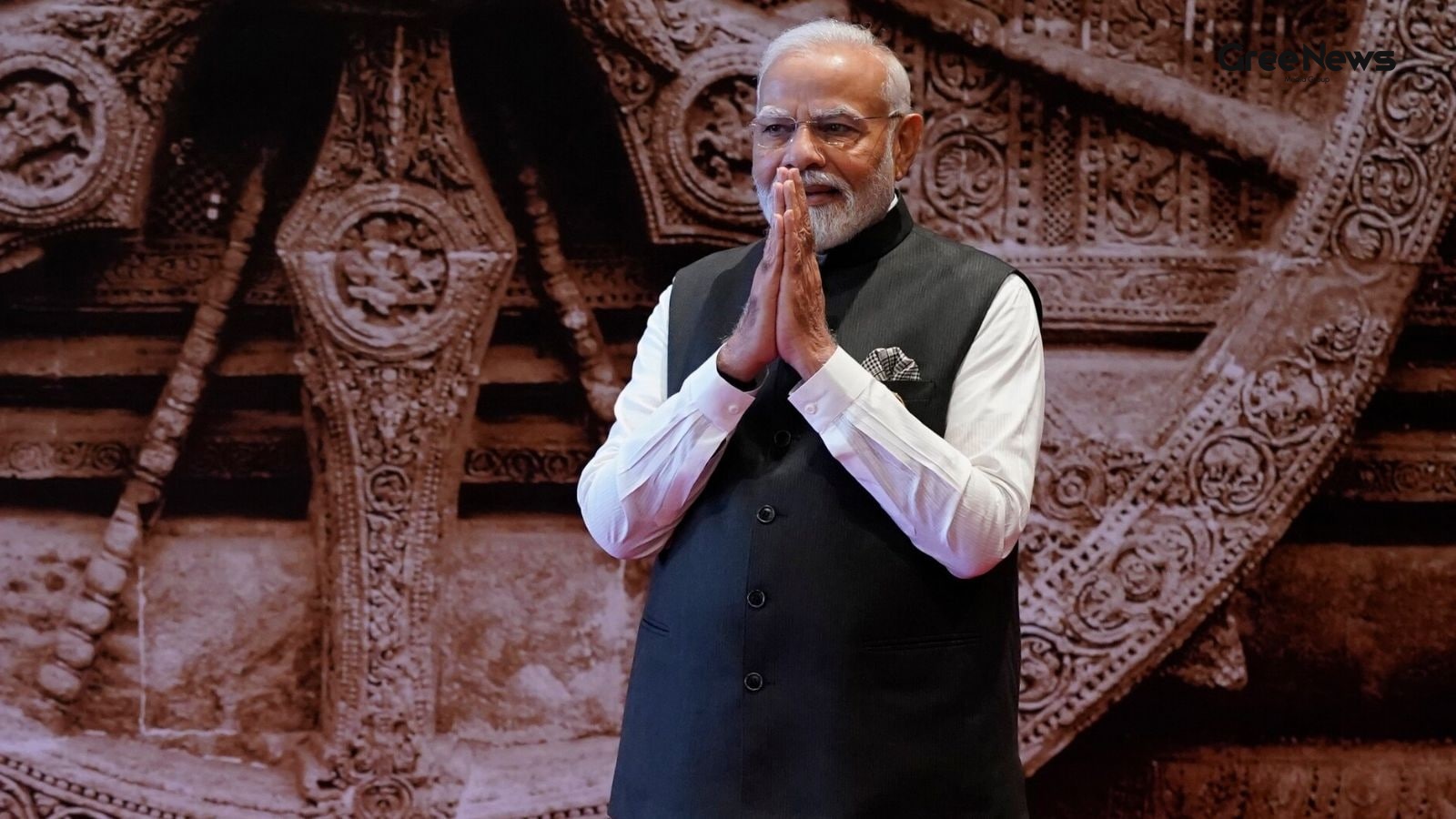
For weeks now, things have been moving quietly. A conversation. It’s happening behind closed doors, you know? In those review meetings, the economic briefings, the strategic talks. People aren't just looking at the growth story of India anymore. They are looking at what could actually slow it down.
And somewhere in the middle of all that back-and-forth, Prime Minister Modi starts making these appeals. They feel unusual. Many people just misunderstood them right away.
He asks ministers to cut down on unnecessary foreign travel. He pushes for fuel conservation. He tells families to think twice about buying gold. He suggests Indians should just take holidays inside the country instead of flying abroad.
This isn't some kind of secret code signaling economic panic. It’s not an indication that the government is suddenly planning some kind of harsh austerity measures. That’s just not what’s going on.
People who are actually in the know, the ones who hear these discussions, they say the exact opposite.
The government isn’t cutting spending. No, there’s no plan to slash subsidies. Welfare spending? That’s staying put. And capital expenditure—the big stuff, the highways, the railways, the airports, the defense infrastructure—that’s still the backbone of the Modi government’s economic strategy.
Officials keep pointing out that public investment is still running at historically high levels. Why? Because Delhi genuinely believes that spending infrastructure creates jobs. It stimulates demand. It keeps the whole economic cycle moving. It’s about momentum.
This isn't some desperate attempt to prepare citizens for a recession. It’s a government trying to protect the speed. That distinction is huge. It matters a lot.
India today sits in a strange spot in the global economy. It’s rare. While other big economies are struggling with stagnation, weak consumption, or just general geopolitical uncertainty, India keeps projecting itself as the fastest-growing major economy. Inside government circles, there’s a huge sensitivity about keeping that image. Keeping that confidence alive.
What worries the policymakers isn't domestic consumption. No, that’s not the main fear. The real worry is external.
The government actually wants Indians to spend. Consumption drives growth. Markets need buyers. Factories need demand. Services need customers. Officials admit privately that strong consumer activity is absolutely essential if India wants to maintain growth rates that keep it ahead of the rest of the world.
But there’s this other side to the story. A shadow there.
India still relies heavily on imports for some of its most basic needs. Crude oil is the most obvious vulnerability, of course. Gold imports keep putting pressure on the economy every festive season, every wedding cycle. Foreign holidays mean a big outflow of valuable foreign exchange. Every barrel of imported fuel, every spike in gold demand, every surge in overseas spending—it all piles up on India’s current account deficit.
And that is precisely where the government’s focus lands.
The message coming out of Delhi, the one that’s starting to surface, is surprisingly simple. Spend . But spend in a way that actually strengthens India, instead of just increasing the external vulnerabilities.
An official who was close to these internal talks described it bluntly. “The concern isn't that Indians are spending money. The concern is where that money is going.”
Think about fuel, for example. India imports almost all of its crude oil. Every geopolitical flare-up in the Middle East, every shipping hiccup, every jump in global crude prices—it hits India’s economy hard. The government has managed to absorb most of that shock without passing the full burden onto the common person. Petrol and diesel prices haven’t seen those runaway spikes many feared. But that cushioning? It costs something.
So, fuel conservation starts looking less like an environmental plea. It becomes an economic and strategic necessity.
And then there’s gold. It has this strange emotional weight in India. For millions of families, buying gold isn't just an investment choice. It’s culture. It’s tradition. It’s status. It’s security bundled all together. Weddings can’t happen without it. Festivals revolve around it. But for the government, those massive gold imports translate into billions of dollars just flowing out of the country.
That’s the same logic that pushes for domestic tourism. A family vacation in Dubai or Europe might seem like a personal whim. But when you multiply that across millions of Indians, it becomes a serious foreign exchange drain. A holiday in Kerala, or Kashmir, or the Northeast? That keeps the money circulating right here, within the Indian economy.
People in the government insist there’s no panic. There are no shortages. No emergency controls are being planned. India is not staring down an economic cliff. But there’s this growing recognition that the global environment is just too unpredictable now. It’s unpredictable enough to warrant some preventive caution.
That’s why the Prime Minister’s messaging is shifting. It stops sounding like textbook economics. It starts sounding more like a call for collective national behavior.
In private conversations, some officials are drawing parallels to the psychology of wartime economies. Not because India is in an actual economic war, obviously. But because the government feels that public participation is vital when the global conditions are shaky. The idea is to build up resilience before the pressure becomes unavoidable.
What makes this political stuff so interesting is the framing. Modi isn't asking people to tighten their belts in the old sense. There’s no appeal to stop spending entirely. No lecture about deprivation. Instead, the messaging is carefully calibrated. It says: keep spending. Keep consuming. Keep supporting growth. But make choices. Make choices that reduce India’s dependence on imports. Reduce that drain on foreign exchange.
It’s economic nationalism. But they don't use those exact words too loudly. It’s subtle.
Some observers got confused by this. India’s political language tends to link restraint with weakness. But the approach coming from Delhi right now isn't about defensive economics. It’s pre-emptive economics. They are trying to get ahead of the curve.
The government understands something crucial. India’s growth story depends heavily on perception. Investor confidence. Stable macroeconomic indicators. And the belief that India is somehow insulated from global chaos better than most other nations. If the current account deficit widens, if import pressures mount, if external shocks hit, that perception can shatter.
So, Delhi is trying to manage that perception. They are trying to hold the line.
And there’s a political layer underneath all this. Modi has a knack for turning big governance challenges into mass-participation campaigns. Sanitation. Digital payments. Vaccination. Water conservation. The latest messaging seems designed in that same mold. Making citizens feel like stakeholders in the stability of the economy.
Essentially, the government is communicating this: we’ve managed to shield the economy from external shocks. We’ve absorbed global pressures. We’ve kept growth going. We’ve kept consumers from facing the harshest consequences. Now, citizens can contribute, too. In small ways.
Use public transport once a week. Cut down on wasteful fuel use. Try domestic travel more often for a while. Delay those non-essential gold purchases. These things alone won't fix the economy overnight. But the policymakers believe they can ease the pressure on India’s import bill. They can strengthen the economy’s resilience when the world is still volatile.
It’s not austerity. It’s a strategy. It’s a government trying to ensure that the growth story doesn’t lose its speed because of vulnerabilities that, frankly, they can still control. It’s about steering the ship, not just trimming the sails.
Written by Gree News Team — Senior Editorial Board
Gree News Team covers international news and global affairs at Gree News. Our collective of senior editors is dedicated to providing independent, accurate, and responsible journalism for a global audience.
More from India
View All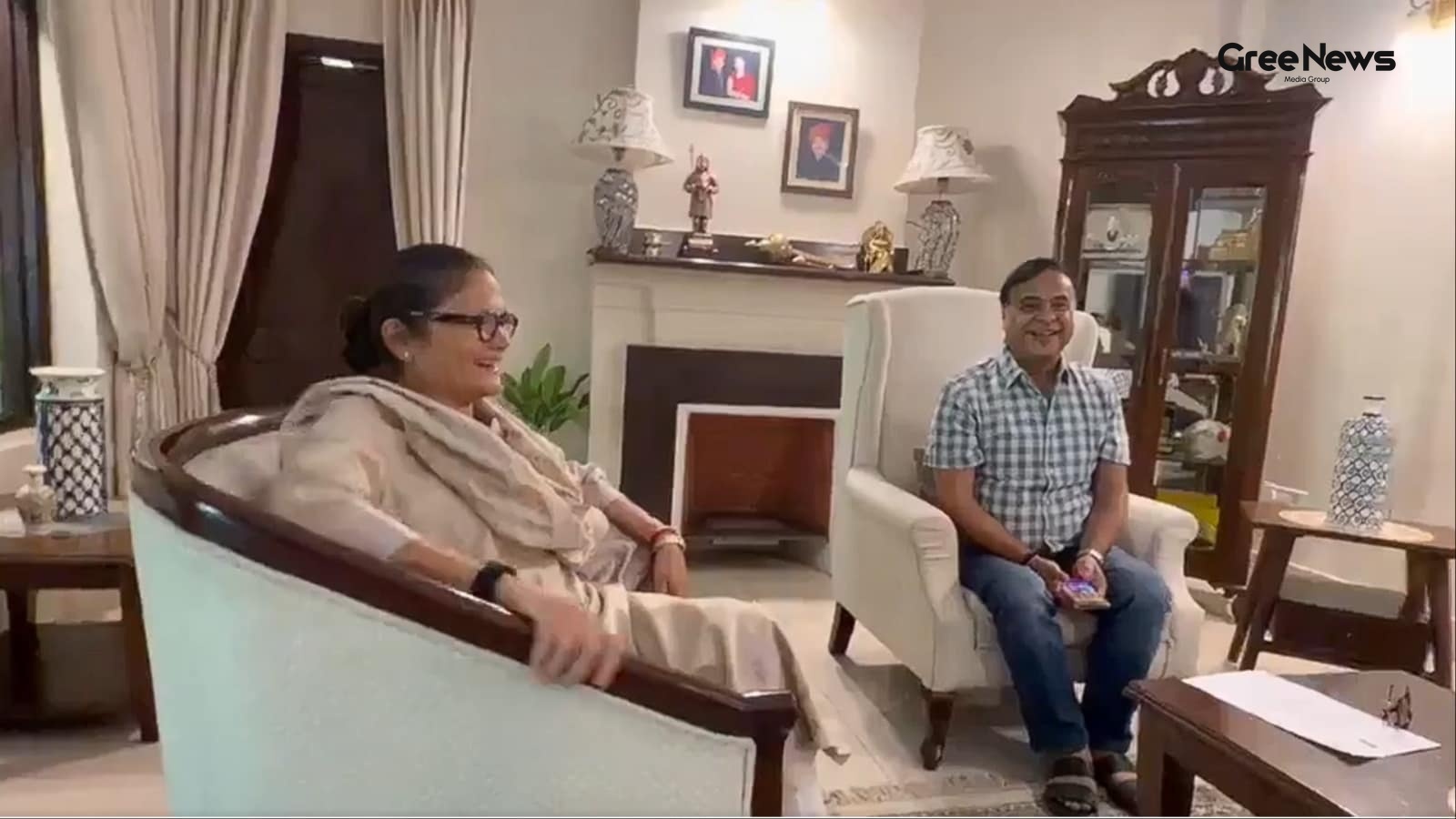
Political Speculation and Internal Turmoil within the TMC
Fresh visuals surfaced of Sushmita Dev meeting Assam Chief Minister Himanta Biswa Sarma. That kind of thing just kicks the speculation into high gear about her next move. It’s all about her potential entry into the BJP, right? This happened right after she stepped down from Rajya Sabha and walked ou
Jun 10, 2026 by Gree News Team
Threats and Intimidation Against Former Judge Justice Gautam Patel
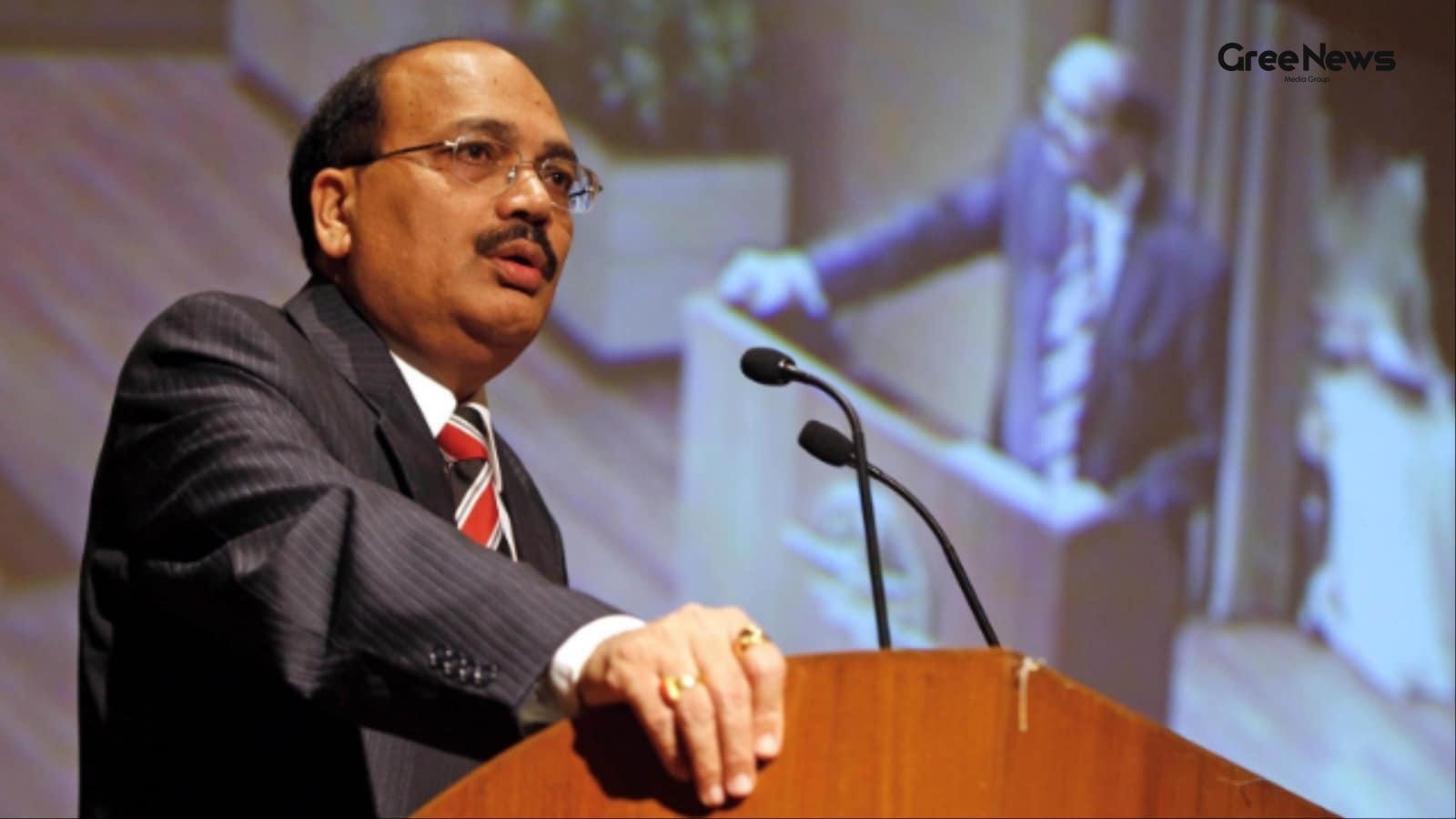
Chief Justice Surya Kant stepped in on the matter involving threats and intimidation aimed at former Bombay High Court judge Justice Gautam Patel. This happened while he was visiting the UK, raising the issue with India’s High Commissioner there. It came out of a report by The Times of India. The wh
Jun 10, 2026 by Gree News Team
The Political Feud: Shivakumar vs. Kumaraswamy and the Vokkaliga Rivalry
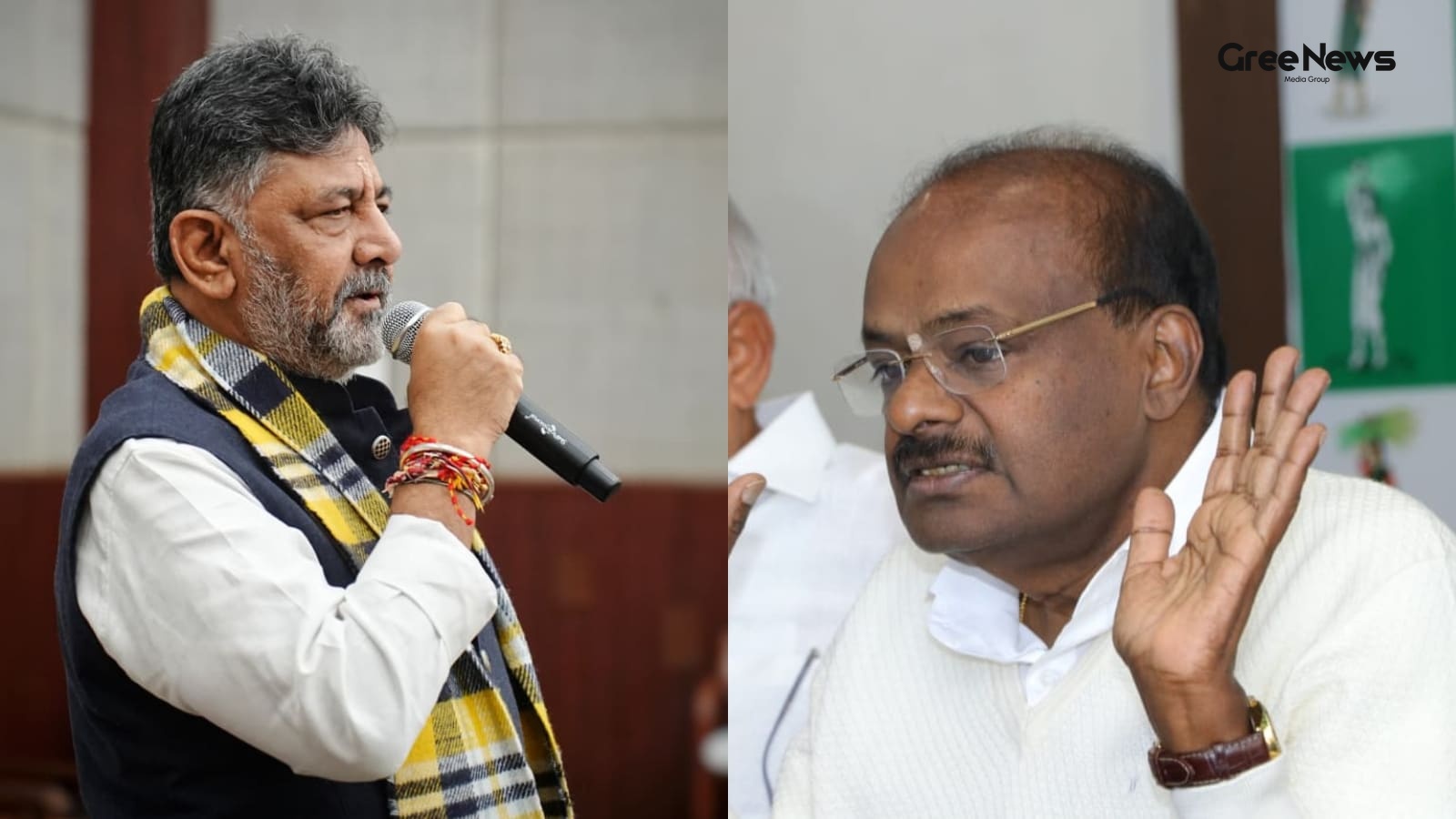
A meeting that hasn't even happened is already sparking political sparring. Karnataka Chief Minister DK Shivakumar and Union Minister HD Kumaraswamy. It just underlines how bitter one of the state’s longest-running rivalries still is. Shivakumar was doing some outreach, a carefully choreographed exe
Jun 10, 2026 by Gree News Team
The Global Nuclear Arms Race: Spending, Capabilities, and Future Risks
Nearly eight decades since Hiroshima and Nagasaki. And the world’s nuclear powers aren't slowing down. They keep spending more, modernizing faster, and experts are watching them move weapons out of storage and into potential use. It’s a real arms race happening right now. The nine states that hold n
Jun 10, 2026 by Gree News Team
Latest Headlines
Political Speculation and Internal Turmoil within the TMC
Fresh visuals surfaced of Sushmita Dev meeting Assam Chief Minister Himanta Biswa Sarma. That kind of thing just kicks the speculation into high gear about her next move. It’s all about her potential entry into the BJP, right? This happened right after she stepped down from Rajya Sabha and walked ou
Jun 10, 2026 by Gree News Team
FIFA World Cup 2026: Structure, Geography, and the Official Match Ball
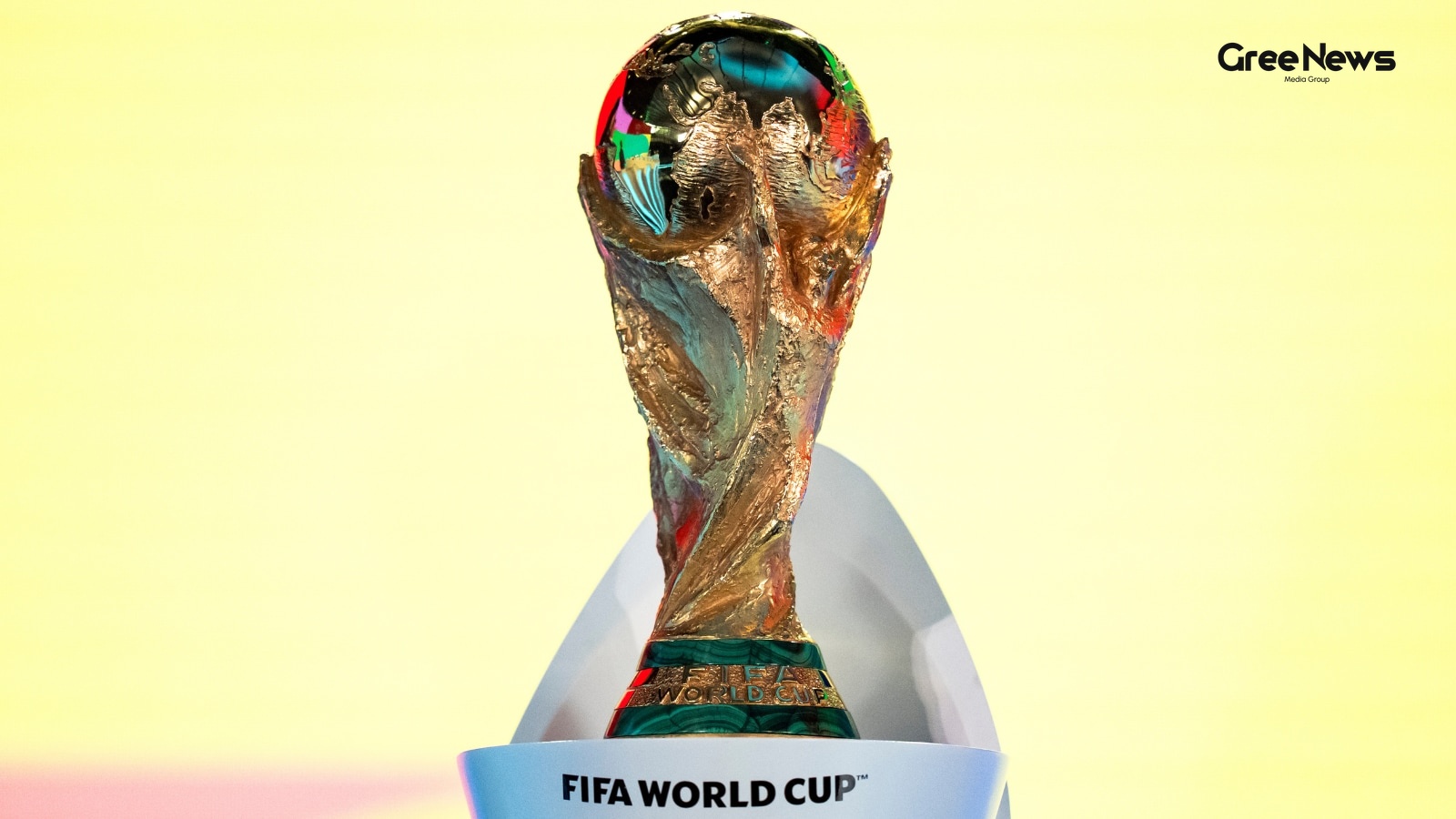
The FIFA World Cup 2026 is really starting to feel imminent now. It’s heading toward North America the USA, Mexico, and Canada are slated to host this massive global spectacle. People are talking about it constantly. It’s not just a standard tournament anymore. This time around, they’re throwing way
Jun 10, 2026 by Gree News Team

Lionel Messi and Argentina's World Cup Journey in Group J
Argentina’s taking on Group J in this new setup USA, Mexico, and Canada it feels like more than just football now. It’s about that farewell, isn't it? Lionel Messi is chasing something special right now, playing out this final chapter with the Albiceleste against Algeria, Austria, and Jordan. There’
Jun 10, 2026 by Gree News Team

Federal Judge Bars Nitrogen Gas Execution in Alabama
A federal judge just slammed the door shut on Alabama’s plan to use nitrogen gas for executing Jeffery Lee. Permanently barred it, ruling the method violated basic constitutional rights about cruel and unusual punishment. This decision dropped like a stone. It came just one day after an appeals cour
Jun 10, 2026 by Gree News Team
Kerala Board Plus One Results 2026 Announcement and Checking Methods
The Kerala Board Plus One results for 2026 are finally coming today, June 10th. That’s when the Directorate of Higher Secondary Education will officially announce everything. Students who took the DHSE Kerala Class 11 exams in 2026 can start checking their scores now. You have a few places to look,
Jun 10, 2026 by Gree News Team
Threats and Intimidation Against Former Judge Justice Gautam Patel
Chief Justice Surya Kant stepped in on the matter involving threats and intimidation aimed at former Bombay High Court judge Justice Gautam Patel. This happened while he was visiting the UK, raising the issue with India’s High Commissioner there. It came out of a report by The Times of India. The wh
Jun 10, 2026 by Gree News Team

Intersection of Art, Politics, and Public Morality at Film Screening
The buzz around the screening for ‘Bharat Bhhagya Viddhaata’ was definitely something special that Tuesday evening in Delhi. It wasn't just about watching a movie; it felt like a convergence a mix of film fans, some political heavyweights, and a surprising amount of high-level government presence. P
Jun 10, 2026 by Gree News Team
The Political Feud: Shivakumar vs. Kumaraswamy and the Vokkaliga Rivalry
A meeting that hasn't even happened is already sparking political sparring. Karnataka Chief Minister DK Shivakumar and Union Minister HD Kumaraswamy. It just underlines how bitter one of the state’s longest-running rivalries still is. Shivakumar was doing some outreach, a carefully choreographed exe
Jun 10, 2026 by Gree News Team
Protest and Political Standoff in Mexico City Before the World Cup
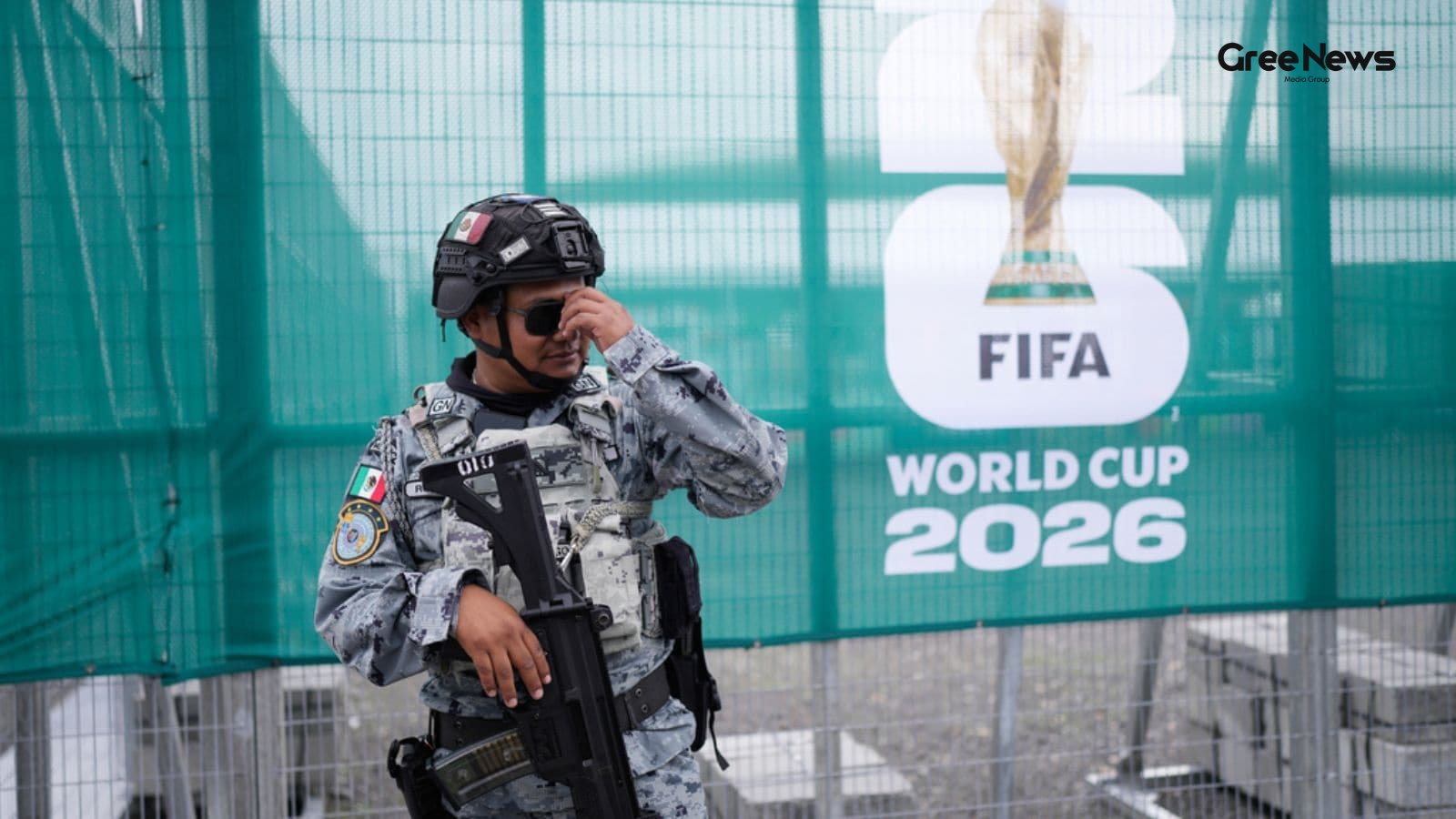
A protest choked off an avenue leading right to Mexico City’s Azteca Stadium for hours on Tuesday. It was just days before that massive World Cup opening match. As football fans started flooding in, all those co-hosts the US, Canada, and Mexico you see the real mess happening back home. Thousands of
Jun 10, 2026 by Gree News Team
The Global Nuclear Arms Race: Spending, Capabilities, and Future Risks
Nearly eight decades since Hiroshima and Nagasaki. And the world’s nuclear powers aren't slowing down. They keep spending more, modernizing faster, and experts are watching them move weapons out of storage and into potential use. It’s a real arms race happening right now. The nine states that hold n
Jun 10, 2026 by Gree News Team
The Chaos of Cinema: Volume, Competition, and the Shifting Market
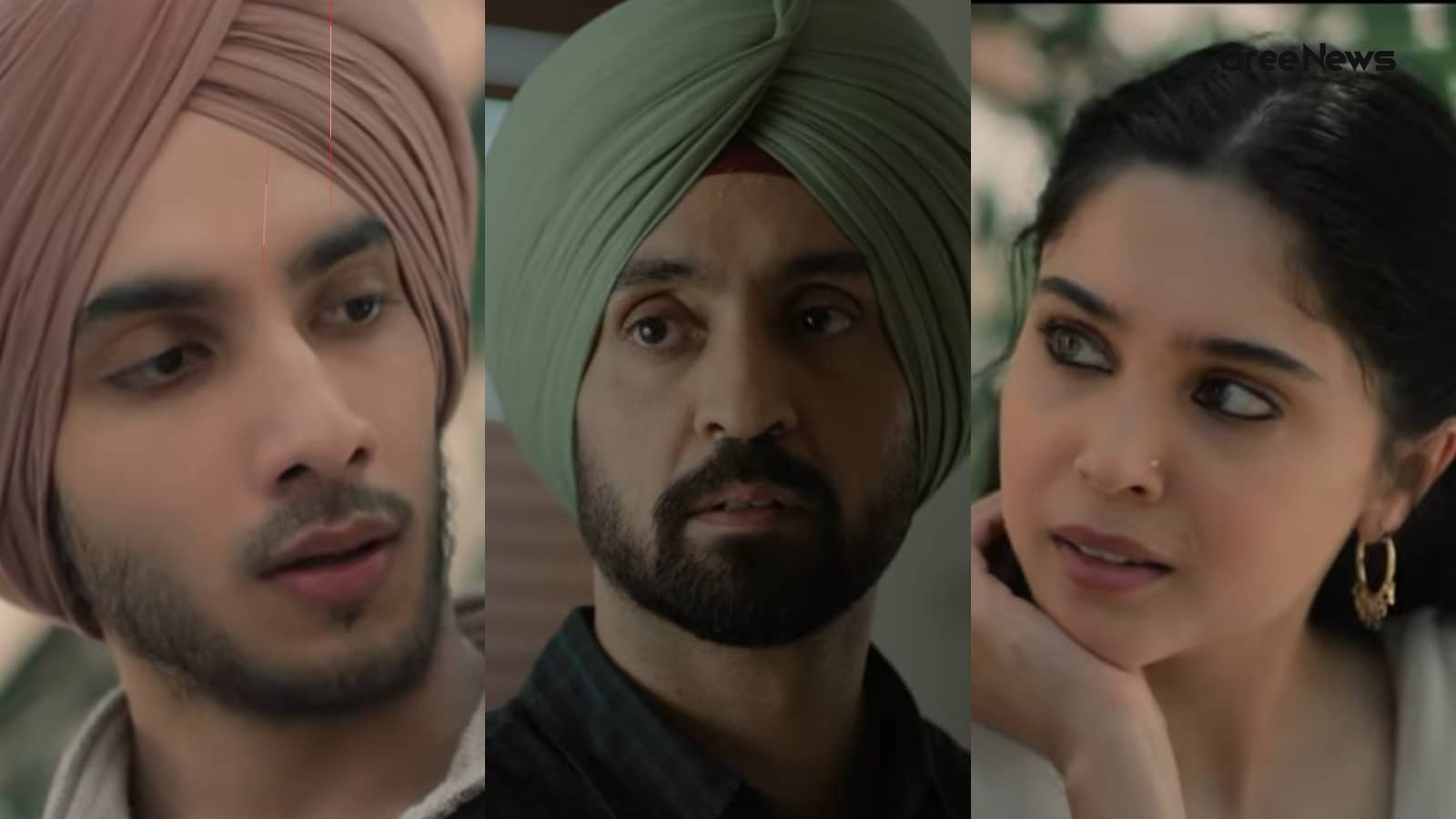
The Friday arrived packed. June 12th. It wasn't just another day; it was a collision of cinema. Nine films, all hitting the screens at once. *Main Vaapas Aaunga*, Imtiaz Ali’s directorial effort. Then you had Kangana Ranaut’s *Bharat Bhhagya Vidhaata*. And the horror mixed in Vikram Bhatt’s *Haunted
Jun 10, 2026 by Gree News Team

Stock Market Updates: June 10th Performance and Sector Analysis
Stock market updates today, June 10th. Everything turned sour in late trading Wednesday. Domestic equity markets basically gave up all those gains they managed to hold during the day. Heavy selling hit midcap, smallcap stocks, plus metals, realty, and financial names dragging the main indices into n
Jun 10, 2026 by Gree News Team
Iran Football Team Travel and World Cup Arrangements
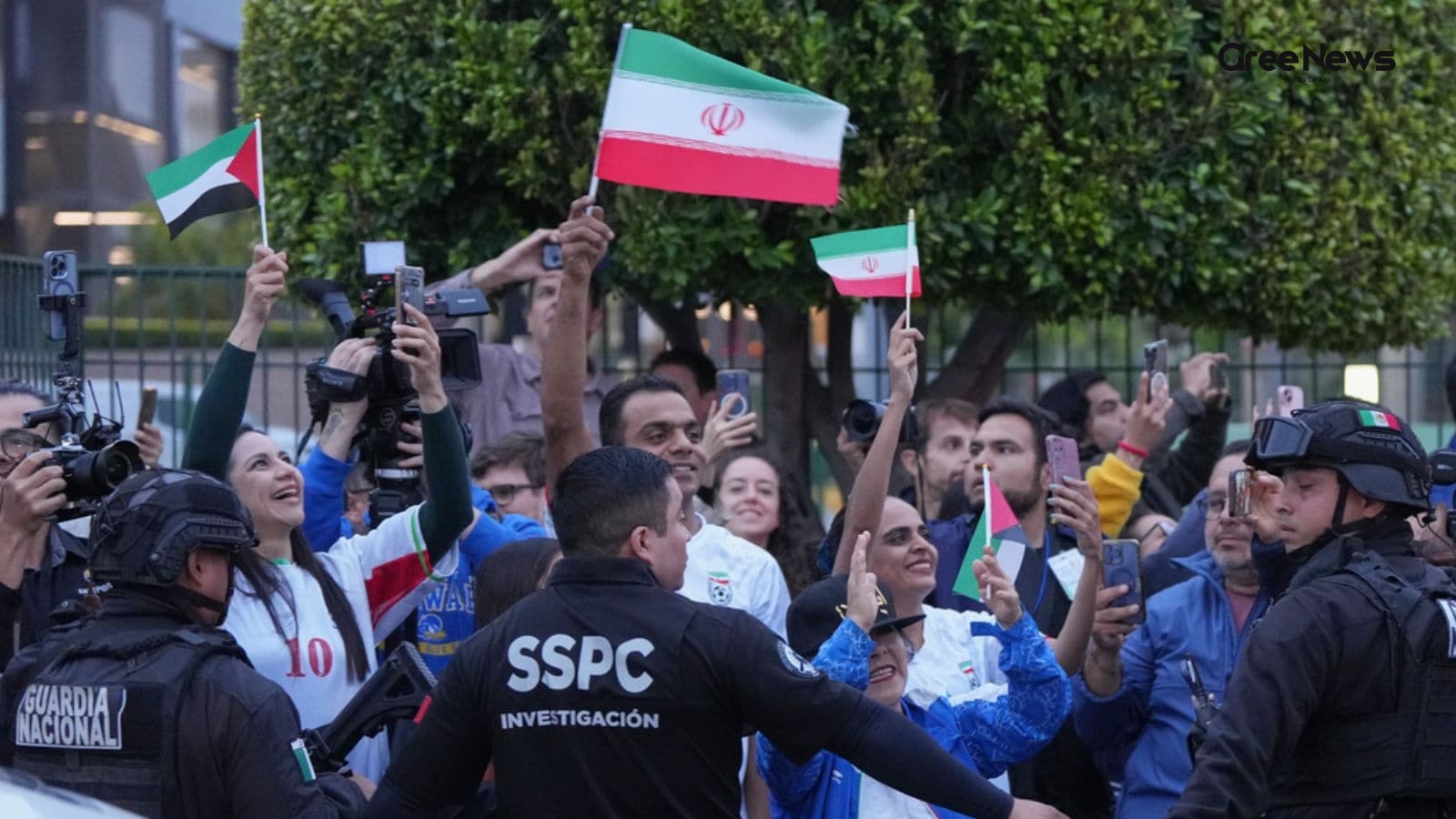
Iran’s football team is heading to Los Angeles, apparently. They announced Tuesday that they'll be flying there the day before their first group-stage game against New Zealand. It feels like a lot happening all at once. But where exactly will they be staying? They won't actually be in L.A. for long.
Jun 10, 2026 by Gree News Team

The Impact of Gen AI on Job Applications and Hiring Strategies
When you start looking for a job, everyone builds this whole structure: the résumé, that killer cover letter, tailoring it perfectly. The whole point was always that application could make you jump out from the crowd of hundreds of applicants. But honestly? Recruiters are starting to think that play
Jun 10, 2026 by Gree News Team
Narendra Modi's Milestone: India's Longest-Serving Prime Minister
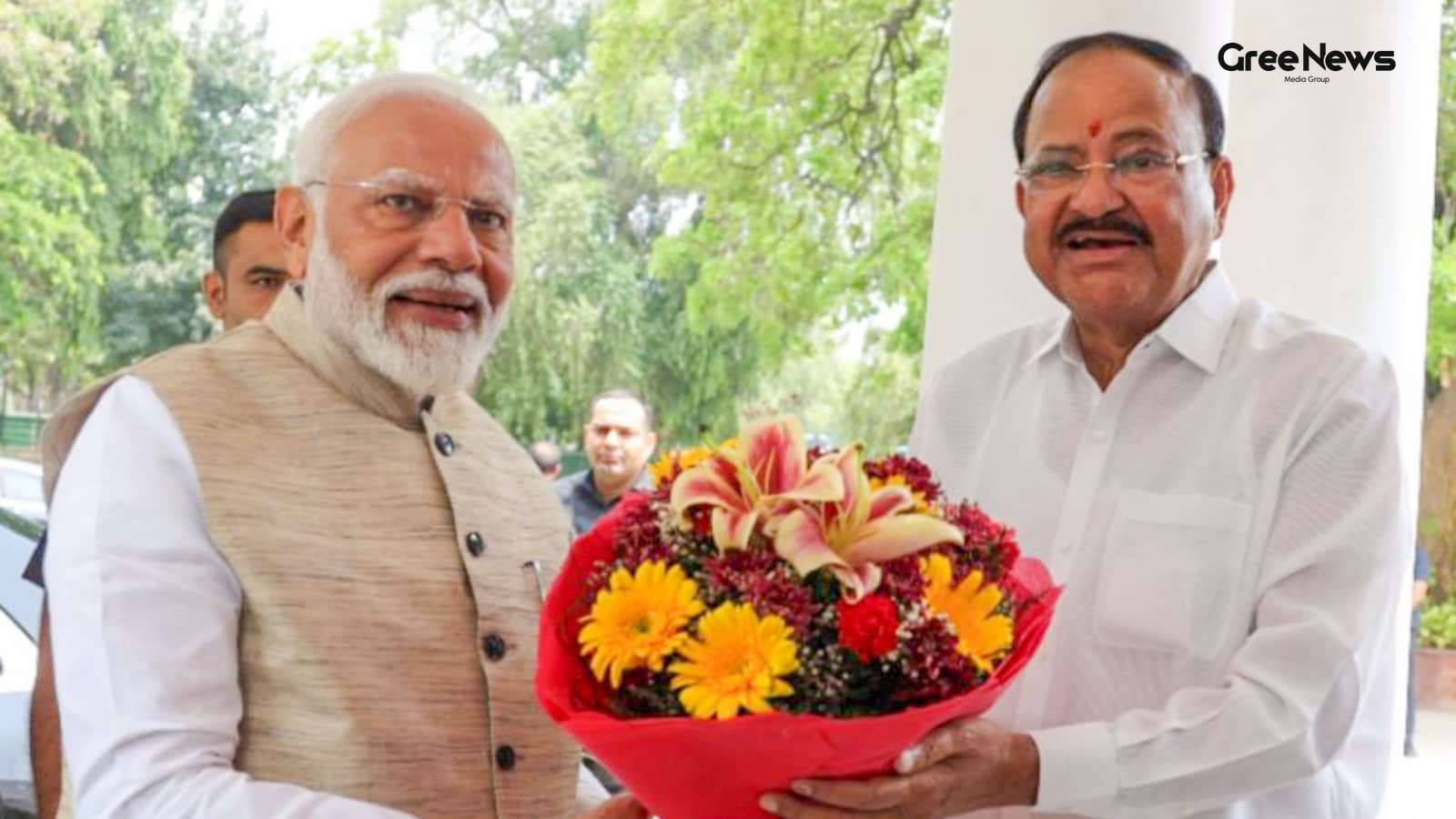
Narendra Modi just hit a huge milestone. India’s longest-serving elected Prime Minister. Forty-three hundred ninety-nine days in office now. That beats Nehru's record, which was the first one. Former Vice President Venkaiah Naidu spoke about it. He praised the leadership and everything Modi has done
Jun 10, 2026 by Gree News Team