Iran-US Ceasefire, Military Calculus Shift, and Regional Fallout
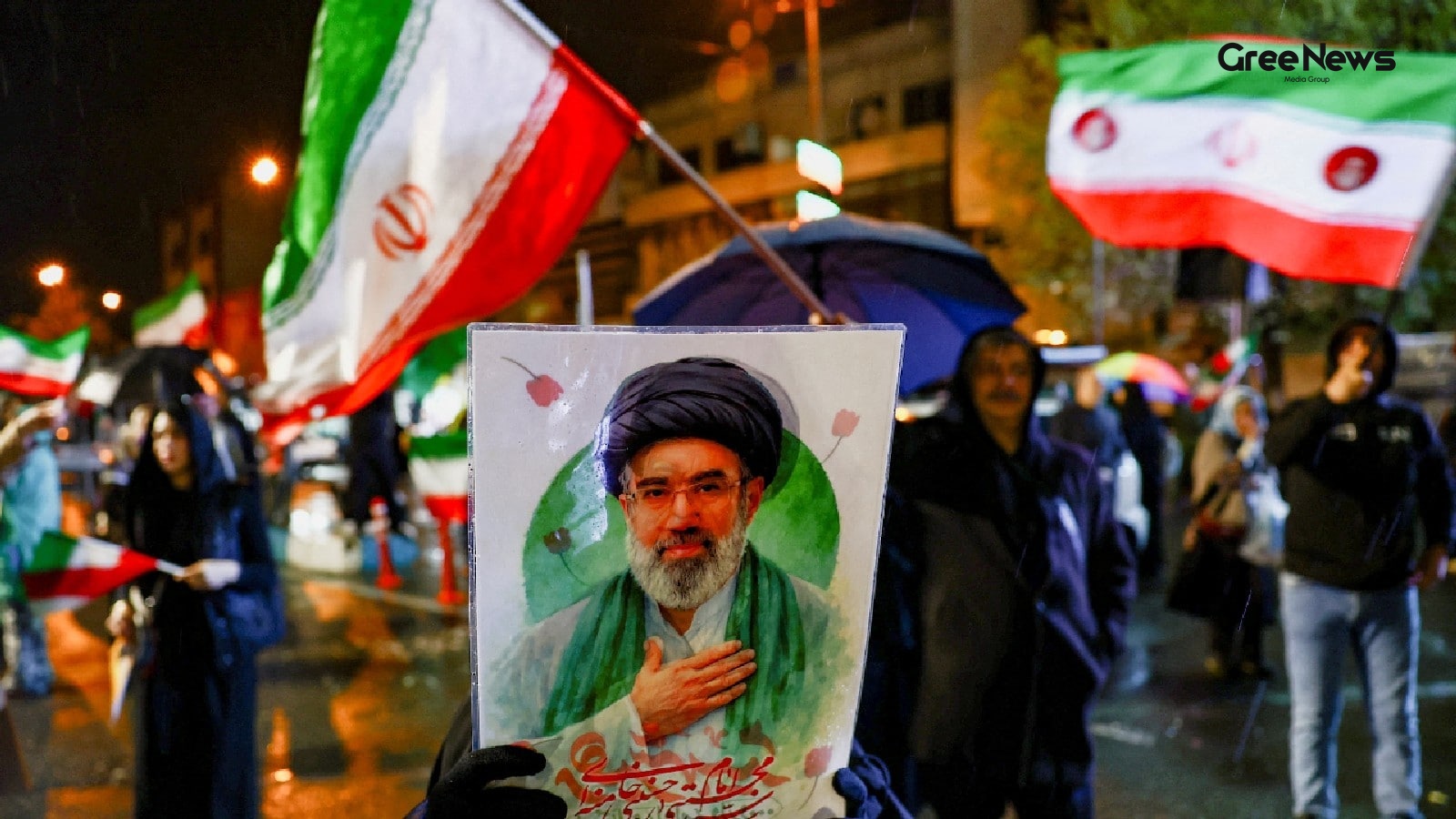
The ceasefire between Iran and the United States? It’s just holding on. That fragile peace is under real strain now. President Trump warned Sunday that the "clock is ticking" regarding renewed military action. Then, just a day later, he said planned attacks were paused, stuck in "serious negotiations."
But Iran isn't backing down. They’ve signaled they’re ready for another wave of strikes. Tehran is clearly preparing for more. And if they hit, the fallout won't stay confined. We’re talking retaliation hitting the Gulf nations. Global economy disruption. It’s a massive risk.
Security experts are saying Iran’s entire military calculus has shifted. It’s not what they thought it would be.
Hamidreza Azizi, an expert on Iranian security stuff at the German Institute, he said Iran initially budgeted for a long fight. Nearly three months, that was the expectation during the first round this year.
Because of that timeline, they managed their missile use carefully. They saved weapons for sustained strikes against Israel and other regional targets over weeks. But now? The leaders reportedly think any future war will be shorter. Way more intense.
Azizi points out this change. Officials now expect coordinated, heavy hits aimed right at the energy infrastructure. They want to weaken everything fast. Economic and military capabilities.
This means Iran might go for a much more aggressive opening move. Right from the start of any new confrontation.
What are the options? Iran could hit hard. Missile strikes aimed at Israel, at the U.S. targets. Then they could hit the Gulf oil facilities. Disrupting shipping routes. Think the Strait of Hormuz, or Bab-al-Mandeb.
Look at what they might do. Experts think hitting Gulf energy infrastructure is a big play. Azizi suggested they could launch tens, maybe hundreds of missiles daily. Just to force a reaction. To make enemies rethink their whole military strategy.
That pressure would hit major oil producers immediately. Oil fields, refineries, ports across the Gulf. They are strategically vital. If those facilities get badly damaged? Global oil markets would buckle. And that instability would put massive pressure on President Trump.
Countries like the UAE, Kuwait, Saudi Arabia. They could get dragged deeper into this mess. Something many Gulf leaders desperately tried to avoid.
And the rhetoric? It’s gotten ugly. Iranian officials and commentators aligned with the government have ramped up hostility towards the UAE in recent weeks.
Tehran has specific anger. They feel the UAE helped facilitate attacks on Iran. Letting the U.S. use military bases there. There’s also this growing sense that both the UAE and Saudi Arabia secretly participated in strikes against Iran during the recent U.S.-Israeli campaign.
A podcast interview last month brought this into sharper focus. Mehdi Kharatian, someone believed to be close to the security forces, warned something extreme. He suggested Iran could force the Emirates "back to the era of riding camels" if they were attacked again. He even claimed Iran could occupy Abu Dhabi if they had to.
These statements sound wild. But the experts quoted by the NYT say they reflect serious thought inside Iran’s security structure. It’s not just talk.
Ali Alfoneh, a senior fellow at the Arab Gulf States Institute, he saw this. He said the comments show important views moving around the leadership of the Islamic Revolutionary Guards Corps. He dismissed claims that Saudi Arabia and Iran were secretly planning a nonaggression pact as just unrealistic noise.
He argued that Iran’s real leverage against American action? It’s the threat they pose to major oil producers. That’s one of the few effective tools they have.
They might also try to squeeze through maritime routes. One target? The Bab-al-Mandeb Strait. That narrow channel connects the Red Sea and the Gulf of Aden. A tenth of global trade flows through there. It’s right near Yemen, where the Houthi militia is backed by Iran.
Iran already used its position near the Strait of Hormuz to gain energy market leverage during the earlier fighting. Now they might use it differently.
Azizi suggested Iran could try to force the U.S. to split its focus. Instead of just one front. They could restrict shipping through Bab-al-Mandeb.
Any disruption there? It adds immense strain to global trade. It piles pressure onto markets already shaky because of instability in the Gulf.
Whether this works depends on the Houthis in Yemen. They’ve publicly promised defense for Iran if a wider war erupts. But during the last fighting, they kept it quiet. Avoided big escalation.
Experts think the militia is probably just calculating. How much of their dwindling military stockpile they can risk using. That caution might stick around, even if fighting resumes. Even while Iran seeks stronger regional backing against the U.S. and Israel.
Then there’s the immediate political angle. Trump, he delayed a strike. Why? Because of requests. From Qatar. From Saudi Arabia. From the UAE.
On Monday, Trump said he postponed the strike. Key Gulf leaders reportedly urged him to hold off. They cited ongoing talks. Talks that could lead to an aGreement. One that stops Tehran from getting nuclear weapons.
Written by Gree News Team — Senior Editorial Board
Gree News Team covers international news and global affairs at Gree News. Our collective of senior editors is dedicated to providing independent, accurate, and responsible journalism for a global audience.
More from World
View All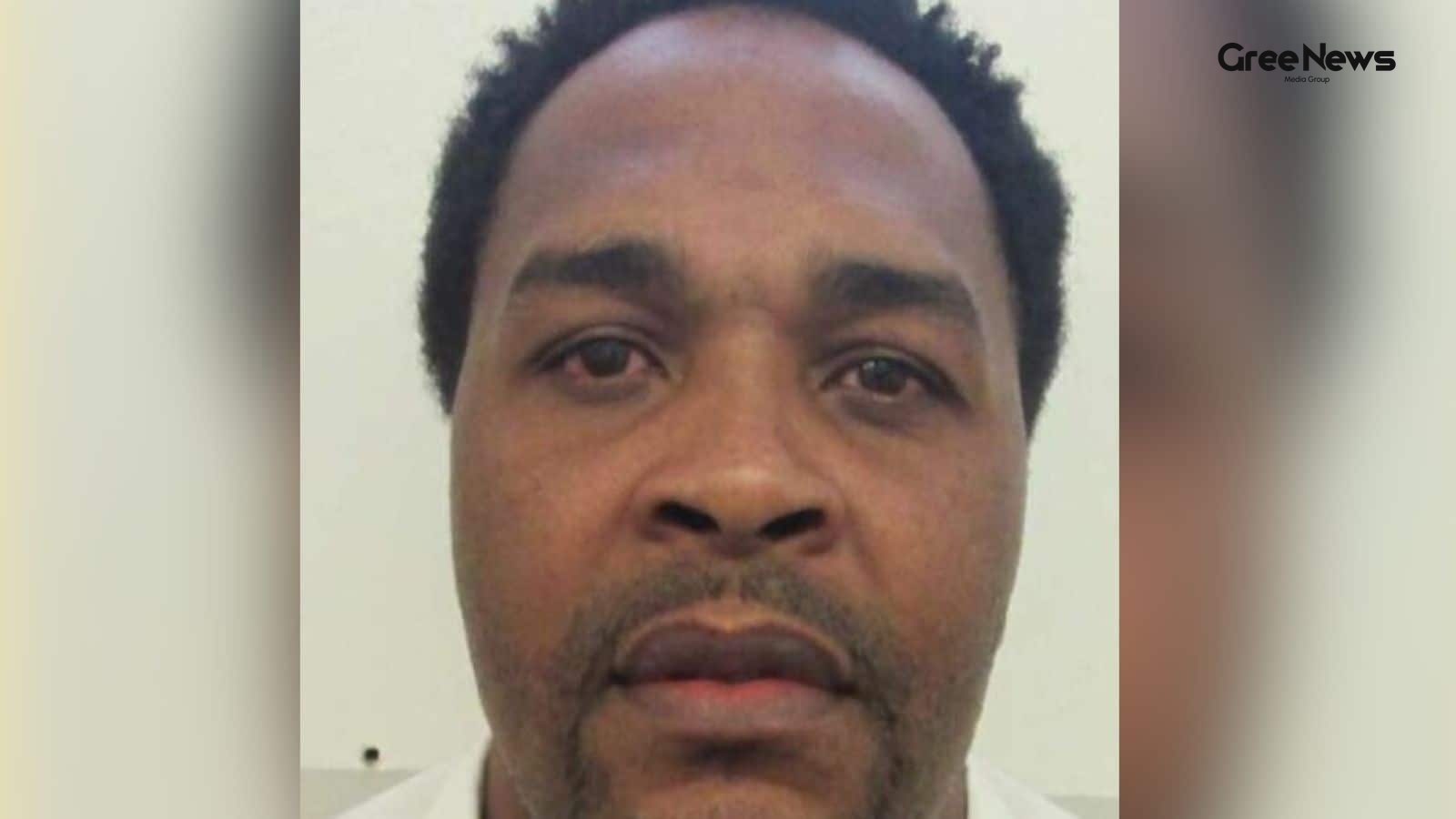
Federal Judge Bars Nitrogen Gas Execution in Alabama
A federal judge just slammed the door shut on Alabama’s plan to use nitrogen gas for executing Jeffery Lee. Permanently barred it, ruling the method violated basic constitutional rights about cruel and unusual punishment. This decision dropped like a stone. It came just one day after an appeals cour
Jun 10, 2026 by Gree News Team
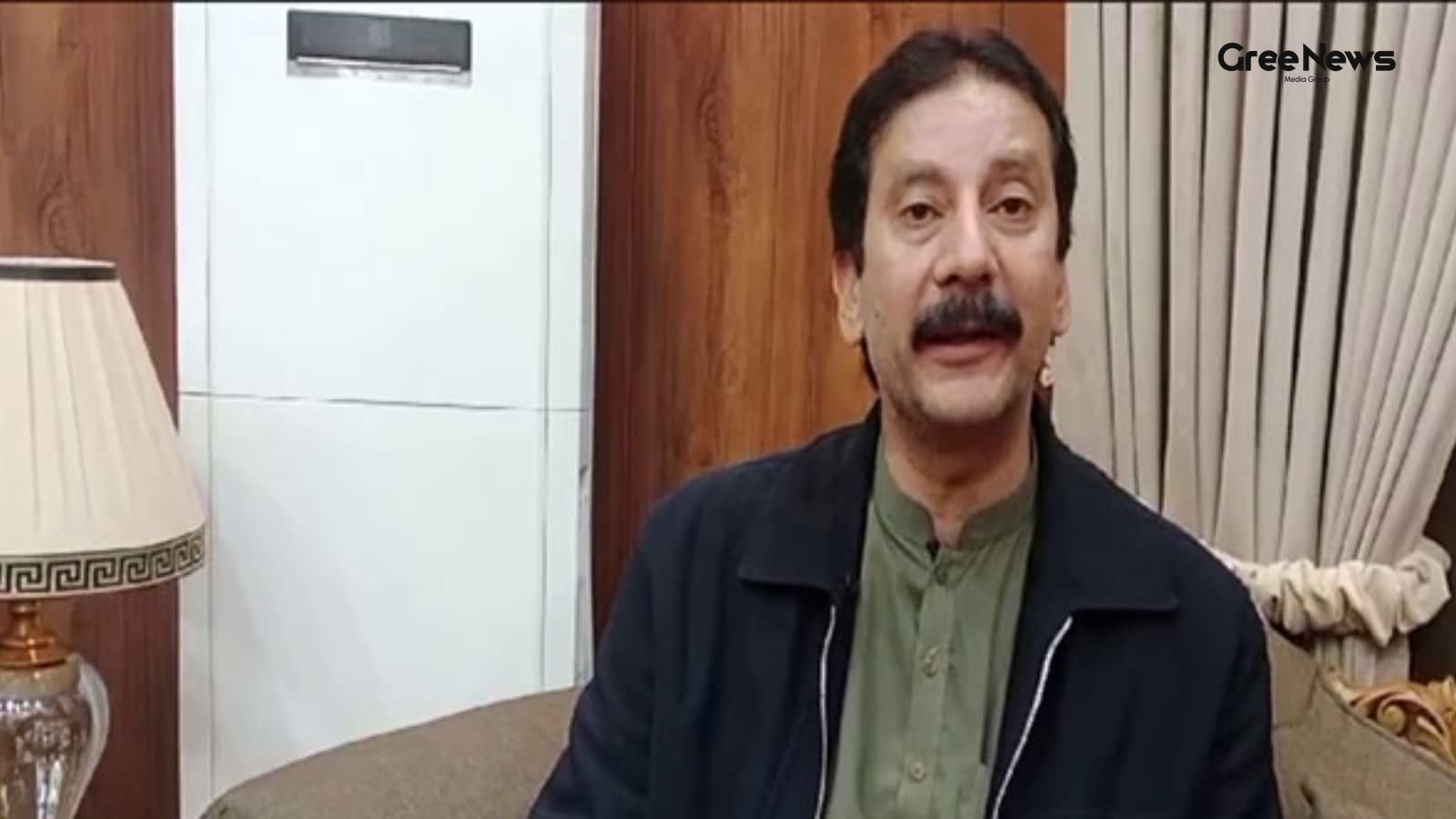
The Long March Escalates: Defiance and Crackdown in PoK
The long march by the Joint Awami Action Committee in PoK really kicked into gear on Tuesday. Leaders were striking a much more defiant tone now amid this widening crackdown. There are reports of fresh clashes everywhere. And growing anger over the deaths that have rocked the region these past three
Jun 10, 2026 by Gree News Team
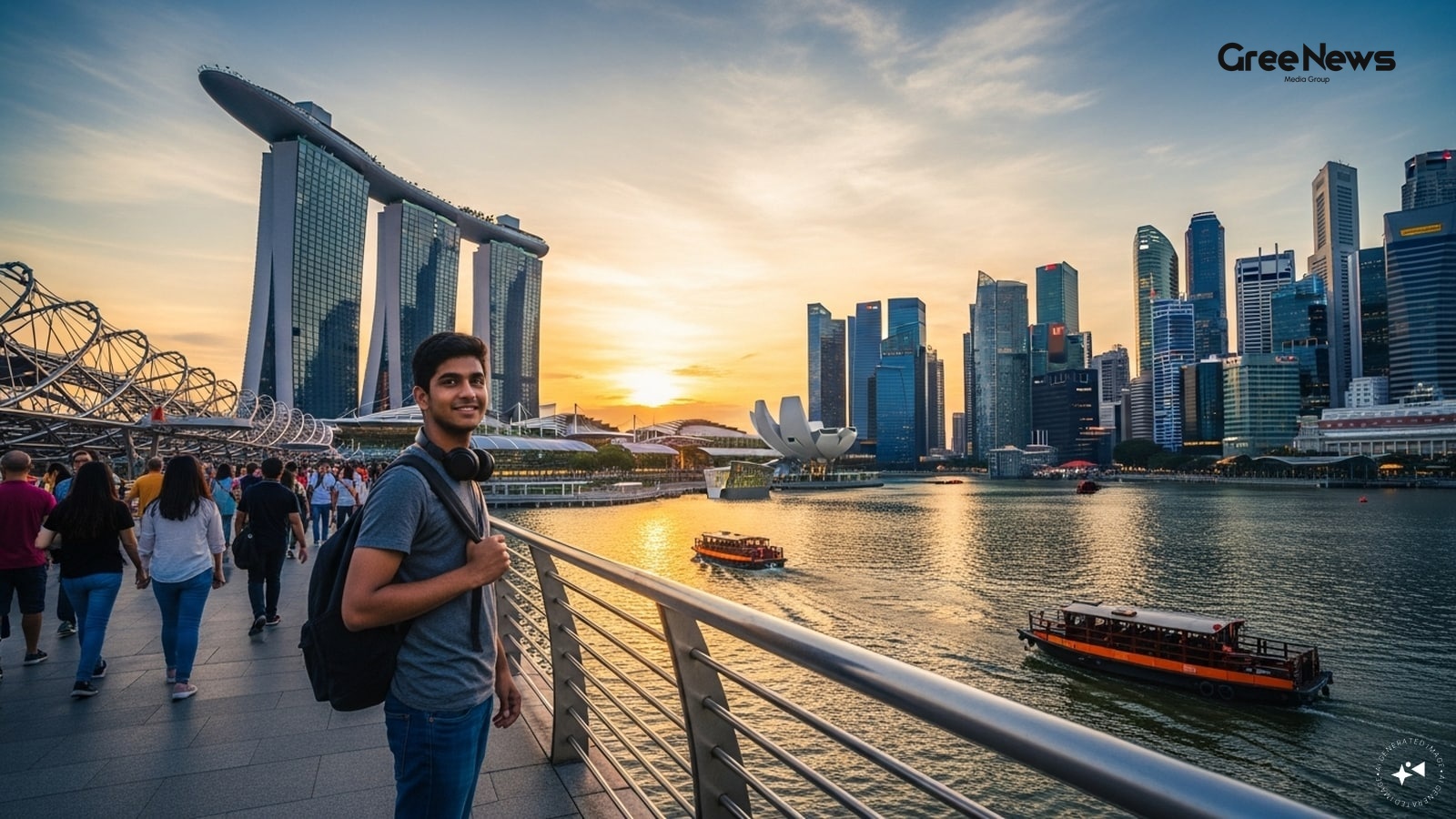
The Singapore Incident: Misinformation, Migration, and the Culture War
Indians make up roughly nine percent of Singapore’s residents. Chinese Singaporeans are still the dominant group, but Malays account for about fifteen percent of that multicultural mix. Yet recently, the city-state found itself in a real mess after authorities ordered social media platforms to block
Jun 9, 2026 by Gree News Team
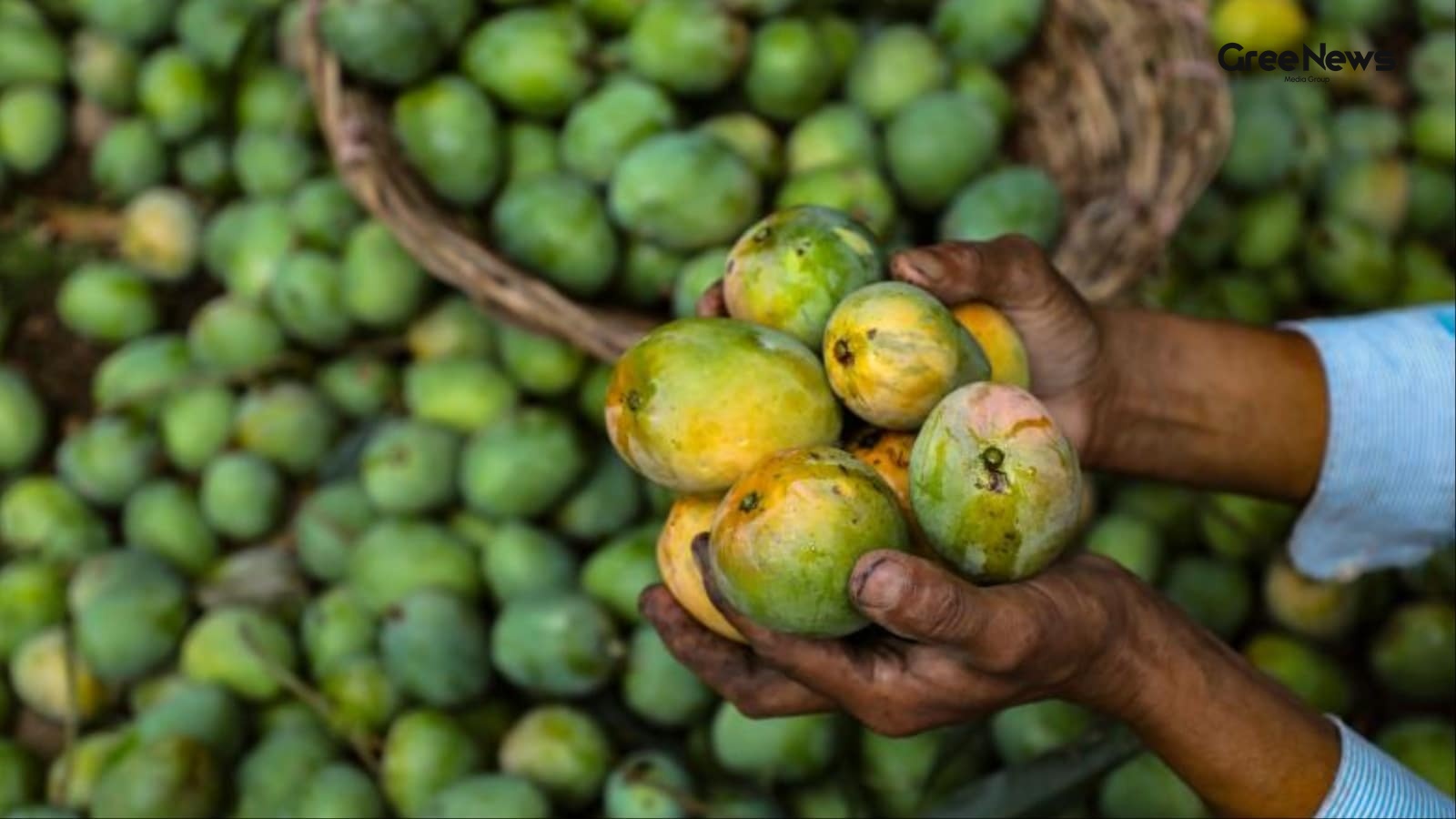
Impact of Trade Restrictions on Fruit Supply and Market Anxiety in Janakpurdham
The air in Janakpurdham is thick lately. Not just the usual summer humidity; there’s this undercurrent of genuine worry hanging over the fruit stalls, a kind of nervous stillness that follows every announcement about what comes in or doesn't come in. It started with the mangoes. That’s where it all
Jun 9, 2026 by Gree News Team
Latest Headlines

Political Speculation and Internal Turmoil within the TMC
Fresh visuals surfaced of Sushmita Dev meeting Assam Chief Minister Himanta Biswa Sarma. That kind of thing just kicks the speculation into high gear about her next move. It’s all about her potential entry into the BJP, right? This happened right after she stepped down from Rajya Sabha and walked ou
Jun 10, 2026 by Gree News Team
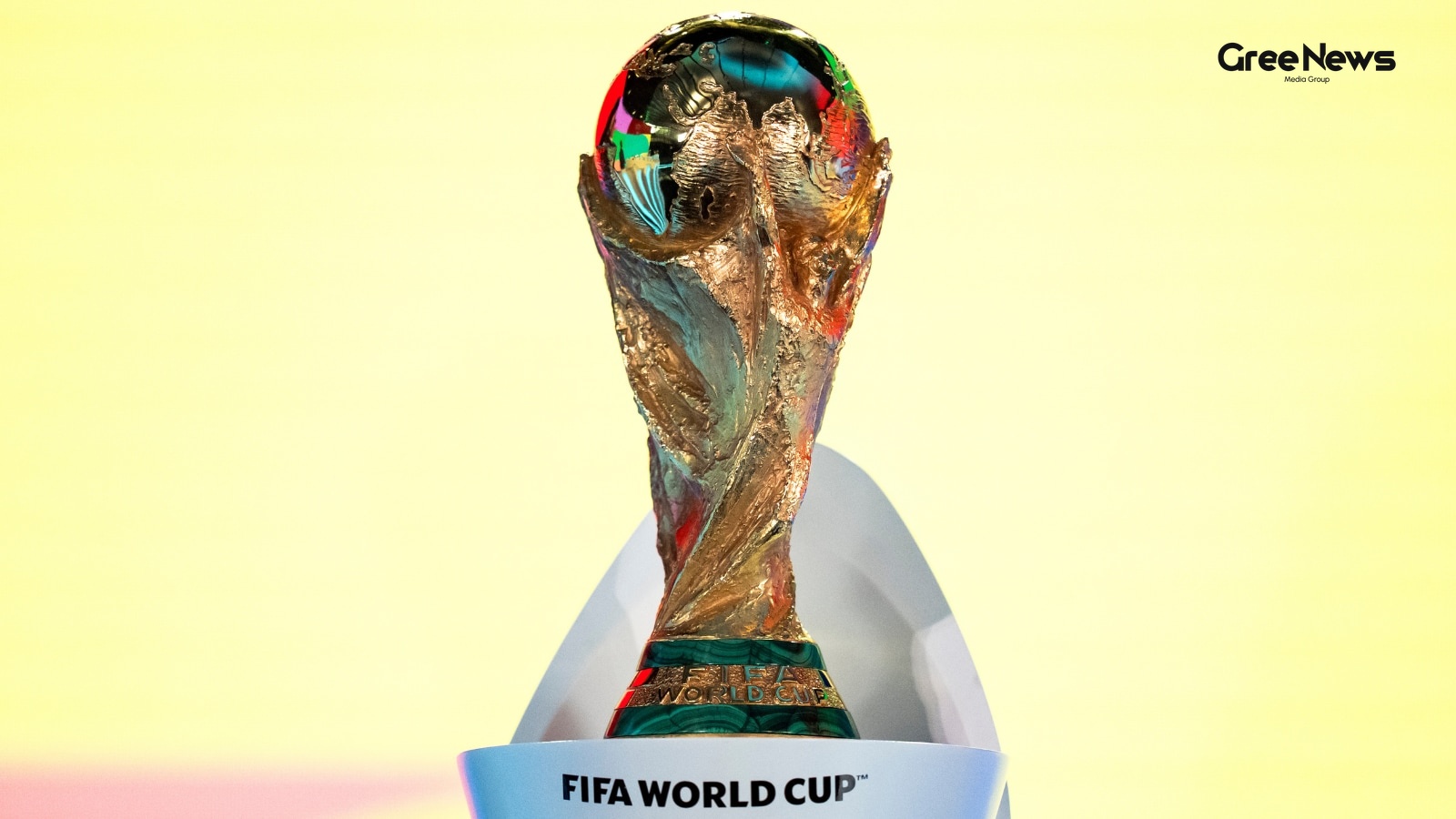
FIFA World Cup 2026: Structure, Geography, and the Official Match Ball
The FIFA World Cup 2026 is really starting to feel imminent now. It’s heading toward North America the USA, Mexico, and Canada are slated to host this massive global spectacle. People are talking about it constantly. It’s not just a standard tournament anymore. This time around, they’re throwing way
Jun 10, 2026 by Gree News Team
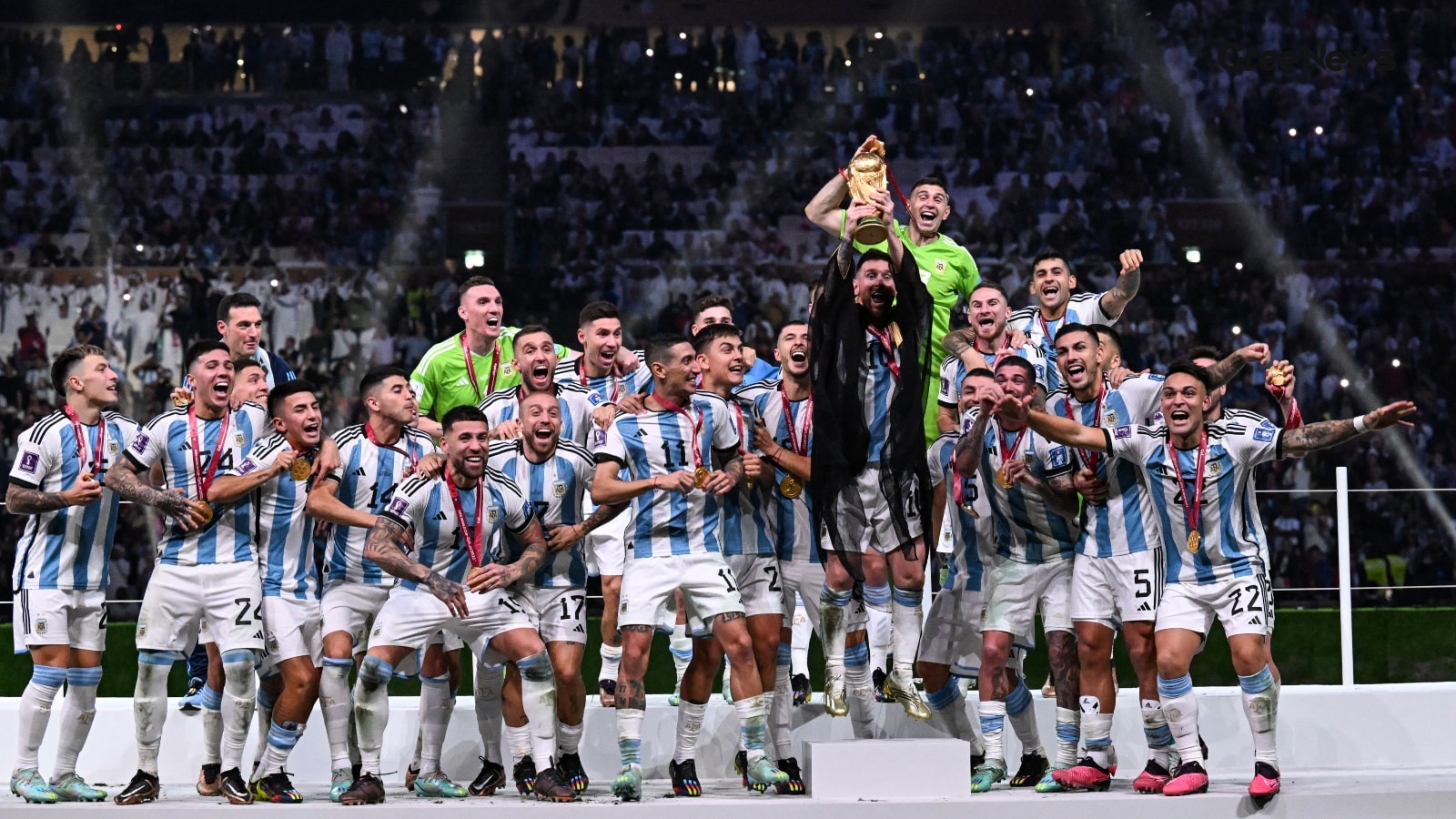
Lionel Messi and Argentina's World Cup Journey in Group J
Argentina’s taking on Group J in this new setup USA, Mexico, and Canada it feels like more than just football now. It’s about that farewell, isn't it? Lionel Messi is chasing something special right now, playing out this final chapter with the Albiceleste against Algeria, Austria, and Jordan. There’
Jun 10, 2026 by Gree News Team
Federal Judge Bars Nitrogen Gas Execution in Alabama
A federal judge just slammed the door shut on Alabama’s plan to use nitrogen gas for executing Jeffery Lee. Permanently barred it, ruling the method violated basic constitutional rights about cruel and unusual punishment. This decision dropped like a stone. It came just one day after an appeals cour
Jun 10, 2026 by Gree News Team
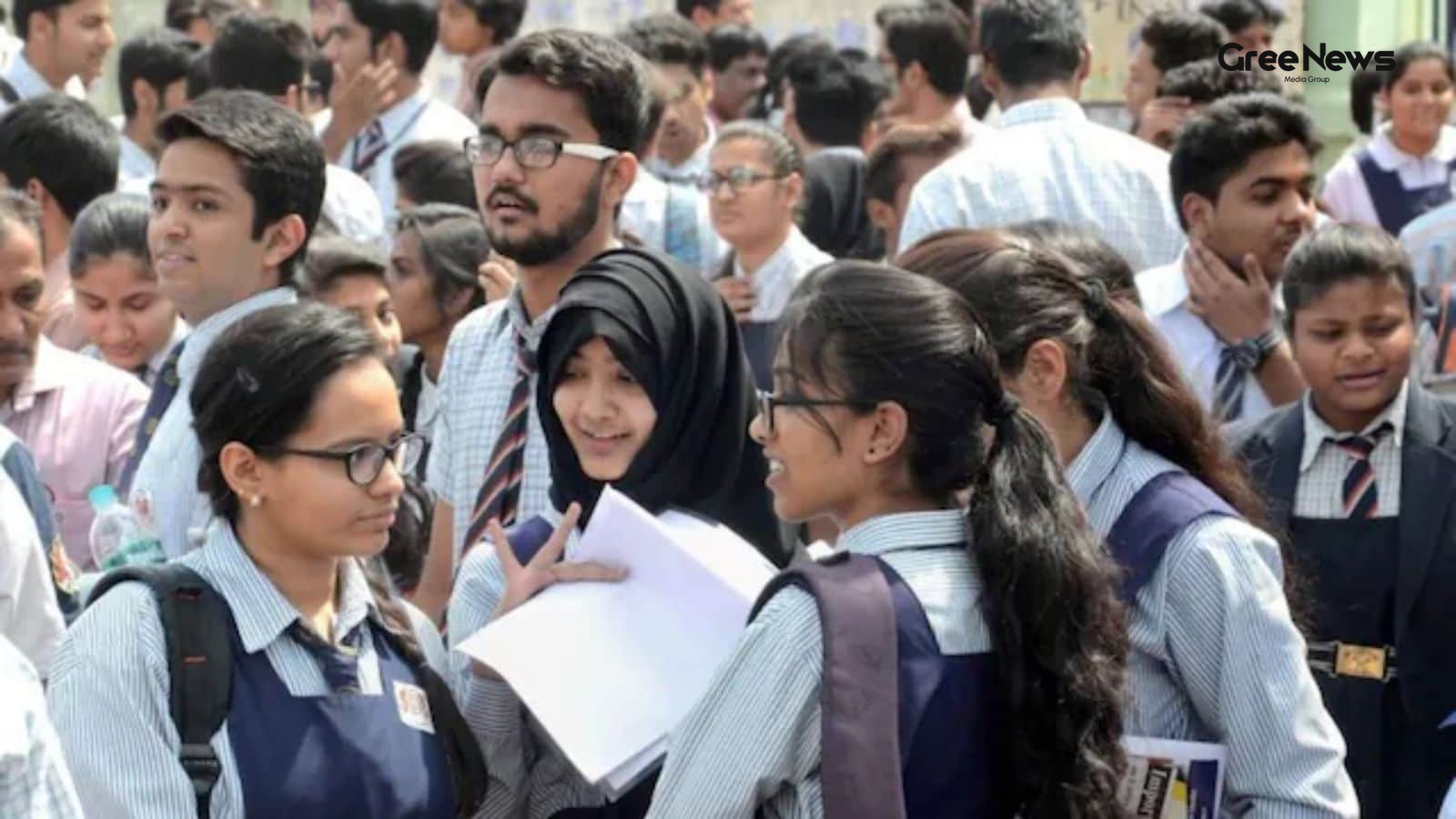
Kerala Board Plus One Results 2026 Announcement and Checking Methods
The Kerala Board Plus One results for 2026 are finally coming today, June 10th. That’s when the Directorate of Higher Secondary Education will officially announce everything. Students who took the DHSE Kerala Class 11 exams in 2026 can start checking their scores now. You have a few places to look,
Jun 10, 2026 by Gree News Team
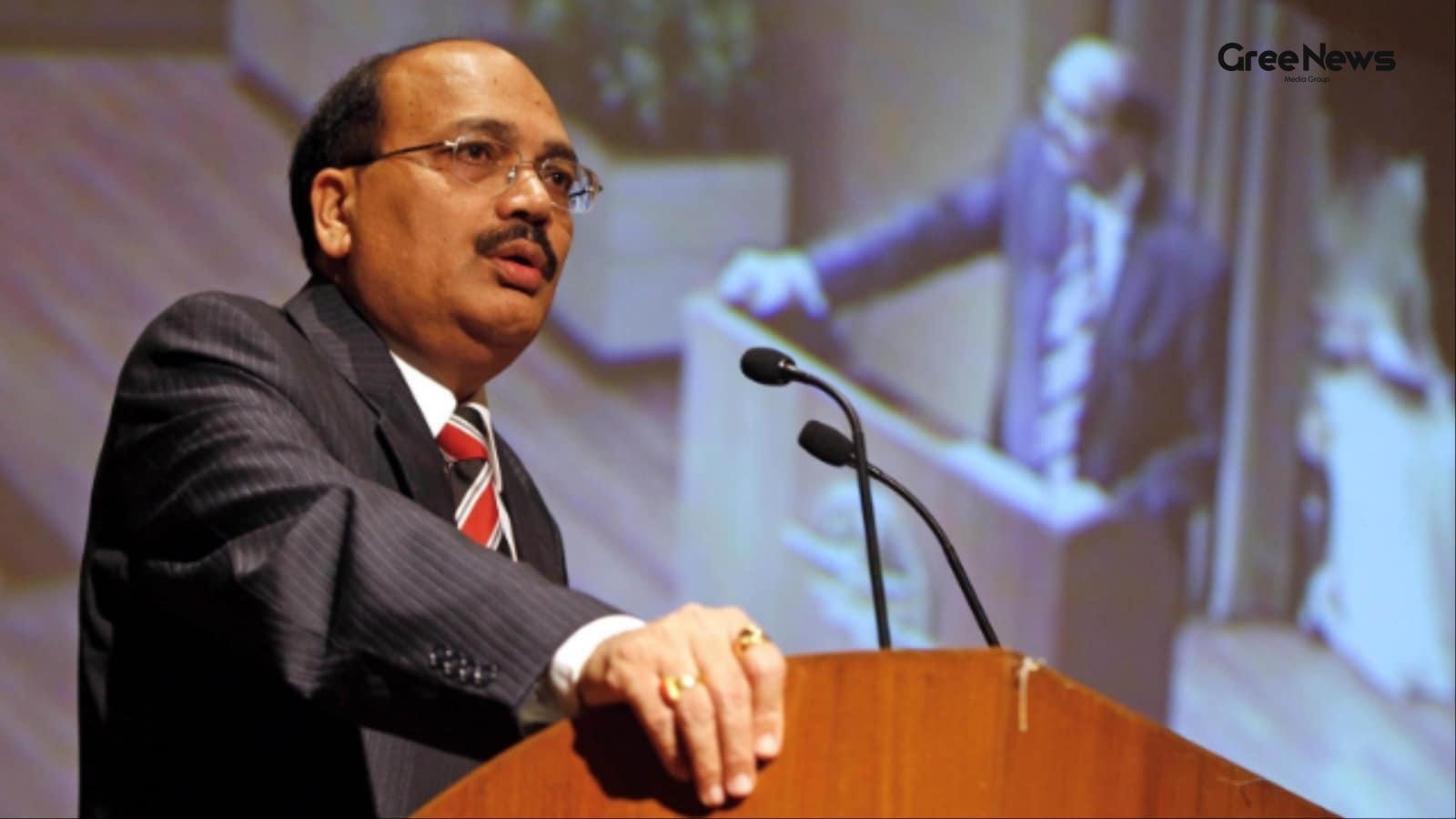
Threats and Intimidation Against Former Judge Justice Gautam Patel
Chief Justice Surya Kant stepped in on the matter involving threats and intimidation aimed at former Bombay High Court judge Justice Gautam Patel. This happened while he was visiting the UK, raising the issue with India’s High Commissioner there. It came out of a report by The Times of India. The wh
Jun 10, 2026 by Gree News Team

Intersection of Art, Politics, and Public Morality at Film Screening
The buzz around the screening for ‘Bharat Bhhagya Viddhaata’ was definitely something special that Tuesday evening in Delhi. It wasn't just about watching a movie; it felt like a convergence a mix of film fans, some political heavyweights, and a surprising amount of high-level government presence. P
Jun 10, 2026 by Gree News Team
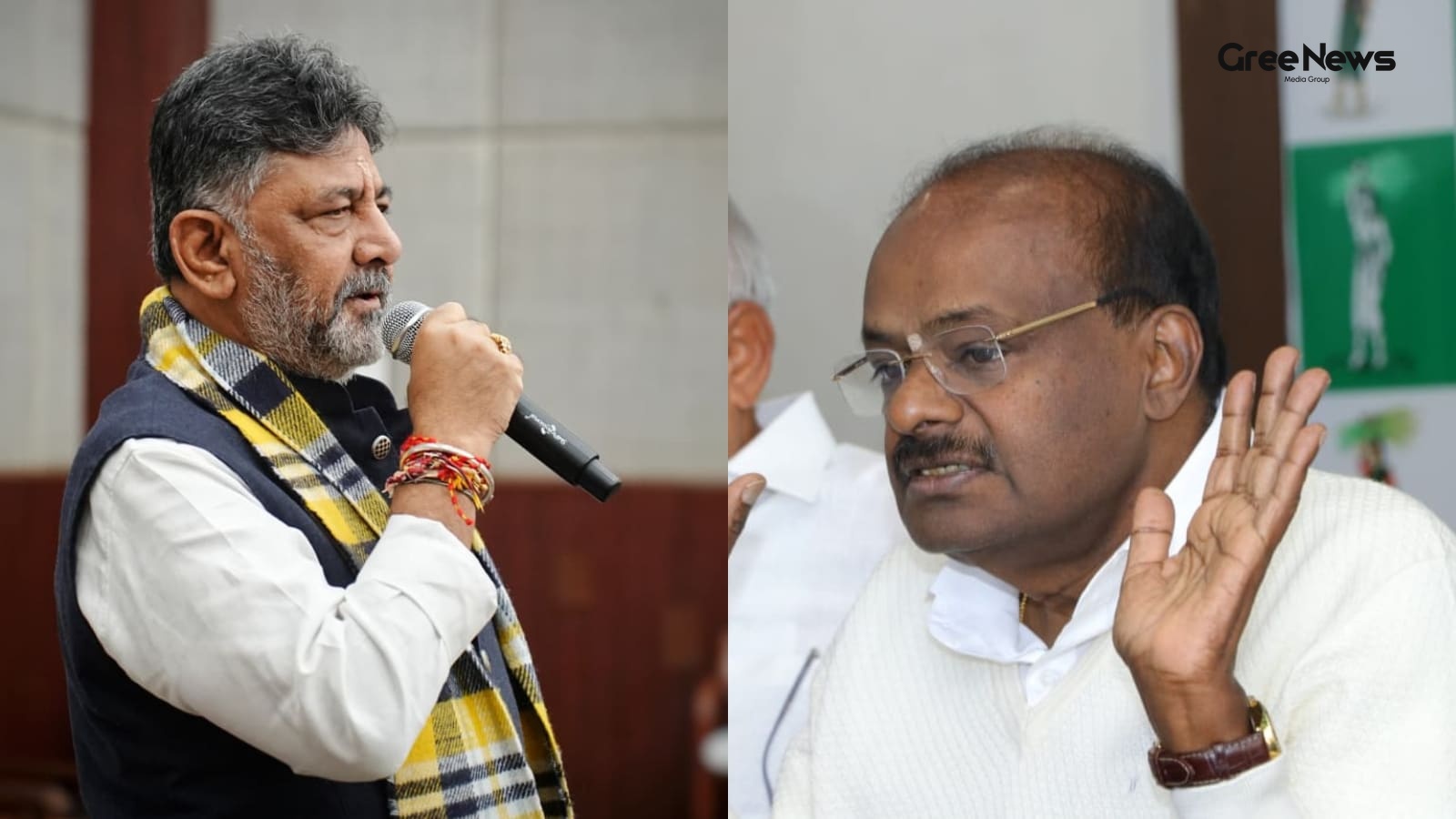
The Political Feud: Shivakumar vs. Kumaraswamy and the Vokkaliga Rivalry
A meeting that hasn't even happened is already sparking political sparring. Karnataka Chief Minister DK Shivakumar and Union Minister HD Kumaraswamy. It just underlines how bitter one of the state’s longest-running rivalries still is. Shivakumar was doing some outreach, a carefully choreographed exe
Jun 10, 2026 by Gree News Team
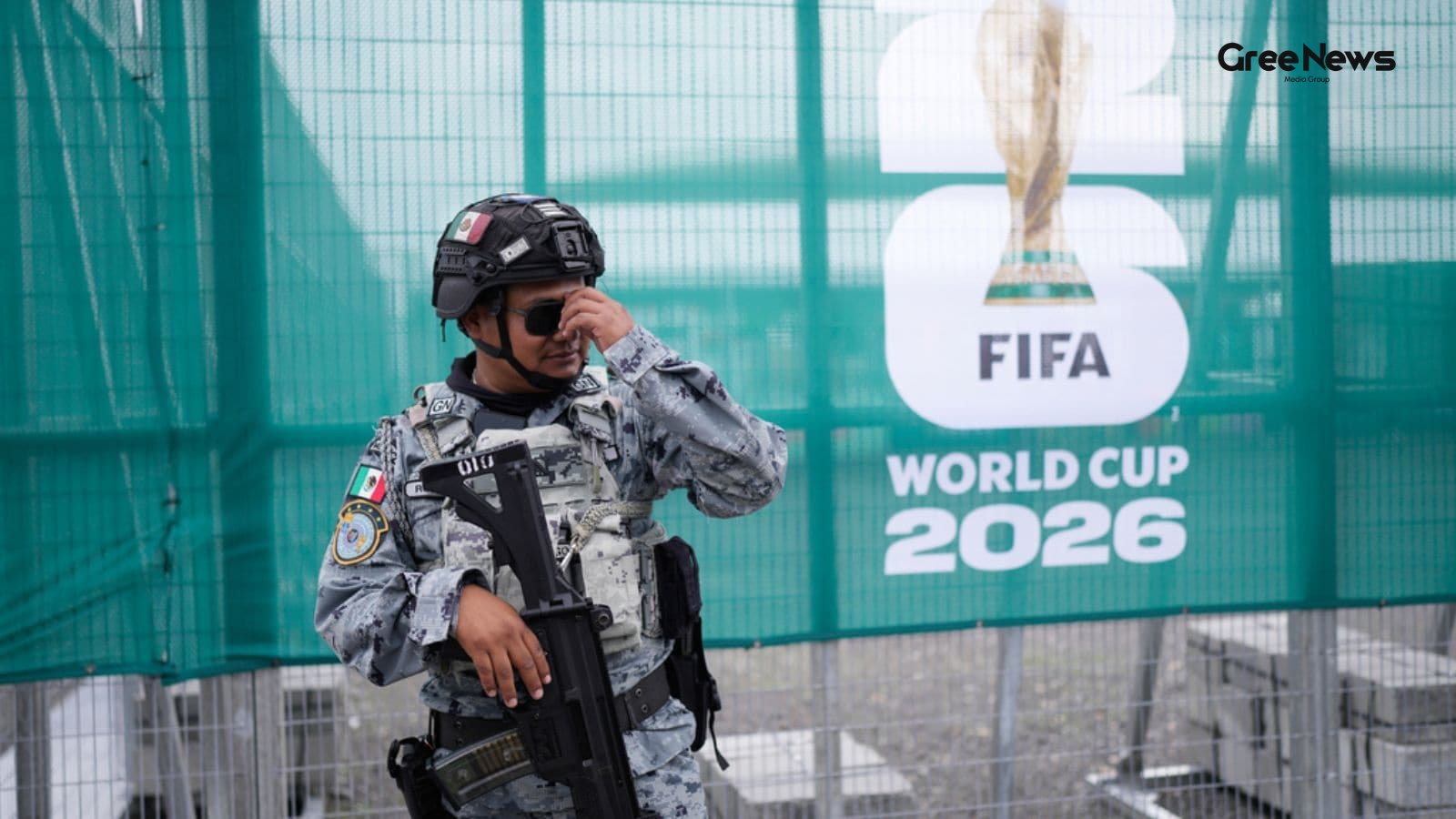
Protest and Political Standoff in Mexico City Before the World Cup
A protest choked off an avenue leading right to Mexico City’s Azteca Stadium for hours on Tuesday. It was just days before that massive World Cup opening match. As football fans started flooding in, all those co-hosts the US, Canada, and Mexico you see the real mess happening back home. Thousands of
Jun 10, 2026 by Gree News Team
The Global Nuclear Arms Race: Spending, Capabilities, and Future Risks
Nearly eight decades since Hiroshima and Nagasaki. And the world’s nuclear powers aren't slowing down. They keep spending more, modernizing faster, and experts are watching them move weapons out of storage and into potential use. It’s a real arms race happening right now. The nine states that hold n
Jun 10, 2026 by Gree News Team

The Chaos of Cinema: Volume, Competition, and the Shifting Market
The Friday arrived packed. June 12th. It wasn't just another day; it was a collision of cinema. Nine films, all hitting the screens at once. *Main Vaapas Aaunga*, Imtiaz Ali’s directorial effort. Then you had Kangana Ranaut’s *Bharat Bhhagya Vidhaata*. And the horror mixed in Vikram Bhatt’s *Haunted
Jun 10, 2026 by Gree News Team

Stock Market Updates: June 10th Performance and Sector Analysis
Stock market updates today, June 10th. Everything turned sour in late trading Wednesday. Domestic equity markets basically gave up all those gains they managed to hold during the day. Heavy selling hit midcap, smallcap stocks, plus metals, realty, and financial names dragging the main indices into n
Jun 10, 2026 by Gree News Team
Iran Football Team Travel and World Cup Arrangements
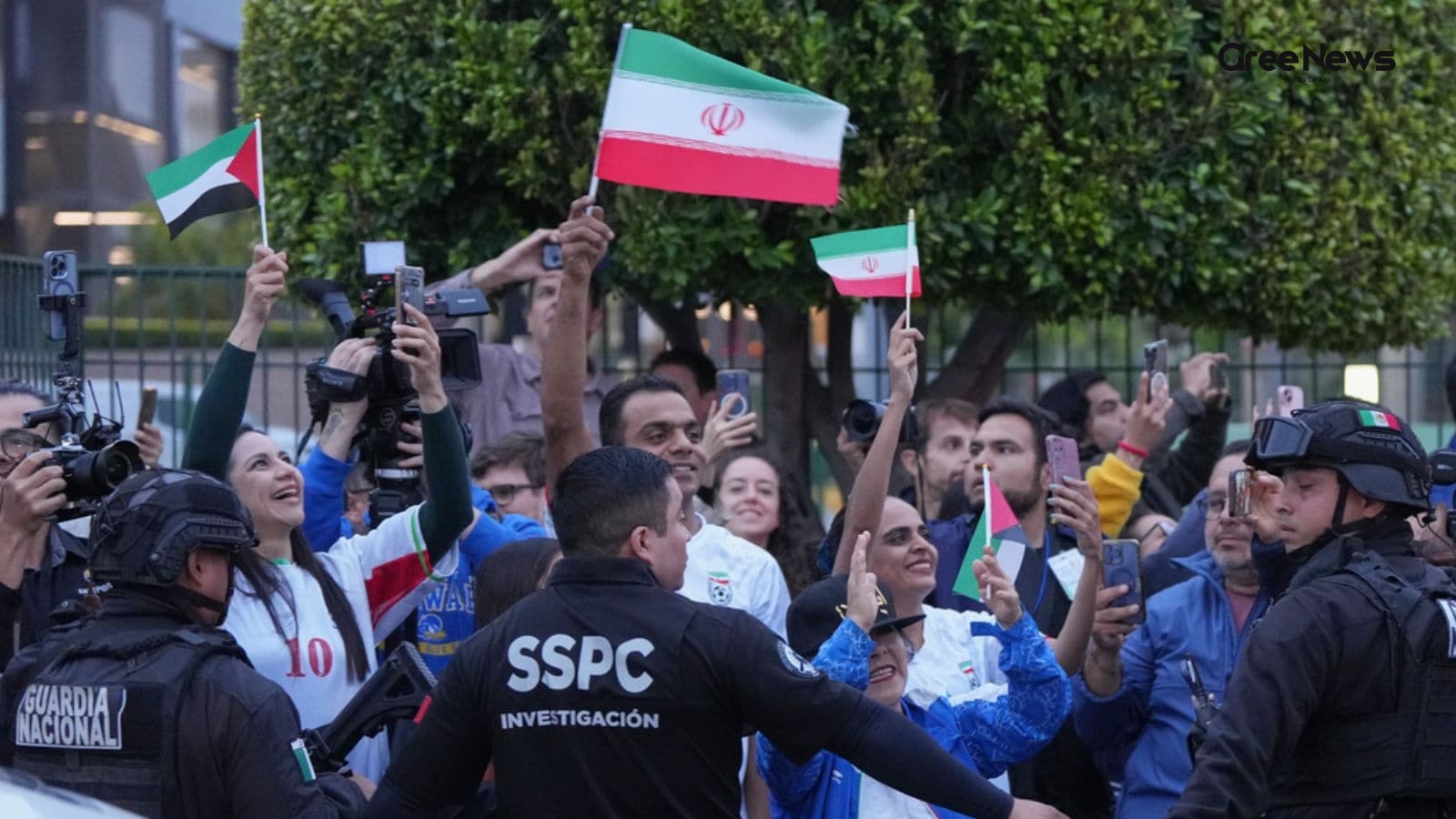
Iran’s football team is heading to Los Angeles, apparently. They announced Tuesday that they'll be flying there the day before their first group-stage game against New Zealand. It feels like a lot happening all at once. But where exactly will they be staying? They won't actually be in L.A. for long.
Jun 10, 2026 by Gree News Team

The Impact of Gen AI on Job Applications and Hiring Strategies
When you start looking for a job, everyone builds this whole structure: the résumé, that killer cover letter, tailoring it perfectly. The whole point was always that application could make you jump out from the crowd of hundreds of applicants. But honestly? Recruiters are starting to think that play
Jun 10, 2026 by Gree News Team
Narendra Modi's Milestone: India's Longest-Serving Prime Minister
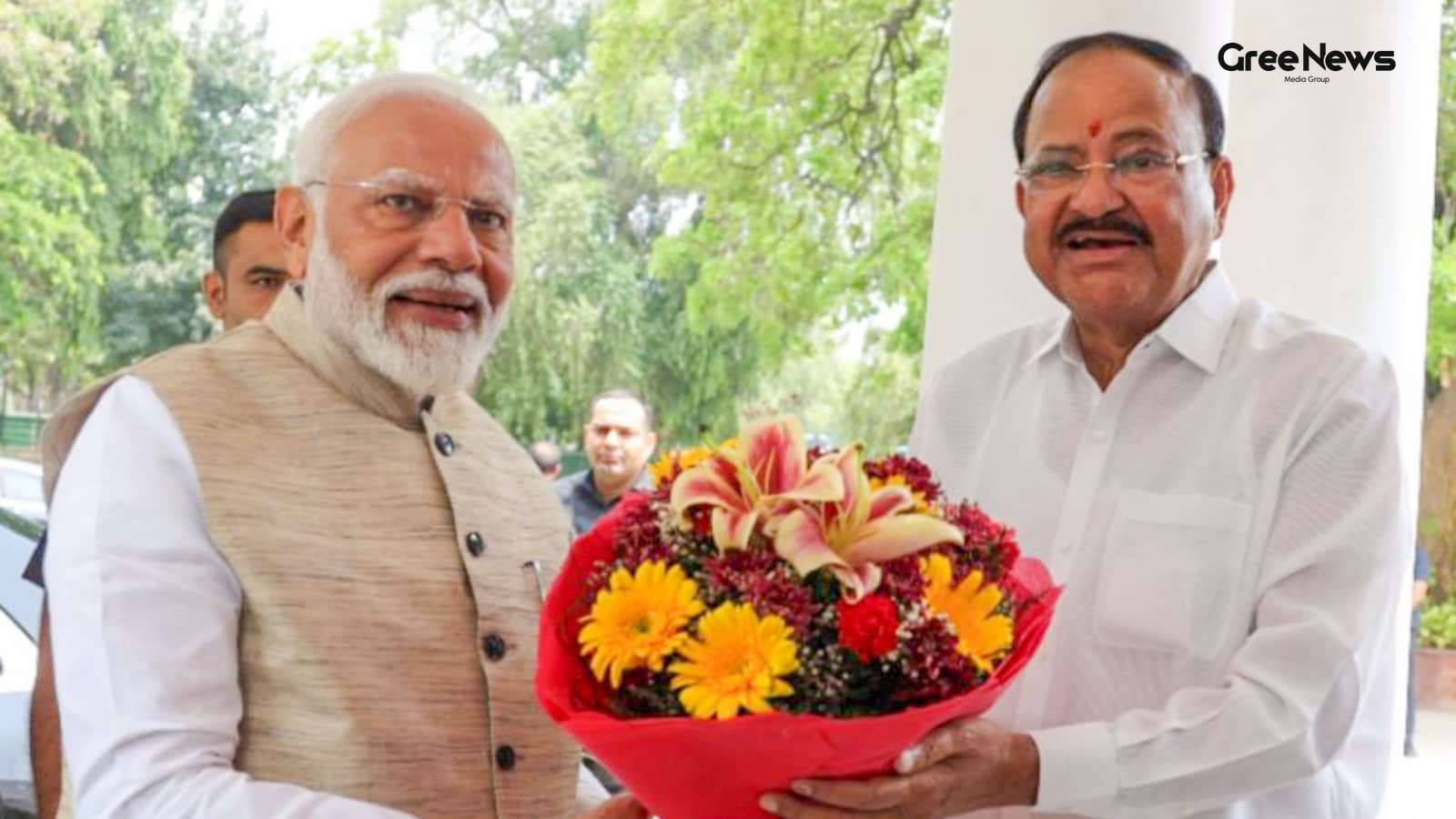
Narendra Modi just hit a huge milestone. India’s longest-serving elected Prime Minister. Forty-three hundred ninety-nine days in office now. That beats Nehru's record, which was the first one. Former Vice President Venkaiah Naidu spoke about it. He praised the leadership and everything Modi has done
Jun 10, 2026 by Gree News Team