Pharmaceutical Breakthroughs: Alzheimer's and Cancer Immunotherapy in India
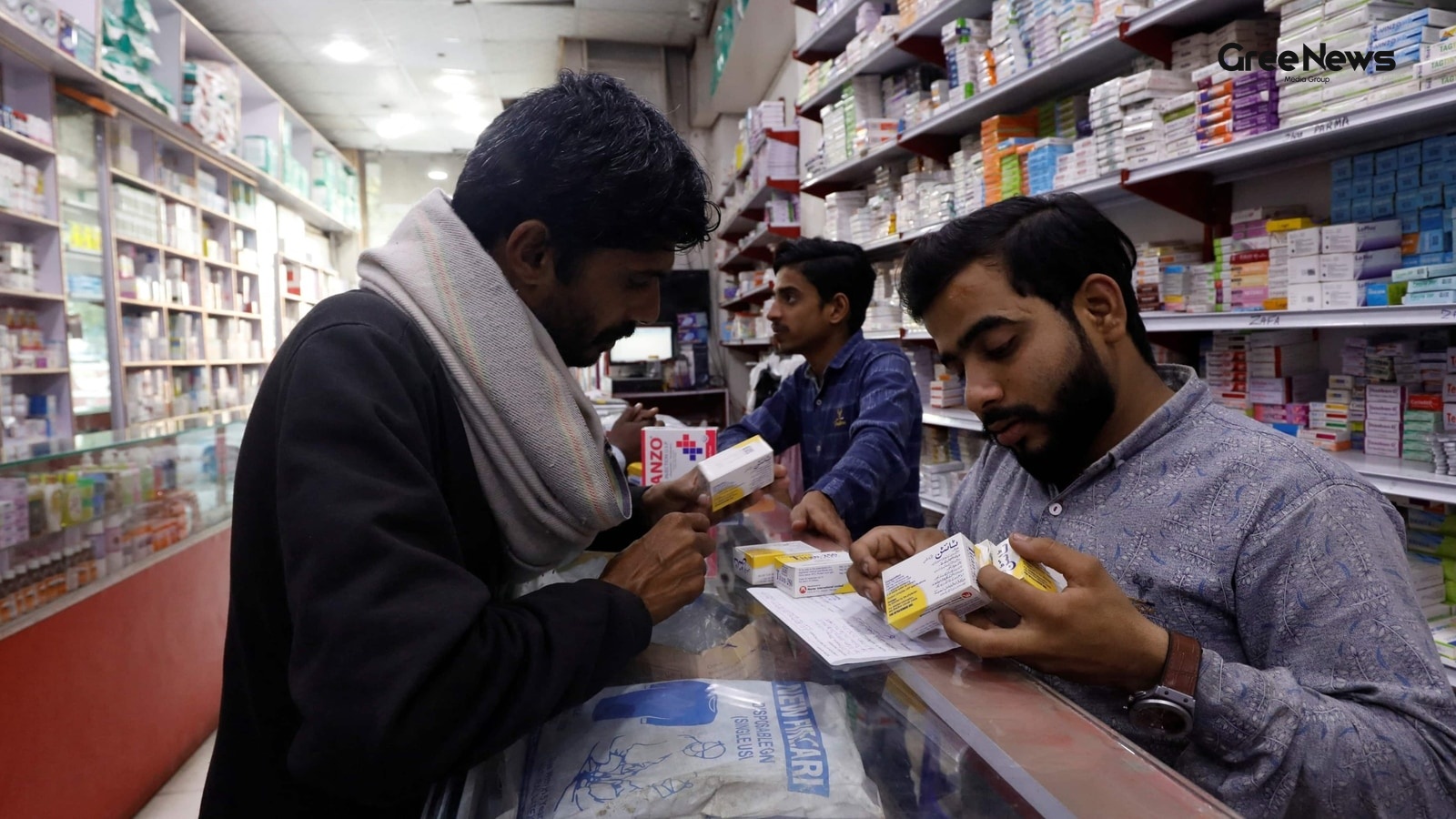
Two days. That’s all it took. India just crossed two massive pharmaceutical lines, one hitting the brain, one hitting the lungs. It feels like a sudden shift, doesn’t it?
Eli Lilly’s Lormalzi , that’s the name for their Donanemab , hit the market on Wednesday. It’s the first drug available here that actually aims at Alzheimer’s disease itself, not just the symptoms you see later. It’s trying to tackle the root cause—those amyloid plaques in the brain.
Then, Thursday, Roche rolled out Tecentriq SC . That’s the subcutaneous version of their lung cancer immunotherapy. It’s the same molecule as the IV version, but the delivery is totally different. Instead of a long, hour-long drip, people get it injected into the thigh or arm. Seven minutes. That’s the headline for that one.
The jobs these two drugs do? They are worlds apart.
Donanemab is about the brain. It’s trying to bend the trajectory of Alzheimer’s by clearing out those plaques. But there’s a huge catch there. It only works for the very early stages. The window for catching it, the time you actually need to intervene, that’s something most Indian families just miss.
Tecentriq SC , though. That’s about cancer immunotherapy. It changes the logistics entirely. It saves hours. It clears out those overloaded oncology day-care units. That’s a huge practical win for patients dealing with cancer.
But let’s talk about the money.
Lilly’s Donanemab ? It’s priced at Rs 91,688 per vial. That’s for a monthly infusion. And the regulators—the CDSCO and the US FDA—they cleared it, sure. But only for mild cognitive impairment or mild dementia related to Alzheimer’s. Not for the hard, advanced stuff. Lilly even flagged some kind of Alternate Access Programme, which means there’s still a real barrier.
Then there’s the cancer side. Tecentriq SC , that subcutaneous shot? That’s priced at a staggering Rs 3.70 lakh per vial. That’s a lot of money just to get the delivery method changed. The actual drug payload hasn't changed, mind you. It’s still atezolizumab paired with that special platform to get it under the skin. The only real shift is how fast it gets delivered.
Lilly’s Donanemab is a humanized antibody. It goes around and tags those amyloid-beta plaques so the brain’s own cleanup crew, the microglia, can finally start clearing them. The clinical trials, TRAILBLAZER-ALZ 2, showed a decent slowdown—about 35% in cognitive decline over eighteen months, especially for those with less tau burden. But you have to look at the risks. There are those scary things, the amyloid-related imaging abnormalities, the swelling, the microhaemorrhages you can see on an MRI. It’s not all smooth sailing.
Dr Manjari Tripathi, who heads neurology at AIIMS Delhi, she hit the nail on the head. She said you need to get patients in much earlier. She stressed that the drug is only for the very early stages. She warned that the side effects—the swelling, the bleeding—they happen. You need proper consent, real counseling. Meta-analyses aren’t screaming dramatic effects, but you still have to be careful.
“Patients need to present very, very early,” she insisted. “But in India, most people arrive in the middle stage of dementia. This demands a total shift. Relatives have to bring the patients in much sooner.”
It’s that kind of caution that hangs over everything.
Dr Sanjay Pandey, from Amrita Hospital, he talked about the whole landscape of Alzheimer’s care. For decades, it was mostly about managing symptoms. Clinicians watched decline happen, and they tried their best to support the patient. Now, donanemab throws a wrench in that old view. It’s pushing the conversation away from just managing symptoms and toward actually modifying the disease itself, but only in these carefully picked patients.
He pointed out the bigger picture for a place like India. With dementia rates creeping up and people living longer, this forces us to look at diagnosis, biomarkers, better imaging, and specialized memory care pathways. But he added the necessary brake: caution. “Patient eligibility, risk stratification, constant monitoring, and having multidisciplinary neurology oversight—that’s the only way to get real results.”
Now, switch gears completely. Let’s look at the cancer side.
Tecentriq , the subcutaneous version, is a PD-L1 inhibitor. Think of it this way: cancer cells are smart. They put out a signal, PD-L1, telling the immune system’s T-cells to just chill out. Atezolizumab blocks that signal. It stops the ‘stand down’ order, letting the immune system fight back properly.
The crucial thing is that the subcutaneous version is pharmacologically identical. It’s the same drug. The only difference is the delivery system. The clinical trials proved this equivalence. The subcutaneous version worked just as well, just differently.
In the Phase 3 trials, there was a real choice for the patients. Seventy-one percent of people preferred the shot after trying both options. Seventy-nine% chose to stick with it. It’s not about achieving better survival rates, not exactly. It’s about the experience. Less time stuck in the hospital chair. Less strain on the healthcare infrastructure. A less invasive experience overall.
Dr Pragya Shukla, head of oncology at Delhi State Cancer Institute, she framed it perfectly. She said this shift in delivery is huge. Immunotherapy used to mean long infusions, repeated hospital visits. Now, a subcutaneous delivery cuts down the time. It makes treatment way more convenient. It saves resources.
She spoke about the atmosphere in oncology settings. “Shorter administration times,” she said, “they help us optimize resources and improve patient flow. It reflects how cancer care is changing—it’s about better outcomes *and* a better experience for the patient.”
But even with that efficiency gain, the elephant in the room remains. Dr Manish Kumar, a medical oncologist in Bengaluru, he brought the reality back into focus. He said the subcutaneous option is definitely a step toward making cancer treatment friendlier. But he immediately hit the snag. Access. Affordability.
He pointed directly at that price tag—Rs 3.70 lakh per vial. That’s where the innovation meets the reality of the Indian healthcare system. “For Indian patients, the real impact isn’t just the clinical benefit,” he insisted. “It depends entirely on insurance coverage, patient assistance programs, and making sure access is truly equitable.”
It’s that friction, isn't it? The incredible science is out there, these new tools, but getting them into the hands of the people who need them, safely and affordably, that’s the real, messy part of the story. It’s a complicated mix of scientific breakthrough and sheer logistical headache.
Written by Gree News Team — Senior Editorial Board
Gree News Team covers international news and global affairs at Gree News. Our collective of senior editors is dedicated to providing independent, accurate, and responsible journalism for a global audience.
More from India
View All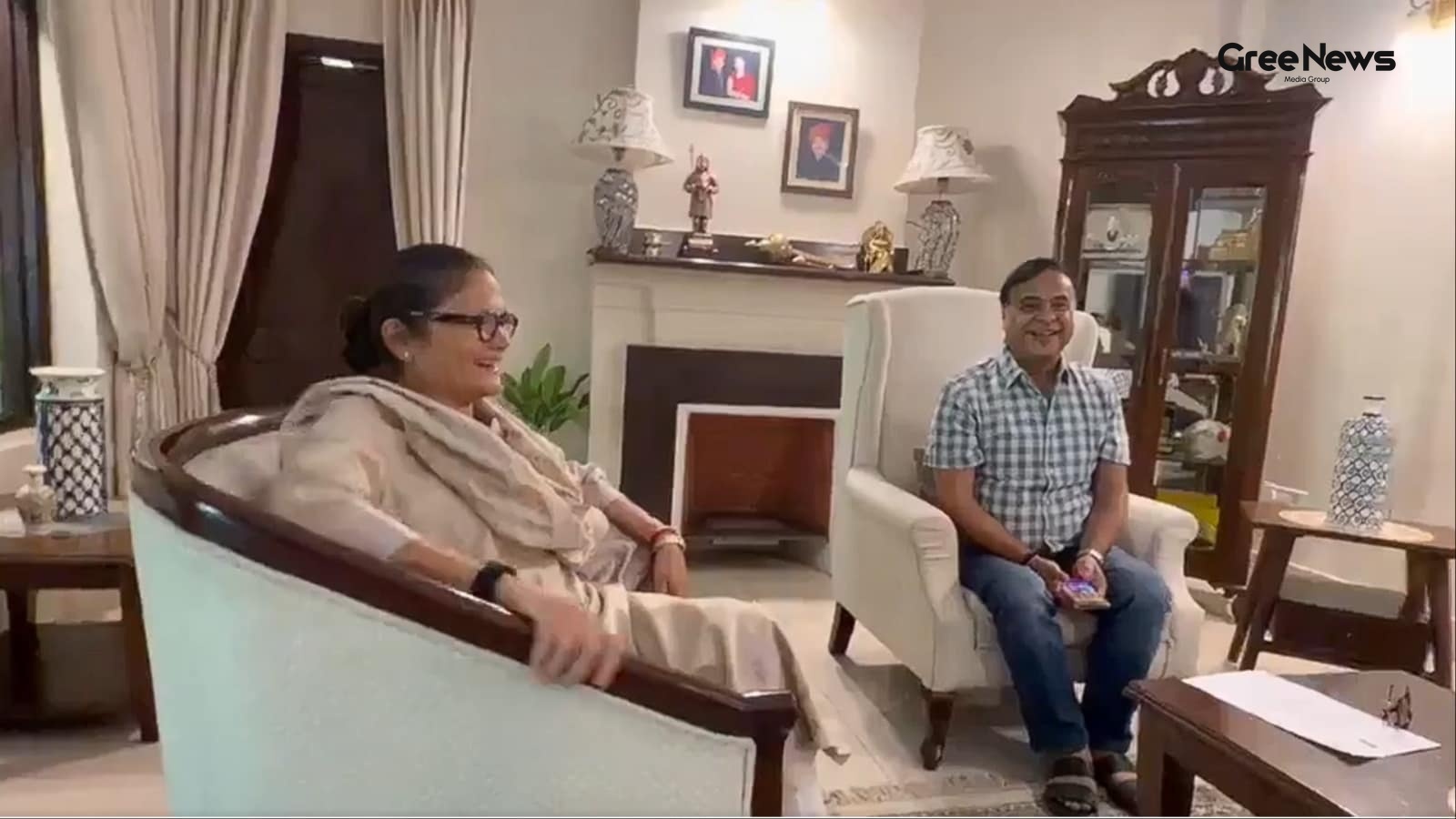
Political Speculation and Internal Turmoil within the TMC
Fresh visuals surfaced of Sushmita Dev meeting Assam Chief Minister Himanta Biswa Sarma. That kind of thing just kicks the speculation into high gear about her next move. It’s all about her potential entry into the BJP, right? This happened right after she stepped down from Rajya Sabha and walked ou
Jun 10, 2026 by Gree News Team
Threats and Intimidation Against Former Judge Justice Gautam Patel
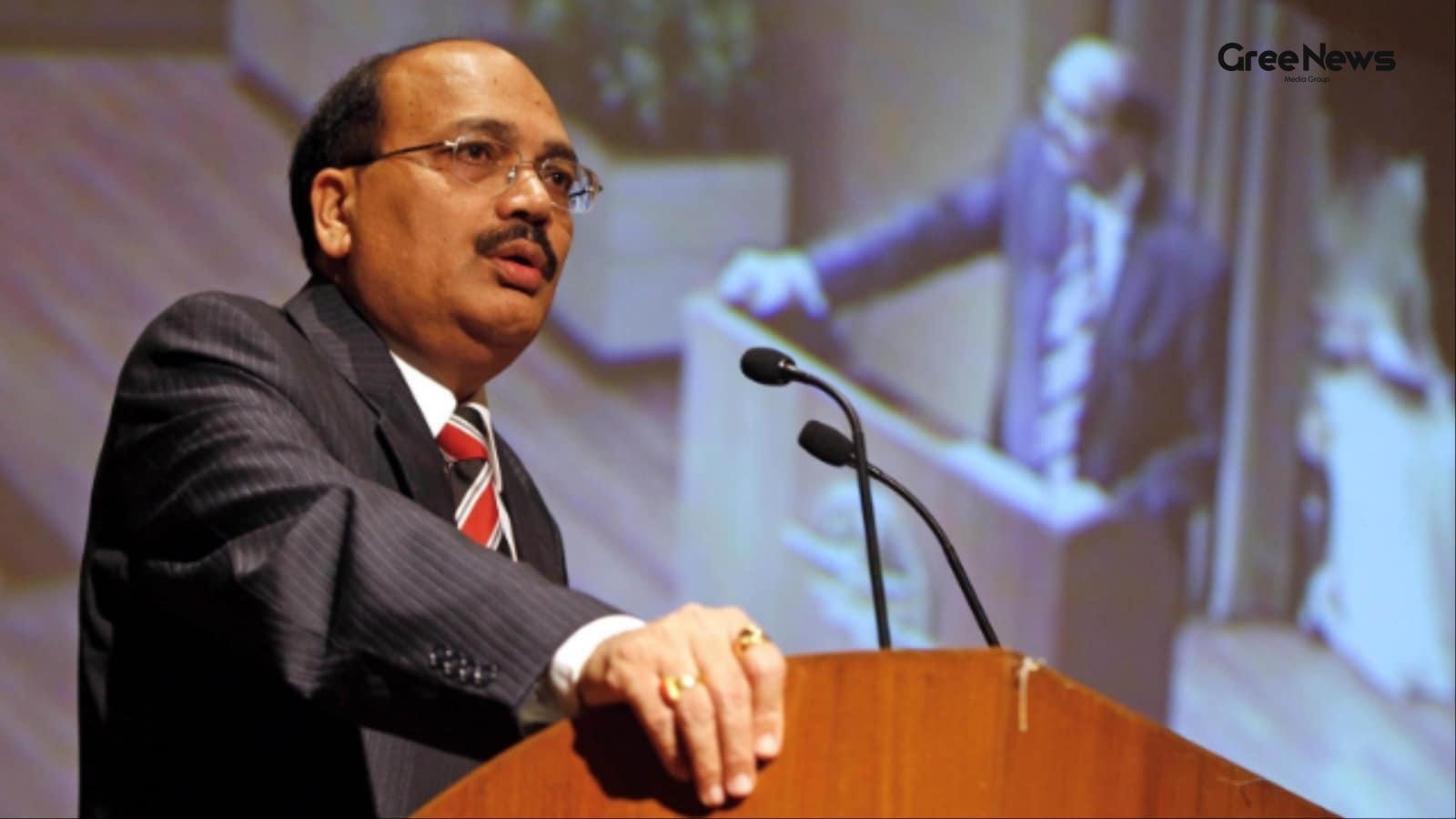
Chief Justice Surya Kant stepped in on the matter involving threats and intimidation aimed at former Bombay High Court judge Justice Gautam Patel. This happened while he was visiting the UK, raising the issue with India’s High Commissioner there. It came out of a report by The Times of India. The wh
Jun 10, 2026 by Gree News Team
The Political Feud: Shivakumar vs. Kumaraswamy and the Vokkaliga Rivalry
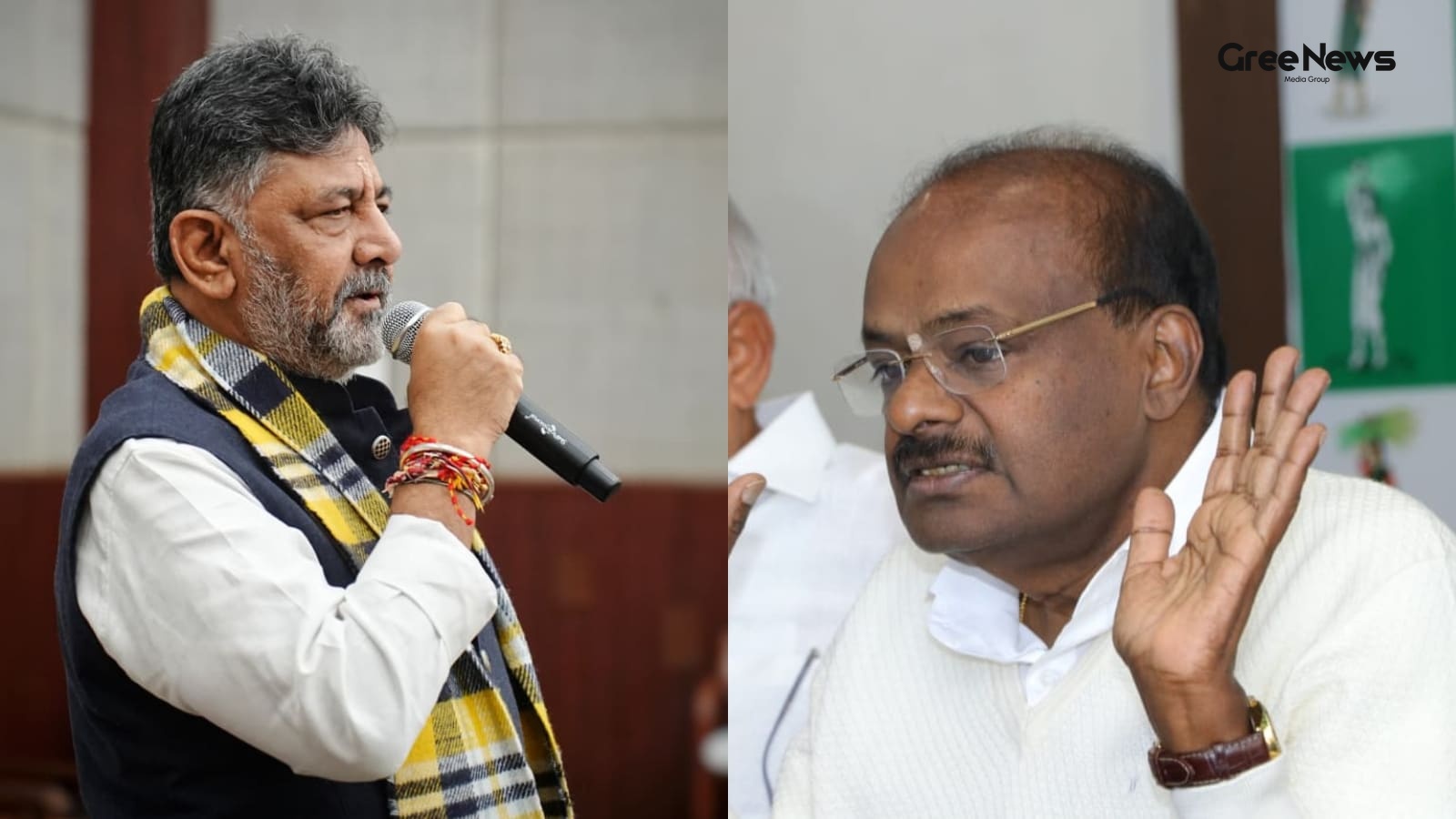
A meeting that hasn't even happened is already sparking political sparring. Karnataka Chief Minister DK Shivakumar and Union Minister HD Kumaraswamy. It just underlines how bitter one of the state’s longest-running rivalries still is. Shivakumar was doing some outreach, a carefully choreographed exe
Jun 10, 2026 by Gree News Team
The Global Nuclear Arms Race: Spending, Capabilities, and Future Risks
Nearly eight decades since Hiroshima and Nagasaki. And the world’s nuclear powers aren't slowing down. They keep spending more, modernizing faster, and experts are watching them move weapons out of storage and into potential use. It’s a real arms race happening right now. The nine states that hold n
Jun 10, 2026 by Gree News Team
Latest Headlines
Political Speculation and Internal Turmoil within the TMC
Fresh visuals surfaced of Sushmita Dev meeting Assam Chief Minister Himanta Biswa Sarma. That kind of thing just kicks the speculation into high gear about her next move. It’s all about her potential entry into the BJP, right? This happened right after she stepped down from Rajya Sabha and walked ou
Jun 10, 2026 by Gree News Team

FIFA World Cup 2026: Structure, Geography, and the Official Match Ball
The FIFA World Cup 2026 is really starting to feel imminent now. It’s heading toward North America the USA, Mexico, and Canada are slated to host this massive global spectacle. People are talking about it constantly. It’s not just a standard tournament anymore. This time around, they’re throwing way
Jun 10, 2026 by Gree News Team
Lionel Messi and Argentina's World Cup Journey in Group J
Argentina’s taking on Group J in this new setup USA, Mexico, and Canada it feels like more than just football now. It’s about that farewell, isn't it? Lionel Messi is chasing something special right now, playing out this final chapter with the Albiceleste against Algeria, Austria, and Jordan. There’
Jun 10, 2026 by Gree News Team
Federal Judge Bars Nitrogen Gas Execution in Alabama
A federal judge just slammed the door shut on Alabama’s plan to use nitrogen gas for executing Jeffery Lee. Permanently barred it, ruling the method violated basic constitutional rights about cruel and unusual punishment. This decision dropped like a stone. It came just one day after an appeals cour
Jun 10, 2026 by Gree News Team
Kerala Board Plus One Results 2026 Announcement and Checking Methods
The Kerala Board Plus One results for 2026 are finally coming today, June 10th. That’s when the Directorate of Higher Secondary Education will officially announce everything. Students who took the DHSE Kerala Class 11 exams in 2026 can start checking their scores now. You have a few places to look,
Jun 10, 2026 by Gree News Team
Threats and Intimidation Against Former Judge Justice Gautam Patel
Chief Justice Surya Kant stepped in on the matter involving threats and intimidation aimed at former Bombay High Court judge Justice Gautam Patel. This happened while he was visiting the UK, raising the issue with India’s High Commissioner there. It came out of a report by The Times of India. The wh
Jun 10, 2026 by Gree News Team

Intersection of Art, Politics, and Public Morality at Film Screening
The buzz around the screening for ‘Bharat Bhhagya Viddhaata’ was definitely something special that Tuesday evening in Delhi. It wasn't just about watching a movie; it felt like a convergence a mix of film fans, some political heavyweights, and a surprising amount of high-level government presence. P
Jun 10, 2026 by Gree News Team
The Political Feud: Shivakumar vs. Kumaraswamy and the Vokkaliga Rivalry
A meeting that hasn't even happened is already sparking political sparring. Karnataka Chief Minister DK Shivakumar and Union Minister HD Kumaraswamy. It just underlines how bitter one of the state’s longest-running rivalries still is. Shivakumar was doing some outreach, a carefully choreographed exe
Jun 10, 2026 by Gree News Team
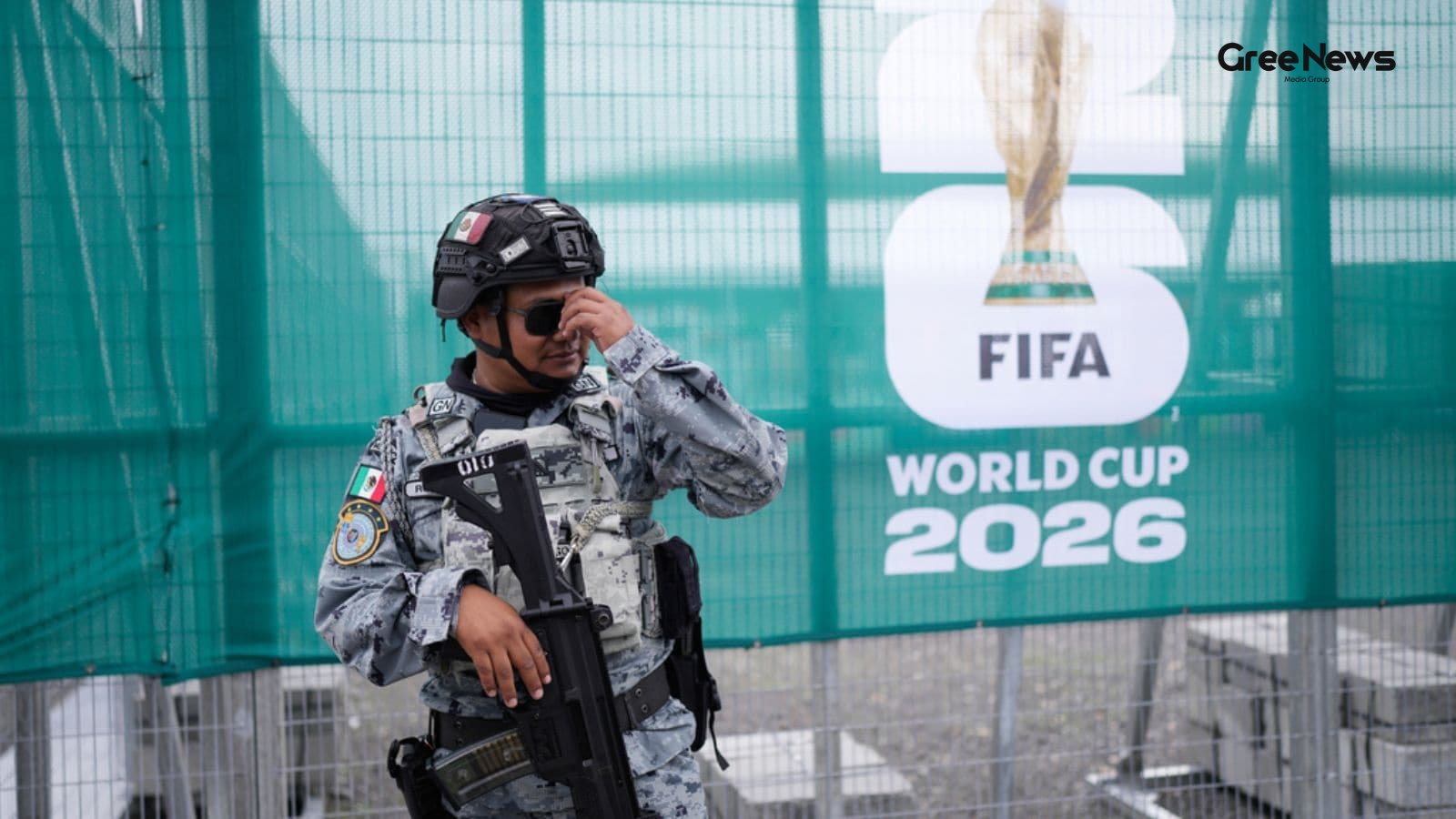
Protest and Political Standoff in Mexico City Before the World Cup
A protest choked off an avenue leading right to Mexico City’s Azteca Stadium for hours on Tuesday. It was just days before that massive World Cup opening match. As football fans started flooding in, all those co-hosts the US, Canada, and Mexico you see the real mess happening back home. Thousands of
Jun 10, 2026 by Gree News Team
The Global Nuclear Arms Race: Spending, Capabilities, and Future Risks
Nearly eight decades since Hiroshima and Nagasaki. And the world’s nuclear powers aren't slowing down. They keep spending more, modernizing faster, and experts are watching them move weapons out of storage and into potential use. It’s a real arms race happening right now. The nine states that hold n
Jun 10, 2026 by Gree News Team
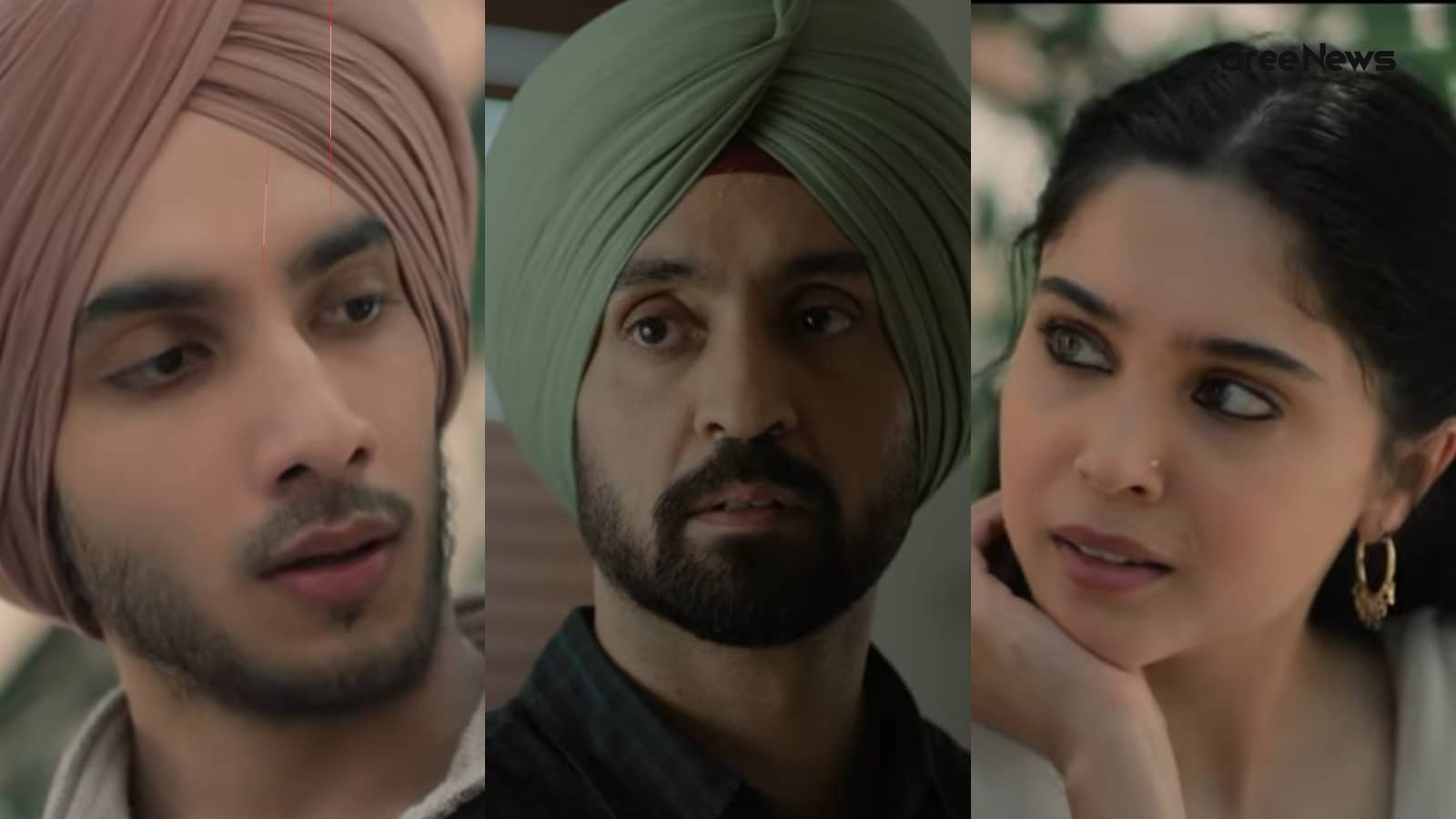
The Chaos of Cinema: Volume, Competition, and the Shifting Market
The Friday arrived packed. June 12th. It wasn't just another day; it was a collision of cinema. Nine films, all hitting the screens at once. *Main Vaapas Aaunga*, Imtiaz Ali’s directorial effort. Then you had Kangana Ranaut’s *Bharat Bhhagya Vidhaata*. And the horror mixed in Vikram Bhatt’s *Haunted
Jun 10, 2026 by Gree News Team

Stock Market Updates: June 10th Performance and Sector Analysis
Stock market updates today, June 10th. Everything turned sour in late trading Wednesday. Domestic equity markets basically gave up all those gains they managed to hold during the day. Heavy selling hit midcap, smallcap stocks, plus metals, realty, and financial names dragging the main indices into n
Jun 10, 2026 by Gree News Team

Iran Football Team Travel and World Cup Arrangements
Iran’s football team is heading to Los Angeles, apparently. They announced Tuesday that they'll be flying there the day before their first group-stage game against New Zealand. It feels like a lot happening all at once. But where exactly will they be staying? They won't actually be in L.A. for long.
Jun 10, 2026 by Gree News Team
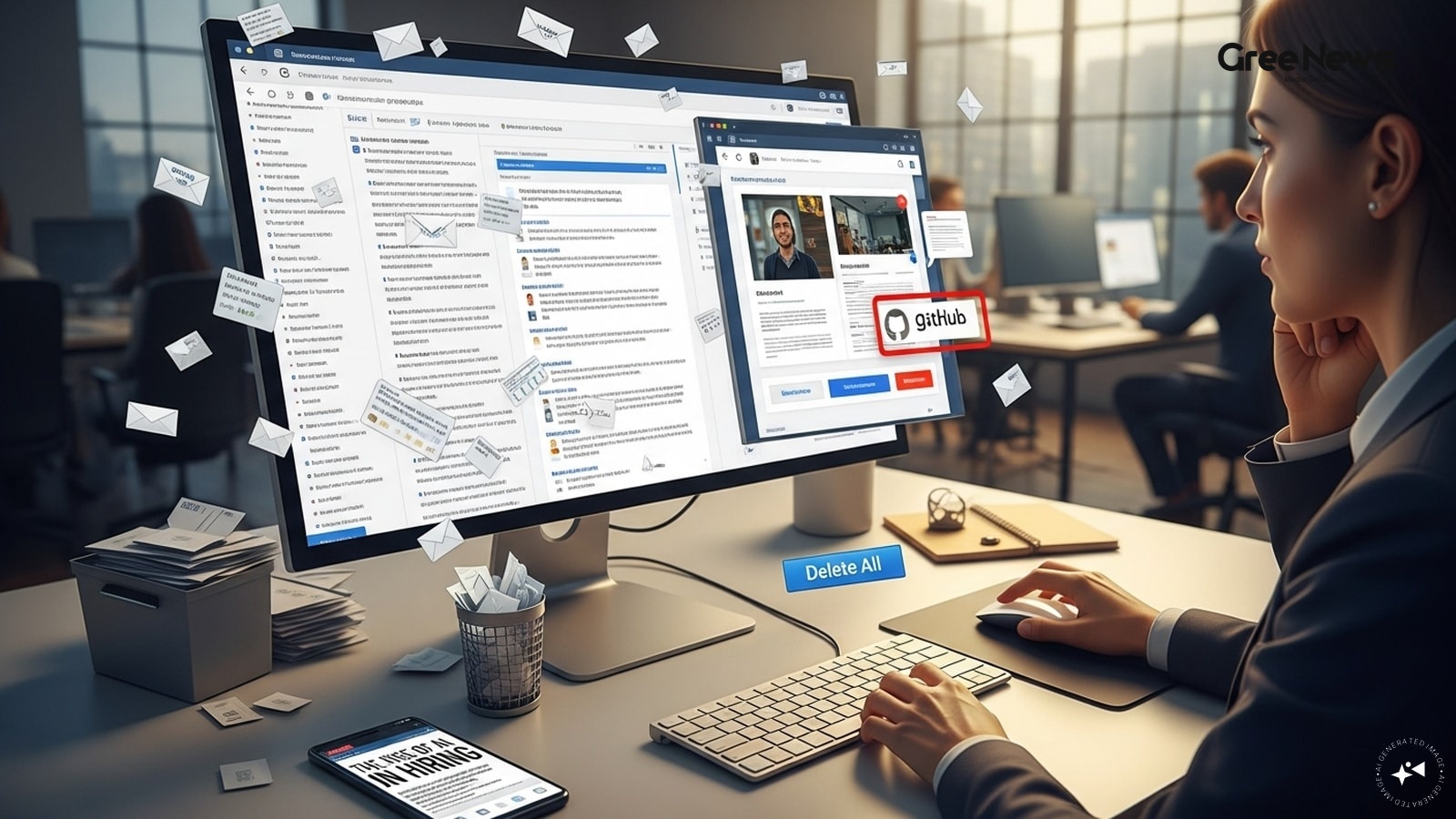
The Impact of Gen AI on Job Applications and Hiring Strategies
When you start looking for a job, everyone builds this whole structure: the résumé, that killer cover letter, tailoring it perfectly. The whole point was always that application could make you jump out from the crowd of hundreds of applicants. But honestly? Recruiters are starting to think that play
Jun 10, 2026 by Gree News Team
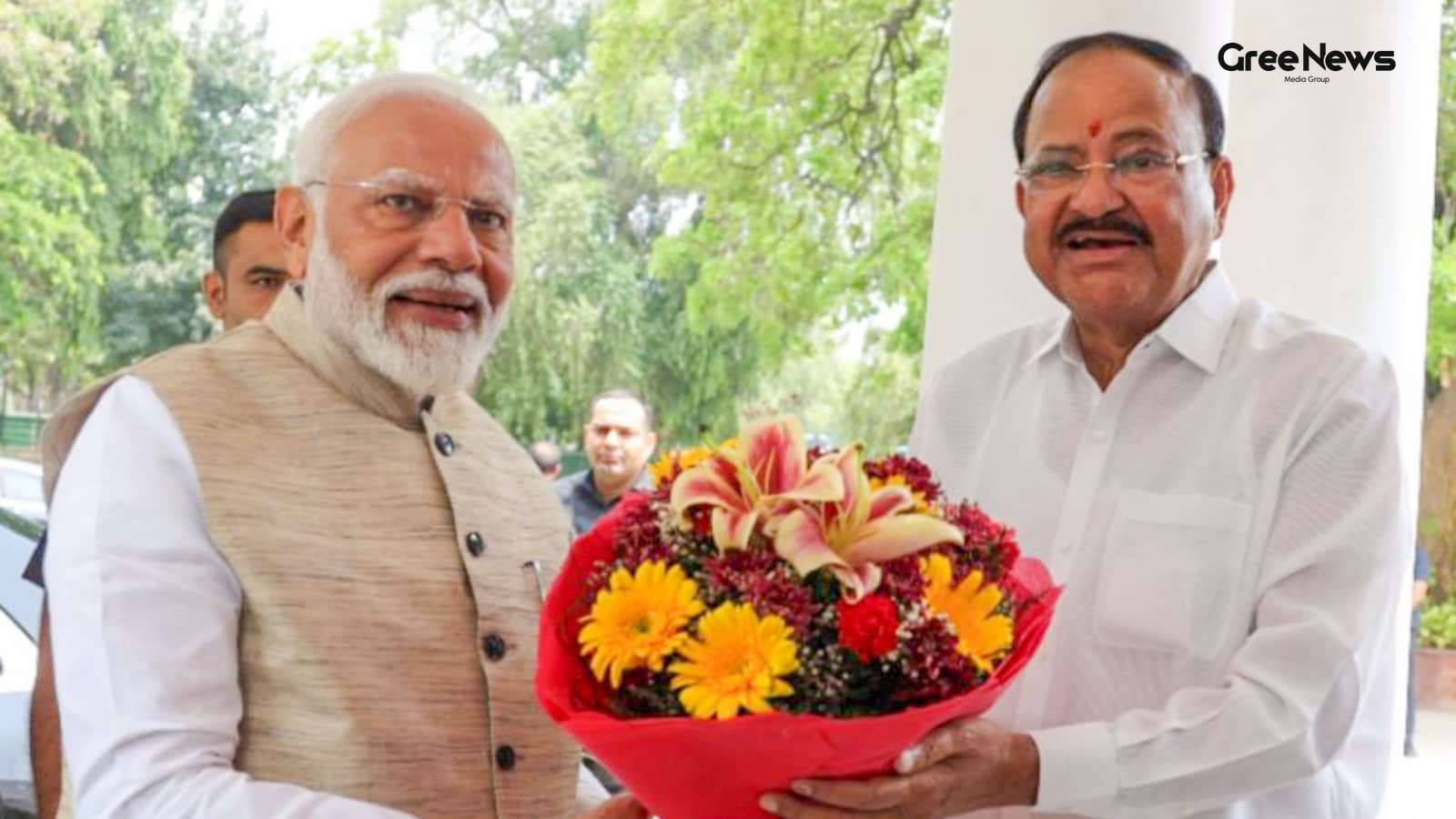
Narendra Modi's Milestone: India's Longest-Serving Prime Minister
Narendra Modi just hit a huge milestone. India’s longest-serving elected Prime Minister. Forty-three hundred ninety-nine days in office now. That beats Nehru's record, which was the first one. Former Vice President Venkaiah Naidu spoke about it. He praised the leadership and everything Modi has done
Jun 10, 2026 by Gree News Team