Sarthak Karkare: The Legacy of Maqta and Musical Identity
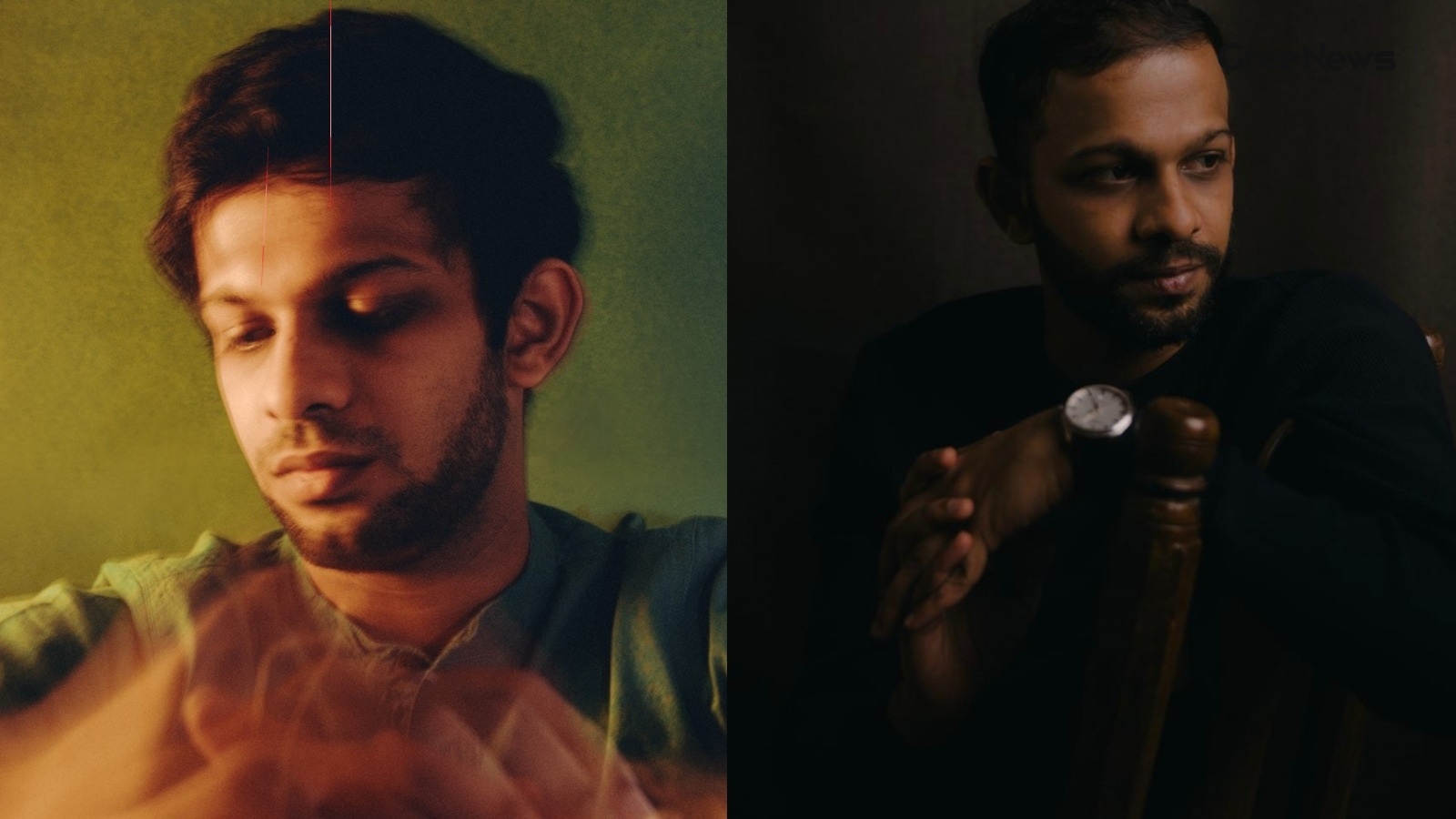
Maqta. That name just carries this quiet declaration, doesn't it? It’s the final couplet in a ghazal, where the poet just signs himself onto the poem. For Sarthak Karkare, though, it’s been something more elusive. Not a disguise, not a brand. It’s a way of acknowledging all those voices that had already signed themselves into him before he ever started writing in Hindi.
You hear all this stuff bleeding into his music. Retro film songs playing at home. Ghazals that travel through generations. The “shudh” Hindi of his grandparents. Hindustani, Western classical music. Even the private literature of family memory—all of it found its way into the music he makes now, under that name.
Before Maqta, he was known in English alt-rock circles. Bands like Unohu and St. Cyril. But then the pandemic hit. Isolation forced everyone to look at what they actually lived. He started pulling back, returning to the language, the music, the stories that built his earliest emotional world. English, he said, just couldn’t reach the depth he needed. Hindi and Urdu, though—they carried this inherited resonance. Memory. Texture. A certain warmth you just can’t translate.
That shift became this whole musical universe. From Dor and Silsile to Jaane Bhi De, to Kahin Tu Azaad Toh Nahin. Maqta’s songs lean into vulnerability, but they don't turn it into some spectacle. His latest, Woh Geet , is lighter. It’s born from a creative block, really. His mother suggested he write a song about searching for a song, and suddenly, songwriting became this small adventure. The result is sprightly, acoustic, almost childlike in its sense of discovery.
He talked about choosing this identity. Moving from English rock to Hindi-Urdu songwriting. Finding home in old melodies. Turning literature, memory, and personal reckoning into sound. He mentioned the house-concert culture helped him build an audience away from those viral algorithms. There’s a quiet philosophy behind tracks like Kahin Tu Azaad Toh Nahin . And the full-length album he spent nearly four years shaping.
The Meaning and Influence of Maqta
“Maqta” itself means the final signature couplet in a ghazal, where the poet reveals their name. Why that choice? How does it shape how you sign every song with something so deeply personal?
His music draws from retro Bollywood, ghazals, Hindustani and Western classical. And deep bonds with his parents and grandparents—especially his grandparents, who were from the northern part of India, so “shudh” Hindi was just household stuff. When he started writing in Hindi during the lockdown, he realized he was just blending all these things. Transcending them. Assimilating them into one thing, something bigger than just himself. He didn’t want to just name the music after himself. It felt like continuing a legacy. A legacy he’d witnessed, and now finally getting to participate in.
Using that stage name gives him comfort. It’s knowing he’s always in great company. That he’ll always be humbled by this legacy.
The Shift to Hindi-Urdu and Authenticity
You grew up surrounded by those old melodies, ghazals, and classical music. Then you made your name in English alt-rock. What was the internal push that made him switch to Hindi-Urdu lyricism?
He started performing in English rock while in college. Then the lockdowns hit, and that was when he finally looked around. He rediscovered the music and literature he grew up with, mostly in Hindi. It connected him back to himself, his family, his grandparents.
Plus, he felt he hit a wall with English. It felt like the words were just scratching the surface. He understood the language, sure, but it felt too literal. Hindi and Urdu, for him, carried deeper connotations. They were beautiful to hear, yes, but they unlocked something else. It felt more authentic.
Your music feels like a quiet rebellion against the fast, loud stuff. Bridging nostalgia and modern sensibility. What does “home” sound like now? RD Burman records? Mehdi Hasan ghazals? Or just the silence between the notes?
He realized he carries a piece of everyone’s home in his songs. His inspirations are really the inspirations of countless households across India. There’s something deeply comforting about melodies and words rooted in the Indian tradition. It’s like everyone has tapped into this treasure, whether in film or music, to bring it back to life for their own time. He hopes to do that too.
The Creative Process and Freedom
Woh Geet is this meta song about searching for “the song” itself—in everyday moments, books, spaces, fleeting thoughts. His mother suggested he write about the act of writing to break a creative block. What was it like to make the song the main character?
The only emotion left him while writing it? Joy. He wanted something simple, direct, almost childlike. He wanted to skip the seriousness of the writing process. He worked with Moe’s Art Studios for the music video, and he was happy with how it turned out.
The EP Kahin Tu Azaad Toh Nahin explores that quiet paradox: we might already be free, but we often don't notice it. How has that theme changed since Silsile , and what made him feel it?
He figured that when we’re down, we just want a little more from life, but we refuse to see what we already have. That makes us our own worst enemies. He admitted he was guilty of it. Right before the EP, he wasn't in a great space personally. But he knew it couldn’t be all that defined him. So instead of thinking about big ideas, he started looking at real, tangible things. Relationships. Things that made him feel like himself. That, for him, is freedom. Getting to be yourself.
If you start there, you find that life confirms freedom every day, in wonderful ways. You just have to look.
Connecting with the Audience
From the breakthrough vulnerability of Dor in 2020 to the cinematic feel of Jaane Bhi De , his songs have always turned personal longing into something universal. How has six years as Maqta changed how he handles what he reveals versus what he keeps locked away?
He’s private. It took him a long time to accept vulnerability as strength. He still struggles with it, just like other artists. But he thinks that’s the point of the job. The most important thing he learned is you can’t connect with anyone if you don’t bare your soul. In that act, you confirm what it means to be human. Together. He’s seen it happen in front of him—the tears, the laughter during shows. When he reads the messages afterward, he realizes sharing himself authentically breaks down the formality. It creates safe spaces.
Many tracks feel like intimate conversations with the past. Is it remembering, or trying to create presence in the now?
He has a song called ‘Yaadon Ka Nishaan’ that tackles this. It’s about diving deep into the past, especially the bad memories, to understand what we’re made of. Who we were, are, and where we’re going.
In the end, he sees his songs as one big project. A way to link up important truths, feelings, insights that make up the fabric of life.
When you mix Hindustani classical raags, Western sensibilities, retro Bollywood, and modern production—what’s the trickiest, and most rewarding, balancing act?
Finding his own voice among all those influences is the hardest part. It’s an ongoing project. He has more clarity now, but songwriting is dynamic. It changes constantly. Finding that voice as an artist? That’s the ultimate goal.
In an industry that screams for high-energy, short content, what are listeners secretly craving that his Hindi-Urdu music offers?
He thinks most of us are just feeling overstimulated. We’ve built these prisons of excess information. It leaves people feeling alienated from everything.
But his audiences tell him something else. His music and shows reconnect them. To their memories. To their friends. To their families. To everything that was part of their formative years. He saw people sitting there—eighteen and eighty-year-olds—and someone wanted to bring their whole family for the next show. It tells him people still crave those real, tangible connections. He hopes his music gives them exactly that.
He’s still surprised by how people connect with these intimate, old-world stories through house concerts and word-of-mouth, instead of viral algorithms.
When he first started these shows, he was nervous. Would people actually want to come to a stranger’s house? But over the last three years, those shows have taken him everywhere. Introduced him to incredible people who totally got his music and this format.
He thinks it’s because life feels so surreal now. Scrolling social media makes you feel like your life is either too much or too little. You need experiences that bring you back to the present. Sharing a small space to listen, that’s deeply comforting. It pulls you back to the now. Phones just lead you everywhere and nowhere at once. He’s grateful for how those shows got accepted.
Written by Gree News Team — Senior Editorial Board
Gree News Team covers international news and global affairs at Gree News. Our collective of senior editors is dedicated to providing independent, accurate, and responsible journalism for a global audience.
More from Movies
View All
Intersection of Art, Politics, and Public Morality at Film Screening
The buzz around the screening for ‘Bharat Bhhagya Viddhaata’ was definitely something special that Tuesday evening in Delhi. It wasn't just about watching a movie; it felt like a convergence a mix of film fans, some political heavyweights, and a surprising amount of high-level government presence. P
Jun 10, 2026 by Gree News Team
The Chaos of Cinema: Volume, Competition, and the Shifting Market
The Friday arrived packed. June 12th. It wasn't just another day; it was a collision of cinema. Nine films, all hitting the screens at once. *Main Vaapas Aaunga*, Imtiaz Ali’s directorial effort. Then you had Kangana Ranaut’s *Bharat Bhhagya Vidhaata*. And the horror mixed in Vikram Bhatt’s *Haunted
Jun 10, 2026 by Gree News Team

Janhvi Kapoor, Creature Horror, and the Dynamics of Industry Scrutiny
Janhvi Kapoor. right now she’s just... navigating things. you see those whispers in the industry? they always start small, a ripple that eventually becomes a wave, isn’t it? and this time, it feels like there's some actual movement happening. talks. rumors swirling around about what comes next for h
Jun 10, 2026 by Gree News Team
The Rawness of Grief: Public Reaction to Loss
The air just felt thick. That’s what hung over the news cycle these days. It started with Kumud Rane. It’s a messy aftermath. Pictures surfaces. Notes are dropped. People react. Not with polite distance, but with something raw, exposed. Salman Khan, for instance. He wasn't just watching the news; he
Jun 10, 2026 by Gree News Team
Latest Headlines
Political Speculation and Internal Turmoil within the TMC
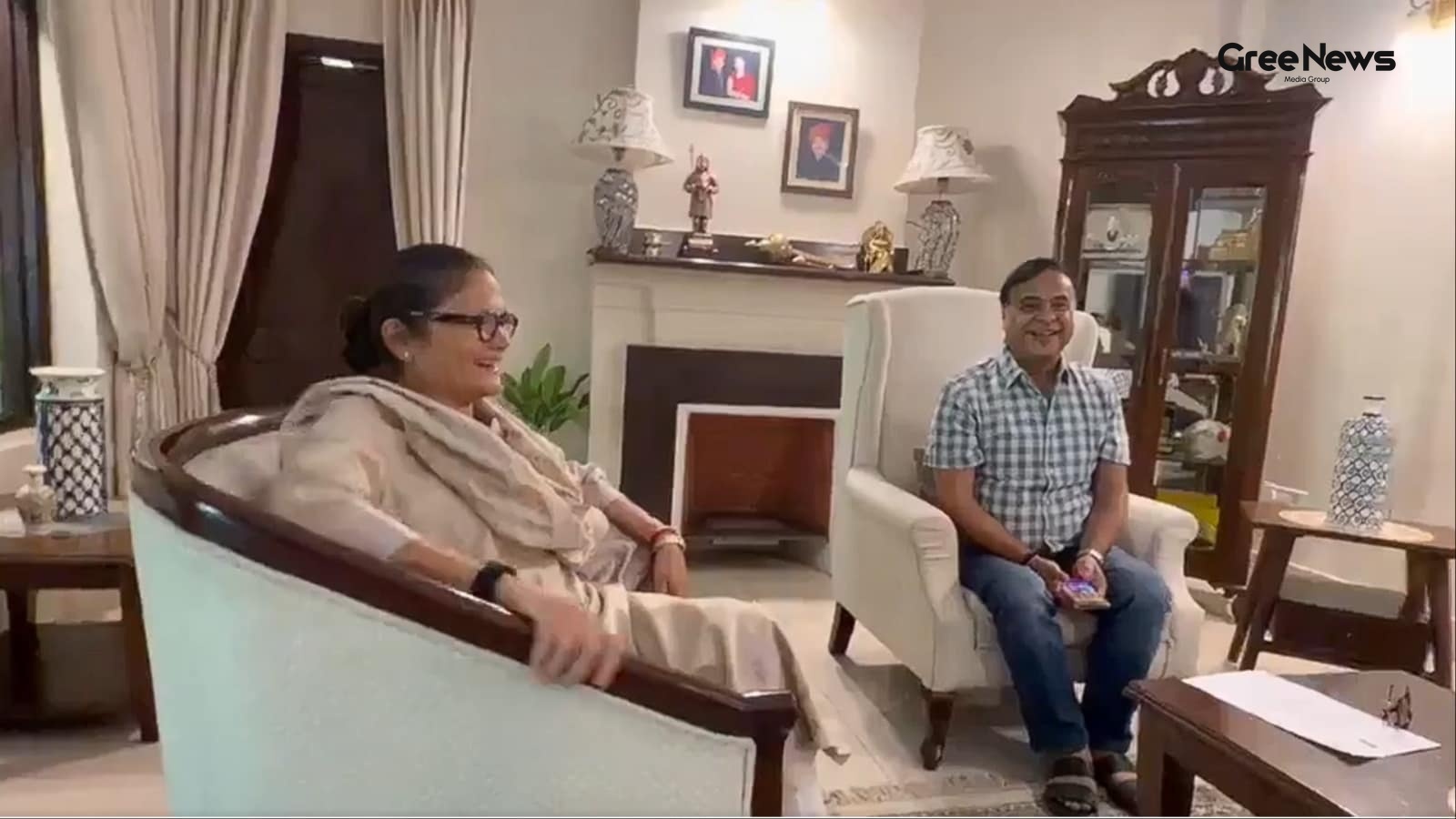
Fresh visuals surfaced of Sushmita Dev meeting Assam Chief Minister Himanta Biswa Sarma. That kind of thing just kicks the speculation into high gear about her next move. It’s all about her potential entry into the BJP, right? This happened right after she stepped down from Rajya Sabha and walked ou
Jun 10, 2026 by Gree News Team

FIFA World Cup 2026: Structure, Geography, and the Official Match Ball
The FIFA World Cup 2026 is really starting to feel imminent now. It’s heading toward North America the USA, Mexico, and Canada are slated to host this massive global spectacle. People are talking about it constantly. It’s not just a standard tournament anymore. This time around, they’re throwing way
Jun 10, 2026 by Gree News Team
Lionel Messi and Argentina's World Cup Journey in Group J
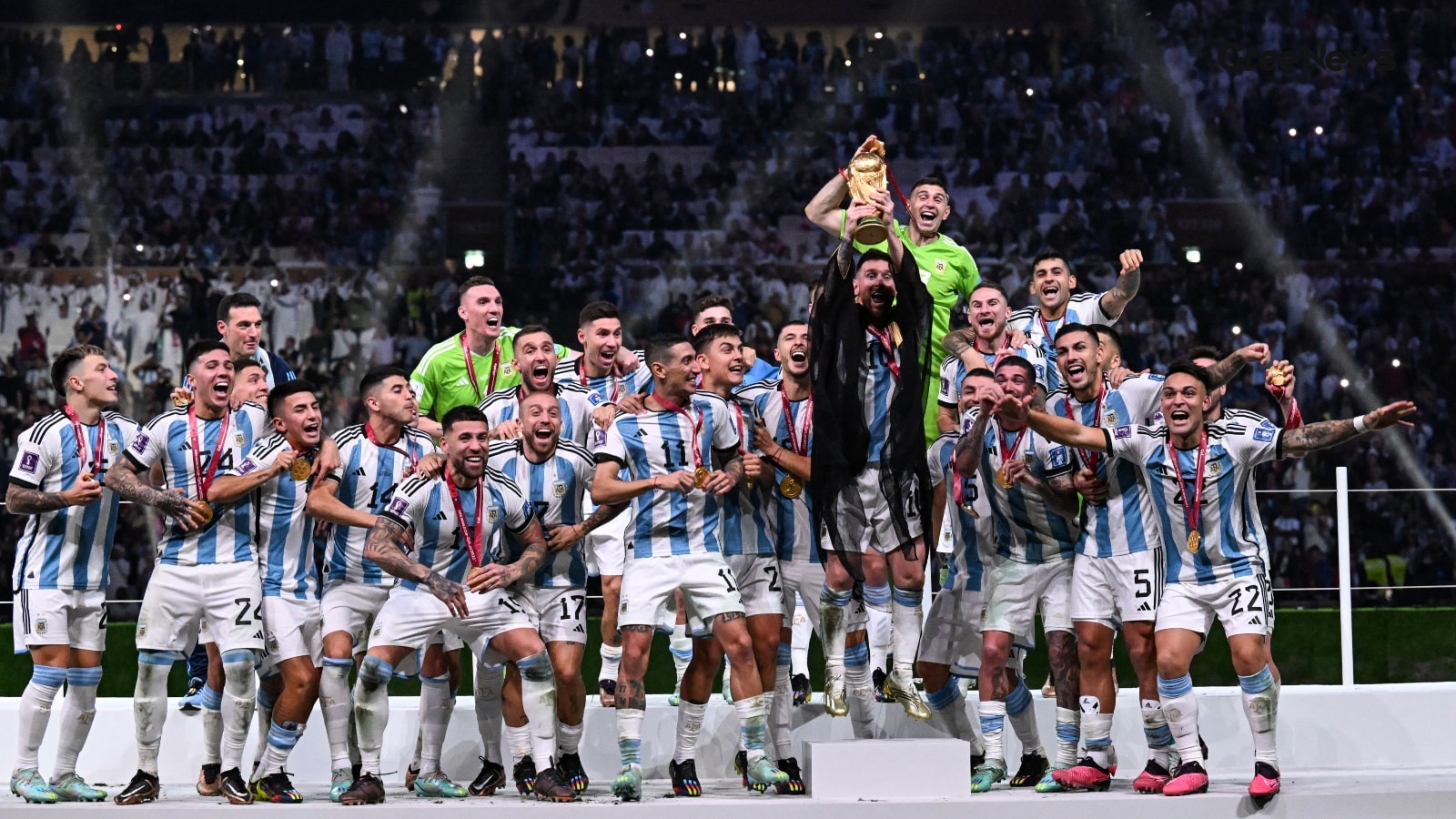
Argentina’s taking on Group J in this new setup USA, Mexico, and Canada it feels like more than just football now. It’s about that farewell, isn't it? Lionel Messi is chasing something special right now, playing out this final chapter with the Albiceleste against Algeria, Austria, and Jordan. There’
Jun 10, 2026 by Gree News Team

Federal Judge Bars Nitrogen Gas Execution in Alabama
A federal judge just slammed the door shut on Alabama’s plan to use nitrogen gas for executing Jeffery Lee. Permanently barred it, ruling the method violated basic constitutional rights about cruel and unusual punishment. This decision dropped like a stone. It came just one day after an appeals cour
Jun 10, 2026 by Gree News Team
Kerala Board Plus One Results 2026 Announcement and Checking Methods
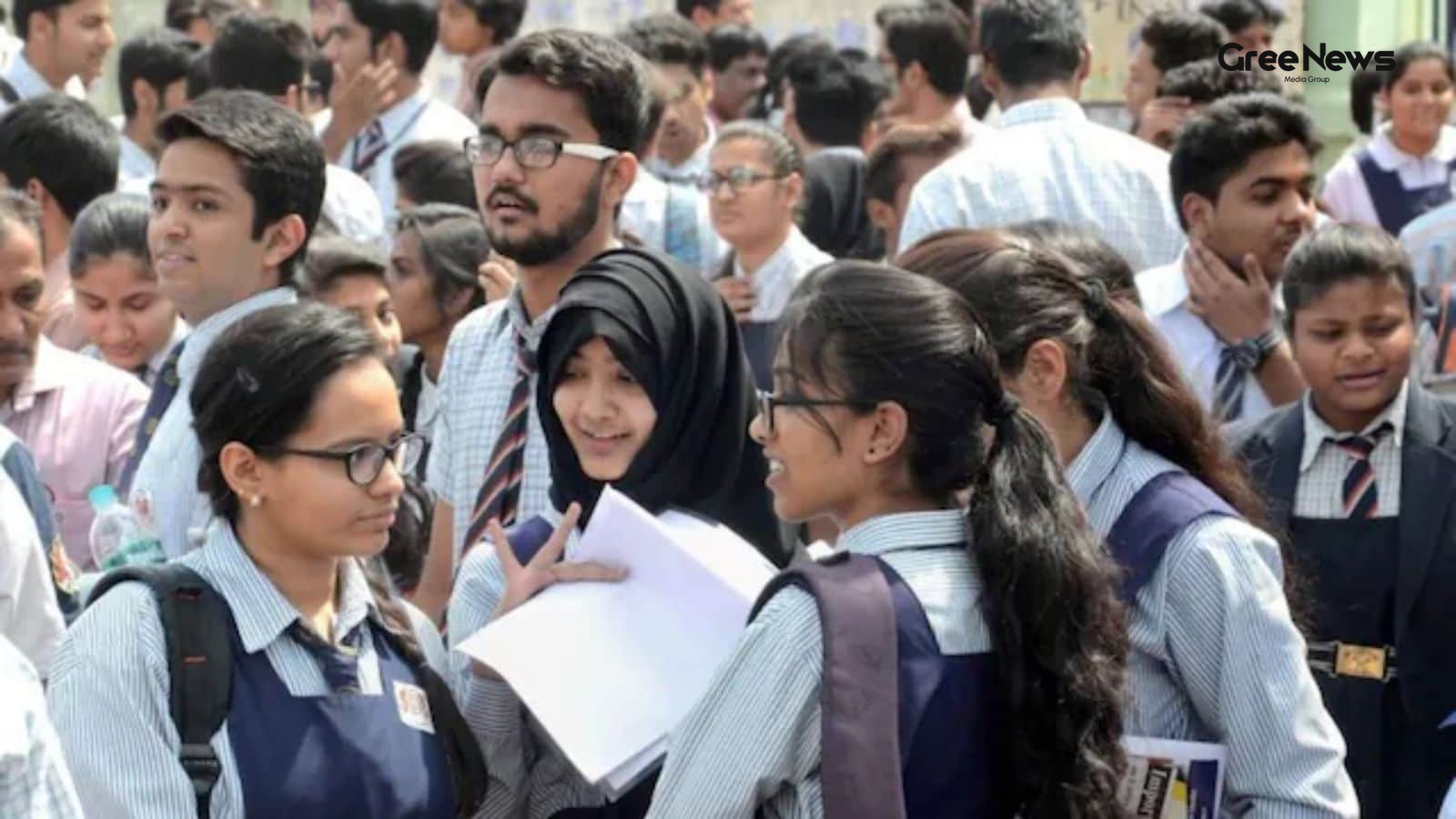
The Kerala Board Plus One results for 2026 are finally coming today, June 10th. That’s when the Directorate of Higher Secondary Education will officially announce everything. Students who took the DHSE Kerala Class 11 exams in 2026 can start checking their scores now. You have a few places to look,
Jun 10, 2026 by Gree News Team
Threats and Intimidation Against Former Judge Justice Gautam Patel
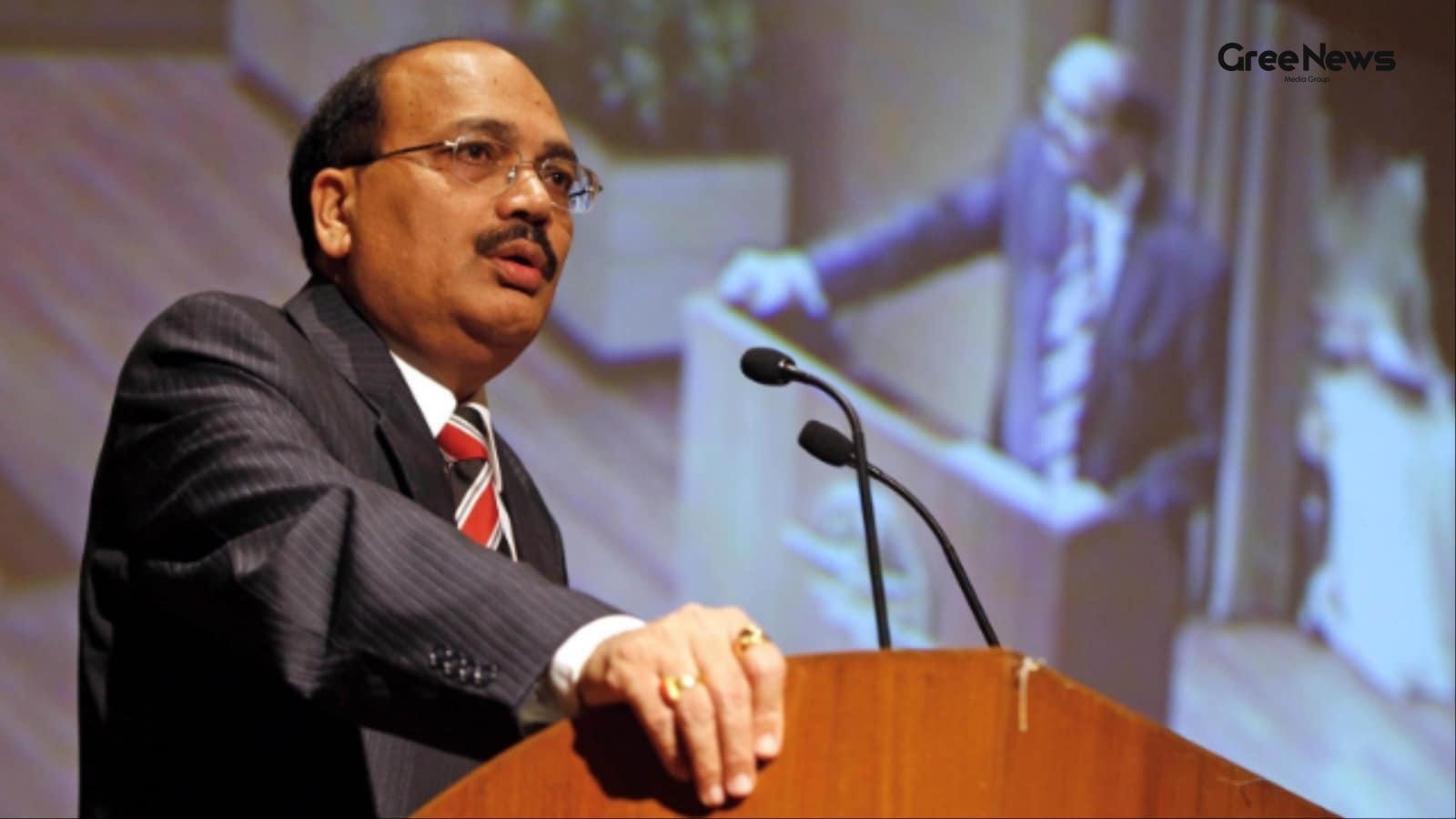
Chief Justice Surya Kant stepped in on the matter involving threats and intimidation aimed at former Bombay High Court judge Justice Gautam Patel. This happened while he was visiting the UK, raising the issue with India’s High Commissioner there. It came out of a report by The Times of India. The wh
Jun 10, 2026 by Gree News Team
Intersection of Art, Politics, and Public Morality at Film Screening
The buzz around the screening for ‘Bharat Bhhagya Viddhaata’ was definitely something special that Tuesday evening in Delhi. It wasn't just about watching a movie; it felt like a convergence a mix of film fans, some political heavyweights, and a surprising amount of high-level government presence. P
Jun 10, 2026 by Gree News Team
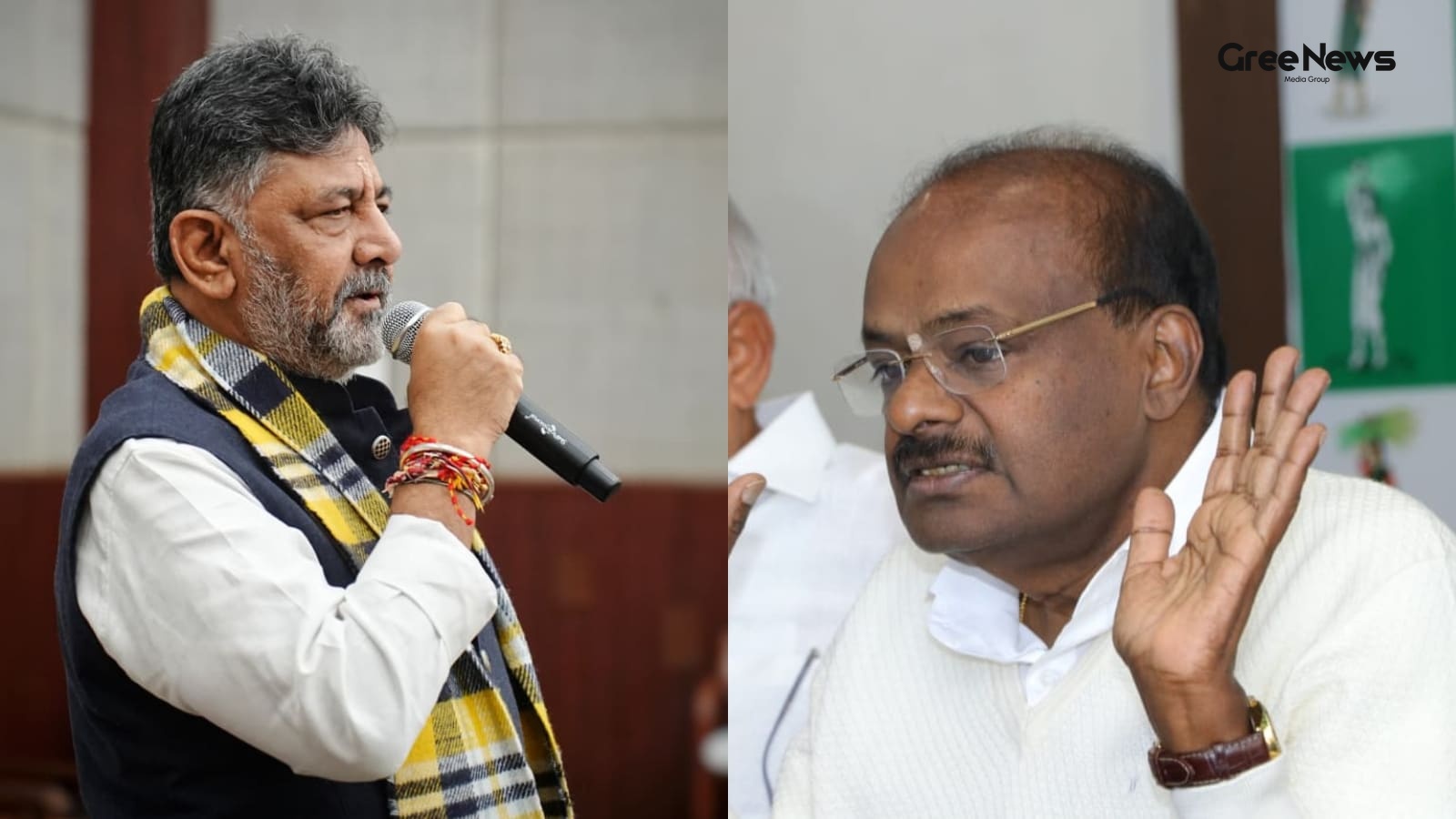
The Political Feud: Shivakumar vs. Kumaraswamy and the Vokkaliga Rivalry
A meeting that hasn't even happened is already sparking political sparring. Karnataka Chief Minister DK Shivakumar and Union Minister HD Kumaraswamy. It just underlines how bitter one of the state’s longest-running rivalries still is. Shivakumar was doing some outreach, a carefully choreographed exe
Jun 10, 2026 by Gree News Team
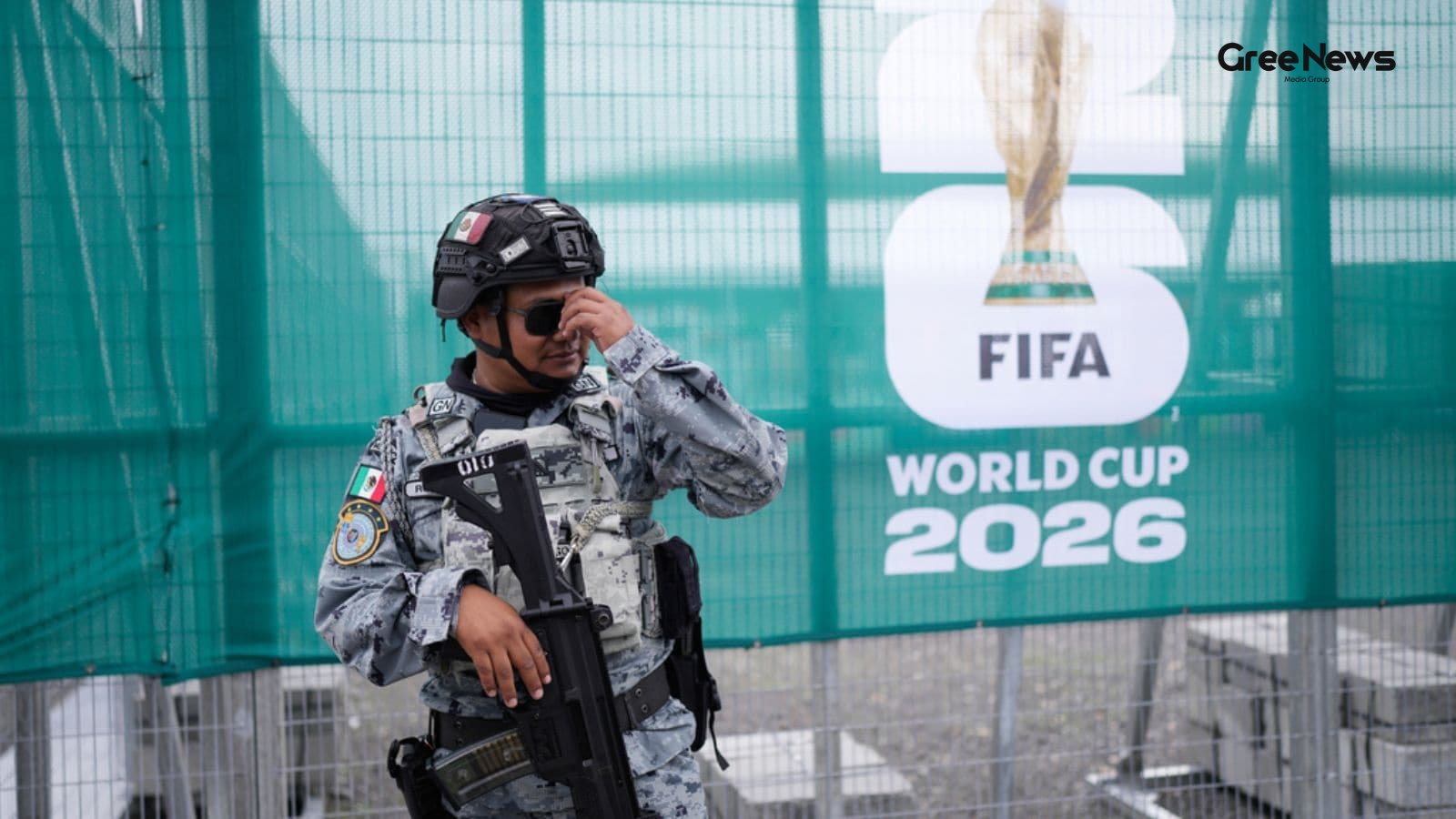
Protest and Political Standoff in Mexico City Before the World Cup
A protest choked off an avenue leading right to Mexico City’s Azteca Stadium for hours on Tuesday. It was just days before that massive World Cup opening match. As football fans started flooding in, all those co-hosts the US, Canada, and Mexico you see the real mess happening back home. Thousands of
Jun 10, 2026 by Gree News Team
The Global Nuclear Arms Race: Spending, Capabilities, and Future Risks
Nearly eight decades since Hiroshima and Nagasaki. And the world’s nuclear powers aren't slowing down. They keep spending more, modernizing faster, and experts are watching them move weapons out of storage and into potential use. It’s a real arms race happening right now. The nine states that hold n
Jun 10, 2026 by Gree News Team
The Chaos of Cinema: Volume, Competition, and the Shifting Market
The Friday arrived packed. June 12th. It wasn't just another day; it was a collision of cinema. Nine films, all hitting the screens at once. *Main Vaapas Aaunga*, Imtiaz Ali’s directorial effort. Then you had Kangana Ranaut’s *Bharat Bhhagya Vidhaata*. And the horror mixed in Vikram Bhatt’s *Haunted
Jun 10, 2026 by Gree News Team

Stock Market Updates: June 10th Performance and Sector Analysis
Stock market updates today, June 10th. Everything turned sour in late trading Wednesday. Domestic equity markets basically gave up all those gains they managed to hold during the day. Heavy selling hit midcap, smallcap stocks, plus metals, realty, and financial names dragging the main indices into n
Jun 10, 2026 by Gree News Team
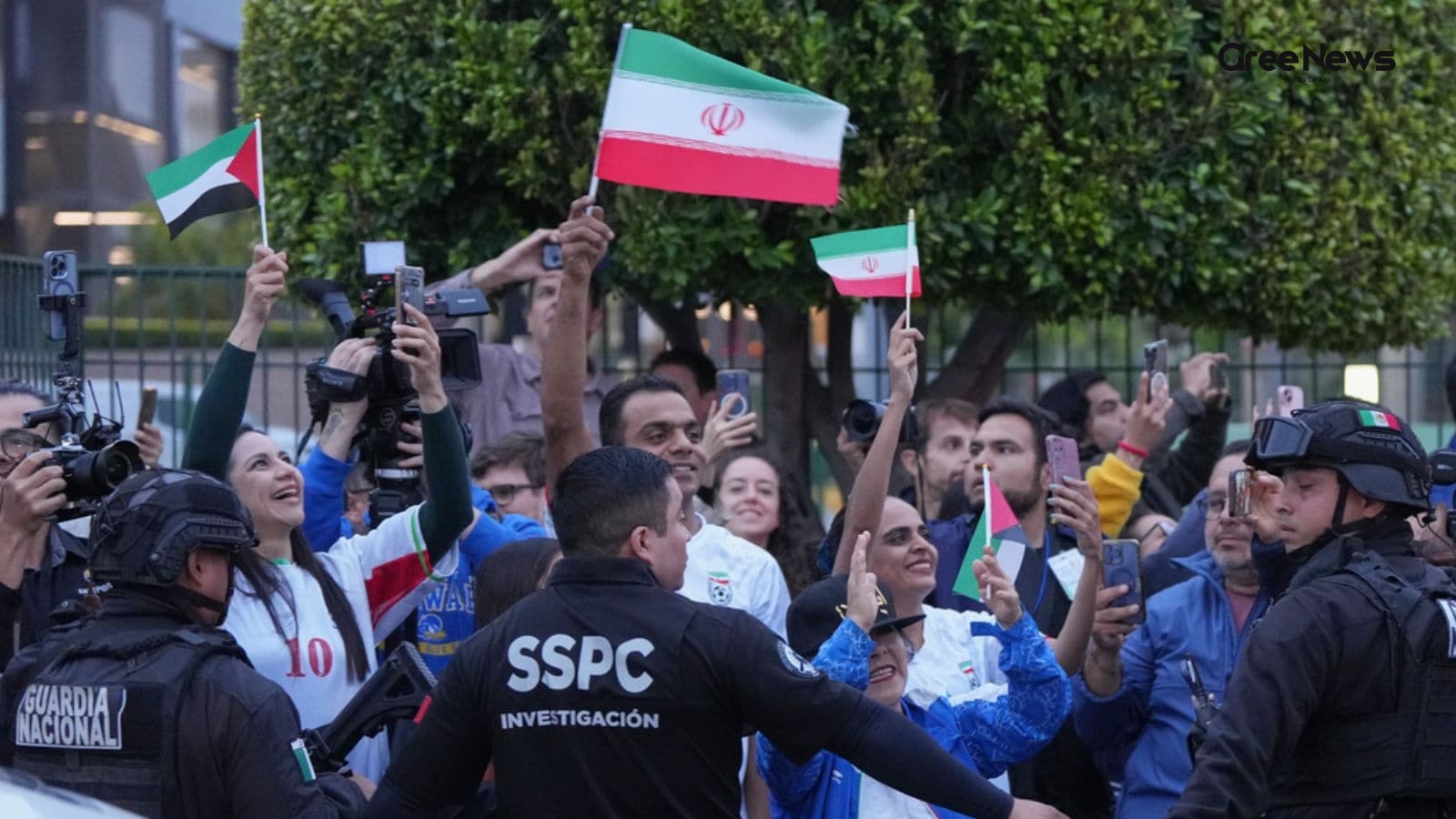
Iran Football Team Travel and World Cup Arrangements
Iran’s football team is heading to Los Angeles, apparently. They announced Tuesday that they'll be flying there the day before their first group-stage game against New Zealand. It feels like a lot happening all at once. But where exactly will they be staying? They won't actually be in L.A. for long.
Jun 10, 2026 by Gree News Team

The Impact of Gen AI on Job Applications and Hiring Strategies
When you start looking for a job, everyone builds this whole structure: the résumé, that killer cover letter, tailoring it perfectly. The whole point was always that application could make you jump out from the crowd of hundreds of applicants. But honestly? Recruiters are starting to think that play
Jun 10, 2026 by Gree News Team
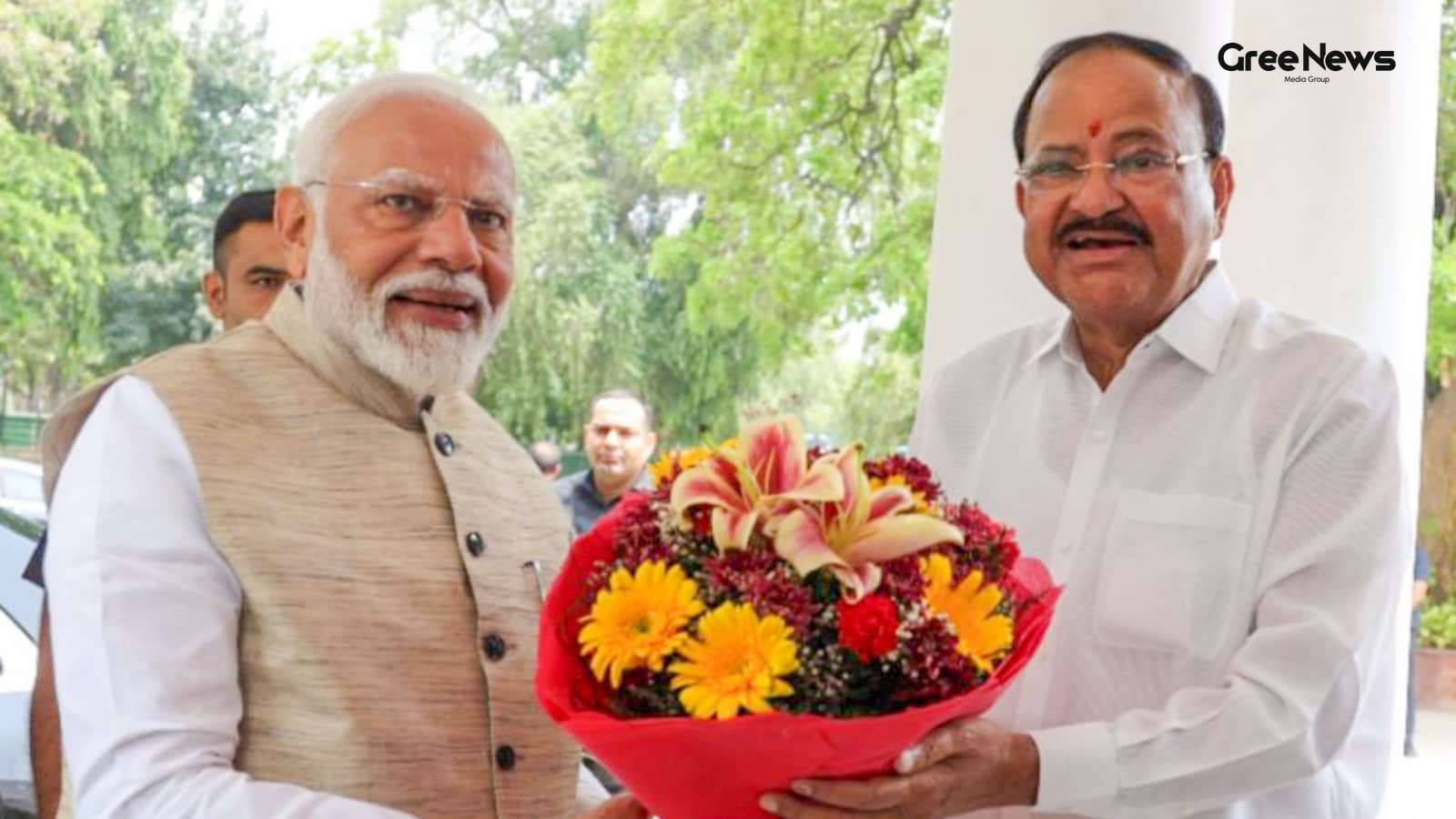
Narendra Modi's Milestone: India's Longest-Serving Prime Minister
Narendra Modi just hit a huge milestone. India’s longest-serving elected Prime Minister. Forty-three hundred ninety-nine days in office now. That beats Nehru's record, which was the first one. Former Vice President Venkaiah Naidu spoke about it. He praised the leadership and everything Modi has done
Jun 10, 2026 by Gree News Team