Starbucks Korea Marketing Scandal and Historical Trauma
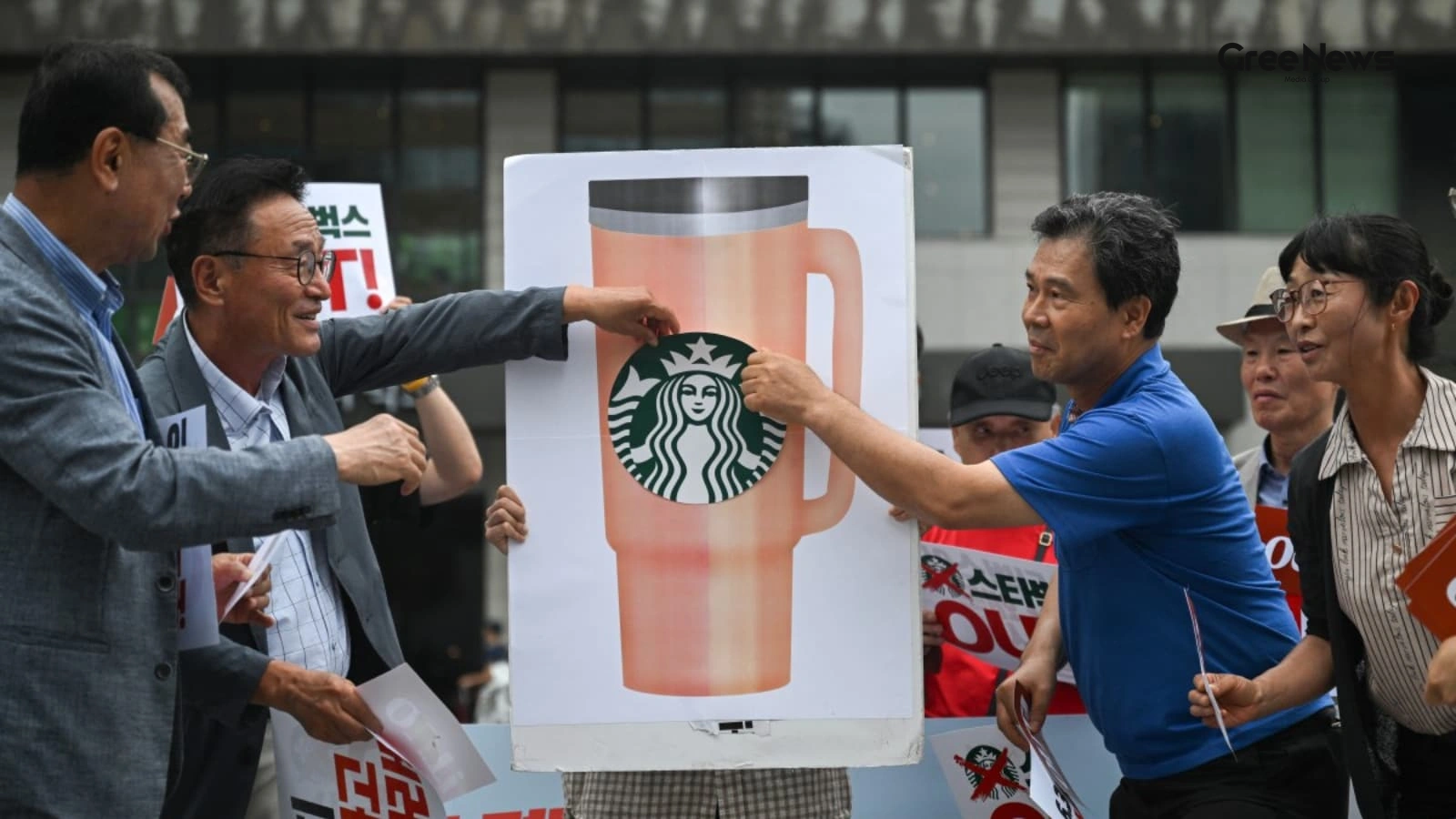
What started out as something small. A routine marketing push. Starbucks launching a new line of tumblers across South Korea. Just trying to sell bigger cups, you know?
But it didn't stay a simple promotion. It spiraled. Fast. Into one of the biggest corporate headaches the country has seen in years. Public protests erupted. Customers started boycotting everything. The CEO got fired. And politicians had to step in. It became way bigger than just spilled coffee on the internet.
The whole thing hinged on May 18th. That date isn't just any random day for South Koreans. It’s etched into the memory. It’s “5·18.” The anniversary of that brutal Gwangju Uprising. A movement for democracy, violently crushed by the military regime under Chun Doo-hwan.
That history hangs heavy. It’s not something you just gloss over with a catchy slogan.
Starbucks Korea decided to use it. They launched this campaign calling their new tumblers the “Tank Series.” And they declared May 18th as “Tank Day.”
It was meant, apparently, to highlight how big the cups were. To encourage people to buy bigger drinks. A simple commercial idea, maybe. But for a lot of people, it felt like an absolute slap in the face. An unforgivable act of blindness toward deep historical trauma.
The timing. The messaging. It just landed wrong. Across South Korea. Instantly.
People were furious. Deeply outraged. They saw the product names and the date, and they saw something completely insensitive. A mockery of a moment that was supposed to define resistance.
And then there was the other part of the fallout. Another slogan surfaced. “Thwack on the desk.”
That phrase just clicked into place for critics. It echoed things from the darkest times. Think about it. The explanation given by authorities after Park Jong-chul’s torture death back in ’87. That moment when the official line was used to cover up brutality. When words were twisted, abused. People remember that deception.
Critics argued this wasn't just a silly marketing mistake. It felt like referencing state violence. Like using painful history as cheap advertising material. The connection between the coffee brand and those dark memories became toxic.
Starbucks Korea pulled the promotion within hours of launching it. But the damage was already done. The anger didn’t evaporate. It just went underground, simmering.
Then the noise started online. Videos flooded the feeds. People weren't just talking about tumblers anymore. They were showing customers smashing their mugs. Demonstrations popped up outside stores. Social media accounts got deleted en masse. Demands for refunds—for those prepaid balances—started flooding in. It was pure, raw anger made visible.
The reaction was immediate. Swift. Brutal even.
Starbucks Korea CEO, Son Jeong-hyun? He was dismissed the very same day they pulled the campaign. He had to step down. But before he walked out of the building, there was that public apology. A promise about historical awareness. About ethics. It felt hollow, didn't it? Like an afterthought tacked onto a disaster.
It all climbed up the chain. The Shinsegae Group —the giant retail empire that holds the license for Starbucks Korea—was next. Their chairman, Chung Yong-jin, stepped in. He put out a written apology first. A formal acknowledgment. But that wasn't enough. It didn't silence the public fury.
Days later, he appeared on TV. A press conference. He bowed three times before the cameras. Apologies again. This time, it felt more like a performance than genuine remorse. You could see the struggle there. The effort to manage the optics rather than truly grasping the gravity of what happened.
“I take very seriously the fact that many people felt deep pain and anger because of Starbucks Korea’s inappropriate marketing campaign,” he said. But those who lived through Gwangju, the victims' families? They rejected it. They felt the apology was insufficient. It didn't feel like they understood the weight of that history at all.
The controversy went way beyond retail dollars. It hit the political atmosphere directly. Analysts started pointing out something much bigger than a bad slogan on a mug.
The Gwangju Uprising. That event is still massive in South Korean consciousness. It’s one of those historical flashpoints that keep reopening old wounds whenever there’s tension. Now, this corporate mess added another layer. It forced people to confront how corporations process—or fail to process—history.
It made you wonder about the whole structure of corporate responsibility. Who is watching? And what happens when a massive global brand operates within a specific national context, and that context has deep, painful history attached to it?
The financial side was messy too. It wasn't just about moral outrage. Money moved. Card spending at Starbucks stores in South Korea dropped significantly in the week following the scandal. Monthly transactions tanked compared to the previous month. That’s real economic impact there. People stopped participating. They pulled back.
And then you had the government involvement. The Defence Ministry reportedly halted a partnership with Starbucks. Government departments stopped buying gift cards. It wasn't just consumers reacting; institutions were pulling back too. A tangible consequence of public anger translated into policy decisions.
Internally, Shinsegae Group looked into it. Their investigation concluded that the campaign wasn’t intentionally designed to reference Gwangju. They said marketers used some kind of AI tool for slogans. Some managers approved things without checking everything attached. It was a failure of oversight. A massive gap in understanding what they were broadcasting.
But even with those internal findings, critics argued it still pointed to a larger flaw. Not just poor execution. But a systemic failure regarding historical awareness. Corporate oversight was clearly broken here.
And the echo goes on. The controversy isn't just about tumblers or slogans anymore. It forces us to look at the whole tapestry of modern South Korea. We’re talking about authoritarianism. State violence. And the agonizing, ongoing work of historical accountability. All these threads are tangled up now.
For many Koreans, this wasn't just a failed ad campaign. It became a brutal test. A measure of whether these massive corporations actually get and respect the collective memory of the nation. It asks: Do they see history as something to be sanitized? Or something to be honored?
The fallout from that one stupid slogan is probably going to stick around for years. It becomes a reference point. Something we look back on when debating corporate ethics, historical sensitivity, and the power dynamics between global business and local memory. It’s a scar left on the public consciousness. A reminder that sometimes, even massive companies miss the mark entirely.
Written by Gree News Team — Senior Editorial Board
Gree News Team covers international news and global affairs at Gree News. Our collective of senior editors is dedicated to providing independent, accurate, and responsible journalism for a global audience.
More from World
View All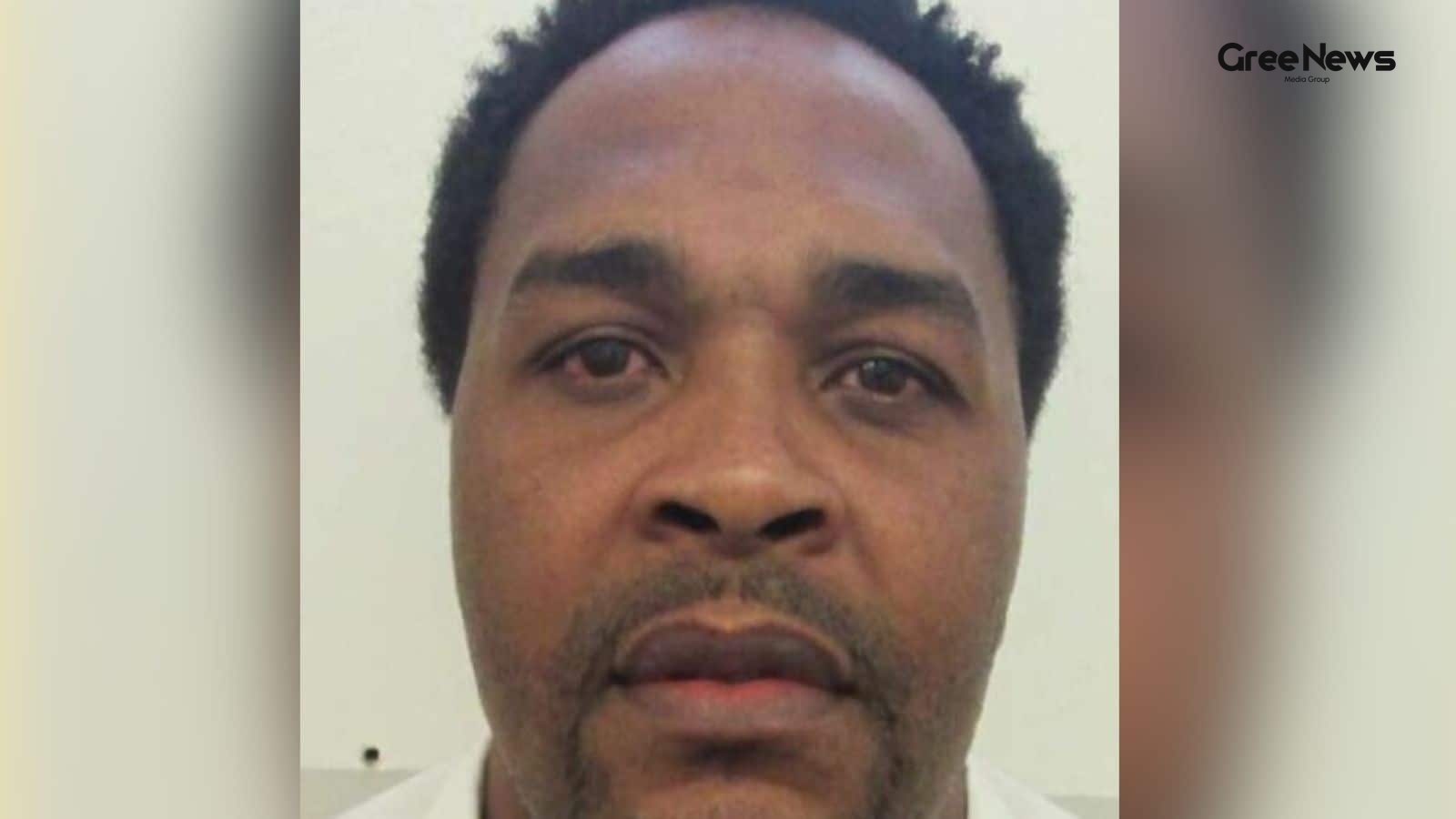
Federal Judge Bars Nitrogen Gas Execution in Alabama
A federal judge just slammed the door shut on Alabama’s plan to use nitrogen gas for executing Jeffery Lee. Permanently barred it, ruling the method violated basic constitutional rights about cruel and unusual punishment. This decision dropped like a stone. It came just one day after an appeals cour
Jun 10, 2026 by Gree News Team
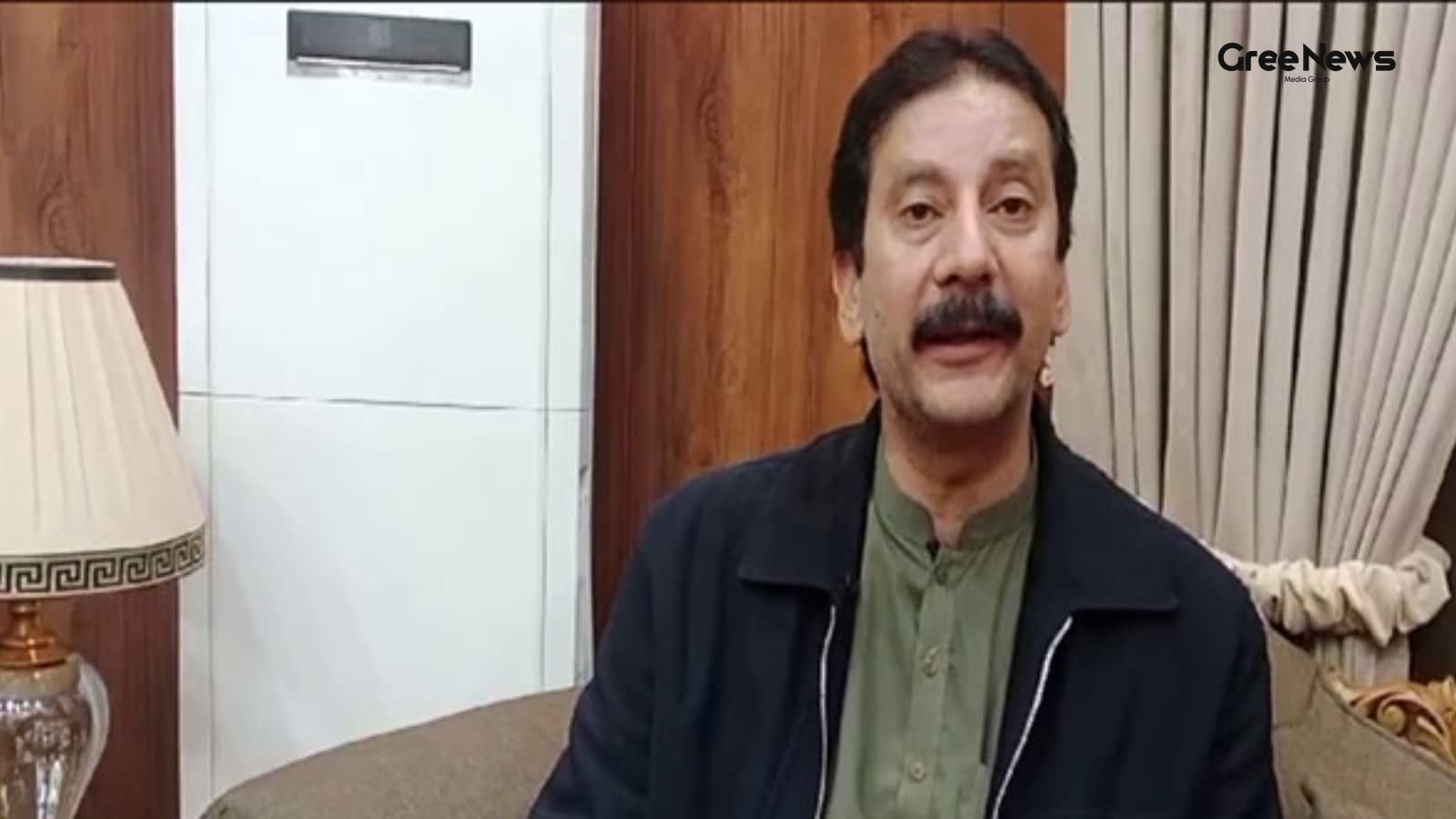
The Long March Escalates: Defiance and Crackdown in PoK
The long march by the Joint Awami Action Committee in PoK really kicked into gear on Tuesday. Leaders were striking a much more defiant tone now amid this widening crackdown. There are reports of fresh clashes everywhere. And growing anger over the deaths that have rocked the region these past three
Jun 10, 2026 by Gree News Team
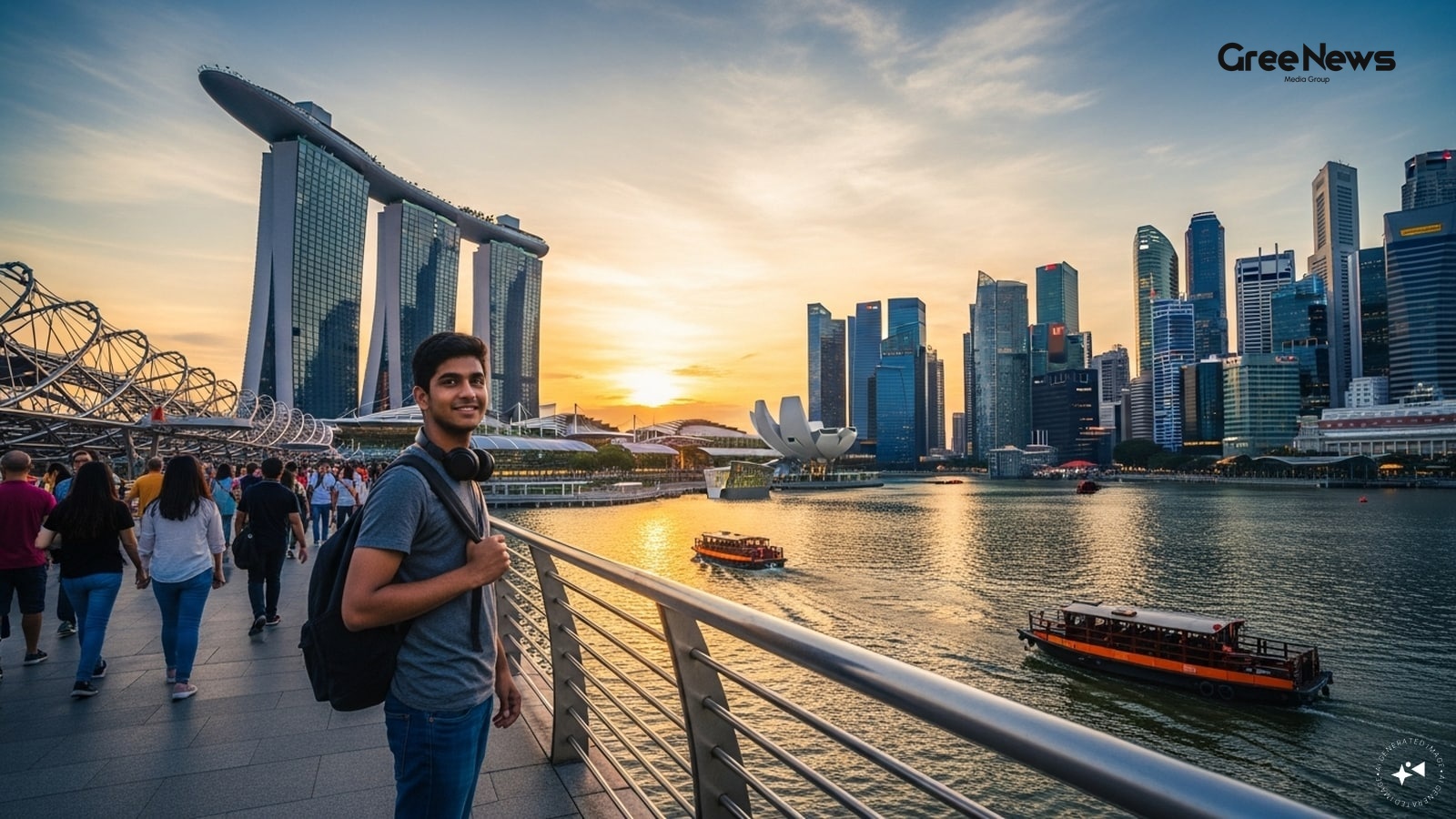
The Singapore Incident: Misinformation, Migration, and the Culture War
Indians make up roughly nine percent of Singapore’s residents. Chinese Singaporeans are still the dominant group, but Malays account for about fifteen percent of that multicultural mix. Yet recently, the city-state found itself in a real mess after authorities ordered social media platforms to block
Jun 9, 2026 by Gree News Team
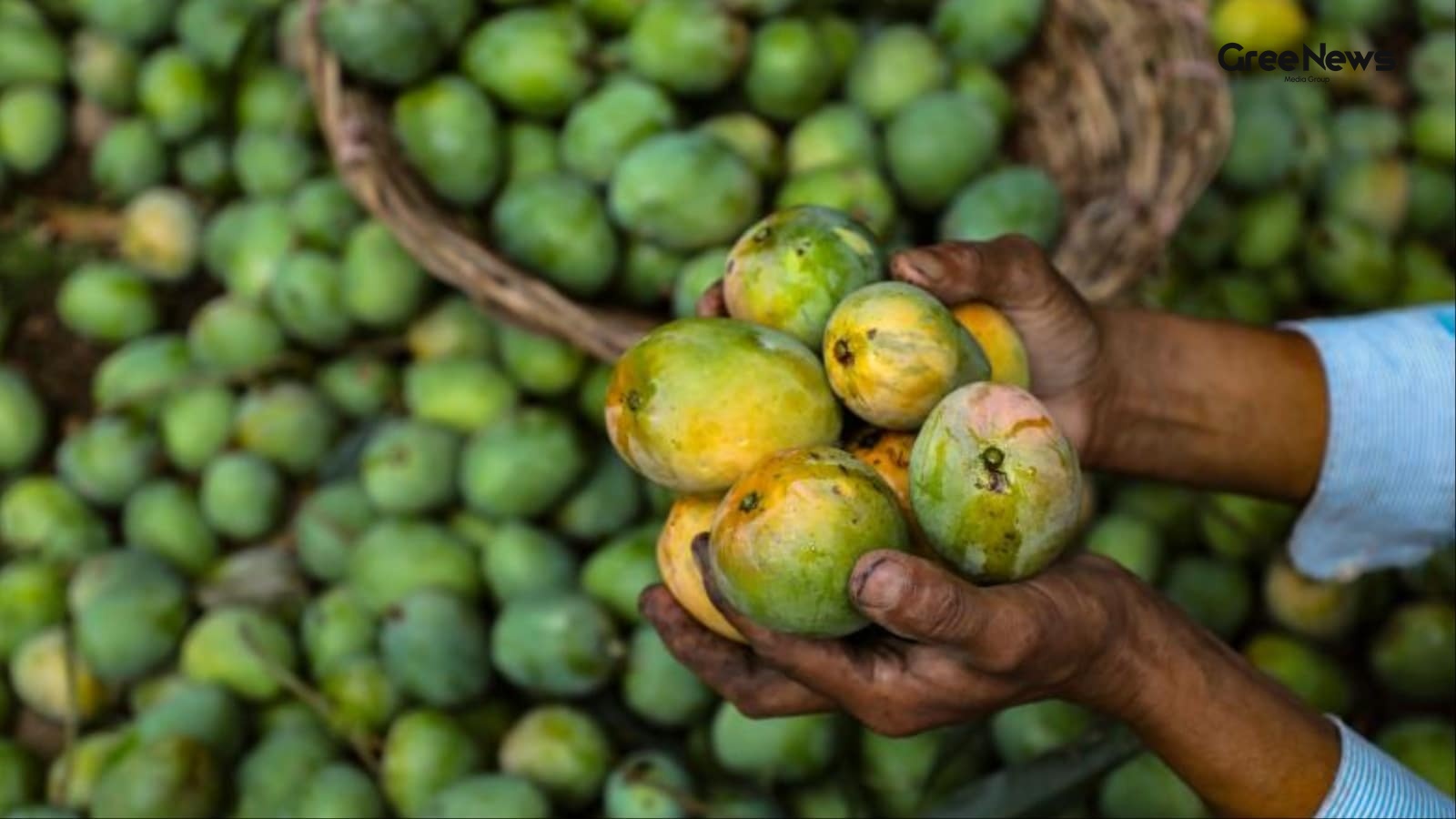
Impact of Trade Restrictions on Fruit Supply and Market Anxiety in Janakpurdham
The air in Janakpurdham is thick lately. Not just the usual summer humidity; there’s this undercurrent of genuine worry hanging over the fruit stalls, a kind of nervous stillness that follows every announcement about what comes in or doesn't come in. It started with the mangoes. That’s where it all
Jun 9, 2026 by Gree News Team
Latest Headlines
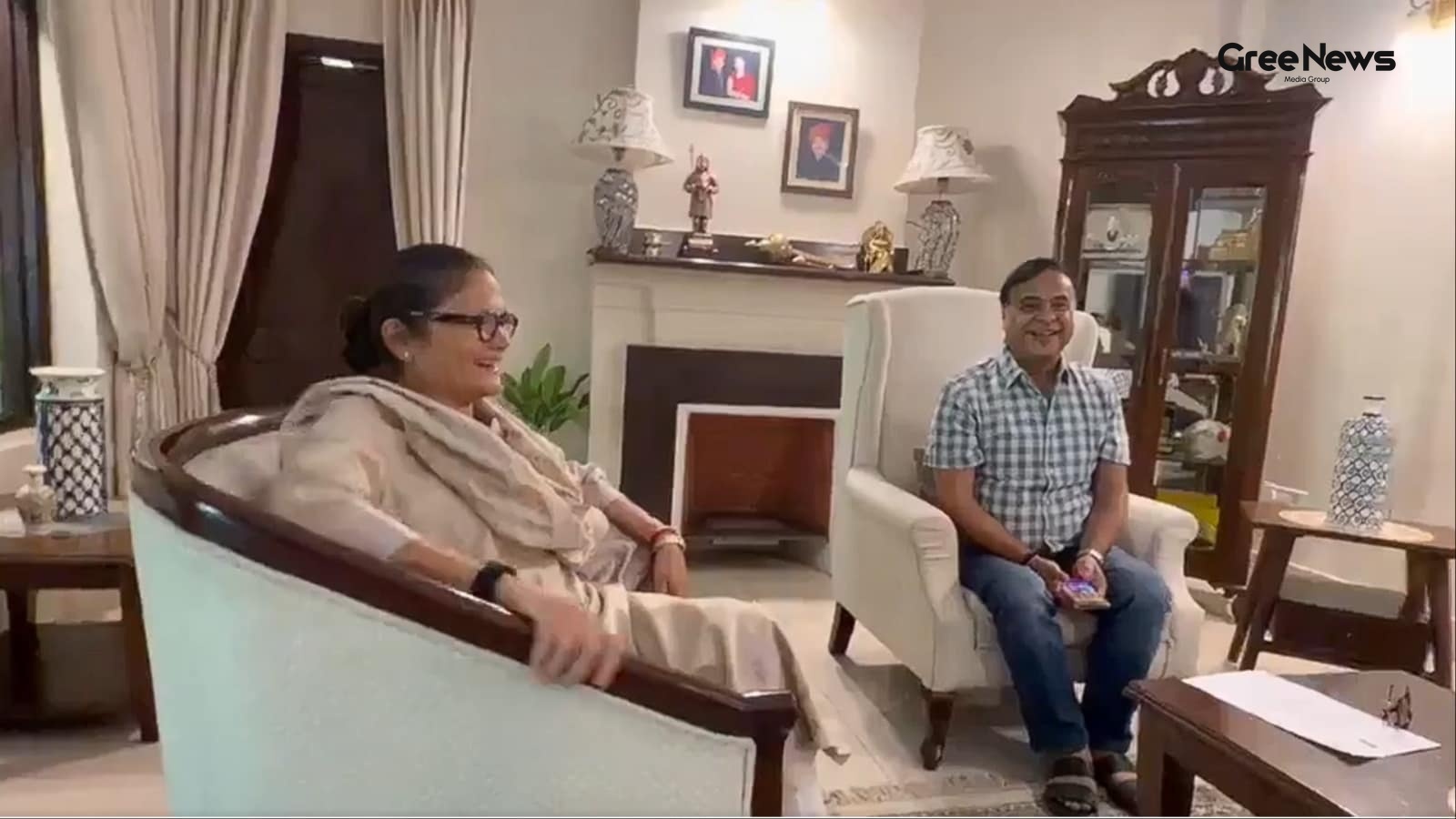
Political Speculation and Internal Turmoil within the TMC
Fresh visuals surfaced of Sushmita Dev meeting Assam Chief Minister Himanta Biswa Sarma. That kind of thing just kicks the speculation into high gear about her next move. It’s all about her potential entry into the BJP, right? This happened right after she stepped down from Rajya Sabha and walked ou
Jun 10, 2026 by Gree News Team
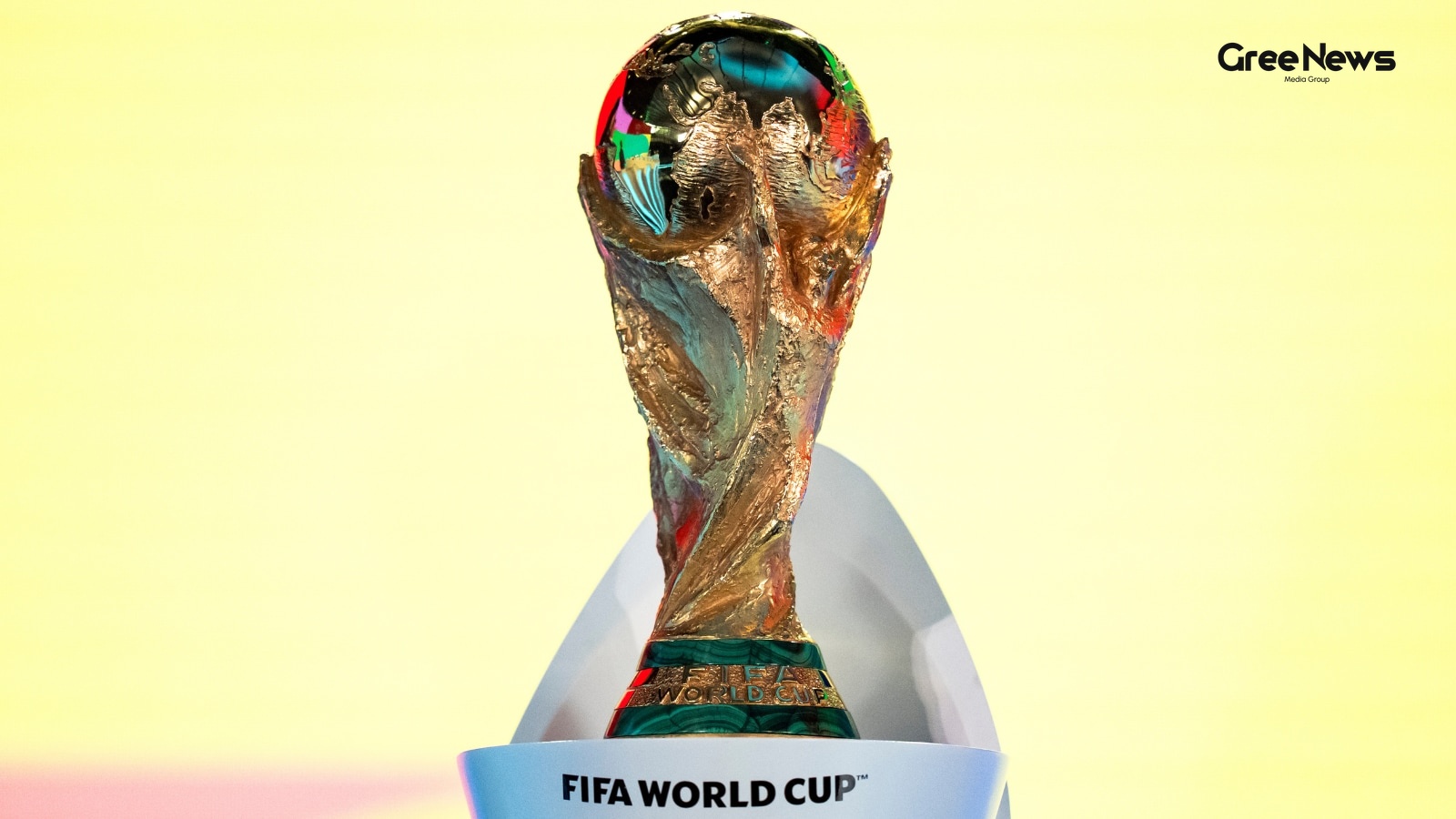
FIFA World Cup 2026: Structure, Geography, and the Official Match Ball
The FIFA World Cup 2026 is really starting to feel imminent now. It’s heading toward North America the USA, Mexico, and Canada are slated to host this massive global spectacle. People are talking about it constantly. It’s not just a standard tournament anymore. This time around, they’re throwing way
Jun 10, 2026 by Gree News Team
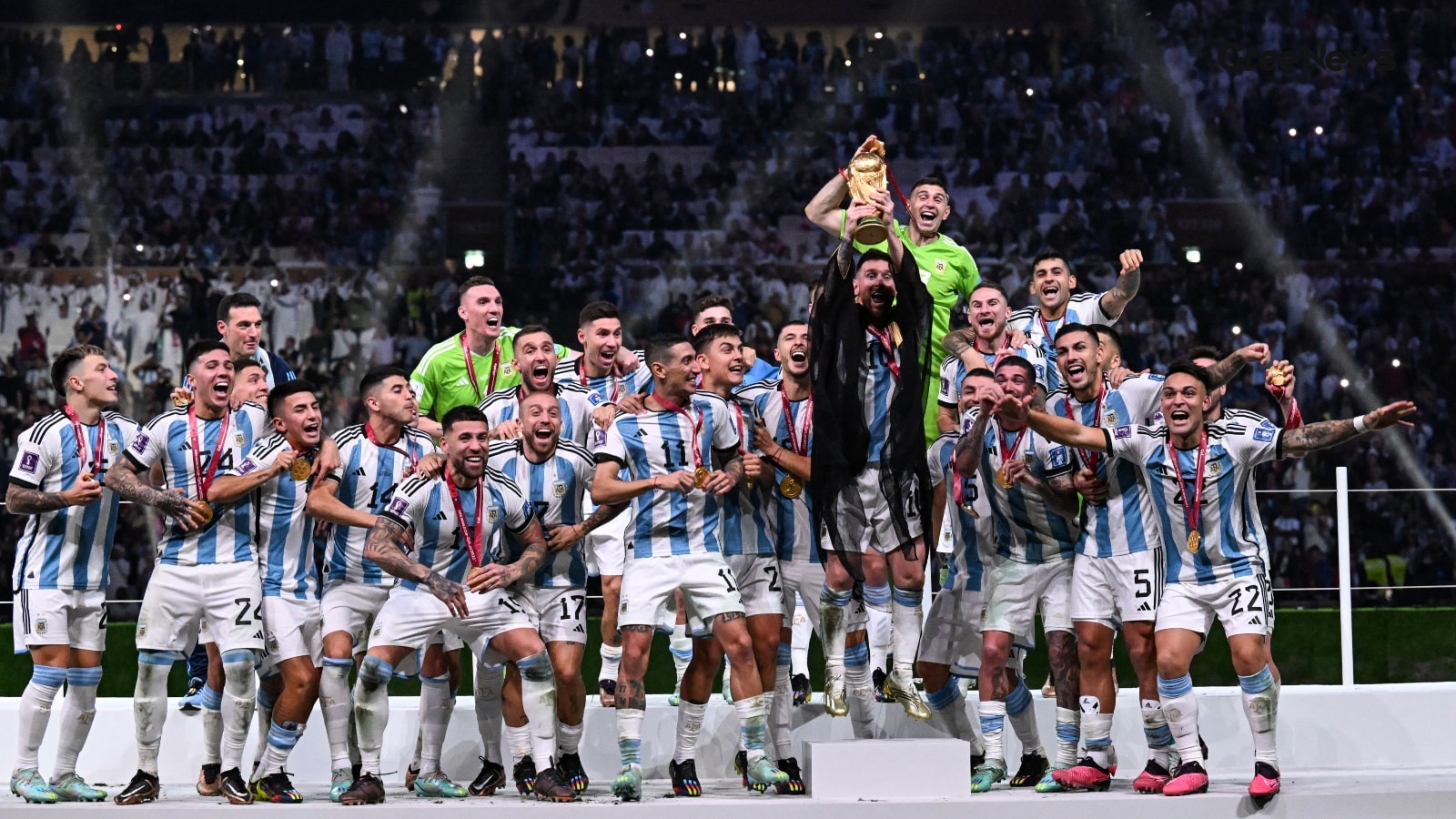
Lionel Messi and Argentina's World Cup Journey in Group J
Argentina’s taking on Group J in this new setup USA, Mexico, and Canada it feels like more than just football now. It’s about that farewell, isn't it? Lionel Messi is chasing something special right now, playing out this final chapter with the Albiceleste against Algeria, Austria, and Jordan. There’
Jun 10, 2026 by Gree News Team
Federal Judge Bars Nitrogen Gas Execution in Alabama
A federal judge just slammed the door shut on Alabama’s plan to use nitrogen gas for executing Jeffery Lee. Permanently barred it, ruling the method violated basic constitutional rights about cruel and unusual punishment. This decision dropped like a stone. It came just one day after an appeals cour
Jun 10, 2026 by Gree News Team
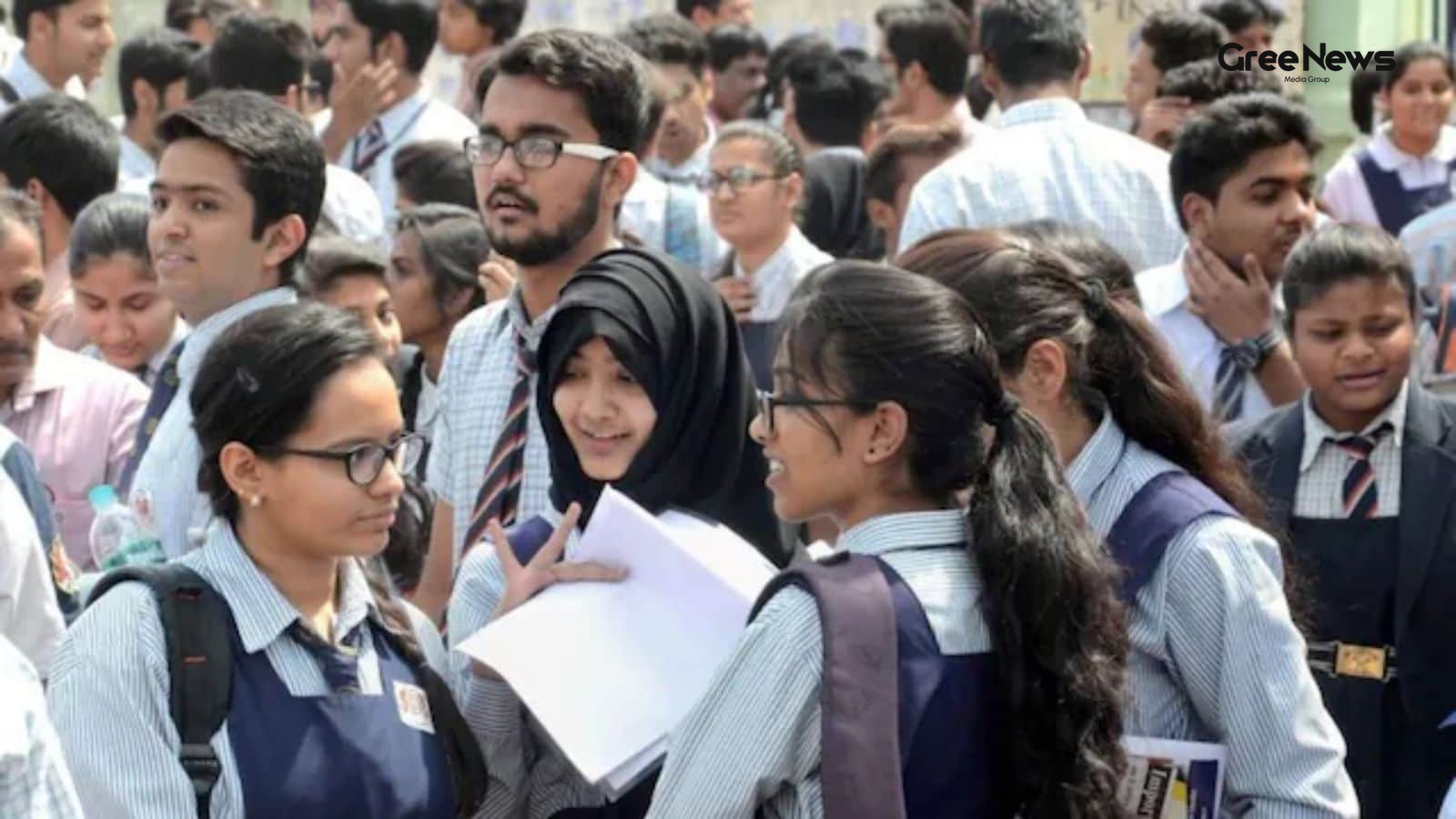
Kerala Board Plus One Results 2026 Announcement and Checking Methods
The Kerala Board Plus One results for 2026 are finally coming today, June 10th. That’s when the Directorate of Higher Secondary Education will officially announce everything. Students who took the DHSE Kerala Class 11 exams in 2026 can start checking their scores now. You have a few places to look,
Jun 10, 2026 by Gree News Team
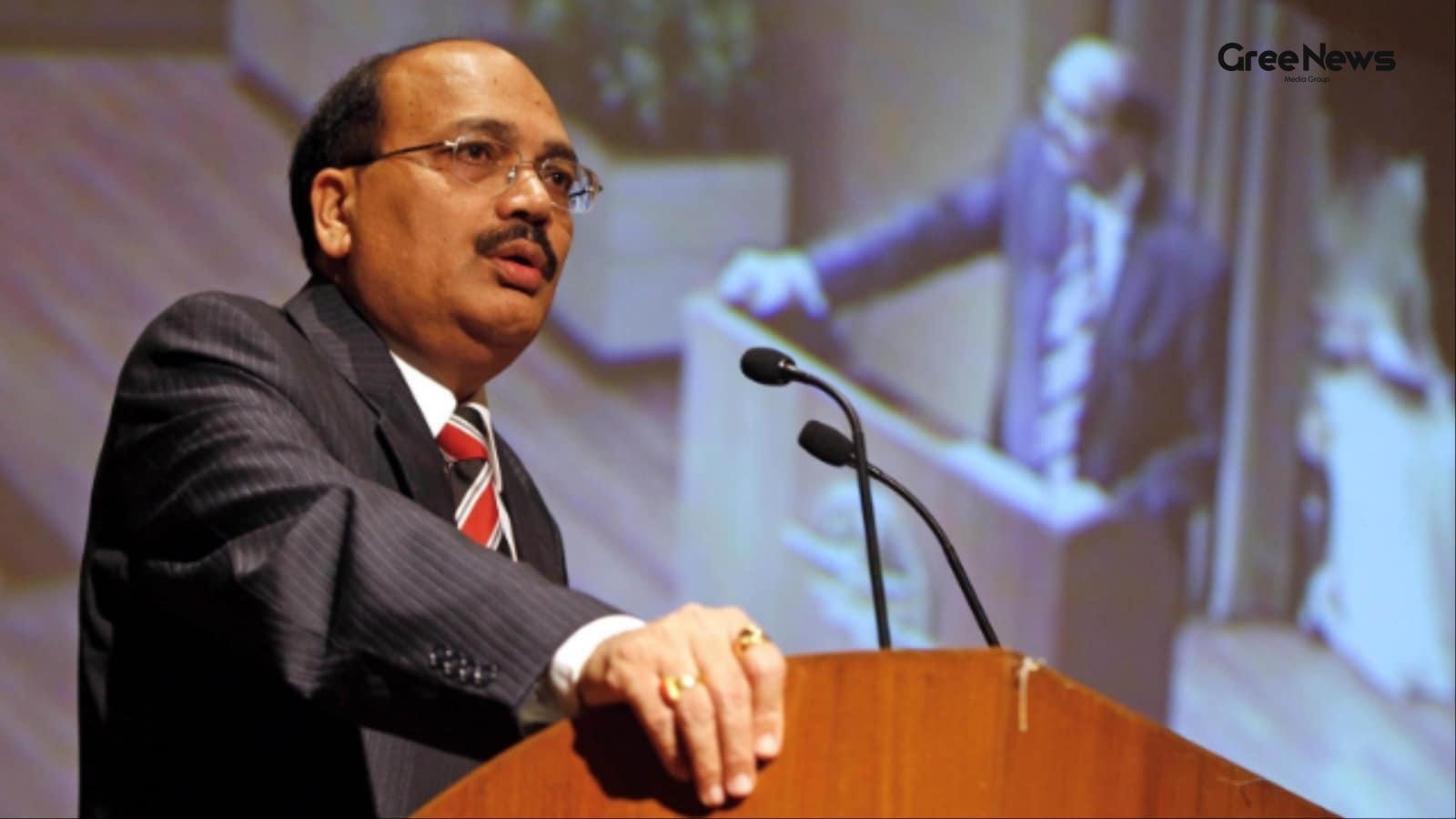
Threats and Intimidation Against Former Judge Justice Gautam Patel
Chief Justice Surya Kant stepped in on the matter involving threats and intimidation aimed at former Bombay High Court judge Justice Gautam Patel. This happened while he was visiting the UK, raising the issue with India’s High Commissioner there. It came out of a report by The Times of India. The wh
Jun 10, 2026 by Gree News Team

Intersection of Art, Politics, and Public Morality at Film Screening
The buzz around the screening for ‘Bharat Bhhagya Viddhaata’ was definitely something special that Tuesday evening in Delhi. It wasn't just about watching a movie; it felt like a convergence a mix of film fans, some political heavyweights, and a surprising amount of high-level government presence. P
Jun 10, 2026 by Gree News Team
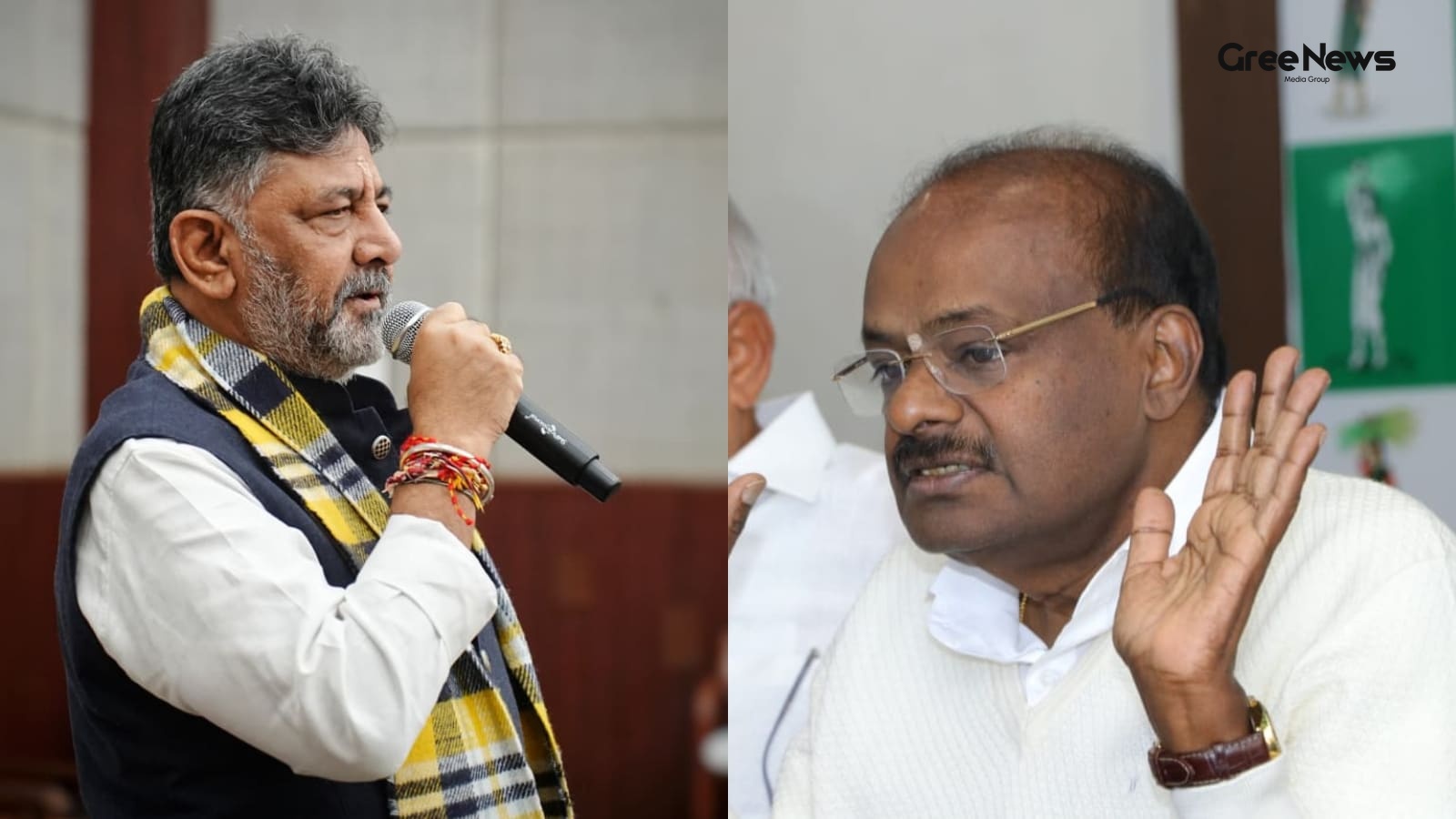
The Political Feud: Shivakumar vs. Kumaraswamy and the Vokkaliga Rivalry
A meeting that hasn't even happened is already sparking political sparring. Karnataka Chief Minister DK Shivakumar and Union Minister HD Kumaraswamy. It just underlines how bitter one of the state’s longest-running rivalries still is. Shivakumar was doing some outreach, a carefully choreographed exe
Jun 10, 2026 by Gree News Team
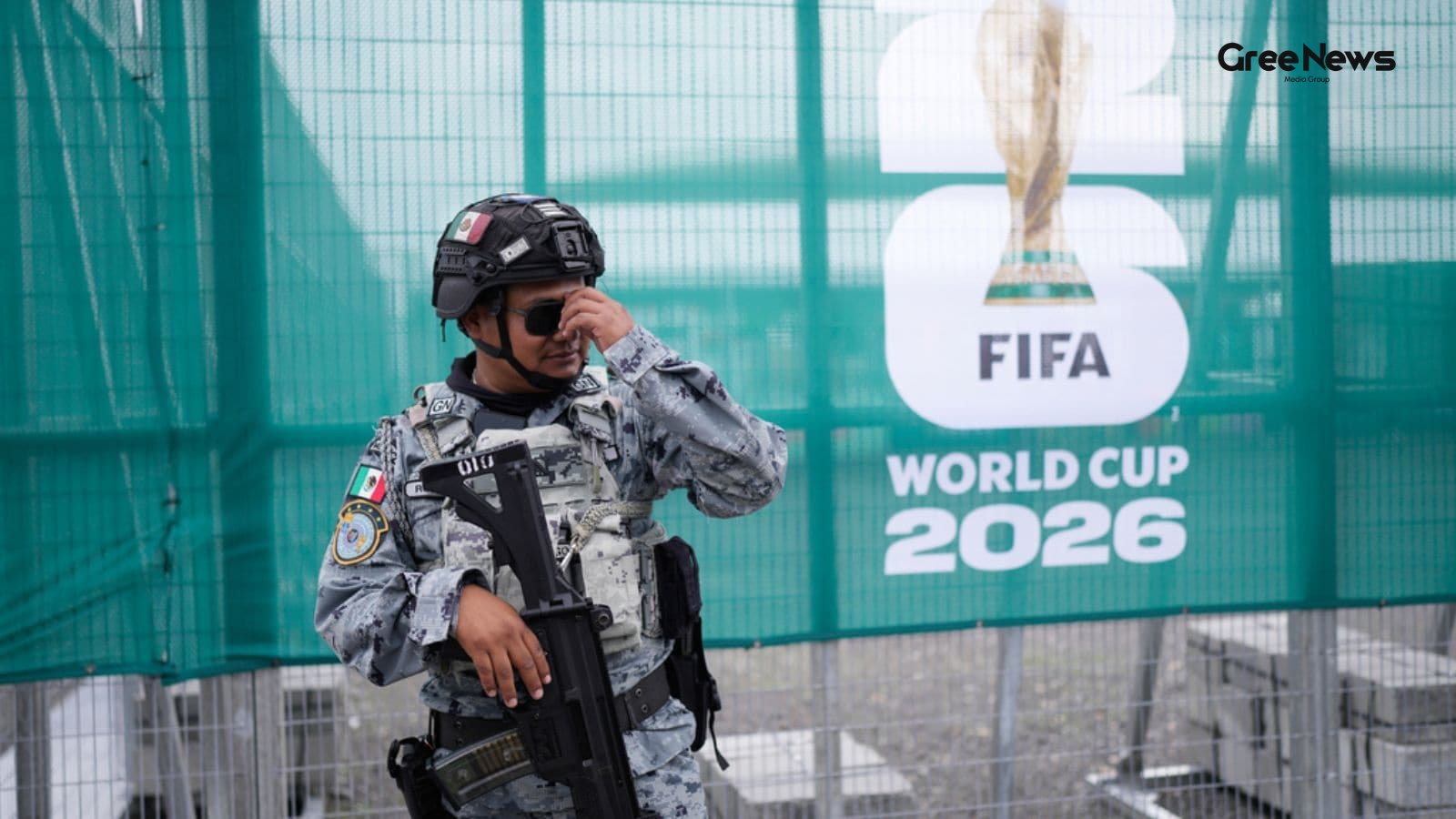
Protest and Political Standoff in Mexico City Before the World Cup
A protest choked off an avenue leading right to Mexico City’s Azteca Stadium for hours on Tuesday. It was just days before that massive World Cup opening match. As football fans started flooding in, all those co-hosts the US, Canada, and Mexico you see the real mess happening back home. Thousands of
Jun 10, 2026 by Gree News Team
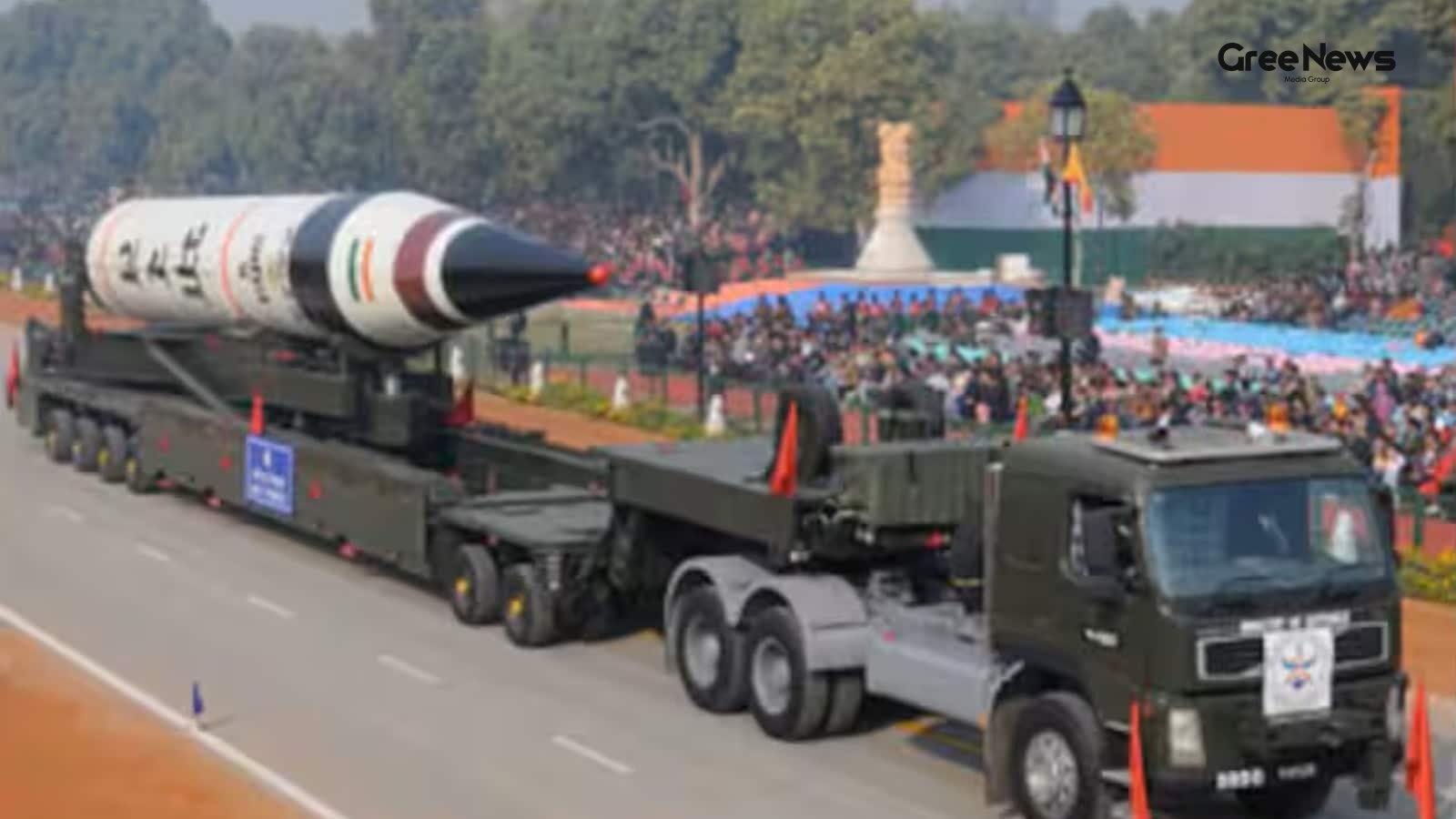
The Global Nuclear Arms Race: Spending, Capabilities, and Future Risks
Nearly eight decades since Hiroshima and Nagasaki. And the world’s nuclear powers aren't slowing down. They keep spending more, modernizing faster, and experts are watching them move weapons out of storage and into potential use. It’s a real arms race happening right now. The nine states that hold n
Jun 10, 2026 by Gree News Team
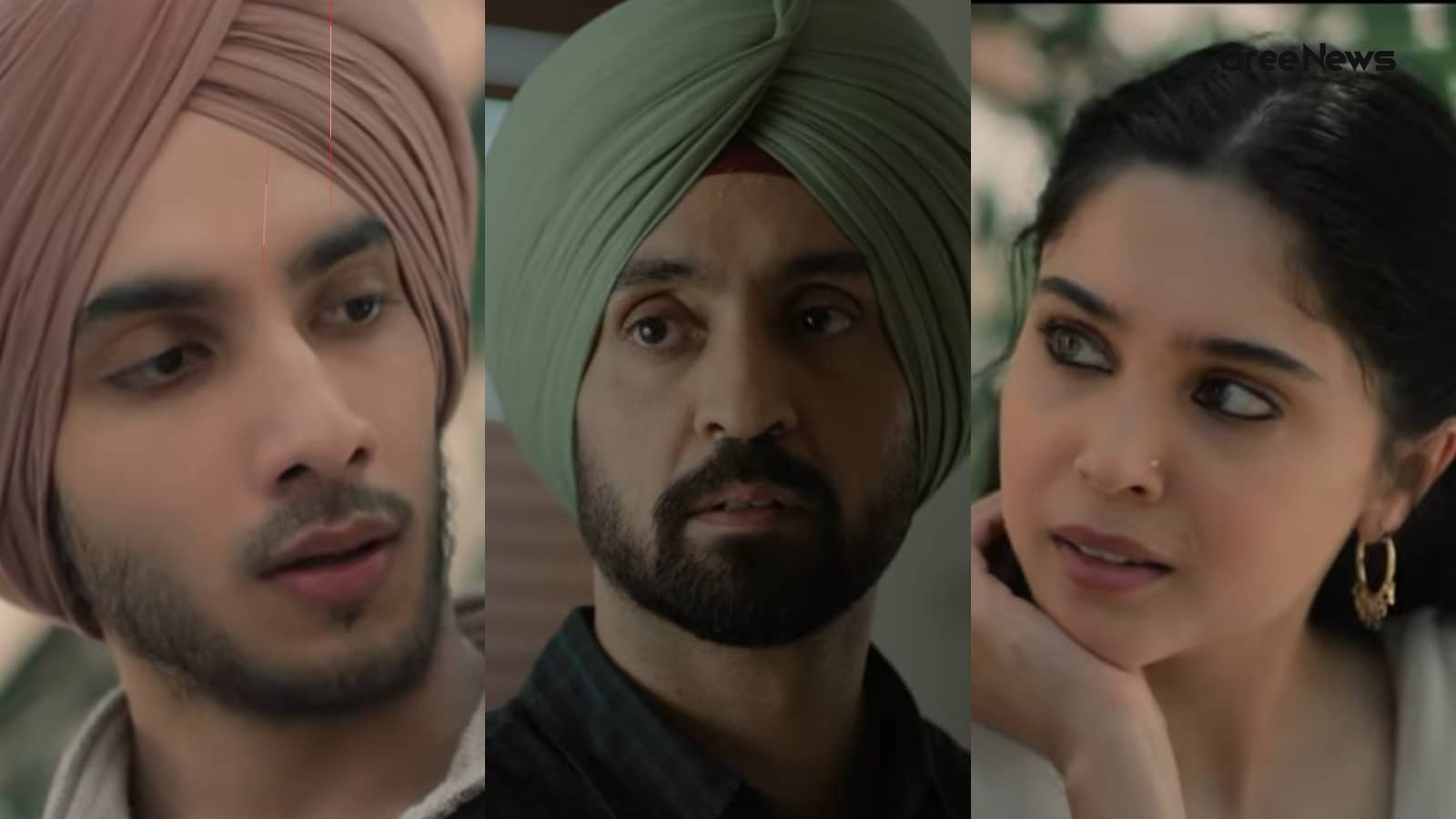
The Chaos of Cinema: Volume, Competition, and the Shifting Market
The Friday arrived packed. June 12th. It wasn't just another day; it was a collision of cinema. Nine films, all hitting the screens at once. *Main Vaapas Aaunga*, Imtiaz Ali’s directorial effort. Then you had Kangana Ranaut’s *Bharat Bhhagya Vidhaata*. And the horror mixed in Vikram Bhatt’s *Haunted
Jun 10, 2026 by Gree News Team

Stock Market Updates: June 10th Performance and Sector Analysis
Stock market updates today, June 10th. Everything turned sour in late trading Wednesday. Domestic equity markets basically gave up all those gains they managed to hold during the day. Heavy selling hit midcap, smallcap stocks, plus metals, realty, and financial names dragging the main indices into n
Jun 10, 2026 by Gree News Team
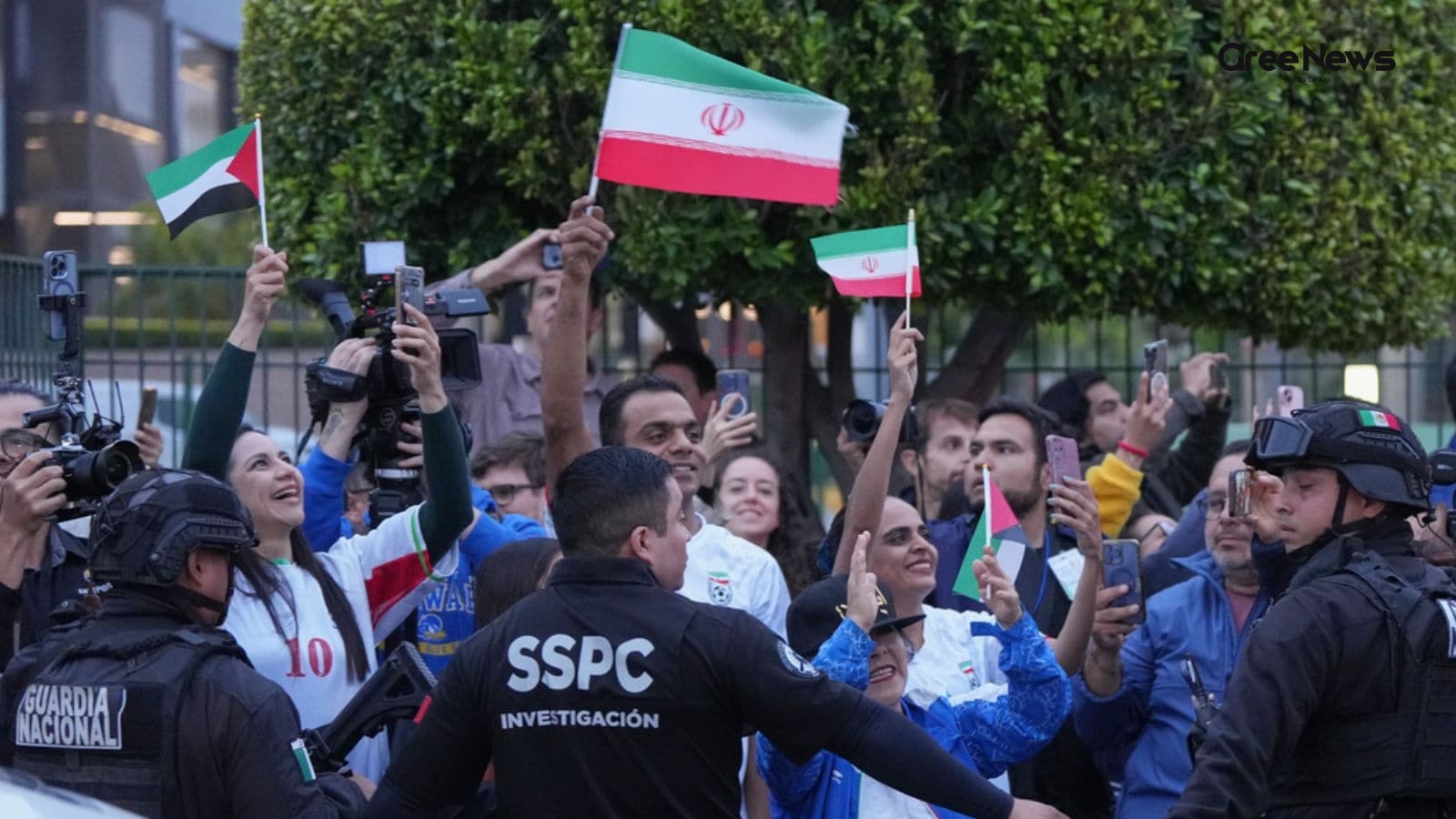
Iran Football Team Travel and World Cup Arrangements
Iran’s football team is heading to Los Angeles, apparently. They announced Tuesday that they'll be flying there the day before their first group-stage game against New Zealand. It feels like a lot happening all at once. But where exactly will they be staying? They won't actually be in L.A. for long.
Jun 10, 2026 by Gree News Team
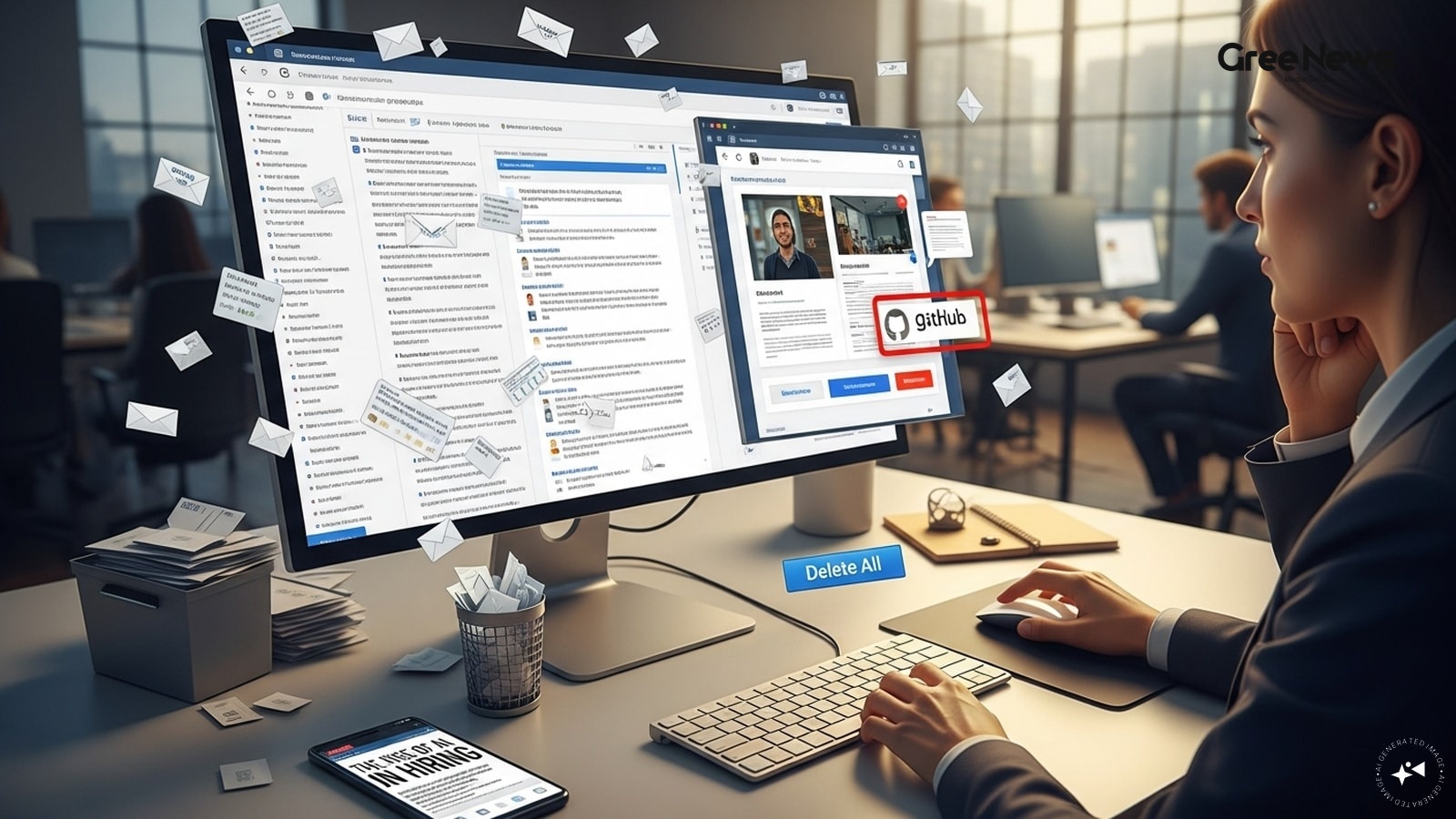
The Impact of Gen AI on Job Applications and Hiring Strategies
When you start looking for a job, everyone builds this whole structure: the résumé, that killer cover letter, tailoring it perfectly. The whole point was always that application could make you jump out from the crowd of hundreds of applicants. But honestly? Recruiters are starting to think that play
Jun 10, 2026 by Gree News Team
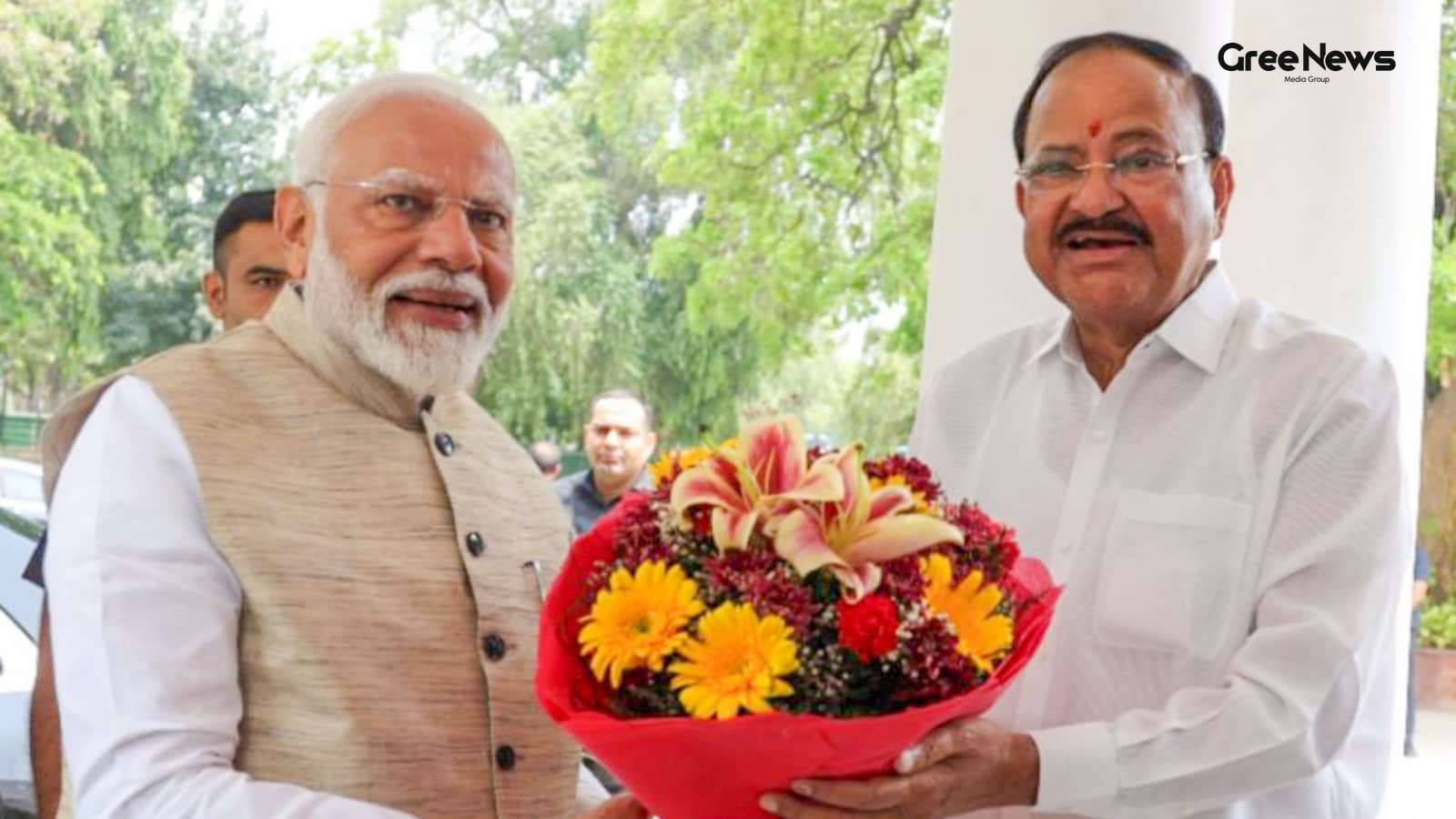
Narendra Modi's Milestone: India's Longest-Serving Prime Minister
Narendra Modi just hit a huge milestone. India’s longest-serving elected Prime Minister. Forty-three hundred ninety-nine days in office now. That beats Nehru's record, which was the first one. Former Vice President Venkaiah Naidu spoke about it. He praised the leadership and everything Modi has done
Jun 10, 2026 by Gree News Team