Supreme Court Verdict on Electoral Roll Revision and Electoral Integrity
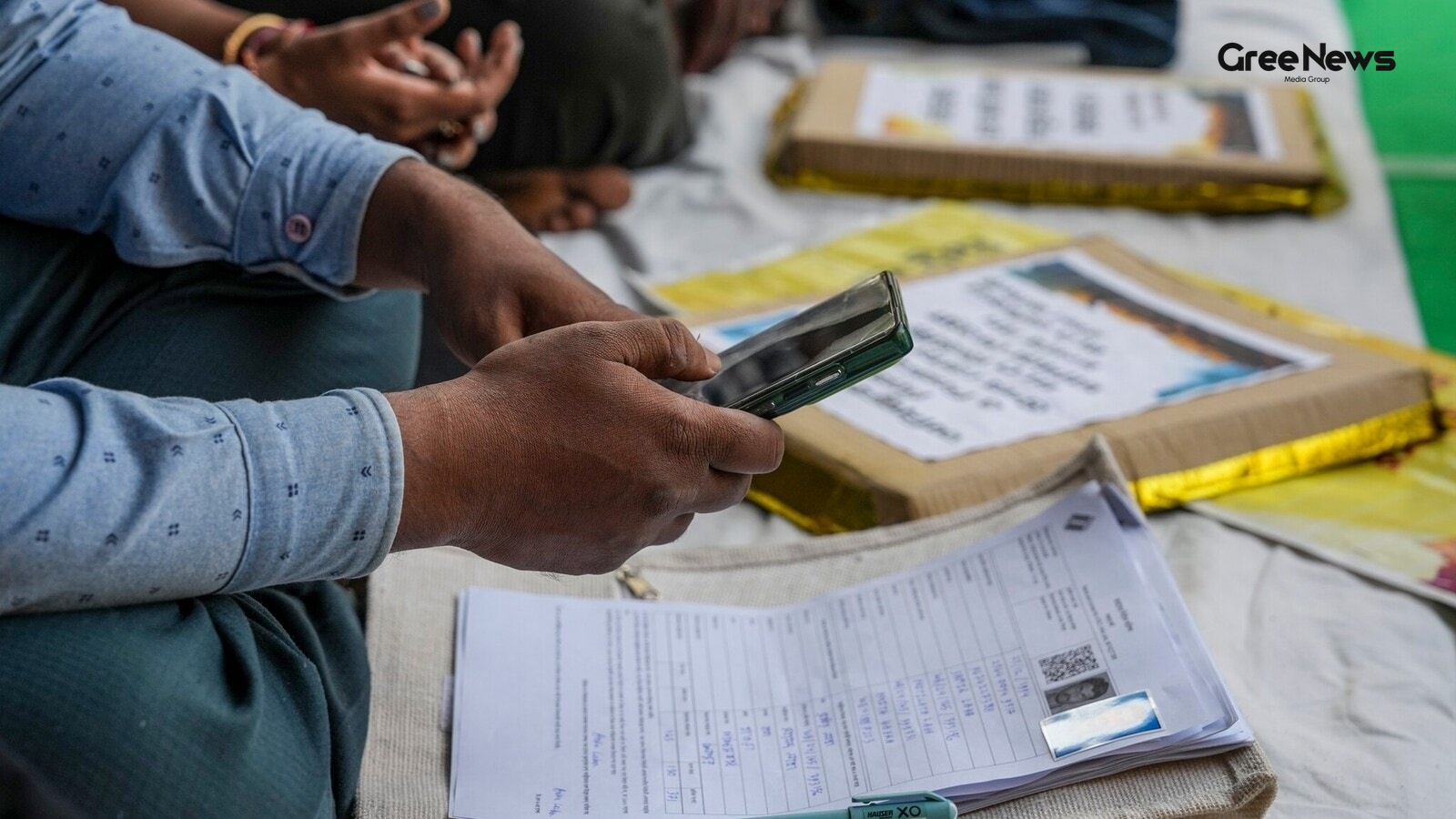
Sir Verdict: It all came down to the Supreme Court , didn’t it? On Wednesday, the bench—Chief Justice Surya Kant leading the charge, along with Justice Joymala Bagchi and Justice Vipul M Pancholi—they basically backed the Election Commission of India’s Special Intensive Revision, or SIR . They said, in essence, that the whole process of revising electoral rolls was constitutionally sound. They shut down the noise from the Opposition parties, those who were screaming that the exercise was some kind of arbitrary grab, maybe something chillingly like an NRC citizenship check, threatening to wipe voters off the map.
That’s the headline. But the real story, the stuff that sticks, is how the court weighed the cards. It wasn't just a rubber stamp. It was a deep dive into what democracy actually means when you look at the mechanics of voting, the integrity of those lists.
The petitions that landed before them, those challenges against the revision process that had kicked off in Bihar and then spread out—they were packed with fear. People were worried. Wrongful deletions. The sheer possibility of losing your vote, of having your place on the register somehow erased without proper due process. That fear, that anxiety, it was palpable, running right up to the Supreme Court.
But the court didn't just look at the political noise. They looked at the structure. They looked at the mandate.
One of the core things the judges hammered home was simple: this whole SIR thing, this sweeping revision, it wasn't some rogue operation. It was aimed at something fundamental. It was about making sure the elections, the actual democratic exercise, were free and fair. It was about strengthening the integrity of the electoral rolls themselves. That connection—that link to the constitutional goal of a fair election—that was the anchor point.
It’s a heavy thing to say, but the bench observed that the SIR exercise didn't distract from that main constitutional obligation. On the contrary, it actually pushed toward it. It advanced that mandate. It breathed some life into the process.
Then there was the question of authority. Did the Election Commission, the body running the show, step outside its lane? The Opposition argued hard about this, about exceeding their powers. But the court was clear. No. The ECI had the legal and constitutional footing to conduct this exercise. It can't be said they acted ultra vires , outside their powers. The argument was that the revision, while different from a routine roll revision, still fell within the broad statutory powers they held. It’s a fine line, that, isn't it? Where does administrative action end and constitutional authority begin?
The idea of electoral roll integrity itself got brought into sharp focus. The court saw this as central. It wasn't some peripheral administrative detail. When you look at the electoral roll, you are looking at the very foundation of democracy. If that foundation is shaky, then everything built on it wobbles.
The observation there was that the SIR was a necessary step towards an accurate, and crucially, an inclusive electoral roll. It actually seemed to inject some life into the Constitution itself, just by focusing on this detail. It’s a strange way to frame it, but that’s what they were saying.
And that brings us to the procedural side. Because when you touch something this sensitive, the rules surrounding the action matter immensely. The court pointed out that the safeguards put in place—the procedural checks introduced by the Commission and the directions issued by the Court over time—they were designed to balance two things: the need for electoral integrity and the protection of fundamental constitutional rights. It was an attempt to find that balance.
The process, as it unfolded, apparently offered avenues. It provided ways for participation, for correction, for redress. It wasn't just a one-way street of deletion. There were supposed to be multiple ways to appeal, to correct errors.
The proportionality argument was another big piece. This is where the messy reality of governance often surfaces. The court assessed whether the measures taken by the ECI were too much. Were they "manifestly excessive"? Were they arbitrary? The ruling suggested that the exercise did meet the requirements of proportionality. The measures adopted seemed to have a reasonable link to the goals they were trying to achieve. They weren't arbitrary. That’s a difficult standard to meet in any large-scale administrative action, especially one touching citizenship and voting rights.
The court essentially said that the measures taken had a reasonable nexus to the objectives. They weren't wildly excessive. And they were accompanied by enough procedural safety nets to stop some kind of arbitrary exclusion. It’s a delicate balancing act, trying to manage massive administrative power while respecting individual rights.
Then there was the legal framework. The argument that this revision somehow trampled over existing election law, the Representation of the People Act and its Rules, was also addressed. The court firmly rejected the idea that the SIR supplanted those established laws. Instead, the ruling suggested that the SIR didn't replace the rules. It actually seemed to breathe life into the constitutional mandate under Article 324. It’s a subtle shift in how you view the relationship between statute and the higher constitutional goal.
And the most important clarification, perhaps, was about citizenship. The implication that being excluded from the voter list automatically meant losing citizenship—that was firmly dismissed. The court made it clear that exclusion from the voter list doesn't automatically equate to loss of citizenship. If there are issues, if there are specific cases, those need to be handled strictly according to the law. That distinction, that separation, is huge. It stops the fear from spiraling into something far more catastrophic.
The outcome, naturally, was a setback for those who were fiercely against the process. The Opposition parties, they were already pushing hard, fueled by the fear of wrongful deletions and the timing of the whole affair. The ruling, while validating the ECI’s action, didn't necessarily silence the underlying political tension. It just cemented the legal standing of the process.
It was a statement that the machinery of the state, when operating under the framework provided, can indeed be used to secure electoral integrity. But it doesn't erase the political friction that comes from mistrust. It’s a legal victory, sure, but the real work, the work of ensuring that this system actually functions fairly for everyone, that’s still ahead. The road ahead is long, and the shadows of doubt, they remain.</p
Written by Gree News Team — Senior Editorial Board
Gree News Team covers international news and global affairs at Gree News. Our collective of senior editors is dedicated to providing independent, accurate, and responsible journalism for a global audience.
More from India
View All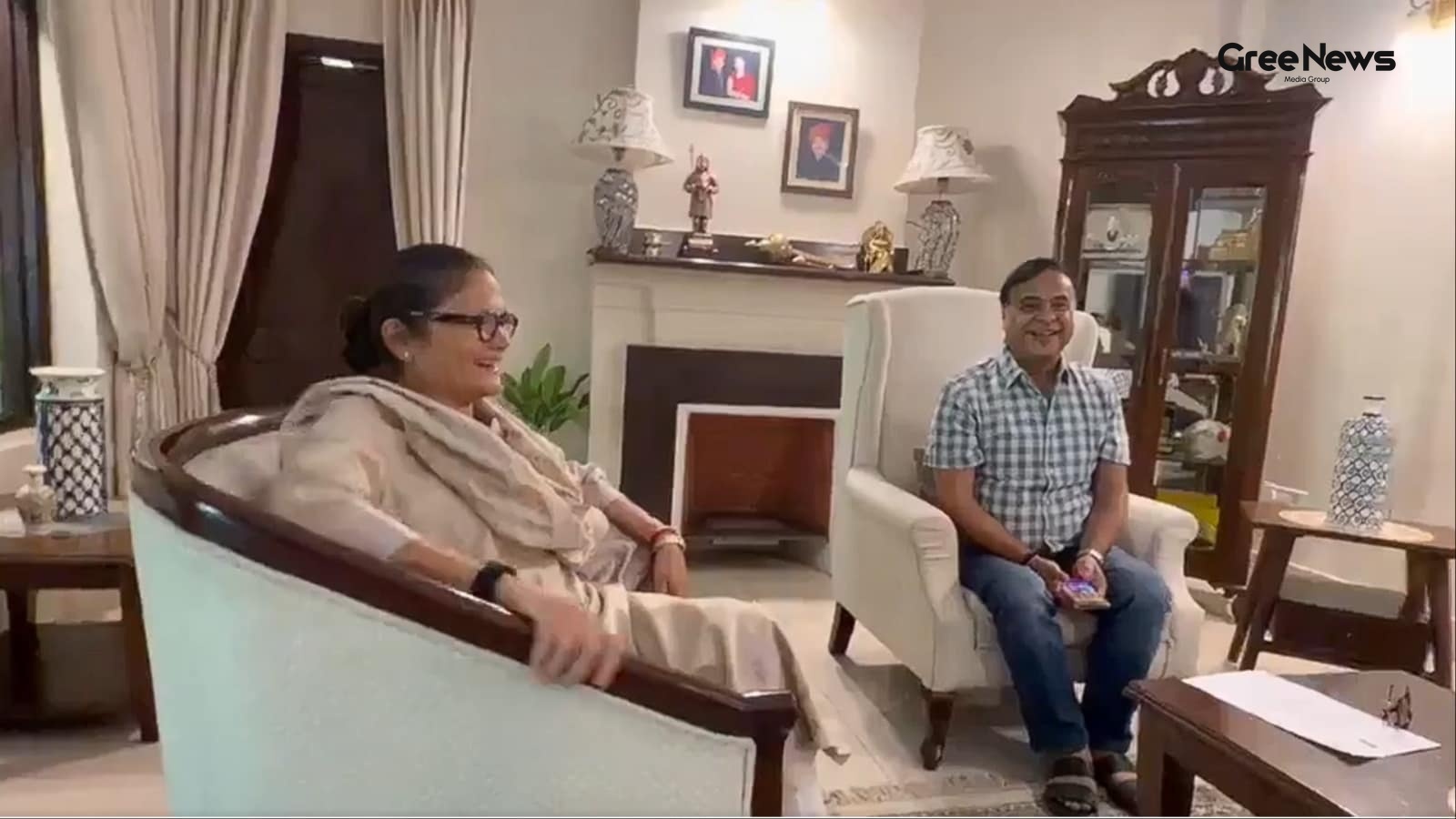
Political Speculation and Internal Turmoil within the TMC
Fresh visuals surfaced of Sushmita Dev meeting Assam Chief Minister Himanta Biswa Sarma. That kind of thing just kicks the speculation into high gear about her next move. It’s all about her potential entry into the BJP, right? This happened right after she stepped down from Rajya Sabha and walked ou
Jun 10, 2026 by Gree News Team
Threats and Intimidation Against Former Judge Justice Gautam Patel
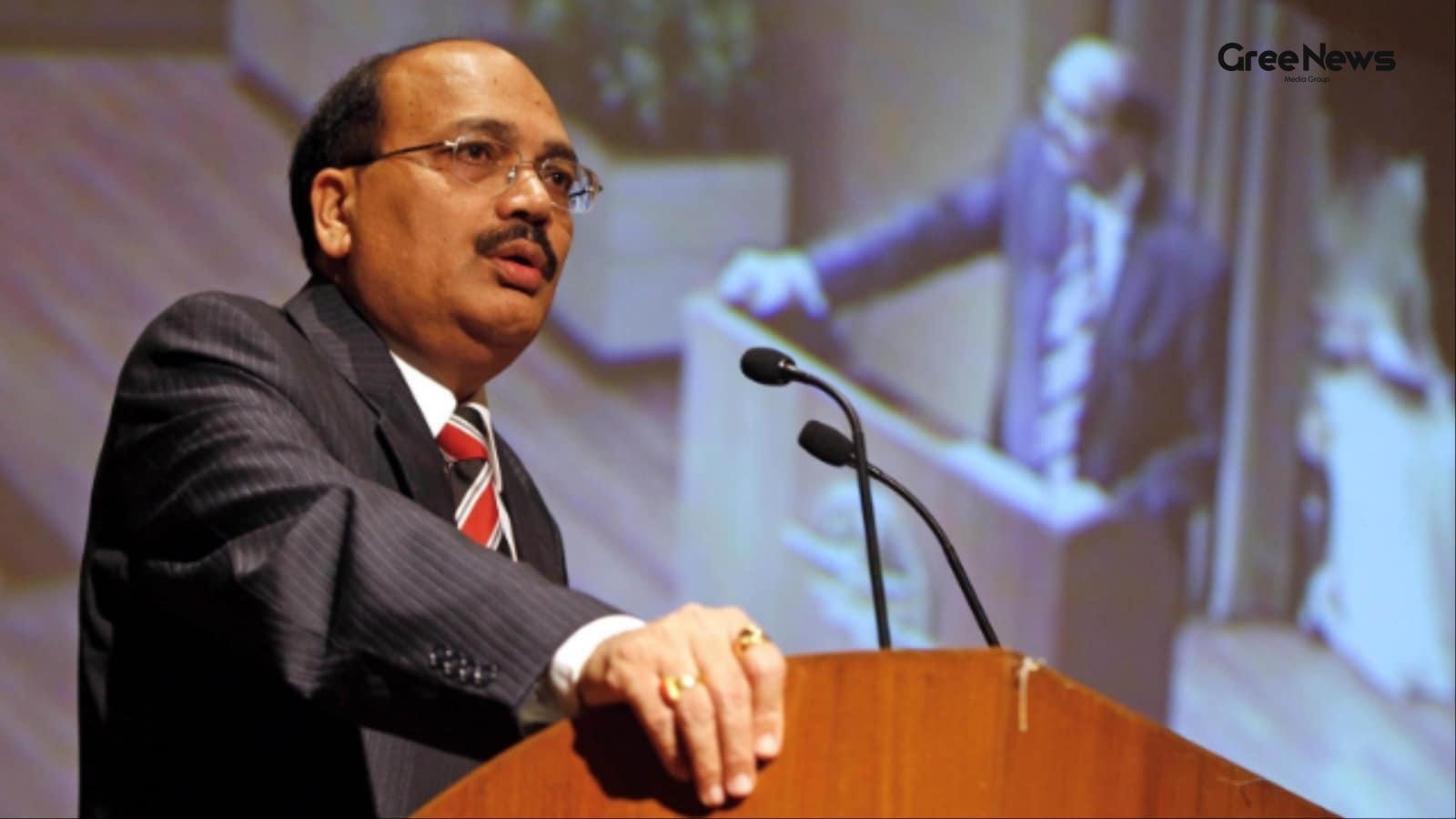
Chief Justice Surya Kant stepped in on the matter involving threats and intimidation aimed at former Bombay High Court judge Justice Gautam Patel. This happened while he was visiting the UK, raising the issue with India’s High Commissioner there. It came out of a report by The Times of India. The wh
Jun 10, 2026 by Gree News Team
The Political Feud: Shivakumar vs. Kumaraswamy and the Vokkaliga Rivalry
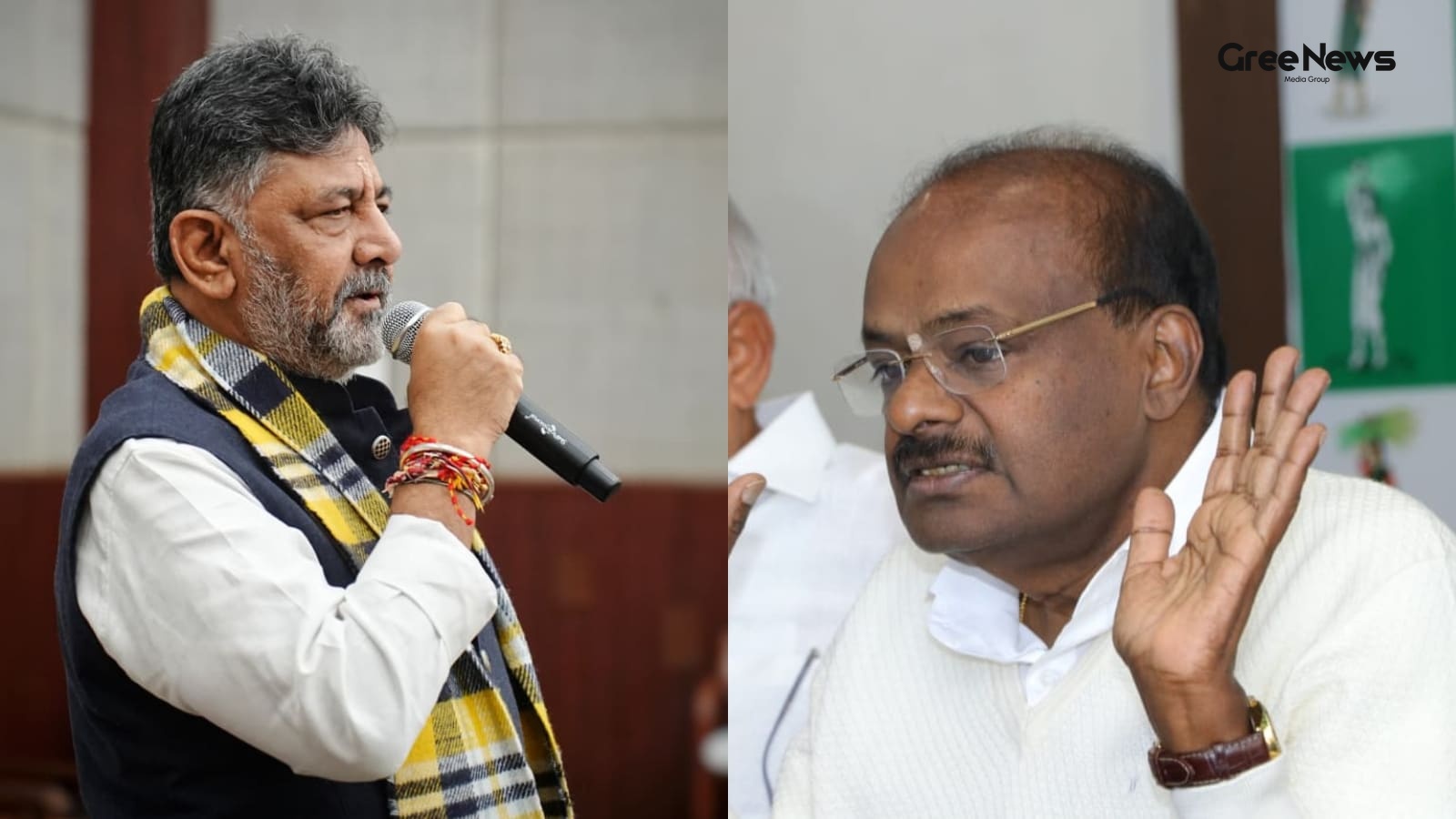
A meeting that hasn't even happened is already sparking political sparring. Karnataka Chief Minister DK Shivakumar and Union Minister HD Kumaraswamy. It just underlines how bitter one of the state’s longest-running rivalries still is. Shivakumar was doing some outreach, a carefully choreographed exe
Jun 10, 2026 by Gree News Team
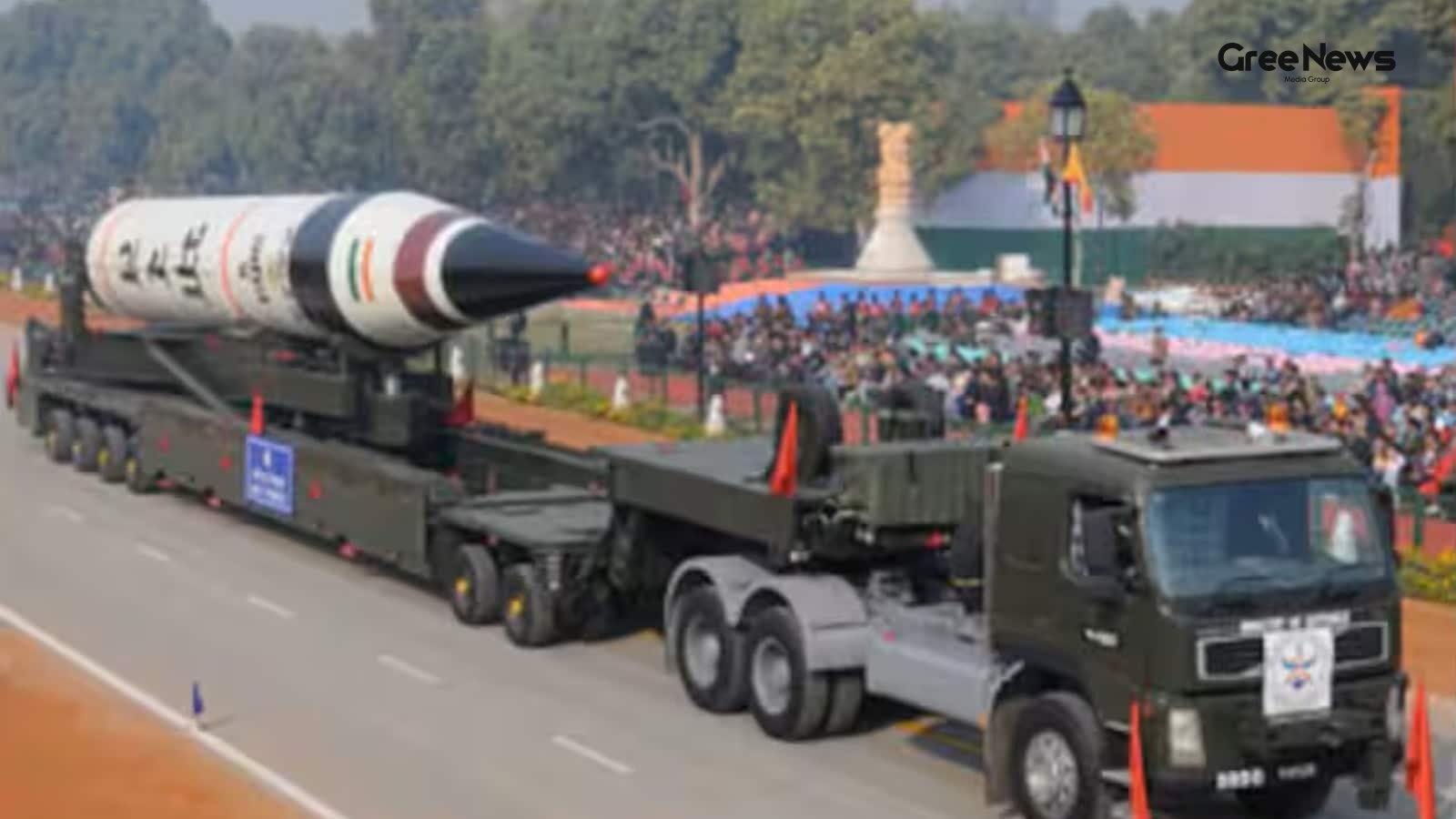
The Global Nuclear Arms Race: Spending, Capabilities, and Future Risks
Nearly eight decades since Hiroshima and Nagasaki. And the world’s nuclear powers aren't slowing down. They keep spending more, modernizing faster, and experts are watching them move weapons out of storage and into potential use. It’s a real arms race happening right now. The nine states that hold n
Jun 10, 2026 by Gree News Team
Latest Headlines
Political Speculation and Internal Turmoil within the TMC
Fresh visuals surfaced of Sushmita Dev meeting Assam Chief Minister Himanta Biswa Sarma. That kind of thing just kicks the speculation into high gear about her next move. It’s all about her potential entry into the BJP, right? This happened right after she stepped down from Rajya Sabha and walked ou
Jun 10, 2026 by Gree News Team

FIFA World Cup 2026: Structure, Geography, and the Official Match Ball
The FIFA World Cup 2026 is really starting to feel imminent now. It’s heading toward North America the USA, Mexico, and Canada are slated to host this massive global spectacle. People are talking about it constantly. It’s not just a standard tournament anymore. This time around, they’re throwing way
Jun 10, 2026 by Gree News Team

Lionel Messi and Argentina's World Cup Journey in Group J
Argentina’s taking on Group J in this new setup USA, Mexico, and Canada it feels like more than just football now. It’s about that farewell, isn't it? Lionel Messi is chasing something special right now, playing out this final chapter with the Albiceleste against Algeria, Austria, and Jordan. There’
Jun 10, 2026 by Gree News Team
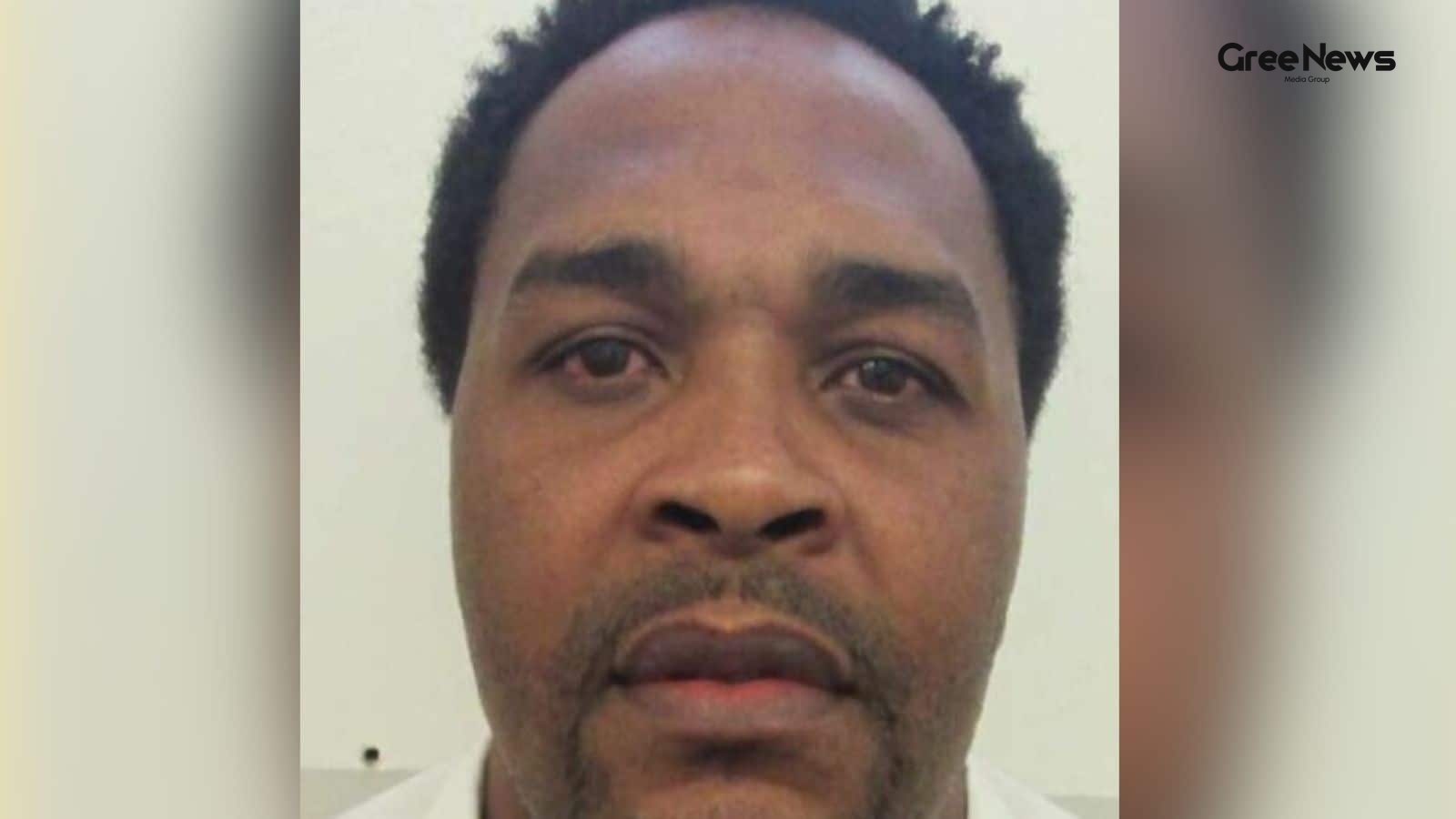
Federal Judge Bars Nitrogen Gas Execution in Alabama
A federal judge just slammed the door shut on Alabama’s plan to use nitrogen gas for executing Jeffery Lee. Permanently barred it, ruling the method violated basic constitutional rights about cruel and unusual punishment. This decision dropped like a stone. It came just one day after an appeals cour
Jun 10, 2026 by Gree News Team
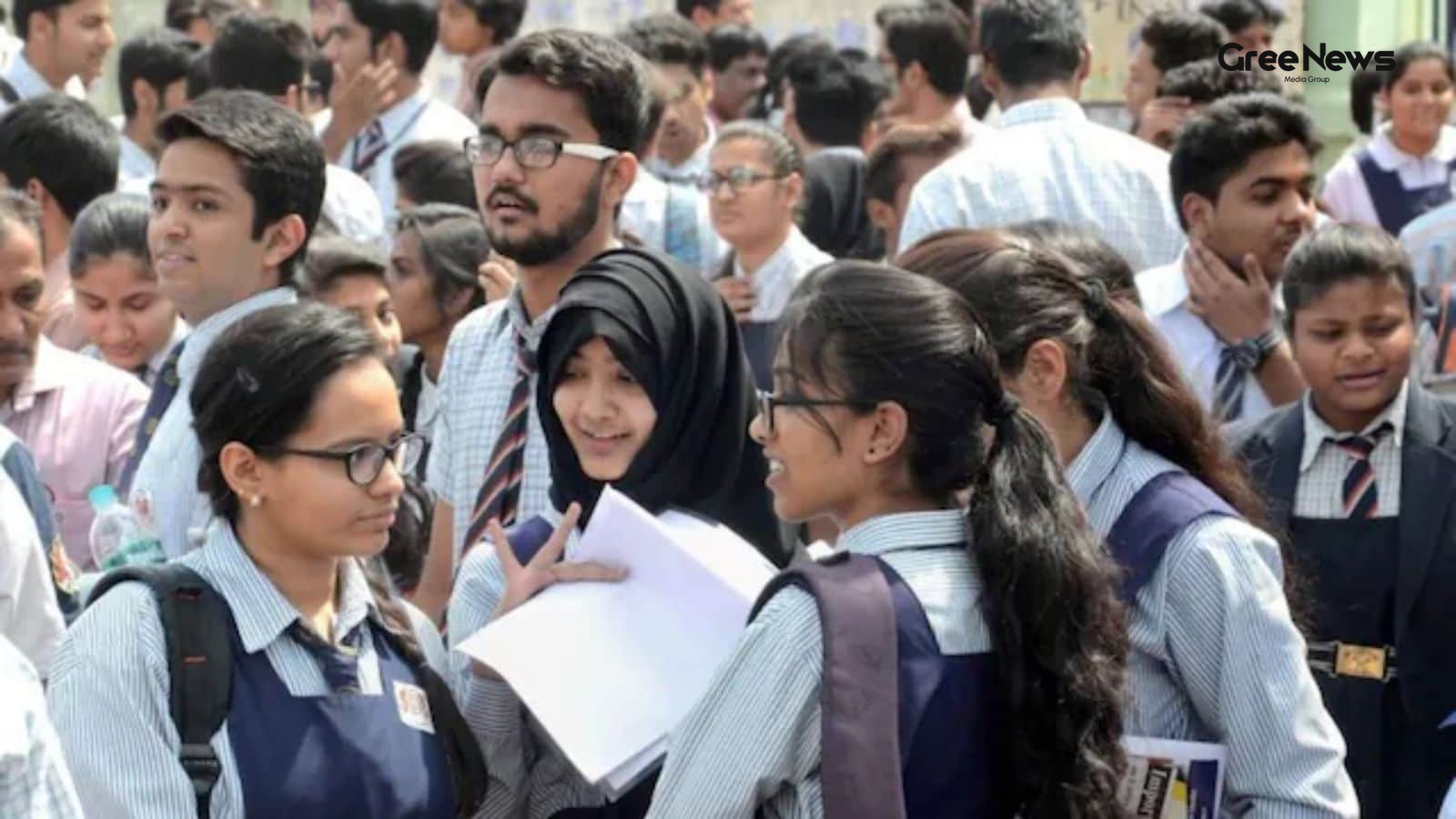
Kerala Board Plus One Results 2026 Announcement and Checking Methods
The Kerala Board Plus One results for 2026 are finally coming today, June 10th. That’s when the Directorate of Higher Secondary Education will officially announce everything. Students who took the DHSE Kerala Class 11 exams in 2026 can start checking their scores now. You have a few places to look,
Jun 10, 2026 by Gree News Team
Threats and Intimidation Against Former Judge Justice Gautam Patel
Chief Justice Surya Kant stepped in on the matter involving threats and intimidation aimed at former Bombay High Court judge Justice Gautam Patel. This happened while he was visiting the UK, raising the issue with India’s High Commissioner there. It came out of a report by The Times of India. The wh
Jun 10, 2026 by Gree News Team

Intersection of Art, Politics, and Public Morality at Film Screening
The buzz around the screening for ‘Bharat Bhhagya Viddhaata’ was definitely something special that Tuesday evening in Delhi. It wasn't just about watching a movie; it felt like a convergence a mix of film fans, some political heavyweights, and a surprising amount of high-level government presence. P
Jun 10, 2026 by Gree News Team
The Political Feud: Shivakumar vs. Kumaraswamy and the Vokkaliga Rivalry
A meeting that hasn't even happened is already sparking political sparring. Karnataka Chief Minister DK Shivakumar and Union Minister HD Kumaraswamy. It just underlines how bitter one of the state’s longest-running rivalries still is. Shivakumar was doing some outreach, a carefully choreographed exe
Jun 10, 2026 by Gree News Team
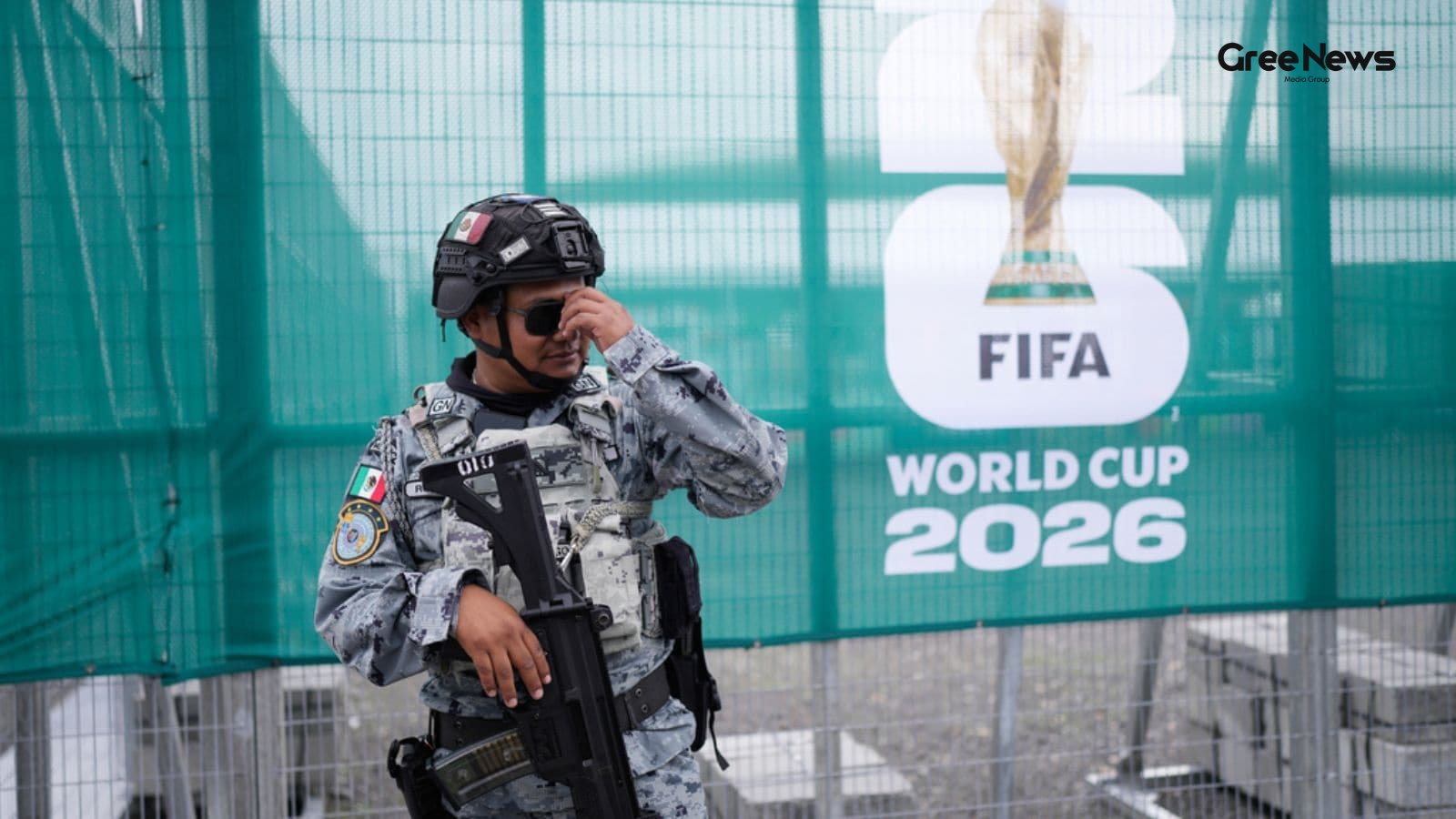
Protest and Political Standoff in Mexico City Before the World Cup
A protest choked off an avenue leading right to Mexico City’s Azteca Stadium for hours on Tuesday. It was just days before that massive World Cup opening match. As football fans started flooding in, all those co-hosts the US, Canada, and Mexico you see the real mess happening back home. Thousands of
Jun 10, 2026 by Gree News Team
The Global Nuclear Arms Race: Spending, Capabilities, and Future Risks
Nearly eight decades since Hiroshima and Nagasaki. And the world’s nuclear powers aren't slowing down. They keep spending more, modernizing faster, and experts are watching them move weapons out of storage and into potential use. It’s a real arms race happening right now. The nine states that hold n
Jun 10, 2026 by Gree News Team
The Chaos of Cinema: Volume, Competition, and the Shifting Market
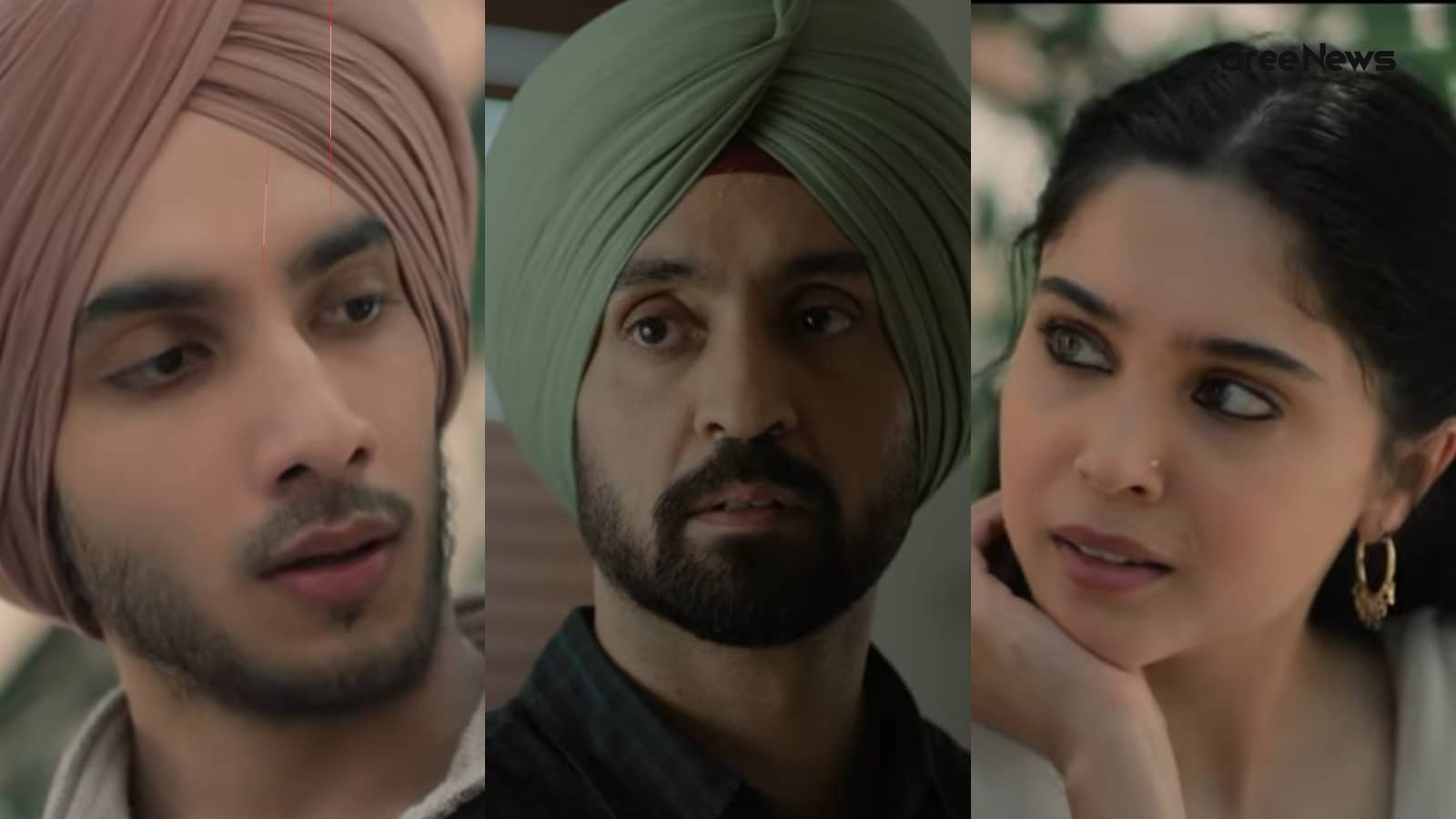
The Friday arrived packed. June 12th. It wasn't just another day; it was a collision of cinema. Nine films, all hitting the screens at once. *Main Vaapas Aaunga*, Imtiaz Ali’s directorial effort. Then you had Kangana Ranaut’s *Bharat Bhhagya Vidhaata*. And the horror mixed in Vikram Bhatt’s *Haunted
Jun 10, 2026 by Gree News Team

Stock Market Updates: June 10th Performance and Sector Analysis
Stock market updates today, June 10th. Everything turned sour in late trading Wednesday. Domestic equity markets basically gave up all those gains they managed to hold during the day. Heavy selling hit midcap, smallcap stocks, plus metals, realty, and financial names dragging the main indices into n
Jun 10, 2026 by Gree News Team
Iran Football Team Travel and World Cup Arrangements
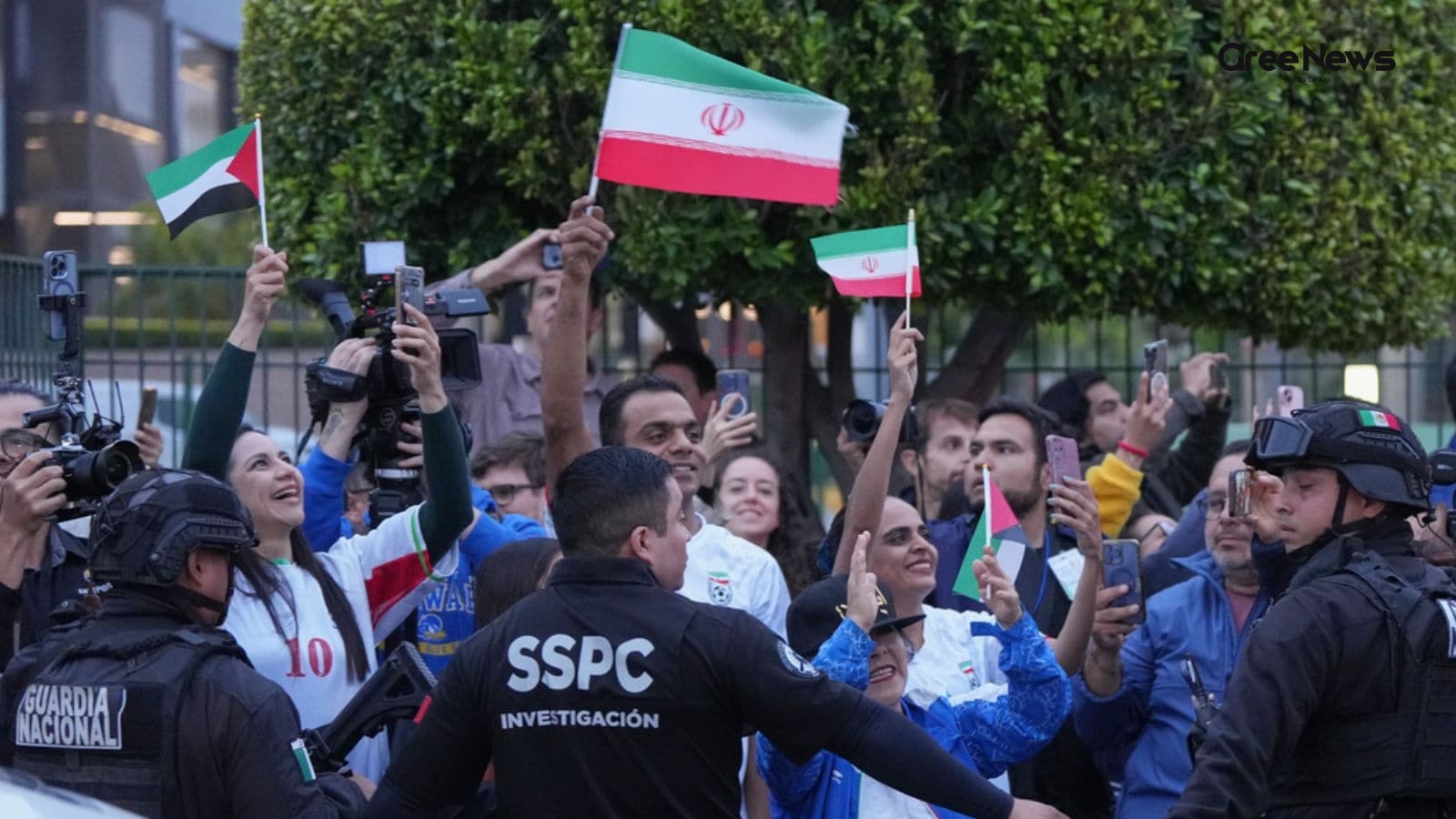
Iran’s football team is heading to Los Angeles, apparently. They announced Tuesday that they'll be flying there the day before their first group-stage game against New Zealand. It feels like a lot happening all at once. But where exactly will they be staying? They won't actually be in L.A. for long.
Jun 10, 2026 by Gree News Team

The Impact of Gen AI on Job Applications and Hiring Strategies
When you start looking for a job, everyone builds this whole structure: the résumé, that killer cover letter, tailoring it perfectly. The whole point was always that application could make you jump out from the crowd of hundreds of applicants. But honestly? Recruiters are starting to think that play
Jun 10, 2026 by Gree News Team
Narendra Modi's Milestone: India's Longest-Serving Prime Minister
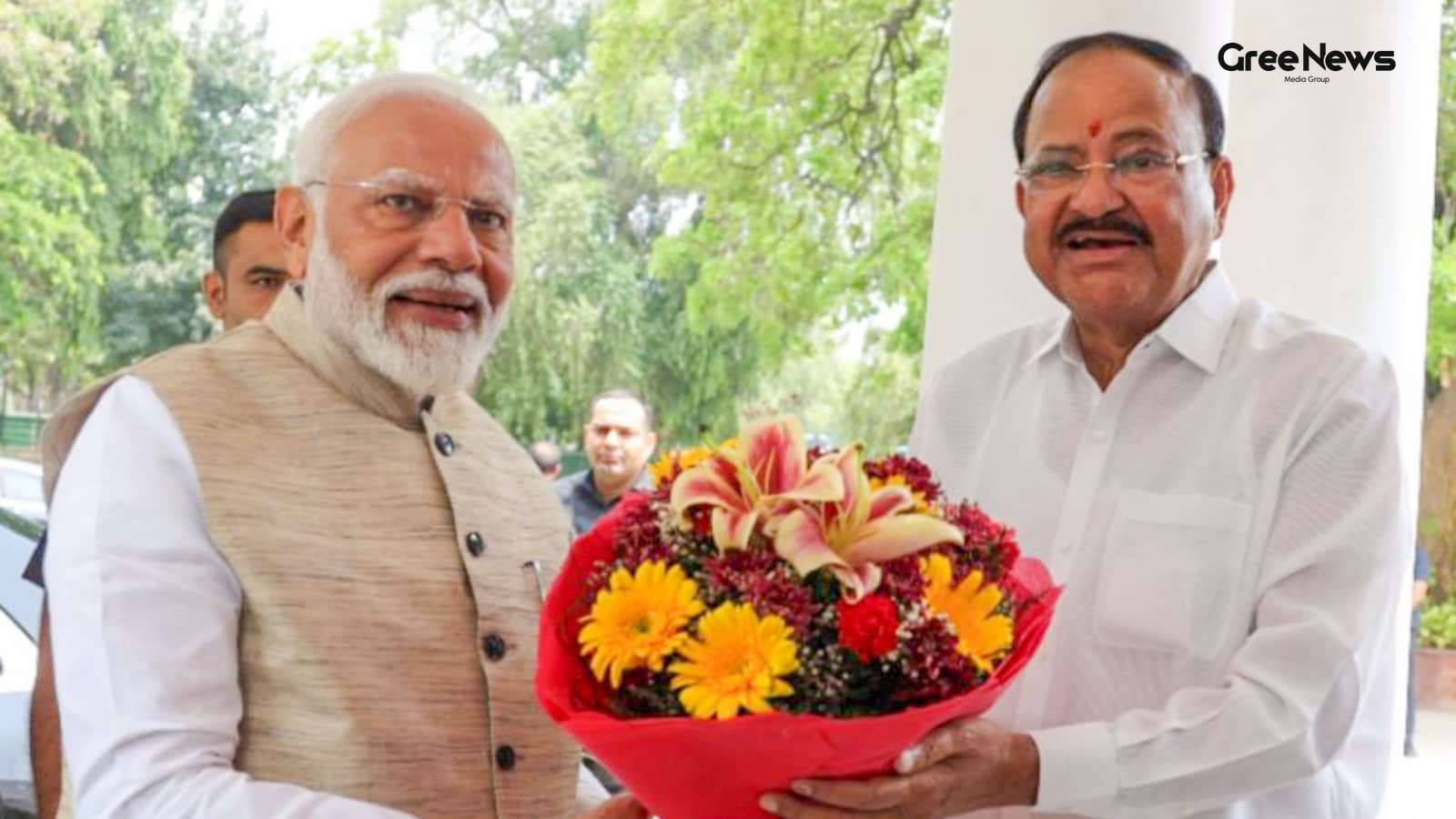
Narendra Modi just hit a huge milestone. India’s longest-serving elected Prime Minister. Forty-three hundred ninety-nine days in office now. That beats Nehru's record, which was the first one. Former Vice President Venkaiah Naidu spoke about it. He praised the leadership and everything Modi has done
Jun 10, 2026 by Gree News Team