The Art of Inner Wreckage: Defining Rita Brown in Cinema
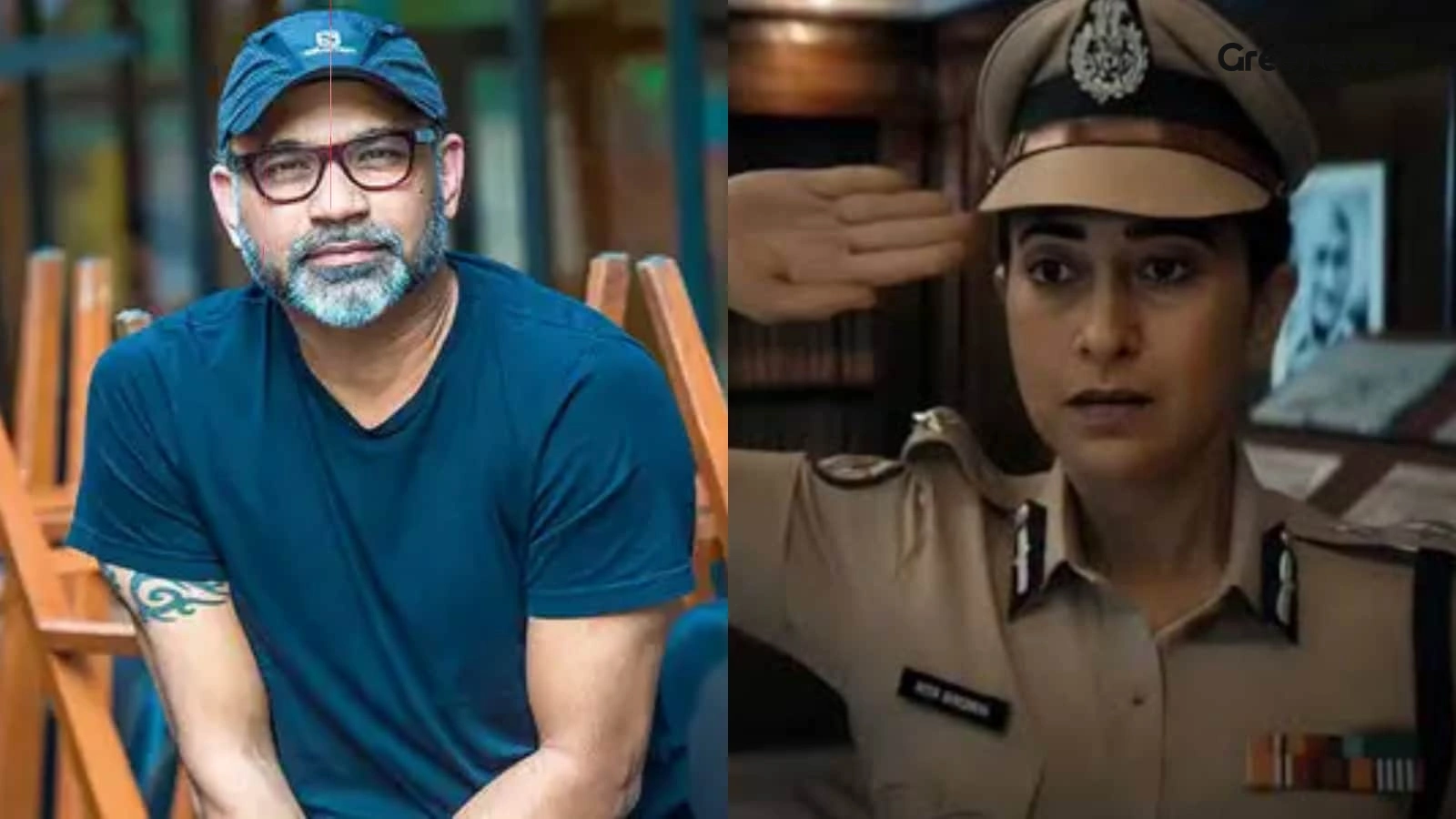
It was the shift that defined Brown . Rita Brown. That’s where she landed.
It was the opposite of glamour. And that contrast—that deliberate stripping away—was the whole point, I think. The way it felt when you watched her inhabit that space. You saw not the star, but something eroded. Something lived through the slow wearing down of time and sorrow.
Abhinay Deo spoke about building Rita’s fractured inner life with Karisma. It wasn't just a directorial choice; it seemed to be an almost surgical excavation. He mentioned his very first instruction: forget vanity altogether. That simple command, that immediate dismissal of surface concerns—that set the entire tone for what followed.
I still remember that initial meeting. The memory is sharp, oddly vivid even now. Karisma Kapoor. That side of her—the controlled performance—that was always admired.
But Rita Brown demanded something entirely different. She wasn't about beautiful surfaces; she was about the interior wreckage. And for Karisma to inhabit that space meant shedding everything familiar. It required letting go of the persona, the public image.
The challenge, he said, wasn’t just playing a role. It was dismantling an established identity. Rita Brown isn’t built by design, you see? She is not some carefully constructed version of damage waiting to be polished up for the screen. No. She had to feel like a life that had simply worn itself down, grain by painful grain.
That visual mandate became something tangible on screen. The team made choices about lighting, composition, everything. They intentionally leaned into fatigue. Into sleeplessness. Into pain that you could almost feel radiating off the frame. It was about carrying weight. Constantly feeling the ache.
There was a moment where the instruction went beyond mere acting technique. Abhinay Deo asked Karisma to step away from the monitor entirely. Not just to focus on the script, but to stop looking at herself in the reflection of the lens. To look elsewhere. To let the character’s reality occupy her space completely.
And she did it. She simply accepted the imperfections because those were the foundation of Rita Brown. She let the flaws be visible, unapologetic.
The world of Brown wasn't meant to be a simple procedural thriller. That’s where things got layered, messy, deeply complicated. It was about history. About the weight characters carry from childhoods that never quite healed. Personal fractures. Cultural histories bubbling up beneath the surface.
Abhinay spent time with everyone involved digging into these foundations.
This extended far beyond the immediate scenes we see. It required deep dives into backstories. Even when those specific details didn't flash across the screen—the exact moment a childhood trauma surfaces, for instance—they had to exist in the actor’s mind. They became the invisible scaffolding holding up Rita Brown’s existence.
And this applied to everyone involved. Because when you are building a world rooted in human nature, superficiality just doesn't stick. The performances had to feel absolutely grounded. Rooted in something real, even if that reality was painful or submerged.
It became about the specific texture of their lives. That’s where the cultural context came in, subtly but powerfully shaping everything. Rita is Anglo-Indian. Arjun carries the weight of Bihari roots.
Abhinay emphasized that this preparation was reflected everywhere. In the cadence of dialogue delivery. In the subtle shifts in body language when someone is lying or grieving. In the way light seemed to catch their faces.
He had to figure out if his character existed within the known geography of that city, or if he was tethered to the strange, fractured reality Brown was constructing. Storytelling, he seemed to suggest, demands you get under the skin of something. You have to understand the interior landscape before you can show anything on the outside.
It’s the totality. It is Brown as an ecosystem. A place built by layers. The way the actors breathed life into those emotional bruises. The cinematography that captured the exhaustion without sensationalizing it too much. The music weaving through the sorrow.
A world defined by inner wreckage, investigated externally. And at the very core of it all, standing amidst that chaos, was Karisma Kapoor as Rita Brown. Stripped bare. Free from the armor of stardom or easy heroism. She carried the unbearable weight of a life refusing to simply heal quietly. That is where the real impact lay. It felt earned. Real. Messy.
Written by Gree News Team — Senior Editorial Board
Gree News Team covers international news and global affairs at Gree News. Our collective of senior editors is dedicated to providing independent, accurate, and responsible journalism for a global audience.
More from Web Series
View All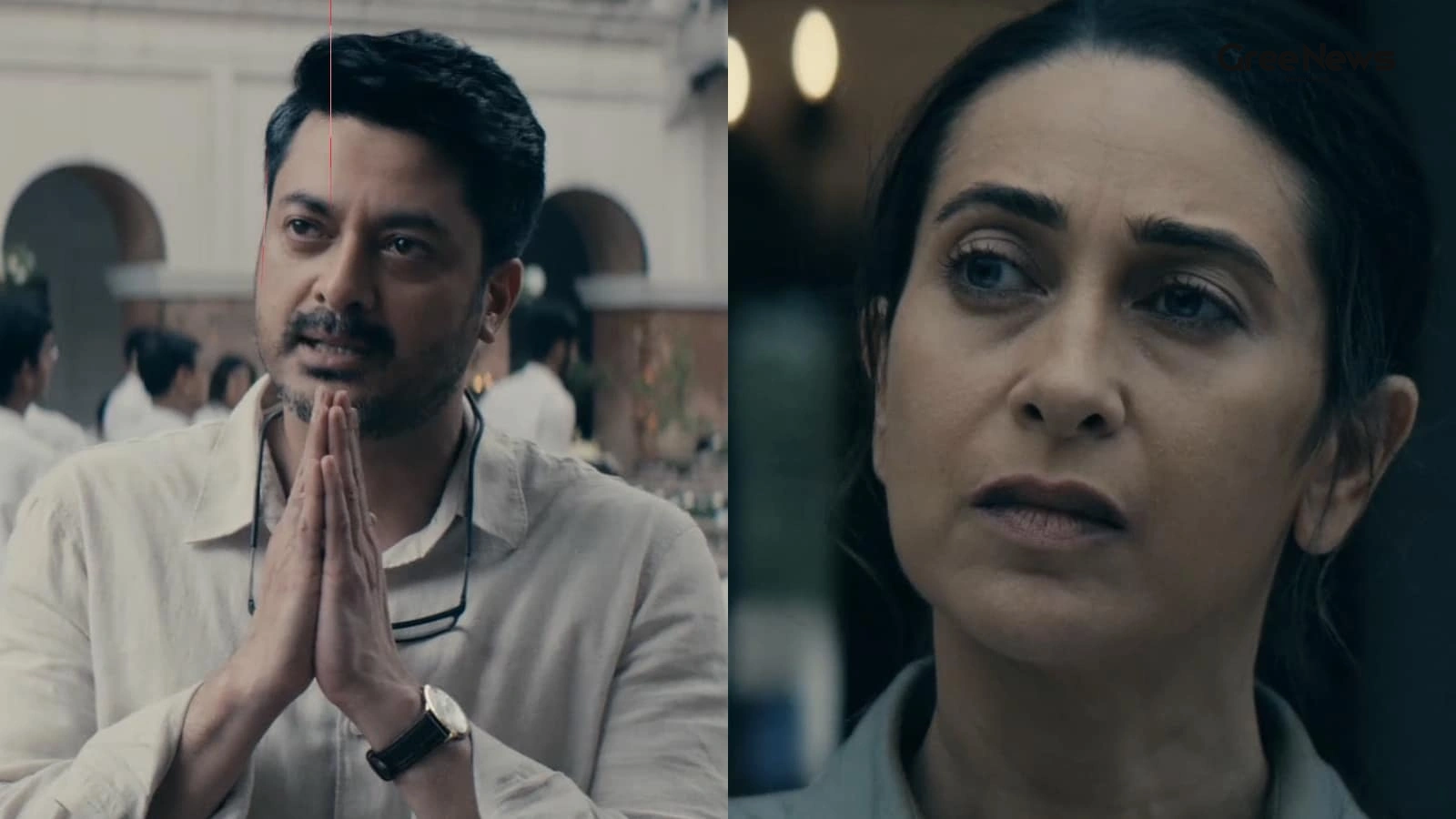
Jisshu Sengupta: Reflections on Acting, *Brown*, and the Industry
Jisshu Sengupta doesn't enter a frame loudly. He just exists there. There’s a stillness about him, almost old-fashioned, which makes you feel like he’s carrying some private weather system just by being beside someone. Across Bengali cinema, Hindi films, TV, Telugu projects and now streaming—he buil
Jun 7, 2026 by Gree News Team
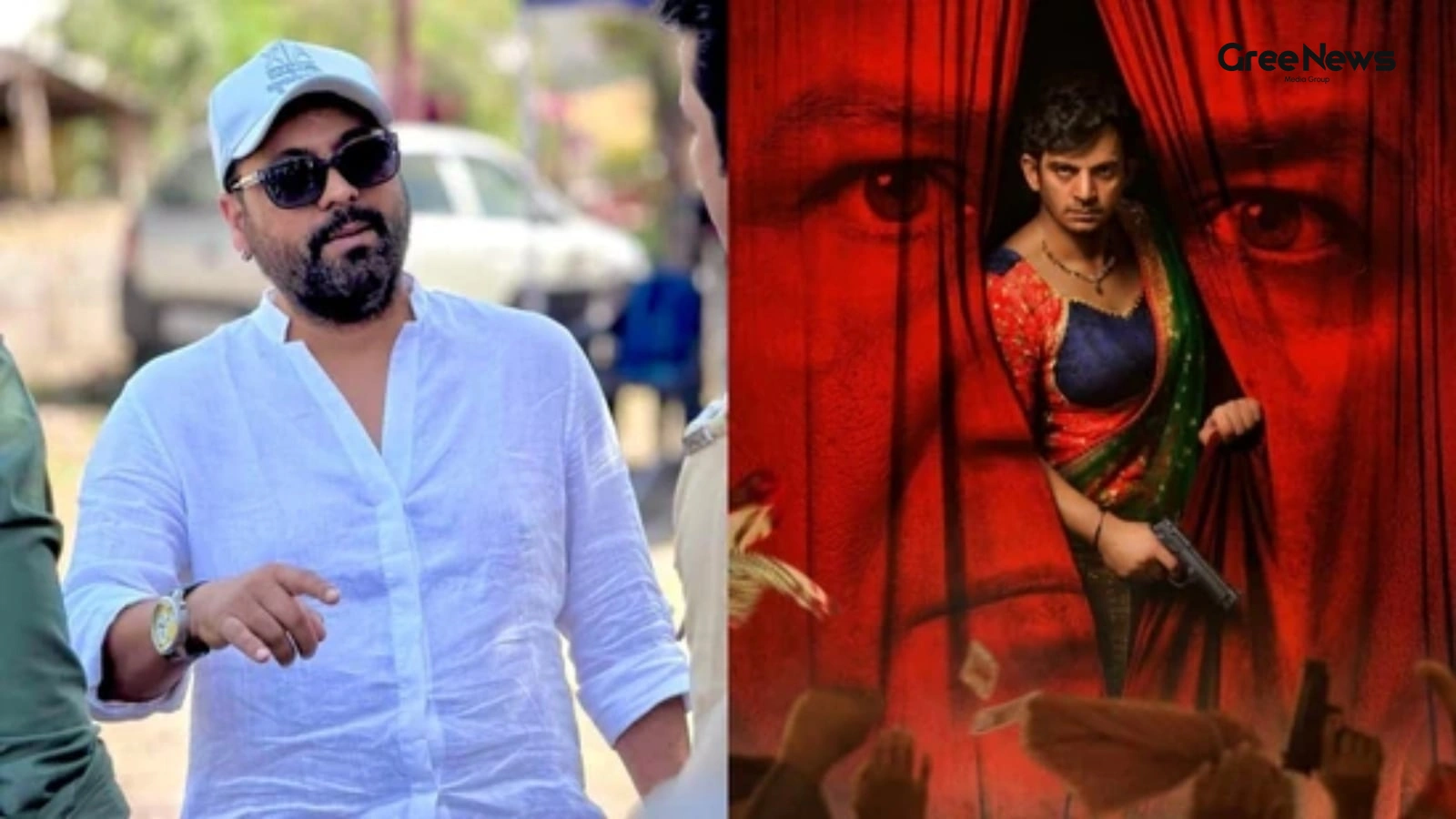
The Challenges of Making *Satrangi: Badle Ka Khel* and the World of Launda Naach
When a story really tries to slip away from what everyone expects, getting it off the ground becomes something else entirely. That’s what director Jai Basantu Singh wrestled with while making *Satrangi: Badle Ka Khel*. It’s a crime drama built right in the messy world of Launda Naach performers and
Jun 6, 2026 by Gree News Team
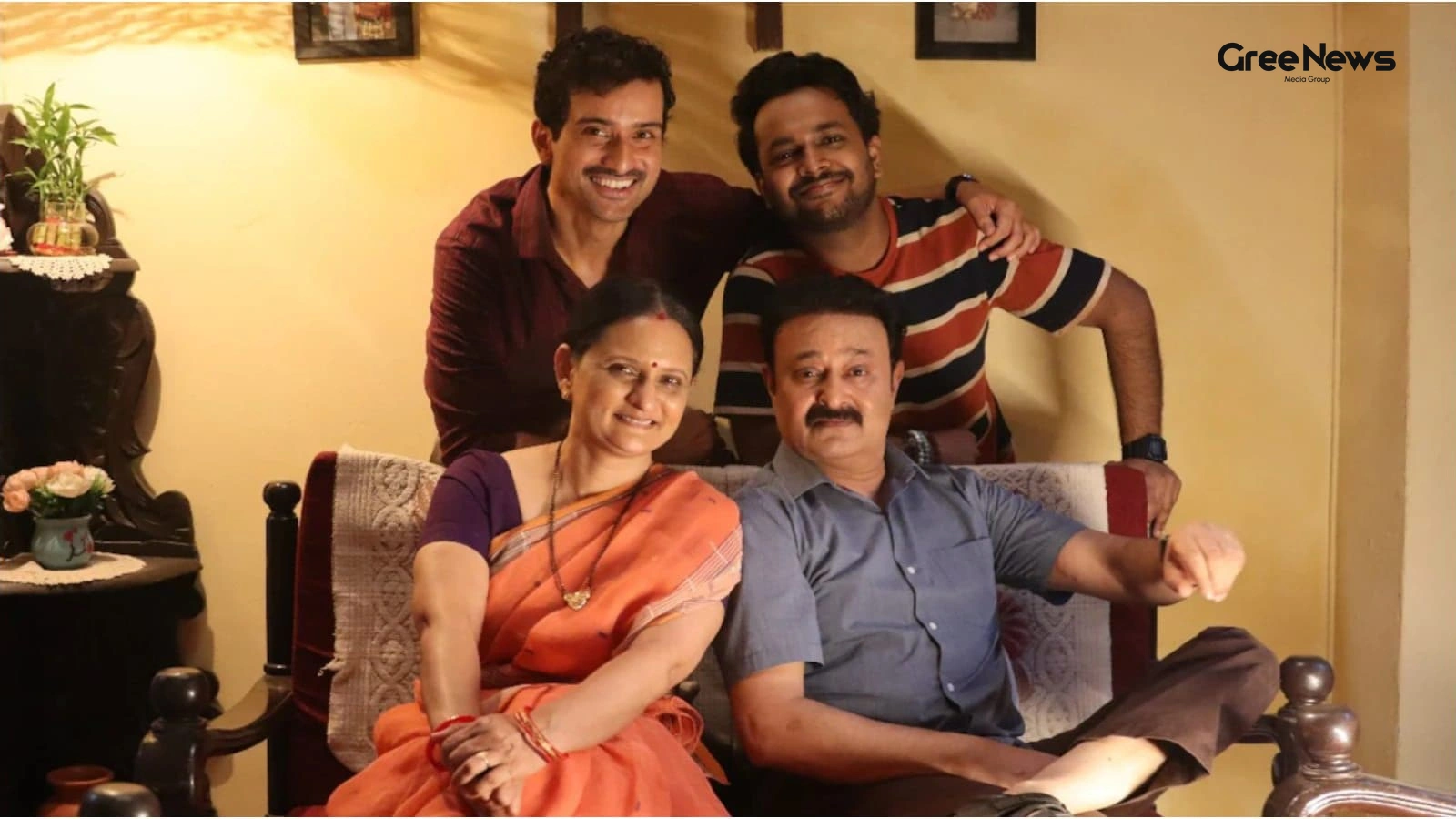
Gullak Season Review: Evolution, Struggles, and the Middle-Class Reality
Gullak is back. Season five finally landed, almost two years after the last one. It’s that kind of thing, you know? A show that built up this whole cult following over the years, just because it felt real. Simple stuff. Middle-class life. You see it everywhere. This time around, they put the Mishra
Jun 5, 2026 by Gree News Team
Review of the Emotional Darkness in a Crime Drama
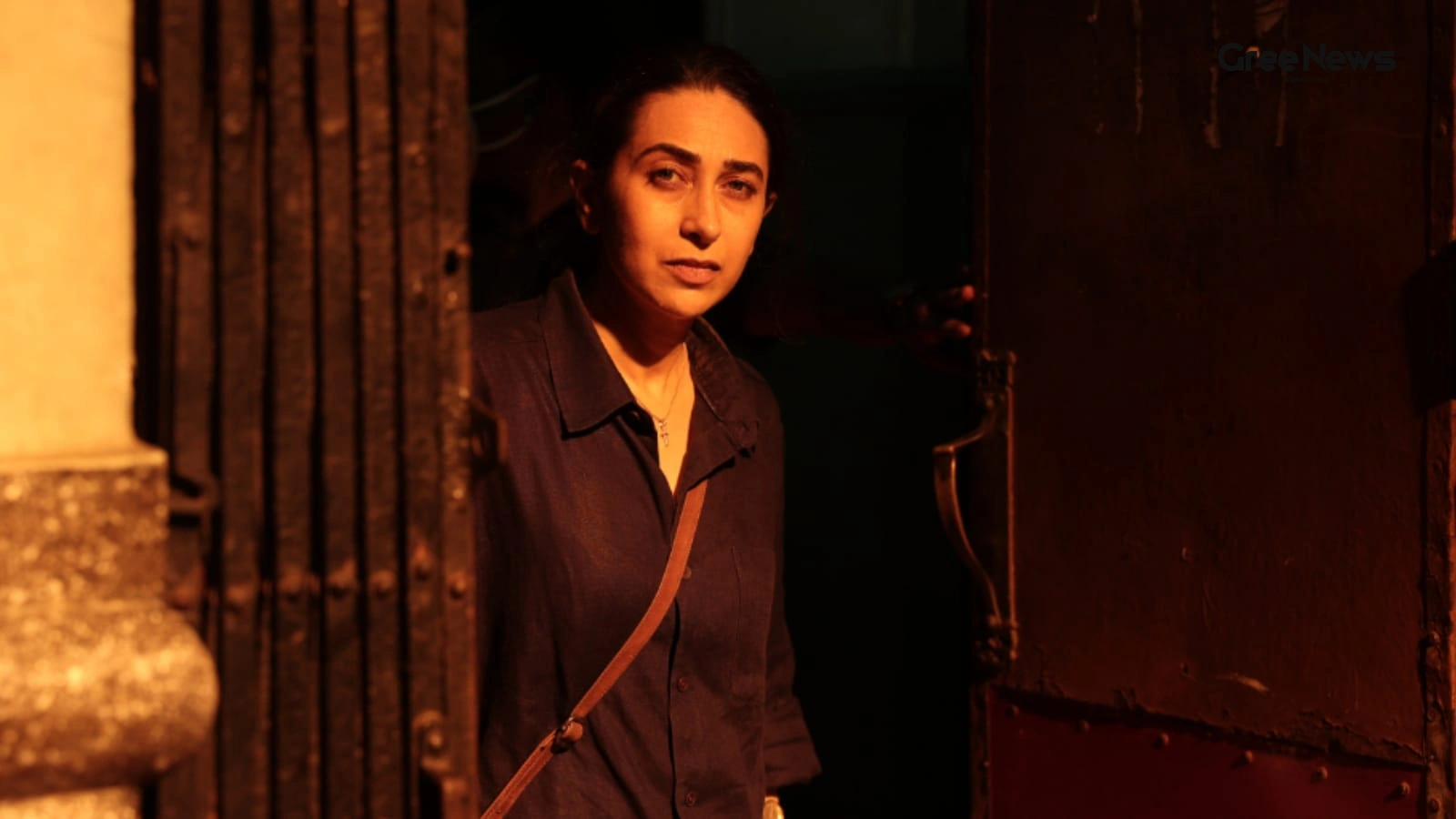
Brown review. There’s something deeply unsettling about it, not just because of the gruesome murders, but because it’s soaked in grief. Abhinay Deo really leaned into that emotional darkness. Almost every major character is weighed down by some kind of loss, something they just can’t shake off. That
Jun 5, 2026 by Gree News Team
Latest Headlines
Political Speculation and Internal Turmoil within the TMC
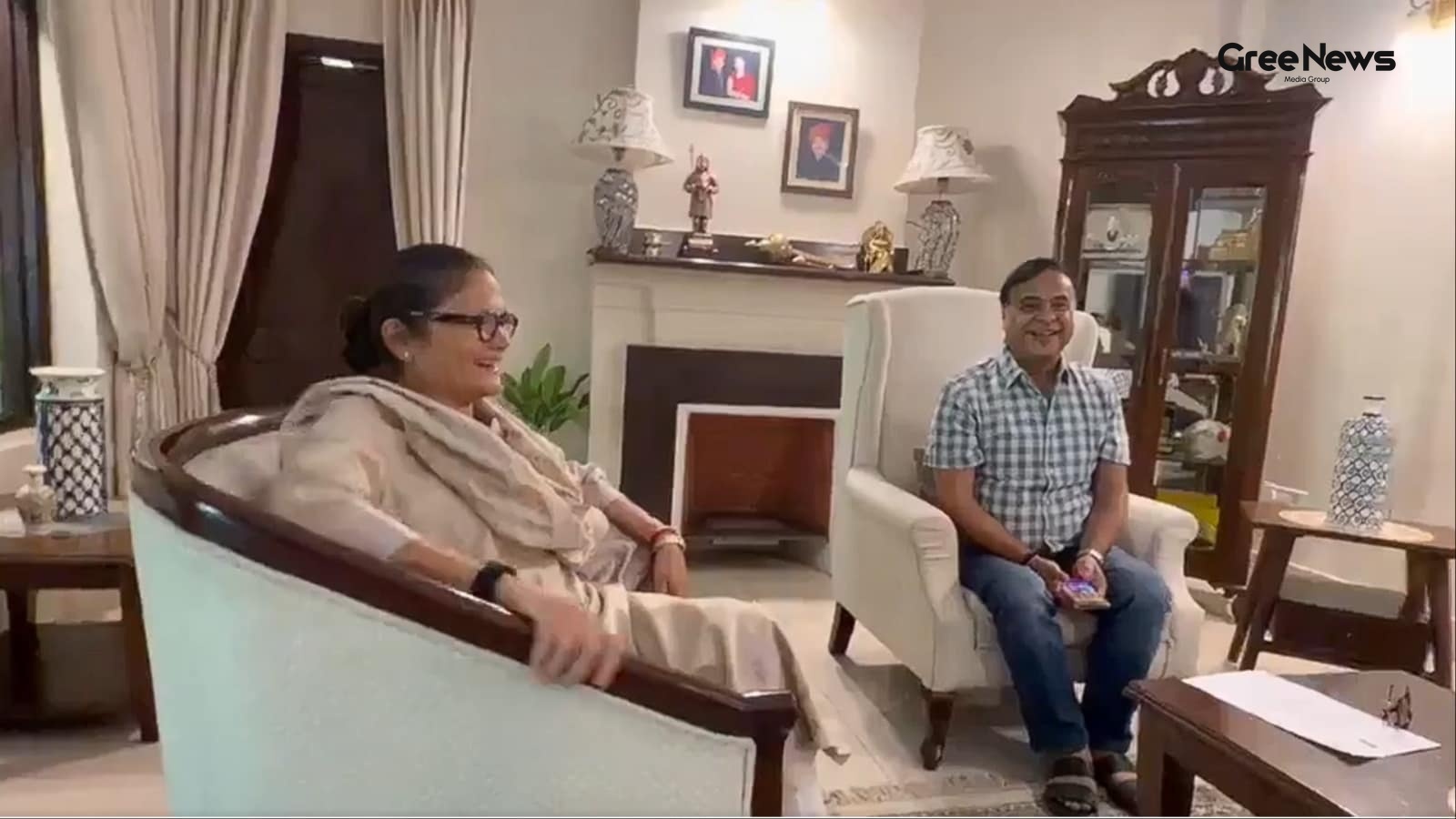
Fresh visuals surfaced of Sushmita Dev meeting Assam Chief Minister Himanta Biswa Sarma. That kind of thing just kicks the speculation into high gear about her next move. It’s all about her potential entry into the BJP, right? This happened right after she stepped down from Rajya Sabha and walked ou
Jun 10, 2026 by Gree News Team

FIFA World Cup 2026: Structure, Geography, and the Official Match Ball
The FIFA World Cup 2026 is really starting to feel imminent now. It’s heading toward North America the USA, Mexico, and Canada are slated to host this massive global spectacle. People are talking about it constantly. It’s not just a standard tournament anymore. This time around, they’re throwing way
Jun 10, 2026 by Gree News Team
Lionel Messi and Argentina's World Cup Journey in Group J
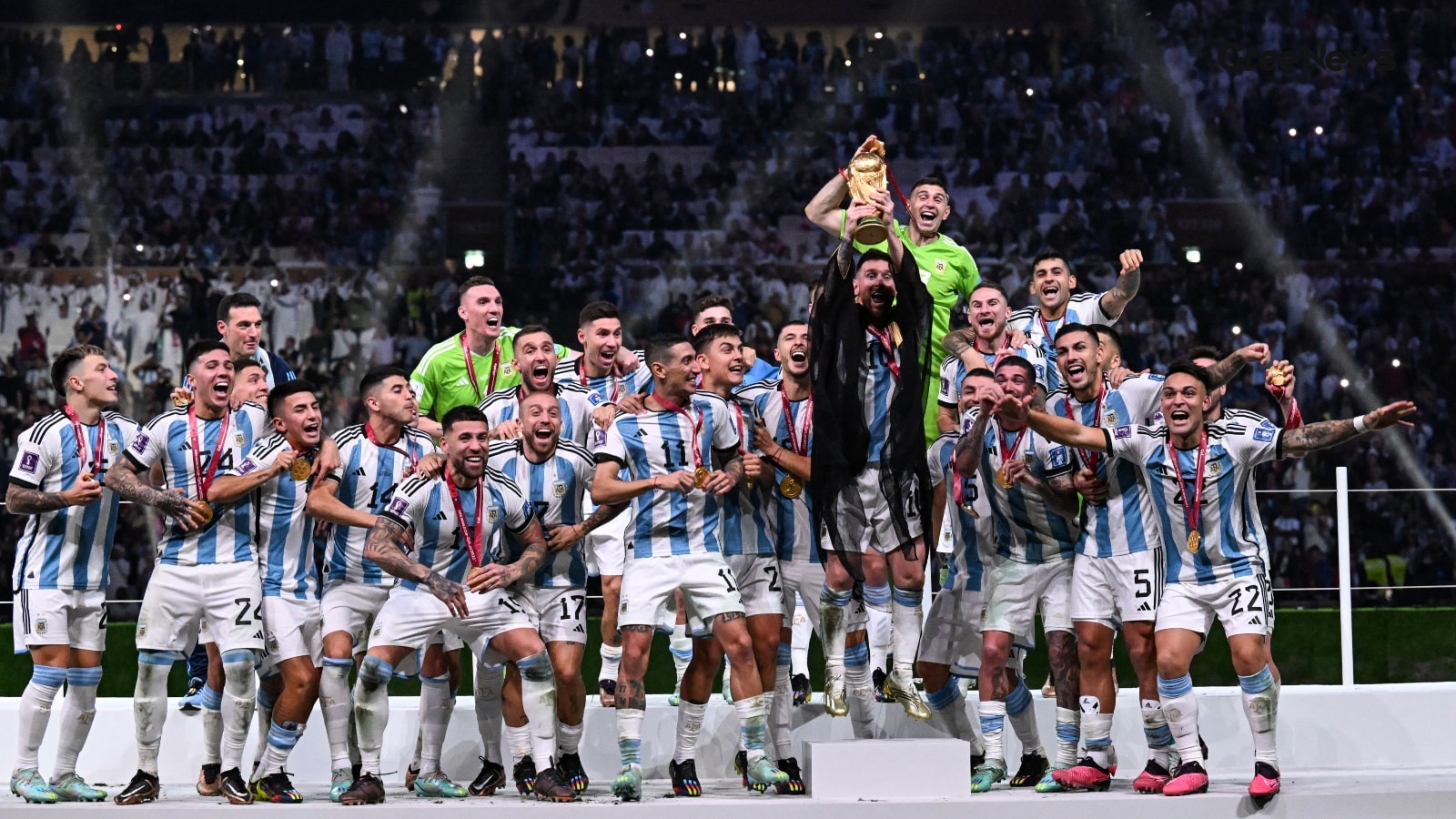
Argentina’s taking on Group J in this new setup USA, Mexico, and Canada it feels like more than just football now. It’s about that farewell, isn't it? Lionel Messi is chasing something special right now, playing out this final chapter with the Albiceleste against Algeria, Austria, and Jordan. There’
Jun 10, 2026 by Gree News Team

Federal Judge Bars Nitrogen Gas Execution in Alabama
A federal judge just slammed the door shut on Alabama’s plan to use nitrogen gas for executing Jeffery Lee. Permanently barred it, ruling the method violated basic constitutional rights about cruel and unusual punishment. This decision dropped like a stone. It came just one day after an appeals cour
Jun 10, 2026 by Gree News Team
Kerala Board Plus One Results 2026 Announcement and Checking Methods
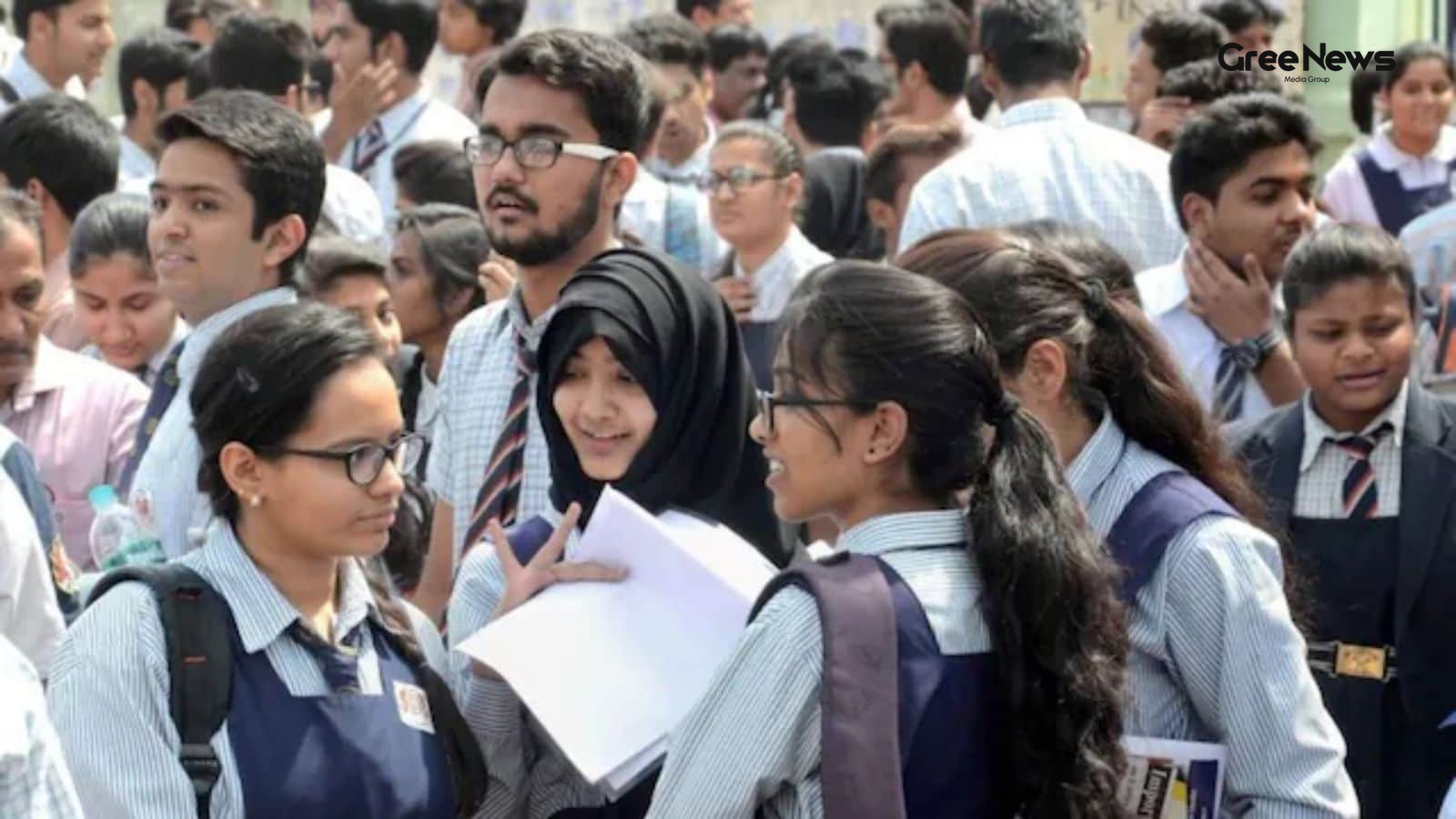
The Kerala Board Plus One results for 2026 are finally coming today, June 10th. That’s when the Directorate of Higher Secondary Education will officially announce everything. Students who took the DHSE Kerala Class 11 exams in 2026 can start checking their scores now. You have a few places to look,
Jun 10, 2026 by Gree News Team
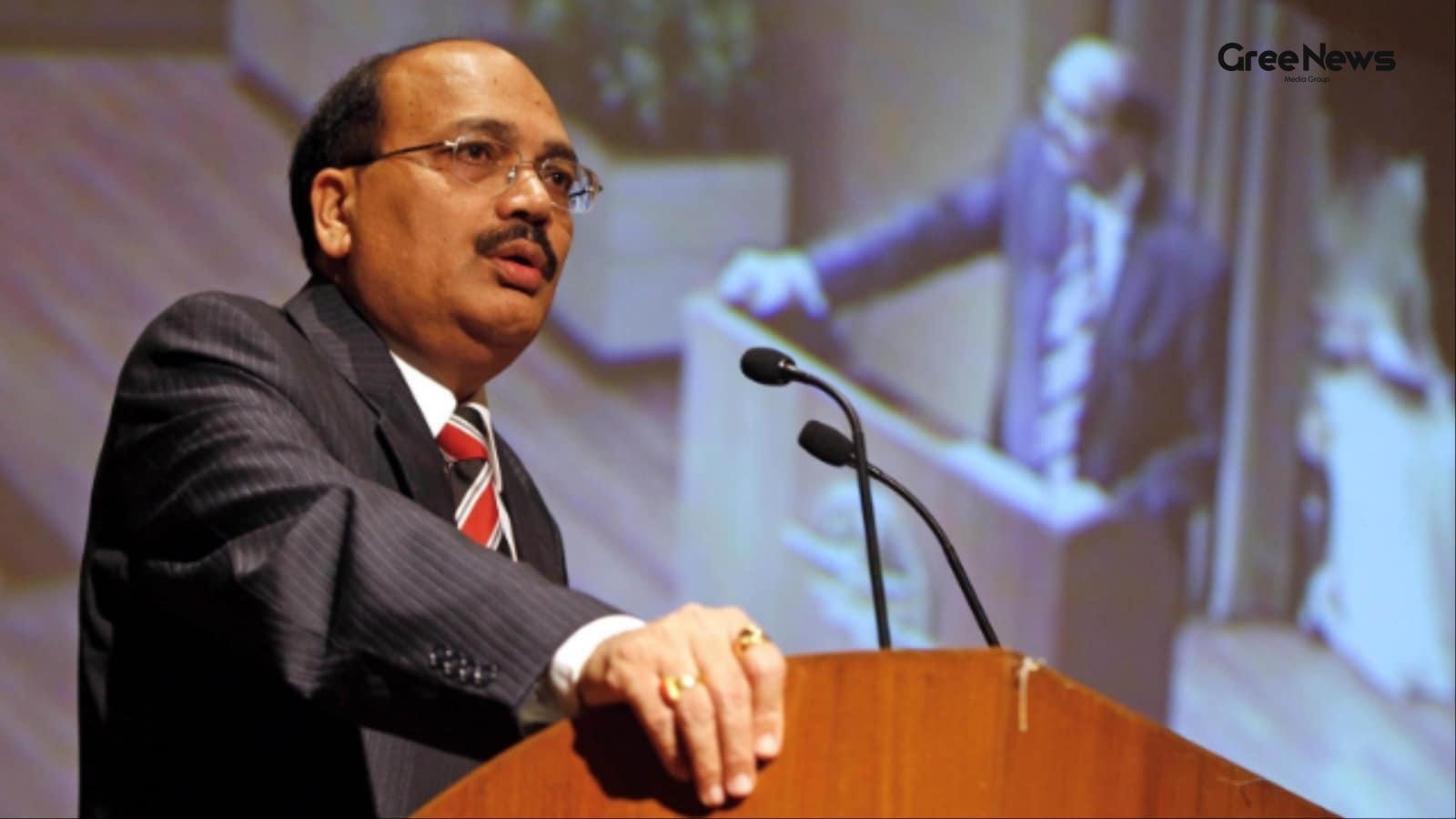
Threats and Intimidation Against Former Judge Justice Gautam Patel
Chief Justice Surya Kant stepped in on the matter involving threats and intimidation aimed at former Bombay High Court judge Justice Gautam Patel. This happened while he was visiting the UK, raising the issue with India’s High Commissioner there. It came out of a report by The Times of India. The wh
Jun 10, 2026 by Gree News Team
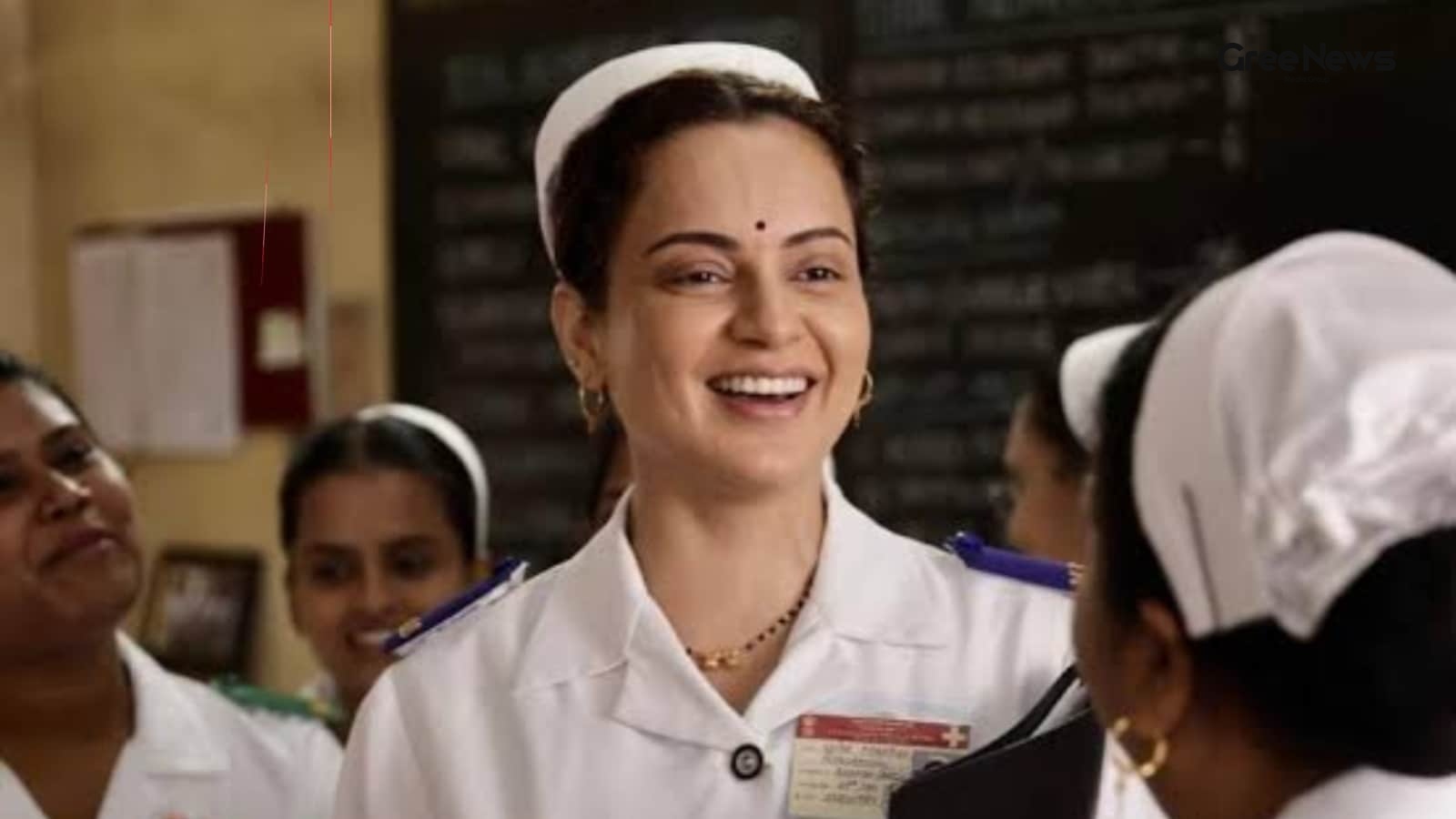
Intersection of Art, Politics, and Public Morality at Film Screening
The buzz around the screening for ‘Bharat Bhhagya Viddhaata’ was definitely something special that Tuesday evening in Delhi. It wasn't just about watching a movie; it felt like a convergence a mix of film fans, some political heavyweights, and a surprising amount of high-level government presence. P
Jun 10, 2026 by Gree News Team
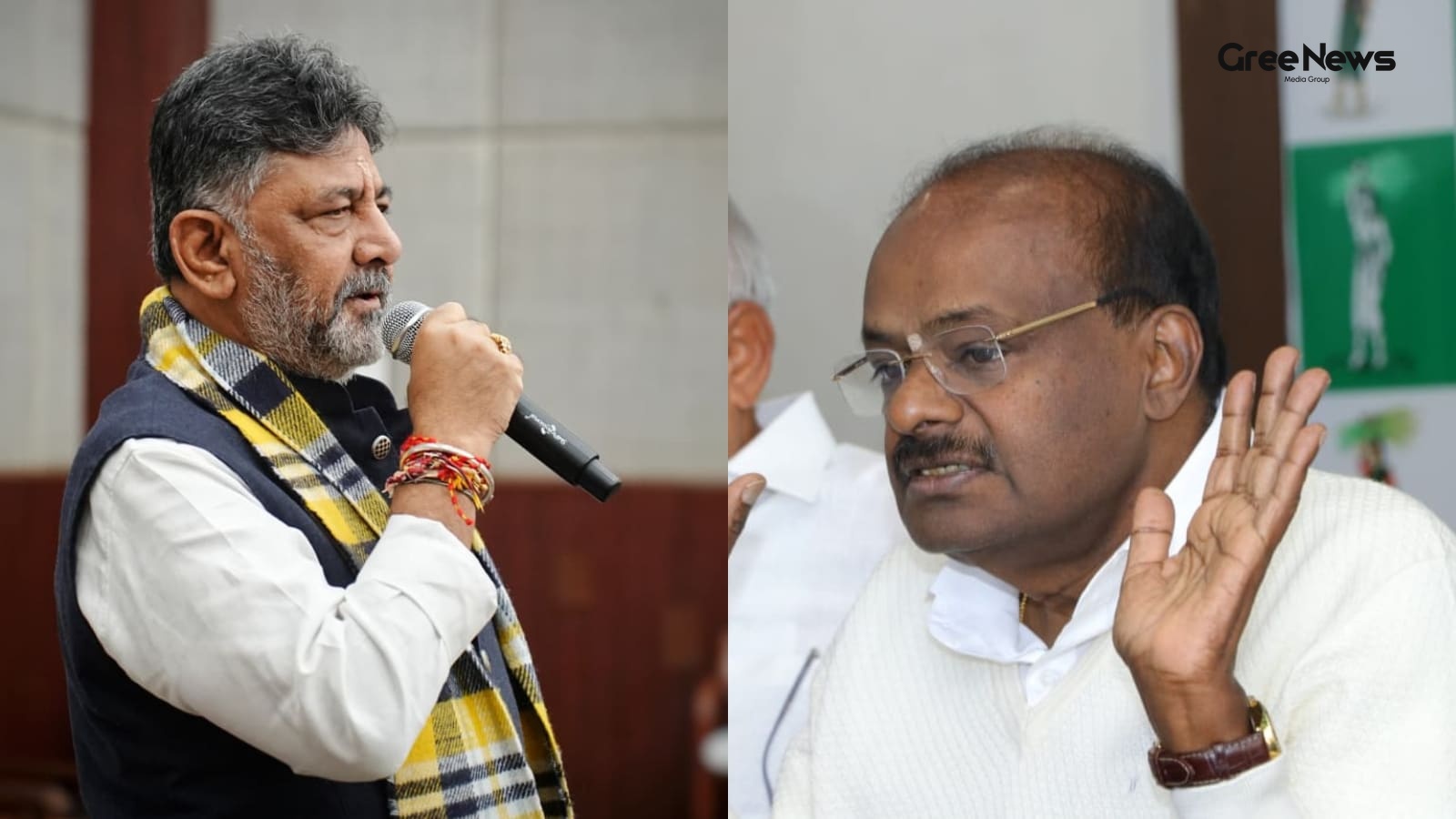
The Political Feud: Shivakumar vs. Kumaraswamy and the Vokkaliga Rivalry
A meeting that hasn't even happened is already sparking political sparring. Karnataka Chief Minister DK Shivakumar and Union Minister HD Kumaraswamy. It just underlines how bitter one of the state’s longest-running rivalries still is. Shivakumar was doing some outreach, a carefully choreographed exe
Jun 10, 2026 by Gree News Team
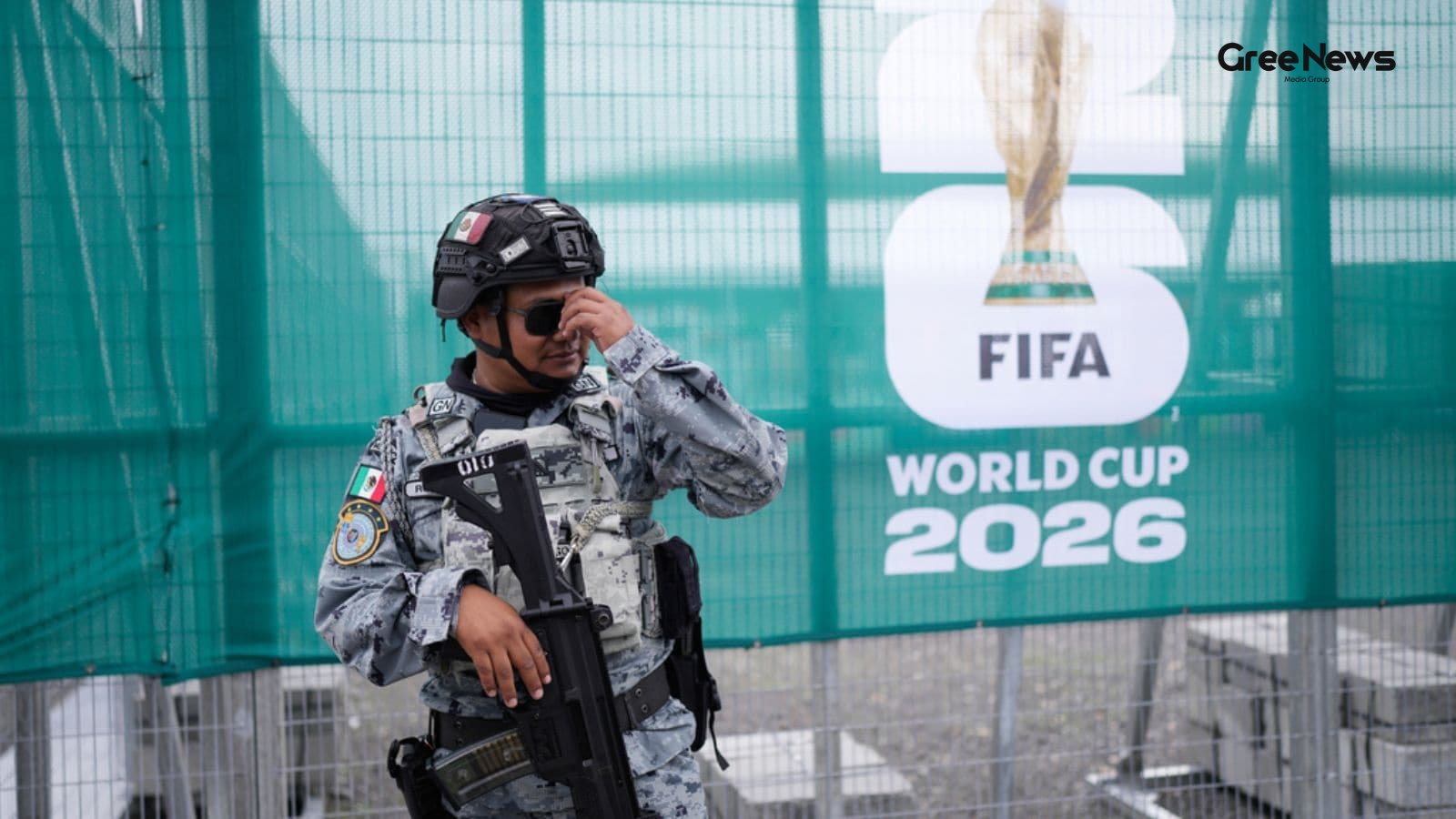
Protest and Political Standoff in Mexico City Before the World Cup
A protest choked off an avenue leading right to Mexico City’s Azteca Stadium for hours on Tuesday. It was just days before that massive World Cup opening match. As football fans started flooding in, all those co-hosts the US, Canada, and Mexico you see the real mess happening back home. Thousands of
Jun 10, 2026 by Gree News Team
The Global Nuclear Arms Race: Spending, Capabilities, and Future Risks
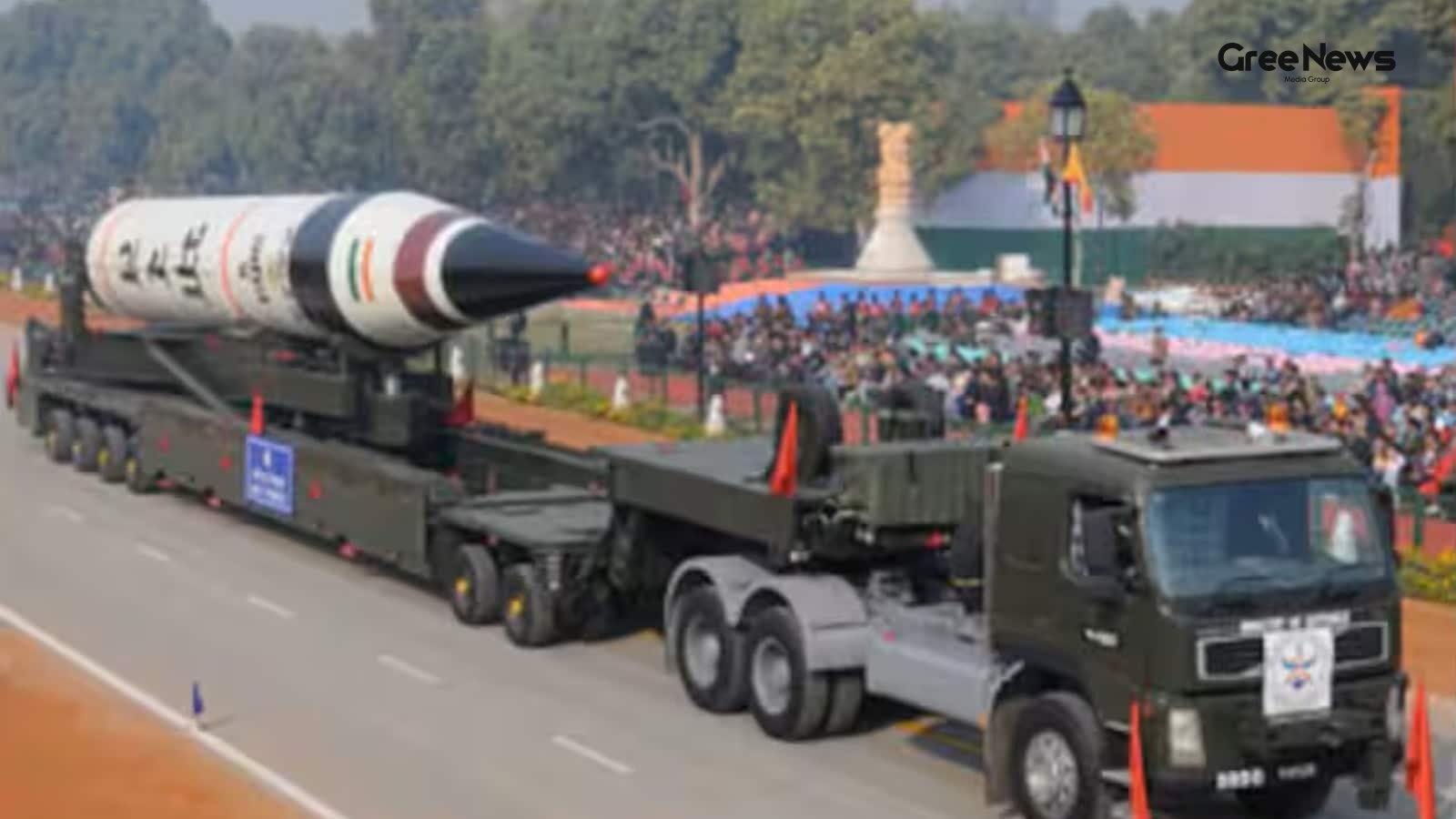
Nearly eight decades since Hiroshima and Nagasaki. And the world’s nuclear powers aren't slowing down. They keep spending more, modernizing faster, and experts are watching them move weapons out of storage and into potential use. It’s a real arms race happening right now. The nine states that hold n
Jun 10, 2026 by Gree News Team
The Chaos of Cinema: Volume, Competition, and the Shifting Market
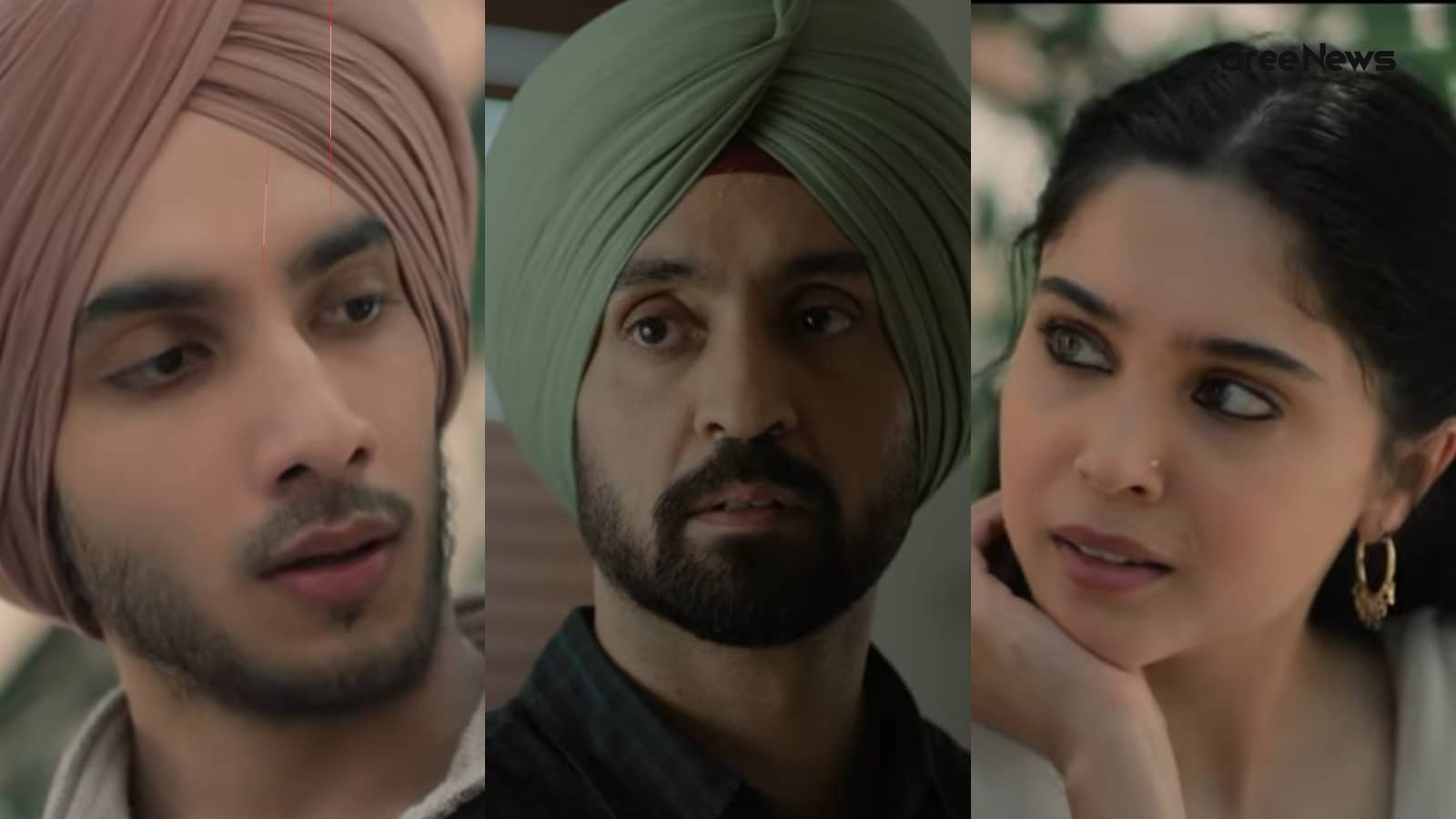
The Friday arrived packed. June 12th. It wasn't just another day; it was a collision of cinema. Nine films, all hitting the screens at once. *Main Vaapas Aaunga*, Imtiaz Ali’s directorial effort. Then you had Kangana Ranaut’s *Bharat Bhhagya Vidhaata*. And the horror mixed in Vikram Bhatt’s *Haunted
Jun 10, 2026 by Gree News Team

Stock Market Updates: June 10th Performance and Sector Analysis
Stock market updates today, June 10th. Everything turned sour in late trading Wednesday. Domestic equity markets basically gave up all those gains they managed to hold during the day. Heavy selling hit midcap, smallcap stocks, plus metals, realty, and financial names dragging the main indices into n
Jun 10, 2026 by Gree News Team

Iran Football Team Travel and World Cup Arrangements
Iran’s football team is heading to Los Angeles, apparently. They announced Tuesday that they'll be flying there the day before their first group-stage game against New Zealand. It feels like a lot happening all at once. But where exactly will they be staying? They won't actually be in L.A. for long.
Jun 10, 2026 by Gree News Team

The Impact of Gen AI on Job Applications and Hiring Strategies
When you start looking for a job, everyone builds this whole structure: the résumé, that killer cover letter, tailoring it perfectly. The whole point was always that application could make you jump out from the crowd of hundreds of applicants. But honestly? Recruiters are starting to think that play
Jun 10, 2026 by Gree News Team
Narendra Modi's Milestone: India's Longest-Serving Prime Minister
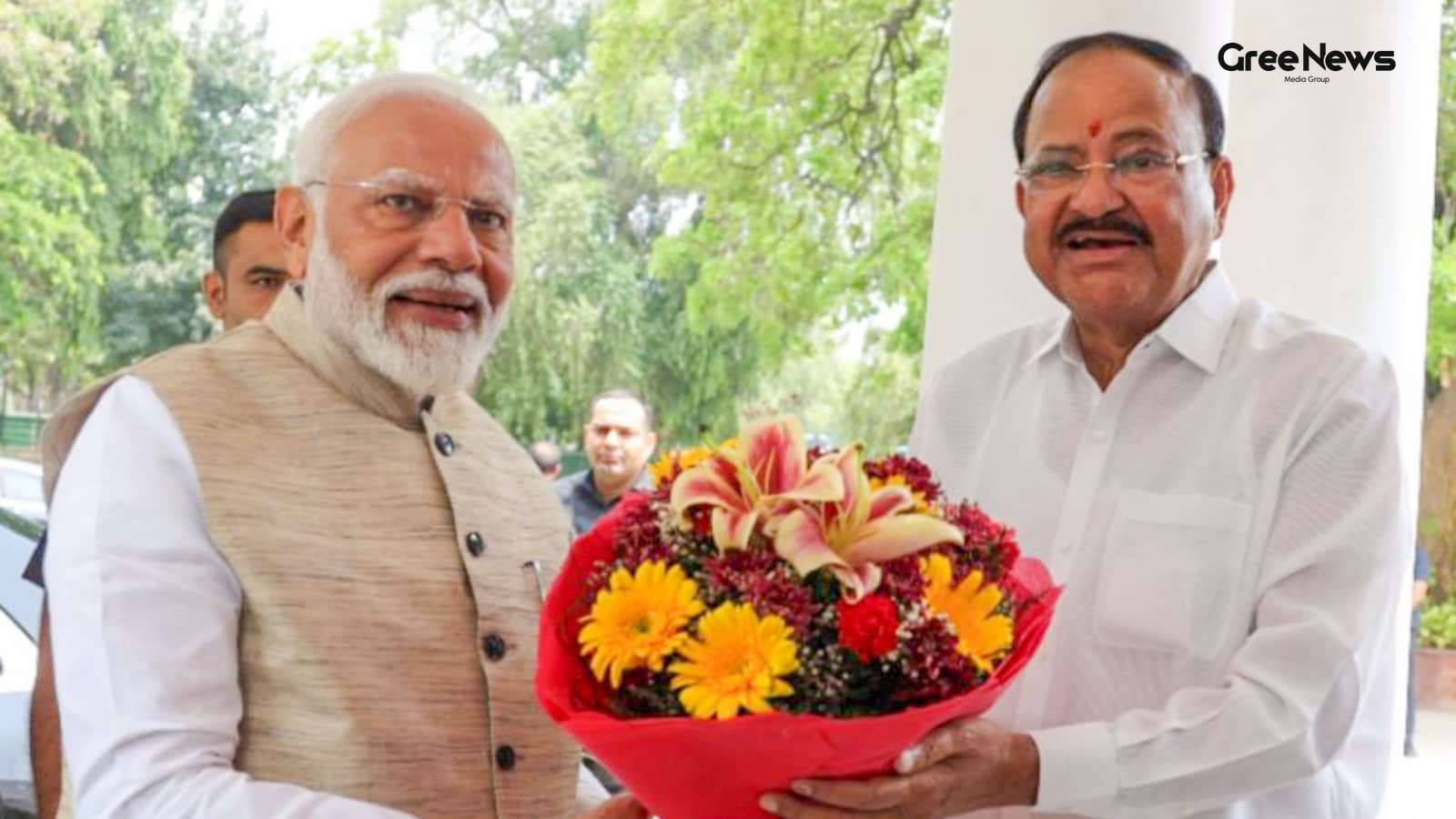
Narendra Modi just hit a huge milestone. India’s longest-serving elected Prime Minister. Forty-three hundred ninety-nine days in office now. That beats Nehru's record, which was the first one. Former Vice President Venkaiah Naidu spoke about it. He praised the leadership and everything Modi has done
Jun 10, 2026 by Gree News Team