The Collision of Global Restraint and Celebrity Logistics
The air felt thick, you know? Not just the usual humidity, but something heavier. That sense of global anxiety, the constant hum of instability in West Asia, it bleeds into everything. It’s not just headlines anymore. It’s in the way people move. It’s in the vehicles.
Prime Minister Modi made his move. He scaled back the official convoy. A small gesture, maybe, but it felt like a ripple in a much bigger, more desperate pool. He appealed to everyone—cut the petrol, work from home, don't travel needlessly. It was a direct echo of the global plea, trying to pull back the reins on consumption.
But you watch the roads, don’t you? You see the contrast immediately.
Sources confirmed the convoy size reduction, sure. But there’s always that little snag, that unspoken aGreement that nothing changes at the top. Security , they said. No compromises there. That’s the thing about power . It’s not about saving a few liters of fuel for the Prime Minister. It’s about the infrastructure of protection.
And that’s where the real mess starts, isn't it? It shifts focus immediately from the official vehicle to the private spectacle. It pulls the lens onto the celebrity convoys.
You see these things constantly. It’s the VIP culture, amplified a millionfold. It’s not just about luxury SUVs. It’s about the sheer volume of presence. Think about the film world. It’s a whole ecosystem of movement.
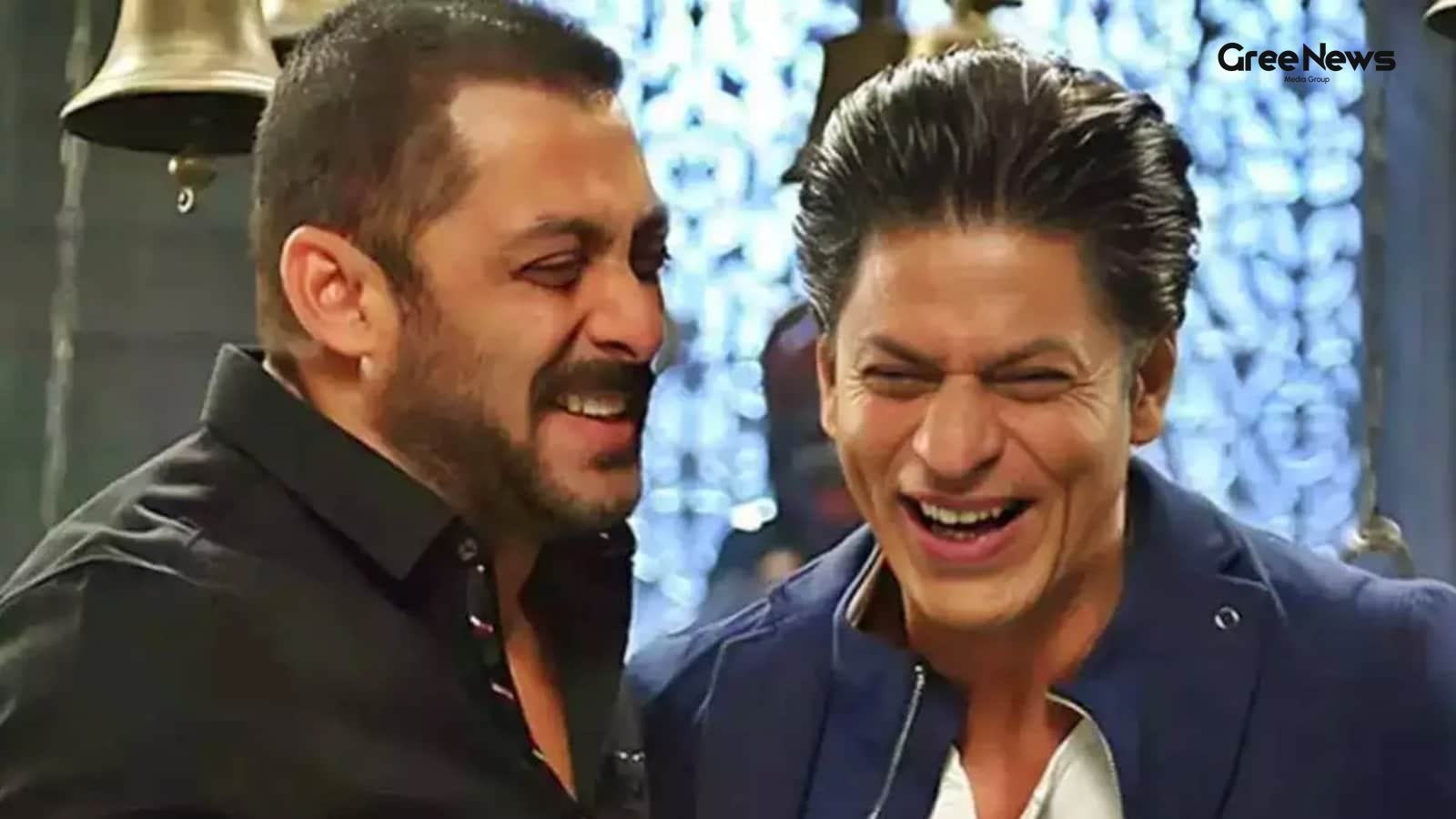
Shah Rukh Khan. He’s always in the spotlight, and with that spotlight comes the fleet. Paparazzi footage, the glimpses you catch during those whirlwind promotions, they always show it. Long lines of vehicles. Luxury SUVs piled up. Bodyguards, the usual heavy presence. Vanity vans. Staff cars. Police escorts layered on top of everything. It’s a logistical nightmare wrapped in a very expensive aesthetic.
It’s not just SRK. It’s a pattern. It’s this unspoken rule that if you’re a major star, you need an army moving with you.
And it’s not just Bollywood. The scale of it changes depending on who you ask.
Salman Khan’s situation is another layer entirely. It’s less about the glamour, more about the sheer, palpable tension that follows him. The reports always circle back to the threats. The links to those groups, the persistent security concerns. That changes the dynamic completely.
His travel isn't just about fan following anymore. It’s about a very different kind of security apparatus. Heavy police presence. Armed security detail. Those specialized escort cars. And the insistence on that specific, bulletproof Nissan Patrol. It’s a different kind of security footprint than what you see around a film launch.
And then you have the veterans. Amitabh Bachchan. He’s a different beast entirely. He’s had this for years. His movements are always large. During film shoots, during those political events that bleed into the public eye, the requirement for crowd control, for managing the sheer density of people—it demands a certain setup.
Even Bachchan, despite his stature, has this entourage. Staff vehicles. Those custom-built vanity vans. It’s less about flashy chrome and more about the sheer logistics of moving a figure that commands so much attention. He moves with his security detail, the police presence, the necessary infrastructure. It’s an older, slower kind of convoy, built on decades of precedent.
It’s strange how the definition of 'convoy' shifts depending on the star.
Then there’s the rise of the political figures who become cultural icons. Allu Arjun, for instance. His success, especially with Pushpa , changed the calculus. Suddenly, the need for security wasn't just about managing fans; it became about managing crowds. Hyderabad airport visits, film promotions—it all spirals into requiring multiple black SUVs and management teams just to keep the flow moving.
His movement became high-security almost instantly. It’s about controlling the space around him. The viral videos from those events? They don't just show the star. They show the entire logistical operation. The sheer scale of the deployment.
And then there’s the political celebrity crossover. Think about Thalapathy Vijay. He’s moved from being just a movie star to a political force. That transition changes everything about his travel. Roadshows. Public appearances. The sheer volume of supporters. It necessitates an exponentially larger security and crowd-control setup.
Those viral shots from Tamil Nadu, those highways packed with people following him? That’s not just fans. That’s a massive logistical challenge. It demands chains of vehicles. Security vehicles. Police management teams just to keep the momentum going. It’s a different kind of pressure entirely.
It forces you to look at the whole system. It forces you to see what those convoys actually represent.
It’s not just about the cars. It’s about the infrastructure. It’s about how power is physically manifested on the road.
And this brings us back to the core tension, doesn't it? The friction between the public appeal and the private reality.
We start with the PM asking everyone to pull back on fuel. A global concern. A matter of necessity.
Then you look at the private world. The celebrity world. A world seemingly built on excess, on visibility, on the ability to command space.
And the juxtaposition is jarring.
The conversation online, the digital noise, it’s relentless. People are pointing fingers. They see those convoys—those long, glittering lines of vehicles—and they immediately connect them to the very consumption the Prime Minister was trying to curb. It becomes a symbol.
It becomes that flashpoint where abstract policy meets concrete reality.
Do we talk about the vanity vans? That’s a specific detail that always surfaces. Shah Rukh Khan, for example, reportedly travels with just one 14-wheeler vanity van. That sounds manageable. A single large trailer.
But then you look at the sheer volume of vehicles required for security alone. The layering. The redundancy. It’s an operational reality that exists entirely separate from the fuel crisis, yet it exists right alongside it.
The logistics of film production itself are a maze. You have the actors, the hair and makeup teams, the costume vans, the production staff, the personal security detail. All of them need to move. They need separate lanes, separate permissions. It’s a constant, messy negotiation of space.
This isn't just about luxury. It’s about the sheer, unavoidable necessity of controlling access. It’s about creating bubbles of security around these highly visible individuals. And those bubbles require space. They require a lot of space.
And that’s where the criticism lands. It’s not just about extravagance. It’s about the public perception of entitlement. It’s about the consumption of public resources, even if those resources are private.
When the PM shrinks his convoy, it sets a benchmark. It suggests that restraint is possible. It suggests that public figures don't need to command such massive physical space.
But the celebrity world seems to operate under a different set of rules. Their space isn't defined by energy conservation. It’s defined by fan demands, by the necessity of security protocols, by the spectacle itself.
And that creates this weird, uneven rhythm in the reporting. One minute we are talking about global energy scarcity. The next, we are dissecting the specific dimensions of a celebrity’s security clearance. The flow is broken because the realities are so different.
The reality is, for these stars, the convoy isn't just transportation. It’s a mobile fortress. It’s a demonstration of scale. It’s a physical manifestation of their status and the demands placed upon them.
And this physical manifestation is what gets scrutinized. It’s what fuels the online debate. It’s the visible evidence of how the elite move through the world, and how much space they consume.
The reports about the Y+ security clearance for SRK, or the specific number of personnel attached to Salman Khan’s detail—these aren't just administrative details. They are markers of power projection. They are the physical boundaries of their influence.
And the fact that these arrangements are often kept opaque, hidden behind layers of security protocol, only makes the public desire to see them more intense. We want to see the structure. We want to see the limits.
It’s this friction—the public desire for restraint versus the private reality of security demands—that defines the current landscape. It’s a collision between a global energy mandate and hyper-localized celebrity logistics.
The movement of these convoys is a microcosm of the larger social and political currents. It shows how public mandates are filtered through private power structures. It shows how necessity clashes with spectacle.
And as the world continues to feel the strain of energy scarcity, the question lingers, hanging in the air between the public plea and the celebrity spectacle: will the reality of security and fame ever align with the reality of global restraint? Or will the demand for space, for protection, always dictate the size of the procession, no matter the global climate?
It remains an open question, shrouded in layers of tinted glass and reinforced steel. The movement continues, relentless, heavy, and utterly fascinating in its absurdity.
Written by Gree News Team — Senior Editorial Board
Gree News Team covers international news and global affairs at Gree News. Our collective of senior editors is dedicated to providing independent, accurate, and responsible journalism for a global audience.
More from Movies
View All
Intersection of Art, Politics, and Public Morality at Film Screening
The buzz around the screening for ‘Bharat Bhhagya Viddhaata’ was definitely something special that Tuesday evening in Delhi. It wasn't just about watching a movie; it felt like a convergence a mix of film fans, some political heavyweights, and a surprising amount of high-level government presence. P
Jun 10, 2026 by Gree News Team
The Chaos of Cinema: Volume, Competition, and the Shifting Market
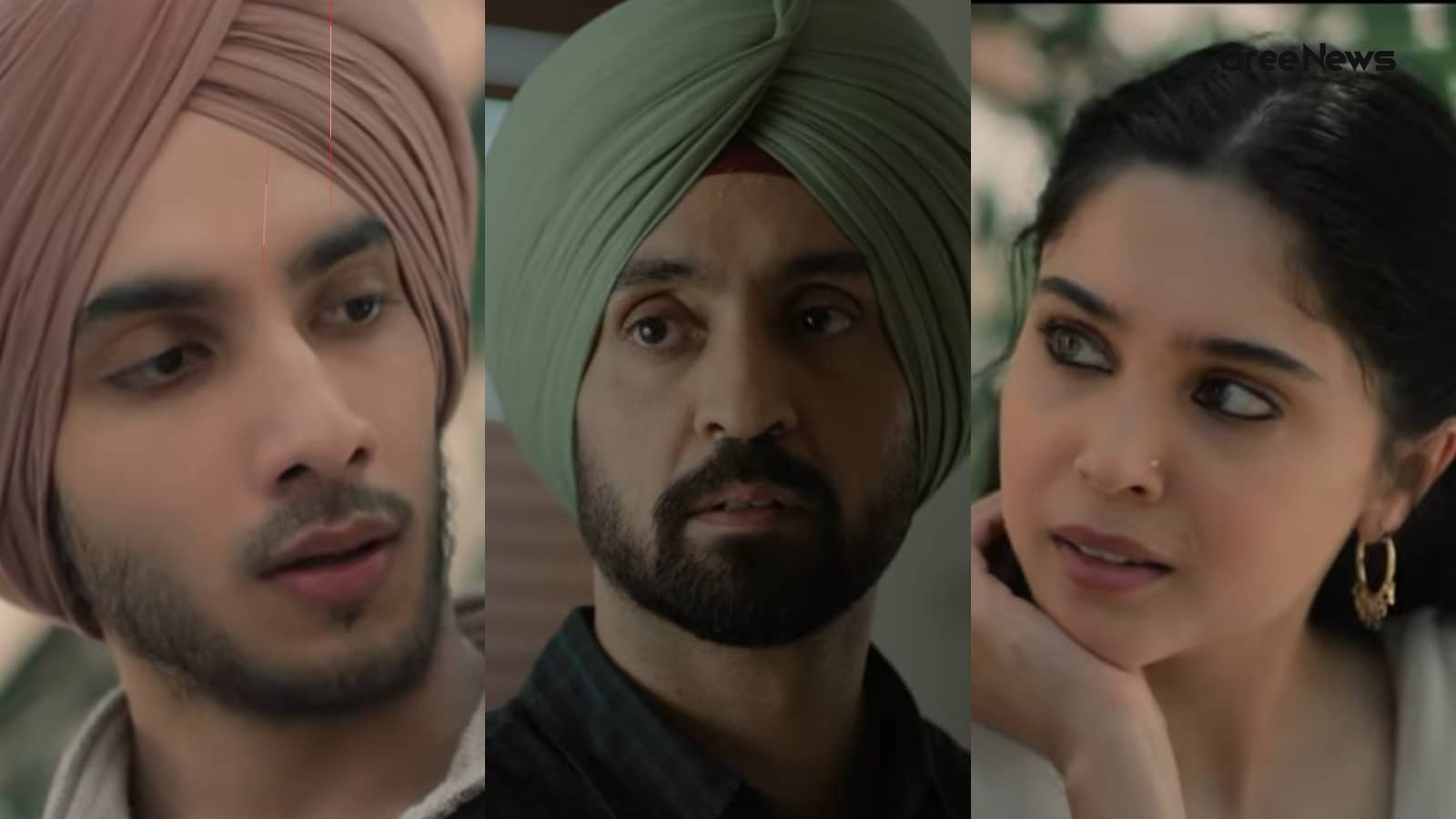
The Friday arrived packed. June 12th. It wasn't just another day; it was a collision of cinema. Nine films, all hitting the screens at once. *Main Vaapas Aaunga*, Imtiaz Ali’s directorial effort. Then you had Kangana Ranaut’s *Bharat Bhhagya Vidhaata*. And the horror mixed in Vikram Bhatt’s *Haunted
Jun 10, 2026 by Gree News Team

Janhvi Kapoor, Creature Horror, and the Dynamics of Industry Scrutiny
Janhvi Kapoor. right now she’s just... navigating things. you see those whispers in the industry? they always start small, a ripple that eventually becomes a wave, isn’t it? and this time, it feels like there's some actual movement happening. talks. rumors swirling around about what comes next for h
Jun 10, 2026 by Gree News Team

The Rawness of Grief: Public Reaction to Loss
The air just felt thick. That’s what hung over the news cycle these days. It started with Kumud Rane. It’s a messy aftermath. Pictures surfaces. Notes are dropped. People react. Not with polite distance, but with something raw, exposed. Salman Khan, for instance. He wasn't just watching the news; he
Jun 10, 2026 by Gree News Team
Latest Headlines
Political Speculation and Internal Turmoil within the TMC
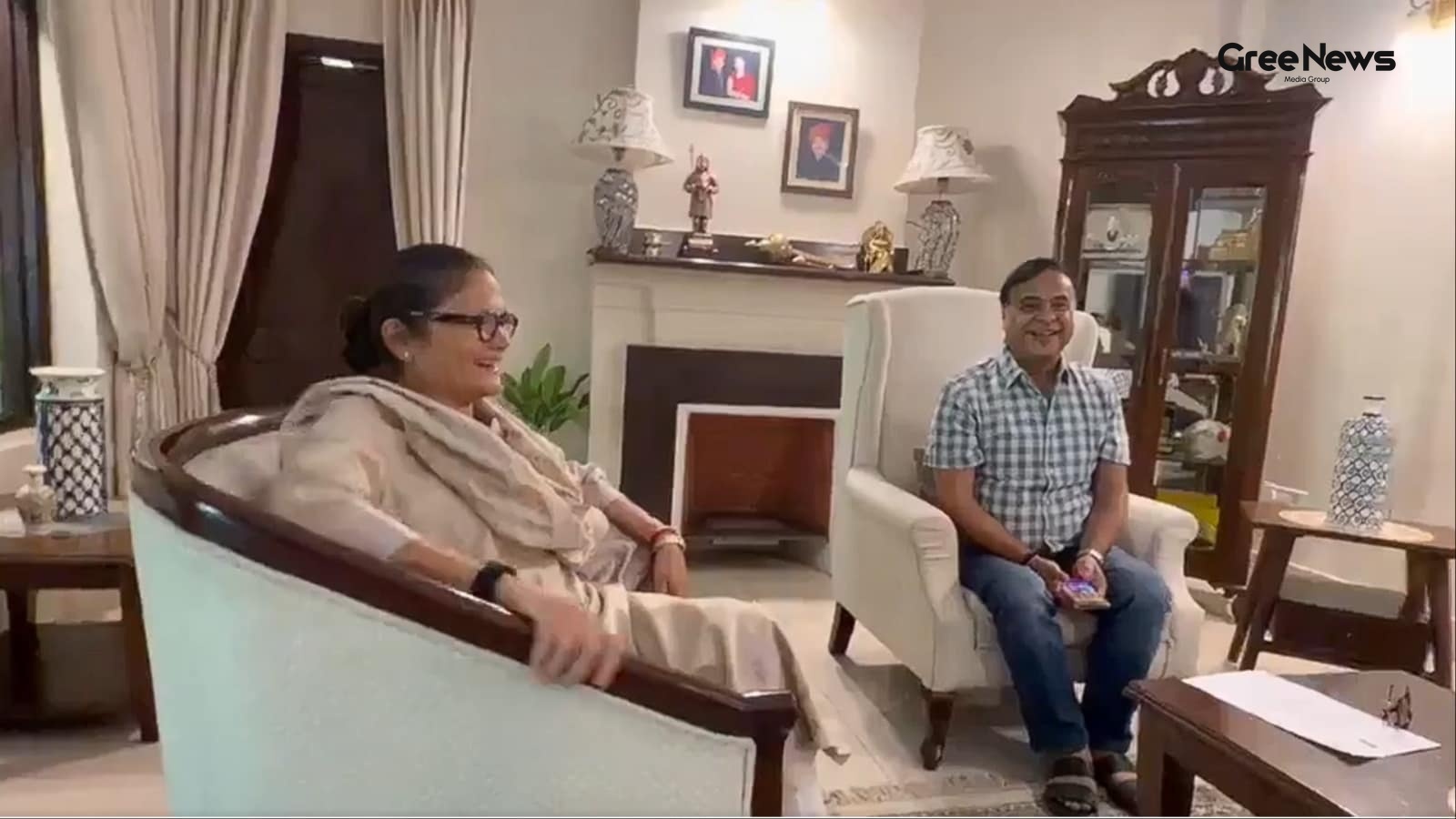
Fresh visuals surfaced of Sushmita Dev meeting Assam Chief Minister Himanta Biswa Sarma. That kind of thing just kicks the speculation into high gear about her next move. It’s all about her potential entry into the BJP, right? This happened right after she stepped down from Rajya Sabha and walked ou
Jun 10, 2026 by Gree News Team
FIFA World Cup 2026: Structure, Geography, and the Official Match Ball
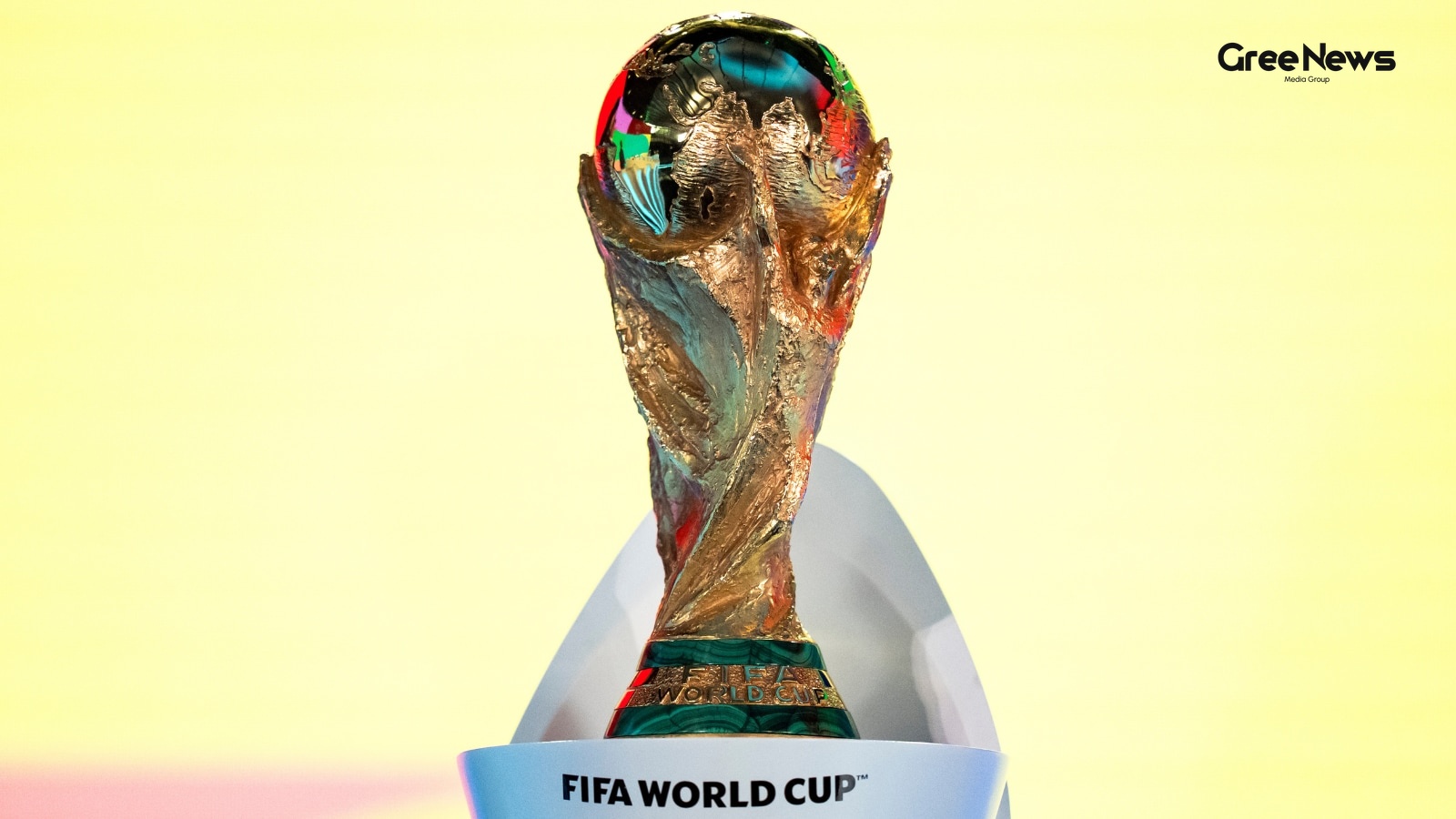
The FIFA World Cup 2026 is really starting to feel imminent now. It’s heading toward North America the USA, Mexico, and Canada are slated to host this massive global spectacle. People are talking about it constantly. It’s not just a standard tournament anymore. This time around, they’re throwing way
Jun 10, 2026 by Gree News Team
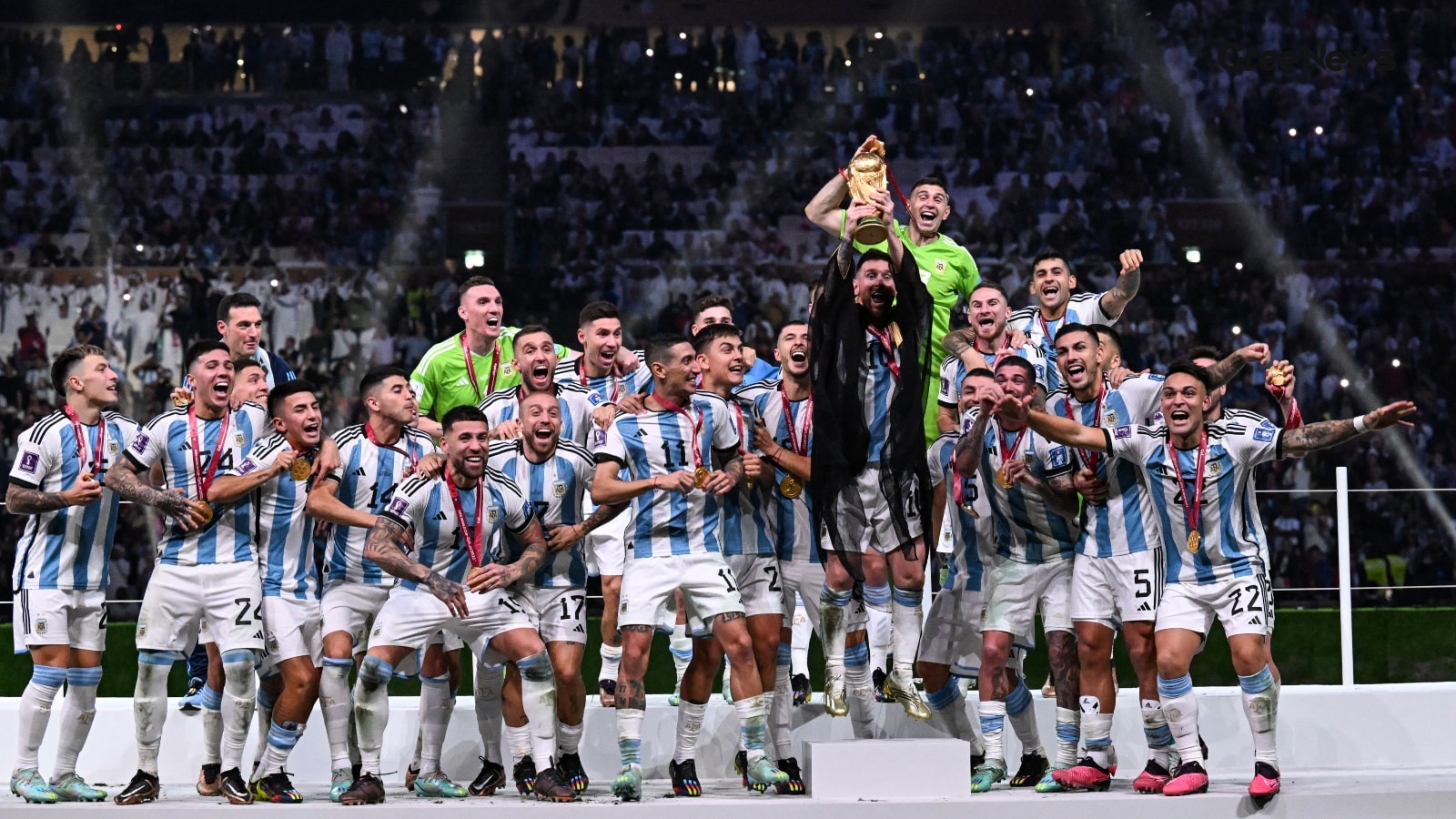
Lionel Messi and Argentina's World Cup Journey in Group J
Argentina’s taking on Group J in this new setup USA, Mexico, and Canada it feels like more than just football now. It’s about that farewell, isn't it? Lionel Messi is chasing something special right now, playing out this final chapter with the Albiceleste against Algeria, Austria, and Jordan. There’
Jun 10, 2026 by Gree News Team
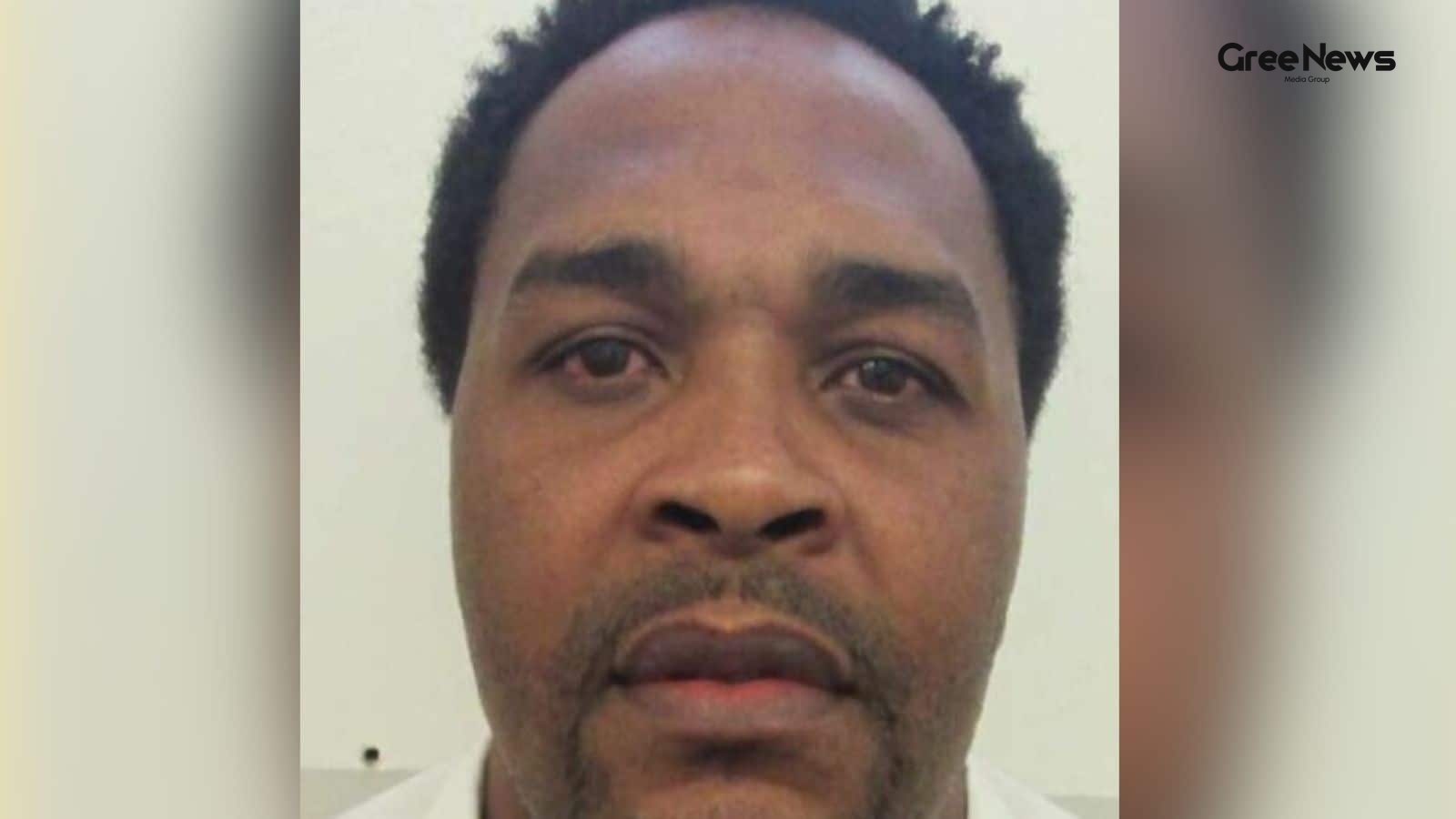
Federal Judge Bars Nitrogen Gas Execution in Alabama
A federal judge just slammed the door shut on Alabama’s plan to use nitrogen gas for executing Jeffery Lee. Permanently barred it, ruling the method violated basic constitutional rights about cruel and unusual punishment. This decision dropped like a stone. It came just one day after an appeals cour
Jun 10, 2026 by Gree News Team
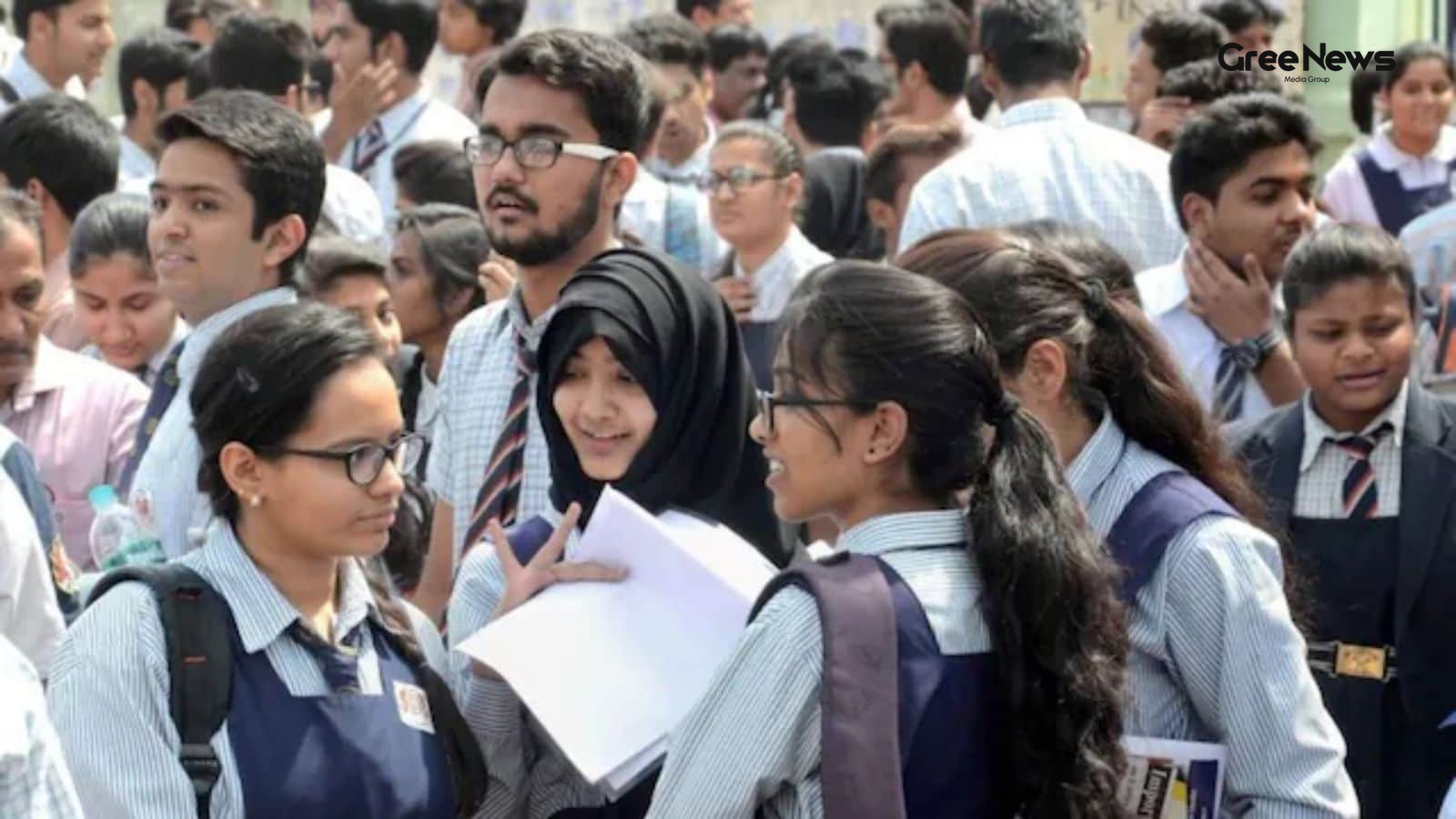
Kerala Board Plus One Results 2026 Announcement and Checking Methods
The Kerala Board Plus One results for 2026 are finally coming today, June 10th. That’s when the Directorate of Higher Secondary Education will officially announce everything. Students who took the DHSE Kerala Class 11 exams in 2026 can start checking their scores now. You have a few places to look,
Jun 10, 2026 by Gree News Team
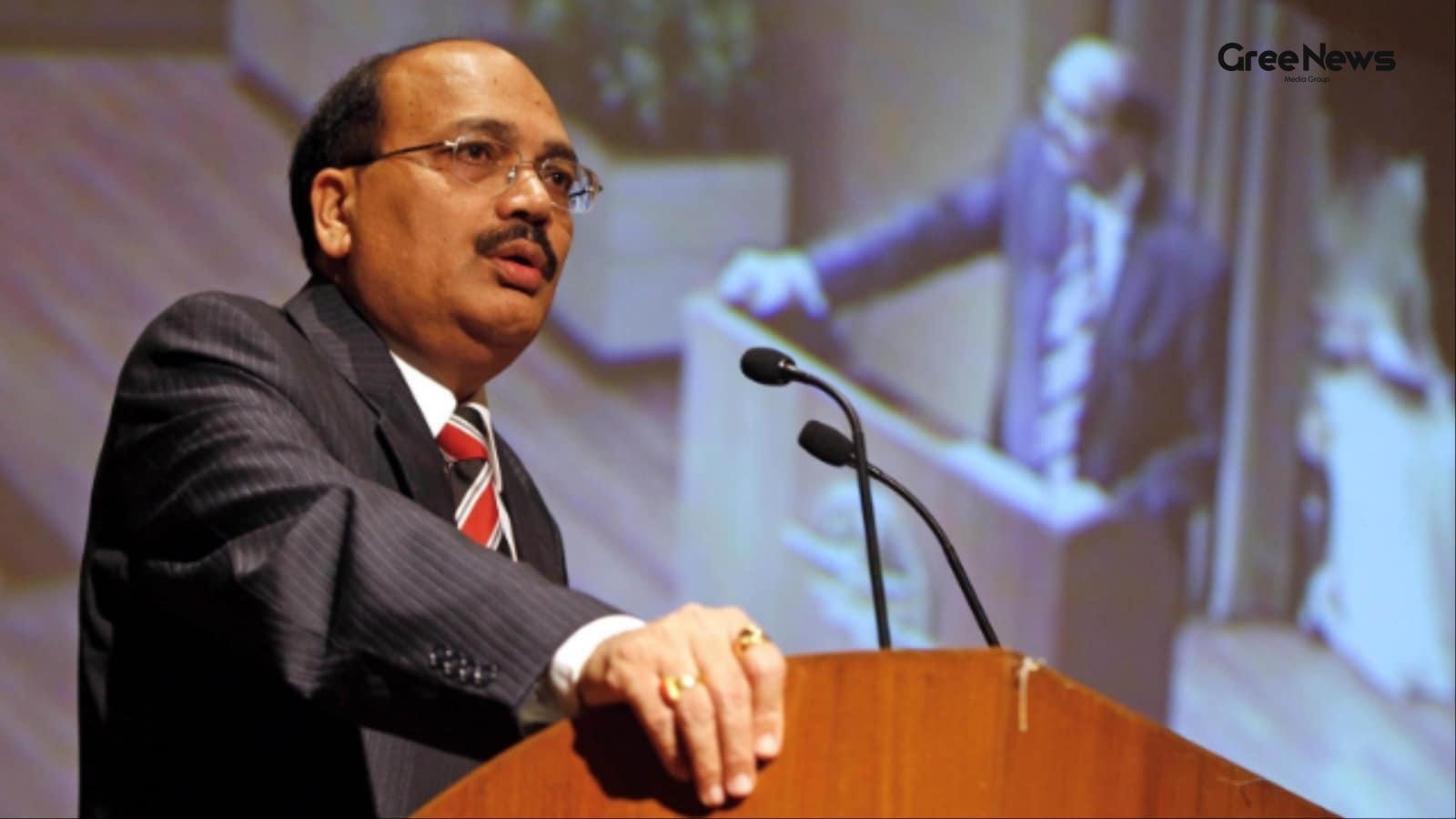
Threats and Intimidation Against Former Judge Justice Gautam Patel
Chief Justice Surya Kant stepped in on the matter involving threats and intimidation aimed at former Bombay High Court judge Justice Gautam Patel. This happened while he was visiting the UK, raising the issue with India’s High Commissioner there. It came out of a report by The Times of India. The wh
Jun 10, 2026 by Gree News Team
Intersection of Art, Politics, and Public Morality at Film Screening
The buzz around the screening for ‘Bharat Bhhagya Viddhaata’ was definitely something special that Tuesday evening in Delhi. It wasn't just about watching a movie; it felt like a convergence a mix of film fans, some political heavyweights, and a surprising amount of high-level government presence. P
Jun 10, 2026 by Gree News Team
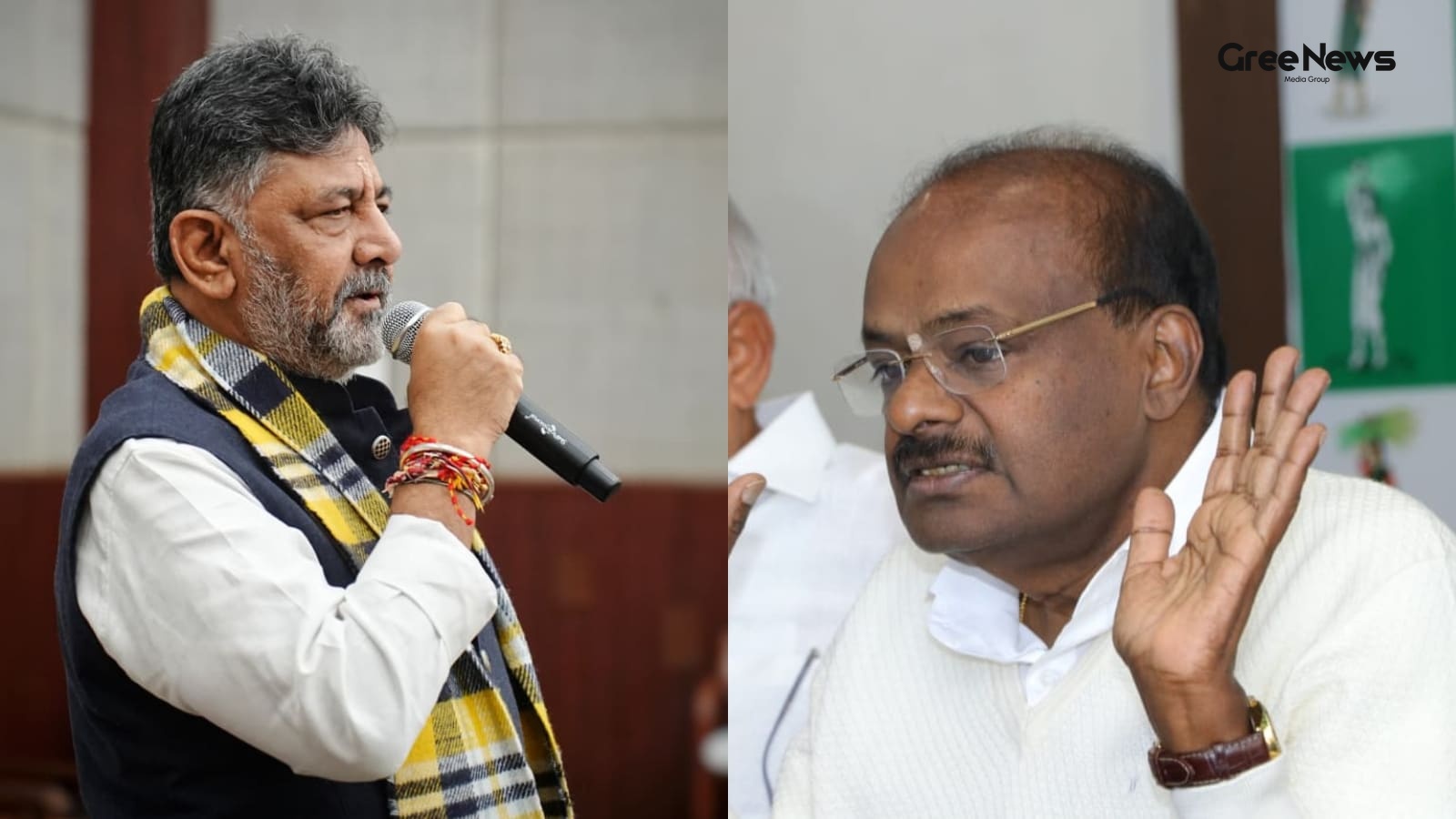
The Political Feud: Shivakumar vs. Kumaraswamy and the Vokkaliga Rivalry
A meeting that hasn't even happened is already sparking political sparring. Karnataka Chief Minister DK Shivakumar and Union Minister HD Kumaraswamy. It just underlines how bitter one of the state’s longest-running rivalries still is. Shivakumar was doing some outreach, a carefully choreographed exe
Jun 10, 2026 by Gree News Team
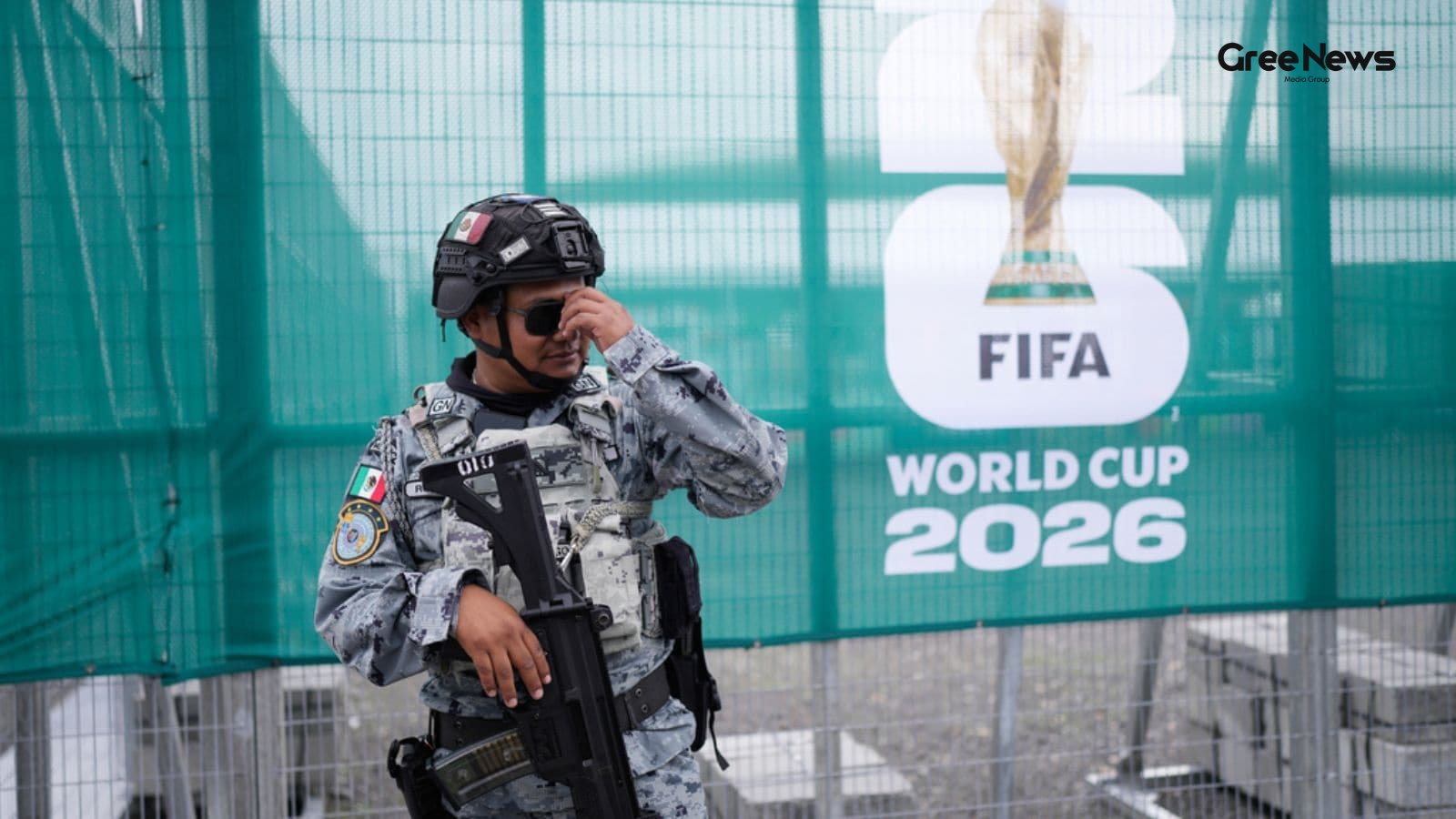
Protest and Political Standoff in Mexico City Before the World Cup
A protest choked off an avenue leading right to Mexico City’s Azteca Stadium for hours on Tuesday. It was just days before that massive World Cup opening match. As football fans started flooding in, all those co-hosts the US, Canada, and Mexico you see the real mess happening back home. Thousands of
Jun 10, 2026 by Gree News Team
The Global Nuclear Arms Race: Spending, Capabilities, and Future Risks
Nearly eight decades since Hiroshima and Nagasaki. And the world’s nuclear powers aren't slowing down. They keep spending more, modernizing faster, and experts are watching them move weapons out of storage and into potential use. It’s a real arms race happening right now. The nine states that hold n
Jun 10, 2026 by Gree News Team
The Chaos of Cinema: Volume, Competition, and the Shifting Market
The Friday arrived packed. June 12th. It wasn't just another day; it was a collision of cinema. Nine films, all hitting the screens at once. *Main Vaapas Aaunga*, Imtiaz Ali’s directorial effort. Then you had Kangana Ranaut’s *Bharat Bhhagya Vidhaata*. And the horror mixed in Vikram Bhatt’s *Haunted
Jun 10, 2026 by Gree News Team

Stock Market Updates: June 10th Performance and Sector Analysis
Stock market updates today, June 10th. Everything turned sour in late trading Wednesday. Domestic equity markets basically gave up all those gains they managed to hold during the day. Heavy selling hit midcap, smallcap stocks, plus metals, realty, and financial names dragging the main indices into n
Jun 10, 2026 by Gree News Team
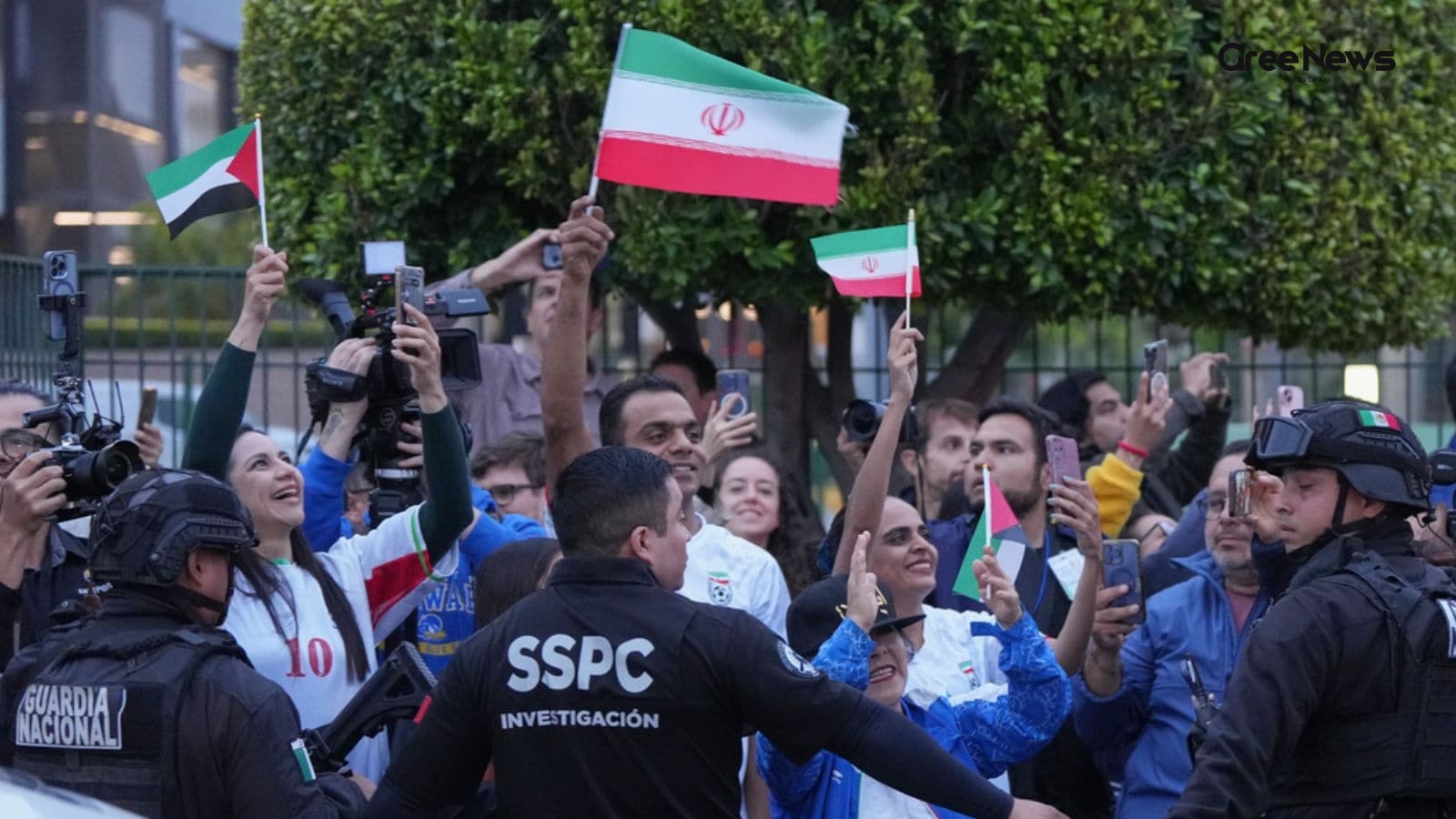
Iran Football Team Travel and World Cup Arrangements
Iran’s football team is heading to Los Angeles, apparently. They announced Tuesday that they'll be flying there the day before their first group-stage game against New Zealand. It feels like a lot happening all at once. But where exactly will they be staying? They won't actually be in L.A. for long.
Jun 10, 2026 by Gree News Team

The Impact of Gen AI on Job Applications and Hiring Strategies
When you start looking for a job, everyone builds this whole structure: the résumé, that killer cover letter, tailoring it perfectly. The whole point was always that application could make you jump out from the crowd of hundreds of applicants. But honestly? Recruiters are starting to think that play
Jun 10, 2026 by Gree News Team
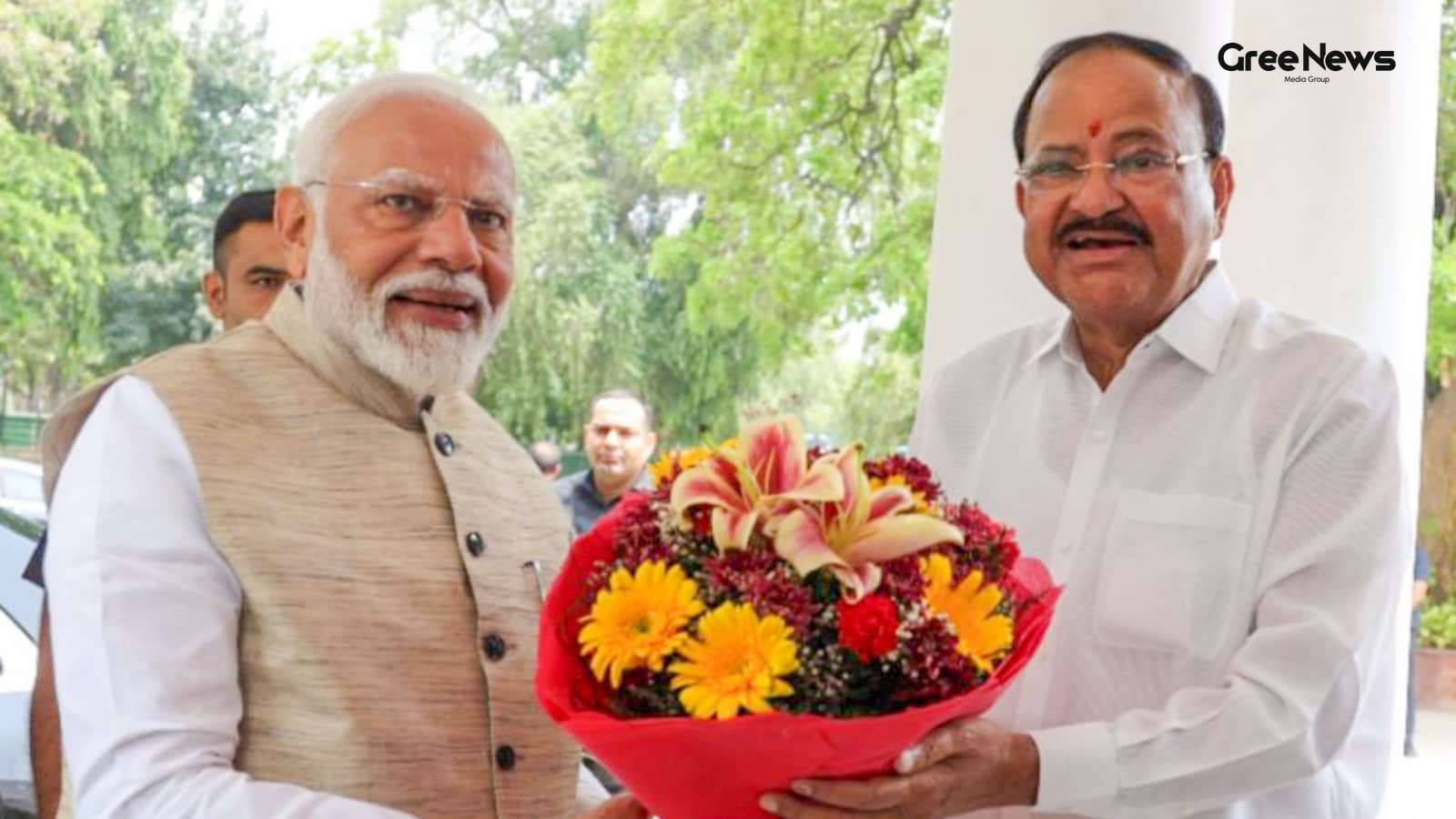
Narendra Modi's Milestone: India's Longest-Serving Prime Minister
Narendra Modi just hit a huge milestone. India’s longest-serving elected Prime Minister. Forty-three hundred ninety-nine days in office now. That beats Nehru's record, which was the first one. Former Vice President Venkaiah Naidu spoke about it. He praised the leadership and everything Modi has done
Jun 10, 2026 by Gree News Team