The Complexities of Affirmative Action and Reservation Policies
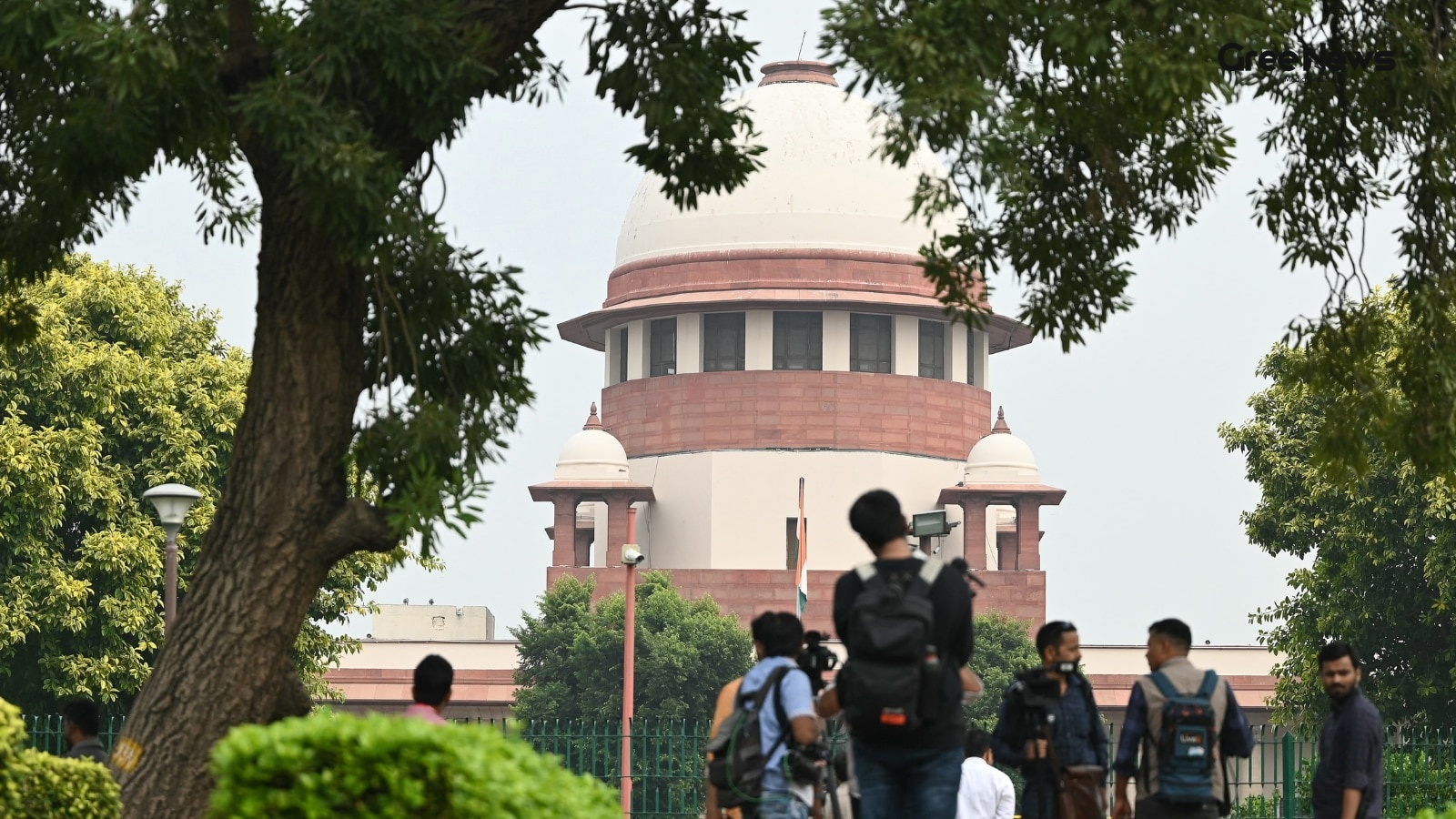
The Supreme Court’s latest observations—that really poking at why the kids of civil servants, the IAS , IPS crowd, should still get those backward-class reservations, it just blew the lid off everything. It ripped open that whole constitutional debate about affirmative action. You see the core tension? When does a family actually get enough social mobility to step aside for people who are way more vulnerable? It’s a mess.
The political noise is still raging, all heated up, but underneath that, the actual legal guidelines? They’re still there. Highly structured. Like a blueprint, compartmentalized by category. It’s not simple.
Think about the boundaries first. The Other Backward Classes , OBCs . Those lines were drawn way back, in that big 1992 Indra Sawhney case. That’s where they invented the whole "creamy layer" thing. It was all about defining who counted.
Now, March 2026, the Supreme Court clarified something important. The test for that creamy layer isn’t just about money anymore. It’s status-based. That’s the shift. But the reality on the ground, under the Department of Personnel and Training guidelines, it’s still strict. If you’re from Group A or Class I— IAS , IPS , IFS , you name it—you’re out. Instantly excluded from those reservation benefits from the very first day. No negotiation there.
Then you look at the rest. For parents in the private sector, or those working in the unorganized stuff, there’s this economic filter kicking in. It’s a structural filter. If the parental annual income blows past eight lakh rupees for three years straight, boom. You enter the creamy layer. Ineligible for that 27 percent quota. But here’s the kicker, the thing that always gets missed: the law explicitly says you can’t just lump in a candidate’s personal salary or their regular farming income into that calculation. It’s deliberately tricky.
And then there are the SCs and STs . This whole framework is different. It wasn’t designed around economic deficit. No, it was meant to fight generational social untouchability. Deep structural exclusion. So, that standard eight lakh rupee filter? It never applied to them at the entry stage. That distinction matters, doesn’t it?
But the legal ground shifted again. That happened after that huge seven-judge Constitution Bench ruling. That was seismic. The apex court finally said states have the constitutional power. They can create their own sub-classifications within the SC and ST categories. Why? To make sure the “weakest of the weak” actually get preferential access. That part felt like a genuine push for fairness.
And the judges also pointed out that states have to build stronger ways to spot and exclude the creamy layer within SC and ST too. Making sure the benefits actually reach those lacking social capital. It’s an ongoing process, that evolution.
Then you have the EWS quota. That’s on a completely different plane. Ten percent reserved just for the general category. It operates on pure financial backwardness. No historical social stigma factored in. The Supreme Court validated this. But the entry requirements are tight. Gross annual income has to be strictly below eight lakh. And there are other hurdles, too. Land ownership restrictions. Plot size limits. It’s all about the money, nothing else.
And for the Persons with Disabilities. That’s a horizontal reservation. Four percent in government jobs. It cuts across everything. SC , ST , OBC , General. It requires a minimum forty percent disability certification. It’s focused purely on physical and functional barriers. Not socio-economic status. That distinction is crucial.
Then you have the institutional side, the admission systems. This gets localized fast. Domicile quotas. State-funded universities, professional colleges—they can reserve up to eighty-five percent of seats for local residents. The court repeatedly backed this. It said states have a right to look after their tax-paying populations. Addressing local educational backwardness. It’s a very state-centric view.
But then there’s the management quota. That’s totally different. This is for private, unaided institutions. It’s a commercial mechanism. Usually capped at fifteen percent of the seats. The management decides. They fill seats based on their own discretion and, naturally, higher fees. Still, the court made it clear. Even with these management quotas, you can’t compromise on minimum merit or basic eligibility just to make some commercial deal. That line has to hold.
It’s all these layers. The reservations, the economic filters, the social history, the state power, the private sector carve-outs. It’s not a clean equation. It’s just a tangle of rules trying to manage a very messy reality. You see how much the system bends? It’s constantly reacting. It’s never settled.
Written by Gree News Team — Senior Editorial Board
Gree News Team covers international news and global affairs at Gree News. Our collective of senior editors is dedicated to providing independent, accurate, and responsible journalism for a global audience.
More from India
View All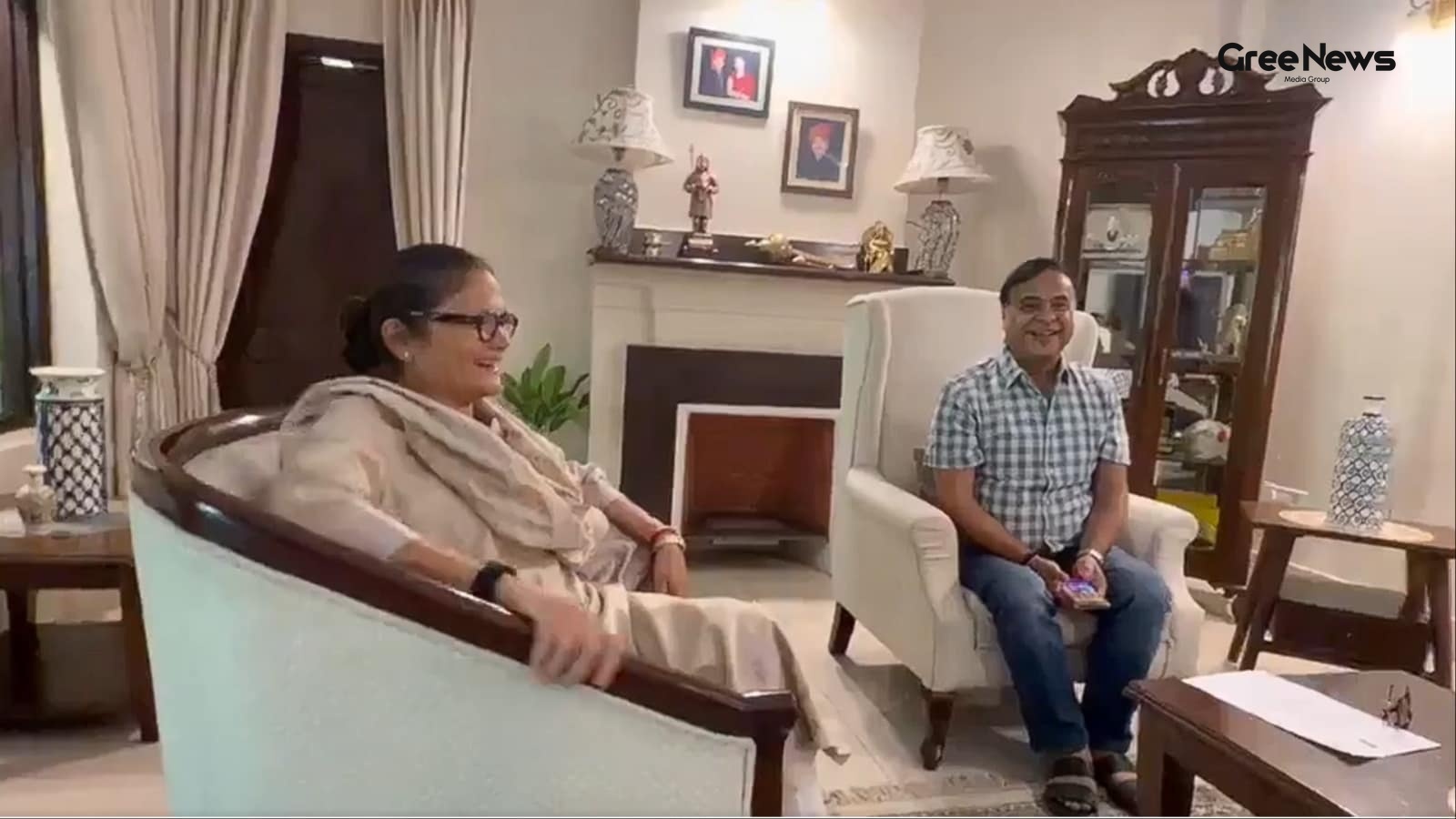
Political Speculation and Internal Turmoil within the TMC
Fresh visuals surfaced of Sushmita Dev meeting Assam Chief Minister Himanta Biswa Sarma. That kind of thing just kicks the speculation into high gear about her next move. It’s all about her potential entry into the BJP, right? This happened right after she stepped down from Rajya Sabha and walked ou
Jun 10, 2026 by Gree News Team
Threats and Intimidation Against Former Judge Justice Gautam Patel
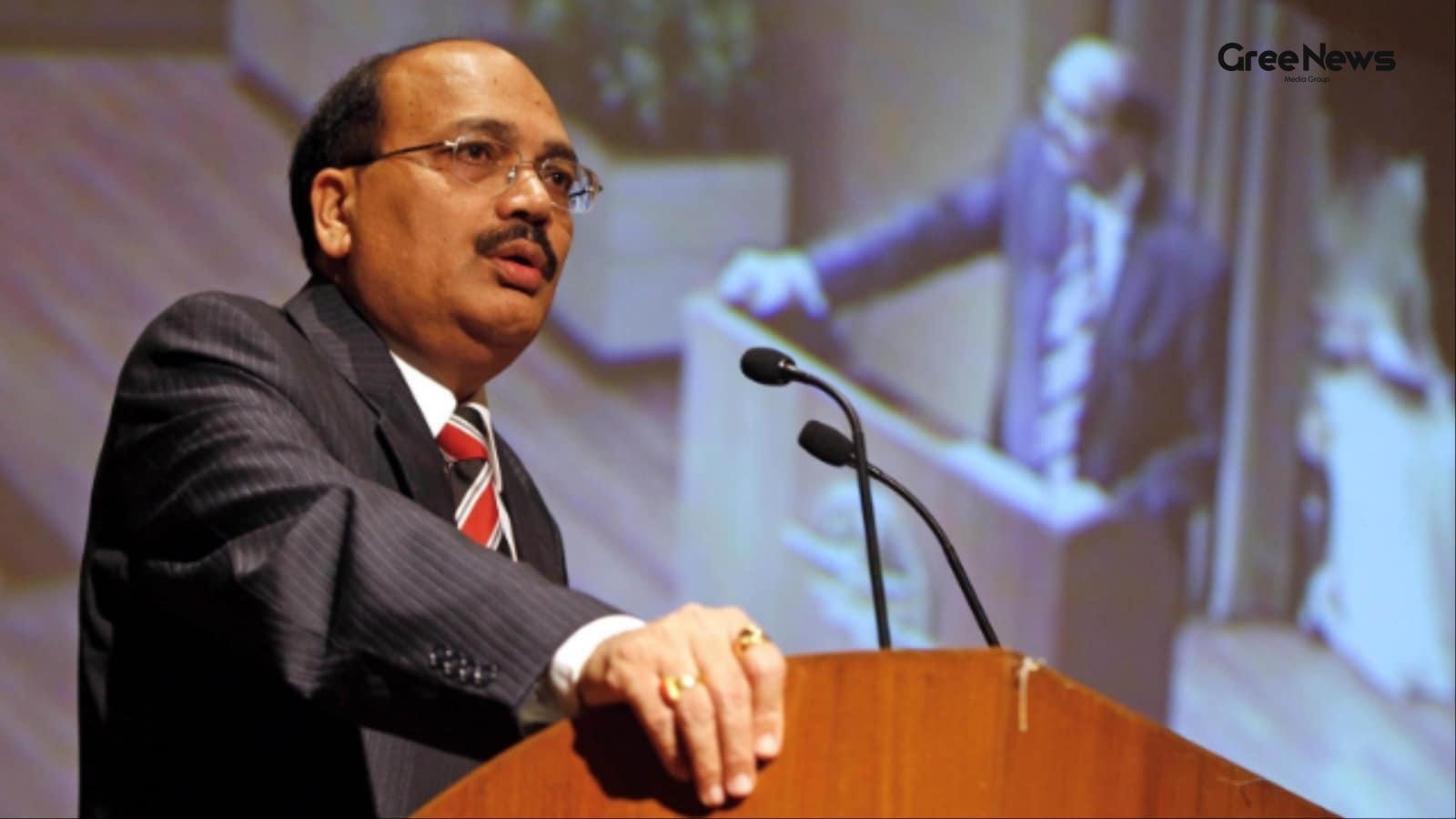
Chief Justice Surya Kant stepped in on the matter involving threats and intimidation aimed at former Bombay High Court judge Justice Gautam Patel. This happened while he was visiting the UK, raising the issue with India’s High Commissioner there. It came out of a report by The Times of India. The wh
Jun 10, 2026 by Gree News Team
The Political Feud: Shivakumar vs. Kumaraswamy and the Vokkaliga Rivalry
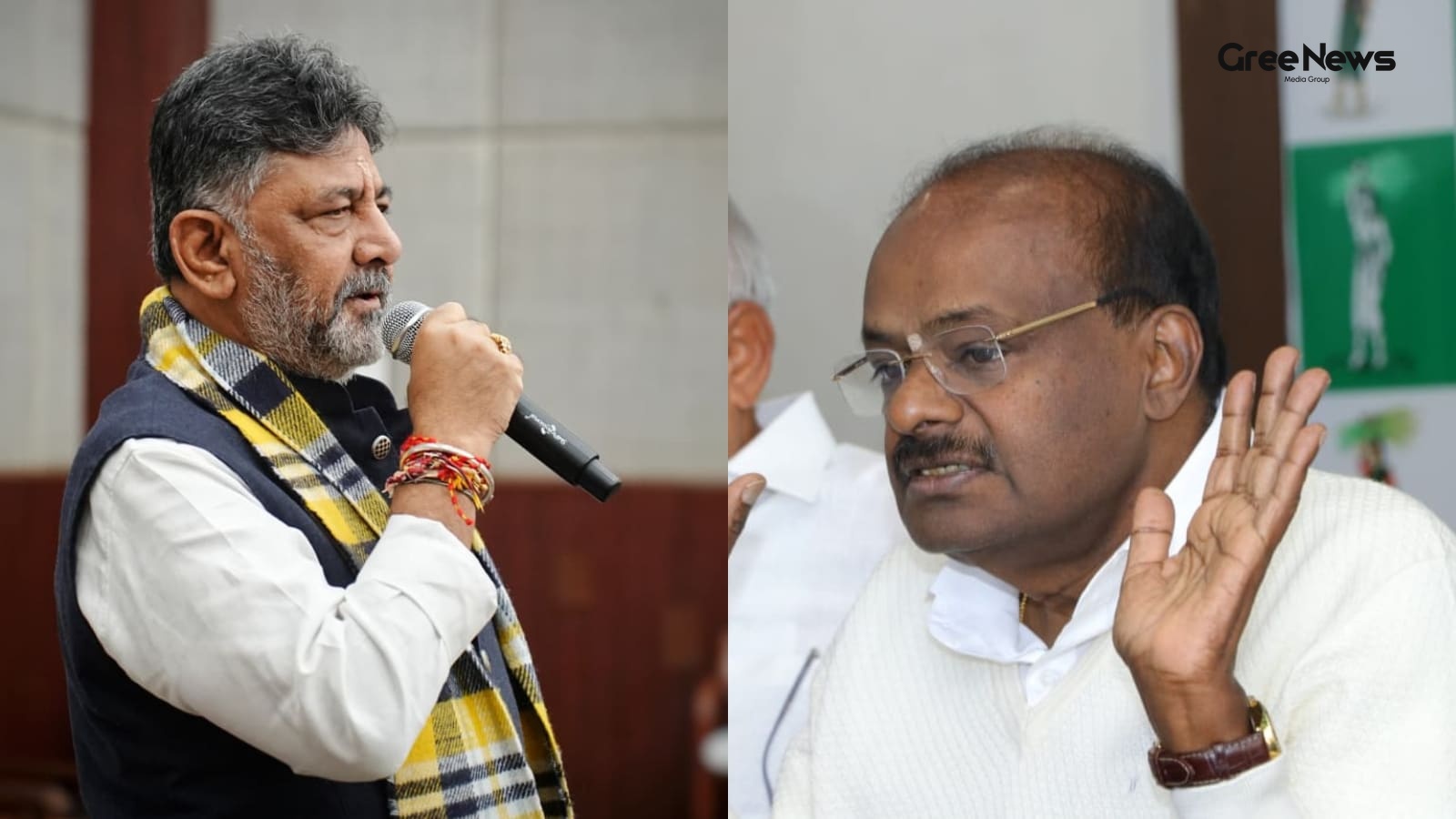
A meeting that hasn't even happened is already sparking political sparring. Karnataka Chief Minister DK Shivakumar and Union Minister HD Kumaraswamy. It just underlines how bitter one of the state’s longest-running rivalries still is. Shivakumar was doing some outreach, a carefully choreographed exe
Jun 10, 2026 by Gree News Team
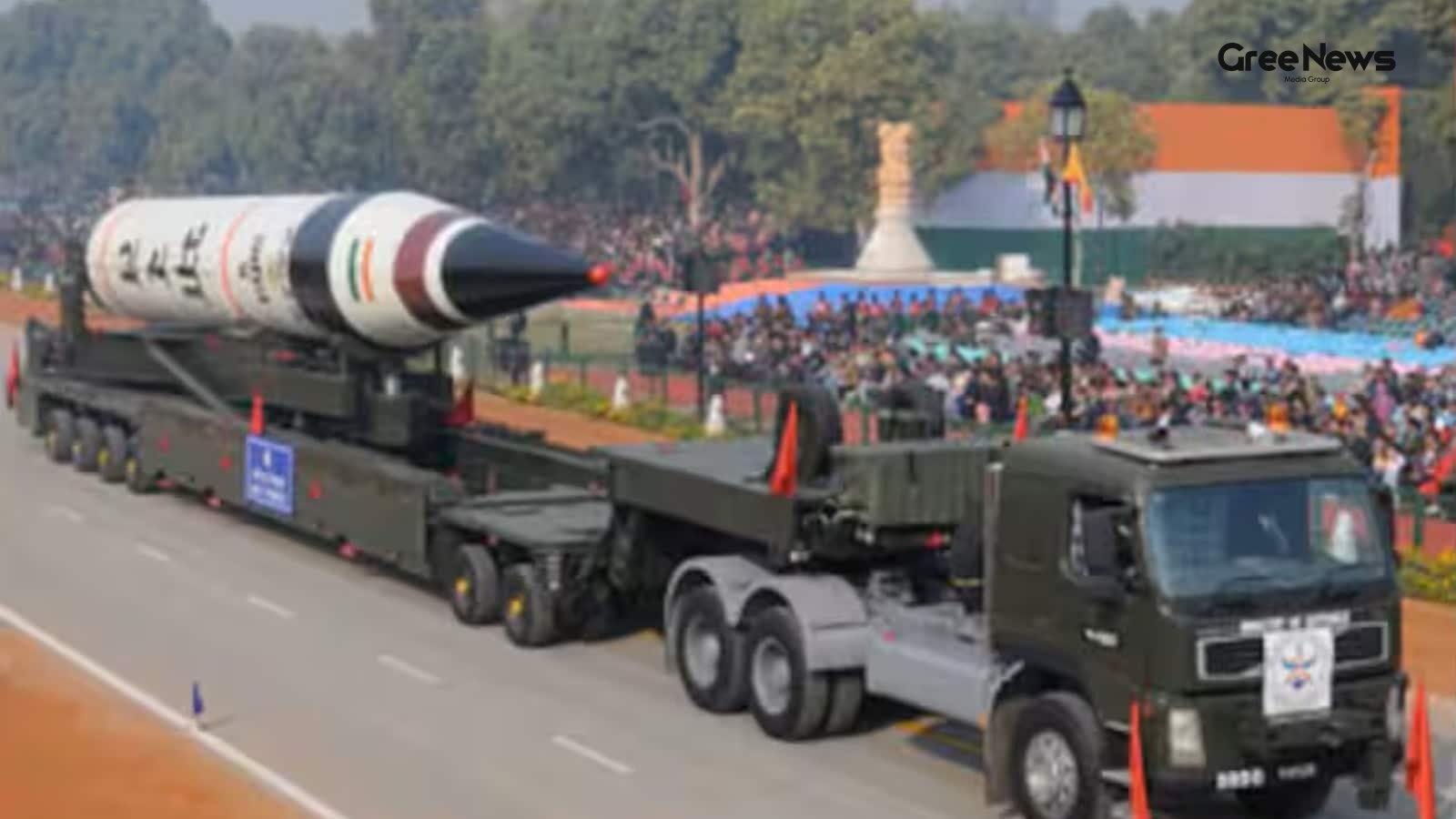
The Global Nuclear Arms Race: Spending, Capabilities, and Future Risks
Nearly eight decades since Hiroshima and Nagasaki. And the world’s nuclear powers aren't slowing down. They keep spending more, modernizing faster, and experts are watching them move weapons out of storage and into potential use. It’s a real arms race happening right now. The nine states that hold n
Jun 10, 2026 by Gree News Team
Latest Headlines
Political Speculation and Internal Turmoil within the TMC
Fresh visuals surfaced of Sushmita Dev meeting Assam Chief Minister Himanta Biswa Sarma. That kind of thing just kicks the speculation into high gear about her next move. It’s all about her potential entry into the BJP, right? This happened right after she stepped down from Rajya Sabha and walked ou
Jun 10, 2026 by Gree News Team

FIFA World Cup 2026: Structure, Geography, and the Official Match Ball
The FIFA World Cup 2026 is really starting to feel imminent now. It’s heading toward North America the USA, Mexico, and Canada are slated to host this massive global spectacle. People are talking about it constantly. It’s not just a standard tournament anymore. This time around, they’re throwing way
Jun 10, 2026 by Gree News Team

Lionel Messi and Argentina's World Cup Journey in Group J
Argentina’s taking on Group J in this new setup USA, Mexico, and Canada it feels like more than just football now. It’s about that farewell, isn't it? Lionel Messi is chasing something special right now, playing out this final chapter with the Albiceleste against Algeria, Austria, and Jordan. There’
Jun 10, 2026 by Gree News Team

Federal Judge Bars Nitrogen Gas Execution in Alabama
A federal judge just slammed the door shut on Alabama’s plan to use nitrogen gas for executing Jeffery Lee. Permanently barred it, ruling the method violated basic constitutional rights about cruel and unusual punishment. This decision dropped like a stone. It came just one day after an appeals cour
Jun 10, 2026 by Gree News Team
Kerala Board Plus One Results 2026 Announcement and Checking Methods
The Kerala Board Plus One results for 2026 are finally coming today, June 10th. That’s when the Directorate of Higher Secondary Education will officially announce everything. Students who took the DHSE Kerala Class 11 exams in 2026 can start checking their scores now. You have a few places to look,
Jun 10, 2026 by Gree News Team
Threats and Intimidation Against Former Judge Justice Gautam Patel
Chief Justice Surya Kant stepped in on the matter involving threats and intimidation aimed at former Bombay High Court judge Justice Gautam Patel. This happened while he was visiting the UK, raising the issue with India’s High Commissioner there. It came out of a report by The Times of India. The wh
Jun 10, 2026 by Gree News Team

Intersection of Art, Politics, and Public Morality at Film Screening
The buzz around the screening for ‘Bharat Bhhagya Viddhaata’ was definitely something special that Tuesday evening in Delhi. It wasn't just about watching a movie; it felt like a convergence a mix of film fans, some political heavyweights, and a surprising amount of high-level government presence. P
Jun 10, 2026 by Gree News Team
The Political Feud: Shivakumar vs. Kumaraswamy and the Vokkaliga Rivalry
A meeting that hasn't even happened is already sparking political sparring. Karnataka Chief Minister DK Shivakumar and Union Minister HD Kumaraswamy. It just underlines how bitter one of the state’s longest-running rivalries still is. Shivakumar was doing some outreach, a carefully choreographed exe
Jun 10, 2026 by Gree News Team
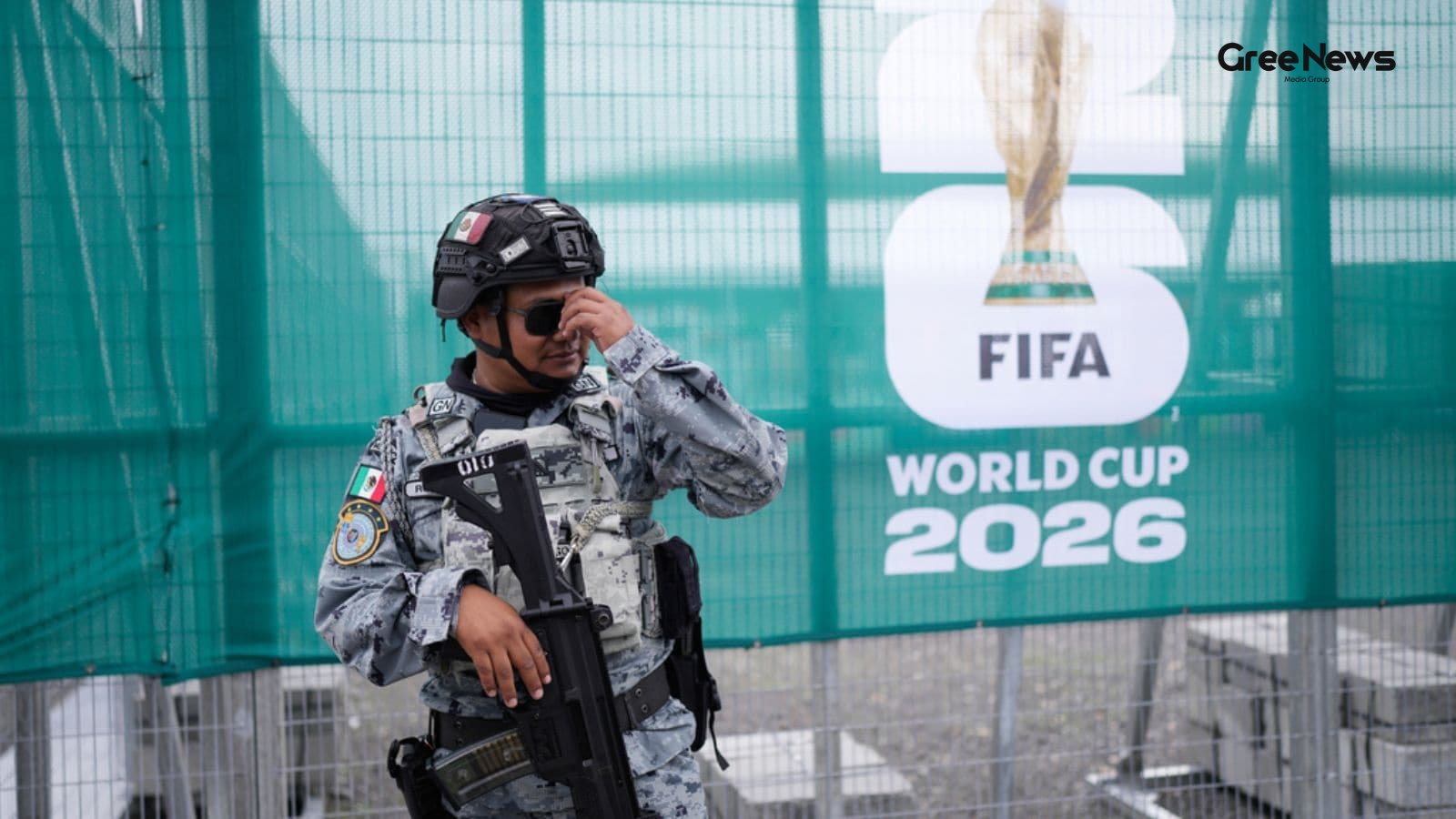
Protest and Political Standoff in Mexico City Before the World Cup
A protest choked off an avenue leading right to Mexico City’s Azteca Stadium for hours on Tuesday. It was just days before that massive World Cup opening match. As football fans started flooding in, all those co-hosts the US, Canada, and Mexico you see the real mess happening back home. Thousands of
Jun 10, 2026 by Gree News Team
The Global Nuclear Arms Race: Spending, Capabilities, and Future Risks
Nearly eight decades since Hiroshima and Nagasaki. And the world’s nuclear powers aren't slowing down. They keep spending more, modernizing faster, and experts are watching them move weapons out of storage and into potential use. It’s a real arms race happening right now. The nine states that hold n
Jun 10, 2026 by Gree News Team
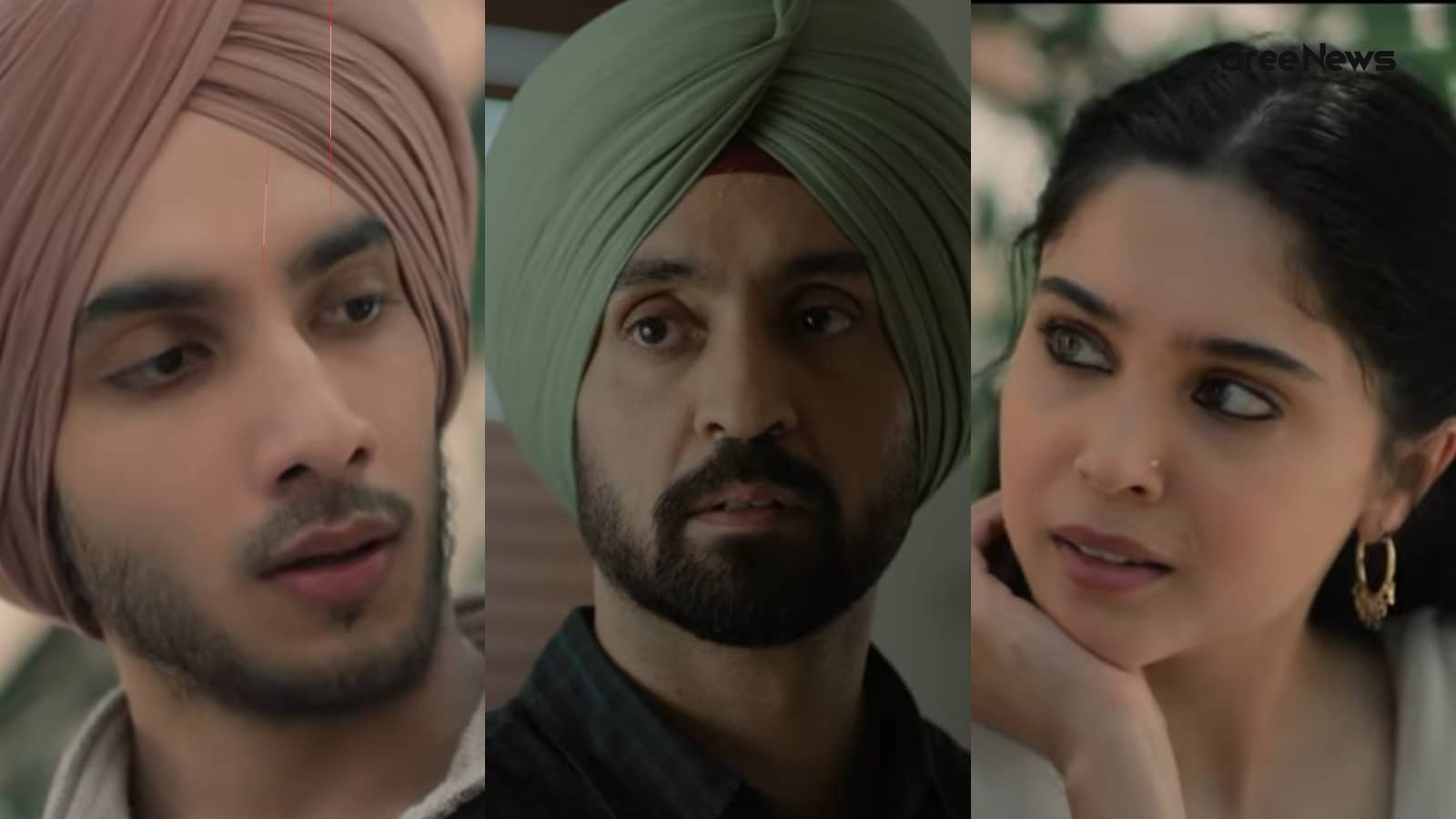
The Chaos of Cinema: Volume, Competition, and the Shifting Market
The Friday arrived packed. June 12th. It wasn't just another day; it was a collision of cinema. Nine films, all hitting the screens at once. *Main Vaapas Aaunga*, Imtiaz Ali’s directorial effort. Then you had Kangana Ranaut’s *Bharat Bhhagya Vidhaata*. And the horror mixed in Vikram Bhatt’s *Haunted
Jun 10, 2026 by Gree News Team

Stock Market Updates: June 10th Performance and Sector Analysis
Stock market updates today, June 10th. Everything turned sour in late trading Wednesday. Domestic equity markets basically gave up all those gains they managed to hold during the day. Heavy selling hit midcap, smallcap stocks, plus metals, realty, and financial names dragging the main indices into n
Jun 10, 2026 by Gree News Team

Iran Football Team Travel and World Cup Arrangements
Iran’s football team is heading to Los Angeles, apparently. They announced Tuesday that they'll be flying there the day before their first group-stage game against New Zealand. It feels like a lot happening all at once. But where exactly will they be staying? They won't actually be in L.A. for long.
Jun 10, 2026 by Gree News Team

The Impact of Gen AI on Job Applications and Hiring Strategies
When you start looking for a job, everyone builds this whole structure: the résumé, that killer cover letter, tailoring it perfectly. The whole point was always that application could make you jump out from the crowd of hundreds of applicants. But honestly? Recruiters are starting to think that play
Jun 10, 2026 by Gree News Team
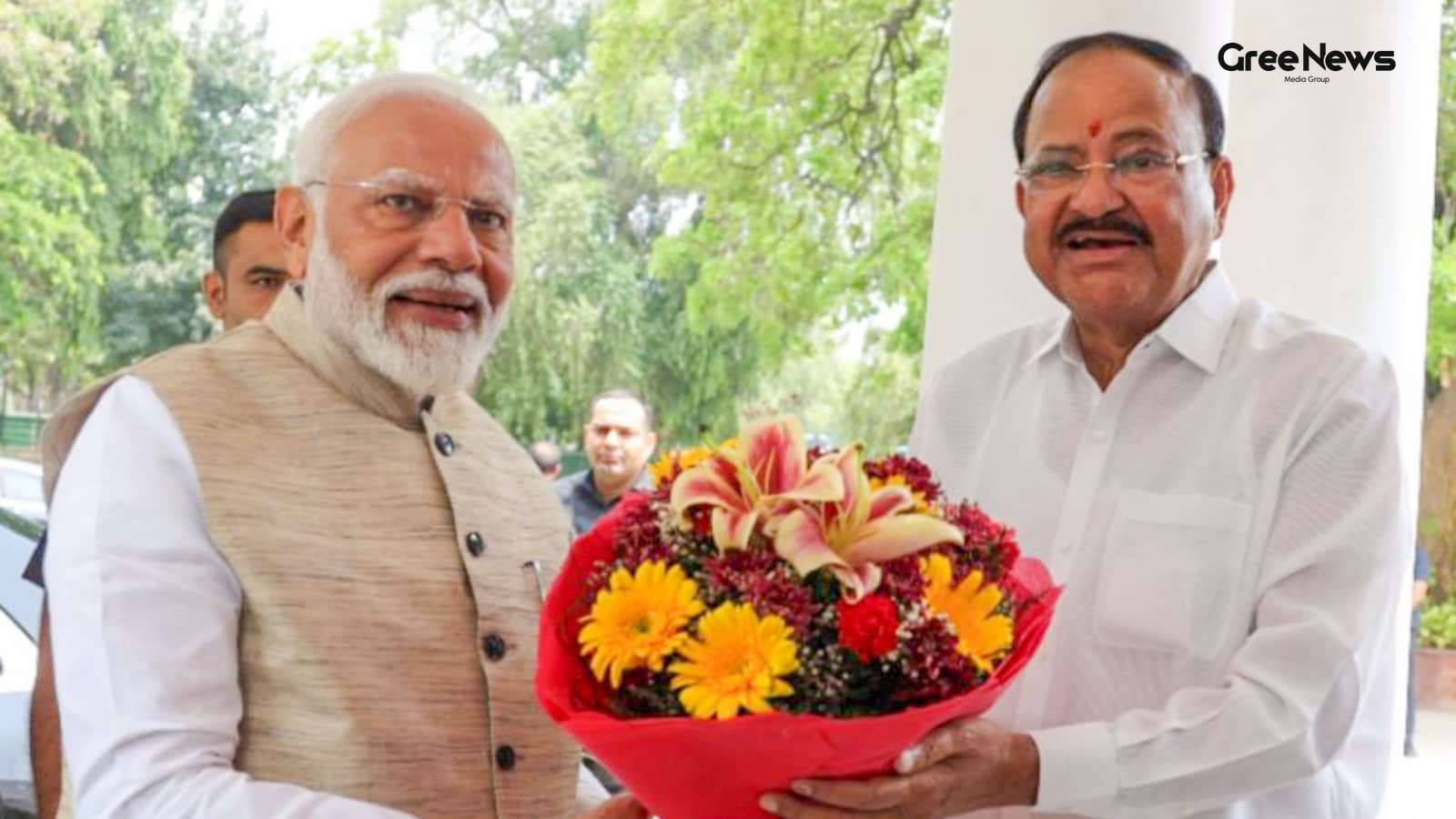
Narendra Modi's Milestone: India's Longest-Serving Prime Minister
Narendra Modi just hit a huge milestone. India’s longest-serving elected Prime Minister. Forty-three hundred ninety-nine days in office now. That beats Nehru's record, which was the first one. Former Vice President Venkaiah Naidu spoke about it. He praised the leadership and everything Modi has done
Jun 10, 2026 by Gree News Team