The Erosion of Public Trust and Economic Anxiety Ahead of Midterms
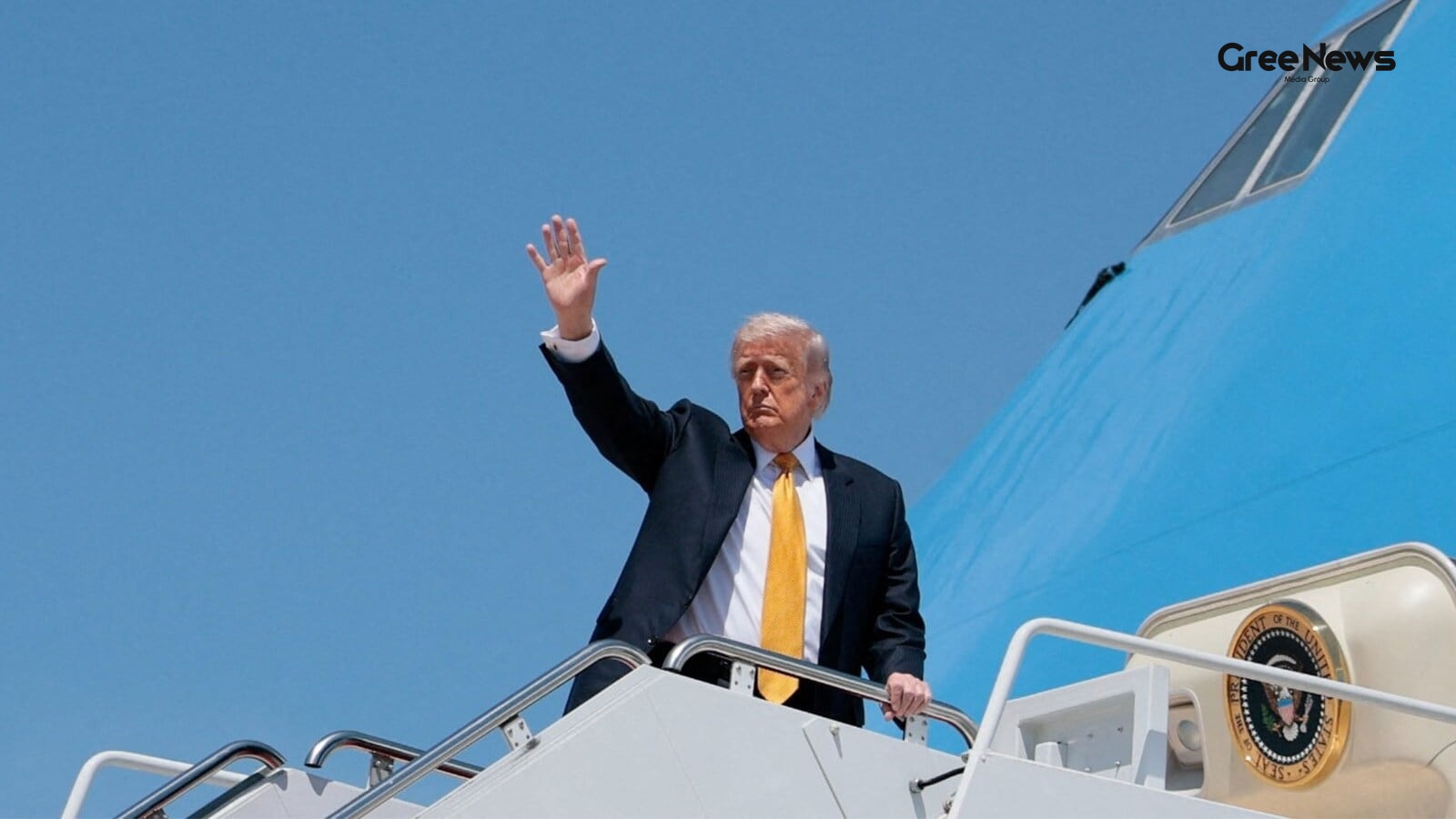
The numbers keep coming out, don’t they? Just another dip. You look at the latest figures from that New York Times/Siena poll, and it’s not just a single statistic. It’s this slow, grinding erosion of public trust, layered on top of some genuinely terrible global and domestic realities.
The conflict in Iran. And inflation. That’s the other giant shadow, pressing down on every household budget. They’re just signs.
The poll suggested that the weight of this continuous conflict, mixed with the relentless squeeze of rising inflation, is starting to feel absolutely crushing to people. It’s happening right before those midterm elections, and that timing—that’s where the real political danger lies. It’s potentially hammering the Republican Party harder than anyone expects to see.
When you dig into the specifics of the disapproval, it gets darker. Nearly two-thirds of voters actually expressed opposition to the administration’s choice to go to war with Iran. Two-thirds.
And then there’s the economy. That’s where the real friction seems to be grinding away the support. It’s not just abstract economic theory; it’s personal pain. Around sixty-four percent of voters disapproved of how Trump handled the economy. That’s a huge chunk of the electorate. But it’s not just disapproval of the outcome. Forty-four percent of people felt personally hurt by his policies. That number jumped up, too—from thirty-six percent last fall. That shift, that increase in personal feeling of being harmed, that’s the real story underneath the aggregate disapproval. It’s about lived experience, about grocery bills and rising costs felt at the dinner table.
These feelings are fueled by the broader economic indicators that are worsening week after week. We’re talking about declining consumer confidence. People aren't feeling secure about their future, about their savings. And the prices? They keep climbing.
The findings showed a sharp deterioration in how people view the state of the economy itself. The share of voters who described the economy as simply “poor” shot up by eleven percentage points since January. Nearly half of them now give the economy that lowest possible rating.
And this wasn't just limited to the economic sphere. Even among the Republican base , things are fractured. Half of them are now saying the economic conditions are only “fair” or “poor.” That internal division, that lack of unified front, that’s something politicians watch very closely. It shows that the economic pain is hitting different segments of the base in different ways.
Looking at the broader sense of direction, the momentum has clearly stalled. The percentage of voters who believed the US was on the “right track” plummeted. It dropped from thirty-seven percent back in January down to thirty-two percent in this latest survey. That’s a twelve-point drop overall. And the biggest bleed, the one that really worries analysts, was among Republican voters. They dropped by twelve points alone.
Then there’s the cost of living, the daily reality. Only twenty-eight percent of voters felt that Trump had handled the cost of living well. That’s a six-point drop since January.
But there’s one thing that stubbornly holds its ground, or perhaps, one thing that still commands a certain level of approval. Immigration. That remains Trump’s strongest issue, or at least, the one area where his approval rating holds relatively steady at forty-one percent. It’s a stark contrast to the economic and foreign policy swings.
The 2026 midterm elections. They aren't just some routine election cycle. The outcome directly dictates whether he can maintain legislative viability for his second term. It shapes the entire future trajectory of the GOP .
The math is simple, brutally so. If Democrats manage to flip the House, it effectively stops Trump’s domestic agenda dead in its tracks. It creates massive roadblocks for trying to raise the debt ceiling. It exposes the administration to intense, relentless congressional oversight and investigations. It’s a power shift, plain and simple.
For Trump personally, the midterms aren’t just about party control. They are a direct referendum. A brutal, unavoidable test on everything he’s done in this second term. It’s about inflation, the global trade tariffs, the immigration stance—everything that has defined his tenure. It’s a direct look at whether the public is willing to accept the reality of the policies enacted.
You see, the way this information flows—it’s not a neat line. It’s a messy tangle of economic fear bleeding into foreign policy anxiety, all funneling toward this single electoral deadline. It’s observational, really. It’s watching how public sentiment shifts under pressure. The reality is, the public is exhausted. The anxiety is palpable.
Written by Gree News Team — Senior Editorial Board
Gree News Team covers international news and global affairs at Gree News. Our collective of senior editors is dedicated to providing independent, accurate, and responsible journalism for a global audience.
More from World
View All
Federal Judge Bars Nitrogen Gas Execution in Alabama
A federal judge just slammed the door shut on Alabama’s plan to use nitrogen gas for executing Jeffery Lee. Permanently barred it, ruling the method violated basic constitutional rights about cruel and unusual punishment. This decision dropped like a stone. It came just one day after an appeals cour
Jun 10, 2026 by Gree News Team
The Long March Escalates: Defiance and Crackdown in PoK
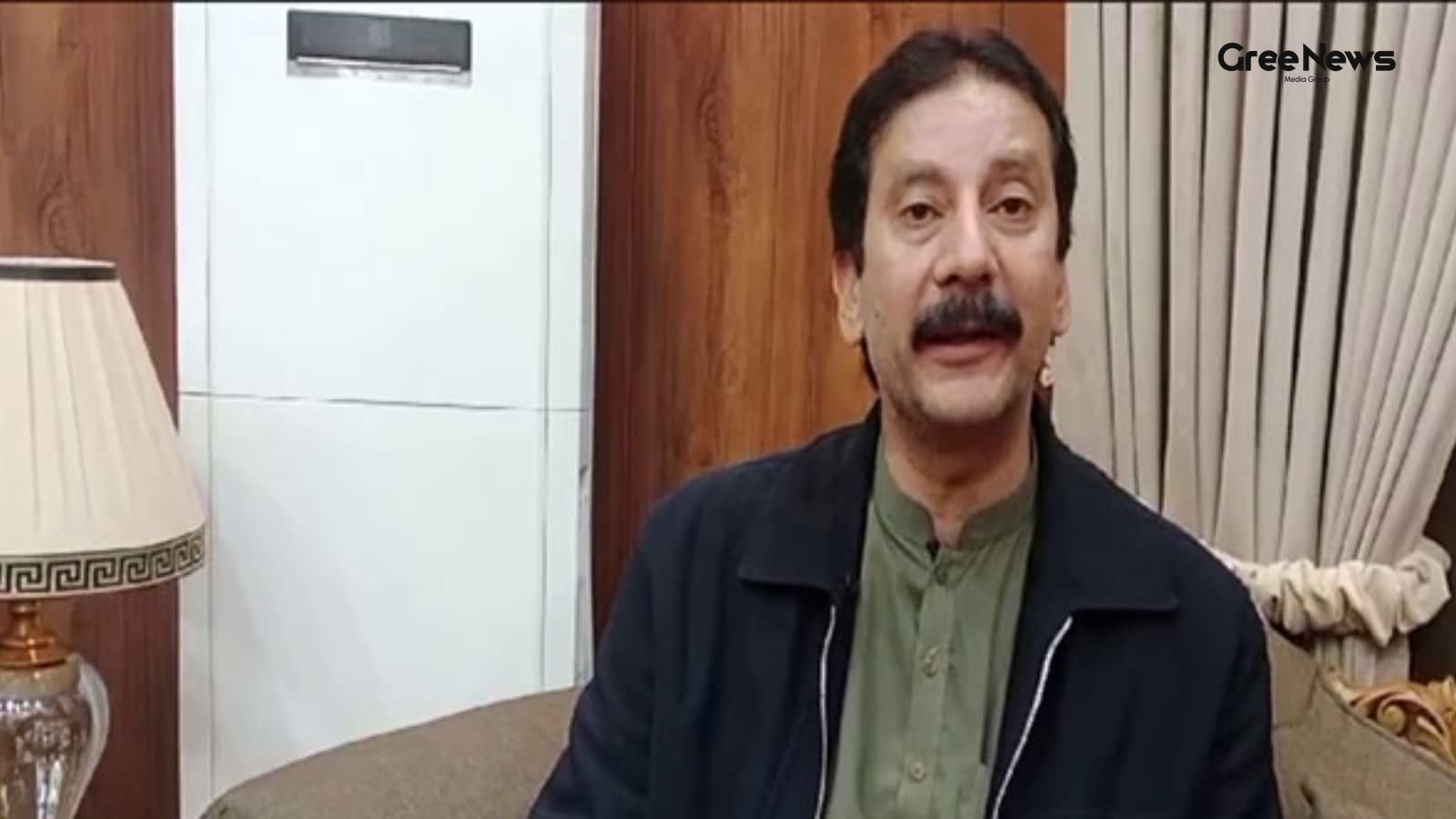
The long march by the Joint Awami Action Committee in PoK really kicked into gear on Tuesday. Leaders were striking a much more defiant tone now amid this widening crackdown. There are reports of fresh clashes everywhere. And growing anger over the deaths that have rocked the region these past three
Jun 10, 2026 by Gree News Team
The Singapore Incident: Misinformation, Migration, and the Culture War
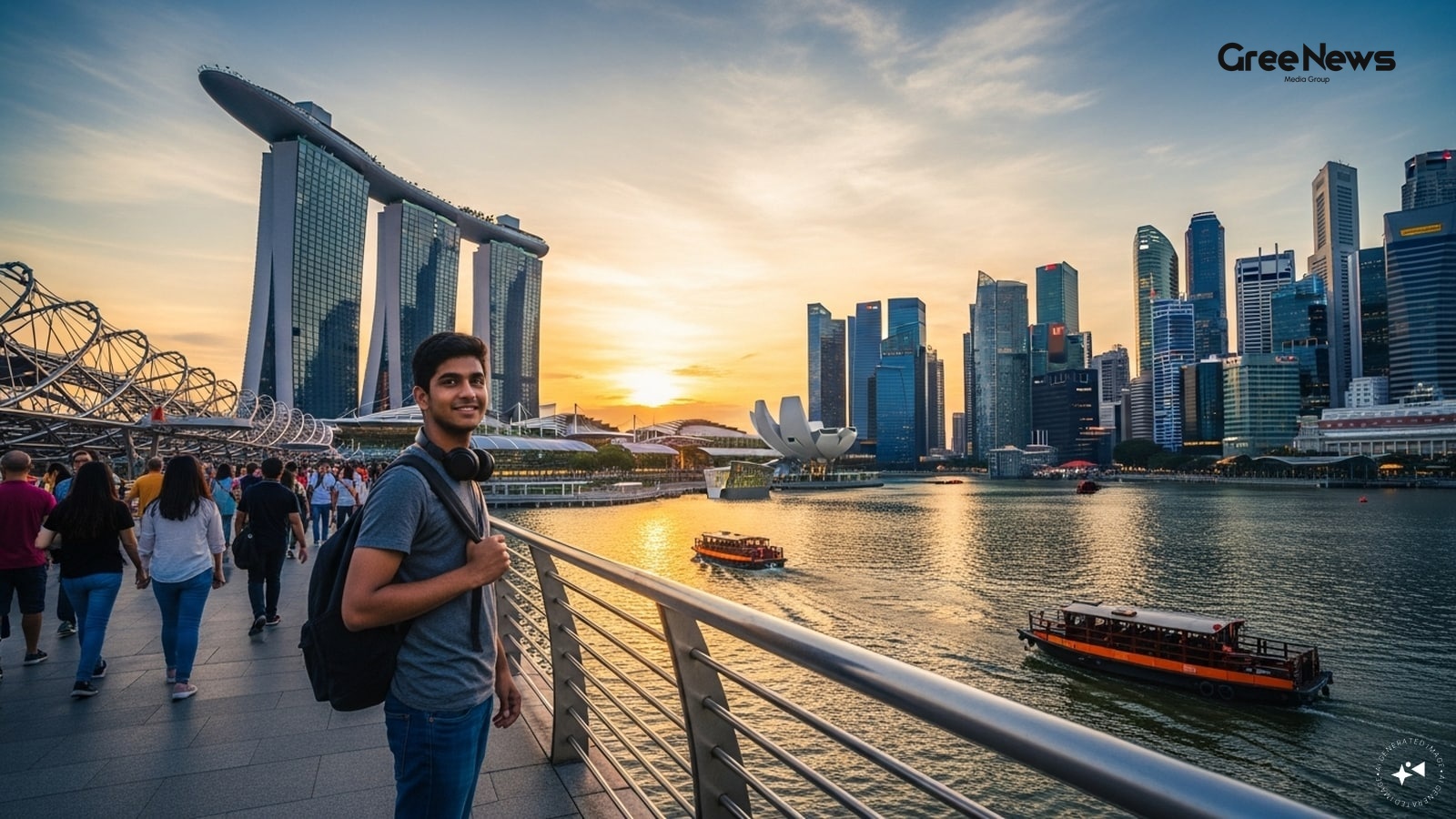
Indians make up roughly nine percent of Singapore’s residents. Chinese Singaporeans are still the dominant group, but Malays account for about fifteen percent of that multicultural mix. Yet recently, the city-state found itself in a real mess after authorities ordered social media platforms to block
Jun 9, 2026 by Gree News Team
Impact of Trade Restrictions on Fruit Supply and Market Anxiety in Janakpurdham
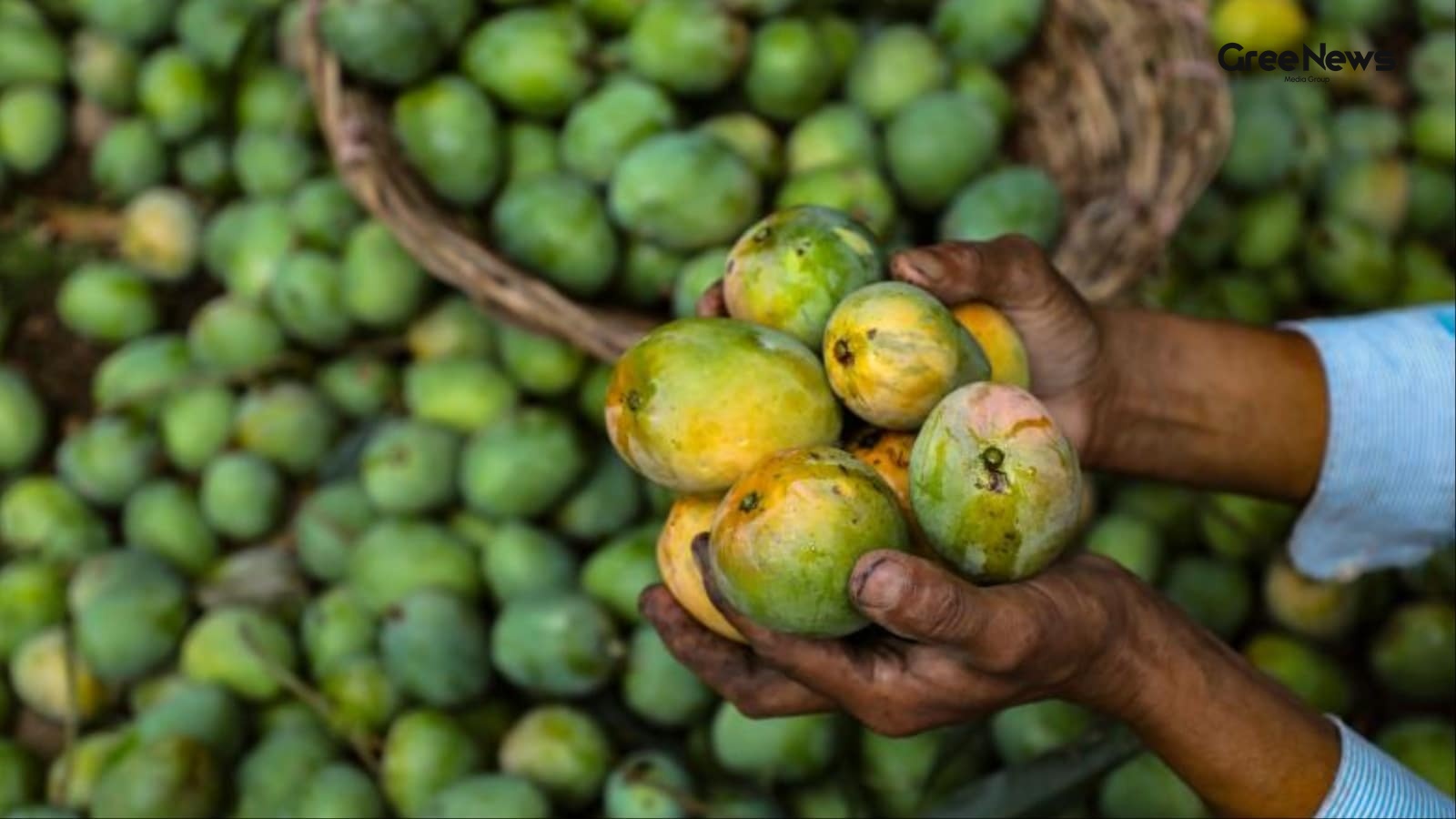
The air in Janakpurdham is thick lately. Not just the usual summer humidity; there’s this undercurrent of genuine worry hanging over the fruit stalls, a kind of nervous stillness that follows every announcement about what comes in or doesn't come in. It started with the mangoes. That’s where it all
Jun 9, 2026 by Gree News Team
Latest Headlines

Political Speculation and Internal Turmoil within the TMC
Fresh visuals surfaced of Sushmita Dev meeting Assam Chief Minister Himanta Biswa Sarma. That kind of thing just kicks the speculation into high gear about her next move. It’s all about her potential entry into the BJP, right? This happened right after she stepped down from Rajya Sabha and walked ou
Jun 10, 2026 by Gree News Team

FIFA World Cup 2026: Structure, Geography, and the Official Match Ball
The FIFA World Cup 2026 is really starting to feel imminent now. It’s heading toward North America the USA, Mexico, and Canada are slated to host this massive global spectacle. People are talking about it constantly. It’s not just a standard tournament anymore. This time around, they’re throwing way
Jun 10, 2026 by Gree News Team

Lionel Messi and Argentina's World Cup Journey in Group J
Argentina’s taking on Group J in this new setup USA, Mexico, and Canada it feels like more than just football now. It’s about that farewell, isn't it? Lionel Messi is chasing something special right now, playing out this final chapter with the Albiceleste against Algeria, Austria, and Jordan. There’
Jun 10, 2026 by Gree News Team
Federal Judge Bars Nitrogen Gas Execution in Alabama
A federal judge just slammed the door shut on Alabama’s plan to use nitrogen gas for executing Jeffery Lee. Permanently barred it, ruling the method violated basic constitutional rights about cruel and unusual punishment. This decision dropped like a stone. It came just one day after an appeals cour
Jun 10, 2026 by Gree News Team
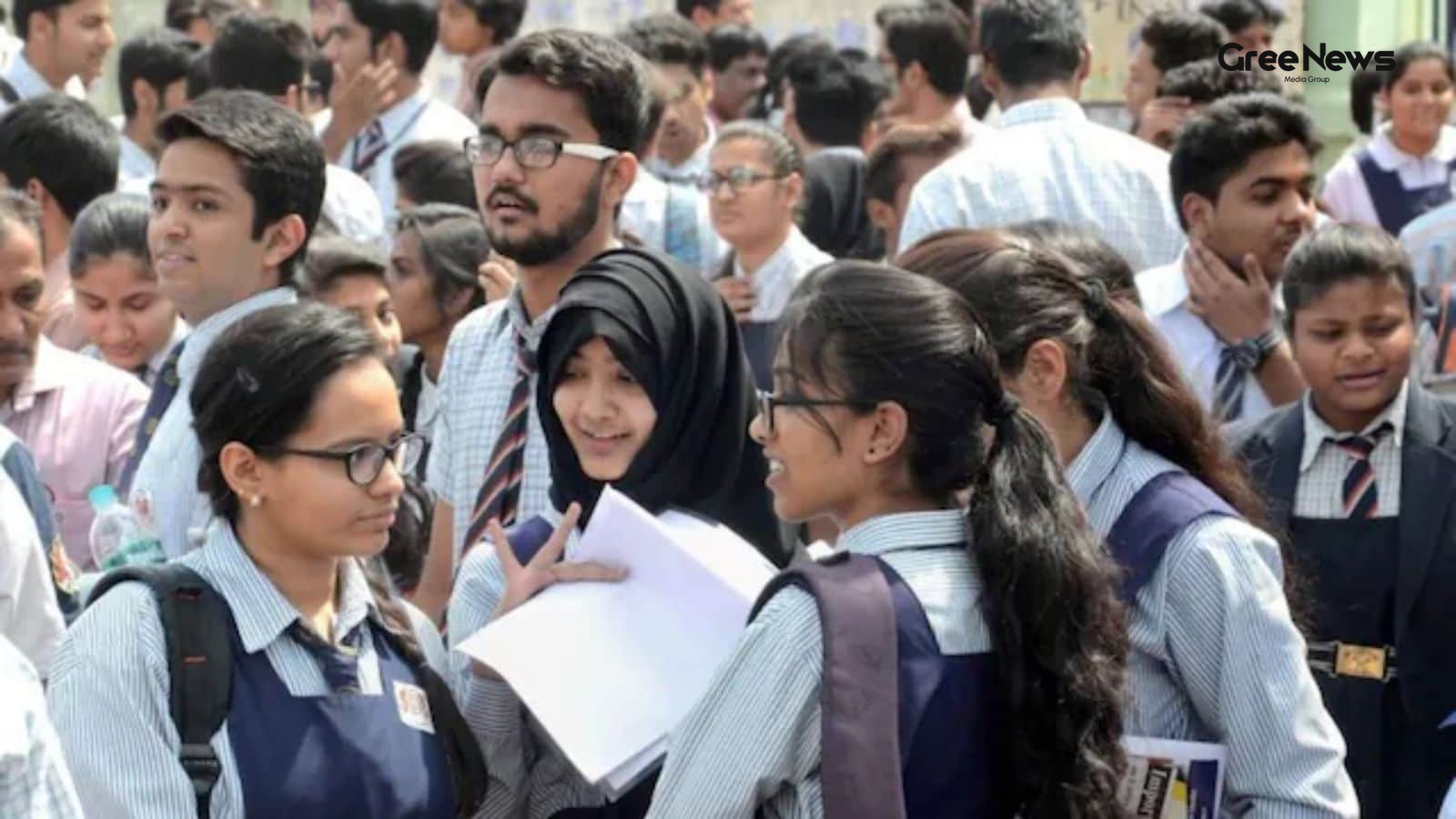
Kerala Board Plus One Results 2026 Announcement and Checking Methods
The Kerala Board Plus One results for 2026 are finally coming today, June 10th. That’s when the Directorate of Higher Secondary Education will officially announce everything. Students who took the DHSE Kerala Class 11 exams in 2026 can start checking their scores now. You have a few places to look,
Jun 10, 2026 by Gree News Team
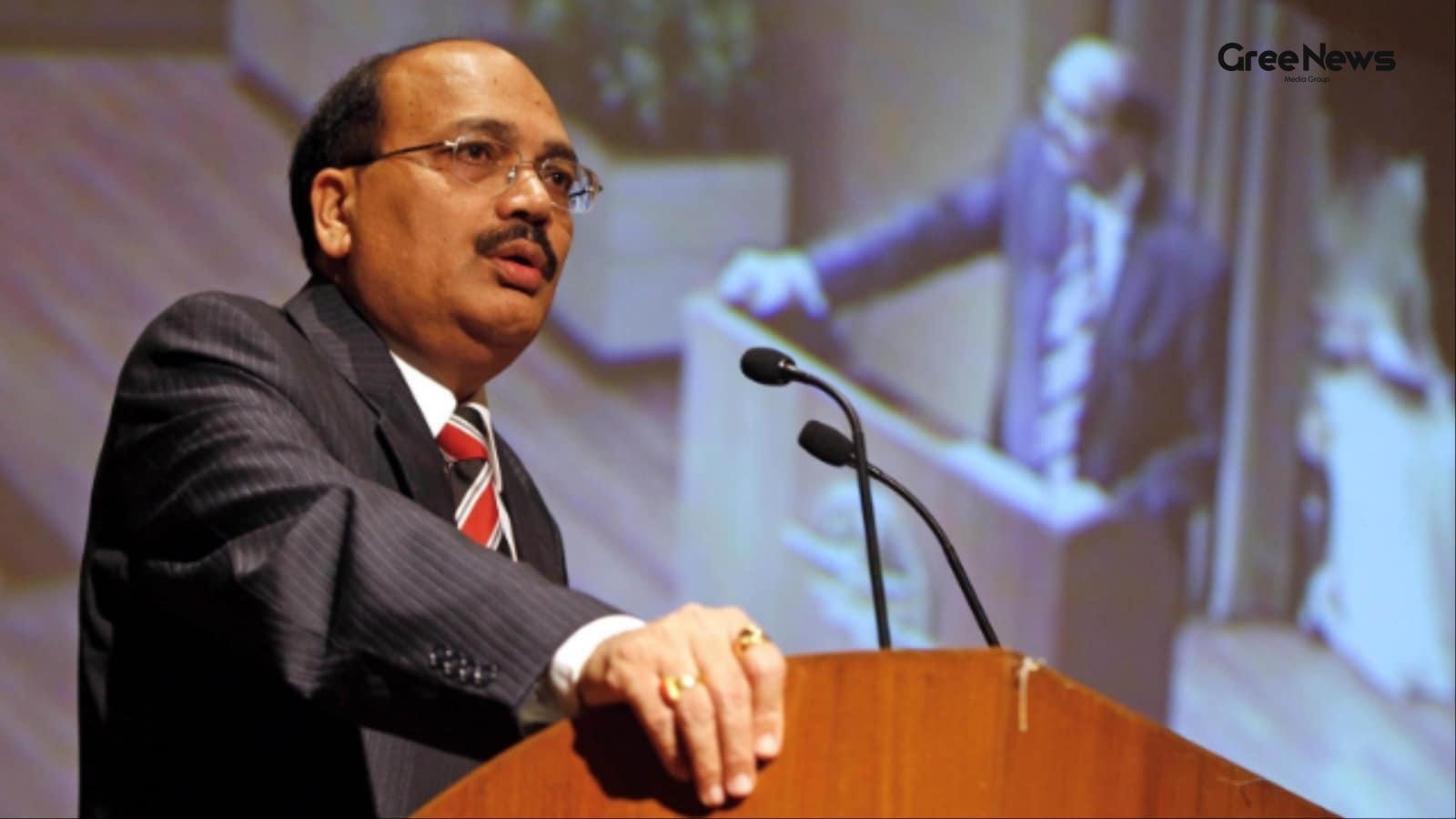
Threats and Intimidation Against Former Judge Justice Gautam Patel
Chief Justice Surya Kant stepped in on the matter involving threats and intimidation aimed at former Bombay High Court judge Justice Gautam Patel. This happened while he was visiting the UK, raising the issue with India’s High Commissioner there. It came out of a report by The Times of India. The wh
Jun 10, 2026 by Gree News Team

Intersection of Art, Politics, and Public Morality at Film Screening
The buzz around the screening for ‘Bharat Bhhagya Viddhaata’ was definitely something special that Tuesday evening in Delhi. It wasn't just about watching a movie; it felt like a convergence a mix of film fans, some political heavyweights, and a surprising amount of high-level government presence. P
Jun 10, 2026 by Gree News Team
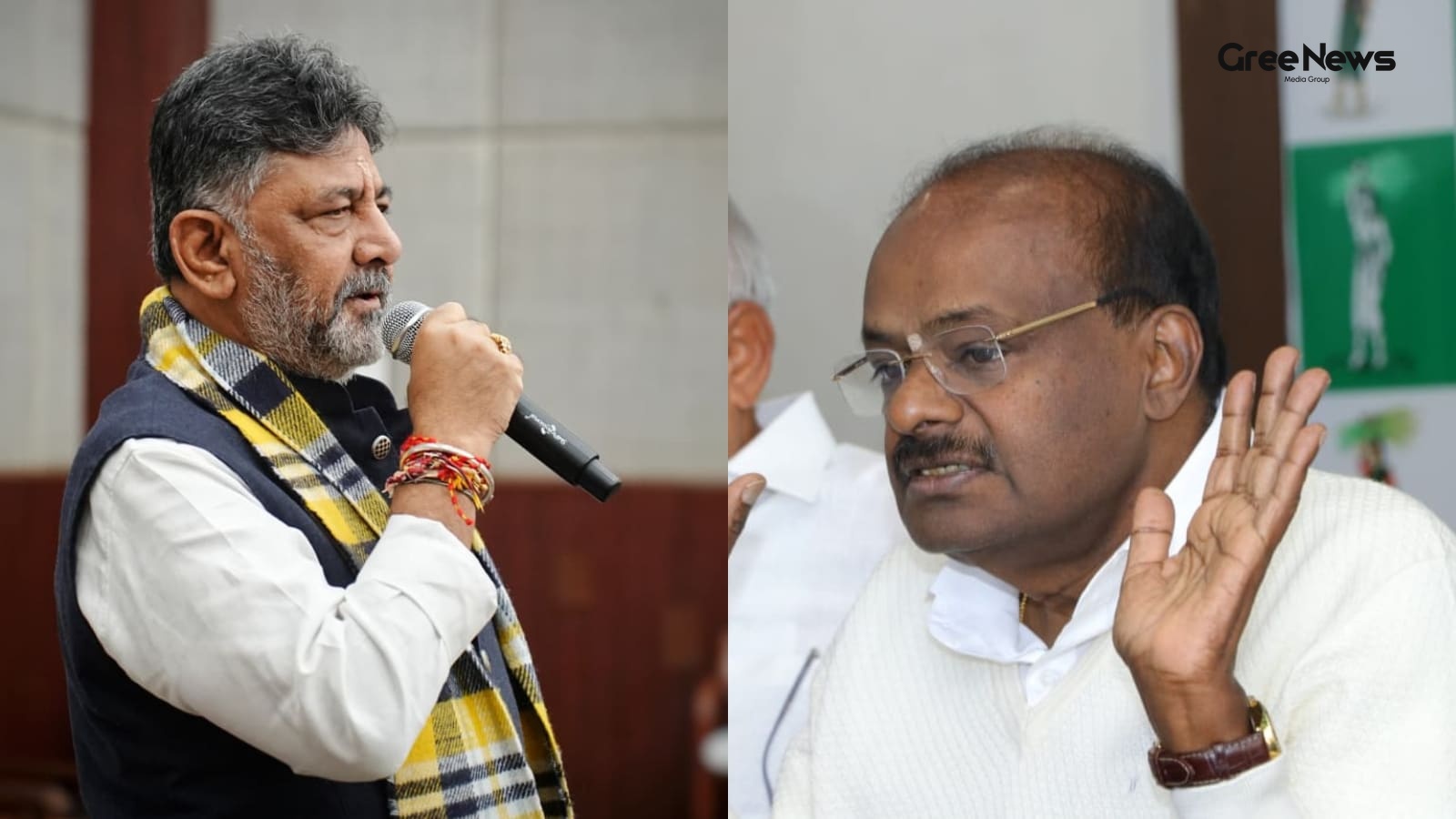
The Political Feud: Shivakumar vs. Kumaraswamy and the Vokkaliga Rivalry
A meeting that hasn't even happened is already sparking political sparring. Karnataka Chief Minister DK Shivakumar and Union Minister HD Kumaraswamy. It just underlines how bitter one of the state’s longest-running rivalries still is. Shivakumar was doing some outreach, a carefully choreographed exe
Jun 10, 2026 by Gree News Team
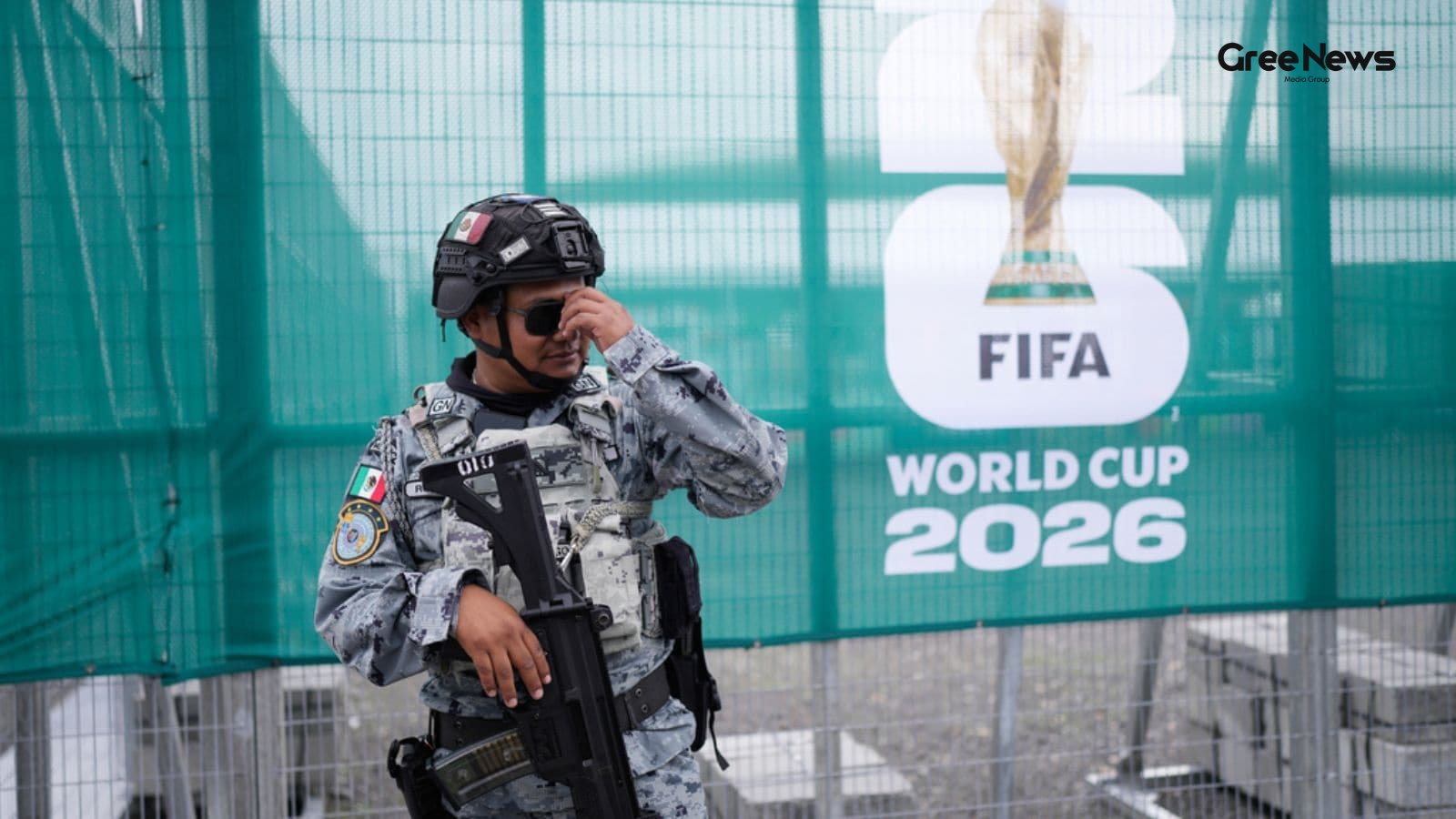
Protest and Political Standoff in Mexico City Before the World Cup
A protest choked off an avenue leading right to Mexico City’s Azteca Stadium for hours on Tuesday. It was just days before that massive World Cup opening match. As football fans started flooding in, all those co-hosts the US, Canada, and Mexico you see the real mess happening back home. Thousands of
Jun 10, 2026 by Gree News Team
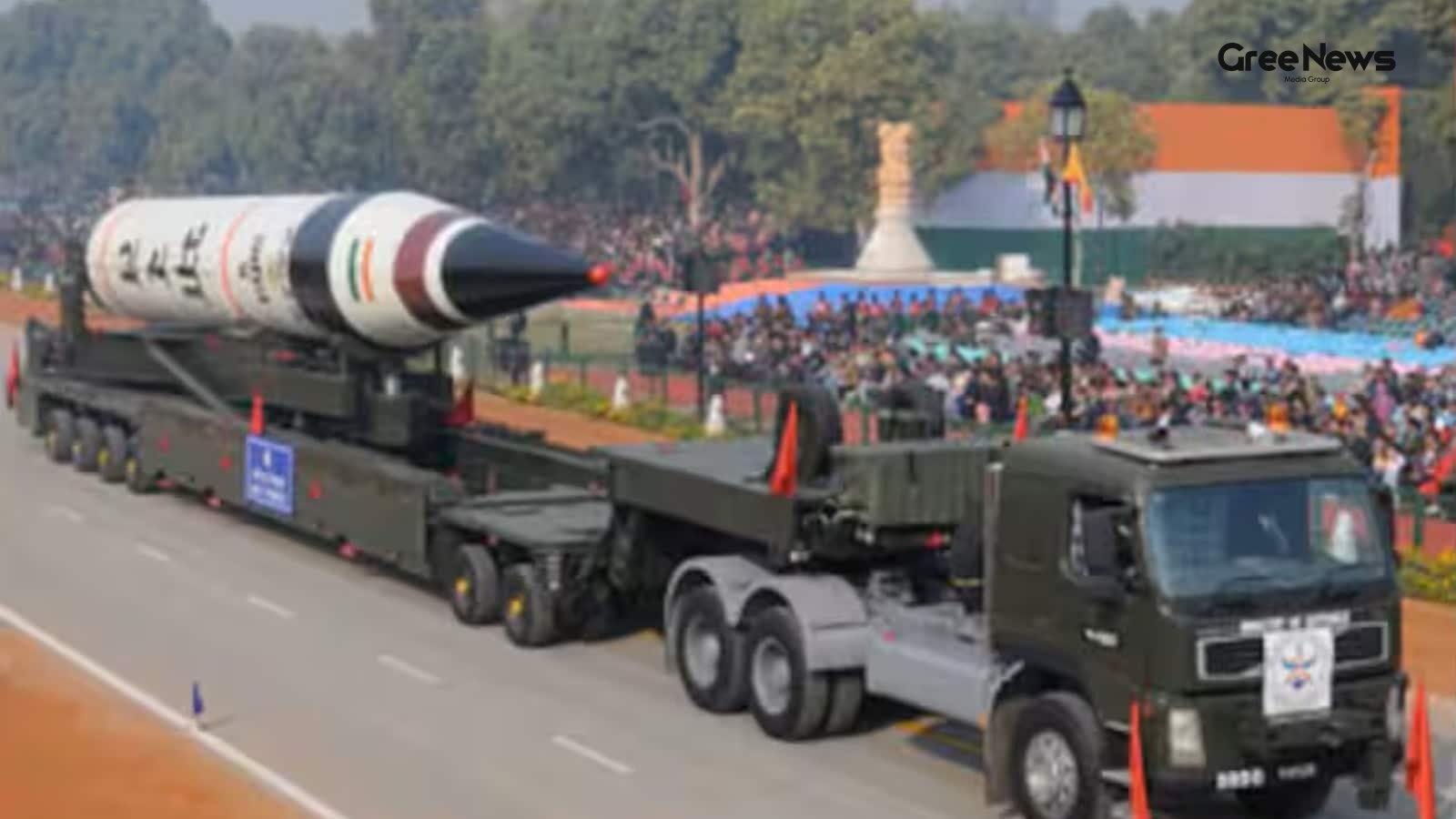
The Global Nuclear Arms Race: Spending, Capabilities, and Future Risks
Nearly eight decades since Hiroshima and Nagasaki. And the world’s nuclear powers aren't slowing down. They keep spending more, modernizing faster, and experts are watching them move weapons out of storage and into potential use. It’s a real arms race happening right now. The nine states that hold n
Jun 10, 2026 by Gree News Team
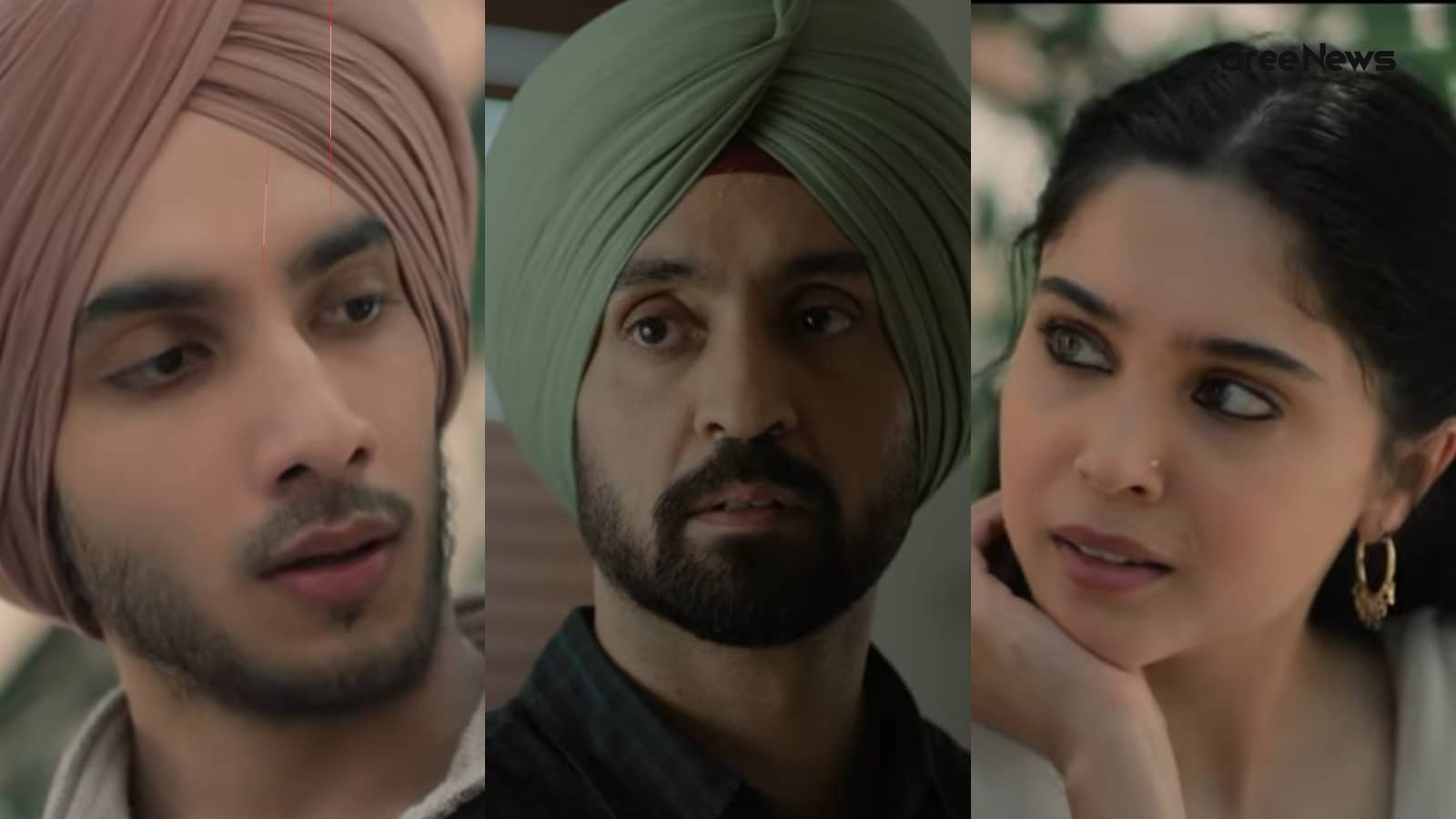
The Chaos of Cinema: Volume, Competition, and the Shifting Market
The Friday arrived packed. June 12th. It wasn't just another day; it was a collision of cinema. Nine films, all hitting the screens at once. *Main Vaapas Aaunga*, Imtiaz Ali’s directorial effort. Then you had Kangana Ranaut’s *Bharat Bhhagya Vidhaata*. And the horror mixed in Vikram Bhatt’s *Haunted
Jun 10, 2026 by Gree News Team

Stock Market Updates: June 10th Performance and Sector Analysis
Stock market updates today, June 10th. Everything turned sour in late trading Wednesday. Domestic equity markets basically gave up all those gains they managed to hold during the day. Heavy selling hit midcap, smallcap stocks, plus metals, realty, and financial names dragging the main indices into n
Jun 10, 2026 by Gree News Team

Iran Football Team Travel and World Cup Arrangements
Iran’s football team is heading to Los Angeles, apparently. They announced Tuesday that they'll be flying there the day before their first group-stage game against New Zealand. It feels like a lot happening all at once. But where exactly will they be staying? They won't actually be in L.A. for long.
Jun 10, 2026 by Gree News Team
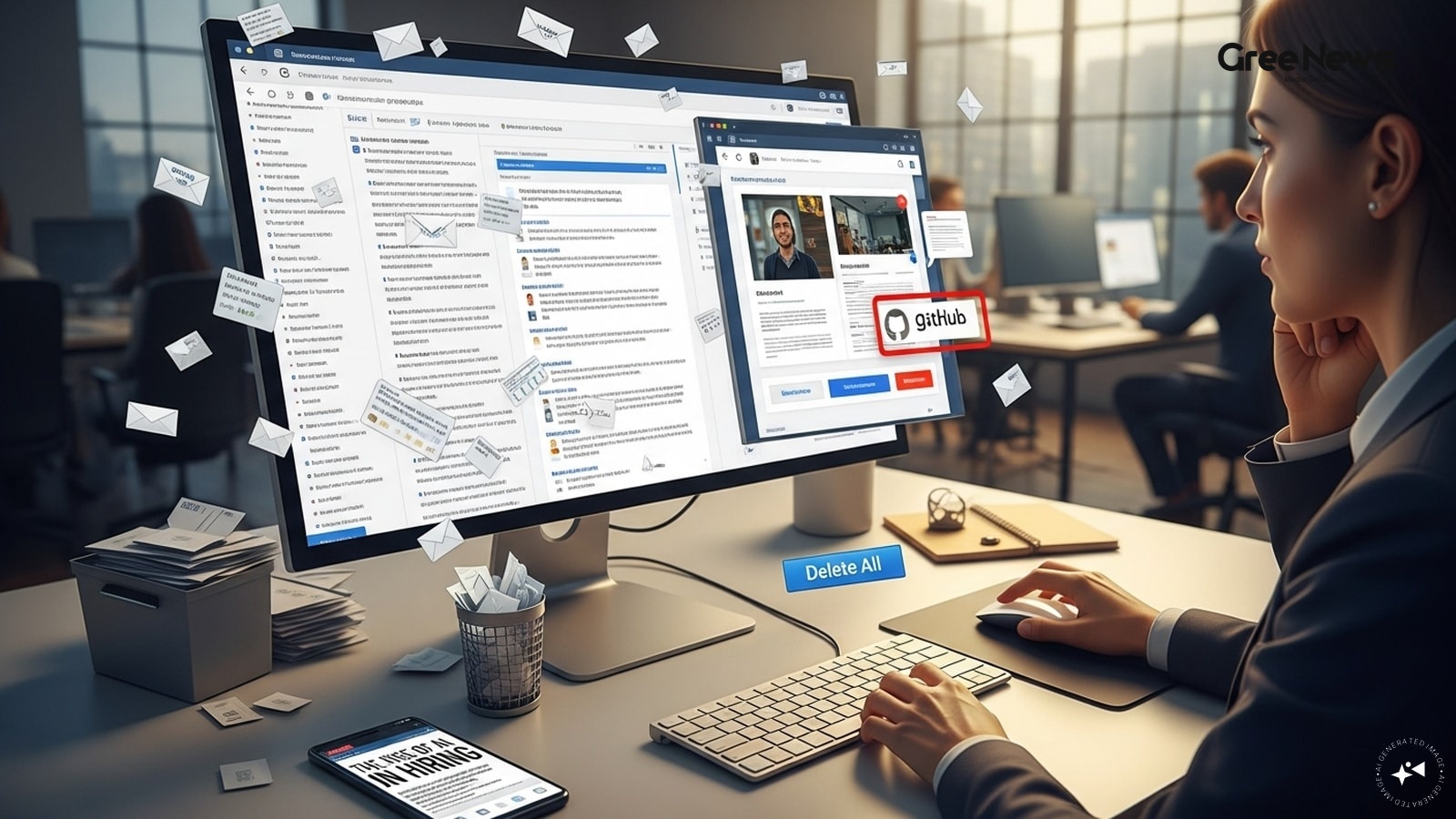
The Impact of Gen AI on Job Applications and Hiring Strategies
When you start looking for a job, everyone builds this whole structure: the résumé, that killer cover letter, tailoring it perfectly. The whole point was always that application could make you jump out from the crowd of hundreds of applicants. But honestly? Recruiters are starting to think that play
Jun 10, 2026 by Gree News Team
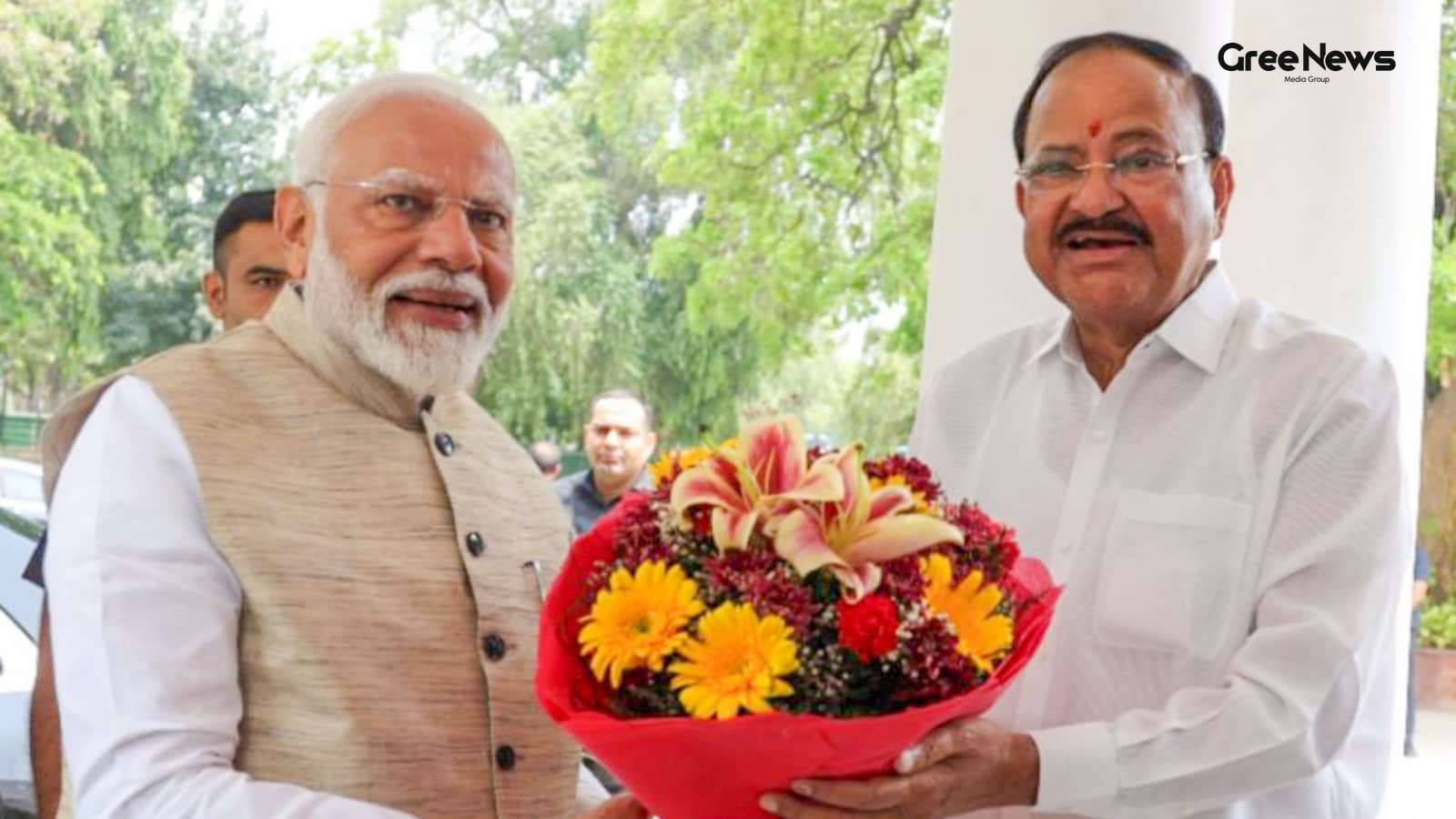
Narendra Modi's Milestone: India's Longest-Serving Prime Minister
Narendra Modi just hit a huge milestone. India’s longest-serving elected Prime Minister. Forty-three hundred ninety-nine days in office now. That beats Nehru's record, which was the first one. Former Vice President Venkaiah Naidu spoke about it. He praised the leadership and everything Modi has done
Jun 10, 2026 by Gree News Team