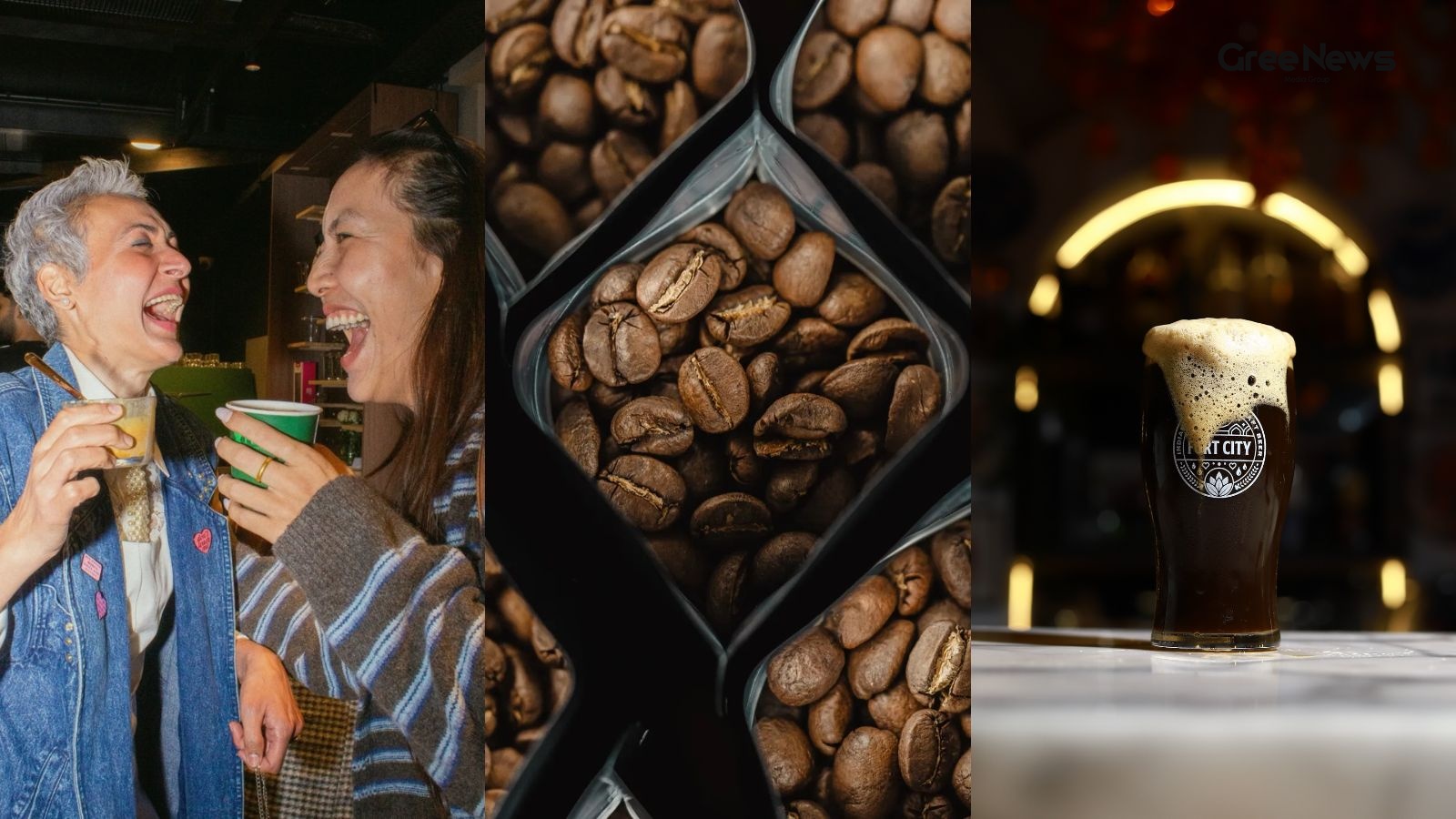
There was a time when coffee just kicked things off. You knew. Cocktails marked the end. Now? They’re sitting side by side. On the same table.
I’ve woken up to coffee a lot lately. Reluctantly, mostly, since I’m a serious tea drinker. But add a little booze to it, and suddenly the coffee tastes way better. Delectable.
Across India, the evening orders in the cafés are shifting. The person who spent the afternoon messing around with a pour-over is now chasing an espresso martini. Cold brew is popping up with tonic and orange peel. Nitro beers are carrying notes of plum and cocoa. You see it in the cosy corners of the Capital. Coffee is getting smoky. Sparkling. Savoury. Even fermented, trying to mimic wine or whiskey.
This World Cocktail Day, it’s getting harder to ignore the coffee in these drinks. You start looking at places like Pour Over Coffee Roasters in Khan Market. You realize these coffee cocktails didn't just appear. They grew right out of the modern café scene.
Aditya Sharma, co-founder of Pour Over, puts it this way. Coffee has always been part of cocktail culture. Think coffee liqueur drinks or the Espresso Martini. But it’s been appreciated for its complexity. Its flavour, its body, the acidity. It’s just a different kind of spirit.
What’s really changed isn’t the ingredients. It’s how people want to taste them. Coffee isn’t stuck in flat whites and cappuccinos anymore—thank god for that. People are comfortable mixing it into cocktails, beers, tonics, low-alcohol stuff.
Sharma calls it existing right where hospitality meets modern café culture and some serious beverage creativity.
That intersection felt inevitable, maybe. The whole specialty coffee movement trained urban drinkers to care about origin. Roast profiles. Acidity. Mouthfeel. The language of coffee started sounding a lot like the language of alcohol. It opened up to experimentation.
At Fort City Brewing, Ashish Ranjan thinks coffee has become a whole cultural flavour language. Brewers aren't just using coffee because the roast tastes good in stouts anymore. Specialty coffee is opening up a much wider canvas.
That experimentation leads to stuff like One Night Stand. Fort City did a fruited cold brew dunkelweizen on nitro, working with Caarabi Coffee Roasters. It was inspired by an espresso martini. The beer used a microlot that was anaerobically processed. It brought in cocoa, strawberry, and plum notes.
Ranjan says that the processing method, the origin, the roast—it can introduce layers of acidity, fruit, spice, or fermentation character. It changes everything.
This means brewing method matters just as much as choosing a spirit. A cold brew acts totally different in a cocktail than espresso does. Bharat Singhal from Bili Hu Coffee points out that the equipment you use completely alters the final drink.
He mentioned a Vietnamese style phin is great for cream or milk-based cocktails. But cold brew? That works better when you’ve got lighter ingredients or tonic water in there.
Espresso, on the other hand, needs something thicker. Shaking it with chocolate, spice, or fruit syrups gives it that texture. It can feel technical, sure. But that technicality is exactly what makes this moment different from before.
India’s consumers have just gotten way more adventurous, way faster than you’d expect. Singhal noted that specialty coffee arrived right after we were still figuring out how to spell cappuccino. There was a real disconnect. It felt intimidating.
But cocktails helped soften that edge. Coffee became easier to approach when you folded it into something playful, something social. And brewers are doing the same thing.
Bharat has been hosting workshops with Yungdup Lama and Rohan from Sidecar. They took a filter coffee martini to World Class London in 2020. They’re actively teaching bartenders and mixologists how to use coffee in drinks.
At Monkey Shoulder’s championship, they brewed a boulevardier with an AeroPress. At Campari’s recent championships, they brewed a coffee that was uniquely fermented. Almost like a coffee version of port wine. They even brewed Monsooned Malabar coffee that had notes of petrichor.
The espresso martini trend definitely helped push things. But underneath that, there’s a whole generation of drinkers who don't care about the old boxes. They don't separate the café, the brewery, and the bar anymore. They flow into each other.
People work in cafés all day. Then they head to the same spot for a cocktail at night. The modern café is becoming a social hub first. The coffee shop is second.
Ranjan said it best. What starts as just curiosity quickly turns into craving. Drinkers are way more fluid now. They move between all these places without thinking.
And the drinks themselves are getting softer. Coffee cocktails fit right into this whole low-ABV and non-alcoholic culture. They offer stimulation and complexity without needing to go overboard.
At Pour Over, they’re pushing cold brew lemonade and orange cold brew tonic. They’re even messing around with savoury, non-alcoholic coffee drinks using tomato and jalapeño.
Singhal keeps pointing out that coffee fermentation itself is evolving fast enough. It’s naturally creating flavours that feel like whiskey, wine, or rum.
He’s saying that innovation in how we process the coffee post-harvest will mean less artificial stuff gets dumped into cocktails and mocktails down the line.
Written by Gree News Team — Senior Editorial Board
Gree News Team covers international news and global affairs at Gree News. Our collective of senior editors is dedicated to providing independent, accurate, and responsible journalism for a global audience.
More from Recipes
View All
The Definitive Ranking of Global Food Cities and Bengaluru's Identity
You just have to start with food when you travel. Seriously. A city earns its spot on your list because someone tells you: you *have* to eat there. It’s that simple. And every year, some places jump ahead. Cities that just pull way in front of the rest. Dining out becomes this kind of pilgrimage thi
Jun 9, 2026 by Gree News Team
The Secret to Soft, Flaky Parathas
That freshly cooked paratha. It smells incredible. It promises a perfect, flaky bite. It vanishes fast. That simple food seems impossible to keep fresh. But the secret to fighting that drying process isn’t some complicated culinary trick. Start with the water. This is huge. Most people just jump rig
Jun 8, 2026 by Gree News Team
The Rise of Mango Craft Beer: A Cultural and Culinary Shift in India
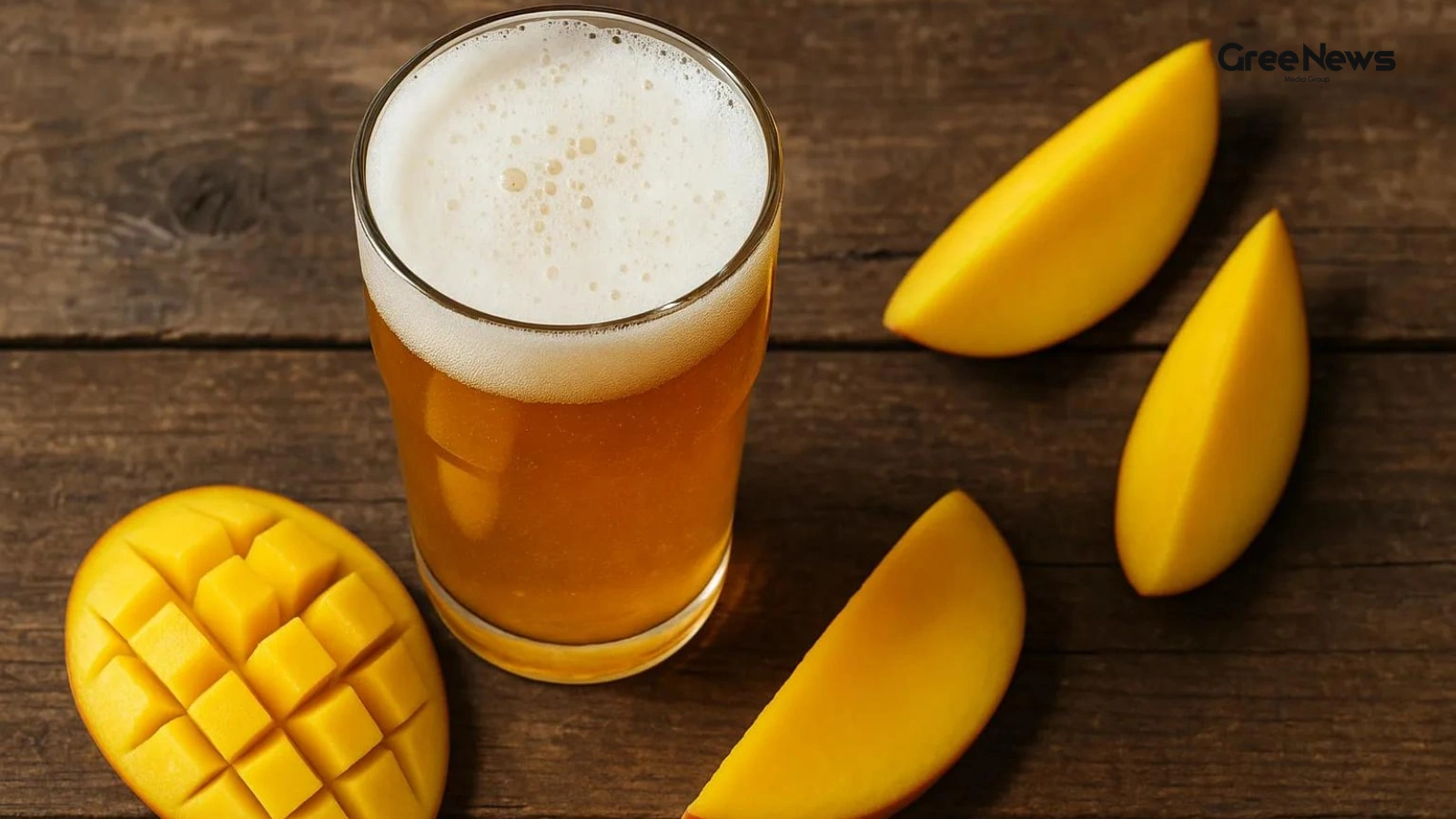
What started as just a little experiment has turned into a real ritual. It’s like that pumpkin spice craze in the West, but here, mango season is really becoming a cultural moment for Indian craft breweries. People are waiting for it every year. This timing is interesting. India’s beer market is pro
Jun 3, 2026 by Gree News Team
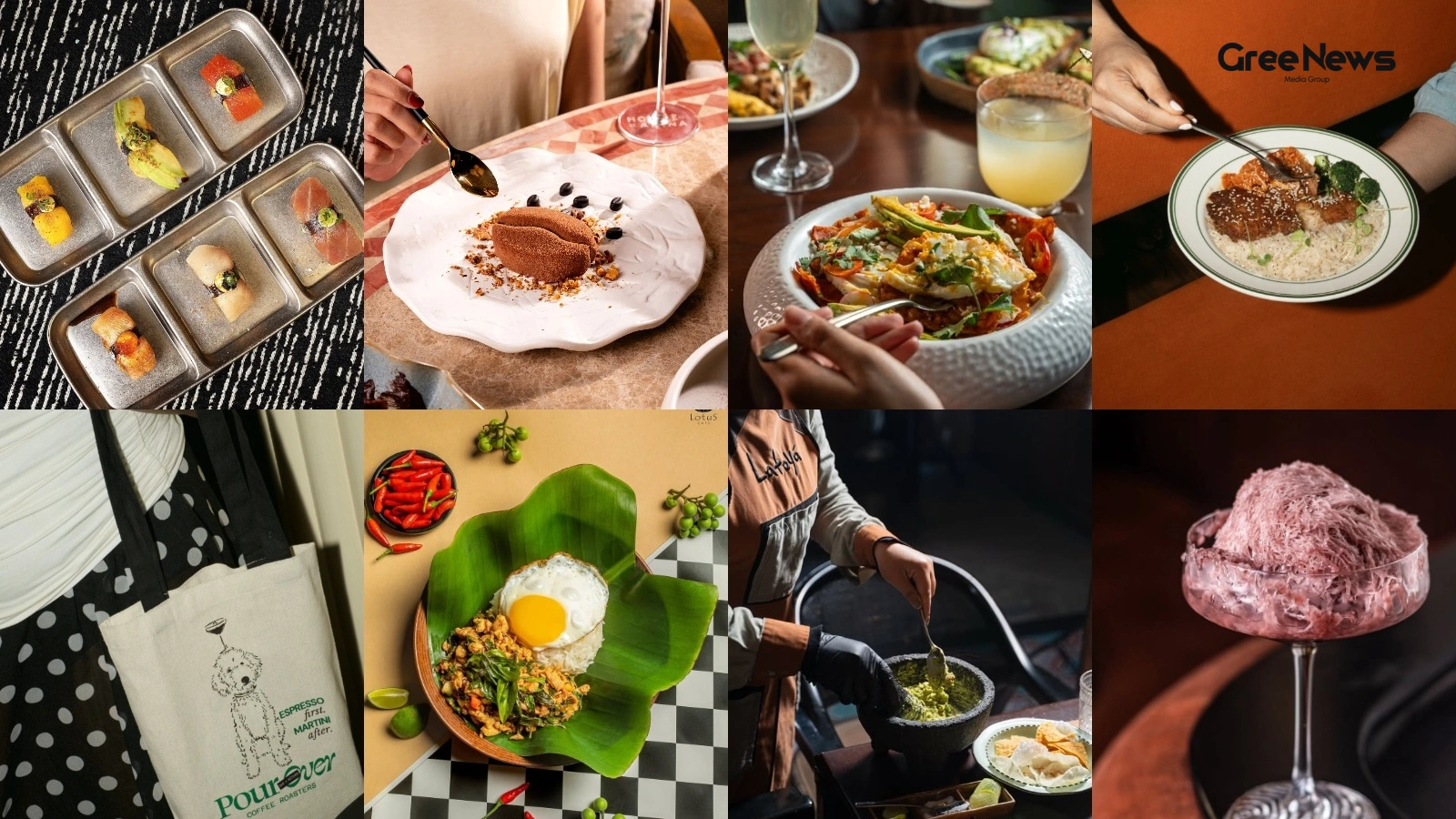
The Exploding Food Scene: Restaurant Openings and Culinary Trends Across India
Man, June is already taking over. It feels like the dining scene across India is just absolutely exploding. Global brands showing up, local favorites spreading out, all those pop-ups celebrating regional food—it’s a whirlwind. You’re chasing nostalgia, right? Unlimited breadsticks, lakeside sushi, t
Jun 3, 2026 by Gree News Team
Latest Headlines

Political Speculation and Internal Turmoil within the TMC
Fresh visuals surfaced of Sushmita Dev meeting Assam Chief Minister Himanta Biswa Sarma. That kind of thing just kicks the speculation into high gear about her next move. It’s all about her potential entry into the BJP, right? This happened right after she stepped down from Rajya Sabha and walked ou
Jun 10, 2026 by Gree News Team
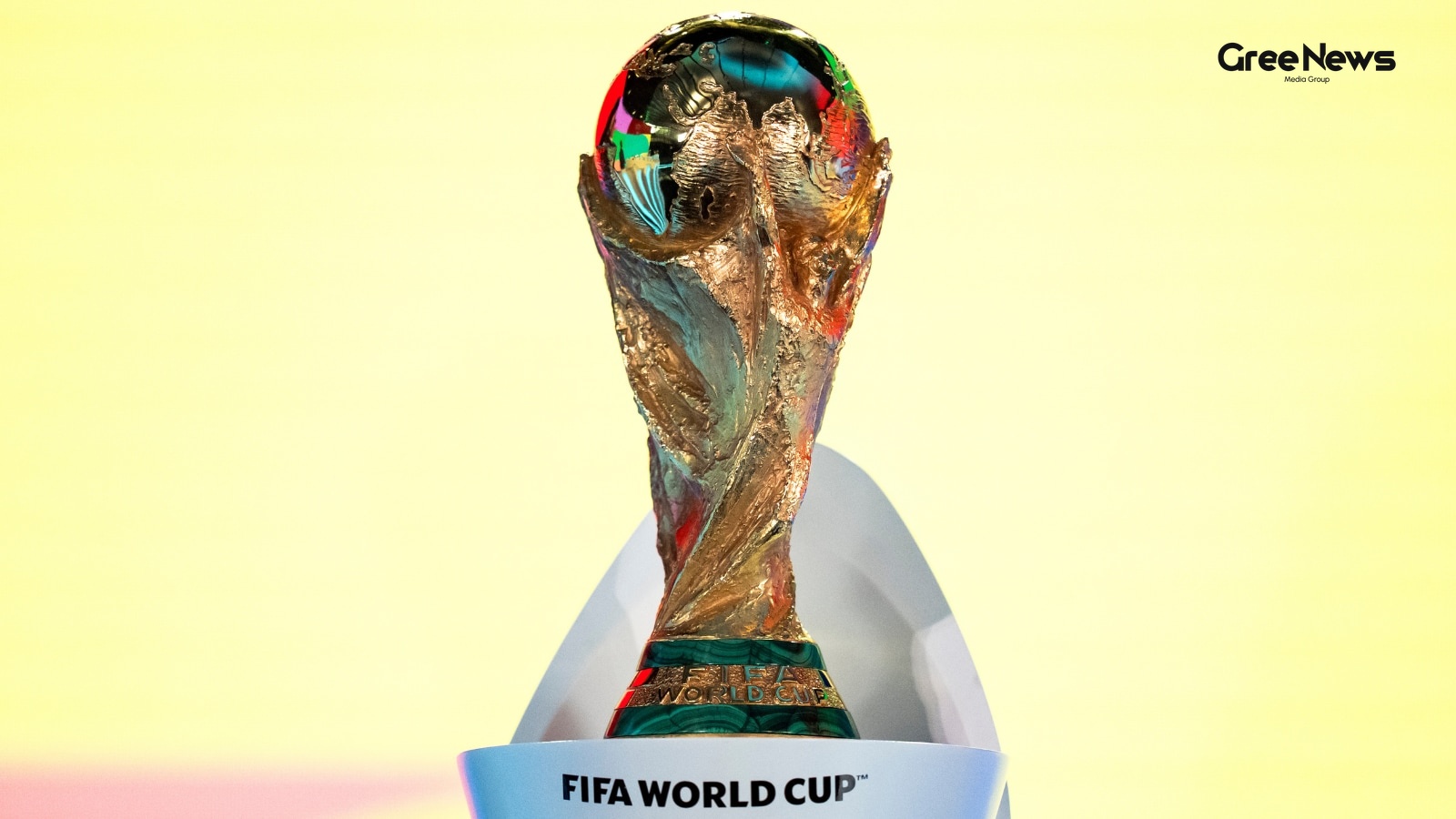
FIFA World Cup 2026: Structure, Geography, and the Official Match Ball
The FIFA World Cup 2026 is really starting to feel imminent now. It’s heading toward North America the USA, Mexico, and Canada are slated to host this massive global spectacle. People are talking about it constantly. It’s not just a standard tournament anymore. This time around, they’re throwing way
Jun 10, 2026 by Gree News Team
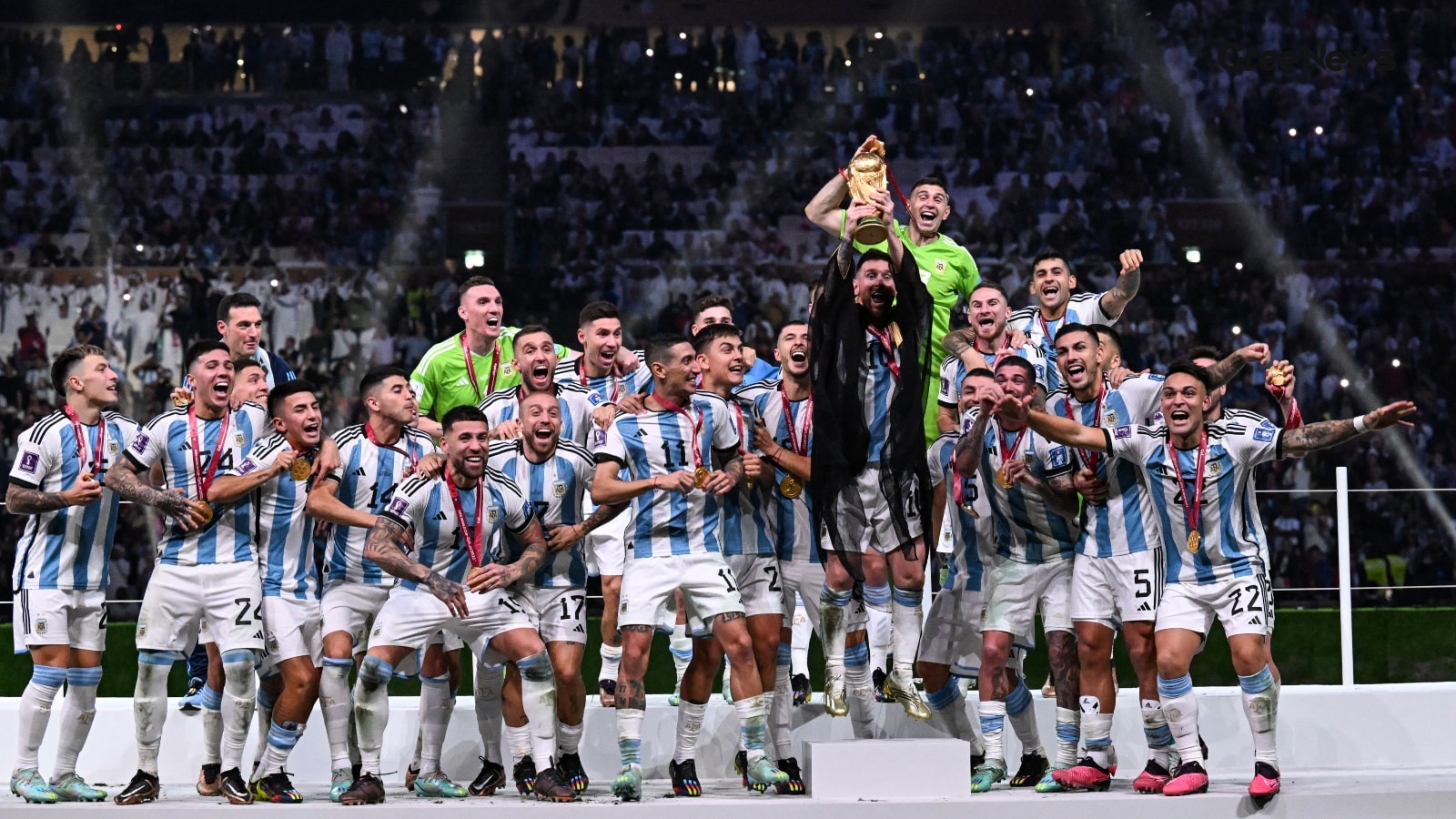
Lionel Messi and Argentina's World Cup Journey in Group J
Argentina’s taking on Group J in this new setup USA, Mexico, and Canada it feels like more than just football now. It’s about that farewell, isn't it? Lionel Messi is chasing something special right now, playing out this final chapter with the Albiceleste against Algeria, Austria, and Jordan. There’
Jun 10, 2026 by Gree News Team

Federal Judge Bars Nitrogen Gas Execution in Alabama
A federal judge just slammed the door shut on Alabama’s plan to use nitrogen gas for executing Jeffery Lee. Permanently barred it, ruling the method violated basic constitutional rights about cruel and unusual punishment. This decision dropped like a stone. It came just one day after an appeals cour
Jun 10, 2026 by Gree News Team
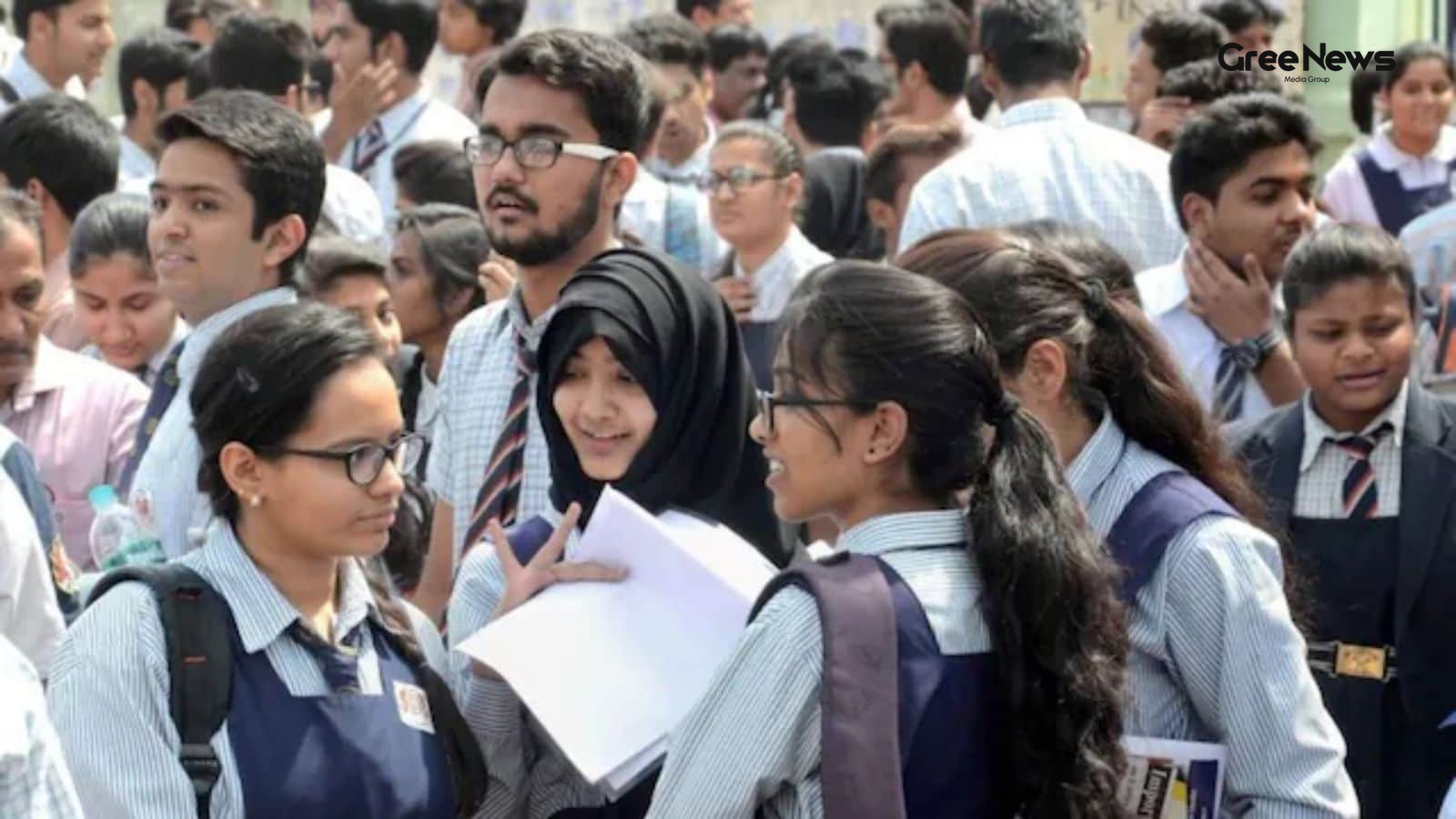
Kerala Board Plus One Results 2026 Announcement and Checking Methods
The Kerala Board Plus One results for 2026 are finally coming today, June 10th. That’s when the Directorate of Higher Secondary Education will officially announce everything. Students who took the DHSE Kerala Class 11 exams in 2026 can start checking their scores now. You have a few places to look,
Jun 10, 2026 by Gree News Team
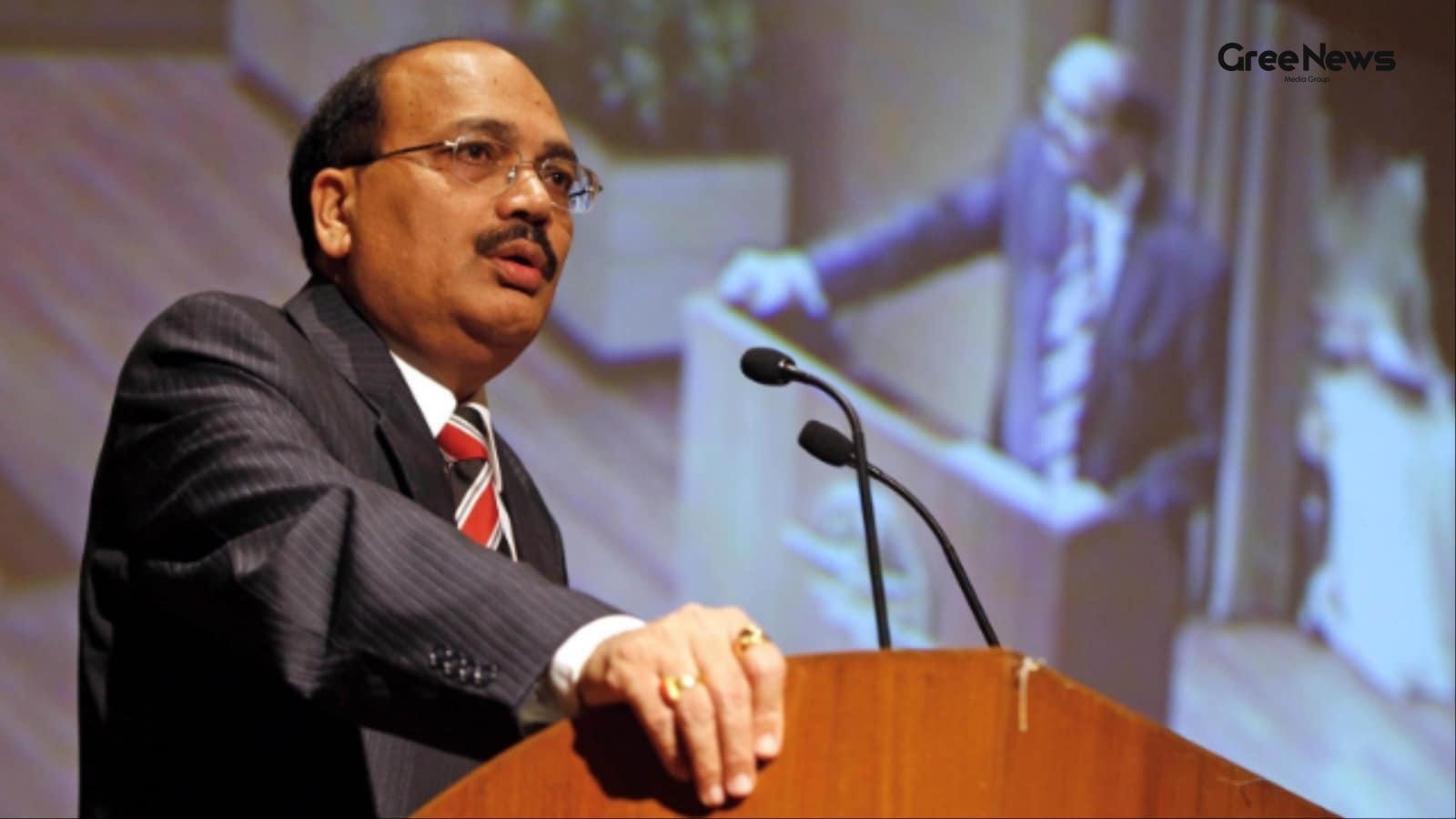
Threats and Intimidation Against Former Judge Justice Gautam Patel
Chief Justice Surya Kant stepped in on the matter involving threats and intimidation aimed at former Bombay High Court judge Justice Gautam Patel. This happened while he was visiting the UK, raising the issue with India’s High Commissioner there. It came out of a report by The Times of India. The wh
Jun 10, 2026 by Gree News Team
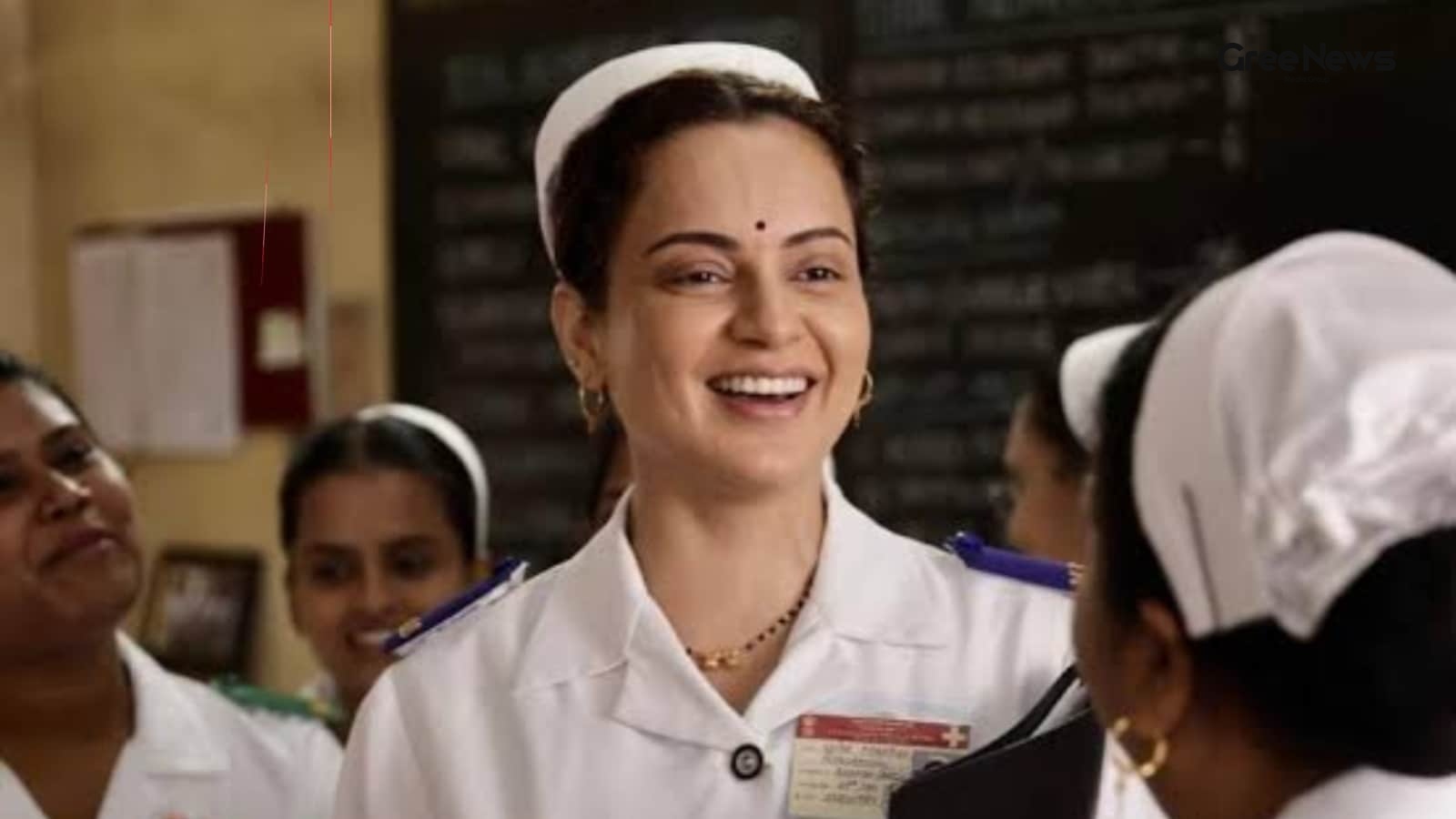
Intersection of Art, Politics, and Public Morality at Film Screening
The buzz around the screening for ‘Bharat Bhhagya Viddhaata’ was definitely something special that Tuesday evening in Delhi. It wasn't just about watching a movie; it felt like a convergence a mix of film fans, some political heavyweights, and a surprising amount of high-level government presence. P
Jun 10, 2026 by Gree News Team
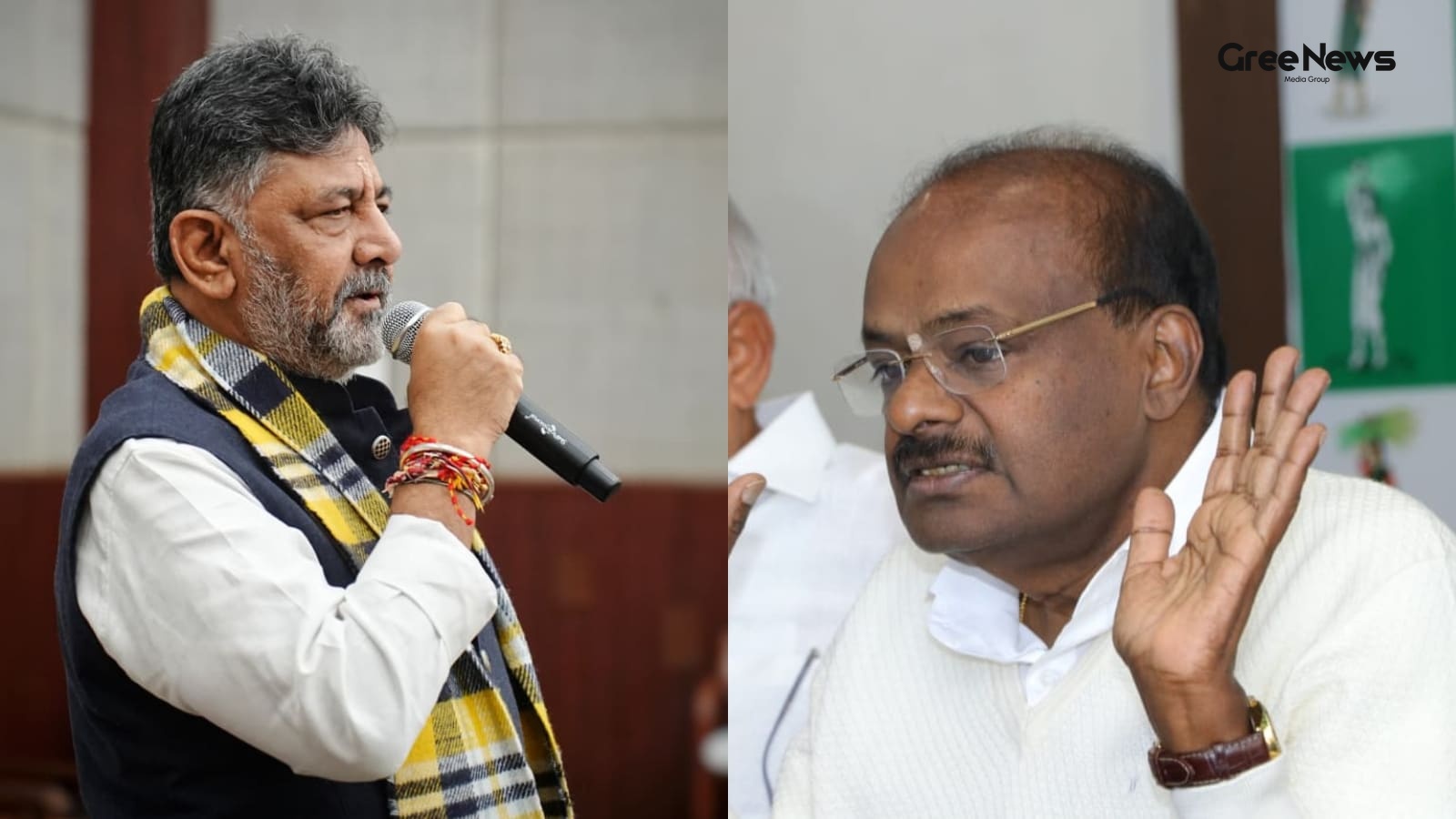
The Political Feud: Shivakumar vs. Kumaraswamy and the Vokkaliga Rivalry
A meeting that hasn't even happened is already sparking political sparring. Karnataka Chief Minister DK Shivakumar and Union Minister HD Kumaraswamy. It just underlines how bitter one of the state’s longest-running rivalries still is. Shivakumar was doing some outreach, a carefully choreographed exe
Jun 10, 2026 by Gree News Team

Protest and Political Standoff in Mexico City Before the World Cup
A protest choked off an avenue leading right to Mexico City’s Azteca Stadium for hours on Tuesday. It was just days before that massive World Cup opening match. As football fans started flooding in, all those co-hosts the US, Canada, and Mexico you see the real mess happening back home. Thousands of
Jun 10, 2026 by Gree News Team
The Global Nuclear Arms Race: Spending, Capabilities, and Future Risks
Nearly eight decades since Hiroshima and Nagasaki. And the world’s nuclear powers aren't slowing down. They keep spending more, modernizing faster, and experts are watching them move weapons out of storage and into potential use. It’s a real arms race happening right now. The nine states that hold n
Jun 10, 2026 by Gree News Team
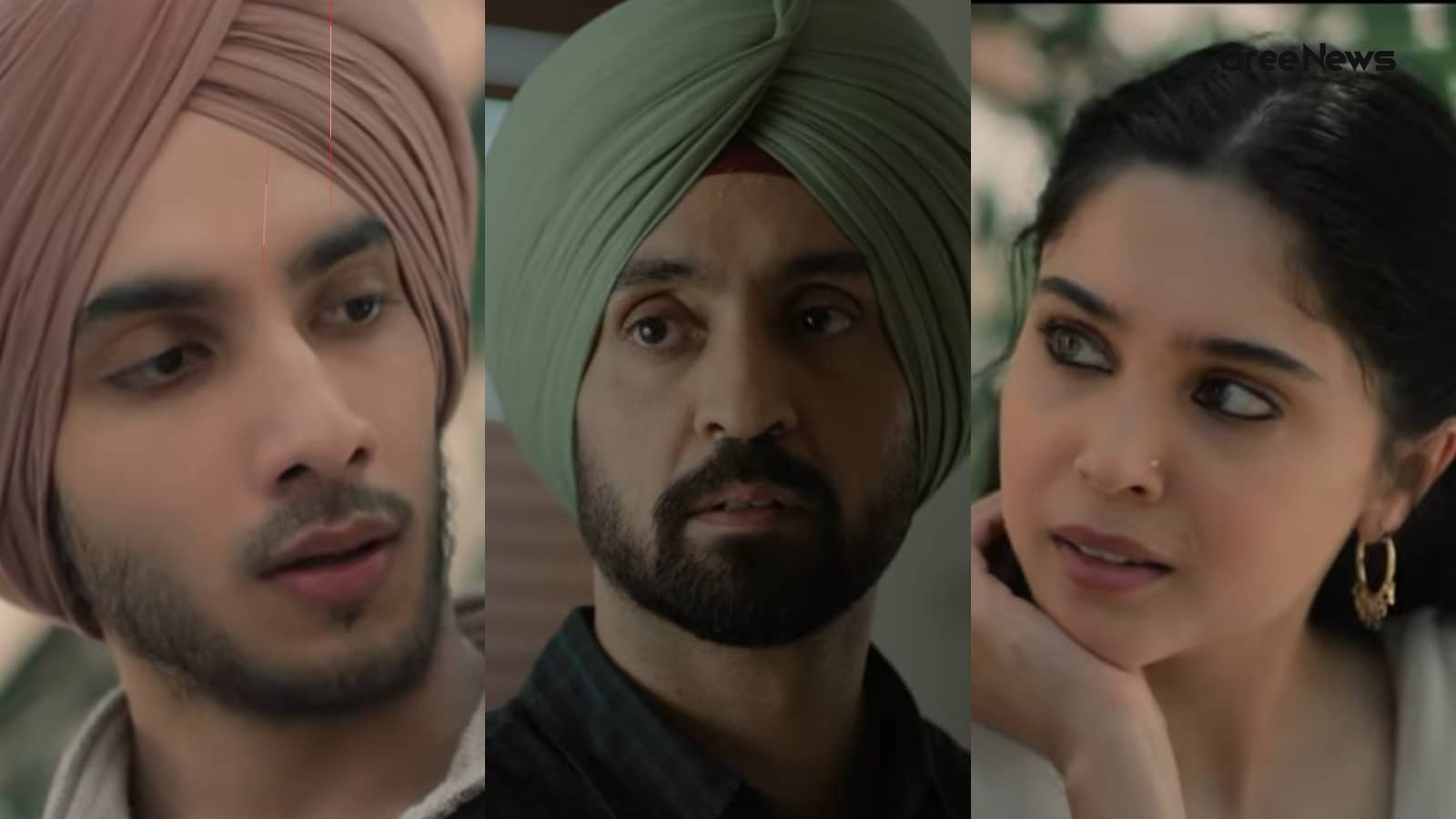
The Chaos of Cinema: Volume, Competition, and the Shifting Market
The Friday arrived packed. June 12th. It wasn't just another day; it was a collision of cinema. Nine films, all hitting the screens at once. *Main Vaapas Aaunga*, Imtiaz Ali’s directorial effort. Then you had Kangana Ranaut’s *Bharat Bhhagya Vidhaata*. And the horror mixed in Vikram Bhatt’s *Haunted
Jun 10, 2026 by Gree News Team

Stock Market Updates: June 10th Performance and Sector Analysis
Stock market updates today, June 10th. Everything turned sour in late trading Wednesday. Domestic equity markets basically gave up all those gains they managed to hold during the day. Heavy selling hit midcap, smallcap stocks, plus metals, realty, and financial names dragging the main indices into n
Jun 10, 2026 by Gree News Team
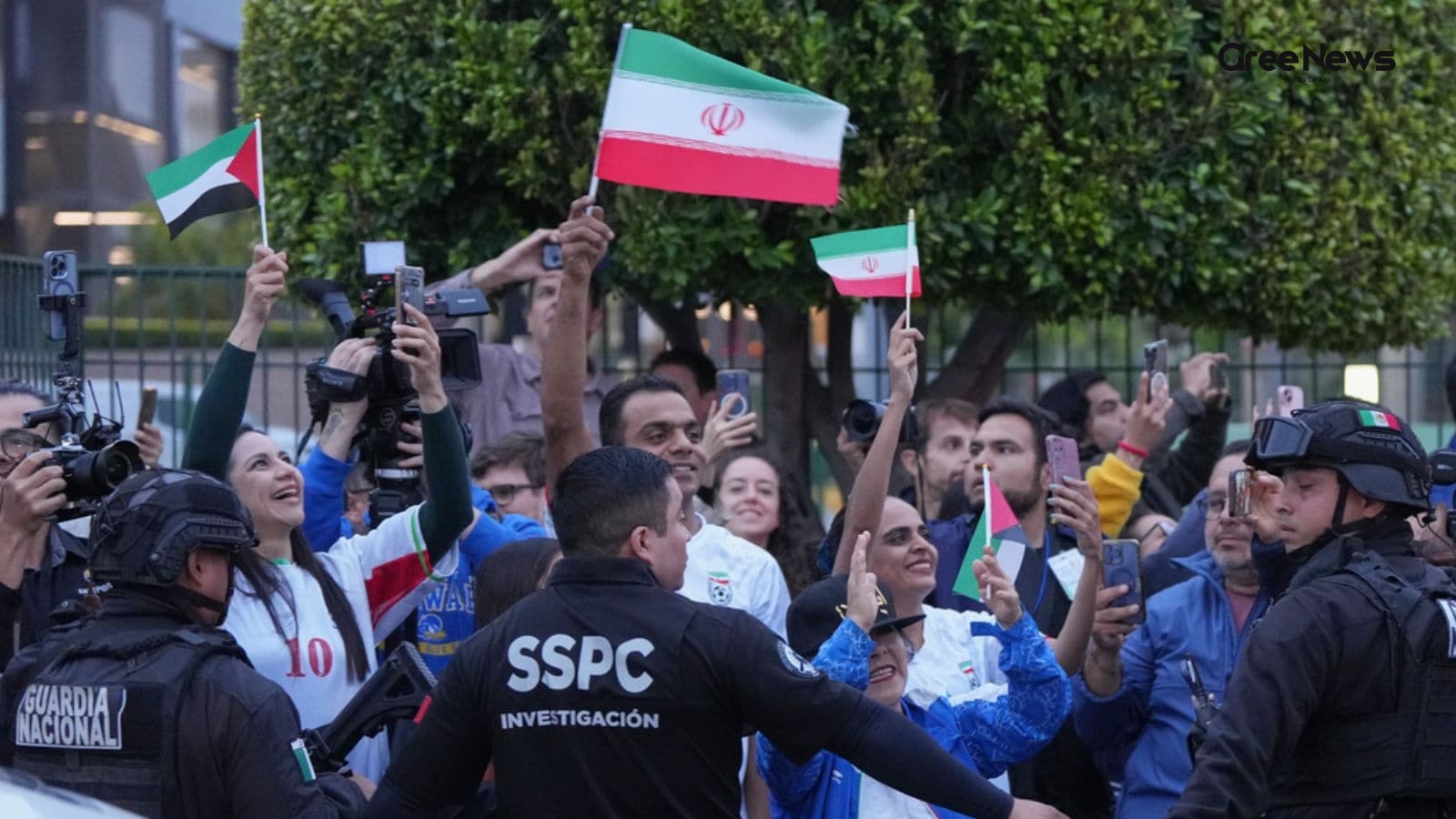
Iran Football Team Travel and World Cup Arrangements
Iran’s football team is heading to Los Angeles, apparently. They announced Tuesday that they'll be flying there the day before their first group-stage game against New Zealand. It feels like a lot happening all at once. But where exactly will they be staying? They won't actually be in L.A. for long.
Jun 10, 2026 by Gree News Team

The Impact of Gen AI on Job Applications and Hiring Strategies
When you start looking for a job, everyone builds this whole structure: the résumé, that killer cover letter, tailoring it perfectly. The whole point was always that application could make you jump out from the crowd of hundreds of applicants. But honestly? Recruiters are starting to think that play
Jun 10, 2026 by Gree News Team
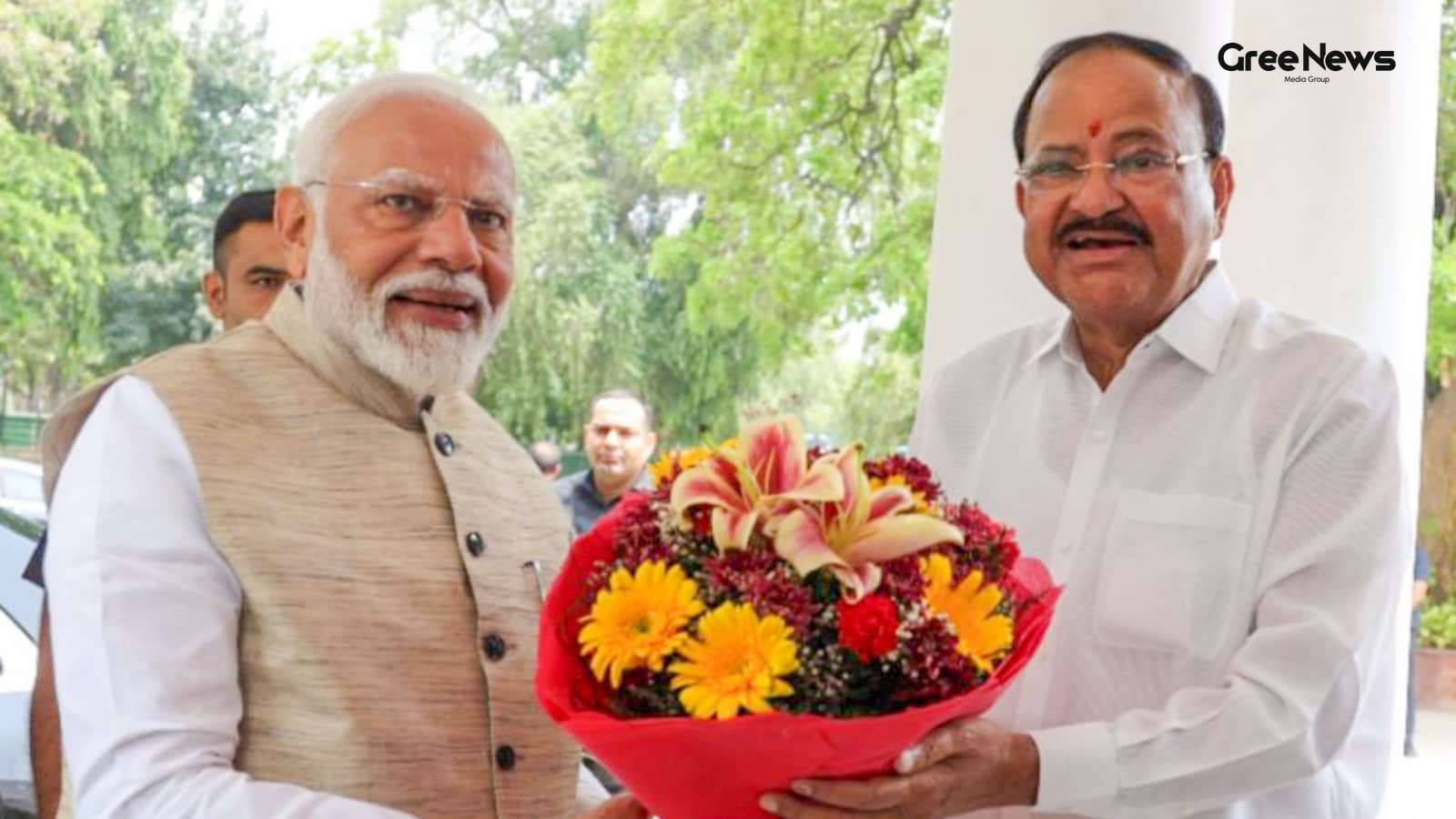
Narendra Modi's Milestone: India's Longest-Serving Prime Minister
Narendra Modi just hit a huge milestone. India’s longest-serving elected Prime Minister. Forty-three hundred ninety-nine days in office now. That beats Nehru's record, which was the first one. Former Vice President Venkaiah Naidu spoke about it. He praised the leadership and everything Modi has done
Jun 10, 2026 by Gree News Team