The Evolution of Indian Security Doctrine: From Blue Star to Sindoor
Forty years separate Operation Blue Star from Operation Sindoor. That’s a long stretch of time, but it feels like an eternity when you look at what happened on both sides.
Back in June 1984, the Indian Army went into the Golden Temple in Amritsar. They had no reliable sense of what was waiting inside. And their training plan? It had already leaked to the other side. That’s where things went sideways immediately.
Then you look at May 2025. India struck nine terrorist facilities across Pakistan and PoK in under thirty minutes. Targets that had been sitting in intelligence files for years, mapped out, waiting for some political trigger. It’s a huge difference.
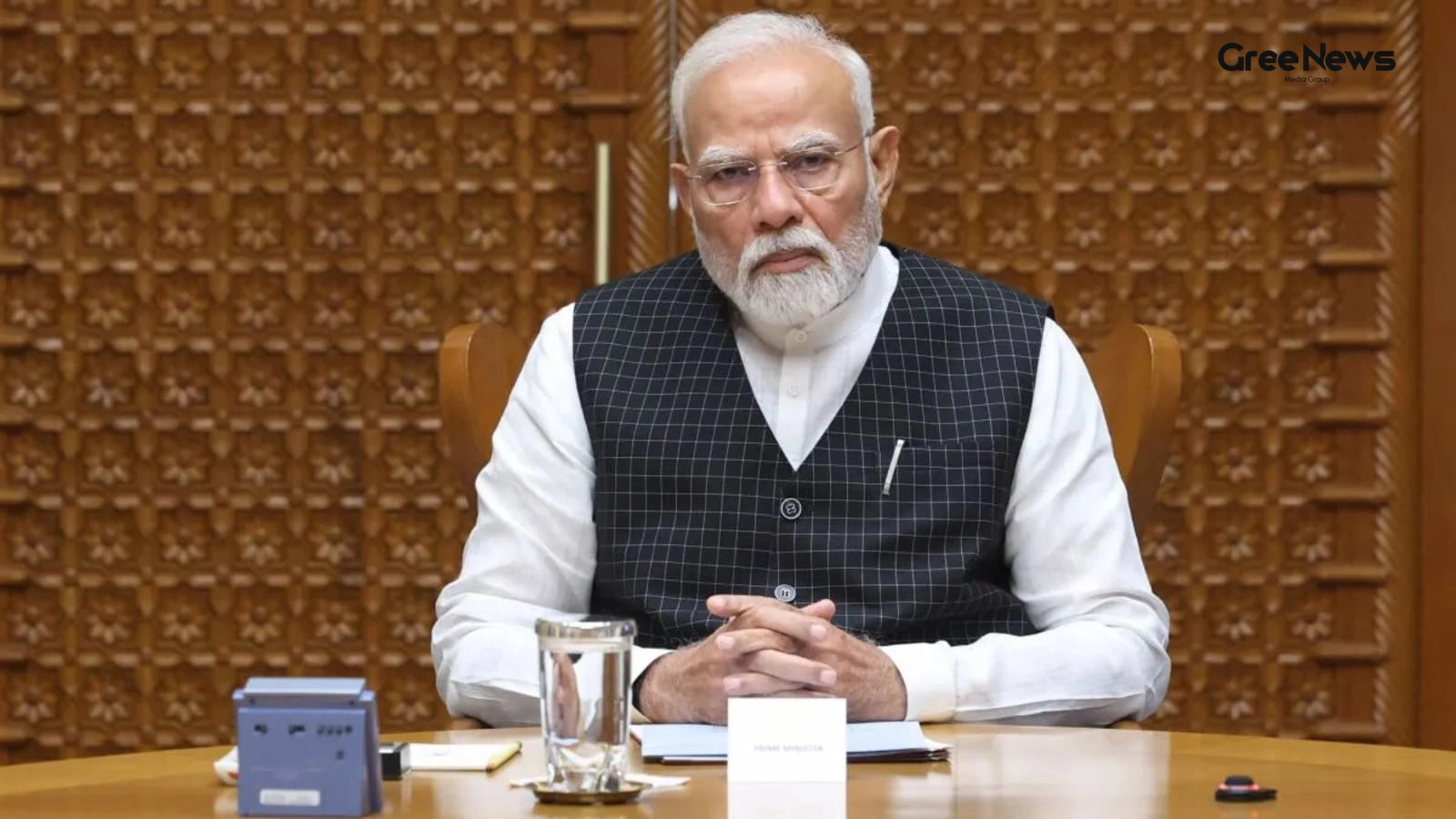
That distance between those two events isn't just time passing. It’s four decades of institutional rebuilding, forced by the mess of '84. It’s the foundation Modi built his security doctrine on—not something invented by the government itself, but something carried furthest by it.
The Movement and the Blind Spot
Bhindranwale’s movement didn't just ambush the Indian state. It grew right in front of it. His rise through the late seventies involved Congress politicians who saw him as a convenient tool against the Akali Dal. By July 1982, he was invited into the Golden Temple complex itself by Longowal. The government arrested him that September, but they released him two days later. Nobody had built the networks to make a solid case then.
What happened inside that complex over those next couple of years? It was visible. But for the state’s intelligence apparatus? Essentially unread. Major General Shahbeg Singh, an old Army officer who had been court-martialled and then redirected his military knowledge toward the other side—he was fortifying the Akal Takht with professional deliberation. Seventeen houses around the complex became forward positions. Some eight hundred yards out. All in wireless contact with a command center inside.
RPG launchers. Armor-piercing ammo. Prepared lines of fire through every lane. It was a defensive structure built methodically over months. And the agencies watching it? They didn’t produce a picture that matched what was actually being constructed.
Barefoot at the Threshold
The Army, to its credit, had been planning long enough to build a full replica of the temple complex at Chakrata Cantonment for commando training. That plan got scrapped when it leaked to the militants. The operational plan for what would become Blue Star reached the enemy before a single soldier moved. It just wasn't accounted for.
Think about the night itself. June 5, 1984. Soldiers from the 1st Para Regiment were preparing to enter Harmandir Sahib. Many of them took off their boots. Soldiers going into war inside the holiest site of a major religion, taking off shoes at the door.
It’s a detail that gets lost in the military and political accounting of Blue Star. But it tells you about the impossibility of the operation. The Army was sent to conduct combat inside a religious space. Thousands of civilian pilgrims were trapped inside who had nothing to do with the militancy. They were conventional infantry, trained for open ground warfare. Handed an intelligence picture that completely underestimated what Shahbeg Singh had built up there.
The 1st Para Regiment walked into prepared kill zones at the main gateway. Tanks brought for fire support had to be turned directly against the Akal Takht just to break resistance. The government’s own White Paper recorded five hundred fifty-four deaths—militants and civilians combined. The Akal Takht was left in ruins.
Indira Gandhi was assassinated on October 31, 1984. By two of her Sikh bodyguards. The Intelligence Bureau had flagged concerns about Sikh personnel in her security detail after Blue Star. Nothing changed for her protection. She was killed right there in her own garden. The operation achieved its tactical goal—eliminating Bhindranwale. Everything else just collapsed around it.
Rebuilding the Capability
Then came the shift toward building something new. On October 16, 1984, the National Security Guard was formed, straight out of that Blue Star analysis. It was meant to answer a specific question: Who do you call when you need close-quarters counter-terrorism in sensitive spots and can’t send an armored battalion? The NSG Act came in 1986. They modeled it on the SAS and GSG-9.
The Rashtriya Rifles followed later, in 1990 for Jammu and Kashmir. That structure was built around long deployments because infantry units can't build the human intelligence networks that counter-insurgency actually needs. By the early nineties, this model, combined with digging into militant networks in Punjab, started producing results where sheer force alone couldn’t manage it.
By 2014, things were meaningfully different from 1984. Ajit Doval, Modi’s National Security Adviser, had spent years as an IB field officer in Punjab during that exact rebuilding time. He saw what intelligence failure looked like. What patient work actually produced. His appointment put someone at the center of security decisions who carried that experience—not just textbook history—with him.
The New Doctrine
Previous governments built up this capability. Modi’s government decided to use it differently. Openly. Offensively. With a clear aim: changing how they engage with Pakistan-backed terrorism.
The shift was visible in the 2016 surgical strikes. On September 28 and 29, after that attack on the Uri Army base—which killed nineteen soldiers—Para Special Forces crossed the Line of Control and struck four militant launch pads. It wasn't the first time India had done cross-LoC operations, but this time, a government announced it publicly the next morning, by name, with an official briefing from the DGMO.
The Northern Command had been running human sources inside Hizbul Mujahideen for years. They developed ground intelligence on Pakistani camp layouts and movement corridors. The targets were known long before anything else happened. What changed was the political decision to act on them, then just say so.
Balakot, February 26, 2019, felt like a bigger move. Twenty Mirage 2000 jets hit a Jaish-e-Mohammed training facility in Pakistan’s Khyber Pakhtunkhwa province. It was the first time an Indian air strike happened inside Pakistani territory since 1971. India called it "intelligence-led, non-military and pre-emptive." The camp had been under surveillance way longer than those weeks following Pulwama.
Operation Sindoor in May 2025 was the biggest thing of all. Nine sites struck in Pakistan and PoK in less than thirty minutes. Infrastructure in Bahawalpur. Facilities for Lashkar-e-Taiba and Hizbul Mujahideen in Muzaffarabad and Kotli were hit.
No Pakistani military assets were targeted. A deliberate boundary line respected. The operation followed the Pahalgam attack of April 22, where twenty-six tourists died in Baisaran Valley. But those nine targets? They hadn't been developed in the two weeks between that tragedy and the strikes. India knew exactly where to hit because the intelligence work had been accumulating for years. The speed wasn't about panic; it was pure preparation.
In the hours after Sindoor, India briefed everyone—domestically, internationally. Pakistan’s version of events couldn't even settle in the public record. The National Security Council Secretariat coordinated that narrative alongside the operation itself. Compare that to 1984. The Army struck. And the government spent months losing all the political argument, at home and abroad.
Where the Gaps Stay
This story feels incomplete without Pahalgam and Burhan Wani. Both happened under the same government, and neither really reflects well on how intelligence performed.
Wani was building his following openly since 2015. Photos in camouflage. Videos from the forest. Direct appeals to Kashmiri youth for recruitment. He was a known militant with a bounty. When he was killed in Anantnag in July 2016, the Valley locked down for fifty-three straight days. Over ninety-six people died. Thousands injured. The picture of his reach and influence was out there. Reading that as an intelligence problem—and acting on it before the trigger pulled—that just didn't happen.
Pahalgam, in April 2025, cost more civilian lives. Intelligence had reportedly flagged militant movement into South Kashmir in the weeks leading up to the attack. Pahalgam and Sindoor happened within weeks of each other, under the same administration. The doctrine exists. But applying it consistently? That’s where the real failures show up.
The failures of June 1984 came from an institution that simply lacked the right capabilities. It didn't gather the necessary intelligence. It didn't think through what it meant to conduct a security operation inside a religious space that was politically explosive. Conventional military logic wasn’t even the right tool for the job back then.
India has spent forty years trying to fix that mess. The Modi government has been the most visible in putting the corrected version into place, and they’ve been willing to admit it when they do. The resulting doctrine is built on one idea: intelligence must drive action, not the other way around.
Blue Star showed India what it costs to operate without that foundation. Pahalgam reminds us that this lesson needs constant maintenance. Assuming stability instead of sustained vigilance always leads to the same grim result. And 1984? That’s the clearest proof of how bad that result can look at its worst.
Written by Gree News Team — Senior Editorial Board
Gree News Team covers international news and global affairs at Gree News. Our collective of senior editors is dedicated to providing independent, accurate, and responsible journalism for a global audience.
More from India
View All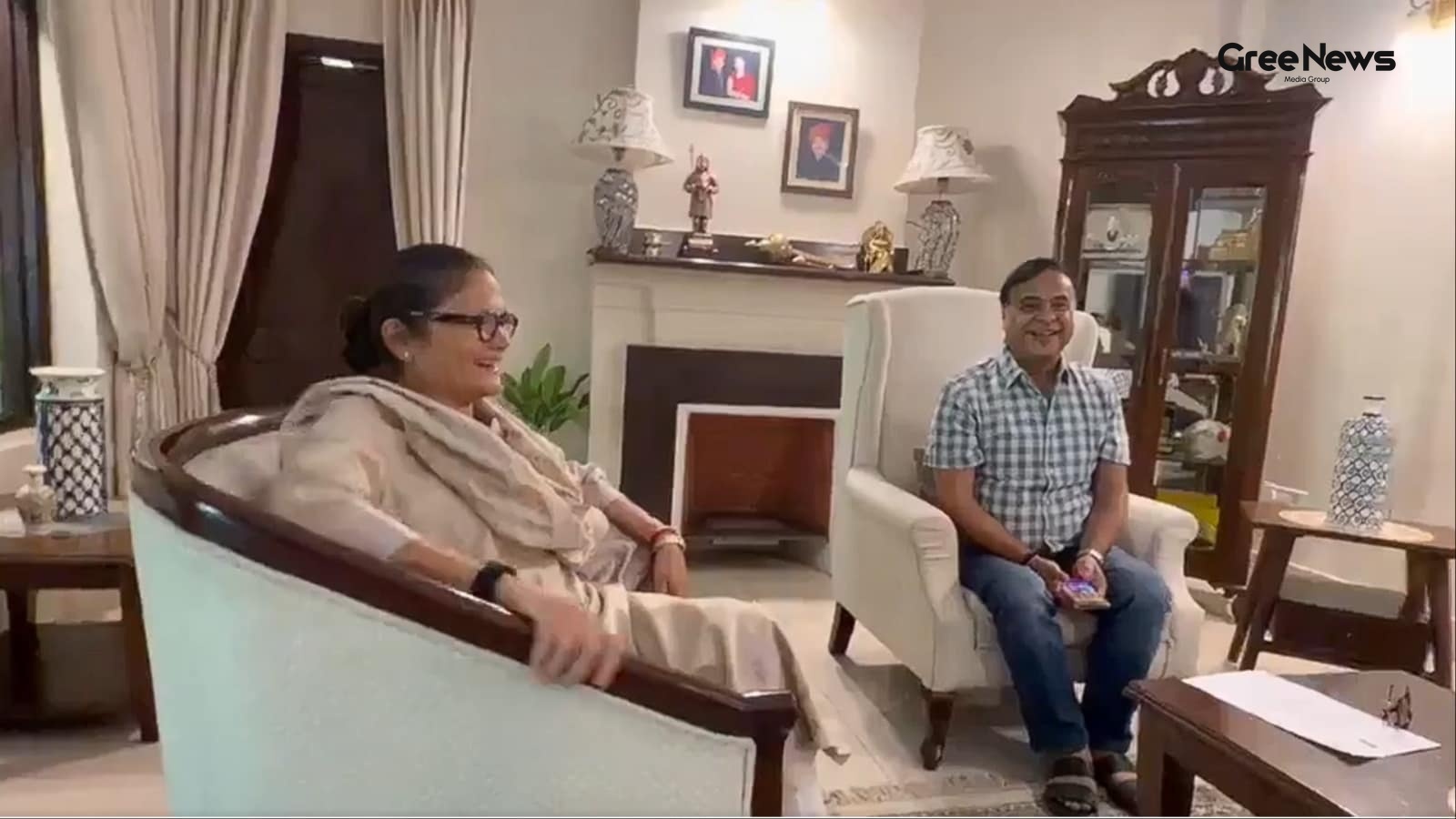
Political Speculation and Internal Turmoil within the TMC
Fresh visuals surfaced of Sushmita Dev meeting Assam Chief Minister Himanta Biswa Sarma. That kind of thing just kicks the speculation into high gear about her next move. It’s all about her potential entry into the BJP, right? This happened right after she stepped down from Rajya Sabha and walked ou
Jun 10, 2026 by Gree News Team
Threats and Intimidation Against Former Judge Justice Gautam Patel
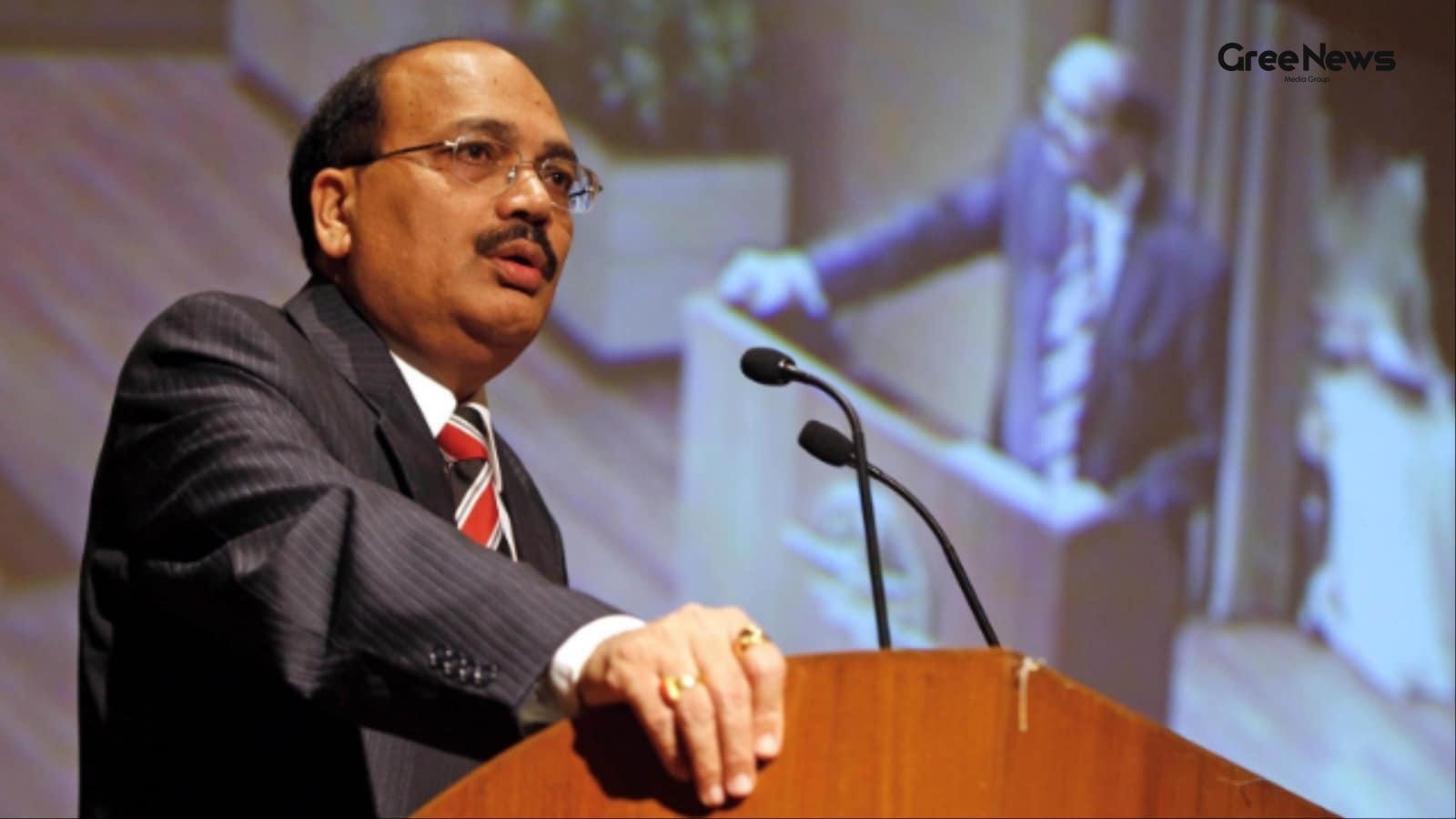
Chief Justice Surya Kant stepped in on the matter involving threats and intimidation aimed at former Bombay High Court judge Justice Gautam Patel. This happened while he was visiting the UK, raising the issue with India’s High Commissioner there. It came out of a report by The Times of India. The wh
Jun 10, 2026 by Gree News Team
The Political Feud: Shivakumar vs. Kumaraswamy and the Vokkaliga Rivalry
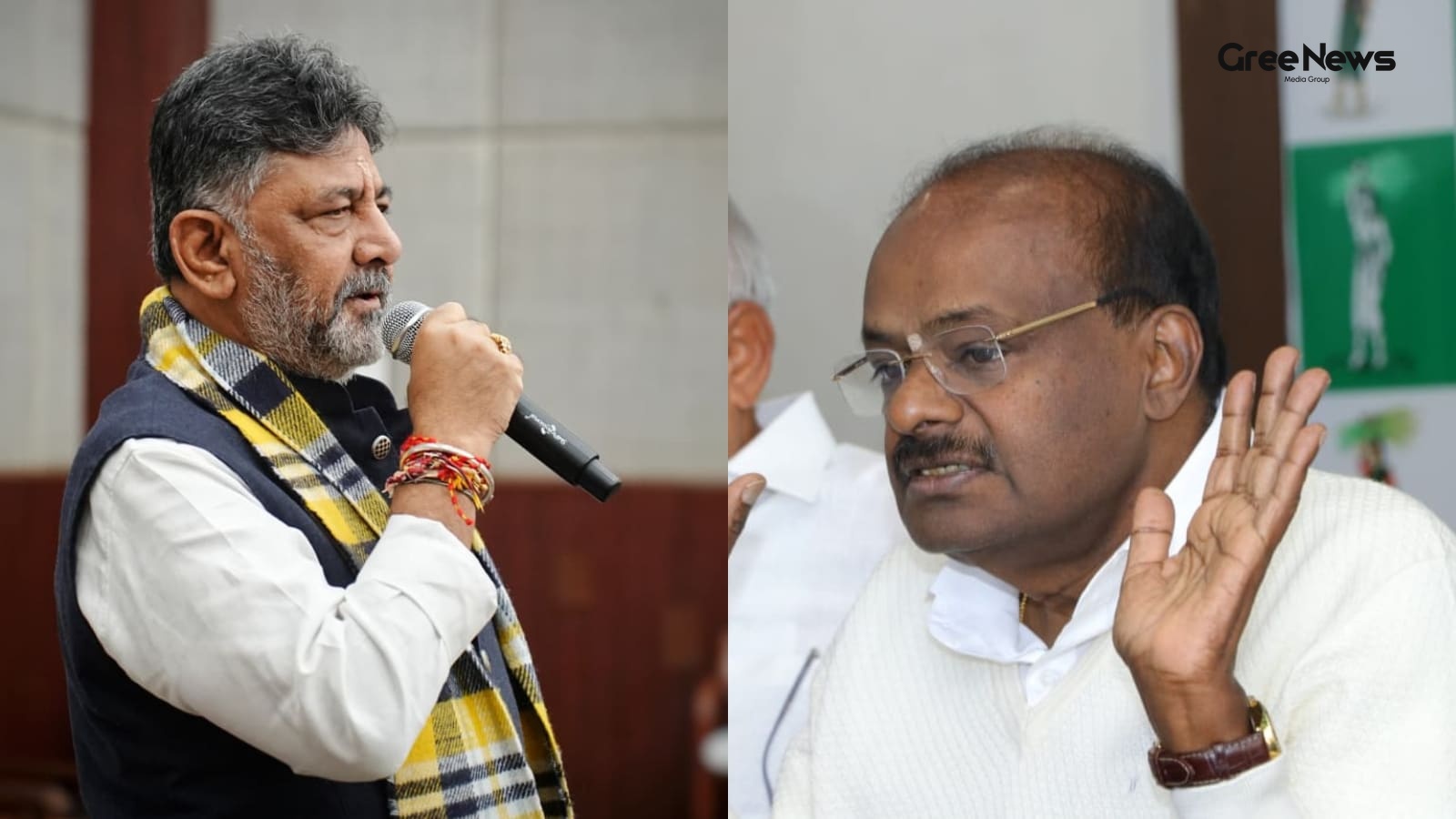
A meeting that hasn't even happened is already sparking political sparring. Karnataka Chief Minister DK Shivakumar and Union Minister HD Kumaraswamy. It just underlines how bitter one of the state’s longest-running rivalries still is. Shivakumar was doing some outreach, a carefully choreographed exe
Jun 10, 2026 by Gree News Team
The Global Nuclear Arms Race: Spending, Capabilities, and Future Risks
Nearly eight decades since Hiroshima and Nagasaki. And the world’s nuclear powers aren't slowing down. They keep spending more, modernizing faster, and experts are watching them move weapons out of storage and into potential use. It’s a real arms race happening right now. The nine states that hold n
Jun 10, 2026 by Gree News Team
Latest Headlines
Political Speculation and Internal Turmoil within the TMC
Fresh visuals surfaced of Sushmita Dev meeting Assam Chief Minister Himanta Biswa Sarma. That kind of thing just kicks the speculation into high gear about her next move. It’s all about her potential entry into the BJP, right? This happened right after she stepped down from Rajya Sabha and walked ou
Jun 10, 2026 by Gree News Team

FIFA World Cup 2026: Structure, Geography, and the Official Match Ball
The FIFA World Cup 2026 is really starting to feel imminent now. It’s heading toward North America the USA, Mexico, and Canada are slated to host this massive global spectacle. People are talking about it constantly. It’s not just a standard tournament anymore. This time around, they’re throwing way
Jun 10, 2026 by Gree News Team

Lionel Messi and Argentina's World Cup Journey in Group J
Argentina’s taking on Group J in this new setup USA, Mexico, and Canada it feels like more than just football now. It’s about that farewell, isn't it? Lionel Messi is chasing something special right now, playing out this final chapter with the Albiceleste against Algeria, Austria, and Jordan. There’
Jun 10, 2026 by Gree News Team
Federal Judge Bars Nitrogen Gas Execution in Alabama
A federal judge just slammed the door shut on Alabama’s plan to use nitrogen gas for executing Jeffery Lee. Permanently barred it, ruling the method violated basic constitutional rights about cruel and unusual punishment. This decision dropped like a stone. It came just one day after an appeals cour
Jun 10, 2026 by Gree News Team
Kerala Board Plus One Results 2026 Announcement and Checking Methods
The Kerala Board Plus One results for 2026 are finally coming today, June 10th. That’s when the Directorate of Higher Secondary Education will officially announce everything. Students who took the DHSE Kerala Class 11 exams in 2026 can start checking their scores now. You have a few places to look,
Jun 10, 2026 by Gree News Team
Threats and Intimidation Against Former Judge Justice Gautam Patel
Chief Justice Surya Kant stepped in on the matter involving threats and intimidation aimed at former Bombay High Court judge Justice Gautam Patel. This happened while he was visiting the UK, raising the issue with India’s High Commissioner there. It came out of a report by The Times of India. The wh
Jun 10, 2026 by Gree News Team

Intersection of Art, Politics, and Public Morality at Film Screening
The buzz around the screening for ‘Bharat Bhhagya Viddhaata’ was definitely something special that Tuesday evening in Delhi. It wasn't just about watching a movie; it felt like a convergence a mix of film fans, some political heavyweights, and a surprising amount of high-level government presence. P
Jun 10, 2026 by Gree News Team
The Political Feud: Shivakumar vs. Kumaraswamy and the Vokkaliga Rivalry
A meeting that hasn't even happened is already sparking political sparring. Karnataka Chief Minister DK Shivakumar and Union Minister HD Kumaraswamy. It just underlines how bitter one of the state’s longest-running rivalries still is. Shivakumar was doing some outreach, a carefully choreographed exe
Jun 10, 2026 by Gree News Team
Protest and Political Standoff in Mexico City Before the World Cup
A protest choked off an avenue leading right to Mexico City’s Azteca Stadium for hours on Tuesday. It was just days before that massive World Cup opening match. As football fans started flooding in, all those co-hosts the US, Canada, and Mexico you see the real mess happening back home. Thousands of
Jun 10, 2026 by Gree News Team
The Global Nuclear Arms Race: Spending, Capabilities, and Future Risks
Nearly eight decades since Hiroshima and Nagasaki. And the world’s nuclear powers aren't slowing down. They keep spending more, modernizing faster, and experts are watching them move weapons out of storage and into potential use. It’s a real arms race happening right now. The nine states that hold n
Jun 10, 2026 by Gree News Team
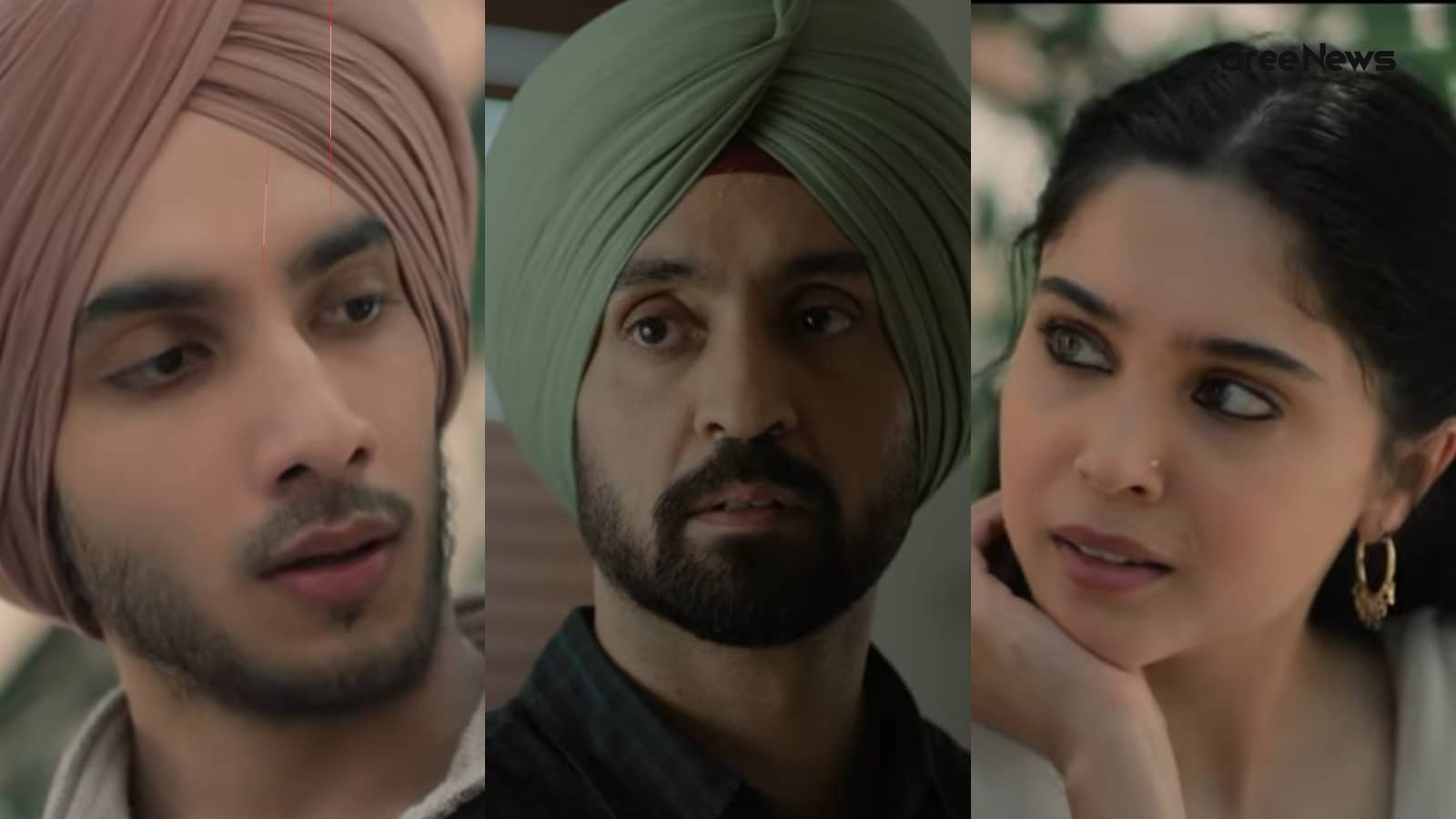
The Chaos of Cinema: Volume, Competition, and the Shifting Market
The Friday arrived packed. June 12th. It wasn't just another day; it was a collision of cinema. Nine films, all hitting the screens at once. *Main Vaapas Aaunga*, Imtiaz Ali’s directorial effort. Then you had Kangana Ranaut’s *Bharat Bhhagya Vidhaata*. And the horror mixed in Vikram Bhatt’s *Haunted
Jun 10, 2026 by Gree News Team

Stock Market Updates: June 10th Performance and Sector Analysis
Stock market updates today, June 10th. Everything turned sour in late trading Wednesday. Domestic equity markets basically gave up all those gains they managed to hold during the day. Heavy selling hit midcap, smallcap stocks, plus metals, realty, and financial names dragging the main indices into n
Jun 10, 2026 by Gree News Team
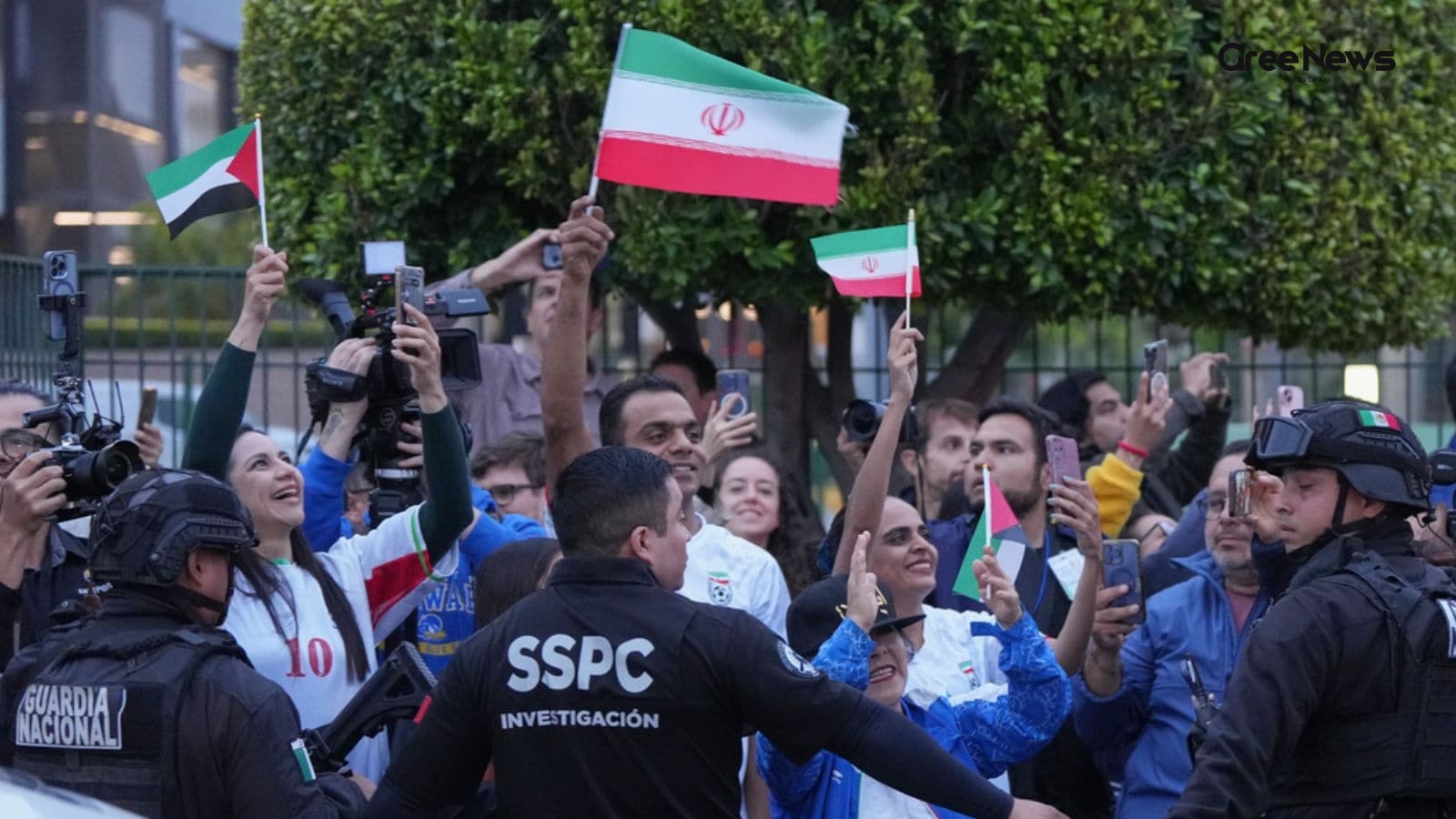
Iran Football Team Travel and World Cup Arrangements
Iran’s football team is heading to Los Angeles, apparently. They announced Tuesday that they'll be flying there the day before their first group-stage game against New Zealand. It feels like a lot happening all at once. But where exactly will they be staying? They won't actually be in L.A. for long.
Jun 10, 2026 by Gree News Team

The Impact of Gen AI on Job Applications and Hiring Strategies
When you start looking for a job, everyone builds this whole structure: the résumé, that killer cover letter, tailoring it perfectly. The whole point was always that application could make you jump out from the crowd of hundreds of applicants. But honestly? Recruiters are starting to think that play
Jun 10, 2026 by Gree News Team
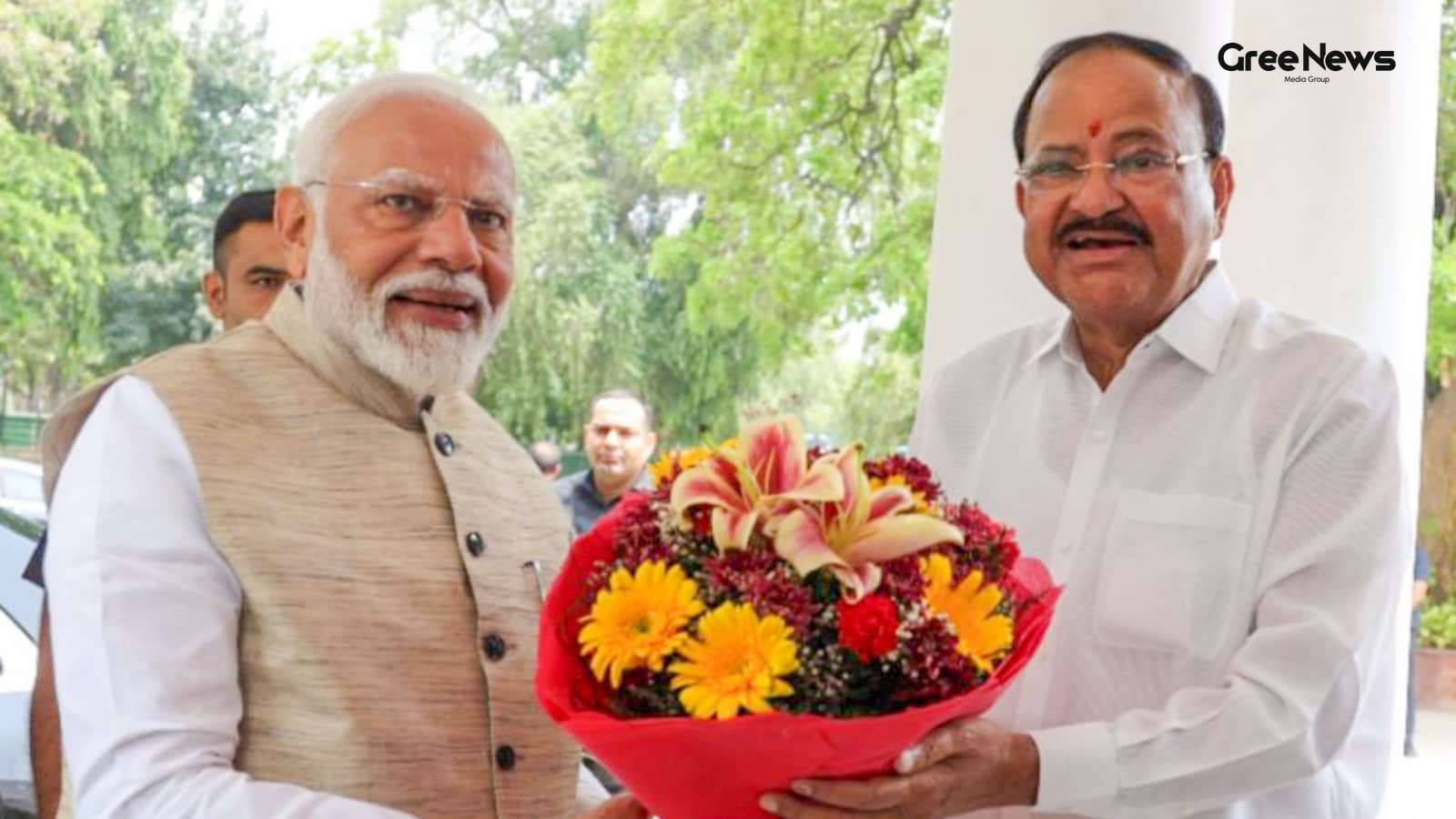
Narendra Modi's Milestone: India's Longest-Serving Prime Minister
Narendra Modi just hit a huge milestone. India’s longest-serving elected Prime Minister. Forty-three hundred ninety-nine days in office now. That beats Nehru's record, which was the first one. Former Vice President Venkaiah Naidu spoke about it. He praised the leadership and everything Modi has done
Jun 10, 2026 by Gree News Team