The Evolution of Music: Surabhi Dashputra's Journey from Classical to Contemporary

Surabhi Dashputra’s music path isn't a straight line. It doesn't move neatly from classical training straight into contemporary reinvention. It feels more like a raag slowly unfolding, phrase by careful phrase. There’s the strict discipline of the gurukul . The inheritance of a Maharashtrian home steeped in music. The emotional anchor of a father who just believed in her voice. Then there was the early immersion in Suresh Wadkar’s world of riyaz . And then, years later, the surprising ease with which Punjabi slipped into her artistic vocabulary. Nothing about this whole journey feels abrupt. Even the big leaps carry the memory of where she started.
It was about arranging yourself. Riyaz stopped being a routine. It became a temperament. That grounding stuck with her. It carried her through ghazals, devotional music, semi-classical stuff, film collaborations, independent releases, and now that vibrant Punjabi pop track, Ludhiyane Waleya , with Arjuna Harjai. The song sounds full of youthful confidence, a global pulse. But underneath all that looseness, there’s that quiet discipline of a voice that knows exactly where it comes from.
In a chat with News18 Showsha, she talked about those years in Wadkar ji’s guidance. Why Raag Yaman still sticks to her father’s faith in her voice. And how Punjabi never felt foreign, even with that deep Maharashtrian classical background. She mentioned working with Arjuna Harjai, the emotional shift behind songs like More Sajan , Rahiya Ve , and Dil Vich Rab . She also spoke about being a creative assistant on screen projects— Guddu Engineer , Prisoners of War . That work changed how she saw sound, how stories are told, and her own solo music.
Here are some bits from that conversation.
- You started in Wadkar ji’s gurukul in 2005. You spent years doing that traditional riyaz . Looking back, what one thing from that intense, almost monastic environment still feels most radical in today’s music world, all those algorithms and trends?
- The biggest lesson was that riyaz isn’t just practice. It’s a way of living. At the gurukul, music was woven into every moment. Even now, when everything moves so fast, chasing trends, that calm, focused approach? It keeps me grounded.
- You talked about your father’s support making singing possible. If you could thank him with one raag, one line from your repertoire, which would it be, and why does that piece still feel like the truest thanks?
- I’d pick Raag Yaman. My father loved hearing me sing Yaman from the very start. It’s the raag where he first felt, “My daughter can really sing.” Or maybe the lullaby my mother sang to me as a baby—a Yaman chhota khayal , “Sadashiv bhaj manaa.” Yaman just feels like home. The purest way to thank him.
- It just felt natural. My school management was Punjabi. I’d had it as a subject since childhood. The language always felt sweet, it just came to mind. I loved the phonetics of Punjabi. I was singing Punjabi songs long before I even started professionally. I met Arjuna Harjai in the gurukul. Through him, I heard so much more Punjabi music. So, it just felt familiar.
- Ludhiyane Waleya celebrates hometown pride, confidence. But it still carries that quiet restraint from the classical training. What was that internal conversation you had with your own voice before letting it loosen up into that vibrant Punjabi space?
- I told myself, “Don’t let technique become tension.” Classical training is strict. Punjabi pop is free. So I decided to trust the foundation.
- Your classical base is often said to keep you “grounded.” In the studio, while recording Ludhiyane Waleya , was there a specific moment when that grounding actually gave you the freedom to experiment instead of holding you back?
- I knew what I was singing. I wasn't guessing. That control helped me try new things without fear.
- In the last year or so, More Sajan , Rahiya Ve , and Dil Vich Rab hit two million streams. These are songs that prioritize melody, not just chasing viral hits. What does that organic connection tell you about what listeners secretly want from a classically trained voice today?
- The response tells me people still crave melody. They might enjoy viral stuff, sure. But they connect deeply with music driven by honesty, by the tune. A classically trained voice carries that honesty.
- More Sajan , your collaboration with Arjuna Harjai in 2024—it feels like a tender call to someone you care about. How has the emotional landscape of your independent work shifted since your earlier playback and semi-classical phase, especially after you started mentoring?
- Time has made my expression more real. More open. Earlier, I focused so much on technique and being correct. Now, I let the song guide me. Mentoring students changed me too. I’ve become kinder to myself. More grateful for every step.
Emotion.
As a creative assistant on big projects— Guddu Engineer , Prisoners of War , Abby Gold for the soundtrack—you learned how sound supports a story. That invisible work changed how I approach my own solo stuff.
Now, singing and thinking about the music just merge. When I sing, I automatically think about the arrangement. How much space the music needs. Where my voice should sit so everything balances. It makes me place every line with more intention. I’m not just hitting notes. I’m thinking about the whole picture. How my voice can shift the mood. It makes the singing more mindful. More connected to the production.
You co-founded ASM Academy with Arjuna Harjai in 2016. A space for Hindustani and light classical training, both in person and online. What’s it like watching the next generation try to balance tradition and modernity, the same tension you lived through?
It feels like watching my younger self. They want strong classical training. They want to sound modern. Their excitement gives me hope that classical music can grow in new ways.
Many of your students come to the academy looking for more than just technique. They want a sense of belonging. Has teaching shown you anything about your own journey that you missed while you were just performing?
It makes me patient. More grateful for every step.
It just keeps growing. Giving time to your voice. That’s something you can’t replace. Sur demands sincerity. Riyaz demands dedication. They are the foundation.
Your dreams aren't stopping you. They’re just arranging themselves.
Written by Gree News Team — Senior Editorial Board
Gree News Team covers international news and global affairs at Gree News. Our collective of senior editors is dedicated to providing independent, accurate, and responsible journalism for a global audience.
More from Movies
View All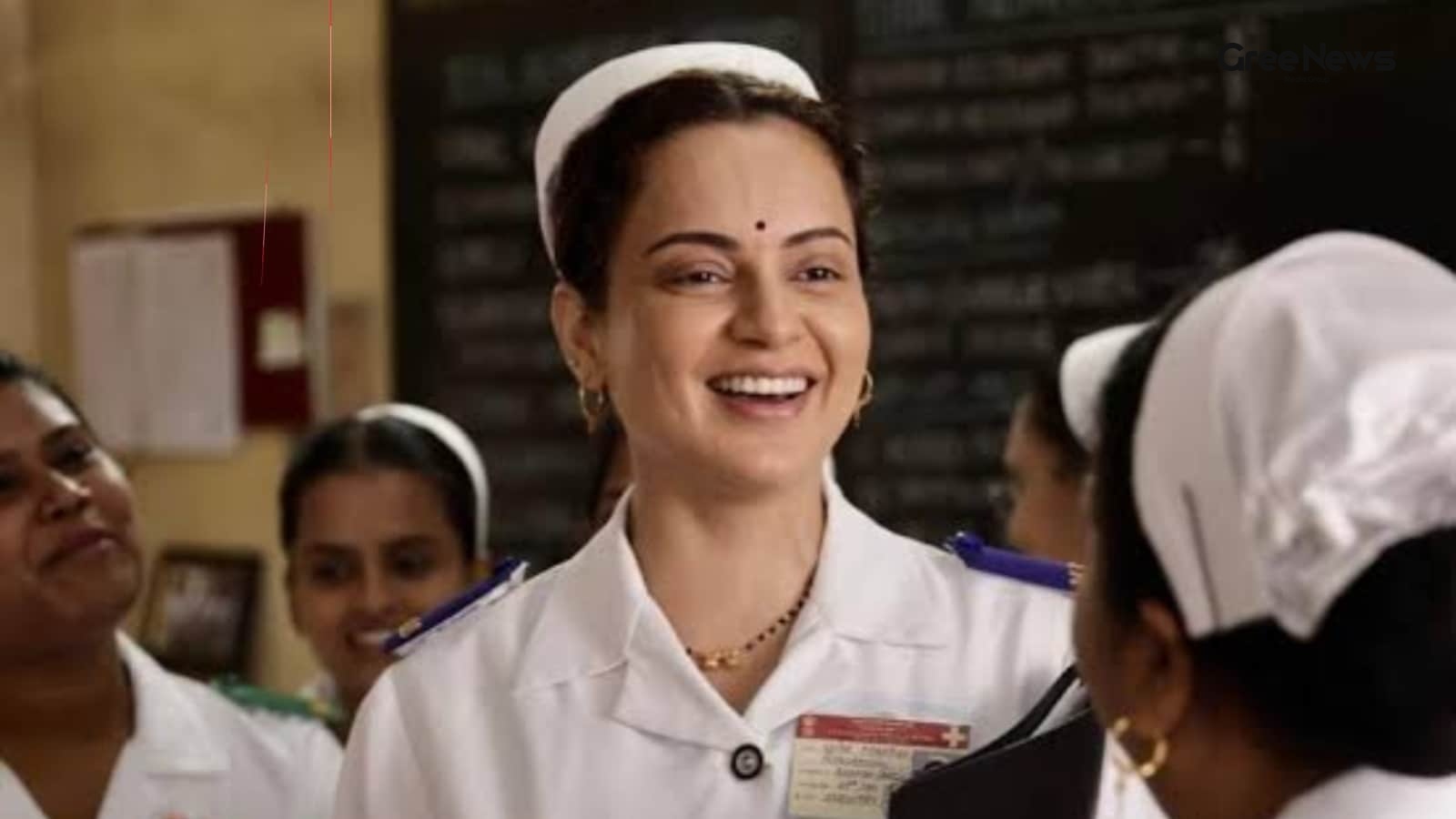
Intersection of Art, Politics, and Public Morality at Film Screening
The buzz around the screening for ‘Bharat Bhhagya Viddhaata’ was definitely something special that Tuesday evening in Delhi. It wasn't just about watching a movie; it felt like a convergence a mix of film fans, some political heavyweights, and a surprising amount of high-level government presence. P
Jun 10, 2026 by Gree News Team
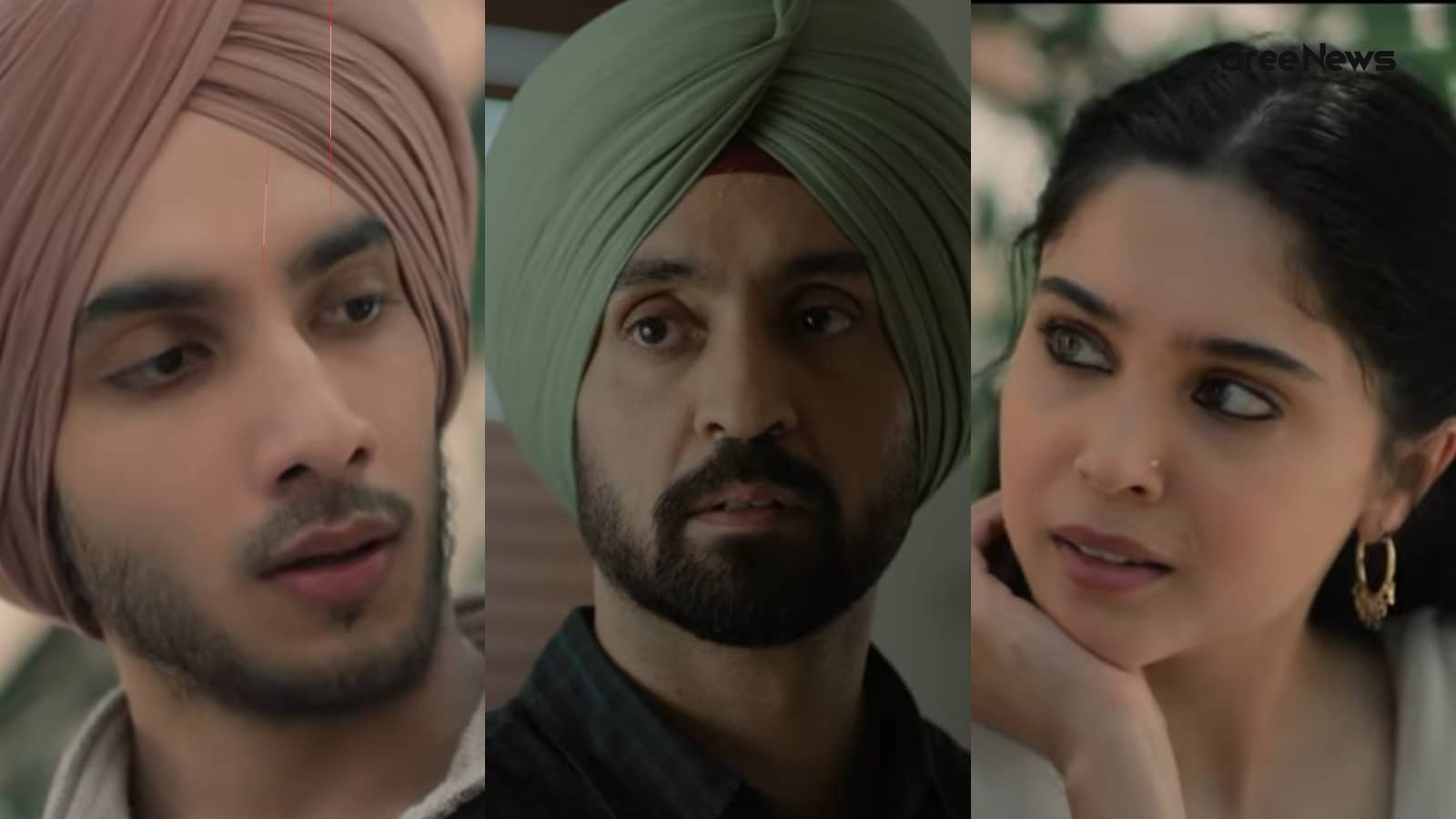
The Chaos of Cinema: Volume, Competition, and the Shifting Market
The Friday arrived packed. June 12th. It wasn't just another day; it was a collision of cinema. Nine films, all hitting the screens at once. *Main Vaapas Aaunga*, Imtiaz Ali’s directorial effort. Then you had Kangana Ranaut’s *Bharat Bhhagya Vidhaata*. And the horror mixed in Vikram Bhatt’s *Haunted
Jun 10, 2026 by Gree News Team

Janhvi Kapoor, Creature Horror, and the Dynamics of Industry Scrutiny
Janhvi Kapoor. right now she’s just... navigating things. you see those whispers in the industry? they always start small, a ripple that eventually becomes a wave, isn’t it? and this time, it feels like there's some actual movement happening. talks. rumors swirling around about what comes next for h
Jun 10, 2026 by Gree News Team
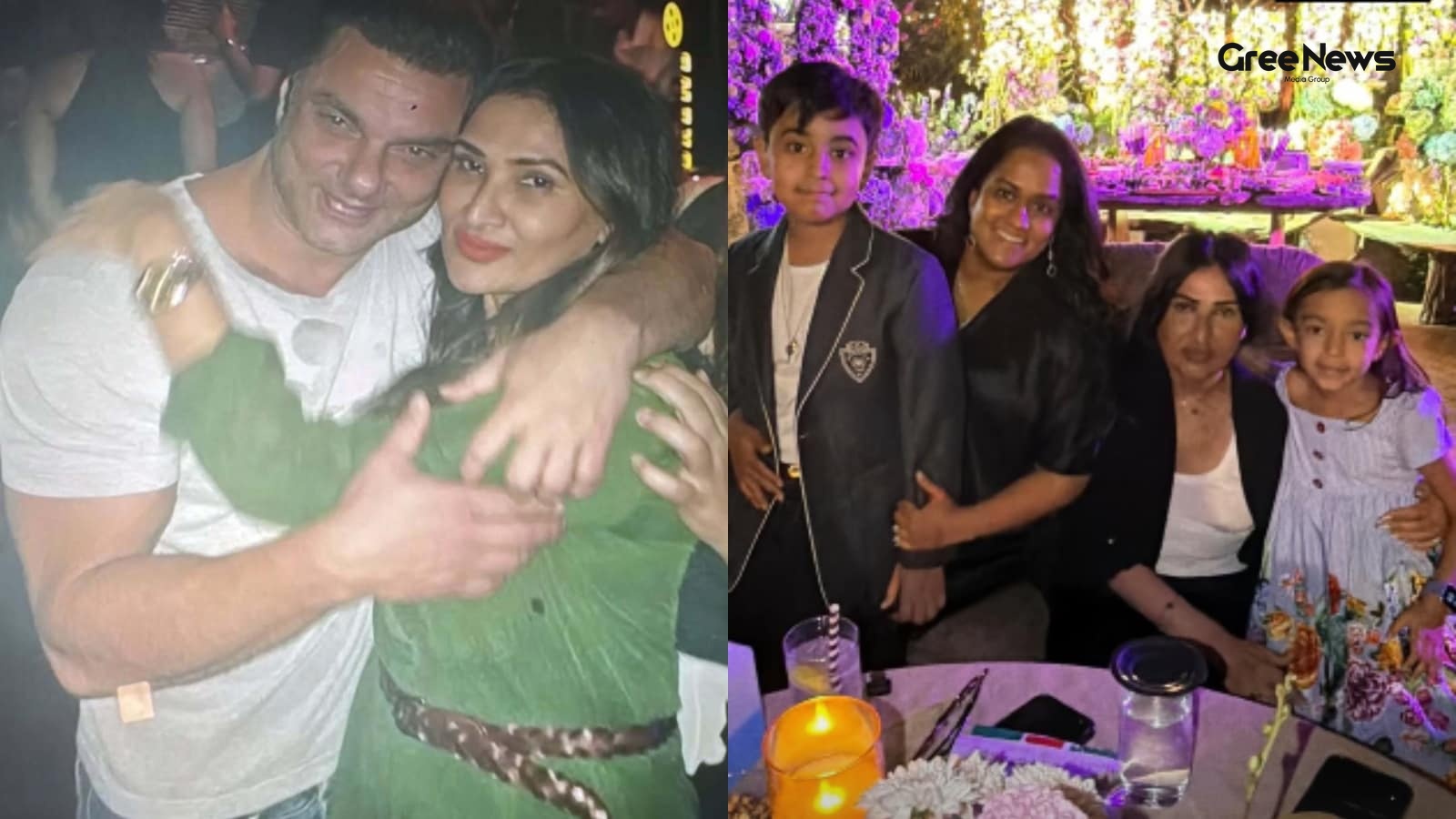
The Rawness of Grief: Public Reaction to Loss
The air just felt thick. That’s what hung over the news cycle these days. It started with Kumud Rane. It’s a messy aftermath. Pictures surfaces. Notes are dropped. People react. Not with polite distance, but with something raw, exposed. Salman Khan, for instance. He wasn't just watching the news; he
Jun 10, 2026 by Gree News Team
Latest Headlines
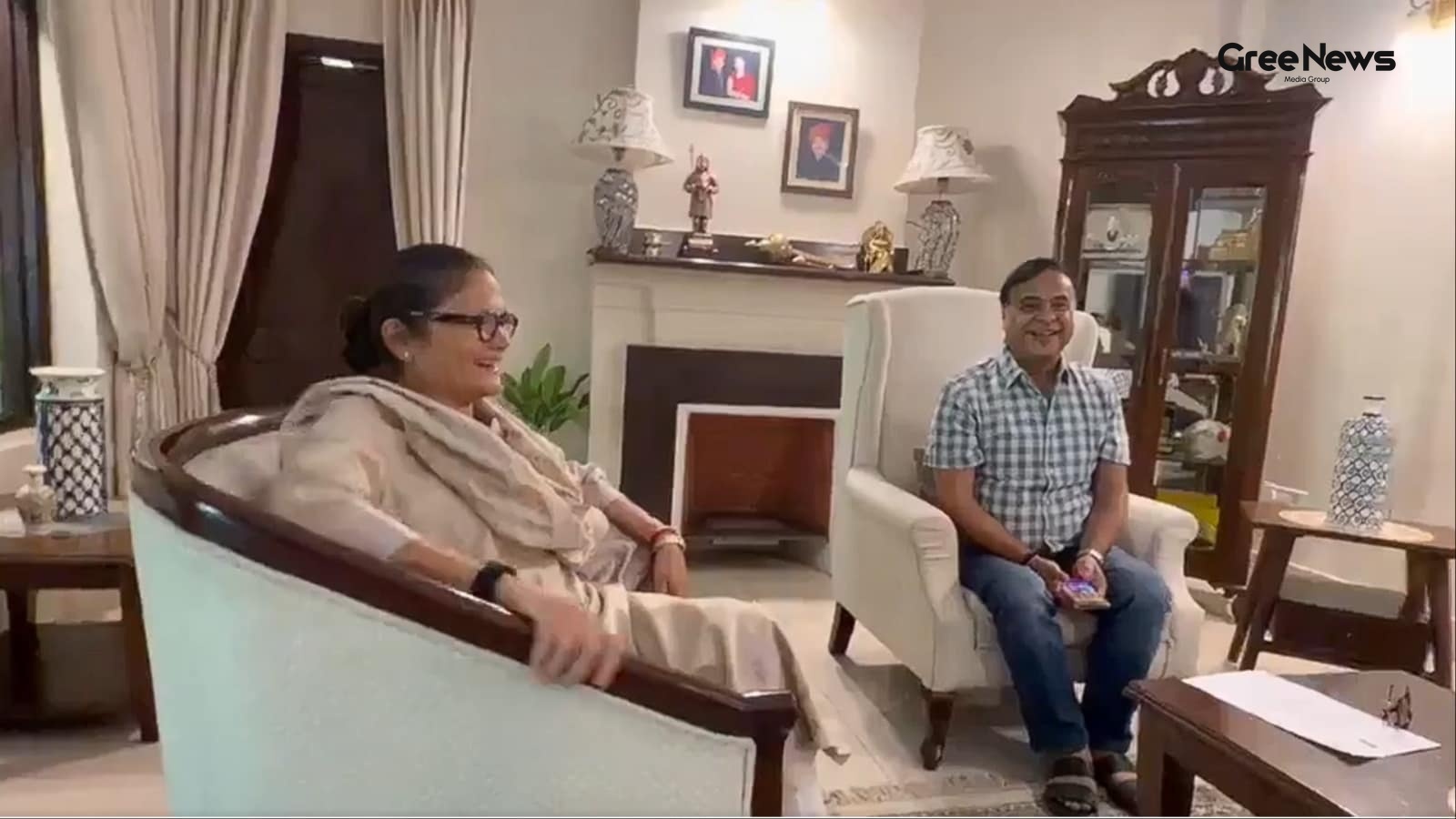
Political Speculation and Internal Turmoil within the TMC
Fresh visuals surfaced of Sushmita Dev meeting Assam Chief Minister Himanta Biswa Sarma. That kind of thing just kicks the speculation into high gear about her next move. It’s all about her potential entry into the BJP, right? This happened right after she stepped down from Rajya Sabha and walked ou
Jun 10, 2026 by Gree News Team
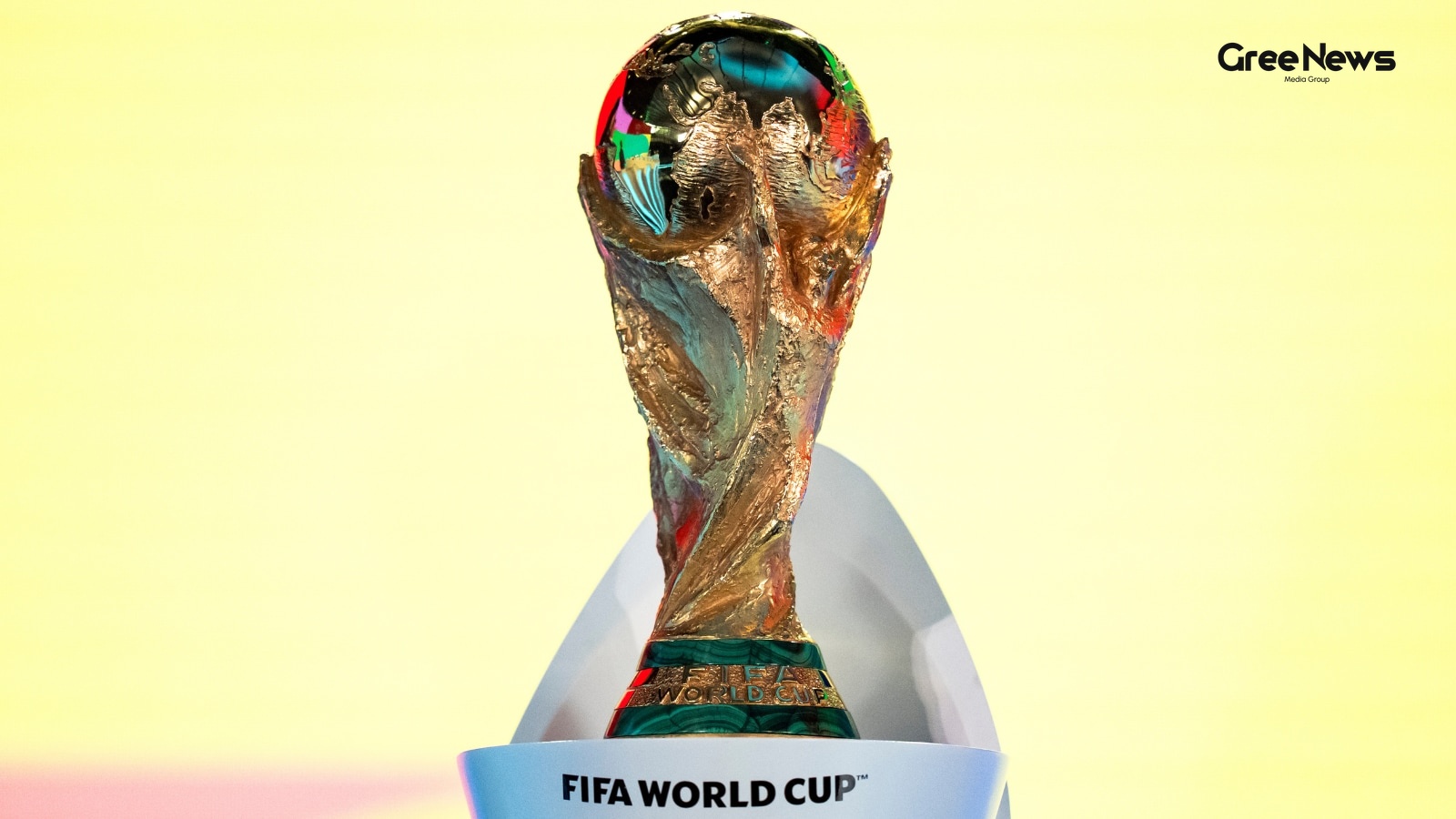
FIFA World Cup 2026: Structure, Geography, and the Official Match Ball
The FIFA World Cup 2026 is really starting to feel imminent now. It’s heading toward North America the USA, Mexico, and Canada are slated to host this massive global spectacle. People are talking about it constantly. It’s not just a standard tournament anymore. This time around, they’re throwing way
Jun 10, 2026 by Gree News Team
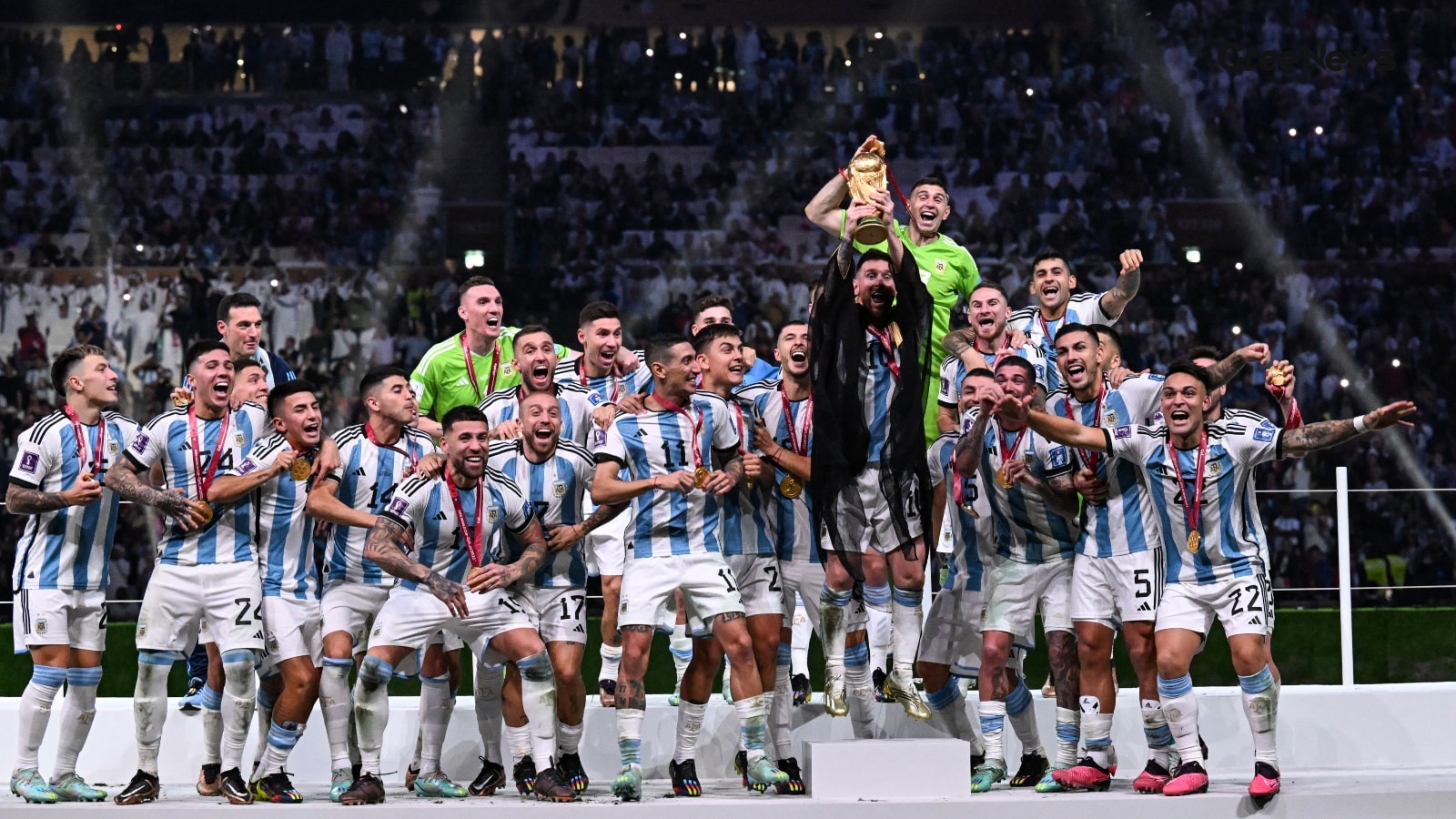
Lionel Messi and Argentina's World Cup Journey in Group J
Argentina’s taking on Group J in this new setup USA, Mexico, and Canada it feels like more than just football now. It’s about that farewell, isn't it? Lionel Messi is chasing something special right now, playing out this final chapter with the Albiceleste against Algeria, Austria, and Jordan. There’
Jun 10, 2026 by Gree News Team

Federal Judge Bars Nitrogen Gas Execution in Alabama
A federal judge just slammed the door shut on Alabama’s plan to use nitrogen gas for executing Jeffery Lee. Permanently barred it, ruling the method violated basic constitutional rights about cruel and unusual punishment. This decision dropped like a stone. It came just one day after an appeals cour
Jun 10, 2026 by Gree News Team
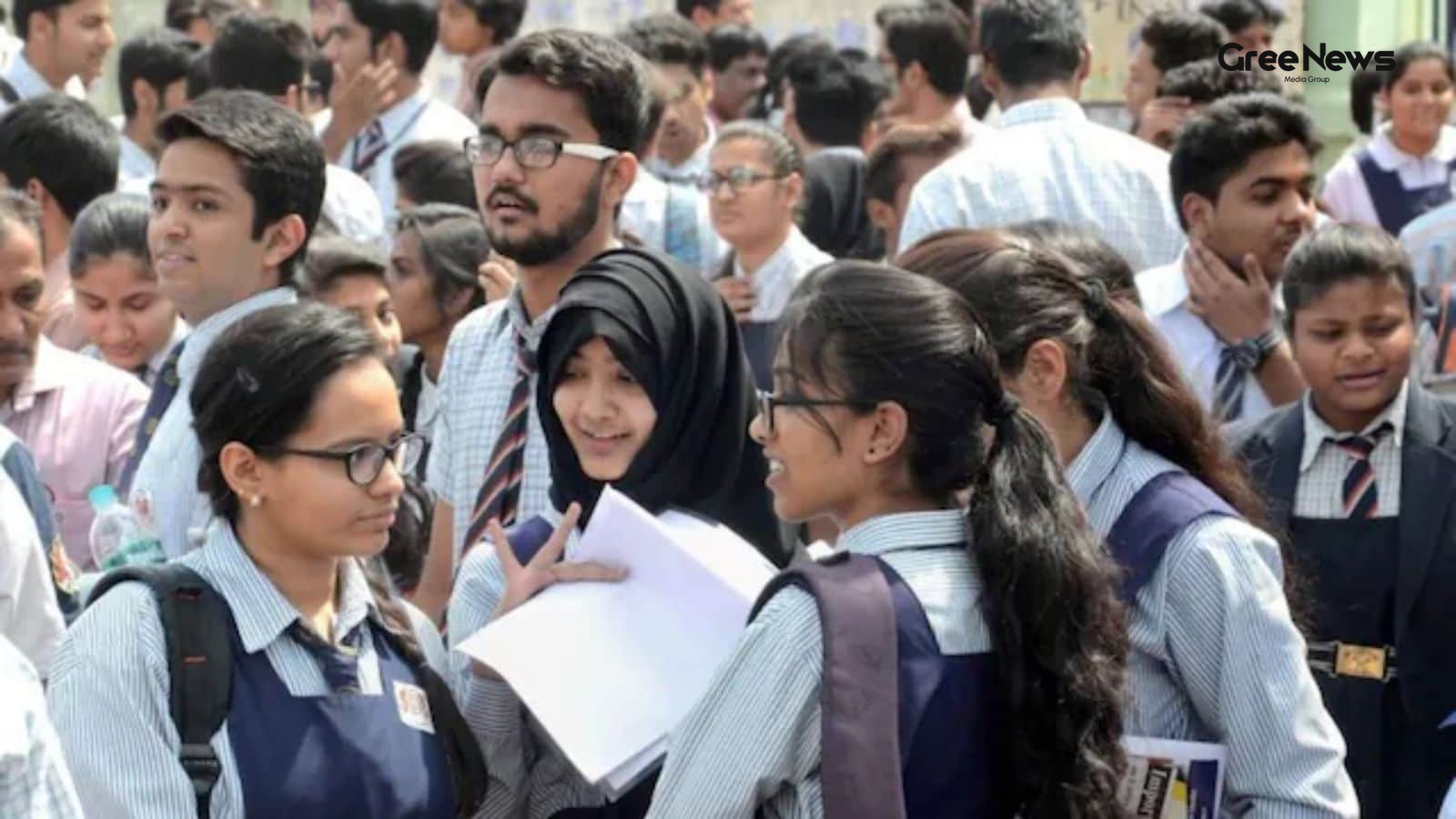
Kerala Board Plus One Results 2026 Announcement and Checking Methods
The Kerala Board Plus One results for 2026 are finally coming today, June 10th. That’s when the Directorate of Higher Secondary Education will officially announce everything. Students who took the DHSE Kerala Class 11 exams in 2026 can start checking their scores now. You have a few places to look,
Jun 10, 2026 by Gree News Team
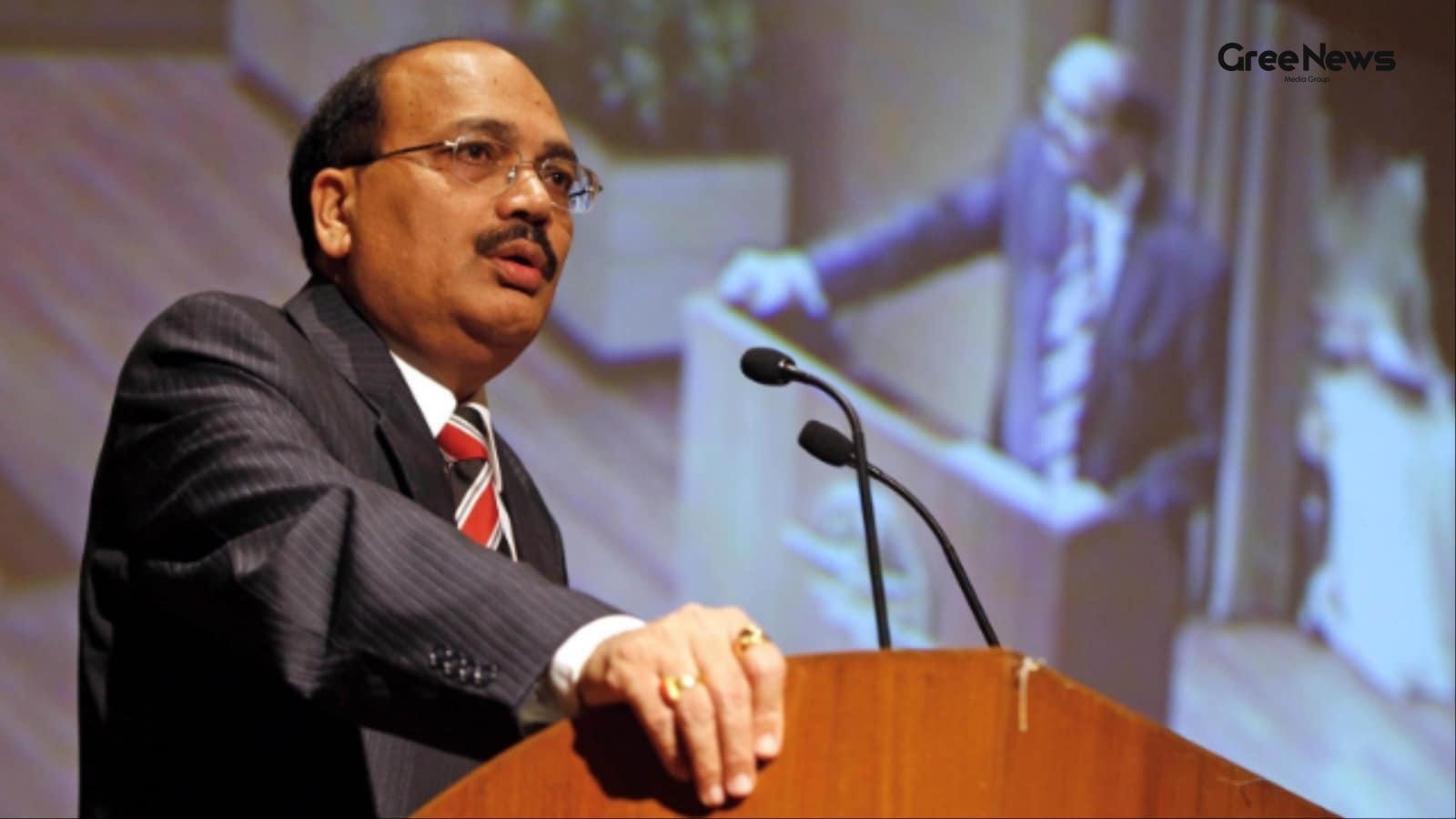
Threats and Intimidation Against Former Judge Justice Gautam Patel
Chief Justice Surya Kant stepped in on the matter involving threats and intimidation aimed at former Bombay High Court judge Justice Gautam Patel. This happened while he was visiting the UK, raising the issue with India’s High Commissioner there. It came out of a report by The Times of India. The wh
Jun 10, 2026 by Gree News Team
Intersection of Art, Politics, and Public Morality at Film Screening
The buzz around the screening for ‘Bharat Bhhagya Viddhaata’ was definitely something special that Tuesday evening in Delhi. It wasn't just about watching a movie; it felt like a convergence a mix of film fans, some political heavyweights, and a surprising amount of high-level government presence. P
Jun 10, 2026 by Gree News Team
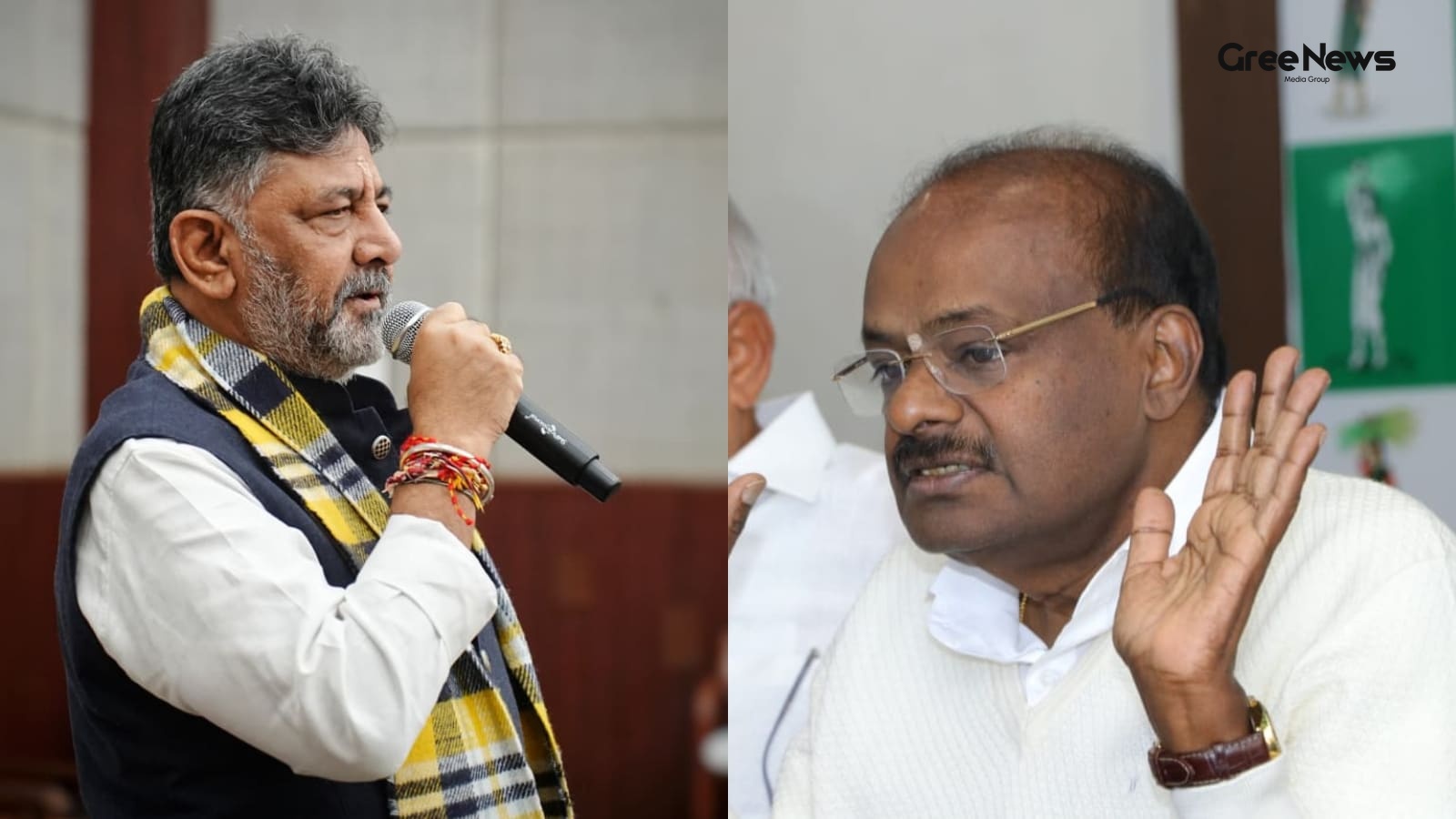
The Political Feud: Shivakumar vs. Kumaraswamy and the Vokkaliga Rivalry
A meeting that hasn't even happened is already sparking political sparring. Karnataka Chief Minister DK Shivakumar and Union Minister HD Kumaraswamy. It just underlines how bitter one of the state’s longest-running rivalries still is. Shivakumar was doing some outreach, a carefully choreographed exe
Jun 10, 2026 by Gree News Team
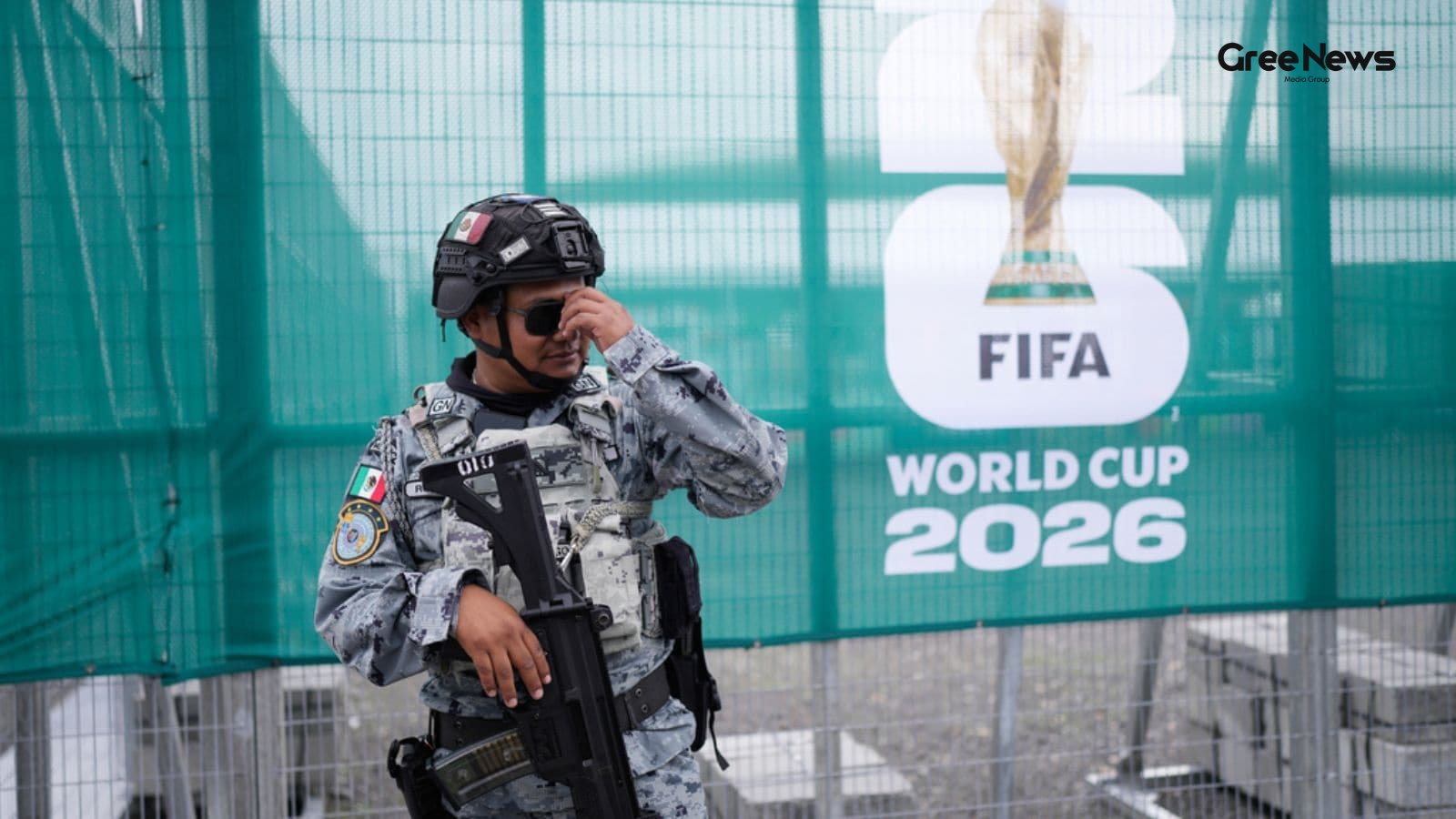
Protest and Political Standoff in Mexico City Before the World Cup
A protest choked off an avenue leading right to Mexico City’s Azteca Stadium for hours on Tuesday. It was just days before that massive World Cup opening match. As football fans started flooding in, all those co-hosts the US, Canada, and Mexico you see the real mess happening back home. Thousands of
Jun 10, 2026 by Gree News Team
The Global Nuclear Arms Race: Spending, Capabilities, and Future Risks
Nearly eight decades since Hiroshima and Nagasaki. And the world’s nuclear powers aren't slowing down. They keep spending more, modernizing faster, and experts are watching them move weapons out of storage and into potential use. It’s a real arms race happening right now. The nine states that hold n
Jun 10, 2026 by Gree News Team
The Chaos of Cinema: Volume, Competition, and the Shifting Market
The Friday arrived packed. June 12th. It wasn't just another day; it was a collision of cinema. Nine films, all hitting the screens at once. *Main Vaapas Aaunga*, Imtiaz Ali’s directorial effort. Then you had Kangana Ranaut’s *Bharat Bhhagya Vidhaata*. And the horror mixed in Vikram Bhatt’s *Haunted
Jun 10, 2026 by Gree News Team

Stock Market Updates: June 10th Performance and Sector Analysis
Stock market updates today, June 10th. Everything turned sour in late trading Wednesday. Domestic equity markets basically gave up all those gains they managed to hold during the day. Heavy selling hit midcap, smallcap stocks, plus metals, realty, and financial names dragging the main indices into n
Jun 10, 2026 by Gree News Team
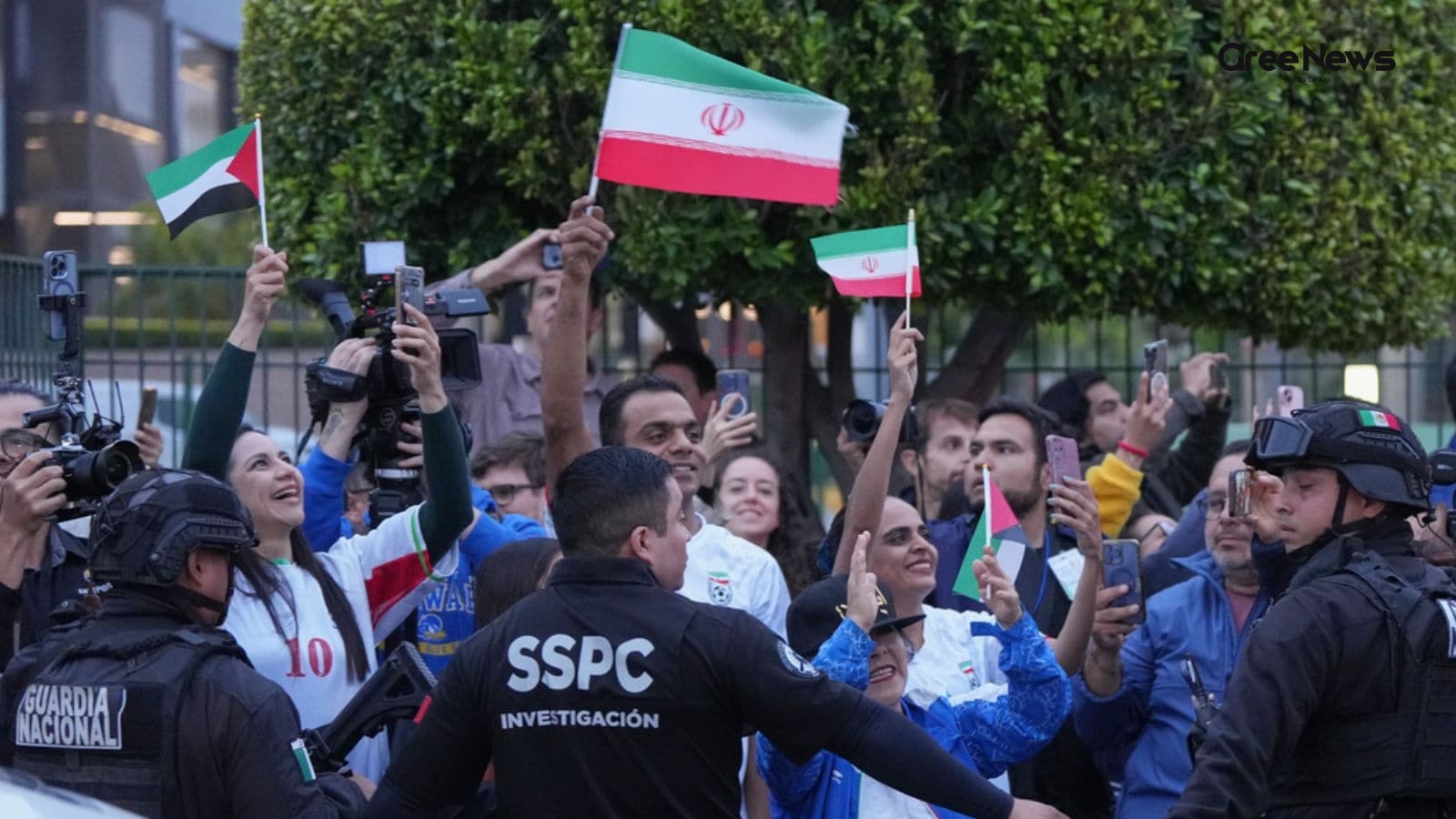
Iran Football Team Travel and World Cup Arrangements
Iran’s football team is heading to Los Angeles, apparently. They announced Tuesday that they'll be flying there the day before their first group-stage game against New Zealand. It feels like a lot happening all at once. But where exactly will they be staying? They won't actually be in L.A. for long.
Jun 10, 2026 by Gree News Team

The Impact of Gen AI on Job Applications and Hiring Strategies
When you start looking for a job, everyone builds this whole structure: the résumé, that killer cover letter, tailoring it perfectly. The whole point was always that application could make you jump out from the crowd of hundreds of applicants. But honestly? Recruiters are starting to think that play
Jun 10, 2026 by Gree News Team
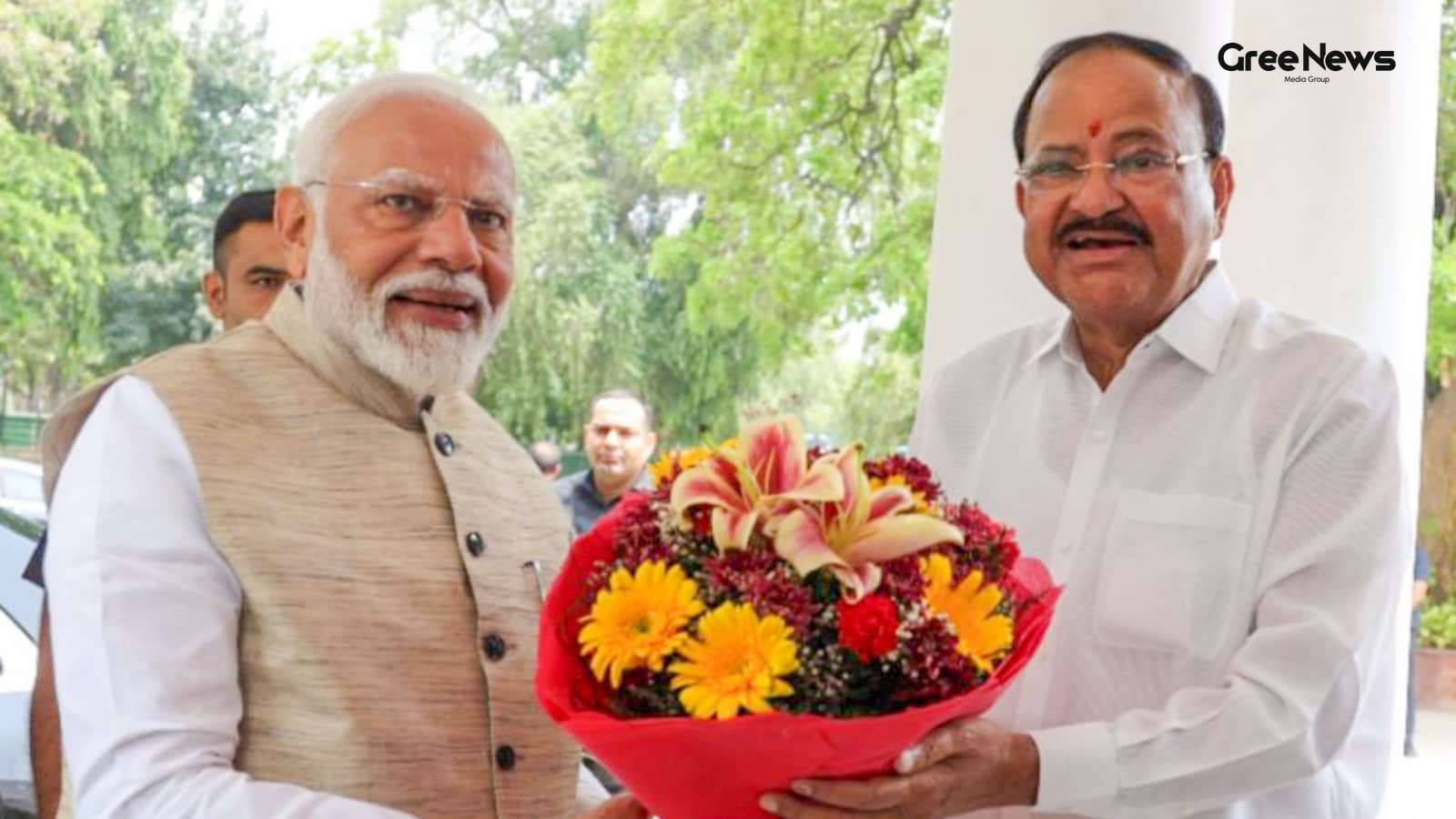
Narendra Modi's Milestone: India's Longest-Serving Prime Minister
Narendra Modi just hit a huge milestone. India’s longest-serving elected Prime Minister. Forty-three hundred ninety-nine days in office now. That beats Nehru's record, which was the first one. Former Vice President Venkaiah Naidu spoke about it. He praised the leadership and everything Modi has done
Jun 10, 2026 by Gree News Team