The Internal Crisis and Factionalism within the Trinamool Congress
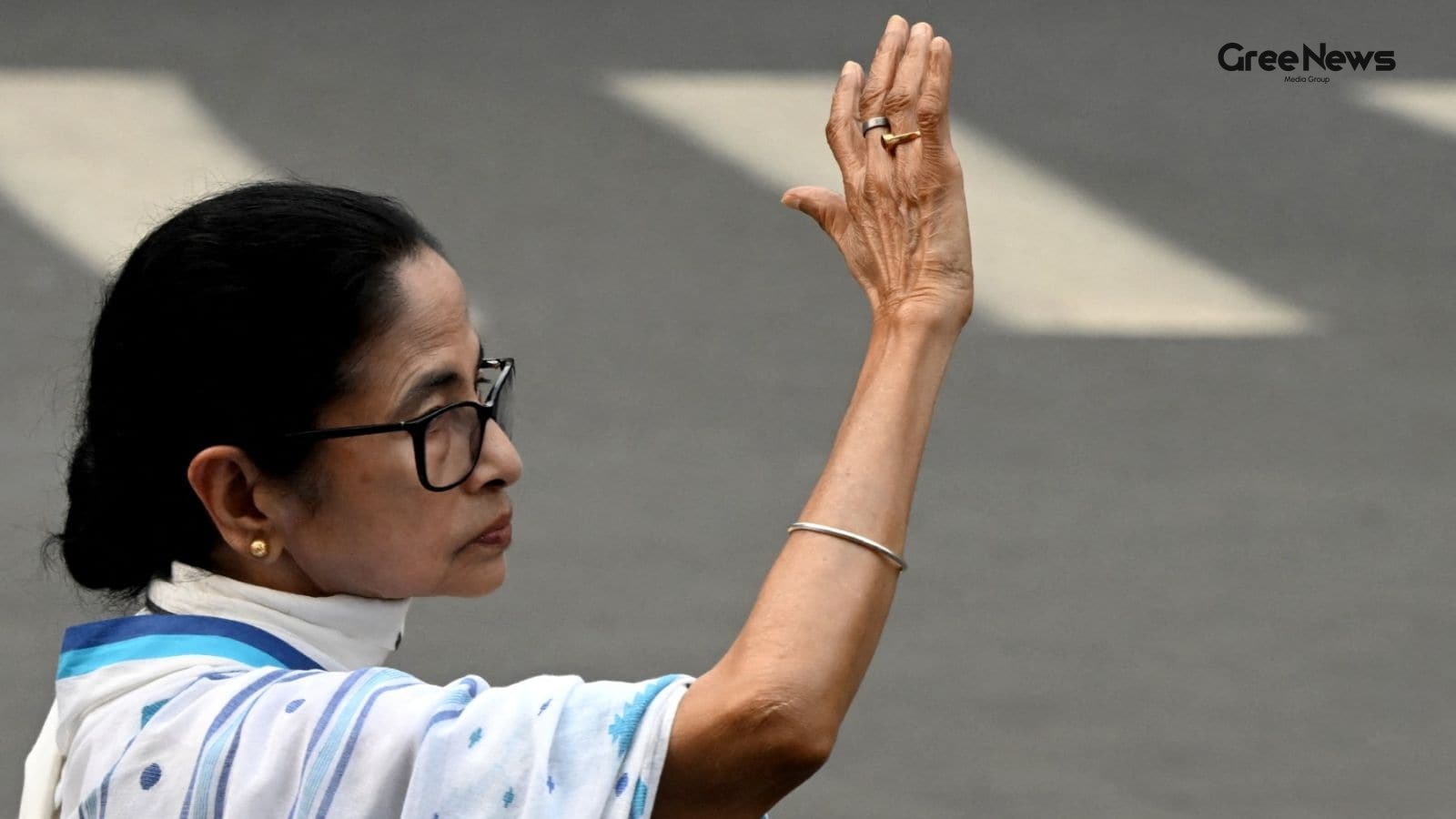
The public spat between senior Trinamool MPs Kakoli Ghosh Dastidar and Kalyan Banerjee just keeps surfacing. It’s another crack in the façade.
And what it reveals? It just rehashes that contradiction that has been hanging over the Trinamool Congress for ages. It’s not about ideology anymore. It’s about something much dirtier. Convenience . Patronage networks . The whole messy web of money and shifting power equations that defines the party from the inside.
It started as a regional push against the Left. That’s what everyone remembers. But it morphed. It became this political ecosystem where loyalty isn't fixed. It’s transactional. Factions survive because they have access. And when the balance of power wobbles, they all explode.
Every time the Trinamool felt the ground shifting, whether it was the 2019 Lok Sabha results or gearing up for the 2021 assembly polls, the reaction was the same. People chose to jump ship instead of sticking around. They gravitated toward whoever seemed like the center of survival.
And now? After the massive first defeat, the leaders and the cadres seem to be vanishing. Poof. They just disappear, instead of staying put with their leader.
Look at the numbers now. Insiders are whispering that at least eleven more senior leaders are seriously weighing their options. Four MPs. Three former ministers. They’re not just talking. They’re looking at the exit door. This feels like the deepest internal crisis the party has faced since it started.
The factionalism isn't some abstract concept. It’s out there, in the open. It’s been spilling into the public domain whenever things get stressful. You see it everywhere.
Sougata Roy openly criticizing certain groups inside the party. Then you have the bitter clashes. Mahua Moitra and Kalyan Banerjee. Then the old MP Sudip Banerjee arguing with MLA Kunal Ghosh. And Banerjee’s sharp exchanges with Kakoli Ghosh Dastidar. Trinamool’s internal fractures aren't hidden anymore. They’re visible. They spill out.
It’s a pattern.
We saw it earlier, too. When Sukhendu Sekhar Roy and Santanu Sen broke ranks during those protests—following the RG Kar rape and murder case—it showed the rot. Then there was Dinesh Trivedi, a former railway minister, pointing out the whole culture of political violence in the state. Leaders started turning on each other. Sometimes they even dragged these disputes into official spaces, the Election Commission, Parliament.
It all traces back to a deeper power struggle. Abhishek Banerjee’s growing ecosystem versus the old Mamata loyalist guard. There’s this tension bubbling up. Mukul Roy versus Abhishek. Abhishek clashing with Suvendu Adhikari before he left in 2020. And the growing distrust between the younger strategists and the veteran organizational leaders. It’s a party where competing camps operate openly. Endless confrontations. It just exposes either Mamata Banerjee’s inability to control the fragmentation or a fundamental unwillingness to do so.
Then there’s the fallout from the recent results. Post the 2026 elections, the churn started immediately. National spokesperson Riju Dutta openly expressing discontent. He’s one of the faces you recognize in Parliament now. And then there’s Dastidar. Her outburst. It’s another sign of the turmoil inside a party that used to project this image of absolute control under Mamata Banerjee.
Dastidar’s situation isn't just about a disaGreement. It’s a careful posturing. She and her husband, Sudarshan Ghosh Dastidar, they’ve been part of that old loyalist network for decades. They stood with Mamata through the anti-Left movement.
When these faces start showing discomfort, it suggests something bigger. It’s not just small factional squabbles. It’s a genuine crisis of confidence.
The pattern repeats itself. Every time there was a stumble, the fissures opened up dramatically. Think back to the 2019 Lok Sabha elections. When the BJP surged across Bengal and started chipping away at Trinamool’s dominance, defections became the norm. It started with Mukul Roy. He was the architect of the party’s structure. The 'father of factionalism.' He understood every layer of the network. His exit shook the party because he carried institutional memory, not just influence.
Then you had the simultaneous rise of Abhishek Banerjee. A parallel power center. The leadership showed unity publicly. But behind closed doors? Lots of humiliation. Exclusion. Constant interference from the younger managers and the consultant teams.
The whole dynamic shifted. The influence of strategists, data operators, the I-PAC ecosystem—that changed the party’s vibe. The old guard, who built the organization through street agitation, suddenly found themselves sidelined by presentation politics.
People started leaving. Dinesh Trivedi quit, accusing the party of abandoning democracy. Mukul Roy and Suvendu Adhikari, once central to the rural expansion push, just crossed over to the BJP. Ministers and senior figures with strong district bases? They either defected or just went quiet. What really bothers people is how these old loyalists were discarded once they stopped being useful.
To fill the void, the party started stuffing itself with film stars, actors, social media faces. Electorally useful in the cities, sure. But it created massive resentment among the long-time workers. They felt that ideological commitment, that street-level struggle, it all meant nothing anymore. They felt replaceable.
Ironically, despite all the national ambitions Mamata Banerjee has, the Trinamool Congress never really became a national force. Regional parties, like the JD(U) or the TDP, managed to stay relevant for decades because they built something deeper. Ideological roots. Organizational depth that went beyond just personality cults. Trinamool, even with all the branding, stayed mostly stuck in Bengal’s political orbit.
The real, deeper problem isn't just the opposition. It’s the foundation itself.
The TMC was born out of a violent anti-Left movement. Fueled by street aggression. Cadre aggression.
Unlike the CPI(M), which managed to stay coherent despite electoral collapse, the TMC’s glue was almost always access. Power. Patronage. Local dominance. Control over resources. That model works fine when you are unbeatable. But the moment vulnerability shows, the whole structure starts to break apart fast. That’s why every political setback causes such disproportionate panic inside the Trinamool ecosystem.
Leaders who got into politics through networks, not pure ideology, naturally look for safer bets when the power gets shaky. That’s what’s happening now. The turbulence reflects this structural weakness. The party isn't collapsing in a single night. But for the first time since it began, it looks genuinely vulnerable. Not just because of the opposition. But because of itself.
Written by Gree News Team — Senior Editorial Board
Gree News Team covers international news and global affairs at Gree News. Our collective of senior editors is dedicated to providing independent, accurate, and responsible journalism for a global audience.
More from India
View All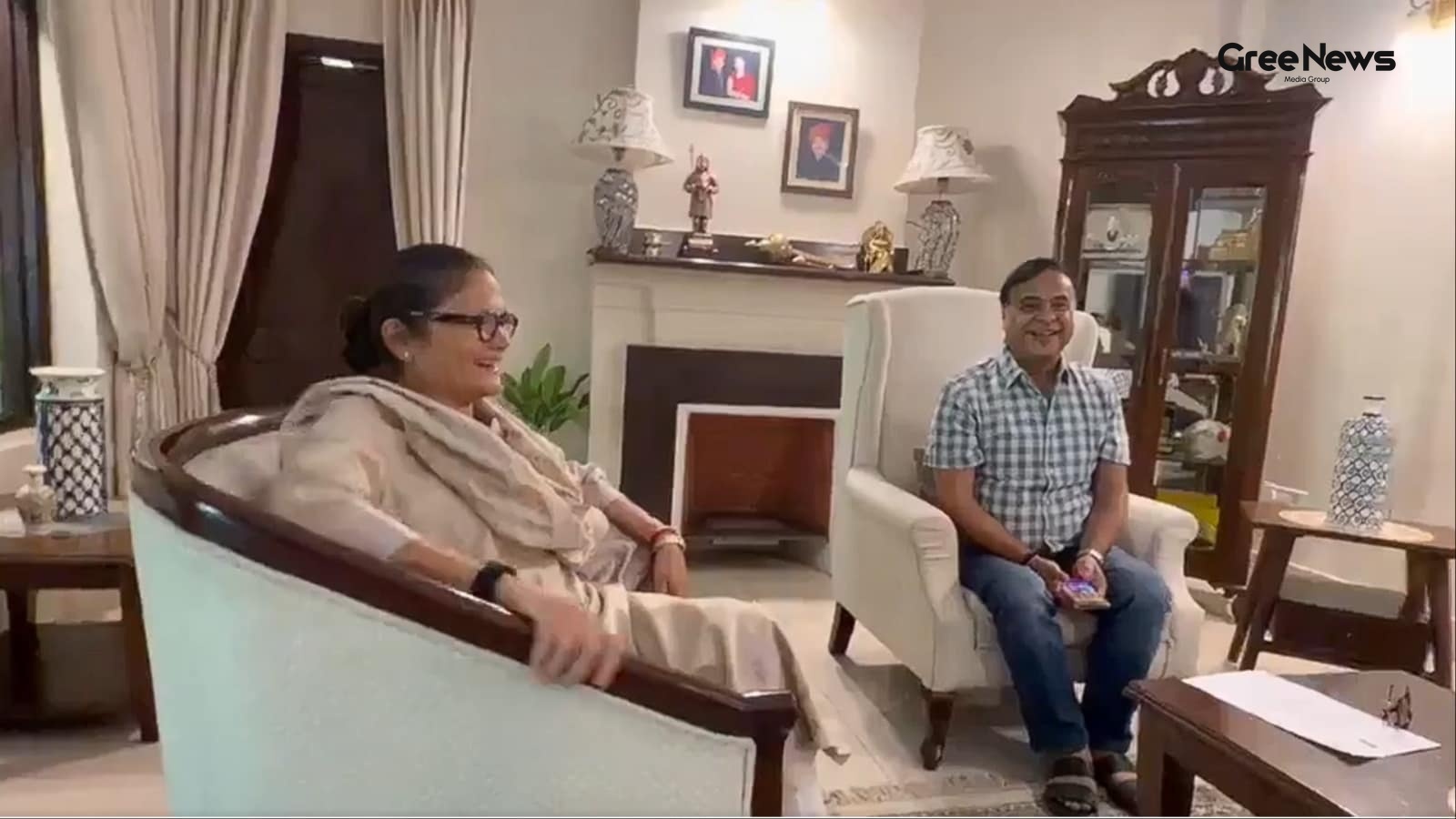
Political Speculation and Internal Turmoil within the TMC
Fresh visuals surfaced of Sushmita Dev meeting Assam Chief Minister Himanta Biswa Sarma. That kind of thing just kicks the speculation into high gear about her next move. It’s all about her potential entry into the BJP, right? This happened right after she stepped down from Rajya Sabha and walked ou
Jun 10, 2026 by Gree News Team
Threats and Intimidation Against Former Judge Justice Gautam Patel
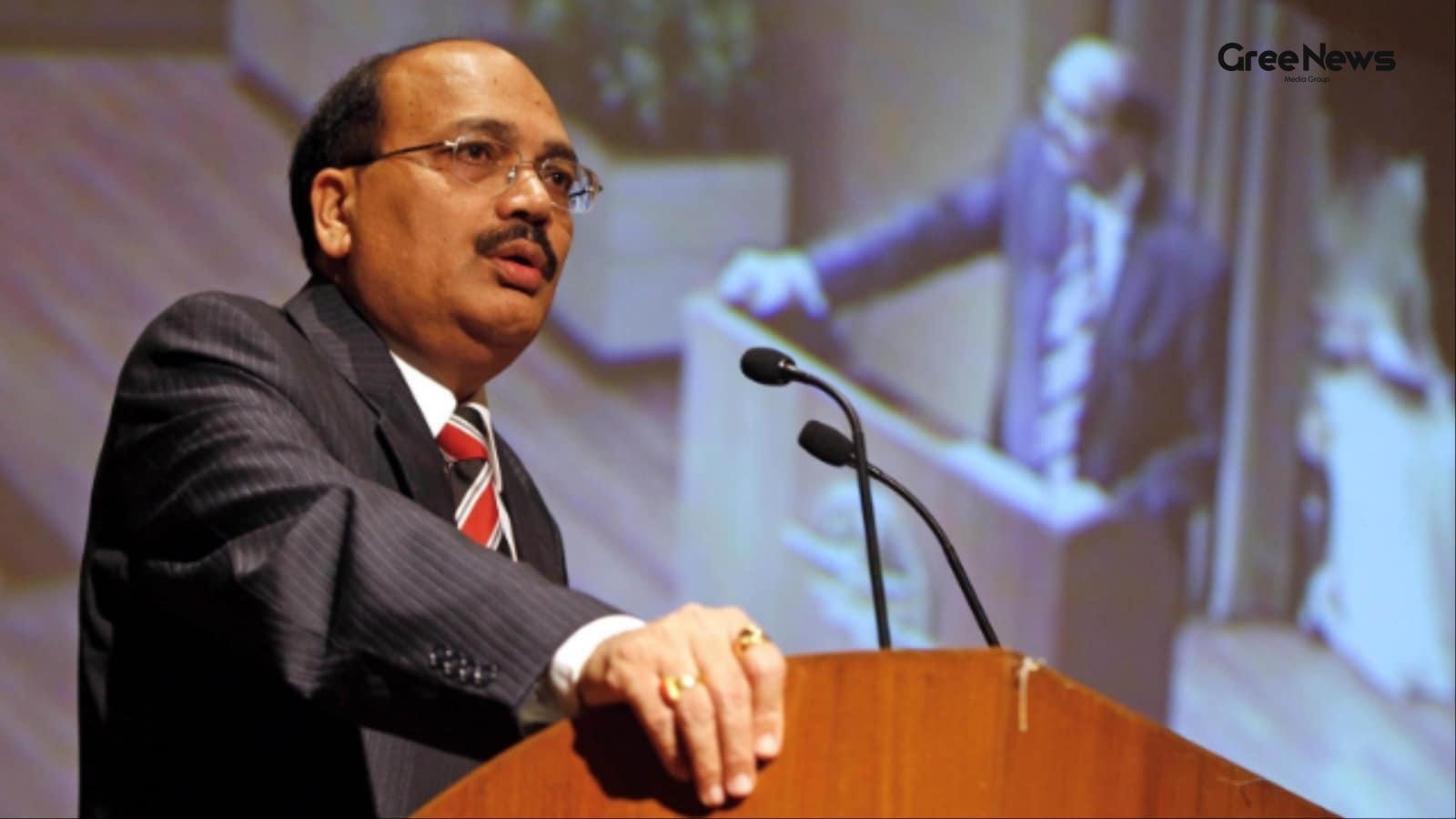
Chief Justice Surya Kant stepped in on the matter involving threats and intimidation aimed at former Bombay High Court judge Justice Gautam Patel. This happened while he was visiting the UK, raising the issue with India’s High Commissioner there. It came out of a report by The Times of India. The wh
Jun 10, 2026 by Gree News Team
The Political Feud: Shivakumar vs. Kumaraswamy and the Vokkaliga Rivalry
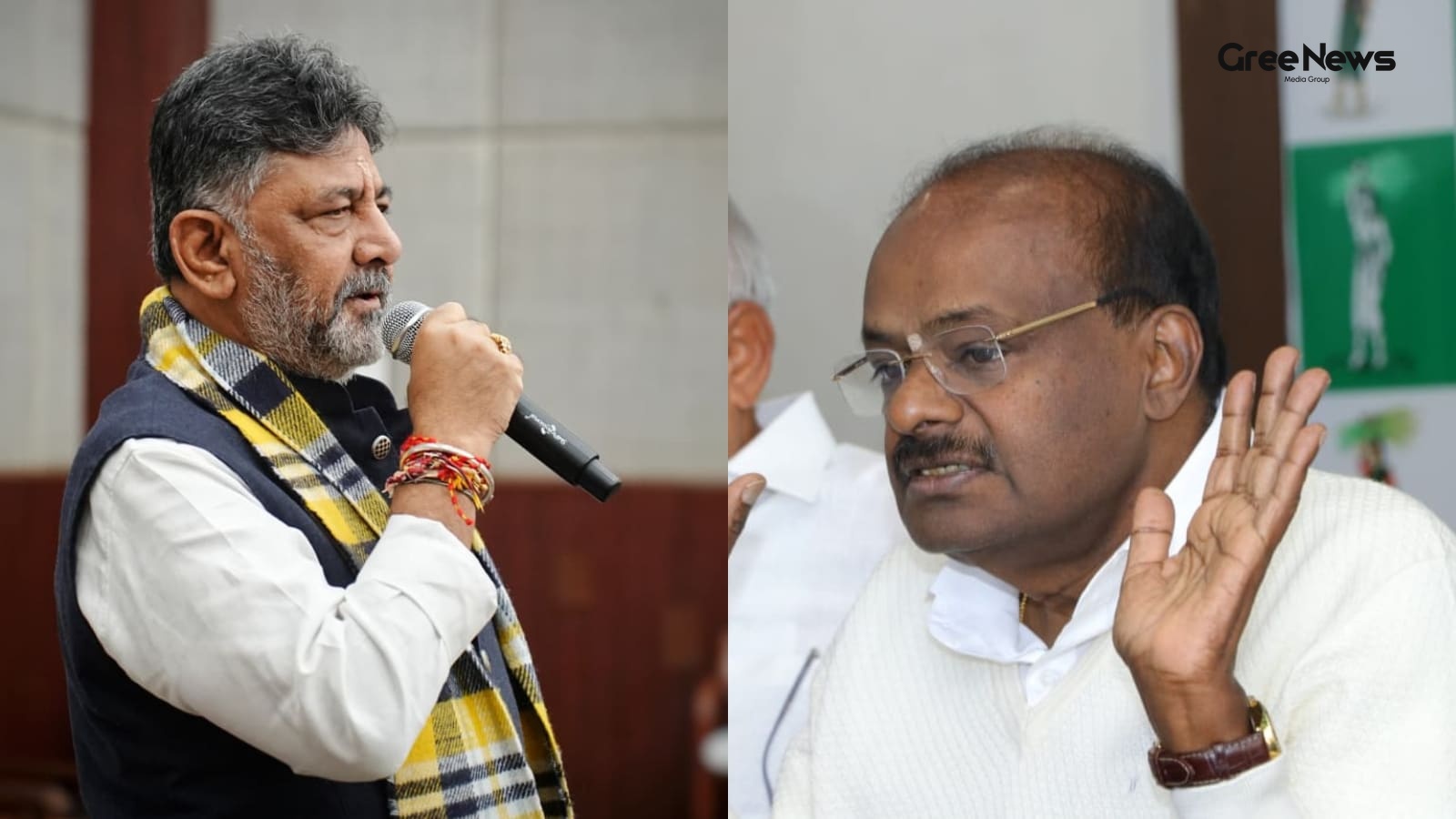
A meeting that hasn't even happened is already sparking political sparring. Karnataka Chief Minister DK Shivakumar and Union Minister HD Kumaraswamy. It just underlines how bitter one of the state’s longest-running rivalries still is. Shivakumar was doing some outreach, a carefully choreographed exe
Jun 10, 2026 by Gree News Team
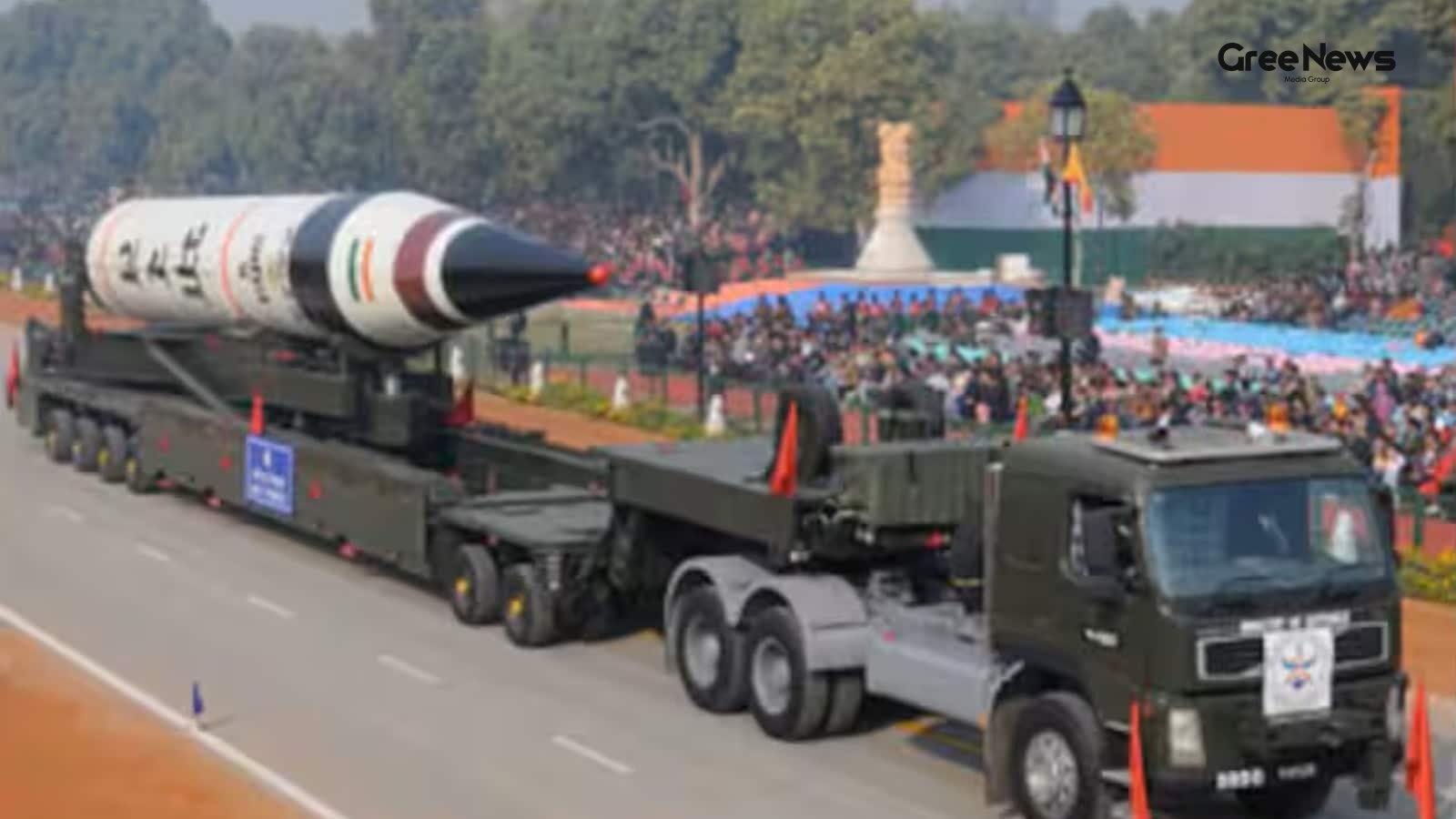
The Global Nuclear Arms Race: Spending, Capabilities, and Future Risks
Nearly eight decades since Hiroshima and Nagasaki. And the world’s nuclear powers aren't slowing down. They keep spending more, modernizing faster, and experts are watching them move weapons out of storage and into potential use. It’s a real arms race happening right now. The nine states that hold n
Jun 10, 2026 by Gree News Team
Latest Headlines
Political Speculation and Internal Turmoil within the TMC
Fresh visuals surfaced of Sushmita Dev meeting Assam Chief Minister Himanta Biswa Sarma. That kind of thing just kicks the speculation into high gear about her next move. It’s all about her potential entry into the BJP, right? This happened right after she stepped down from Rajya Sabha and walked ou
Jun 10, 2026 by Gree News Team

FIFA World Cup 2026: Structure, Geography, and the Official Match Ball
The FIFA World Cup 2026 is really starting to feel imminent now. It’s heading toward North America the USA, Mexico, and Canada are slated to host this massive global spectacle. People are talking about it constantly. It’s not just a standard tournament anymore. This time around, they’re throwing way
Jun 10, 2026 by Gree News Team
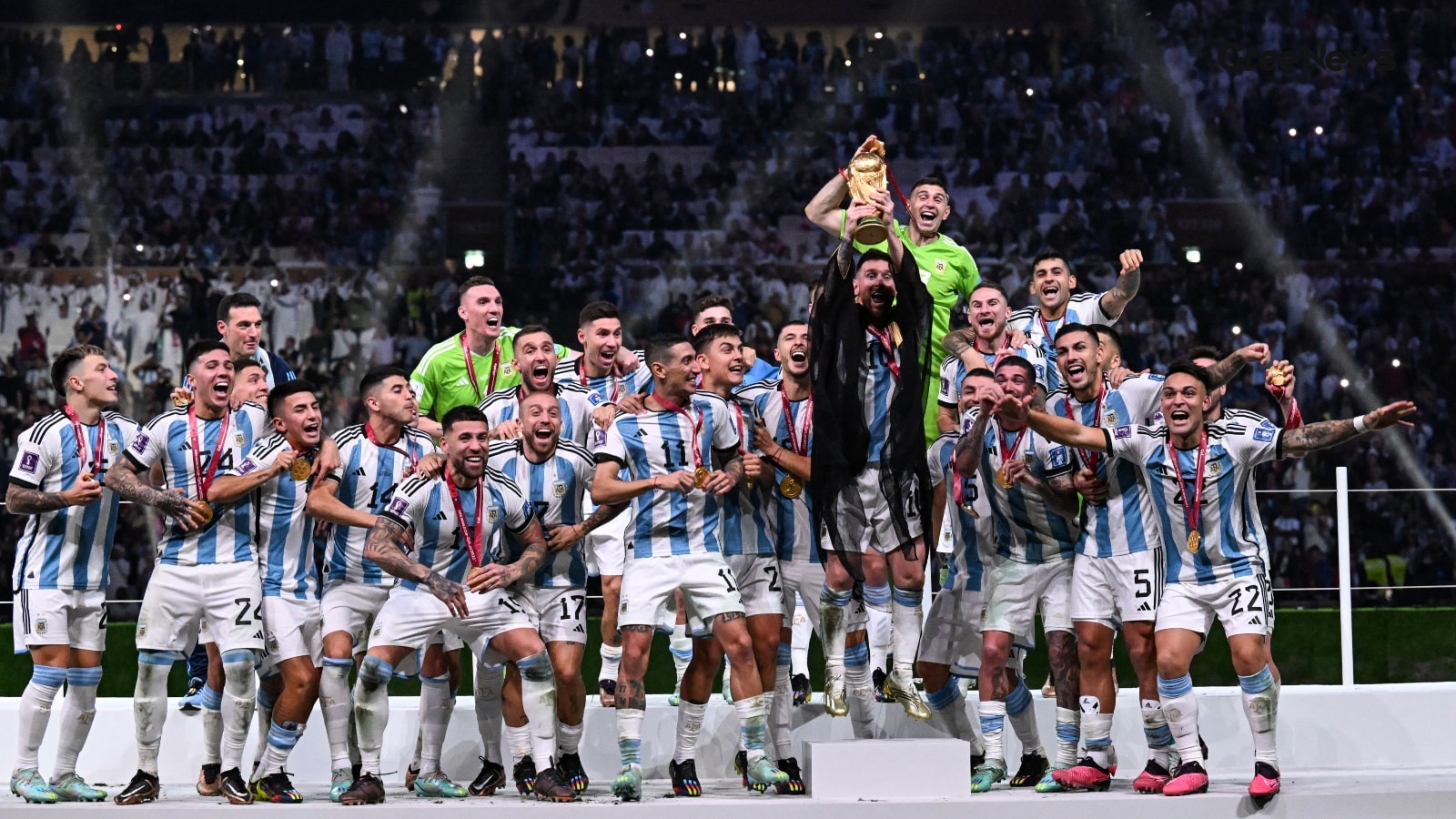
Lionel Messi and Argentina's World Cup Journey in Group J
Argentina’s taking on Group J in this new setup USA, Mexico, and Canada it feels like more than just football now. It’s about that farewell, isn't it? Lionel Messi is chasing something special right now, playing out this final chapter with the Albiceleste against Algeria, Austria, and Jordan. There’
Jun 10, 2026 by Gree News Team
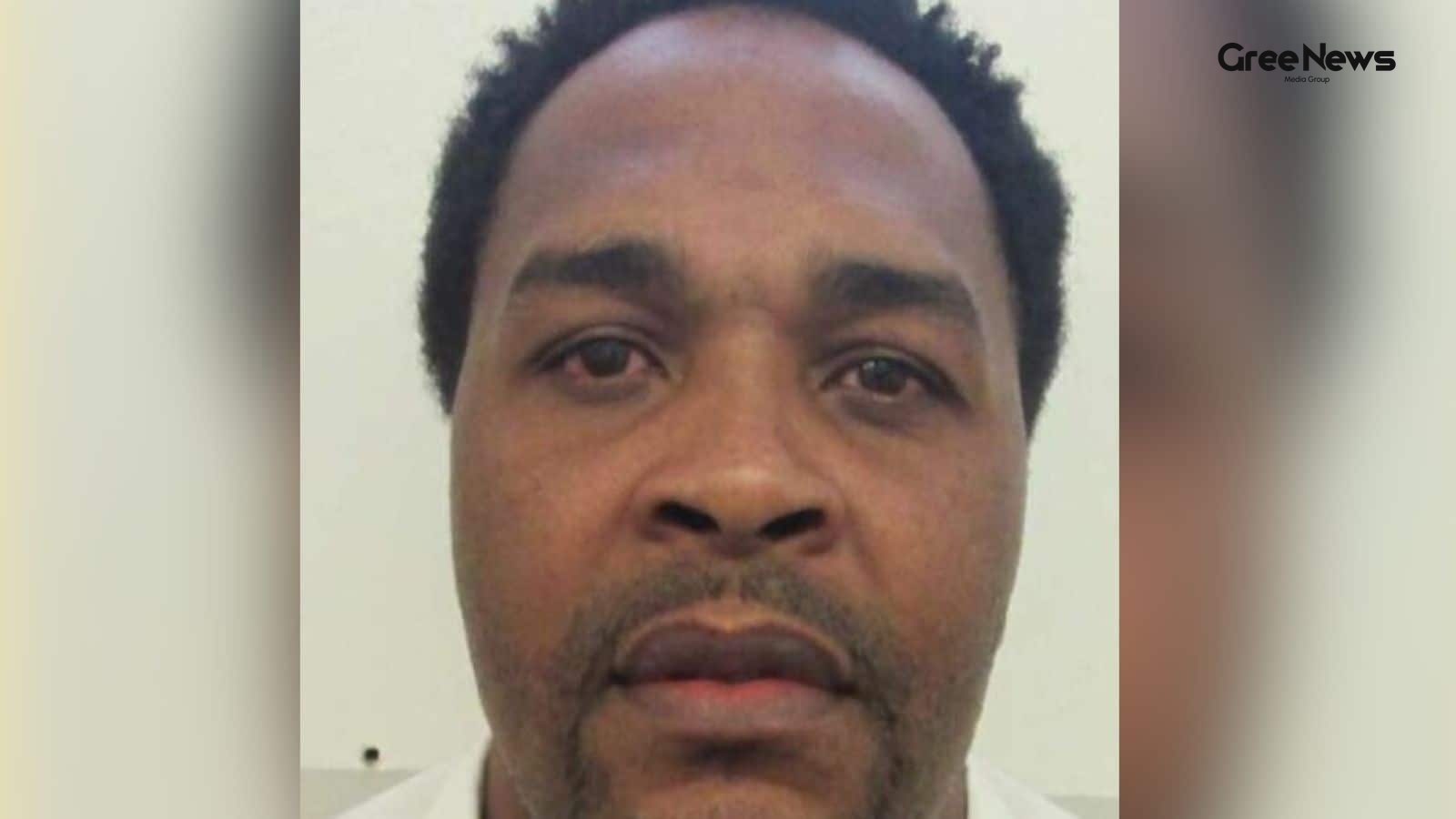
Federal Judge Bars Nitrogen Gas Execution in Alabama
A federal judge just slammed the door shut on Alabama’s plan to use nitrogen gas for executing Jeffery Lee. Permanently barred it, ruling the method violated basic constitutional rights about cruel and unusual punishment. This decision dropped like a stone. It came just one day after an appeals cour
Jun 10, 2026 by Gree News Team
Kerala Board Plus One Results 2026 Announcement and Checking Methods
The Kerala Board Plus One results for 2026 are finally coming today, June 10th. That’s when the Directorate of Higher Secondary Education will officially announce everything. Students who took the DHSE Kerala Class 11 exams in 2026 can start checking their scores now. You have a few places to look,
Jun 10, 2026 by Gree News Team
Threats and Intimidation Against Former Judge Justice Gautam Patel
Chief Justice Surya Kant stepped in on the matter involving threats and intimidation aimed at former Bombay High Court judge Justice Gautam Patel. This happened while he was visiting the UK, raising the issue with India’s High Commissioner there. It came out of a report by The Times of India. The wh
Jun 10, 2026 by Gree News Team
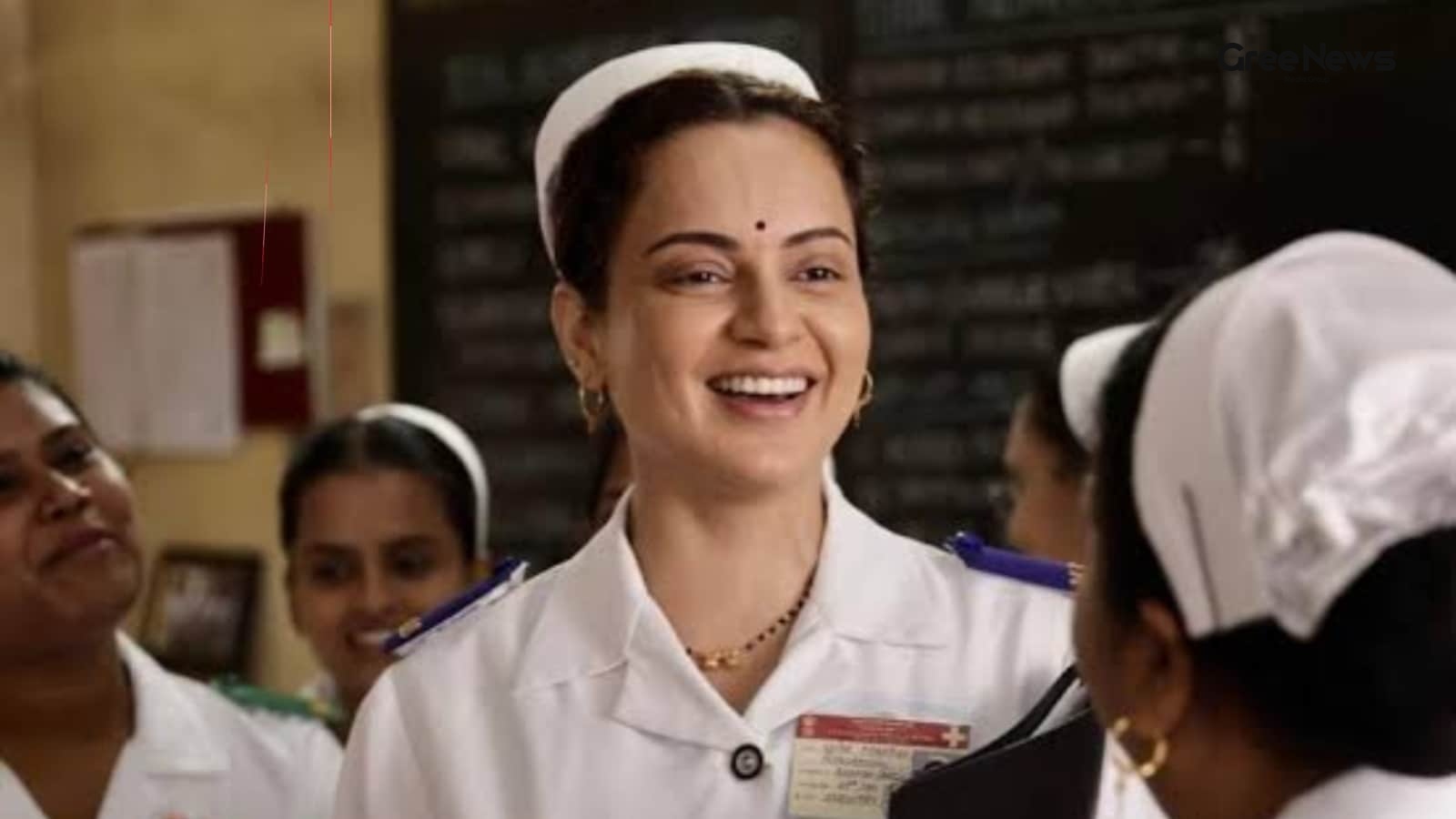
Intersection of Art, Politics, and Public Morality at Film Screening
The buzz around the screening for ‘Bharat Bhhagya Viddhaata’ was definitely something special that Tuesday evening in Delhi. It wasn't just about watching a movie; it felt like a convergence a mix of film fans, some political heavyweights, and a surprising amount of high-level government presence. P
Jun 10, 2026 by Gree News Team
The Political Feud: Shivakumar vs. Kumaraswamy and the Vokkaliga Rivalry
A meeting that hasn't even happened is already sparking political sparring. Karnataka Chief Minister DK Shivakumar and Union Minister HD Kumaraswamy. It just underlines how bitter one of the state’s longest-running rivalries still is. Shivakumar was doing some outreach, a carefully choreographed exe
Jun 10, 2026 by Gree News Team
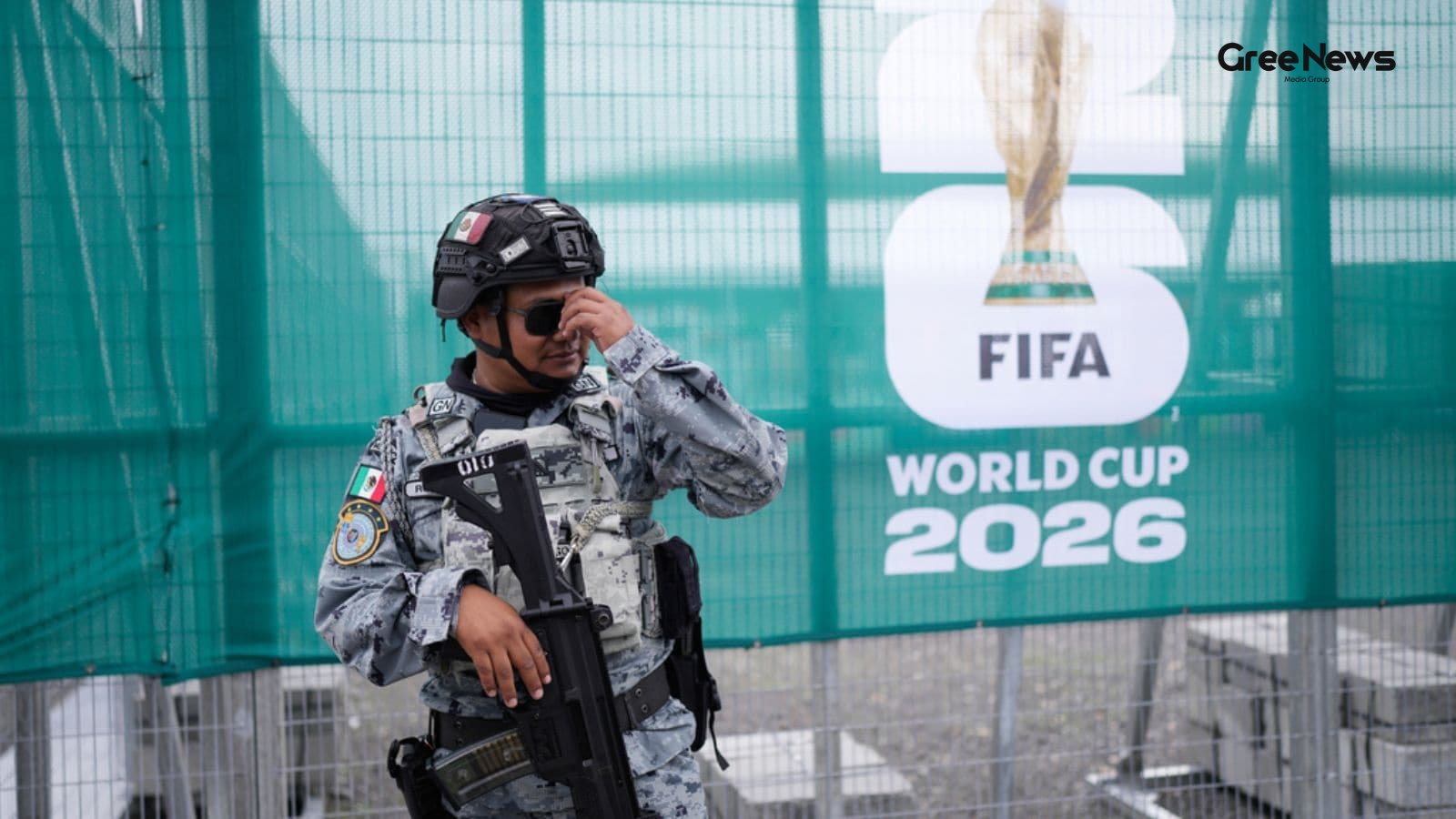
Protest and Political Standoff in Mexico City Before the World Cup
A protest choked off an avenue leading right to Mexico City’s Azteca Stadium for hours on Tuesday. It was just days before that massive World Cup opening match. As football fans started flooding in, all those co-hosts the US, Canada, and Mexico you see the real mess happening back home. Thousands of
Jun 10, 2026 by Gree News Team
The Global Nuclear Arms Race: Spending, Capabilities, and Future Risks
Nearly eight decades since Hiroshima and Nagasaki. And the world’s nuclear powers aren't slowing down. They keep spending more, modernizing faster, and experts are watching them move weapons out of storage and into potential use. It’s a real arms race happening right now. The nine states that hold n
Jun 10, 2026 by Gree News Team
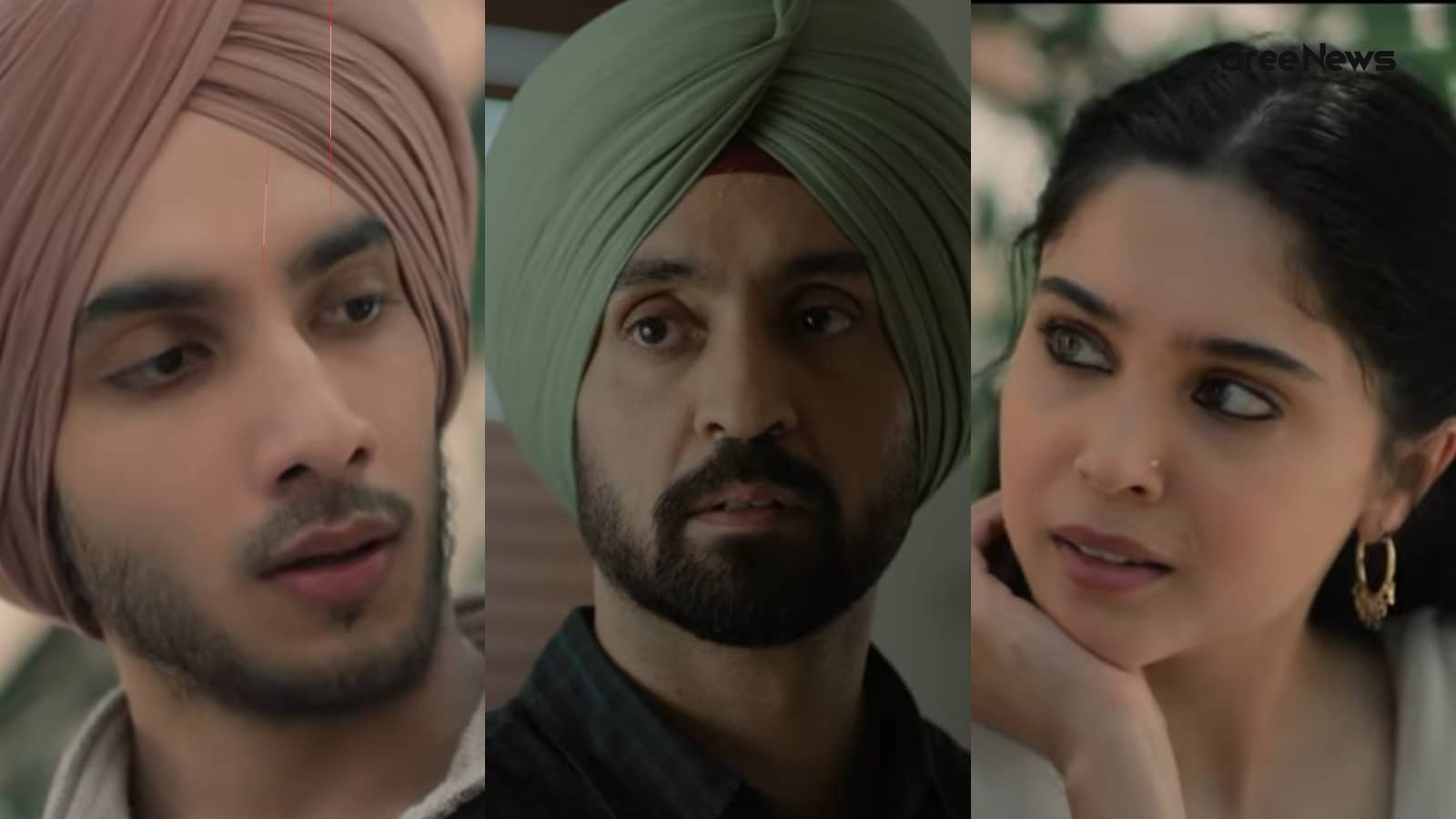
The Chaos of Cinema: Volume, Competition, and the Shifting Market
The Friday arrived packed. June 12th. It wasn't just another day; it was a collision of cinema. Nine films, all hitting the screens at once. *Main Vaapas Aaunga*, Imtiaz Ali’s directorial effort. Then you had Kangana Ranaut’s *Bharat Bhhagya Vidhaata*. And the horror mixed in Vikram Bhatt’s *Haunted
Jun 10, 2026 by Gree News Team

Stock Market Updates: June 10th Performance and Sector Analysis
Stock market updates today, June 10th. Everything turned sour in late trading Wednesday. Domestic equity markets basically gave up all those gains they managed to hold during the day. Heavy selling hit midcap, smallcap stocks, plus metals, realty, and financial names dragging the main indices into n
Jun 10, 2026 by Gree News Team
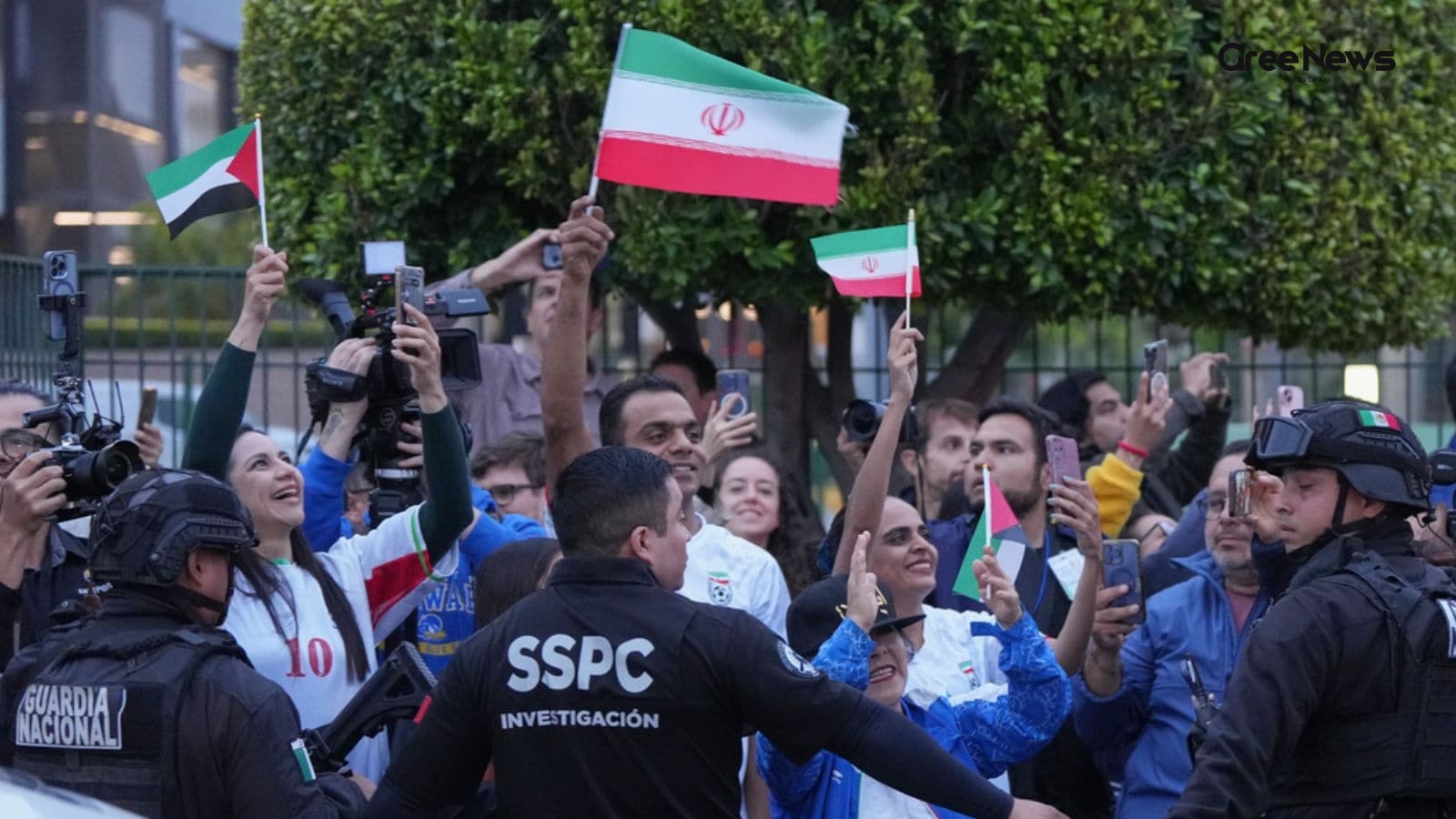
Iran Football Team Travel and World Cup Arrangements
Iran’s football team is heading to Los Angeles, apparently. They announced Tuesday that they'll be flying there the day before their first group-stage game against New Zealand. It feels like a lot happening all at once. But where exactly will they be staying? They won't actually be in L.A. for long.
Jun 10, 2026 by Gree News Team

The Impact of Gen AI on Job Applications and Hiring Strategies
When you start looking for a job, everyone builds this whole structure: the résumé, that killer cover letter, tailoring it perfectly. The whole point was always that application could make you jump out from the crowd of hundreds of applicants. But honestly? Recruiters are starting to think that play
Jun 10, 2026 by Gree News Team
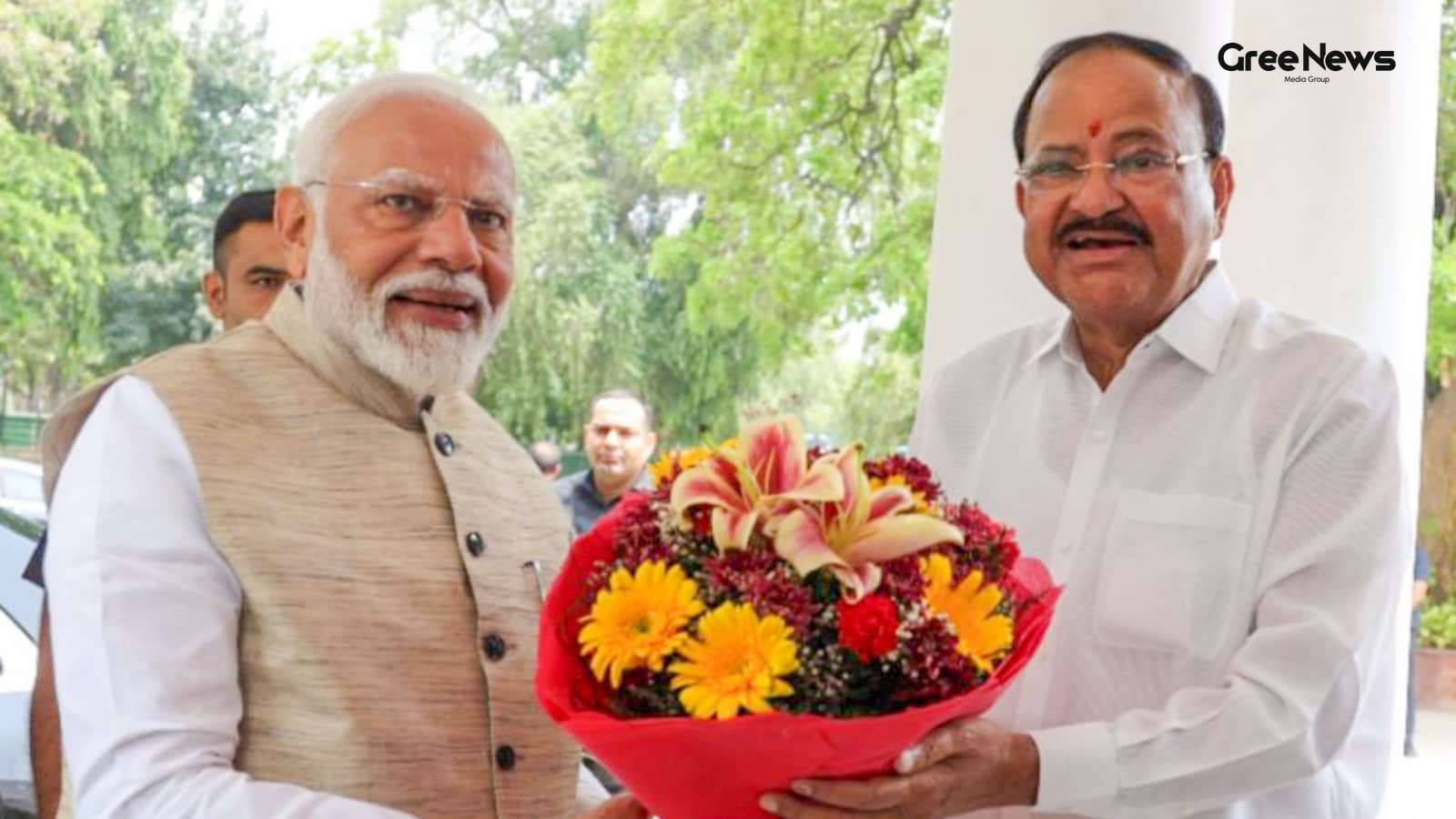
Narendra Modi's Milestone: India's Longest-Serving Prime Minister
Narendra Modi just hit a huge milestone. India’s longest-serving elected Prime Minister. Forty-three hundred ninety-nine days in office now. That beats Nehru's record, which was the first one. Former Vice President Venkaiah Naidu spoke about it. He praised the leadership and everything Modi has done
Jun 10, 2026 by Gree News Team