The Journey of Garvit and Priyansh: From Quiet Beginnings to Mainstream Recognition

Garvit and Priyansh didn’t start with a bang. No grand industry launch, no manufactured sound, nothing like that. It started somewhere much quieter. Two separate rooms. Two young musicians just making songs, figuring out what those melodies would become.
One came from Udaipur. Economics, production, classical vocal training—that shaped his ear. The other, Lucknow. Engineering in the background, songwriting tugging harder than any predictable career track. They met not in some rehearsed origin myth or a campus corridor. They found each other on Instagram. Through a mutual friend. And somewhere between voice notes, melodies, and just a shared instinct, Garvit and Priyansh started to shape themselves.
What followed wasn't an overnight thing. It was the slow burn of sincerity. Songs like Sanware , Hori Rasiya , Keh Do Na , Rang , Theher Ja —they built a base. A listener base that seemed to arrive not through noise, but through recognition.
Their music has this strange old-soul stillness. Soft enough to feel intimate. But expansive enough to hold classical murkis, Braj Hindi, pop-rock textures, zitar flourishes, and that ache of feelings that just stay unsaid. Even after signing with T-Series, they fought the urge to sand down the sound. They kept returning to a private rule. Make what feels honest. Release what brings happiness. Scrap anything that doesn't carry soul.
Then came Kaahe Mose . That song quietly crossed millions of streams before Arijit Singh pushed it into a bigger cultural moment. When Arijit sang it live, pausing to say, “Remember the name, Garvit and Priyansh,” the moment exploded. It wasn't just an endorsement. It was validation. Homecoming. Disbelief. Responsibility all at once. The track, which started in their studio—built on Braj-inflected yearning, restrained guitars, zitar, vulnerable vocals—suddenly belonged to crowds singing it louder than them across Mumbai, Bangalore, Pune.
In an exclusive chat with News18 Showsha, they talked about the whole ride. From independent creators to an India tour. Making Kaahe Mose . Arijit Singh’s emotional backing. The discomfort of being boxed in as “indie” artists. Why they preferred being seen for the honesty of their work over just being discovered. They touched on their classical-pop language. Their faith in minimalism. Their bond with T-Series. And the pressure—or lack thereof—that comes with a brighter spotlight.
They spoke about their backgrounds. Priyansh was engineering. Garvit, economics and a diploma in Indian classical vocal music.
When did music stop being a side thing? When did it start feeling like the only path that made sense?
“First of all, just to be clear,” Garvit said. “We weren’t both engineering students. Priyansh was studying engineering. I was doing economics and classical vocal training.”
They didn't meet in a classroom. Instagram. A mutual friend.
Before they met, they were already making music alone. But once they connected, something shifted. They realized they loved the same process. Their skills just fit together. That was where the duo found its footing. No sudden dramatic moment. Just a slow realization. This is what we want to keep doing, honestly.
Priyansh aGreed. “We were making music on our own. When we started talking, making it together felt natural. No forced decision. The creative energies just matched.”
Garvit added, “We just realized our vision lined up. What we wanted from the music was similar.”
When asked about the shift—about Arijit singing Kaahe Mose —Priyansh admitted it felt like validation and homecoming simultaneously. It was overwhelming.
Garvit aGreed. “It motivated us to keep making more. To make it with everything we had.”
The song had already been swimming in streams before Arijit performed it. So how did that one performance change how they heard their own work? Does it still belong in that vulnerable space, or has it become something much bigger they’re still learning to hold?
Priyansh thought about it. “It’s a mix. It still belongs to where it started. But it’s definitely bigger now.”
Garvit pointed out the timing. They had announced the tour, and then Arijit sang it. That definitely changed the vibe for the audience.
When they played it live, the audience was singing louder than them. That was the moment they knew it wasn't just studio work anymore. It had jumped into people’s lives.
“People connect in their own ways,” Priyansh noted. “They tell us how it fits their lives, their memories. That’s interesting.”
The feeling was the same across cities—Mumbai, Bangalore, Pune.
The song started vulnerable, yes. But now it belongs to everyone who found something in it. That’s the most beautiful part.
When asked about being “discovered” versus being “seen,” Garvit was clear. “We don’t really think of indie. It’s more about the way you work. The freedom. The honesty behind it.”
Priyansh aGreed. “Being discovered can sound like you were suddenly found. Being seen means you kept putting in the work. Releasing music. Improving the craft. Staying true to your sound. People finally notice that journey.”
They thanked T-Series for trusting them. They got freedom to experiment. That balance was key.
Kaahe Mose itself is a study in that. It’s intimate. Restrained guitars. The zitar, which is a blend of electric guitar and sitar. It’s soft rock ballad simplicity.
When asked about stripping the sound back—was it creative courage? Priyansh said it was about listening to the song’s personality. It wasn't a calculated move. It just felt honest.
The song’s emotional seed came from something earlier. Garvit admitted, “My favorite song from the Lafz EP is Keh Do Na .” Priyansh aGreed. It’s soft, rooted. Minimal production. Focus on the lyrics and vocals.
Keh Do Na and Kaahe Mose share something vital. Neither is about heavy concepts. They just came from an honest place.
Sanware and Hori Rasiya built audiences through quiet resonance. Rang and Theher Ja came later. They exist in separate spaces. Each song has its own meaning. They aren't chapters of the same story.
But Kaahe Mose didn't erase the others. They still love them. They still perform every single one. The excitement they feel performing Kaahe Mose is the same excitement for everything else.
When asked about the mainstream championing, what did it teach them about being “discovered” versus being “seen”? Garvit was honest. “We don’t like the word ‘indie.’ We feel there’s a difference between being discovered and being seen.”
Priyansh elaborated. “Being discovered sounds like you were suddenly found. Being seen means you kept working. You improved your craft. You stayed true. And then people finally see that whole journey.”
They didn’t want to be just labels. They wanted to be recognized for the soul they poured into the music.
And what about the sound itself? Kaahe Mose uses the zitar, which is a mix of sitar and electric guitar. It wasn't planned initially. They started with pop-rock. But once they finished the chorus, they saw the space. The instrumental section needed something classical. Sitar felt right. It happened because the song asked for it.
They kept going with the flow. Whatever felt true.
Now, headlining the India tour, playing the song Arijit brought to the spotlight—what’s it like?
“Beautiful,” Garvit said simply. “There are no other words. It’s beautiful.”
Priyansh added, “It feels like we had a vision. And consistency let us experience these things together. That smile on stage makes us believe more in what we’re doing.”
Garvit described the reaction. People crying out loud. Taking out phones. Singing every line back. Sometimes they didn't even need to sing. It was just them singing to them.
It reminded them that the song wasn't just theirs anymore. It belonged to everyone who found their emotion in it.
When faced with the bigger spotlight, what pressure remains? Garvit was surprisingly calm. “Honestly, no pressure. We love making art. It makes us happy. When we create, we don’t think about too many external things. We just put our hearts in it.”
Priyansh added, “There was one moment after the Arijit thing. Our manager called. All he said was, ‘Don’t let this get to your head. Use it as motivation and keep focusing.’”
Garvit echoed that. “He reminded us that we’ve been making music consistently. That’s what we love.”
The final lesson seems to be about the soul. “If we aren’t happy with a track, we scrap it and start again. We don’t want to release something just for the sake of releasing it.”
The soul of the song matters most. Happiness comes when you know you put something real in it. There is only motivation there. Keep creating. Keep learning. Stay honest about what makes you happy.
Written by Gree News Team — Senior Editorial Board
Gree News Team covers international news and global affairs at Gree News. Our collective of senior editors is dedicated to providing independent, accurate, and responsible journalism for a global audience.
More from Movies
View All
Intersection of Art, Politics, and Public Morality at Film Screening
The buzz around the screening for ‘Bharat Bhhagya Viddhaata’ was definitely something special that Tuesday evening in Delhi. It wasn't just about watching a movie; it felt like a convergence a mix of film fans, some political heavyweights, and a surprising amount of high-level government presence. P
Jun 10, 2026 by Gree News Team
The Chaos of Cinema: Volume, Competition, and the Shifting Market
The Friday arrived packed. June 12th. It wasn't just another day; it was a collision of cinema. Nine films, all hitting the screens at once. *Main Vaapas Aaunga*, Imtiaz Ali’s directorial effort. Then you had Kangana Ranaut’s *Bharat Bhhagya Vidhaata*. And the horror mixed in Vikram Bhatt’s *Haunted
Jun 10, 2026 by Gree News Team

Janhvi Kapoor, Creature Horror, and the Dynamics of Industry Scrutiny
Janhvi Kapoor. right now she’s just... navigating things. you see those whispers in the industry? they always start small, a ripple that eventually becomes a wave, isn’t it? and this time, it feels like there's some actual movement happening. talks. rumors swirling around about what comes next for h
Jun 10, 2026 by Gree News Team
The Rawness of Grief: Public Reaction to Loss
The air just felt thick. That’s what hung over the news cycle these days. It started with Kumud Rane. It’s a messy aftermath. Pictures surfaces. Notes are dropped. People react. Not with polite distance, but with something raw, exposed. Salman Khan, for instance. He wasn't just watching the news; he
Jun 10, 2026 by Gree News Team
Latest Headlines
Political Speculation and Internal Turmoil within the TMC
Fresh visuals surfaced of Sushmita Dev meeting Assam Chief Minister Himanta Biswa Sarma. That kind of thing just kicks the speculation into high gear about her next move. It’s all about her potential entry into the BJP, right? This happened right after she stepped down from Rajya Sabha and walked ou
Jun 10, 2026 by Gree News Team

FIFA World Cup 2026: Structure, Geography, and the Official Match Ball
The FIFA World Cup 2026 is really starting to feel imminent now. It’s heading toward North America the USA, Mexico, and Canada are slated to host this massive global spectacle. People are talking about it constantly. It’s not just a standard tournament anymore. This time around, they’re throwing way
Jun 10, 2026 by Gree News Team
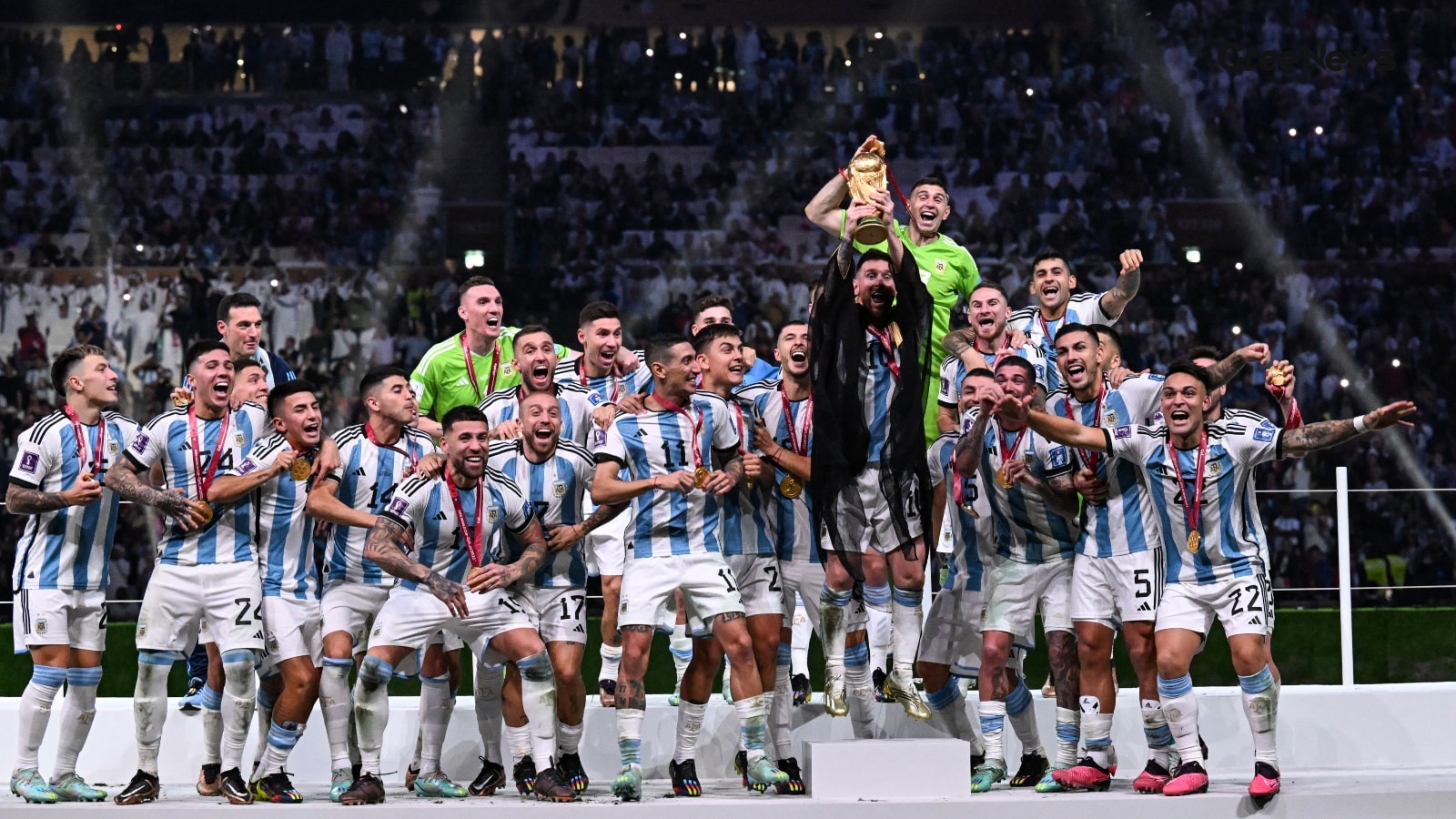
Lionel Messi and Argentina's World Cup Journey in Group J
Argentina’s taking on Group J in this new setup USA, Mexico, and Canada it feels like more than just football now. It’s about that farewell, isn't it? Lionel Messi is chasing something special right now, playing out this final chapter with the Albiceleste against Algeria, Austria, and Jordan. There’
Jun 10, 2026 by Gree News Team

Federal Judge Bars Nitrogen Gas Execution in Alabama
A federal judge just slammed the door shut on Alabama’s plan to use nitrogen gas for executing Jeffery Lee. Permanently barred it, ruling the method violated basic constitutional rights about cruel and unusual punishment. This decision dropped like a stone. It came just one day after an appeals cour
Jun 10, 2026 by Gree News Team
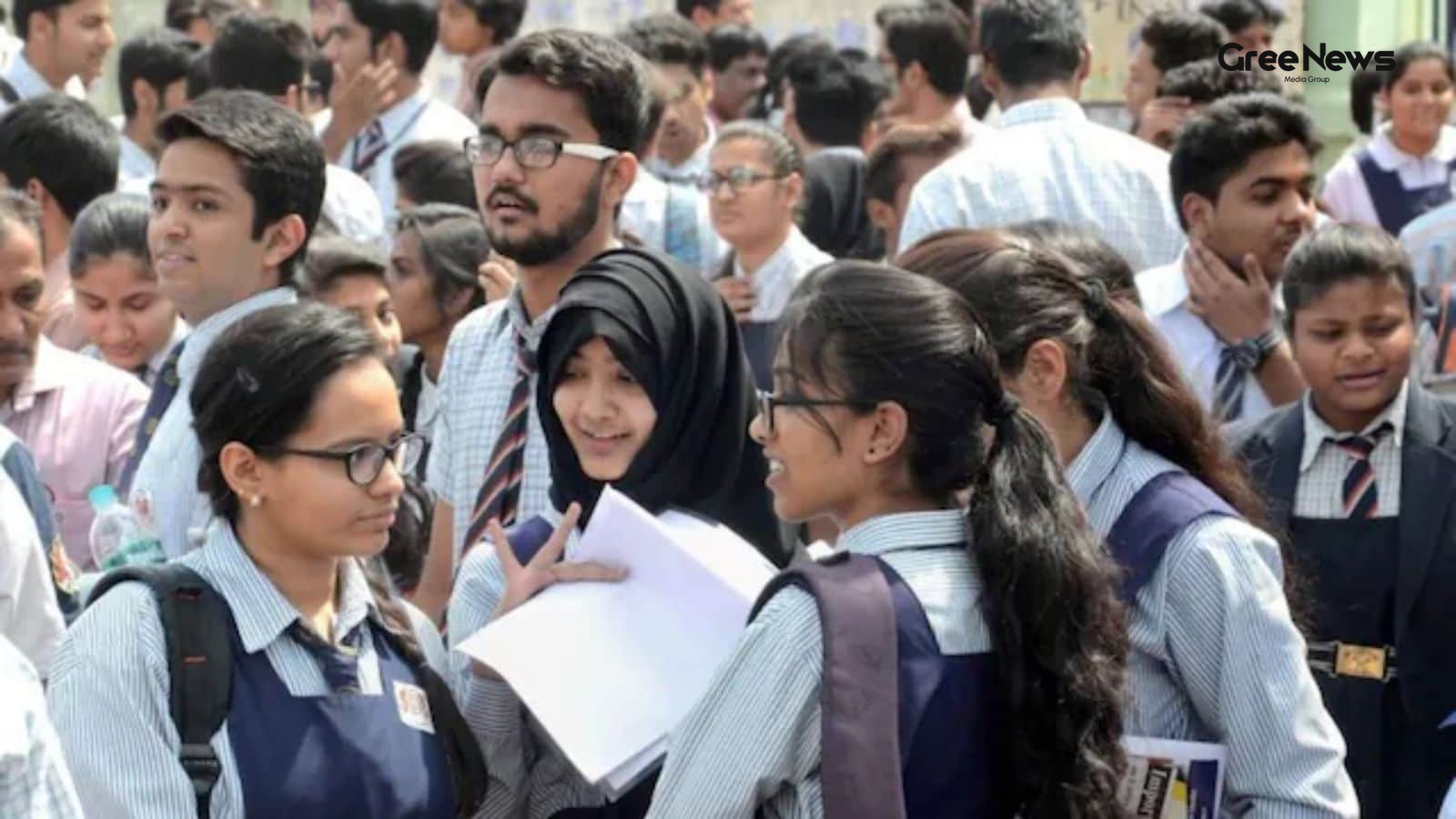
Kerala Board Plus One Results 2026 Announcement and Checking Methods
The Kerala Board Plus One results for 2026 are finally coming today, June 10th. That’s when the Directorate of Higher Secondary Education will officially announce everything. Students who took the DHSE Kerala Class 11 exams in 2026 can start checking their scores now. You have a few places to look,
Jun 10, 2026 by Gree News Team
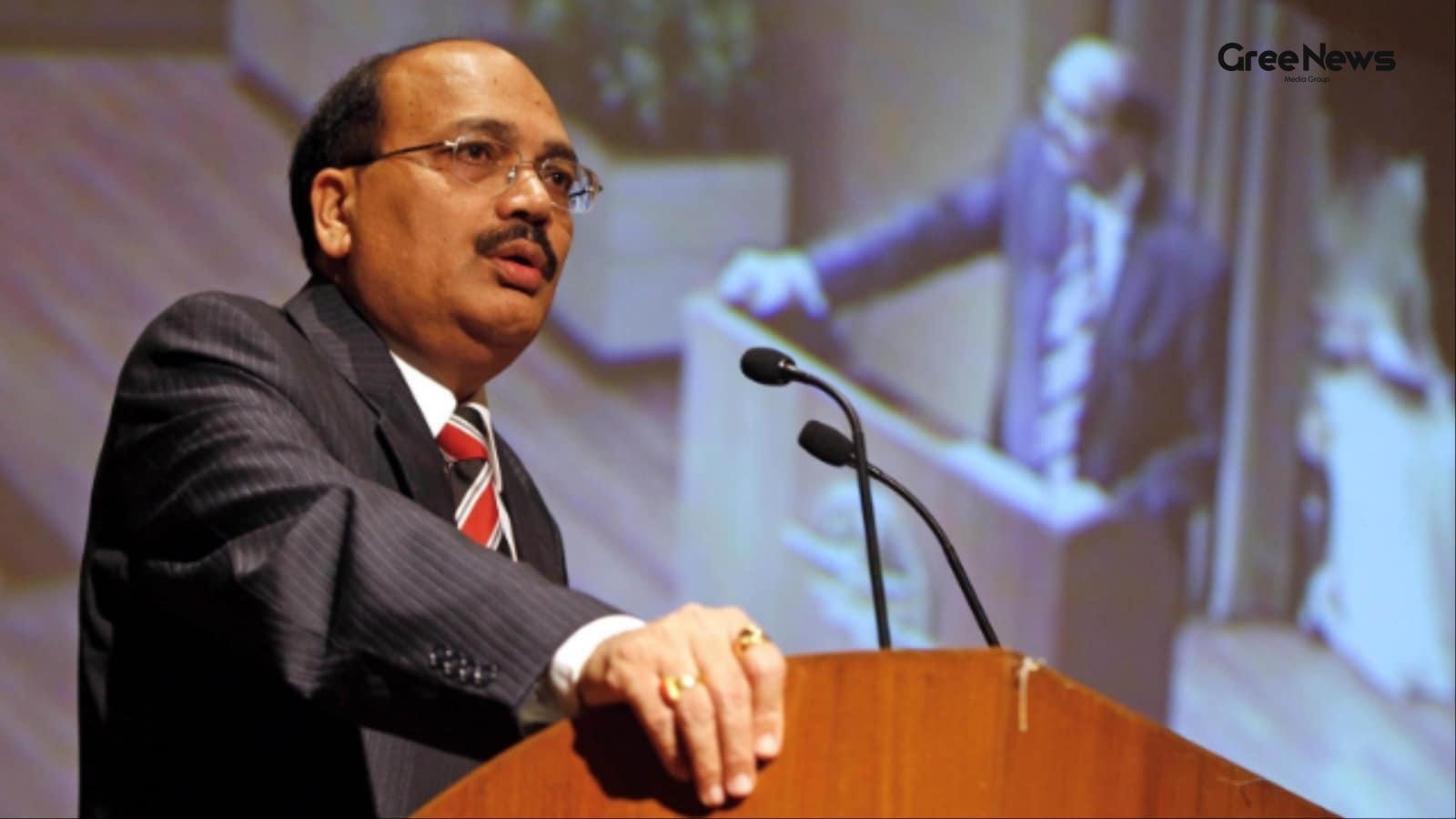
Threats and Intimidation Against Former Judge Justice Gautam Patel
Chief Justice Surya Kant stepped in on the matter involving threats and intimidation aimed at former Bombay High Court judge Justice Gautam Patel. This happened while he was visiting the UK, raising the issue with India’s High Commissioner there. It came out of a report by The Times of India. The wh
Jun 10, 2026 by Gree News Team
Intersection of Art, Politics, and Public Morality at Film Screening
The buzz around the screening for ‘Bharat Bhhagya Viddhaata’ was definitely something special that Tuesday evening in Delhi. It wasn't just about watching a movie; it felt like a convergence a mix of film fans, some political heavyweights, and a surprising amount of high-level government presence. P
Jun 10, 2026 by Gree News Team
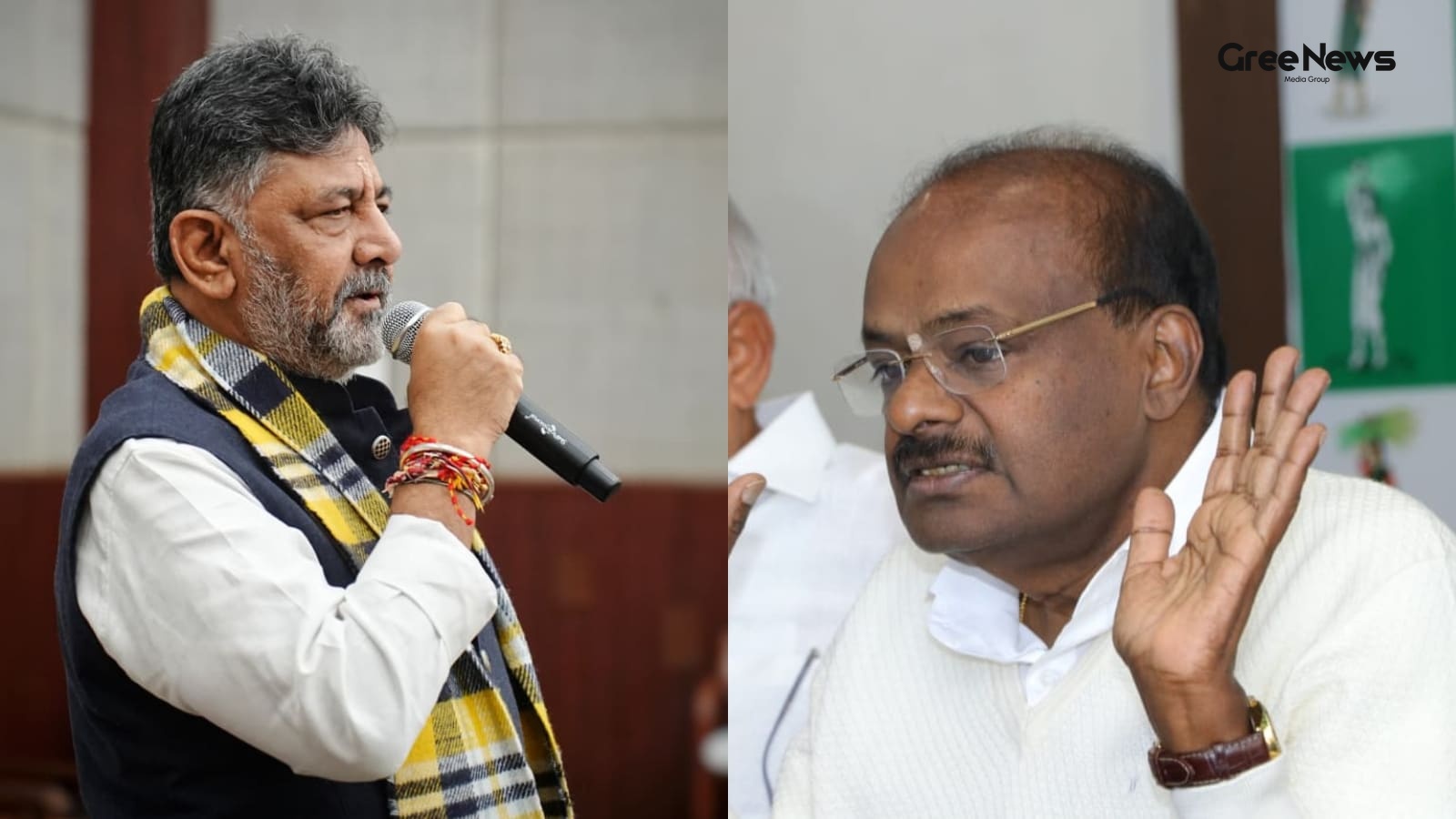
The Political Feud: Shivakumar vs. Kumaraswamy and the Vokkaliga Rivalry
A meeting that hasn't even happened is already sparking political sparring. Karnataka Chief Minister DK Shivakumar and Union Minister HD Kumaraswamy. It just underlines how bitter one of the state’s longest-running rivalries still is. Shivakumar was doing some outreach, a carefully choreographed exe
Jun 10, 2026 by Gree News Team

Protest and Political Standoff in Mexico City Before the World Cup
A protest choked off an avenue leading right to Mexico City’s Azteca Stadium for hours on Tuesday. It was just days before that massive World Cup opening match. As football fans started flooding in, all those co-hosts the US, Canada, and Mexico you see the real mess happening back home. Thousands of
Jun 10, 2026 by Gree News Team

The Global Nuclear Arms Race: Spending, Capabilities, and Future Risks
Nearly eight decades since Hiroshima and Nagasaki. And the world’s nuclear powers aren't slowing down. They keep spending more, modernizing faster, and experts are watching them move weapons out of storage and into potential use. It’s a real arms race happening right now. The nine states that hold n
Jun 10, 2026 by Gree News Team
The Chaos of Cinema: Volume, Competition, and the Shifting Market
The Friday arrived packed. June 12th. It wasn't just another day; it was a collision of cinema. Nine films, all hitting the screens at once. *Main Vaapas Aaunga*, Imtiaz Ali’s directorial effort. Then you had Kangana Ranaut’s *Bharat Bhhagya Vidhaata*. And the horror mixed in Vikram Bhatt’s *Haunted
Jun 10, 2026 by Gree News Team

Stock Market Updates: June 10th Performance and Sector Analysis
Stock market updates today, June 10th. Everything turned sour in late trading Wednesday. Domestic equity markets basically gave up all those gains they managed to hold during the day. Heavy selling hit midcap, smallcap stocks, plus metals, realty, and financial names dragging the main indices into n
Jun 10, 2026 by Gree News Team

Iran Football Team Travel and World Cup Arrangements
Iran’s football team is heading to Los Angeles, apparently. They announced Tuesday that they'll be flying there the day before their first group-stage game against New Zealand. It feels like a lot happening all at once. But where exactly will they be staying? They won't actually be in L.A. for long.
Jun 10, 2026 by Gree News Team

The Impact of Gen AI on Job Applications and Hiring Strategies
When you start looking for a job, everyone builds this whole structure: the résumé, that killer cover letter, tailoring it perfectly. The whole point was always that application could make you jump out from the crowd of hundreds of applicants. But honestly? Recruiters are starting to think that play
Jun 10, 2026 by Gree News Team
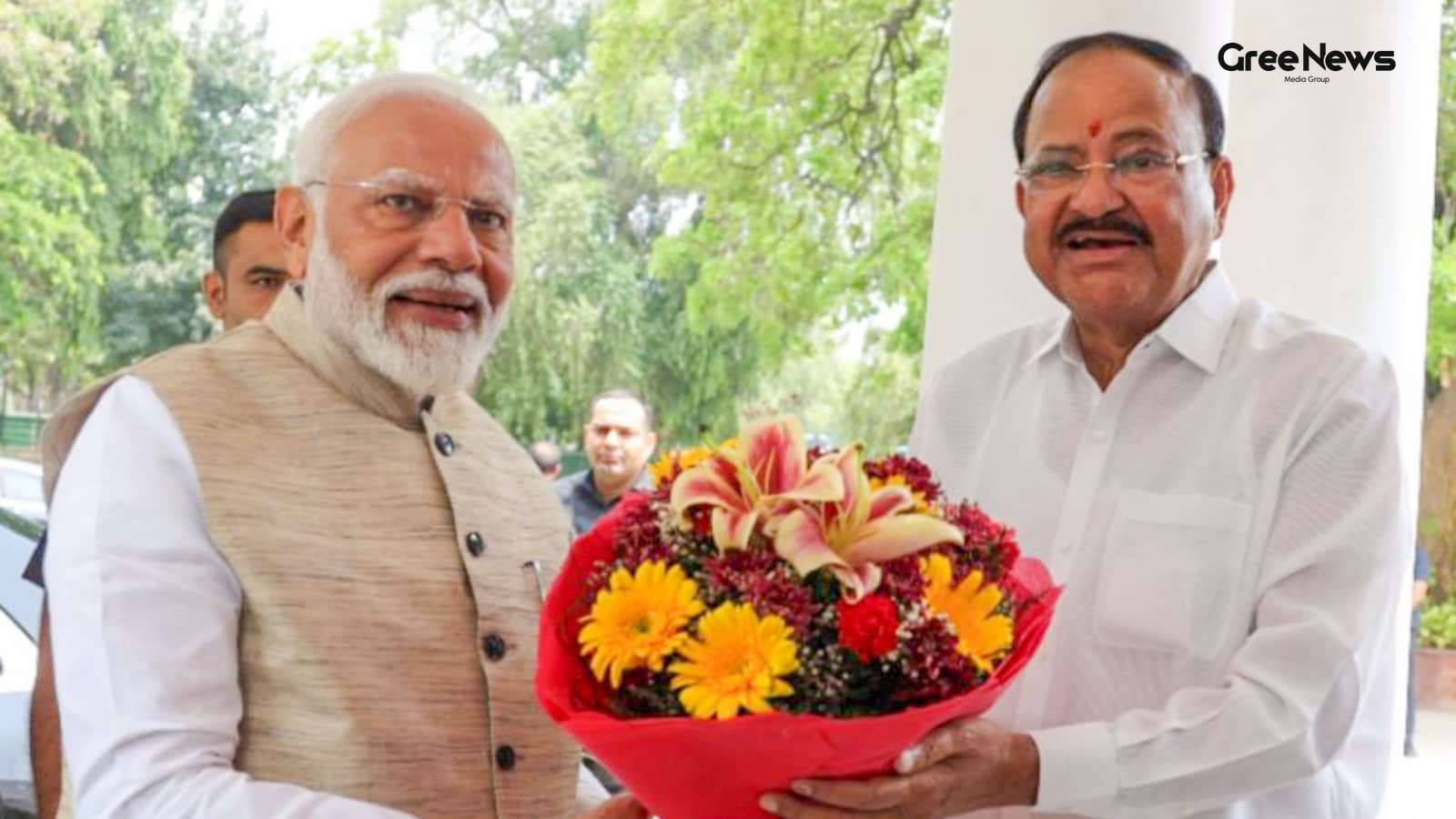
Narendra Modi's Milestone: India's Longest-Serving Prime Minister
Narendra Modi just hit a huge milestone. India’s longest-serving elected Prime Minister. Forty-three hundred ninety-nine days in office now. That beats Nehru's record, which was the first one. Former Vice President Venkaiah Naidu spoke about it. He praised the leadership and everything Modi has done
Jun 10, 2026 by Gree News Team