The Linguistic Slip: How a Verbal Error Became a Digital Zeitgeist
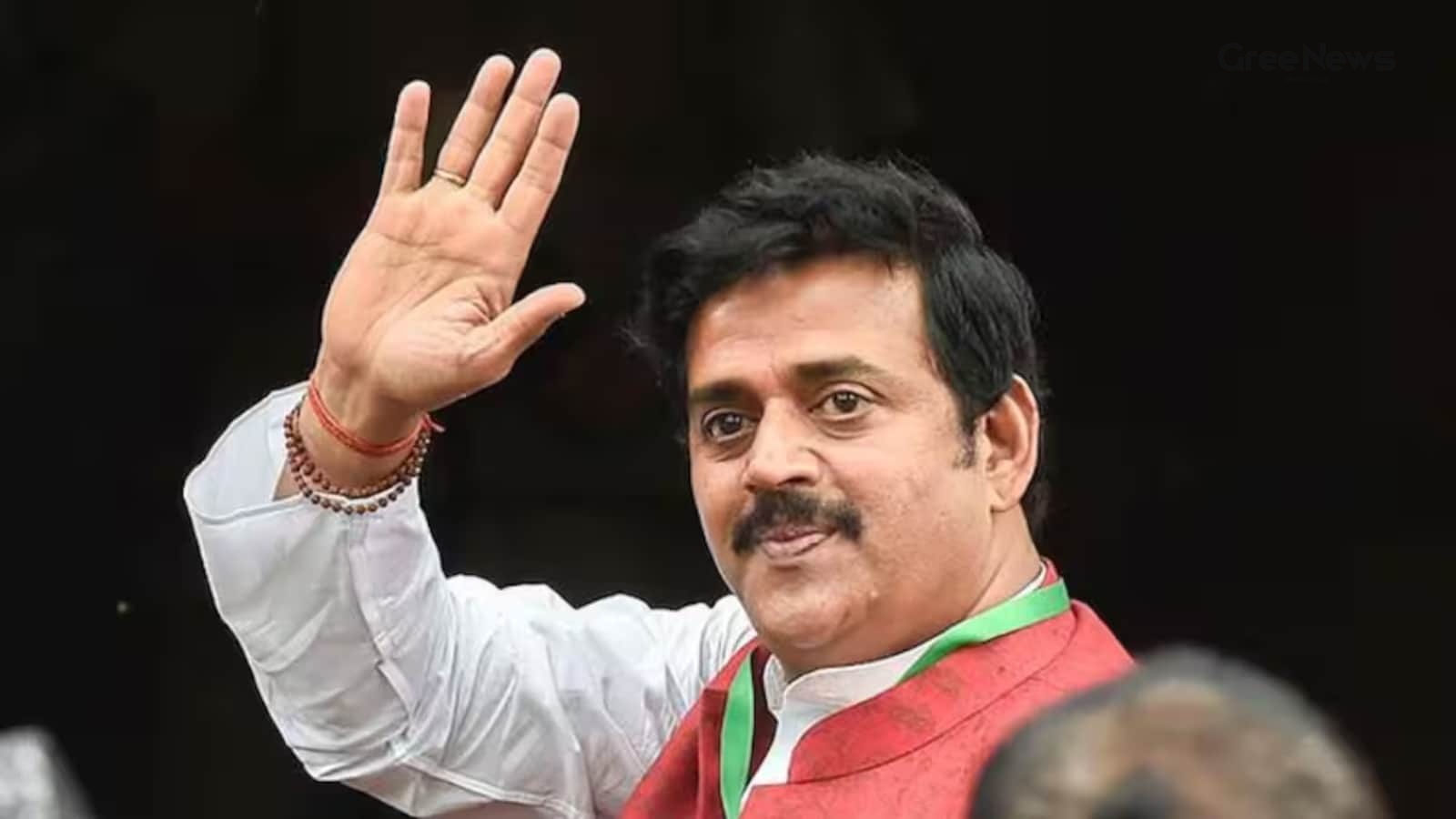
Ravi Kishan. Just the name floats around the digital air now. It’s something smaller. Something messy. A little verbal stumble that exploded online, turning a serious government appeal into something absurdly relatable in a split second.
He was talking about fuel. About saving fuel. About the global headache swirling around the West Asia situation, the way prices spike, the general anxiety about energy. And then the slip. It happened in an interview, something quiet, something meant to be practical advice. But it twisted.
He mixed up the terms. “Work from home.” And then the subsequent clarification, or lack thereof, that followed. “Home from work.”
Fast. Like a piece of digital wildfire.
People didn't just see the words. They saw a mirror. They saw their own daily lives reflected in that small error. It wasn't about the fuel prices themselves, not initially.
The internet, you know? And Ravi Kishan’s little verbal slip? It became prime fodder.
It wasn’t just a correction. It was an opening. A door into a thousand different, completely unrelated corners of the internet, all suddenly shouting their opinions.
You had the immediate meme reaction. That’s the surface level. People looked at the mistake and immediately started playing with it. They didn’t engage with the geopolitical weight of the energy concerns first. They engaged with the pure, silly mechanics of the words.
“Work from home.” Home from work. It’s a simple linguistic trick. A pun waiting to happen.
And the comments section? Oh, that was a whole ecosystem. It wasn't thoughtful analysis.
One user, trying to be clever, threw out something mathematically nonsensical. Something like, “2 times 3 equals 3 times 2. In the same way, work from home equals home from work according to him.” See? That’s the kind of immediate, slightly absurd logic that floods the space. It bypasses the serious stuff entirely. It just plays with the sounds and the structure.
Another one took a slightly more domestic, almost domestic joke. Something about the daily routine. “Yeah, we come home from work every day… get home and eat dinner.” It brought the grand, abstract idea of global energy shifts right back down to the very concrete, immediate reality of settling in for the evening. It was grounding the high-level political talk in the mundane necessity of eating.
It became satirical. That’s where the tone got sharper, a little more biting. You start seeing commentary that wasn’t about the energy crisis at all. It became about the performance of life.
There were comments that felt less like jokes and more like thinly veiled observations about the social contract. Things like, “Media – TRP nahi aa rahi. Ravi Kishan – Me hu naa.” It links the performance of public life—the media metrics—to the individual identity. It suggests that perhaps the focus should be on the self, not the metrics imposed upon it.
Or this one: “He means to shift family to workplace.” That’s a heavy observation. It pulls the focus away from fuel consumption and places it squarely on the domestic arrangement. It hints at the underlying tension between public policy and private reality. It suggests that the remote work discussion, even when framed around fuel saving, is really about where the family resides and how that impacts daily life.
And then you had the kind of commentary that felt almost like a critique of the advice itself. Something about the absurdity of the sudden shift in priorities. “Those who used to demand milk and rose petals in their bathtubs are now giving this advice to the masses!” It’s observational, almost anthropological. It points out the massive, almost comical leap in priorities society seems to be making. It’s about the scale of change, the sudden, almost theatrical shift in what people value.
It’s this way the story fractures. It stops being a straightforward news report about an MP making a slip and becomes a sprawling commentary on the digital zeitgeist. The fuel concerns, the West Asia tensions—they become the distant, almost irrelevant backdrop to the immediate, human-scale comedy unfolding on the screen. The real story became about how we talk about things, and how the internet immediately hijacks those words.
The pacing of the information shifts entirely. It’s no longer a linear progression of cause and effect. It’s a series of reactions bouncing off each other. One joke feeds another. The context of the PM’s appeal gets diluted, pushed into the background noise of the meme economy. The focus drifts entirely to the linguistic play.
Think about the speed.
The initial context, the reason why the discussion was happening—the need to conserve fuel due to global energy disruptions—that gets layered over. It becomes a thin veneer. It’s the political necessity, the heavy stuff we should be focusing on, but the internet, bless its chaotic heart, decided the fun was in the linguistic hiccup.
It makes you wonder what the actual takeaway is. Is this just noise? Or is there something deeper hiding beneath the surface of the meme culture?
The observation style has to change. It can’t just state what happened.
And it spreads. And it changes everything it touches.
Written by Gree News Team — Senior Editorial Board
Gree News Team covers international news and global affairs at Gree News. Our collective of senior editors is dedicated to providing independent, accurate, and responsible journalism for a global audience.
More from India
View All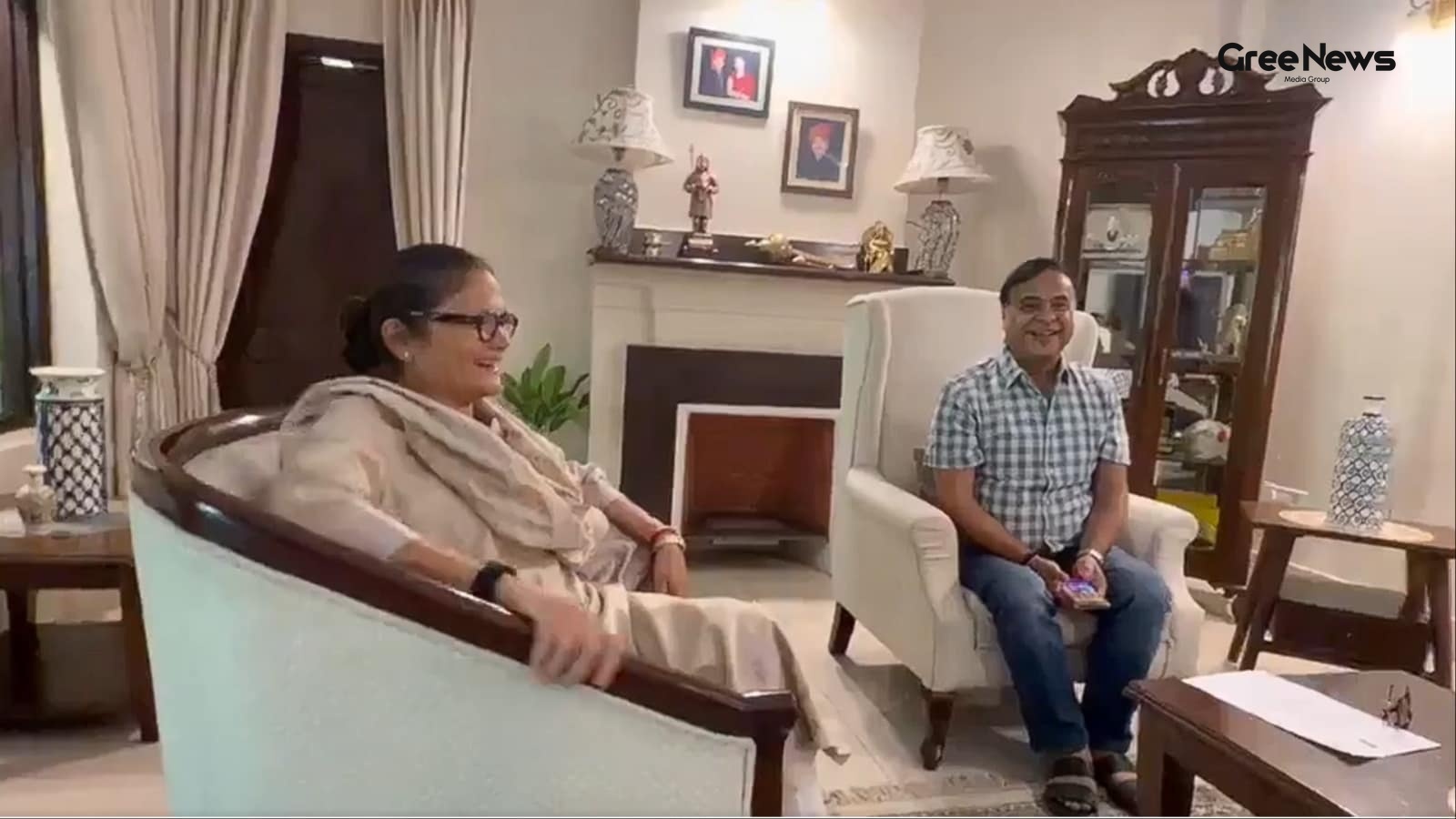
Political Speculation and Internal Turmoil within the TMC
Fresh visuals surfaced of Sushmita Dev meeting Assam Chief Minister Himanta Biswa Sarma. That kind of thing just kicks the speculation into high gear about her next move. It’s all about her potential entry into the BJP, right? This happened right after she stepped down from Rajya Sabha and walked ou
Jun 10, 2026 by Gree News Team
Threats and Intimidation Against Former Judge Justice Gautam Patel
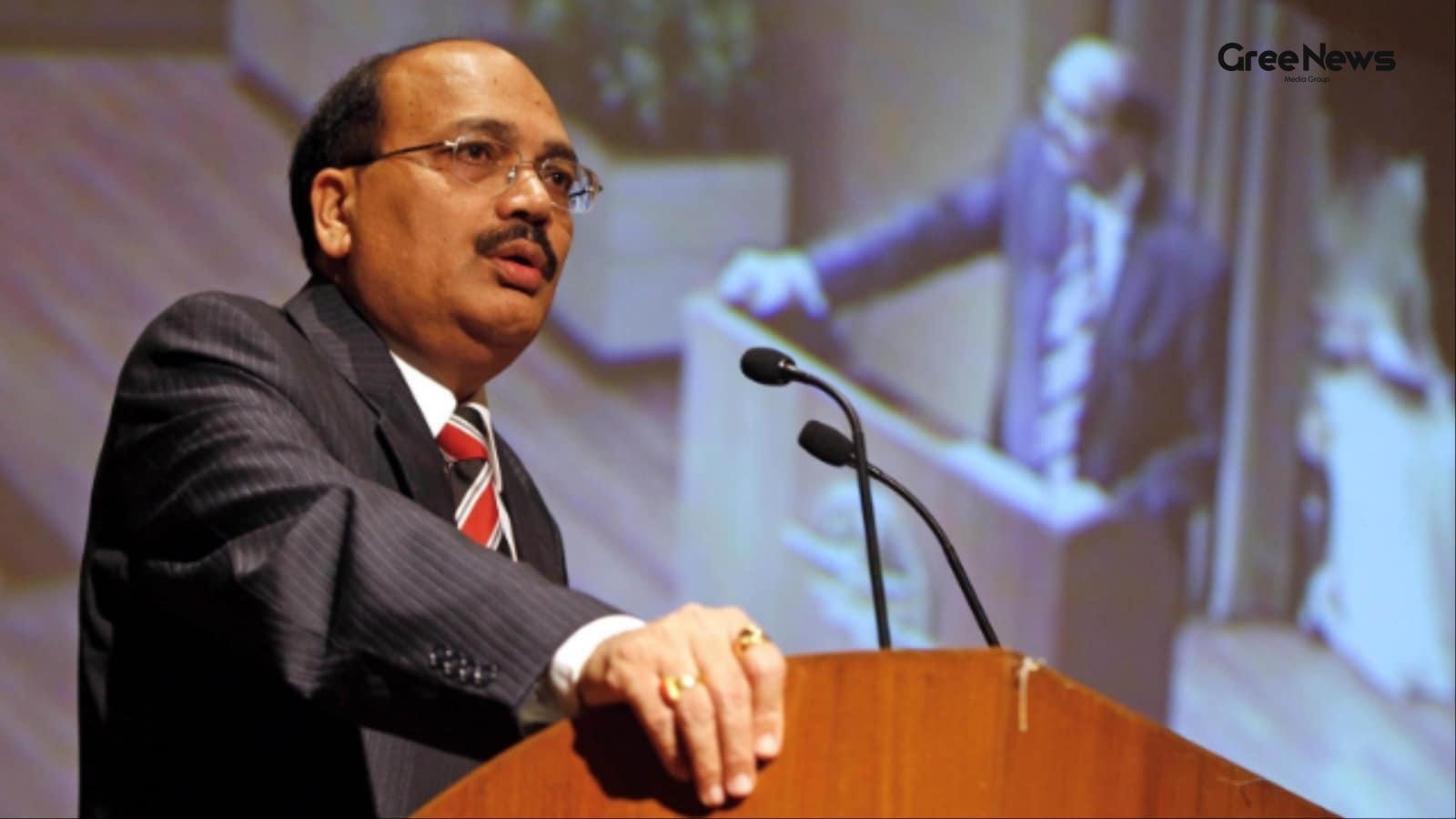
Chief Justice Surya Kant stepped in on the matter involving threats and intimidation aimed at former Bombay High Court judge Justice Gautam Patel. This happened while he was visiting the UK, raising the issue with India’s High Commissioner there. It came out of a report by The Times of India. The wh
Jun 10, 2026 by Gree News Team
The Political Feud: Shivakumar vs. Kumaraswamy and the Vokkaliga Rivalry
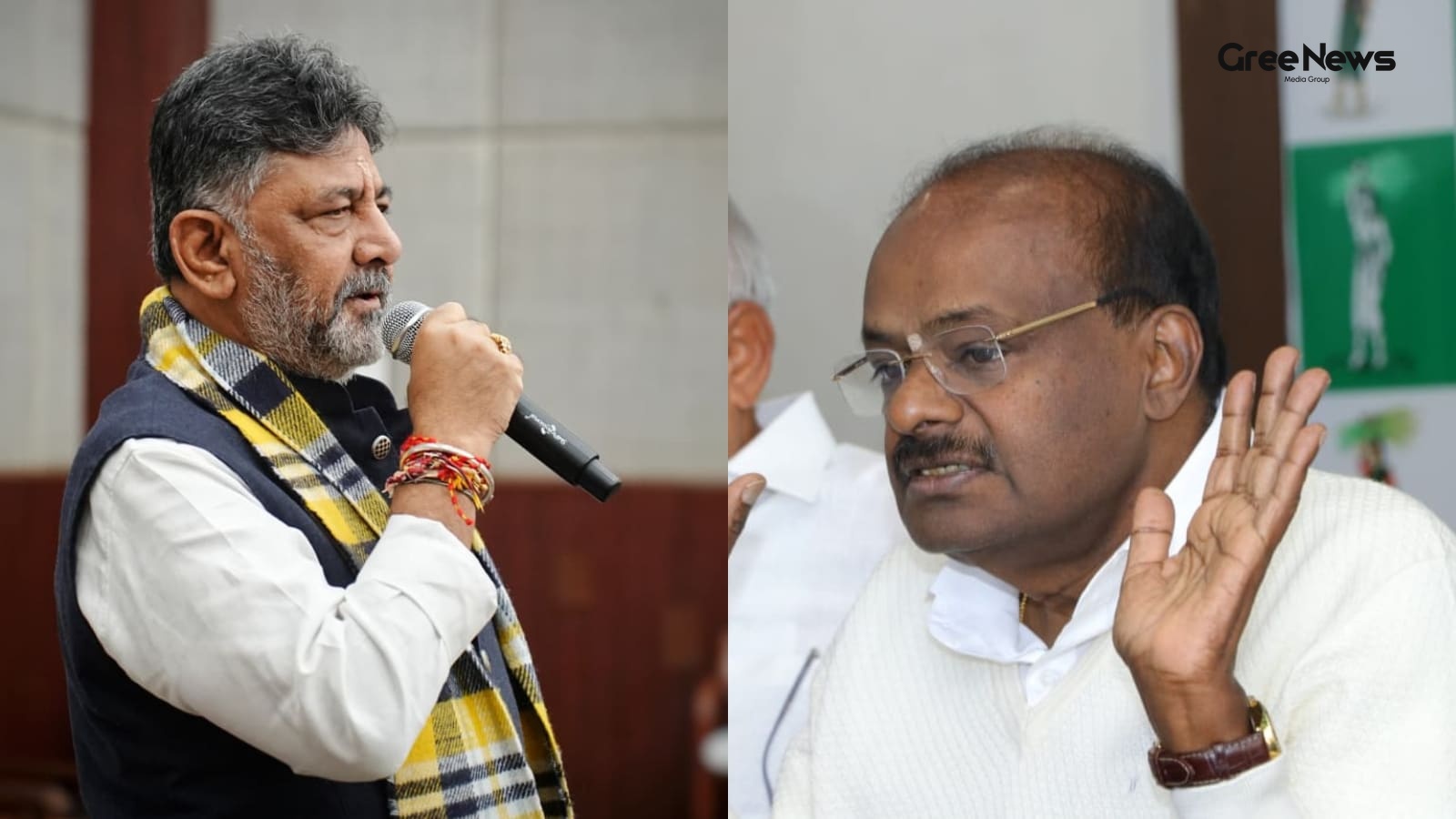
A meeting that hasn't even happened is already sparking political sparring. Karnataka Chief Minister DK Shivakumar and Union Minister HD Kumaraswamy. It just underlines how bitter one of the state’s longest-running rivalries still is. Shivakumar was doing some outreach, a carefully choreographed exe
Jun 10, 2026 by Gree News Team
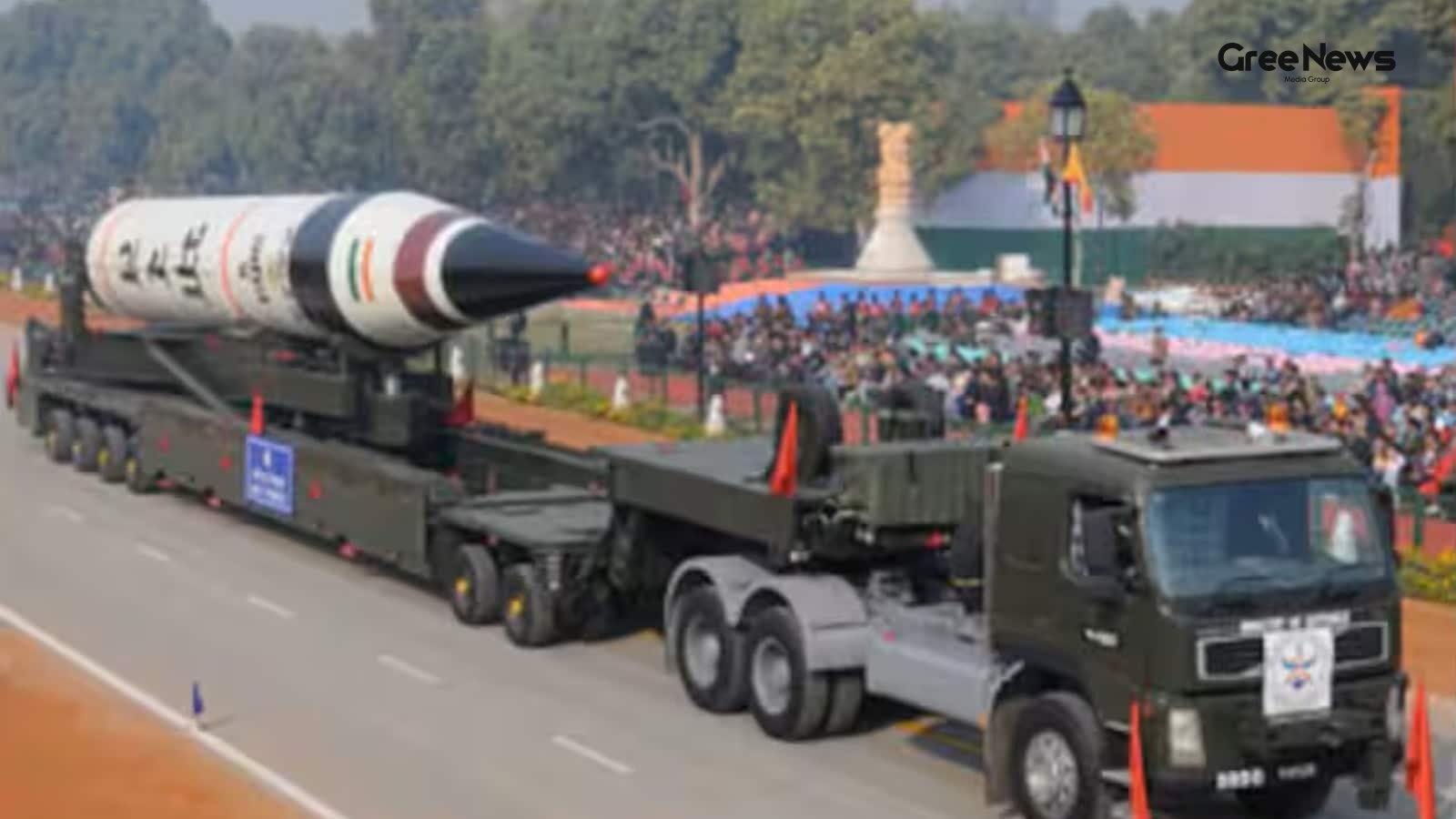
The Global Nuclear Arms Race: Spending, Capabilities, and Future Risks
Nearly eight decades since Hiroshima and Nagasaki. And the world’s nuclear powers aren't slowing down. They keep spending more, modernizing faster, and experts are watching them move weapons out of storage and into potential use. It’s a real arms race happening right now. The nine states that hold n
Jun 10, 2026 by Gree News Team
Latest Headlines
Political Speculation and Internal Turmoil within the TMC
Fresh visuals surfaced of Sushmita Dev meeting Assam Chief Minister Himanta Biswa Sarma. That kind of thing just kicks the speculation into high gear about her next move. It’s all about her potential entry into the BJP, right? This happened right after she stepped down from Rajya Sabha and walked ou
Jun 10, 2026 by Gree News Team
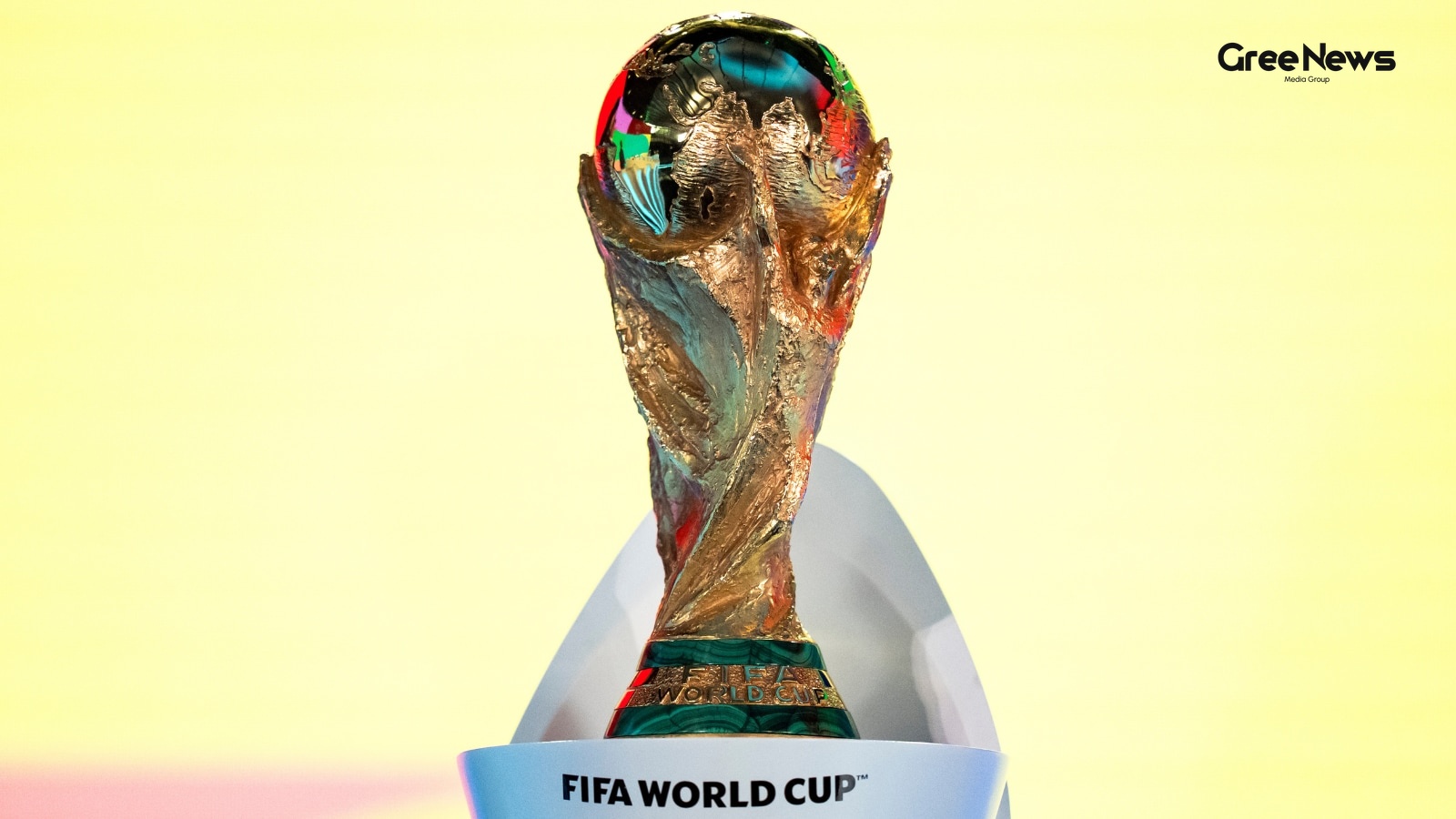
FIFA World Cup 2026: Structure, Geography, and the Official Match Ball
The FIFA World Cup 2026 is really starting to feel imminent now. It’s heading toward North America the USA, Mexico, and Canada are slated to host this massive global spectacle. People are talking about it constantly. It’s not just a standard tournament anymore. This time around, they’re throwing way
Jun 10, 2026 by Gree News Team
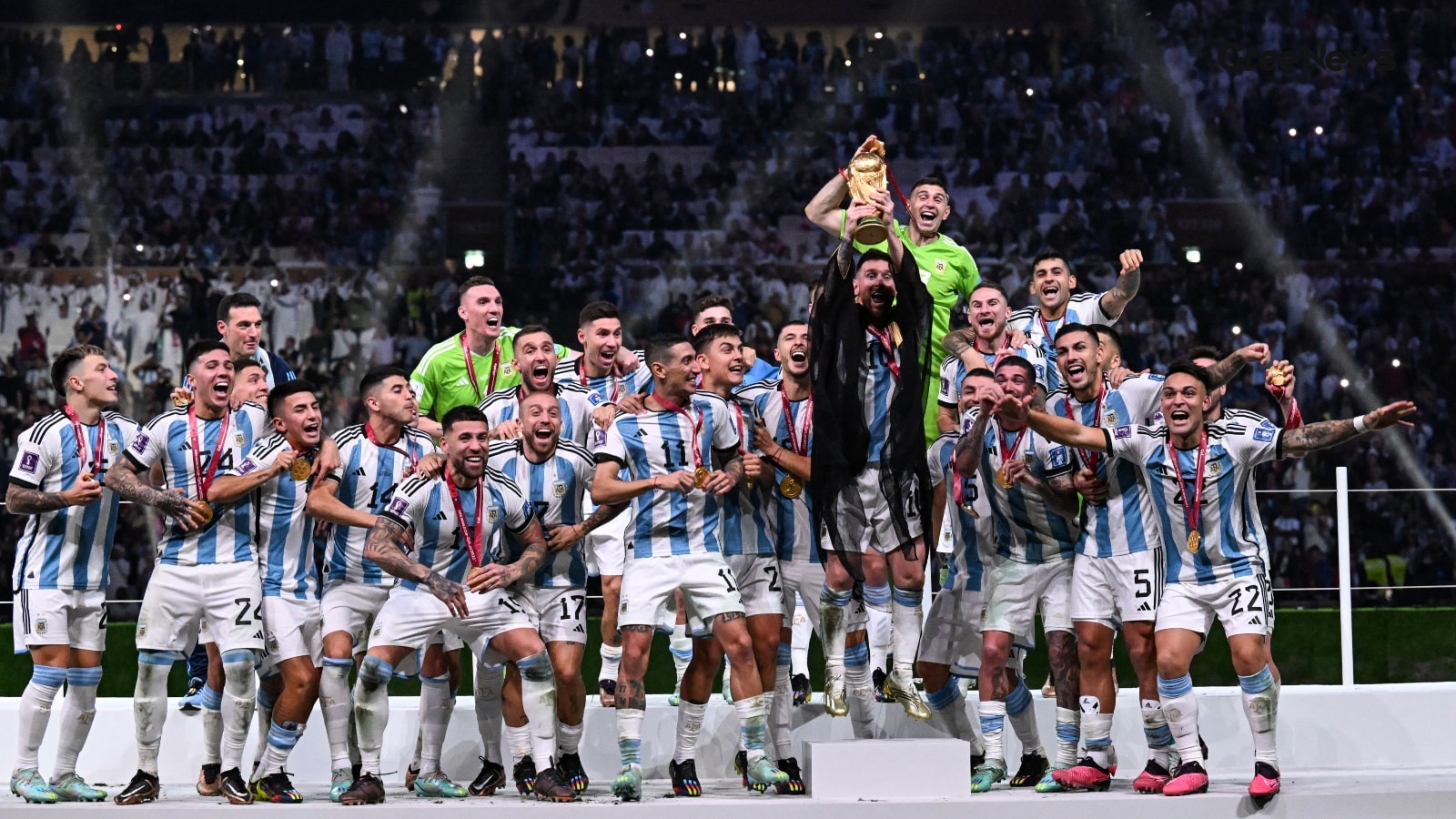
Lionel Messi and Argentina's World Cup Journey in Group J
Argentina’s taking on Group J in this new setup USA, Mexico, and Canada it feels like more than just football now. It’s about that farewell, isn't it? Lionel Messi is chasing something special right now, playing out this final chapter with the Albiceleste against Algeria, Austria, and Jordan. There’
Jun 10, 2026 by Gree News Team
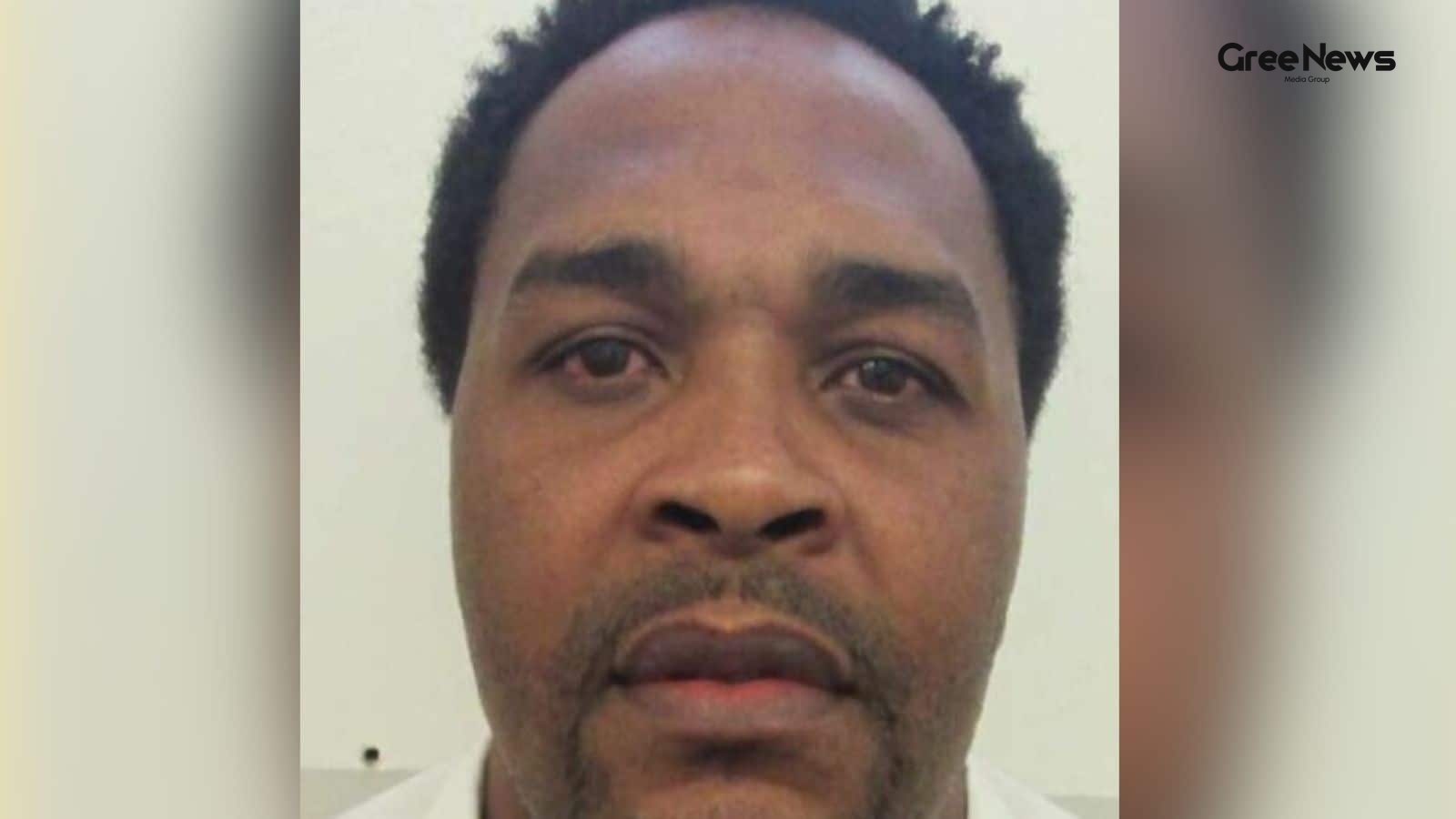
Federal Judge Bars Nitrogen Gas Execution in Alabama
A federal judge just slammed the door shut on Alabama’s plan to use nitrogen gas for executing Jeffery Lee. Permanently barred it, ruling the method violated basic constitutional rights about cruel and unusual punishment. This decision dropped like a stone. It came just one day after an appeals cour
Jun 10, 2026 by Gree News Team
Kerala Board Plus One Results 2026 Announcement and Checking Methods
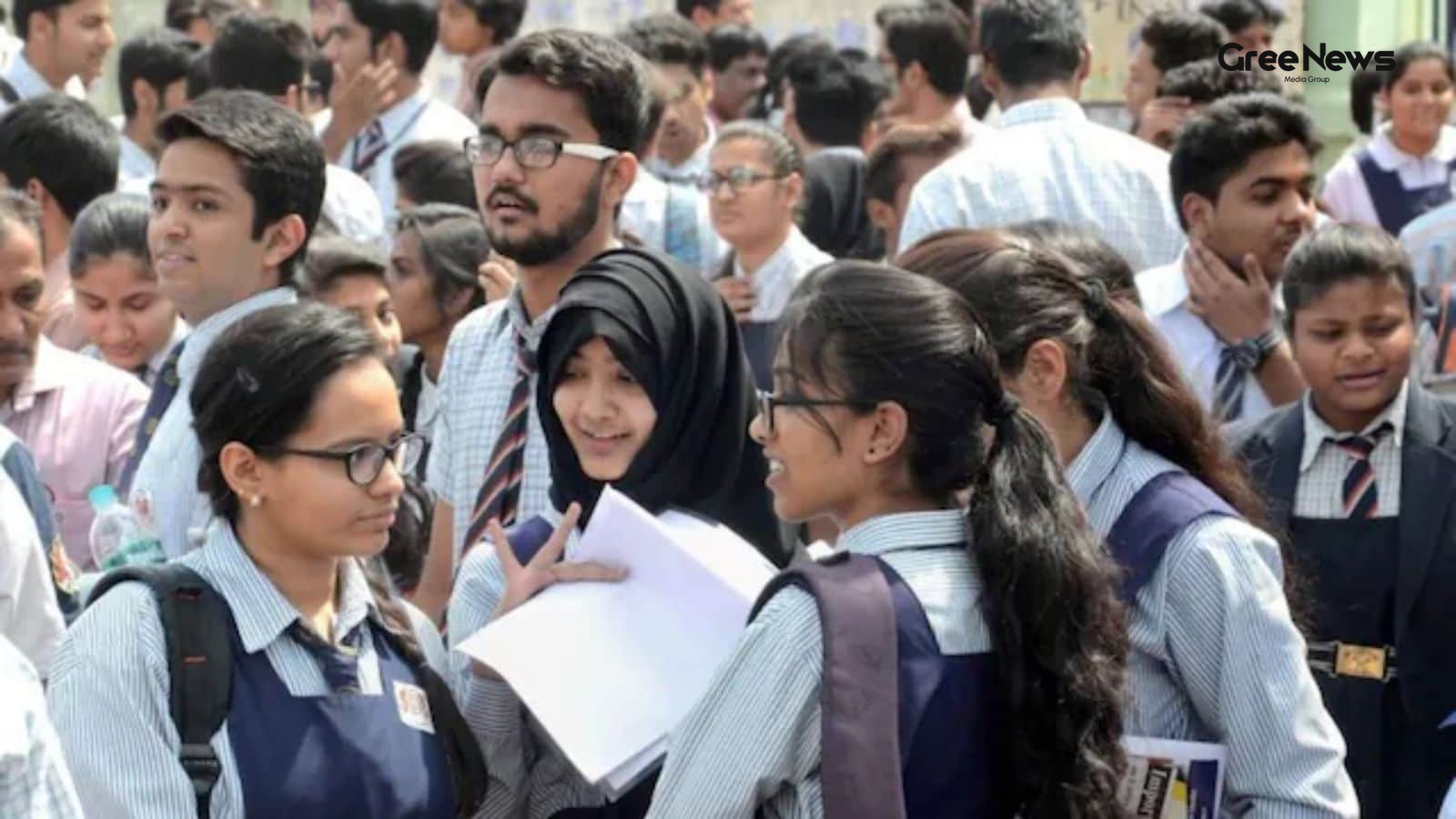
The Kerala Board Plus One results for 2026 are finally coming today, June 10th. That’s when the Directorate of Higher Secondary Education will officially announce everything. Students who took the DHSE Kerala Class 11 exams in 2026 can start checking their scores now. You have a few places to look,
Jun 10, 2026 by Gree News Team
Threats and Intimidation Against Former Judge Justice Gautam Patel
Chief Justice Surya Kant stepped in on the matter involving threats and intimidation aimed at former Bombay High Court judge Justice Gautam Patel. This happened while he was visiting the UK, raising the issue with India’s High Commissioner there. It came out of a report by The Times of India. The wh
Jun 10, 2026 by Gree News Team

Intersection of Art, Politics, and Public Morality at Film Screening
The buzz around the screening for ‘Bharat Bhhagya Viddhaata’ was definitely something special that Tuesday evening in Delhi. It wasn't just about watching a movie; it felt like a convergence a mix of film fans, some political heavyweights, and a surprising amount of high-level government presence. P
Jun 10, 2026 by Gree News Team
The Political Feud: Shivakumar vs. Kumaraswamy and the Vokkaliga Rivalry
A meeting that hasn't even happened is already sparking political sparring. Karnataka Chief Minister DK Shivakumar and Union Minister HD Kumaraswamy. It just underlines how bitter one of the state’s longest-running rivalries still is. Shivakumar was doing some outreach, a carefully choreographed exe
Jun 10, 2026 by Gree News Team
Protest and Political Standoff in Mexico City Before the World Cup
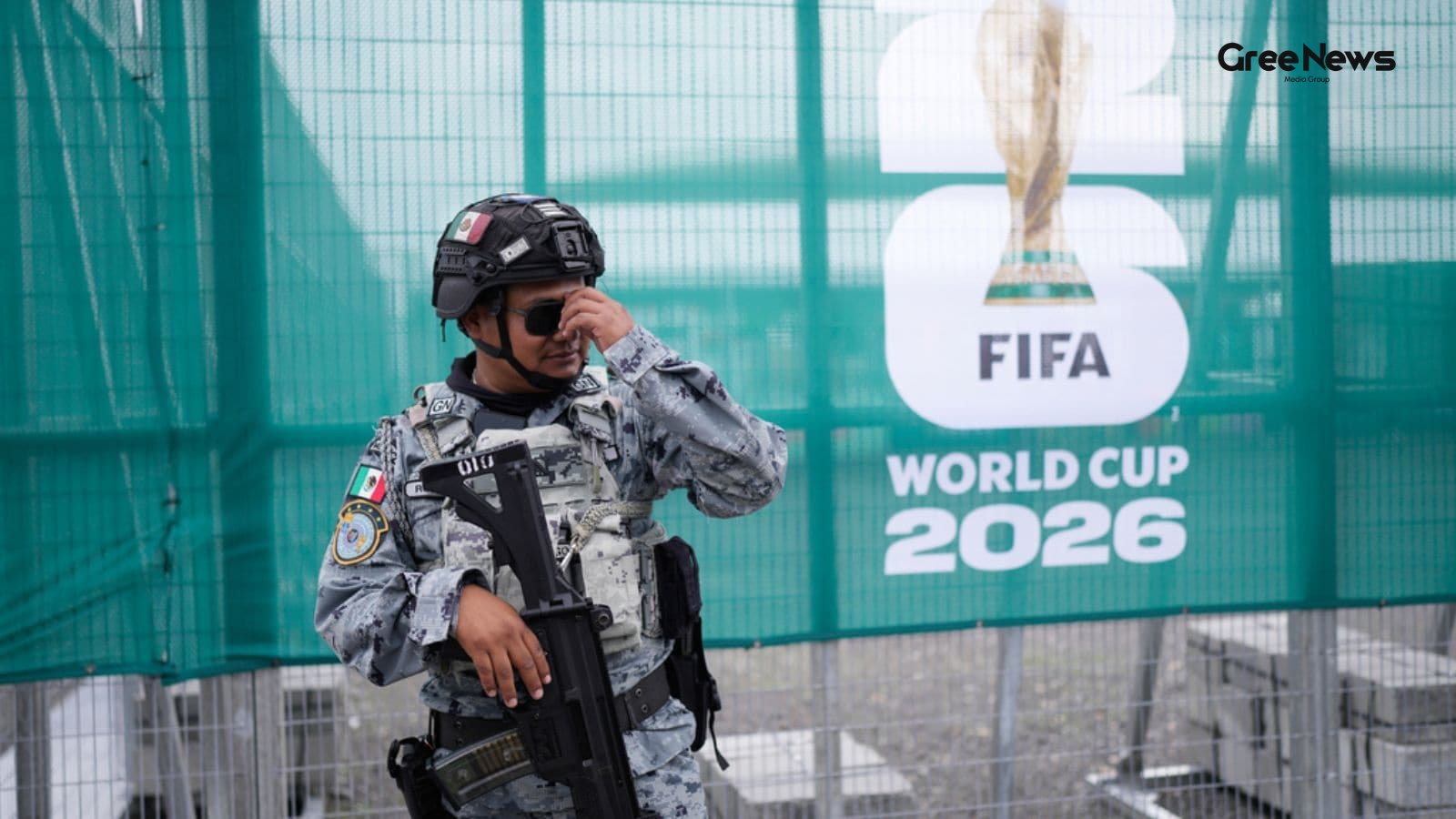
A protest choked off an avenue leading right to Mexico City’s Azteca Stadium for hours on Tuesday. It was just days before that massive World Cup opening match. As football fans started flooding in, all those co-hosts the US, Canada, and Mexico you see the real mess happening back home. Thousands of
Jun 10, 2026 by Gree News Team
The Global Nuclear Arms Race: Spending, Capabilities, and Future Risks
Nearly eight decades since Hiroshima and Nagasaki. And the world’s nuclear powers aren't slowing down. They keep spending more, modernizing faster, and experts are watching them move weapons out of storage and into potential use. It’s a real arms race happening right now. The nine states that hold n
Jun 10, 2026 by Gree News Team
The Chaos of Cinema: Volume, Competition, and the Shifting Market
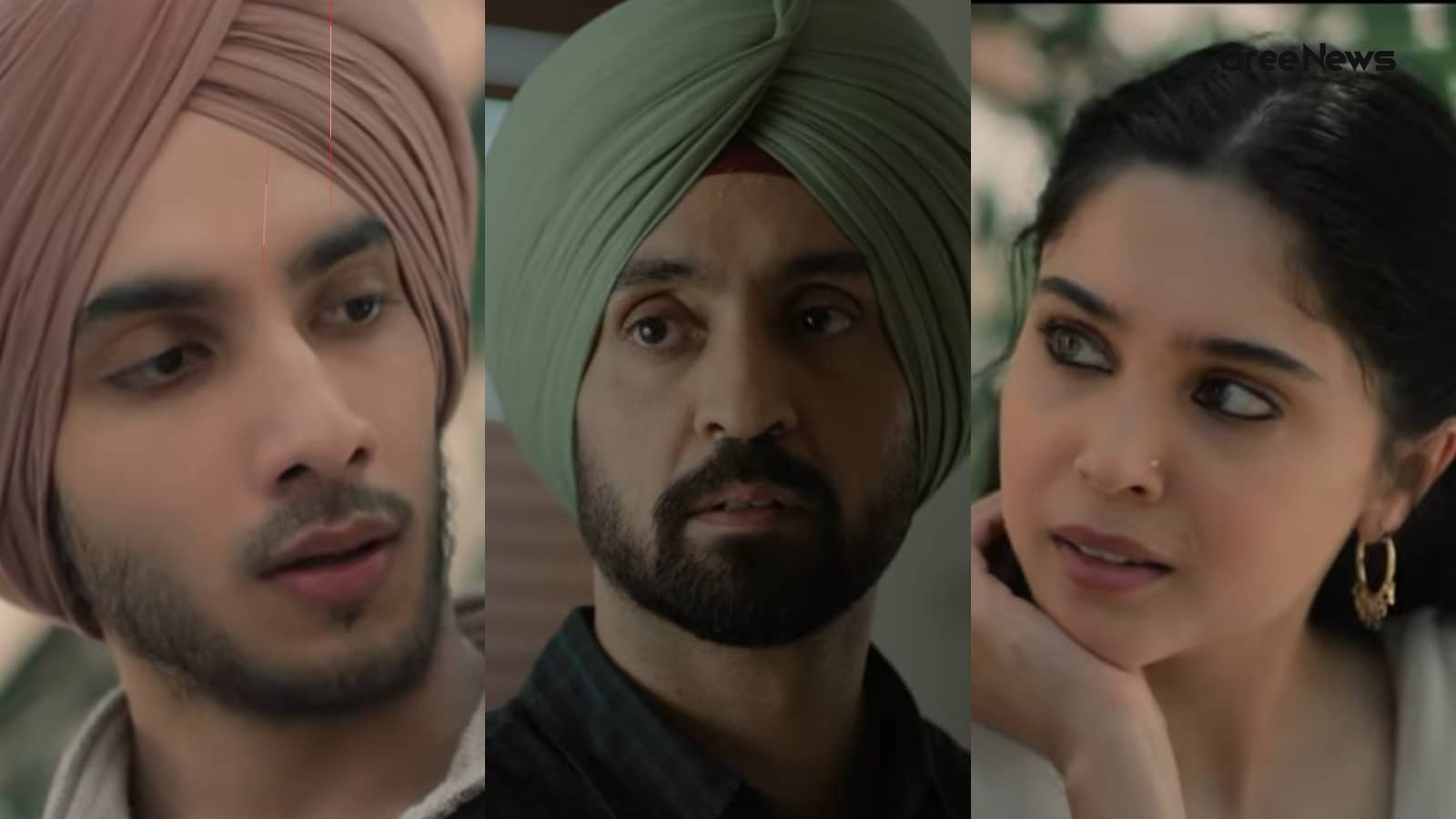
The Friday arrived packed. June 12th. It wasn't just another day; it was a collision of cinema. Nine films, all hitting the screens at once. *Main Vaapas Aaunga*, Imtiaz Ali’s directorial effort. Then you had Kangana Ranaut’s *Bharat Bhhagya Vidhaata*. And the horror mixed in Vikram Bhatt’s *Haunted
Jun 10, 2026 by Gree News Team

Stock Market Updates: June 10th Performance and Sector Analysis
Stock market updates today, June 10th. Everything turned sour in late trading Wednesday. Domestic equity markets basically gave up all those gains they managed to hold during the day. Heavy selling hit midcap, smallcap stocks, plus metals, realty, and financial names dragging the main indices into n
Jun 10, 2026 by Gree News Team

Iran Football Team Travel and World Cup Arrangements
Iran’s football team is heading to Los Angeles, apparently. They announced Tuesday that they'll be flying there the day before their first group-stage game against New Zealand. It feels like a lot happening all at once. But where exactly will they be staying? They won't actually be in L.A. for long.
Jun 10, 2026 by Gree News Team

The Impact of Gen AI on Job Applications and Hiring Strategies
When you start looking for a job, everyone builds this whole structure: the résumé, that killer cover letter, tailoring it perfectly. The whole point was always that application could make you jump out from the crowd of hundreds of applicants. But honestly? Recruiters are starting to think that play
Jun 10, 2026 by Gree News Team
Narendra Modi's Milestone: India's Longest-Serving Prime Minister
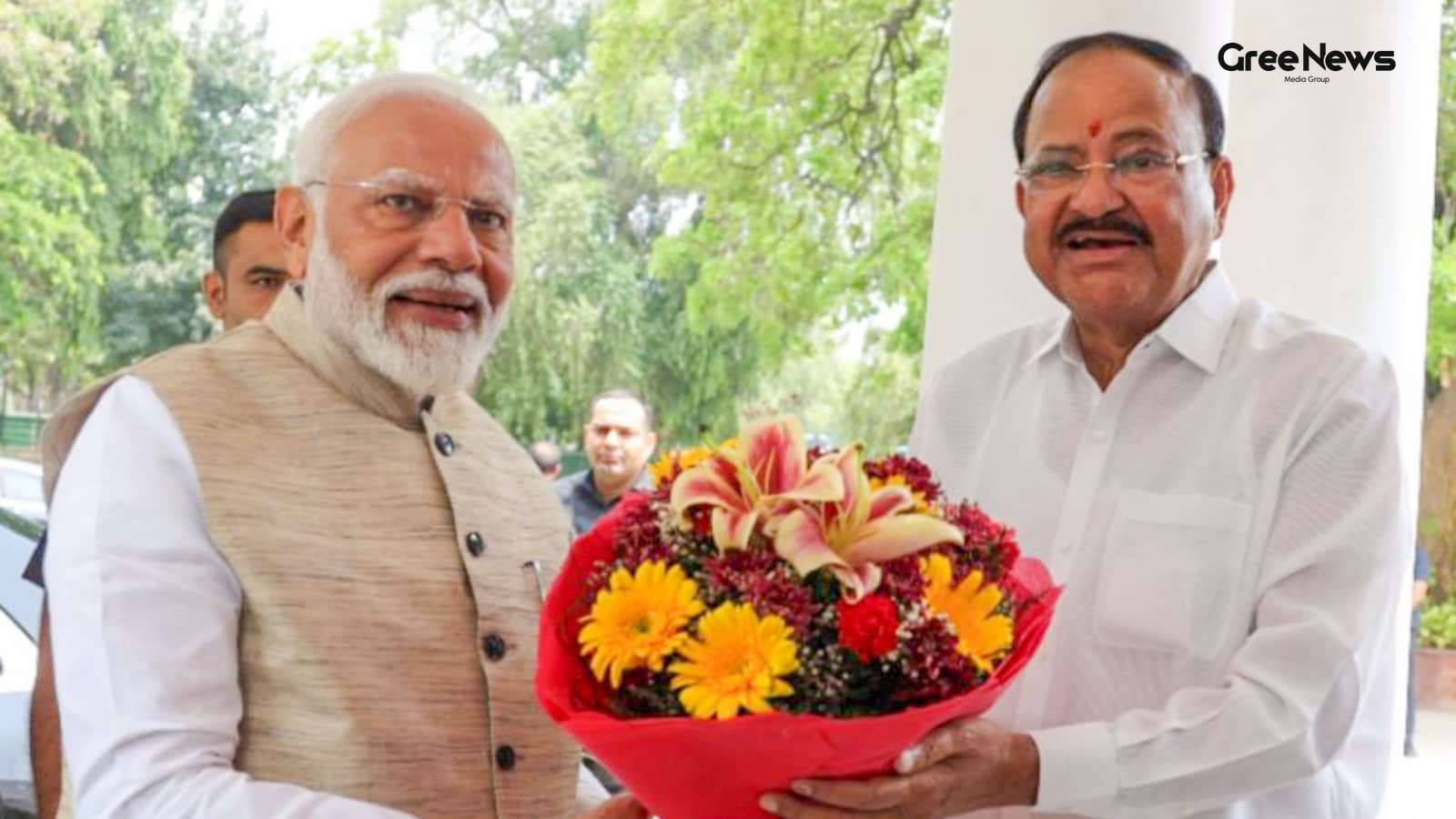
Narendra Modi just hit a huge milestone. India’s longest-serving elected Prime Minister. Forty-three hundred ninety-nine days in office now. That beats Nehru's record, which was the first one. Former Vice President Venkaiah Naidu spoke about it. He praised the leadership and everything Modi has done
Jun 10, 2026 by Gree News Team