The Pattern of Political Defection in Indian Politics
That phrase, “Aaya Ram, Gaya Ram.” It sounds foreign to Gen-Z voters, right? But it’s been hanging over Indian politics for nearly fifty years. It’s basically the shorthand for political backstabbing.
It started way back in 1967. Haryana MLA Gaya Lal just flipped parties three times in one day. That’s how you get the idea of lawmakers just ditching their loyalties whenever it suits them.
And since then, you’ve seen governments just vanish. Trusted loyalists turning into rebels, flipping the whole landscape overnight. It’s a pattern.
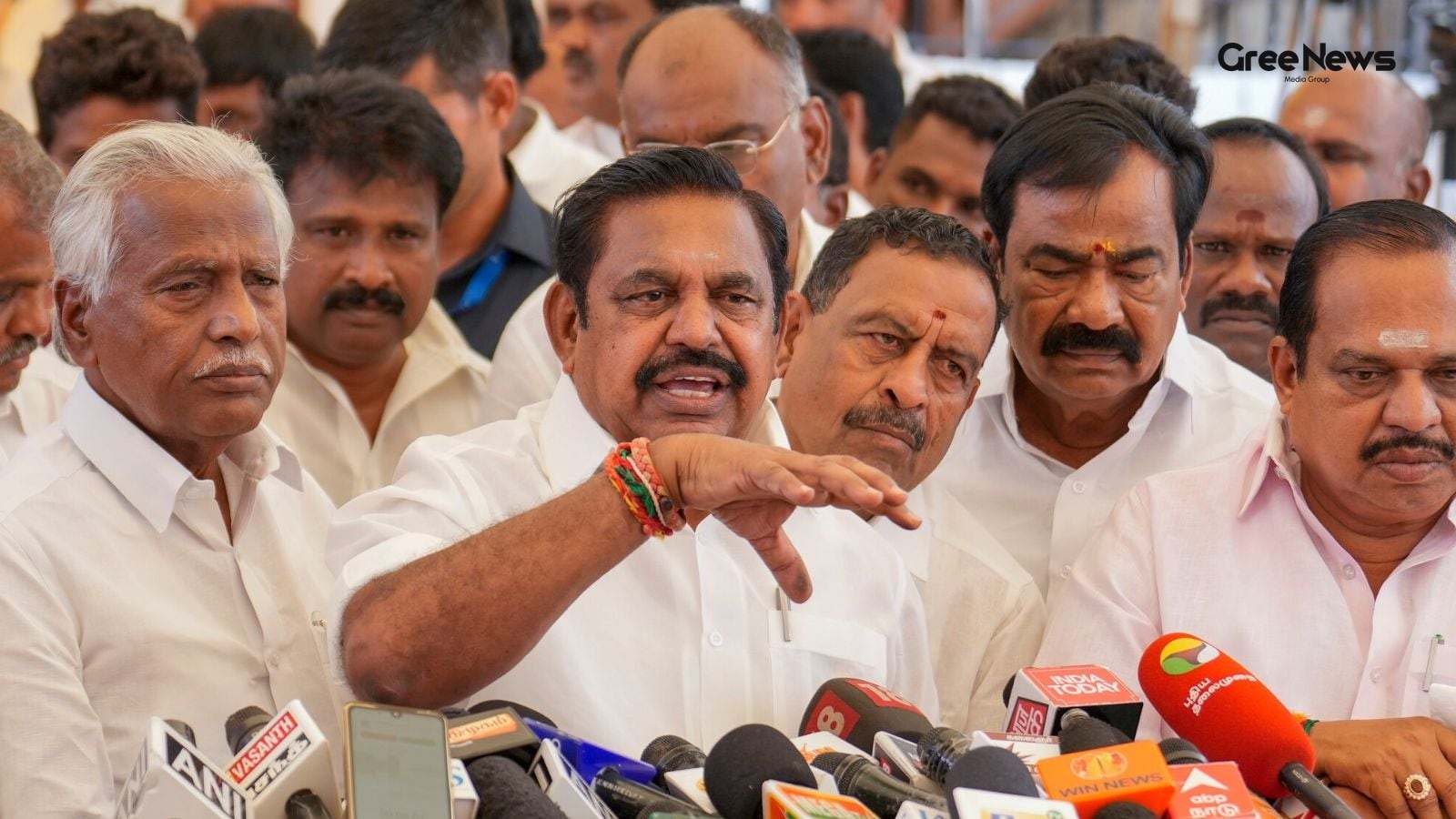
Look at what’s happening now. The latest shakeup in the AIADMK is just another example. Twenty-five MLAs revolted against Edappadi K Palaniswami. They accused him of trying to team up with the DMK , especially after the TVK didn't manage a majority. Palaniswami finally pulled the plug on all those MLAs.
The whole thing hinges on that Tenth Schedule . Anti-defection law. If two-thirds of a party breaks away, they can dodge disqualification. Courts keep wrestling with who actually counts as the "real party" when these splits happen. It’s always messy.
In the last ten years alone, state governments have just evaporated or totally flipped after these internal fights. It’s exhausting.
Take Maharashtra in 2022. The Shinde Revolt . Eknath Shinde, who was supposed to be a loyalist to Uddhav Thackeray, led a massive rebellion inside the Shiv Sena .
He claimed Thackeray abandoned the Hindutva cause by joining the MVA alliance with Congress and NCP. Forty of the fifty-five MLAs sided with Shinde. It pushed the Thackeray government right to the edge. Thackeray resigned as Chief Minister before a floor test even happened. Then Shinde got the government with the BJP backing. And eventually, the name and symbol got legitimized for the Shiv Sena . Chaos.
Then there’s Madhya Pradesh in 2020. The fall of the Congress government really centered on Jyotiraditya Scindia. He was supposed to be a rising star, a prominent young leader.
Scindia rebelled against the Congress leadership. He felt sidelined by older names like Kamal Nath and Digvijaya Singh. He walked out with twenty-two MLAs and jumped to the BJP. Poof. The 15-month Kamal Nath government collapsed. Shivraj Singh Chouhan stepped in as CM again.
Karnataka in 2019 was another mess. The Congress-JD(S) coalition was already shaky. Internal divisions were baked in from the start.
In July of that year, seventeen MLAs from both sides camped out at a Mumbai resort. They declared rebellion against the then CM, H. D. Kumaraswamy. Trying to get them to come back? Failed. The trust vote didn't stick. The BJP ended up running the government under B. S. Yediyurappa. And those rebel MLAs? They later went on to win bypolls on BJP tickets.
Arunachal Pradesh in 2016 was maybe the most dramatic mass defection we saw recently. There was internal unrest against Nabam Tuki. The Congress government just dissolved into instability. The state briefly went under President’s Rule.
Pema Khandu ended up as CM, a Congress guy. But within months, he and forty-three of his MLAs jumped ship to the People’s Party of Arunachal. Then they aligned with the BJP. It was a full conversion. A Congress state suddenly became a BJP one, without even a fresh election.
Uttarakhand in 2016 saw similar trouble. Nine Congress MLAs, including former CM Vijay Bahuguna, rebelled. It happened during a budget session. They joined the BJP demanding a vote on the Appropriation Bill. The crisis led to President’s Rule. But surprisingly, the Supreme Court stepped in. They ordered a floor test. Harish Rawat managed to prove his majority and held on, but the Congress eventually lost the Assembly election.
It just keeps happening. These shifts. These sudden breaks. It’s all about who holds the strings. And who decides what’s real.
Written by Gree News Team — Senior Editorial Board
Gree News Team covers international news and global affairs at Gree News. Our collective of senior editors is dedicated to providing independent, accurate, and responsible journalism for a global audience.
More from India
View All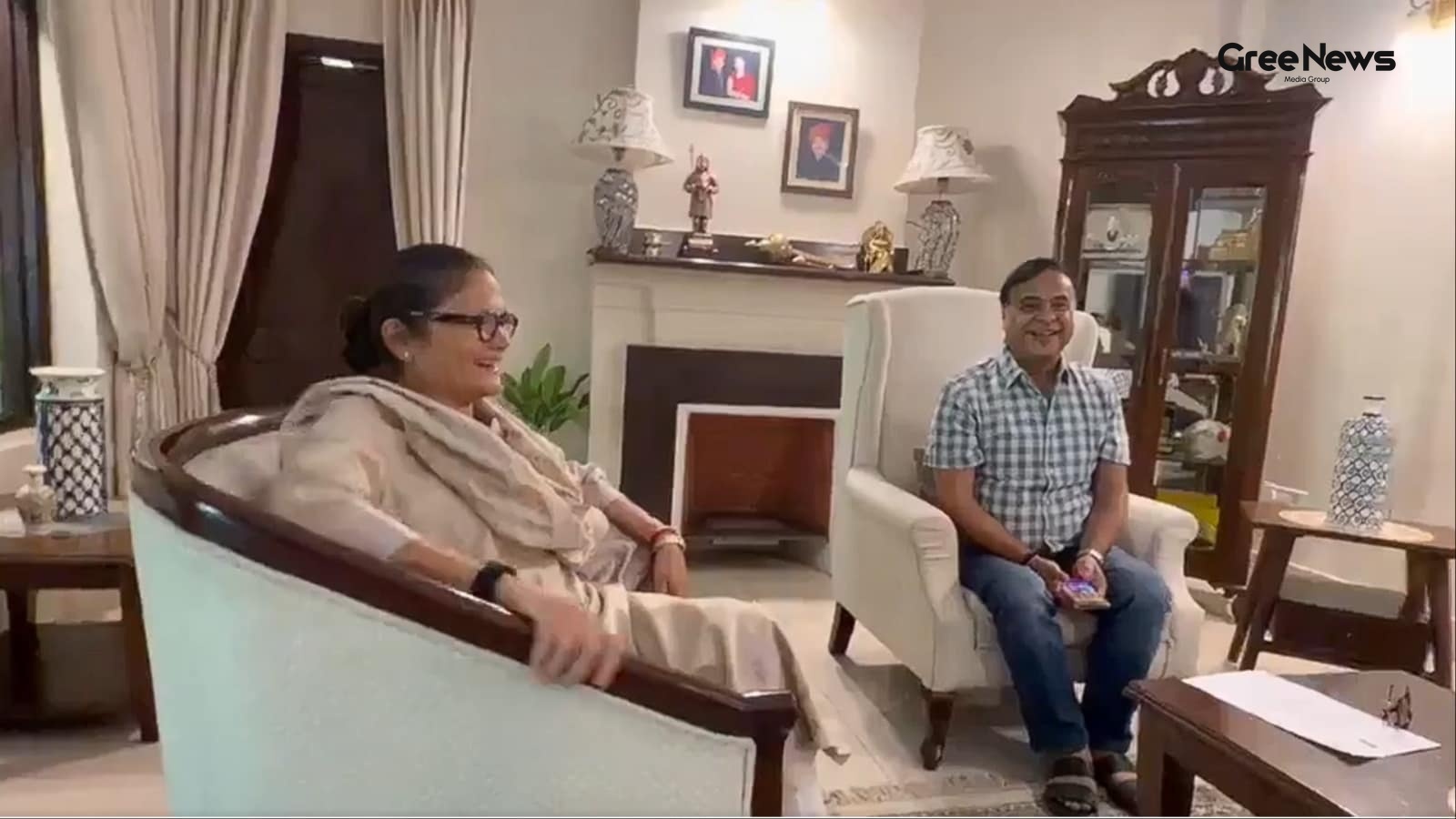
Political Speculation and Internal Turmoil within the TMC
Fresh visuals surfaced of Sushmita Dev meeting Assam Chief Minister Himanta Biswa Sarma. That kind of thing just kicks the speculation into high gear about her next move. It’s all about her potential entry into the BJP, right? This happened right after she stepped down from Rajya Sabha and walked ou
Jun 10, 2026 by Gree News Team
Threats and Intimidation Against Former Judge Justice Gautam Patel
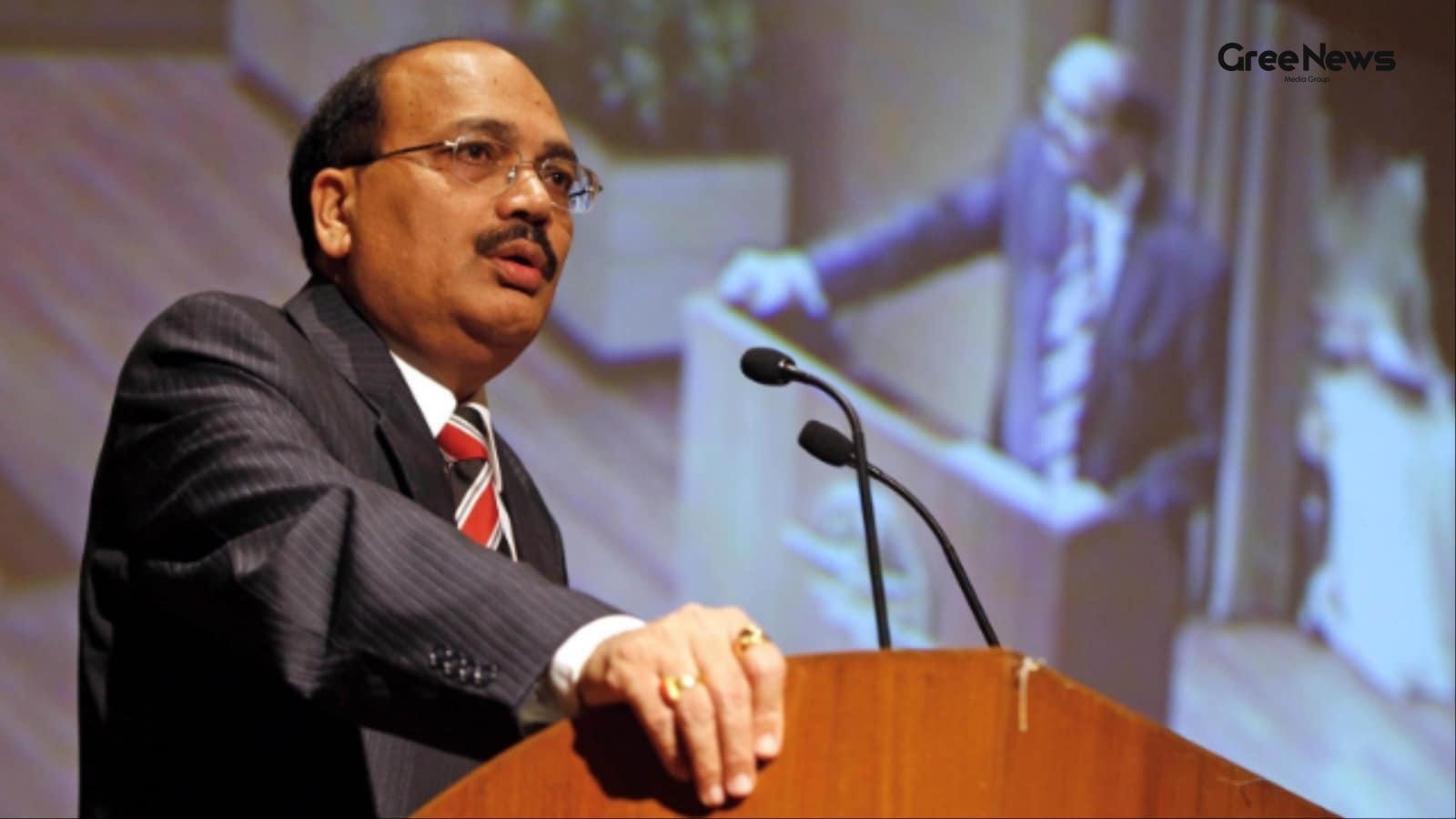
Chief Justice Surya Kant stepped in on the matter involving threats and intimidation aimed at former Bombay High Court judge Justice Gautam Patel. This happened while he was visiting the UK, raising the issue with India’s High Commissioner there. It came out of a report by The Times of India. The wh
Jun 10, 2026 by Gree News Team
The Political Feud: Shivakumar vs. Kumaraswamy and the Vokkaliga Rivalry
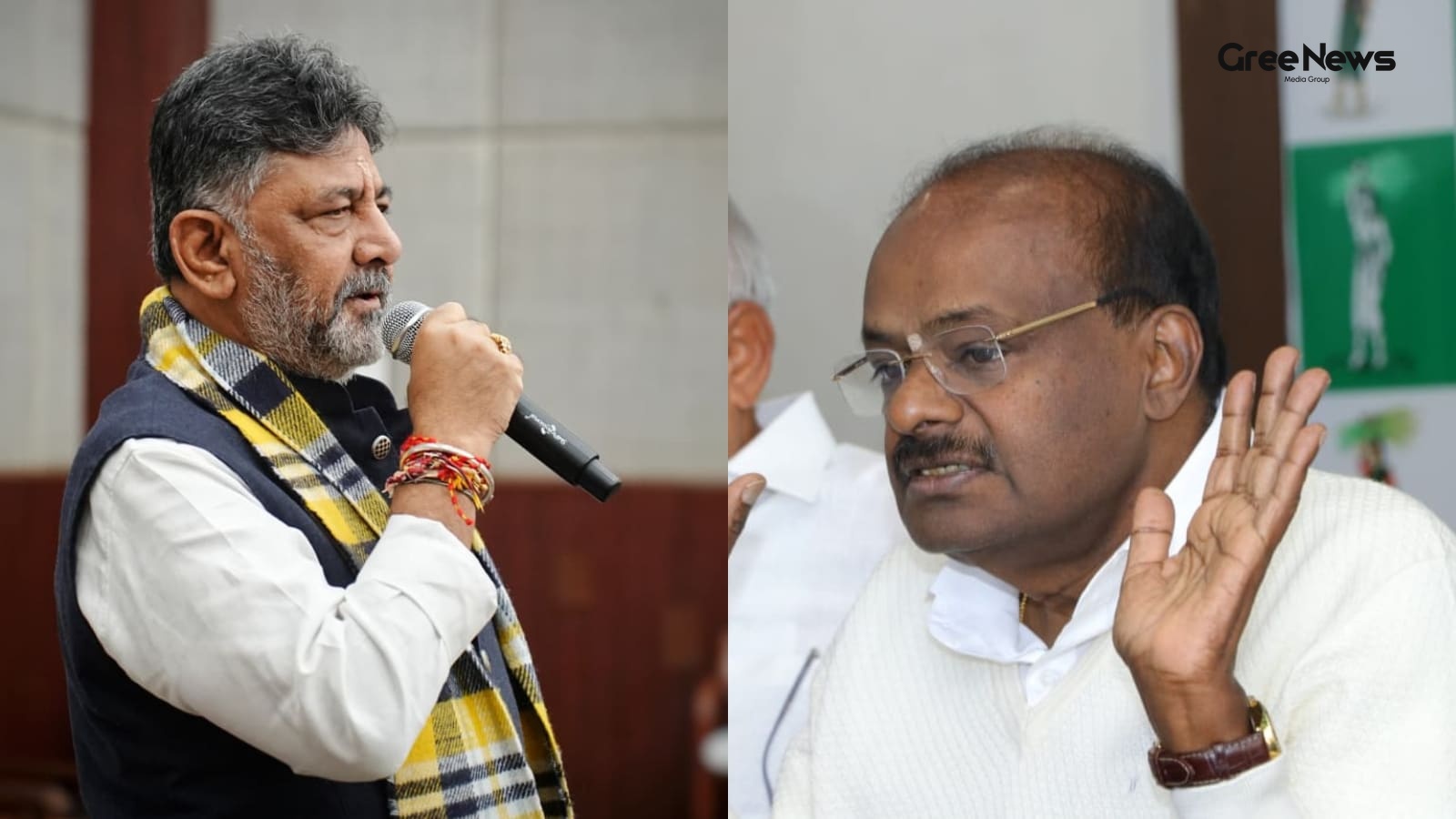
A meeting that hasn't even happened is already sparking political sparring. Karnataka Chief Minister DK Shivakumar and Union Minister HD Kumaraswamy. It just underlines how bitter one of the state’s longest-running rivalries still is. Shivakumar was doing some outreach, a carefully choreographed exe
Jun 10, 2026 by Gree News Team
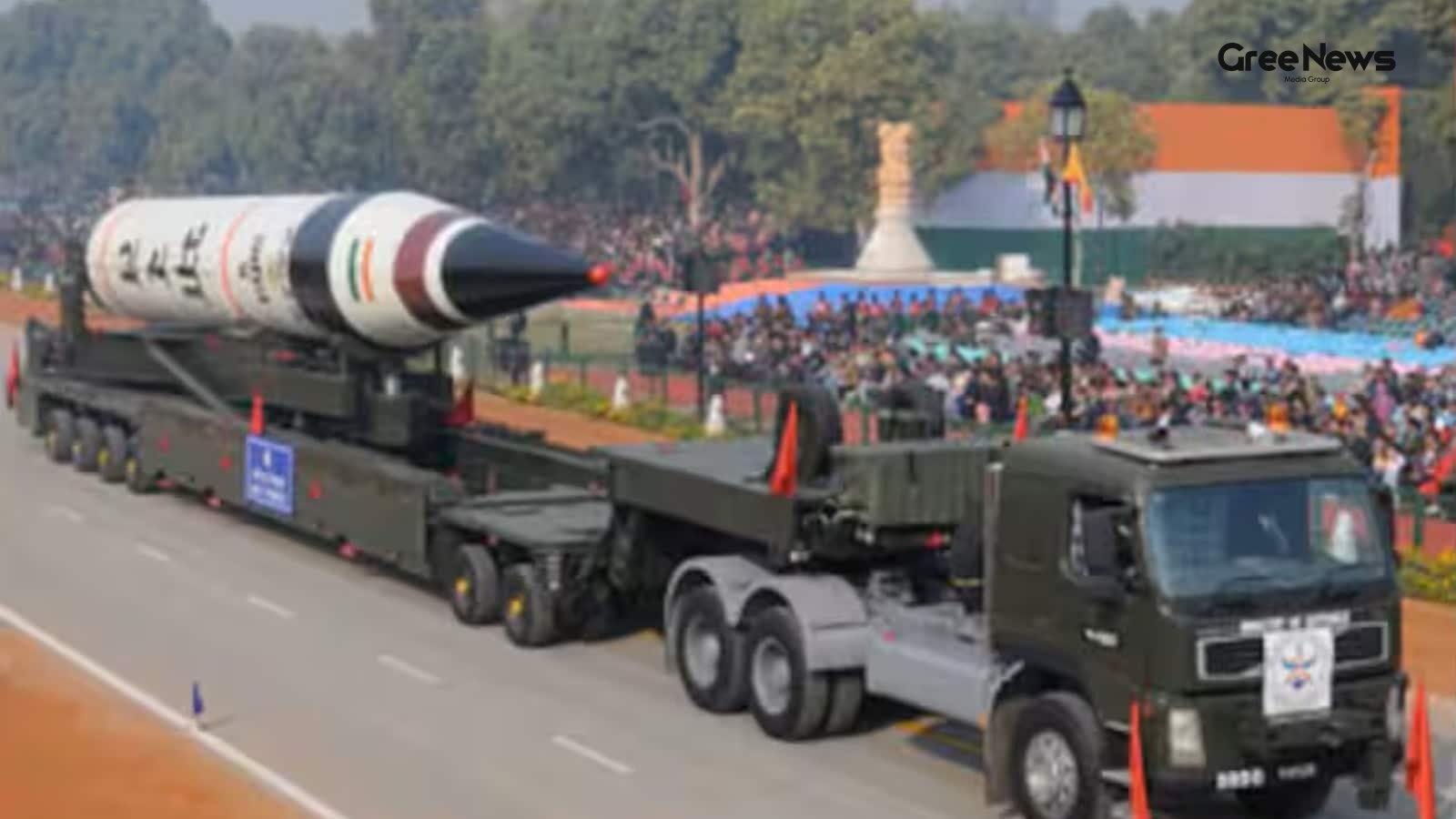
The Global Nuclear Arms Race: Spending, Capabilities, and Future Risks
Nearly eight decades since Hiroshima and Nagasaki. And the world’s nuclear powers aren't slowing down. They keep spending more, modernizing faster, and experts are watching them move weapons out of storage and into potential use. It’s a real arms race happening right now. The nine states that hold n
Jun 10, 2026 by Gree News Team
Latest Headlines
Political Speculation and Internal Turmoil within the TMC
Fresh visuals surfaced of Sushmita Dev meeting Assam Chief Minister Himanta Biswa Sarma. That kind of thing just kicks the speculation into high gear about her next move. It’s all about her potential entry into the BJP, right? This happened right after she stepped down from Rajya Sabha and walked ou
Jun 10, 2026 by Gree News Team

FIFA World Cup 2026: Structure, Geography, and the Official Match Ball
The FIFA World Cup 2026 is really starting to feel imminent now. It’s heading toward North America the USA, Mexico, and Canada are slated to host this massive global spectacle. People are talking about it constantly. It’s not just a standard tournament anymore. This time around, they’re throwing way
Jun 10, 2026 by Gree News Team
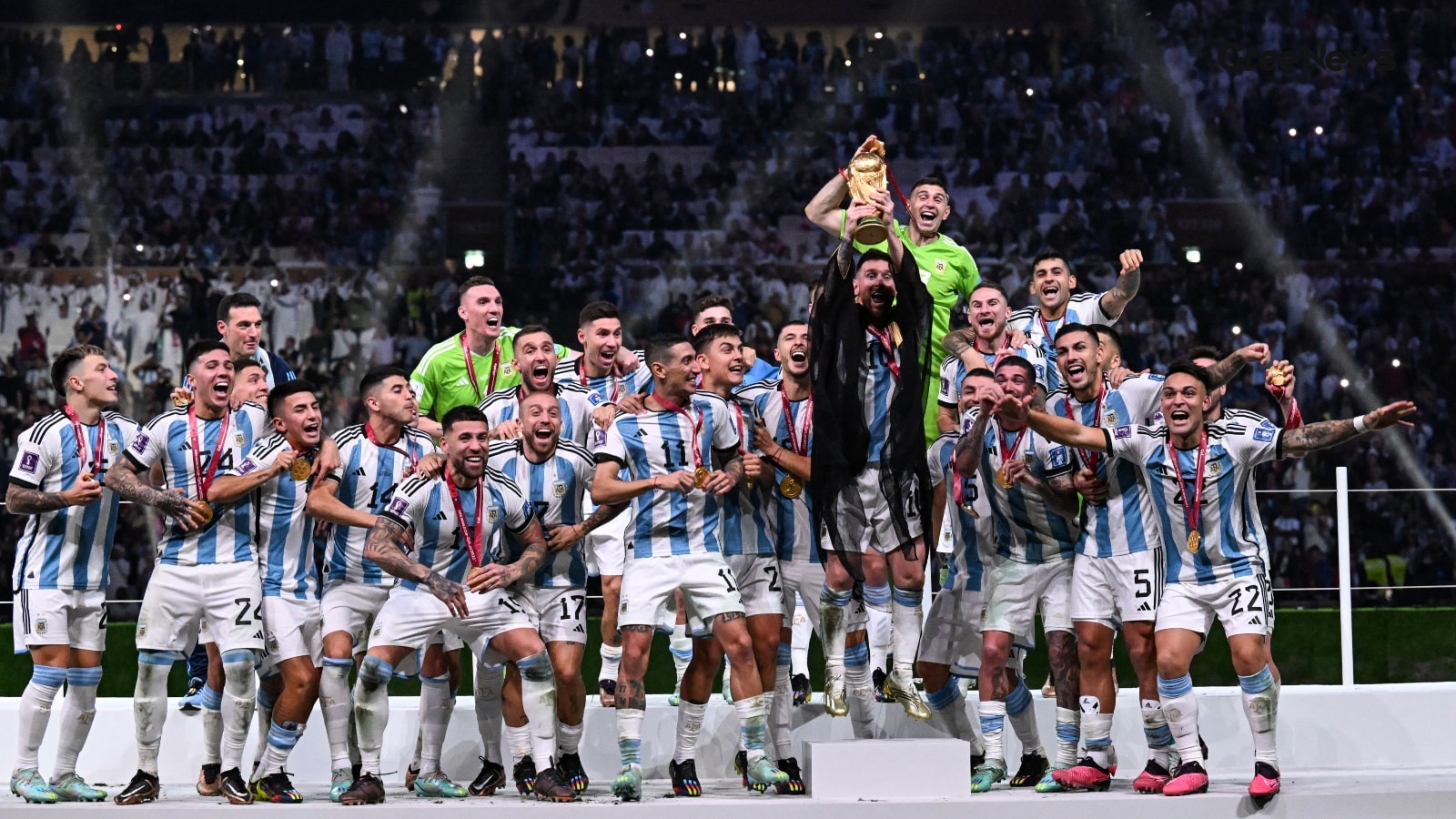
Lionel Messi and Argentina's World Cup Journey in Group J
Argentina’s taking on Group J in this new setup USA, Mexico, and Canada it feels like more than just football now. It’s about that farewell, isn't it? Lionel Messi is chasing something special right now, playing out this final chapter with the Albiceleste against Algeria, Austria, and Jordan. There’
Jun 10, 2026 by Gree News Team
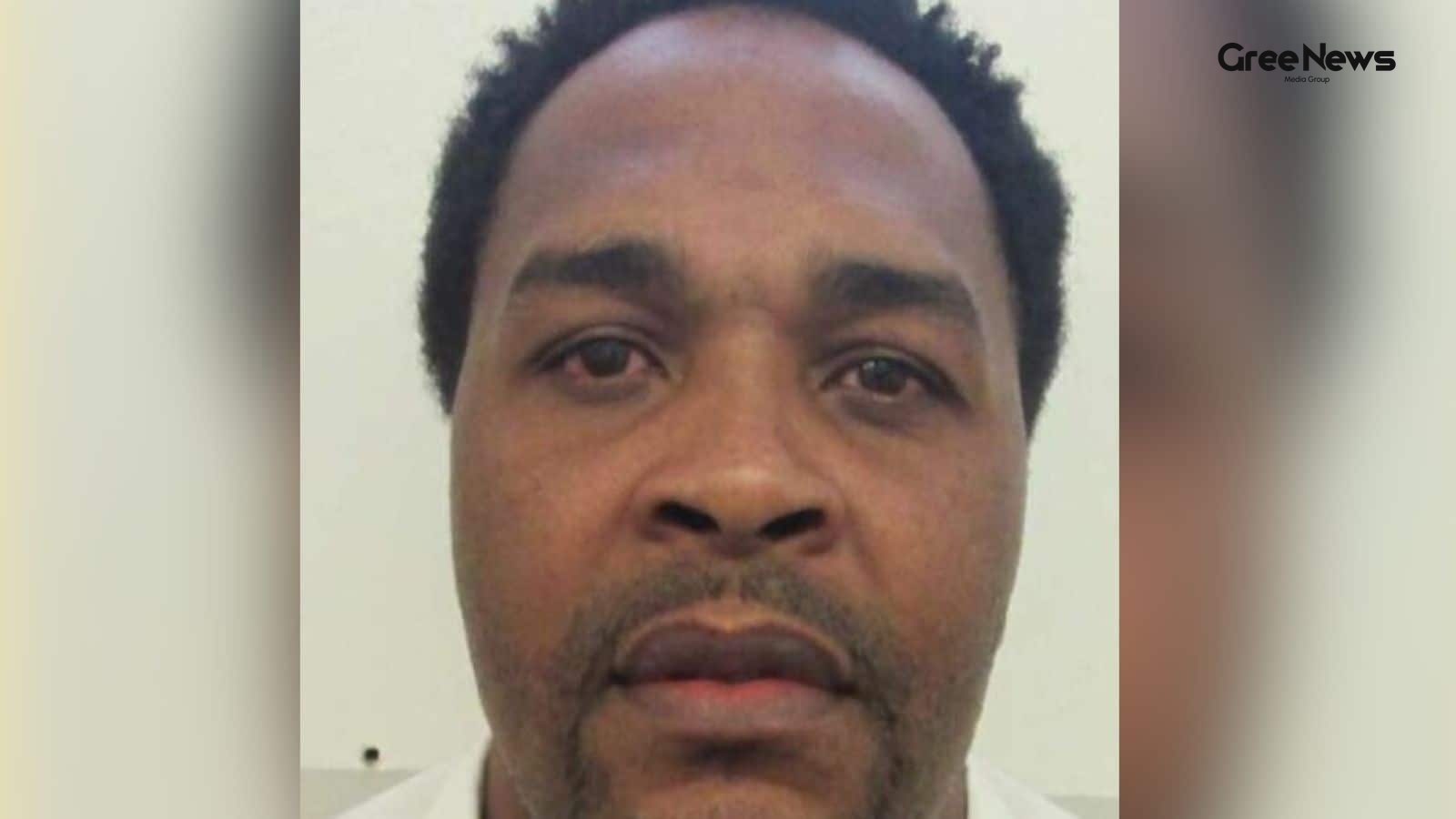
Federal Judge Bars Nitrogen Gas Execution in Alabama
A federal judge just slammed the door shut on Alabama’s plan to use nitrogen gas for executing Jeffery Lee. Permanently barred it, ruling the method violated basic constitutional rights about cruel and unusual punishment. This decision dropped like a stone. It came just one day after an appeals cour
Jun 10, 2026 by Gree News Team
Kerala Board Plus One Results 2026 Announcement and Checking Methods
The Kerala Board Plus One results for 2026 are finally coming today, June 10th. That’s when the Directorate of Higher Secondary Education will officially announce everything. Students who took the DHSE Kerala Class 11 exams in 2026 can start checking their scores now. You have a few places to look,
Jun 10, 2026 by Gree News Team
Threats and Intimidation Against Former Judge Justice Gautam Patel
Chief Justice Surya Kant stepped in on the matter involving threats and intimidation aimed at former Bombay High Court judge Justice Gautam Patel. This happened while he was visiting the UK, raising the issue with India’s High Commissioner there. It came out of a report by The Times of India. The wh
Jun 10, 2026 by Gree News Team
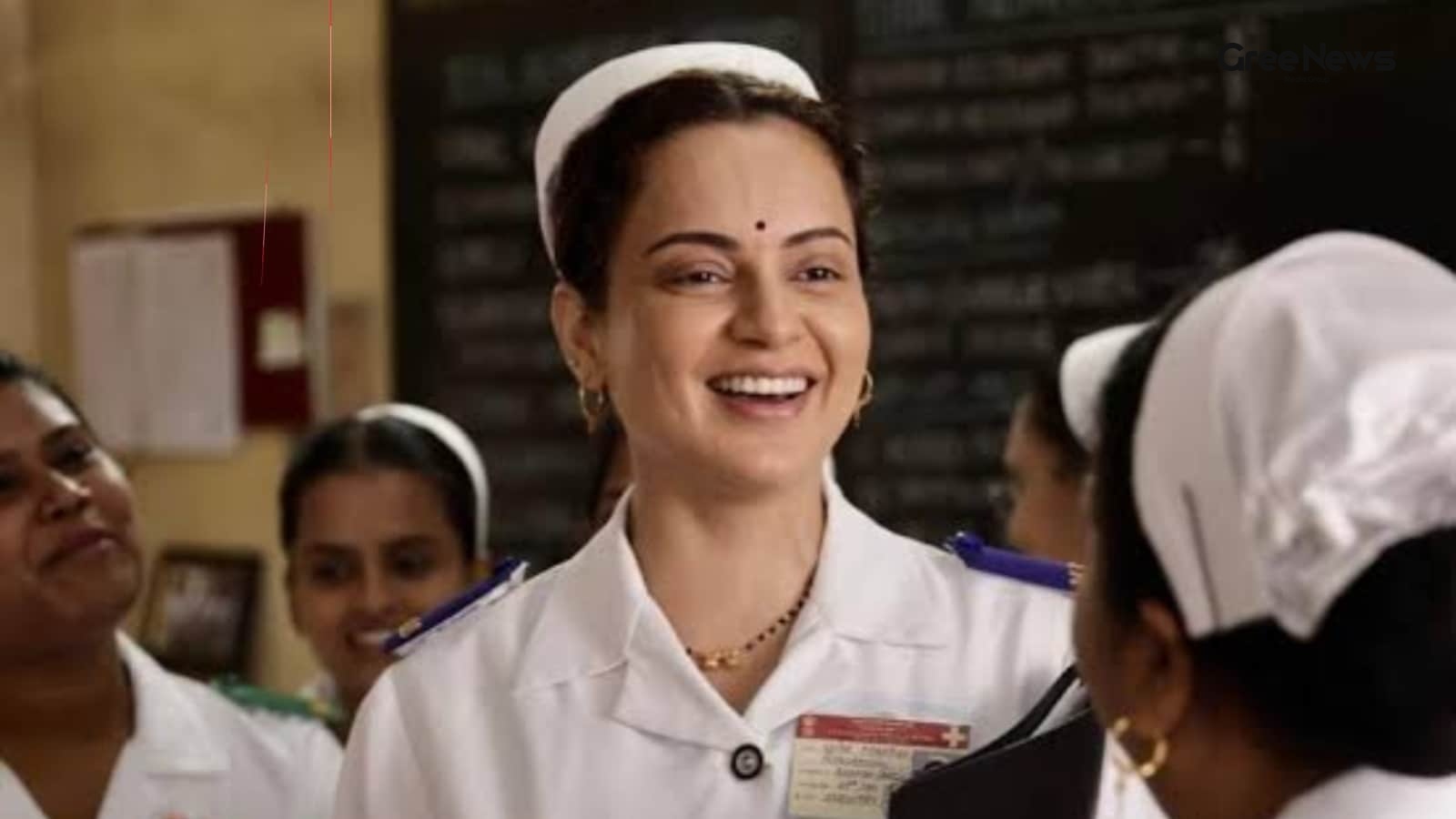
Intersection of Art, Politics, and Public Morality at Film Screening
The buzz around the screening for ‘Bharat Bhhagya Viddhaata’ was definitely something special that Tuesday evening in Delhi. It wasn't just about watching a movie; it felt like a convergence a mix of film fans, some political heavyweights, and a surprising amount of high-level government presence. P
Jun 10, 2026 by Gree News Team
The Political Feud: Shivakumar vs. Kumaraswamy and the Vokkaliga Rivalry
A meeting that hasn't even happened is already sparking political sparring. Karnataka Chief Minister DK Shivakumar and Union Minister HD Kumaraswamy. It just underlines how bitter one of the state’s longest-running rivalries still is. Shivakumar was doing some outreach, a carefully choreographed exe
Jun 10, 2026 by Gree News Team
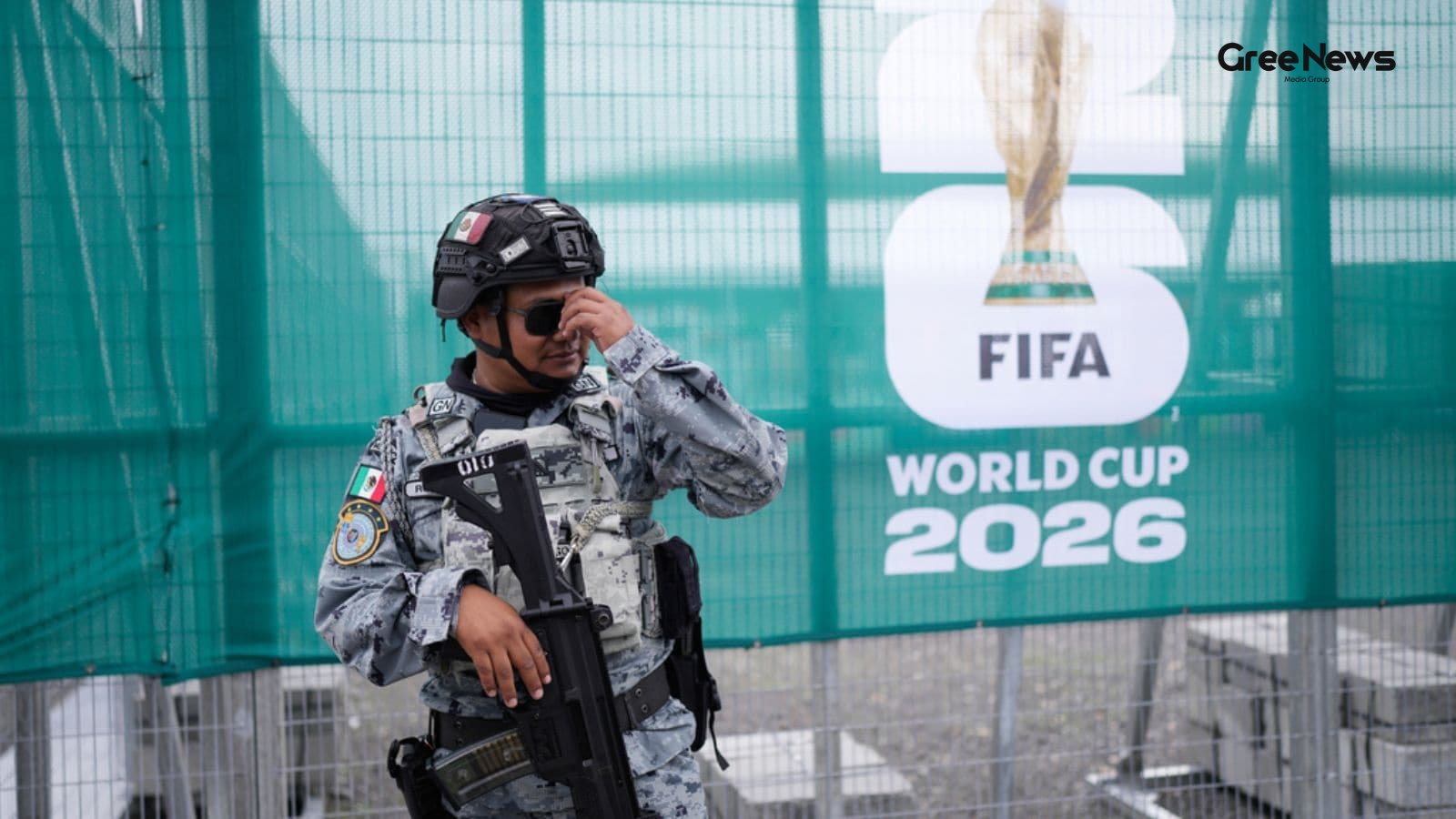
Protest and Political Standoff in Mexico City Before the World Cup
A protest choked off an avenue leading right to Mexico City’s Azteca Stadium for hours on Tuesday. It was just days before that massive World Cup opening match. As football fans started flooding in, all those co-hosts the US, Canada, and Mexico you see the real mess happening back home. Thousands of
Jun 10, 2026 by Gree News Team
The Global Nuclear Arms Race: Spending, Capabilities, and Future Risks
Nearly eight decades since Hiroshima and Nagasaki. And the world’s nuclear powers aren't slowing down. They keep spending more, modernizing faster, and experts are watching them move weapons out of storage and into potential use. It’s a real arms race happening right now. The nine states that hold n
Jun 10, 2026 by Gree News Team
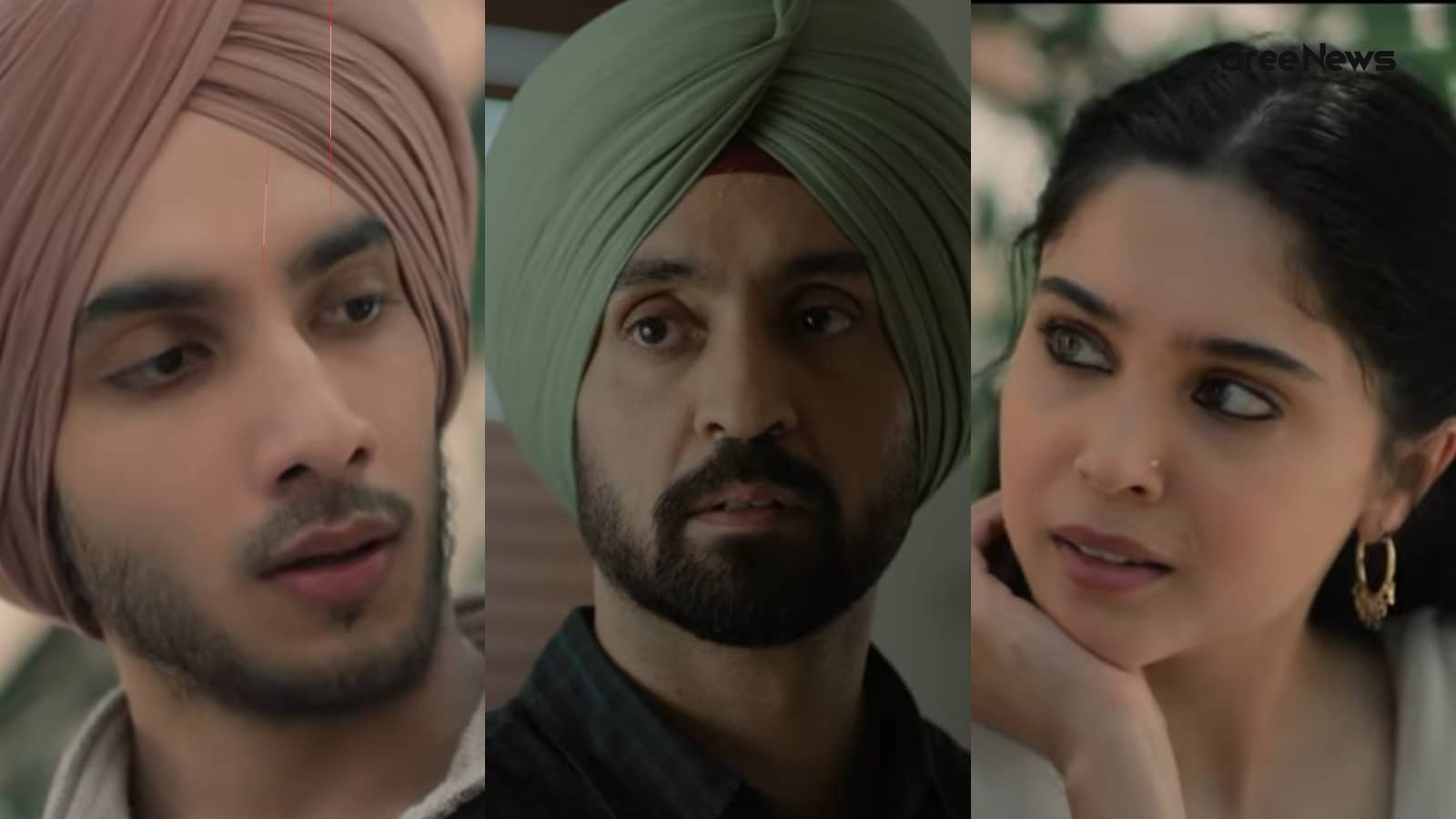
The Chaos of Cinema: Volume, Competition, and the Shifting Market
The Friday arrived packed. June 12th. It wasn't just another day; it was a collision of cinema. Nine films, all hitting the screens at once. *Main Vaapas Aaunga*, Imtiaz Ali’s directorial effort. Then you had Kangana Ranaut’s *Bharat Bhhagya Vidhaata*. And the horror mixed in Vikram Bhatt’s *Haunted
Jun 10, 2026 by Gree News Team

Stock Market Updates: June 10th Performance and Sector Analysis
Stock market updates today, June 10th. Everything turned sour in late trading Wednesday. Domestic equity markets basically gave up all those gains they managed to hold during the day. Heavy selling hit midcap, smallcap stocks, plus metals, realty, and financial names dragging the main indices into n
Jun 10, 2026 by Gree News Team
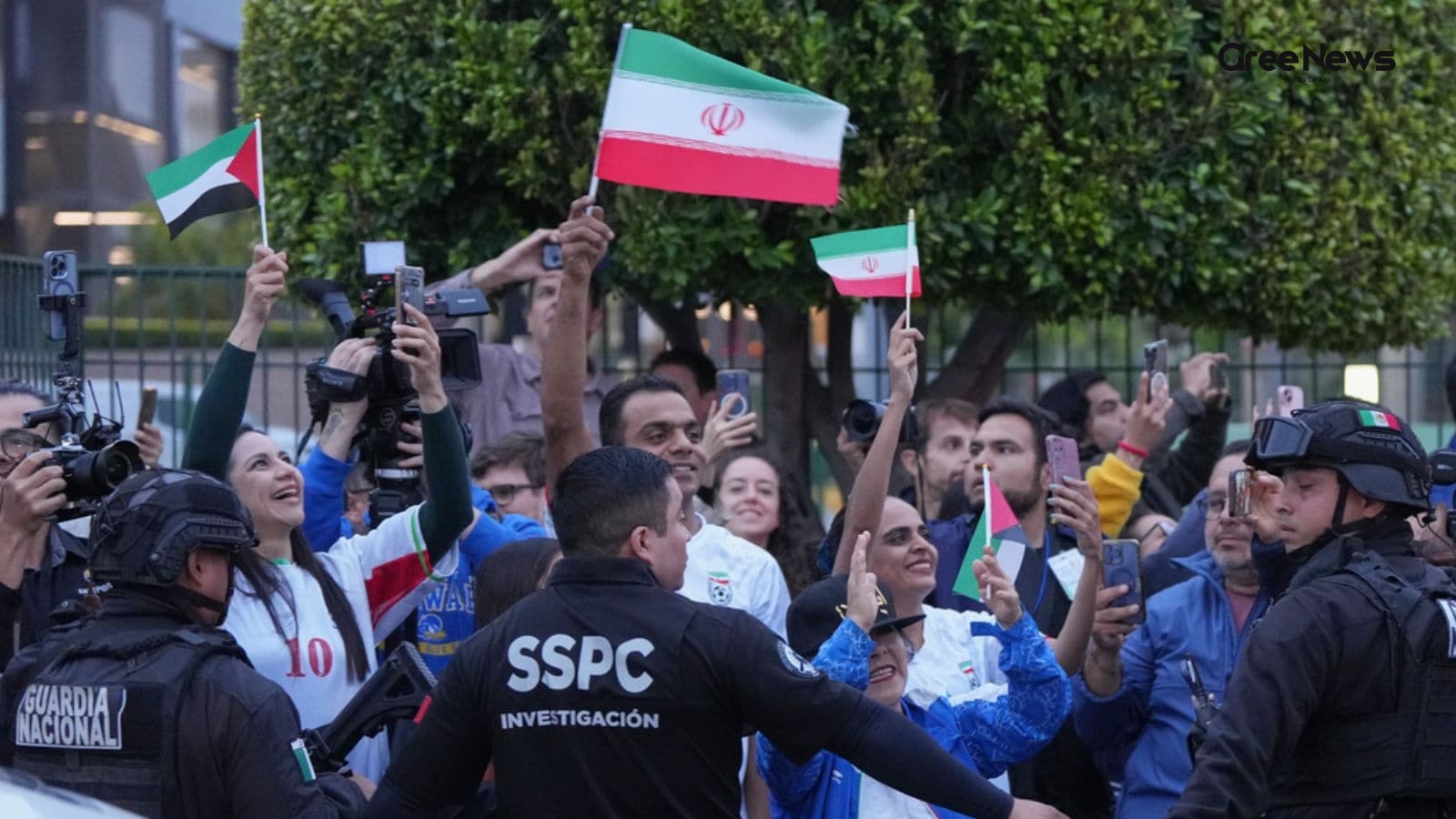
Iran Football Team Travel and World Cup Arrangements
Iran’s football team is heading to Los Angeles, apparently. They announced Tuesday that they'll be flying there the day before their first group-stage game against New Zealand. It feels like a lot happening all at once. But where exactly will they be staying? They won't actually be in L.A. for long.
Jun 10, 2026 by Gree News Team
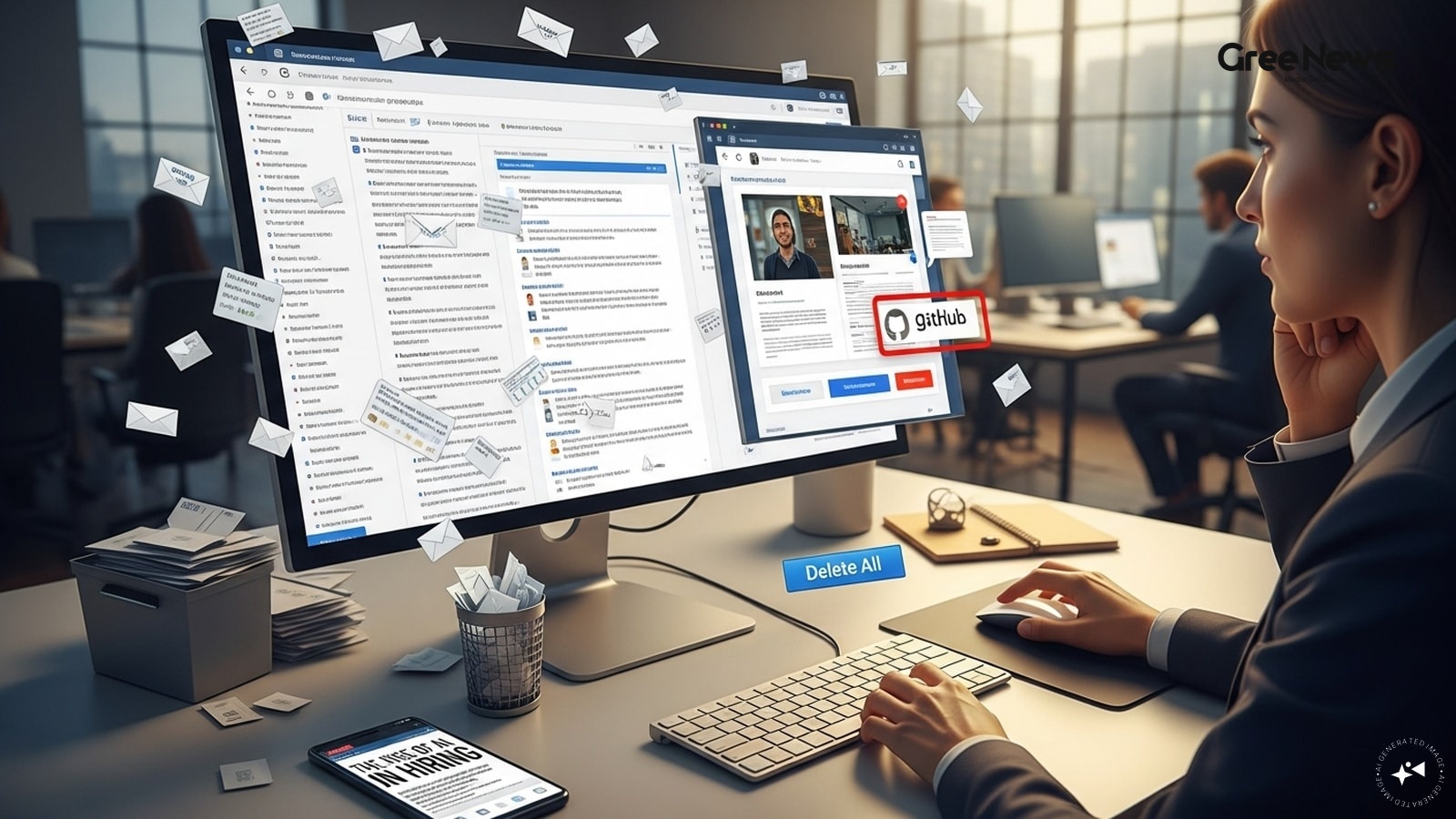
The Impact of Gen AI on Job Applications and Hiring Strategies
When you start looking for a job, everyone builds this whole structure: the résumé, that killer cover letter, tailoring it perfectly. The whole point was always that application could make you jump out from the crowd of hundreds of applicants. But honestly? Recruiters are starting to think that play
Jun 10, 2026 by Gree News Team
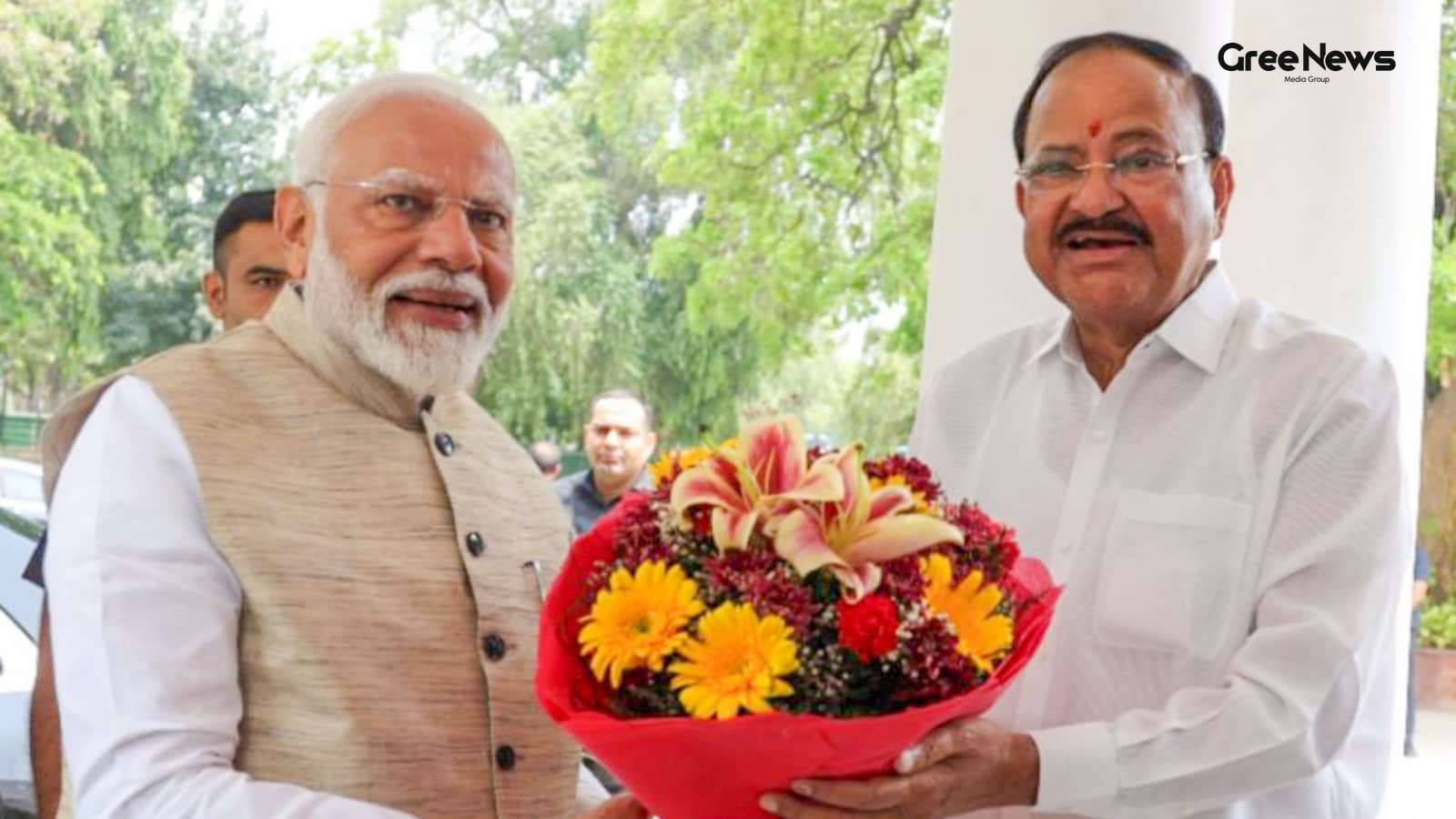
Narendra Modi's Milestone: India's Longest-Serving Prime Minister
Narendra Modi just hit a huge milestone. India’s longest-serving elected Prime Minister. Forty-three hundred ninety-nine days in office now. That beats Nehru's record, which was the first one. Former Vice President Venkaiah Naidu spoke about it. He praised the leadership and everything Modi has done
Jun 10, 2026 by Gree News Team