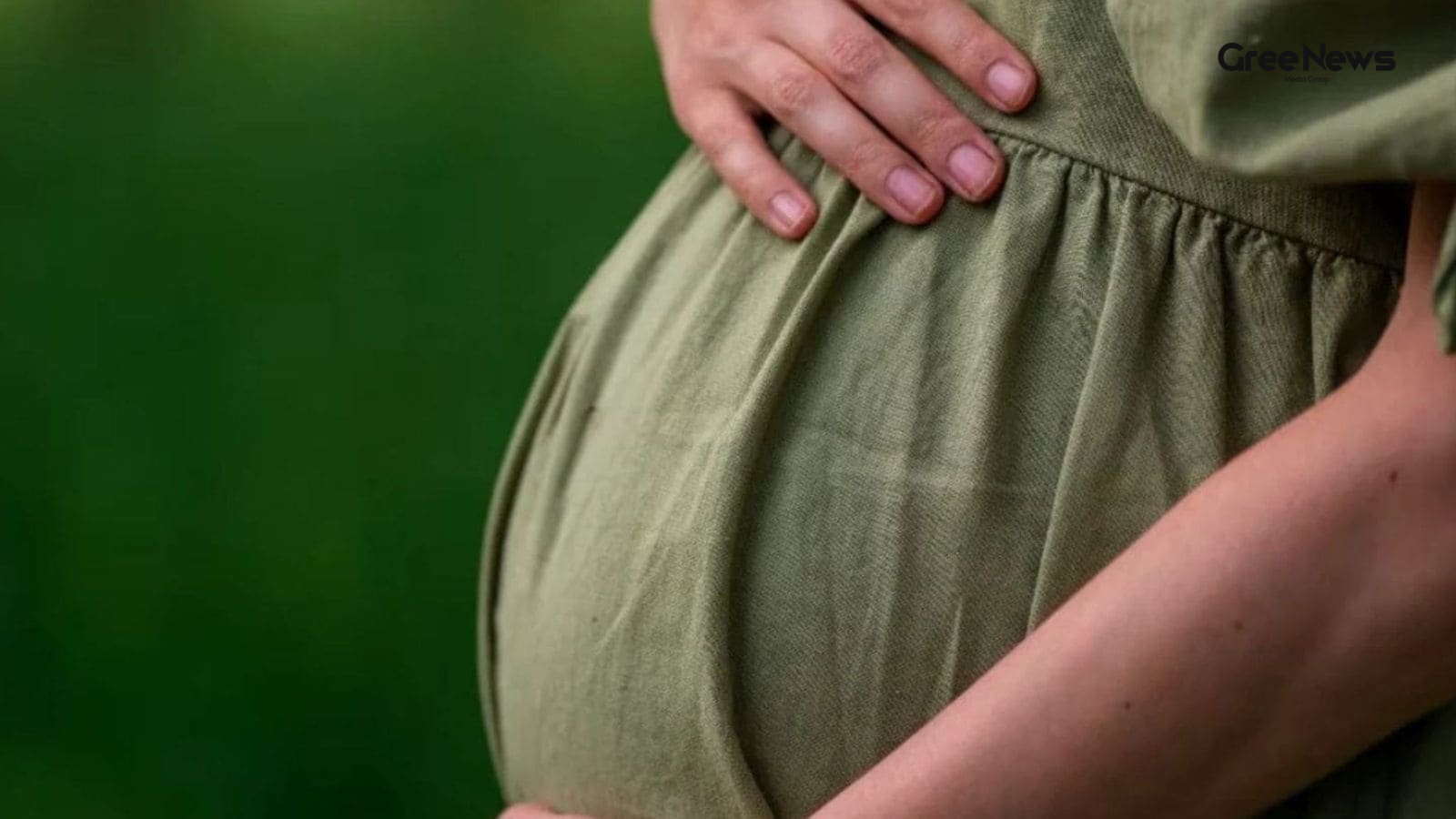
India’s private healthcare sector, you see, it’s really starting to pivot. It’s moving, increasingly, toward models that put women at the center. It’s not just a small trend anymore. It’s reshaping the whole market, driven by a few things: a general spike in health awareness, women gaining more financial footing, and a massive, growing demand for specialized care.
This isn't some slow creep. It’s a genuine reshaping happening right now.
Take the latest player, The Women’s Hospital. It kicked off in May. It wasn't just another clinic opening up. It was built on a whole different philosophy—a model entirely centered around what women actually need. And it’s quickly finding a space among this growing cluster of specialized platforms. You see names popping up everywhere: Fortis La Femme, Apollo Athenaa Women’s Cancer Centre, Cocoon Hospital for women and children, Motherhood Hospitals, Cloudnine, Surya Hospitals. It’s an ecosystem forming, almost a response to a silent, growing need.
Industry folks, they’re talking about this shift. They’re saying it reflects how women are actually consuming healthcare now. It’s not just about delivery anymore. It’s about everything else. Preventive care . Fertility stuff. Dealing with hormonal shifts, menopause. Wellness programs. And creating environments that actually feel private, places where you don't feel judged walking in the door. That’s the new demand.
Sujay Shetty, he’s the global health industries advisory lead over at PwC India. He points out that this focus on women-centric hospitals isn't just localized noise. It mirrors a much bigger transformation happening across the entire healthcare and pharmaceutical world. Companies are realizing that building products and services specifically tailored for women’s needs isn't just good business; it's necessary. It's catching up.
“The focus on women’s health is getting much sharper,” he mentioned. “And the market is growing. One reason is that women’s spending power is increasing. This is also leading to greater innovation in this segment.”
It’s that simple, really. The money follows the priority.
Providers are noticing this too. They are realizing the old boundaries, the ones strictly focused on maternity care, just don't cut it anymore. The demand is bleeding out into lifelong health needs. It’s about the whole journey, not just the birth.
Anika Parashar, the founder and CEO of The Women’s Hospital in South Delhi, she had a very personal reason for starting it. She said the idea came from years of watching women consistently put their own health on the back burner. It’s a deeply observational story, really.
She explained the genesis of the concept. It wasn't some sudden flash of inspiration. It was something that built inside her over twenty-five years. It started every time she saw a mother treat her own health as secondary. Every time a young girl felt that awkward, that hesitation when asking a simple question. Every time pain—whether it was stress, age, or just hormones—got dismissed as something you just had to endure. And especially when menopause arrived, it was treated like a final stop, an ending, instead of another, complex stage of life unfolding.
That is the core observation.
The new hospitals are deliberately positioning themselves differently. They aren't just maternity wards with a few extra wings. They are aiming to be long-term destinations. They want to cover the entire spectrum: adolescence, the reproductive years, the tricky stuff around menopause, and aging. It’s about continuity. It’s about building a place where you don't have to keep jumping between different specialists who don't really talk to each other.
The physical space itself has to reflect this philosophy. Think about the 30,000 square feet space The Women’s Hospital occupies. It’s not just rooms. It’s a carefully constructed system. They’ve got ten life-stage clinics tucked in there. Sixteen different specialties. Three modular operation theatres. Three delivery suites. But what really stands out is the layout. Privacy. A focus on flow. And that whole push for a “Zero Indoor AQI environment.” It’s trying to engineer an atmosphere where women feel safe enough to be vulnerable.
Parashar nailed it when she said it wasn't built around one stage. It’s about the whole journey. From the very beginning—menarche—all the way through menopause and beyond. It’s about creating one place. One trusted, judgment-free healthcare home. A place where you can find preventive care, fertility help, maternity support, oncology services, menopause management, wellness, aesthetics, and long-term health support, all under one roof. That kind of integration is hard to achieve, but it’s what they are fighting for now.
This isn't just one hospital talking about this. The other executives, the big names in the game, they are echoing these same sentiments. They see the pattern too.
Dr Alok Khullar, group CEO of RJ Corp Healthcare, who runs Cocoon Hospital, he sees the traction of focused models. He argues that this focus is gaining ground because women now expect expert-led, connected care. It’s about experience, right? It’s about feeling seen by the people treating you.
He detailed the areas seeing this immediate demand. Obstetrics, gynaecology, fertility support, managing high-risk pregnancies. Breast health. Hormonal disorders. Adolescent health. And the constant need for preventive check-ups.
He really highlighted the shift in focus. Women aren't just waiting for pregnancy. They are being proactive. They are actively engaging with PCOS, menstrual irregularities, planning pregnancies carefully, dealing with menopause worries, and tackling those lifestyle-linked health issues. There’s this huge wave of awareness about early screening. Ultrasound diagnosis. Preventing cervical cancer. And simply supporting lactation. It’s moving from reactive treatment to proactive living.
And that brings us to the long-term view. Executives are seeing the value in treating women-and-child healthcare as a relationship, not just a series of isolated events. It’s a long-term commitment. A family’s health journey, it can start with fertility or a pregnancy, and then it just keeps going. It flows into neonatal care, into paediatric specialties. It builds that deep, necessary continuity.
Dr Bhupendra S Awasthi, chairman and managing director of Surya Hospitals, he points out a persistent gap. Even with this rising demand, there’s still a serious shortage of dedicated women-and-child super-speciality hospitals in big cities like Mumbai. It’s a structural issue layered on top of the demand.
He made it clear that families today want one place. A place that can handle everything. High-risk obstetrics. Gynaecological surgeries. Adult intensive care. Neonatal and paediatric intensive care. All the super-specialties. And the fact that Surya Hospitals just launched a new wing exclusively for women in Mumbai, on May 15th, shows that this institutional recognition is finally starting to happen.
Awasthi emphasized that women are simply more aware now. They are far more proactive about their health needs. Especially when it comes to foetal medicine, preventive health, and neonatal services.
The relationship aspect is key here. He said, “Women and child healthcare is a long-term relationship-driven model. A family’s journey can begin with fertility or pregnancy care and continue into neonatal and paediatric care for many years, creating deep trust and continuity.” That trust, that sense of being cared for across decades, that’s the real goal these new models are trying to build. It’s more than just medical services. It’s about holistic, continuous care. It’s messy, it’s complicated, but it’s definitely moving forward.
Written by Gree News Team — Senior Editorial Board
Gree News Team covers international news and global affairs at Gree News. Our collective of senior editors is dedicated to providing independent, accurate, and responsible journalism for a global audience.
More from India
View All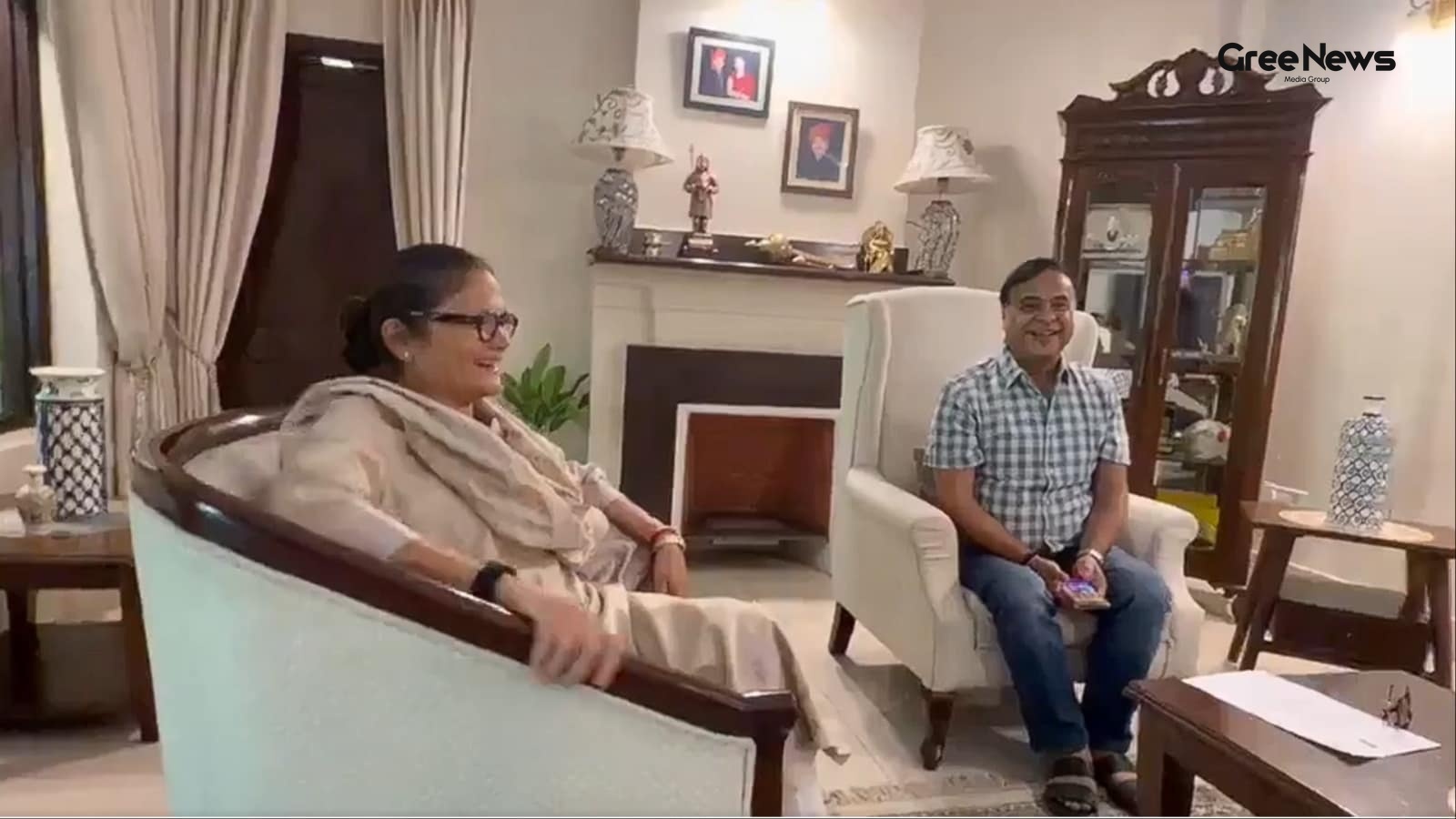
Political Speculation and Internal Turmoil within the TMC
Fresh visuals surfaced of Sushmita Dev meeting Assam Chief Minister Himanta Biswa Sarma. That kind of thing just kicks the speculation into high gear about her next move. It’s all about her potential entry into the BJP, right? This happened right after she stepped down from Rajya Sabha and walked ou
Jun 10, 2026 by Gree News Team
Threats and Intimidation Against Former Judge Justice Gautam Patel
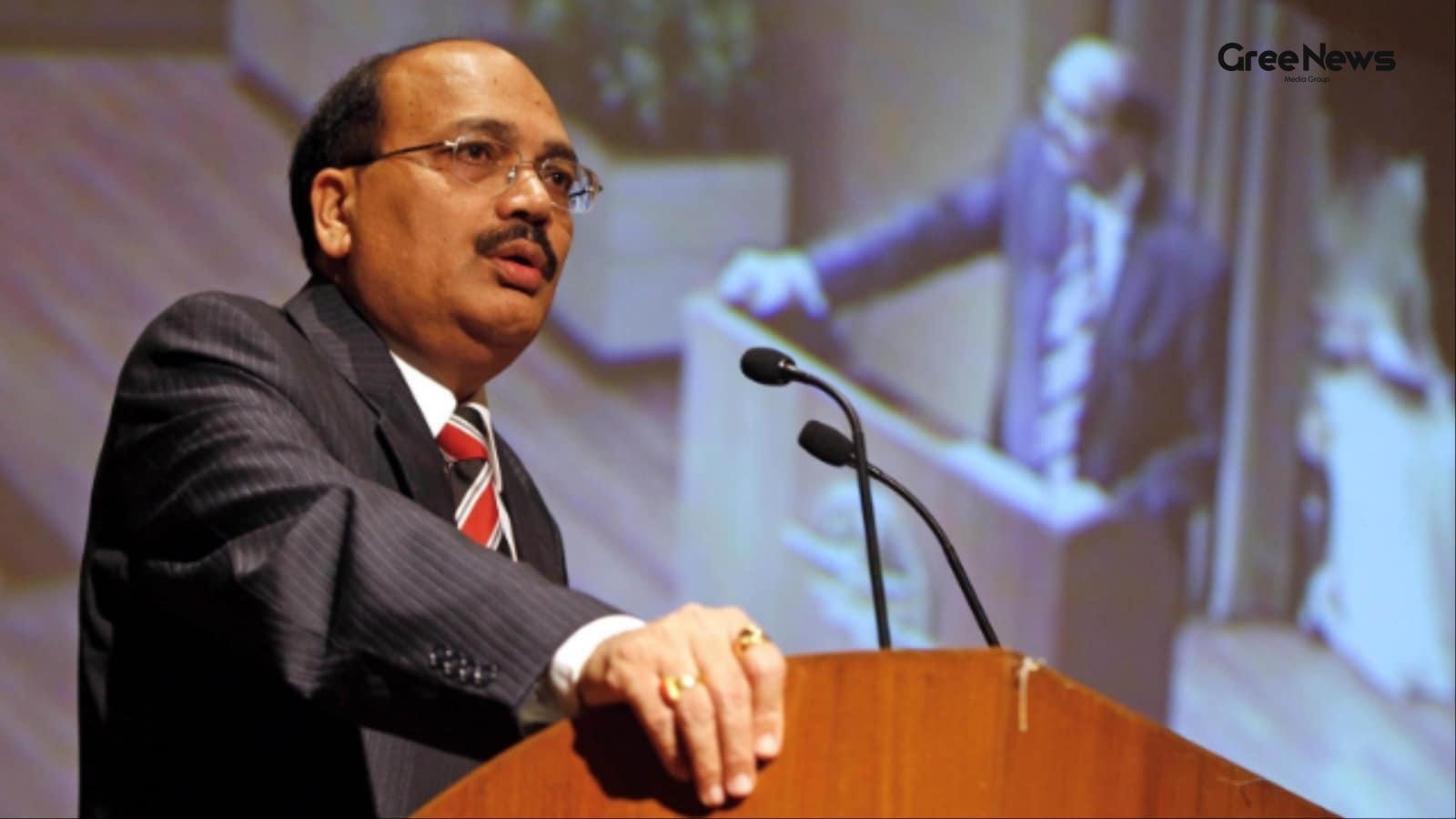
Chief Justice Surya Kant stepped in on the matter involving threats and intimidation aimed at former Bombay High Court judge Justice Gautam Patel. This happened while he was visiting the UK, raising the issue with India’s High Commissioner there. It came out of a report by The Times of India. The wh
Jun 10, 2026 by Gree News Team
The Political Feud: Shivakumar vs. Kumaraswamy and the Vokkaliga Rivalry
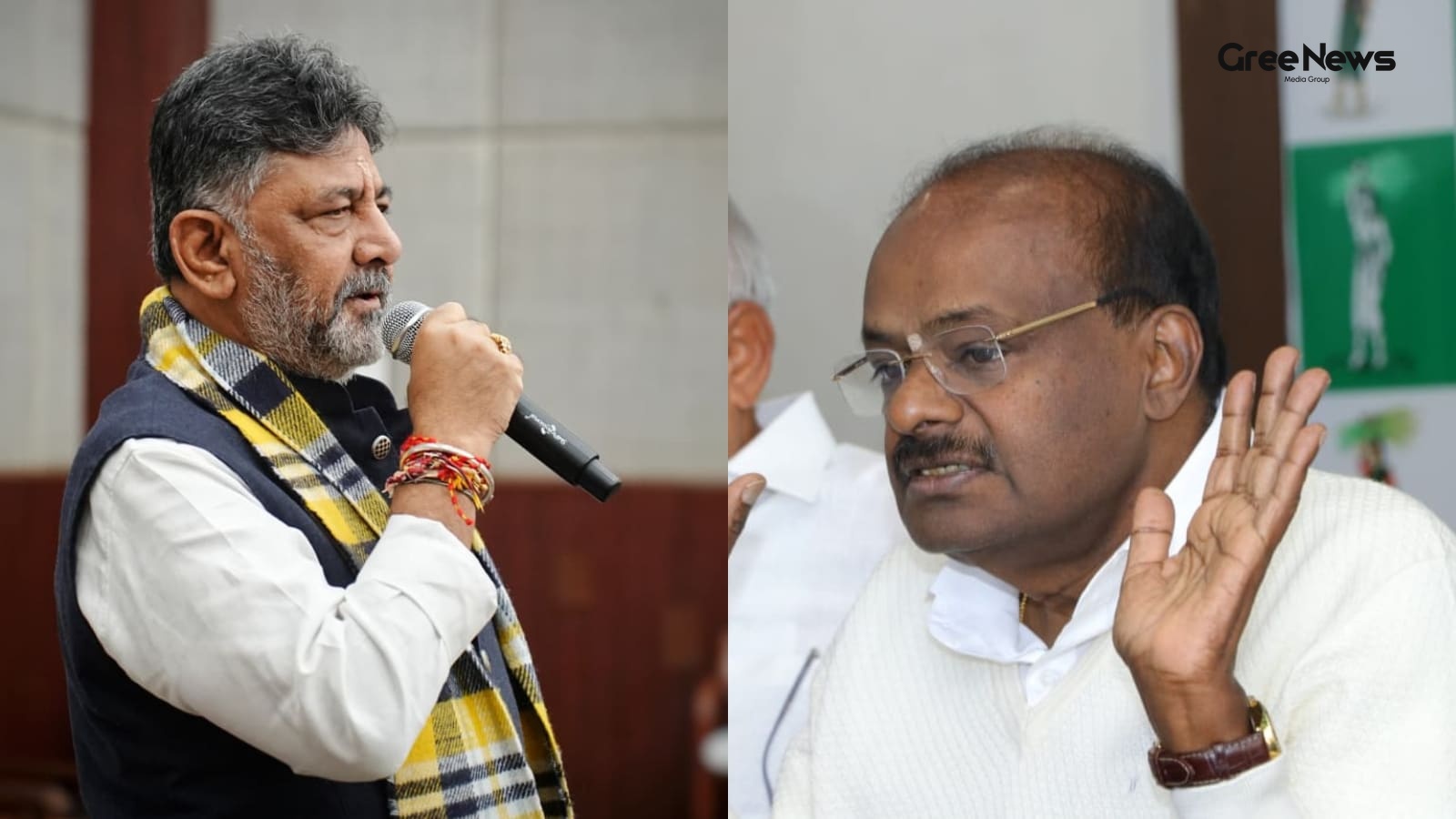
A meeting that hasn't even happened is already sparking political sparring. Karnataka Chief Minister DK Shivakumar and Union Minister HD Kumaraswamy. It just underlines how bitter one of the state’s longest-running rivalries still is. Shivakumar was doing some outreach, a carefully choreographed exe
Jun 10, 2026 by Gree News Team
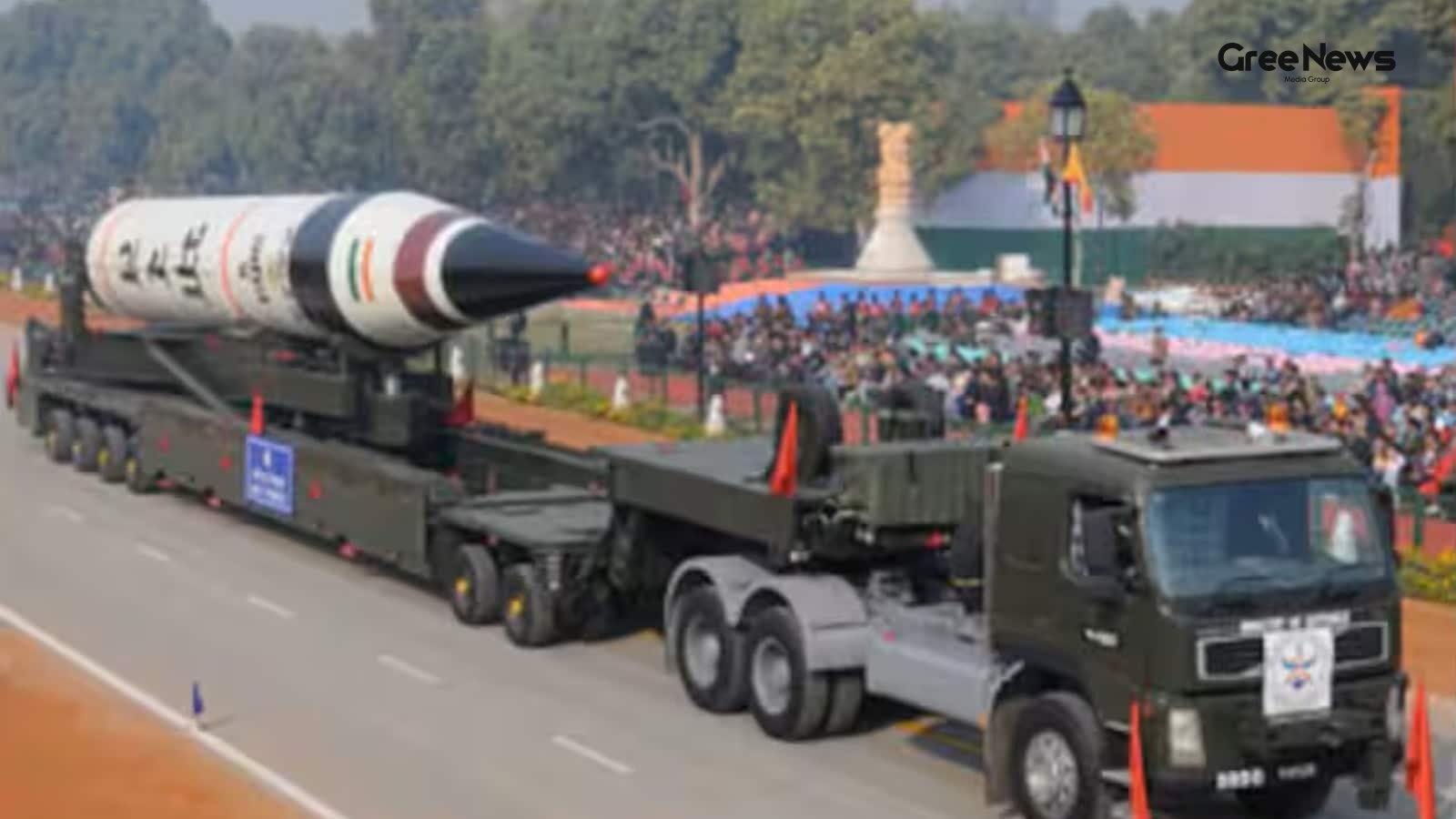
The Global Nuclear Arms Race: Spending, Capabilities, and Future Risks
Nearly eight decades since Hiroshima and Nagasaki. And the world’s nuclear powers aren't slowing down. They keep spending more, modernizing faster, and experts are watching them move weapons out of storage and into potential use. It’s a real arms race happening right now. The nine states that hold n
Jun 10, 2026 by Gree News Team
Latest Headlines
Political Speculation and Internal Turmoil within the TMC
Fresh visuals surfaced of Sushmita Dev meeting Assam Chief Minister Himanta Biswa Sarma. That kind of thing just kicks the speculation into high gear about her next move. It’s all about her potential entry into the BJP, right? This happened right after she stepped down from Rajya Sabha and walked ou
Jun 10, 2026 by Gree News Team

FIFA World Cup 2026: Structure, Geography, and the Official Match Ball
The FIFA World Cup 2026 is really starting to feel imminent now. It’s heading toward North America the USA, Mexico, and Canada are slated to host this massive global spectacle. People are talking about it constantly. It’s not just a standard tournament anymore. This time around, they’re throwing way
Jun 10, 2026 by Gree News Team

Lionel Messi and Argentina's World Cup Journey in Group J
Argentina’s taking on Group J in this new setup USA, Mexico, and Canada it feels like more than just football now. It’s about that farewell, isn't it? Lionel Messi is chasing something special right now, playing out this final chapter with the Albiceleste against Algeria, Austria, and Jordan. There’
Jun 10, 2026 by Gree News Team

Federal Judge Bars Nitrogen Gas Execution in Alabama
A federal judge just slammed the door shut on Alabama’s plan to use nitrogen gas for executing Jeffery Lee. Permanently barred it, ruling the method violated basic constitutional rights about cruel and unusual punishment. This decision dropped like a stone. It came just one day after an appeals cour
Jun 10, 2026 by Gree News Team
Kerala Board Plus One Results 2026 Announcement and Checking Methods
The Kerala Board Plus One results for 2026 are finally coming today, June 10th. That’s when the Directorate of Higher Secondary Education will officially announce everything. Students who took the DHSE Kerala Class 11 exams in 2026 can start checking their scores now. You have a few places to look,
Jun 10, 2026 by Gree News Team
Threats and Intimidation Against Former Judge Justice Gautam Patel
Chief Justice Surya Kant stepped in on the matter involving threats and intimidation aimed at former Bombay High Court judge Justice Gautam Patel. This happened while he was visiting the UK, raising the issue with India’s High Commissioner there. It came out of a report by The Times of India. The wh
Jun 10, 2026 by Gree News Team
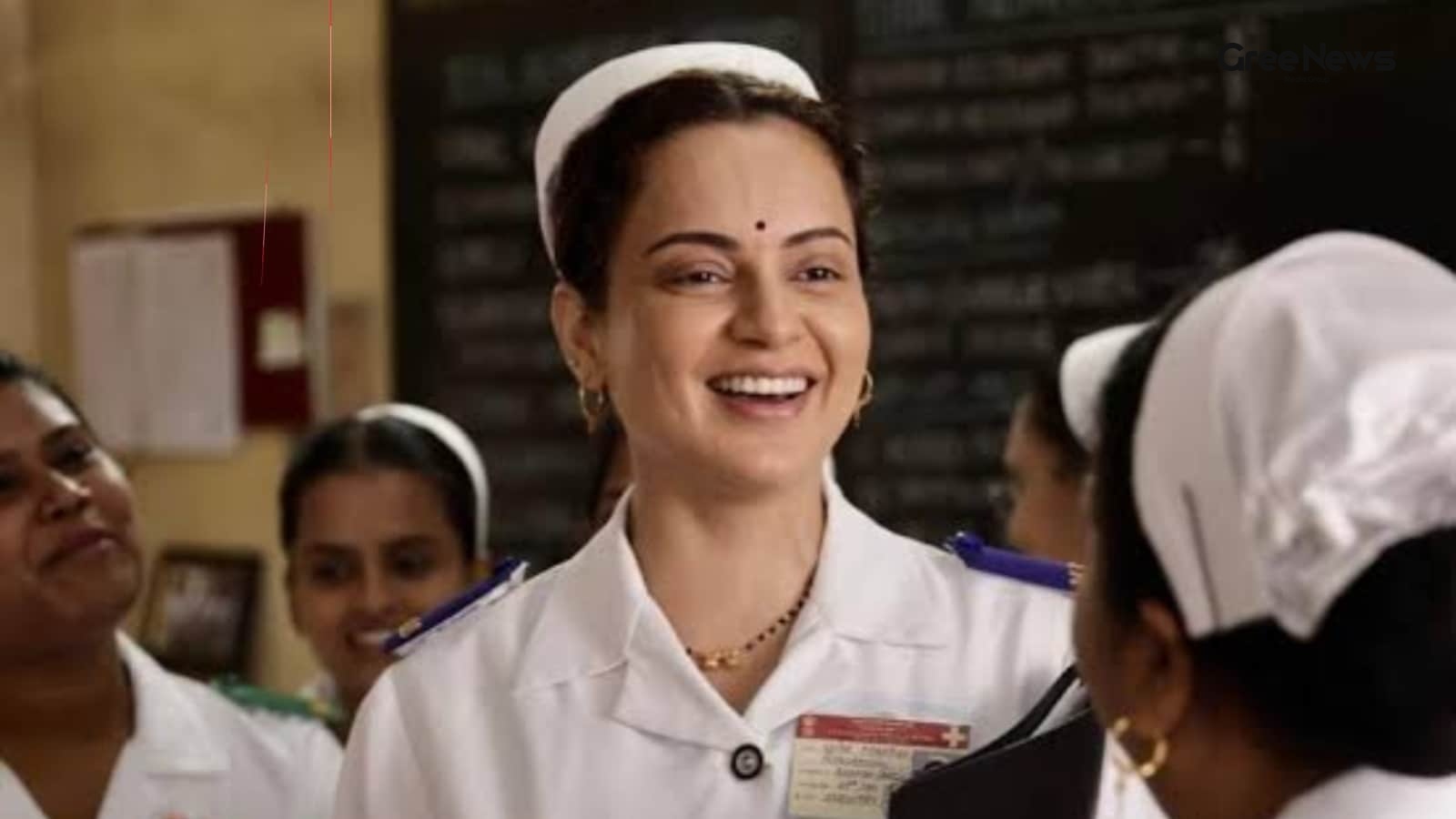
Intersection of Art, Politics, and Public Morality at Film Screening
The buzz around the screening for ‘Bharat Bhhagya Viddhaata’ was definitely something special that Tuesday evening in Delhi. It wasn't just about watching a movie; it felt like a convergence a mix of film fans, some political heavyweights, and a surprising amount of high-level government presence. P
Jun 10, 2026 by Gree News Team
The Political Feud: Shivakumar vs. Kumaraswamy and the Vokkaliga Rivalry
A meeting that hasn't even happened is already sparking political sparring. Karnataka Chief Minister DK Shivakumar and Union Minister HD Kumaraswamy. It just underlines how bitter one of the state’s longest-running rivalries still is. Shivakumar was doing some outreach, a carefully choreographed exe
Jun 10, 2026 by Gree News Team
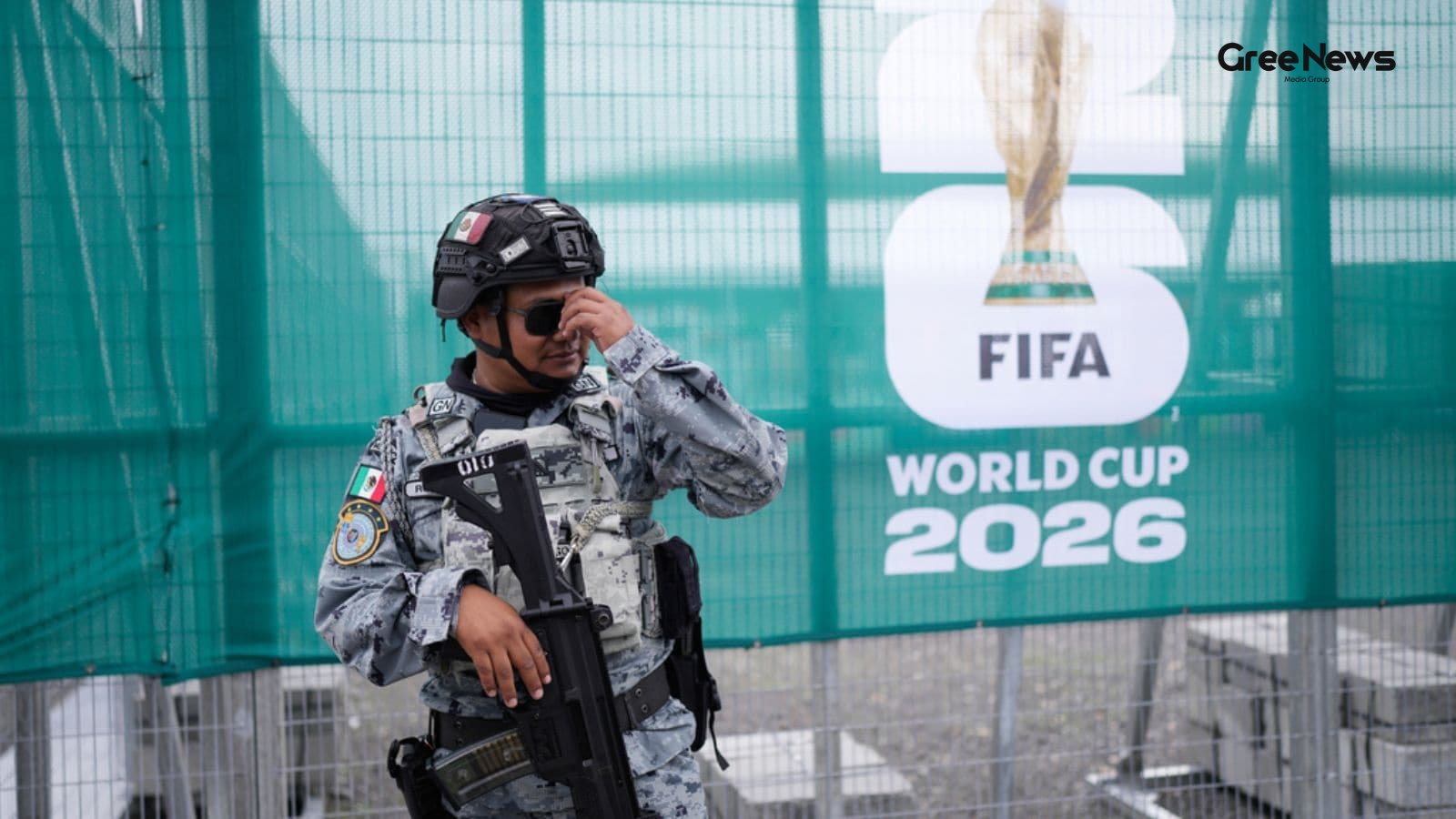
Protest and Political Standoff in Mexico City Before the World Cup
A protest choked off an avenue leading right to Mexico City’s Azteca Stadium for hours on Tuesday. It was just days before that massive World Cup opening match. As football fans started flooding in, all those co-hosts the US, Canada, and Mexico you see the real mess happening back home. Thousands of
Jun 10, 2026 by Gree News Team
The Global Nuclear Arms Race: Spending, Capabilities, and Future Risks
Nearly eight decades since Hiroshima and Nagasaki. And the world’s nuclear powers aren't slowing down. They keep spending more, modernizing faster, and experts are watching them move weapons out of storage and into potential use. It’s a real arms race happening right now. The nine states that hold n
Jun 10, 2026 by Gree News Team
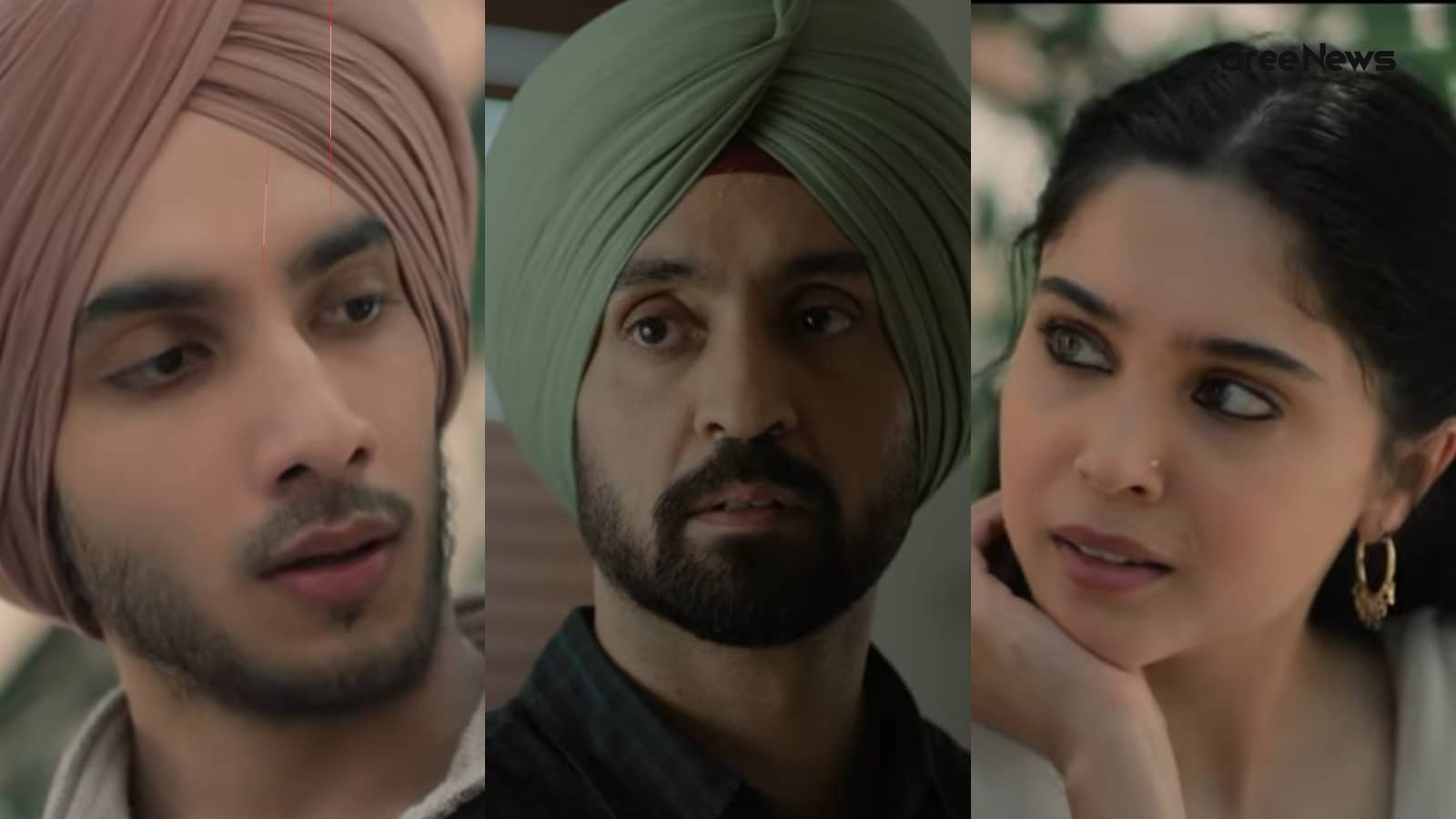
The Chaos of Cinema: Volume, Competition, and the Shifting Market
The Friday arrived packed. June 12th. It wasn't just another day; it was a collision of cinema. Nine films, all hitting the screens at once. *Main Vaapas Aaunga*, Imtiaz Ali’s directorial effort. Then you had Kangana Ranaut’s *Bharat Bhhagya Vidhaata*. And the horror mixed in Vikram Bhatt’s *Haunted
Jun 10, 2026 by Gree News Team

Stock Market Updates: June 10th Performance and Sector Analysis
Stock market updates today, June 10th. Everything turned sour in late trading Wednesday. Domestic equity markets basically gave up all those gains they managed to hold during the day. Heavy selling hit midcap, smallcap stocks, plus metals, realty, and financial names dragging the main indices into n
Jun 10, 2026 by Gree News Team
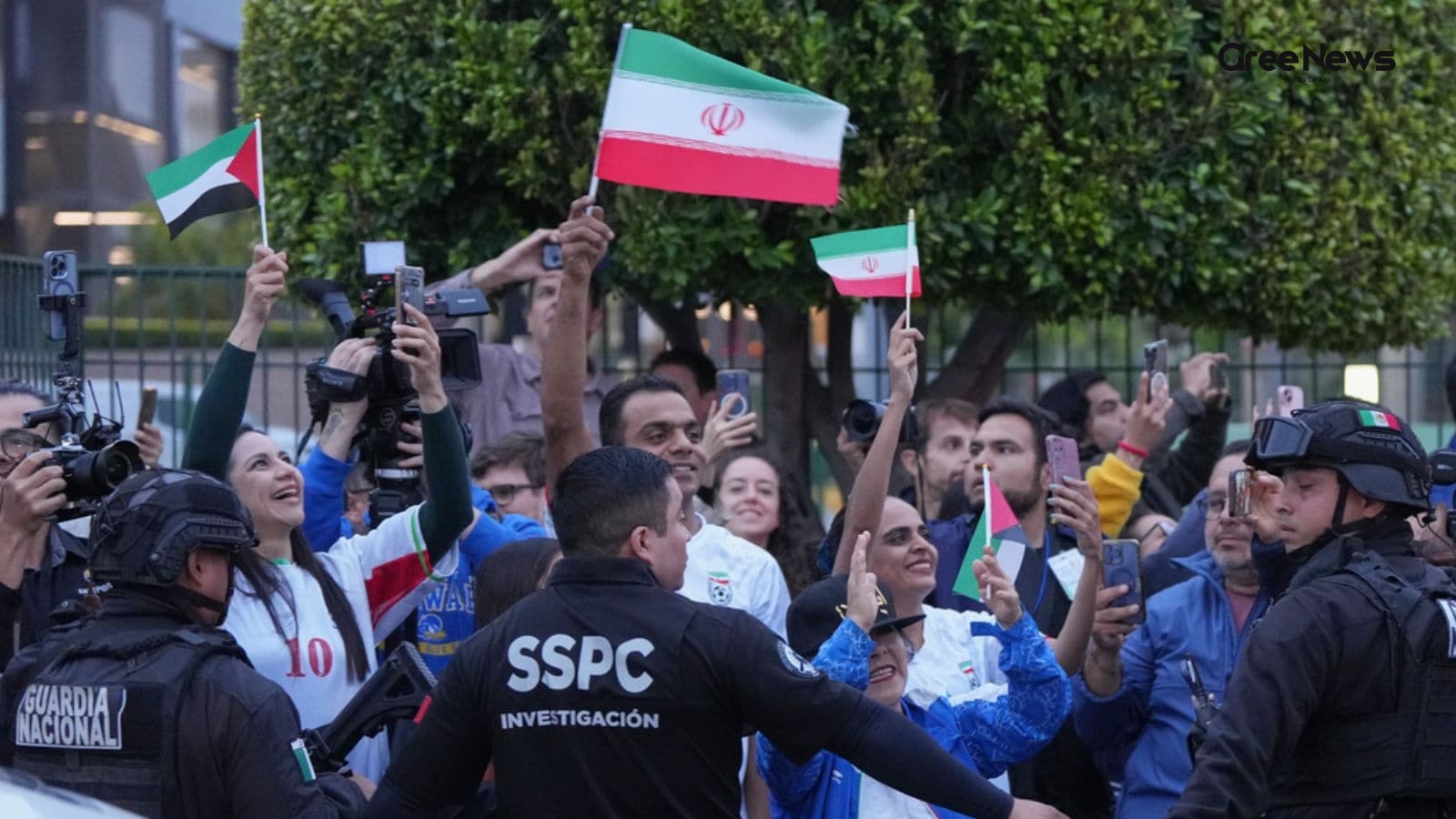
Iran Football Team Travel and World Cup Arrangements
Iran’s football team is heading to Los Angeles, apparently. They announced Tuesday that they'll be flying there the day before their first group-stage game against New Zealand. It feels like a lot happening all at once. But where exactly will they be staying? They won't actually be in L.A. for long.
Jun 10, 2026 by Gree News Team

The Impact of Gen AI on Job Applications and Hiring Strategies
When you start looking for a job, everyone builds this whole structure: the résumé, that killer cover letter, tailoring it perfectly. The whole point was always that application could make you jump out from the crowd of hundreds of applicants. But honestly? Recruiters are starting to think that play
Jun 10, 2026 by Gree News Team
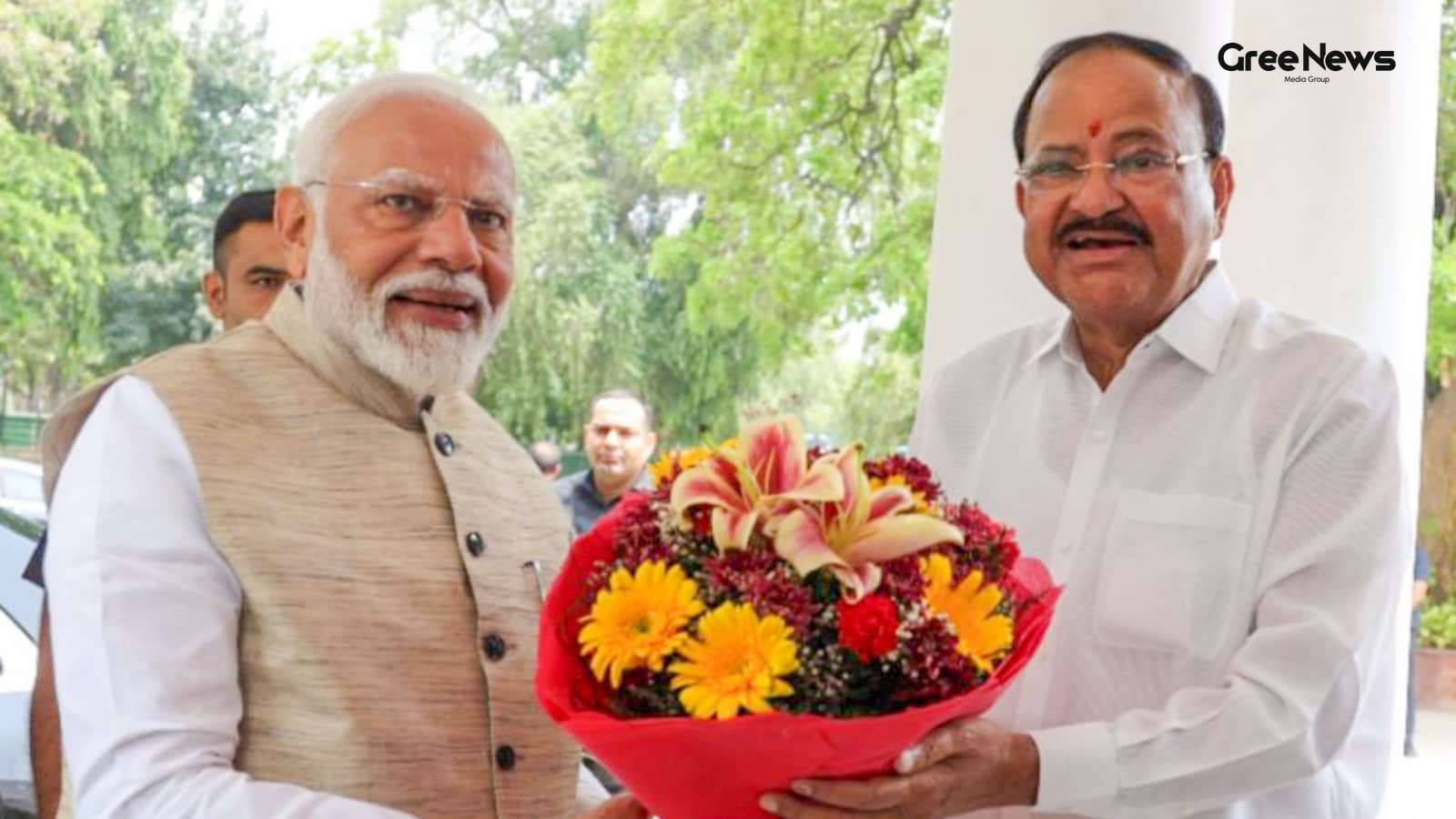
Narendra Modi's Milestone: India's Longest-Serving Prime Minister
Narendra Modi just hit a huge milestone. India’s longest-serving elected Prime Minister. Forty-three hundred ninety-nine days in office now. That beats Nehru's record, which was the first one. Former Vice President Venkaiah Naidu spoke about it. He praised the leadership and everything Modi has done
Jun 10, 2026 by Gree News Team