The Political Cycle, Governance, and Performance in Indian Politics
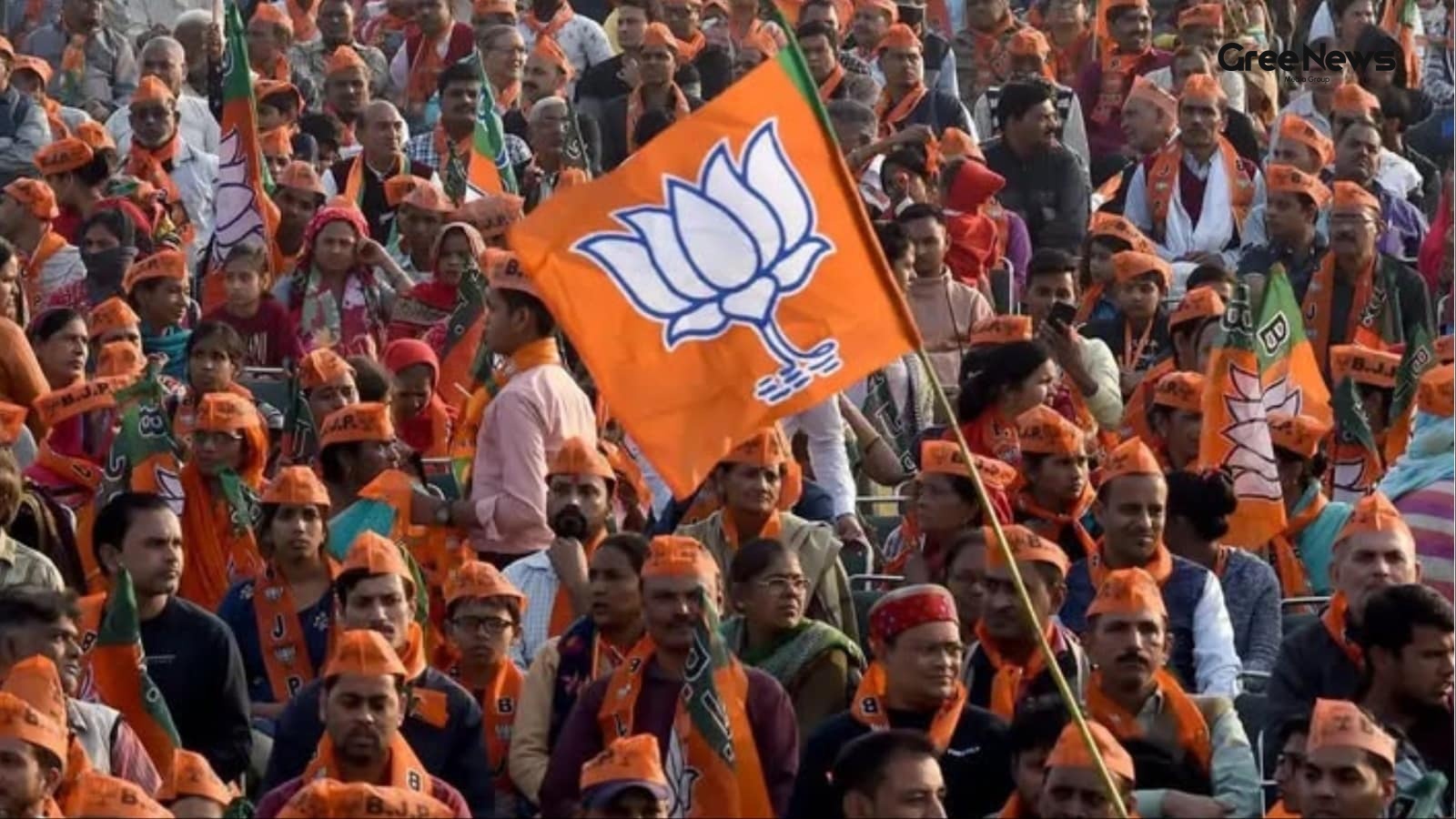
Pradeep Gupta, the chief of Axis My India, put it out there—the BJP’s current grip on Indian politics, this phase of dominance, could last for at least twenty years. That’s the core of his argument, isn't it? He suggests that this staying power isn't just about raw numbers. It’s tied up in how well the government actually runs things, and what people expect from it. It’s that simple, maybe too simple, but it’s the thread running through all this political chatter right now.
He spoke to PTI about this, drawing a line, a parallel, between the BJP’s current standing and the long stretches of rule the Congress party managed back when India first gained independence. Decades of dominance, that kind of historical weight. Gupta implies that Indian politics, in its general movement, tends to cycle like that. It moves in long stretches of supremacy. And right now, the BJP, he argues, is just sitting in the middle of one of those cycles.
There’s this inherent rhythm to it, a political cycle, that stretches out. Think about it. The Congress party, they ruled for a long time, right up until '77. Then things shifted. They started hitting walls. That’s the turning point. That’s where the generational view comes in. We used to talk about these twenty-year spans. That cycle, Gupta suggests, it’s still ticking. It remains relevant now.
The real pivot, for him, is performance. It always comes back to performance. As long as the BJP keeps delivering solid governance, if they don’t let their performance slip, if they manage to avoid that slide, then they’re probably going to stay the central force. The opposition, they’ll keep losing ground. That’s the prognosis he’s leaning toward.
But then you have the flip side. You can’t just talk about the winning side. You have to talk about the pressure. This is where things get heavier. This massive mandate, this huge public backing, it naturally cranks up the expectations. The BJP and the NDA, they are now expected to do even better. They have to superperform. That’s the weight of being dominant.
It’s a heavy thing, this expectation. Every force that reaches the top, no matter how strong it seems, eventually gets squeezed by the sheer weight of what everyone expects from it. There’s a tendency to come down later. Gupta acknowledged that the BJP has reached a point where those expectations are really high. They’ve reached that peak, and now the pressure is immense.
Meanwhile, the other side, the Congress party, they are still grappling with something else entirely. Gupta touched on their ongoing struggles. The opposition is stuck, burdened by what he calls perceptions of past misgovernance. Rebuilding public trust? That takes time. Years. He suggested that even looking toward the 2029 horizon, if you think about the Congress needing to regain real footing, it might take at least five more years just to convince the entire country. It’s not a quick fix. It’s slow work.
The fortunes of both sides, he ultimately suggested, they boil down to something much more fundamental than the immediate political speeches. It comes down to the actual governance, how people perceive what’s happening on the ground, and that voter perception. Not just some short-term political narrative. That’s where the real deciding factor lies.
Then you shift focus to specific areas. Uttar Pradesh, for instance. When talking about the mood ahead of the 2027 Assembly elections, the feedback gathered by Axis My India showed something. The BJP was in a "comfortable position" there, especially under Yogi Adityanath. There wasn’t much trouble visible, at least not in the immediate sense. Satisfaction levels were reportedly good.
But even in a state that seems stable, you have to remember volatility. Uttar Pradesh, Gupta warned, is a different beast. It’s politically volatile. It can change moods very quickly. That speed, that unpredictability, that’s something you can’t ignore when you look at that region.
Then there’s Punjab. That situation is completely different again. It’s far more fluid, much more competitive. Why? Because there’s this messy, four-cornered contest happening. You’ve got the AAP, the Congress, the BJP-led NDA, and the Akali Dal all wrestling for influence. It’s mixed. Some people are satisfied, sure, but the fragmentation changes everything.
Fragmented contests. That’s a massive factor. Gupta pointed out that even if a party doesn’t have a huge majority vote share, say twenty-six percent, it can still swing things if the opposition votes scatter around. Past examples from Uttar Pradesh show this. Small splits can deliver major victories. It’s that dynamic of fragmentation that really alters the outcome.
And when we talk about why the BJP rose, he pushed back against the simple, easy narratives. He rejected the idea that the success was purely driven by religious polarization or consolidating the Hindu vote. That line of thinking, he suggested, it ignores the actual engine of the rise.
The real drivers, he pointed to, were something else. Governance. Strong leadership. And the organizational strength, the machinery of the party itself. That’s what really expanded the influence across states like West Bengal.
He made it clear that Hindu and Muslim issues, they don’t dictate victory or defeat. Attributing the BJP’s success solely to religious consolidation, he argued, just undermines the actual good development that happened in those states. It’s about the action, the administration, not just the identity politics.
And then there’s the background noise, the history that still echoes. He brought up the alleged "misrule" period in West Bengal. Years of that kind of administration, he suggested, they created a deep, lingering "climate of fear." That atmosphere, that public dissatisfaction with the government led by Mamata Banerjee, that was also a huge contributing factor to the mood. It’s not just about the current election; it’s about the accumulated history weighing on public trust.
Modi’s charisma, Amit Shah’s organizational skills, the RSS network—those were the mechanics, the tools that helped expand the reach. But those tools worked alongside, or perhaps in response to, the underlying state of governance and the historical grievances. It’s all tangled up. It’s messy. It’s not a clean equation. It’s just a complicated reality unfolding, year after year, under this constant, shifting scrutiny. The cycle continues, but the pressure is always building.
Written by Gree News Team — Senior Editorial Board
Gree News Team covers international news and global affairs at Gree News. Our collective of senior editors is dedicated to providing independent, accurate, and responsible journalism for a global audience.
More from India
View All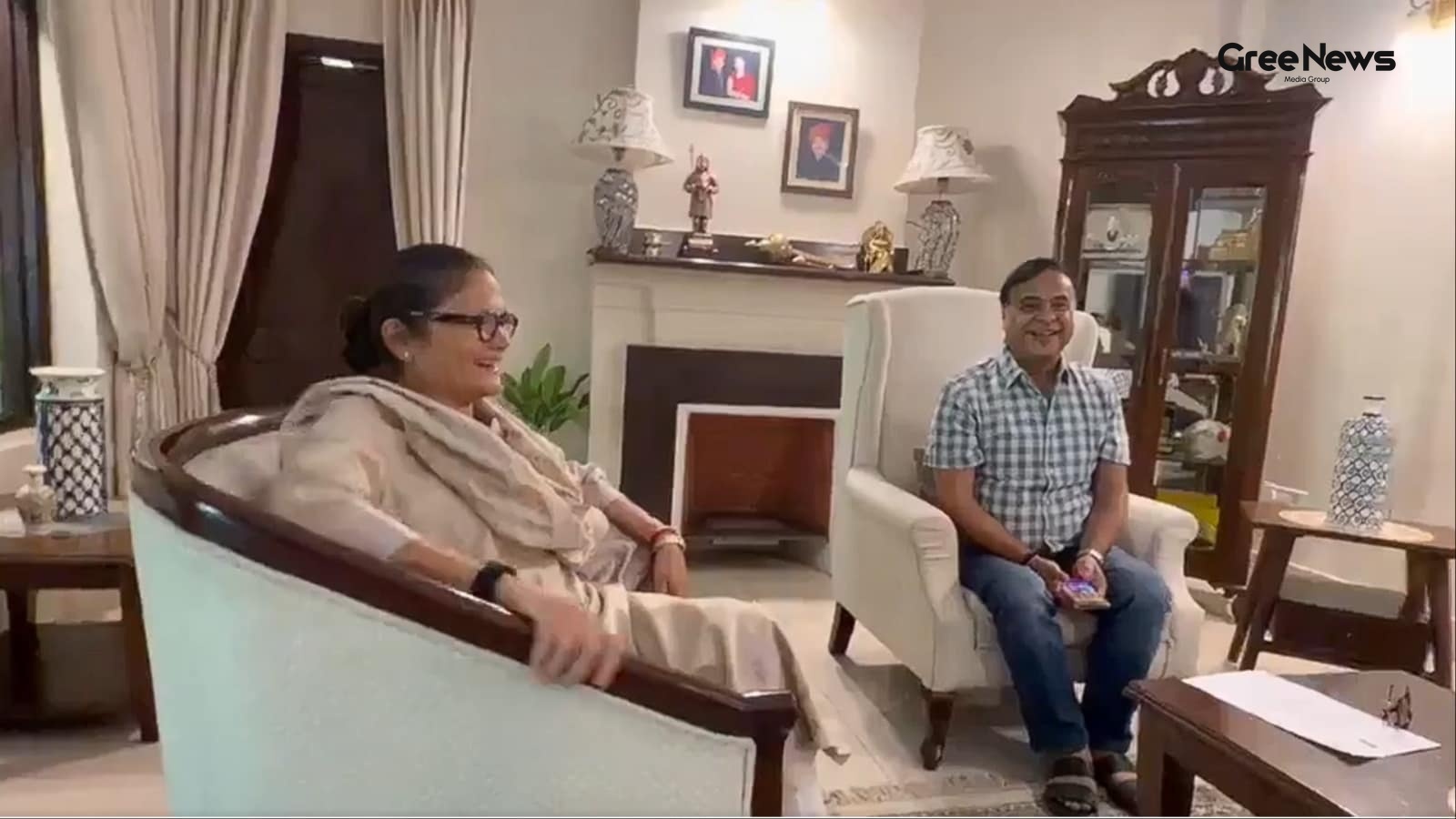
Political Speculation and Internal Turmoil within the TMC
Fresh visuals surfaced of Sushmita Dev meeting Assam Chief Minister Himanta Biswa Sarma. That kind of thing just kicks the speculation into high gear about her next move. It’s all about her potential entry into the BJP, right? This happened right after she stepped down from Rajya Sabha and walked ou
Jun 10, 2026 by Gree News Team
Threats and Intimidation Against Former Judge Justice Gautam Patel
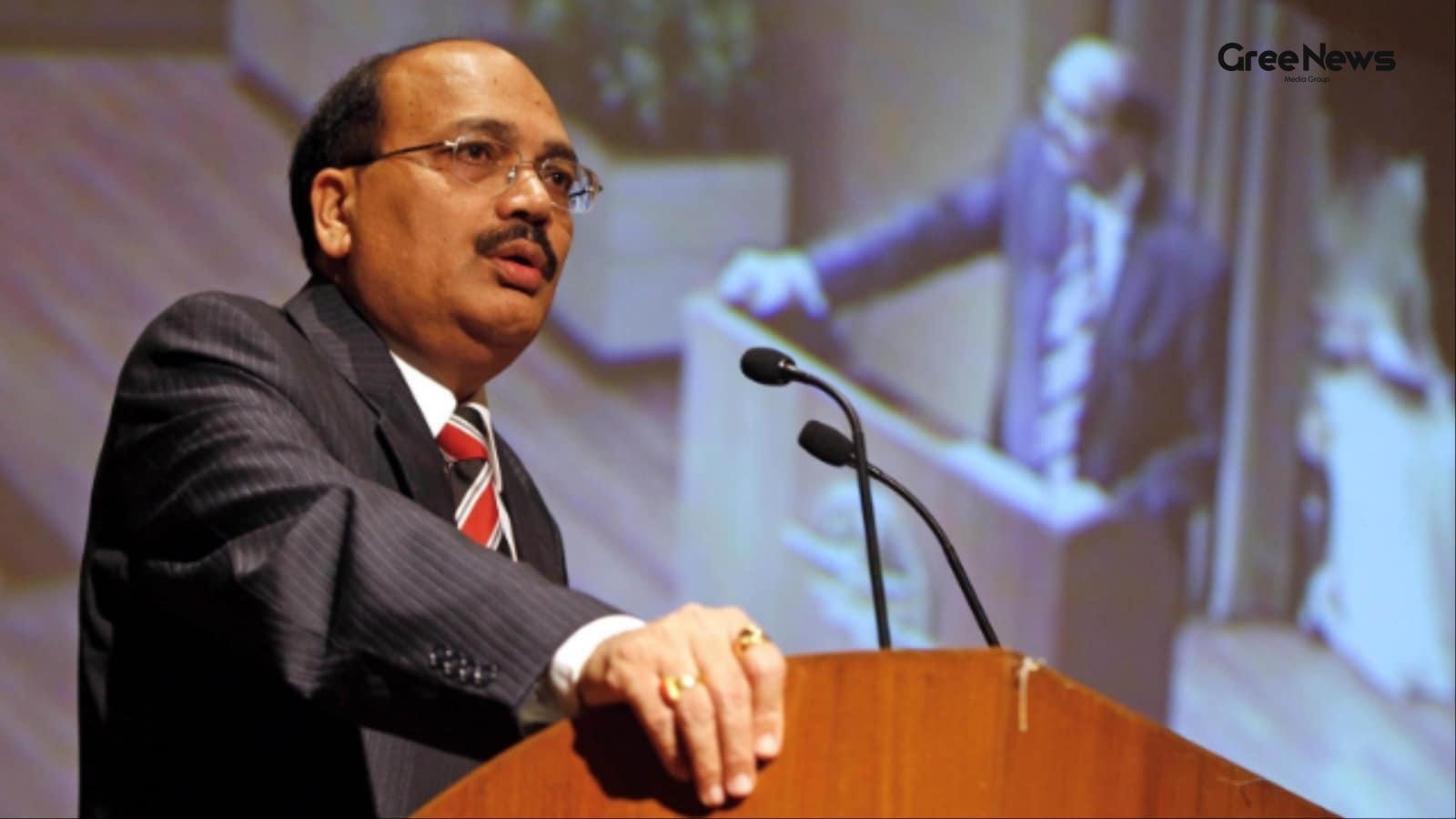
Chief Justice Surya Kant stepped in on the matter involving threats and intimidation aimed at former Bombay High Court judge Justice Gautam Patel. This happened while he was visiting the UK, raising the issue with India’s High Commissioner there. It came out of a report by The Times of India. The wh
Jun 10, 2026 by Gree News Team
The Political Feud: Shivakumar vs. Kumaraswamy and the Vokkaliga Rivalry
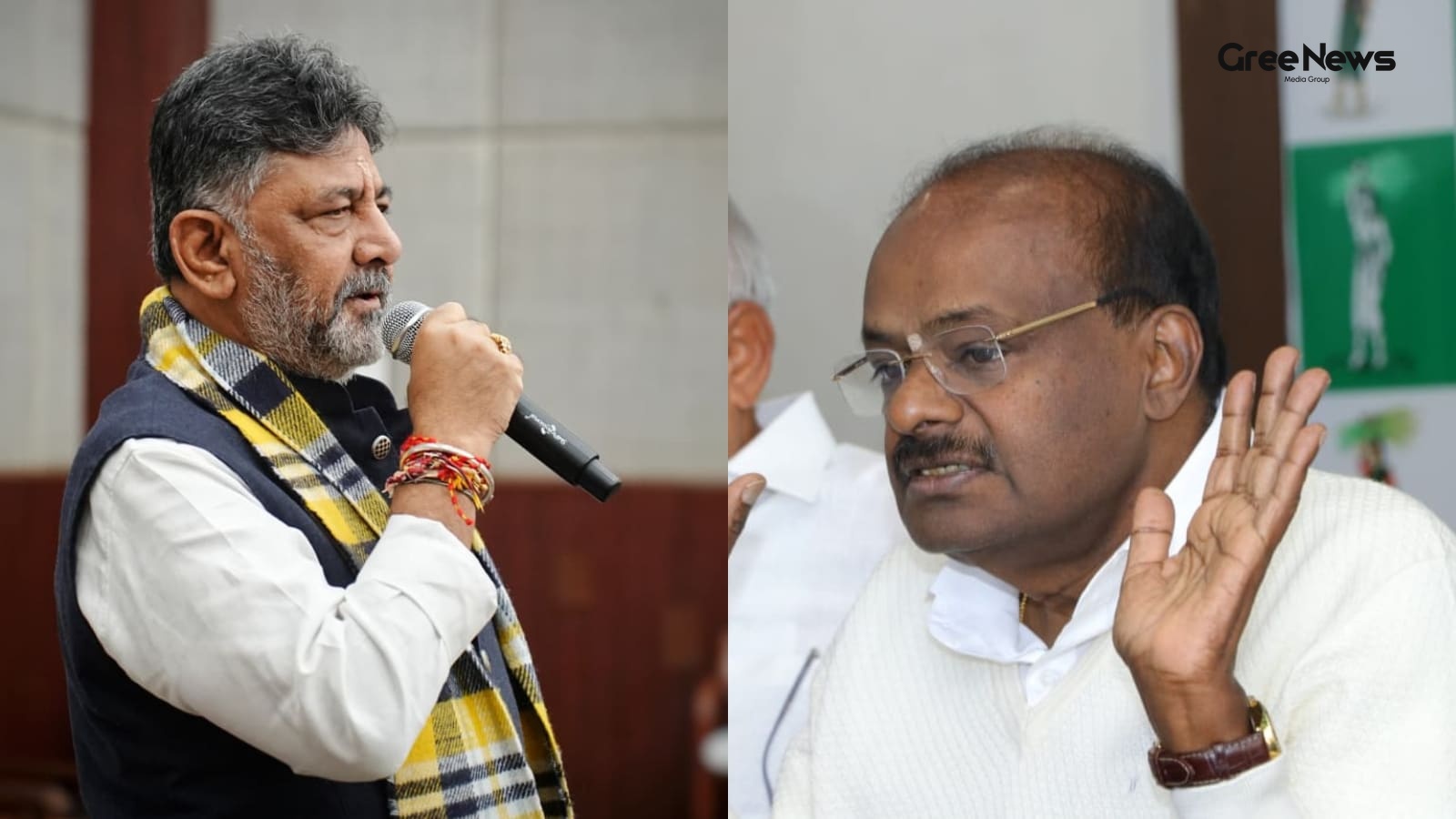
A meeting that hasn't even happened is already sparking political sparring. Karnataka Chief Minister DK Shivakumar and Union Minister HD Kumaraswamy. It just underlines how bitter one of the state’s longest-running rivalries still is. Shivakumar was doing some outreach, a carefully choreographed exe
Jun 10, 2026 by Gree News Team
The Global Nuclear Arms Race: Spending, Capabilities, and Future Risks
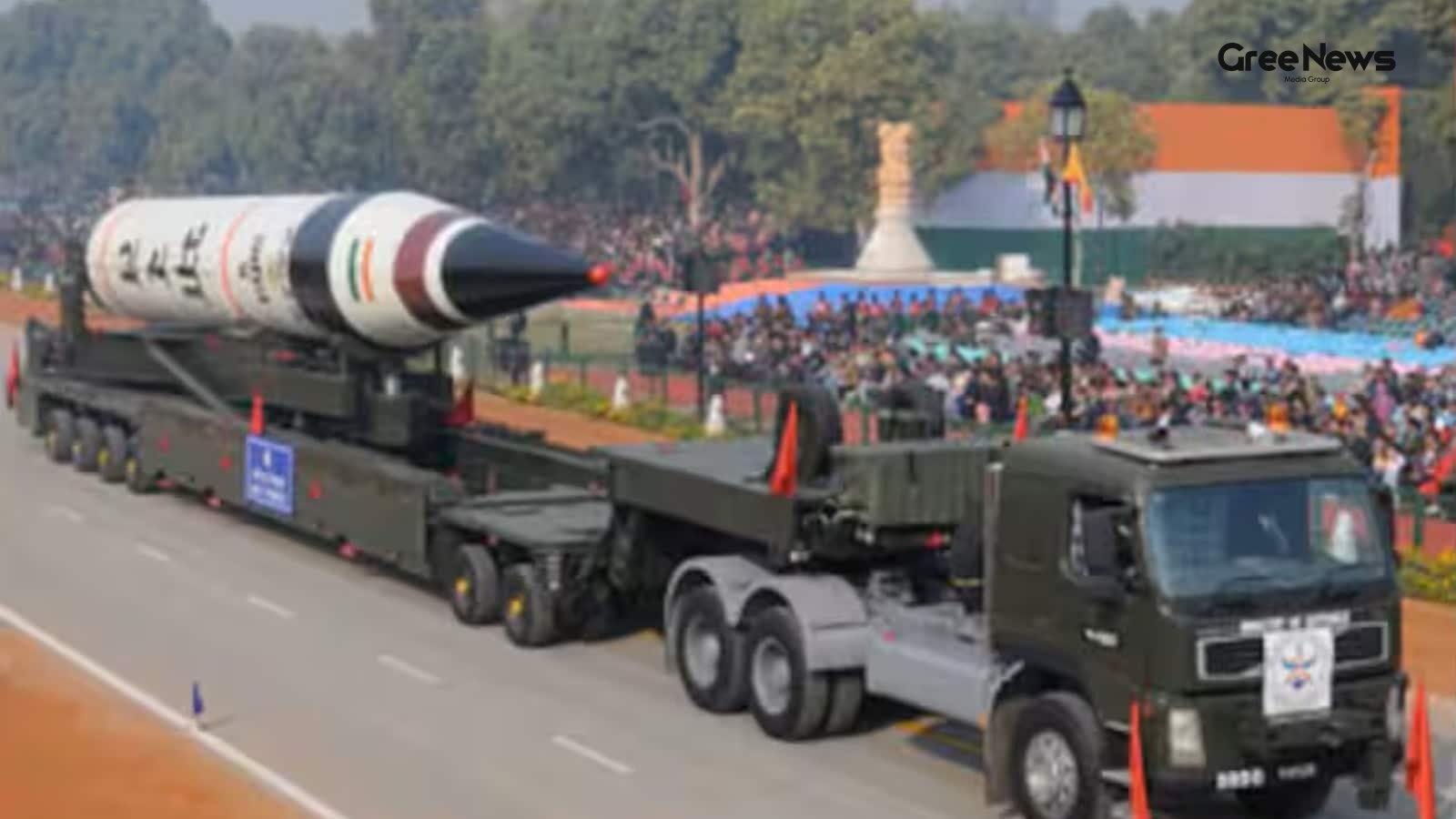
Nearly eight decades since Hiroshima and Nagasaki. And the world’s nuclear powers aren't slowing down. They keep spending more, modernizing faster, and experts are watching them move weapons out of storage and into potential use. It’s a real arms race happening right now. The nine states that hold n
Jun 10, 2026 by Gree News Team
Latest Headlines
Political Speculation and Internal Turmoil within the TMC
Fresh visuals surfaced of Sushmita Dev meeting Assam Chief Minister Himanta Biswa Sarma. That kind of thing just kicks the speculation into high gear about her next move. It’s all about her potential entry into the BJP, right? This happened right after she stepped down from Rajya Sabha and walked ou
Jun 10, 2026 by Gree News Team
FIFA World Cup 2026: Structure, Geography, and the Official Match Ball
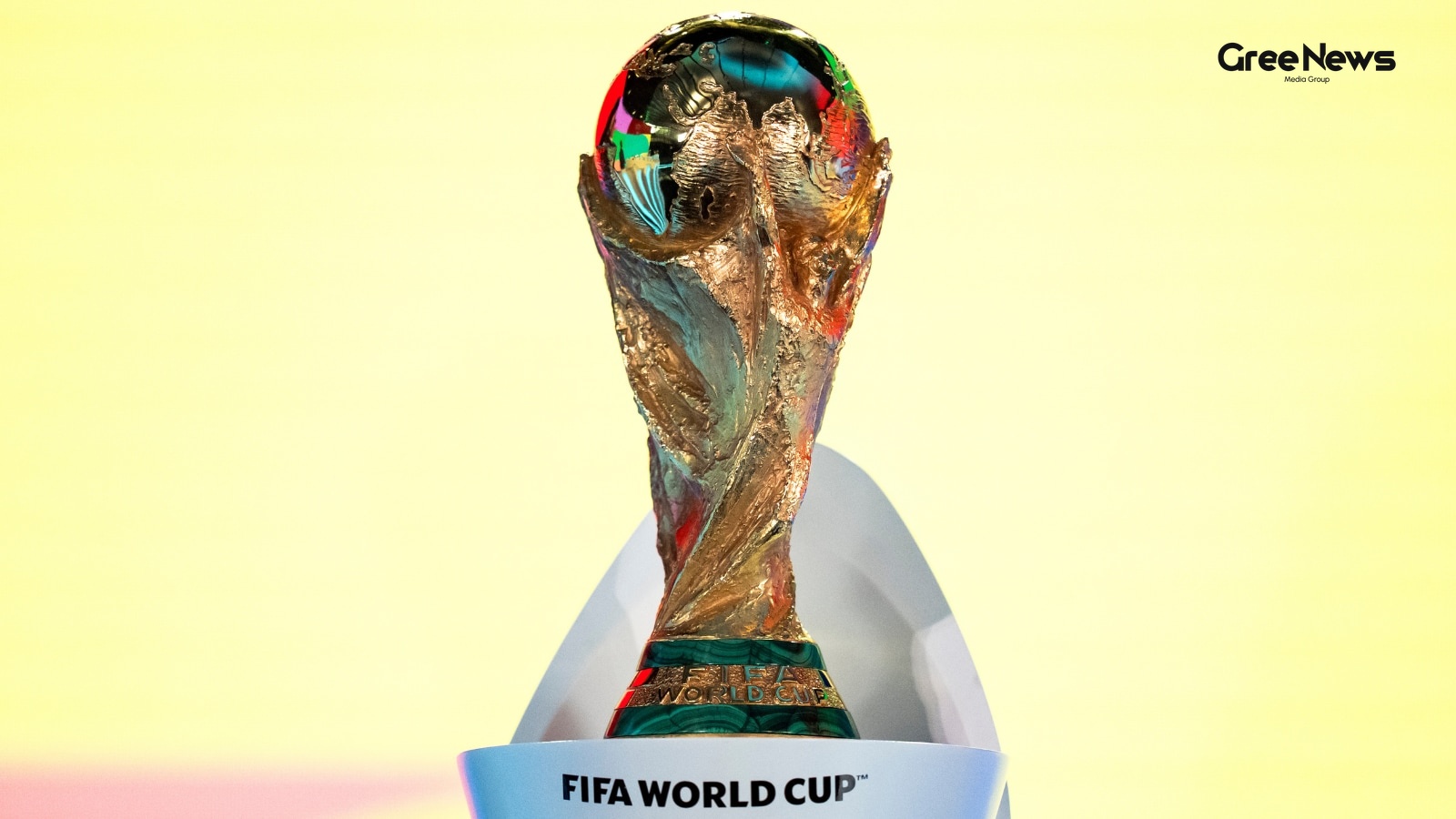
The FIFA World Cup 2026 is really starting to feel imminent now. It’s heading toward North America the USA, Mexico, and Canada are slated to host this massive global spectacle. People are talking about it constantly. It’s not just a standard tournament anymore. This time around, they’re throwing way
Jun 10, 2026 by Gree News Team

Lionel Messi and Argentina's World Cup Journey in Group J
Argentina’s taking on Group J in this new setup USA, Mexico, and Canada it feels like more than just football now. It’s about that farewell, isn't it? Lionel Messi is chasing something special right now, playing out this final chapter with the Albiceleste against Algeria, Austria, and Jordan. There’
Jun 10, 2026 by Gree News Team
Federal Judge Bars Nitrogen Gas Execution in Alabama
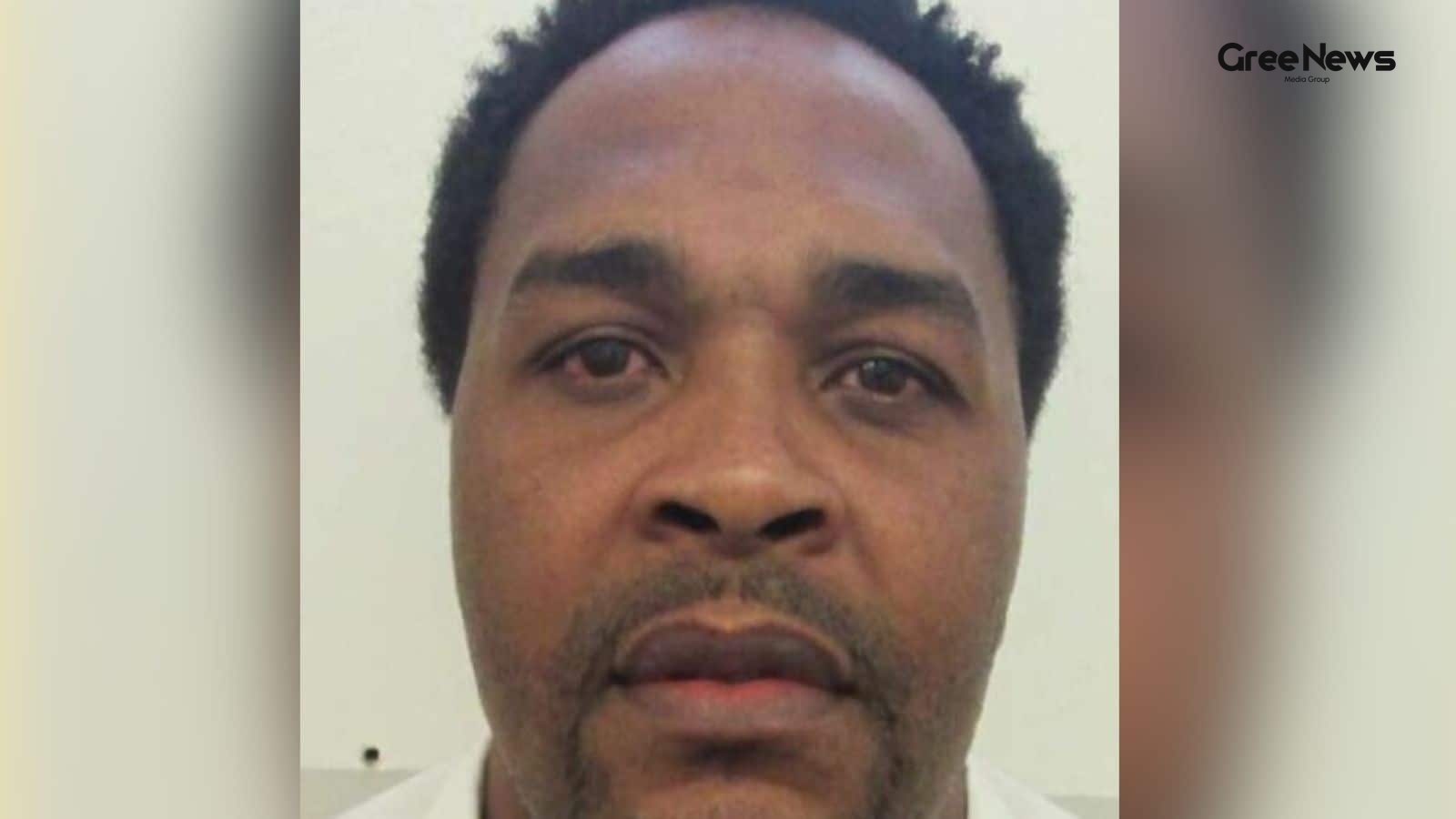
A federal judge just slammed the door shut on Alabama’s plan to use nitrogen gas for executing Jeffery Lee. Permanently barred it, ruling the method violated basic constitutional rights about cruel and unusual punishment. This decision dropped like a stone. It came just one day after an appeals cour
Jun 10, 2026 by Gree News Team
Kerala Board Plus One Results 2026 Announcement and Checking Methods
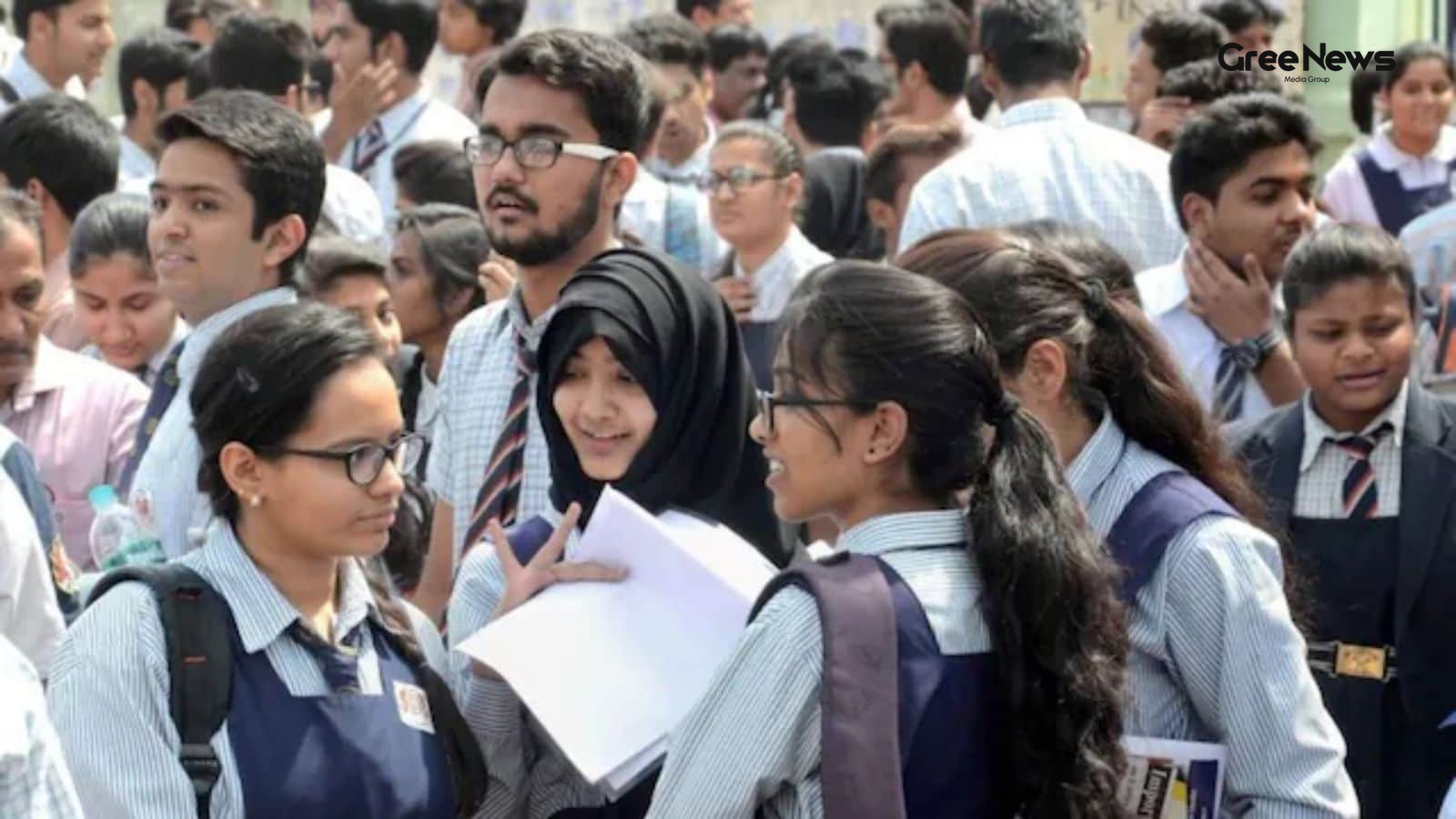
The Kerala Board Plus One results for 2026 are finally coming today, June 10th. That’s when the Directorate of Higher Secondary Education will officially announce everything. Students who took the DHSE Kerala Class 11 exams in 2026 can start checking their scores now. You have a few places to look,
Jun 10, 2026 by Gree News Team
Threats and Intimidation Against Former Judge Justice Gautam Patel
Chief Justice Surya Kant stepped in on the matter involving threats and intimidation aimed at former Bombay High Court judge Justice Gautam Patel. This happened while he was visiting the UK, raising the issue with India’s High Commissioner there. It came out of a report by The Times of India. The wh
Jun 10, 2026 by Gree News Team
Intersection of Art, Politics, and Public Morality at Film Screening
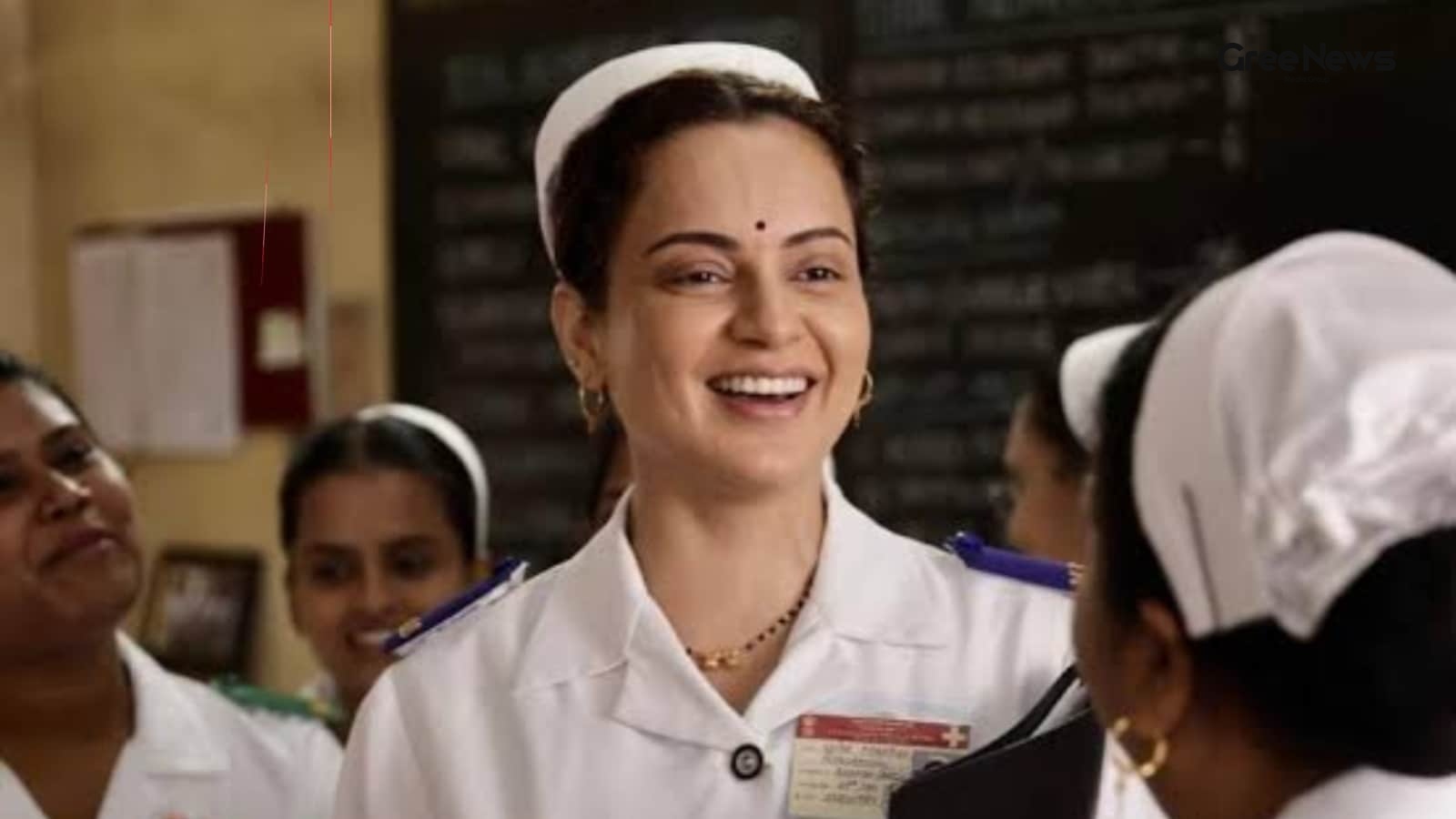
The buzz around the screening for ‘Bharat Bhhagya Viddhaata’ was definitely something special that Tuesday evening in Delhi. It wasn't just about watching a movie; it felt like a convergence a mix of film fans, some political heavyweights, and a surprising amount of high-level government presence. P
Jun 10, 2026 by Gree News Team
The Political Feud: Shivakumar vs. Kumaraswamy and the Vokkaliga Rivalry
A meeting that hasn't even happened is already sparking political sparring. Karnataka Chief Minister DK Shivakumar and Union Minister HD Kumaraswamy. It just underlines how bitter one of the state’s longest-running rivalries still is. Shivakumar was doing some outreach, a carefully choreographed exe
Jun 10, 2026 by Gree News Team
Protest and Political Standoff in Mexico City Before the World Cup
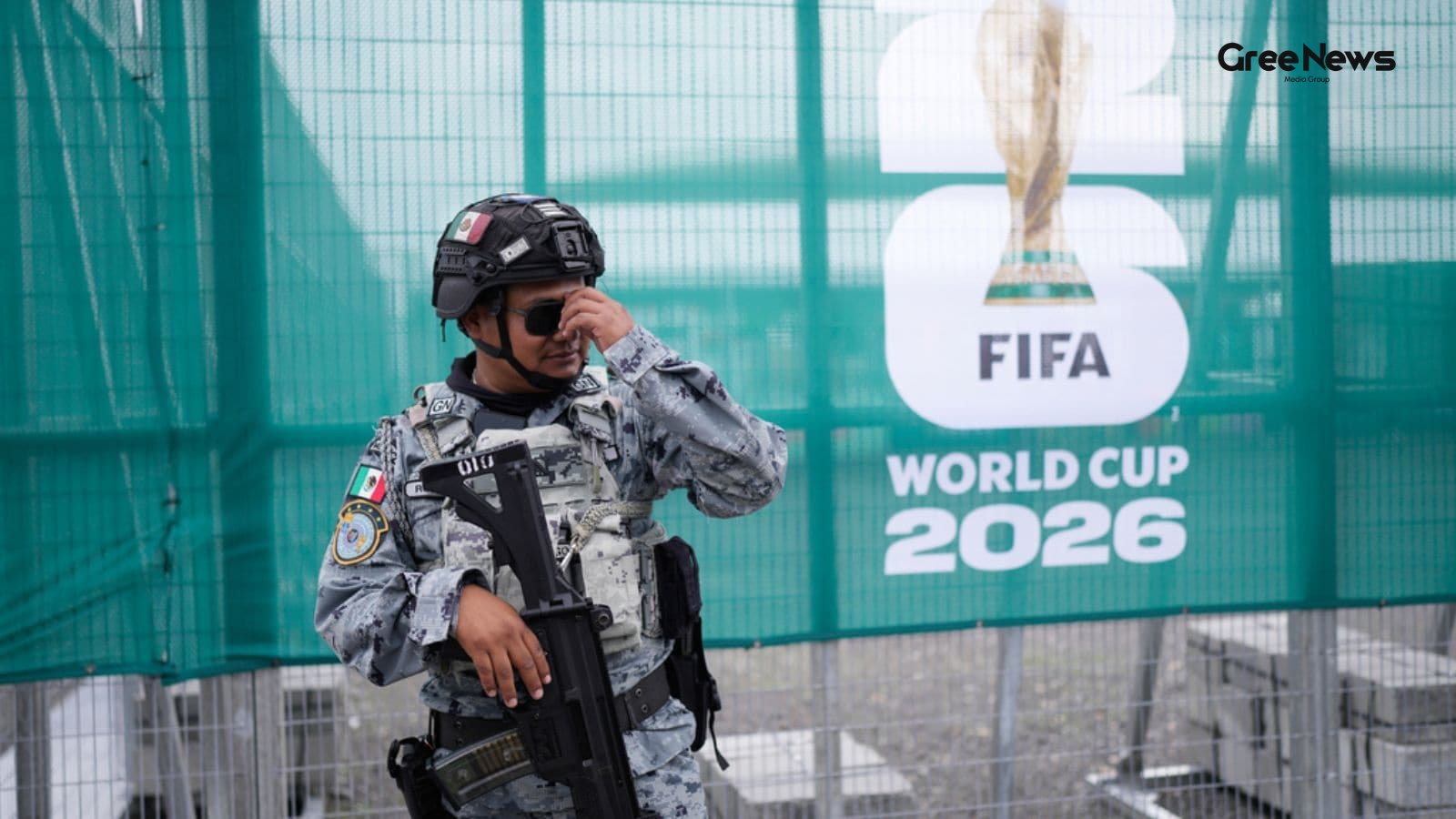
A protest choked off an avenue leading right to Mexico City’s Azteca Stadium for hours on Tuesday. It was just days before that massive World Cup opening match. As football fans started flooding in, all those co-hosts the US, Canada, and Mexico you see the real mess happening back home. Thousands of
Jun 10, 2026 by Gree News Team
The Global Nuclear Arms Race: Spending, Capabilities, and Future Risks
Nearly eight decades since Hiroshima and Nagasaki. And the world’s nuclear powers aren't slowing down. They keep spending more, modernizing faster, and experts are watching them move weapons out of storage and into potential use. It’s a real arms race happening right now. The nine states that hold n
Jun 10, 2026 by Gree News Team
The Chaos of Cinema: Volume, Competition, and the Shifting Market
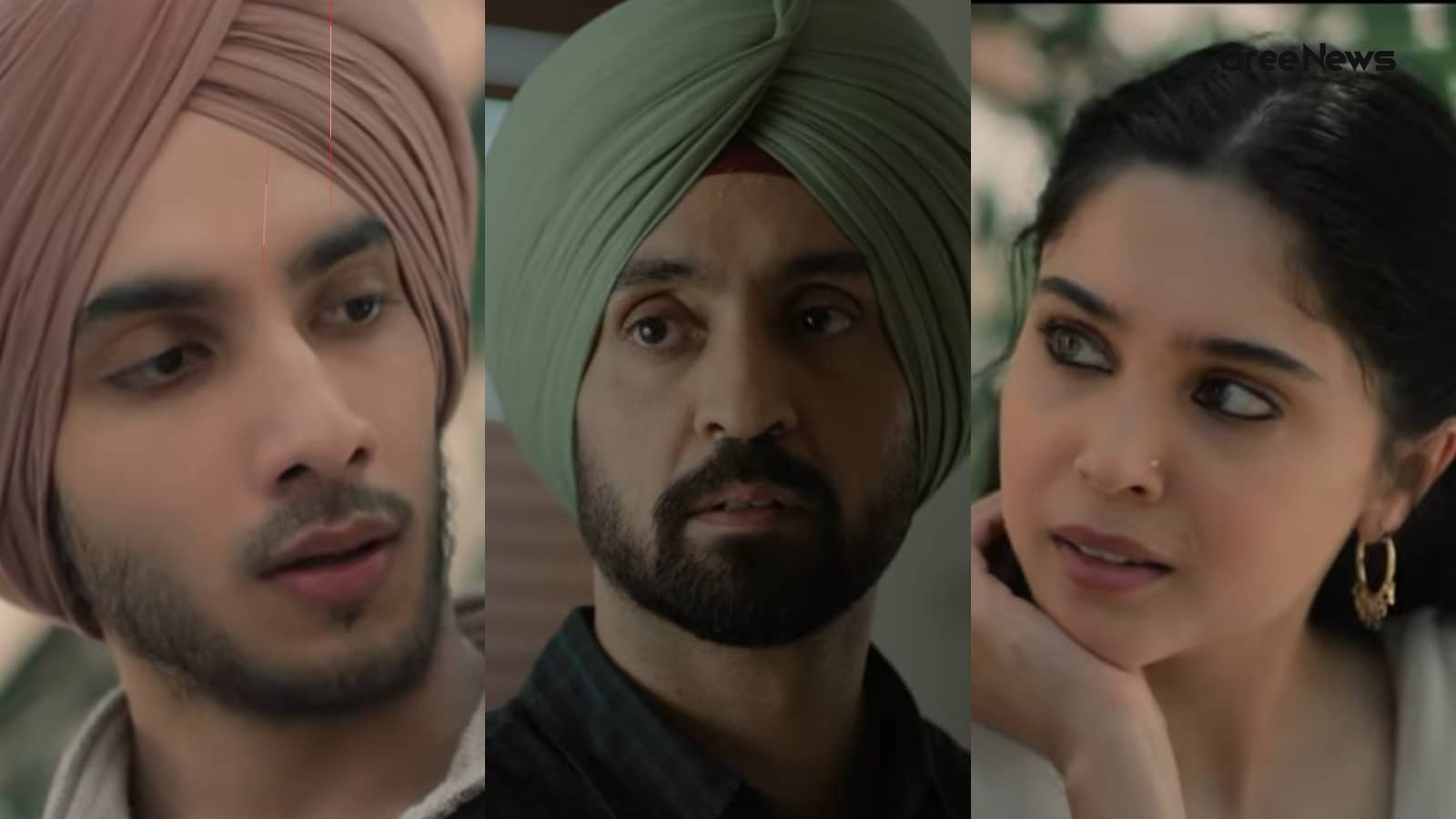
The Friday arrived packed. June 12th. It wasn't just another day; it was a collision of cinema. Nine films, all hitting the screens at once. *Main Vaapas Aaunga*, Imtiaz Ali’s directorial effort. Then you had Kangana Ranaut’s *Bharat Bhhagya Vidhaata*. And the horror mixed in Vikram Bhatt’s *Haunted
Jun 10, 2026 by Gree News Team

Stock Market Updates: June 10th Performance and Sector Analysis
Stock market updates today, June 10th. Everything turned sour in late trading Wednesday. Domestic equity markets basically gave up all those gains they managed to hold during the day. Heavy selling hit midcap, smallcap stocks, plus metals, realty, and financial names dragging the main indices into n
Jun 10, 2026 by Gree News Team
Iran Football Team Travel and World Cup Arrangements
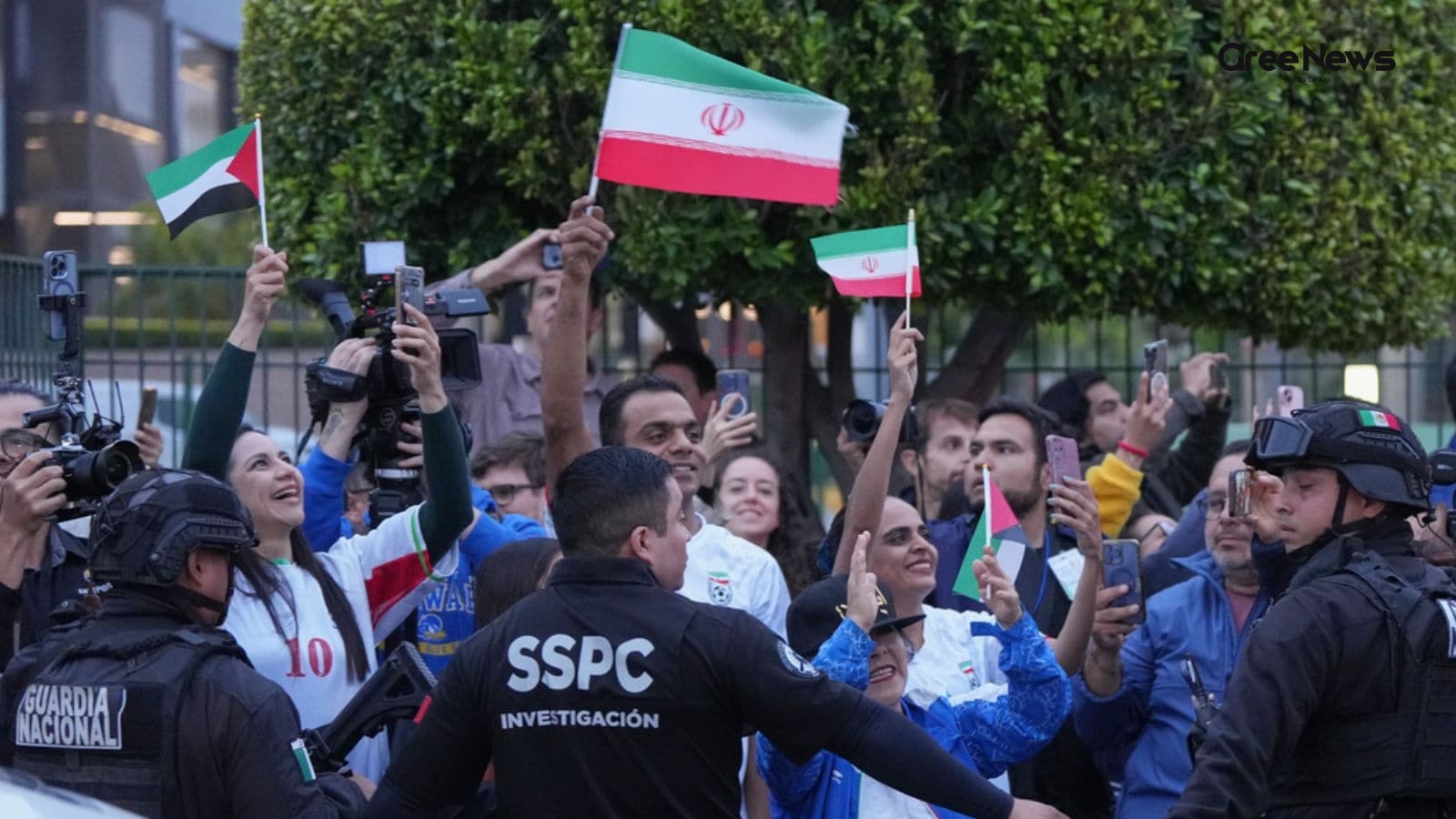
Iran’s football team is heading to Los Angeles, apparently. They announced Tuesday that they'll be flying there the day before their first group-stage game against New Zealand. It feels like a lot happening all at once. But where exactly will they be staying? They won't actually be in L.A. for long.
Jun 10, 2026 by Gree News Team

The Impact of Gen AI on Job Applications and Hiring Strategies
When you start looking for a job, everyone builds this whole structure: the résumé, that killer cover letter, tailoring it perfectly. The whole point was always that application could make you jump out from the crowd of hundreds of applicants. But honestly? Recruiters are starting to think that play
Jun 10, 2026 by Gree News Team
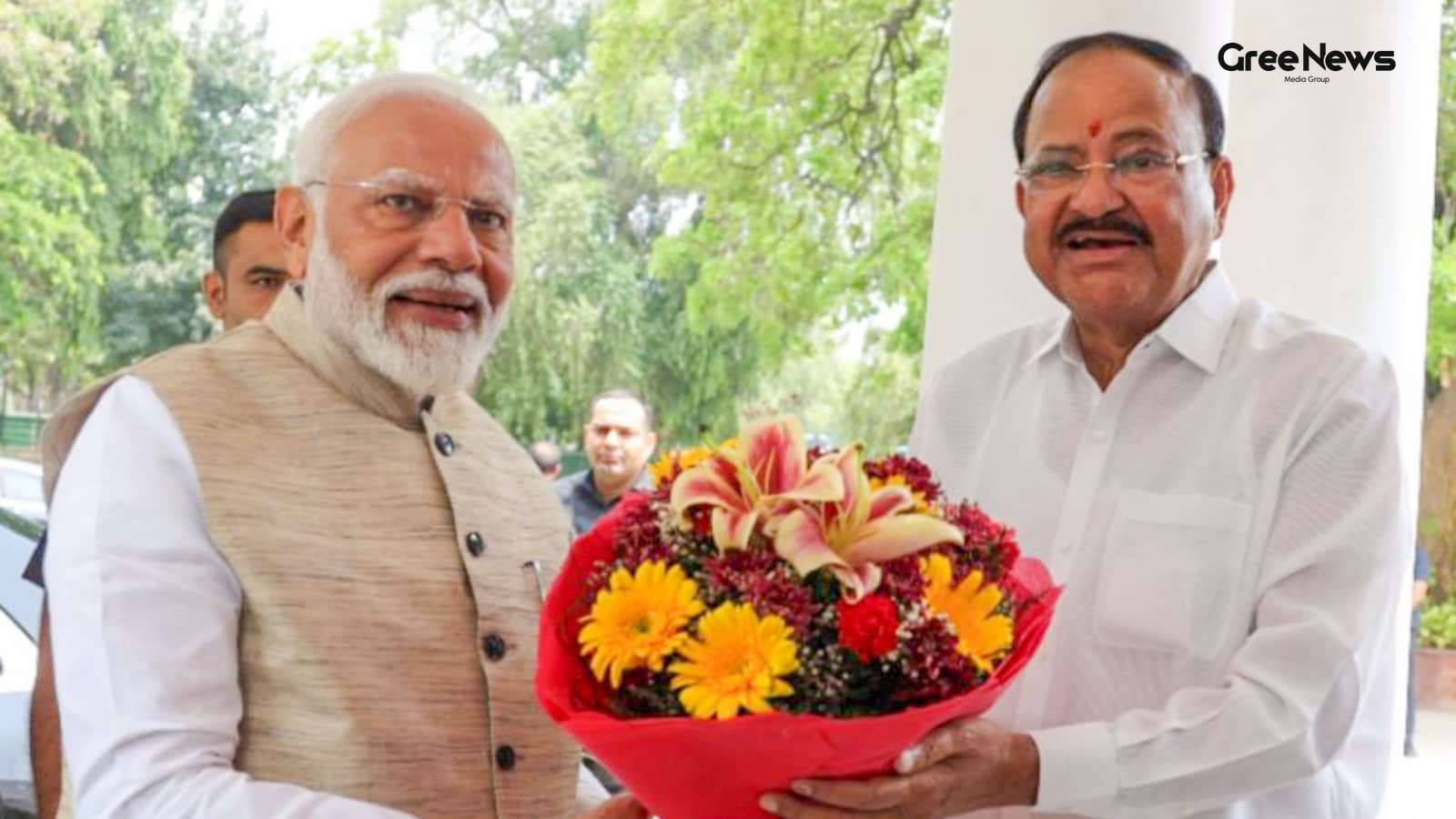
Narendra Modi's Milestone: India's Longest-Serving Prime Minister
Narendra Modi just hit a huge milestone. India’s longest-serving elected Prime Minister. Forty-three hundred ninety-nine days in office now. That beats Nehru's record, which was the first one. Former Vice President Venkaiah Naidu spoke about it. He praised the leadership and everything Modi has done
Jun 10, 2026 by Gree News Team