The Shift in Menstrual Hygiene Demand in Rural and Semi-Urban India
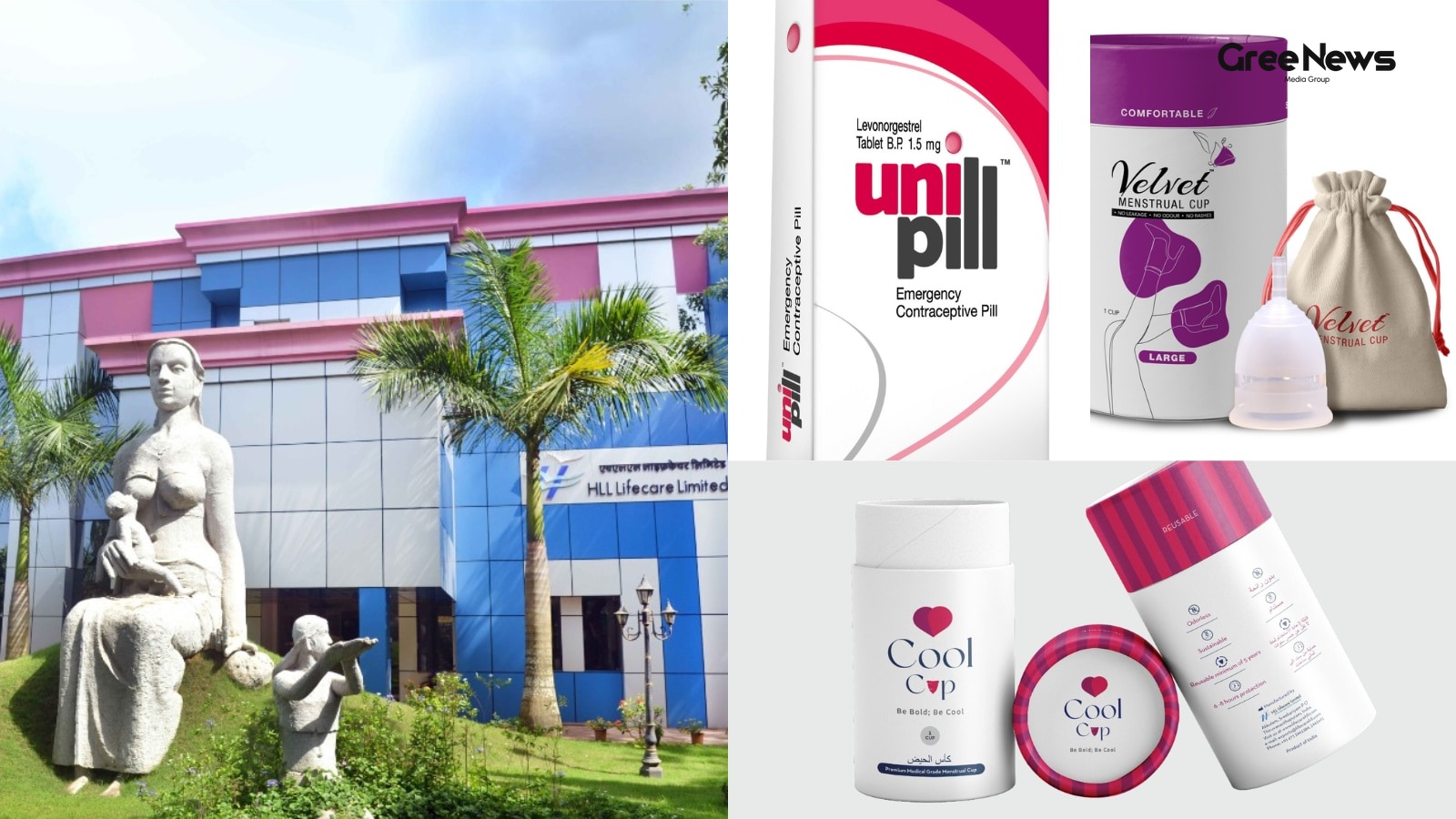
Rural and semi-urban India. that’s where the real demand for menstrual hygiene products is hitting now. it’s a quiet shift, maybe, but it shows how people are actually accessing menstrual health outside the big cities. that’s what a top official at HLL, the Mini Ratna public sector company—you know, the one under the Union Ministry of Health and Family Welfare—told News18.
Hari Krishnan Namboothiri, Vice President at HLL, he pointed out that smaller towns, semi-urban areas, and rural markets are contributing a lot to this demand for hygiene products and awareness. it’s not just the metros anymore.
He said there are growing acceptance and demand even in those traditionally underserved regions. this wasn't just organic. there were government schemes running, NGO work, school awareness programs, and CSR stuff. think Indian Oil Corporation, Hindustan Petroleum, Kennametal India, even Cochin Shipyard Limited getting involved. that’s how they managed to push things beyond the major metropolitan areas.
It’s a big acknowledgment. for years, the whole organized menstrual hygiene market in India felt like an urban story. now the demand frontier is visibly moving into districts, into villages. it reflects all those years of health campaigns finally having an effect.
Namboothiri was talking about a decade. over the last ten years, things have definitely changed in terms of menstrual hygiene awareness . there were the public health campaigns, the school education, the media noise, all the government programs pushing things along.
Conversations that used to be completely taboo? they’re starting to become more mainstream. especially for young women and adolescents. there's more talk now about hygienic practices, about sustainable products, about reproductive health in general.
Awareness sessions, like the ones done through projects such as THINKAL, they showed something important. open discussions, practical demonstrations, getting peer influence, and just some counseling support—that really helps cut down the fear, the hesitation, the misconceptions about menstruation and using products.
THINKAL. that’s HLL’s main initiative for menstrual hygiene, running everywhere. it’s got four parts: awareness, distributing the products, follow-up counseling, and trying to change behavior. it’s designed to move people from just seeing something, to actually using it consistently.
HLL Lifecare itself, started way back in 1966 as part of the National Family Planning Programme, it became almost the default for things like condoms in India. Moods was their big seller back then. now they’ve expanded way beyond that. contraceptives, hospital stuff, women’s healthcare, diagnostics, pharmacies, even emergency services. for the financial year 2024–25, they actually claimed one of their highest dividend contributions—Rs 69.53 crore—to the central government.
When you ask about what sells best? sanitary pads are still holding strong. familiarity and easy access play a huge role there. but menstrual cups ? they are drawing attention now. especially when you look at the awareness programs running.
Menstrual cups are growing fast. particularly among people who care about the environment, students, working women, and those who benefit from these awareness drives. he wouldn't give exact sales figures, of course, but the trend is clear.
Impact studies from THINKAL? they found that when people use menstrual cups, the big advantages they point to are comfort, long-lasting protection, saving money, and the environmental benefits. and the follow-up support really helps keep people using them and feeling confident.
HLL didn't just talk about it. they backed it up with manufacturing. they increased the capacity for making menstrual cups to five million annually. that signals they actually believe in this category’s future. they raised the production capacity at the Akkulam Factory in Thiruvananthapuram to three million. Punya Salila Srivastava, the Union Health Secretary, inaugurated that upgraded facility back in May.
That increased capacity means they can actually distribute these cups for free to underprivileged women across the country under the Thinkal project by FY27. so far they’ve distributed fifteen lakh menstrual cups across nine states—Gujarat, Haryana, Himachal Pradesh, Jharkhand, Maharashtra, Telangana, Karnataka, Tamil Nadu, and Kerala—plus two Union Territories, Lakshadweep and the Andaman and Nicobar Islands.
The market itself is interesting. right now, the menstrual cup market in India is roughly Rs 130 crore. but the projections? they think it could hit around Rs 230 crore by 2033. that’s a growth rate of about seven to eight percent per year. and here’s the kicker: reusable cups account for about eighty-three percent of that market. that dominance just shows how effective those awareness programs were at positioning them on grounds of saving money and being better for the planet.
Educational institutions are turning out to be huge. they’re both a target and a channel for getting menstrual hygiene access, Namboothiri noted. HLL has been involved in setting up vending machines and hygiene infrastructure in schools and colleges all over India.
These institutions are showing a stronger pull now. they want menstrual hygiene infrastructure, awareness programs, and sustainable solutions. schools and colleges are finally starting to see that managing menstrual hygiene is tied into better attendance, better health awareness, more dignity, and overall student wellbeing. they are integrating this into their campus initiatives.
Written by Gree News Team — Senior Editorial Board
Gree News Team covers international news and global affairs at Gree News. Our collective of senior editors is dedicated to providing independent, accurate, and responsible journalism for a global audience.
More from India
View All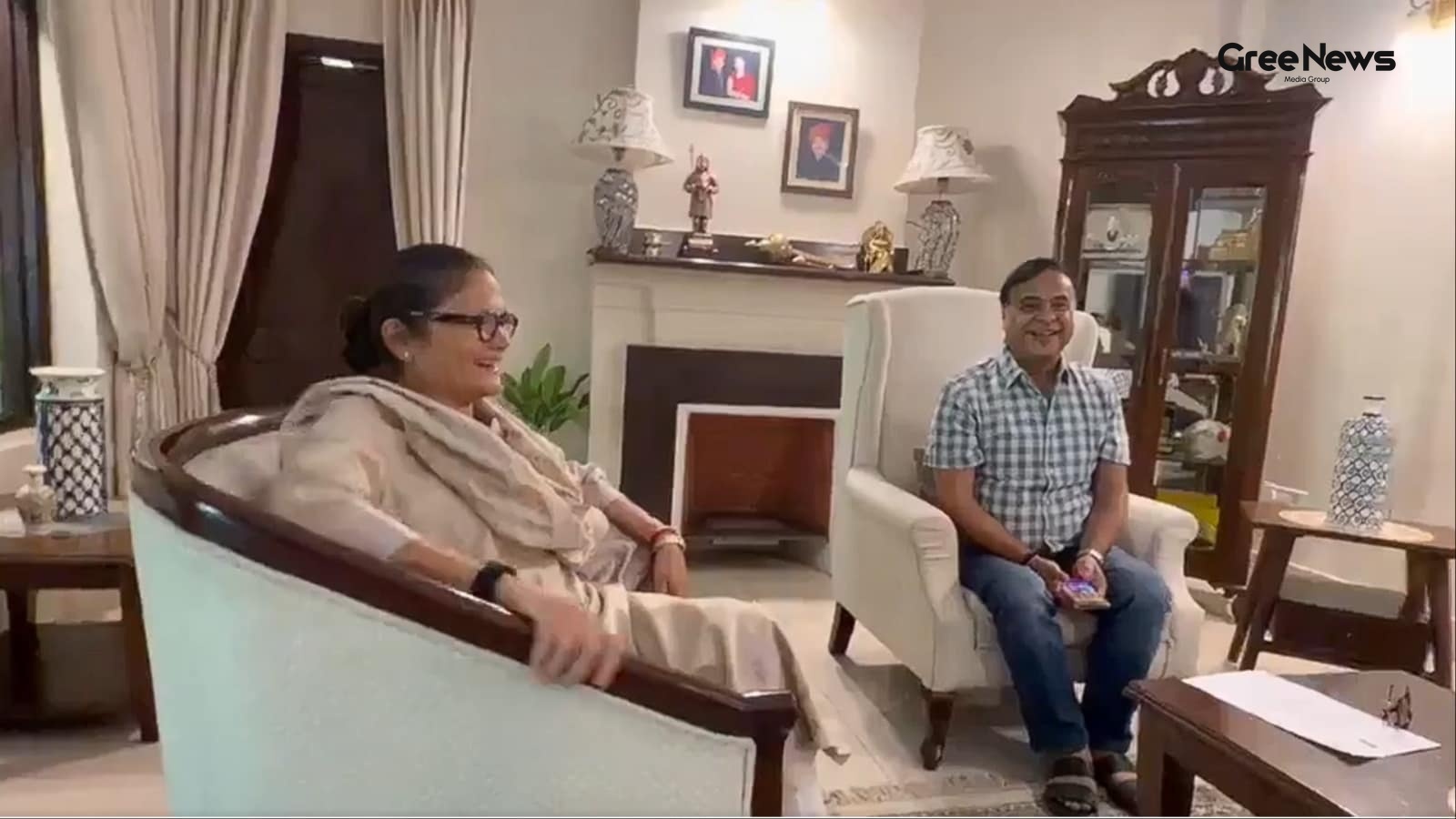
Political Speculation and Internal Turmoil within the TMC
Fresh visuals surfaced of Sushmita Dev meeting Assam Chief Minister Himanta Biswa Sarma. That kind of thing just kicks the speculation into high gear about her next move. It’s all about her potential entry into the BJP, right? This happened right after she stepped down from Rajya Sabha and walked ou
Jun 10, 2026 by Gree News Team
Threats and Intimidation Against Former Judge Justice Gautam Patel
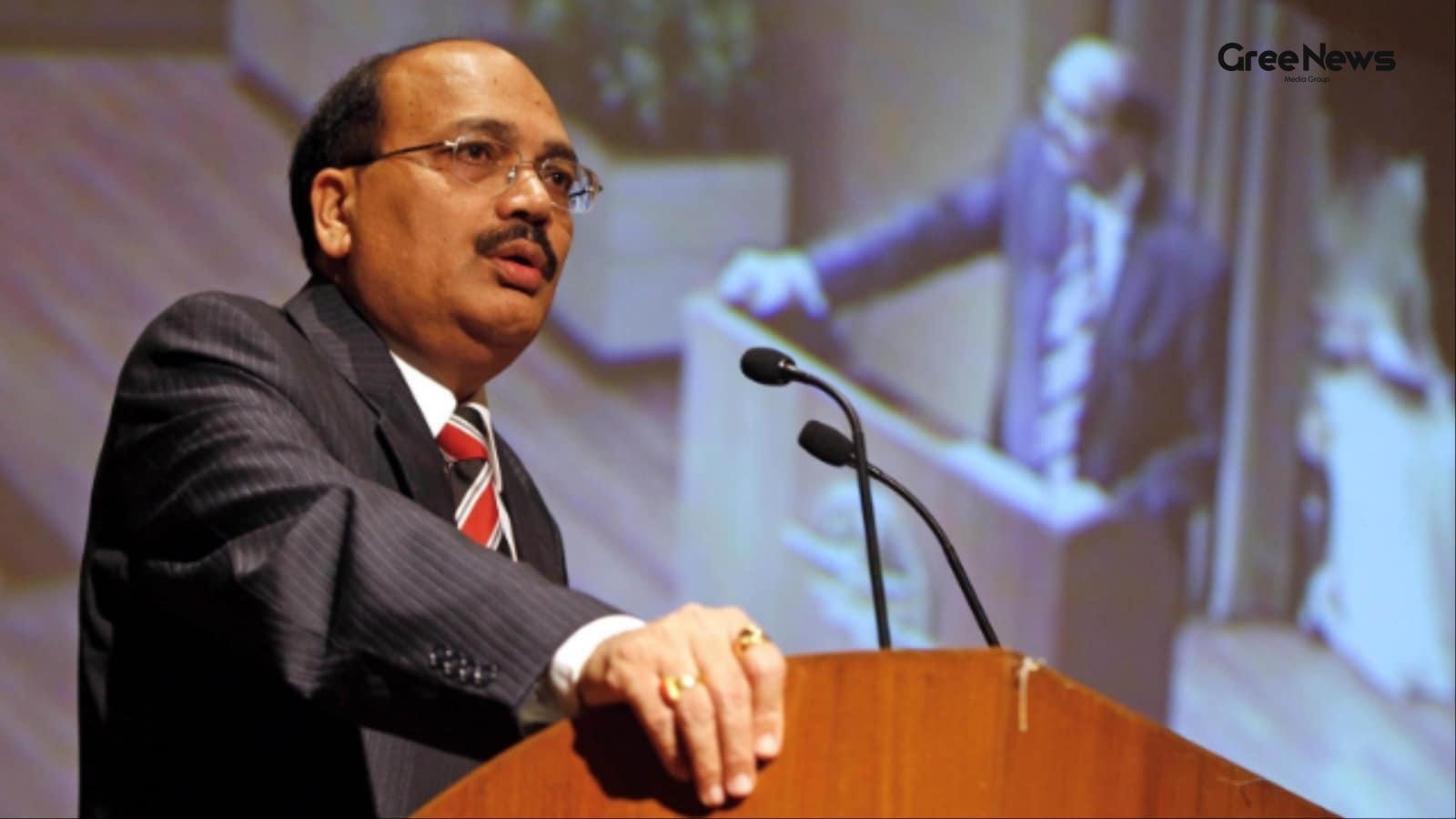
Chief Justice Surya Kant stepped in on the matter involving threats and intimidation aimed at former Bombay High Court judge Justice Gautam Patel. This happened while he was visiting the UK, raising the issue with India’s High Commissioner there. It came out of a report by The Times of India. The wh
Jun 10, 2026 by Gree News Team
The Political Feud: Shivakumar vs. Kumaraswamy and the Vokkaliga Rivalry
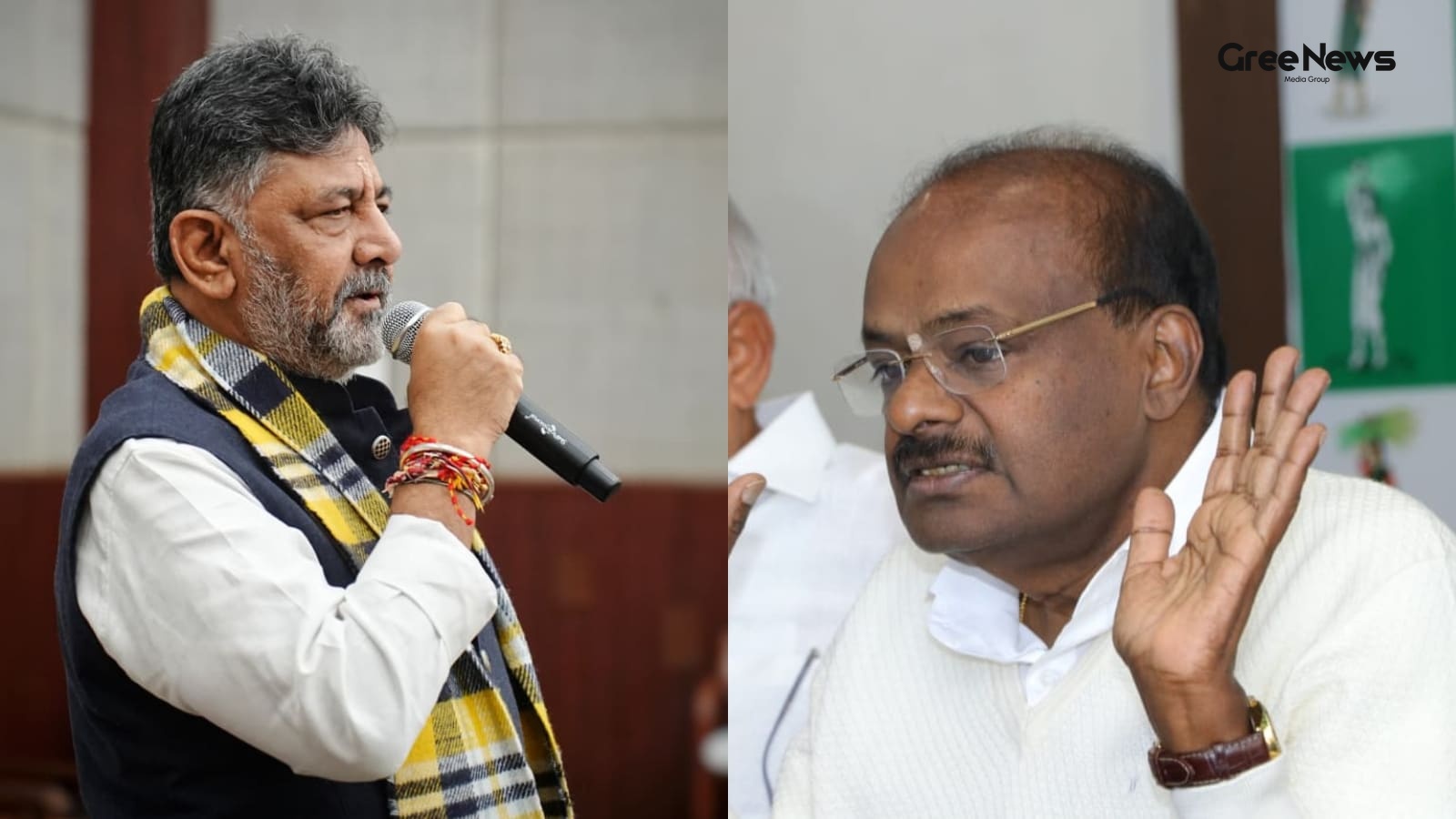
A meeting that hasn't even happened is already sparking political sparring. Karnataka Chief Minister DK Shivakumar and Union Minister HD Kumaraswamy. It just underlines how bitter one of the state’s longest-running rivalries still is. Shivakumar was doing some outreach, a carefully choreographed exe
Jun 10, 2026 by Gree News Team
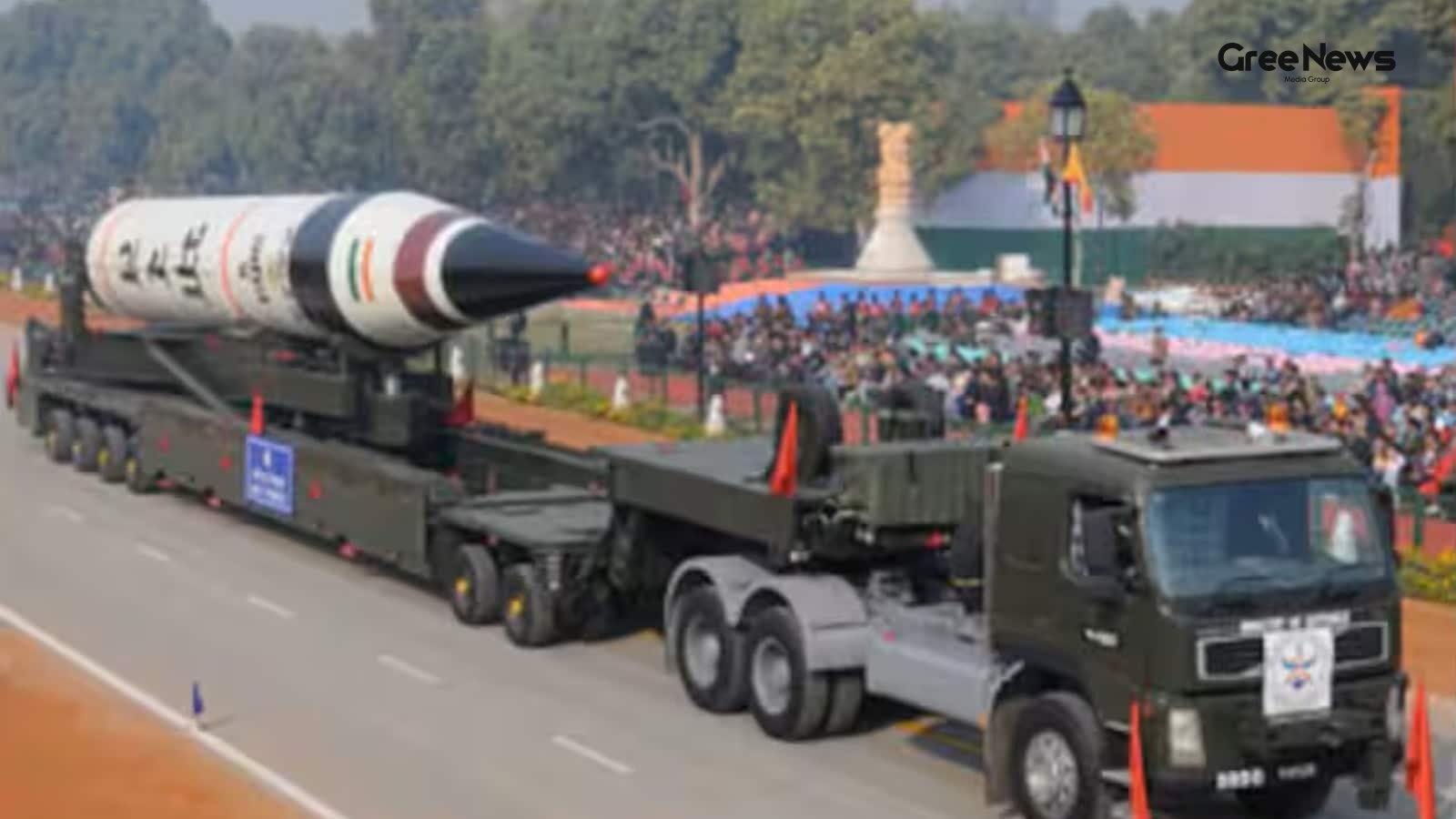
The Global Nuclear Arms Race: Spending, Capabilities, and Future Risks
Nearly eight decades since Hiroshima and Nagasaki. And the world’s nuclear powers aren't slowing down. They keep spending more, modernizing faster, and experts are watching them move weapons out of storage and into potential use. It’s a real arms race happening right now. The nine states that hold n
Jun 10, 2026 by Gree News Team
Latest Headlines
Political Speculation and Internal Turmoil within the TMC
Fresh visuals surfaced of Sushmita Dev meeting Assam Chief Minister Himanta Biswa Sarma. That kind of thing just kicks the speculation into high gear about her next move. It’s all about her potential entry into the BJP, right? This happened right after she stepped down from Rajya Sabha and walked ou
Jun 10, 2026 by Gree News Team
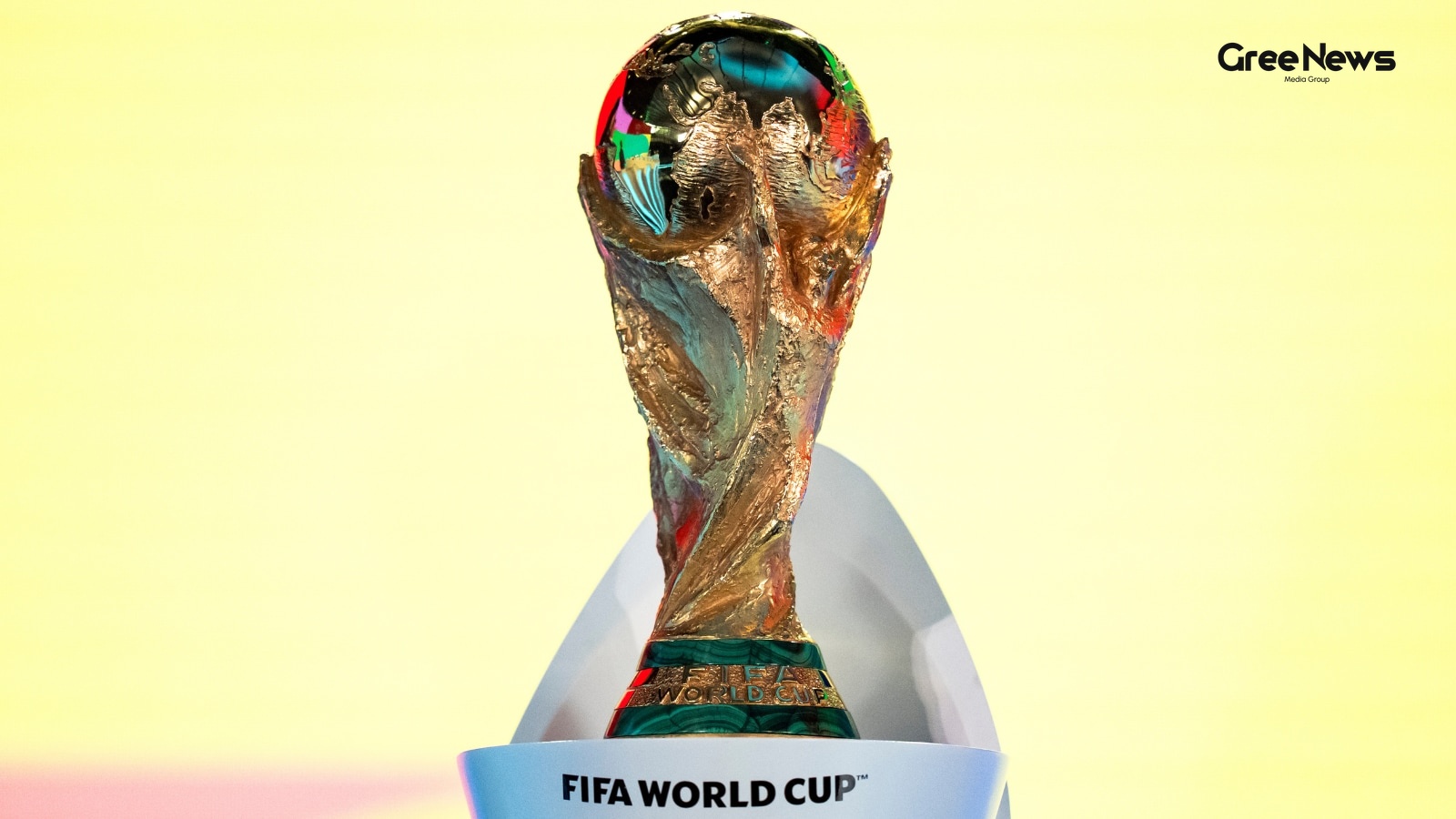
FIFA World Cup 2026: Structure, Geography, and the Official Match Ball
The FIFA World Cup 2026 is really starting to feel imminent now. It’s heading toward North America the USA, Mexico, and Canada are slated to host this massive global spectacle. People are talking about it constantly. It’s not just a standard tournament anymore. This time around, they’re throwing way
Jun 10, 2026 by Gree News Team

Lionel Messi and Argentina's World Cup Journey in Group J
Argentina’s taking on Group J in this new setup USA, Mexico, and Canada it feels like more than just football now. It’s about that farewell, isn't it? Lionel Messi is chasing something special right now, playing out this final chapter with the Albiceleste against Algeria, Austria, and Jordan. There’
Jun 10, 2026 by Gree News Team
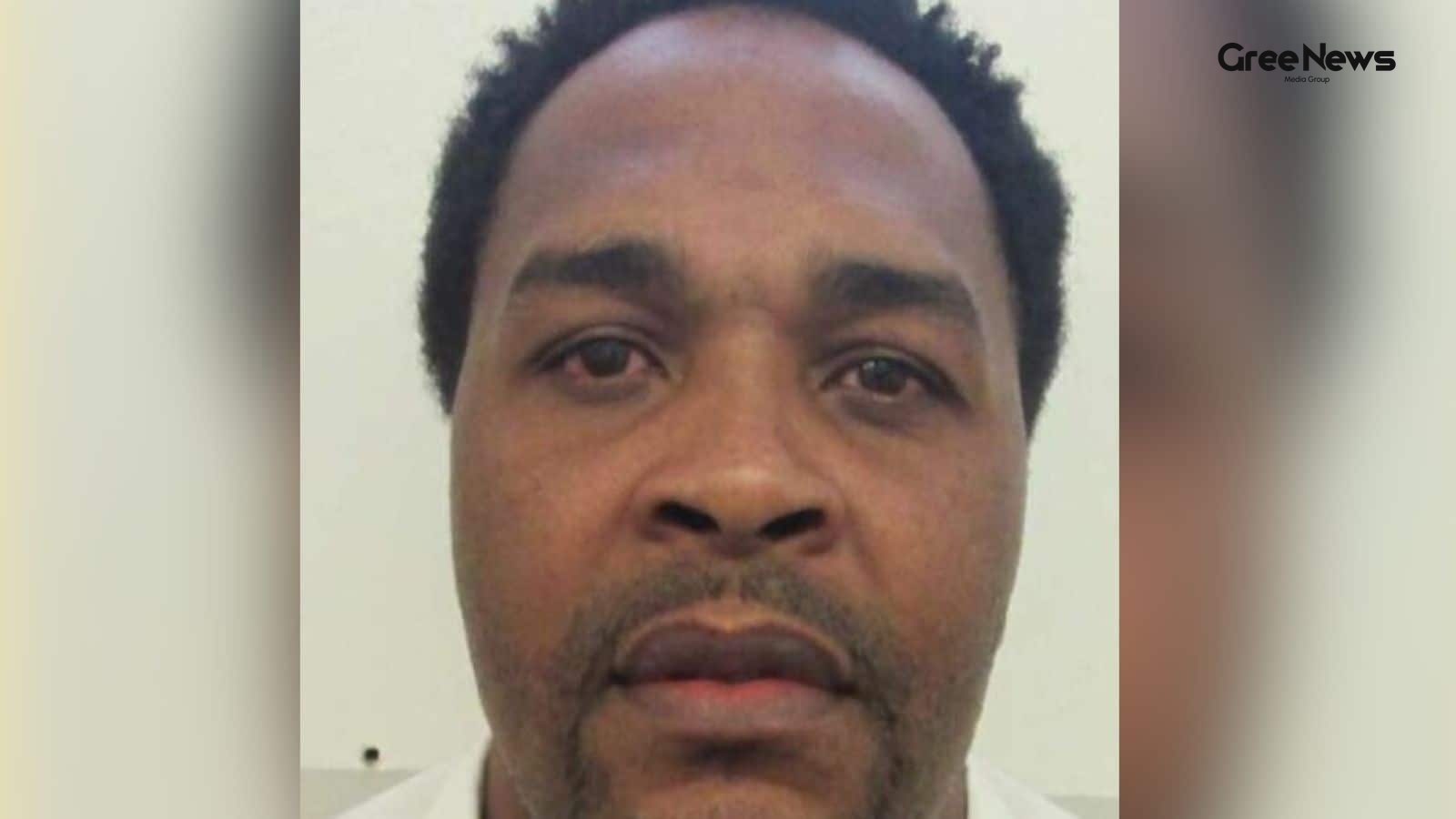
Federal Judge Bars Nitrogen Gas Execution in Alabama
A federal judge just slammed the door shut on Alabama’s plan to use nitrogen gas for executing Jeffery Lee. Permanently barred it, ruling the method violated basic constitutional rights about cruel and unusual punishment. This decision dropped like a stone. It came just one day after an appeals cour
Jun 10, 2026 by Gree News Team
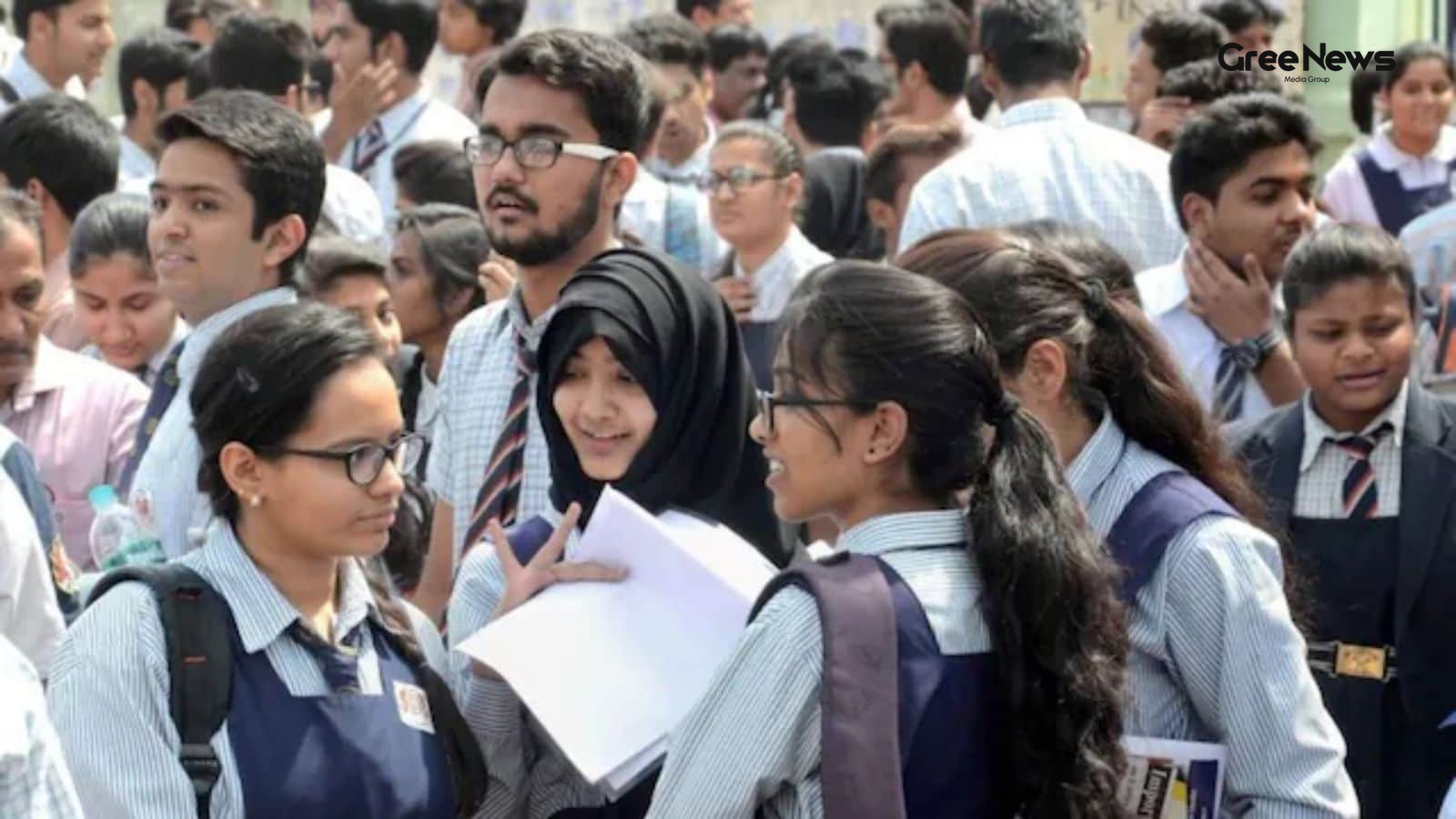
Kerala Board Plus One Results 2026 Announcement and Checking Methods
The Kerala Board Plus One results for 2026 are finally coming today, June 10th. That’s when the Directorate of Higher Secondary Education will officially announce everything. Students who took the DHSE Kerala Class 11 exams in 2026 can start checking their scores now. You have a few places to look,
Jun 10, 2026 by Gree News Team
Threats and Intimidation Against Former Judge Justice Gautam Patel
Chief Justice Surya Kant stepped in on the matter involving threats and intimidation aimed at former Bombay High Court judge Justice Gautam Patel. This happened while he was visiting the UK, raising the issue with India’s High Commissioner there. It came out of a report by The Times of India. The wh
Jun 10, 2026 by Gree News Team
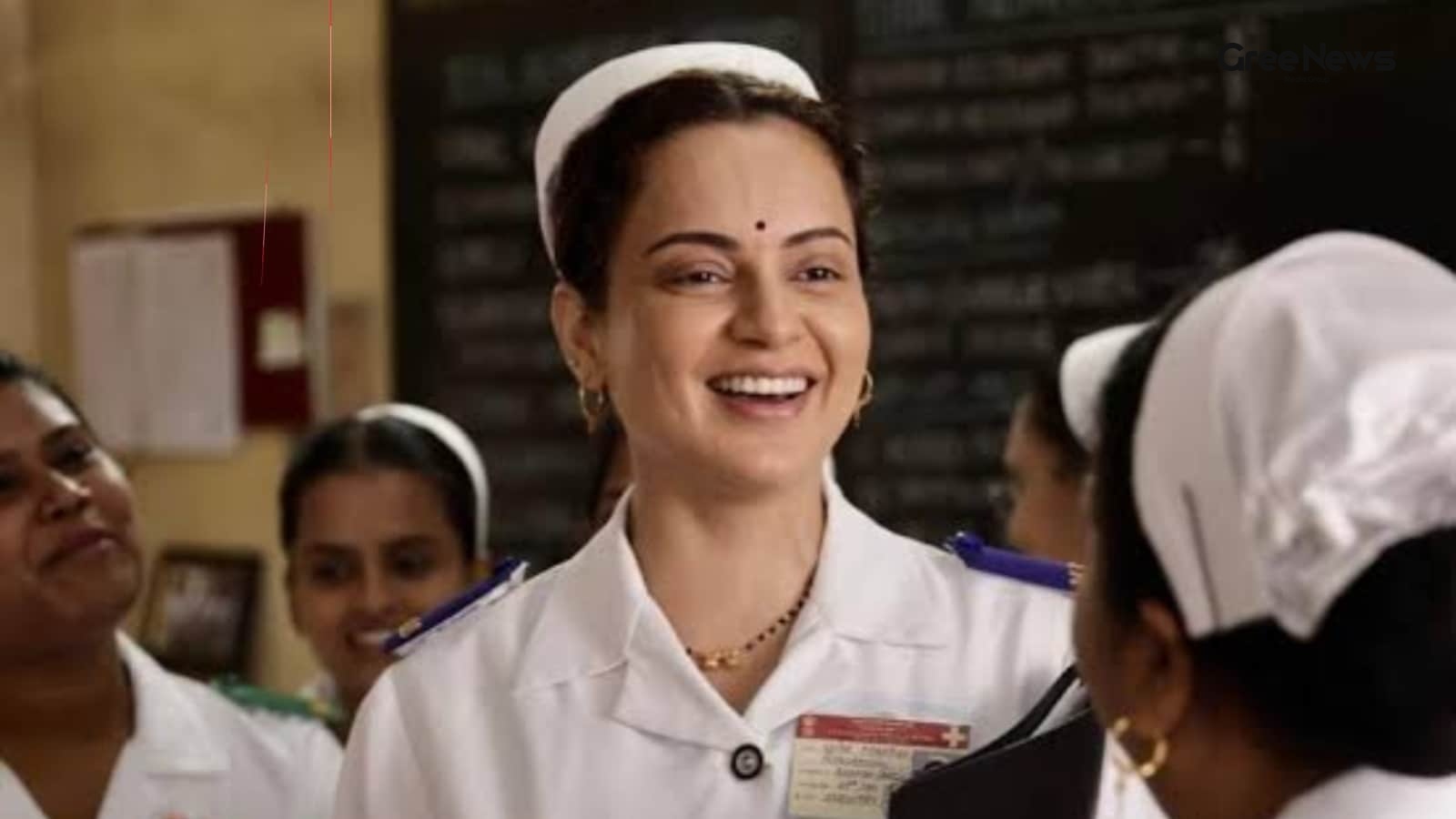
Intersection of Art, Politics, and Public Morality at Film Screening
The buzz around the screening for ‘Bharat Bhhagya Viddhaata’ was definitely something special that Tuesday evening in Delhi. It wasn't just about watching a movie; it felt like a convergence a mix of film fans, some political heavyweights, and a surprising amount of high-level government presence. P
Jun 10, 2026 by Gree News Team
The Political Feud: Shivakumar vs. Kumaraswamy and the Vokkaliga Rivalry
A meeting that hasn't even happened is already sparking political sparring. Karnataka Chief Minister DK Shivakumar and Union Minister HD Kumaraswamy. It just underlines how bitter one of the state’s longest-running rivalries still is. Shivakumar was doing some outreach, a carefully choreographed exe
Jun 10, 2026 by Gree News Team
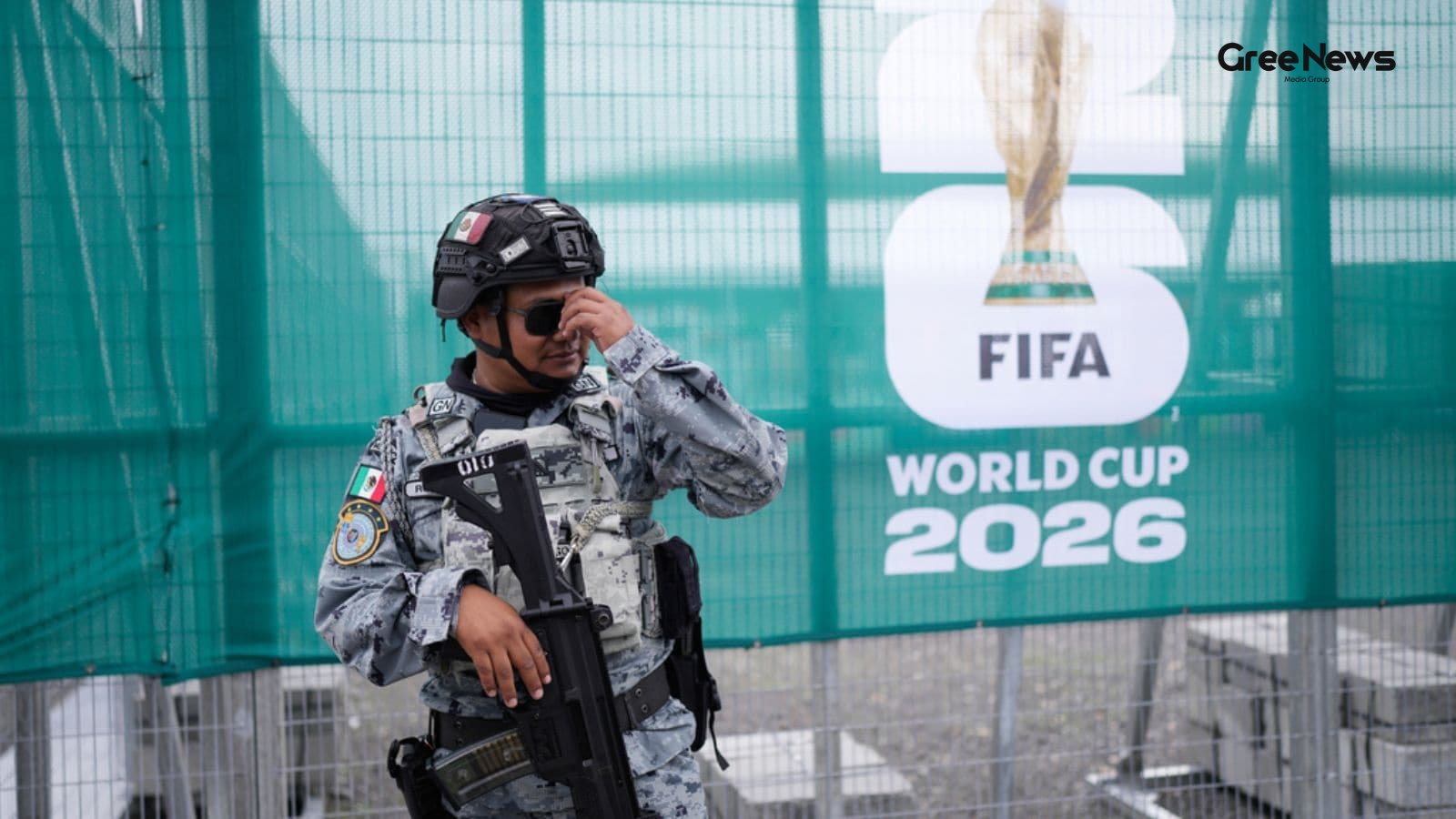
Protest and Political Standoff in Mexico City Before the World Cup
A protest choked off an avenue leading right to Mexico City’s Azteca Stadium for hours on Tuesday. It was just days before that massive World Cup opening match. As football fans started flooding in, all those co-hosts the US, Canada, and Mexico you see the real mess happening back home. Thousands of
Jun 10, 2026 by Gree News Team
The Global Nuclear Arms Race: Spending, Capabilities, and Future Risks
Nearly eight decades since Hiroshima and Nagasaki. And the world’s nuclear powers aren't slowing down. They keep spending more, modernizing faster, and experts are watching them move weapons out of storage and into potential use. It’s a real arms race happening right now. The nine states that hold n
Jun 10, 2026 by Gree News Team
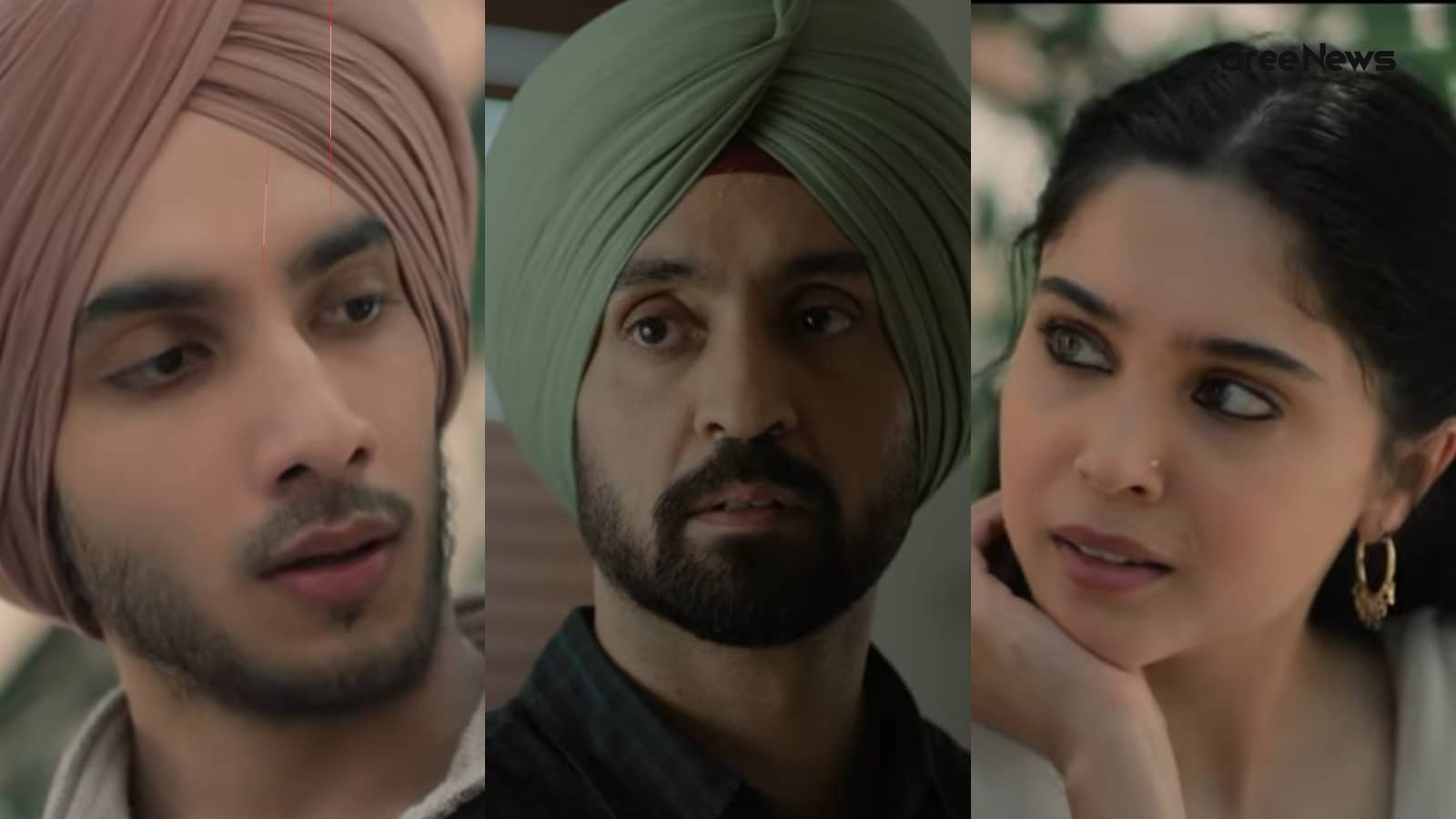
The Chaos of Cinema: Volume, Competition, and the Shifting Market
The Friday arrived packed. June 12th. It wasn't just another day; it was a collision of cinema. Nine films, all hitting the screens at once. *Main Vaapas Aaunga*, Imtiaz Ali’s directorial effort. Then you had Kangana Ranaut’s *Bharat Bhhagya Vidhaata*. And the horror mixed in Vikram Bhatt’s *Haunted
Jun 10, 2026 by Gree News Team

Stock Market Updates: June 10th Performance and Sector Analysis
Stock market updates today, June 10th. Everything turned sour in late trading Wednesday. Domestic equity markets basically gave up all those gains they managed to hold during the day. Heavy selling hit midcap, smallcap stocks, plus metals, realty, and financial names dragging the main indices into n
Jun 10, 2026 by Gree News Team
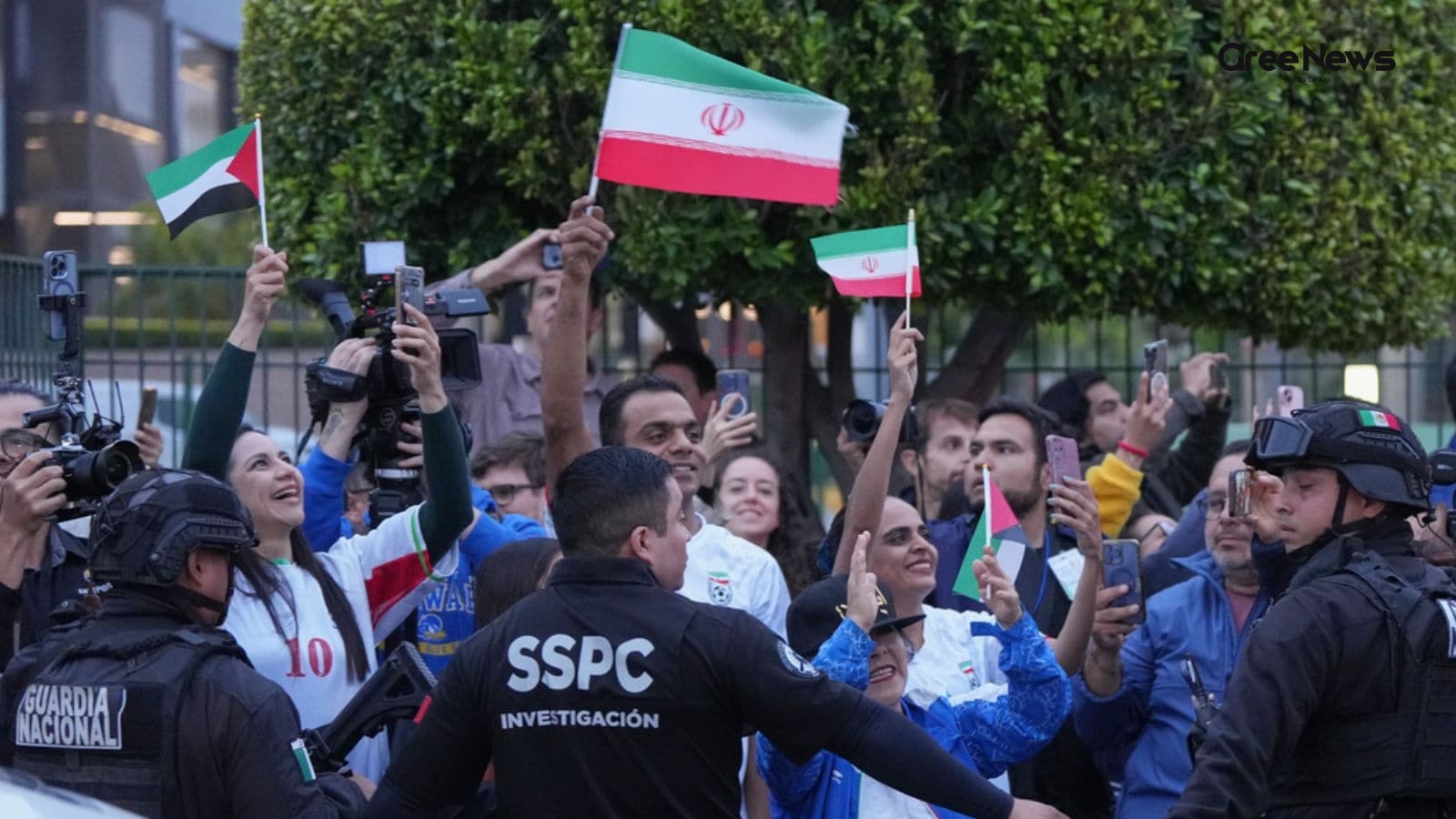
Iran Football Team Travel and World Cup Arrangements
Iran’s football team is heading to Los Angeles, apparently. They announced Tuesday that they'll be flying there the day before their first group-stage game against New Zealand. It feels like a lot happening all at once. But where exactly will they be staying? They won't actually be in L.A. for long.
Jun 10, 2026 by Gree News Team
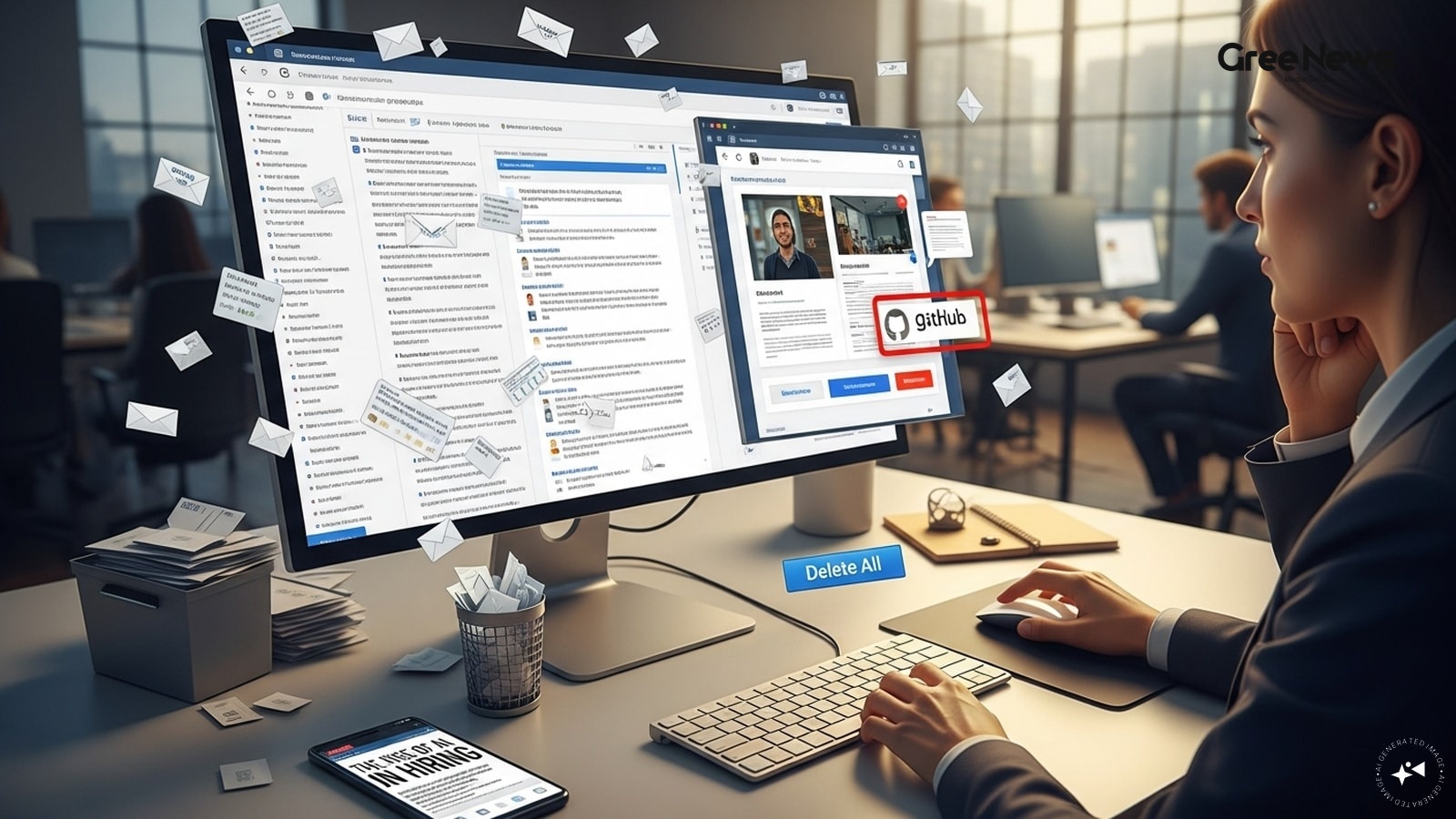
The Impact of Gen AI on Job Applications and Hiring Strategies
When you start looking for a job, everyone builds this whole structure: the résumé, that killer cover letter, tailoring it perfectly. The whole point was always that application could make you jump out from the crowd of hundreds of applicants. But honestly? Recruiters are starting to think that play
Jun 10, 2026 by Gree News Team
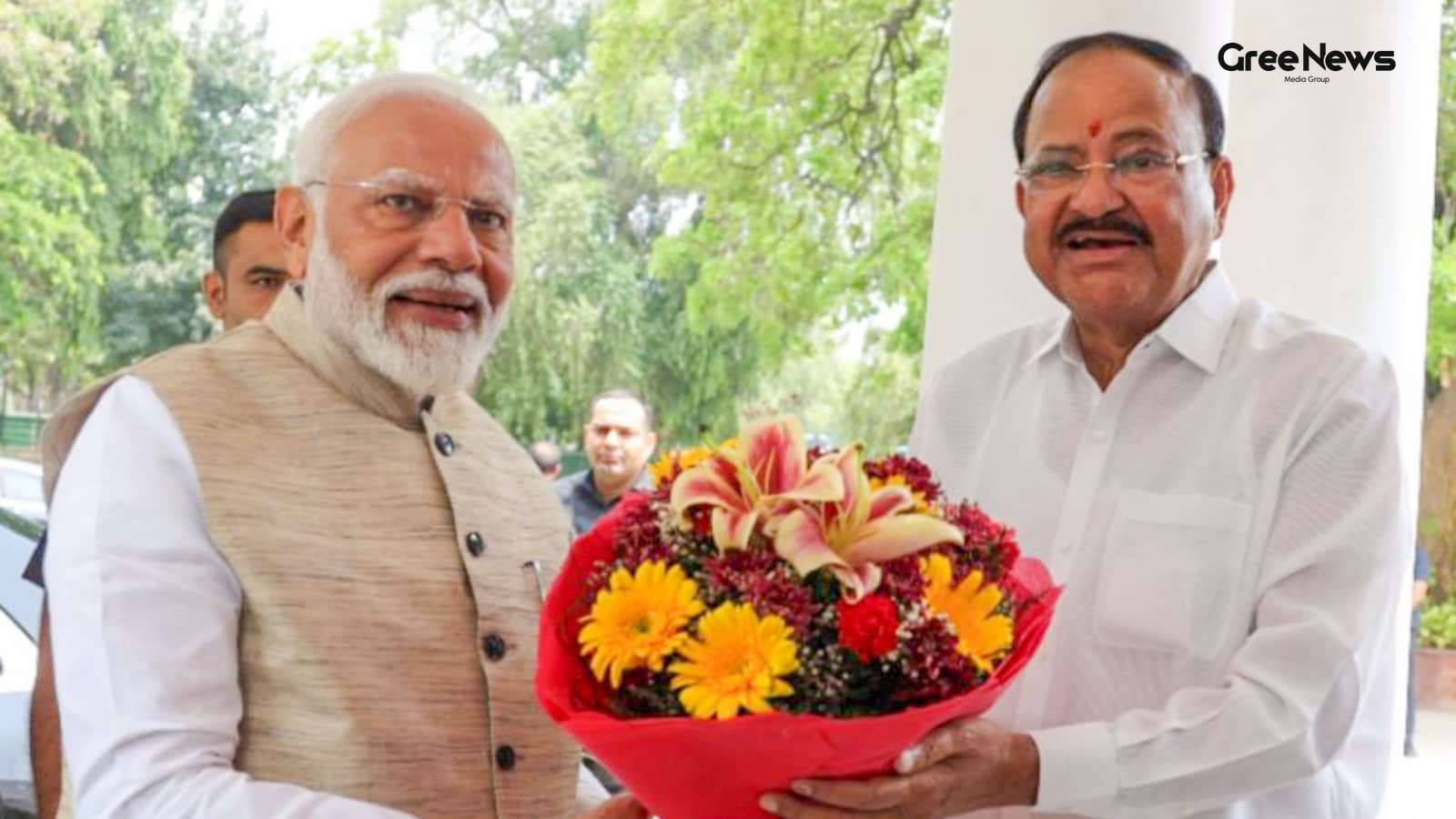
Narendra Modi's Milestone: India's Longest-Serving Prime Minister
Narendra Modi just hit a huge milestone. India’s longest-serving elected Prime Minister. Forty-three hundred ninety-nine days in office now. That beats Nehru's record, which was the first one. Former Vice President Venkaiah Naidu spoke about it. He praised the leadership and everything Modi has done
Jun 10, 2026 by Gree News Team