The Transformation of India: From Scarcity to Aspiration
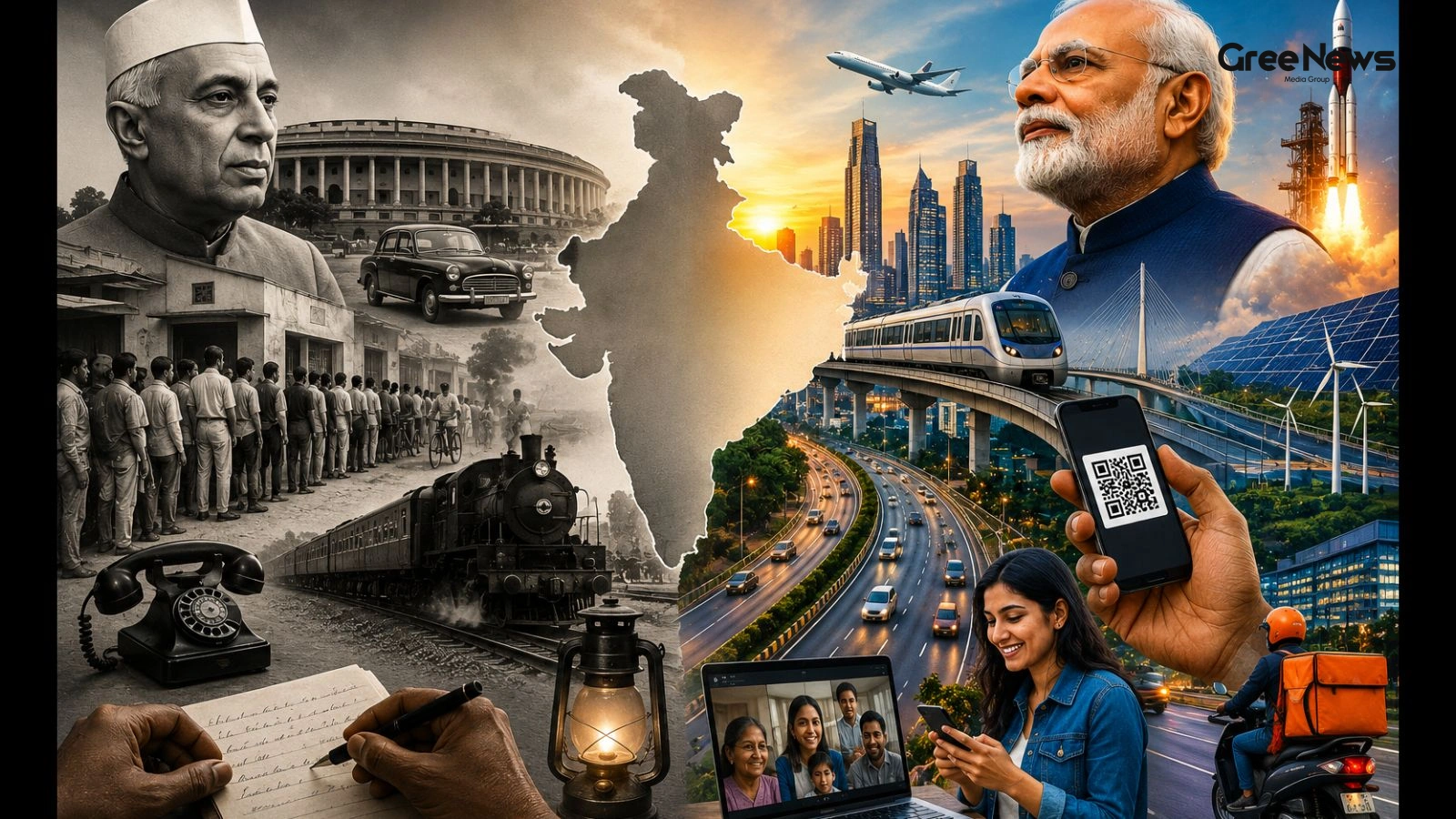
Prime Minister Modi is reportedly on track to edge out Jawaharlal Nehru for the title of India’s longest-serving democratically elected prime minister. It’s a milestone that carries weight, certainly politically, but also because it forces a comparison between two versions of India that feel incredibly different now.
If you look at how progress was measured back then versus now, the difference is stark. Nehru’s era felt centered on building up institutions. Modi’s time? That has been largely about scaling systems. It changes everything when you actually look at it through an everyday lens.
Measuring Progress: Decades of Difference
For generations of Indians, life expectancy and progress were tallied in decades. But today? Today we measure things differently. We talk about app updates, expressways popping up everywhere, digital payments clicking, and the valuations of new start-ups.
Ask your grandparents about India these days. You hear stories of real scarcity then. Waiting lists for anything. Shortages of basic necessities. Power cuts were common. Landline telephones barely existed. Journeys took days.
Then you ask Gen Z or young millennials what India is like now. The conversation flips instantly. UPI transactions dominate the talk. Online deliveries are the norm. Metro networks are expanding. Digital identities are being rolled out. And there’s this feeling—this massive aspiration to become one of the world’s third-largest economies.
A lot of that difference comes down to how life actually felt for many people in post-Independence India. Scarcity was the defining feature, plain and simple.
The Experience of Scarcity vs. Modern Convenience
Communication and Mobility
Think about communication back then. Getting a telephone connection could take years. Owning a scooter meant wading through some kind of waiting list just to get on the books. Foreign travel? Rare. Imported goods were limited. Air travel was mostly reserved for those who were already well-off.
Grandparents remember standing in queues. Months, sometimes years, just for an LPG connection. Paying utility bills at counters. Booking train tickets face-to-face. Writing letters that took ages to arrive. Travelling on roads that were often just single-lane highways.
It’s almost unimaginable now for the younger crowd. That sense of waiting seems utterly foreign.
The Digital Revolution
Contrast that with today. A train ticket? Booked in seconds. Bills handled through a smartphone. Food, medicine, groceries—they can arrive at your doorstep within minutes in many cities. Video calls connect families across continents instantly. The entire digital public infrastructure has fundamentally reshaped how citizens interact with government services.
The biggest shift is the Unified Payments Interface , UPI. It completely flipped transactions around here. From small roadside vendors to massive retailers, QR codes are everywhere now. What used to demand cash or endless bank visits? Now it’s a few seconds on your phone. This change has just fundamentally altered how people move and exchange value.
Economic and Global Positioning
Past Economic Reality
Older generations grew up in an India that often felt dependent on imports—for technology, defense gear, energy. Foreign exchange shortages were a constant background worry. Economic growth was slow for decades. Global influence? Limited compared to the major powers.
Current Global Ambition
But look at where things are going now. Today’s India is actively positioning itself as a global player. It’s hosting big summits like the G20. It’s leading discussions on climate change. It’s pushing semiconductor manufacturing plans. Emerging as a serious voice for the Global South—those ambitions have exploded.
Remember those journeys? Grandparents used to describe trips that took an entire day just to cover distances that now take mere hours. Back then, airports were scarce. Metro rail networks barely existed anywhere substantial. Expressways were luxuries. Logistics costs were punishingly high; connectivity was patchy everywhere else.
The actual transformation is visible right on the ground. It’s not just talk. We see massive metro expansions popping up across cities. Expressways are linking major economic corridors now. Modern airports are appearing in tier-2 and tier-3 towns, not just the big metros. Dedicated freight corridors are being pushed to fix logistics bottlenecks. High-speed internet is finally reaching areas that were completely left behind.
A traveler returning after twenty years would struggle to recognize much of urban India today compared to what they remember. The paperwork nightmare used to be a reality for everything. Obtaining certificates, licenses, or even basic records meant multiple trips and endless delays with physical visits.
Shifting Mindsets and Infrastructure
Career and Ambition
For many older generations, the path was set. The ideal career felt very narrow: Get a government job. Join a public sector undertaking. Build something stable. Entrepreneurship? That seemed too risky then.
But that mindset has shifted dramatically. India is now one of the world’s largest start-up ecosystems. Young Indians are hungry to launch businesses, build tech companies. They want to be content creators. They’re working remotely for global firms. Pursuing careers that simply didn't exist two decades ago seems completely normal now.
This whole shift reflects a massive change in mentality—moving away from pure scarcity toward an aspiration-driven economy . It’s about ambition overriding limitation.
Information Access
Information access is another huge area of divergence. Back then, news came through newspapers, radio broadcasts, and very limited television channels. Access to what was happening felt controlled by where you lived and how much resource you had.
Now? A smartphone offers a window to everything. Global news streams in. Online education is accessible. Government services are reachable. Financial markets are open. Even tools like Artificial Intelligence are at our fingertips. The real challenge isn't finding information anymore. It’s figuring out what to filter out of the overwhelming noise.
The Energy Story
The energy story mirrors this transformation perfectly. Few areas show India’s evolution better than the energy sector. A generation ago, energy security was mostly about making sure there was enough fuel for a growing nation. Simple needs.
Today? The focus is way more complex. India is simultaneously buying discounted Russian crude oil. It's negotiating long-term energy partnerships with places like Venezuela. There’s massive investment pouring into renewable energy sources. Electric mobility is gaining ground. And there’s the fierce competition for critical minerals needed for future technologies.
This isn’t just about meeting today’s needs anymore. It’s a country thinking about its actual place in tomorrow's global economy. That kind of long-term, complex strategy defines this new era entirely.
Written by Gree News Team — Senior Editorial Board
Gree News Team covers international news and global affairs at Gree News. Our collective of senior editors is dedicated to providing independent, accurate, and responsible journalism for a global audience.
More from India
View All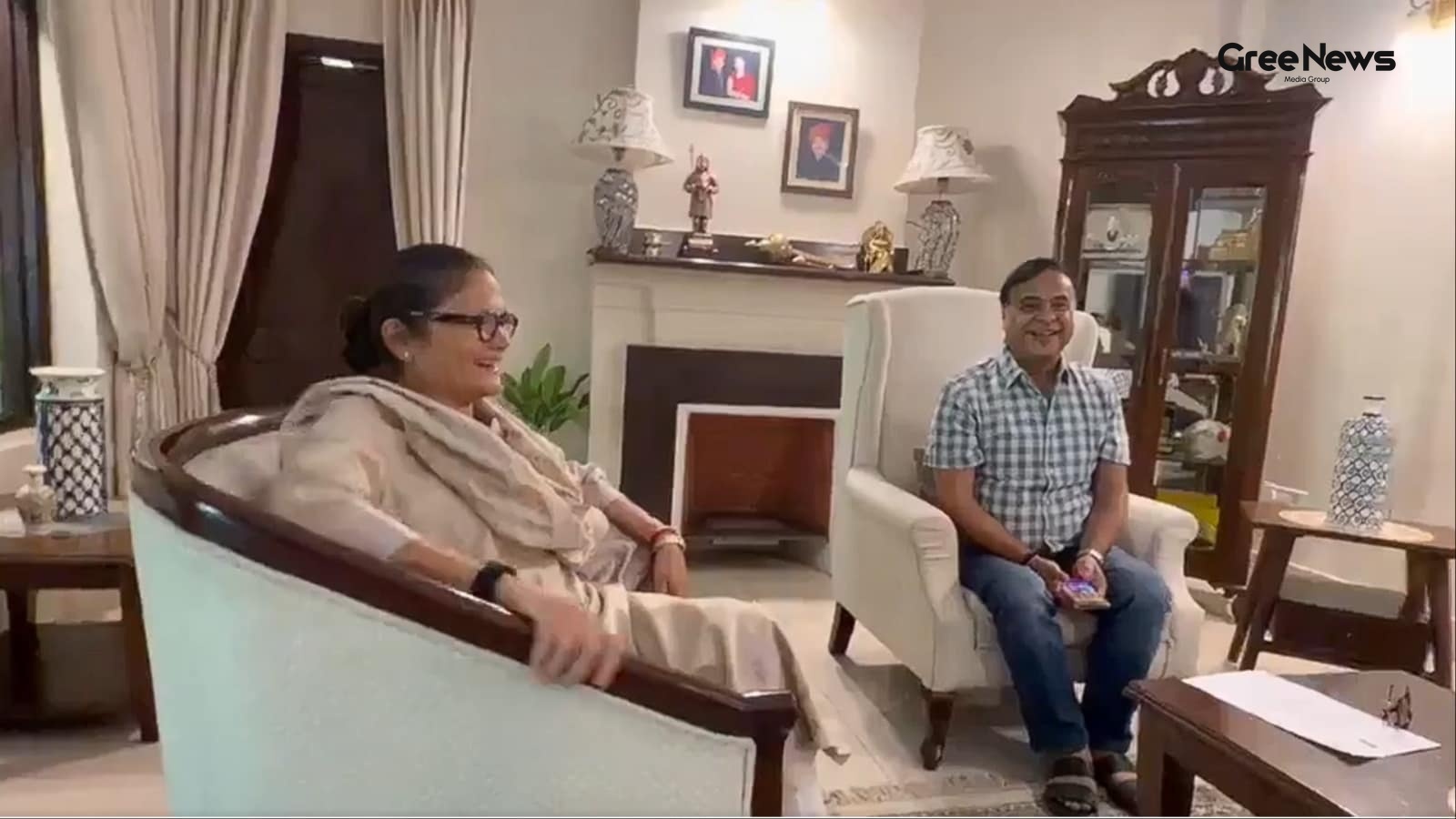
Political Speculation and Internal Turmoil within the TMC
Fresh visuals surfaced of Sushmita Dev meeting Assam Chief Minister Himanta Biswa Sarma. That kind of thing just kicks the speculation into high gear about her next move. It’s all about her potential entry into the BJP, right? This happened right after she stepped down from Rajya Sabha and walked ou
Jun 10, 2026 by Gree News Team
Threats and Intimidation Against Former Judge Justice Gautam Patel
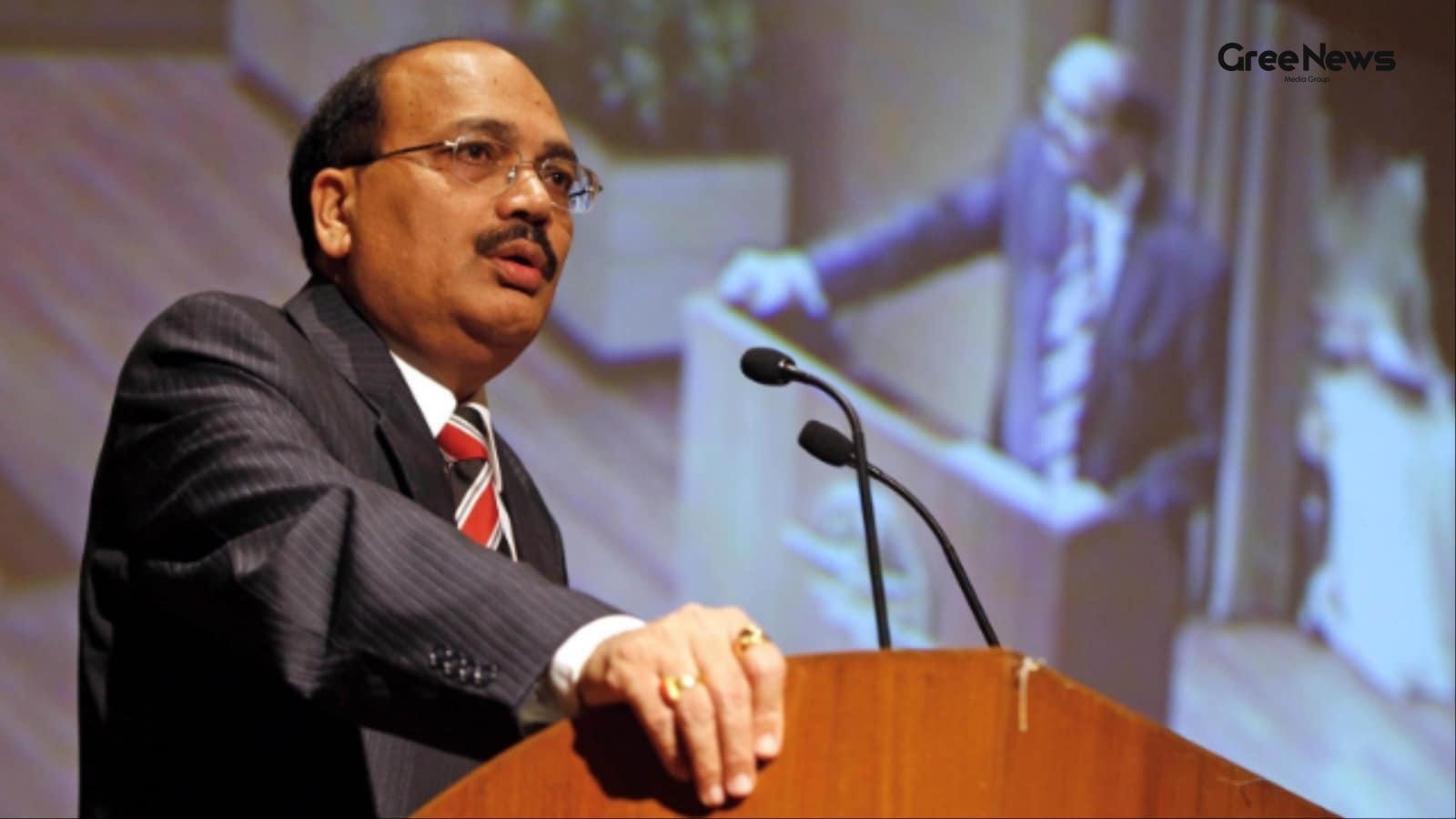
Chief Justice Surya Kant stepped in on the matter involving threats and intimidation aimed at former Bombay High Court judge Justice Gautam Patel. This happened while he was visiting the UK, raising the issue with India’s High Commissioner there. It came out of a report by The Times of India. The wh
Jun 10, 2026 by Gree News Team
The Political Feud: Shivakumar vs. Kumaraswamy and the Vokkaliga Rivalry
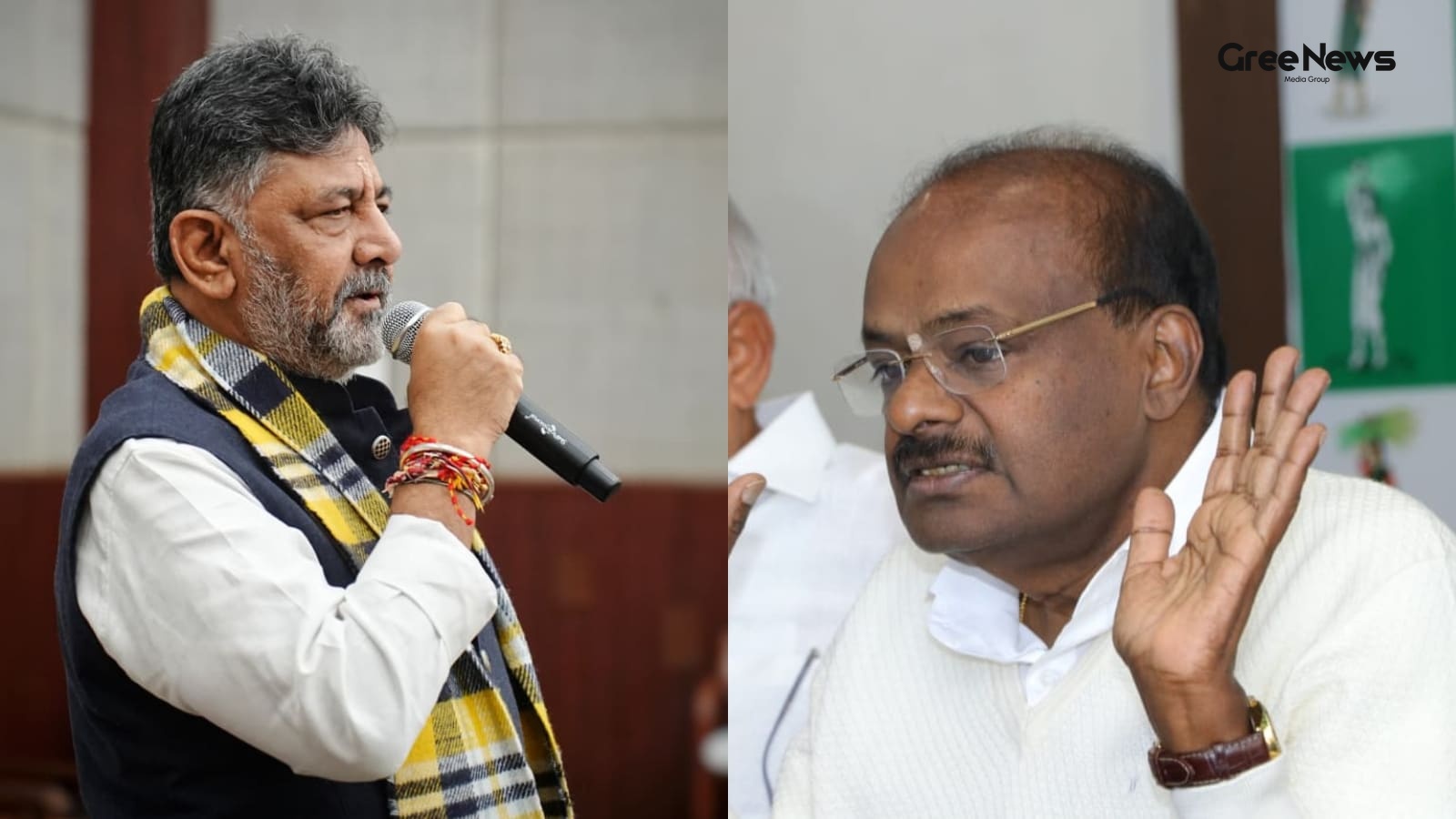
A meeting that hasn't even happened is already sparking political sparring. Karnataka Chief Minister DK Shivakumar and Union Minister HD Kumaraswamy. It just underlines how bitter one of the state’s longest-running rivalries still is. Shivakumar was doing some outreach, a carefully choreographed exe
Jun 10, 2026 by Gree News Team
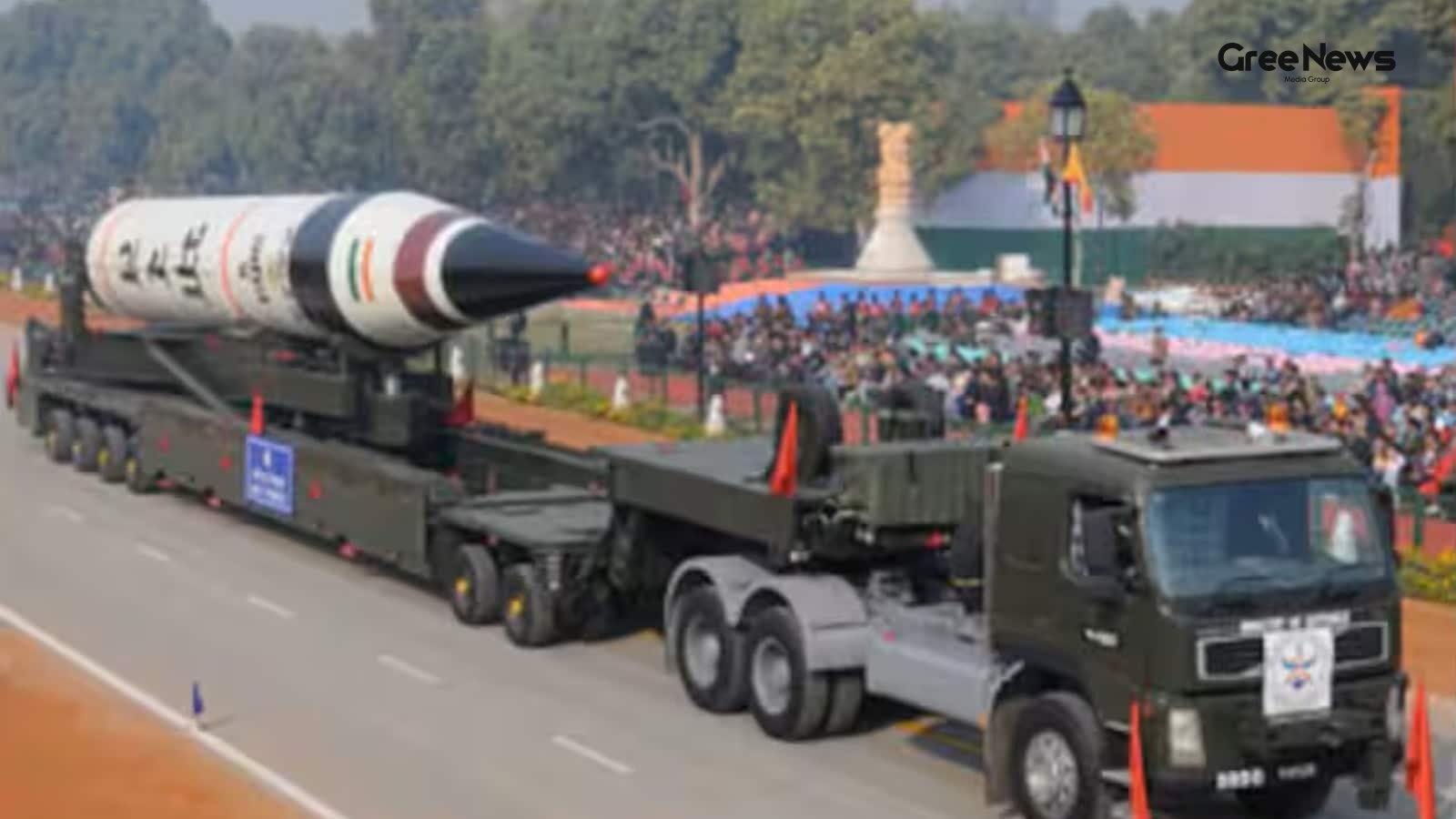
The Global Nuclear Arms Race: Spending, Capabilities, and Future Risks
Nearly eight decades since Hiroshima and Nagasaki. And the world’s nuclear powers aren't slowing down. They keep spending more, modernizing faster, and experts are watching them move weapons out of storage and into potential use. It’s a real arms race happening right now. The nine states that hold n
Jun 10, 2026 by Gree News Team
Latest Headlines
Political Speculation and Internal Turmoil within the TMC
Fresh visuals surfaced of Sushmita Dev meeting Assam Chief Minister Himanta Biswa Sarma. That kind of thing just kicks the speculation into high gear about her next move. It’s all about her potential entry into the BJP, right? This happened right after she stepped down from Rajya Sabha and walked ou
Jun 10, 2026 by Gree News Team
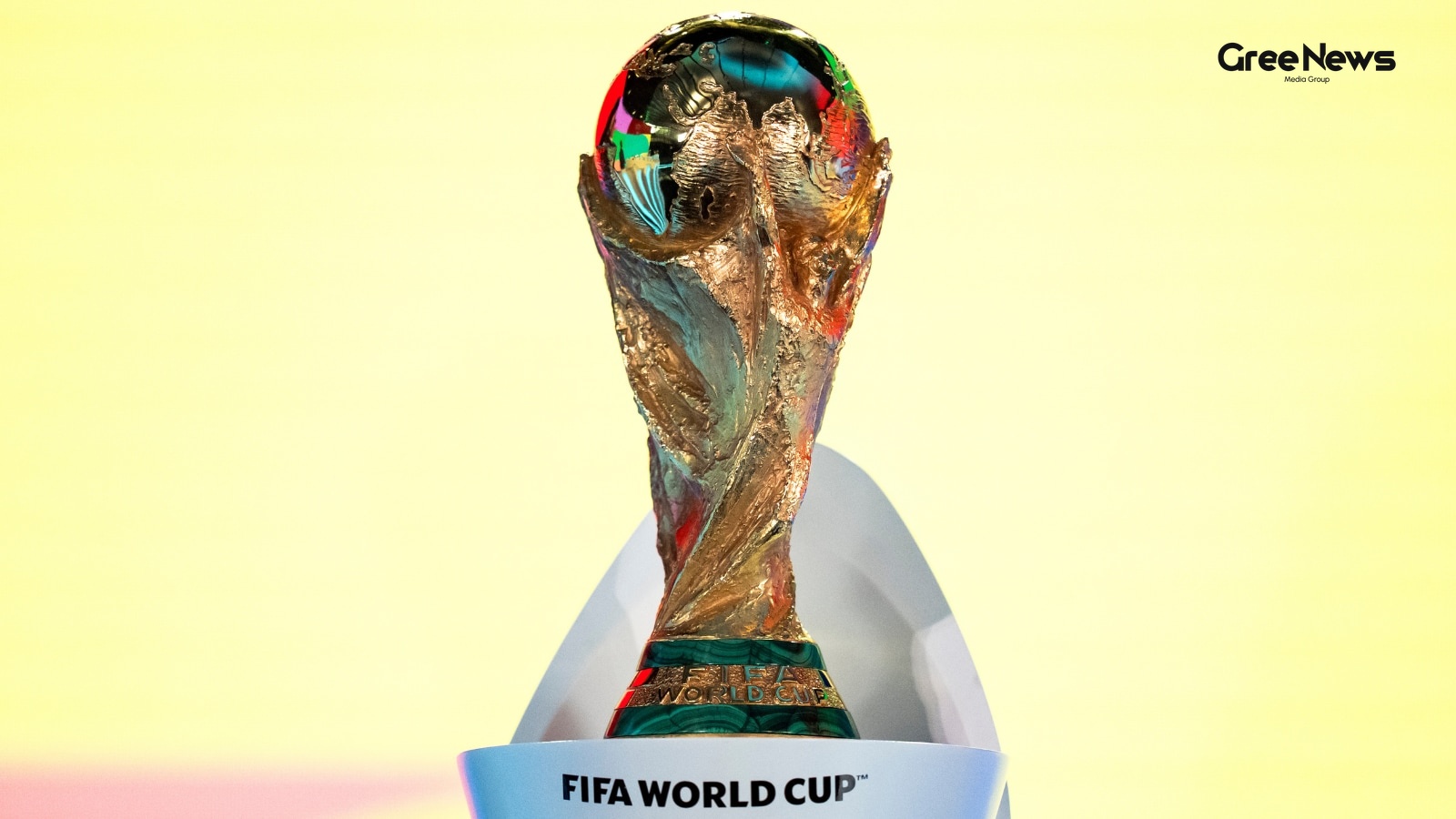
FIFA World Cup 2026: Structure, Geography, and the Official Match Ball
The FIFA World Cup 2026 is really starting to feel imminent now. It’s heading toward North America the USA, Mexico, and Canada are slated to host this massive global spectacle. People are talking about it constantly. It’s not just a standard tournament anymore. This time around, they’re throwing way
Jun 10, 2026 by Gree News Team

Lionel Messi and Argentina's World Cup Journey in Group J
Argentina’s taking on Group J in this new setup USA, Mexico, and Canada it feels like more than just football now. It’s about that farewell, isn't it? Lionel Messi is chasing something special right now, playing out this final chapter with the Albiceleste against Algeria, Austria, and Jordan. There’
Jun 10, 2026 by Gree News Team
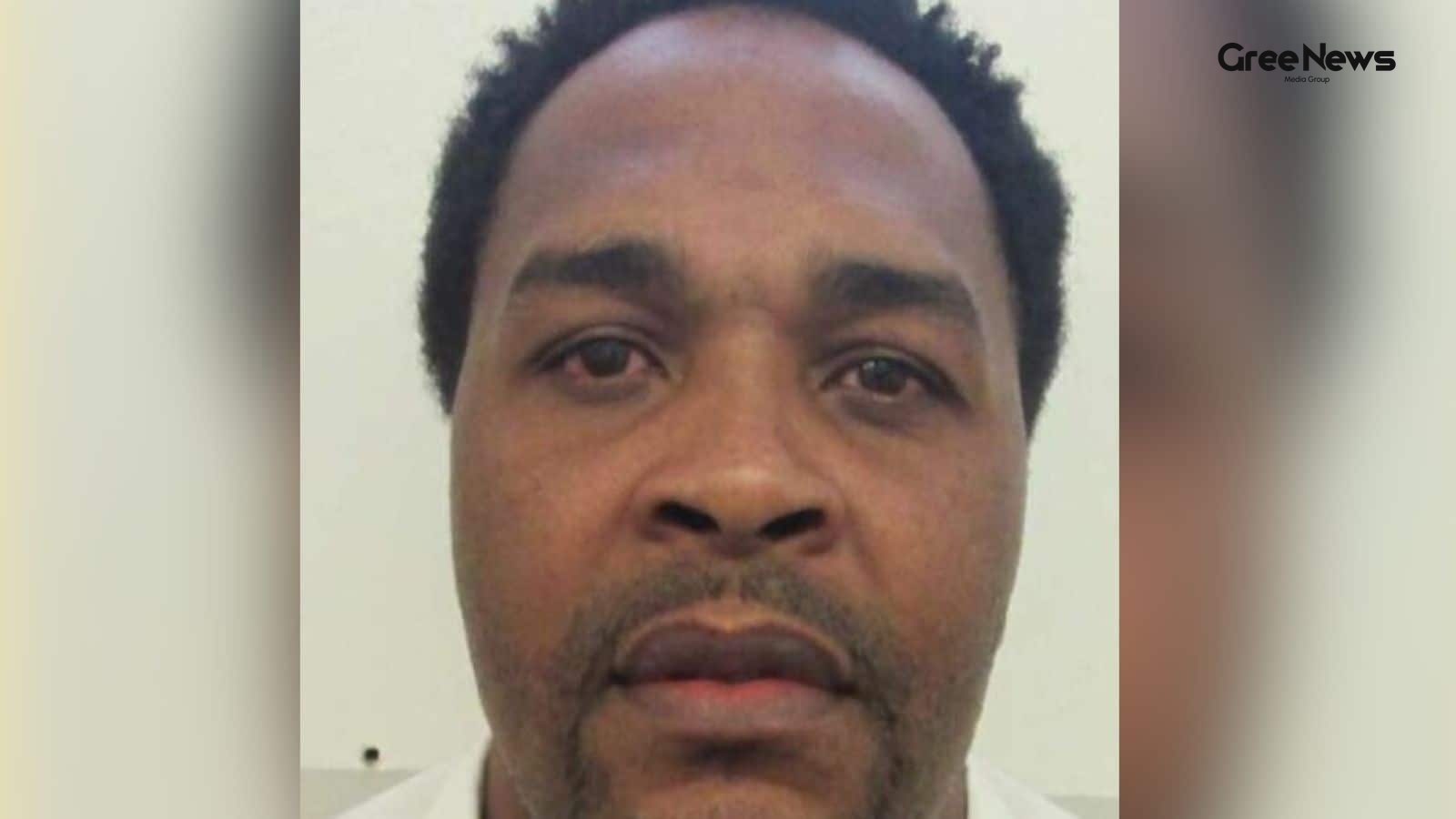
Federal Judge Bars Nitrogen Gas Execution in Alabama
A federal judge just slammed the door shut on Alabama’s plan to use nitrogen gas for executing Jeffery Lee. Permanently barred it, ruling the method violated basic constitutional rights about cruel and unusual punishment. This decision dropped like a stone. It came just one day after an appeals cour
Jun 10, 2026 by Gree News Team
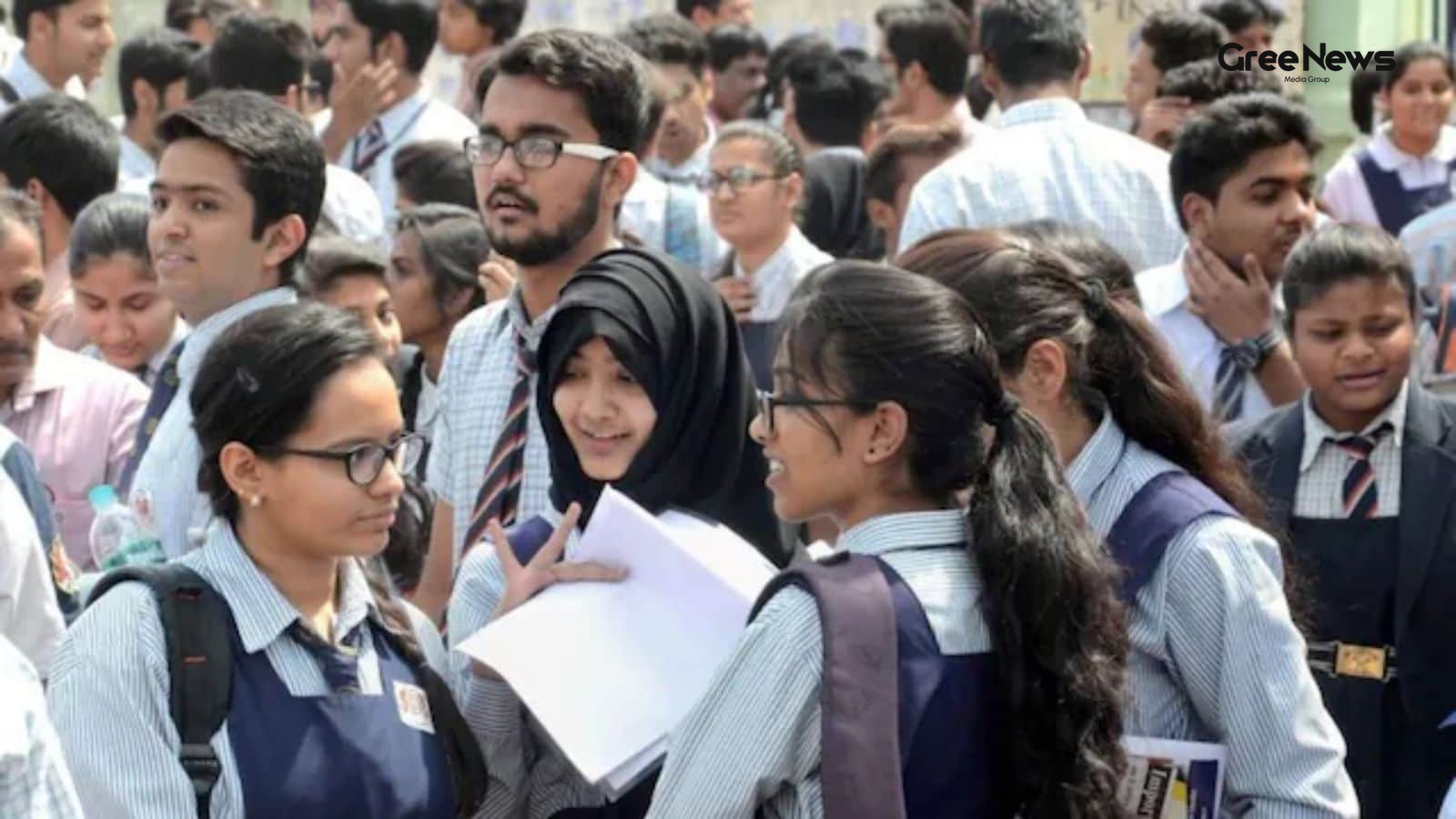
Kerala Board Plus One Results 2026 Announcement and Checking Methods
The Kerala Board Plus One results for 2026 are finally coming today, June 10th. That’s when the Directorate of Higher Secondary Education will officially announce everything. Students who took the DHSE Kerala Class 11 exams in 2026 can start checking their scores now. You have a few places to look,
Jun 10, 2026 by Gree News Team
Threats and Intimidation Against Former Judge Justice Gautam Patel
Chief Justice Surya Kant stepped in on the matter involving threats and intimidation aimed at former Bombay High Court judge Justice Gautam Patel. This happened while he was visiting the UK, raising the issue with India’s High Commissioner there. It came out of a report by The Times of India. The wh
Jun 10, 2026 by Gree News Team
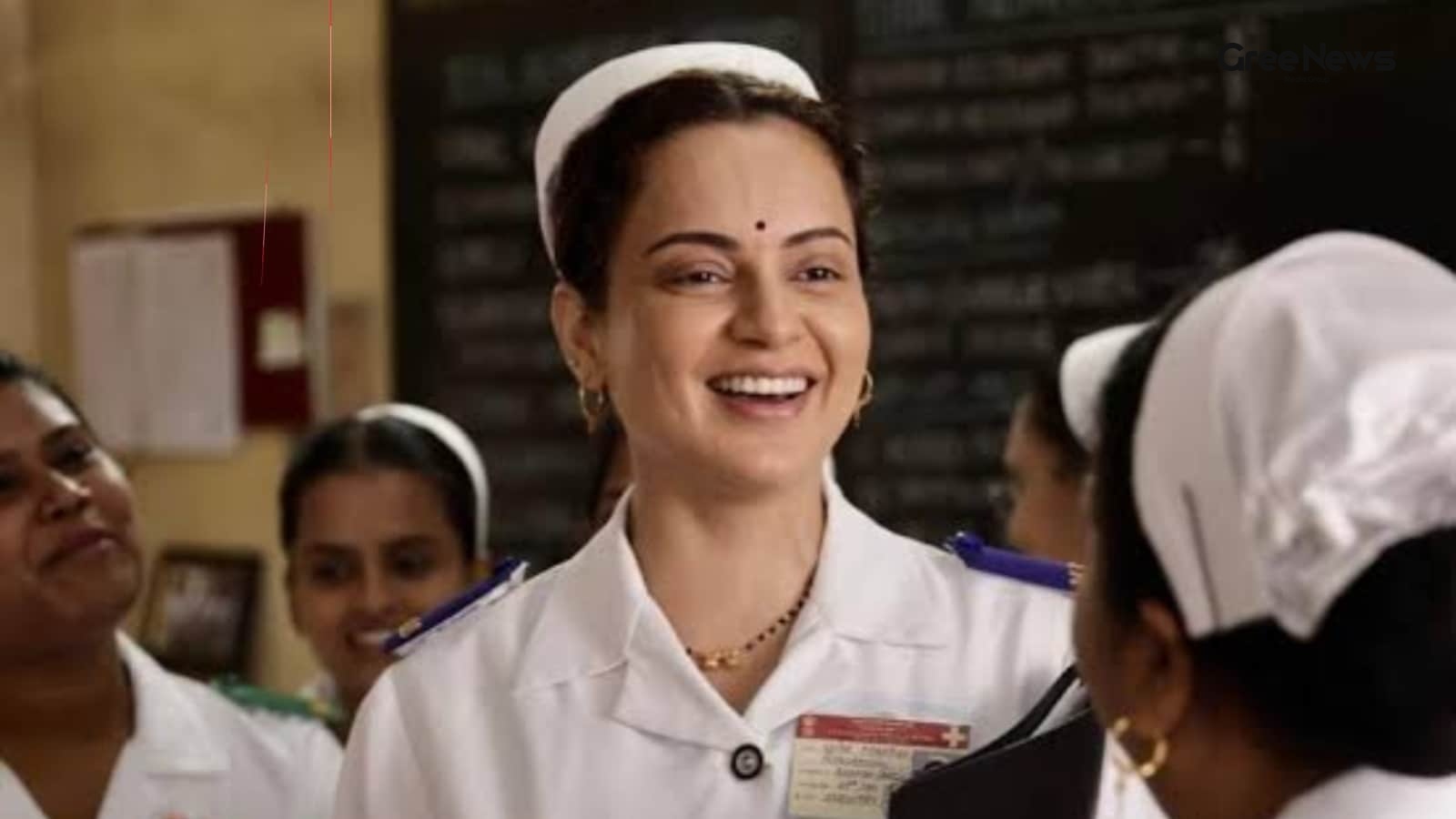
Intersection of Art, Politics, and Public Morality at Film Screening
The buzz around the screening for ‘Bharat Bhhagya Viddhaata’ was definitely something special that Tuesday evening in Delhi. It wasn't just about watching a movie; it felt like a convergence a mix of film fans, some political heavyweights, and a surprising amount of high-level government presence. P
Jun 10, 2026 by Gree News Team
The Political Feud: Shivakumar vs. Kumaraswamy and the Vokkaliga Rivalry
A meeting that hasn't even happened is already sparking political sparring. Karnataka Chief Minister DK Shivakumar and Union Minister HD Kumaraswamy. It just underlines how bitter one of the state’s longest-running rivalries still is. Shivakumar was doing some outreach, a carefully choreographed exe
Jun 10, 2026 by Gree News Team
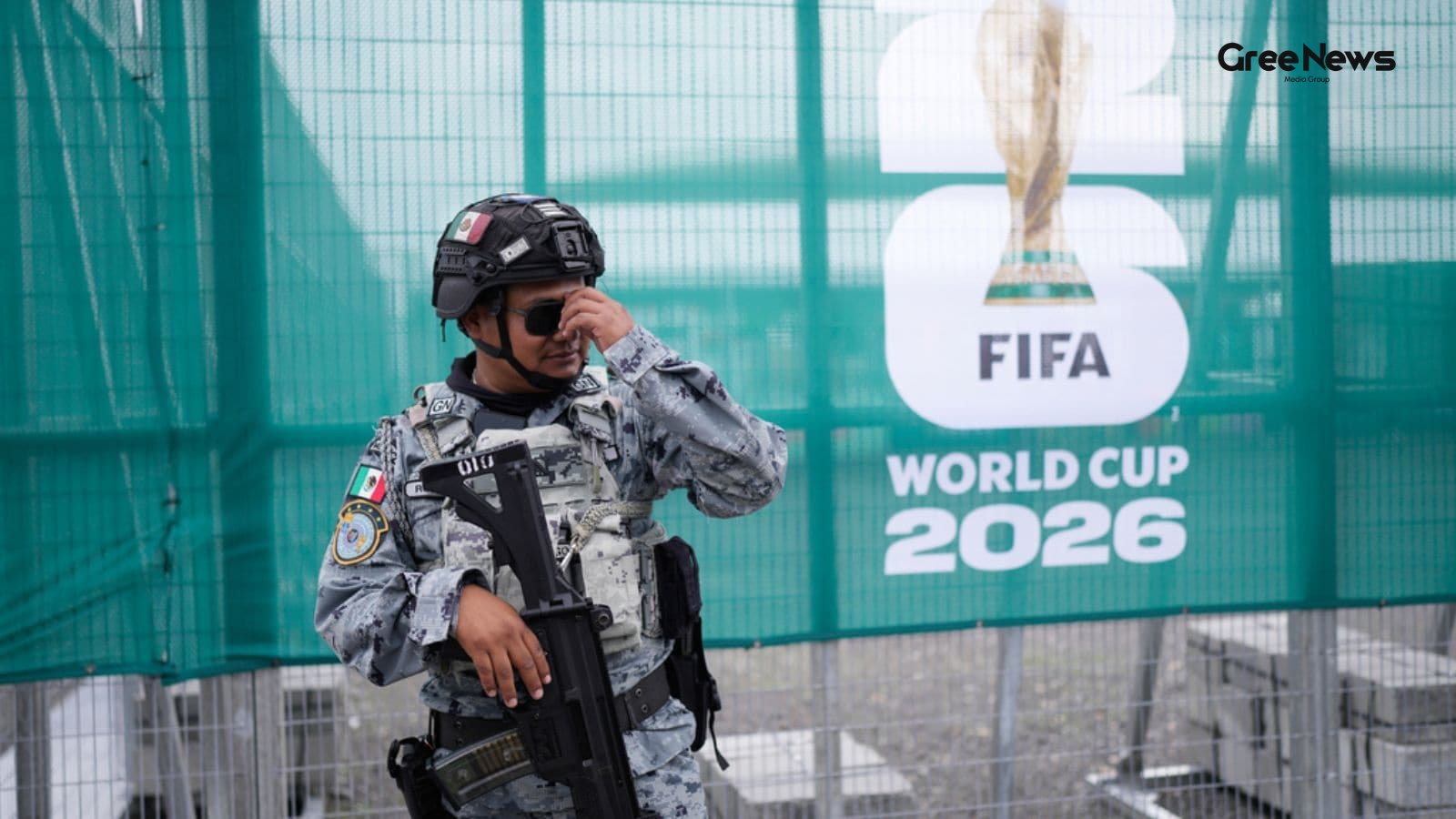
Protest and Political Standoff in Mexico City Before the World Cup
A protest choked off an avenue leading right to Mexico City’s Azteca Stadium for hours on Tuesday. It was just days before that massive World Cup opening match. As football fans started flooding in, all those co-hosts the US, Canada, and Mexico you see the real mess happening back home. Thousands of
Jun 10, 2026 by Gree News Team
The Global Nuclear Arms Race: Spending, Capabilities, and Future Risks
Nearly eight decades since Hiroshima and Nagasaki. And the world’s nuclear powers aren't slowing down. They keep spending more, modernizing faster, and experts are watching them move weapons out of storage and into potential use. It’s a real arms race happening right now. The nine states that hold n
Jun 10, 2026 by Gree News Team
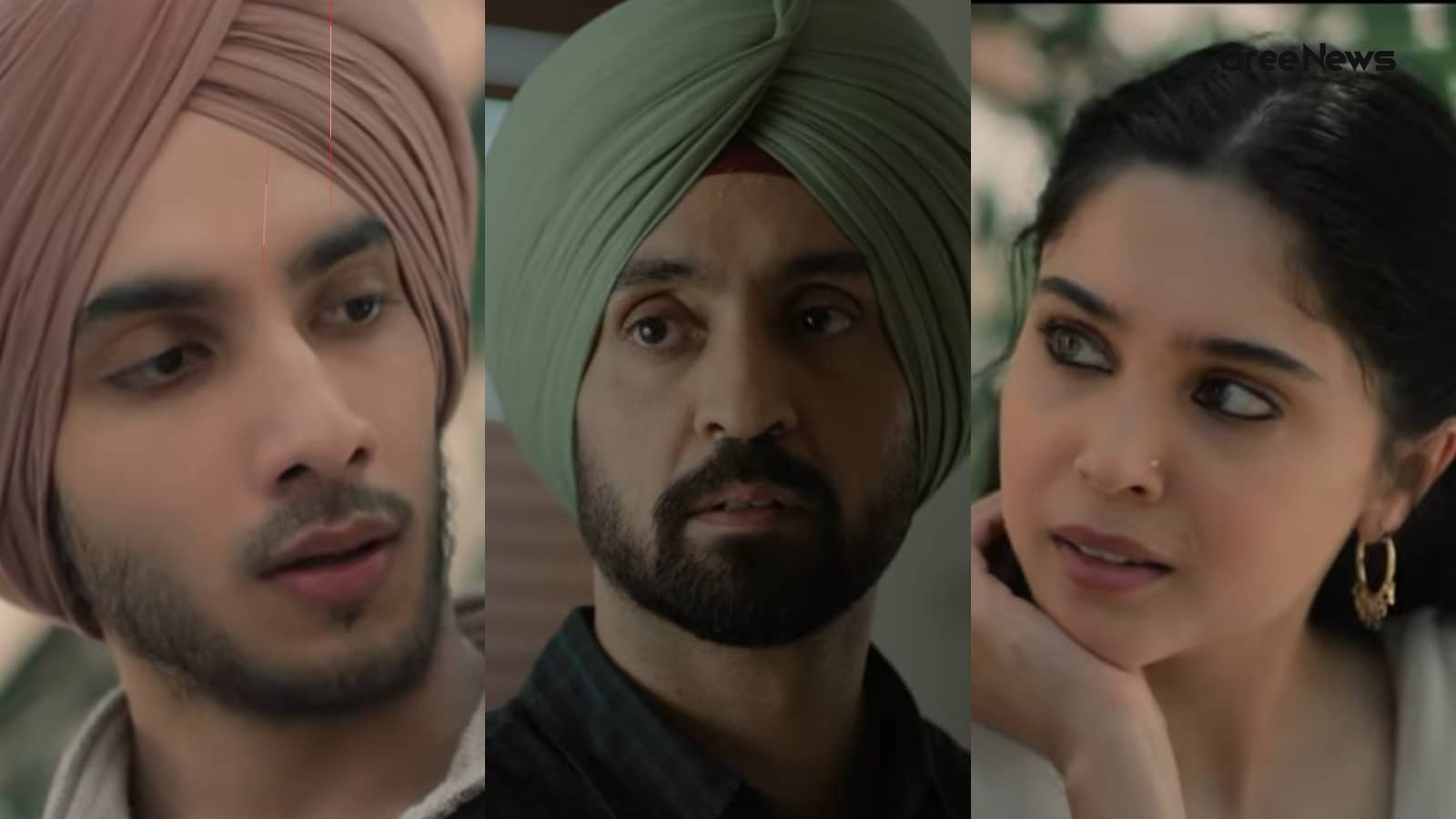
The Chaos of Cinema: Volume, Competition, and the Shifting Market
The Friday arrived packed. June 12th. It wasn't just another day; it was a collision of cinema. Nine films, all hitting the screens at once. *Main Vaapas Aaunga*, Imtiaz Ali’s directorial effort. Then you had Kangana Ranaut’s *Bharat Bhhagya Vidhaata*. And the horror mixed in Vikram Bhatt’s *Haunted
Jun 10, 2026 by Gree News Team
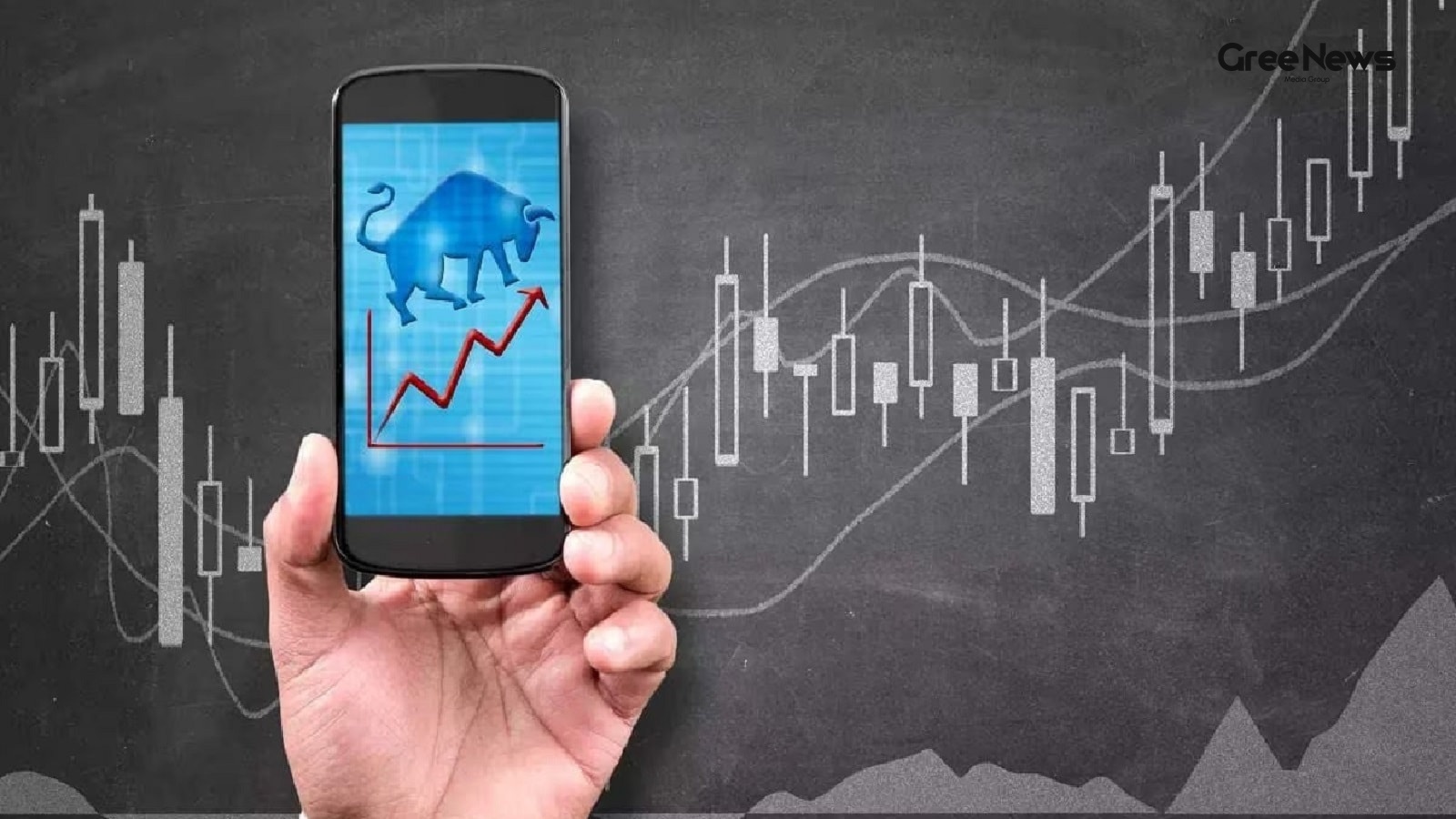
Stock Market Updates: June 10th Performance and Sector Analysis
Stock market updates today, June 10th. Everything turned sour in late trading Wednesday. Domestic equity markets basically gave up all those gains they managed to hold during the day. Heavy selling hit midcap, smallcap stocks, plus metals, realty, and financial names dragging the main indices into n
Jun 10, 2026 by Gree News Team
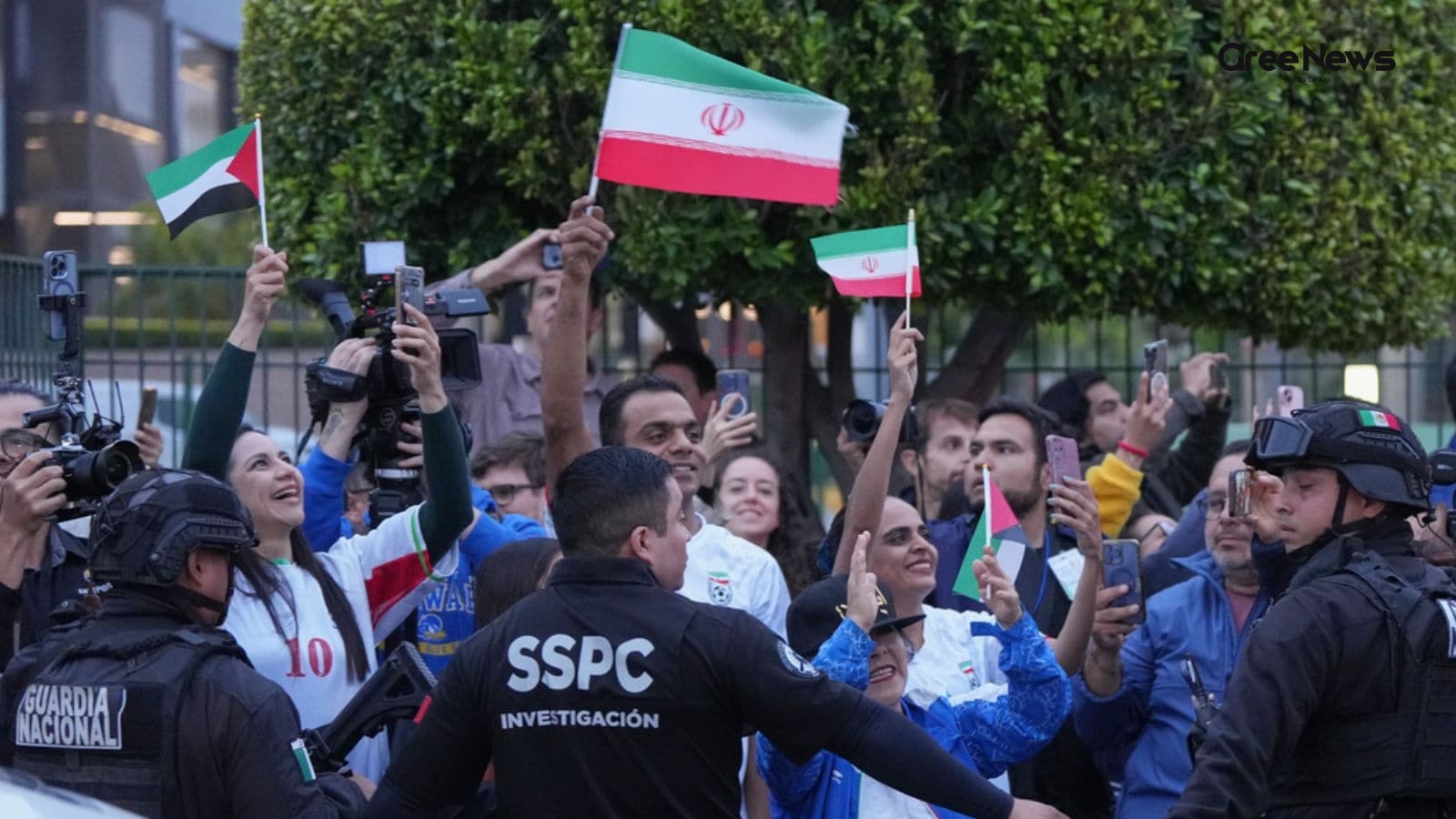
Iran Football Team Travel and World Cup Arrangements
Iran’s football team is heading to Los Angeles, apparently. They announced Tuesday that they'll be flying there the day before their first group-stage game against New Zealand. It feels like a lot happening all at once. But where exactly will they be staying? They won't actually be in L.A. for long.
Jun 10, 2026 by Gree News Team

The Impact of Gen AI on Job Applications and Hiring Strategies
When you start looking for a job, everyone builds this whole structure: the résumé, that killer cover letter, tailoring it perfectly. The whole point was always that application could make you jump out from the crowd of hundreds of applicants. But honestly? Recruiters are starting to think that play
Jun 10, 2026 by Gree News Team
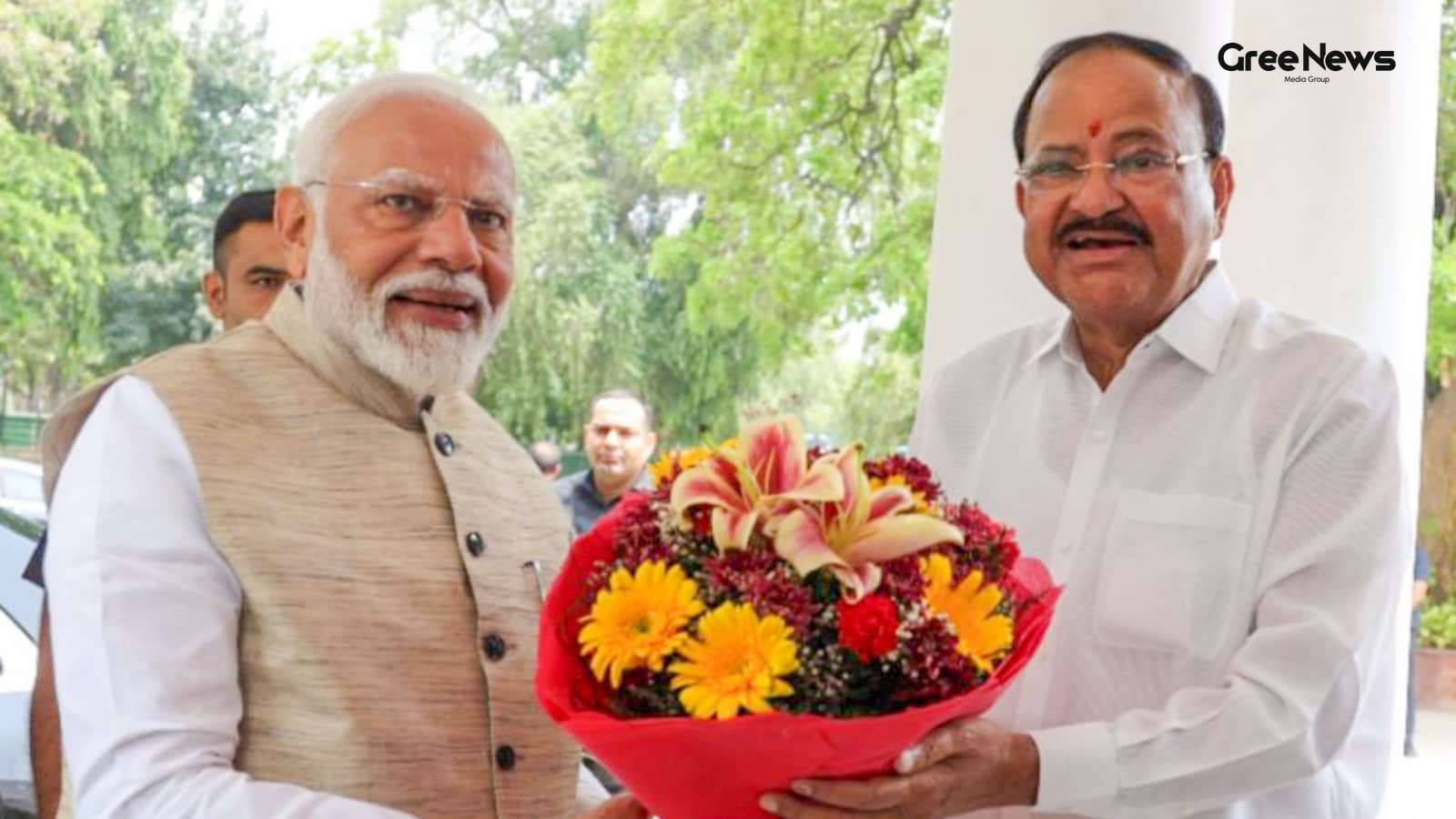
Narendra Modi's Milestone: India's Longest-Serving Prime Minister
Narendra Modi just hit a huge milestone. India’s longest-serving elected Prime Minister. Forty-three hundred ninety-nine days in office now. That beats Nehru's record, which was the first one. Former Vice President Venkaiah Naidu spoke about it. He praised the leadership and everything Modi has done
Jun 10, 2026 by Gree News Team