The Weight of Celebrity, Debt, and Public Scrutiny
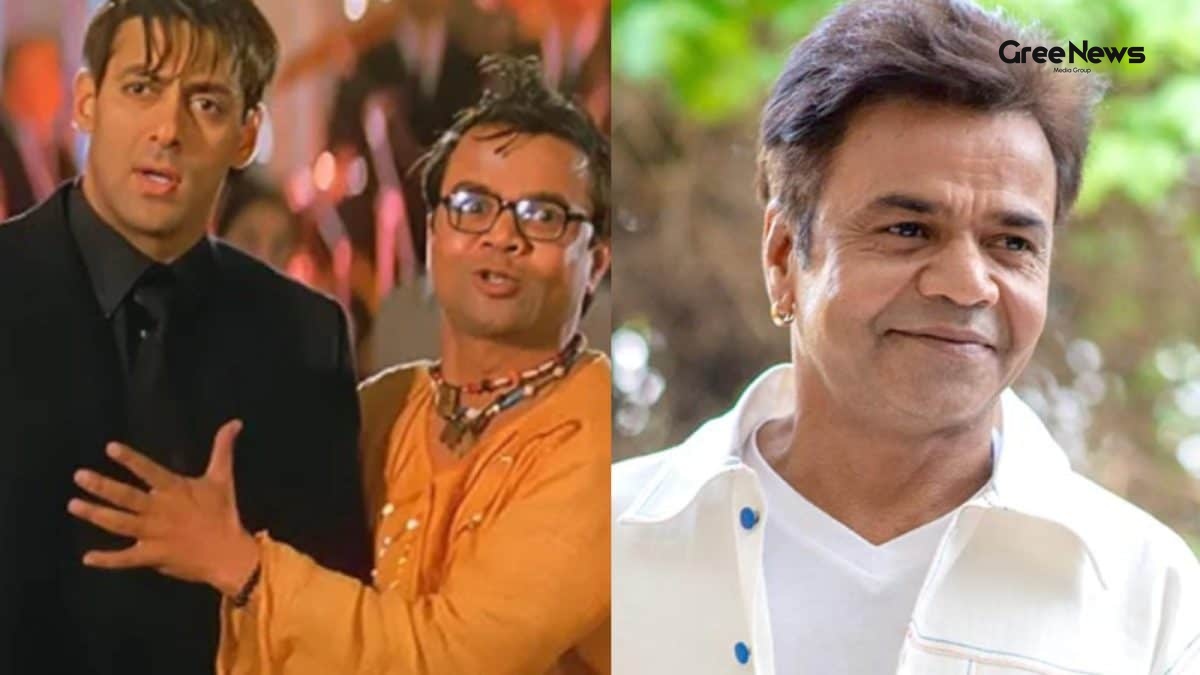
Salman Khan, you know, that kind of reaction. It’s always loud, always immediate.
Just a night of supposed glamour, lights, and forced smiles. And right in the middle of it, during this segment, senior journalist Saurabh Dwivedi, hosting alongside Zakir Khan—you know, the usual setup—he dropped that line.
He came in swinging.
He defended Rajpal. He tried to frame it as a matter of artistic value, of performance, completely sidestepping the ugly reality of the cheque bounce case that hung over him.
He started talking about the long haul. Thirty years, he said. Thirty years of work. And then he pivoted to the money angle. That’s where it got messy, where the whole thing fractured.
He put it out there, this whole stream of consciousness, this defense delivered on Instagram. It wasn't neat. It wasn't a polished press release. It was raw. He brought in the dollar rate, the currency fluctuations. He essentially argued that the dollar moving up or down means absolutely nothing for repayment obligations in India. It was an attempt to put the financial noise into a global context, trying to make the personal debt seem irrelevant against the backdrop of the global economy.
He wrote something like, “Rajpal bhai aap 30 yrs se kaam kar rahe ho aur hum sabne aapko repeat kiya hai baar baar kyunki aap apna kaam jante ho aur ek value laate ho, kaam toh aapko bohot milega aur issi dollar rate pe milega aur milte rahega. Hakikat yeh hai. Aur yeh yaad rakhna ke kabhi kabhi flow mai kuch nikal aata hai, dena hi hai toh dimag mai rakho dil se kaam karo, dollar upar ho ya neeche kya farak padta hai dena toh India mai hi hai (sic).” See how that flows? It’s rambling. It’s observational.
They’re looking at the massive, public financial difficulty of an actor versus a casual, lighthearted joke made on stage. It creates this uncomfortable tension.
The clip, of course, went viral. And when it did, it didn't land as a simple moment of celebrity banter. It landed as a commentary on perceived hypocrisy. It became less about Salman defending Rajpal, and more about the public’s reaction to the way we discuss money, especially when someone is clearly in a bind.
We have to remember the backdrop here. This wasn't just some random celebrity feud. This was tied to real, very heavy legal trouble. Rajpal Yadav. The cheque bounce case. It wasn't some minor financial hiccup. This was tied to a loan from 2010 for a film, and the numbers ballooned. Nearly nine crore rupees. That’s not pocket change. That’s a life-altering amount of pressure.
And then there’s the context of the legal drama itself. It wasn't just about the money. It escalated.
That’s a future date, but the implication of that kind of legal entanglement—the public scrutiny, the stress, the sheer weight of being tied up in a system that deals with financial failures—it changes everything.
It’s that weight that makes the joke feel so terribly misplaced. To laugh, even lightly, at something that involves such serious, public financial distress?
And that’s where the manager, Goldie, stepped in. He spoke out, revealing that it wasn't just one person standing by Rajpal. It was a chorus.
Goldie mentioned that a lot of names had come forward. Not just a few well-wishers. We’re talking about big names. Actors. People who operate in that same sphere. Sonu Sood. Salman Khan.
It’s not just about the money being paid back. It’s about the social contract. It’s about the image. When these big figures offer support, it’s not just a financial gesture. It’s a statement. It’s a public declaration that even when the legal and financial machinery seems to crush you, there are still people who see the human being underneath.
Think about the dynamics at play. There’s the celebrity culture, always. It’s transactional. We see the money, we see the fame, we see the drama. And when that drama involves something as painful as debt and legal proceedings, the way we consume it—the laughter, the commentary—it’s inherently flawed. It’s that inherent imbalance between public spectacle and private suffering.
Salman’s response, in its own way, was an attempt to re-establish a hierarchy. He tried to position himself above the mere financial transaction.
But the reality is, the public doesn't care about the hierarchy. They care about the outcome.
What happens when the spotlight turns onto debt? And who gets to laugh? And who bears the weight?
And that space is rarely clean.
A shared vulnerability.
Written by Gree News Team — Senior Editorial Board
Gree News Team covers international news and global affairs at Gree News. Our collective of senior editors is dedicated to providing independent, accurate, and responsible journalism for a global audience.
More from Movies
View All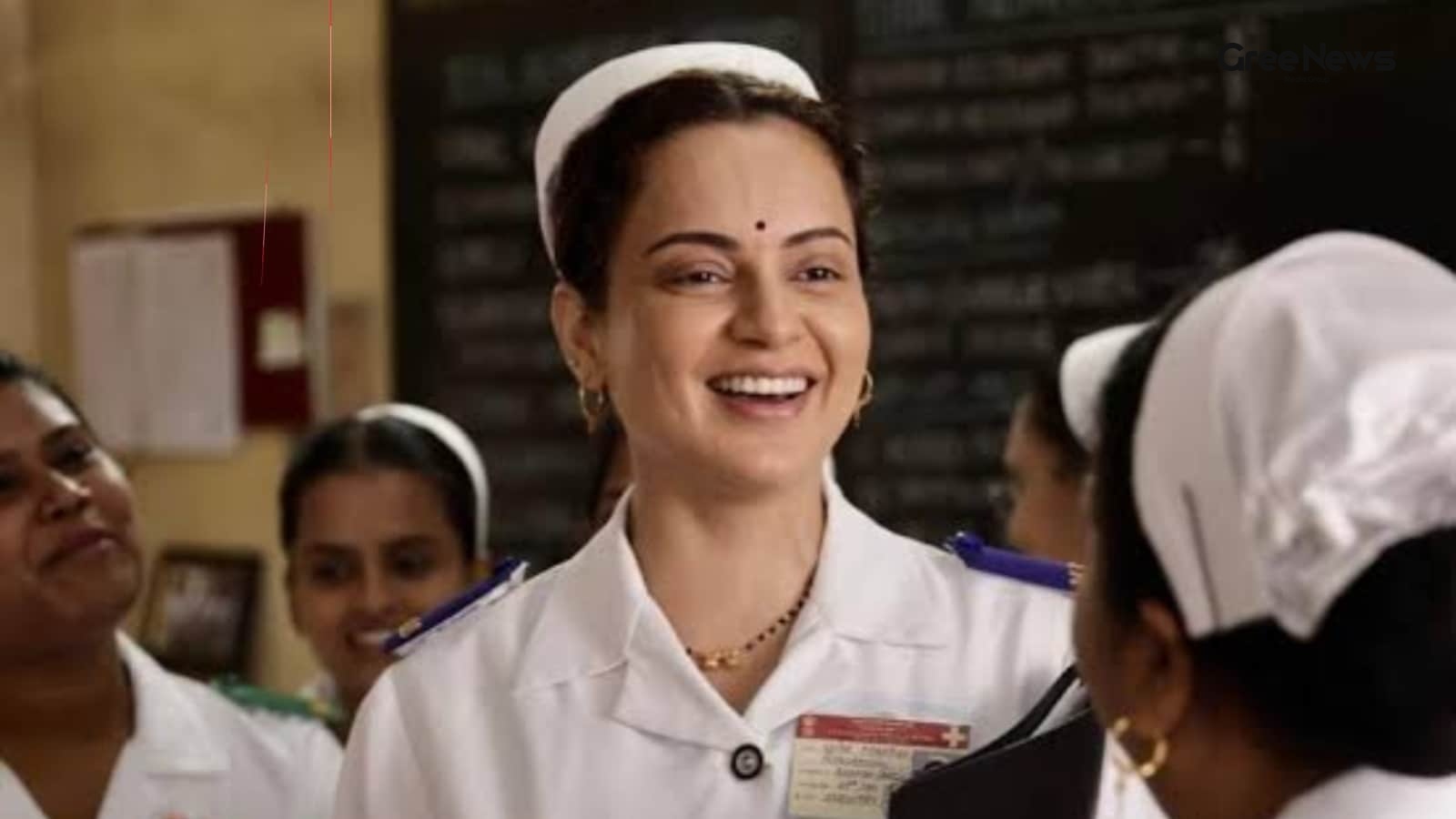
Intersection of Art, Politics, and Public Morality at Film Screening
The buzz around the screening for ‘Bharat Bhhagya Viddhaata’ was definitely something special that Tuesday evening in Delhi. It wasn't just about watching a movie; it felt like a convergence a mix of film fans, some political heavyweights, and a surprising amount of high-level government presence. P
Jun 10, 2026 by Gree News Team
The Chaos of Cinema: Volume, Competition, and the Shifting Market
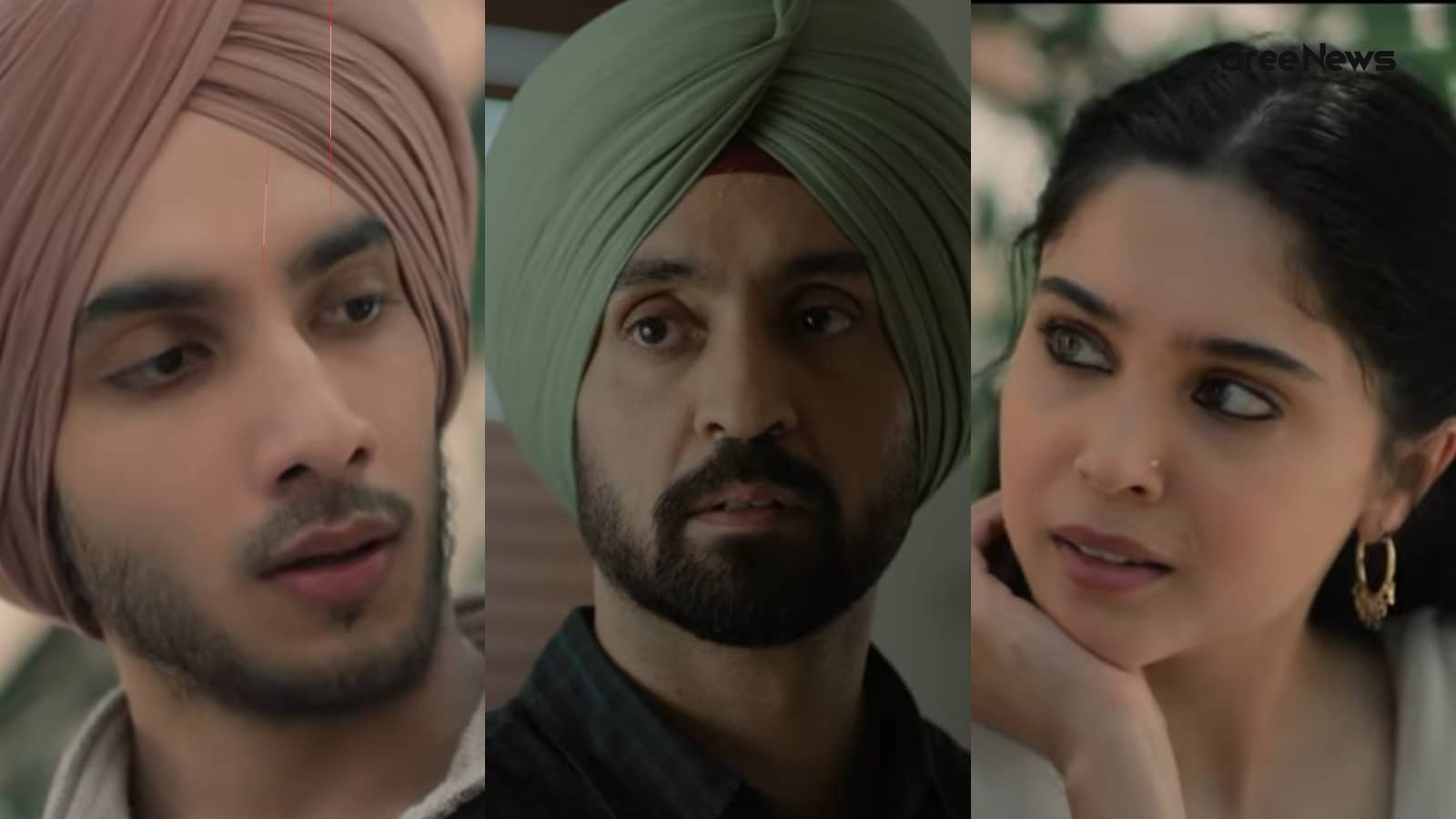
The Friday arrived packed. June 12th. It wasn't just another day; it was a collision of cinema. Nine films, all hitting the screens at once. *Main Vaapas Aaunga*, Imtiaz Ali’s directorial effort. Then you had Kangana Ranaut’s *Bharat Bhhagya Vidhaata*. And the horror mixed in Vikram Bhatt’s *Haunted
Jun 10, 2026 by Gree News Team

Janhvi Kapoor, Creature Horror, and the Dynamics of Industry Scrutiny
Janhvi Kapoor. right now she’s just... navigating things. you see those whispers in the industry? they always start small, a ripple that eventually becomes a wave, isn’t it? and this time, it feels like there's some actual movement happening. talks. rumors swirling around about what comes next for h
Jun 10, 2026 by Gree News Team
The Rawness of Grief: Public Reaction to Loss
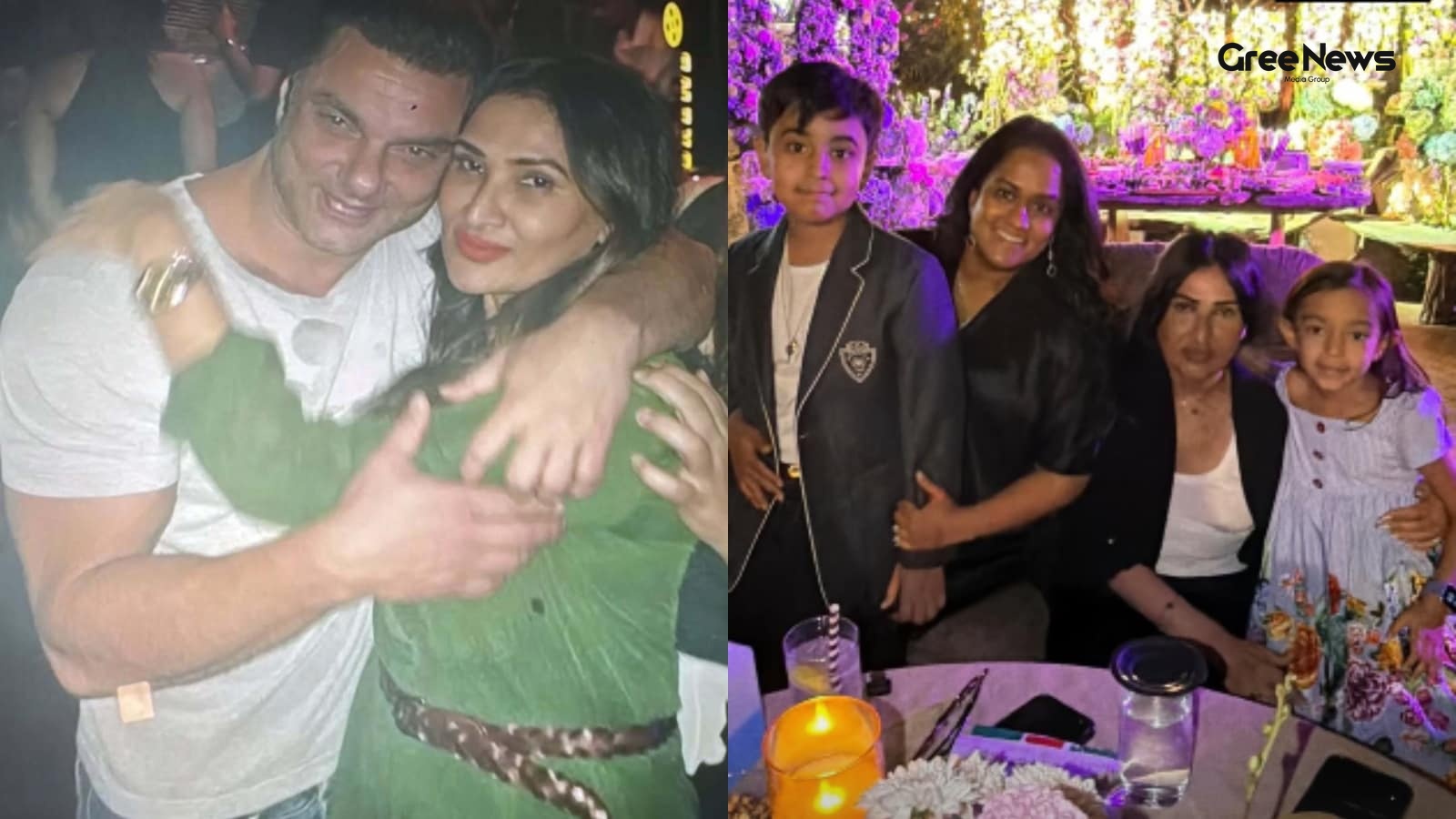
The air just felt thick. That’s what hung over the news cycle these days. It started with Kumud Rane. It’s a messy aftermath. Pictures surfaces. Notes are dropped. People react. Not with polite distance, but with something raw, exposed. Salman Khan, for instance. He wasn't just watching the news; he
Jun 10, 2026 by Gree News Team
Latest Headlines
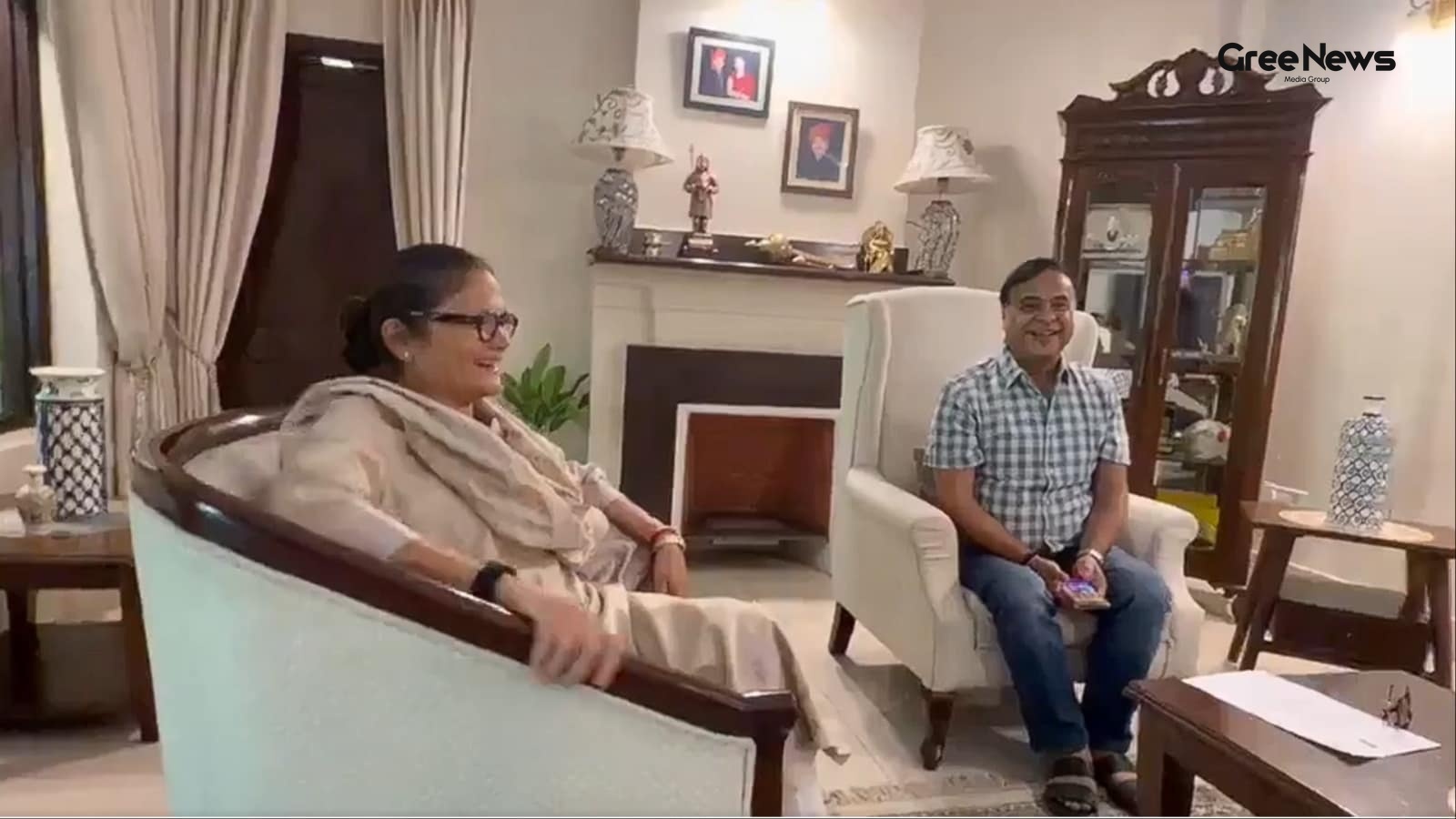
Political Speculation and Internal Turmoil within the TMC
Fresh visuals surfaced of Sushmita Dev meeting Assam Chief Minister Himanta Biswa Sarma. That kind of thing just kicks the speculation into high gear about her next move. It’s all about her potential entry into the BJP, right? This happened right after she stepped down from Rajya Sabha and walked ou
Jun 10, 2026 by Gree News Team
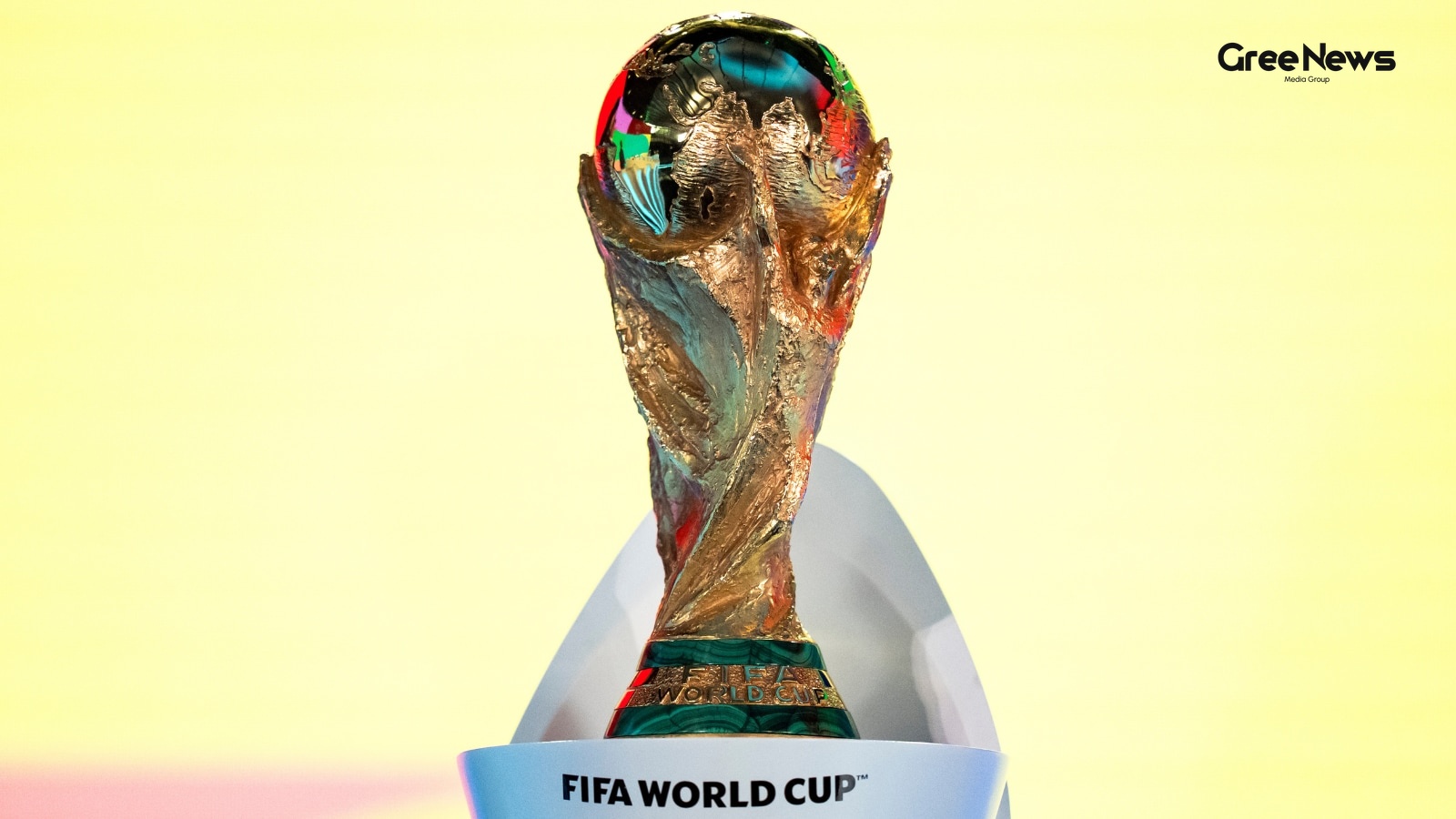
FIFA World Cup 2026: Structure, Geography, and the Official Match Ball
The FIFA World Cup 2026 is really starting to feel imminent now. It’s heading toward North America the USA, Mexico, and Canada are slated to host this massive global spectacle. People are talking about it constantly. It’s not just a standard tournament anymore. This time around, they’re throwing way
Jun 10, 2026 by Gree News Team
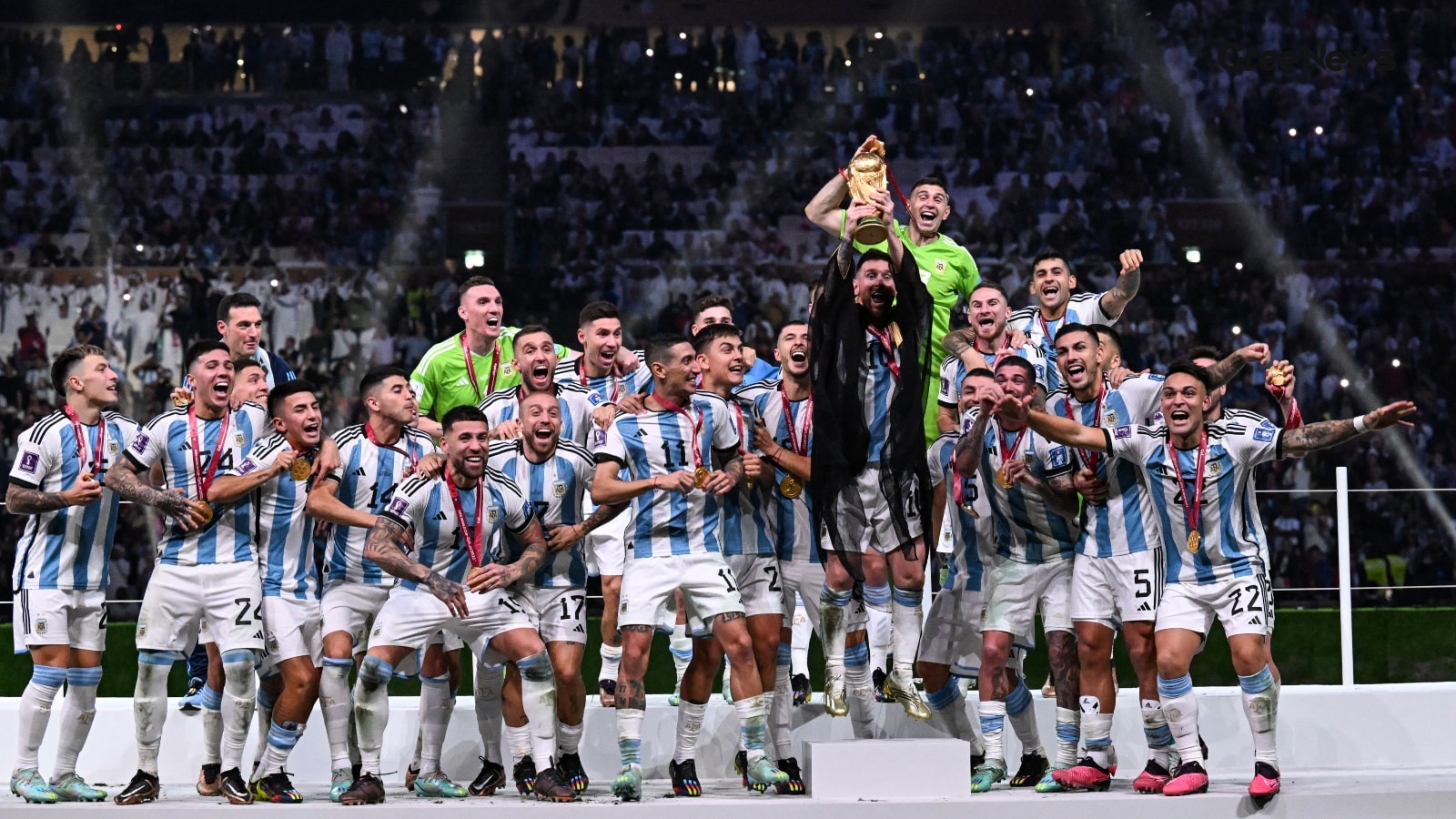
Lionel Messi and Argentina's World Cup Journey in Group J
Argentina’s taking on Group J in this new setup USA, Mexico, and Canada it feels like more than just football now. It’s about that farewell, isn't it? Lionel Messi is chasing something special right now, playing out this final chapter with the Albiceleste against Algeria, Austria, and Jordan. There’
Jun 10, 2026 by Gree News Team
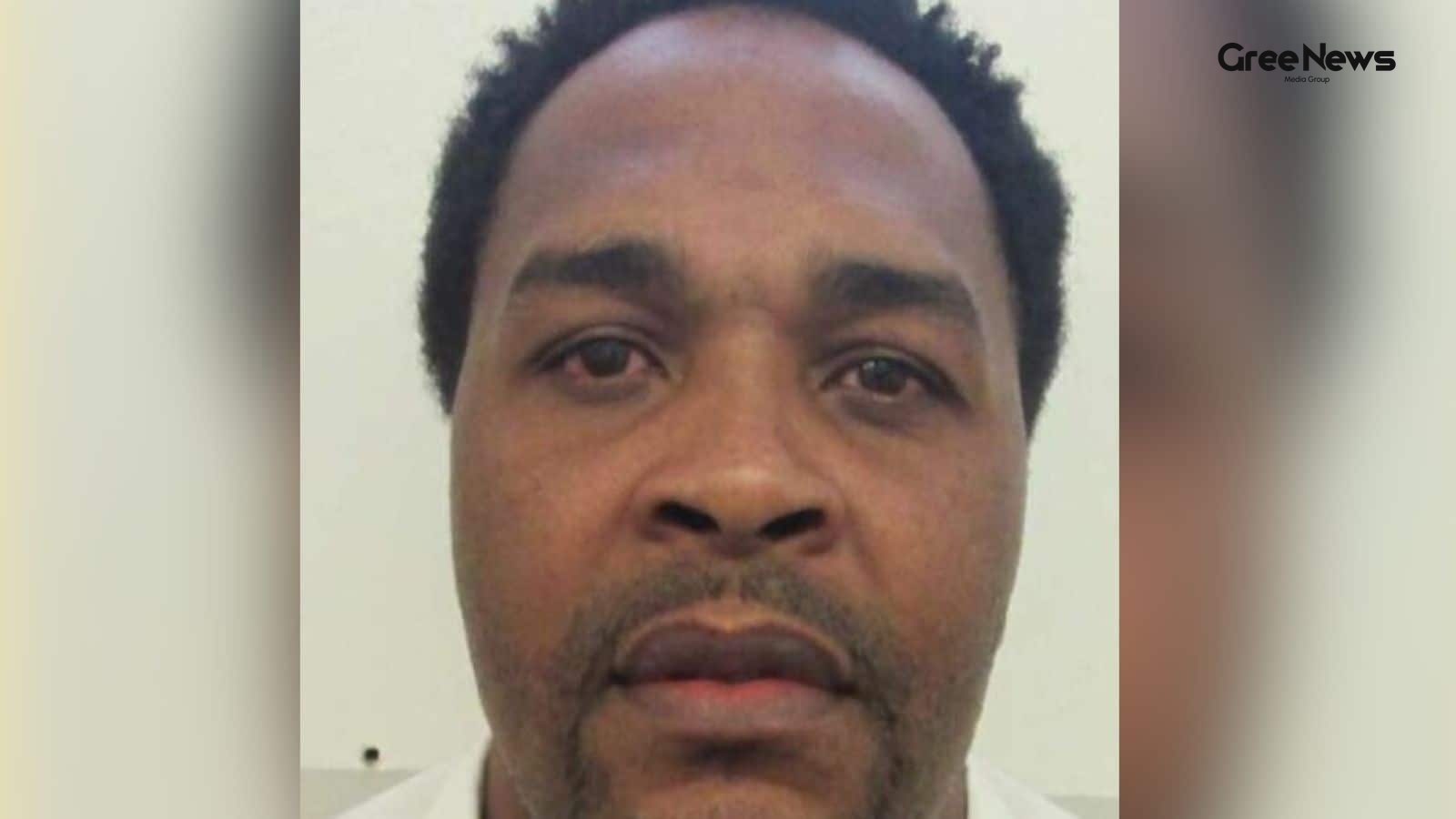
Federal Judge Bars Nitrogen Gas Execution in Alabama
A federal judge just slammed the door shut on Alabama’s plan to use nitrogen gas for executing Jeffery Lee. Permanently barred it, ruling the method violated basic constitutional rights about cruel and unusual punishment. This decision dropped like a stone. It came just one day after an appeals cour
Jun 10, 2026 by Gree News Team
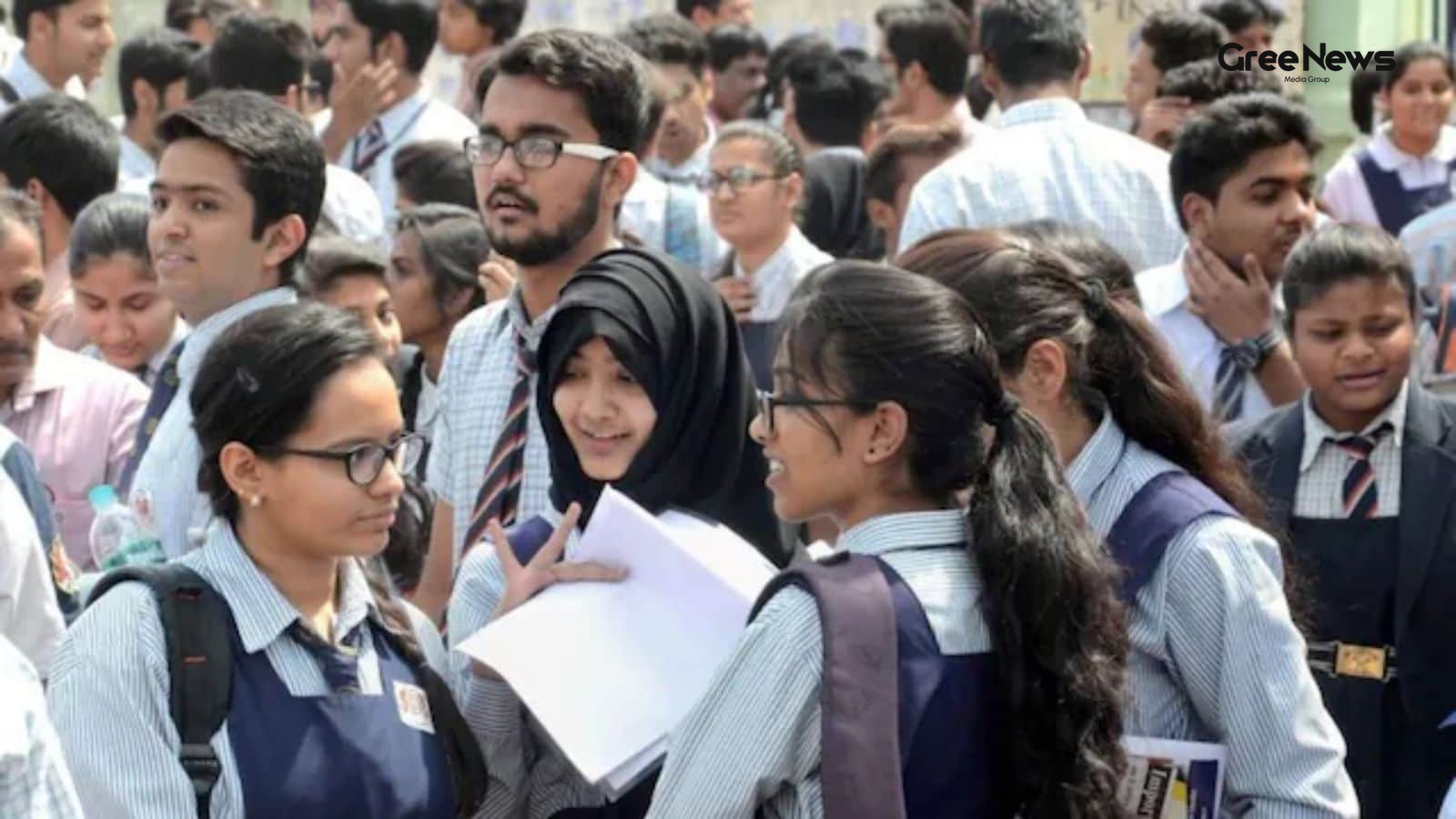
Kerala Board Plus One Results 2026 Announcement and Checking Methods
The Kerala Board Plus One results for 2026 are finally coming today, June 10th. That’s when the Directorate of Higher Secondary Education will officially announce everything. Students who took the DHSE Kerala Class 11 exams in 2026 can start checking their scores now. You have a few places to look,
Jun 10, 2026 by Gree News Team
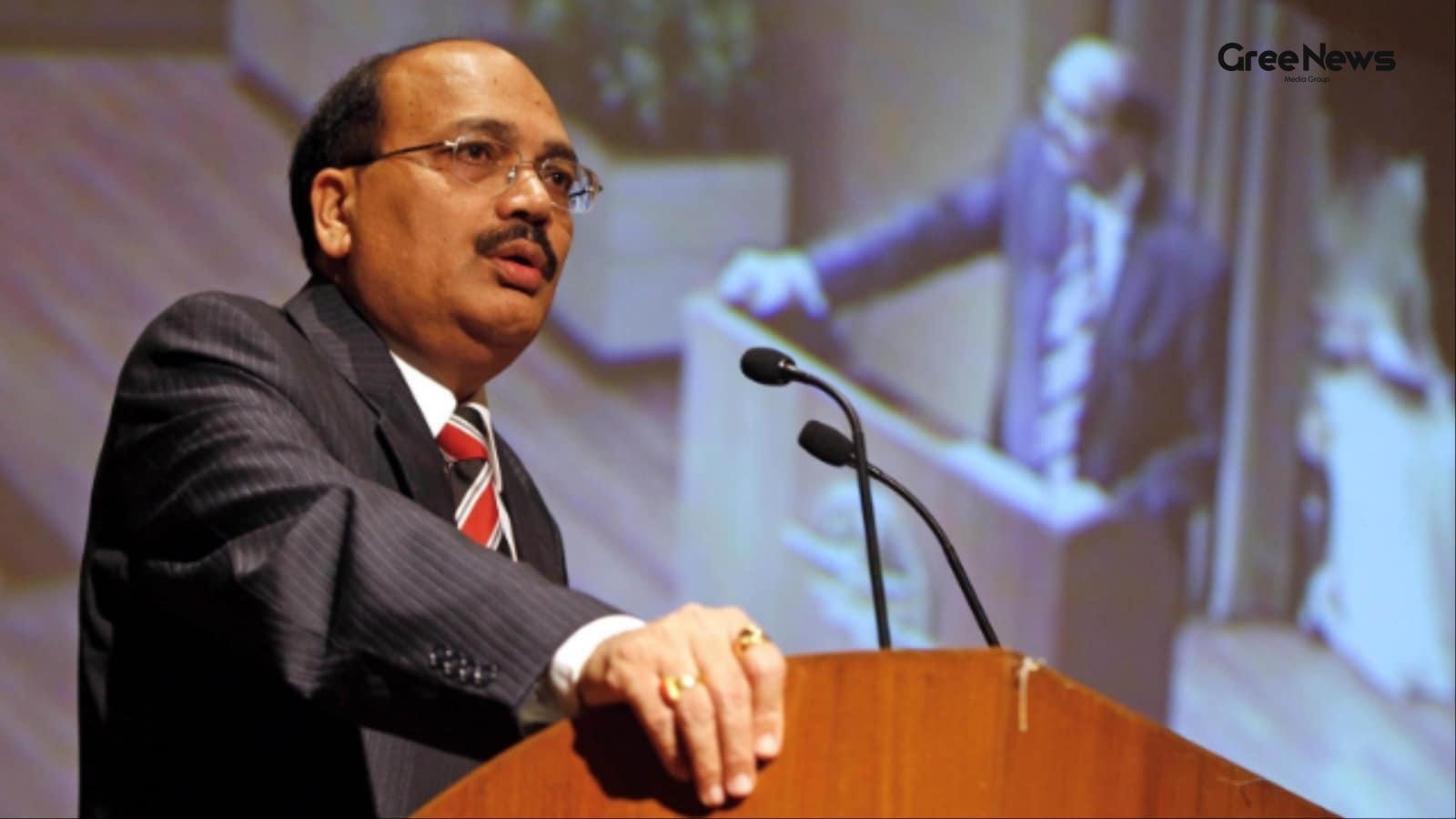
Threats and Intimidation Against Former Judge Justice Gautam Patel
Chief Justice Surya Kant stepped in on the matter involving threats and intimidation aimed at former Bombay High Court judge Justice Gautam Patel. This happened while he was visiting the UK, raising the issue with India’s High Commissioner there. It came out of a report by The Times of India. The wh
Jun 10, 2026 by Gree News Team
Intersection of Art, Politics, and Public Morality at Film Screening
The buzz around the screening for ‘Bharat Bhhagya Viddhaata’ was definitely something special that Tuesday evening in Delhi. It wasn't just about watching a movie; it felt like a convergence a mix of film fans, some political heavyweights, and a surprising amount of high-level government presence. P
Jun 10, 2026 by Gree News Team
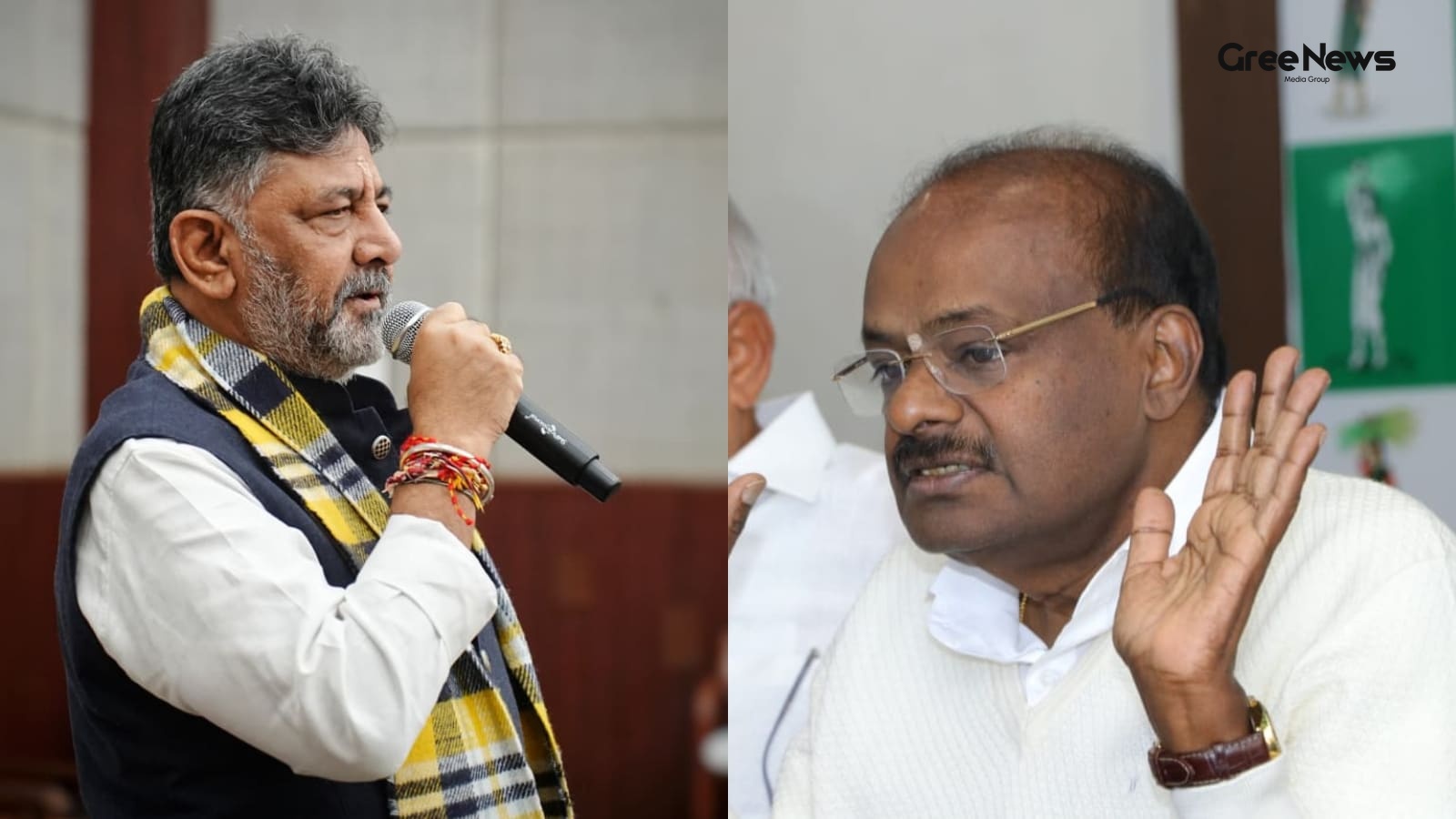
The Political Feud: Shivakumar vs. Kumaraswamy and the Vokkaliga Rivalry
A meeting that hasn't even happened is already sparking political sparring. Karnataka Chief Minister DK Shivakumar and Union Minister HD Kumaraswamy. It just underlines how bitter one of the state’s longest-running rivalries still is. Shivakumar was doing some outreach, a carefully choreographed exe
Jun 10, 2026 by Gree News Team
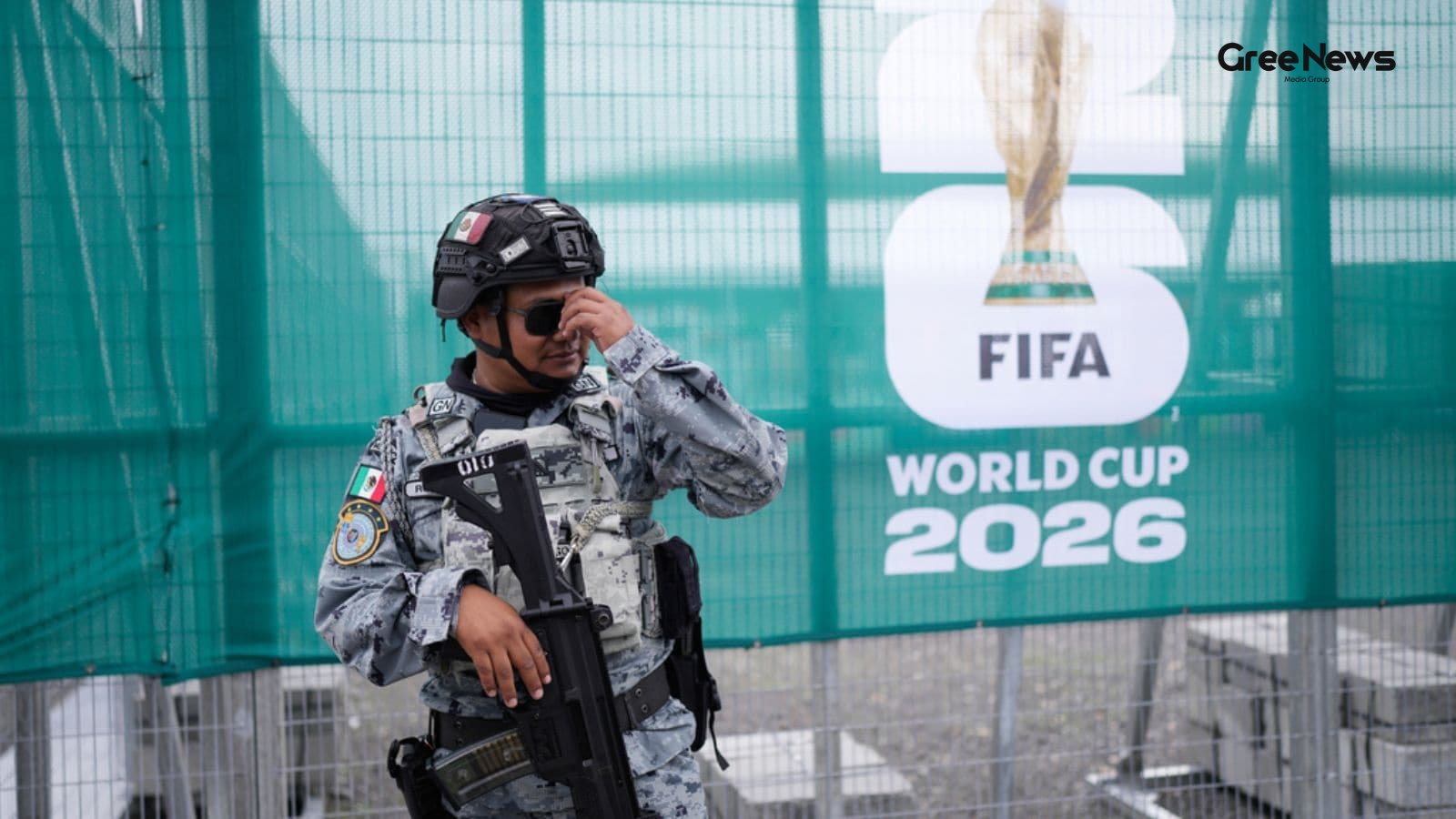
Protest and Political Standoff in Mexico City Before the World Cup
A protest choked off an avenue leading right to Mexico City’s Azteca Stadium for hours on Tuesday. It was just days before that massive World Cup opening match. As football fans started flooding in, all those co-hosts the US, Canada, and Mexico you see the real mess happening back home. Thousands of
Jun 10, 2026 by Gree News Team
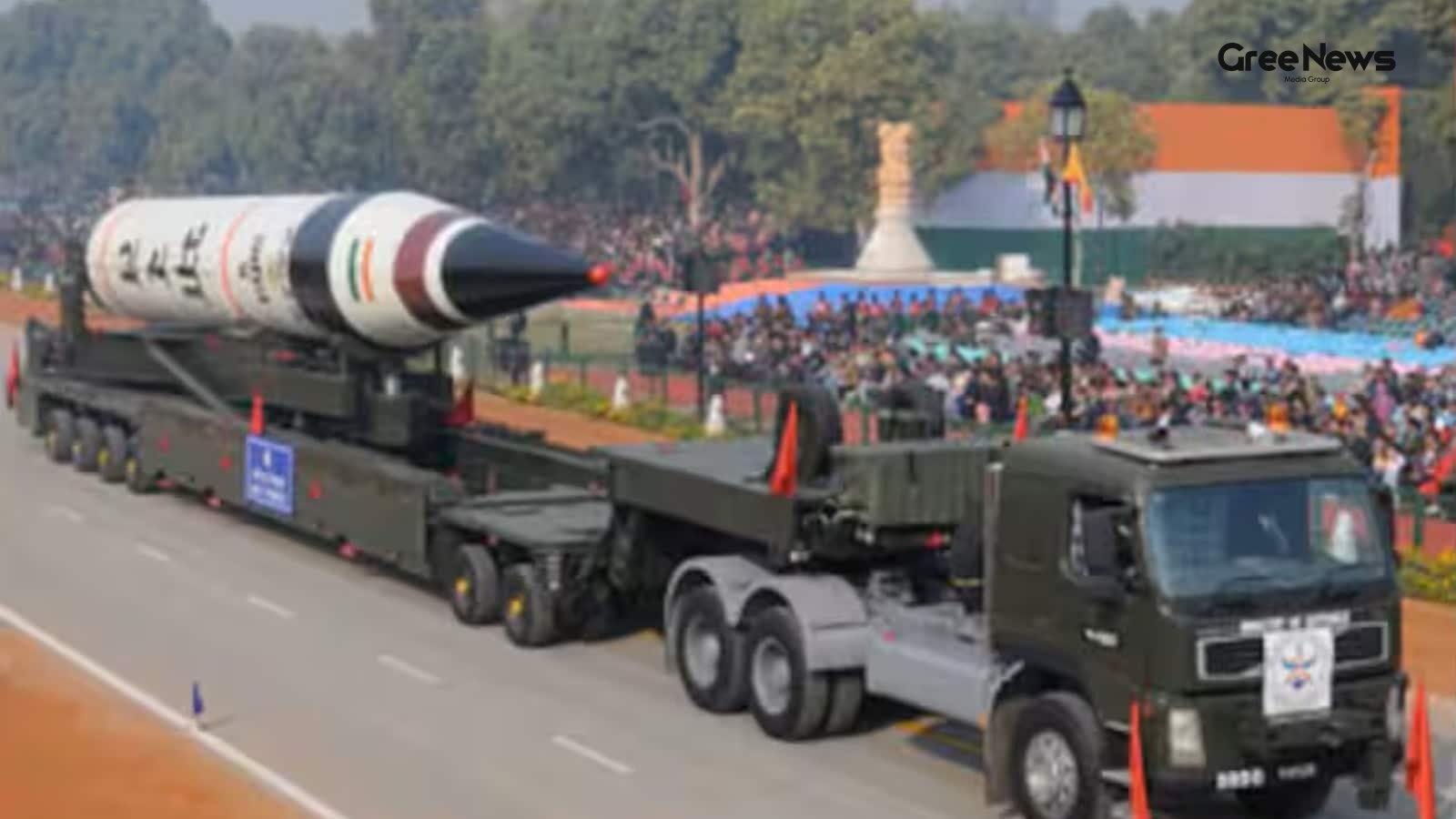
The Global Nuclear Arms Race: Spending, Capabilities, and Future Risks
Nearly eight decades since Hiroshima and Nagasaki. And the world’s nuclear powers aren't slowing down. They keep spending more, modernizing faster, and experts are watching them move weapons out of storage and into potential use. It’s a real arms race happening right now. The nine states that hold n
Jun 10, 2026 by Gree News Team
The Chaos of Cinema: Volume, Competition, and the Shifting Market
The Friday arrived packed. June 12th. It wasn't just another day; it was a collision of cinema. Nine films, all hitting the screens at once. *Main Vaapas Aaunga*, Imtiaz Ali’s directorial effort. Then you had Kangana Ranaut’s *Bharat Bhhagya Vidhaata*. And the horror mixed in Vikram Bhatt’s *Haunted
Jun 10, 2026 by Gree News Team

Stock Market Updates: June 10th Performance and Sector Analysis
Stock market updates today, June 10th. Everything turned sour in late trading Wednesday. Domestic equity markets basically gave up all those gains they managed to hold during the day. Heavy selling hit midcap, smallcap stocks, plus metals, realty, and financial names dragging the main indices into n
Jun 10, 2026 by Gree News Team
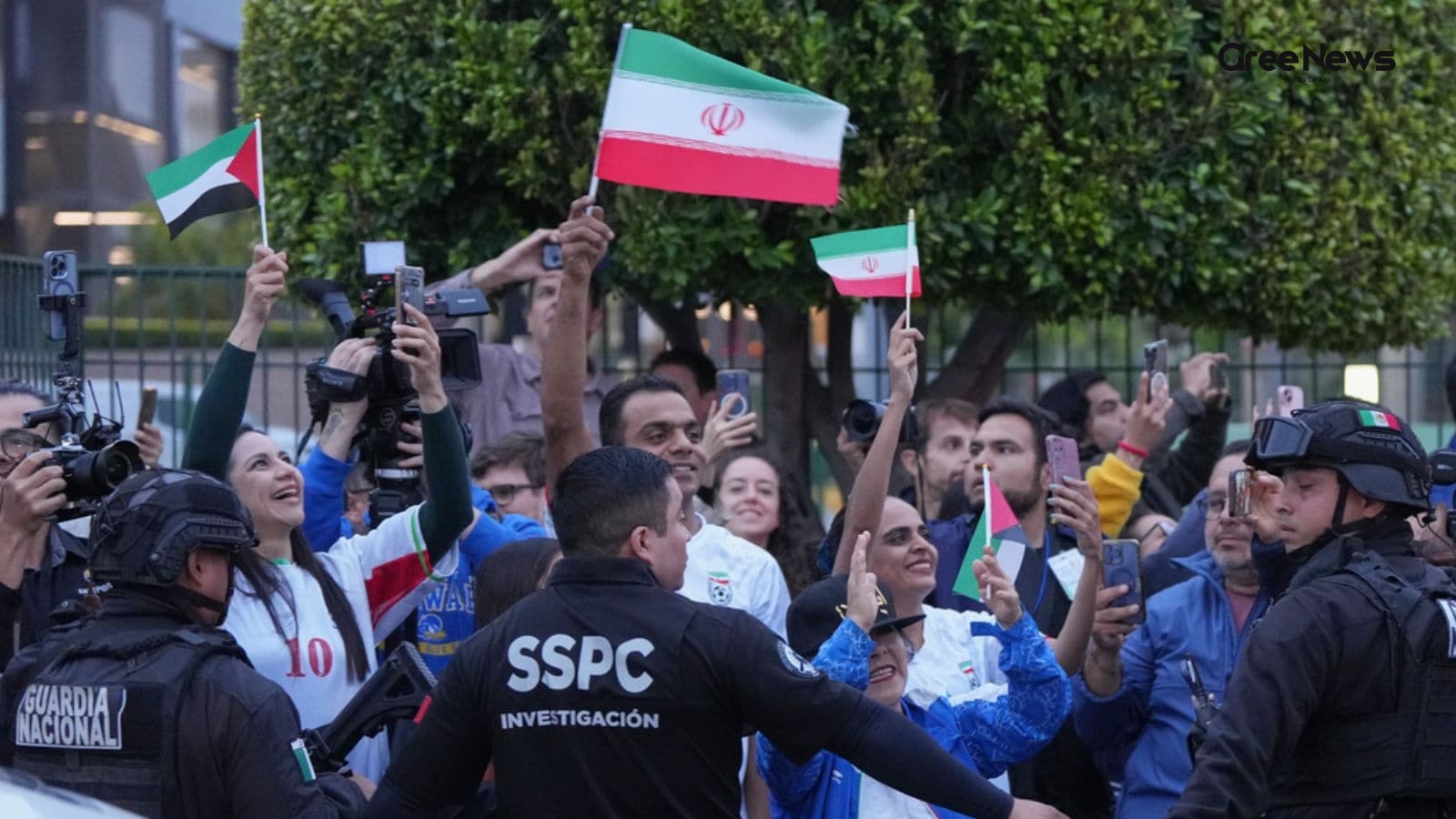
Iran Football Team Travel and World Cup Arrangements
Iran’s football team is heading to Los Angeles, apparently. They announced Tuesday that they'll be flying there the day before their first group-stage game against New Zealand. It feels like a lot happening all at once. But where exactly will they be staying? They won't actually be in L.A. for long.
Jun 10, 2026 by Gree News Team

The Impact of Gen AI on Job Applications and Hiring Strategies
When you start looking for a job, everyone builds this whole structure: the résumé, that killer cover letter, tailoring it perfectly. The whole point was always that application could make you jump out from the crowd of hundreds of applicants. But honestly? Recruiters are starting to think that play
Jun 10, 2026 by Gree News Team
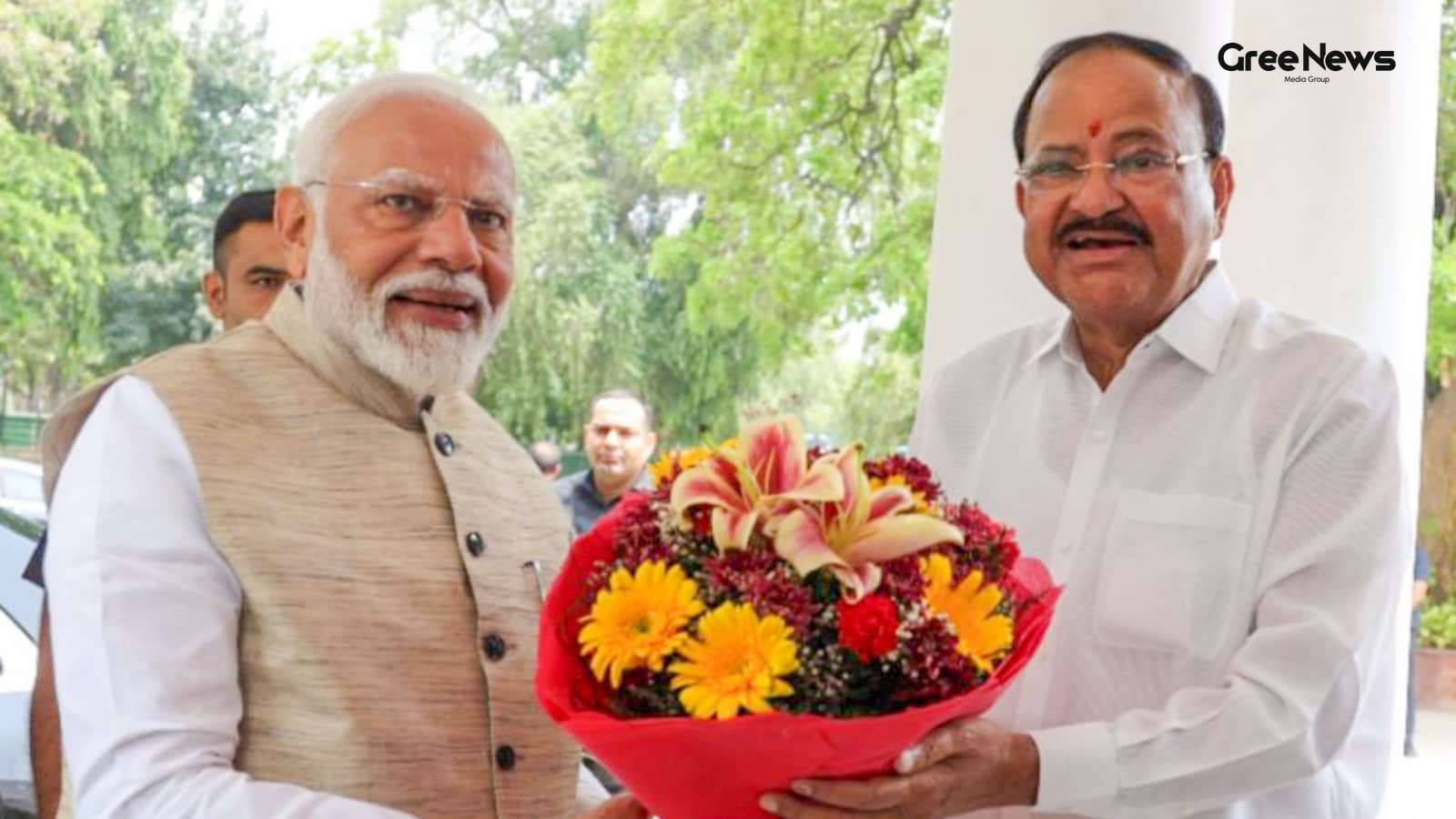
Narendra Modi's Milestone: India's Longest-Serving Prime Minister
Narendra Modi just hit a huge milestone. India’s longest-serving elected Prime Minister. Forty-three hundred ninety-nine days in office now. That beats Nehru's record, which was the first one. Former Vice President Venkaiah Naidu spoke about it. He praised the leadership and everything Modi has done
Jun 10, 2026 by Gree News Team