The Zojila Tunnel: India's Monumental Achievement in Himalayan Engineering
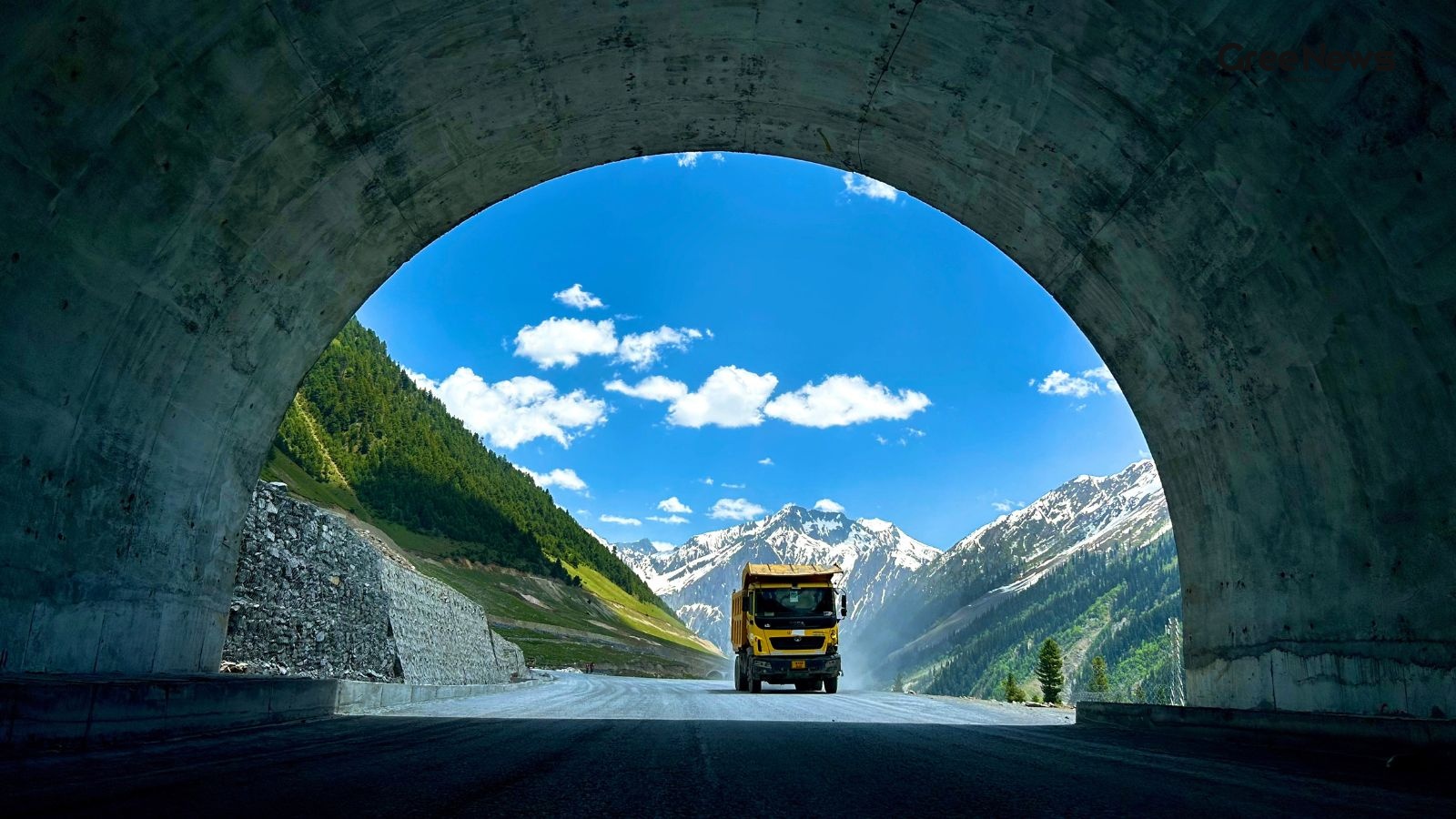
June 9. That’s the date. India hits a huge milestone. Something that engineers, planners, policymakers—they’ve been chasing this for years.
Deep down there, under those snow-bound mountains in the western Himalayas, the work finally finishes. They’re closing out the excavation phase of the Zojila Tunnel . It’s a massive, 13.153-kilometer stretch.
This tunnel itself is going to be something wild. It’s set to be the world’s longest single-tube bi-directional road tunnel built at that altitude. Think about that.
It fundamentally changes everything for connectivity between Kashmir and Ladakh. A route that always felt so fragile, constantly threatened by the worst weather the mountains throw at you.
For generations, that Zojila Pass? It was a lifeline, sure. But mostly, it was a nightmare. It shut down every winter. Snowfall, blizzards, avalanches. Entire stretches just vanished. People couldn't move. Supply chains broke. Logistics stopped dead.
The whole point of this tunnel? To kill that vulnerability. To make it all-weather.
It stretches from Baltal, near Sonamarg, right through to Meenamarg in Ladakh’s Drass sector. It’s about forcing seamless travel between the Kashmir Valley and Ladakh, no matter what the weather is doing outside.
The sheer scale of it is staggering.
The tunnel itself is thirteen kilometers. But that’s just the main hole.
The whole project—the roads leading in, the bridges, all the support structure—that’s thirty point eight nine four kilometers. That’s the corridor we’re talking about.
And there’s more. They’ve got these Nilgrar twin tunnels, one is 457 meters long, the other is 1,953 meters. Then you have these seven cut-and-cover structures, stretching across two point three five kilometers. Plus a 450-meter snow gallery, and three major bridges tacked onto that, totaling nearly four hundred sixty meters of bridges and galleries.
It’s an absolute beast of an undertaking.
Then you have the safety setup. That’s where the real headache started. Since they didn't build a separate escape tunnel, they had to invent ventilation and emergency access. Three massive vertical shafts.
The one on the west side? It dives 474.3 meters into the mountain. Longest vertical shaft in India. The second one is 367.38 meters. The third goes down 213.5 meters. Just massive shafts, just for breathing room.
Who’s actually doing this? Megha Engineering & Infrastructure Limited is running the show for NHIDCL. The government’s special agency for building things in these impossible terrains.
But the engineering itself? It wasn’t just about drilling rock. It was about wrestling with something infinitely more difficult.
The geology was pure chaos. It didn't follow any predictable pattern. Engineers found rock classifications changing sixty-seven times along that thirteen-kilometer line. They had to constantly pivot. Change the plan on the fly.
So they used the New Austrian Tunnelling Method. NATM. It’s the only way to deal with that kind of fragile, shifting Himalayan rock. You can’t just force it. You have to adapt. Dig a bit, reinforce immediately with shotcrete and rock bolts. Constant monitoring. It’s a method that’s getting used more and more in these tricky spots, but testing it at this altitude, this scale? That’s new territory.
And the environment? Forget the rock. The cold.
The Zojila region is brutal. Temperatures routinely drop to minus twenty deGrees Celsius. Sometimes thirty deGrees colder. For almost a hundred days a year, the construction crews were fighting the deep freeze.
And the hazards piled on. Over the last five years alone, they’ve had at least five major avalanche incidents right on the site.
January 12, 2023. An avalanche near Sarbal, close to those Nilgrar tunnels. Days later, another one hit. It trapped workers. A massive rescue effort. The Army had to pull out over one hundred seventy-two stranded people. Then there were the incidents in February 2024 and March 2025. Damage to machinery. Damage to the whole project infrastructure.
But they kept moving. Construction kept going.
More than twelve hundred people are involved. And the labor force? Most of them come from the local communities. To keep them alive, they had to set up a self-contained base camp. Over one thousand one hundred people housed there. Medical support. Transportation systems. Food designed for extreme cold. Logistics running around the clock. It’s an operation just to survive, let alone build.
They’ve logged over ten million safe man-hours so far, as of April 2026. That’s a milestone in itself, surviving the chaos.
The breakthroughs happened in stages. The first blast at the Nilgrar Tunnel, October 14, 2020. Then, the actual breakthroughs for both tubes happened between late 2021 and early 2022. The eastern ventilation shaft got done in November 2023. And finally, that longest vertical shaft? Excavated in July 2025.
March 2025 marked the completion of the first big chunk—the approach roads, the bridges, the snow galleries.
Now, June 9. The final breakthrough of the main Zojila Tunnel. That’s the biggest moment of the excavation phase.
It’s the last piece of the puzzle.
For the government, the payoff is huge. It’s about making Ladakh accessible. Reducing the constant travel disruption. Boosting tourism. Getting goods and supplies moving reliably, year-round.
For the people living in Kargil, Drass, Leh? It’s something personal. It’s freedom. Freedom from that annual isolation imposed by the winter.
And there’s the strategic angle. You can’t ignore that.
That Srinagar-Leh corridor isn’t just a road. It’s a critical artery for the military presence in Ladakh. Reliable connectivity means better mobility. Less dependence on finding a brief weather window to move troops, equipment, supplies.
It’s more than just concrete and rock. It’s India proving it can handle the impossible. It shows the capacity to execute these monstrous infrastructure jobs in the most unforgiving landscapes on earth.
But hold on. Don’t mistake this for over.
The tunnel isn't finished.
That final breakthrough on June 9? It’s just the end of the digging.
There’s still lining to do. Ventilation systems need to be installed. Electrical wiring. Safety infrastructure. All the finishing touches before the traffic can actually roll through.
But for the people who stood there, battling the avalanches, the freezing air, the unpredictable rock, the high altitude—that moment when those two ends finally meet? That’s a defining chapter.
It’s years of fighting, years of grinding. A breakthrough that finally brings that long-promised vision of year-round connection between Kashmir and Ladakh into reality. It’s just waiting for the next phase.
Written by Gree News Team — Senior Editorial Board
Gree News Team covers international news and global affairs at Gree News. Our collective of senior editors is dedicated to providing independent, accurate, and responsible journalism for a global audience.
More from India
View All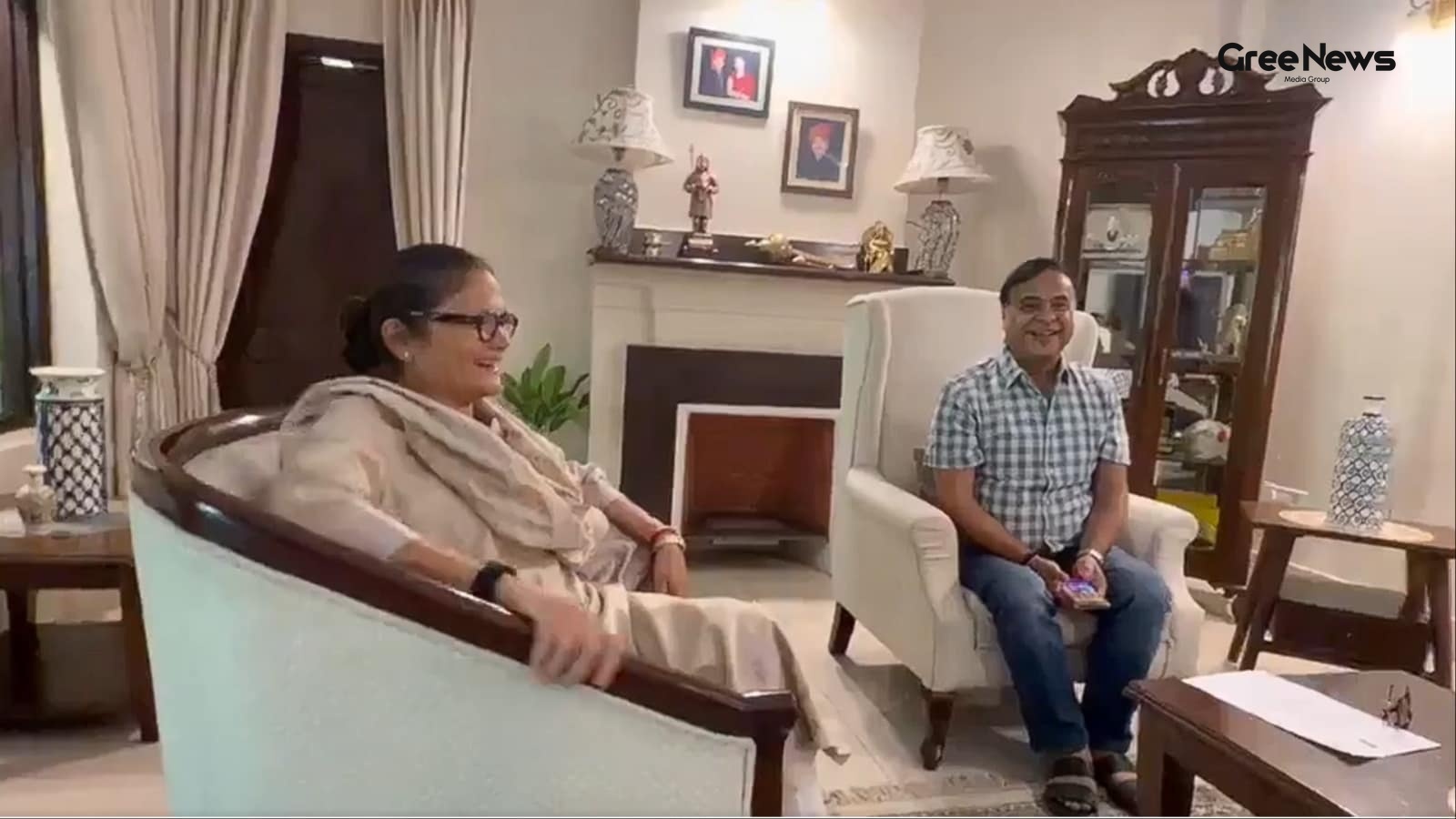
Political Speculation and Internal Turmoil within the TMC
Fresh visuals surfaced of Sushmita Dev meeting Assam Chief Minister Himanta Biswa Sarma. That kind of thing just kicks the speculation into high gear about her next move. It’s all about her potential entry into the BJP, right? This happened right after she stepped down from Rajya Sabha and walked ou
Jun 10, 2026 by Gree News Team
Threats and Intimidation Against Former Judge Justice Gautam Patel
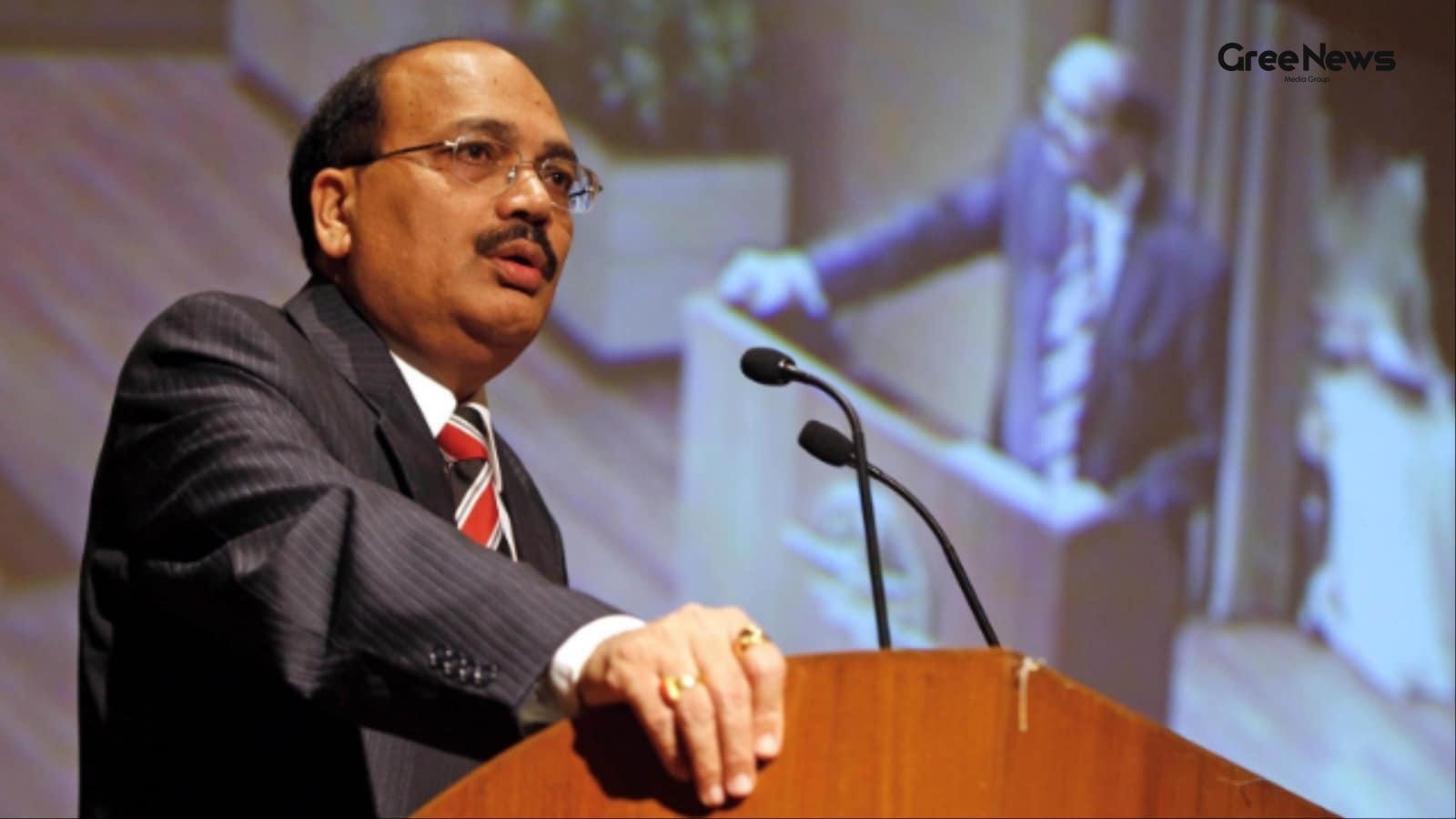
Chief Justice Surya Kant stepped in on the matter involving threats and intimidation aimed at former Bombay High Court judge Justice Gautam Patel. This happened while he was visiting the UK, raising the issue with India’s High Commissioner there. It came out of a report by The Times of India. The wh
Jun 10, 2026 by Gree News Team
The Political Feud: Shivakumar vs. Kumaraswamy and the Vokkaliga Rivalry
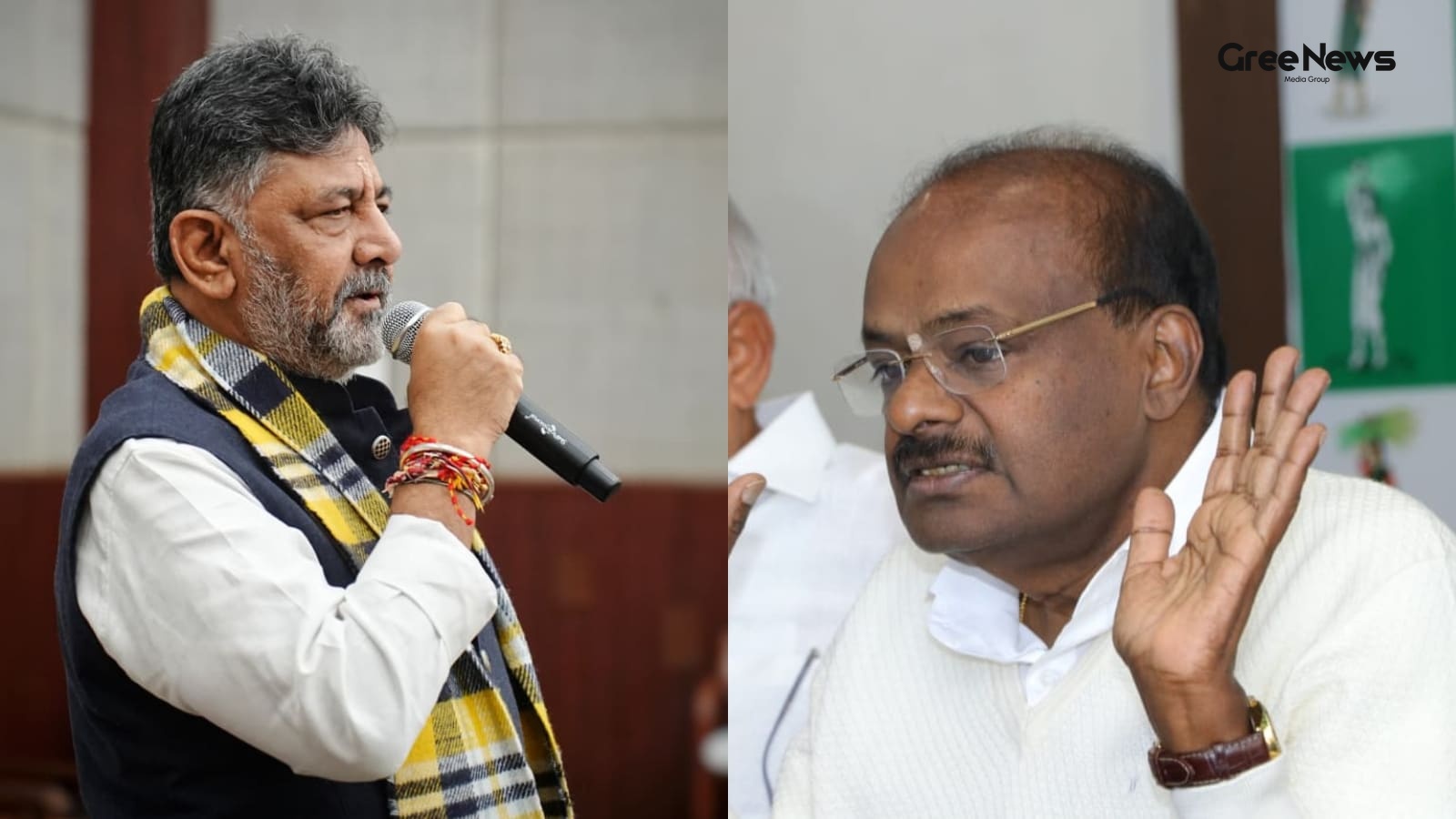
A meeting that hasn't even happened is already sparking political sparring. Karnataka Chief Minister DK Shivakumar and Union Minister HD Kumaraswamy. It just underlines how bitter one of the state’s longest-running rivalries still is. Shivakumar was doing some outreach, a carefully choreographed exe
Jun 10, 2026 by Gree News Team
The Global Nuclear Arms Race: Spending, Capabilities, and Future Risks
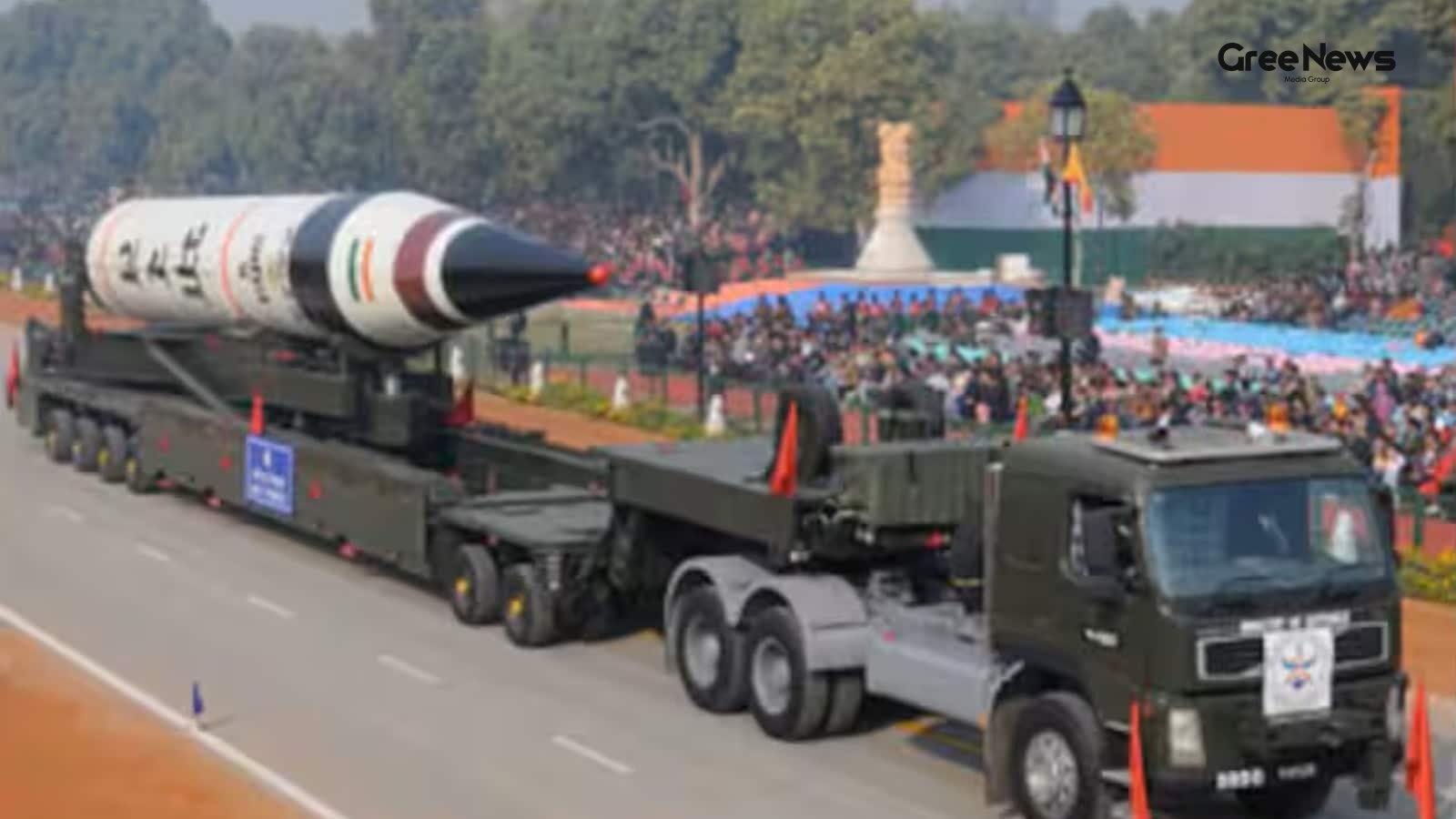
Nearly eight decades since Hiroshima and Nagasaki. And the world’s nuclear powers aren't slowing down. They keep spending more, modernizing faster, and experts are watching them move weapons out of storage and into potential use. It’s a real arms race happening right now. The nine states that hold n
Jun 10, 2026 by Gree News Team
Latest Headlines
Political Speculation and Internal Turmoil within the TMC
Fresh visuals surfaced of Sushmita Dev meeting Assam Chief Minister Himanta Biswa Sarma. That kind of thing just kicks the speculation into high gear about her next move. It’s all about her potential entry into the BJP, right? This happened right after she stepped down from Rajya Sabha and walked ou
Jun 10, 2026 by Gree News Team

FIFA World Cup 2026: Structure, Geography, and the Official Match Ball
The FIFA World Cup 2026 is really starting to feel imminent now. It’s heading toward North America the USA, Mexico, and Canada are slated to host this massive global spectacle. People are talking about it constantly. It’s not just a standard tournament anymore. This time around, they’re throwing way
Jun 10, 2026 by Gree News Team

Lionel Messi and Argentina's World Cup Journey in Group J
Argentina’s taking on Group J in this new setup USA, Mexico, and Canada it feels like more than just football now. It’s about that farewell, isn't it? Lionel Messi is chasing something special right now, playing out this final chapter with the Albiceleste against Algeria, Austria, and Jordan. There’
Jun 10, 2026 by Gree News Team
Federal Judge Bars Nitrogen Gas Execution in Alabama
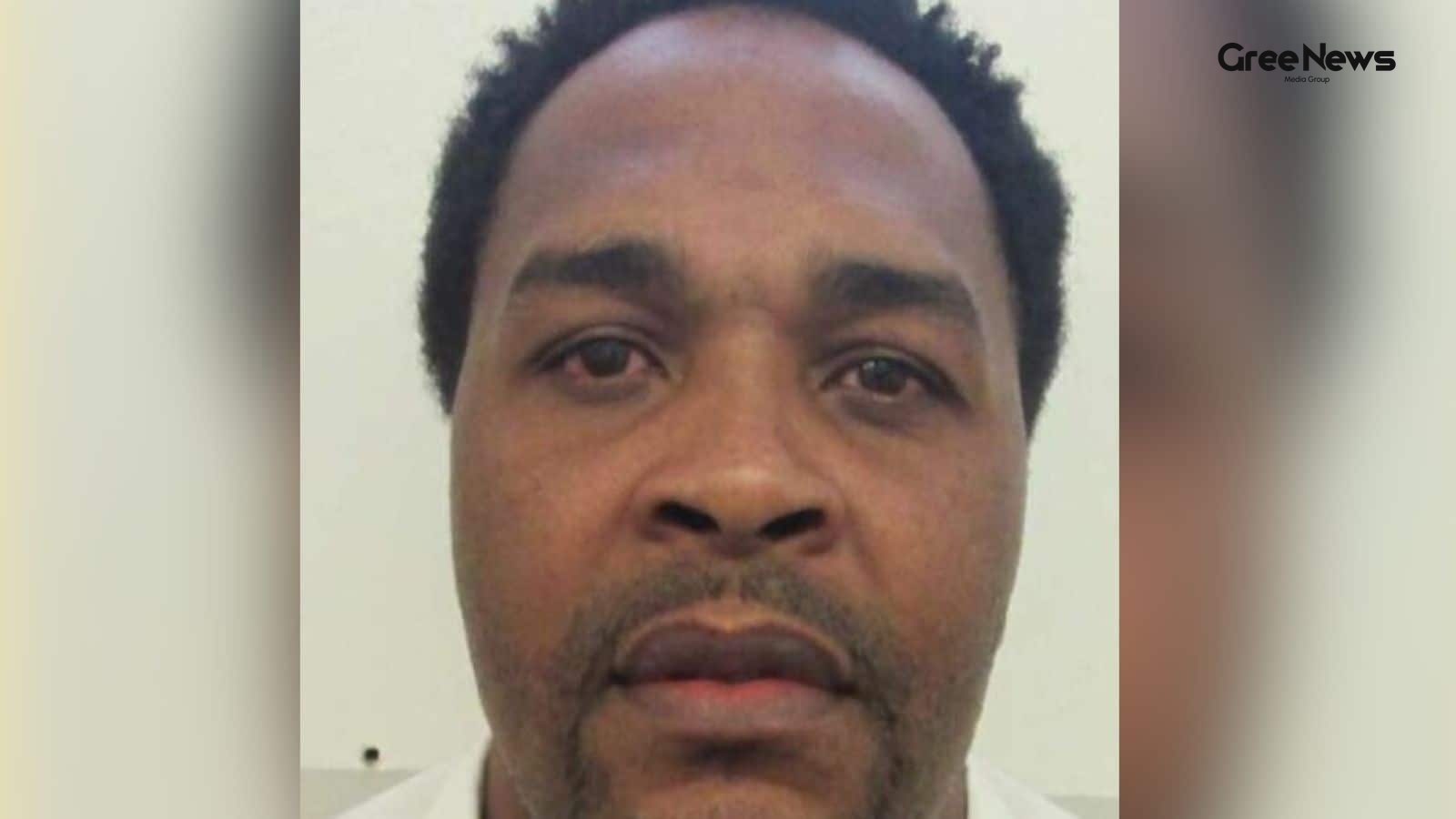
A federal judge just slammed the door shut on Alabama’s plan to use nitrogen gas for executing Jeffery Lee. Permanently barred it, ruling the method violated basic constitutional rights about cruel and unusual punishment. This decision dropped like a stone. It came just one day after an appeals cour
Jun 10, 2026 by Gree News Team
Kerala Board Plus One Results 2026 Announcement and Checking Methods
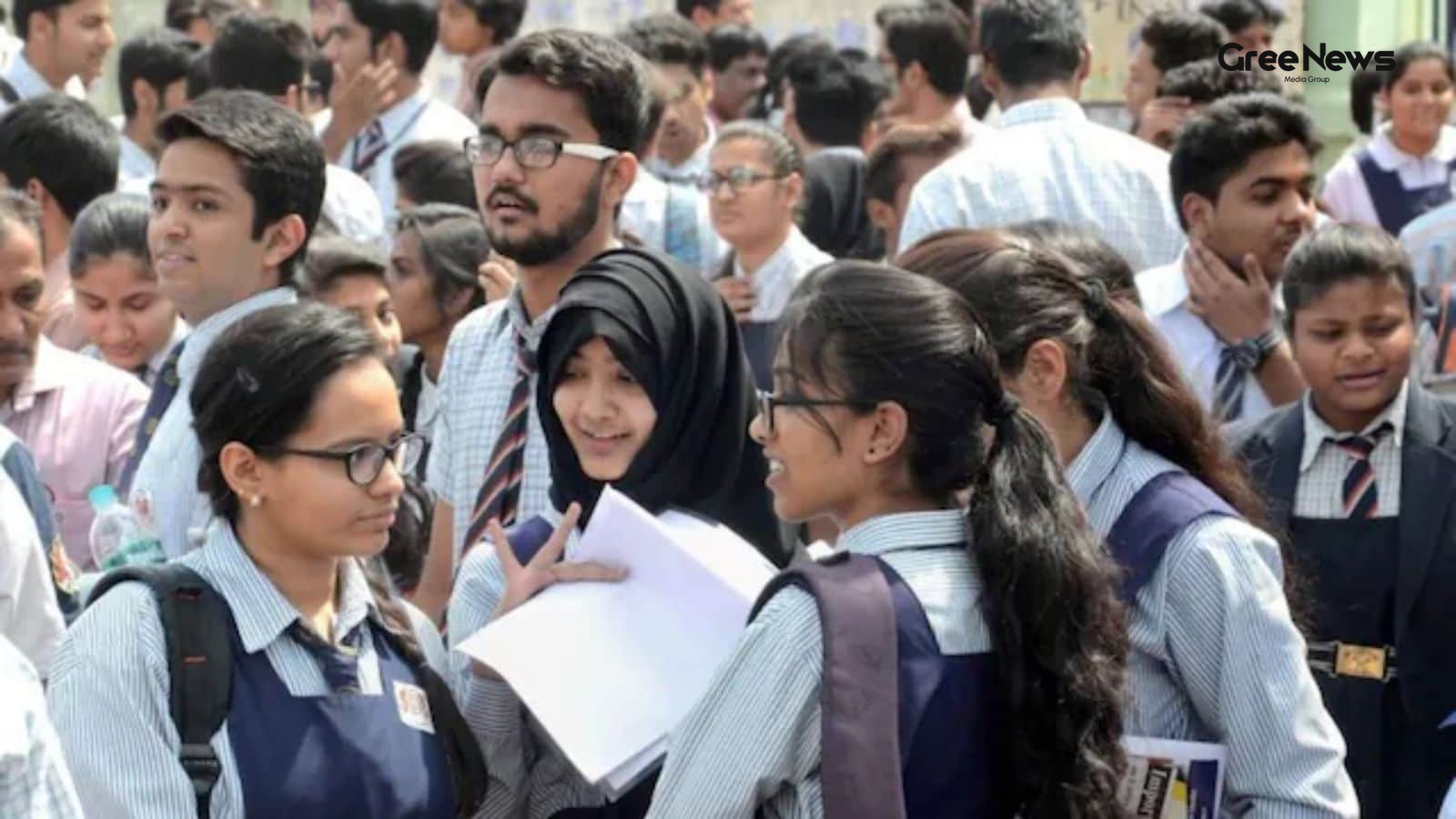
The Kerala Board Plus One results for 2026 are finally coming today, June 10th. That’s when the Directorate of Higher Secondary Education will officially announce everything. Students who took the DHSE Kerala Class 11 exams in 2026 can start checking their scores now. You have a few places to look,
Jun 10, 2026 by Gree News Team
Threats and Intimidation Against Former Judge Justice Gautam Patel
Chief Justice Surya Kant stepped in on the matter involving threats and intimidation aimed at former Bombay High Court judge Justice Gautam Patel. This happened while he was visiting the UK, raising the issue with India’s High Commissioner there. It came out of a report by The Times of India. The wh
Jun 10, 2026 by Gree News Team

Intersection of Art, Politics, and Public Morality at Film Screening
The buzz around the screening for ‘Bharat Bhhagya Viddhaata’ was definitely something special that Tuesday evening in Delhi. It wasn't just about watching a movie; it felt like a convergence a mix of film fans, some political heavyweights, and a surprising amount of high-level government presence. P
Jun 10, 2026 by Gree News Team
The Political Feud: Shivakumar vs. Kumaraswamy and the Vokkaliga Rivalry
A meeting that hasn't even happened is already sparking political sparring. Karnataka Chief Minister DK Shivakumar and Union Minister HD Kumaraswamy. It just underlines how bitter one of the state’s longest-running rivalries still is. Shivakumar was doing some outreach, a carefully choreographed exe
Jun 10, 2026 by Gree News Team
Protest and Political Standoff in Mexico City Before the World Cup
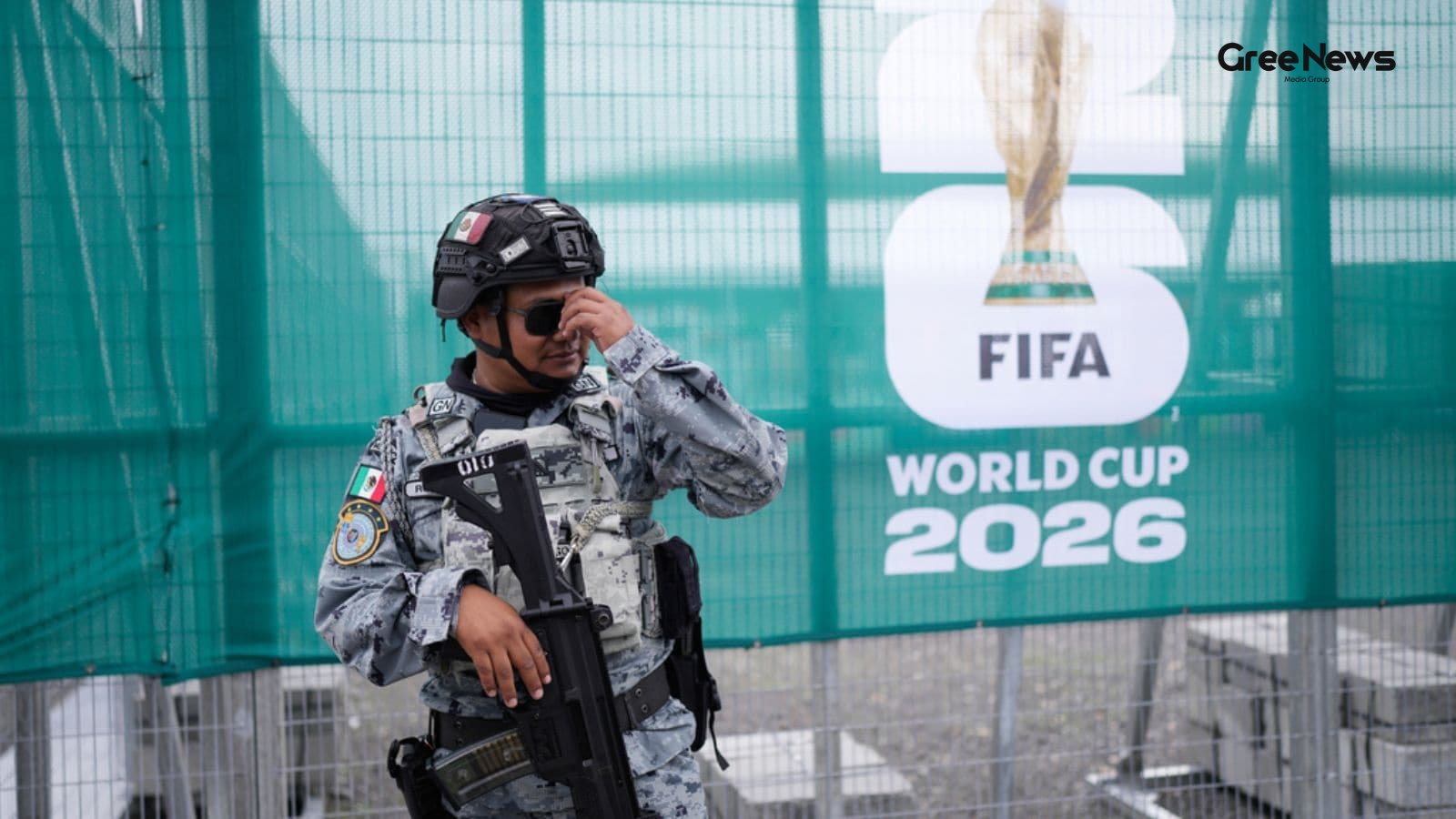
A protest choked off an avenue leading right to Mexico City’s Azteca Stadium for hours on Tuesday. It was just days before that massive World Cup opening match. As football fans started flooding in, all those co-hosts the US, Canada, and Mexico you see the real mess happening back home. Thousands of
Jun 10, 2026 by Gree News Team
The Global Nuclear Arms Race: Spending, Capabilities, and Future Risks
Nearly eight decades since Hiroshima and Nagasaki. And the world’s nuclear powers aren't slowing down. They keep spending more, modernizing faster, and experts are watching them move weapons out of storage and into potential use. It’s a real arms race happening right now. The nine states that hold n
Jun 10, 2026 by Gree News Team
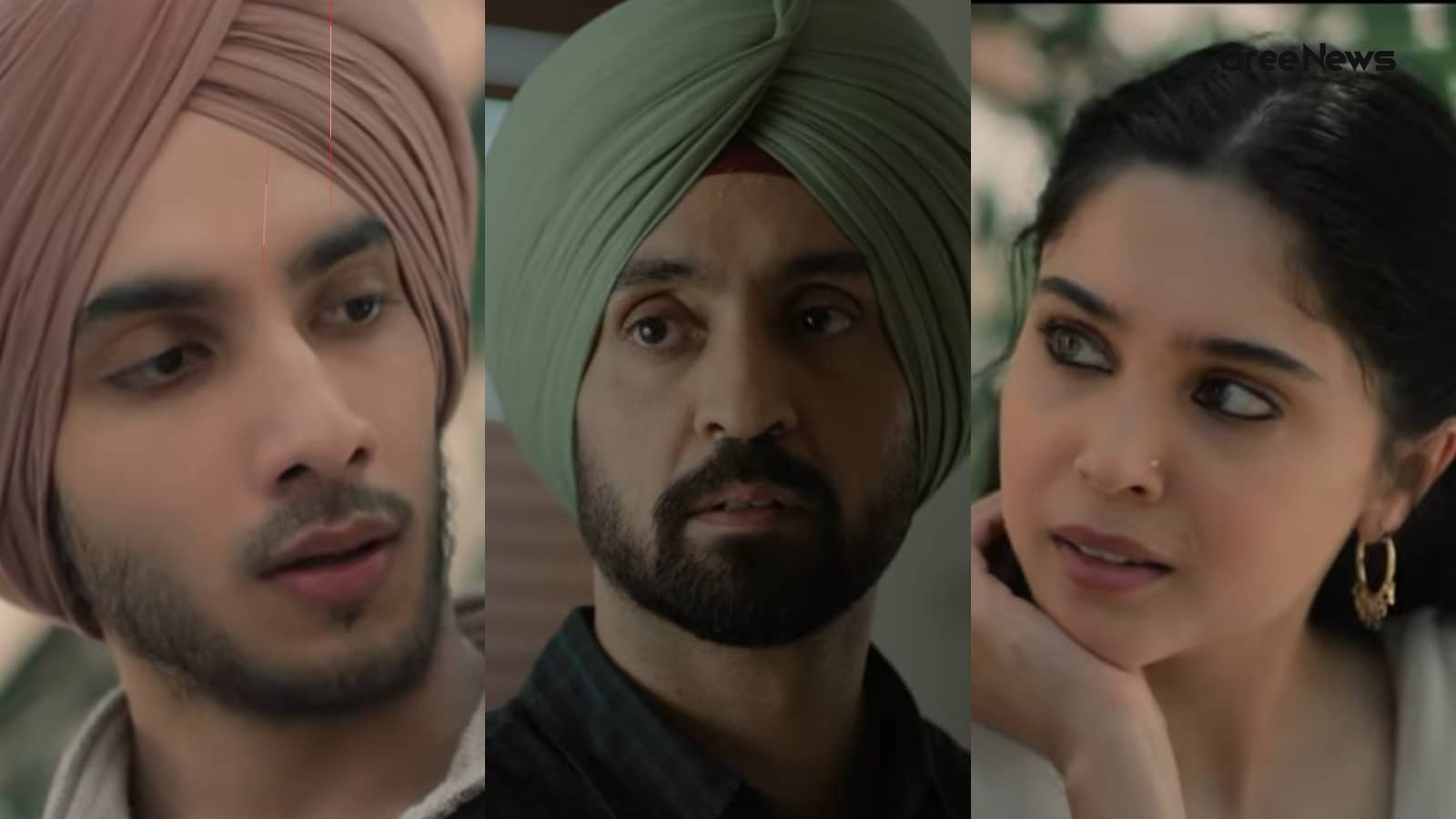
The Chaos of Cinema: Volume, Competition, and the Shifting Market
The Friday arrived packed. June 12th. It wasn't just another day; it was a collision of cinema. Nine films, all hitting the screens at once. *Main Vaapas Aaunga*, Imtiaz Ali’s directorial effort. Then you had Kangana Ranaut’s *Bharat Bhhagya Vidhaata*. And the horror mixed in Vikram Bhatt’s *Haunted
Jun 10, 2026 by Gree News Team

Stock Market Updates: June 10th Performance and Sector Analysis
Stock market updates today, June 10th. Everything turned sour in late trading Wednesday. Domestic equity markets basically gave up all those gains they managed to hold during the day. Heavy selling hit midcap, smallcap stocks, plus metals, realty, and financial names dragging the main indices into n
Jun 10, 2026 by Gree News Team
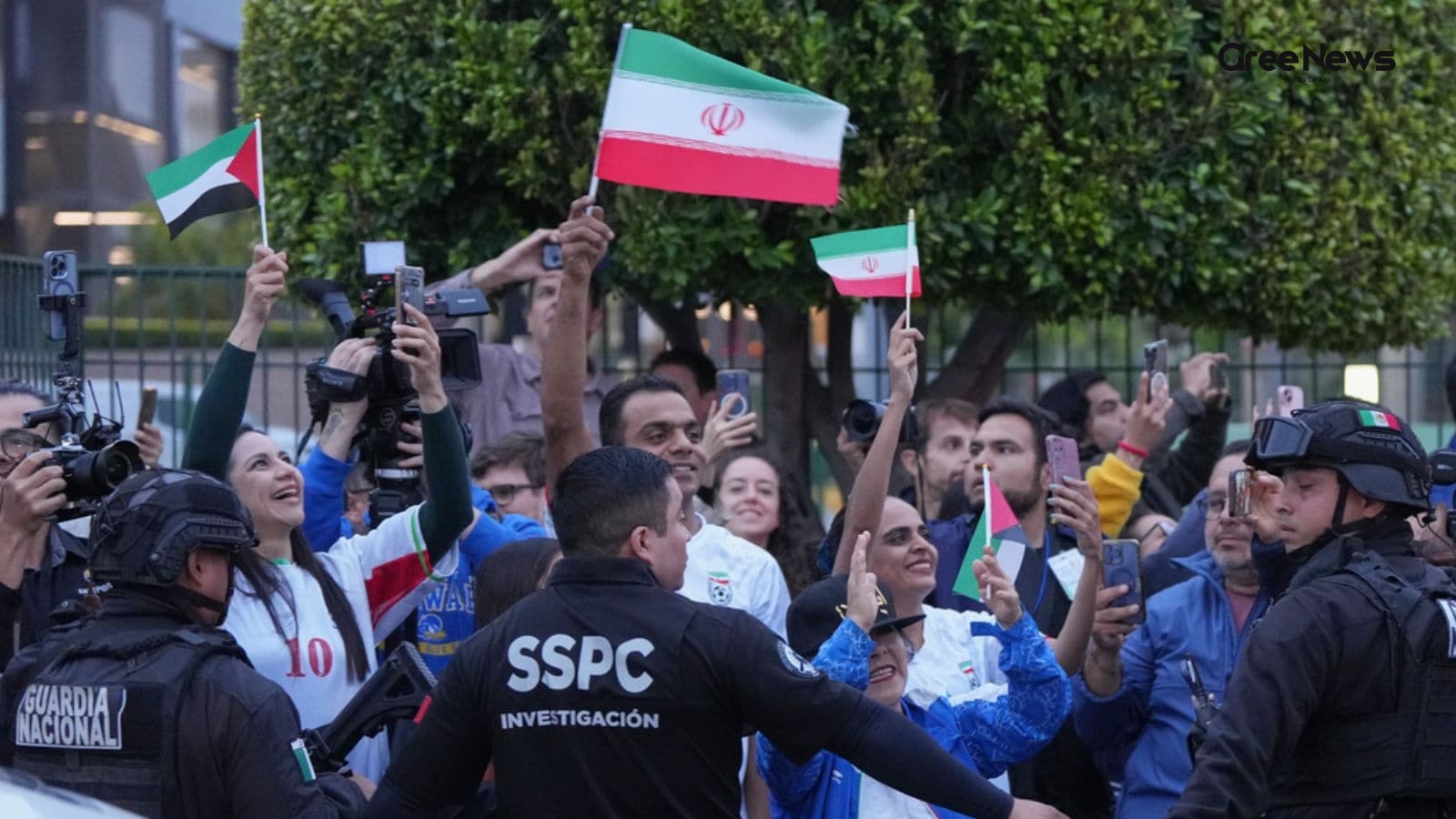
Iran Football Team Travel and World Cup Arrangements
Iran’s football team is heading to Los Angeles, apparently. They announced Tuesday that they'll be flying there the day before their first group-stage game against New Zealand. It feels like a lot happening all at once. But where exactly will they be staying? They won't actually be in L.A. for long.
Jun 10, 2026 by Gree News Team

The Impact of Gen AI on Job Applications and Hiring Strategies
When you start looking for a job, everyone builds this whole structure: the résumé, that killer cover letter, tailoring it perfectly. The whole point was always that application could make you jump out from the crowd of hundreds of applicants. But honestly? Recruiters are starting to think that play
Jun 10, 2026 by Gree News Team
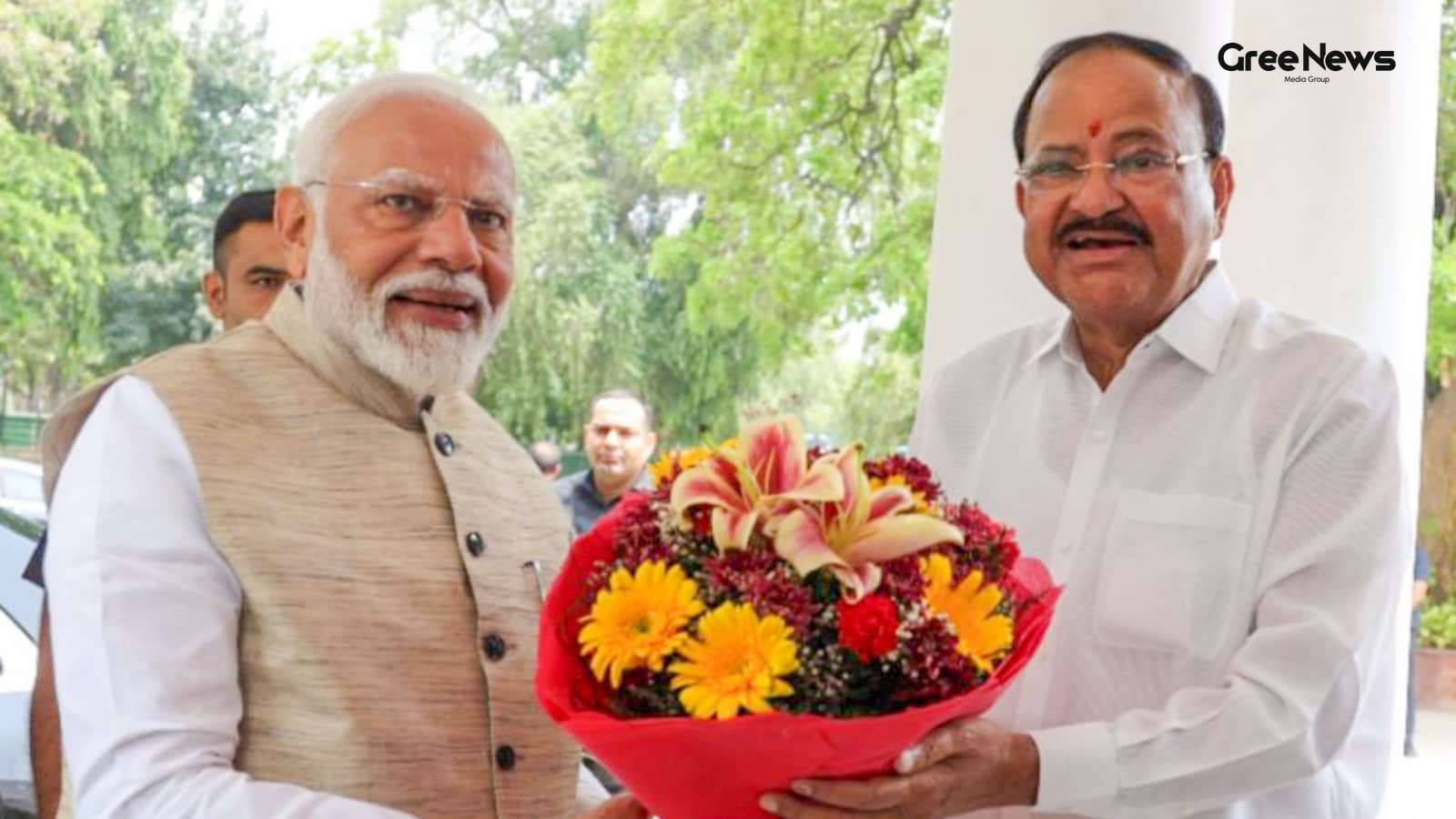
Narendra Modi's Milestone: India's Longest-Serving Prime Minister
Narendra Modi just hit a huge milestone. India’s longest-serving elected Prime Minister. Forty-three hundred ninety-nine days in office now. That beats Nehru's record, which was the first one. Former Vice President Venkaiah Naidu spoke about it. He praised the leadership and everything Modi has done
Jun 10, 2026 by Gree News Team