US-China Geopolitical Tensions: From the Strait of Hormuz to the AI Cold War
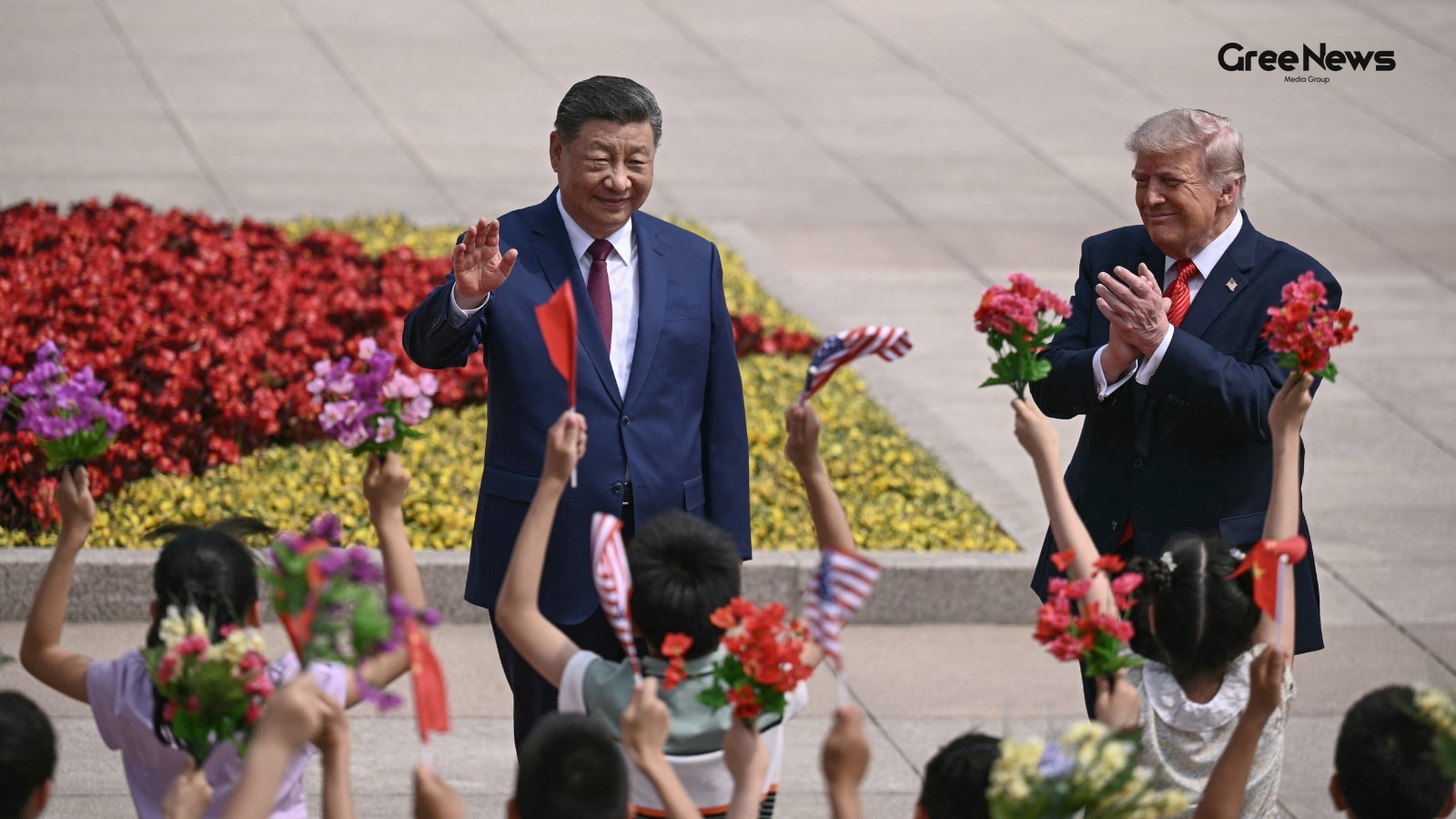
Donald Trump is on a state visit to China right now. It’s the first time a US president has done this in nearly ten years. It happens when the world is just… upended. Geopolitical upheaval everywhere. And the Middle East? That conflict is just grinding on, impossible to fix.
There’s a lot hanging in the air between these two superpowers. A history of being really, really rocky. So there’s a mountain of stuff they have to talk about on this trip. But some things really jump out, things that dominate the agenda, as some reports are saying.
We’re talking about the Strait of Hormuz . That waterway is crucial.
The US President is hoping China will push Iran. Push them to actually start peace talks. And eventually, get the Strait of Hormuz reopened. That’s the big hope.
But China? Beijing has been watching this whole US-Iran mess, silently. No public moves. No intervention. It just watches.
That changes things, though. Half of China’s crude oil comes through that strait. So, naturally, Xi Jinping isn’t keen on that waterway being blocked off. Not at all.
China knows the score. They know that if the world tanks—if there’s a global recession—their exports are going to suffer badly because of the oil supply crunch. It’s a nasty thought.
Then there’s the side issue, the fallout from the sanctions. This week, the US slapped sanctions on several Chinese firms. The accusation? They were helping move Iranian oil. They were providing satellite imagery, allegedly used by Iran in their military operations. Beijing? They just denied it. Of course they did.
This whole visit follows something else. Iran’s Foreign Minister, Abbas Araghchi, visited Beijing last week. Just adding another layer of tension.
And then you have the Taiwan headache . That’s another huge knot. China is expected to push the US on this. Especially now. Trump said he was open to talking about US arms sales to Taiwan. Which is a big deal.
China claims that territory is its breakaway region. They never governed it, they just assert the claim. But the context is messy.
Back in December, Trump signed this massive $11 billion arms package for Taiwan. The biggest weapons sale ever to the island. But the shipments? Never sent. It just sits there, a huge piece of unrealized potential.
Xi might try to get the US to change the way it talks about Taiwan. From Beijing’s view, it’s about the framing. Washington needs to stop saying it’s "opposing" Taiwan's independence. It needs to be less about "not supporting" it. That distinction matters a lot.
China and the US are absolutely neck-and-neck in the world of artificial intelligence . It’s morphed into some kind of technological cold war now.
April brought the accusations. The US blamed China for stealing intellectual property from US AI labs, on an industrial scale. Beijing just shut that down. Denial, of course.
Meanwhile, China was definitely unhappy about something else. The US reluctance to let Nvidia export its most powerful chips into China. That was a sticking point.
The White House, back in January, said Nvidia could export its second most powerful chip, the H200. But nothing moved. No shipments. Still stuck.
This whole trade relationship between the US and China? Severely strained. Remember last year? Trump put tariffs above 140%. Retaliation followed. China blocked exports of its magnets and rare earth minerals to the US.
Now, things have shifted a bit. As of May 2026, the US has a baseline tariff, maybe around 10%, on a lot of Chinese imports. That’s after both sides sort of rolled back some of those steeper tariffs they put up during the 2025 trade war escalation. It’s a constant, messy adjustment.
And the supply chains are linked. The US lost a lot of its weapons arsenal in that Iran war. Now, the components for that weaponry—the critical minerals—they rely heavily on supply chains dominated by China. It’s a dependency that feels very real.
Reports are floating around that China is likely to announce purchases. Things like Boeing airplanes. American agriculture. Energy. All of it.
And Beijing, in return, is pushing back. They want the US to ease up on the restrictions for exporting advanced semiconductors. That’s their demand.
Then there’s the fentanyl angle . That’s dominating Trump’s focus this week, according to Politico. For a long time, the US accused Chinese businesses of supplying the chemical precursors used by Mexican cartels. The fentanyl trade.
If Trump pressures China hard on fentanyl, his MAGA supporters will appreciate it. It’s a political lever.
But that leverage just slipped away. China pushed back on those tariff threats. They clashed over fentanyl and trade back at a UN drugs meeting in March. It’s always a fight over who controls the narrative, isn't it?
China wants their name scrubbed. They want it gone from the US State Department’s annual list of "major drug transit or illicit drug producing countries." That list gets updated in September. It’s a slow, grinding demand for recognition.
It’s all moving, really. Not in a neat line. More like a tangle of obligations and threats. The whole picture is just… uneven.
Written by Gree News Team — Senior Editorial Board
Gree News Team covers international news and global affairs at Gree News. Our collective of senior editors is dedicated to providing independent, accurate, and responsible journalism for a global audience.
More from World
View All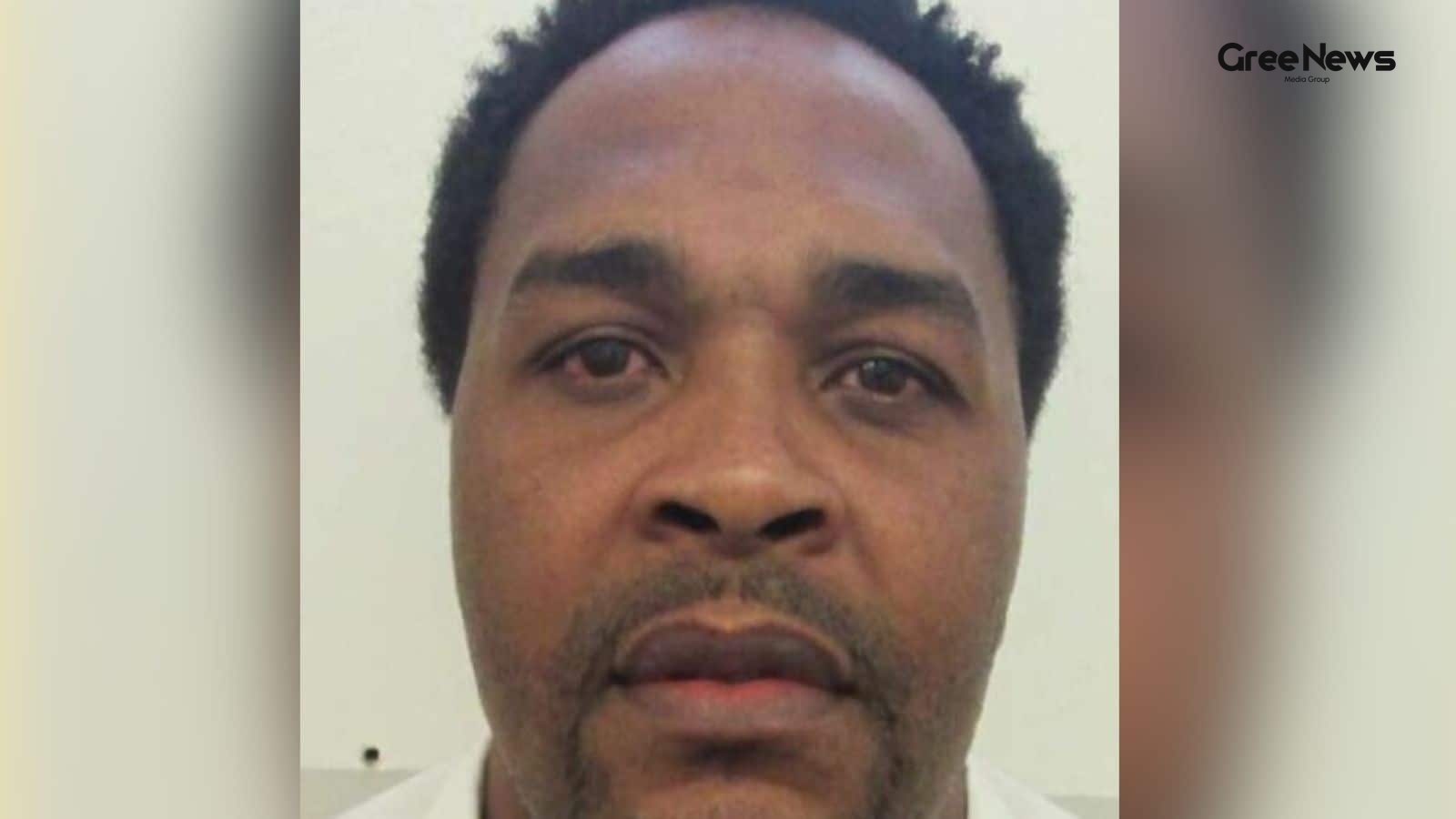
Federal Judge Bars Nitrogen Gas Execution in Alabama
A federal judge just slammed the door shut on Alabama’s plan to use nitrogen gas for executing Jeffery Lee. Permanently barred it, ruling the method violated basic constitutional rights about cruel and unusual punishment. This decision dropped like a stone. It came just one day after an appeals cour
Jun 10, 2026 by Gree News Team
The Long March Escalates: Defiance and Crackdown in PoK
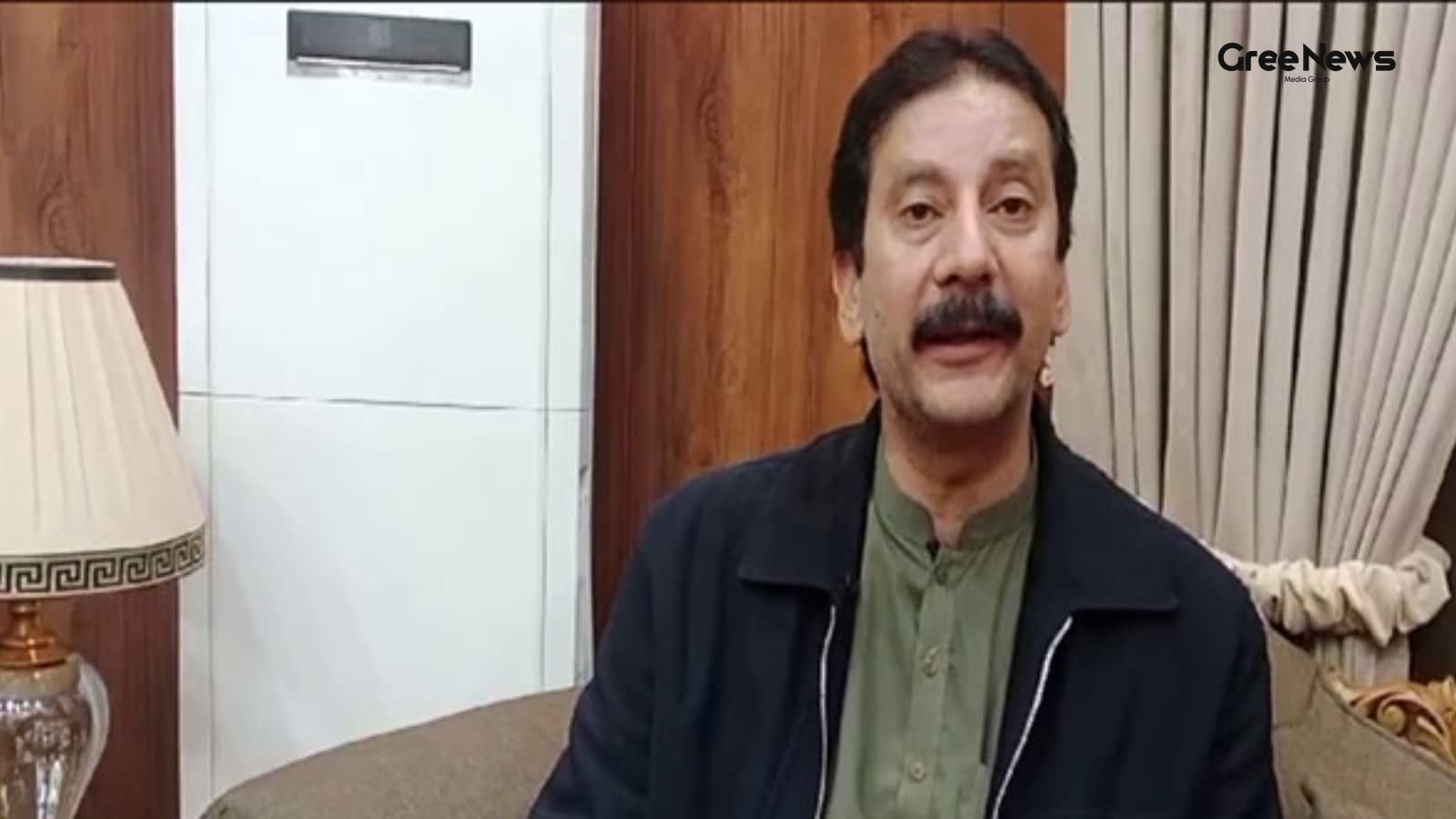
The long march by the Joint Awami Action Committee in PoK really kicked into gear on Tuesday. Leaders were striking a much more defiant tone now amid this widening crackdown. There are reports of fresh clashes everywhere. And growing anger over the deaths that have rocked the region these past three
Jun 10, 2026 by Gree News Team
The Singapore Incident: Misinformation, Migration, and the Culture War
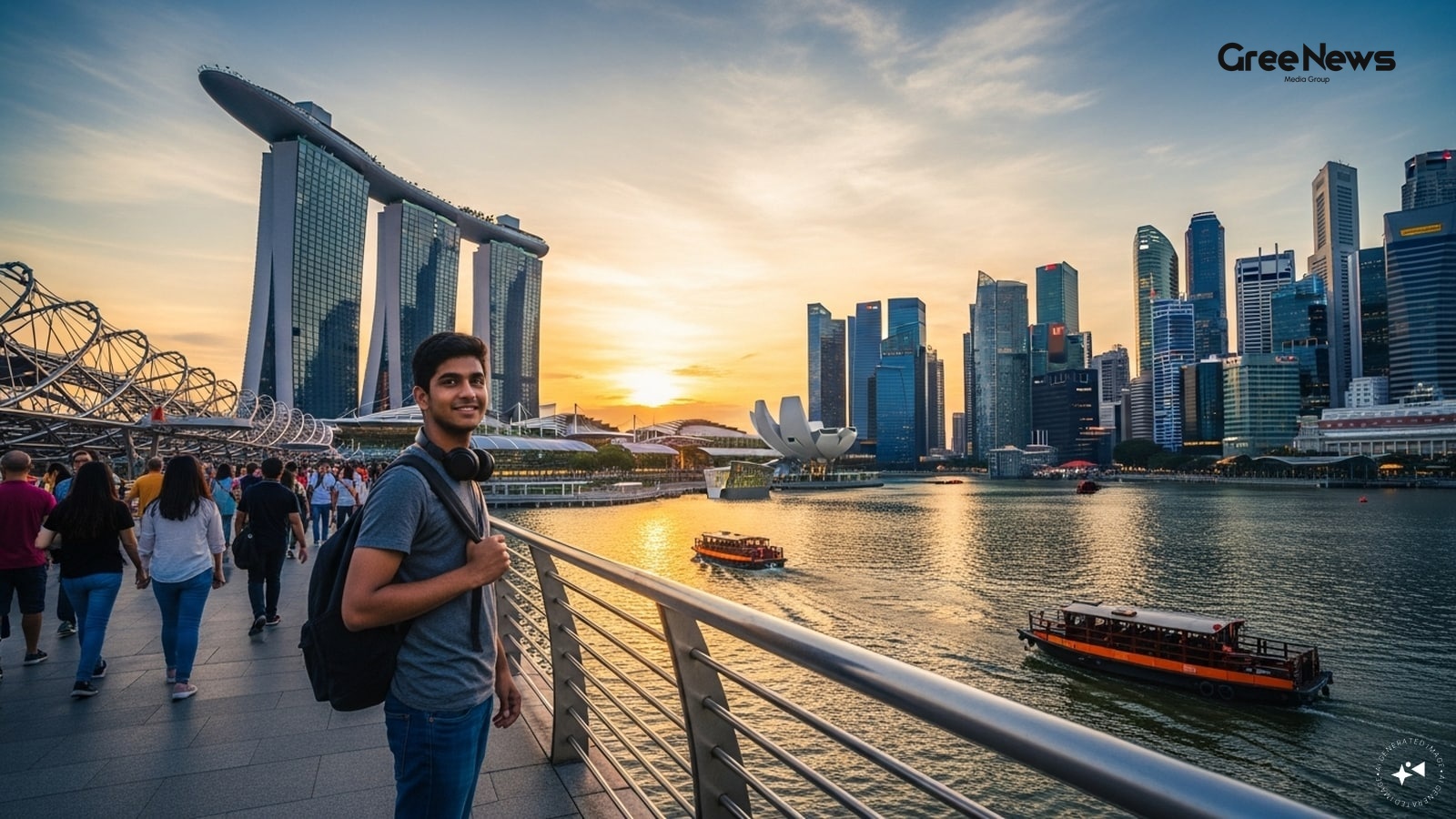
Indians make up roughly nine percent of Singapore’s residents. Chinese Singaporeans are still the dominant group, but Malays account for about fifteen percent of that multicultural mix. Yet recently, the city-state found itself in a real mess after authorities ordered social media platforms to block
Jun 9, 2026 by Gree News Team
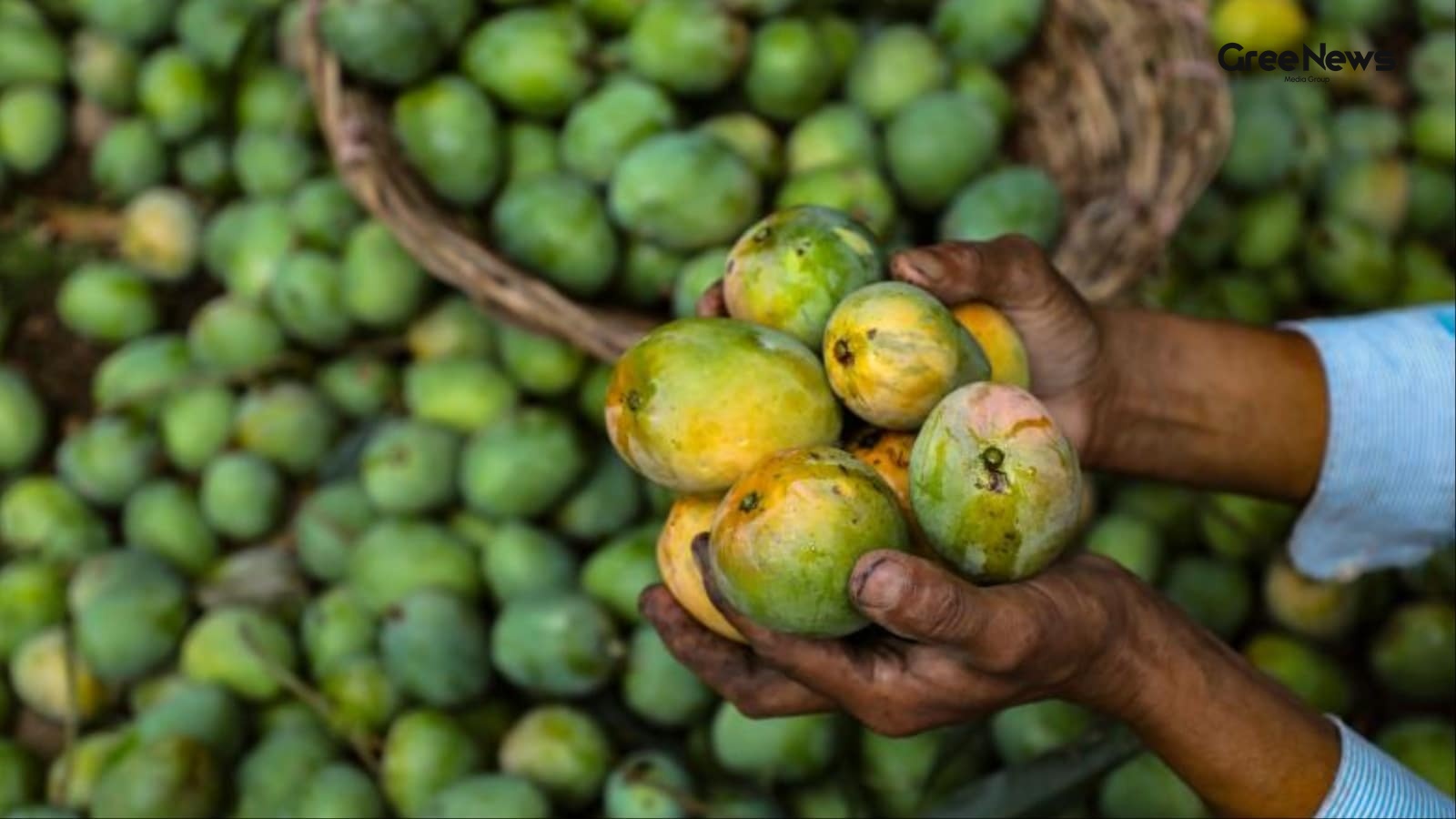
Impact of Trade Restrictions on Fruit Supply and Market Anxiety in Janakpurdham
The air in Janakpurdham is thick lately. Not just the usual summer humidity; there’s this undercurrent of genuine worry hanging over the fruit stalls, a kind of nervous stillness that follows every announcement about what comes in or doesn't come in. It started with the mangoes. That’s where it all
Jun 9, 2026 by Gree News Team
Latest Headlines

Political Speculation and Internal Turmoil within the TMC
Fresh visuals surfaced of Sushmita Dev meeting Assam Chief Minister Himanta Biswa Sarma. That kind of thing just kicks the speculation into high gear about her next move. It’s all about her potential entry into the BJP, right? This happened right after she stepped down from Rajya Sabha and walked ou
Jun 10, 2026 by Gree News Team
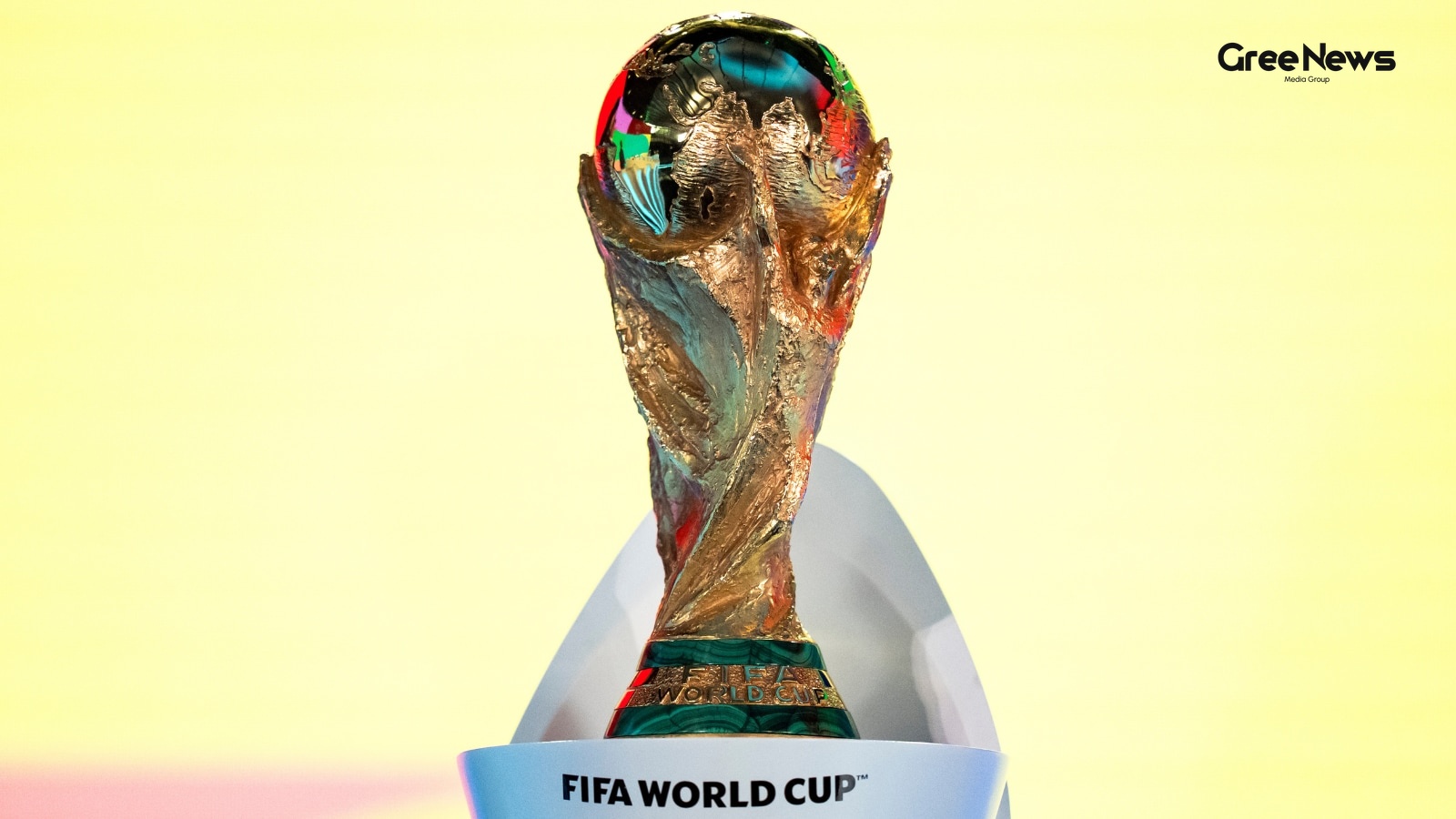
FIFA World Cup 2026: Structure, Geography, and the Official Match Ball
The FIFA World Cup 2026 is really starting to feel imminent now. It’s heading toward North America the USA, Mexico, and Canada are slated to host this massive global spectacle. People are talking about it constantly. It’s not just a standard tournament anymore. This time around, they’re throwing way
Jun 10, 2026 by Gree News Team
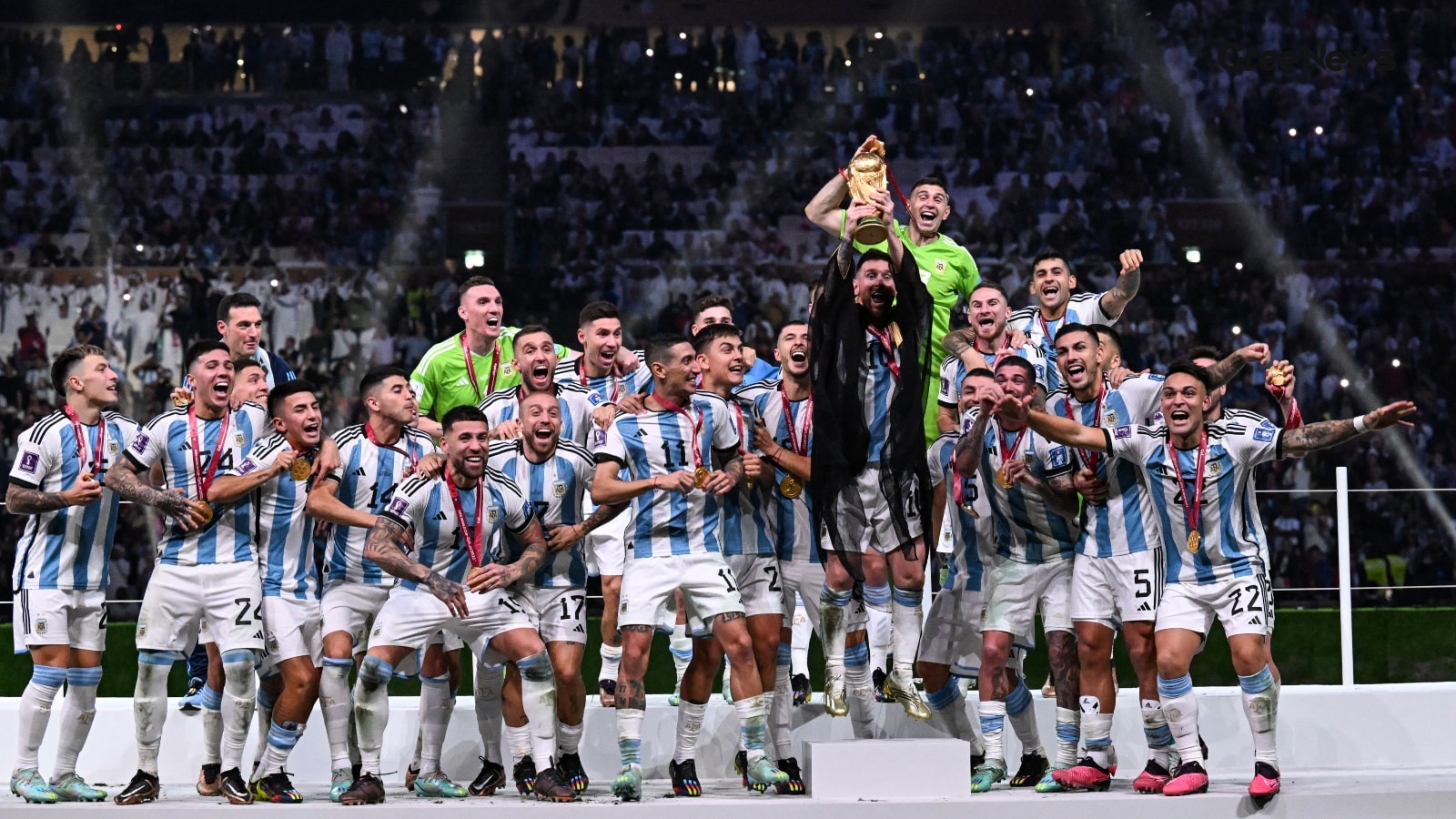
Lionel Messi and Argentina's World Cup Journey in Group J
Argentina’s taking on Group J in this new setup USA, Mexico, and Canada it feels like more than just football now. It’s about that farewell, isn't it? Lionel Messi is chasing something special right now, playing out this final chapter with the Albiceleste against Algeria, Austria, and Jordan. There’
Jun 10, 2026 by Gree News Team
Federal Judge Bars Nitrogen Gas Execution in Alabama
A federal judge just slammed the door shut on Alabama’s plan to use nitrogen gas for executing Jeffery Lee. Permanently barred it, ruling the method violated basic constitutional rights about cruel and unusual punishment. This decision dropped like a stone. It came just one day after an appeals cour
Jun 10, 2026 by Gree News Team
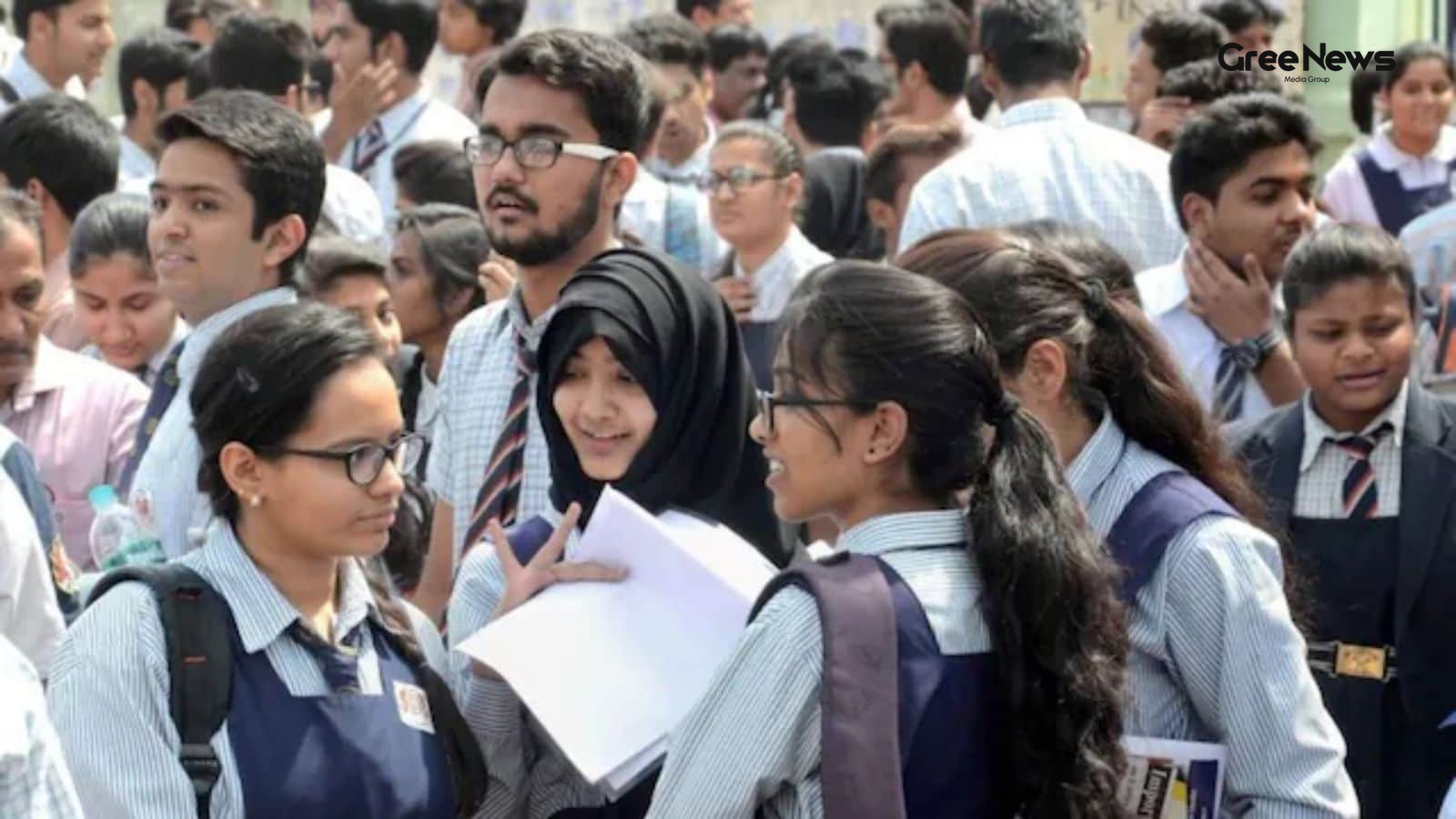
Kerala Board Plus One Results 2026 Announcement and Checking Methods
The Kerala Board Plus One results for 2026 are finally coming today, June 10th. That’s when the Directorate of Higher Secondary Education will officially announce everything. Students who took the DHSE Kerala Class 11 exams in 2026 can start checking their scores now. You have a few places to look,
Jun 10, 2026 by Gree News Team
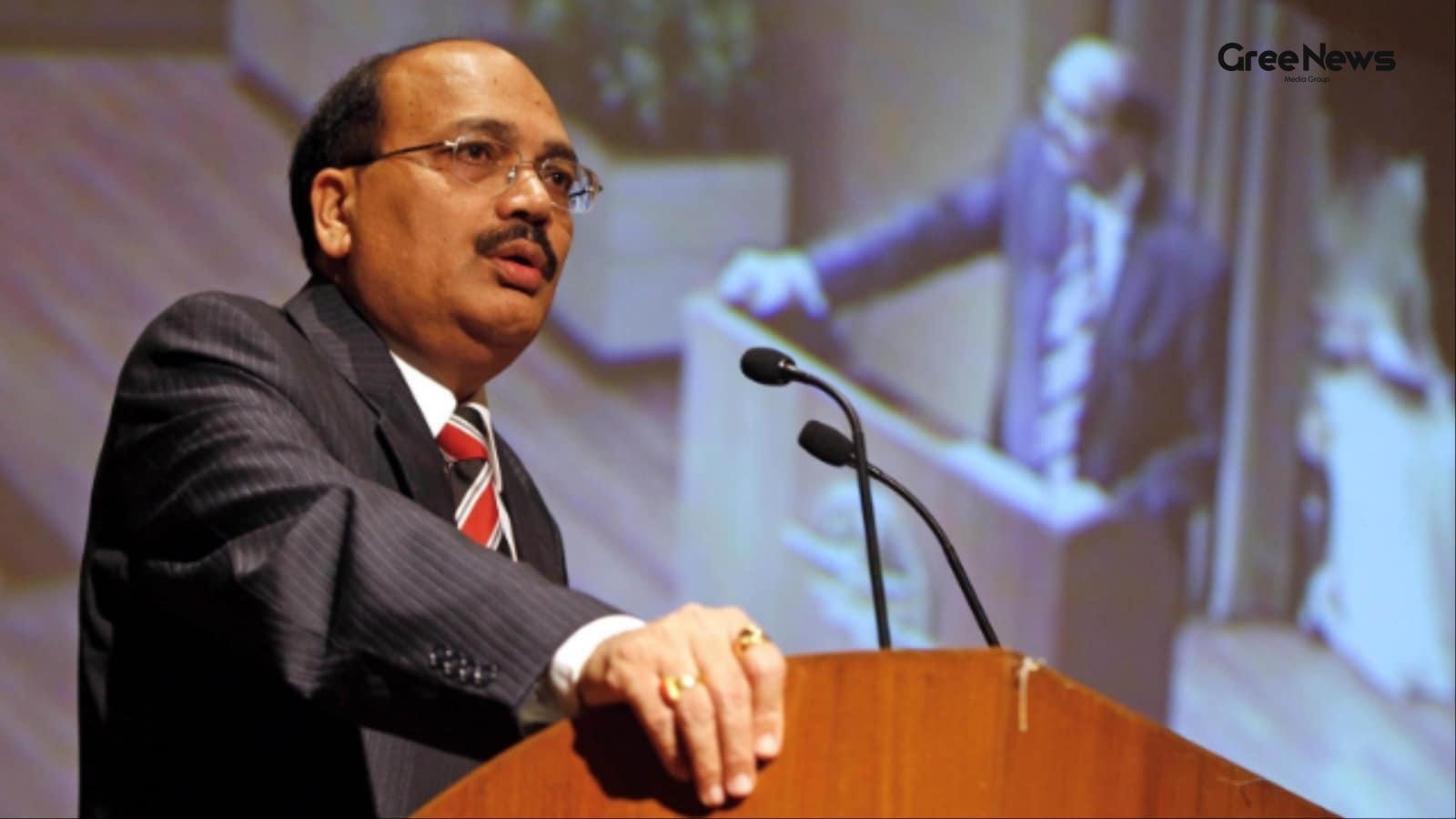
Threats and Intimidation Against Former Judge Justice Gautam Patel
Chief Justice Surya Kant stepped in on the matter involving threats and intimidation aimed at former Bombay High Court judge Justice Gautam Patel. This happened while he was visiting the UK, raising the issue with India’s High Commissioner there. It came out of a report by The Times of India. The wh
Jun 10, 2026 by Gree News Team

Intersection of Art, Politics, and Public Morality at Film Screening
The buzz around the screening for ‘Bharat Bhhagya Viddhaata’ was definitely something special that Tuesday evening in Delhi. It wasn't just about watching a movie; it felt like a convergence a mix of film fans, some political heavyweights, and a surprising amount of high-level government presence. P
Jun 10, 2026 by Gree News Team
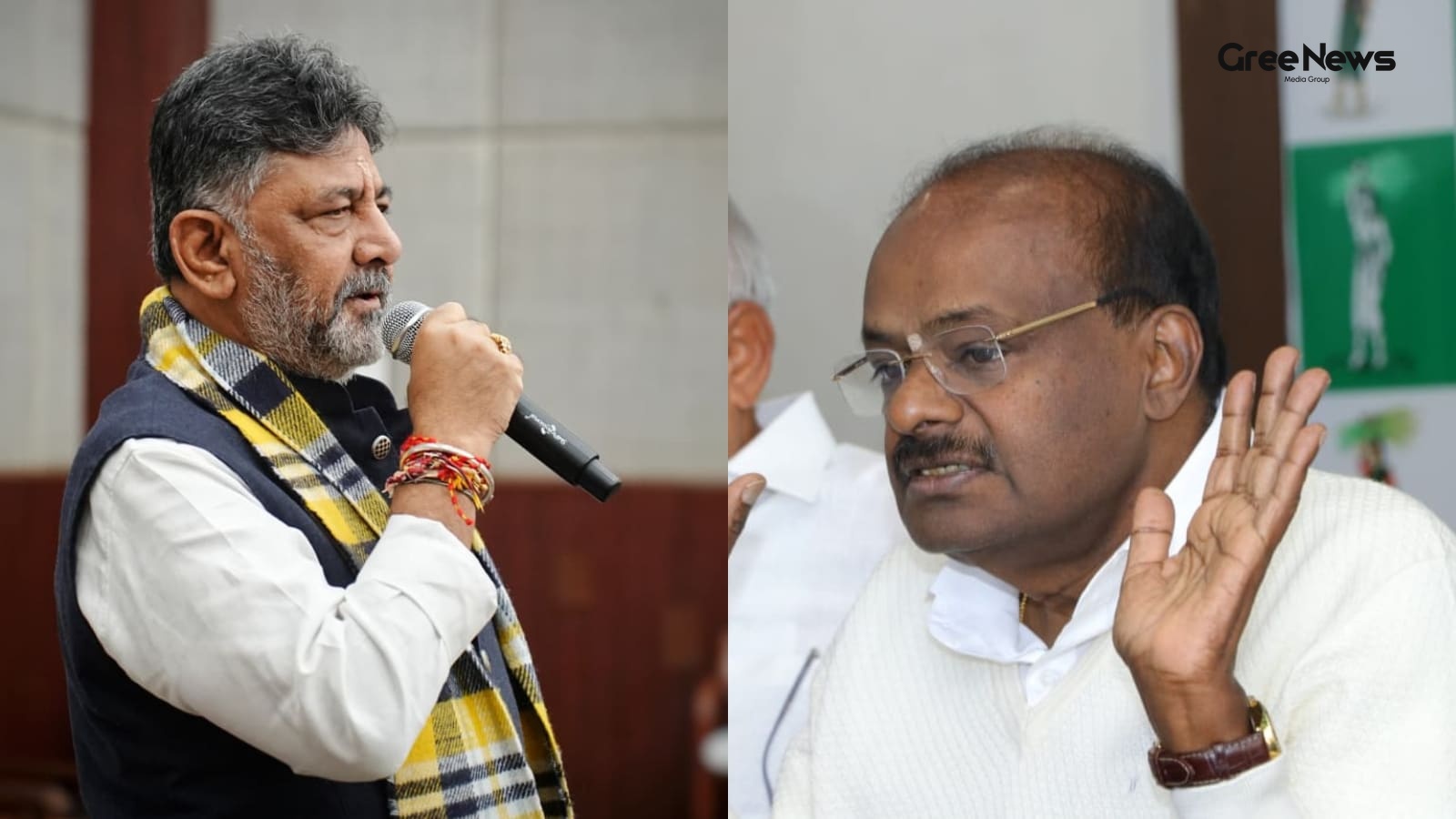
The Political Feud: Shivakumar vs. Kumaraswamy and the Vokkaliga Rivalry
A meeting that hasn't even happened is already sparking political sparring. Karnataka Chief Minister DK Shivakumar and Union Minister HD Kumaraswamy. It just underlines how bitter one of the state’s longest-running rivalries still is. Shivakumar was doing some outreach, a carefully choreographed exe
Jun 10, 2026 by Gree News Team
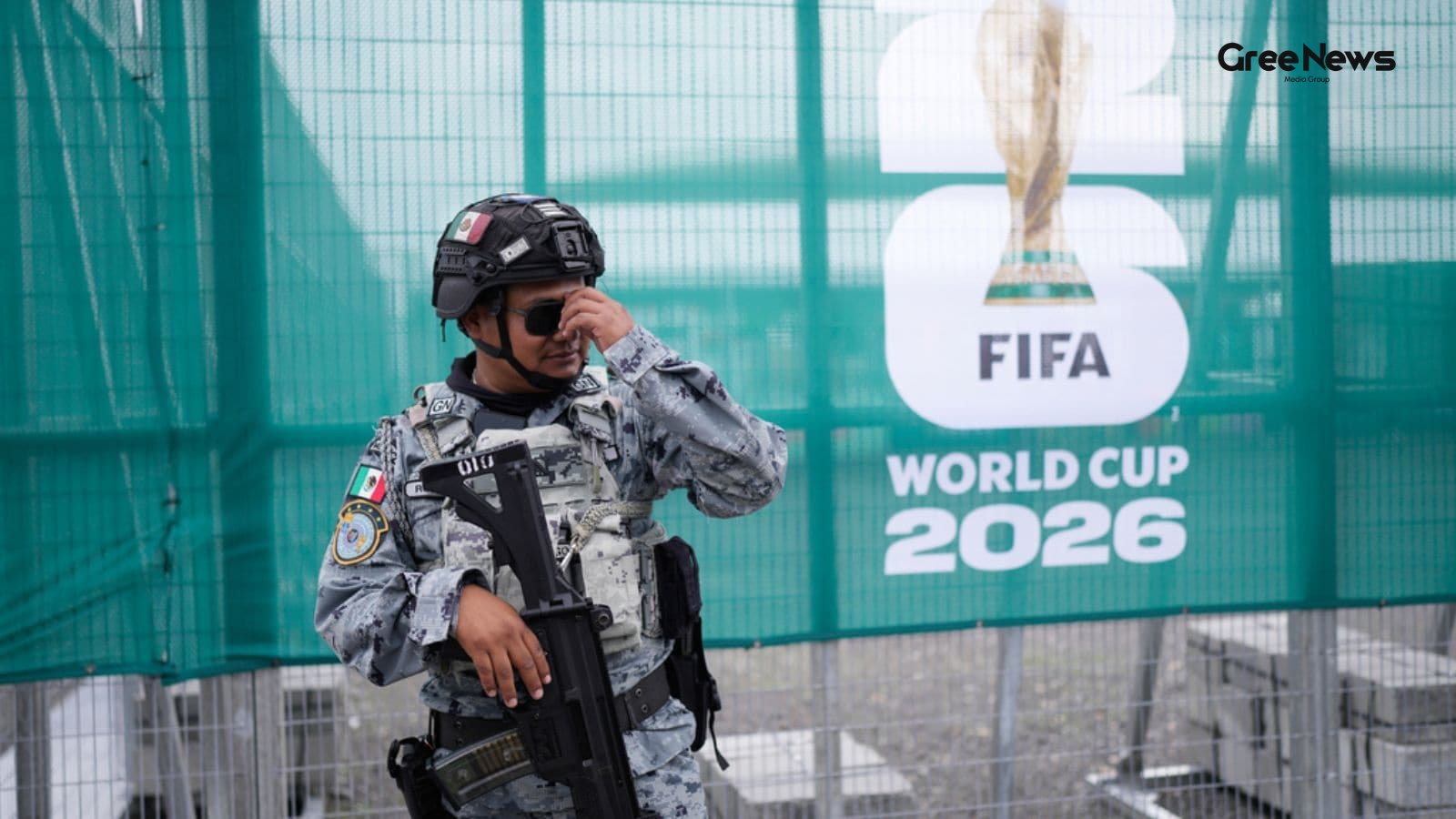
Protest and Political Standoff in Mexico City Before the World Cup
A protest choked off an avenue leading right to Mexico City’s Azteca Stadium for hours on Tuesday. It was just days before that massive World Cup opening match. As football fans started flooding in, all those co-hosts the US, Canada, and Mexico you see the real mess happening back home. Thousands of
Jun 10, 2026 by Gree News Team
The Global Nuclear Arms Race: Spending, Capabilities, and Future Risks
Nearly eight decades since Hiroshima and Nagasaki. And the world’s nuclear powers aren't slowing down. They keep spending more, modernizing faster, and experts are watching them move weapons out of storage and into potential use. It’s a real arms race happening right now. The nine states that hold n
Jun 10, 2026 by Gree News Team

The Chaos of Cinema: Volume, Competition, and the Shifting Market
The Friday arrived packed. June 12th. It wasn't just another day; it was a collision of cinema. Nine films, all hitting the screens at once. *Main Vaapas Aaunga*, Imtiaz Ali’s directorial effort. Then you had Kangana Ranaut’s *Bharat Bhhagya Vidhaata*. And the horror mixed in Vikram Bhatt’s *Haunted
Jun 10, 2026 by Gree News Team

Stock Market Updates: June 10th Performance and Sector Analysis
Stock market updates today, June 10th. Everything turned sour in late trading Wednesday. Domestic equity markets basically gave up all those gains they managed to hold during the day. Heavy selling hit midcap, smallcap stocks, plus metals, realty, and financial names dragging the main indices into n
Jun 10, 2026 by Gree News Team
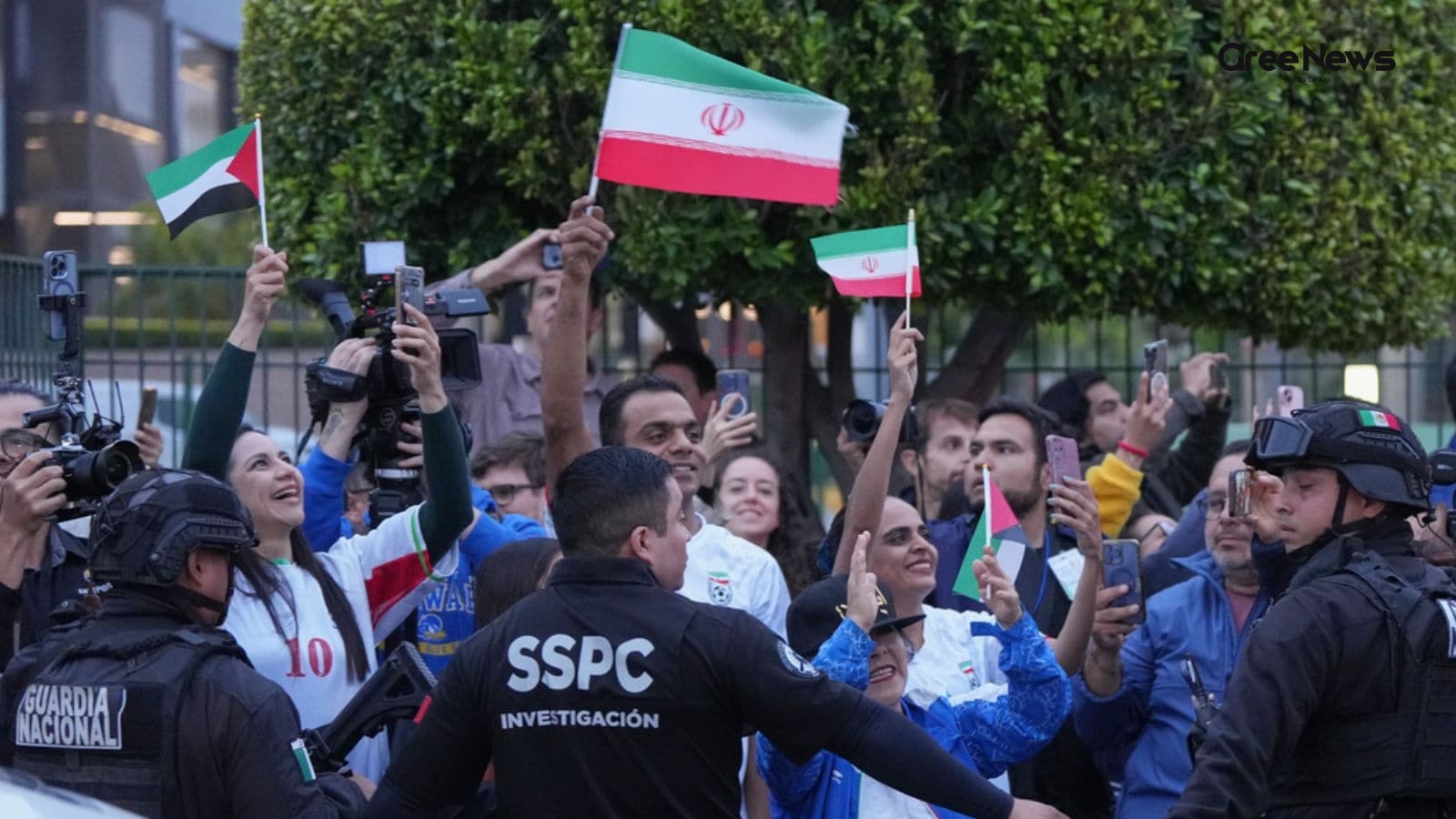
Iran Football Team Travel and World Cup Arrangements
Iran’s football team is heading to Los Angeles, apparently. They announced Tuesday that they'll be flying there the day before their first group-stage game against New Zealand. It feels like a lot happening all at once. But where exactly will they be staying? They won't actually be in L.A. for long.
Jun 10, 2026 by Gree News Team
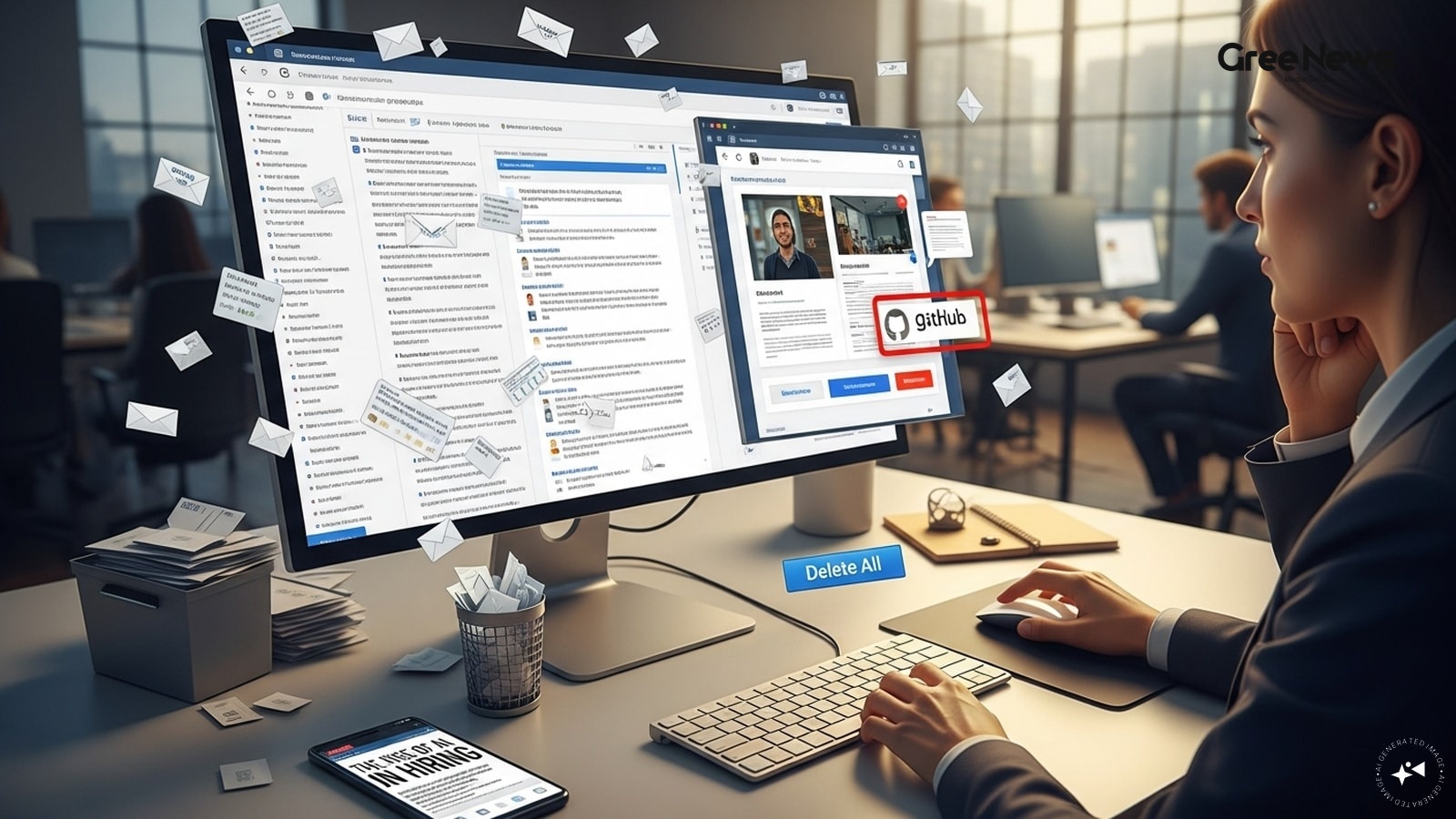
The Impact of Gen AI on Job Applications and Hiring Strategies
When you start looking for a job, everyone builds this whole structure: the résumé, that killer cover letter, tailoring it perfectly. The whole point was always that application could make you jump out from the crowd of hundreds of applicants. But honestly? Recruiters are starting to think that play
Jun 10, 2026 by Gree News Team
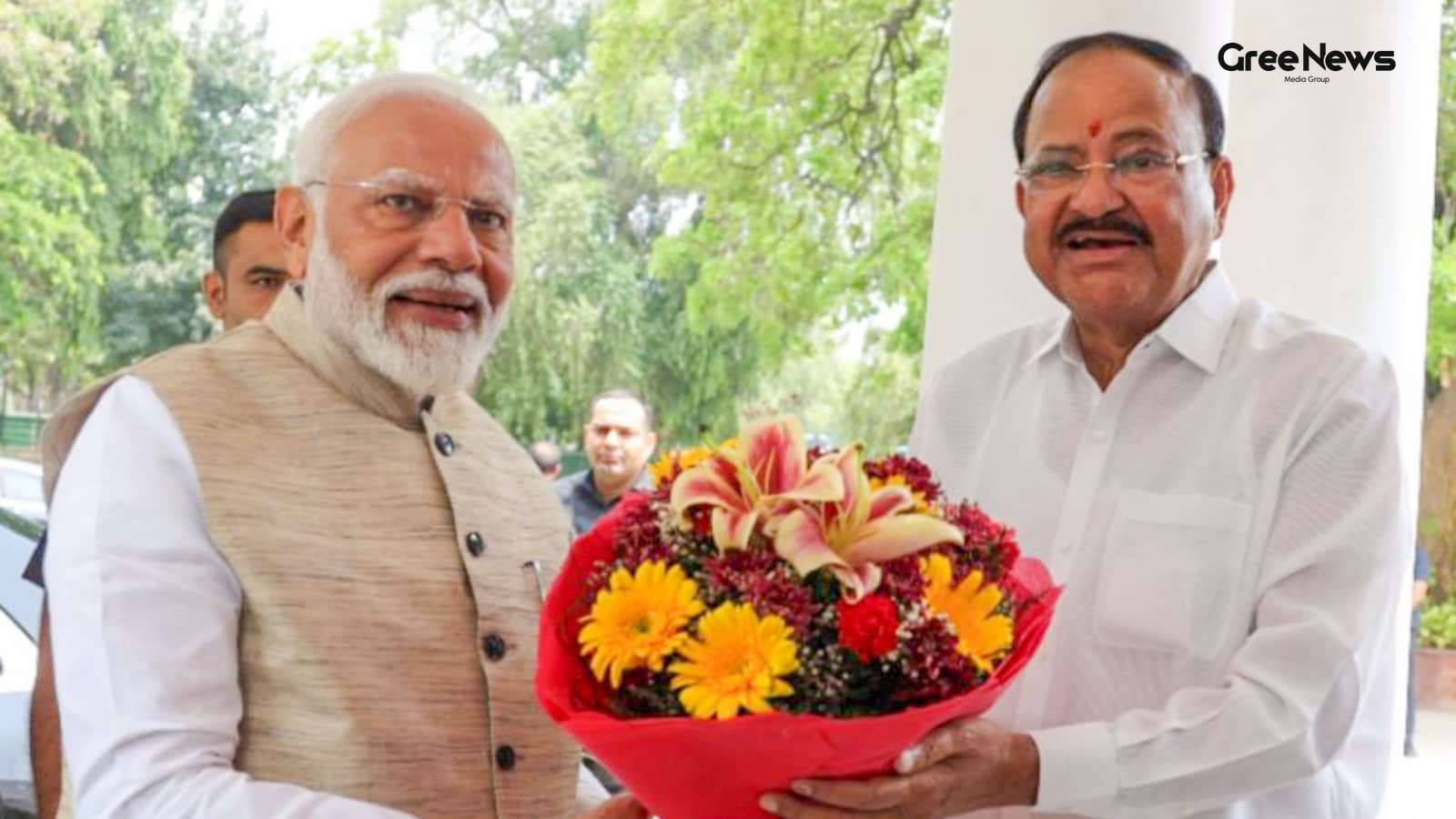
Narendra Modi's Milestone: India's Longest-Serving Prime Minister
Narendra Modi just hit a huge milestone. India’s longest-serving elected Prime Minister. Forty-three hundred ninety-nine days in office now. That beats Nehru's record, which was the first one. Former Vice President Venkaiah Naidu spoke about it. He praised the leadership and everything Modi has done
Jun 10, 2026 by Gree News Team