Venezuela's Oil Collapse, Sanctions, and Future Potential
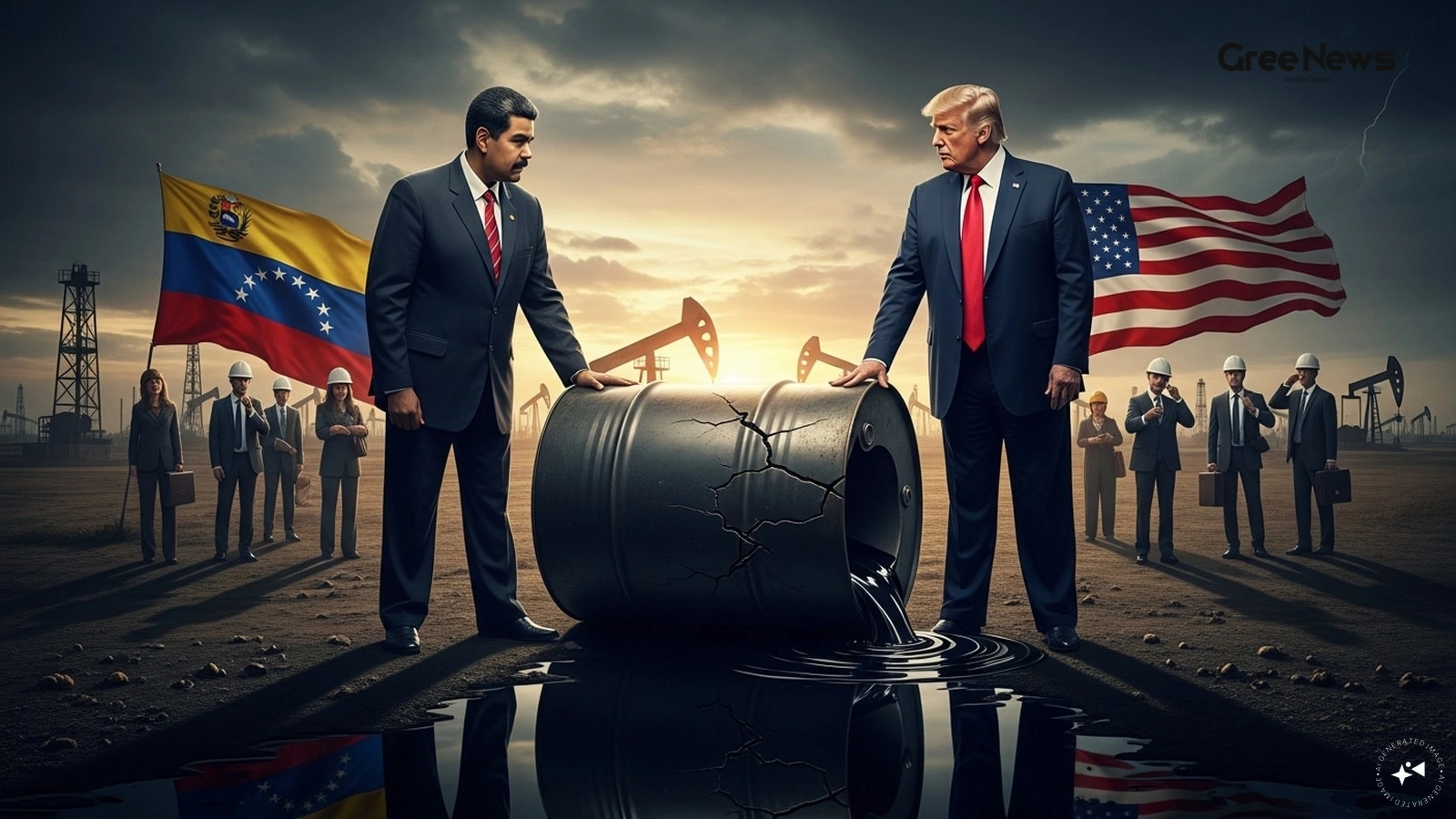
When you look at the numbers—Venezuela holding more oil than Saudi Arabia—it’s jarring. Over 300 billion barrels. That should have made it one of the richest spots on earth, theoretically. But instead, it became this symbol of total economic collapse. Hyperinflation just wiped everything out. Millions fled. And that once-mighty oil industry? It nearly fell apart.
How did that happen?
It starts with the history. For a long time, oil turned Venezuela into something wealthy in Latin America. A major supplier to the US, enjoying some periods of real prosperity. Then you get dependency. That’s what happens when governments rely too much on one thing. Successive regimes just doubled down. Not diversifying. Just pouring everything into petroleum.
By the 1970s, oil money funded highways and whatever ambitious projects they wanted. But that created a dangerous leash.
Then came the shift. The government became totally reliant on exports. Crude sales became almost everything. Ninety-five percent of their total export earnings. Nearly half of all the government cash flowing in. It was the ‘Petrostate’ model, cemented by political control.
So how did that giant finally break? Slow cracks first. Then the big break. Under Chávez and then Maduro, they tightened the grip on the oil sector. PDVSA, the national company, stopped being just a producer. It became this massive political tool. Following those industry strikes, things really kicked off. Between 2002 and 2003, opposition groups and PDVSA’s management started fighting hard to shake President Chávez out of power.
They fired thousands of people—eighteen thousand, nearly forty percent of the workforce. Engineers, executives gone. That stripped the company bare of its real expertise. It ripped away operational independence. Management got replaced by political loyalists. Simple as that.
PDVSA then pivoted. They poured those resources into social programs. Food distribution. Healthcare. Housing. Instead of reinvesting in drilling or maintenance? They became a mechanism for public spending and political mobilization instead. Underinvestment piled up, slowly killing production capacity. Infrastructure rusted. Refineries fell apart. The best people just left.
And then the world stepped in. External pressures hit hard when prices started crashing. 2014 was a turning point. Oil dropped from over a hundred dollars a barrel to under thirty by 2016. It became an economic and political spiral, even as prices climbed later on. Conditions? Still bleak.
Then came the sanctions. December 2014 marked the start of official US measures. The Congress passed some acts. Asset freezes. Visa bans targeting specific officials linked to protests. Targeted hits.
By 2019, it escalated. An executive order froze all government assets in the US jurisdiction. Total economic embargo. This caused a massive humanitarian disaster. Supply chains choked. Banks complied, which just made things worse internationally. And Venezuela was left reeling.
The effect on oil production was brutal. Sanctions forced the country out of formal global markets. Production plummeted. It hit lows—around 337,000 barrels per day in mid-2020 before slowly creeping up again. A massive shock to the system.
And the economy? It collapsed further. GDP shrank by thirty-five percent in just 2019. People couldn't afford anything. They started printing money, chasing inflation that blew up to over three hundred forty-four thousand percent in 2019 alone. Savings evaporated.
The embargo starved the country of basics. Food availability dropped drastically—seventy-three percent loss. Shortages became chronic. Malnutrition spread. And then the flight. More than seven million Venezuelans left. A massive migration crisis on the world stage.
Who was actually controlling what?
That’s the next knot. After Maduro left in 2026, the US took over oil sales. It didn't go straight to Caracas anymore. The money routes are now through the US Treasury. Disbursements are supposed to pay public sector wages and stabilize the currency. But there’s still this layer of control. Everything is filtered through Washington approvals.
The numbers on exports shift too. Tanker tracking data from Bloomberg shows something interesting. Those oil sales, even when discounted, shot up. From about six hundred million dollars in January—that was maybe three hundred and eighty thousand barrels daily—to nearly three point seven billion dollars in April alone. India, the US, Spain—they are taking the biggest cuts now.
India's Role and Potential
This leads to a bigger question for places like India. How do they fit in?
Prime Minister Modi talked about cooperation with Rodriguez. Energy was just one thread. Critical minerals, technology, agriculture… all of it. He stressed that this connection matters for the Global South. A real partnership.
Oil minister Hardeep Singh Puri even told Rodriguez that Indian companies are ready to deepen their presence there. They want to be involved. Explore things in the energy sector.
India was already a big importer. In May, New Delhi bought nearly four hundred and twenty-seven thousand barrels a day of Venezuelan oil. That’s about five point three percent of all their imports. Not much compared to Russia or the Gulf states, mind you. But it’s still a route. A supply line.
Some analysts suggest this offers India an opening. Diversifying away from the Middle East grip. Potentially aligning with Washington's push for less Russian oil reliance. It’s an option. An opportunity.
But can Venezuela snap back? Can it become an energy superpower again? That’s where things get really speculative. Much of that crude is heavy, tar-like stuff. It demands specialized tech. Years of neglect mean the infrastructure—the pipelines, the refineries, the fields—are just junk. They need massive upgrades.
Bernstein looks at Iraq and Libya. Regime changes happened there too. But the oil outcomes were totally different. Iraq’s output tripled after Saddam went. Libya? Volatile. Stagnant amid fighting factions. No peaceful transition ever really happened. Just civil wars, ongoing insurgency between rivals.
There is no history of a Venezuelan “peaceful transition scenario.” Even though Washington seems to favor that outcome now. Analysts don't see a quick recovery either. The market focuses on the risk of those extra barrels coming out slowly. They don’t expect a sudden boom.
But if they could manage it? If policies lined up, and investment flowed in… JP Morgan projects something slightly more optimistic. They think with right policy and money, Venezuela could push production up to one point three or one point four million barrels per day within two years of stability. That’s the potential upside.
The real challenge isn't just getting the oil out there. It’s fixing what’s broken inside. Bringing those millions of barrels back to market needs massive financial injections. Enough money to stabilize that failing domestic economy. A huge, complicated mess.
Written by Gree News Team — Senior Editorial Board
Gree News Team covers international news and global affairs at Gree News. Our collective of senior editors is dedicated to providing independent, accurate, and responsible journalism for a global audience.
More from World
View All
Federal Judge Bars Nitrogen Gas Execution in Alabama
A federal judge just slammed the door shut on Alabama’s plan to use nitrogen gas for executing Jeffery Lee. Permanently barred it, ruling the method violated basic constitutional rights about cruel and unusual punishment. This decision dropped like a stone. It came just one day after an appeals cour
Jun 10, 2026 by Gree News Team
The Long March Escalates: Defiance and Crackdown in PoK
The long march by the Joint Awami Action Committee in PoK really kicked into gear on Tuesday. Leaders were striking a much more defiant tone now amid this widening crackdown. There are reports of fresh clashes everywhere. And growing anger over the deaths that have rocked the region these past three
Jun 10, 2026 by Gree News Team
The Singapore Incident: Misinformation, Migration, and the Culture War
Indians make up roughly nine percent of Singapore’s residents. Chinese Singaporeans are still the dominant group, but Malays account for about fifteen percent of that multicultural mix. Yet recently, the city-state found itself in a real mess after authorities ordered social media platforms to block
Jun 9, 2026 by Gree News Team
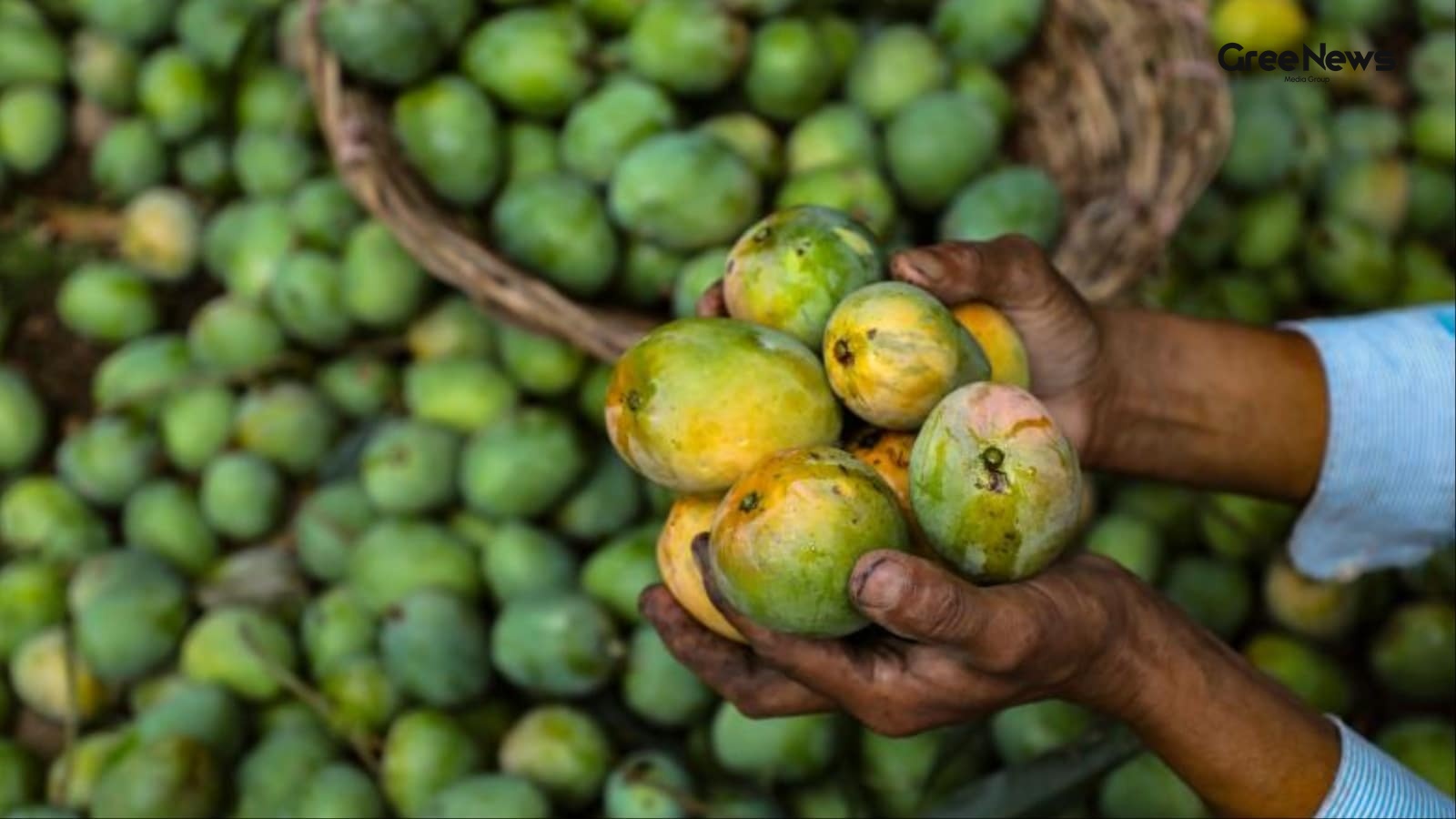
Impact of Trade Restrictions on Fruit Supply and Market Anxiety in Janakpurdham
The air in Janakpurdham is thick lately. Not just the usual summer humidity; there’s this undercurrent of genuine worry hanging over the fruit stalls, a kind of nervous stillness that follows every announcement about what comes in or doesn't come in. It started with the mangoes. That’s where it all
Jun 9, 2026 by Gree News Team
Latest Headlines
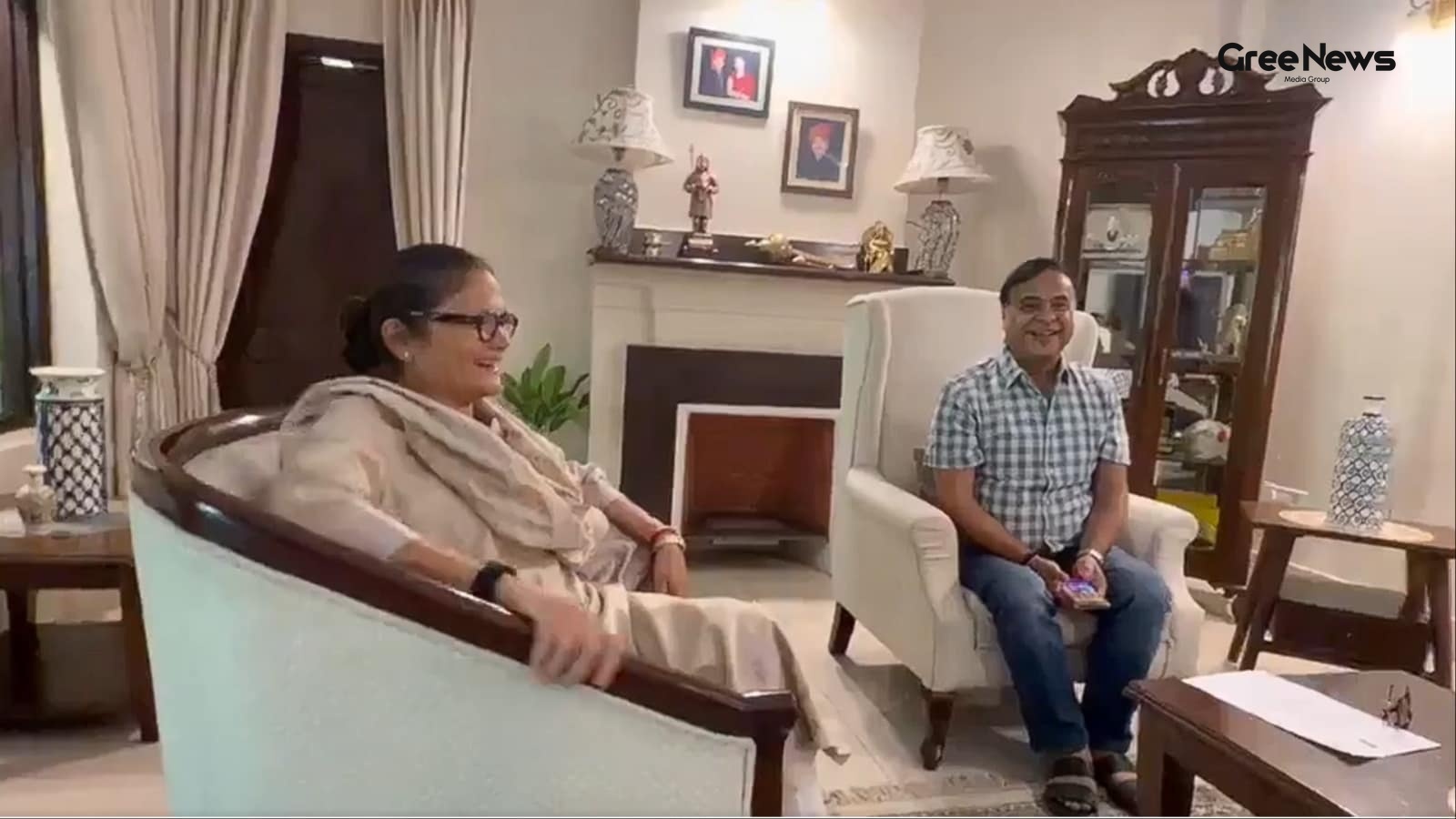
Political Speculation and Internal Turmoil within the TMC
Fresh visuals surfaced of Sushmita Dev meeting Assam Chief Minister Himanta Biswa Sarma. That kind of thing just kicks the speculation into high gear about her next move. It’s all about her potential entry into the BJP, right? This happened right after she stepped down from Rajya Sabha and walked ou
Jun 10, 2026 by Gree News Team
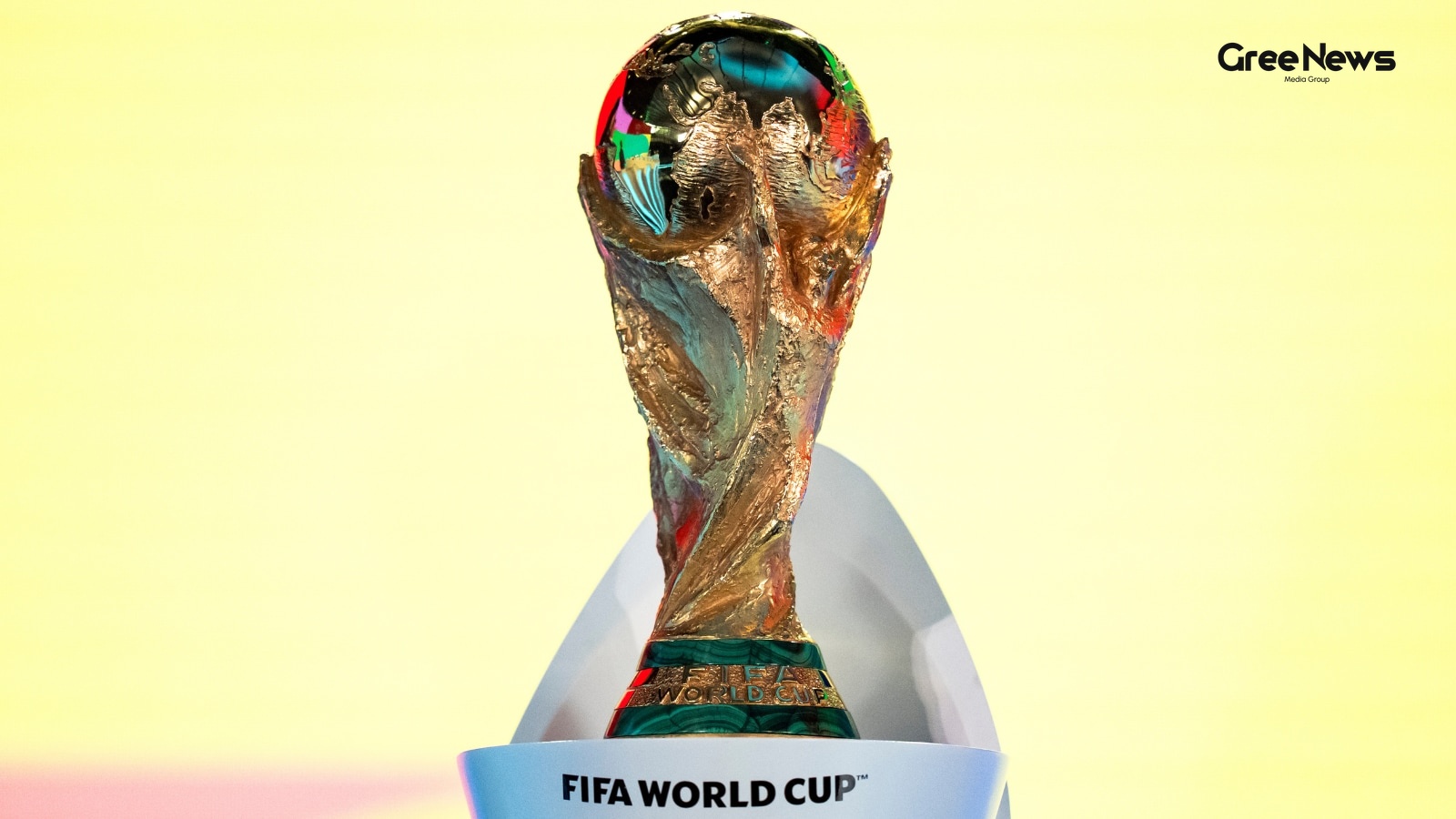
FIFA World Cup 2026: Structure, Geography, and the Official Match Ball
The FIFA World Cup 2026 is really starting to feel imminent now. It’s heading toward North America the USA, Mexico, and Canada are slated to host this massive global spectacle. People are talking about it constantly. It’s not just a standard tournament anymore. This time around, they’re throwing way
Jun 10, 2026 by Gree News Team
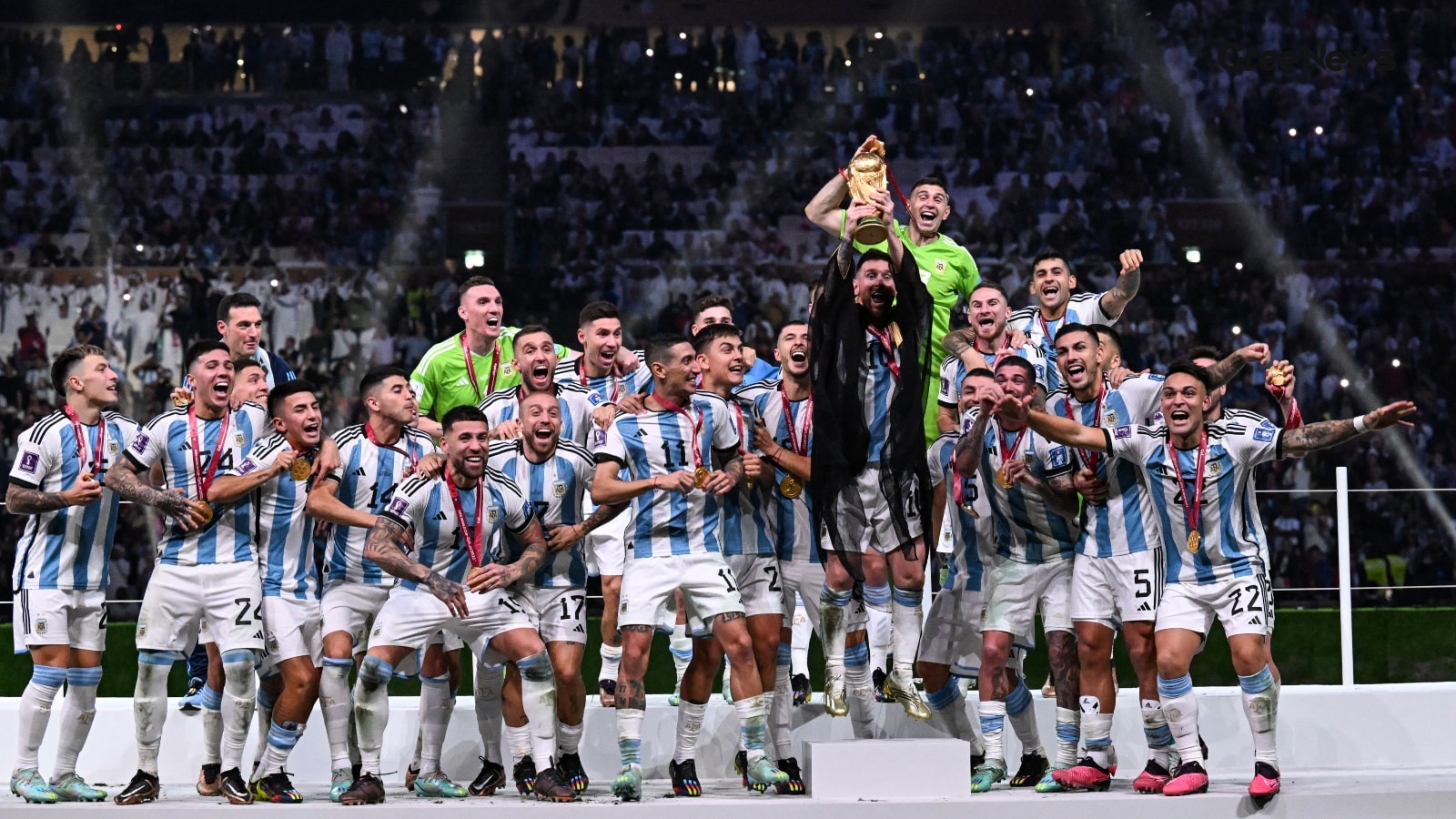
Lionel Messi and Argentina's World Cup Journey in Group J
Argentina’s taking on Group J in this new setup USA, Mexico, and Canada it feels like more than just football now. It’s about that farewell, isn't it? Lionel Messi is chasing something special right now, playing out this final chapter with the Albiceleste against Algeria, Austria, and Jordan. There’
Jun 10, 2026 by Gree News Team
Federal Judge Bars Nitrogen Gas Execution in Alabama
A federal judge just slammed the door shut on Alabama’s plan to use nitrogen gas for executing Jeffery Lee. Permanently barred it, ruling the method violated basic constitutional rights about cruel and unusual punishment. This decision dropped like a stone. It came just one day after an appeals cour
Jun 10, 2026 by Gree News Team
Kerala Board Plus One Results 2026 Announcement and Checking Methods
The Kerala Board Plus One results for 2026 are finally coming today, June 10th. That’s when the Directorate of Higher Secondary Education will officially announce everything. Students who took the DHSE Kerala Class 11 exams in 2026 can start checking their scores now. You have a few places to look,
Jun 10, 2026 by Gree News Team
Threats and Intimidation Against Former Judge Justice Gautam Patel
Chief Justice Surya Kant stepped in on the matter involving threats and intimidation aimed at former Bombay High Court judge Justice Gautam Patel. This happened while he was visiting the UK, raising the issue with India’s High Commissioner there. It came out of a report by The Times of India. The wh
Jun 10, 2026 by Gree News Team

Intersection of Art, Politics, and Public Morality at Film Screening
The buzz around the screening for ‘Bharat Bhhagya Viddhaata’ was definitely something special that Tuesday evening in Delhi. It wasn't just about watching a movie; it felt like a convergence a mix of film fans, some political heavyweights, and a surprising amount of high-level government presence. P
Jun 10, 2026 by Gree News Team
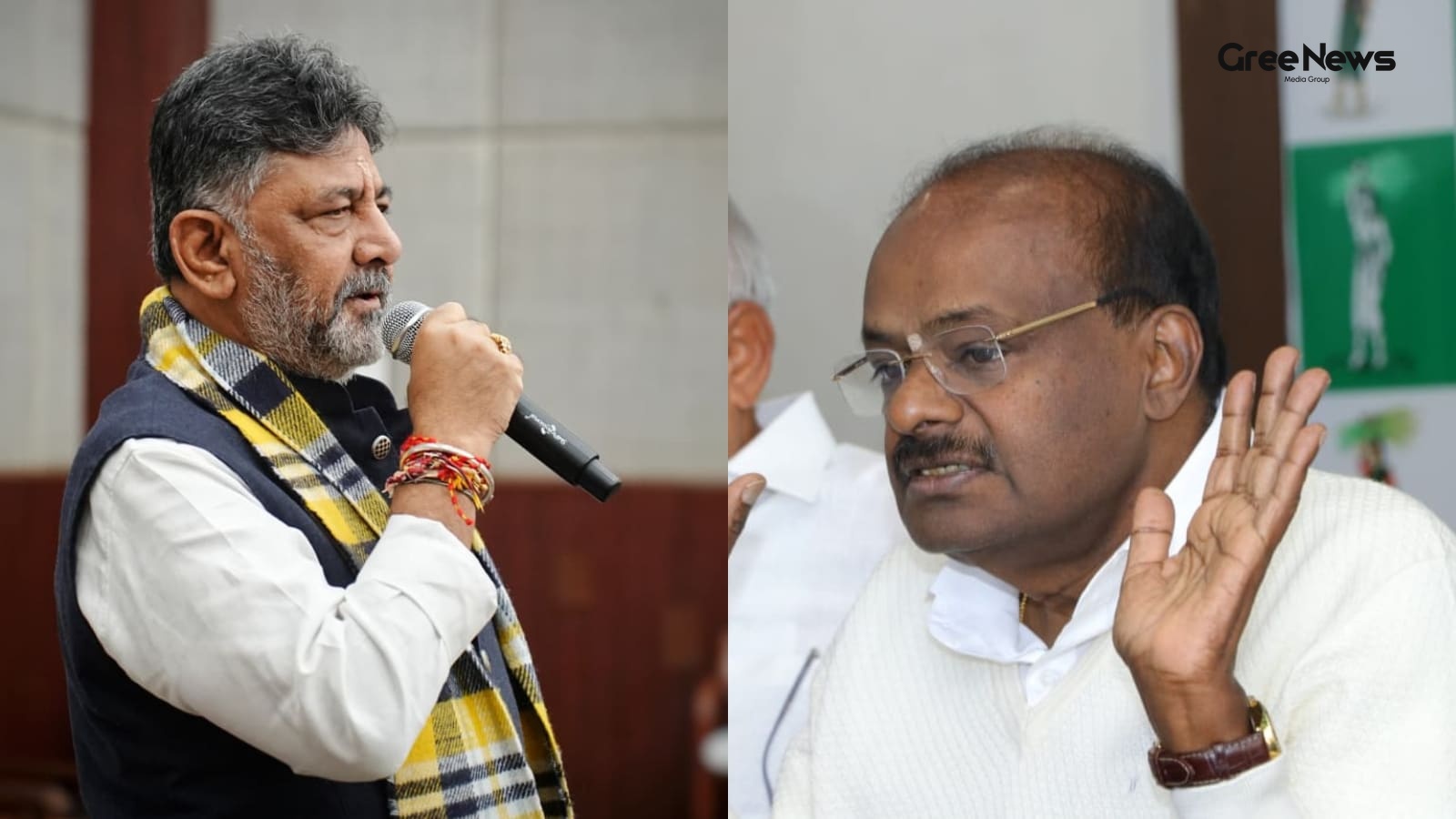
The Political Feud: Shivakumar vs. Kumaraswamy and the Vokkaliga Rivalry
A meeting that hasn't even happened is already sparking political sparring. Karnataka Chief Minister DK Shivakumar and Union Minister HD Kumaraswamy. It just underlines how bitter one of the state’s longest-running rivalries still is. Shivakumar was doing some outreach, a carefully choreographed exe
Jun 10, 2026 by Gree News Team
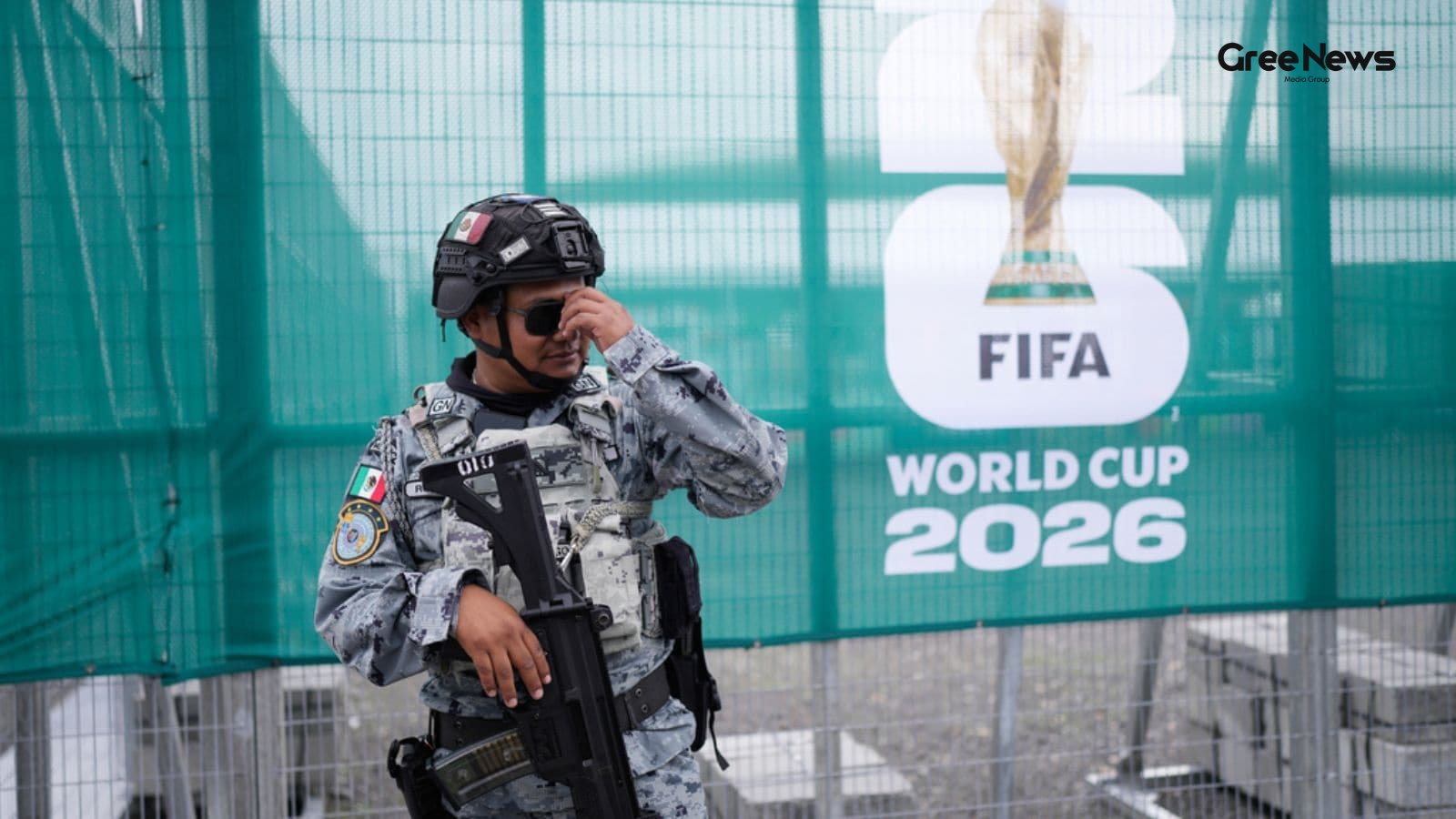
Protest and Political Standoff in Mexico City Before the World Cup
A protest choked off an avenue leading right to Mexico City’s Azteca Stadium for hours on Tuesday. It was just days before that massive World Cup opening match. As football fans started flooding in, all those co-hosts the US, Canada, and Mexico you see the real mess happening back home. Thousands of
Jun 10, 2026 by Gree News Team
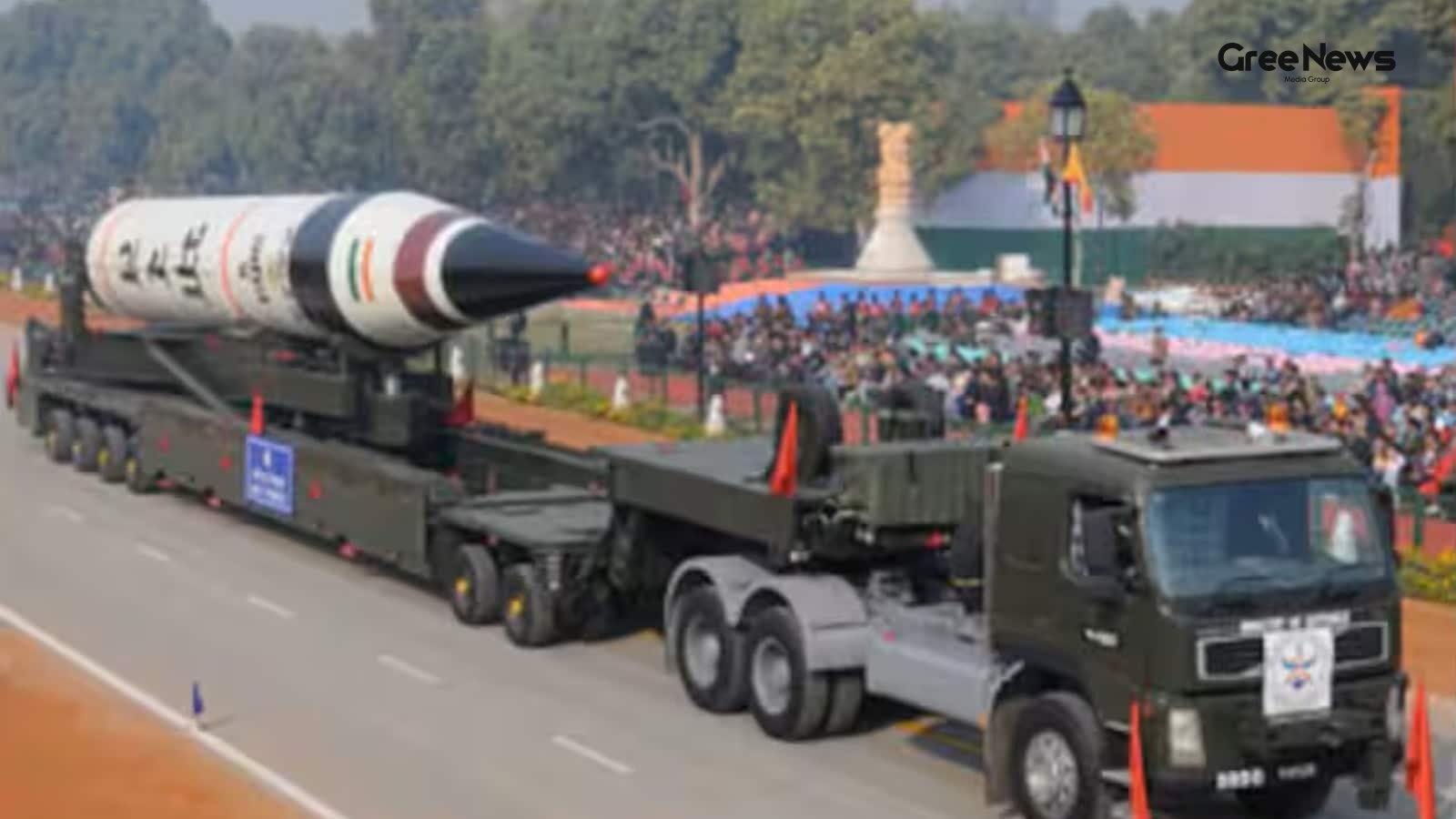
The Global Nuclear Arms Race: Spending, Capabilities, and Future Risks
Nearly eight decades since Hiroshima and Nagasaki. And the world’s nuclear powers aren't slowing down. They keep spending more, modernizing faster, and experts are watching them move weapons out of storage and into potential use. It’s a real arms race happening right now. The nine states that hold n
Jun 10, 2026 by Gree News Team

The Chaos of Cinema: Volume, Competition, and the Shifting Market
The Friday arrived packed. June 12th. It wasn't just another day; it was a collision of cinema. Nine films, all hitting the screens at once. *Main Vaapas Aaunga*, Imtiaz Ali’s directorial effort. Then you had Kangana Ranaut’s *Bharat Bhhagya Vidhaata*. And the horror mixed in Vikram Bhatt’s *Haunted
Jun 10, 2026 by Gree News Team

Stock Market Updates: June 10th Performance and Sector Analysis
Stock market updates today, June 10th. Everything turned sour in late trading Wednesday. Domestic equity markets basically gave up all those gains they managed to hold during the day. Heavy selling hit midcap, smallcap stocks, plus metals, realty, and financial names dragging the main indices into n
Jun 10, 2026 by Gree News Team
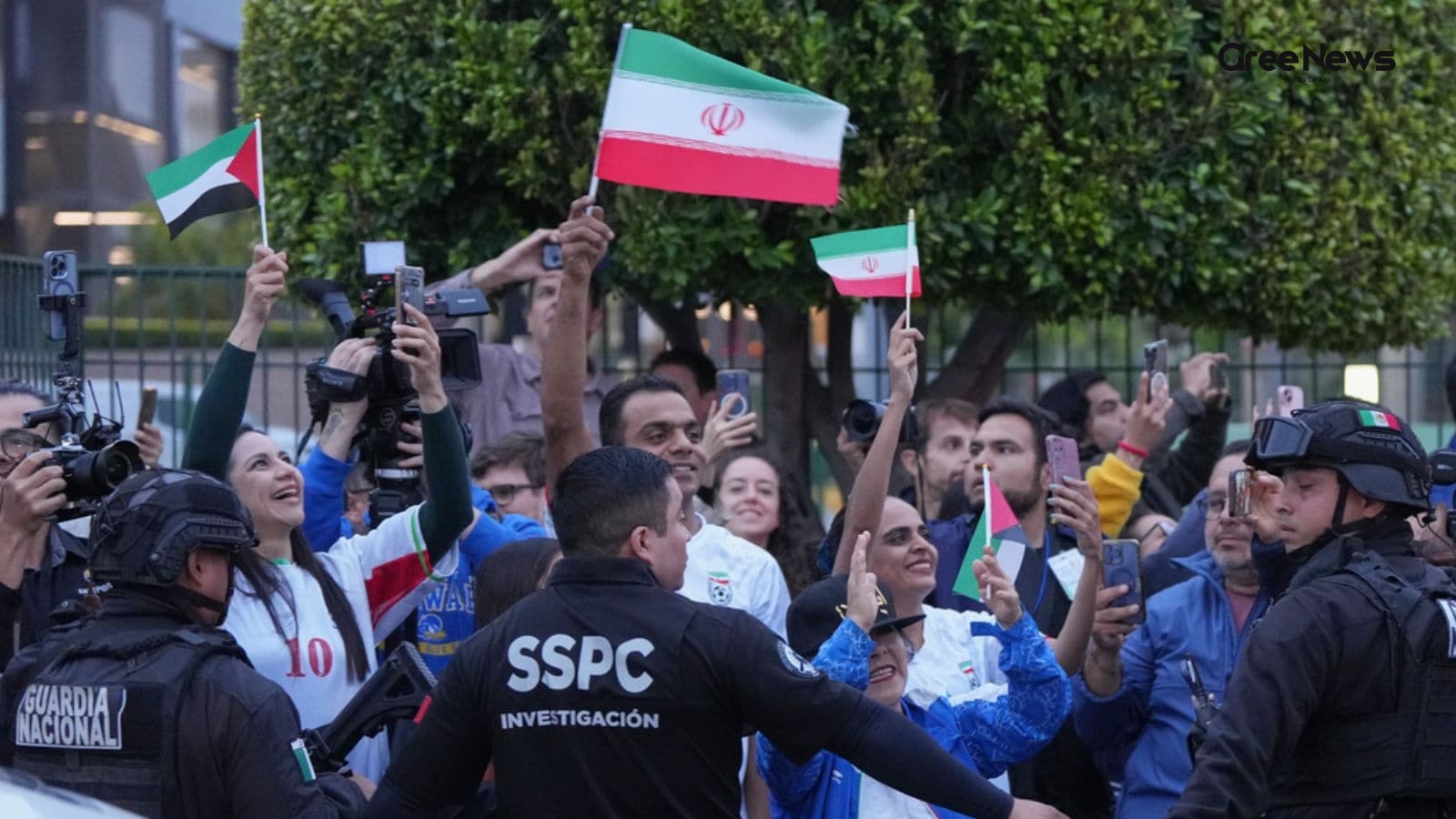
Iran Football Team Travel and World Cup Arrangements
Iran’s football team is heading to Los Angeles, apparently. They announced Tuesday that they'll be flying there the day before their first group-stage game against New Zealand. It feels like a lot happening all at once. But where exactly will they be staying? They won't actually be in L.A. for long.
Jun 10, 2026 by Gree News Team

The Impact of Gen AI on Job Applications and Hiring Strategies
When you start looking for a job, everyone builds this whole structure: the résumé, that killer cover letter, tailoring it perfectly. The whole point was always that application could make you jump out from the crowd of hundreds of applicants. But honestly? Recruiters are starting to think that play
Jun 10, 2026 by Gree News Team
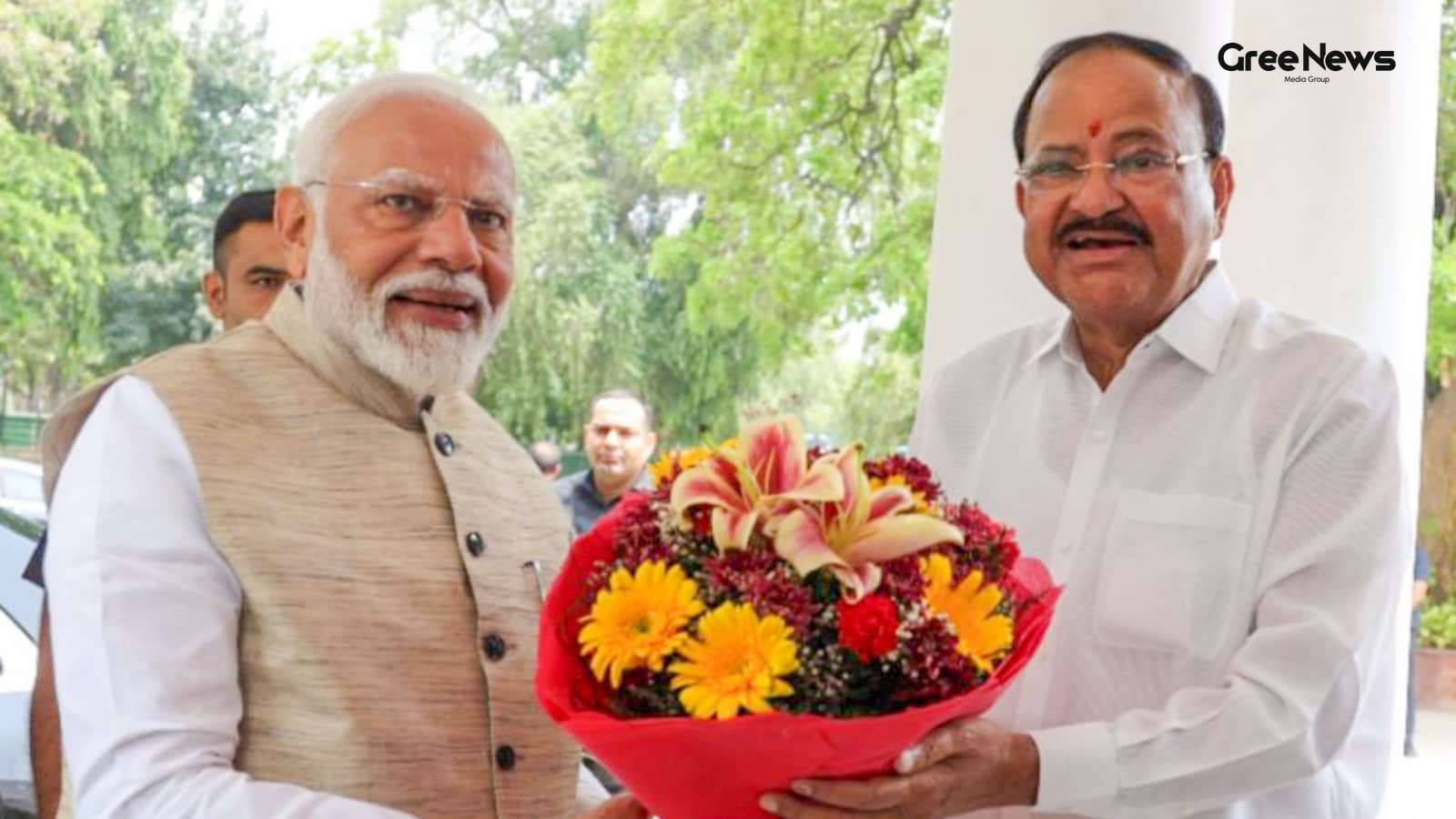
Narendra Modi's Milestone: India's Longest-Serving Prime Minister
Narendra Modi just hit a huge milestone. India’s longest-serving elected Prime Minister. Forty-three hundred ninety-nine days in office now. That beats Nehru's record, which was the first one. Former Vice President Venkaiah Naidu spoke about it. He praised the leadership and everything Modi has done
Jun 10, 2026 by Gree News Team