Youth Frustration and Electoral Dynamics in Uttar Pradesh
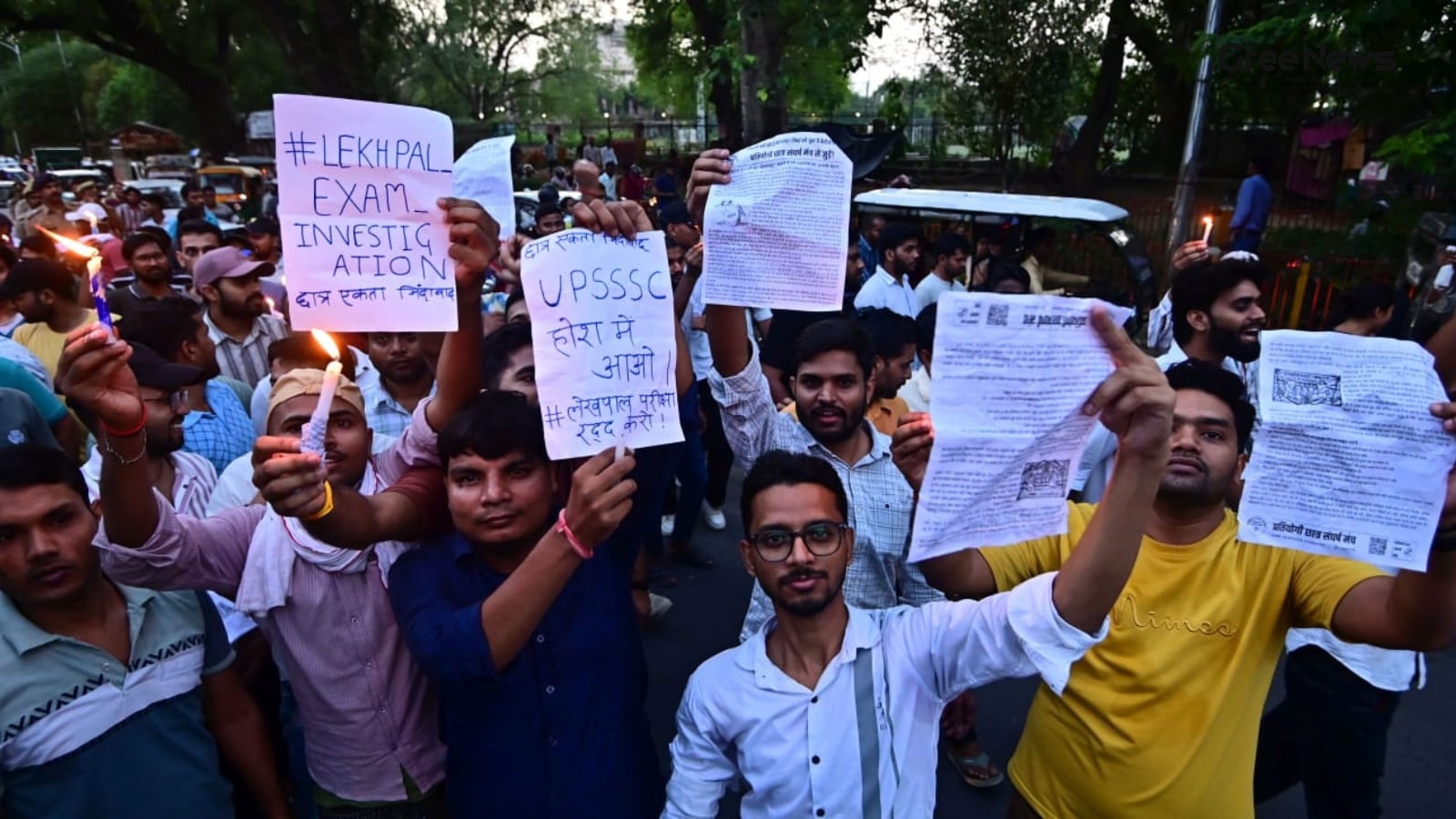
“We are cockroaches.” That was the line Manish Kumar threw out during the protest in Prayagraj. It hit hard. It wasn't just about a paper leak. It was about the entire system that made their lives feel worse than being insects. They demanded a re-exam, a better setup, something to stop these leaks before they even start.
Hundreds of students were out there this week. Candles burning. They marched through Prayagraj shouting about paper leaks, messed-up recruitment, and just plain unemployment. It looked like another routine student riot in Uttar Pradesh’s coaching capital at first glance. But watching what happened on the streets, you realize it’s something deeper. A massive political and social churn that experts are saying is definitely shaping how young voters across the state are thinking about the 2027 elections.
They were holding signs. “Fight The System.” “Save Students’ Future.” They moved from Manmohan Park, crossing into Chandrashekhar Azad Park. They were demanding answers about the Lekhpal exam, the UP Sub-Inspector recruitment, the delays, the empty spots.
The frustration isn't just stuck in the coaching lanes anymore. It’s spread out. It’s a huge youth sentiment that parties just can’t ignore. You look at the Election Commission data from 2022, and it shows you the scale of it. Over 15 crore voters in the state. And nearly 3.44 crore of those are in the 18 to 29 age group. That number was already down from 4.06 crore back in 2017.
Voters under thirty are one of the biggest blocs now. Nearly twenty-three percent of the electorate.
And when you look at it constituency by constituency, the numbers get even weirder. The average number of young voters per seat is over 85,000. The winning margins in 2017 were huge—around 29,500 votes. Even a small shift among these young people can completely change things in dozens of seats.
That’s why the unemployment, the delayed jobs, the exam controversies—they stop being just administrative headaches. They start being electoral dynamite .
You have to remember the history of these messes. It’s not new.
Back in 2020, the UP Board Class 12 English paper leak happened. The state government cancelled the exam across districts because the paper was allegedly leaked beforehand.
Then came the UPTET leak in 2021. That’s a huge teacher recruitment test. It got cancelled on exam day after the paper floated around on WhatsApp. Over twenty-one lakh candidates were affected. They had to reschedule it under heavy security.
Then 2022. Allegations surfaced about the Lekhpal Recruitment Exam. Investigations kicked off, arrests were made. They were looking for organized networks that leaked the material.
Things kept happening. In February 2024, the UPPSC RO/ARO exam got cancelled after paper leak allegations. The Chief Minister finally stepped in and ordered the cancellation. An FIR was filed, and the investigation went to the Special Task Force. It eventually had to be rerun, which dragged recruitment out by almost two years.
And don't forget the police recruitment. That was one of the biggest scandals in UP history. Forty-eight lakh people applied for about sixty thousand constable jobs. Investigations by the STF and other agencies pointed toward an organized network operating across state lines.
Then, 2025. The Assistant Professor Recruitment Exam was scrapped. Official inquiries found serious irregularities, including those paper leaks.
It’s not just leaks. There were other things too. Server failures. Centre disruptions. Just constant questions about transparency. These incidents gave the opposition something real to point to. They turned exam integrity from a boring administrative detail into a political weapon.
Analysts see it clearly now. All that anger about jobs and delays feeds directly into the shift we saw in the 2024 Lok Sabha elections. Especially in those coaching hubs.
Cities like Prayagraj, Lucknow, Kanpur, Varanasi—they’ve built entire economies around government job prep. Coaching centers, hostels, photocopy shops, stationery markets. They survive because of the aspirants.
For thousands of families, a government job is the only real path to moving up. But when the system keeps tripping up—leaks, delays, glitches, court battles—that confidence just erodes.
The significance of the youth frustration really exploded during the 2024 elections. While the big national headlines were about caste and welfare, unemployment quietly became the most talked-about issue for first-time voters and urban youth.
Across all those coaching centers, all those recruitment exams, all those vacant posts—they became election topics.
Shashikant Pandey, a political science head, pointed out that the BJP’s performance dipped in UP compared to 2019. It wasn't just about the opposition consolidating caste votes. There was this growing dissatisfaction among youth about getting jobs, about those recruitment controversies.
The Congress tried to fight back by focusing heavily on job promises, apprenticeships, and transparency. The Samajwadi Party tried to merge that youth anger with their social coalition strategy. Akhilesh Yadav and his side kept hammering the government about not filling vacancies and letting the scandals run wild.
The BJP, meanwhile, pivoted. They talked about big infrastructure, investment summits, startups. They pointed to expressways and data centers as long-term jobs.
It’s created this new battlefield. Both sides are fighting over the exact same voters.
So, the parties are scrambling. The BJP is pushing hard with the BJYM, trying to grab those young workers. They are focusing on the 18 to 30 bracket, trying to turn first-timers into loyalists before 2027.
The Samajwadi Party is doing digital outreach, student programs, focusing on job issues.
But the biggest signal? It’s the viral stuff. The “Cockroach Janata Party” phenomenon. It started as a joke, a meme about unemployed youth. But it turned into something huge on Instagram, X, everywhere. It became this language for unemployment, exam scandals, inflation, and just pure frustration with the whole political scene.
It shows a new digital culture emerging. Gen Z isn't just protesting in the streets anymore. They’re using satire and memes to vent.
For the first time, unemployment, recruitment uncertainty, and exam drama have all merged into one vocabulary understood by millions of young Indians. It cuts through the old narratives of Hindutva and caste.
In UP today, students are talking about paper leaks right next to caste politics. They’re debating development projects while also being furious about the job system. They still support welfare, but they’re also deeply frustrated by how the system works.
This duality is a massive challenge for every party.
The protests in Prayagraj, the anger over those leaks, that viral trend—it all points to one thing. A generation is just asking: is hard work really enough to get a chance?
Those candles weren't just symbols. They were a demand for trust. For transparency. And with over 3.4 crore young voters looming ahead, that demand is becoming the single most important political question for the 2027 elections.
Written by Gree News Team — Senior Editorial Board
Gree News Team covers international news and global affairs at Gree News. Our collective of senior editors is dedicated to providing independent, accurate, and responsible journalism for a global audience.
More from India
View All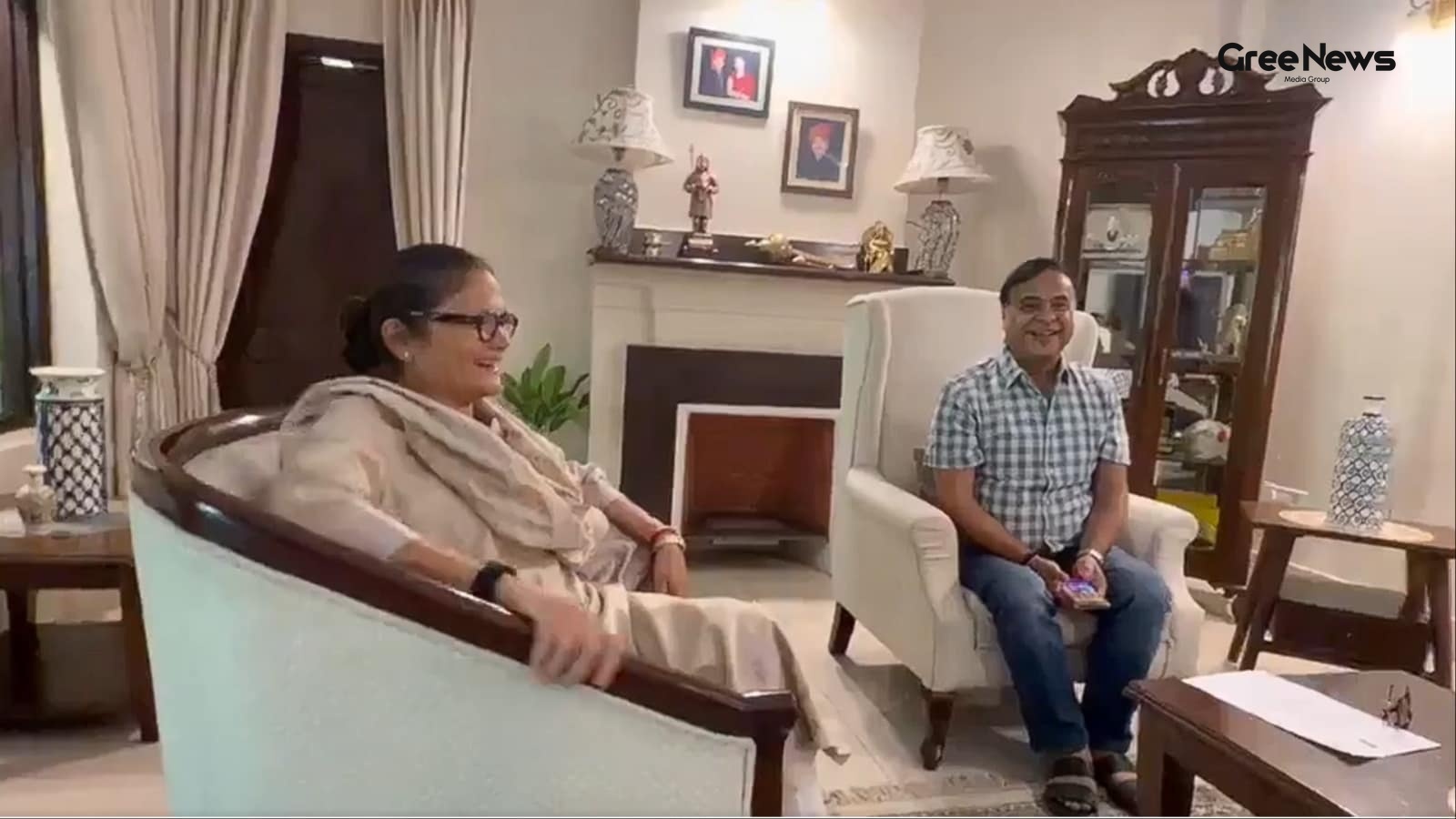
Political Speculation and Internal Turmoil within the TMC
Fresh visuals surfaced of Sushmita Dev meeting Assam Chief Minister Himanta Biswa Sarma. That kind of thing just kicks the speculation into high gear about her next move. It’s all about her potential entry into the BJP, right? This happened right after she stepped down from Rajya Sabha and walked ou
Jun 10, 2026 by Gree News Team
Threats and Intimidation Against Former Judge Justice Gautam Patel
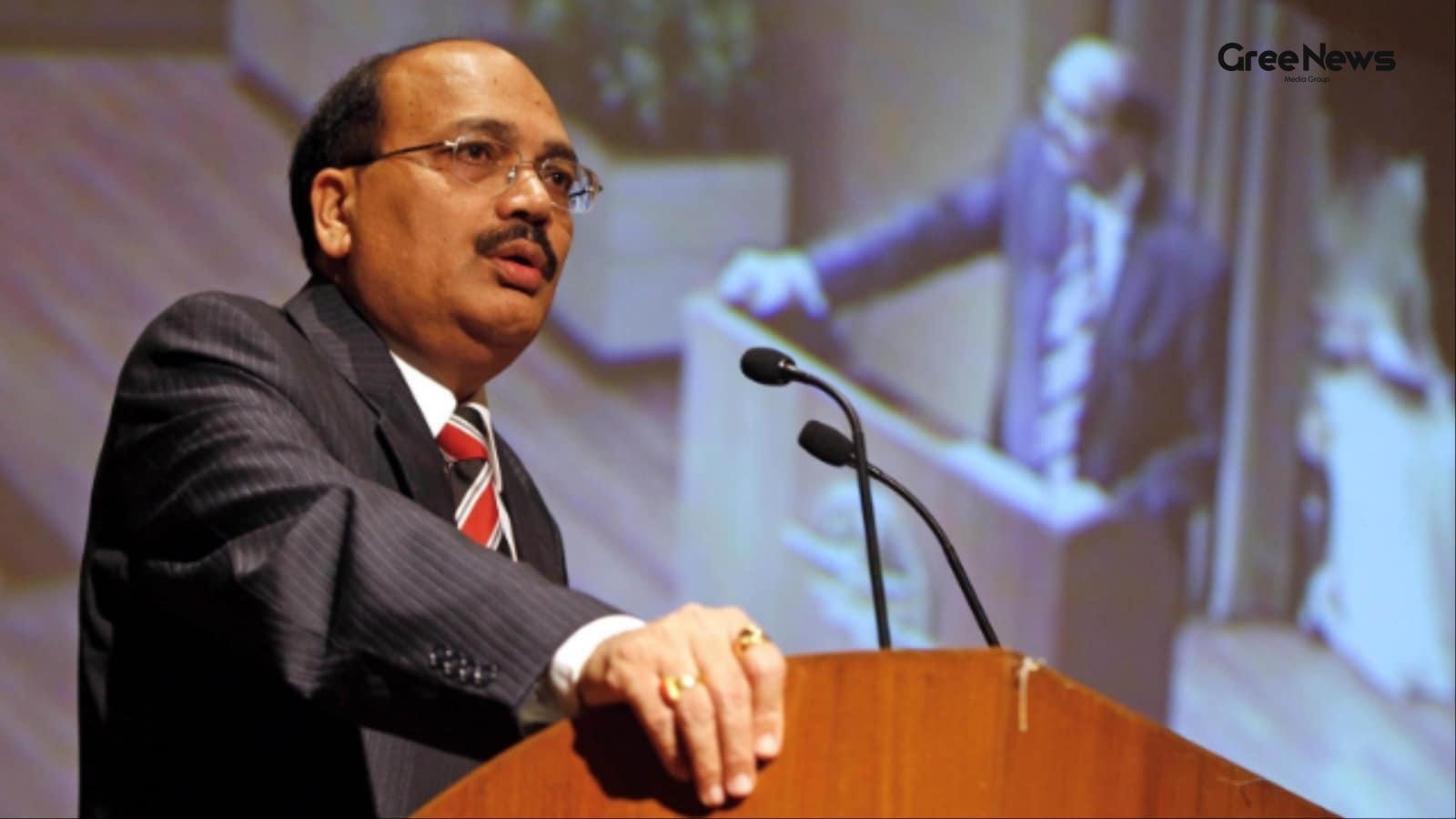
Chief Justice Surya Kant stepped in on the matter involving threats and intimidation aimed at former Bombay High Court judge Justice Gautam Patel. This happened while he was visiting the UK, raising the issue with India’s High Commissioner there. It came out of a report by The Times of India. The wh
Jun 10, 2026 by Gree News Team
The Political Feud: Shivakumar vs. Kumaraswamy and the Vokkaliga Rivalry
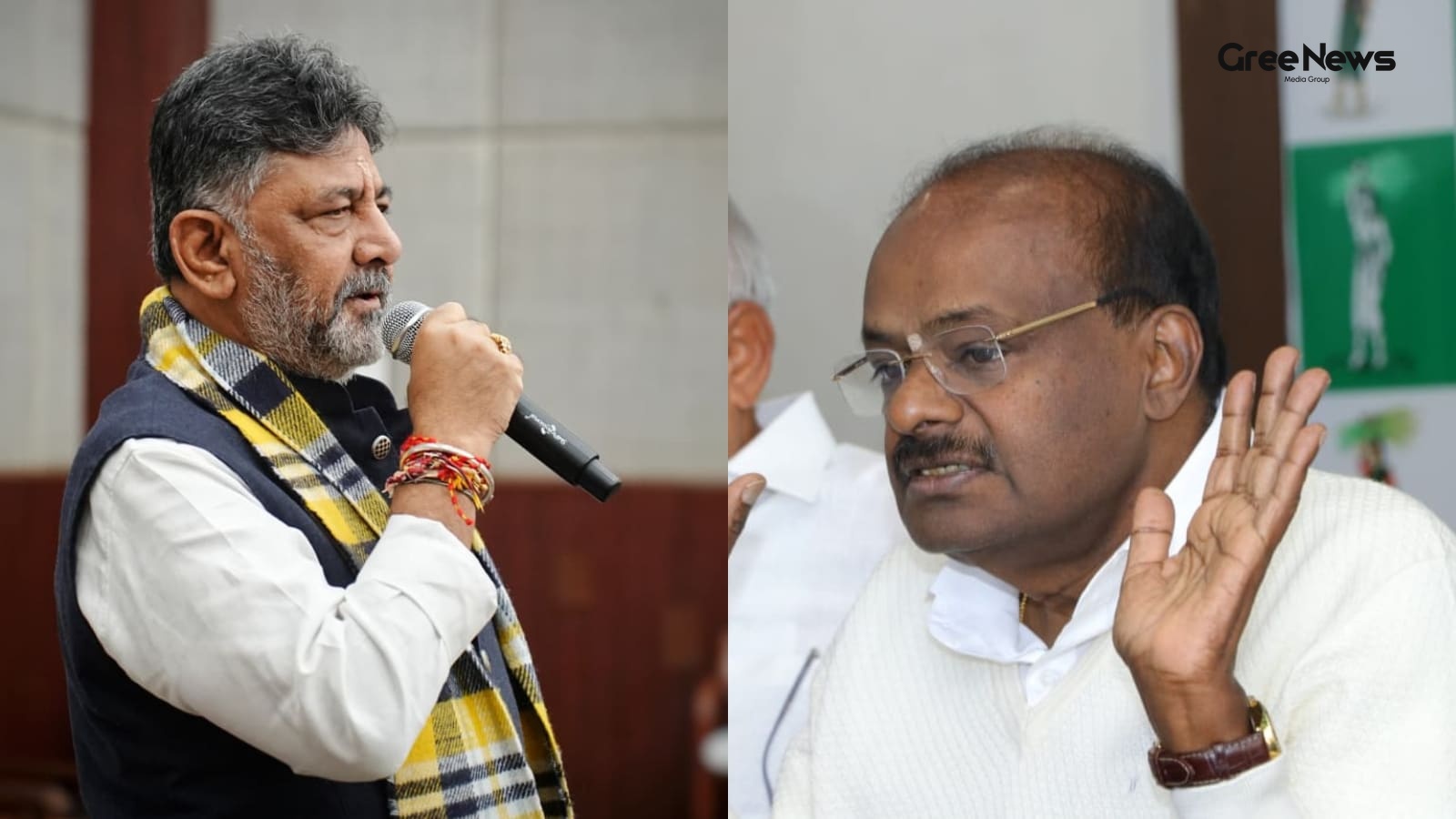
A meeting that hasn't even happened is already sparking political sparring. Karnataka Chief Minister DK Shivakumar and Union Minister HD Kumaraswamy. It just underlines how bitter one of the state’s longest-running rivalries still is. Shivakumar was doing some outreach, a carefully choreographed exe
Jun 10, 2026 by Gree News Team
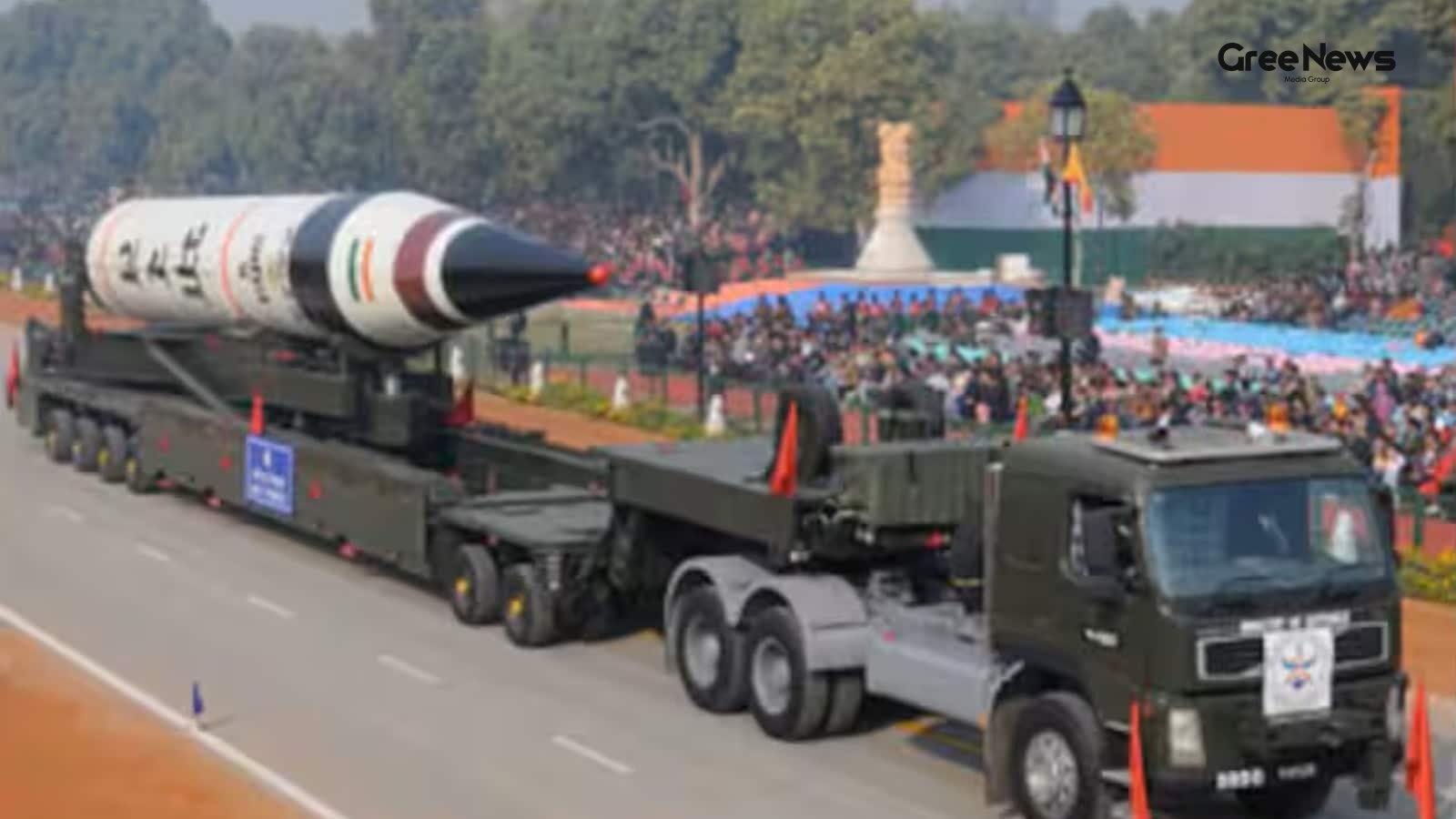
The Global Nuclear Arms Race: Spending, Capabilities, and Future Risks
Nearly eight decades since Hiroshima and Nagasaki. And the world’s nuclear powers aren't slowing down. They keep spending more, modernizing faster, and experts are watching them move weapons out of storage and into potential use. It’s a real arms race happening right now. The nine states that hold n
Jun 10, 2026 by Gree News Team
Latest Headlines
Political Speculation and Internal Turmoil within the TMC
Fresh visuals surfaced of Sushmita Dev meeting Assam Chief Minister Himanta Biswa Sarma. That kind of thing just kicks the speculation into high gear about her next move. It’s all about her potential entry into the BJP, right? This happened right after she stepped down from Rajya Sabha and walked ou
Jun 10, 2026 by Gree News Team

FIFA World Cup 2026: Structure, Geography, and the Official Match Ball
The FIFA World Cup 2026 is really starting to feel imminent now. It’s heading toward North America the USA, Mexico, and Canada are slated to host this massive global spectacle. People are talking about it constantly. It’s not just a standard tournament anymore. This time around, they’re throwing way
Jun 10, 2026 by Gree News Team

Lionel Messi and Argentina's World Cup Journey in Group J
Argentina’s taking on Group J in this new setup USA, Mexico, and Canada it feels like more than just football now. It’s about that farewell, isn't it? Lionel Messi is chasing something special right now, playing out this final chapter with the Albiceleste against Algeria, Austria, and Jordan. There’
Jun 10, 2026 by Gree News Team
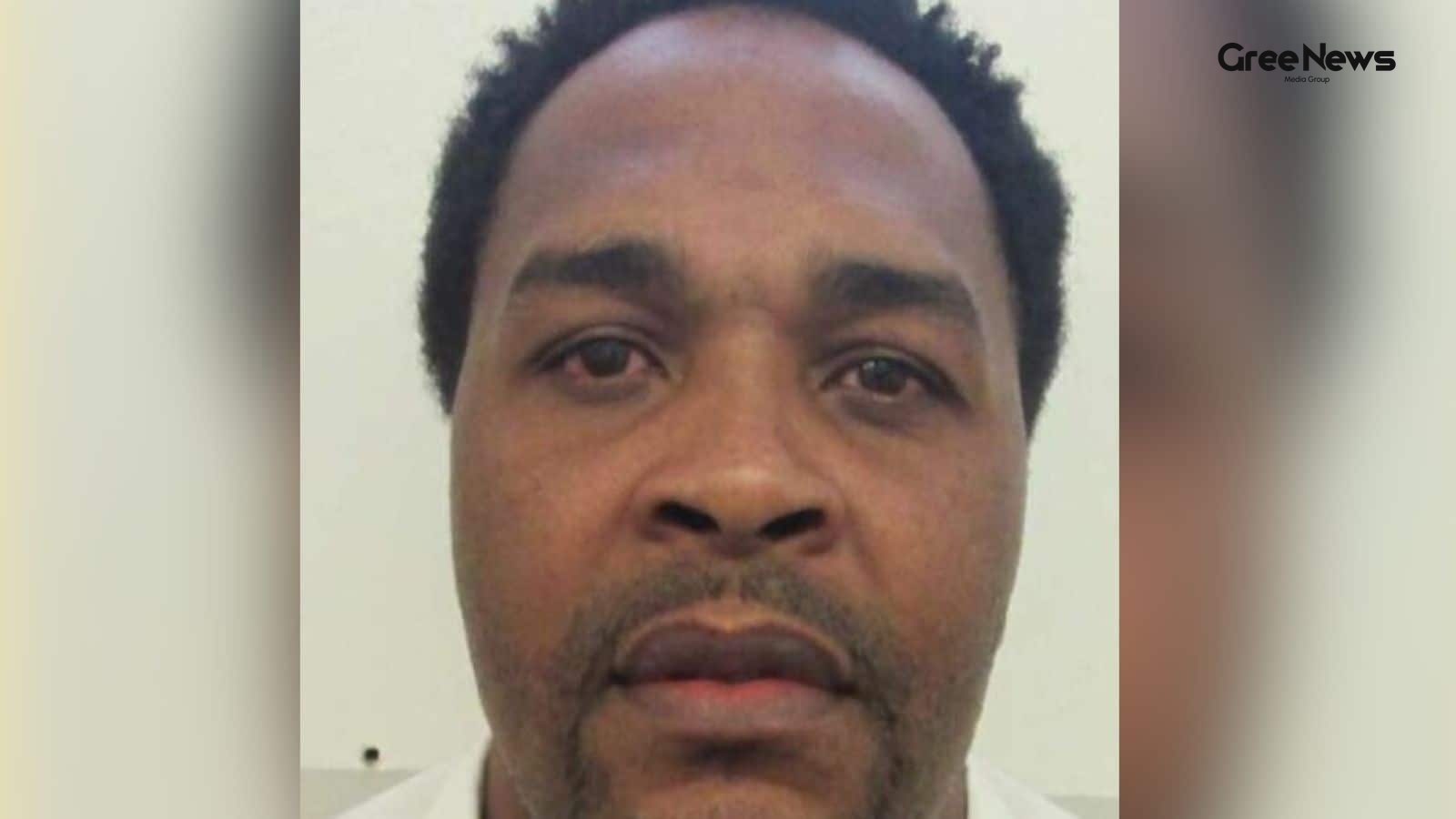
Federal Judge Bars Nitrogen Gas Execution in Alabama
A federal judge just slammed the door shut on Alabama’s plan to use nitrogen gas for executing Jeffery Lee. Permanently barred it, ruling the method violated basic constitutional rights about cruel and unusual punishment. This decision dropped like a stone. It came just one day after an appeals cour
Jun 10, 2026 by Gree News Team
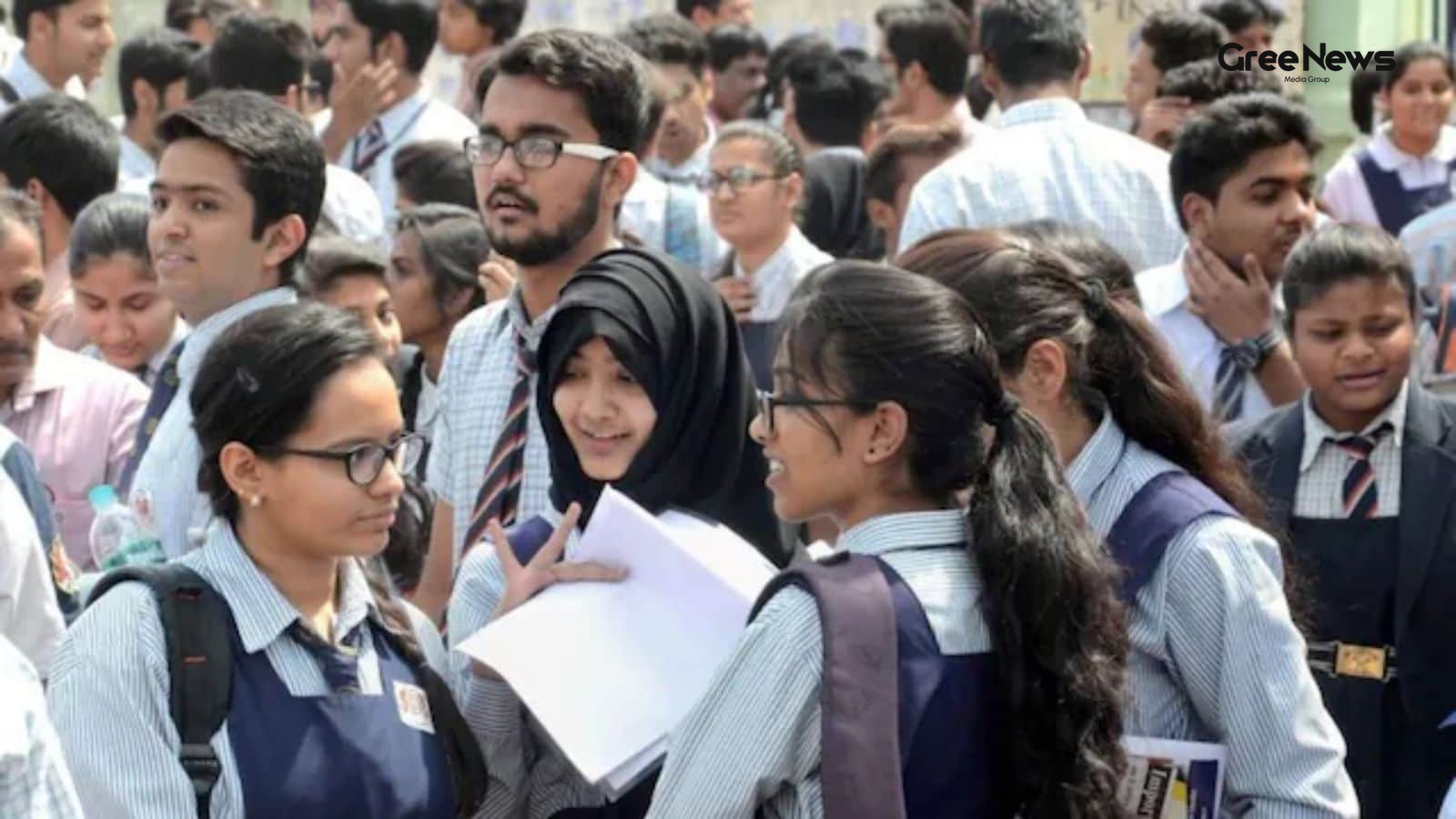
Kerala Board Plus One Results 2026 Announcement and Checking Methods
The Kerala Board Plus One results for 2026 are finally coming today, June 10th. That’s when the Directorate of Higher Secondary Education will officially announce everything. Students who took the DHSE Kerala Class 11 exams in 2026 can start checking their scores now. You have a few places to look,
Jun 10, 2026 by Gree News Team
Threats and Intimidation Against Former Judge Justice Gautam Patel
Chief Justice Surya Kant stepped in on the matter involving threats and intimidation aimed at former Bombay High Court judge Justice Gautam Patel. This happened while he was visiting the UK, raising the issue with India’s High Commissioner there. It came out of a report by The Times of India. The wh
Jun 10, 2026 by Gree News Team
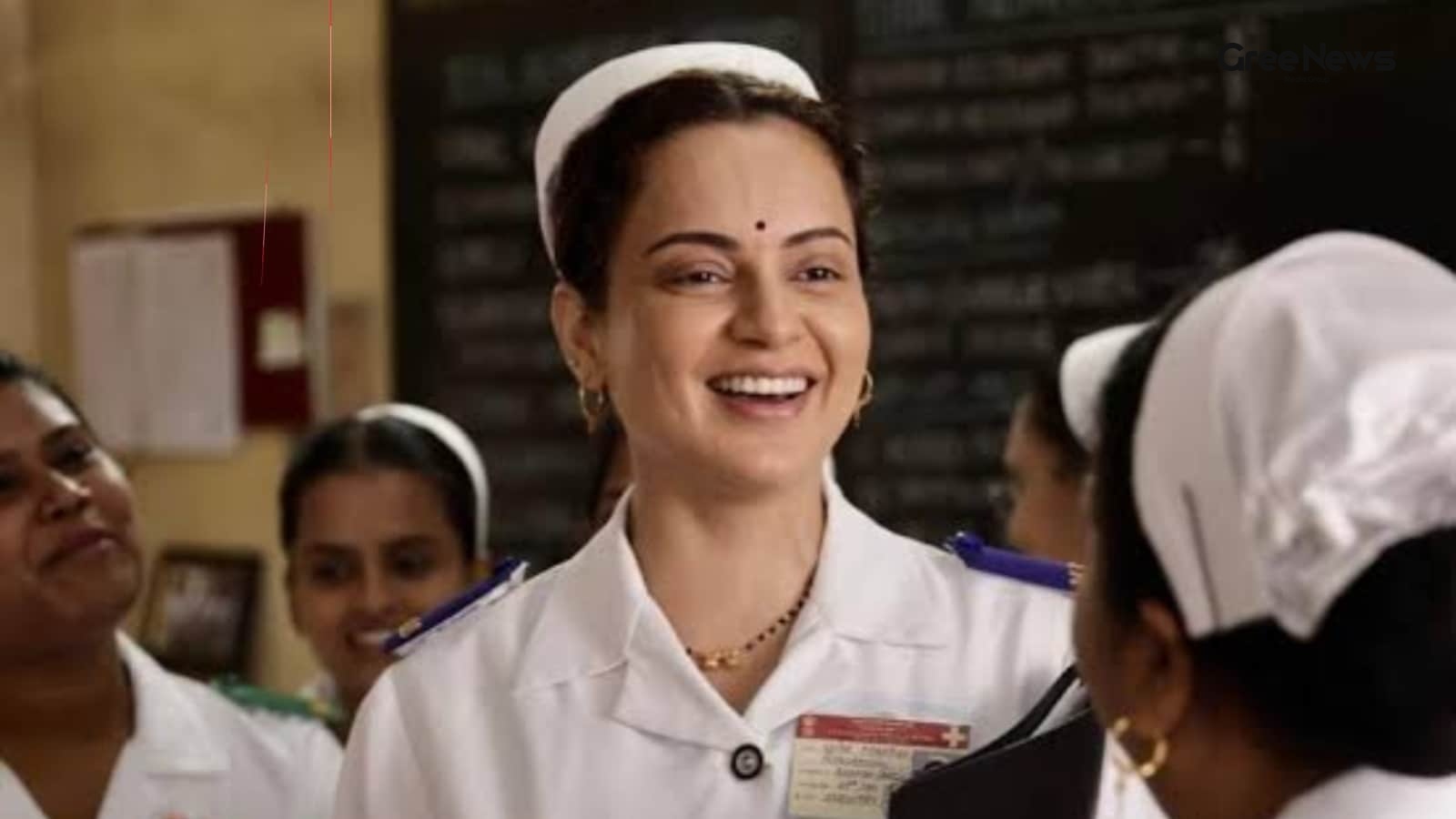
Intersection of Art, Politics, and Public Morality at Film Screening
The buzz around the screening for ‘Bharat Bhhagya Viddhaata’ was definitely something special that Tuesday evening in Delhi. It wasn't just about watching a movie; it felt like a convergence a mix of film fans, some political heavyweights, and a surprising amount of high-level government presence. P
Jun 10, 2026 by Gree News Team
The Political Feud: Shivakumar vs. Kumaraswamy and the Vokkaliga Rivalry
A meeting that hasn't even happened is already sparking political sparring. Karnataka Chief Minister DK Shivakumar and Union Minister HD Kumaraswamy. It just underlines how bitter one of the state’s longest-running rivalries still is. Shivakumar was doing some outreach, a carefully choreographed exe
Jun 10, 2026 by Gree News Team
Protest and Political Standoff in Mexico City Before the World Cup
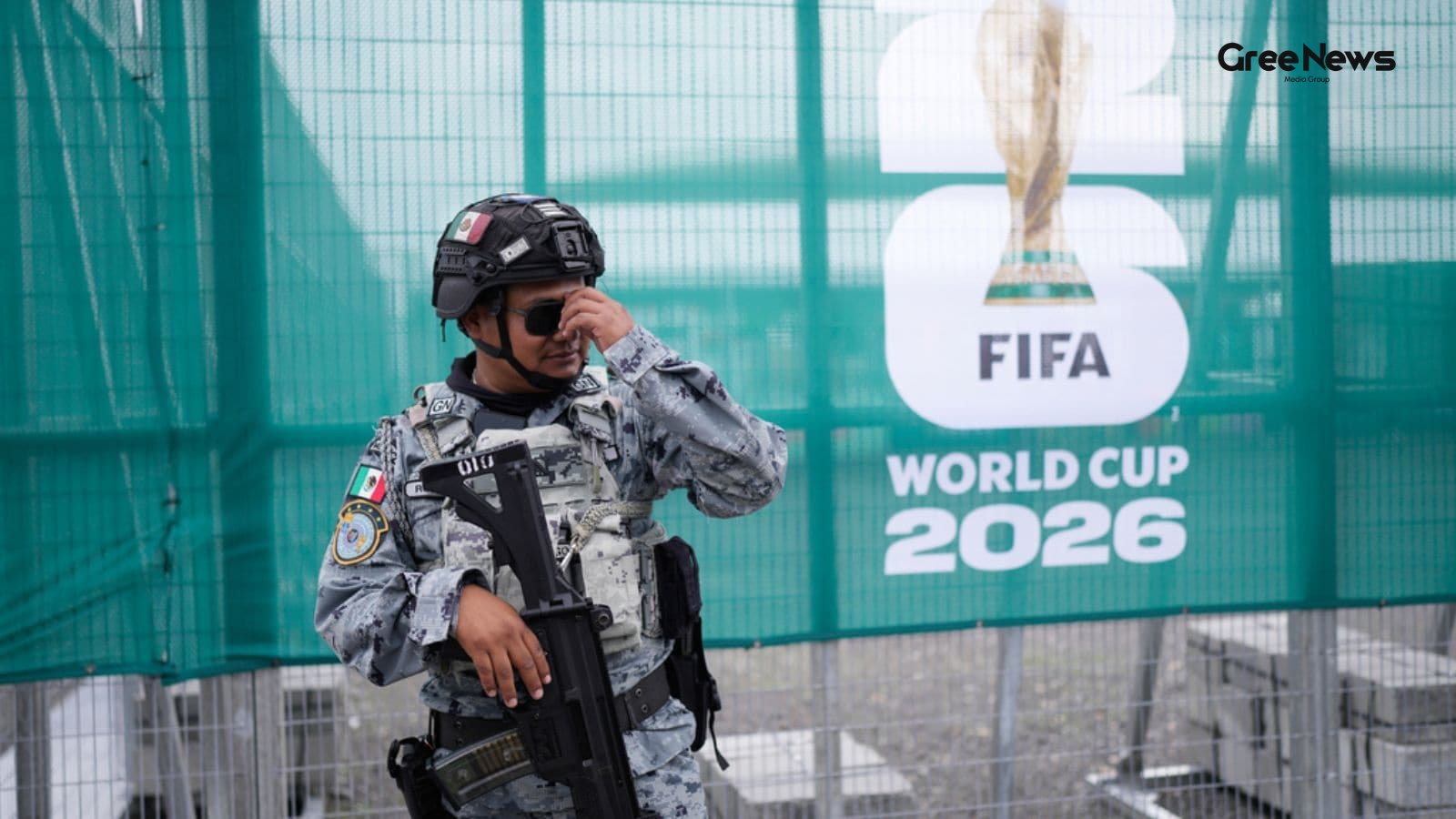
A protest choked off an avenue leading right to Mexico City’s Azteca Stadium for hours on Tuesday. It was just days before that massive World Cup opening match. As football fans started flooding in, all those co-hosts the US, Canada, and Mexico you see the real mess happening back home. Thousands of
Jun 10, 2026 by Gree News Team
The Global Nuclear Arms Race: Spending, Capabilities, and Future Risks
Nearly eight decades since Hiroshima and Nagasaki. And the world’s nuclear powers aren't slowing down. They keep spending more, modernizing faster, and experts are watching them move weapons out of storage and into potential use. It’s a real arms race happening right now. The nine states that hold n
Jun 10, 2026 by Gree News Team
The Chaos of Cinema: Volume, Competition, and the Shifting Market
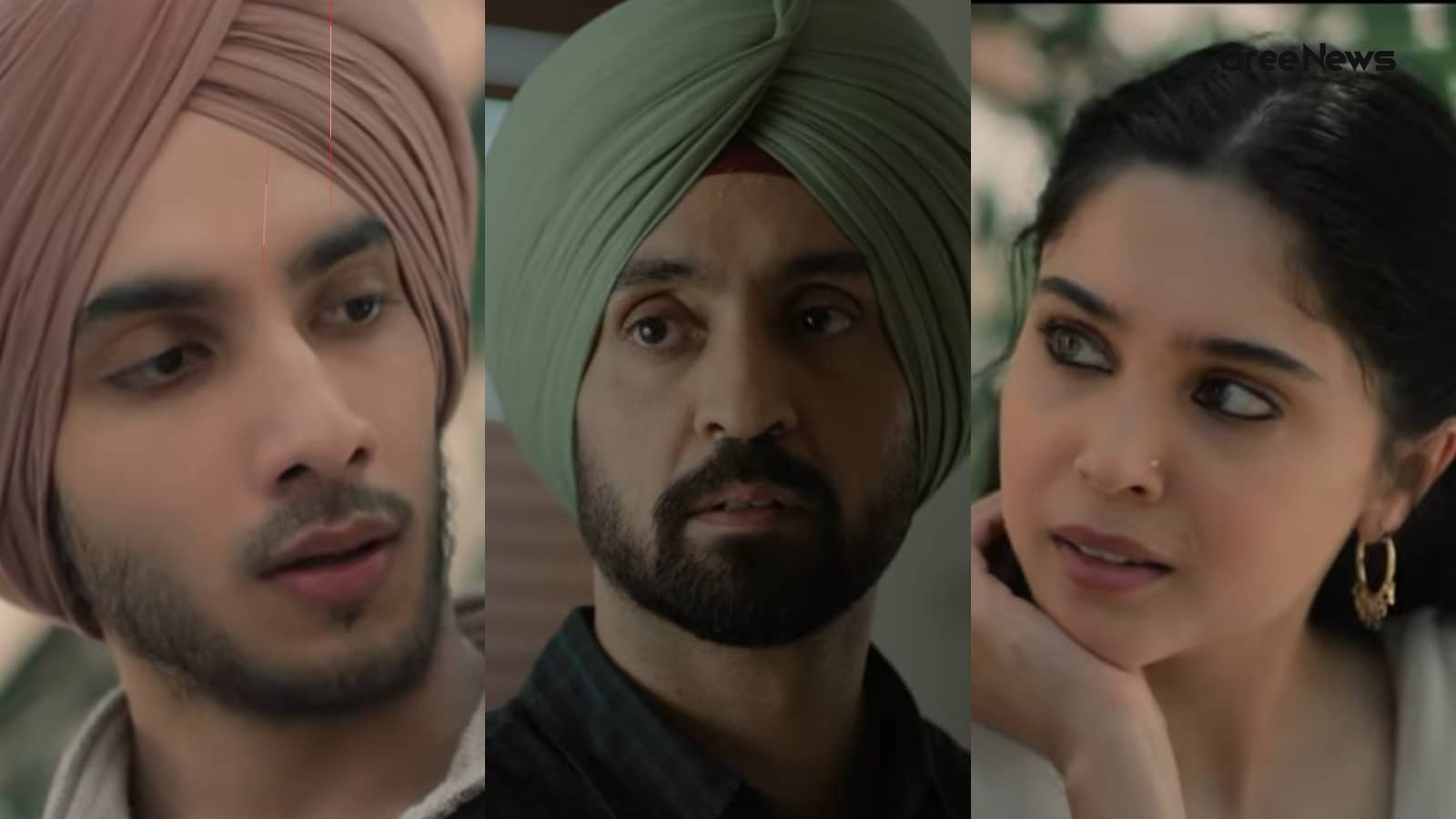
The Friday arrived packed. June 12th. It wasn't just another day; it was a collision of cinema. Nine films, all hitting the screens at once. *Main Vaapas Aaunga*, Imtiaz Ali’s directorial effort. Then you had Kangana Ranaut’s *Bharat Bhhagya Vidhaata*. And the horror mixed in Vikram Bhatt’s *Haunted
Jun 10, 2026 by Gree News Team

Stock Market Updates: June 10th Performance and Sector Analysis
Stock market updates today, June 10th. Everything turned sour in late trading Wednesday. Domestic equity markets basically gave up all those gains they managed to hold during the day. Heavy selling hit midcap, smallcap stocks, plus metals, realty, and financial names dragging the main indices into n
Jun 10, 2026 by Gree News Team
Iran Football Team Travel and World Cup Arrangements
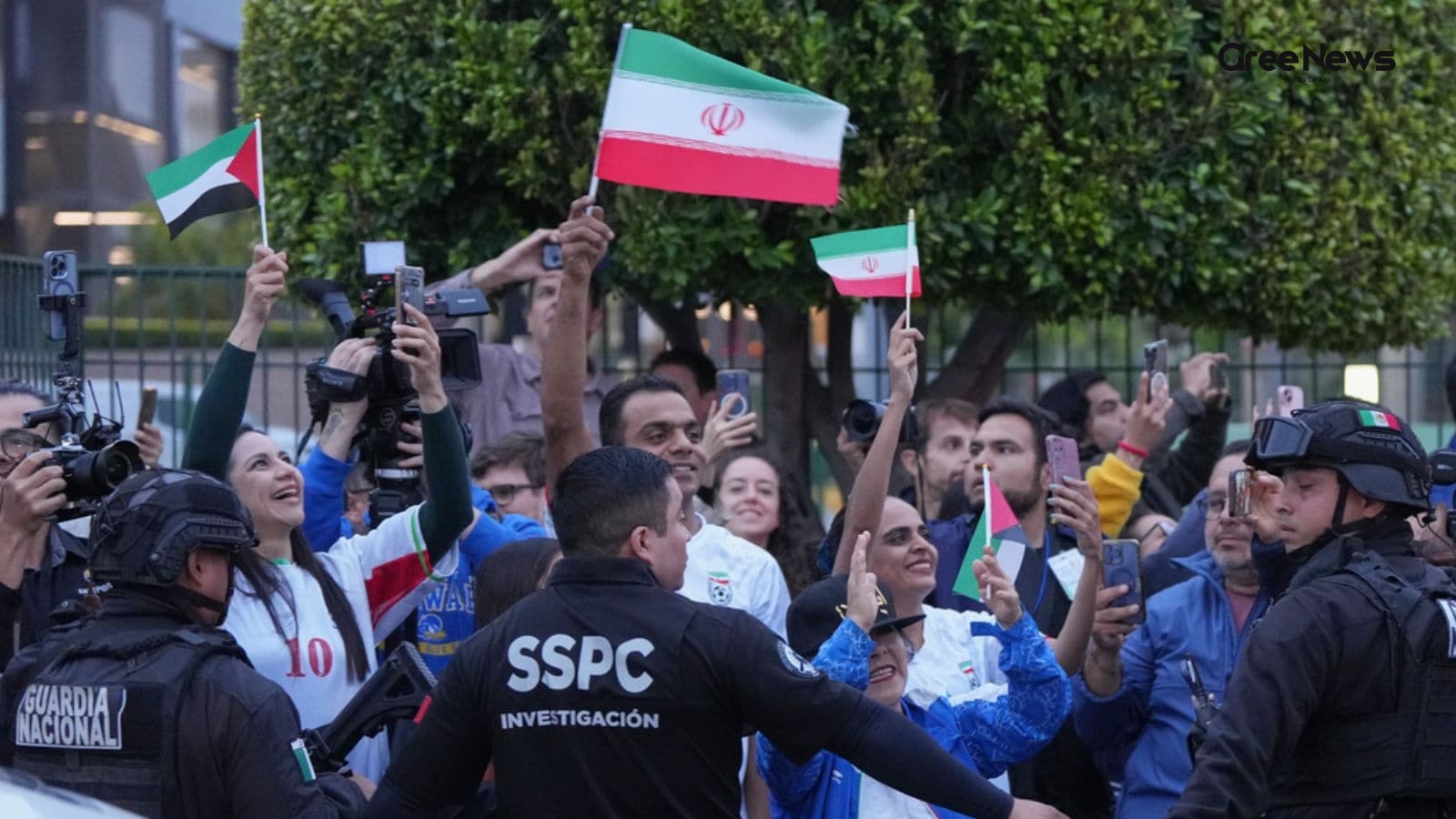
Iran’s football team is heading to Los Angeles, apparently. They announced Tuesday that they'll be flying there the day before their first group-stage game against New Zealand. It feels like a lot happening all at once. But where exactly will they be staying? They won't actually be in L.A. for long.
Jun 10, 2026 by Gree News Team

The Impact of Gen AI on Job Applications and Hiring Strategies
When you start looking for a job, everyone builds this whole structure: the résumé, that killer cover letter, tailoring it perfectly. The whole point was always that application could make you jump out from the crowd of hundreds of applicants. But honestly? Recruiters are starting to think that play
Jun 10, 2026 by Gree News Team
Narendra Modi's Milestone: India's Longest-Serving Prime Minister
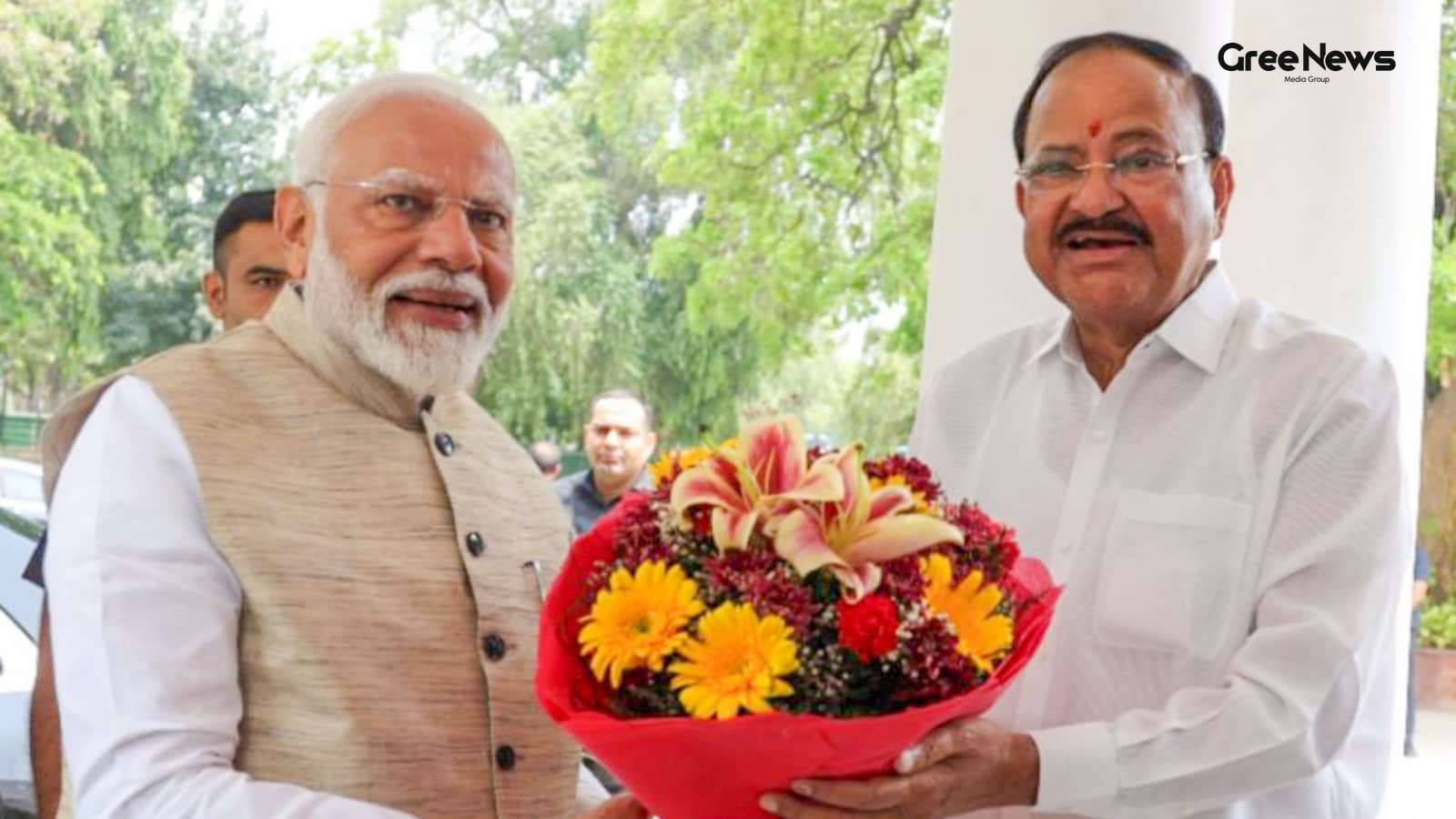
Narendra Modi just hit a huge milestone. India’s longest-serving elected Prime Minister. Forty-three hundred ninety-nine days in office now. That beats Nehru's record, which was the first one. Former Vice President Venkaiah Naidu spoke about it. He praised the leadership and everything Modi has done
Jun 10, 2026 by Gree News Team