Piyush Goyal on US Tariffs and India-US Trade Negotiations
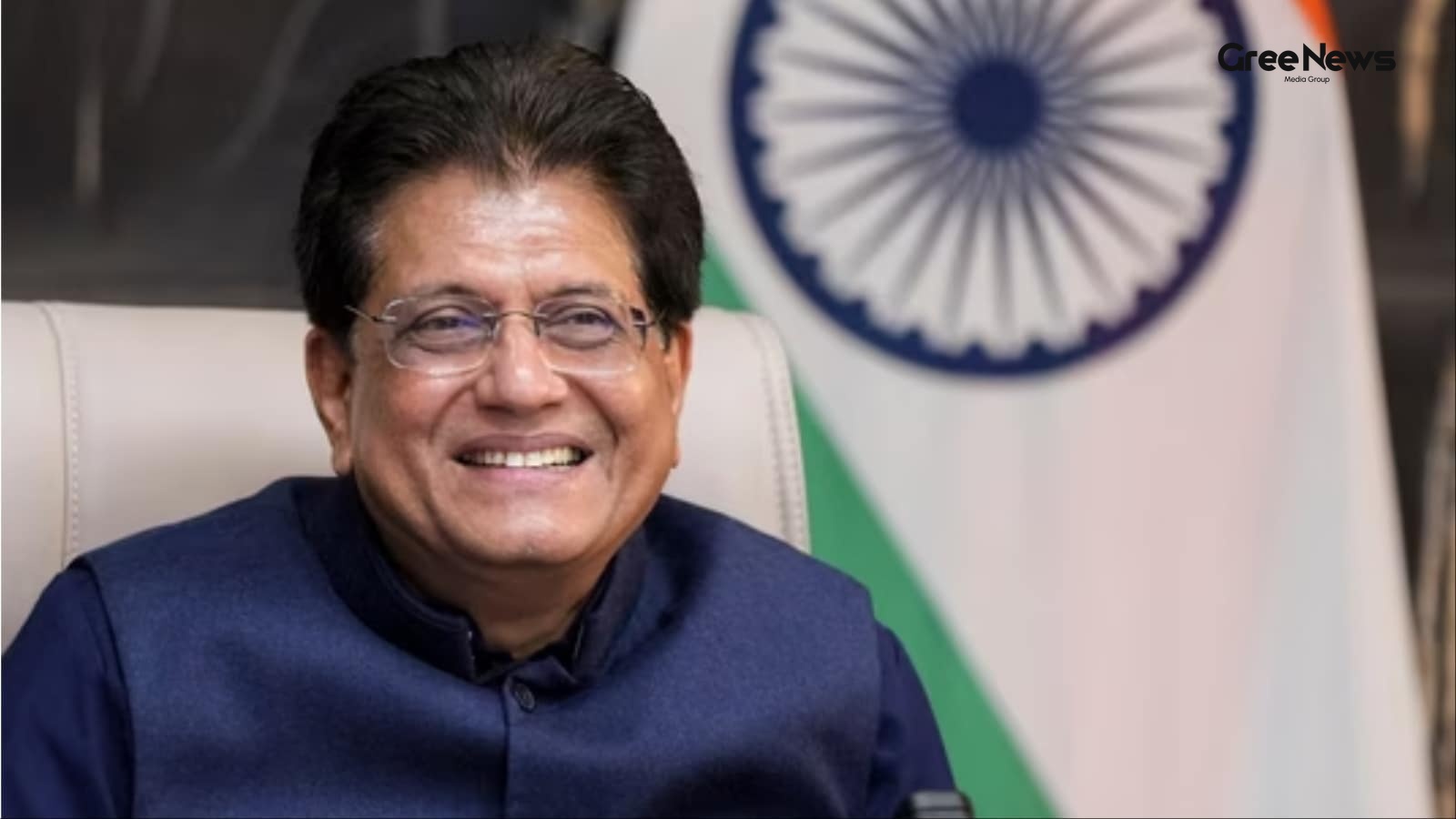
Piyush Goyal, the Commerce Minister , was talking about the US tariffs on India on Sunday. He was trying to ease worries, you know? About that whole Section 301 thing. He basically said New Delhi would handle things, protect its interests, and keep pushing for that trade aGreement with Washington.
It happened while he was at the Financial Express Awards in Mumbai. A big stage for a minister, but the focus kept drifting back to trade friction. He made it clear there was no real cause for panic about the Section 301 investigation started by the US Trade Representative. Even though the two countries are still hammering out a trade pact. Negotiations are ongoing, always ongoing.
The background, you see, is that the Trump administration proposed these tariffs—12.5 percent on India and 53 other nations. This followed that USTR investigation under the Trade Act of 1974. The report basically found that these other countries weren't stopping the import of goods made with forced labor. That’s the core of the whole mess.
Goyal addressed it head-on. He told everyone the proposed measures shouldn't cause alarm. He expressed a strong belief in India’s ability to manage the situation. We can handle this. It’s our responsibility.
“So this Section 301 investigation,” he said, pausing there, letting the weight settle, “it’s really just a mechanism being created.” He then pointed out the constraints the US was operating under. They weren't going to back those actions, those reciprocal tariffs, with Congress support.
“They are trying to create a competitive edge for India,” he continued. Then he shifted the focus. “I don’t think we need to worry about Section 301. We’ll tackle it. It’s our responsibility.” It felt less like a formal statement and more like a direct pushback.
He hinted that the investigation was aimed at a specific country. He didn't name it. Just that the focus was directed somewhere particular. The ambiguity itself felt telling, didn't it?
India was waiting. Waiting for the final shape of what tariffs would actually emerge from this whole process. Uncertainty hangs in the air.
“We will protect India’s interests,” Goyal insisted. He was confident. Very confident that the India-US trade deal would actually materialize. He framed it as a good deal. A necessary one.
This whole conversation sits right in the middle of some serious, intensive negotiations. The first tranche of the bilateral trade aGreement. That’s where the real work is happening right now.
The US Trade Representative, Jamieson Greer, is expected to swing by India in the next couple of weeks. Time for further talks on the proposed pact. Earlier, there was talk that an aGreement might be settled by July.
But optimism has to be tempered. Goyal made it clear. India would not bend on its core trade principles. Fairness. Equity. That’s non-negotiable.
“India stands for fair and equitable trade,” he stressed. Any deal signed by India had to be balanced. New Delhi wouldn't be forced to accept deadlines set by external pressures. That kind of negotiation style simply won't work for them.
And then he broadened the scope a bit. He touched on how things are shifting globally. Geopolitical realities are changing. He suggested a kind of “realignment of friends and friendships” was inevitable. A reshaping of global economic partnerships. It’s always flux, isn't it?
This sense of shifting ground permeates everything.
Earlier, back on June 5th, Goyal had expressed that there was real movement. That India and the US were moving quickly toward finalizing that first piece of the trade aGreement. A sense of momentum.
Then there was the practical side of the talks. He spoke about the discussions held in New Delhi between June 2nd and June 4th. They were productive. Real discussions, not just posturing.
“We had excellent discussions,” he said. “From the 2nd to the 4th of this month.”
He mentioned the team involved. A full contingent of officials from various trade divisions in the US was there. And he met with them personally yesterday. Fast-moving. Closing the open ends.
There was a clear timeline emerging from this. He thought that by sometime in the middle of next month, they should be ready to execute a very vibrant first tranche. Something concrete. Something tangible.
The proposed aGreement, he emphasized, wasn't just some paperwork. It was designed to give Indian exporters an advantage. Preferential access. Access over competing countries. That’s the core benefit of this first piece. It’s about market access.
It’s only the first tranche. That’s important. It sets the stage.
And just as the talks were wrapping up, Goyal indicated another possibility. Another senior American delegation could visit India later this month. Why? Because both sides were still sorting out the remaining issues. The loose ends. The sticking points.
The whole situation feels layered. Tariffs, trade deals, geopolitical shifts, and internal negotiation speed. It’s all tangled up. It’s messy. It’s not a clean, straight line.
The focus keeps pulling back to that initial anxiety about the Section 301 mechanism. It’s a tool, he said. A way to create leverage. But the larger picture, the actual trade relationship, seems to be where the real leverage lies.
The expectation for that first tranche—mid-July—is hanging there. It’s a target date, a marker of progress, but progress isn't always linear. It’s often punctuated by these back-and-forths, these pauses where geopolitical noise gets in the way of the economic machinery.
It’s a constant balancing act. Protecting national interests while trying to secure a global economic foothold. It’s exhausting, really. That’s what it feels like from the outside.
Written by Gree News Team — Senior Editorial Board
Gree News Team covers international news and global affairs at Gree News. Our collective of senior editors is dedicated to providing independent, accurate, and responsible journalism for a global audience.
More from Economy
View All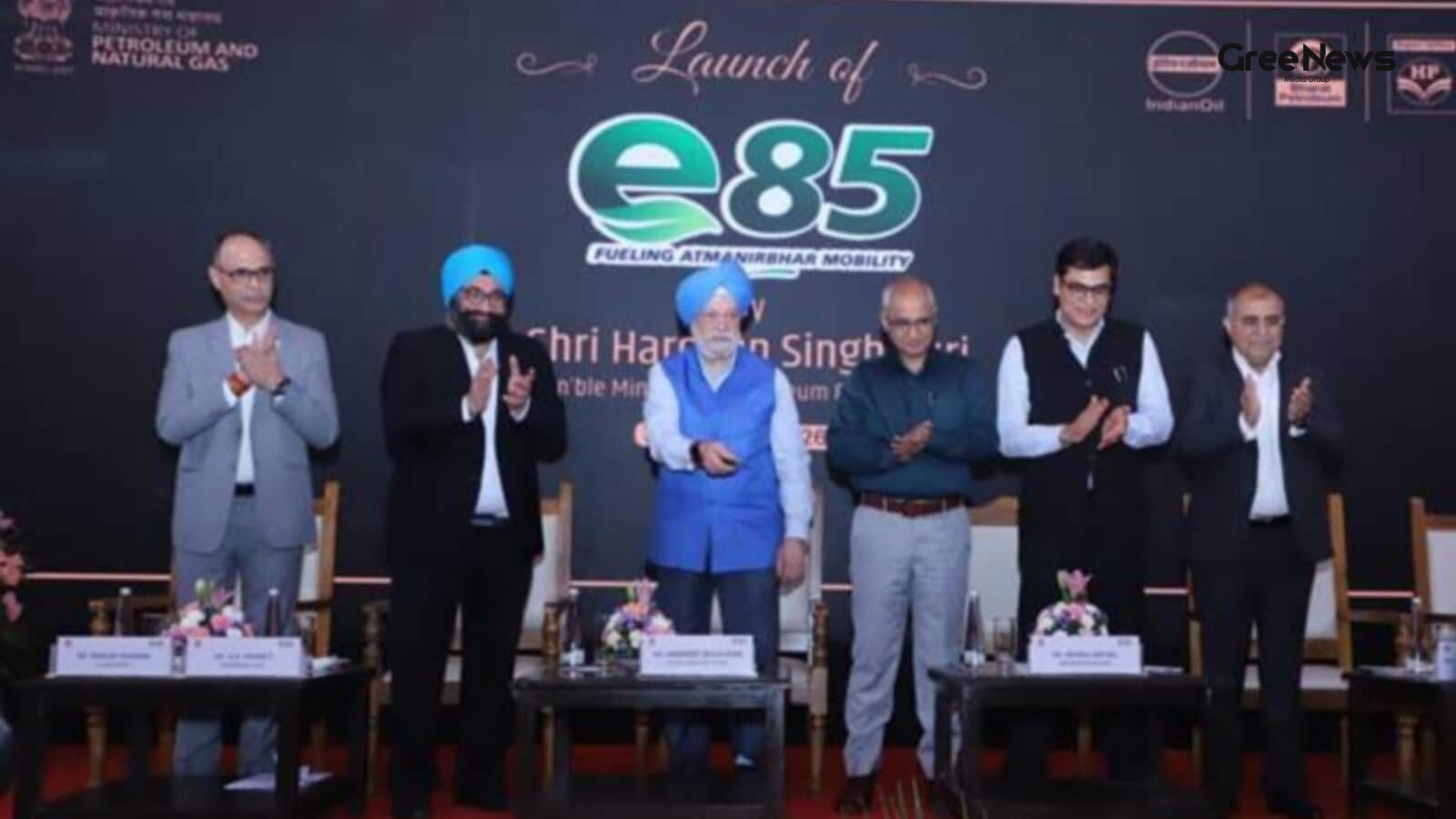
India's E85 Rollout and the Future of Flex-Fuel Vehicles
India just made another move on fuel. They rolled out E85, that high-ethanol petrol blend, specifically for vehicles that can handle flex-fuel systems. It’s about cleaner transport, less reliance on imported crude. Hardeep Singh Puri, the Union Petroleum Minister, formally kicked things off at an In
Jun 8, 2026 by Gree News Team
Crude Oil Prices, Market Jitters, and US Job Data
Crude oil prices jumped four percent Monday. That was because Iran launched more missiles toward Israel, a clear retaliation for what happened in Lebanon. It totally messed up the ceasefire. WTI and Brent crude shot up, hitting over ninety-three and ninety-six dollars a barrel, following all that te
Jun 8, 2026 by Gree News Team
India's Economic Picture and GDP Projections
The economic picture for India, right now, is still shifting. We’re looking at the January-March quarter of FY26, and most economists are banking on growth staying solid, hovering somewhere between 6.8 and 7.4 per cent for the GDP expansion. But that’s just the projection. The real moment is Friday,
Jun 5, 2026 by Gree News Team
RBI MPC Meeting Outcomes and Economic Stance
The RBI MPC meeting in June 2026 decided to keep the repo rate exactly where it was. 5.25 per cent. Governor Sanjay Malhotra put it out there on Friday, June 5th, saying it was just market expectations. Unanimous. The policy stance? Neutral. Nothing dramatic, just sticking to the line. But there was
Jun 5, 2026 by Gree News Team
Latest Headlines
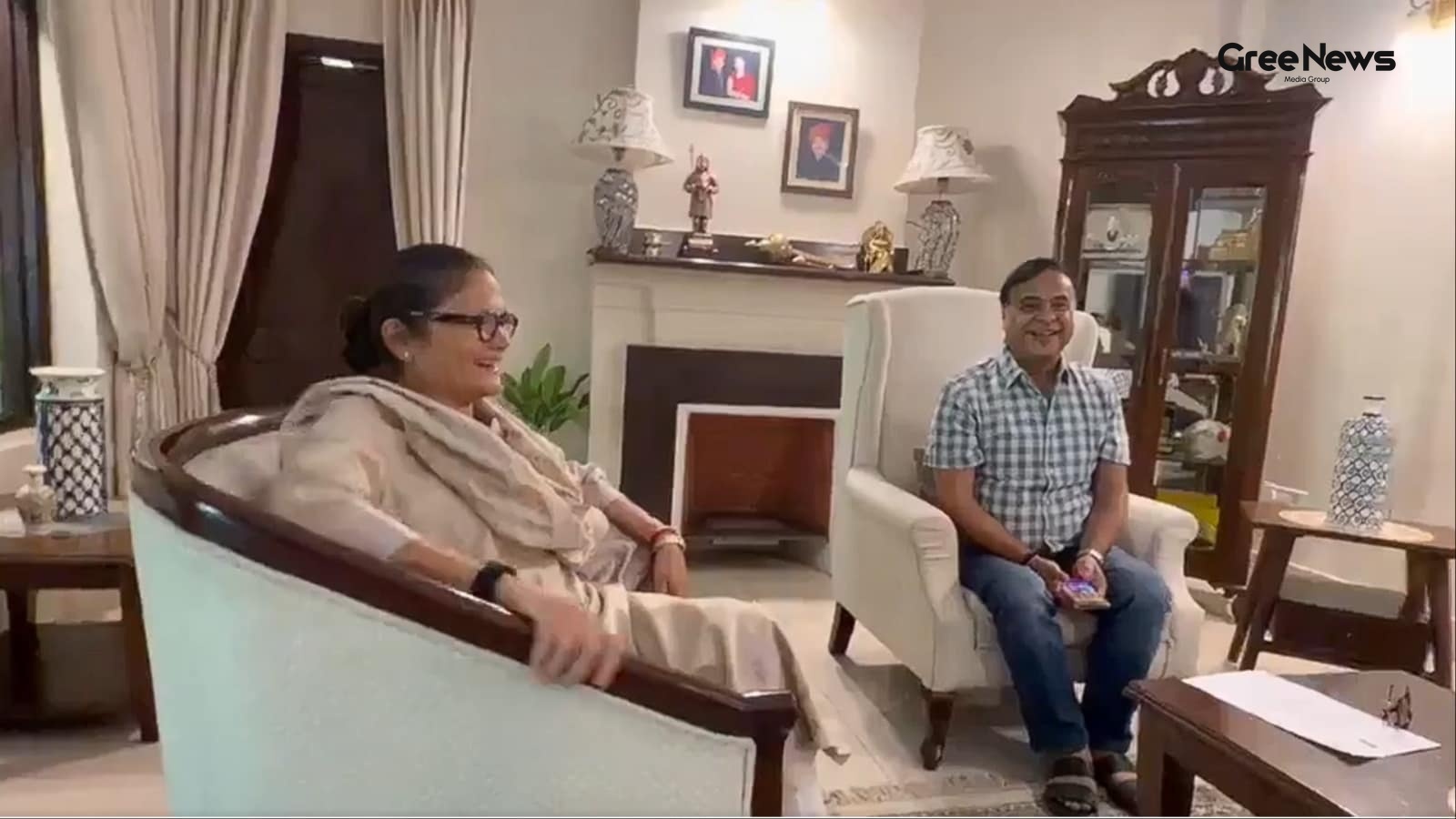
Political Speculation and Internal Turmoil within the TMC
Fresh visuals surfaced of Sushmita Dev meeting Assam Chief Minister Himanta Biswa Sarma. That kind of thing just kicks the speculation into high gear about her next move. It’s all about her potential entry into the BJP, right? This happened right after she stepped down from Rajya Sabha and walked ou
Jun 10, 2026 by Gree News Team
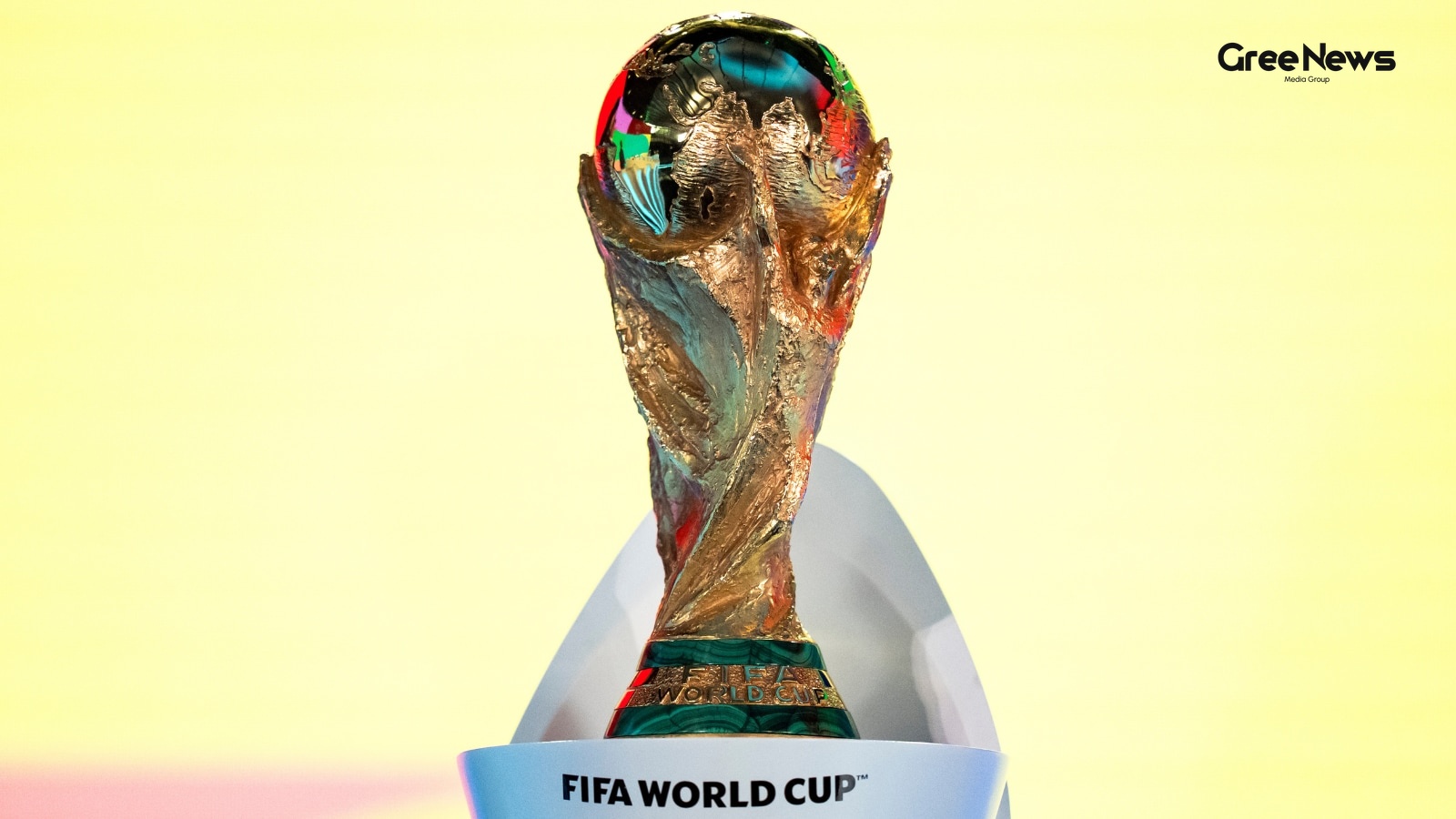
FIFA World Cup 2026: Structure, Geography, and the Official Match Ball
The FIFA World Cup 2026 is really starting to feel imminent now. It’s heading toward North America the USA, Mexico, and Canada are slated to host this massive global spectacle. People are talking about it constantly. It’s not just a standard tournament anymore. This time around, they’re throwing way
Jun 10, 2026 by Gree News Team
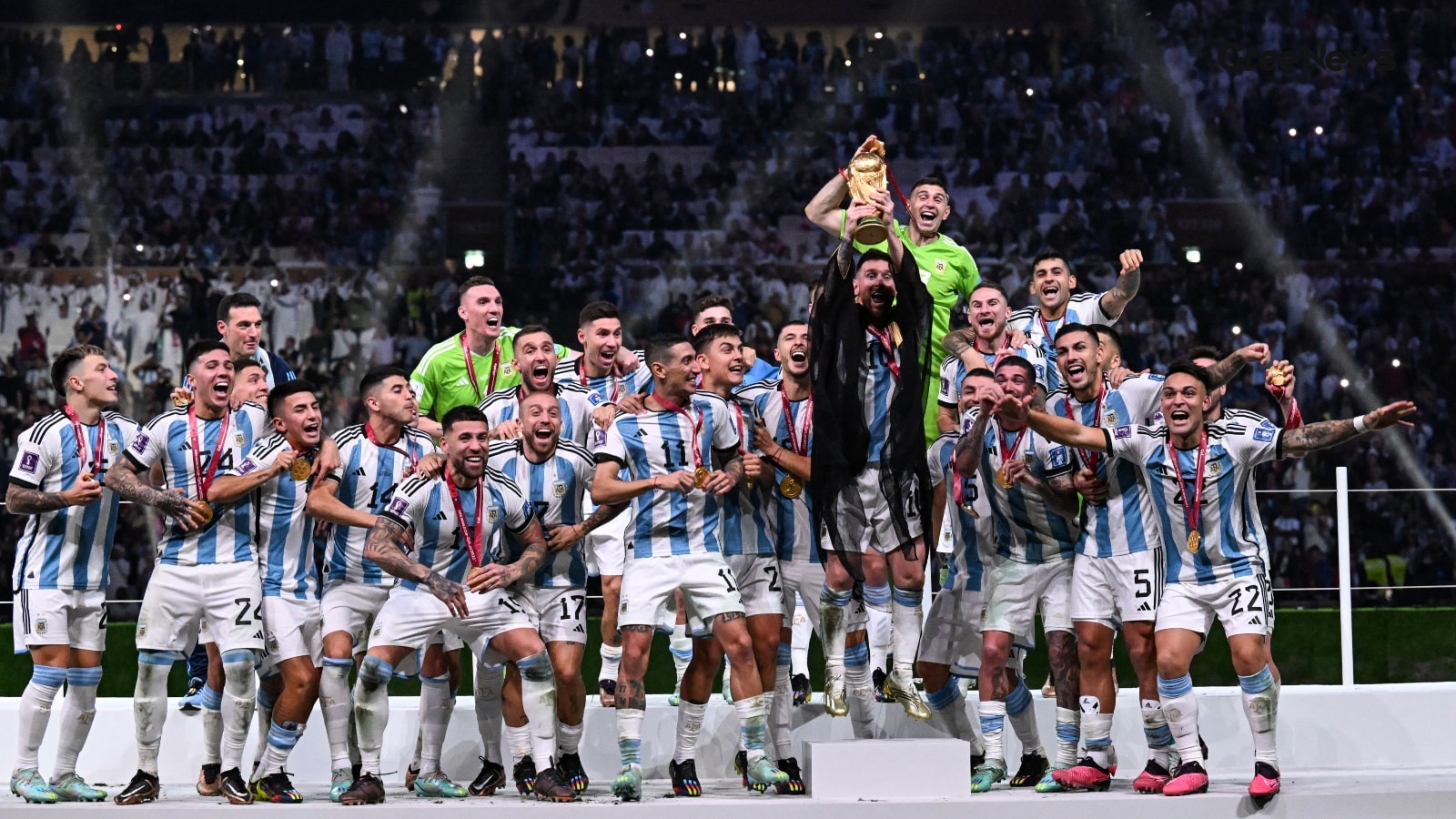
Lionel Messi and Argentina's World Cup Journey in Group J
Argentina’s taking on Group J in this new setup USA, Mexico, and Canada it feels like more than just football now. It’s about that farewell, isn't it? Lionel Messi is chasing something special right now, playing out this final chapter with the Albiceleste against Algeria, Austria, and Jordan. There’
Jun 10, 2026 by Gree News Team
Federal Judge Bars Nitrogen Gas Execution in Alabama
A federal judge just slammed the door shut on Alabama’s plan to use nitrogen gas for executing Jeffery Lee. Permanently barred it, ruling the method violated basic constitutional rights about cruel and unusual punishment. This decision dropped like a stone. It came just one day after an appeals cour
Jun 10, 2026 by Gree News Team
Kerala Board Plus One Results 2026 Announcement and Checking Methods
The Kerala Board Plus One results for 2026 are finally coming today, June 10th. That’s when the Directorate of Higher Secondary Education will officially announce everything. Students who took the DHSE Kerala Class 11 exams in 2026 can start checking their scores now. You have a few places to look,
Jun 10, 2026 by Gree News Team
Threats and Intimidation Against Former Judge Justice Gautam Patel
Chief Justice Surya Kant stepped in on the matter involving threats and intimidation aimed at former Bombay High Court judge Justice Gautam Patel. This happened while he was visiting the UK, raising the issue with India’s High Commissioner there. It came out of a report by The Times of India. The wh
Jun 10, 2026 by Gree News Team

Intersection of Art, Politics, and Public Morality at Film Screening
The buzz around the screening for ‘Bharat Bhhagya Viddhaata’ was definitely something special that Tuesday evening in Delhi. It wasn't just about watching a movie; it felt like a convergence a mix of film fans, some political heavyweights, and a surprising amount of high-level government presence. P
Jun 10, 2026 by Gree News Team
The Political Feud: Shivakumar vs. Kumaraswamy and the Vokkaliga Rivalry
A meeting that hasn't even happened is already sparking political sparring. Karnataka Chief Minister DK Shivakumar and Union Minister HD Kumaraswamy. It just underlines how bitter one of the state’s longest-running rivalries still is. Shivakumar was doing some outreach, a carefully choreographed exe
Jun 10, 2026 by Gree News Team
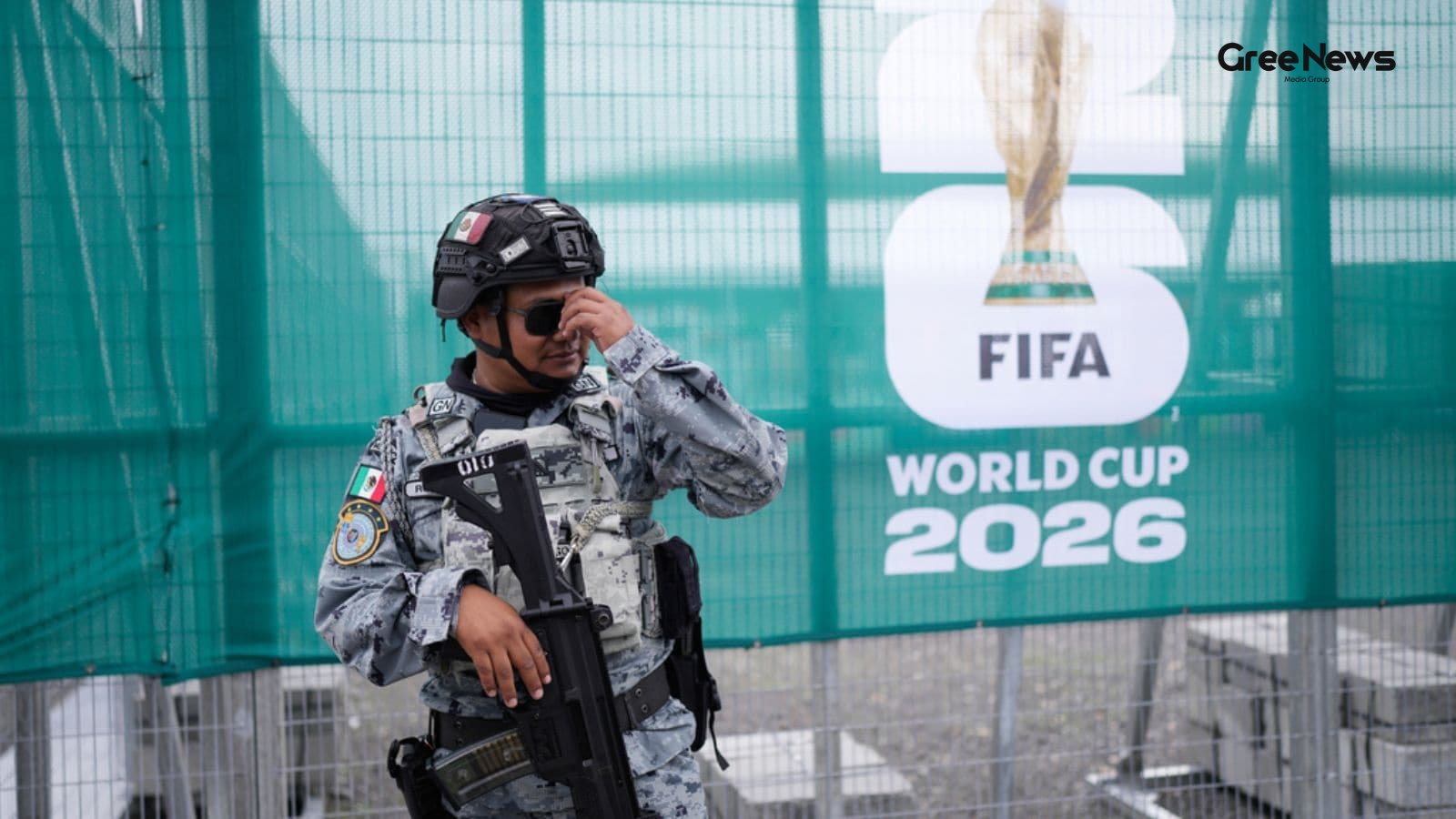
Protest and Political Standoff in Mexico City Before the World Cup
A protest choked off an avenue leading right to Mexico City’s Azteca Stadium for hours on Tuesday. It was just days before that massive World Cup opening match. As football fans started flooding in, all those co-hosts the US, Canada, and Mexico you see the real mess happening back home. Thousands of
Jun 10, 2026 by Gree News Team
The Global Nuclear Arms Race: Spending, Capabilities, and Future Risks
Nearly eight decades since Hiroshima and Nagasaki. And the world’s nuclear powers aren't slowing down. They keep spending more, modernizing faster, and experts are watching them move weapons out of storage and into potential use. It’s a real arms race happening right now. The nine states that hold n
Jun 10, 2026 by Gree News Team
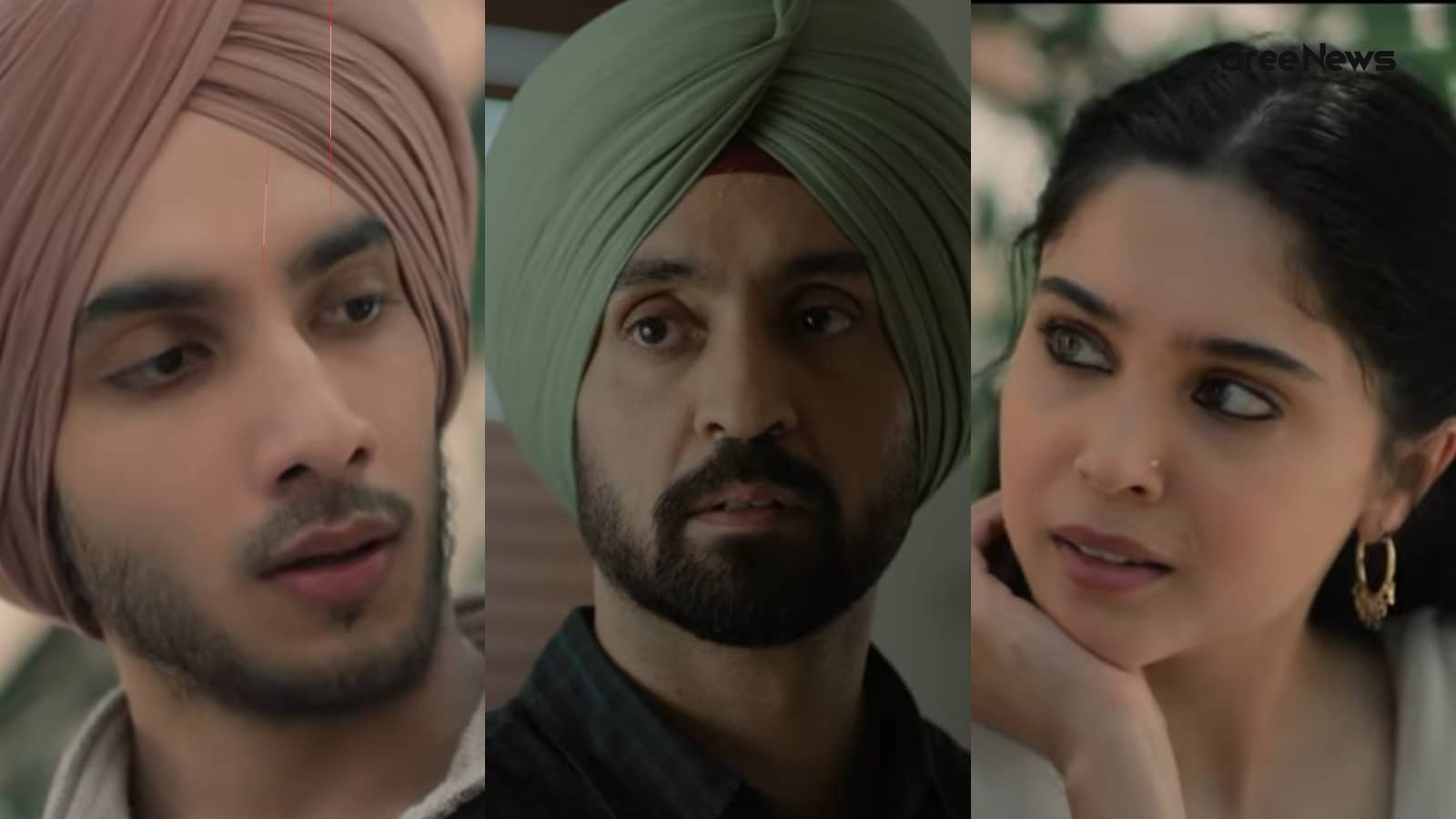
The Chaos of Cinema: Volume, Competition, and the Shifting Market
The Friday arrived packed. June 12th. It wasn't just another day; it was a collision of cinema. Nine films, all hitting the screens at once. *Main Vaapas Aaunga*, Imtiaz Ali’s directorial effort. Then you had Kangana Ranaut’s *Bharat Bhhagya Vidhaata*. And the horror mixed in Vikram Bhatt’s *Haunted
Jun 10, 2026 by Gree News Team

Stock Market Updates: June 10th Performance and Sector Analysis
Stock market updates today, June 10th. Everything turned sour in late trading Wednesday. Domestic equity markets basically gave up all those gains they managed to hold during the day. Heavy selling hit midcap, smallcap stocks, plus metals, realty, and financial names dragging the main indices into n
Jun 10, 2026 by Gree News Team
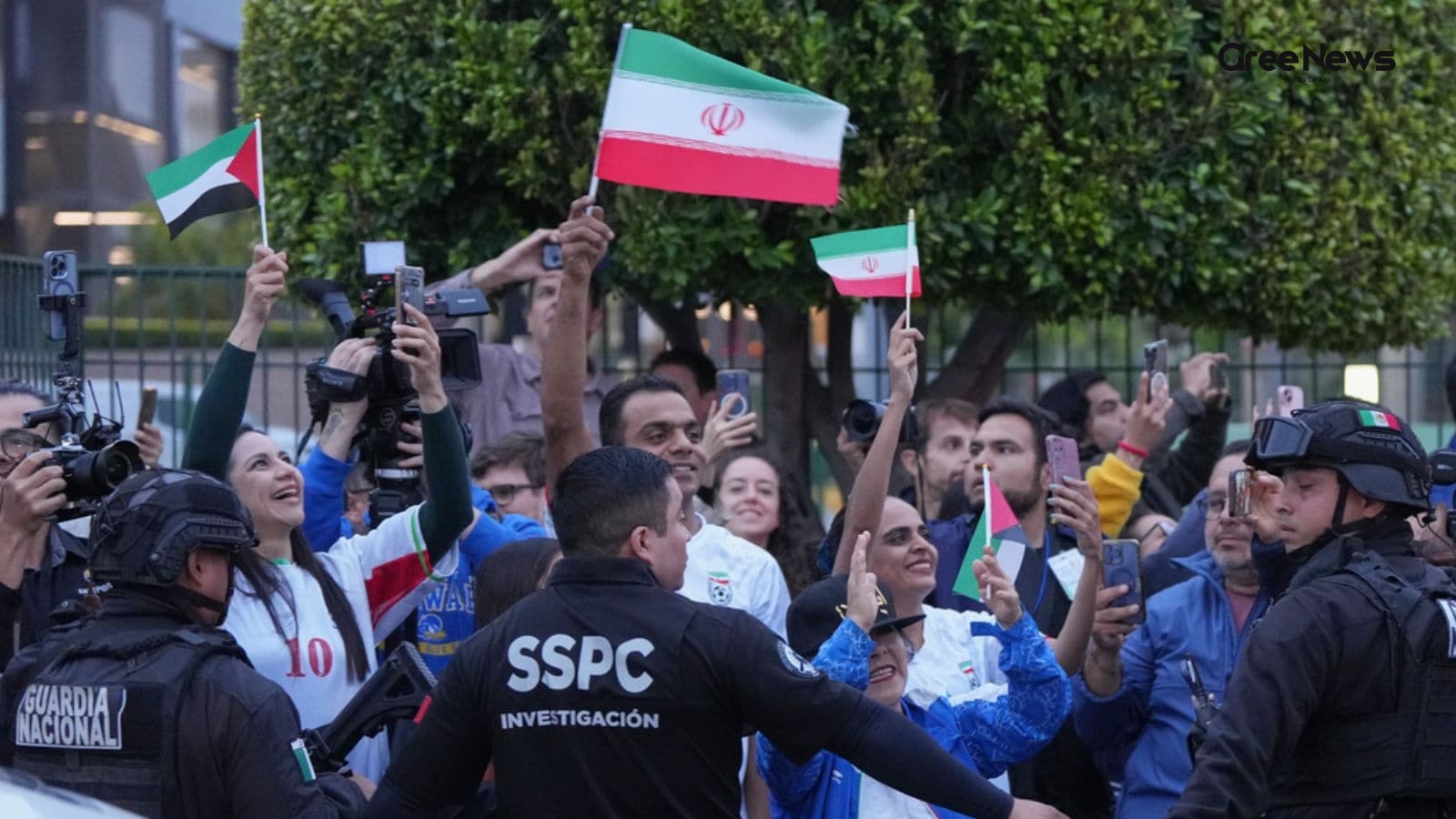
Iran Football Team Travel and World Cup Arrangements
Iran’s football team is heading to Los Angeles, apparently. They announced Tuesday that they'll be flying there the day before their first group-stage game against New Zealand. It feels like a lot happening all at once. But where exactly will they be staying? They won't actually be in L.A. for long.
Jun 10, 2026 by Gree News Team

The Impact of Gen AI on Job Applications and Hiring Strategies
When you start looking for a job, everyone builds this whole structure: the résumé, that killer cover letter, tailoring it perfectly. The whole point was always that application could make you jump out from the crowd of hundreds of applicants. But honestly? Recruiters are starting to think that play
Jun 10, 2026 by Gree News Team
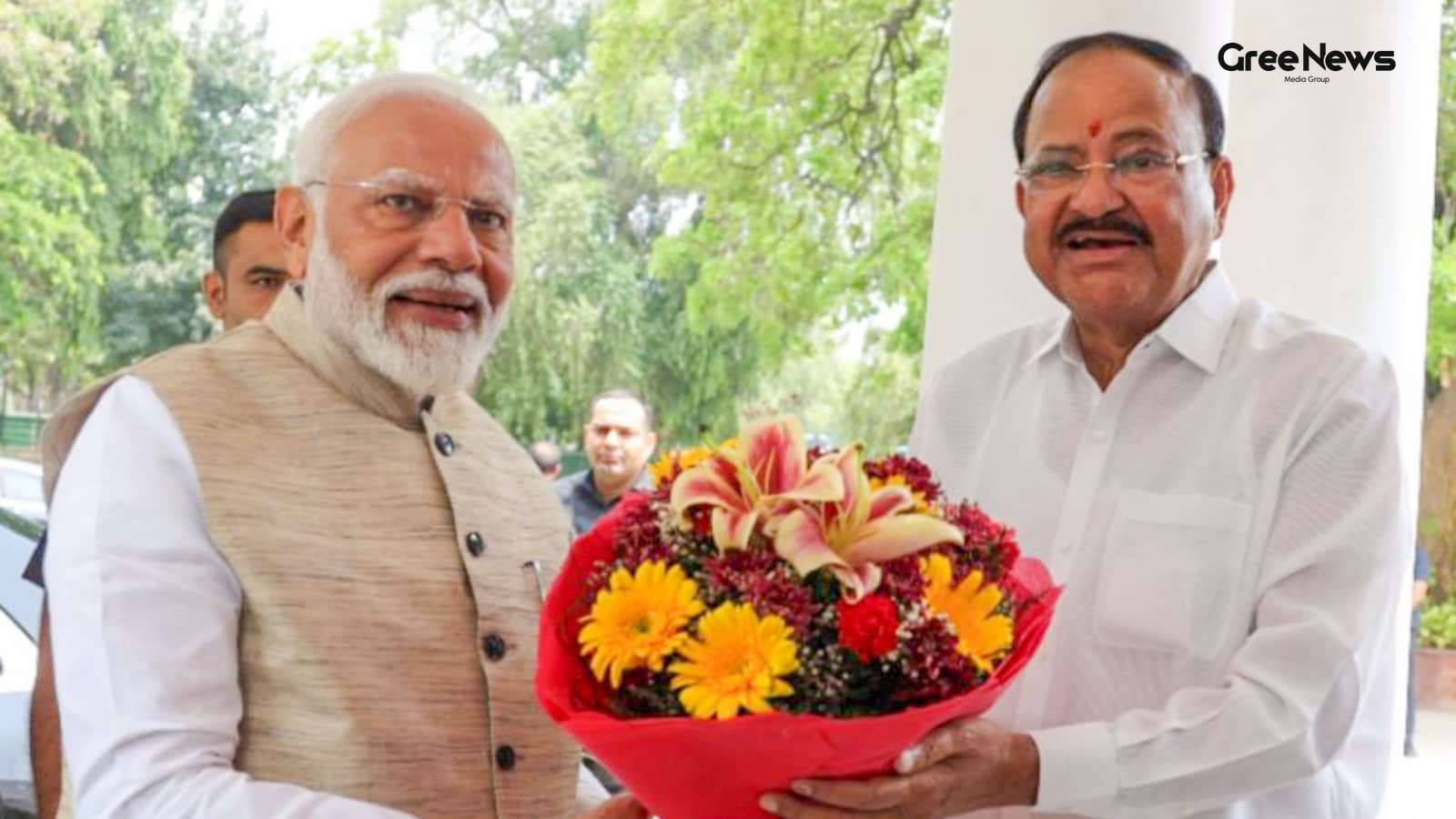
Narendra Modi's Milestone: India's Longest-Serving Prime Minister
Narendra Modi just hit a huge milestone. India’s longest-serving elected Prime Minister. Forty-three hundred ninety-nine days in office now. That beats Nehru's record, which was the first one. Former Vice President Venkaiah Naidu spoke about it. He praised the leadership and everything Modi has done
Jun 10, 2026 by Gree News Team