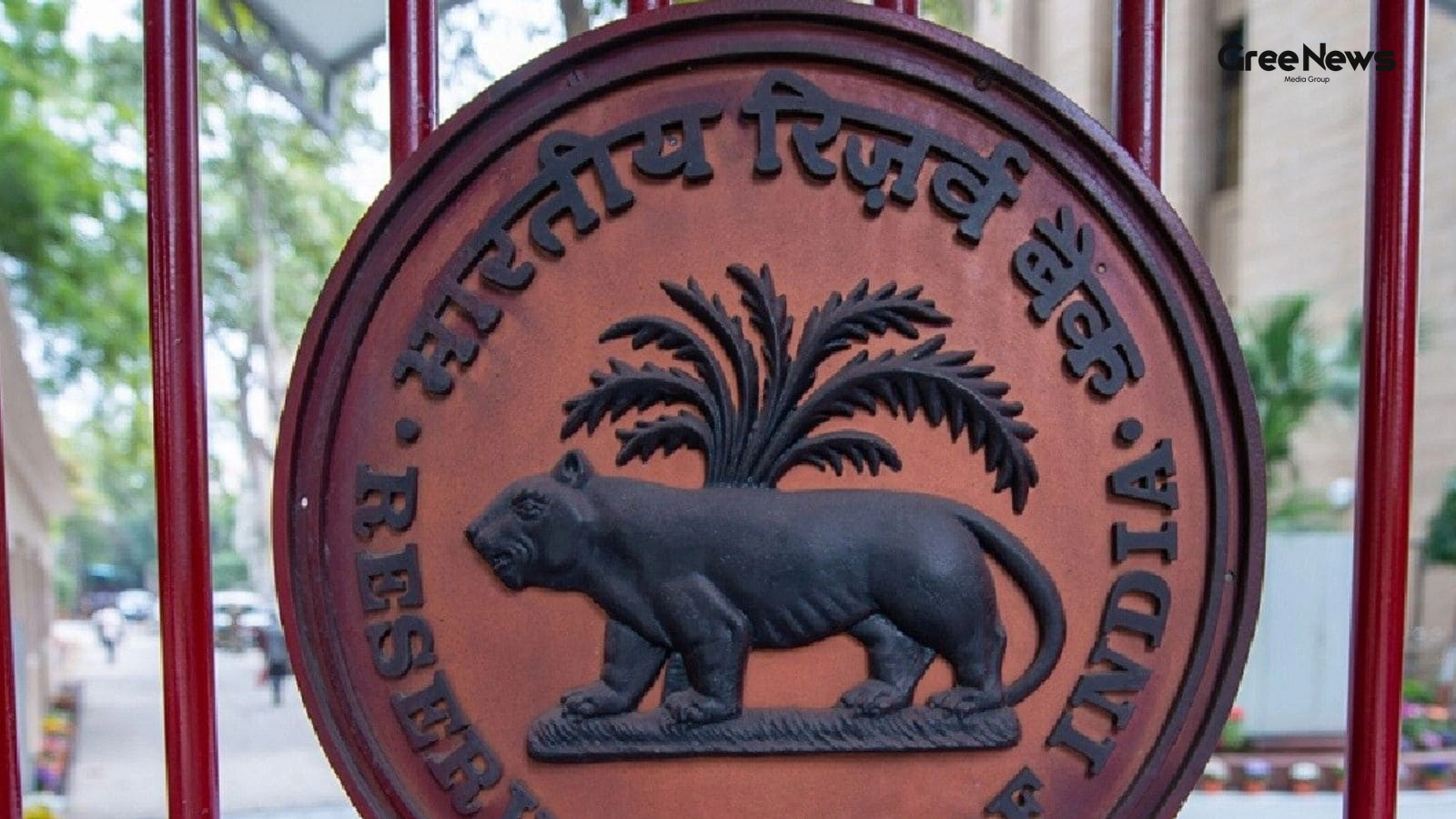
The RBI MPC meeting in June 2026 decided to keep the repo rate exactly where it was. 5.25 per cent. Governor Sanjay Malhotra put it out there on Friday, June 5th, saying it was just market expectations. Unanimous. The policy stance? Neutral. Nothing dramatic, just sticking to the line.
But there was more happening behind the scenes, you know. The whole thing felt tightly managed.
They kept the standing deposit facility, the SDF, pegged at five per cent. That’s the bottom of the interest rate corridor. And the marginal standing facility, the MSF, and the bank rates? Those stayed at 5.50 per cent. A steady, almost boring status quo on the interest rate corridor.
It’s worth remembering the journey there. They had already moved the repo rate down by 125 basis points since February 2025, landing them right at that 5.25 per cent mark. A slow, steady reduction, maybe.
Then you shift to the economy itself. The growth forecasts got tweaked. The RBI slashed the GDP growth projection for the current financial year, 2026-27, down to 6.6 per cent. Earlier estimates were running higher, closer to 6.9 per cent. A slight dip, maybe a sign of caution.
They broke it down quarterly. Q1 was 6.6 per cent. Q2, 6.3 per cent. Q3, 6.5 per cent. And Q4, 6.8 per cent. Those numbers shift around, you see. They were already projecting these figures.
It’s interesting how this compares to what they had projected back in April. Back then, they were looking at Q1 growth at 6.8 per cent, Q2 at 6.7 per cent, Q3 at 7 per cent, and Q4 at 7.2 per cent for that same financial year. A noticeable difference, a shift in the outlook, even if the overall direction felt familiar.
Inflation figures also took a hit. Malhotra projected the CPI inflation for the 2026-27 year at 5.1 per cent. That was a change from the previous policy where they had pegged it at 4.6 per cent. Inflation seems to be ticking up, steadily.
The quarterly inflation projections followed a similar pattern. Q1, 4.2 per cent. Q2, 5.1 per cent. Q3, 5.9 per cent. And Q4, 5.4 per cent. It’s rising, that inflation. Steady climb through the year.
But the real pressure point, the stuff that got the most attention, was the foreign currency situation. The RBI actually laid out five specific moves to try and pump capital inflows back into India. This was directly tied to the stress on forex reserves caused by the ongoing Iran-US conflict. It was a real concern floating around.
Malhotra spoke about these measures following the meeting. It wasn't just abstract economics; it was about managing the flow of money when global tensions are high.
First, they expanded the Foreign Accrual Rate, or FAR. That meant bringing in all the new 15-, 30-, and 40-year G-Sec issuances. Trying to open up the door for foreign investors a bit wider.
Then there were investment concentration limits on FPIs under the general route. They removed those restrictions. Less friction, hopefully.
Another move focused on residents abroad. They extended the investment limits for NRIs and OCI holders in listed equities, even without the usual SEBI registration hassles. This facility got extended to all resident individuals living overseas. A concession, maybe.
Then there was something about the swap window. They extended the concessional forex swap window specifically for PSU ECBs until September 30, 2026. A specific relief for those institutions.
And then there was the banking side. Full hedging-cost support for banks raising 3-5 year FCNR(B) deposits got extended until September 30th as well. That’s trying to ease the cost of attracting those long-term foreign deposits.
Finally, they adjusted the export side. The export proceeds realization period got restored. It went back to nine months, up from fifteen months. A quicker turnaround on those earnings.
It’s a lot of moving pieces all at once. The rate stayed put. The growth forecast dipped a little. Inflation is creeping up. And all this while, they were scrambling to manage the forex pressure, trying to pull in capital using these specific, somewhat messy, adjustments. It felt less like a clean policy and more like damage control under real-time geopolitical strain.
Written by Gree News Team — Senior Editorial Board
Gree News Team covers international news and global affairs at Gree News. Our collective of senior editors is dedicated to providing independent, accurate, and responsible journalism for a global audience.
More from Economy
View All
The Timeline and Demands of the 8th Pay Commission
Eight months have slipped by since the 8th Pay Commission was set up. People are starting to expect that final report, though. It feels like a long wait for something this big. The commission itself has been doing its work through regional consultations. Nine rounds done so far across various states
Jul 17, 2026 by Gree News Team

India's Vegetable Oil Imports and Global Market Dynamics
Modi appealed to citizens back in May 2026. He wanted everyone to partner up to strengthen the nation amid that West Asia crisis. Seven appeals were made. Avoid gold buying, avoid foreign travel for a year. And reduce edible oil consumption. Farmers needed to cut dependence on imported chemical fert
Jul 15, 2026 by Gree News Team

Rupee Hit by Geopolitical Events and Oil Price Surge
The rupee took a hit this morning. It slipped by forty-nine paise to settle at 96.17 against the dollar. That all because of those US strikes against Iran, happening for the third night in a row. It just poured gasoline on the fire, making everyone nervous about that ceasefire finally falling apart
Jul 14, 2026 by Gree News Team

Indian Rupee, Oil Prices, and Market Movements
Friday opened with the Indian rupee taking a jump of twenty-four paise, hitting 95.23 against the US dollar. That movement was fueled by some oil price dip and general weakness in the dollar. But you can’t ignore the background noise; traders are still watching those Middle East war risks lurking ar
Jul 10, 2026 by Gree News Team
Latest Headlines
Monsoon Warnings and Disaster Risks Across India
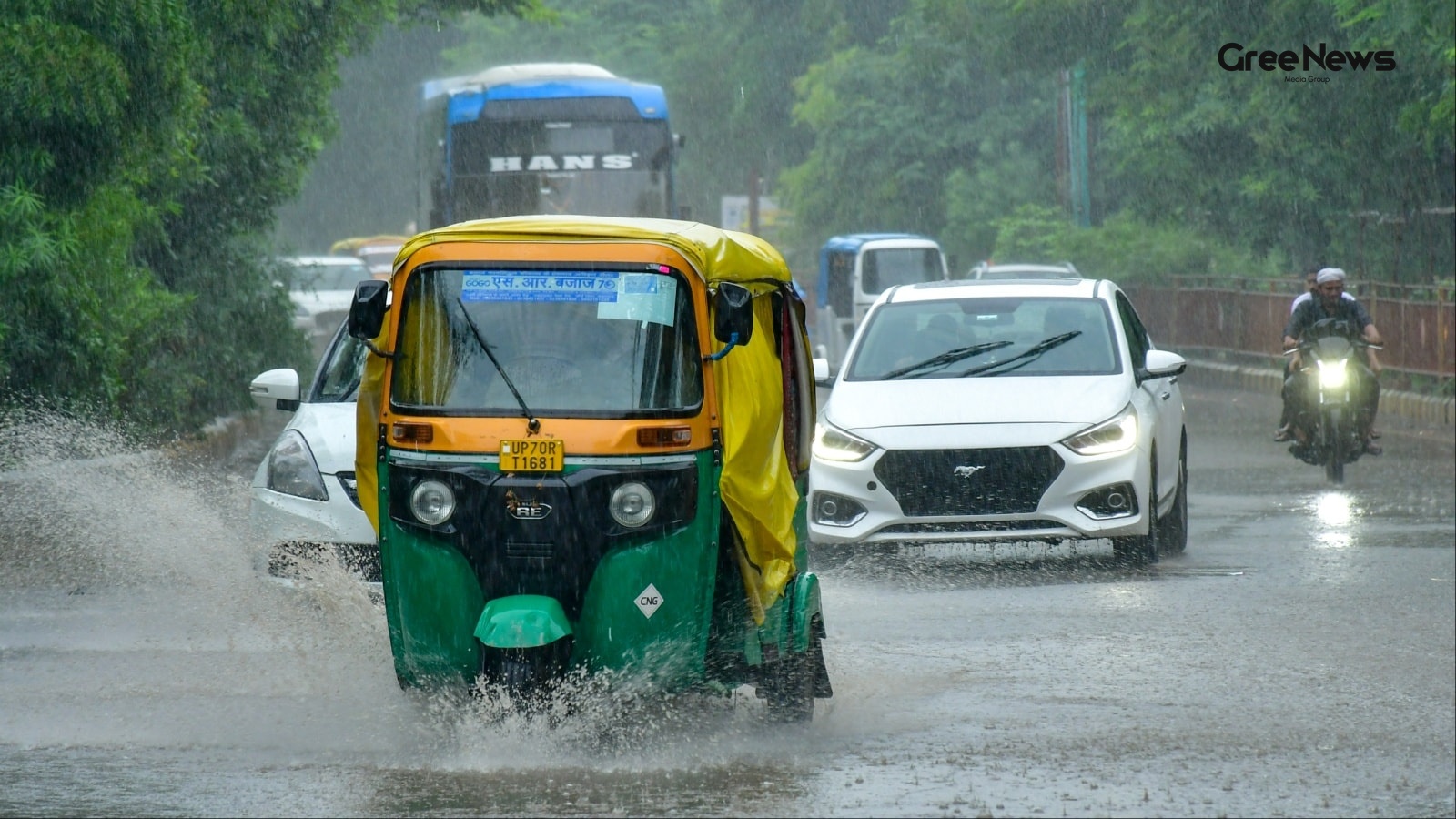
The monsoon spell is kicking in hard across India. The India Meteorological Department just issued warnings about active, heavy rainfall sweeping through large parts of the country now, forecasting serious deluge over several northern, eastern, northeastern and western states over the next few days.
Jul 20, 2026 by Gree News Team
JD Vance Announces Fourth Child and Family Milestone
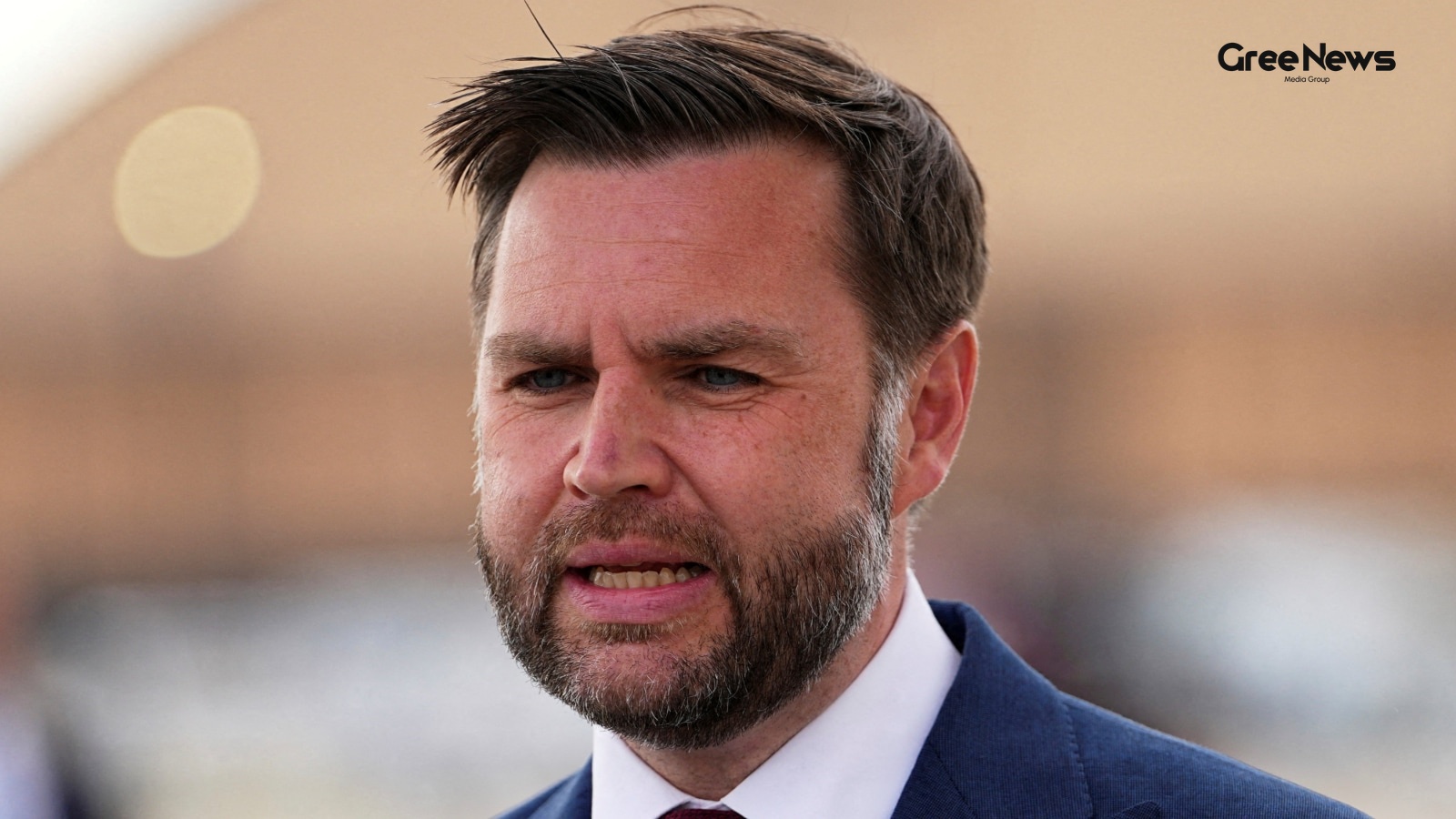
JD Vance just announced he had a fourth child. A son named Alec Neel Vance, with his wife Usha Vance. It came out in a statement shared online. He said everything was fine. The mother and the baby are happy and healthy. "Usha and the baby are happy and healthy," Vance wrote. "Our kids are overjoyed
Jul 20, 2026 by Gree News Team

World Cup Final History and Awards
Ferran Torres really made history, didn’t he? That moment in the 106th minute of the World Cup final, when he found the back of the net. It broke Argentine hearts completely as Spain finally claimed the title for the second time. His single strike that one goal it just sent everyone into delirium du
Jul 20, 2026 by Gree News Team
Choosing the Best 2-Ton Inverter Split AC
So you need a 2-ton inverter split AC if your space is big. Think living rooms, conference areas, or those larger halls around 200 to 260 square feet. That’s where these things actually make sense. Things are changing right now with these new models. We’re talking about ACs that have inverter compre
Jul 20, 2026 by Gree News Team

School Dispute Turns into Violent Assault in Ankleshwar
A fight between two school kids in Ankleshwar apparently turned into a full-blown assault. It all started way back with the family of one student stopping two sisters on their way to tuition classes, and then things got seriously violent. They attacked them with a cricket bat and slippers. This whol
Jul 20, 2026 by Gree News Team
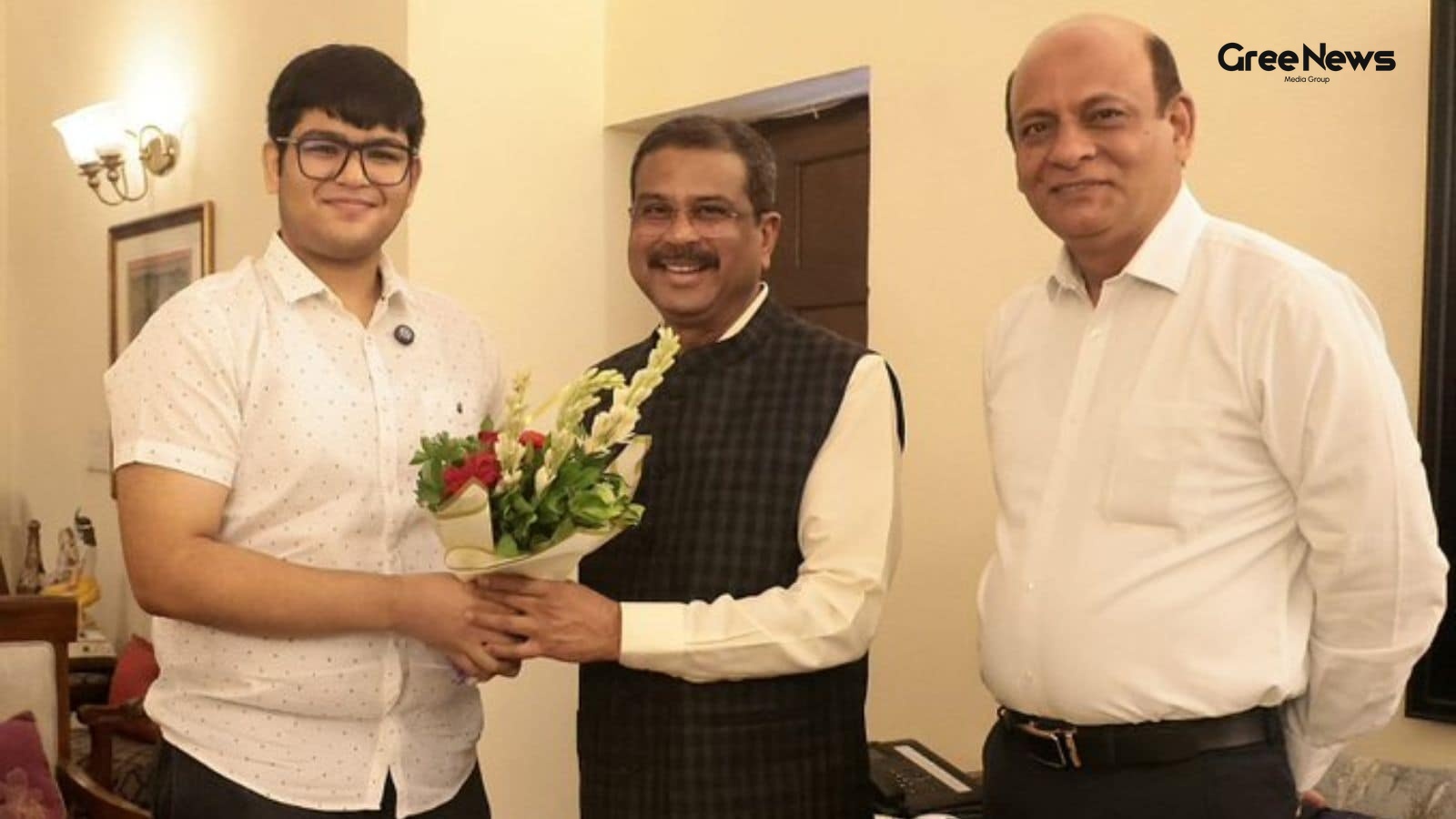
NEET Success Story: Dedication and the Journey to Medical Entrance
Dharmendra Pradhan had a meeting recently with Panshul Bansal, who came in holding the All India Rank 2 spot for the NEET UG 2026 exam. It was about that huge medical entrance test everyone talks about. Pradhan congratulated him. Praised him for the sheer hard work and commitment he showed. Said his
Jul 20, 2026 by Gree News Team
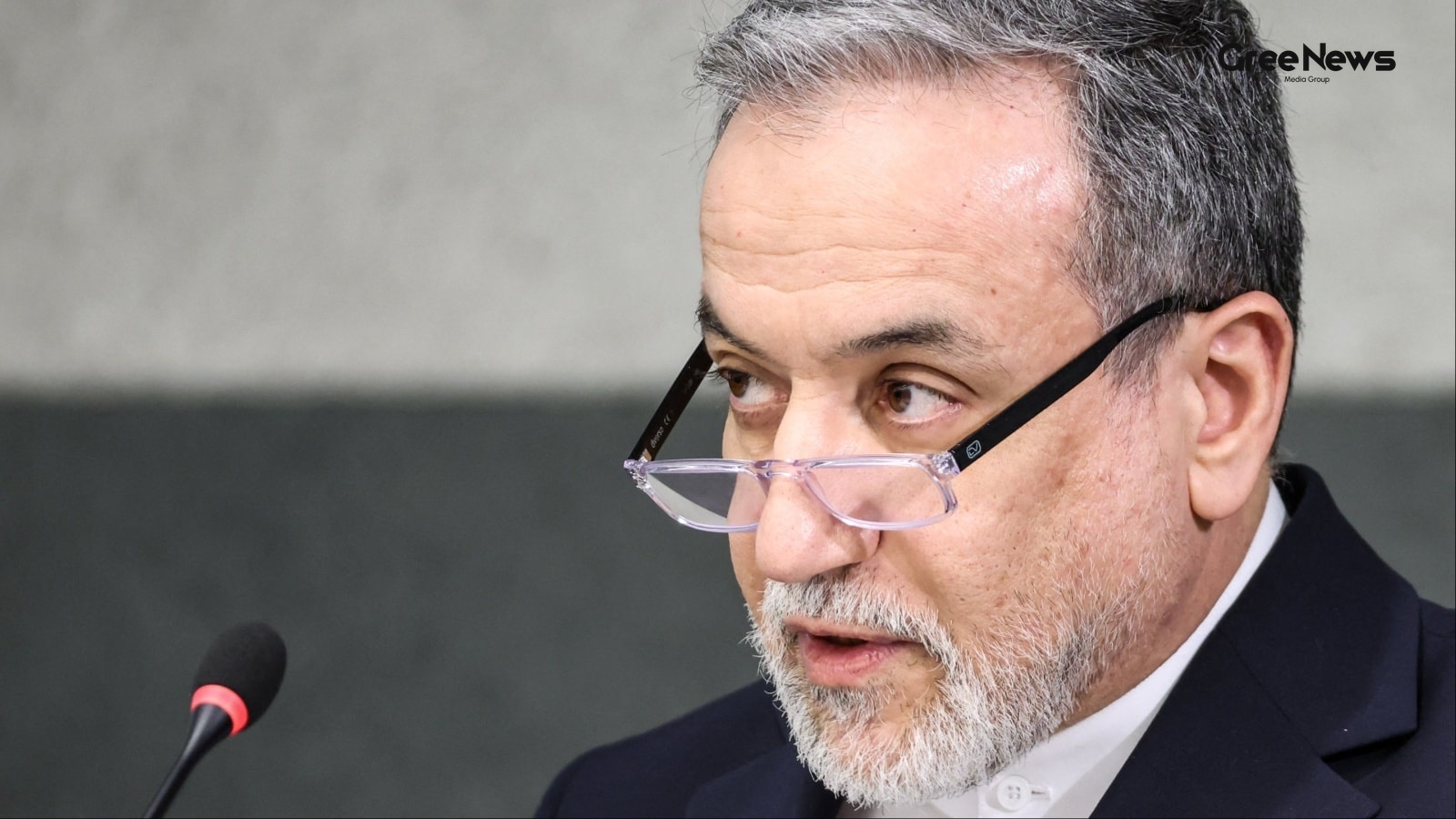
The Psychological Weight of Peace Talks Between Iran and the United States
Abbas Araghchi, the Iranian Foreign Minister, brought up something heavy in an interview with Mehr news agency. He talked about the sheer psychological weight his delegation was under during those peace talks with the United States. It wasn't just diplomacy; it felt like constant danger. He said the
Jul 20, 2026 by Gree News Team
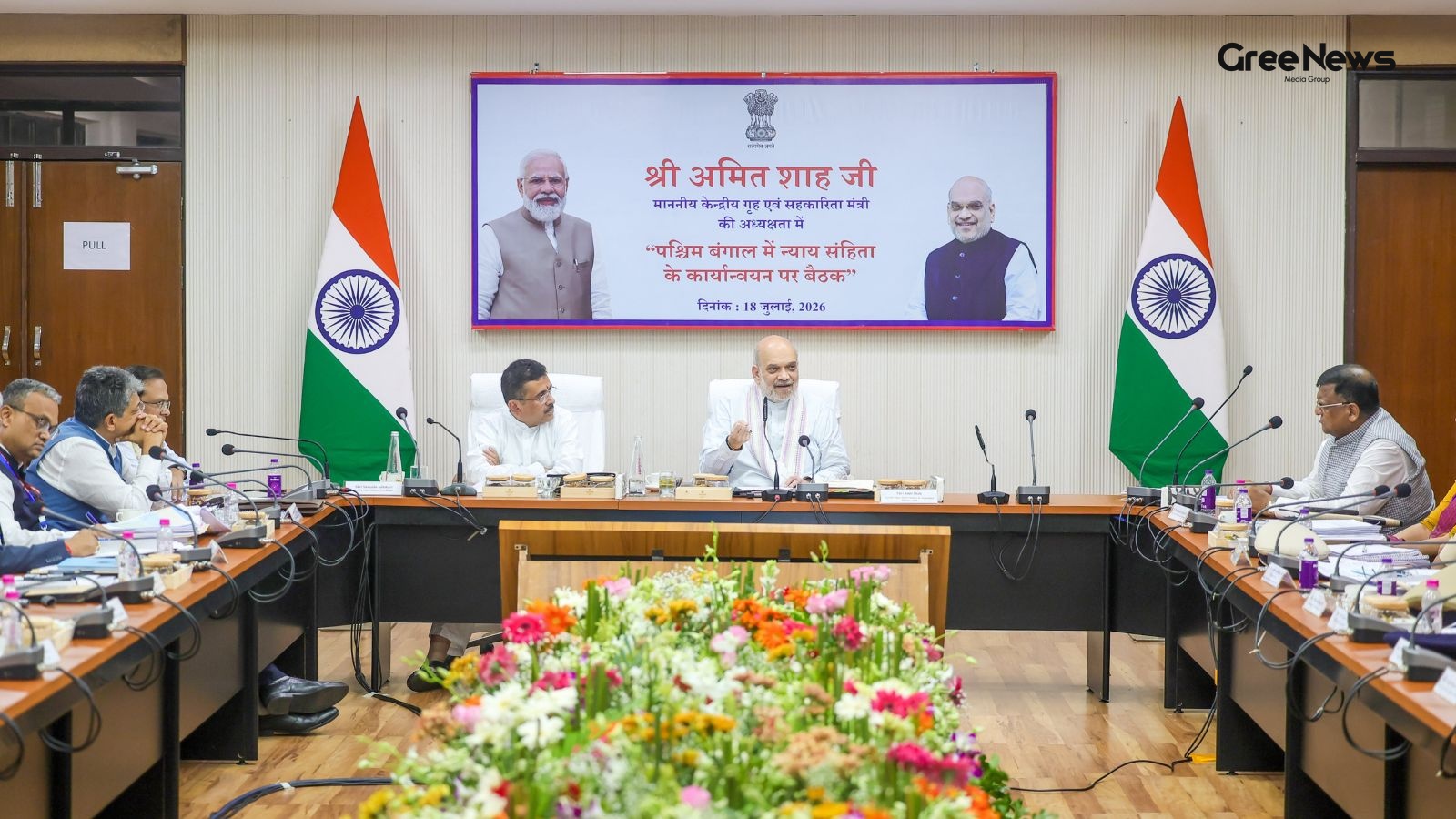
Amit Shah's Review on Security and Law and Order in West Bengal
Amit Shah, Union Home Minister and Minister of Cooperation, chaired a high-level review on Sunday. It was about the law and order situation in West Bengal. The whole thing was an outline for strengthening internal security, policing, and the criminal justice system there. The focus wasn’t just gener
Jul 20, 2026 by Gree News Team
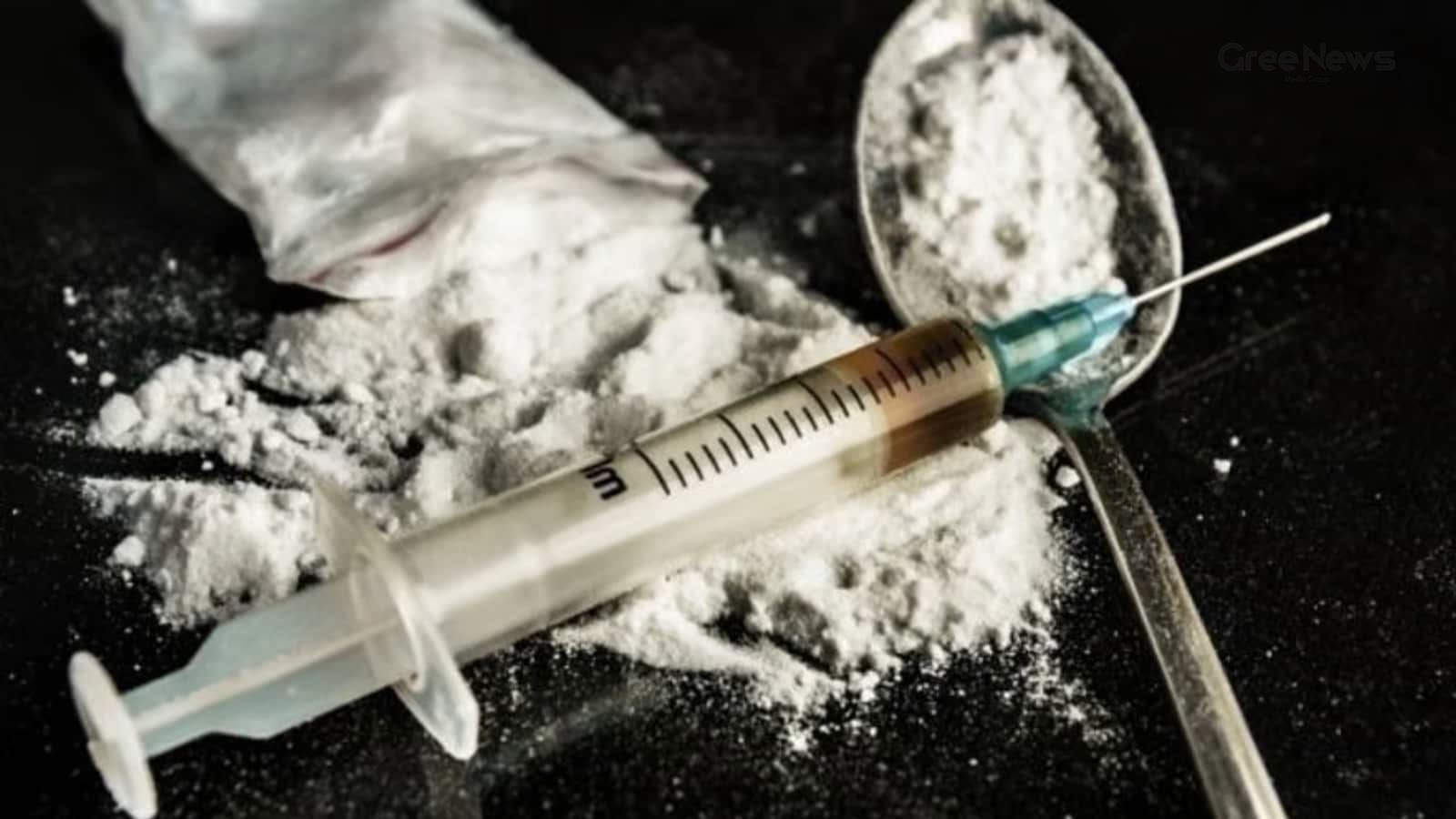
Punjab Police's Anti-Drug Effort: Yudh Nashian Virudh Results and Strategy
The Punjab Police rolled out this big anti-drug effort Yudh Nashian Virudh. It’s been running for 500 days now. And it seems to have made some serious dents in the drug trade, plus got communities involved somehow. It really hinges on three things: heavy enforcement, getting people into the communit
Jul 20, 2026 by Gree News Team
US Iran War News Live
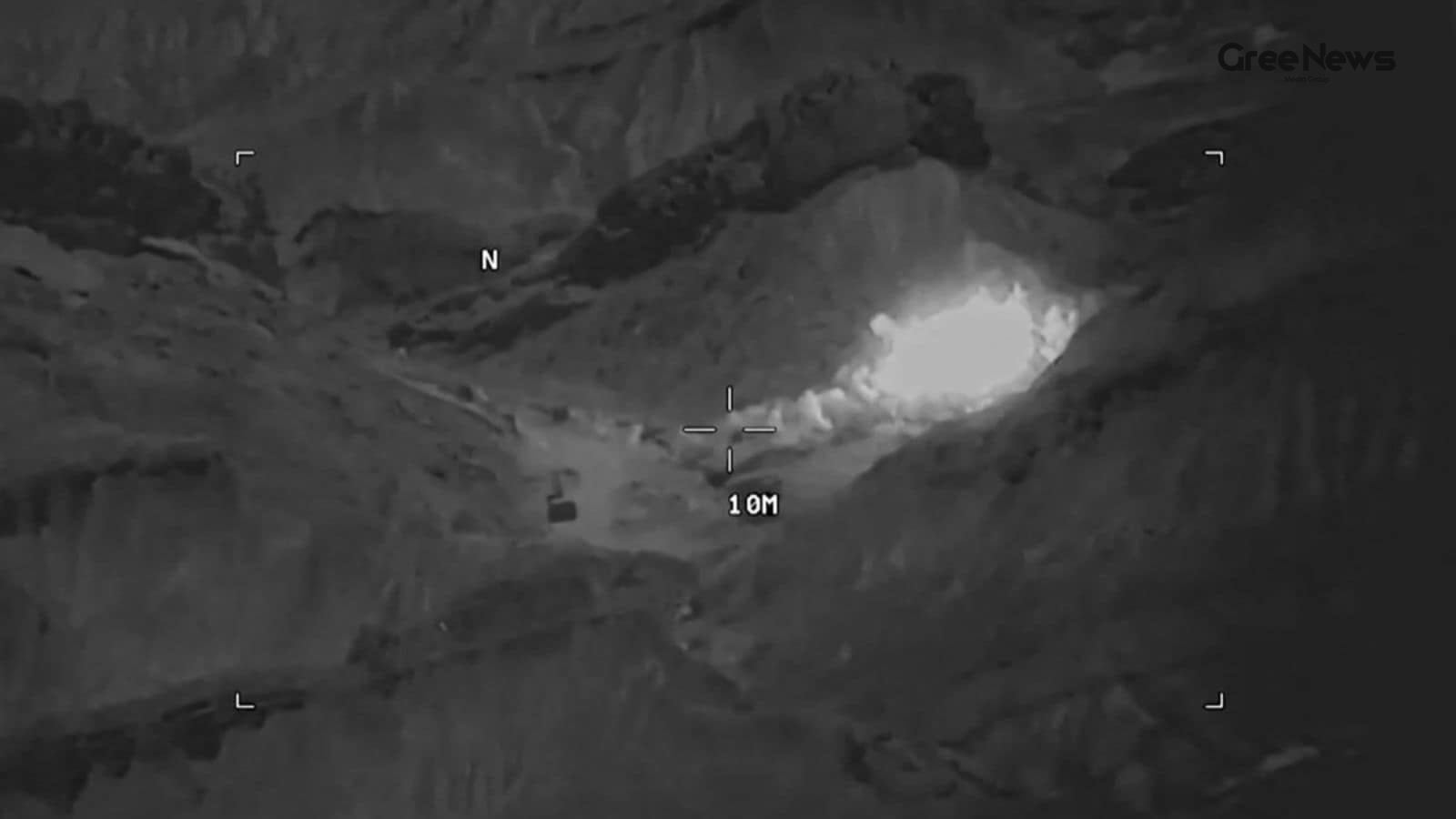
US Iran War News Live. Central Command, CENTCOM, just announced they launched another round of air strikes on Iran Sunday night. This is the ninth time in a row. The whole operation aims to chip away at Tehran’s military strength. Specifically targeting commercial ships in the Strait of Hormuz. And
Jul 20, 2026 by Gree News Team
Marco Rubio on US-Iran Relations and Military Escalation
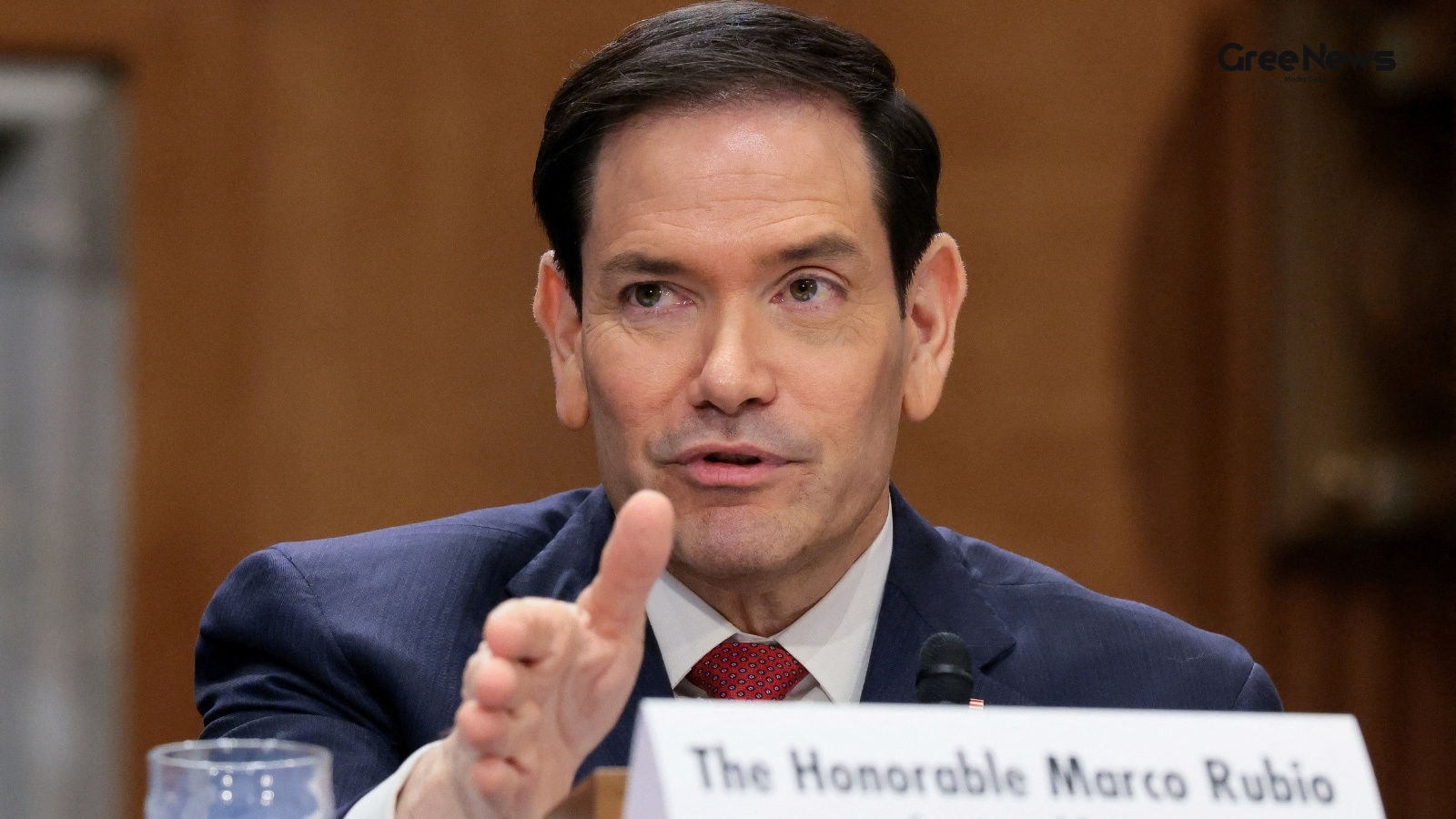
Marco Rubio, the Secretary of State, is saying Washington is getting signals. Indications that Iran wants to talk, even while there are huge divisions happening inside their own leadership structure right now. He spoke to CNN about it. Said they are hearing signs multiple channels telling them Iran
Jul 20, 2026 by Gree News Team

Stock Market Update: July 20th Performance and Global Factors
Stock Market Today, July 20th. It kicked off the week weak domestically. Cautious global vibes were dragging things down. You saw that as the Gulf conflict escalated, crude oil prices jumped past ninety dollars a barrel. Inflation worries flared up right along with it. Selling hit heavyweight privat
Jul 20, 2026 by Gree News Team
Delhi Security and Protest: High Alert Ahead of Monsoon Session
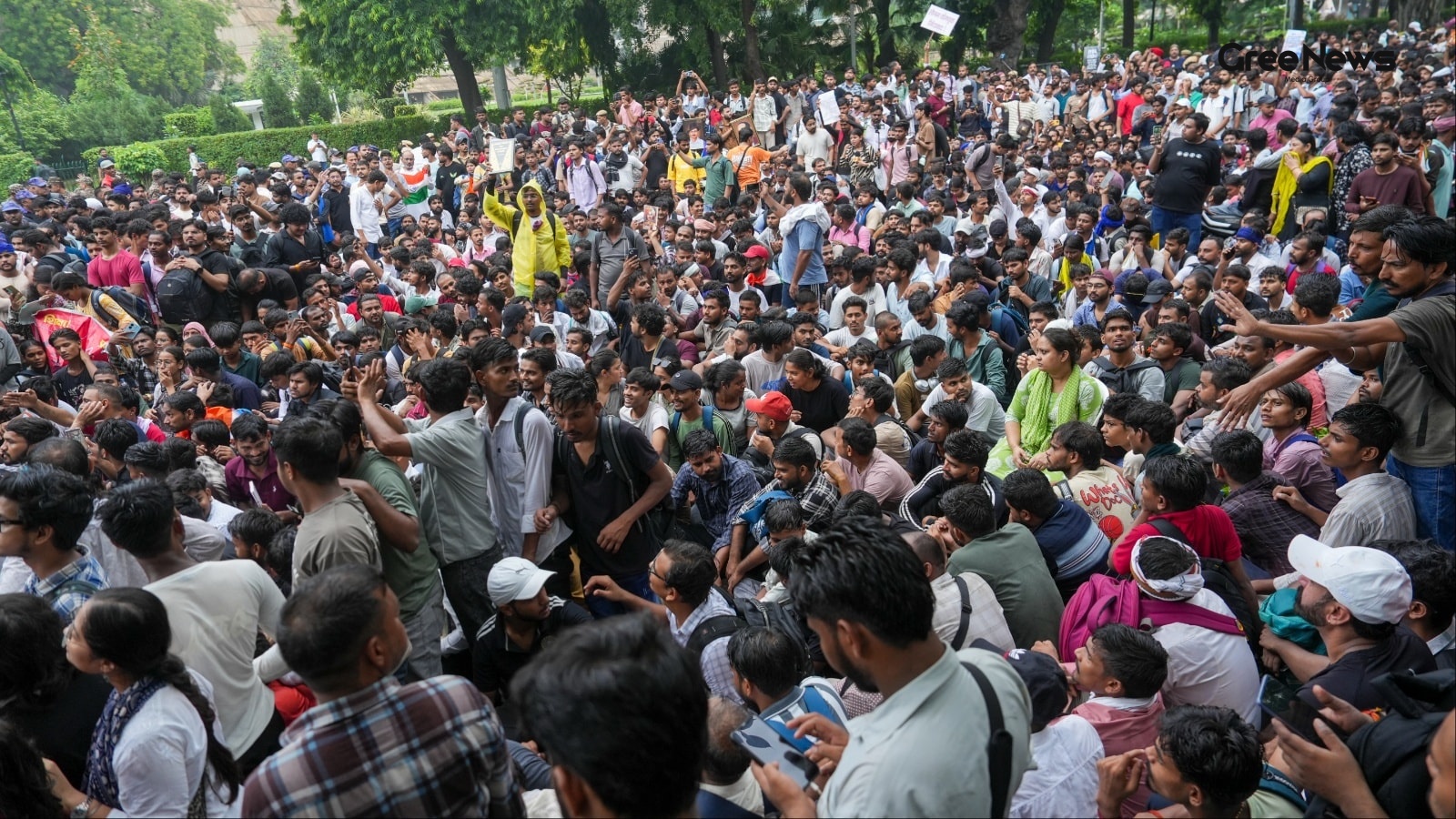
Delhi is buzzing with tension right now. The national capital has been placed on high alert because of the upcoming Monsoon Session in Parliament. Delhi Police have rolled out massive security operations, trying to manage things as the Cockroach Janata Party CJP prepares for its planned ‘Chalo Sansa
Jul 20, 2026 by Gree News Team
Monsoon Session of Parliament 2026: Political Showdown and Legislative Agenda
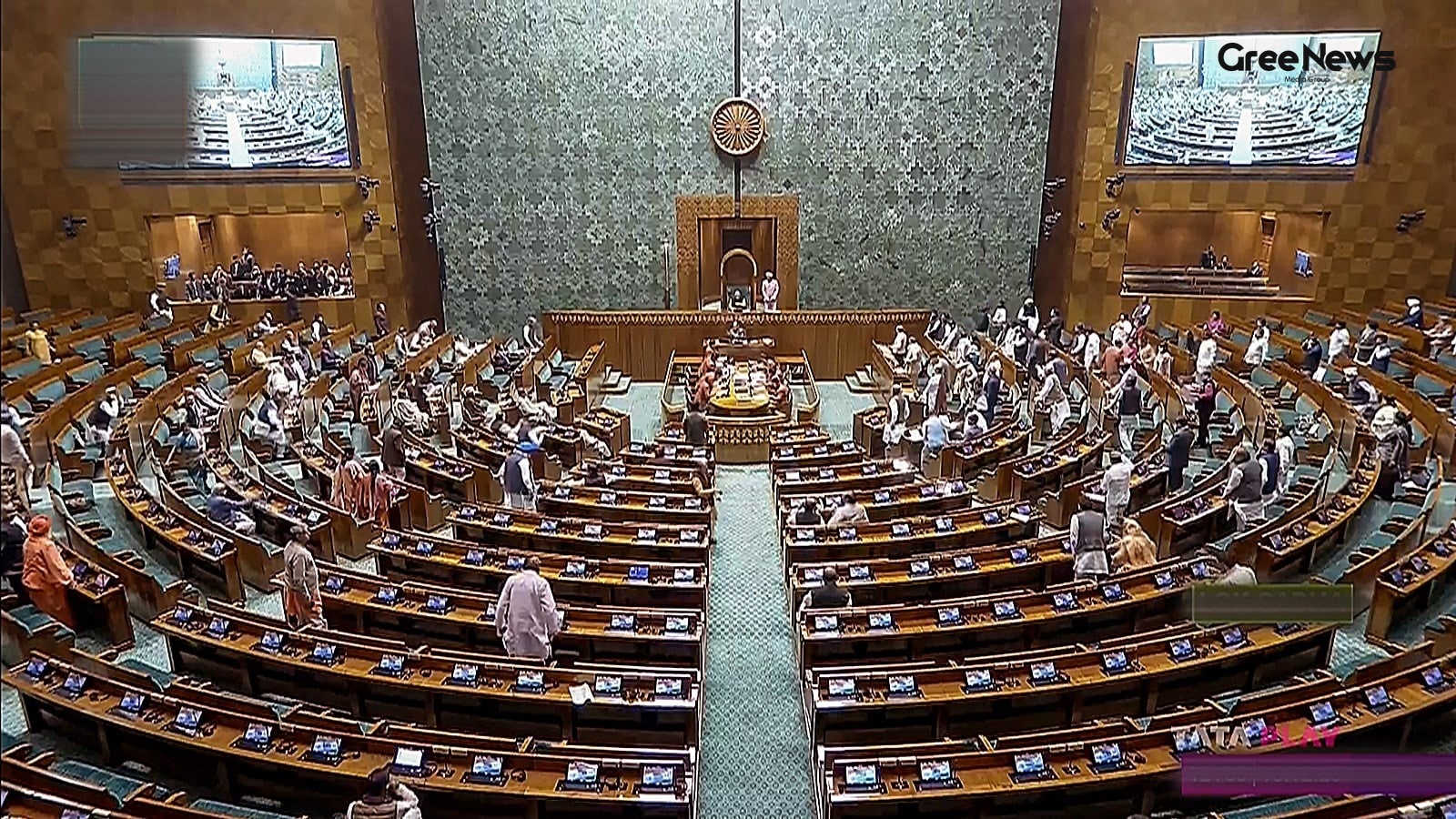
The Monsoon Session of Parliament 2026 kicked off today. And honestly, the mood is already thick with expectation. It feels like a political showdown waiting to happen. The ruling NDA government is gearing up to throw some heavy reform Bills on the table. Meanwhile, the Opposition isn't sitting stil
Jul 20, 2026 by Gree News Team
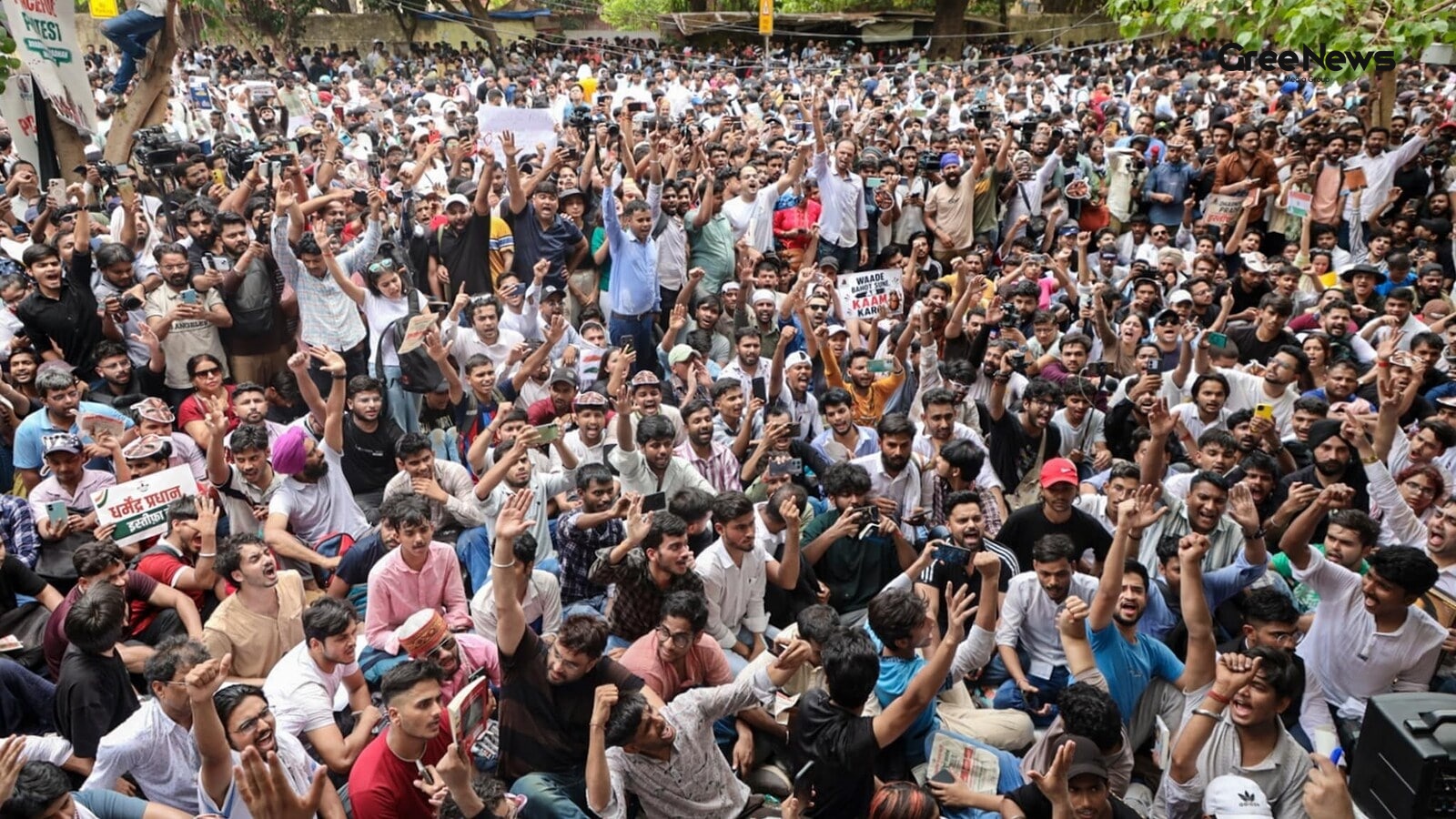
Sonam Wangchuk's Protest and the Demand for Accountability
Sonam Wangchuk’s protest, kicked off by the Cockroach Janta Party, is moving toward Parliament now. It’s their ‘Chalo Sansad’ march. They are demanding the resignation of Union Education Minister Dharmendra Pradhan. The reason? Alleged NEET paper leaks. Student suicides. Everything about the whole e
Jul 20, 2026 by Gree News Team