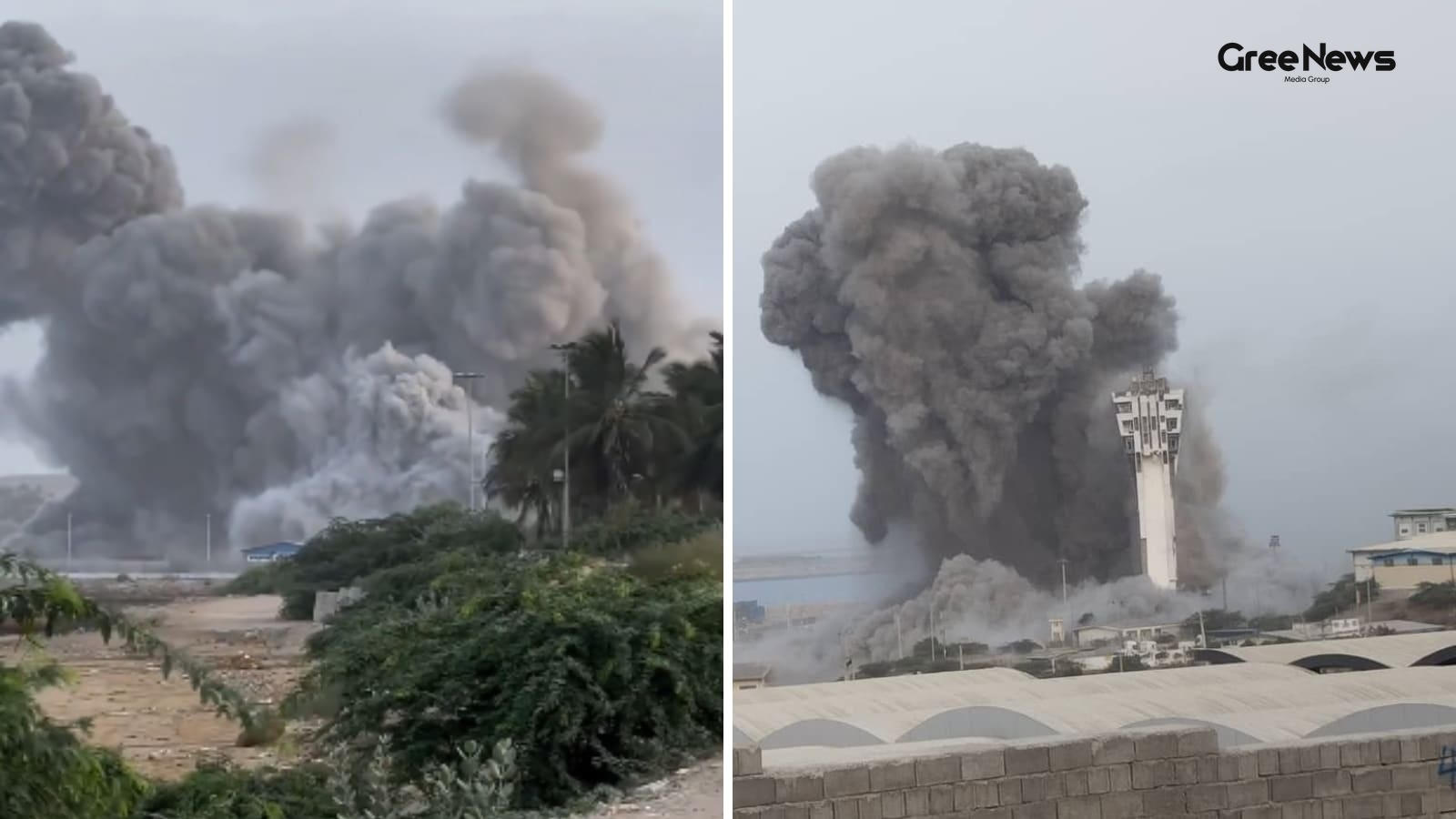
The latest news coming out of the US-Iran standoff is just… chaotic. You see these reports, right? The strikes themselves they kill people. Iranian state television put out that they lost at least seven lives in those recent US airstrikes. That’s what they claim. And it all happened while Washington and Tehran kept throwing fire at each other. Sixth night now, crossfire continuing without pause.
It’s a relentless cycle, isn't it? You look at the geography targeted. It wasn't just random. They hit the southern coast. Islands too. Bandar-e-Khamir was one of those spots. Three bridges near that city got hammered. That always draws attention. Then you have the other areas mentioned Ahvaz, Qeshm, Bushehr… Dashti, Bostan, Sirik, and Bandar-e-Lengeh. A whole stretch of coastline targeted in this exchange. It feels like they are trying to saturate everything.
And it wasn't just about coastal targets. The strikes spilled over into the infrastructure. They hit road systems. Railway lines got targeted too, specifically across Hormozgan province. That kind of targeting suggests something deeper than just military positioning. It’s hitting how things move. How they connect.
Then there was Iranshahr. An airport got hit there. Not a direct military strike necessarily, but it caused damage. Power outages followed quickly. Just another layer added to the stress on the system. You see how easily things break down when you are operating at this level of tension? Damage spreading beyond the immediate blast zone.
And don't forget Kish Island. Reports surfaced about airstrikes there too. Temporary power disruptions. Little headaches, maybe, but still noise in an already overloaded environment. It shows that nothing is safe right now. Power grids flickering. Essential services being interrupted by this whole mess.
CENTCOM that’s the big command talking about it. They claim their operation wrapped up at dawn Friday. What they were hitting? Not just military hardware, mind you. They hit coastal surveillance sites. Air defense systems. Logistics infrastructure. Maritime capabilities. It's a broad sweep of targets. Trying to cripple the ability to see and fight effectively.
But the response isn’t passive. Iran is firing back. Missile attacks. Drones. Targeting US military bases. And allied countries nearby. That escalation factor changes everything. It shifts the dynamic from just an exchange into something much more volatile, a genuine push toward broader conflict. The missiles and drones are aimed at centers of power across the region.
It’s this constant back-and-forth that makes it impossible to track neatly. One minute you're talking about bridges and coastlines. The next, you’re dealing with missile trajectories hitting bases far away. It just keeps shifting focus. A very messy situation unfolding in real time. You have these separate threads the strikes, the infrastructure damage, the retaliatory attacks and they all bleed into one uncomfortable reality.
People are watching this closely. They see the reports coming out of Tehran and Washington. They don't get the polished press releases. They just see the immediate impact. The casualties reported by state media… that’s a stark number thrown onto the background noise of military maneuvers. It forces you to look at the human cost, even when talking about logistics and infrastructure damage.
And then there’s the broader picture. This isn't an isolated incident anymore. It feeds into something much larger in the Middle East. The alliances are fraying under this strain. How do these regional powers react? What happens next if the missile attacks keep coming? Does it just escalate further? Or is there some internal calculus happening that we aren’t seeing yet?
The narrative keeps shifting. One moment, it's about specific coordinates and destroyed facilities in Hormozgan or Kish. The next, it’s about the strategic positioning of military assets globally. It becomes less about where the bombs fell and more about why they decided to fall there. And that "why" is incredibly hard to pin down when you have this much kinetic activity happening constantly.
It's observational work, really. Watching these reports come in. Not just reading them as a perfect timeline. You notice the pauses. The way certain details get emphasized over others. It’s the uneven rhythm of events unfolding. One moment there’s specific damage to an airport causing local outages. The next, you jump across continents to see missile launches targeting bases.
The flow is broken because reality isn't linear when things are this intense. You can’t just stack the facts neatly into a sequence. It’s more like a series of overlapping crises happening simultaneously. One area burning down while another is launching rockets. And all those actions feed back into each other, creating this heavy, suffocating atmosphere across the entire region.
The real story isn't just the strikes themselves. It’s the reaction. The constant state of readiness. The way these regions are being pushed to their limits by this continuous friction. Every reported incident the bridge hit, the power outage in Iranshahr, the drone launch from Kish it all adds up to an overwhelming sense of instability. A feeling that things can snap at any moment. That’s what hangs over everything right now. The uncertainty is palpable. It's just this relentless, uneven reality unfolding day by grinding day.
Written by Gree News Team — Senior Editorial Board
Gree News Team covers international news and global affairs at Gree News. Our collective of senior editors is dedicated to providing independent, accurate, and responsible journalism for a global audience.
More from World
View All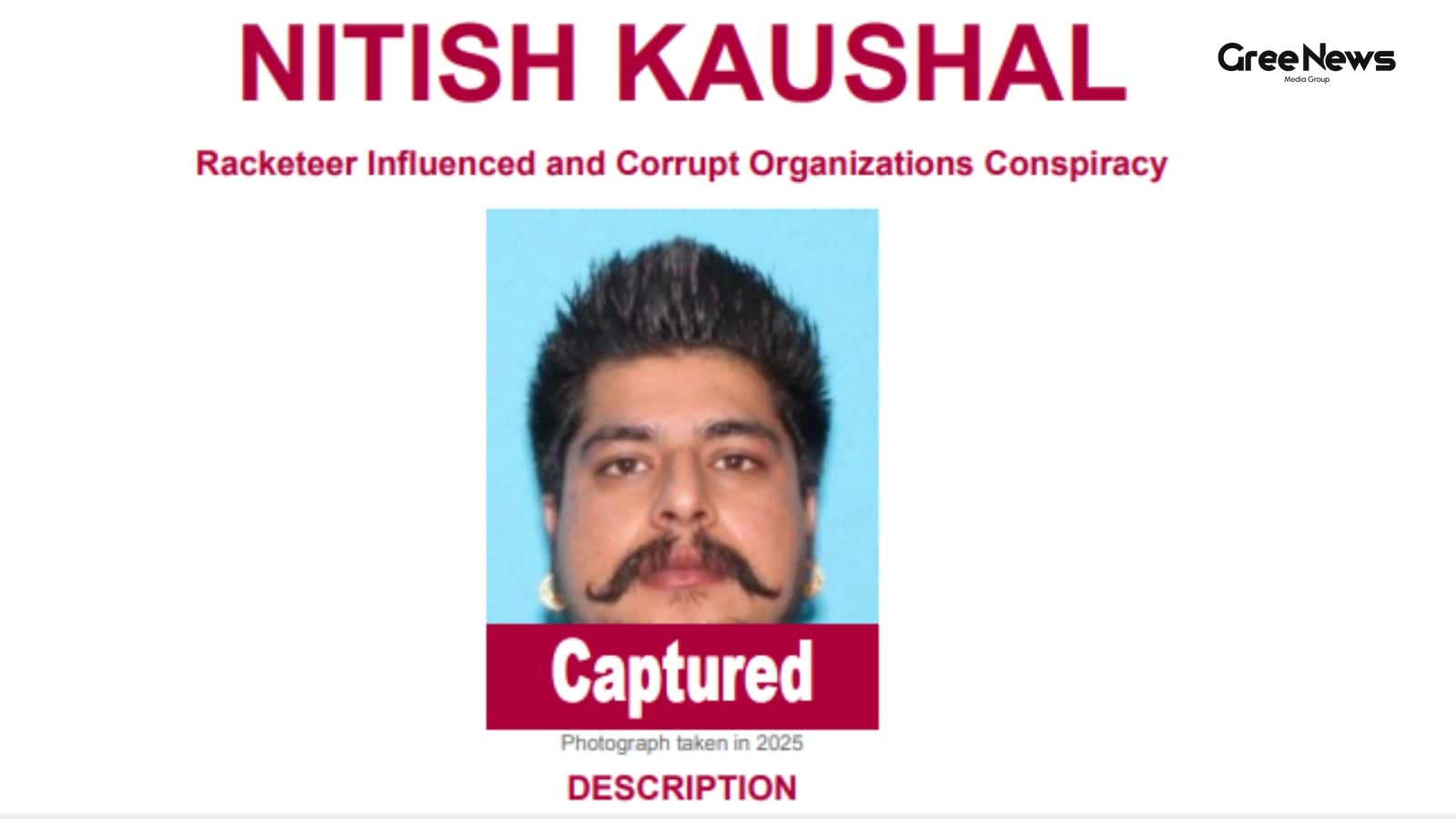
Nitish Kaushal and the Bhagwanpuria Organized Crime Group
Nitish Kaushal. An Indian-origin gangster. He’s been arrested in the US now. Days after getting added to the FBI's Most Wanted list. That’s where it started. The Federal Bureau of Investigation announced this stuff on Thursday. They said US law enforcement actually took him into custody in Vermont.
Jul 17, 2026 by Gree News Team
European Commission Report on Pakistan's Human Rights Situation
That European Commission report just dropped. It paints a really bleak picture of Pakistan’s human rights situation. We’re talking serious stuff: enforced disappearances, restrictions on basic freedoms, problems with the courts, minority rights, and labor protections are all flagged. And here’s the
Jul 17, 2026 by Gree News Team
US and Iran Attacks: Conflict, Strikes, and the Strait of Hormuz
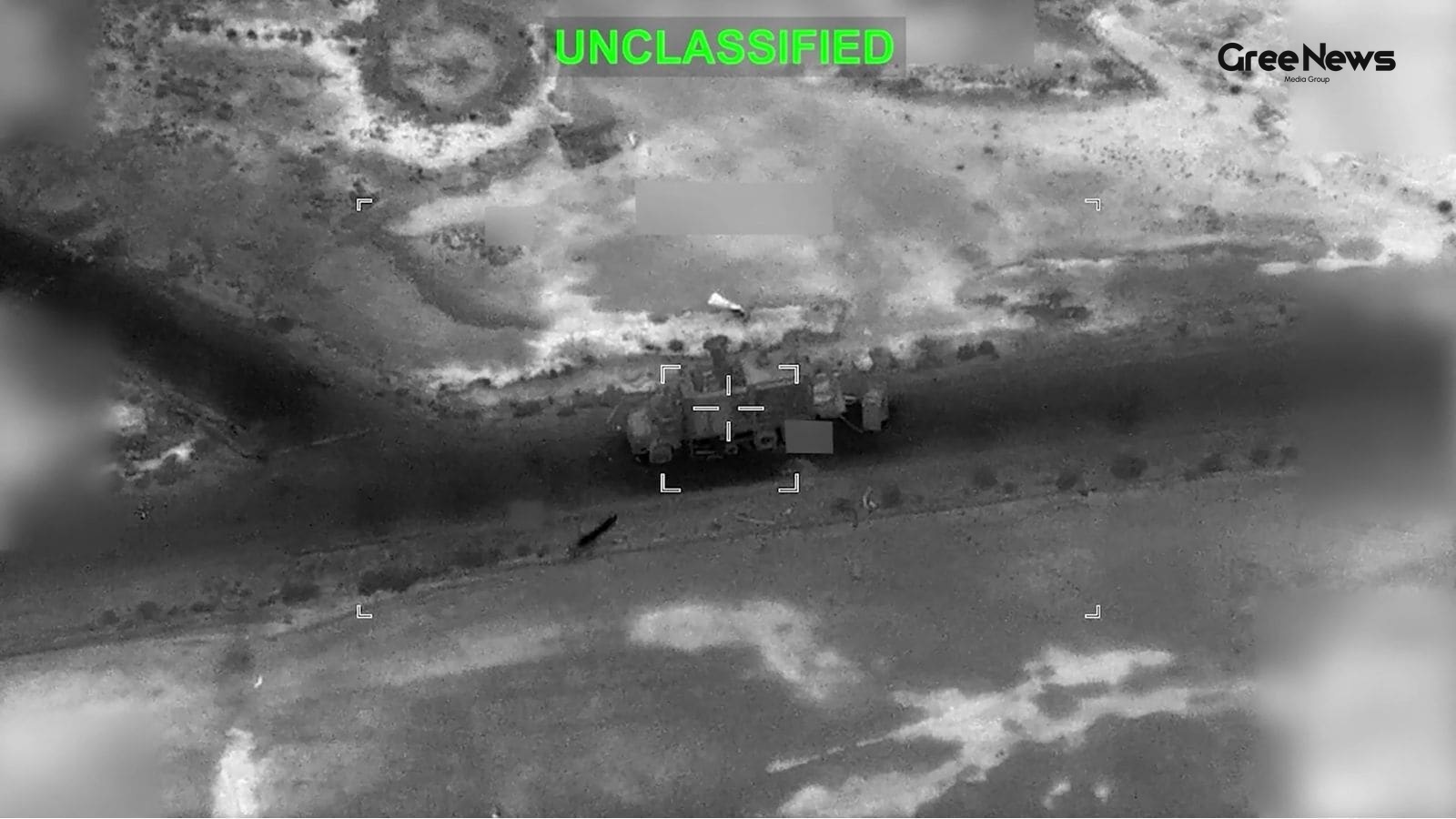
The exchange of attacks between the US and Iran kept going. It was the sixth night straight now. American forces kept hitting Iranian infrastructure bridges, train stations, an airport. Iranian state television said strikes on road and railway stuff in Hormozgan province killed at least seven people
Jul 17, 2026 by Gree News Team

New Military Health Initiative: Testosterone Screening for Service Members
Pete Hegseth, the Defence Secretary, dropped a bomb this week about a new military health initiative. It’s pretty direct: active-duty and reserve personnel who are thirty or older will now have testosterone deficiency screened as part of their regular medical checks. That takes effect right away. Th
Jul 16, 2026 by Gree News Team
Latest Headlines

Controversy involving Lord Krishna, Islam, and Maulana Jarjis Ansari
Lord Krishna Namaz Row. That’s what started it. A controversy blew up after some video surfaced involving cleric Maulana Jarjis Ansari. He allegedly claimed Lord Krishna was Muslim. And that Krishna offered namaz five times a day. It went viral on social media fast. This whole thing immediately trig
Jul 17, 2026 by Gree News Team
Andhra Pradesh Covid-19 Statistics and Management Report
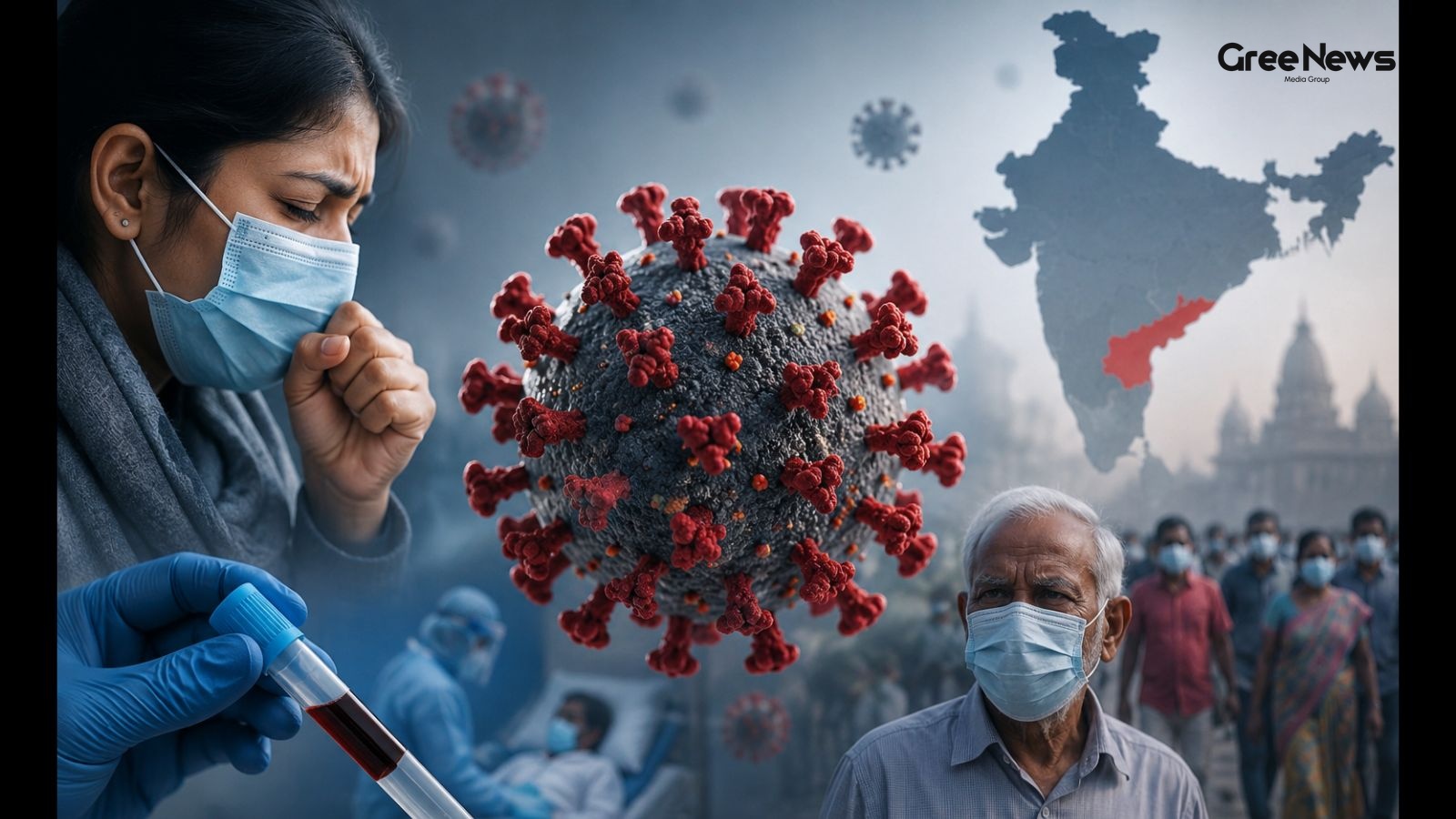
Andhra Pradesh is seeing some grim numbers lately. They clocked twelve Covid-19 infections between June 26 and July 16. And four people died from it. That’s what State Health Commissioner G Veerapandian told them on Thursday. Sporadic cases, he said in a release. Twelve people caught the virus in th
Jul 17, 2026 by Gree News Team

Lipfendra (enlicitide): The New Once-Daily Oral PCSK9 Inhibitor
The FDA just gave the green light for Lipfendra, which is enlicitide. It’s a big deal because it’s the first time we have a once-daily oral PCSK9 inhibitor available for adults dealing with certain types of high cholesterol. Merck developed this pill. It offers a new route. A way around those pesky
Jul 17, 2026 by Gree News Team
IT Stocks Jump After June-Quarter Earnings Release
IT stocks generally jumped Thursday after those June-quarter earnings came out. Investors seemed to favor companies that showed better growth, pushing hard on margins and guidance for the ones that fell short. The Nifty IT index ticked up 1.33% in morning trade, hitting 29,103.50. Some large names w
Jul 17, 2026 by Gree News Team
Koel Mallick's Political Shift and West Bengal Politics
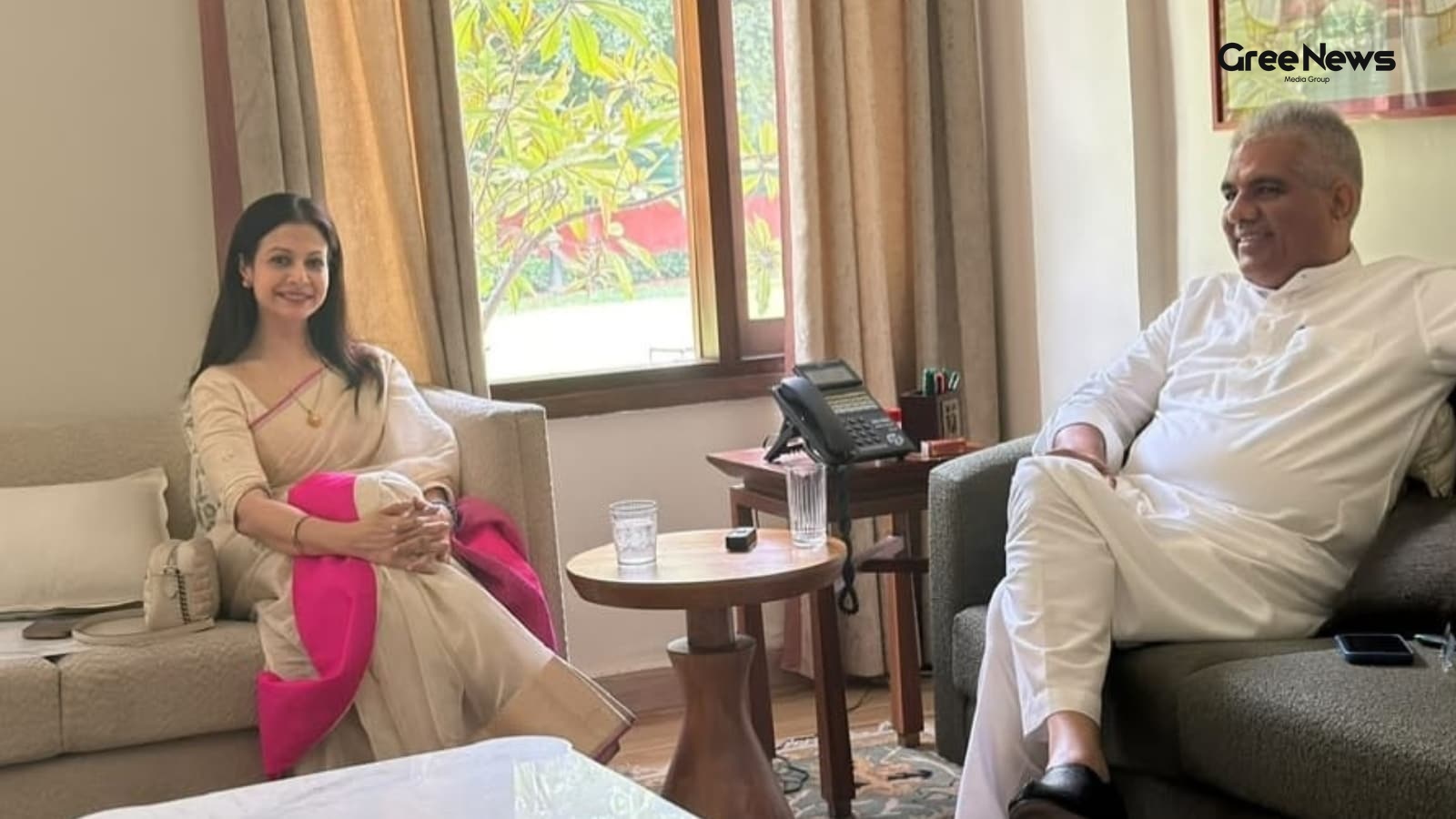
Koel Mallick stepping down from her Rajya Sabha seat without showing up for a single day in Parliament has really stirred things up in West Bengal politics. It’s just… unprecedented stuff, you know? There was chatter immediately about where she might go next. Some folks were talking about joining so
Jul 17, 2026 by Gree News Team

Donation Theft Scandal at Ram Mandir Complex
What started so simply. Finding a suspicious pile of cash tucked away in a washroom inside the Ram Mandir complex in Ayodhya. That little discovery snowballed fast into one of the biggest donation theft scandals ever linked to the temple. It’s unbelievable how that happened. A Times of India report
Jul 17, 2026 by Gree News Team

Domestic Equity Markets, Movers, and Global Factors
The domestic equity markets managed to push some gains this morning Friday. It felt like a brief lift, mostly fueled by buying in those heavyweight sectors IT, banking stocks, and a few big names overall. But you could feel the broader market still dragging a bit. Around ten-ten, things were moving
Jul 17, 2026 by Gree News Team

NEET Results 2026 Analysis and Cutoffs
So, look at these NEET results for 2026. It’s a lot to take in. We’re talking about 11.21 lakh candidates who actually qualified out of a huge pool of twenty lakh applicants. That’s the baseline. And you see some names popping up. Aryan Gupta from Punjab, and Panshul Bansal from Haryana. They snagge
Jul 17, 2026 by Gree News Team

Cab Ride Dispute and Safety Concerns in Pune
Three women were riding in an app cab when everything went sideways. The driver just asked them to make room for his male friend. It all happened late at night, somewhere in Pune, Maharashtra. He gave them two choices: get off right there or deal with his friend. They both refused. They questioned w
Jul 17, 2026 by Gree News Team

BSNL 100Mbps Broadband Plan Details
BSNL has this 100Mbps broadband plan. It’s worth looking at if you’re actually comparing fibre options right now. They say this service is out there almost everywhere, but the real story is how they’re pushing into rural areas with that BharatNet thing. What does the deal actually look like? It cost
Jul 17, 2026 by Gree News Team

Jason Sanjay: The Journey to Directing and the Film *Sigma*
Jason Sanjay, you know, he’s ready for the film world now. But there’s a twist here. He isn't jumping in as an actor. Nope. He’s going in as a director. Making his first feature, *Sigma*. It’s all about getting behind the camera for him. Excitement is building around this project, naturally. And Jas
Jul 17, 2026 by Gree News Team

Panshul Bansal's NEET 2026 Success Story and Study Routine
Panshul Bansal just hit the internet hard. Seriously. The moment he found out he snagged All India Rank 2 in NEET 2026 is completely melting hearts right now. It’s all over social media. An Instagram video from Allen Delhi caught the raw emotional celebration happening at home. You see him, sitting
Jul 17, 2026 by Gree News Team

Fight Over Fare Money Between Cab Driver and Passenger Goes Viral
A fight over fare money between a cab driver and a female passenger has blown up online, going viral across the internet. It all started after a ride from Noida to Laxmi Nagar in Delhi ended badly. Both sides spilled different versions of what actually happened once that trip was over. The clip itse
Jul 17, 2026 by Gree News Team
Building Collapse and Construction Quality Issues in Noida’s Gardenia Gateway
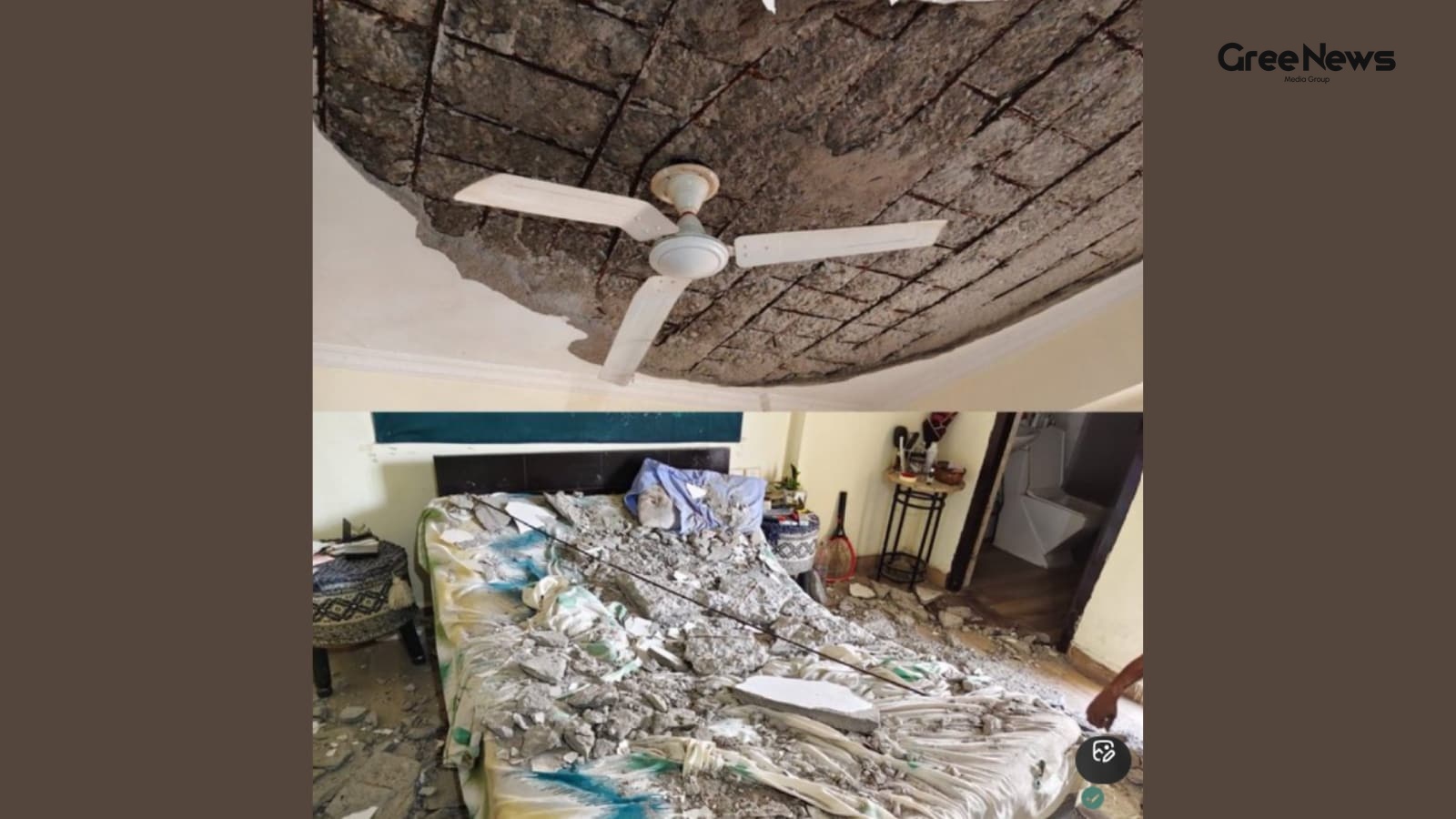
Something happened in Noida’s Gardenia Gateway society. A ceiling just came crashing down inside an apartment in Sector 75. It was Thursday, July 16th. No one got hurt. That’s the main thing. The tenant had actually stepped out of the room just moments before the structure gave way. But the aftermat
Jul 17, 2026 by Gree News Team
US and Iran Attacks: Conflict, Strikes, and the Strait of Hormuz
The exchange of attacks between the US and Iran kept going. It was the sixth night straight now. American forces kept hitting Iranian infrastructure bridges, train stations, an airport. Iranian state television said strikes on road and railway stuff in Hormozgan province killed at least seven people
Jul 17, 2026 by Gree News Team