Taslima Nasreen's Return to Kolkata: A Political and Literary Journey
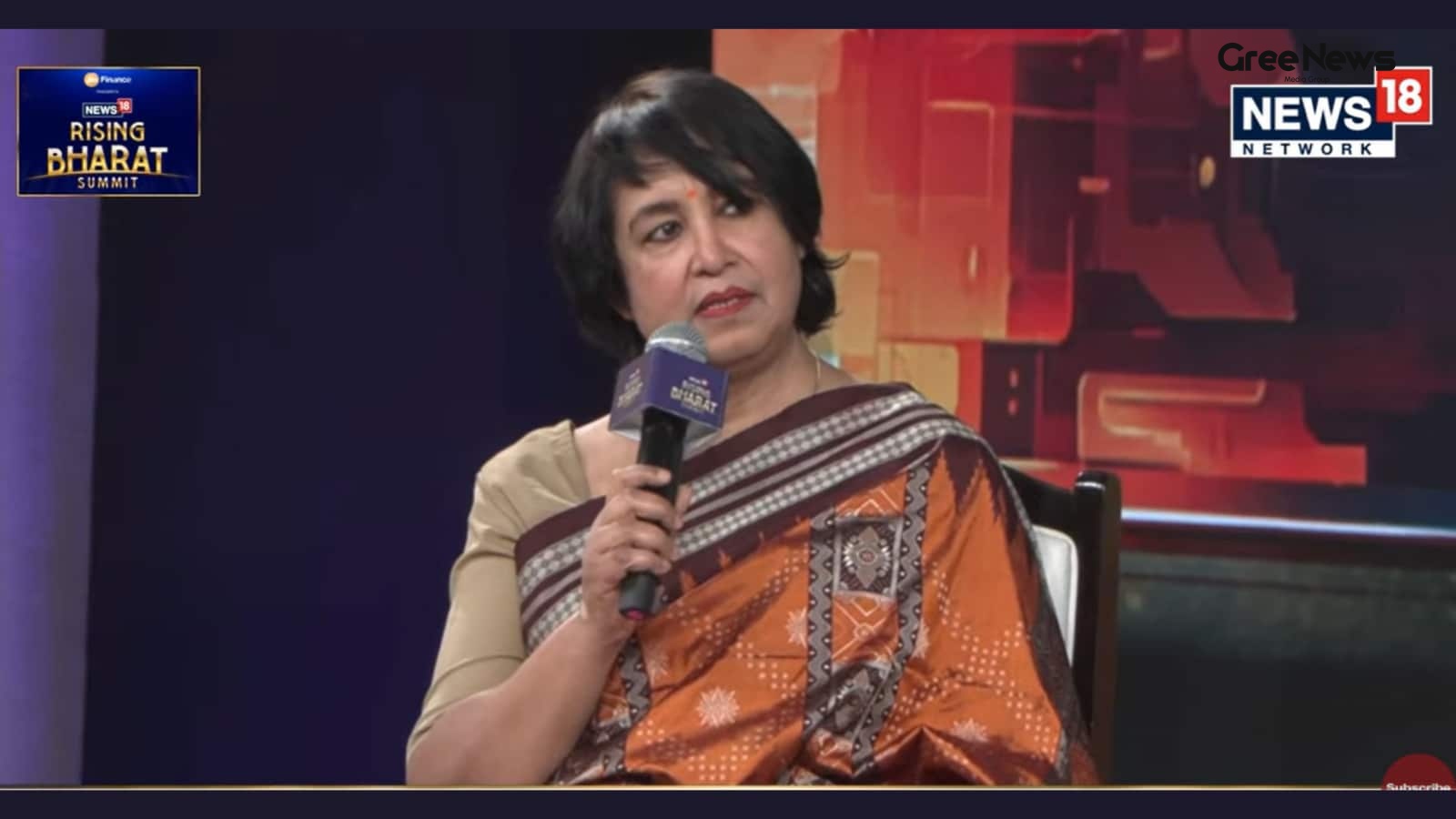
Nearly twenty years later, Taslima Nasreen is heading back to Kolkata. August 1st.
It’s set for a public event at Rabindra Sadan. She plans to recite poetry and talk about her time in exile, the reasons she had to leave that city.
Organisers are putting this together Secular Mission , Paschimbonger Jonno , Human Rights Beyond Frontiers . Chief Minister Suvendu Adhikari and author Shirshendu Mukhopadhyay are also expected there.
This is Nasreen’s first public appearance in Kolkata since November 2007. Organisers call it a celebration of free expression. The BJP spins the return as proof that West Bengal has changed politically. A really loaded way to frame it.
Why now? Why bring her back after all this time?
The organisers said they tried before. Previous attempts hadn't worked out. They chased Adhikari, hoping for security assurances. That’s what finally happened.
Osman Mallick of Secular Mission told The Indian Express about the push. They couldn't get it done during the previous government. But this time? Adhikari seemed to aGree. Security arrangements would be made. Nasreen aGreed to come.
Mohit Roy, from Paschimbonger Jonno , framed the occasion differently. It’s an honouring of her coming back after two decades.
“It will basically be an event to celebrate her coming to the city,” Roy said in PTI . “She was forced out on November 21, 2007, after the Left Front government backed fundamentalist forces. This is a new Bengal. We decided to honour her. The Chief Minister himself will be there.”
But Roy stopped short there. There was no talk about whether she would actually settle back in Kolkata permanently. Just an event for now.
The history of why she left Kolkata is complicated, incredibly so.
She settled there after getting a temporary permit from the Union government in 2004. For an author forced out of Bangladesh? The Bengali-speaking city felt like home. A cultural tether.
That peace didn't last long. Protests against Dwikhondito , her second autobiography, became explosive. Published in 2003. It contained passages that some groups found deeply offensive to religious feelings.
The Calcutta High Court hesitated initially, stopping the book because of a defamation case filed by Sayed Hasmat Jalal. Then the Left Front government banned it, citing fear of communal unrest. But the court reversed that ban in 2005. They felt the government’s decision was unjustified.
Opposition didn't stop. The tension kept building. In June 2006, Syed Noor-ur-Rehman Barkati, imam of Tipu Sultan Mosque, announced a reward for anyone who "blackened" her face.
Then came the real violence. August 2007. Nasreen was attacked by alleged AIMIM members in Hyderabad, linked to the Telugu translation of Shodh . The situation blew up in Kolkata in November 2007 too. Protests led to road blockades, violence, arson everywhere. The Army had to step in just to restore order then.
The Left Front government, under Buddhadeb Bhattacharjee, felt pressure. They wanted her gone. They worried she would fuel the unrest. Senior CPI(M) leaders suggested she move somewhere else until things cooled down.
She was moved out. First Jaipur. Then New Delhi. She left India in March 2008 and spent at least two years outside the country. Exile for over thirty years now.
Why that long exile? It started before Kolkata. Back in Bangladesh, in 1994.
Nasreen wasn't just a writer. She was a physician who became a huge voice questioning religious orthodoxy. Patriarchal structures. The violence against women. Her novel Lajja from 1993 got her international attention. It showed the persecution of a fictional Hindu family following the Babri Masjid demolition in India.
That criticism sparked death threats and fatwas back home. She left Bangladesh in '94. She lived across Europe, Germany even got her Swedish citizenship. Then India. Kolkata became her base before the whole thing fractured again in 2007.
She still lives in India under a permit. But she’s raised concerns about renewal. In 2024, she thanked Union Home Minister Amit Shah after extending her permit hours after posting on social media.
This return is deeply political now. It's not just about literature anymore. Critics argue the Left Front government chose political convenience over free expression. They say they didn’t protect free speech.
The Trinamool Congress governments that followed didn't help with her return either, despite appeals from writers and civil society groups.
Now the BJP wants to use this moment. They paint Nasreen as a symbol against religious fundamentalism. They accuse both the Left and TMC of prioritizing political games over basic freedom. A senior BJP leader put it plainly: previous governments chose expediency instead of free speech when stopping her return.
Samik Bhattacharya, current West Bengal BJP president, brought this up in Parliament too. He pushed for the Centre to facilitate her coming back.
Nasreen herself has spoken about this feeling. She said she didn't want to be "kicked around like a football" by shifting political winds. She wanted governments to let her travel to Kolkata for literature festivals and book fairs.
But is that enough? Is it permanent? Organisers have been clear: there was no discussion about her settling back down again. It’s an August 1st appearance. That's the end of this particular journey, at least for now.
Written by Gree News Team — Senior Editorial Board
Gree News Team covers international news and global affairs at Gree News. Our collective of senior editors is dedicated to providing independent, accurate, and responsible journalism for a global audience.
More from India
View All
Man Allegedly Chopped Off Hands in Petrol Pump Attack
A 28-year-old man was critically hurt. His hands, they claim, were allegedly chopped off with an axe. This happened after some argument at a petrol pump in Mahoba district, Uttar Pradesh. Police are looking into it. The incident occurred around eleven o'clock on Tuesday night outside the Chandel Pet
Jul 15, 2026 by Gree News Team
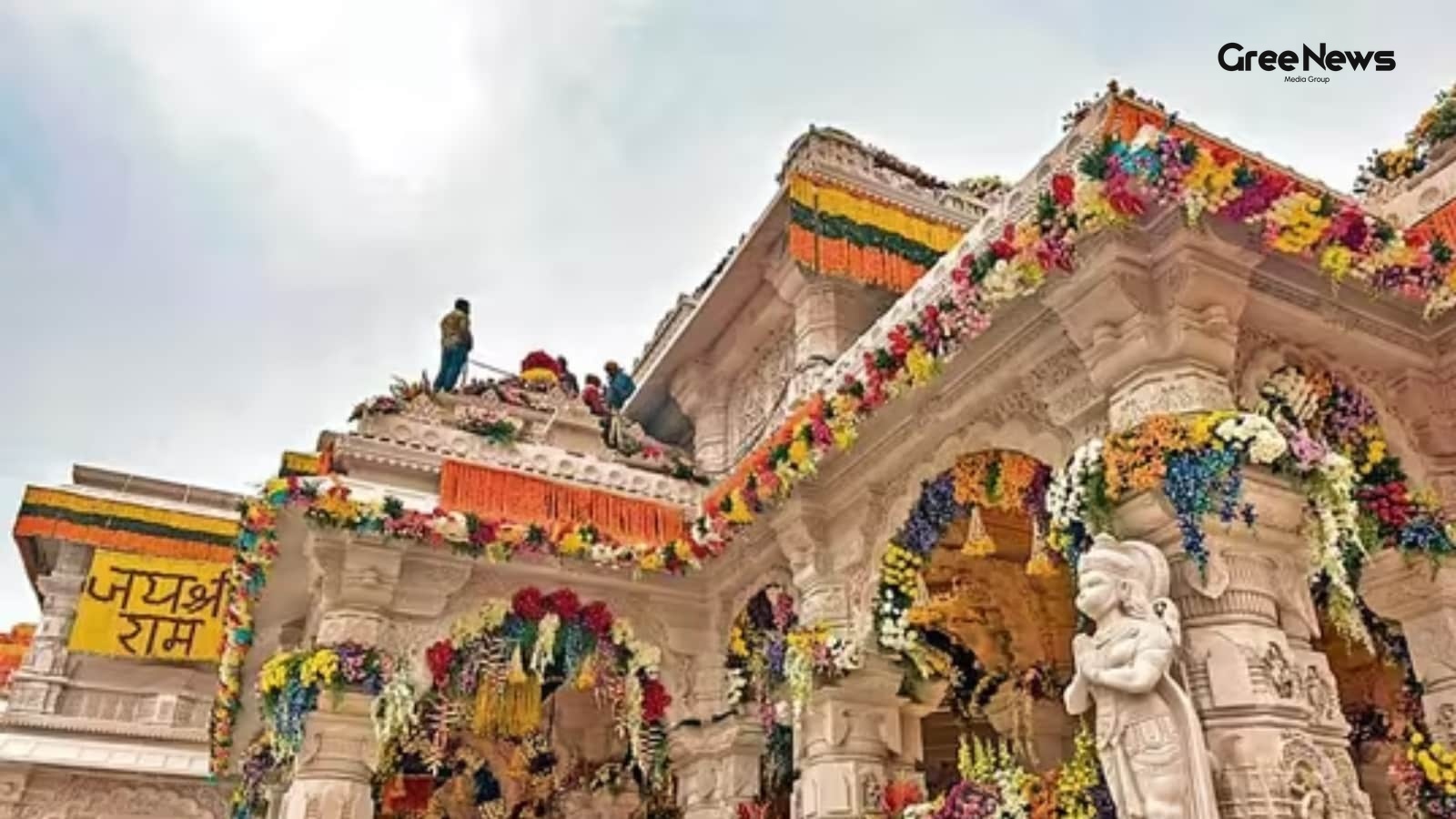
Controversy over Alleged Theft of Donations from Ram Temple in Ayodhya
Satish Mahana, the Uttar Pradesh Assembly Speaker, has really stirred up trouble with his comments about alleged theft of donations from the Ram Temple in Ayodhya. The backlash from the opposition was immediate and sharp. He brought up the issue when talking about these supposed missing funds. Mahan
Jul 15, 2026 by Gree News Team

Maternal Deaths and Post-Caesarean Complications in Rajasthan
A 25-year-old woman died at Bikaner’s PBM Hospital on Tuesday. It was after struggling with post-Caesarean complications for over a month. This marks the third maternal death reported there in recent weeks alone. Rajasthan’s total maternal death toll has jumped to nineteen over the last three months
Jul 15, 2026 by Gree News Team
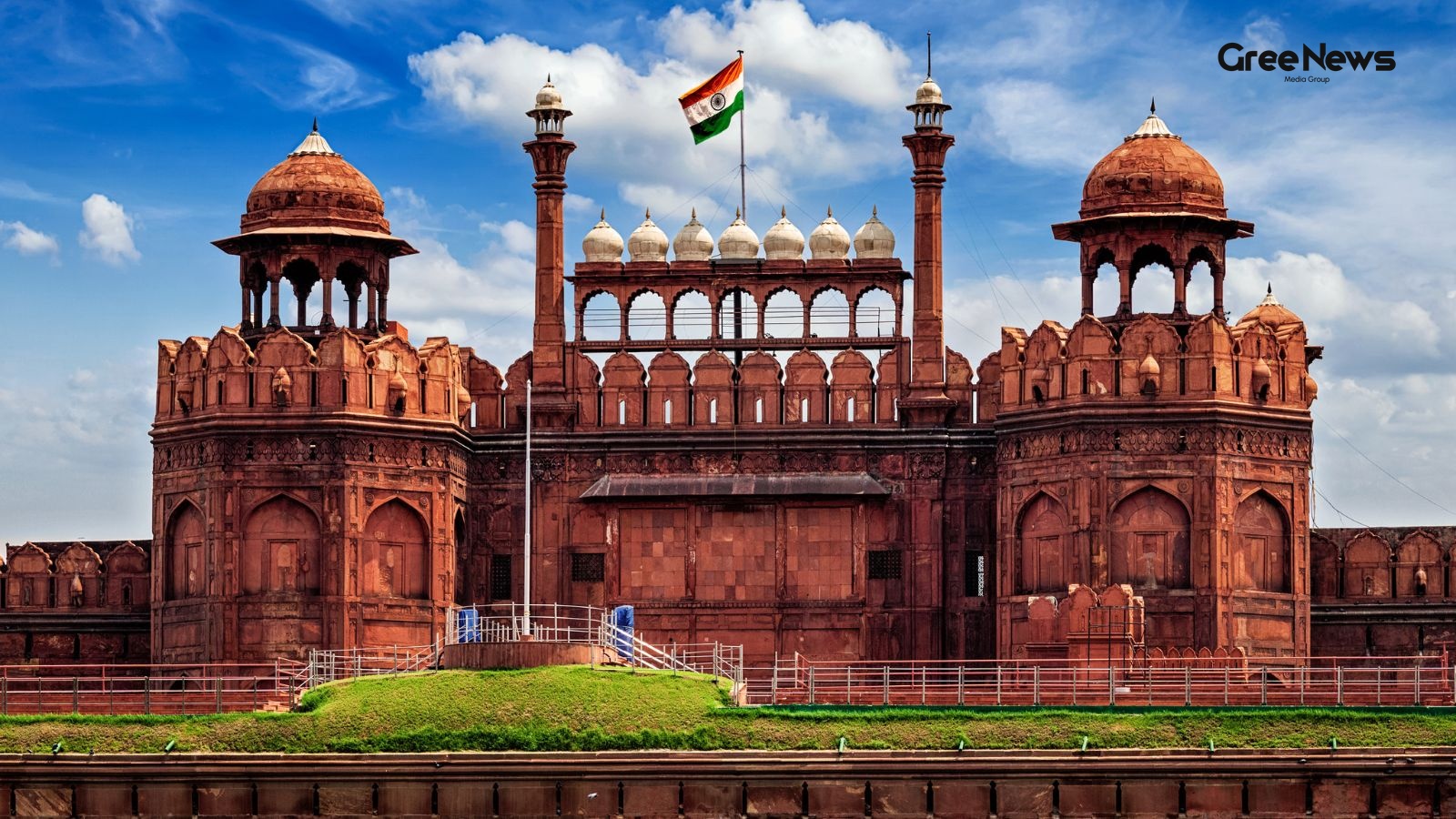
The Security and Preparations Behind the Red Fort Closure
The Red Fort. It just sits there, massive and imposing in Delhi, but right now? It’s locked down. Completely shut off from the public. That’s the reality for now. We’re talking about a full month of no entry, starting Wednesday, stretching all the way until August 15th. It feels strange, doesn't it?
Jul 15, 2026 by Gree News Team
Latest Headlines
The Mindset Gap: Why Wealthy Families Still Struggle to Spend
Indian families work so hard. They build wealth over years. But even when they’re financially secure, some folks just don't spend money on things that would actually make life easier. It’s a strange thing. That’s what entrepreneur Prem Soni started talking about online. He asked why people, you know
Jul 15, 2026 by Gree News Team

India's Vegetable Oil Imports and Global Market Dynamics
Modi appealed to citizens back in May 2026. He wanted everyone to partner up to strengthen the nation amid that West Asia crisis. Seven appeals were made. Avoid gold buying, avoid foreign travel for a year. And reduce edible oil consumption. Farmers needed to cut dependence on imported chemical fert
Jul 15, 2026 by Gree News Team
Kerala Plus One Results: How to Check Scores and Pass Criteria
Man, this whole thing with the Kerala Plus One results is just dragging on. The Directorate of Higher Secondary Education DHSE, that’s who’s handling it they were supposed to drop the class 11 scores on June 10th. But nope. Postponed again. All because of those exams happening in the Gulf countries.
Jul 15, 2026 by Gree News Team

JAAC Protest Movement Gears Up for March to Muzaffarabad
The protest movement run by JAAC is gearing up for something big on Wednesday. Thousands of demonstrators are getting ready to march from Rawalakot all the way to Muzaffarabad. This happens because the group feels the government hasn't acted on their demands yet. They missed whatever deadline they s
Jul 15, 2026 by Gree News Team
Man Allegedly Chopped Off Hands in Petrol Pump Attack
A 28-year-old man was critically hurt. His hands, they claim, were allegedly chopped off with an axe. This happened after some argument at a petrol pump in Mahoba district, Uttar Pradesh. Police are looking into it. The incident occurred around eleven o'clock on Tuesday night outside the Chandel Pet
Jul 15, 2026 by Gree News Team
Controversy over Alleged Theft of Donations from Ram Temple in Ayodhya
Satish Mahana, the Uttar Pradesh Assembly Speaker, has really stirred up trouble with his comments about alleged theft of donations from the Ram Temple in Ayodhya. The backlash from the opposition was immediate and sharp. He brought up the issue when talking about these supposed missing funds. Mahan
Jul 15, 2026 by Gree News Team

AI, Implementation, and the Infrastructure Revolution
AI is completely reshaping how businesses operate right now. And Canadian billionaire Kevin O’Leary sees massive opportunities bubbling up for young professionals in this space. He recently talked about what he’d do if he were twenty-five again. Forget trying to chase the biggest tech giants. He sai
Jul 15, 2026 by Gree News Team

The Geography and Economics of AI Talent Migration
Four senior AI researchers just walked out of Google in a few weeks. It wasn't about the paycheck. Not seniority. Not even their specific roles. It was London. That’s what ties all this mess together. What’s actually happening? People are leaving. Jonas Adler and Alexander Pritzel, both key players
Jul 15, 2026 by Gree News Team
The Impact of Religious Ruling on Pakistan's Crypto Ambition
Pakistan’s whole crypto ambition, it just hit this wall. Not market jitters. Not some new government decree suddenly flipping the script. It was a fatwa. A religious ruling. That kind of thing throws everything into weird focus. Just when Islamabad was trying to paint itself as this bright, welcomin
Jul 15, 2026 by Gree News Team
Madhuri Jain Grover's Experience on Lock Upp 2
Madhuri Jain Grover got kicked out of *Lock Upp 2*. It was a rough spot. Farah Khan, the host, kept pushing her to show more personality. She even called her Shreya Kalra’s manager. One episode, Madhuri just exploded. She talked about being a manager it wasn't bad. She actually made a point that she
Jul 15, 2026 by Gree News Team
Maternal Deaths and Post-Caesarean Complications in Rajasthan
A 25-year-old woman died at Bikaner’s PBM Hospital on Tuesday. It was after struggling with post-Caesarean complications for over a month. This marks the third maternal death reported there in recent weeks alone. Rajasthan’s total maternal death toll has jumped to nineteen over the last three months
Jul 15, 2026 by Gree News Team
The Security and Preparations Behind the Red Fort Closure
The Red Fort. It just sits there, massive and imposing in Delhi, but right now? It’s locked down. Completely shut off from the public. That’s the reality for now. We’re talking about a full month of no entry, starting Wednesday, stretching all the way until August 15th. It feels strange, doesn't it?
Jul 15, 2026 by Gree News Team
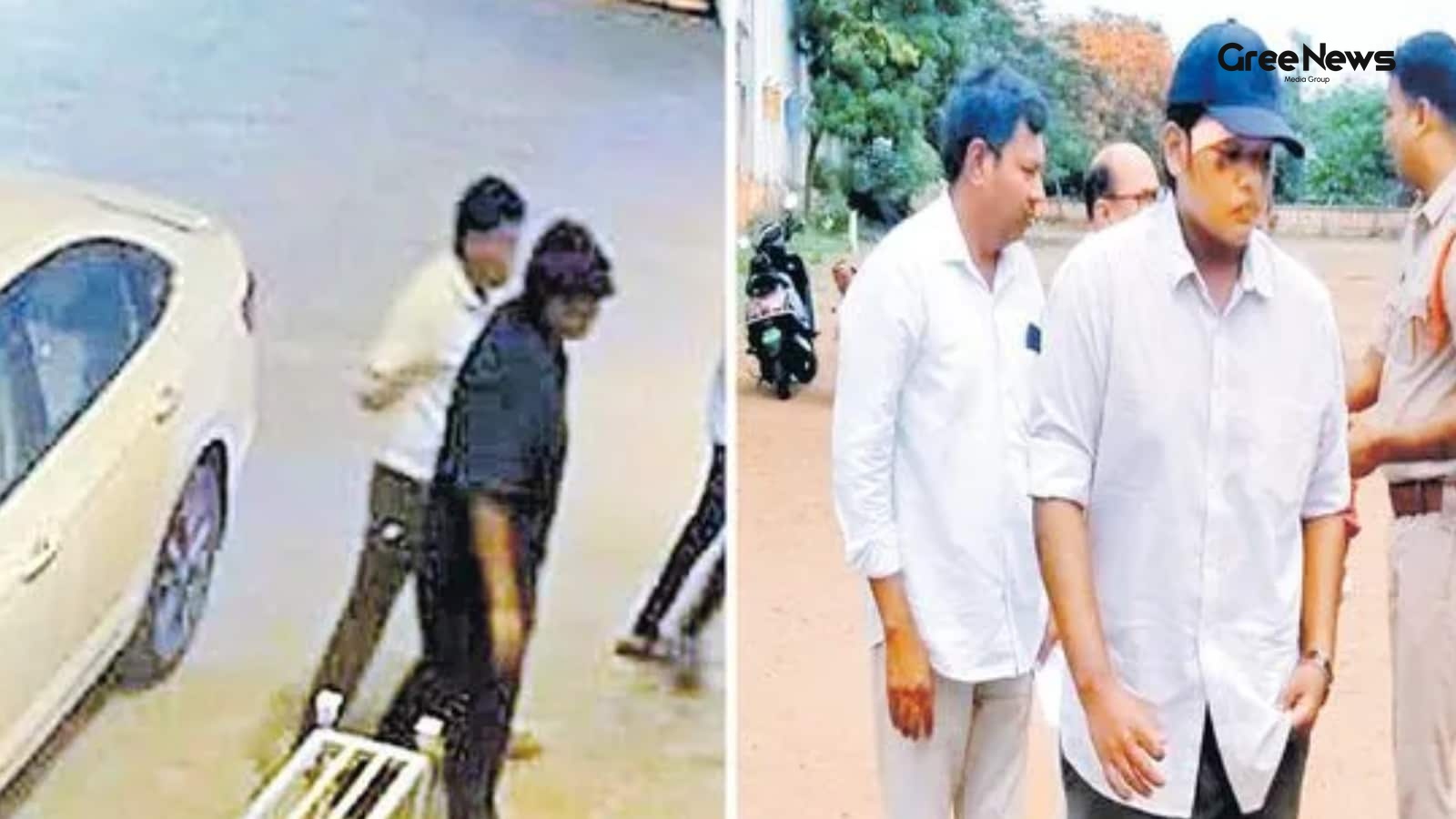
Surrender in Fatal Hit-and-Run Case Involving Former Minister's Son
Aarav, you know, the son of that former Andhra Pradesh minister and senior YSRCP leader Seediri Appalaraju, he finally surrendered to the police. It happened in connection with that fatal hit-and-run case in Srikakulam district. Investigators sort of figured it out after they looked at the CCTV foot
Jul 15, 2026 by Gree News Team

Ather Energy Stock Jumps on Hero MotoCorp Funding and EV Outlook
Ather Energy shares jumped almost nine percent Wednesday. It’s carrying that momentum from the last month. People are cheering it, especially because of the fresh cash coming in from its biggest shareholder, Hero MotoCorp. And everyone seems optimistic about where EVs are headed long term. The stock
Jul 15, 2026 by Gree News Team

Shehnaaz Gill and Raghav Juyal Dating Rumors and Clarification
The dating rumors between Shehnaaz Gill and Raghav Juyal? They’ve been floating around online for ages now. Nobody really knows if there’s anything real behind it. Neither of them has said anything official about it. But things got hotter recently. They were spotted together, hand-in-hand at that ac
Jul 15, 2026 by Gree News Team