Energy Supply Security for India Amid US-Iran Conflict
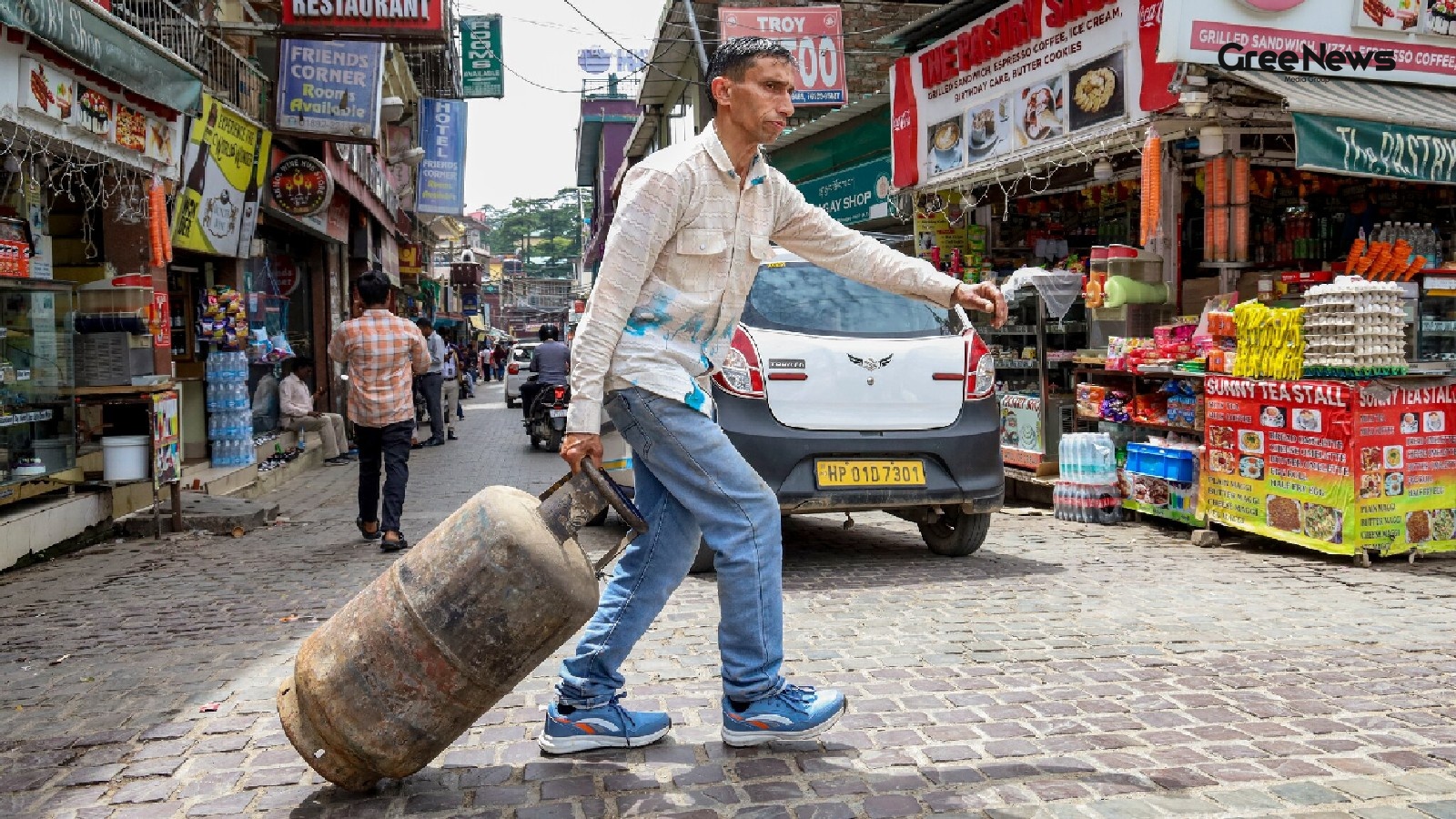
The latest phase of that US-Iran war just keeps raising the alarm bells about energy supplies for India. We’re talking about LPG , LNG , and crude oil availability.
Back in the beginning of this conflict, when those US strikes hit Iran killing Ali Khamenei the fear was already there: supply disruptions rattling everything in the energy markets. It always is when things get hot.
Iran announced it closed the Strait of Hormuz on Sunday. Then they launched missiles and drones at Gulf neighbors after another round of US strikes. Things escalated fast.
US CENTCOM hours later said, though, that the waterway itself remained open. They just don't buy the official line sometimes.
That latest exchange of fire? It started with an Iranian attack on a commercial vessel in Hormuz. The crew had to abandon ship after the boat caught fire.
Then Iran made their move again. Their Revolutionary Guards said they were closing the Strait until further notice, waiting for American interventions to stop. That’s what state news reported.
Diplomatic efforts kept going, sure. President Trump declared a ceasefire earlier this week. But you can't just expect things to settle quickly when the fighting is still on. There’s still that lingering uncertainty about security in one of the world's busiest shipping lanes.
But for India? Crude oil imports seem largely insulated from any immediate chaos around Hormuz right now.
Ritolia, who models these markets at Kpler, said something interesting. The crude flows hadn't fully recovered before this latest escalation even hit. But for India over the last hundred days, it’s been business as usual. Refiners managed supply fine through a wide mix of imports.
Russia is still a huge player here. They account for a significant chunk of what India buys. And you have Saudi Arabia and the UAE feeding in, using those bypass routes. West African and Latin American grades also help diversify what refiners use. It’s a layered system, that supply security they’ve built up.
Still, the numbers shift when we look closer at gas. Remember how panic buying LPG cylinders happened during the initial weeks of the conflict? People were worried sick.
It took time for things to stabilize there. The Centre eventually pulled those sectoral restrictions on non-domestic packed LPG and brought supplies back to normal levels. Relief came, but it was a separate issue entirely.
Ritolia pointed out that while crude cargoes can still move through Hormuz safely, you need to watch the gas markets now. That’s where things get shaky. LPG and LNG don't have those easy short-term alternatives. They remain way more vulnerable to any ripple effect from Gulf shipping or wider disruptions in the region.
He warned that instability for a longer stretch could really tighten up availability, push freight costs higher, and put pressure back on regional prices. We’ve seen that pattern over the last few months.
For now, India's crude story is still about resilience and spreading out the risk. It isn't immediate scarcity. The real headache the variables we have to watch is how long these tensions stick around. How much does it hammer shipping and insurance costs? And most importantly, whether those LPG and LNG markets actually start seeing meaningful disruptions soon. That’s where the pressure really builds up.
Written by Gree News Team — Senior Editorial Board
Gree News Team covers international news and global affairs at Gree News. Our collective of senior editors is dedicated to providing independent, accurate, and responsible journalism for a global audience.
More from India
View All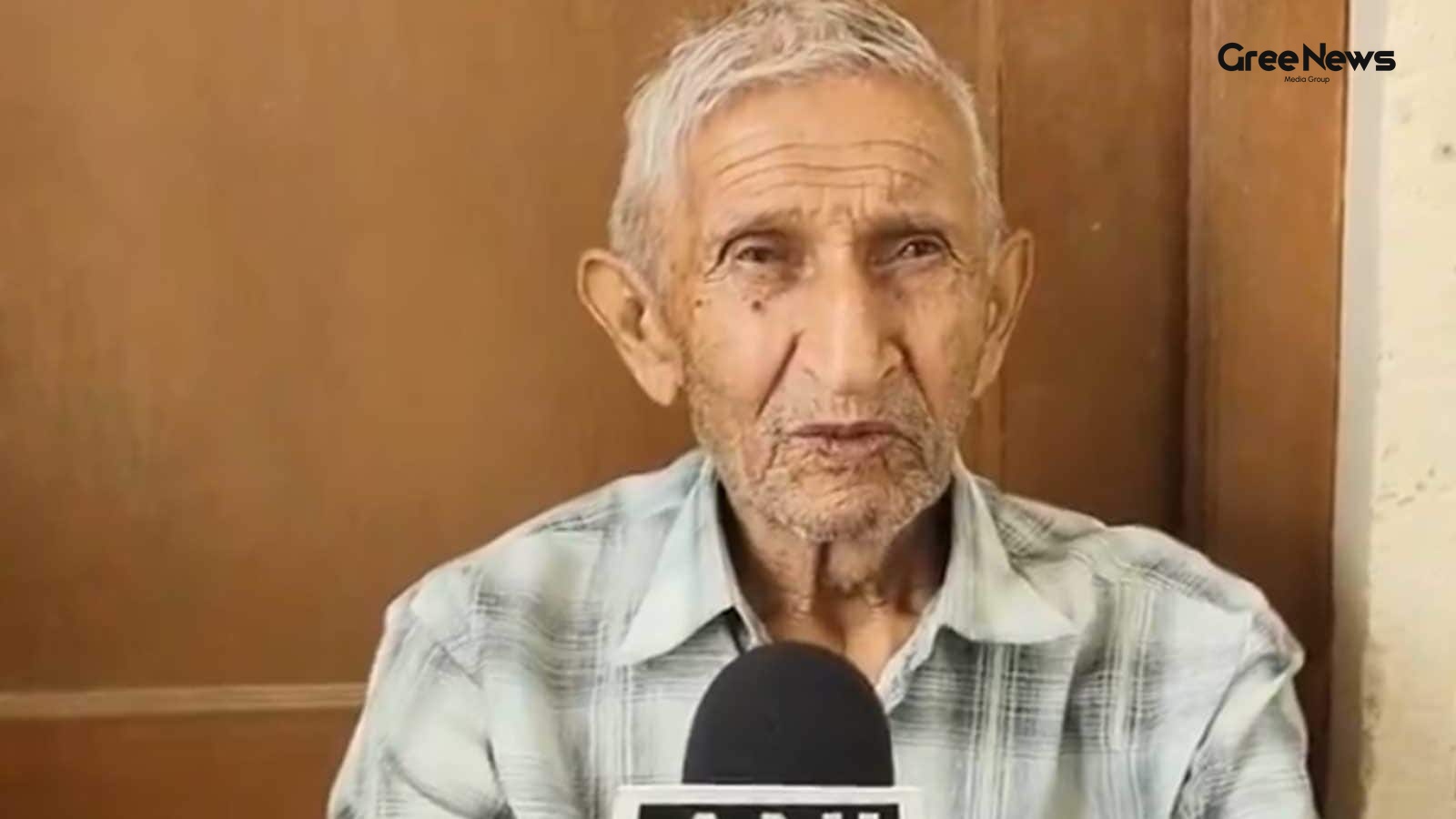
Retired Army Officer Fights for Stolen Agricultural Land in Rajasthan
92-year-old retired Army officer Captain Chunni Lal is now in a fight. Not against enemies on the battlefield, but something his family calls the "fourth battle" a legal struggle to get back the agricultural land he claims was stolen from him in Rajasthan. It all started with allegations that the la
Jul 13, 2026 by Gree News Team
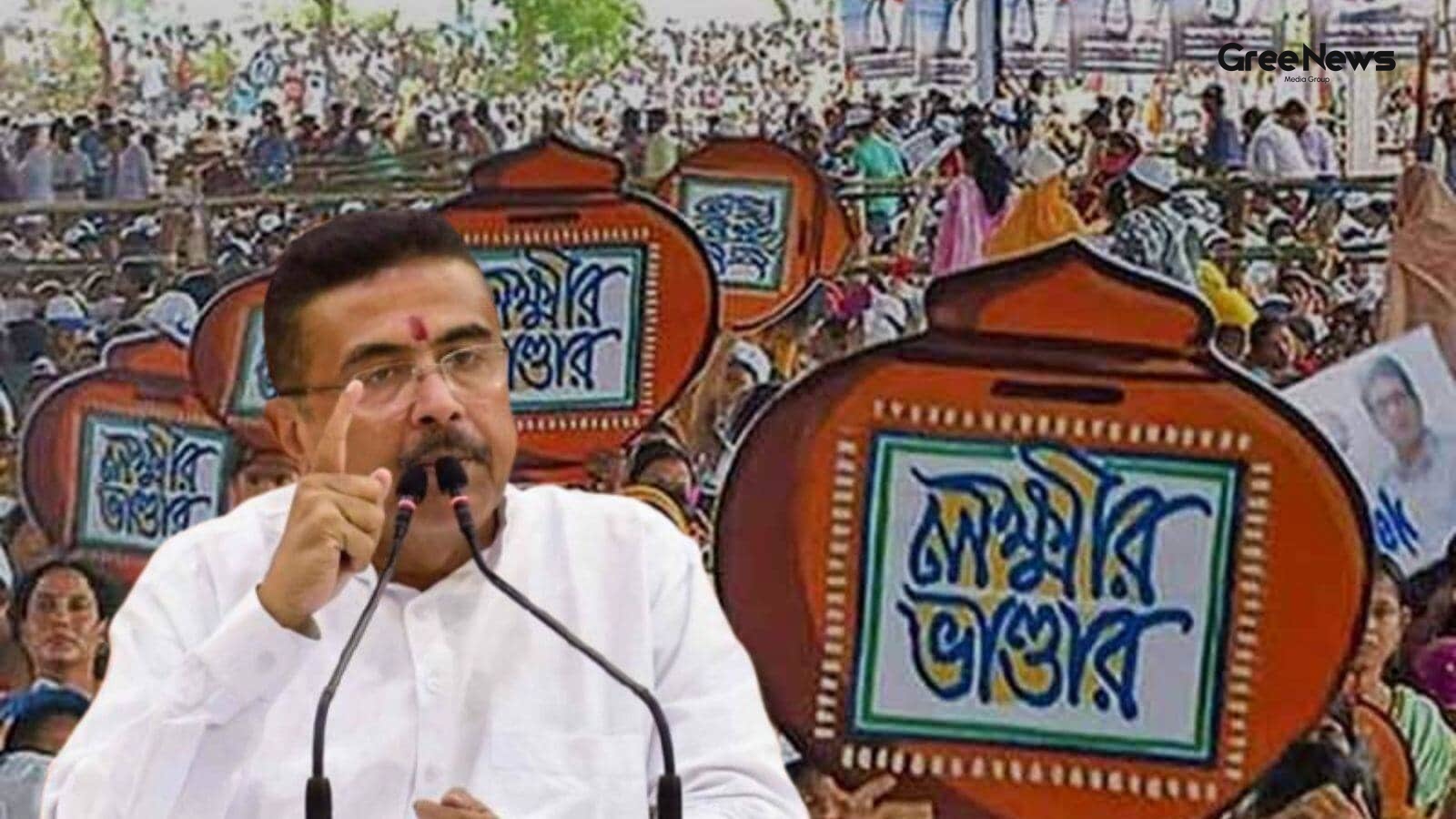
New Laws and Legal Framework in West Bengal
Monday kicks off some major changes in West Bengal. The government is pushing through two new laws: the Public Safety and Control of Anti-social Activities Act, 2026, and an amendment to the Maintenance of Public Order Act. They’re bringing a whole new legal framework into play right away. This stuf
Jul 13, 2026 by Gree News Team
Accident Involving Two Kids in Chandigarh
Two kids got seriously hurt Saturday night. They were hit by a speeding Mercedes right outside a club in Chandigarh’s Sector 26 area. A video of the whole thing is already floating around social media now, you know. The footage itself shows the car moving way too fast before it smashed into the two
Jul 13, 2026 by Gree News Team
Sangh Meeting Outcomes and Focus Areas
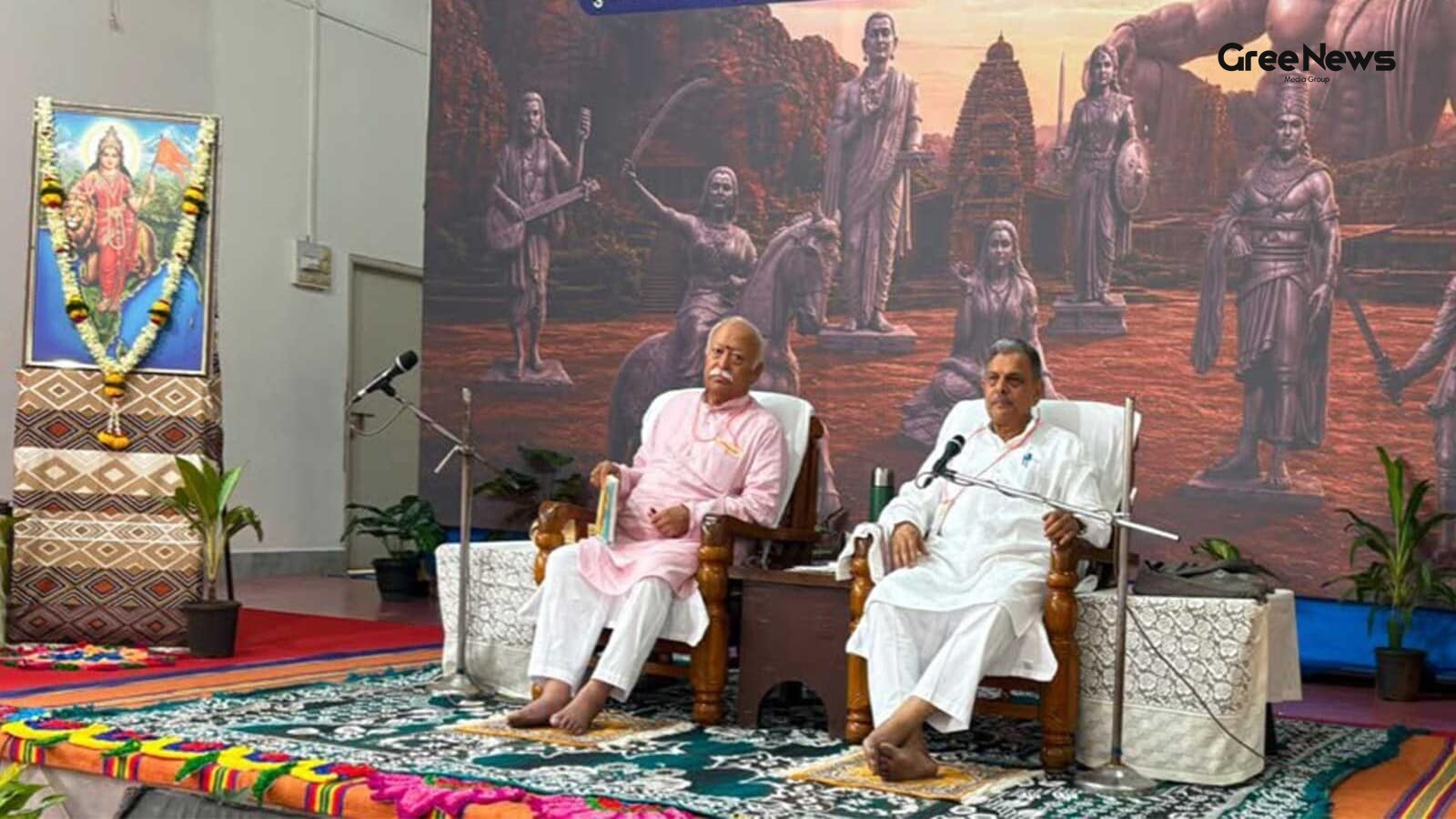
The Sangh expressed confidence about the SIT probe, you know? It’s all about those alleged irregularities in counting donations at the Shri Ram Janmabhoomi Mandir. They urged the Teerth Kshetra Nyas the management body to make sure this kind of thing doesn't happen again. They felt it was important,
Jul 13, 2026 by Gree News Team
Latest Headlines
Retired Army Officer Fights for Stolen Agricultural Land in Rajasthan
92-year-old retired Army officer Captain Chunni Lal is now in a fight. Not against enemies on the battlefield, but something his family calls the "fourth battle" a legal struggle to get back the agricultural land he claims was stolen from him in Rajasthan. It all started with allegations that the la
Jul 13, 2026 by Gree News Team
New Laws and Legal Framework in West Bengal
Monday kicks off some major changes in West Bengal. The government is pushing through two new laws: the Public Safety and Control of Anti-social Activities Act, 2026, and an amendment to the Maintenance of Public Order Act. They’re bringing a whole new legal framework into play right away. This stuf
Jul 13, 2026 by Gree News Team

Dolly Javed's Exit and Regrets from The Alliance
Dolly Javed got kicked out of The Alliance. That’s what happened in the recent episodes. And after she left, she went and talked to News18 Showsha. It was an exclusive chat, sort of. She just blasted Kushal Tandon. Said he was so egoistic. She claimed he was trying to overpower everyone. Manipulate
Jul 13, 2026 by Gree News Team
Accident Involving Two Kids in Chandigarh
Two kids got seriously hurt Saturday night. They were hit by a speeding Mercedes right outside a club in Chandigarh’s Sector 26 area. A video of the whole thing is already floating around social media now, you know. The footage itself shows the car moving way too fast before it smashed into the two
Jul 13, 2026 by Gree News Team
General Qamar Javed Bajwa Health and Background
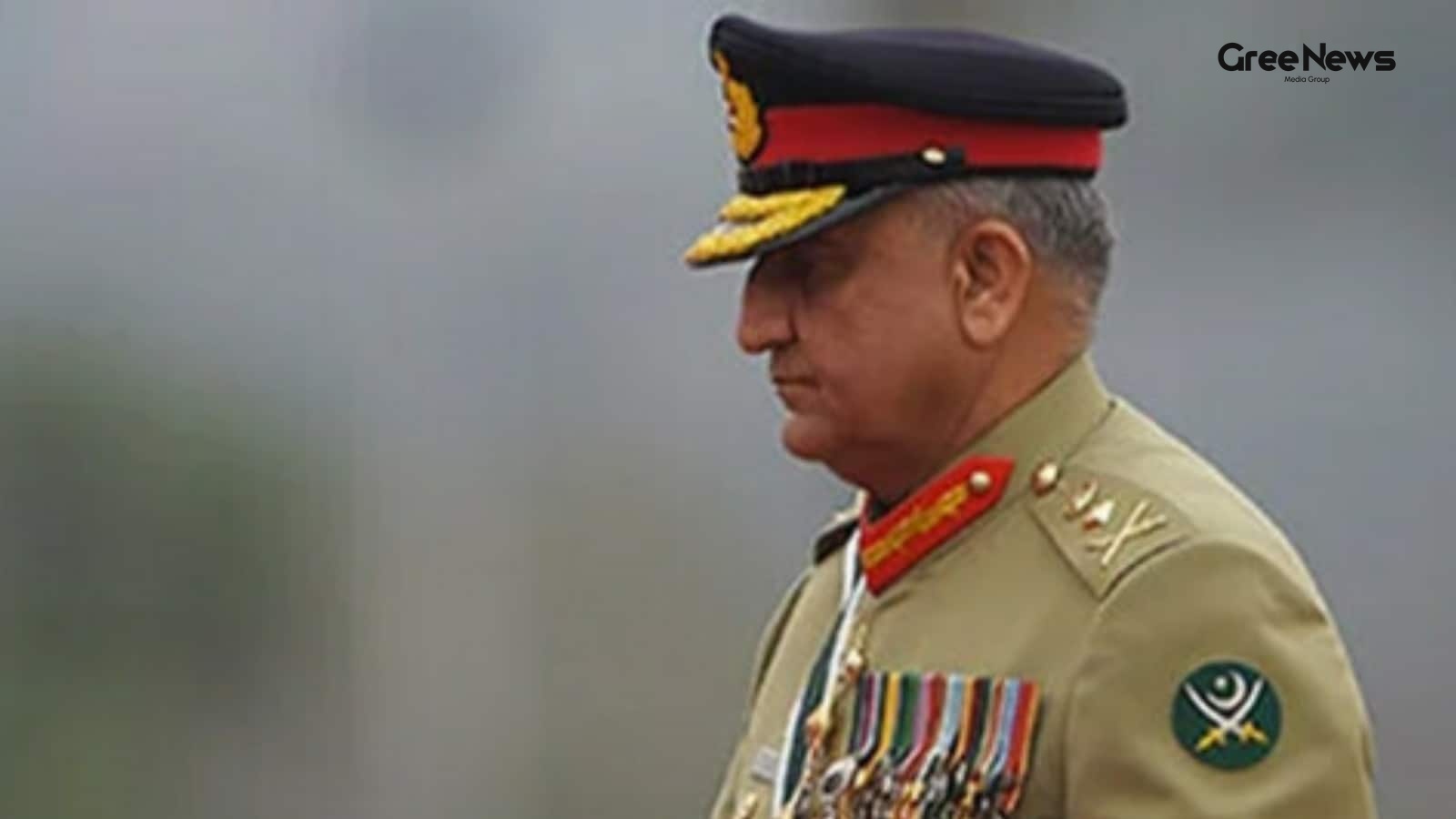
It’s hard to process all this information without a clear structure. It just kind of… piles up. So, General Qamar Javed Bajwa. The former Chief of Army Staff. Things got complicated for him recently. He’s been re-admitted to the Combined Military Hospital in Rawalpindi. That’s what we hear from peop
Jul 13, 2026 by Gree News Team
Iran's Memorial Ceremony and the Absence of Supreme Leader Khamenei
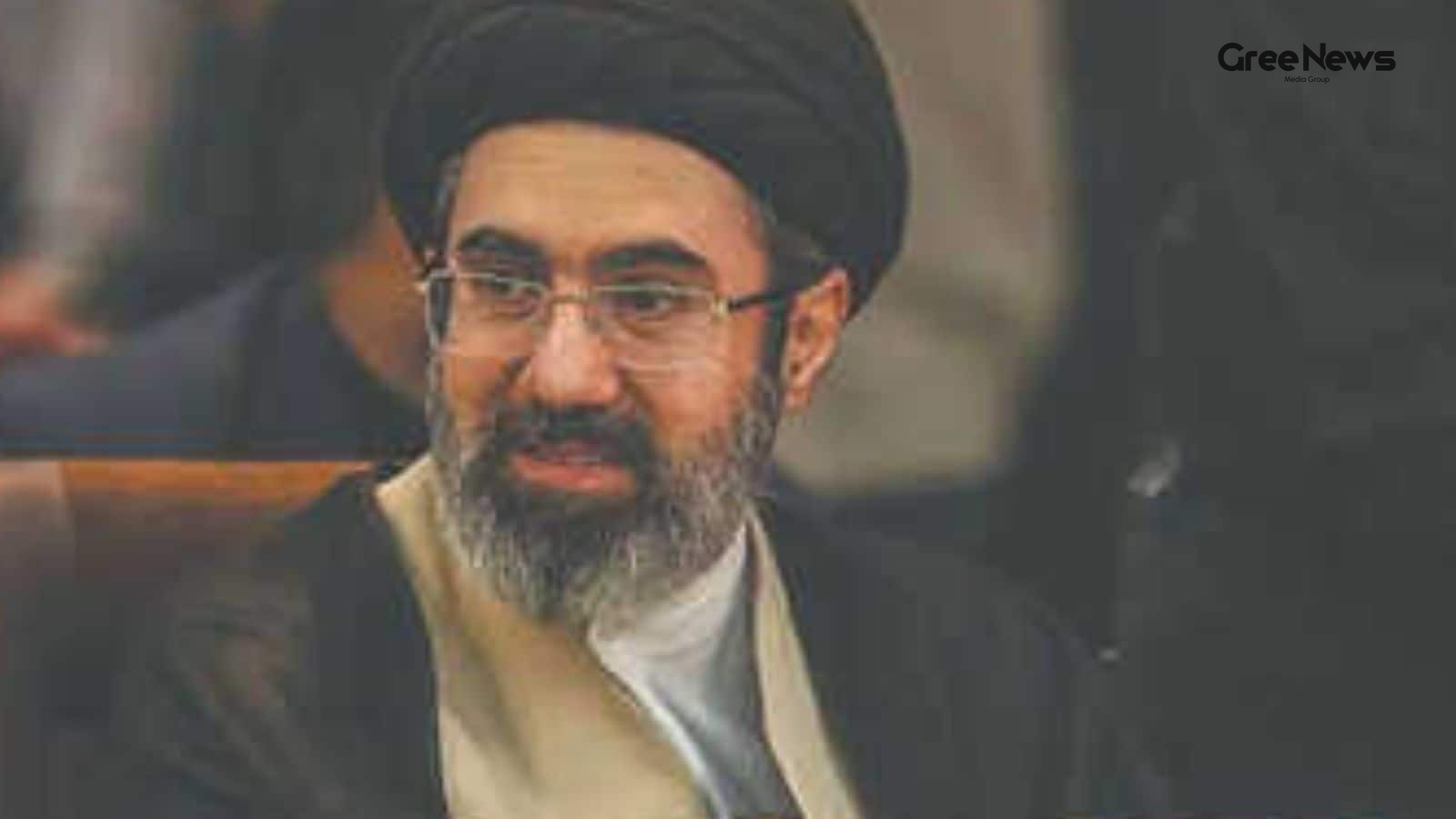
Iran announced something next week. Supreme Leader Mojtaba Khamenei is holding a memorial ceremony for his father, Ayatollah Ali Khamenei, down in Tehran. But whether he will actually show up? nobody really knows yet. The notice said it was for the "martyred mujahid Imam." It’s scheduled for July 23
Jul 13, 2026 by Gree News Team
The Global Impact and Human Cost of Extreme Weather Disasters
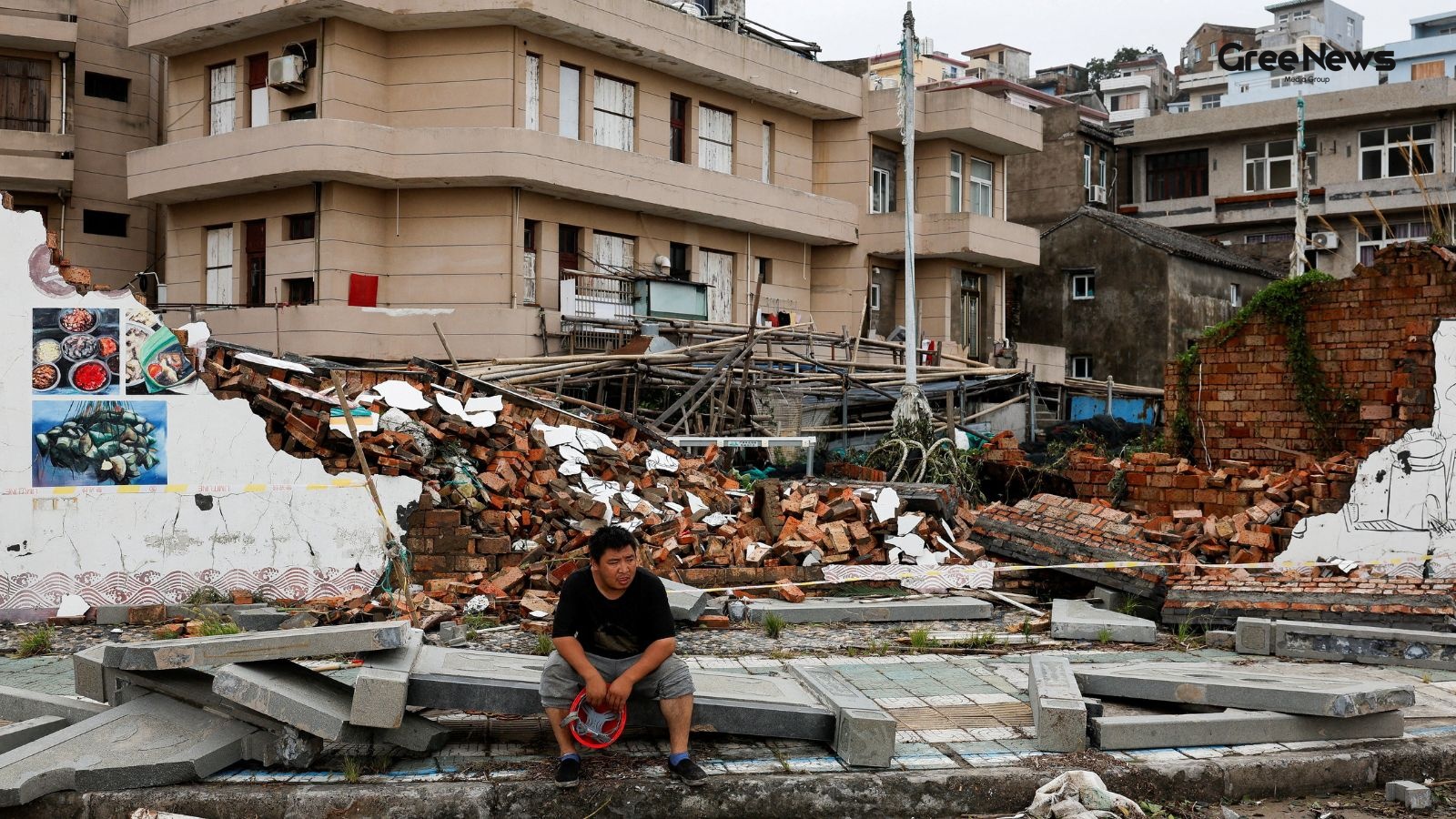
The air in Taizhou was thick with smoke that tasted like ash and panic. A major fire, started by whatever residual heat or downed lines could manage, broke out right there amid the chaos of Typhoon Bavi. It wasn’t just a local blaze; it felt like the whole area was burning under the pressure of the
Jul 13, 2026 by Gree News Team

Ida Ali's Engagement Story and Background
Ida Ali, you know, she’s the daughter of Imtiaz Ali. Filmmaker, writer. And now she’s engaged to Krish Agarwal. It came out pretty suddenly. She dropped the news on Sunday, July 12th. A short video was shared. It looked like it was from some kind of private beach proposal. The clip itself is really
Jul 13, 2026 by Gree News Team
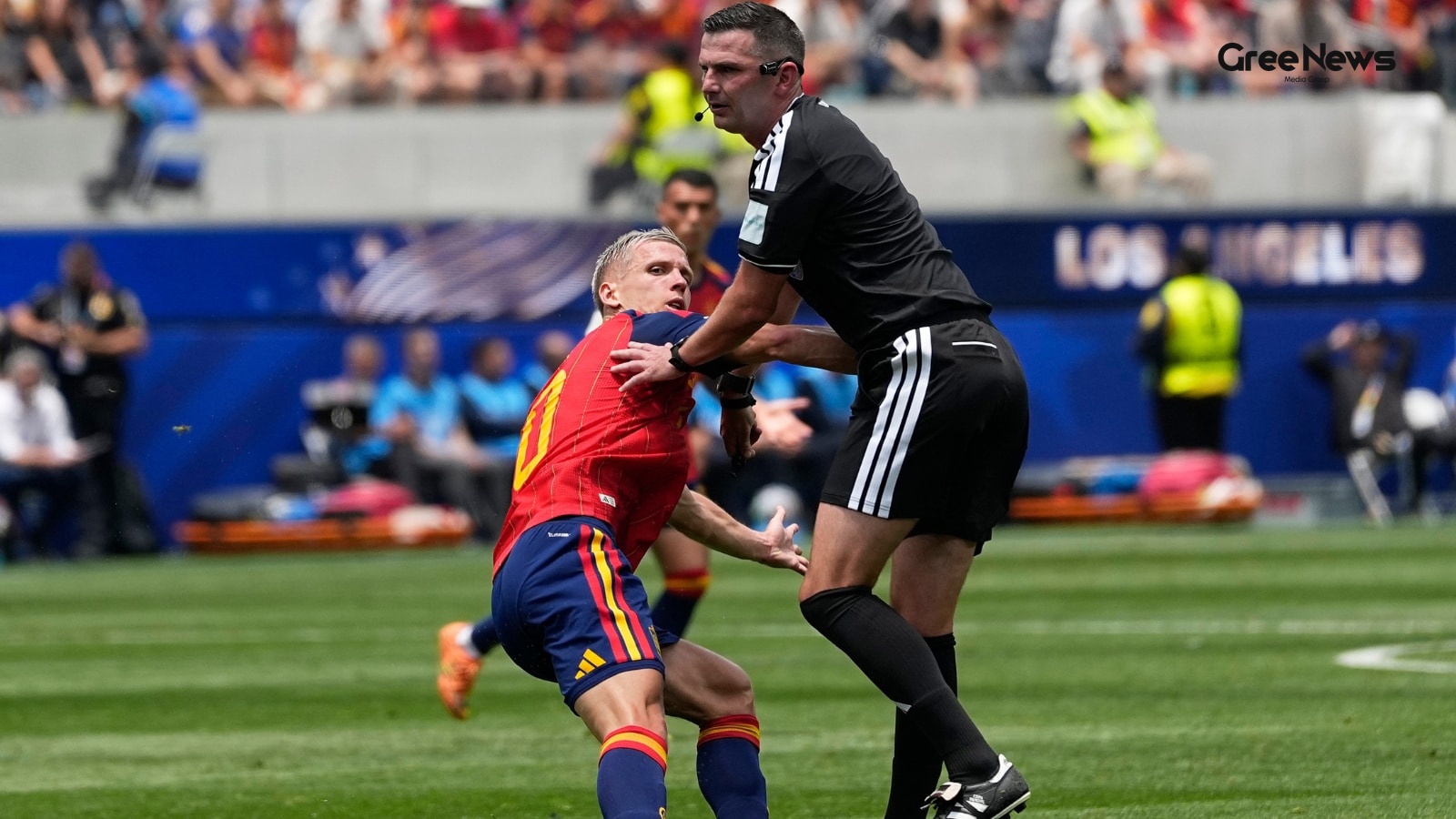
FIFA World Cup 2026 Referee Controversy: England and Argentina
England and Argentina are set to face off in the FIFA World Cup 2026 semi-final on Wednesday. But there’s one thing everyone knows already whichever team wins the final, the referees won't be from the other country. It just isn't happening. This whole situation comes down to that long argument over
Jul 13, 2026 by Gree News Team
Sangh Meeting Outcomes and Focus Areas
The Sangh expressed confidence about the SIT probe, you know? It’s all about those alleged irregularities in counting donations at the Shri Ram Janmabhoomi Mandir. They urged the Teerth Kshetra Nyas the management body to make sure this kind of thing doesn't happen again. They felt it was important,
Jul 13, 2026 by Gree News Team
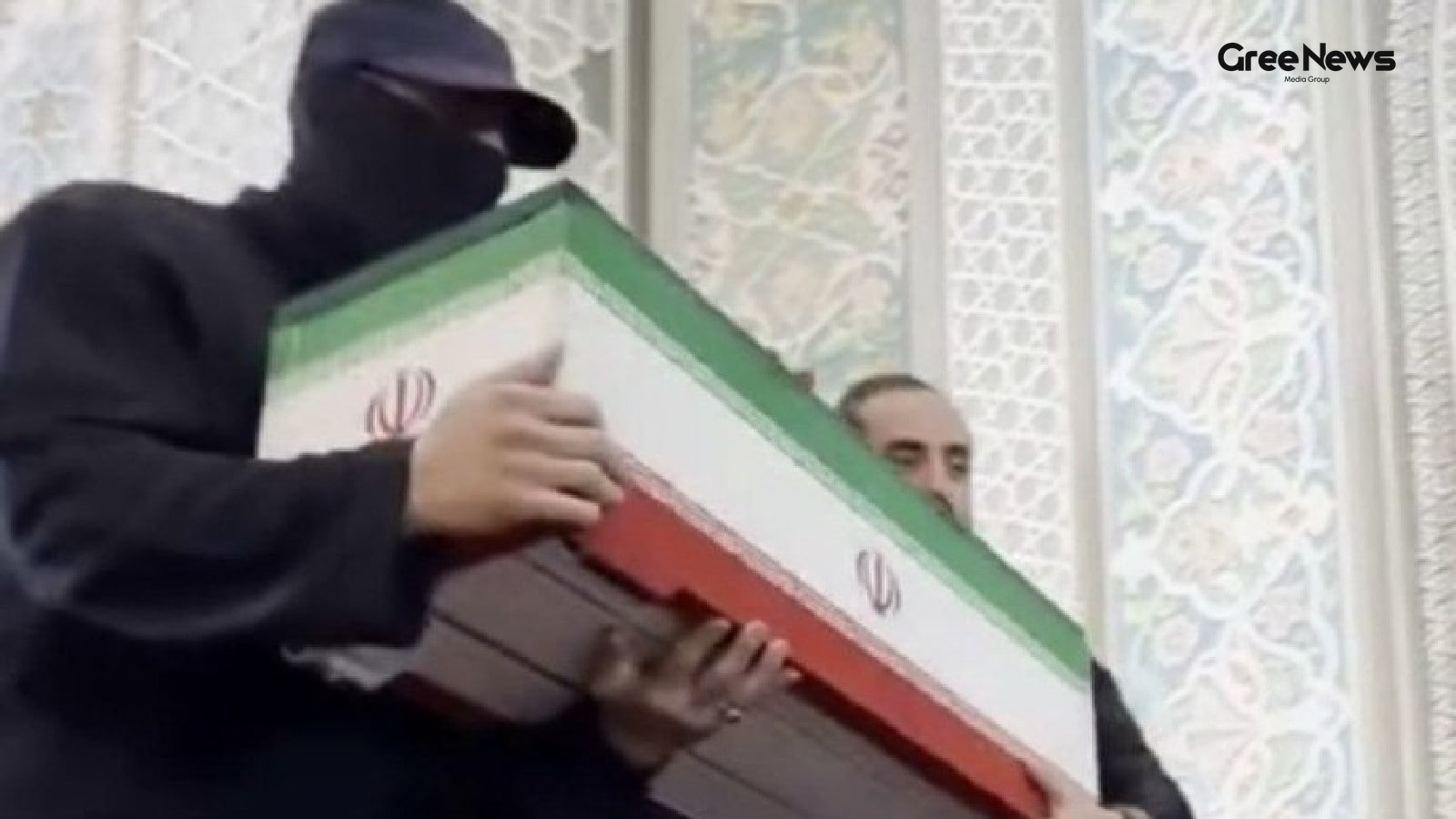
Masked Mourner at Ayatollah Khamenei’s Funeral: Speculation and Revelation
That masked mourner at Ayatollah Khamenei’s funeral really got everyone talking about who he was. People online were immediately speculating, wondering if it might have been Mojtaba Khamenei himself in disguise. It just added another layer of mystery to the whole affair. The disappearance of Mojtaba
Jul 13, 2026 by Gree News Team
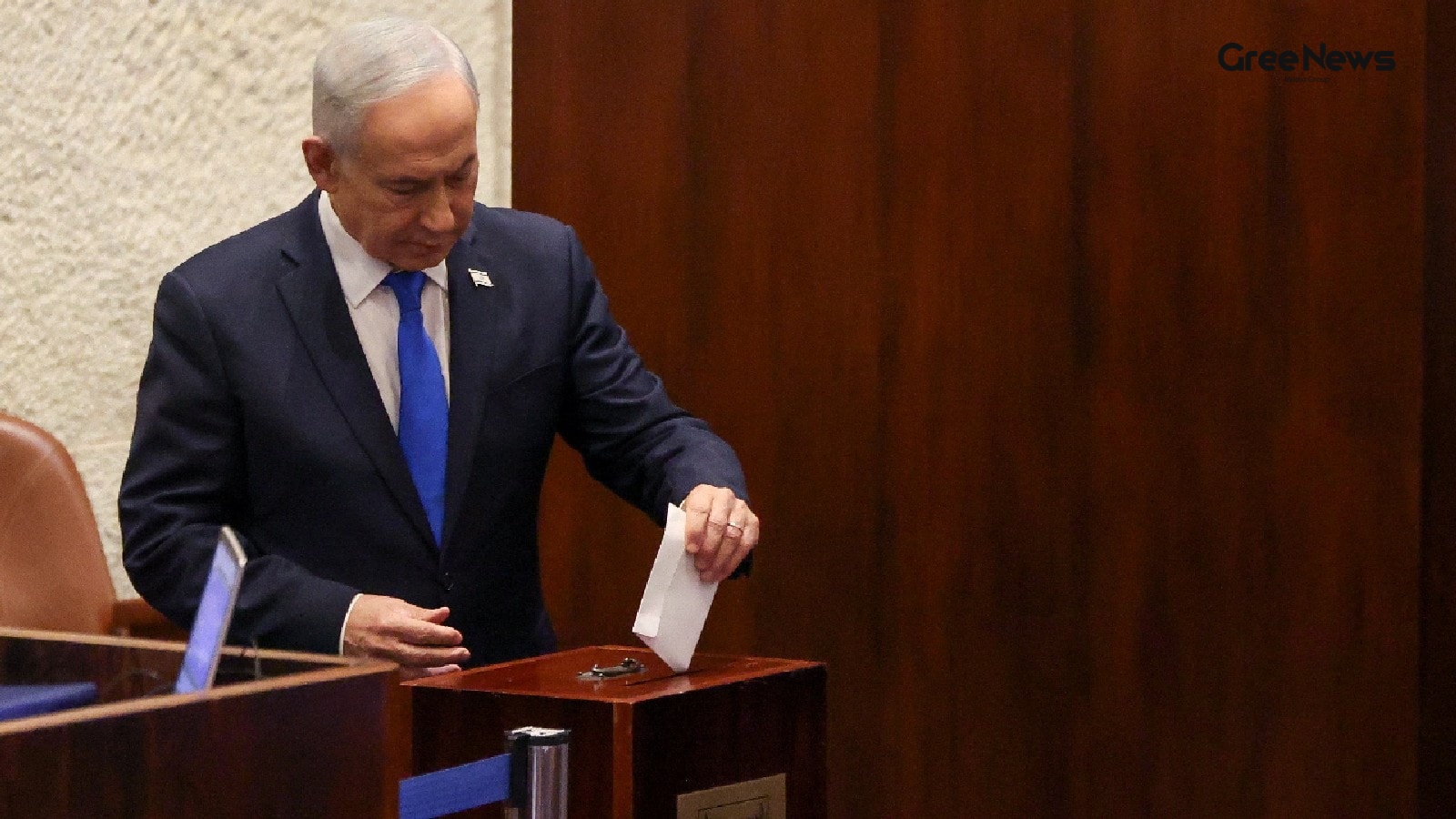
Israeli Political Maneuvering and Public Opinion
The Israeli government is pushing for another election. October 27, 2026. That’s the last date they can legally hold it. Haaretz reported that if they stick to this timeline, Netanyahu’s government will have completed a full term. But there’s a lot of anger simmering underneath all that political ma
Jul 13, 2026 by Gree News Team
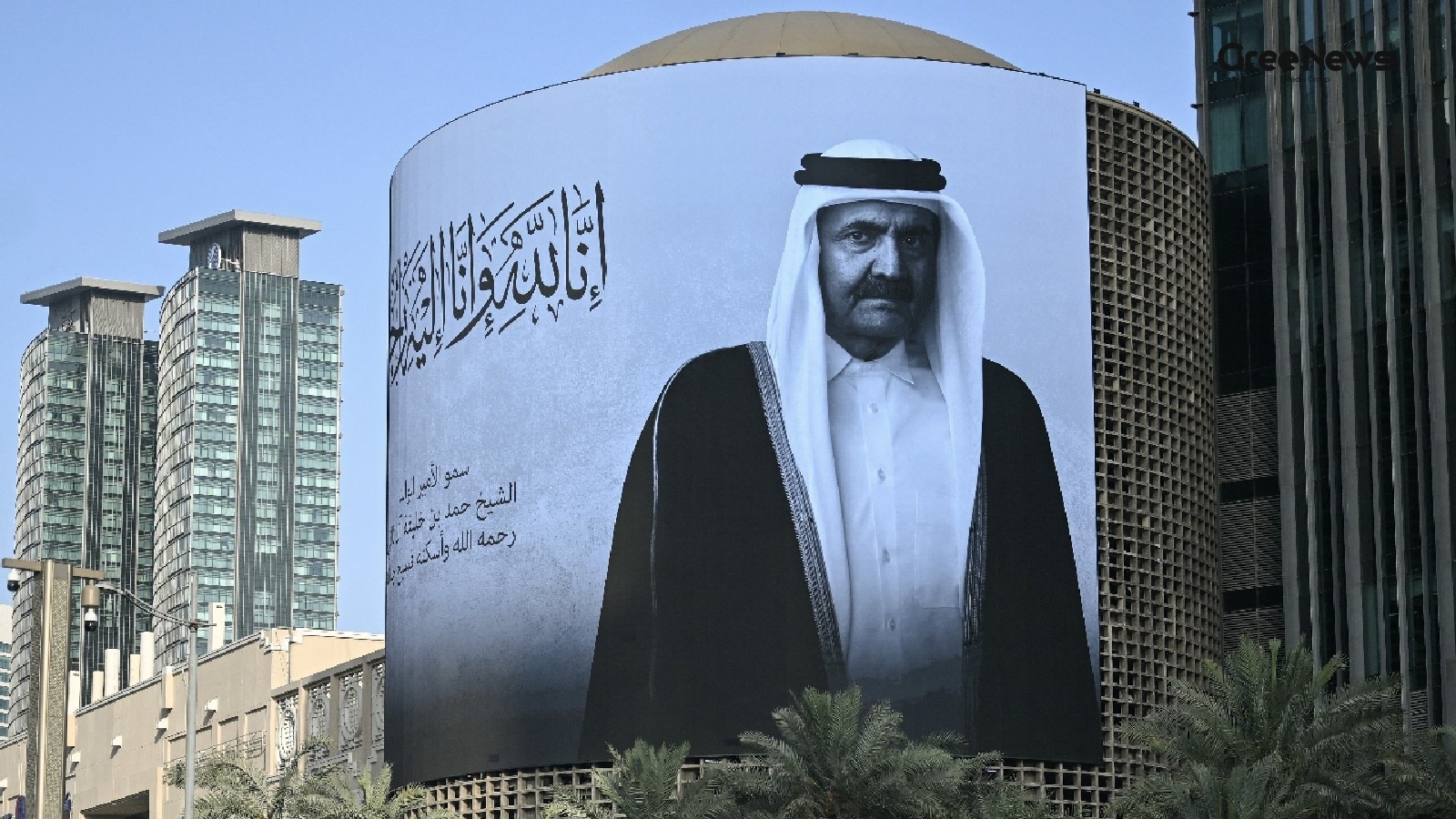
National Mourning in India Following Passing of Former Qatar Emir
Sunday was a day of national mourning in India. One day, they declared it, following the passing of former Qatar Emir Sheikh Hamad bin Khalifa Al Thani the Father Amir of the State of Qatar. The reaction from New Delhi came quickly. Prime Minister Narendra Modi offered condolences right away. He cal
Jul 13, 2026 by Gree News Team
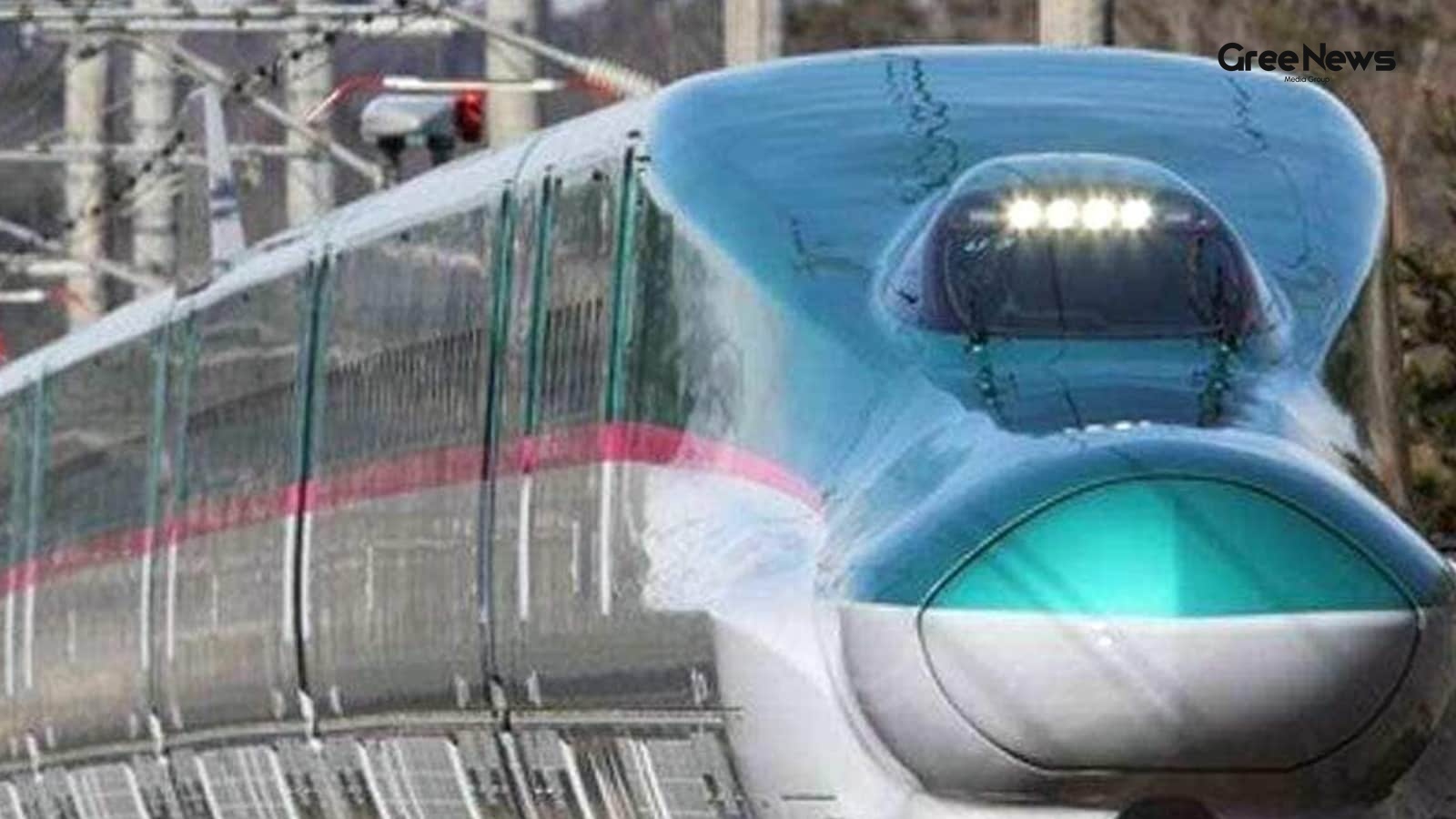
India's First Bullet Train and High-Speed Rail Project
Next year’s Independence Day. That’s when India might finally see its first bullet train, Union Railway Minister Ashwini Vaishnaw mentioned on Thursday. He said it’s not going to happen all at once, though. The plan is phased. The initial stretch? Surat-Bilimora. That section of the massive Mumbai-A
Jul 13, 2026 by Gree News Team
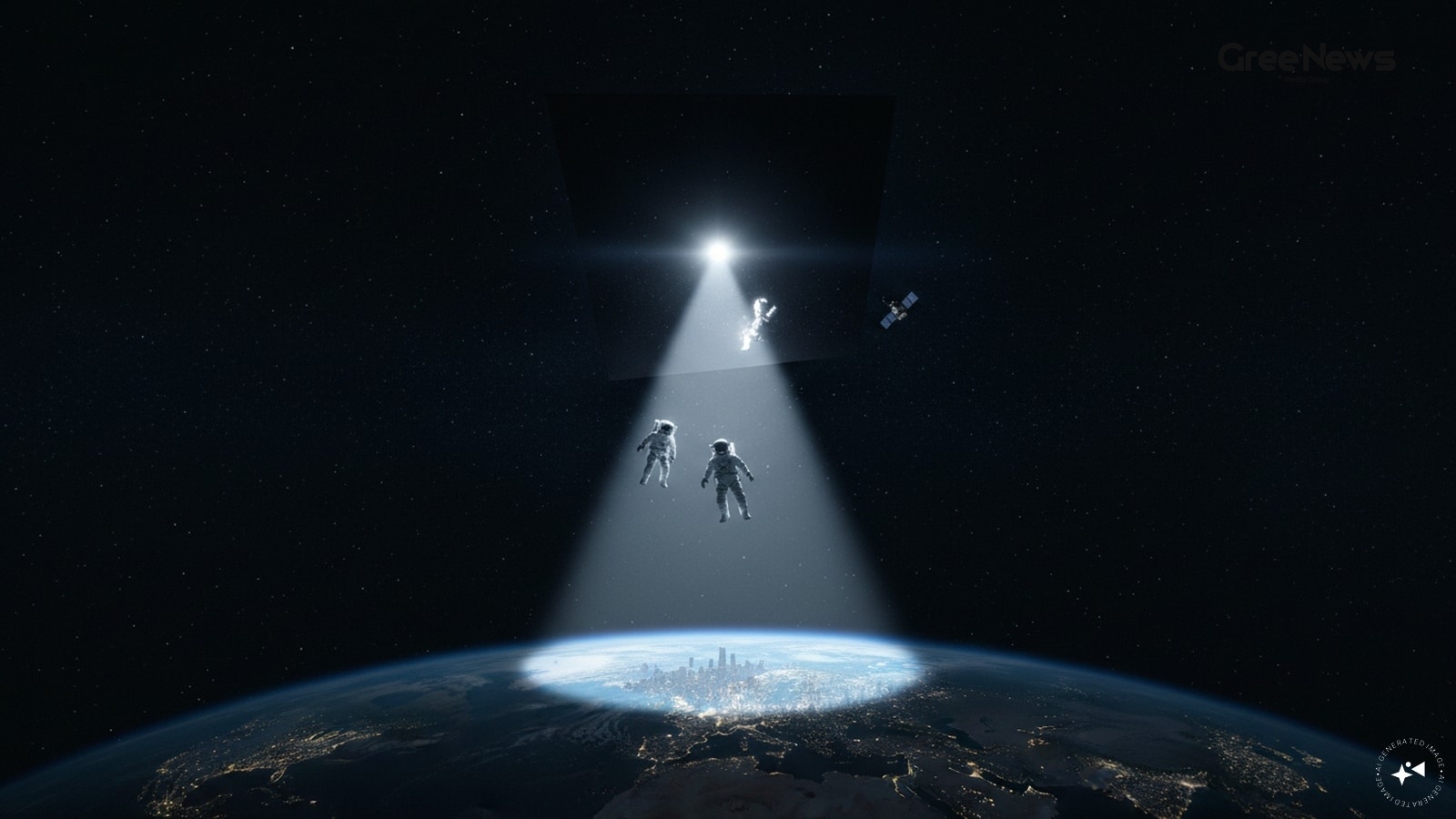
Harnessing Sunlight: The Future of Reflective Space Technology
Will nights eventually look as bright as a hundred full moons? That sort of question sounds completely like science fiction right now. But something is actually moving toward reality. An American startup is planning to launch a satellite carrying a giant mirror, meant to bounce sunlight back onto Ea
Jul 13, 2026 by Gree News Team