Maharashtra Scheme Deletions and Financial Irregularities
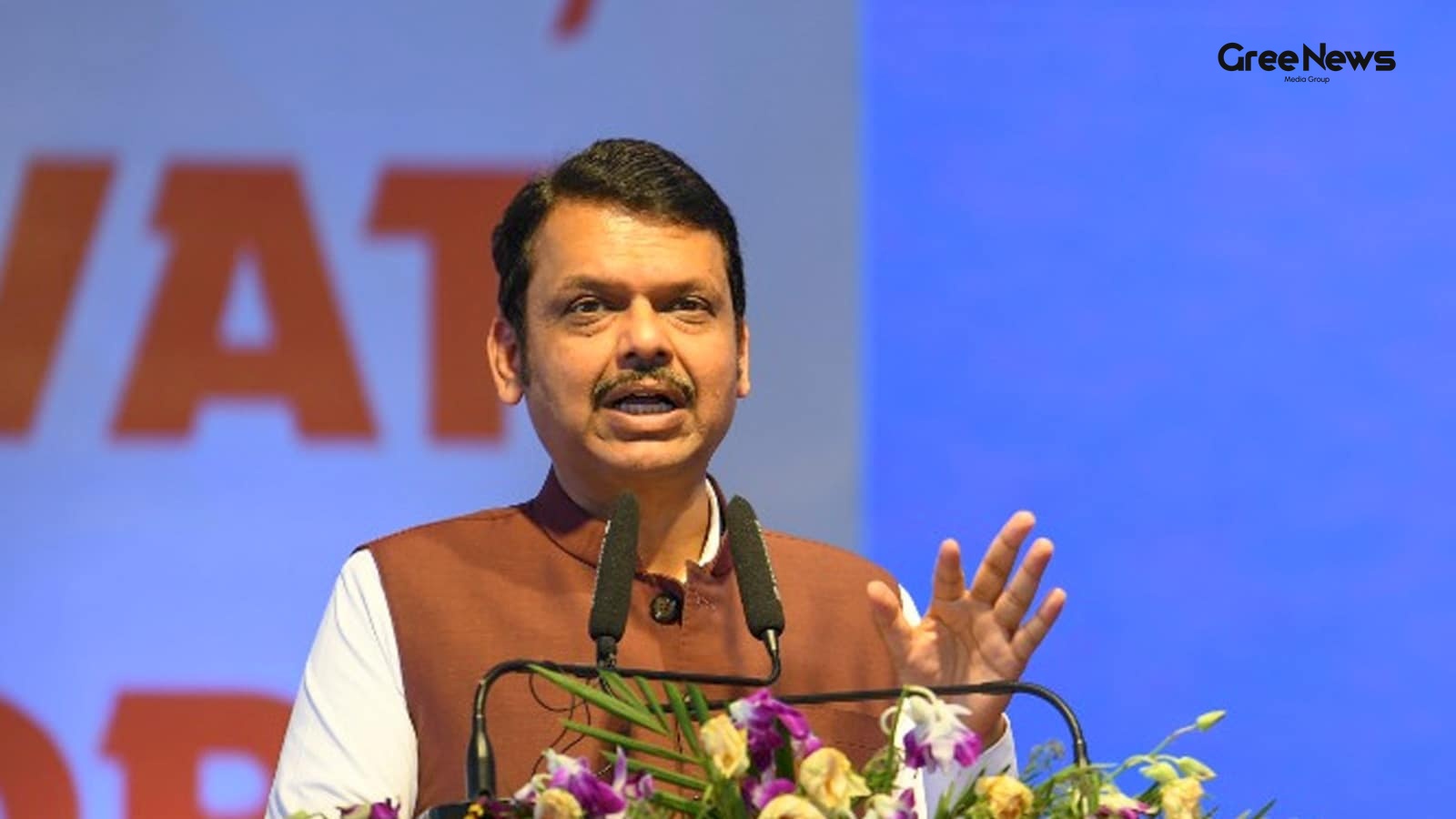
Nearly four out of every ten women enrolled in Maharashtra’s Mukhyamantri Majhi Ladki Bahin Yojana were pulled out after a massive statewide check. Government records, seen by The Indian Express, show more than 92 lakh women dropped from the scheme.
The numbers are bigger than what the state government has actually admitted so far. The deletions found during this verification are significantly higher than the nearly 80 lakh they’ve publicly talked about.
What happened? Mostly, people couldn't finish the mandatory electronic Know Your Customer process, the eKYC . But some were ineligible too income issues, wrong age, employment status, or they were getting benefits somewhere else already.
Officials running this check estimated that those removed had received around 14,000 crore before payments just stopped. That’s a huge number of lost funds.
On average, folks whose benefits were halted got help for almost ten months. There wasn't one fixed cut-off date either; they caught people at different points during the verification. It’s messy tracking this stuff.
This all feels important because the Comptroller and Auditor General has already raised flags about how the scheme was managed. The State Finances Audit Report 2024-25 brought this up.
Looking closer, some specifics emerged. Sixteen lakh beneficiaries that’s about seventeen percent were from families whose yearly income blew past the eligibility limit of Rs 2.5 lakh.
Then there were other issues. About 4.42 lakh people declared they or a family member worked for the government. That made them ineligible, plain and simple.
And then there was the overlapping benefits problem. Around 3.6 lakh women were already getting help under another scheme, Sanjay Gandhi Niradhar Yojana. Plus, nearly 2.5 lakh cases involved more than two people in the same family drawing money. It got complicated fast.
Age was another factor. Nearly 1.8 lakh beneficiaries were over the age limit of 65. And district-level checks flagged another 1.7 lakh cases just based on that.
Separately, they found men too. Almost 29,000 men and about 8,000 government employees had also received benefits even though they shouldn't have.
The response from the state came later. Maharashtra Women and Child Development Minister Aditi Tatkare said things were complicated by timing. She quoted that the mandatory eKYC couldn’t start right after launch because of election schedules and the Model Code of Conduct rules kicking in before October.
She added that they only started the real exercise in August 2025, once the new government was in place. And payments for those who didn't finish the eKYC were stopped then. They even gave extensions until December 31, 2025, just to let people catch up before cutting off the money flow.
When asked about recovering the lost cash? Tatkare said something was different for men and government staff. Chief Minister Devendra Fadnavis had mentioned in the Assembly that they wouldn't recover money from those groups. That’s a specific political angle there.
But the big financial picture remains shaky. The CAG report really hit hard on how the money moved around. It flagged major issues with budget estimates and control. And excess spending is a huge part of it.
The audit showed that the Women and Child Development Department spent Rs 33,237.24 crore against an authorized budget of Rs 29,693.09 crore on this scheme. That’s an overspend of Rs 3,541.16 crore. The department didn't provide any real justification for that extra cash spent.
The CAG also looked at the money parked somewhere. Fifteen thousand five hundred eighty-six crore was moved into Virtual Personal Deposit Accounts, or VPDAs, between January and March 2025. That practice? It came across as a serious financial irregularity. The withdrawal pattern suggested the funds weren't needed right away. They were just pulled from the treasury without any clear need for immediate spending.
The overall finding was that implementation suffered "significant deficiencies in budget estimation, expenditure control, and financial management." They recommended a much tougher look at who actually got the benefits and what money was required for these big Direct Benefit Transfer schemes. And they strongly advised against parking those funds in VPDAs. Withdrawals should only happen when actual spending is immediate.
The scheme itself provides Rs 1,500 a month via DBT to eligible women between 21 and 65, aiming for economic independence. But the delivery system seems riddled with these kinds of gaps.
Written by Gree News Team — Senior Editorial Board
Gree News Team covers international news and global affairs at Gree News. Our collective of senior editors is dedicated to providing independent, accurate, and responsible journalism for a global audience.
More from India
View All
India's Trade Stance and Negotiation Leverage with the United States
India isn't rushing into that interim trade agreement with the United States. That’s where the Narendra Modi government stands, apparently. They feel their bargaining position has actually gotten stronger lately. Things are looking up economically, there are more trade partnerships forming, and exte
Jul 13, 2026 by Gree News Team

Assessment of Covert Terror Recruitment Training Targeting Women
India's central agencies just released an assessment. It points to something serious about Pakistan-based terror groups. They are running covert training modules specifically targeting women for recruitment. Sources tell us this isn’t some abstract idea. These outfits operating out of Pakistan have
Jul 13, 2026 by Gree News Team
Murder Investigation Involving Karnataka and Nepal
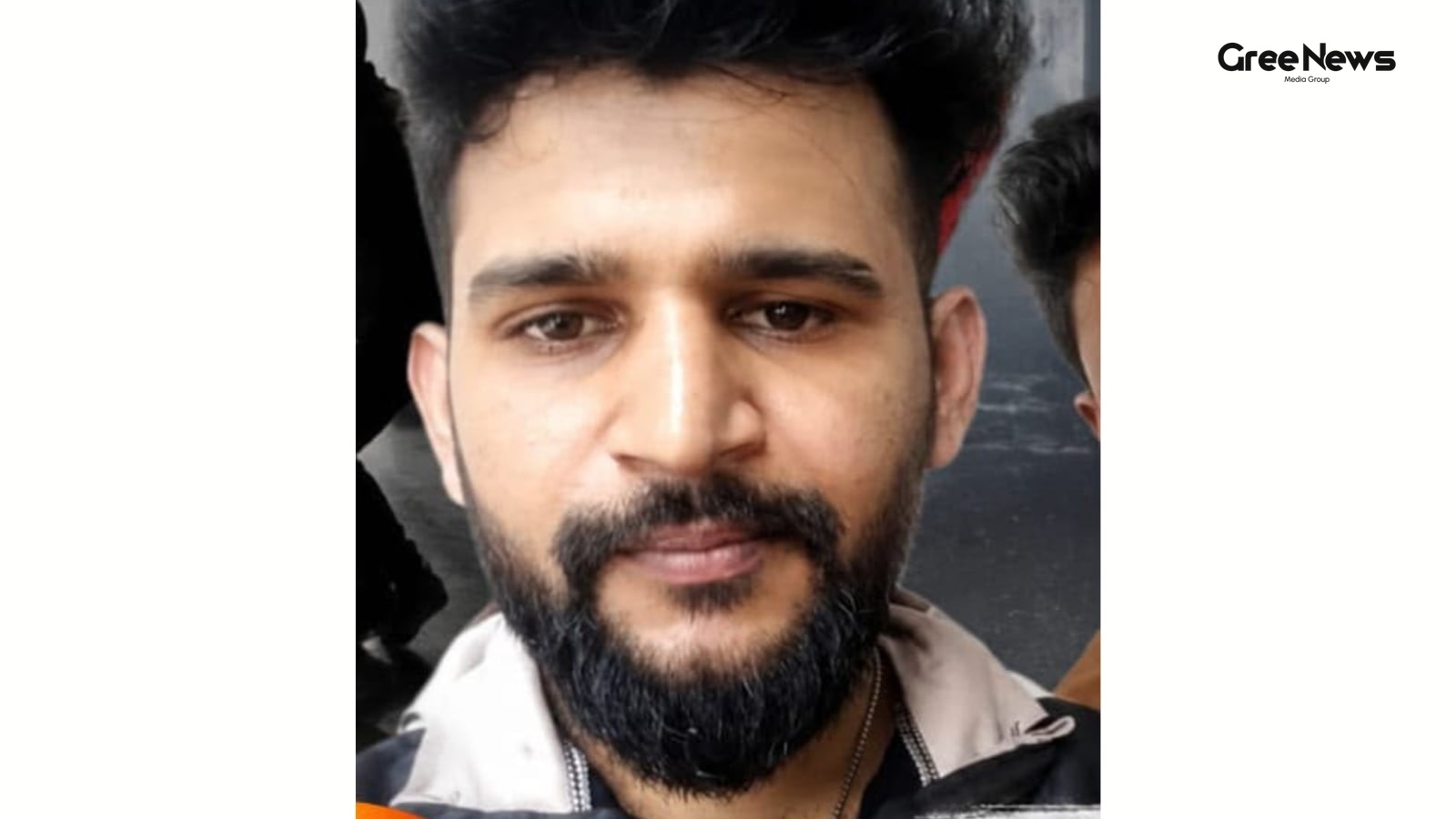
A murder happened in Nepal involving someone from Karnataka. A 25-year-old guy, Sahil Riyaz Ahmed Momin, he was from Belagavi district. He was allegedly killed by his roommate there. This started a whole police thing, searching for the person responsible. Sahil had been living in Khanapur, Belagavi.
Jul 13, 2026 by Gree News Team

Mamata Banerjee's Accusations and Political Fallout with the BJP
Mamata Banerjee threw some serious accusations at the BJP. She claimed they were specifically targeting party leaders. Think Abhishek Banerjee, Mahua Moitra, Kalyan Banerjee. She basically told them that if they wanted to keep her quiet, they’d have to kill her. That kind of threat hangs heavy. This
Jul 10, 2026 by Gree News Team
Latest Headlines
Pakistan's Nationwide Crackdown on Afghan Citizens
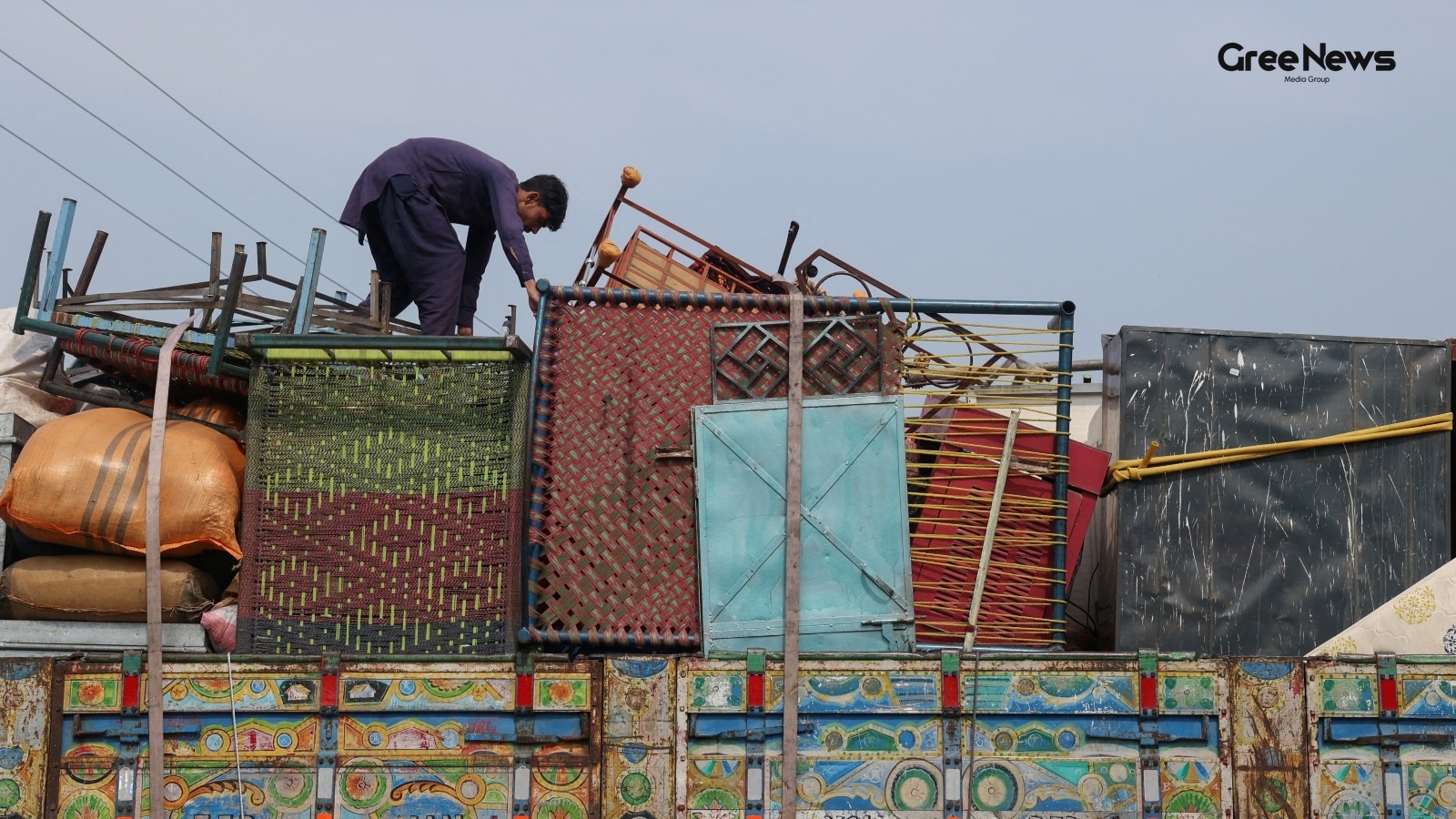
Pakistan started a fresh nationwide crackdown on Afghan citizens. It kicked off after the government’s deadline expired on July 11th. Raids, arrests, deportations they are happening across lots of cities now, top security sources are saying that. The Pakistan Interior Ministry directed authorities e
Jul 13, 2026 by Gree News Team

Market Reaction to Geopolitical Tensions and Oil Price Surge
The markets kicked off Monday badly. Indian benchmark indices tumbled immediately, catching the fallout from those escalating geopolitical tensions boiling over in the Middle East. It felt like the global anxiety was bleeding right into Asian trading. Around nine fifteen, things started moving. The
Jul 13, 2026 by Gree News Team
India's Trade Stance and Negotiation Leverage with the United States
India isn't rushing into that interim trade agreement with the United States. That’s where the Narendra Modi government stands, apparently. They feel their bargaining position has actually gotten stronger lately. Things are looking up economically, there are more trade partnerships forming, and exte
Jul 13, 2026 by Gree News Team

Iran-US Tensions and Drone Conflict near the Strait of Hormuz
Iran is claiming it wiped out a US drone fleet in Bahrain. That’s what they said on Sunday, right as things got hotter between Washington and Tehran over those fights escalating near the Strait of Hormuz. Their state news agency, IRNA, reported that Iranian drone operations against US military spots
Jul 13, 2026 by Gree News Team
US-Iran Tensions and Strikes in the Strait of Hormuz
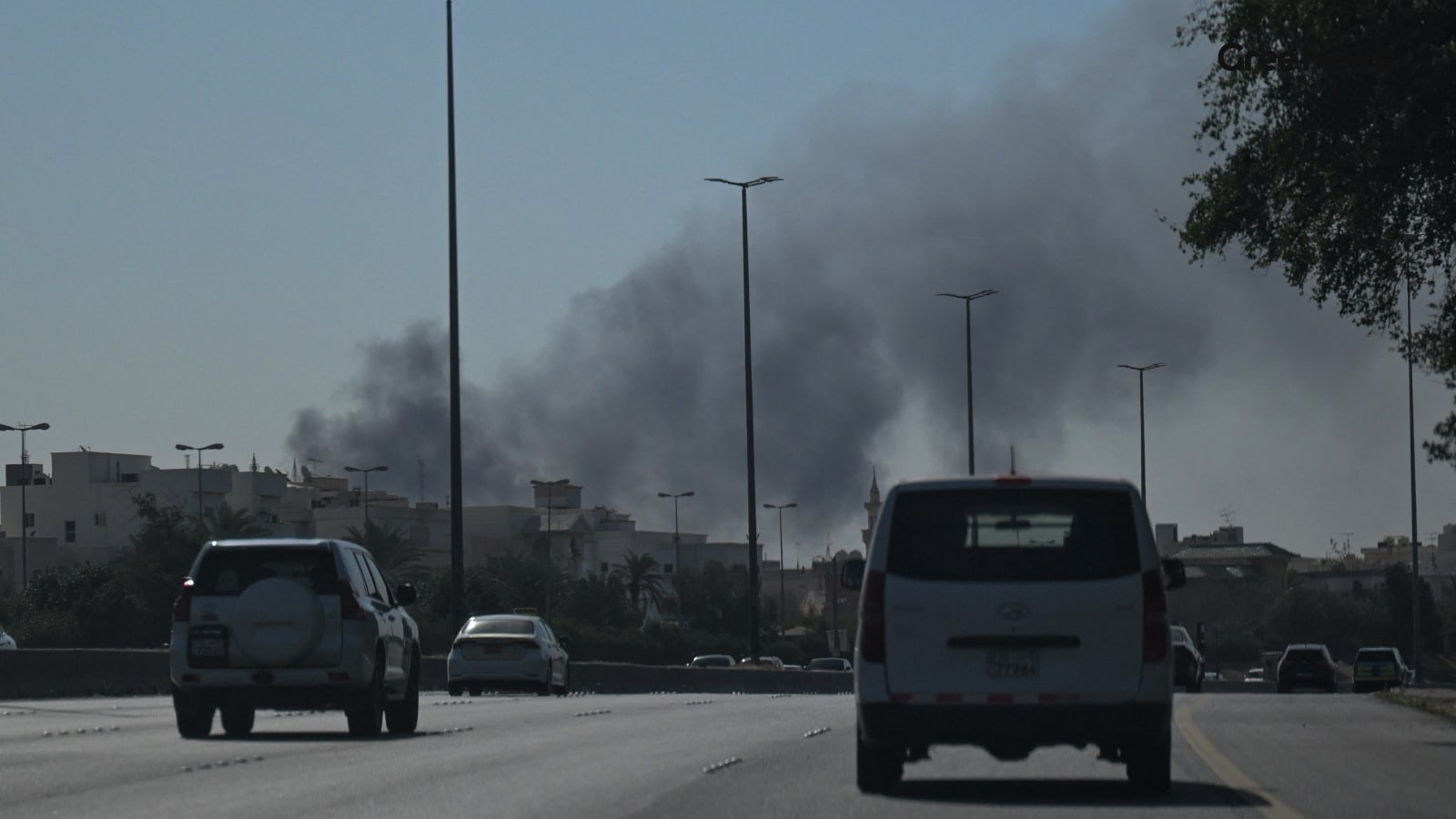
US-Iran stuff right now. The Strait of Hormuz is really the sticking point again. Monday, Central Command CENTCOM said they launched more strikes against Iran. It was in response to those attacks on ships moving through that strategic waterway. The goal, according to the military, was supposed to be
Jul 13, 2026 by Gree News Team
Assessment of Covert Terror Recruitment Training Targeting Women
India's central agencies just released an assessment. It points to something serious about Pakistan-based terror groups. They are running covert training modules specifically targeting women for recruitment. Sources tell us this isn’t some abstract idea. These outfits operating out of Pakistan have
Jul 13, 2026 by Gree News Team

FIFA Expansion, World Cup Changes, and Controversies
Gianni Infantino, the FIFA president, is talking about expanding football’s global governing body. He says they will look at making the men's World Cup 64-team after the current tournament wraps up. That’s the one happening in 2026. Canada, Mexico, and the United States are hosting that edition, and
Jul 13, 2026 by Gree News Team

Mandira Bedi on Therapy After Losing Husband and Film Promotion
Mandira Bedi finally spoke out about therapy after losing her husband, filmmaker Raj Kaushal. She said it really helped her get through some of the hardest parts of life. Professional counseling played a huge role when she was dealing with that massive loss. She brought this up while promoting her n
Jul 13, 2026 by Gree News Team

Airtel Ends Free Perplexity Pro AI Deal: Subscription Renewal Details
Look, it’s happening. Airtel is cutting the cord on that free Perplexity Pro AI deal for their users in the next few days. It was bundled up with everything postpaid, prepaid, Wi-Fi plans. A year worth of access. Up to seventeen thousand rupees total, tied into those bundles last year. And now every
Jul 13, 2026 by Gree News Team
Murder Investigation Involving Karnataka and Nepal
A murder happened in Nepal involving someone from Karnataka. A 25-year-old guy, Sahil Riyaz Ahmed Momin, he was from Belagavi district. He was allegedly killed by his roommate there. This started a whole police thing, searching for the person responsible. Sahil had been living in Khanapur, Belagavi.
Jul 13, 2026 by Gree News Team
Explosions and Denials Across Southern Iran
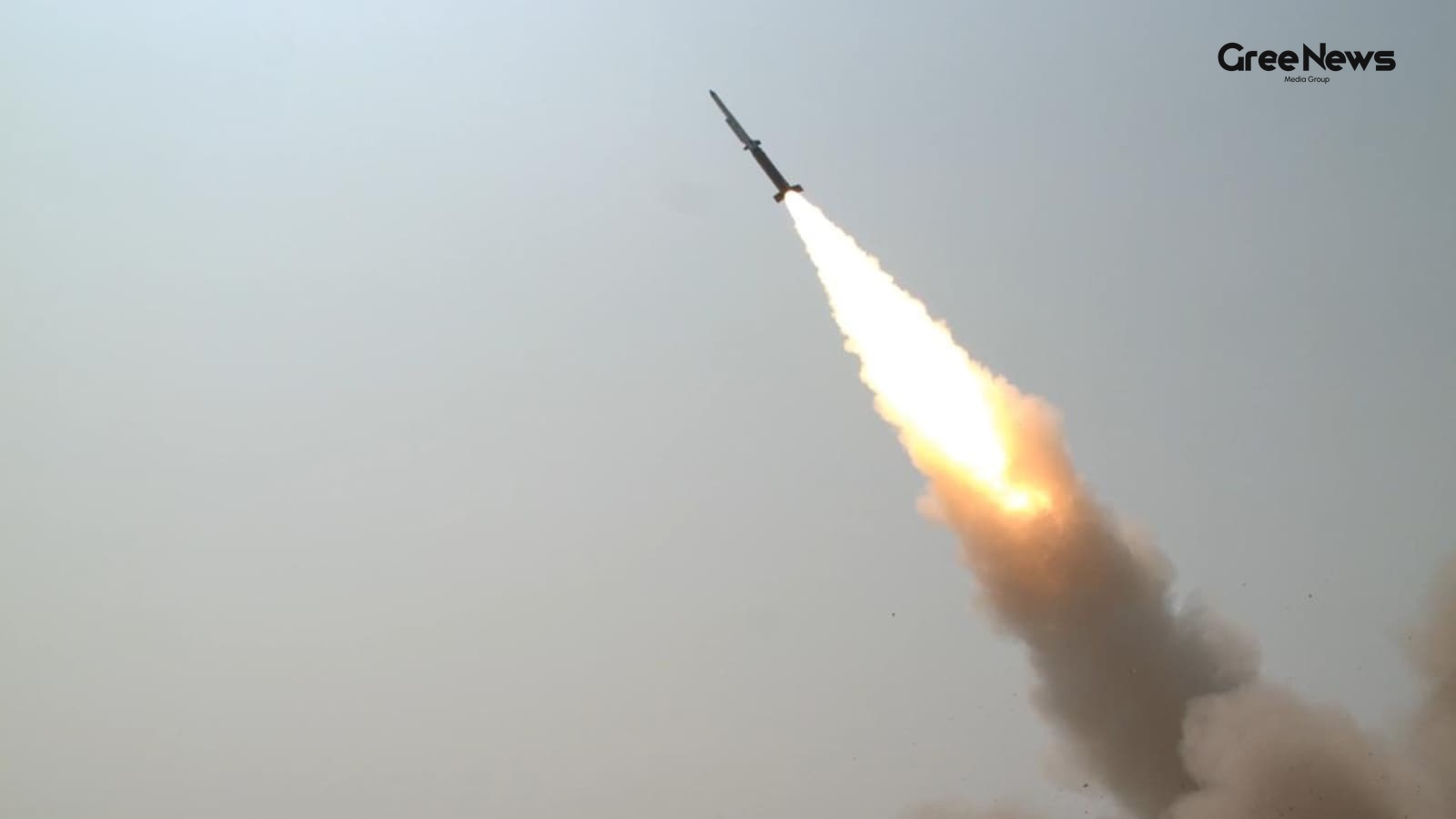
Explosions happened across southern Iran. Near Bushehr, right by that nuclear facility, according to Iranian media reports from Thursday, July 9th. People were worried about what was going on. But then you have the denial. The United States said they weren't involved. And Tehran hasn't pinned any bl
Jul 10, 2026 by Gree News Team

Lock Upp: The Cost of Hosting and Celebrity Drama
The second season of *Lock Upp* really grabbed attention, right? Not just because of the contestants or all the drama swirling around. It’s also about who they brought in to host it: Farah Khan and Riteish Deshmukh. People are raving about them, obviously. But how much cash are these stars actually
Jul 10, 2026 by Gree News Team
Gaurav Khanna, Akanksha, and the Public Drama
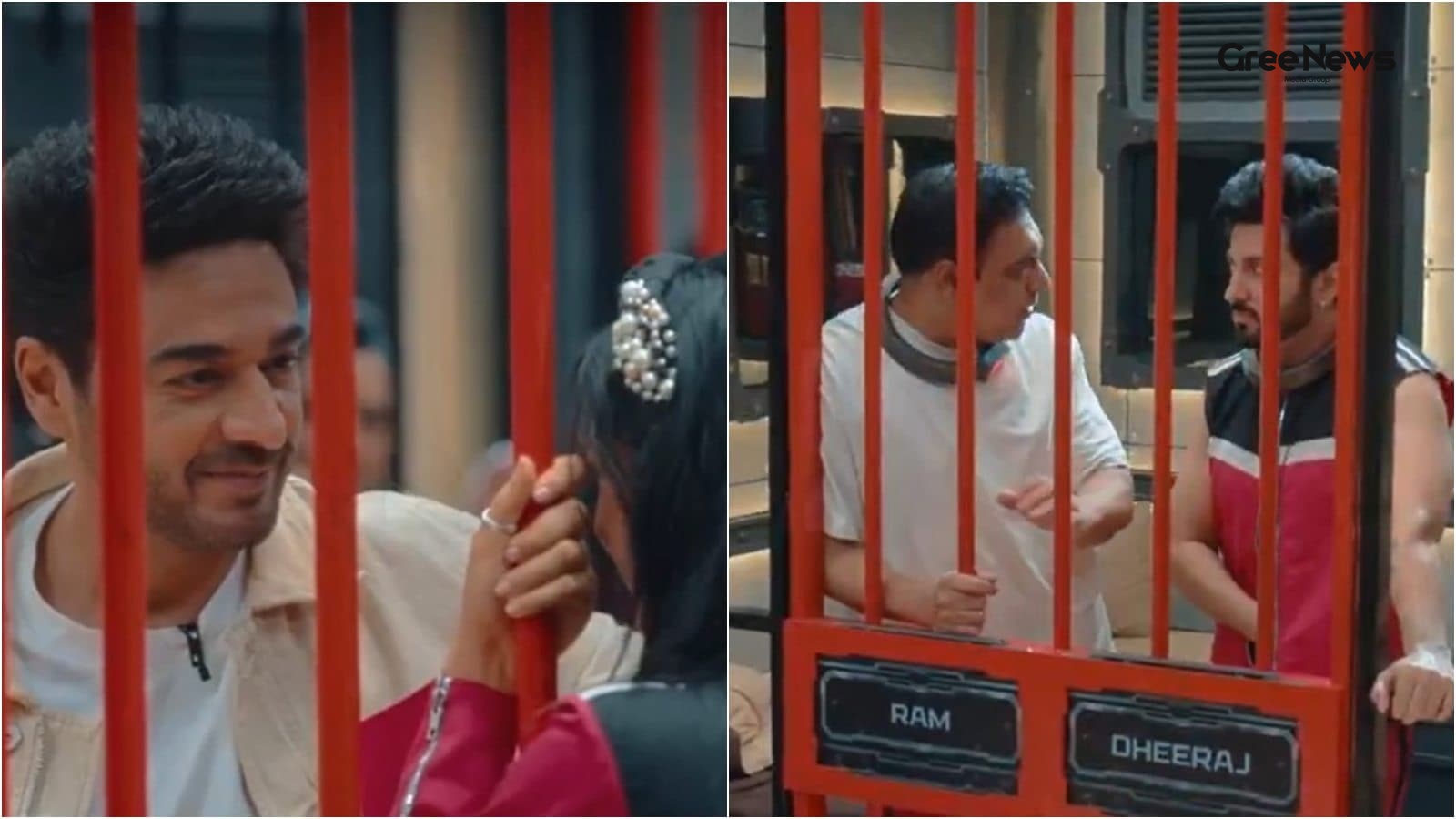
Gaurav Khanna. Yeah, the guy who snagged that Bigg Boss 19 trophy back in '25. He was there now, making this starry appearance on Lock Upp 2. It wasn’t just a casual visit, though. There was something heavier going on. He showed up mostly to back his wife, Akanksha Chamola. She had dropped the bomb
Jul 10, 2026 by Gree News Team
Tyler Robinson Accused of Shooting Charlie Kirk
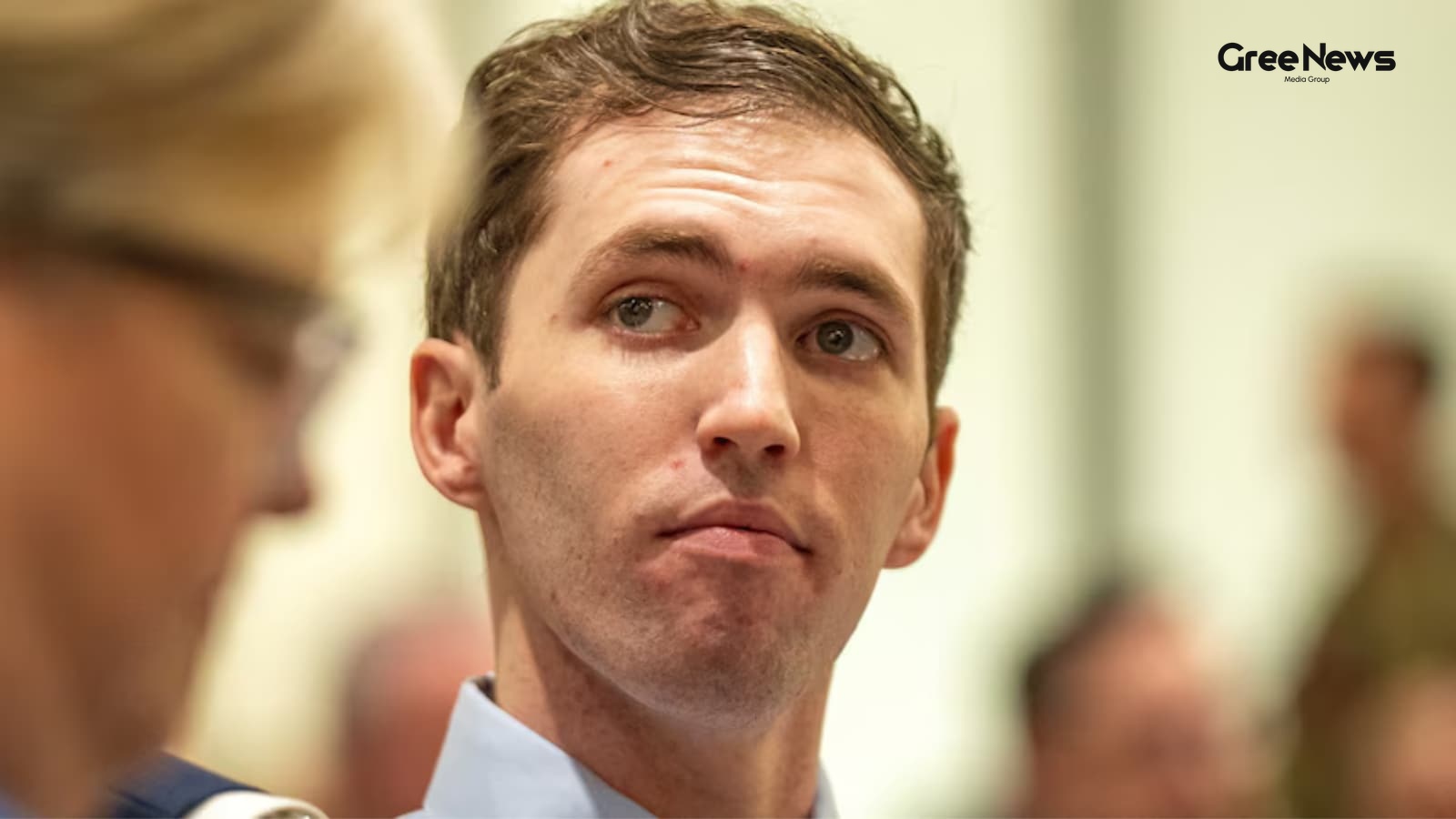
Tyler Robinson, the guy accused of shooting Charlie Kirk, actually cried before his roommate. He told him he just wished he hadn't done it. That happened the day after the fatal shooting at Utah Valley University. Now things are moving into court. A preliminary hearing kicked off in a Utah courtroom
Jul 10, 2026 by Gree News Team
Best Extension Boards and Surge Protection for Modern Gadgets
Man. Everyone’s got these things now. Laptops everywhere. Phones glued to hands. Smart gadgets taking over every corner of the house, right? And with all that digital clutter laptops, TVs, routers, those smart home bits the need for a decent extension board just skyrockets. It’s not just about plugg
Jul 10, 2026 by Gree News Team