India's Trade Stance and Negotiation Leverage with the United States
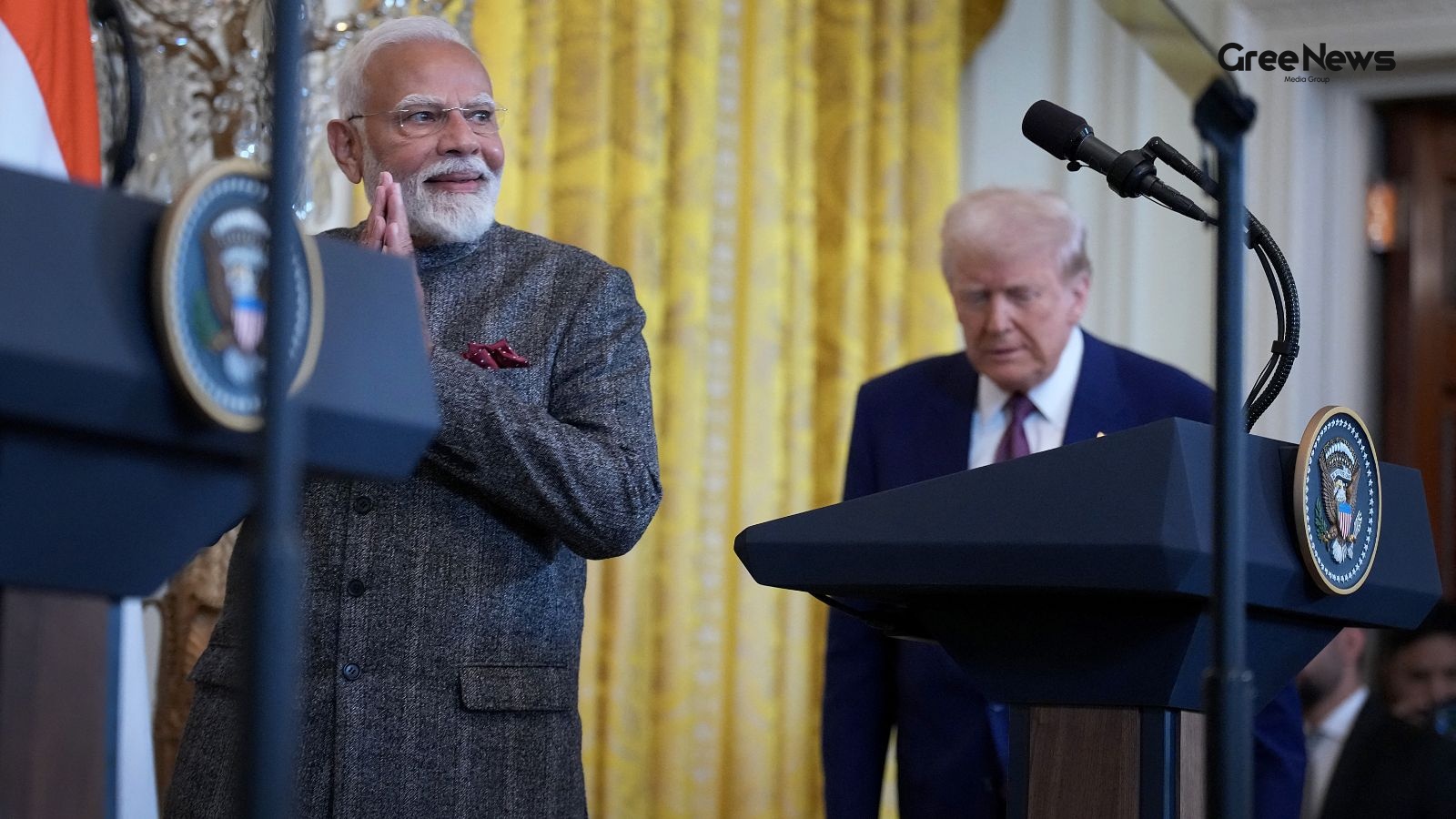
India isn't rushing into that interim trade aGreement with the United States. That’s where the Narendra Modi government stands, apparently. They feel their bargaining position has actually gotten stronger lately. Things are looking up economically, there are more trade partnerships forming, and external risks seem a little less scary. Government officials and analysts are pointing in that direction.
But negotiations have been dragging on for months. There were expectations you know, after Jamieson Greer’s visit to New Delhi last month, people thought an interim pact was almost done. But it just didn't happen. The sides remained stuck on some core issues. Big disaGreements kept everything stalled.
India refused to accept a deal that just slid through without addressing what they really wanted. They weren't going to compromise on their red lines. This meant demanding better tariff treatment over other big exporters, like China, and making sure Washington wouldn't slap fresh tariffs on things after signing anything. Protecting the agricultural sectors was absolutely non-negotiable for Indian negotiators.
The reality is, the US really hoped to grab quick trade concessions from India before President Trump’s proposed new tariffs kicked in later this month. But New Delhi didn't seem to feel that immediate pressure. They showed little real urgency even when there were threats of higher duties on Indian exports hanging over them.
A day after Greer left, Commerce and Industry Minister Piyush Goyal also made it clear. He signaled India’s tougher stance. Any deal with the US would only work if it seriously benefited India first.
The current situation involves a 10 per cent tariff on most Indian goods going to the US. That's the baseline. But then you have the threat: the Trump administration is expected to start introducing steeper tariffs soon, based on investigations into industrial capacity. Separately, Washington has been floating ideas about additional tariffs up to 12.5 per cent on some countries, including India based on allegations about forced labor. India flatly denied those charges, of course.
A US source familiar with the backroom talks mentioned something interesting. They felt India needed to earn that preferential treatment it was seeking by making its own concessions. It’s a classic power move, isn't it?
Trade analysts are watching this closely. They see that India’s leverage has grown considerably over these last few months. Things are shifting. Indian goods exports actually ticked up about 15 per cent year-on-year in the April-June quarter. That was helped by better petroleum shipments, which eased some of the Iran conflict headaches. Exports to Gulf nations bounced back to pre-war levels too. And shipping to the US increased as well.
Meanwhile, India isn't just looking west anymore. They are diversifying their trade options. The free trade aGreement with the UK is due to start this month. Negotiations for a pact with the European Union are moving forward; that could wrap up early next year.
Wendy Cutler, who used to work in trade circles and is now at the Asia Society Policy Institute, said Indian negotiators gained some real leverage. Why? Because of the strong economy, the push toward other partners, and their strategic standing globally. It’s a different dynamic entirely.
India’s overall economic outlook also feels better now. That easing around oil prices from the US-Iran peace deal definitely helped ease concerns. Goldman Sachs adjusted its growth forecast for India to 6.8 per cent, dropping inflation and current account deficit projections. This suggests there's more breathing room for the government to hold out for terms that actually matter.
It seems like some of these moves are about calculation. Officials believe delaying or even ditching a rushed deal might be smarter than locking into obligations whose costs could blow past any temporary tariff relief offered now. Ajay Srivastava, who founded the Global Trade Research Initiative and used to negotiate deals, put it plainly: that's the more prudent path.
On the political side too, things are playing out at home. Prime Minister Modi’s recent electoral wins have definitely bolstered the government’s hand at the negotiating table. BJP leaders keep arguing that any deal has to protect Indian farmers and small businesses above all else. That domestic strength plays a role.
There's still legal friction looming in Washington, though. A coalition of twenty-two Democratic state attorneys general has already challenged those proposed tariffs linked to forced labor investigations. That’s another layer of complexity thrown into the mix. It just keeps things messy.
Written by Gree News Team — Senior Editorial Board
Gree News Team covers international news and global affairs at Gree News. Our collective of senior editors is dedicated to providing independent, accurate, and responsible journalism for a global audience.
More from India
View All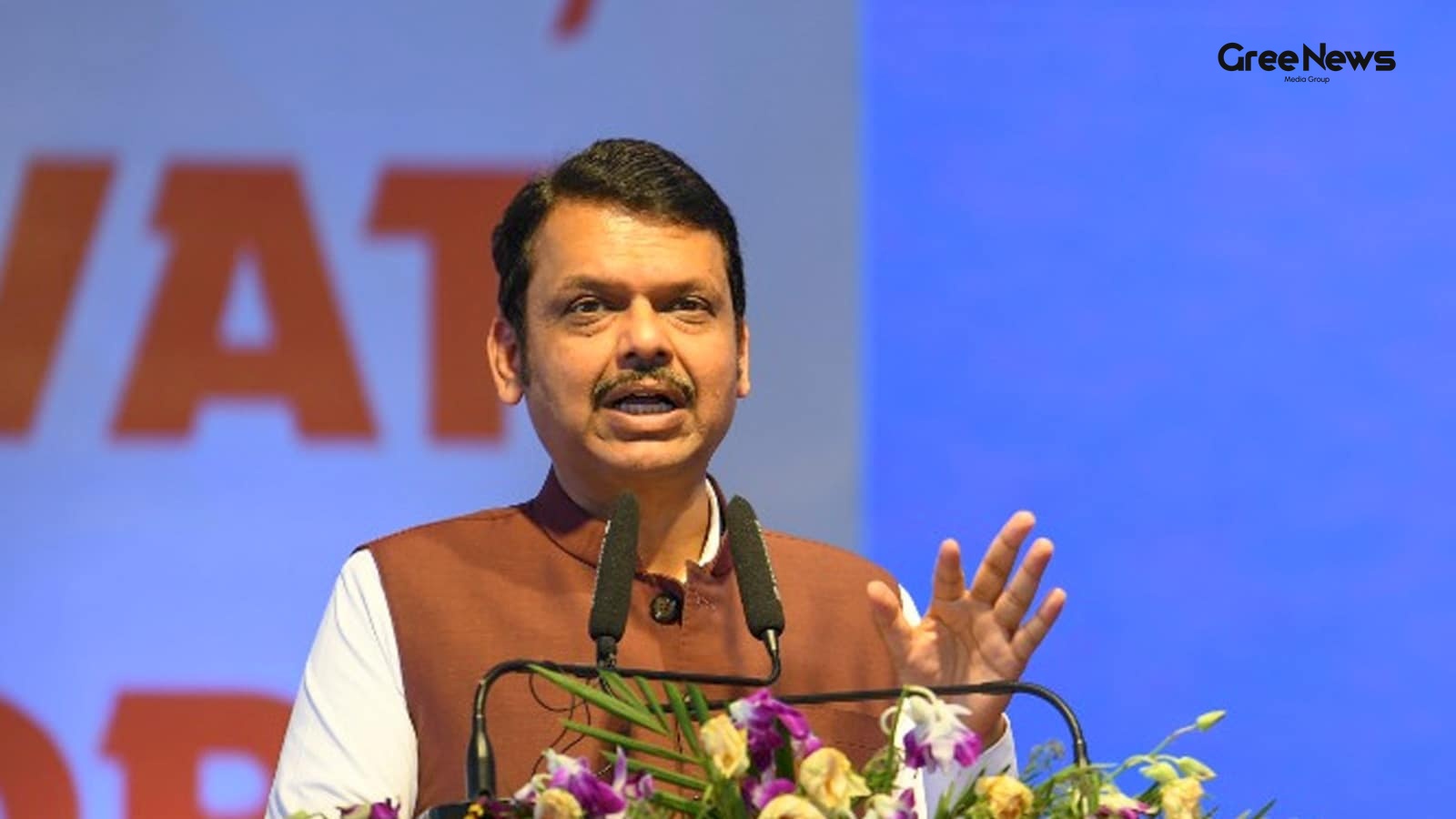
Maharashtra Scheme Deletions and Financial Irregularities
Nearly four out of every ten women enrolled in Maharashtra’s Mukhyamantri Majhi Ladki Bahin Yojana were pulled out after a massive statewide check. Government records, seen by The Indian Express, show more than 92 lakh women dropped from the scheme. The numbers are bigger than what the state governm
Jul 13, 2026 by Gree News Team
Assessment of Covert Terror Recruitment Training Targeting Women
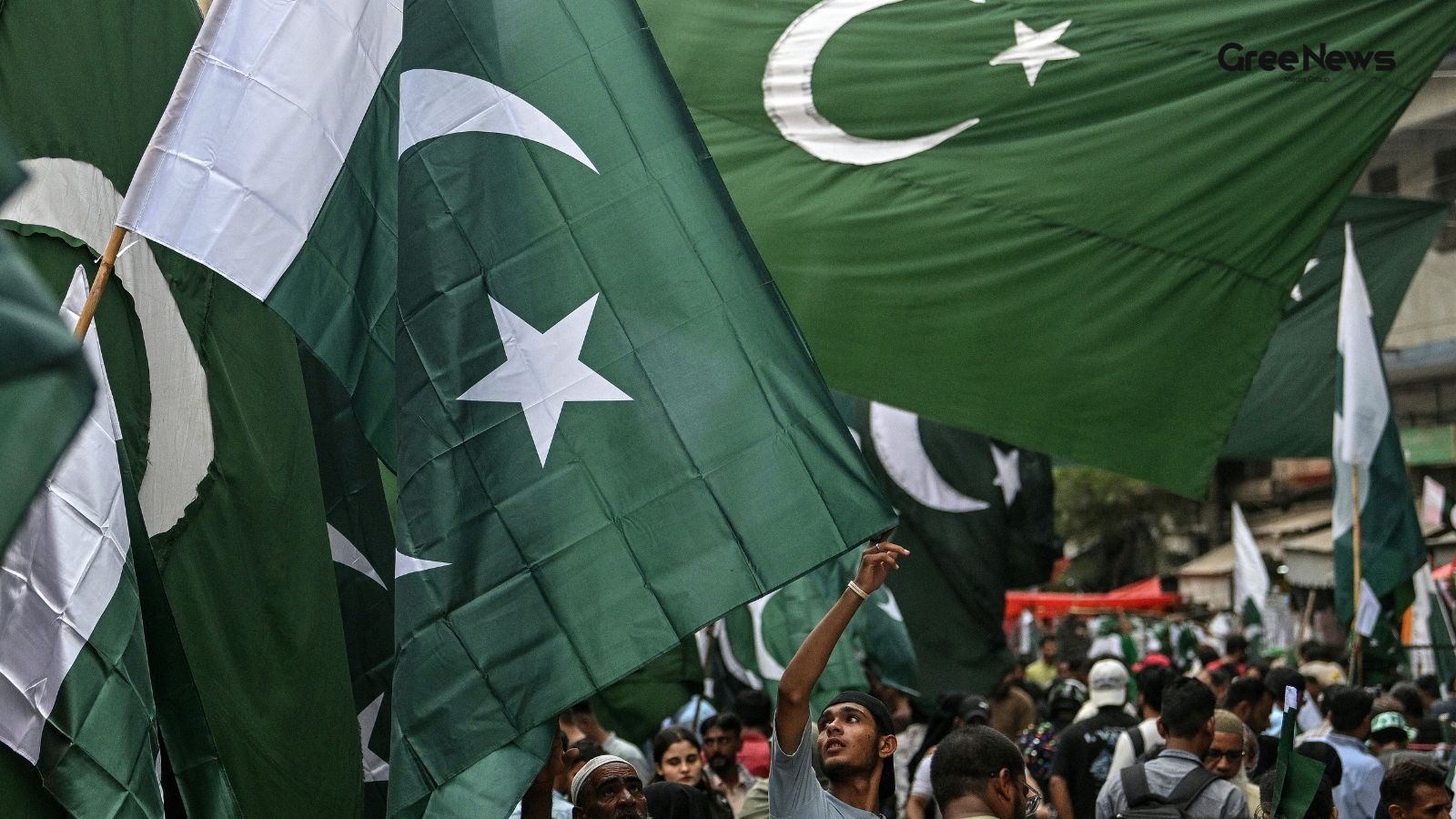
India's central agencies just released an assessment. It points to something serious about Pakistan-based terror groups. They are running covert training modules specifically targeting women for recruitment. Sources tell us this isn’t some abstract idea. These outfits operating out of Pakistan have
Jul 13, 2026 by Gree News Team
Murder Investigation Involving Karnataka and Nepal
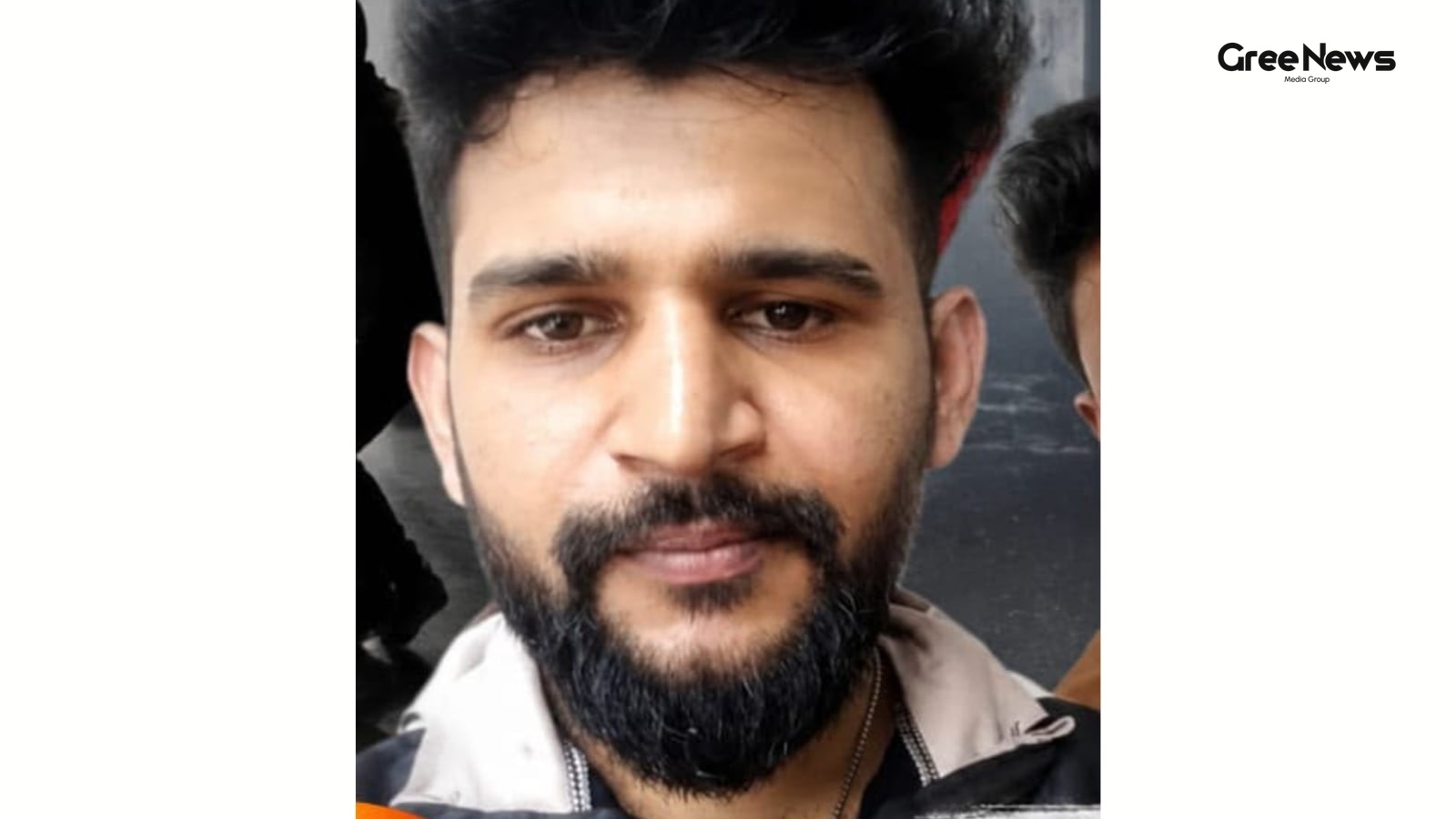
A murder happened in Nepal involving someone from Karnataka. A 25-year-old guy, Sahil Riyaz Ahmed Momin, he was from Belagavi district. He was allegedly killed by his roommate there. This started a whole police thing, searching for the person responsible. Sahil had been living in Khanapur, Belagavi.
Jul 13, 2026 by Gree News Team
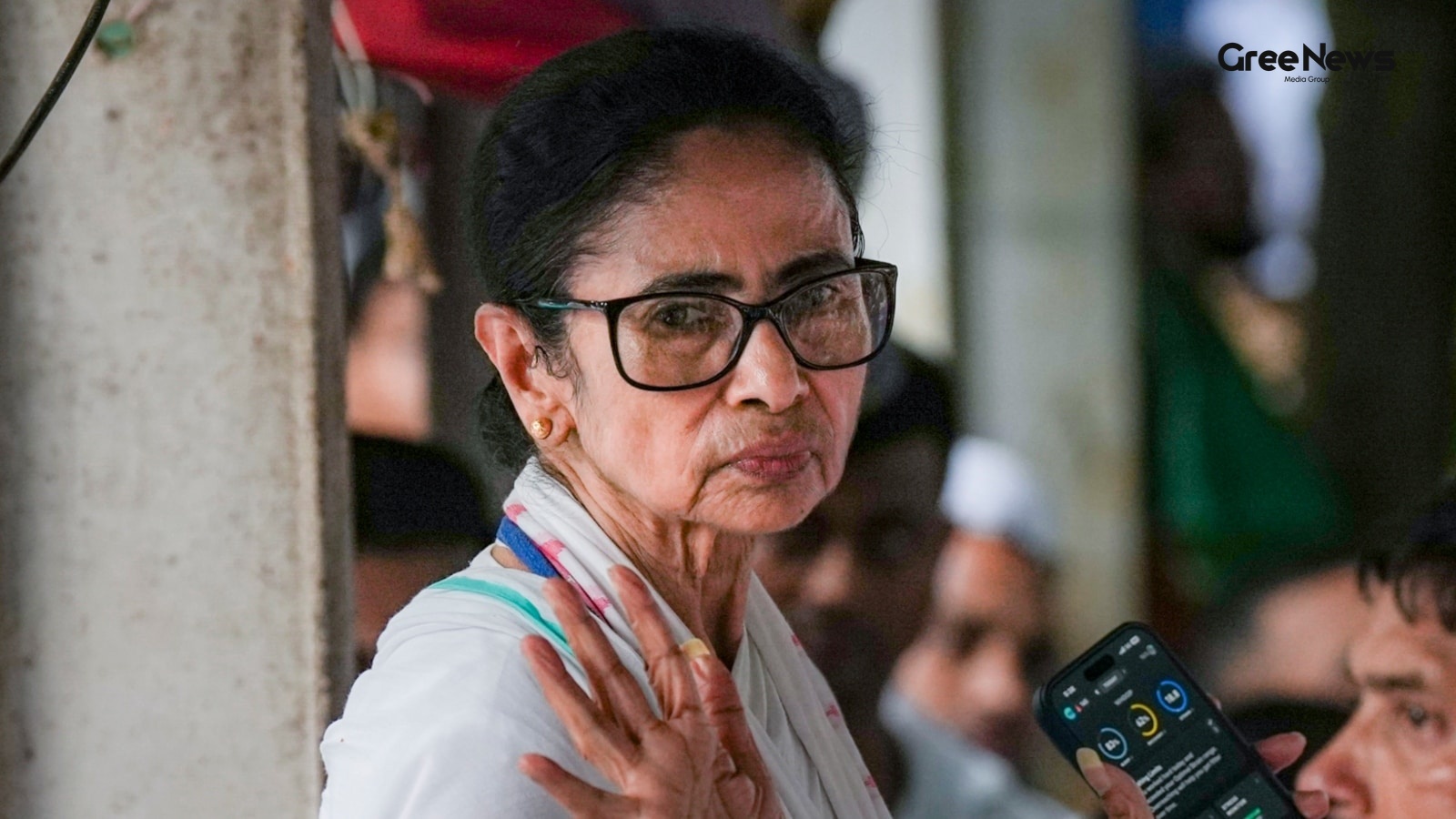
Mamata Banerjee's Accusations and Political Fallout with the BJP
Mamata Banerjee threw some serious accusations at the BJP. She claimed they were specifically targeting party leaders. Think Abhishek Banerjee, Mahua Moitra, Kalyan Banerjee. She basically told them that if they wanted to keep her quiet, they’d have to kill her. That kind of threat hangs heavy. This
Jul 10, 2026 by Gree News Team
Latest Headlines
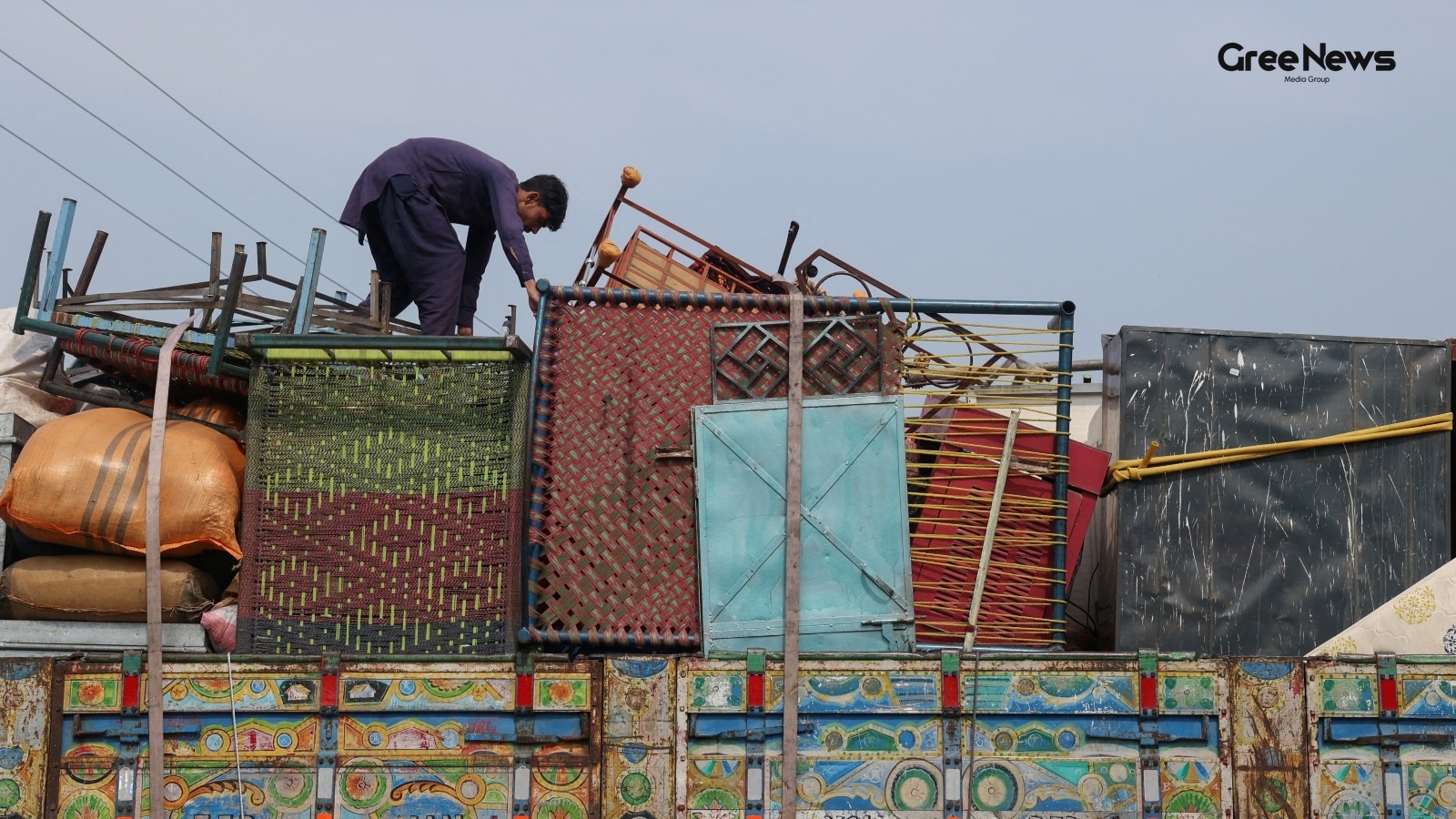
Pakistan's Nationwide Crackdown on Afghan Citizens
Pakistan started a fresh nationwide crackdown on Afghan citizens. It kicked off after the government’s deadline expired on July 11th. Raids, arrests, deportations they are happening across lots of cities now, top security sources are saying that. The Pakistan Interior Ministry directed authorities e
Jul 13, 2026 by Gree News Team

Market Reaction to Geopolitical Tensions and Oil Price Surge
The markets kicked off Monday badly. Indian benchmark indices tumbled immediately, catching the fallout from those escalating geopolitical tensions boiling over in the Middle East. It felt like the global anxiety was bleeding right into Asian trading. Around nine fifteen, things started moving. The
Jul 13, 2026 by Gree News Team
Maharashtra Scheme Deletions and Financial Irregularities
Nearly four out of every ten women enrolled in Maharashtra’s Mukhyamantri Majhi Ladki Bahin Yojana were pulled out after a massive statewide check. Government records, seen by The Indian Express, show more than 92 lakh women dropped from the scheme. The numbers are bigger than what the state governm
Jul 13, 2026 by Gree News Team

Iran-US Tensions and Drone Conflict near the Strait of Hormuz
Iran is claiming it wiped out a US drone fleet in Bahrain. That’s what they said on Sunday, right as things got hotter between Washington and Tehran over those fights escalating near the Strait of Hormuz. Their state news agency, IRNA, reported that Iranian drone operations against US military spots
Jul 13, 2026 by Gree News Team
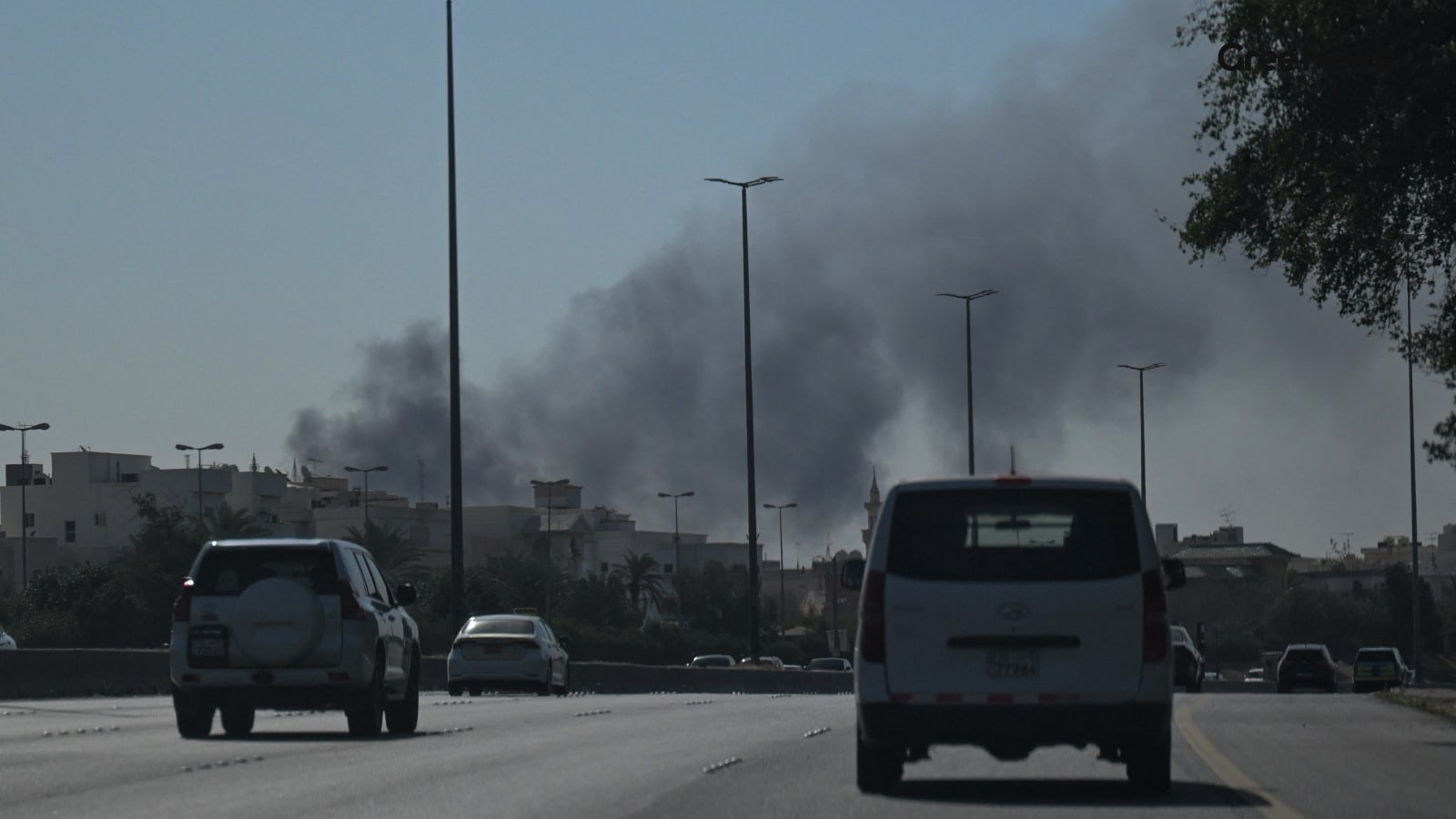
US-Iran Tensions and Strikes in the Strait of Hormuz
US-Iran stuff right now. The Strait of Hormuz is really the sticking point again. Monday, Central Command CENTCOM said they launched more strikes against Iran. It was in response to those attacks on ships moving through that strategic waterway. The goal, according to the military, was supposed to be
Jul 13, 2026 by Gree News Team
Assessment of Covert Terror Recruitment Training Targeting Women
India's central agencies just released an assessment. It points to something serious about Pakistan-based terror groups. They are running covert training modules specifically targeting women for recruitment. Sources tell us this isn’t some abstract idea. These outfits operating out of Pakistan have
Jul 13, 2026 by Gree News Team
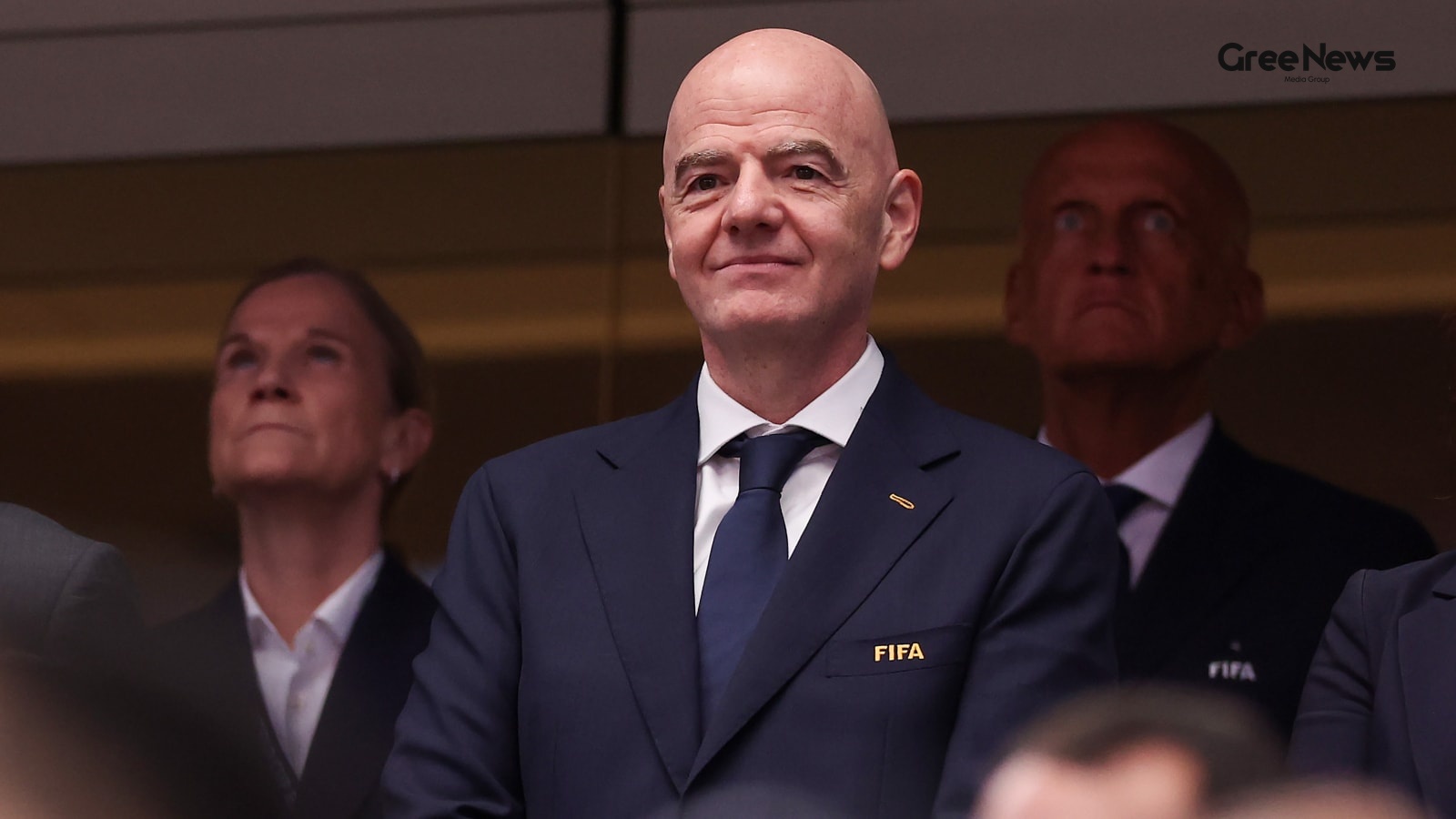
FIFA Expansion, World Cup Changes, and Controversies
Gianni Infantino, the FIFA president, is talking about expanding football’s global governing body. He says they will look at making the men's World Cup 64-team after the current tournament wraps up. That’s the one happening in 2026. Canada, Mexico, and the United States are hosting that edition, and
Jul 13, 2026 by Gree News Team

Mandira Bedi on Therapy After Losing Husband and Film Promotion
Mandira Bedi finally spoke out about therapy after losing her husband, filmmaker Raj Kaushal. She said it really helped her get through some of the hardest parts of life. Professional counseling played a huge role when she was dealing with that massive loss. She brought this up while promoting her n
Jul 13, 2026 by Gree News Team

Airtel Ends Free Perplexity Pro AI Deal: Subscription Renewal Details
Look, it’s happening. Airtel is cutting the cord on that free Perplexity Pro AI deal for their users in the next few days. It was bundled up with everything postpaid, prepaid, Wi-Fi plans. A year worth of access. Up to seventeen thousand rupees total, tied into those bundles last year. And now every
Jul 13, 2026 by Gree News Team
Murder Investigation Involving Karnataka and Nepal
A murder happened in Nepal involving someone from Karnataka. A 25-year-old guy, Sahil Riyaz Ahmed Momin, he was from Belagavi district. He was allegedly killed by his roommate there. This started a whole police thing, searching for the person responsible. Sahil had been living in Khanapur, Belagavi.
Jul 13, 2026 by Gree News Team
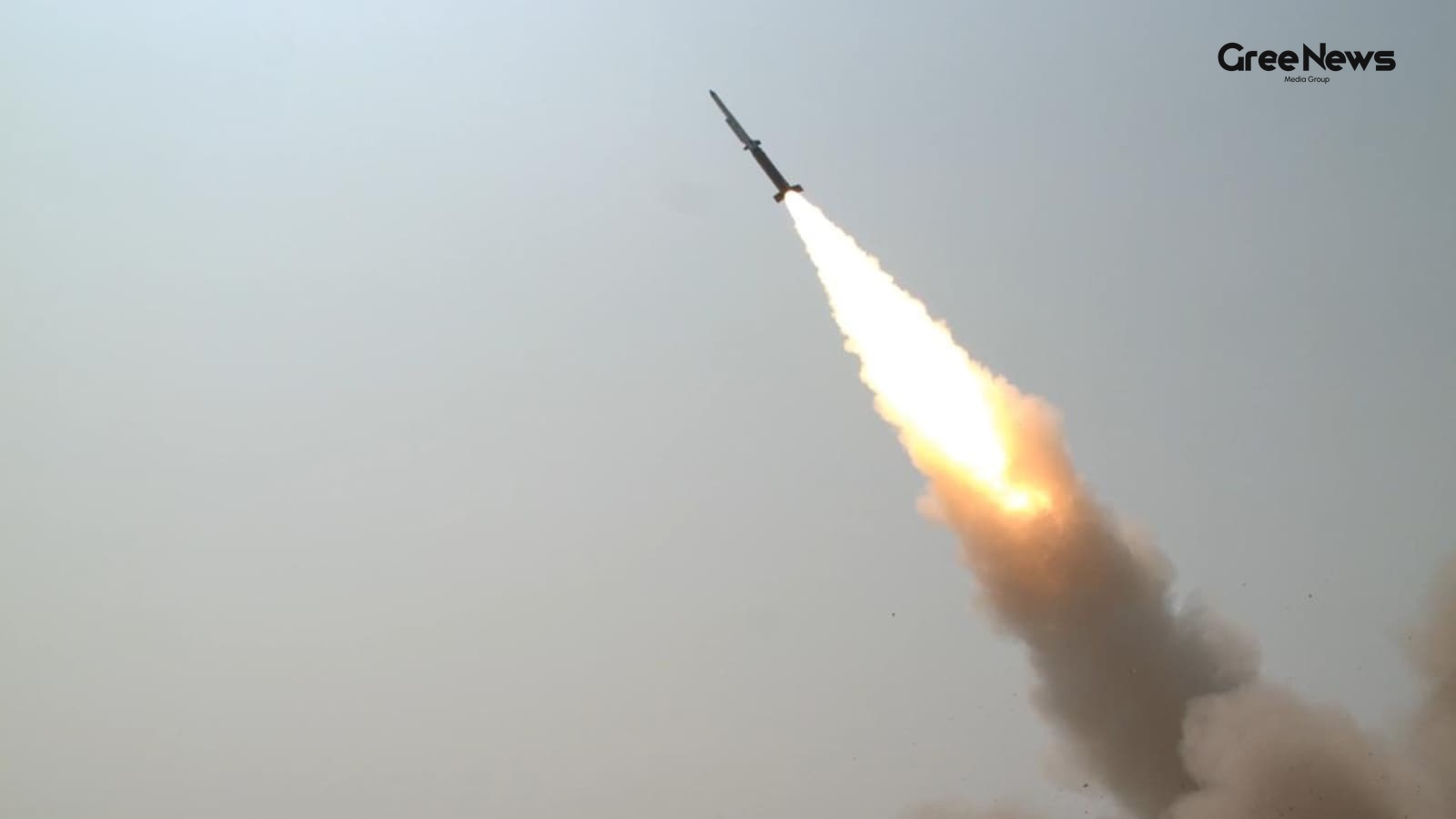
Explosions and Denials Across Southern Iran
Explosions happened across southern Iran. Near Bushehr, right by that nuclear facility, according to Iranian media reports from Thursday, July 9th. People were worried about what was going on. But then you have the denial. The United States said they weren't involved. And Tehran hasn't pinned any bl
Jul 10, 2026 by Gree News Team
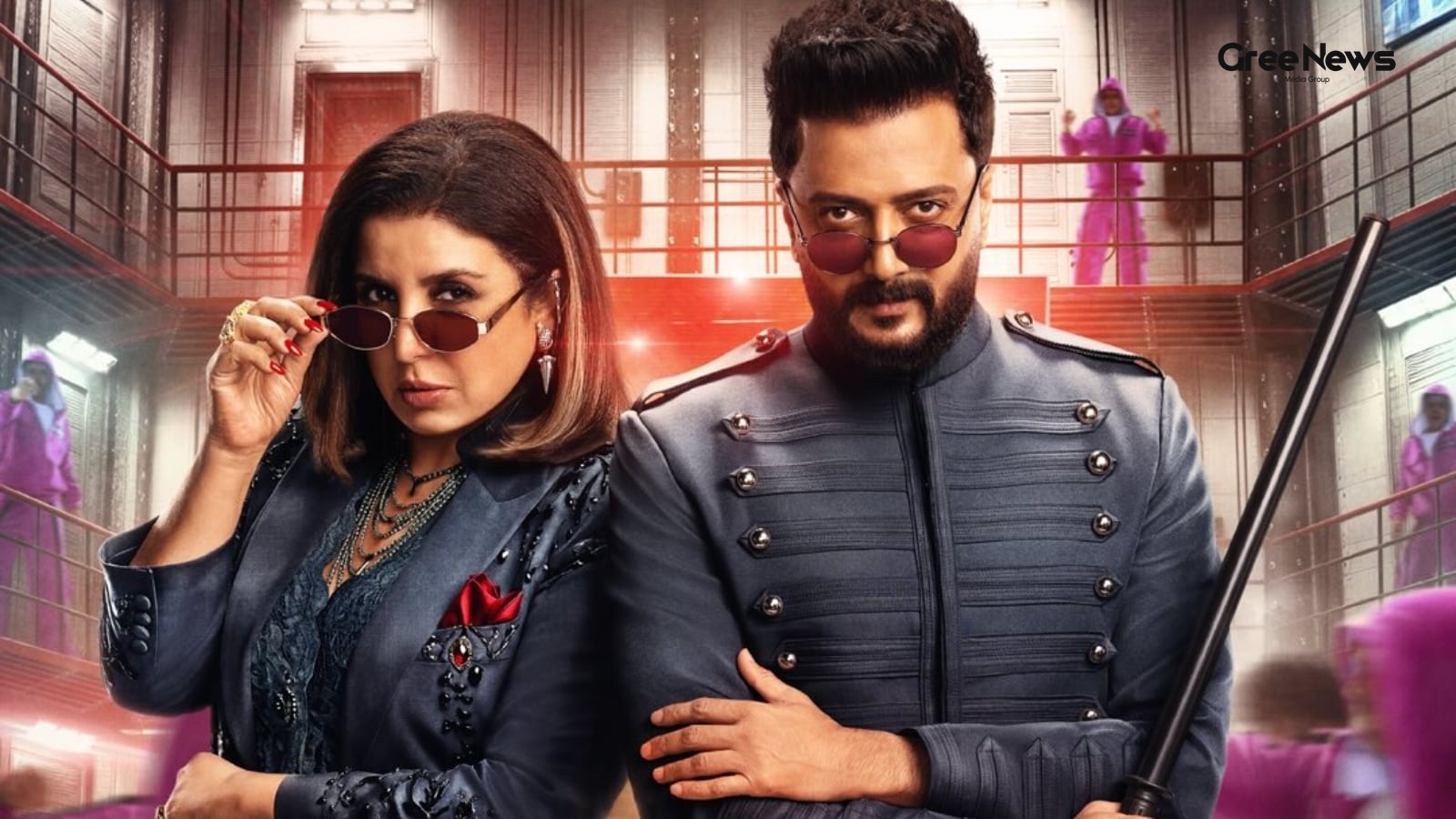
Lock Upp: The Cost of Hosting and Celebrity Drama
The second season of *Lock Upp* really grabbed attention, right? Not just because of the contestants or all the drama swirling around. It’s also about who they brought in to host it: Farah Khan and Riteish Deshmukh. People are raving about them, obviously. But how much cash are these stars actually
Jul 10, 2026 by Gree News Team
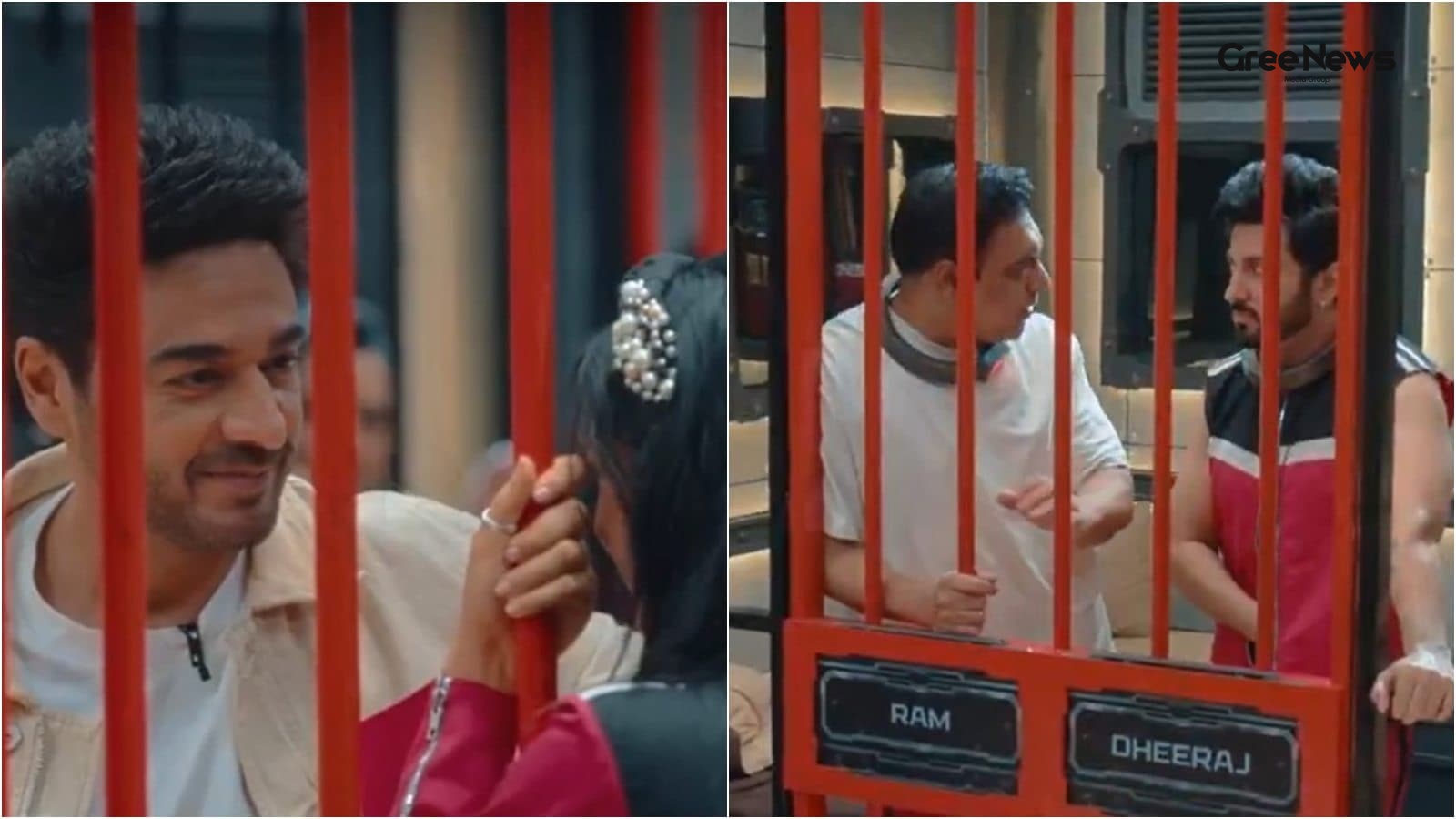
Gaurav Khanna, Akanksha, and the Public Drama
Gaurav Khanna. Yeah, the guy who snagged that Bigg Boss 19 trophy back in '25. He was there now, making this starry appearance on Lock Upp 2. It wasn’t just a casual visit, though. There was something heavier going on. He showed up mostly to back his wife, Akanksha Chamola. She had dropped the bomb
Jul 10, 2026 by Gree News Team
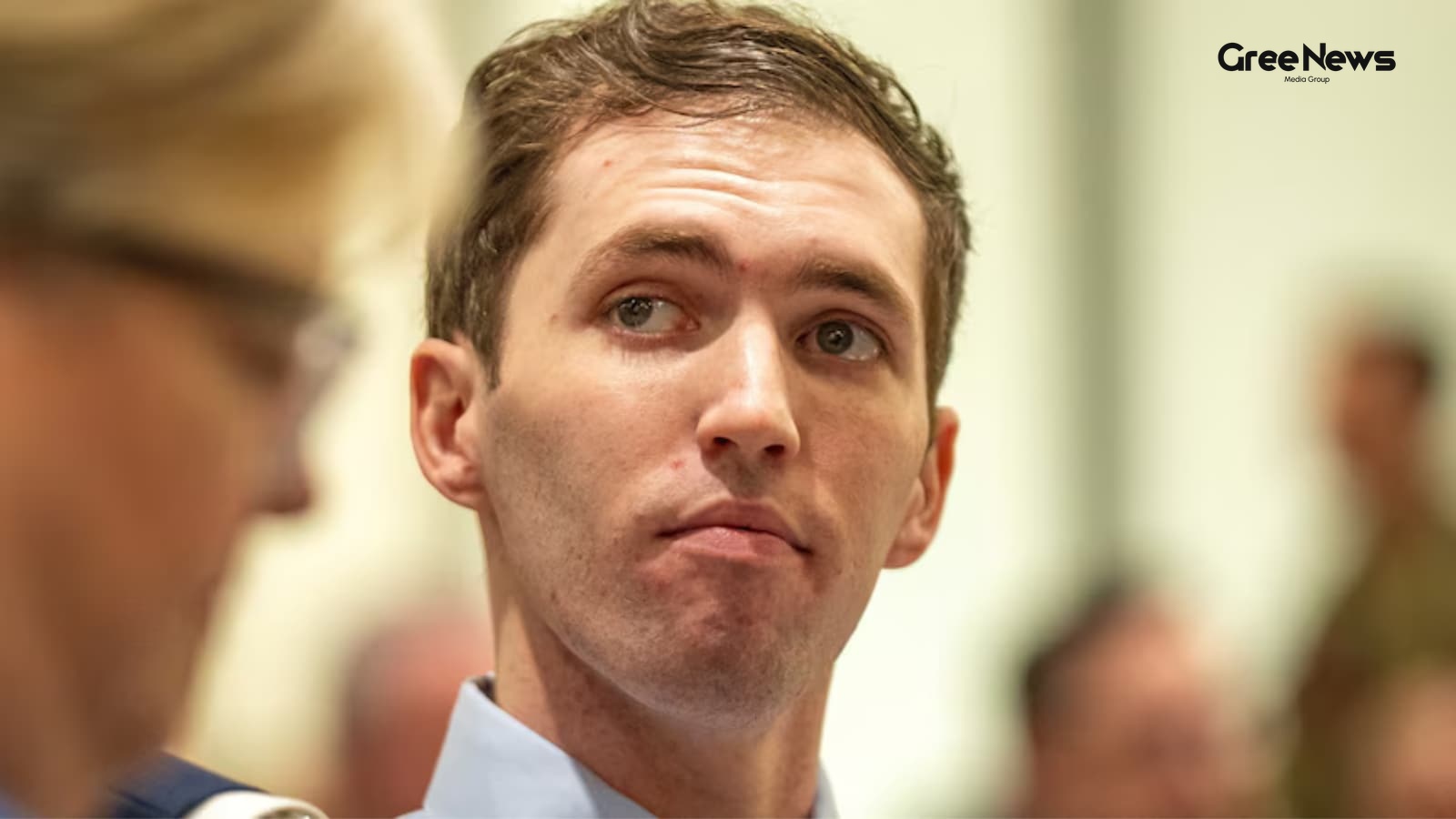
Tyler Robinson Accused of Shooting Charlie Kirk
Tyler Robinson, the guy accused of shooting Charlie Kirk, actually cried before his roommate. He told him he just wished he hadn't done it. That happened the day after the fatal shooting at Utah Valley University. Now things are moving into court. A preliminary hearing kicked off in a Utah courtroom
Jul 10, 2026 by Gree News Team
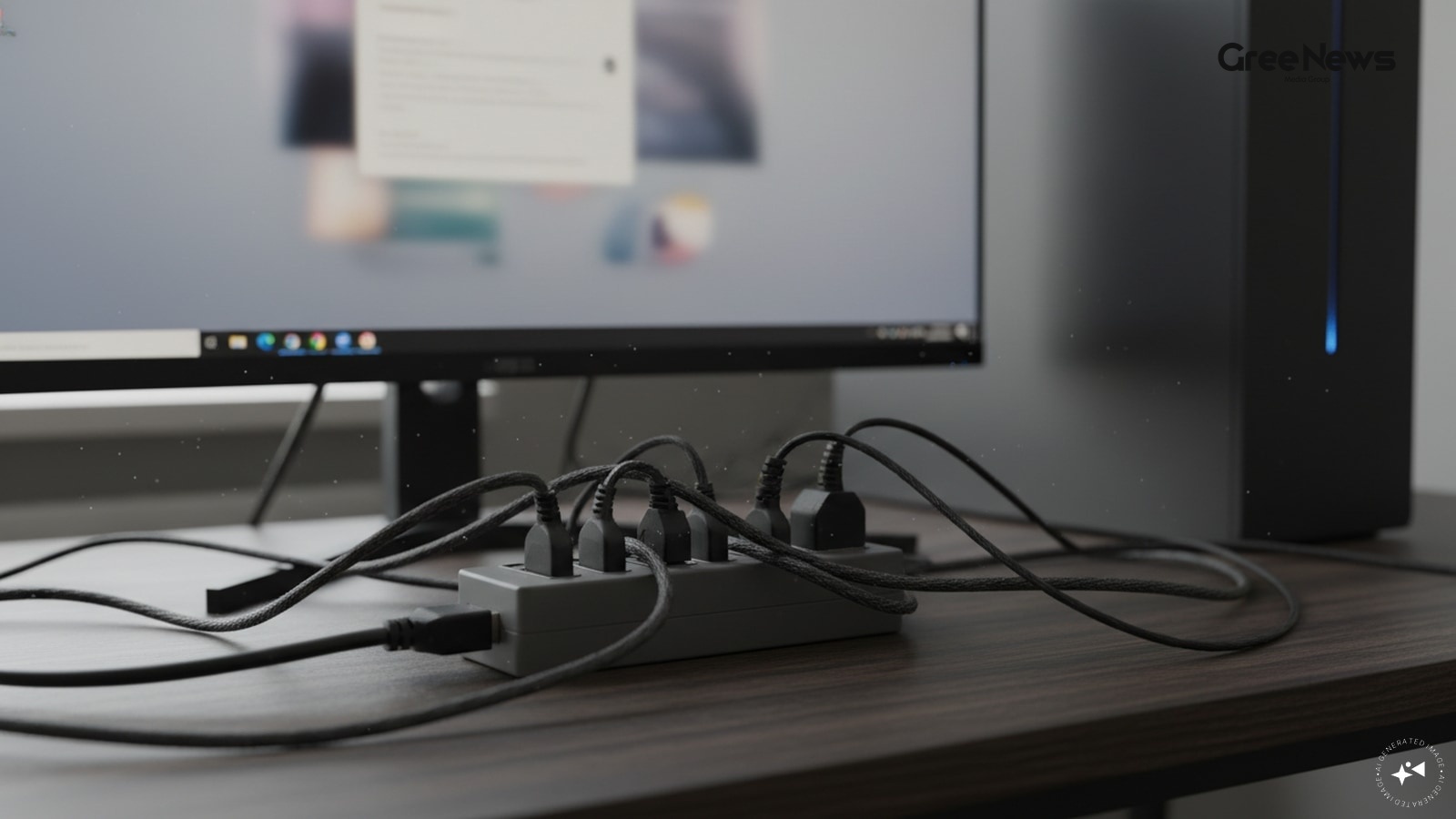
Best Extension Boards and Surge Protection for Modern Gadgets
Man. Everyone’s got these things now. Laptops everywhere. Phones glued to hands. Smart gadgets taking over every corner of the house, right? And with all that digital clutter laptops, TVs, routers, those smart home bits the need for a decent extension board just skyrockets. It’s not just about plugg
Jul 10, 2026 by Gree News Team