Harnessing Sunlight: The Future of Reflective Space Technology
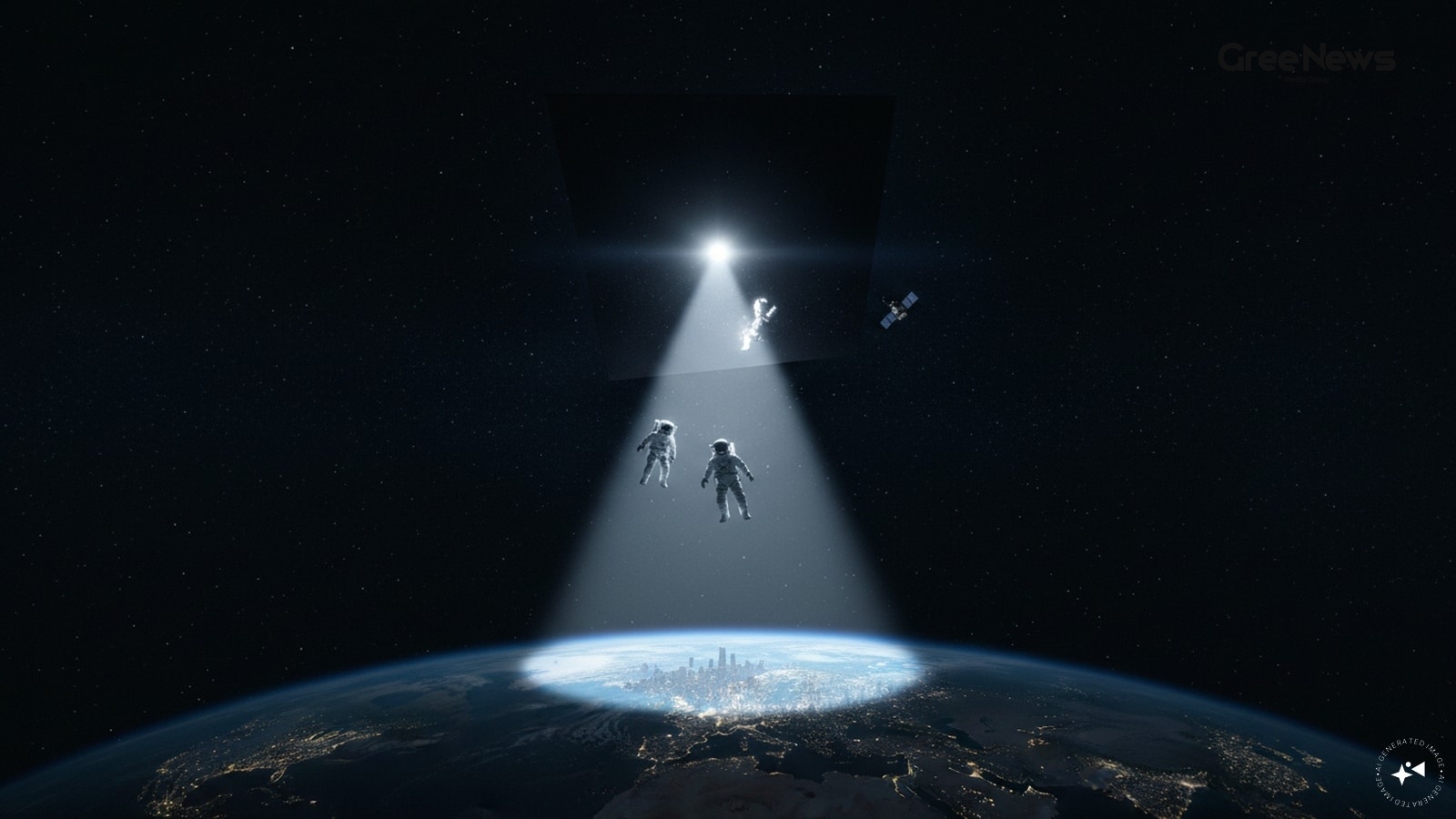
Will nights eventually look as bright as a hundred full moons?
That sort of question sounds completely like science fiction right now. But something is actually moving toward reality. An American startup is planning to launch a satellite carrying a giant mirror, meant to bounce sunlight back onto Earth after dark.
California-based Reflect Orbital got the Green light from the FCC for their first demonstration mission. It’s one of those really weird space experiments you don't see every day.
They aim to launch their prototype, Eärendil-1 , into low Earth orbit later this year.
The ambitions here aren't just about that single test flight though. Reflect Orbital isn’t stopping there. They want a constellation. One thousand satellites by 2028. And eventually, they talk about fifty thousand by 2035. That's huge scaling up.
Their long-term goal involves building mirrors nearly 180 feet across. Enough to create light comparable to one hundred full moons. They suggest this tech could seriously change things. Think extended daylight for solar farms. Emergency lighting during disasters. Making construction sites safe long after the sun sets.
The prototype itself is small, mind you. About the size of a refrigerator. It deploys a square mirror, maybe sixty feet across, once it hits about four hundred miles up. When it works, that mirror redirects sunlight onto a patch on Earth, roughly three miles wide.
Reflect Orbital says this reflected light could keep solar farms running even when it’s dark. Help rescue teams during emergencies. Let construction crews work through the night safely.
But not everyone is buying into this bright idea. There’s real pushback.
The American Astronomical Society stepped in, urging the FCC to rethink the whole thing. They argue it just doesn't serve the public interest. They worry about messing up astronomical observations.
Astronomers are genuinely scared. The intense reflections could swamp sensitive telescopes. It would make seeing faint stars or distant galaxies almost impossible. Samantha Lawler, an astronomer over in Canada at the University of Regina, put it plainly: the disappearance of naturally dark skies would seriously kill astronomical research.
There are other worries too. Scientists are looking at the bigger picture the environmental fallout. Artificial light at night messes with everything. It throws off the natural rhythms that govern sleep, feeding, migration for humans and animals and plants. And there’s the issue of those flashes themselves. They worry about distracting pilots or drivers when the mirrors are being repositioned.
The FCC just kept sticking to its lane. Their argument is simple: they regulate radio frequencies and satellite communications. That's it. They don't deal with these wider environmental consequences out in space.
In their approval, the commission framed the mission as potentially groundbreaking for American space leadership. They said current US rules didn’t require environmental reviews for outer space activities. A very different view than the astronomers hold.
This isn't a new concept entirely. Reflecting sunlight from space isn't some brand new idea. Back in 1993, Russia actually tried it out. They tested an 80-foot orbital mirror that managed to reflect sunlight onto parts of Siberia. That program eventually stalled after one follow-up mission just didn’t work out.
Written by Gree News Team — Senior Editorial Board
Gree News Team covers international news and global affairs at Gree News. Our collective of senior editors is dedicated to providing independent, accurate, and responsible journalism for a global audience.
More from World
View All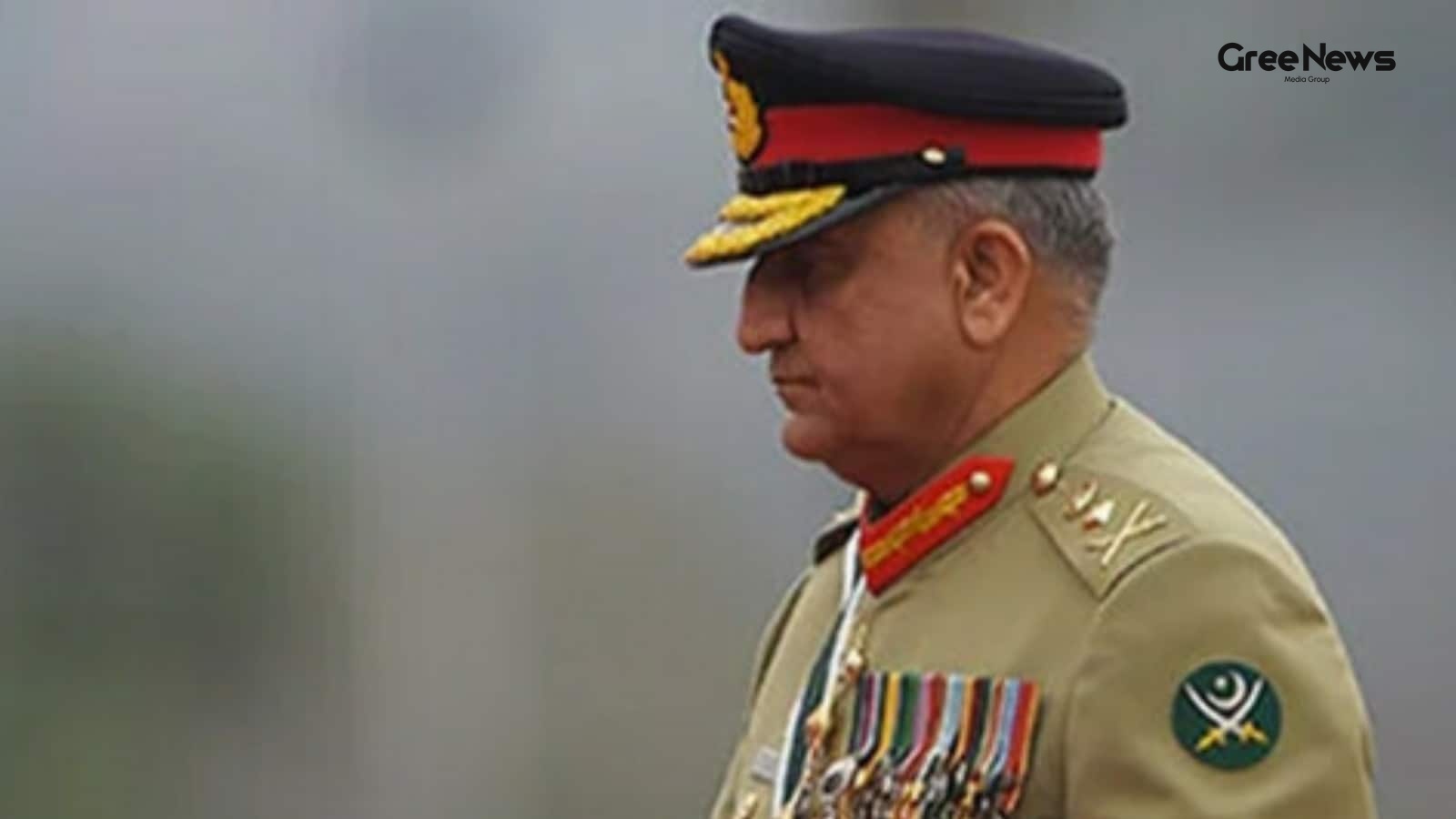
General Qamar Javed Bajwa Health and Background
It’s hard to process all this information without a clear structure. It just kind of… piles up. So, General Qamar Javed Bajwa. The former Chief of Army Staff. Things got complicated for him recently. He’s been re-admitted to the Combined Military Hospital in Rawalpindi. That’s what we hear from peop
Jul 13, 2026 by Gree News Team
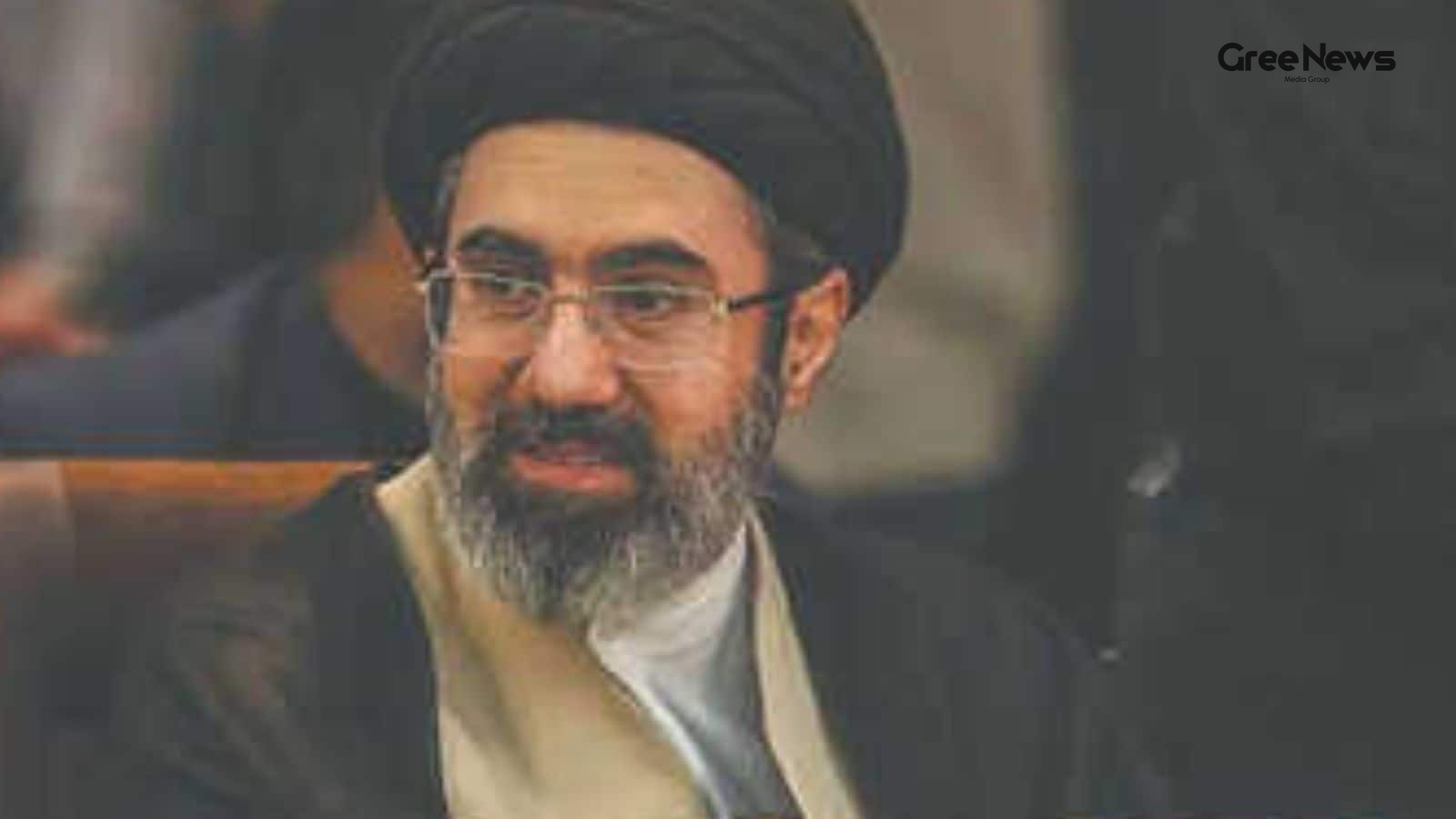
Iran's Memorial Ceremony and the Absence of Supreme Leader Khamenei
Iran announced something next week. Supreme Leader Mojtaba Khamenei is holding a memorial ceremony for his father, Ayatollah Ali Khamenei, down in Tehran. But whether he will actually show up? nobody really knows yet. The notice said it was for the "martyred mujahid Imam." It’s scheduled for July 23
Jul 13, 2026 by Gree News Team
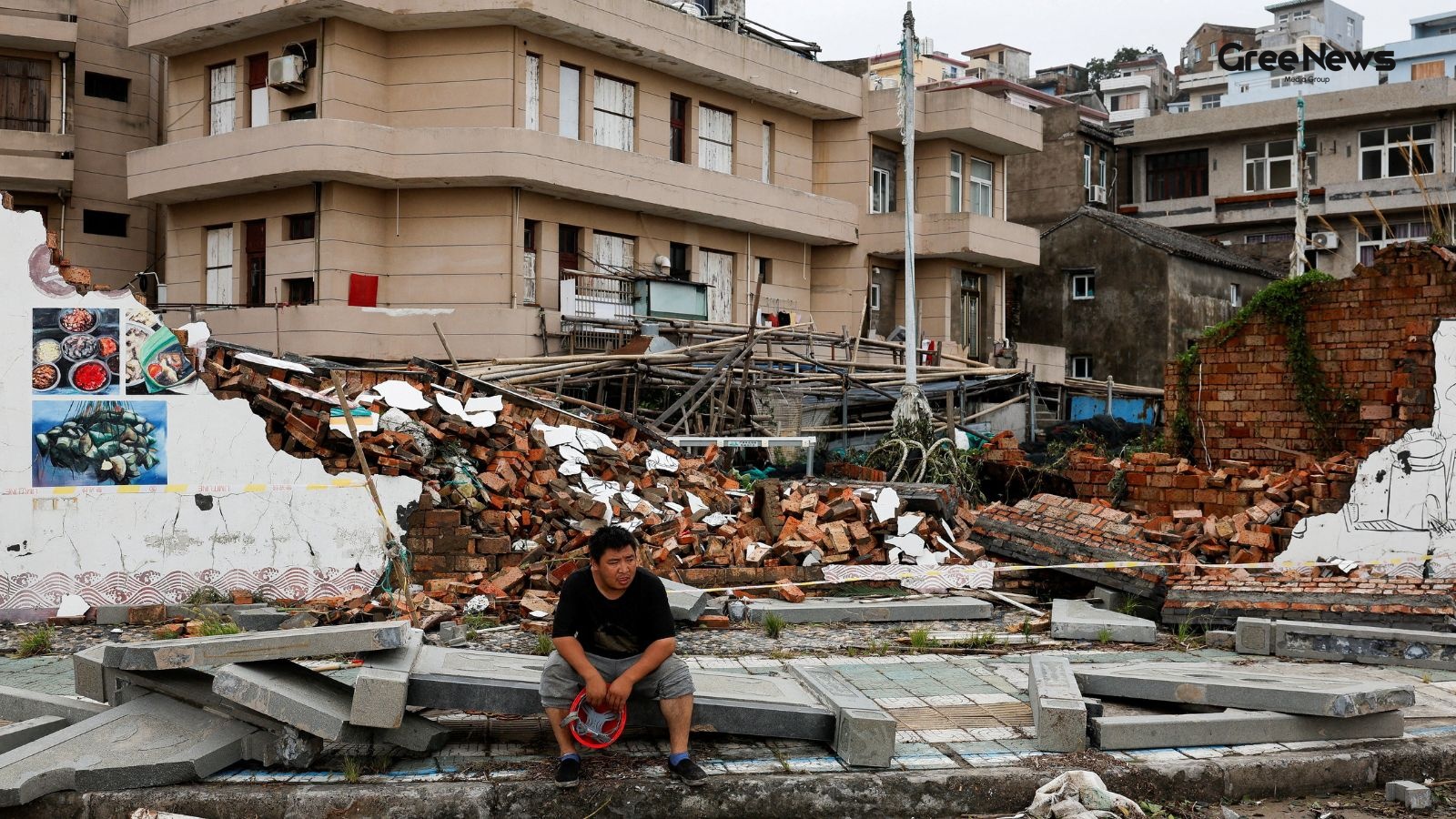
The Global Impact and Human Cost of Extreme Weather Disasters
The air in Taizhou was thick with smoke that tasted like ash and panic. A major fire, started by whatever residual heat or downed lines could manage, broke out right there amid the chaos of Typhoon Bavi. It wasn’t just a local blaze; it felt like the whole area was burning under the pressure of the
Jul 13, 2026 by Gree News Team
Masked Mourner at Ayatollah Khamenei’s Funeral: Speculation and Revelation
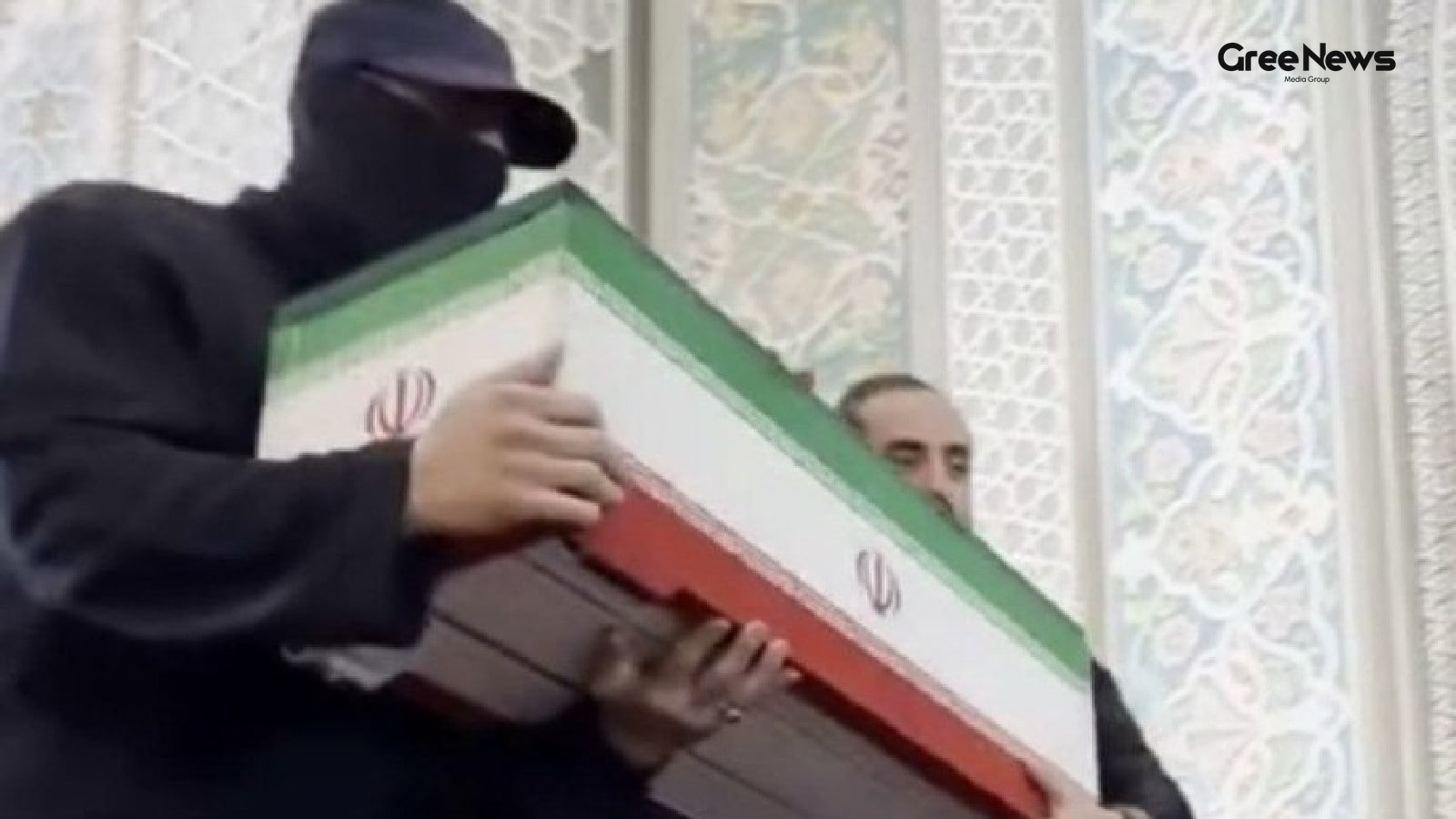
That masked mourner at Ayatollah Khamenei’s funeral really got everyone talking about who he was. People online were immediately speculating, wondering if it might have been Mojtaba Khamenei himself in disguise. It just added another layer of mystery to the whole affair. The disappearance of Mojtaba
Jul 13, 2026 by Gree News Team
Latest Headlines
Retired Army Officer Fights for Stolen Agricultural Land in Rajasthan
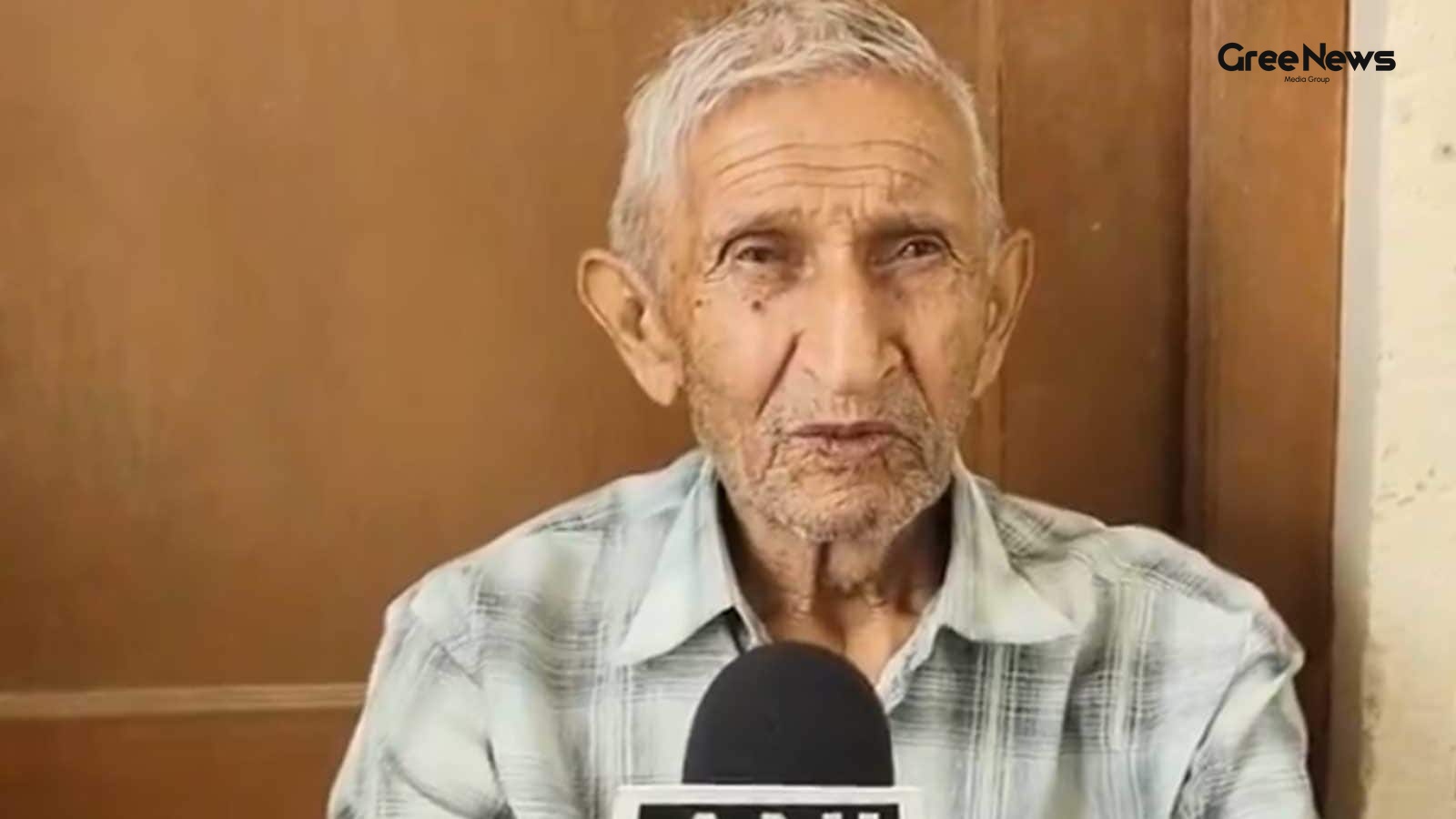
92-year-old retired Army officer Captain Chunni Lal is now in a fight. Not against enemies on the battlefield, but something his family calls the "fourth battle" a legal struggle to get back the agricultural land he claims was stolen from him in Rajasthan. It all started with allegations that the la
Jul 13, 2026 by Gree News Team
New Laws and Legal Framework in West Bengal
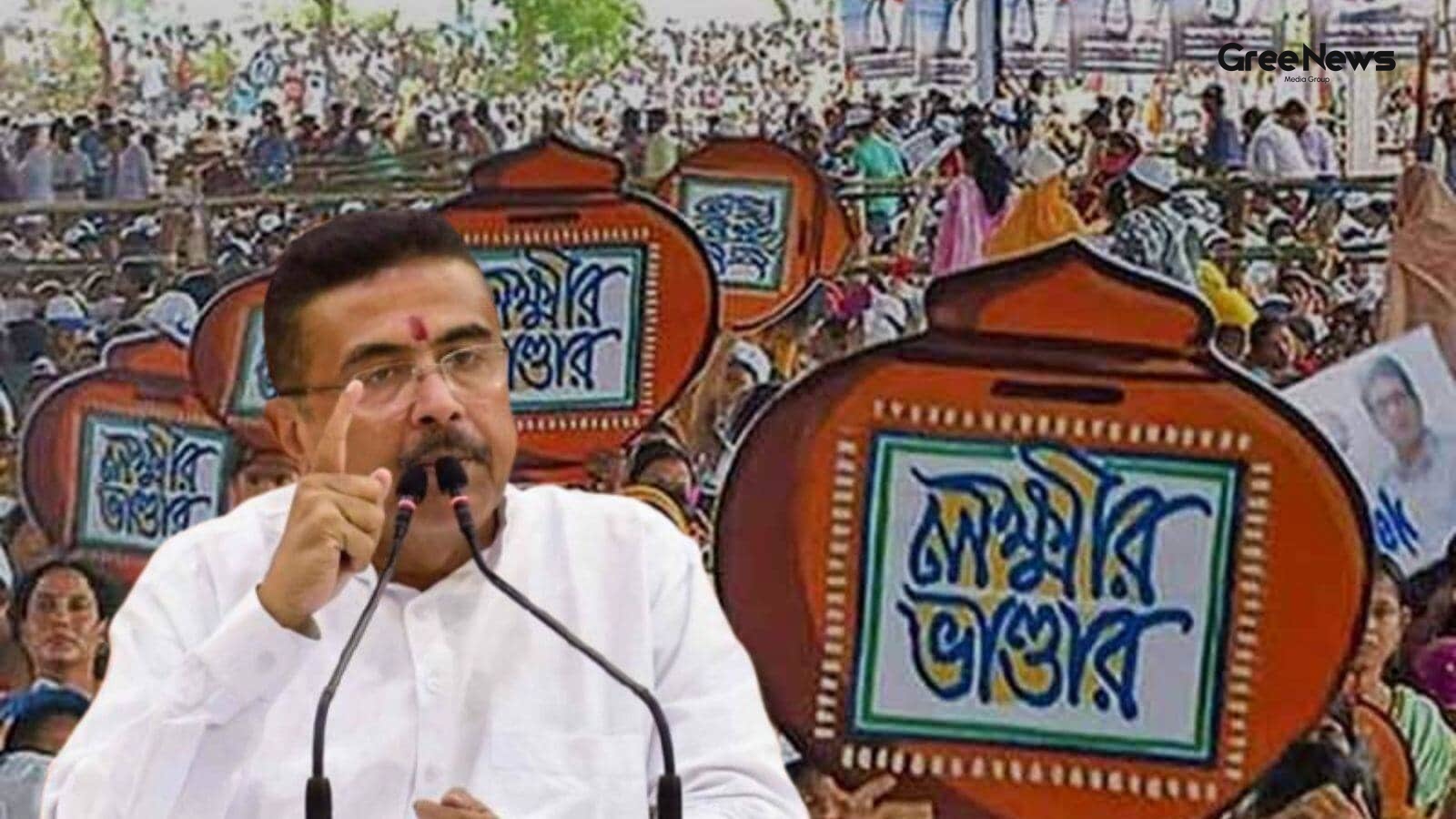
Monday kicks off some major changes in West Bengal. The government is pushing through two new laws: the Public Safety and Control of Anti-social Activities Act, 2026, and an amendment to the Maintenance of Public Order Act. They’re bringing a whole new legal framework into play right away. This stuf
Jul 13, 2026 by Gree News Team

Dolly Javed's Exit and Regrets from The Alliance
Dolly Javed got kicked out of The Alliance. That’s what happened in the recent episodes. And after she left, she went and talked to News18 Showsha. It was an exclusive chat, sort of. She just blasted Kushal Tandon. Said he was so egoistic. She claimed he was trying to overpower everyone. Manipulate
Jul 13, 2026 by Gree News Team
Accident Involving Two Kids in Chandigarh
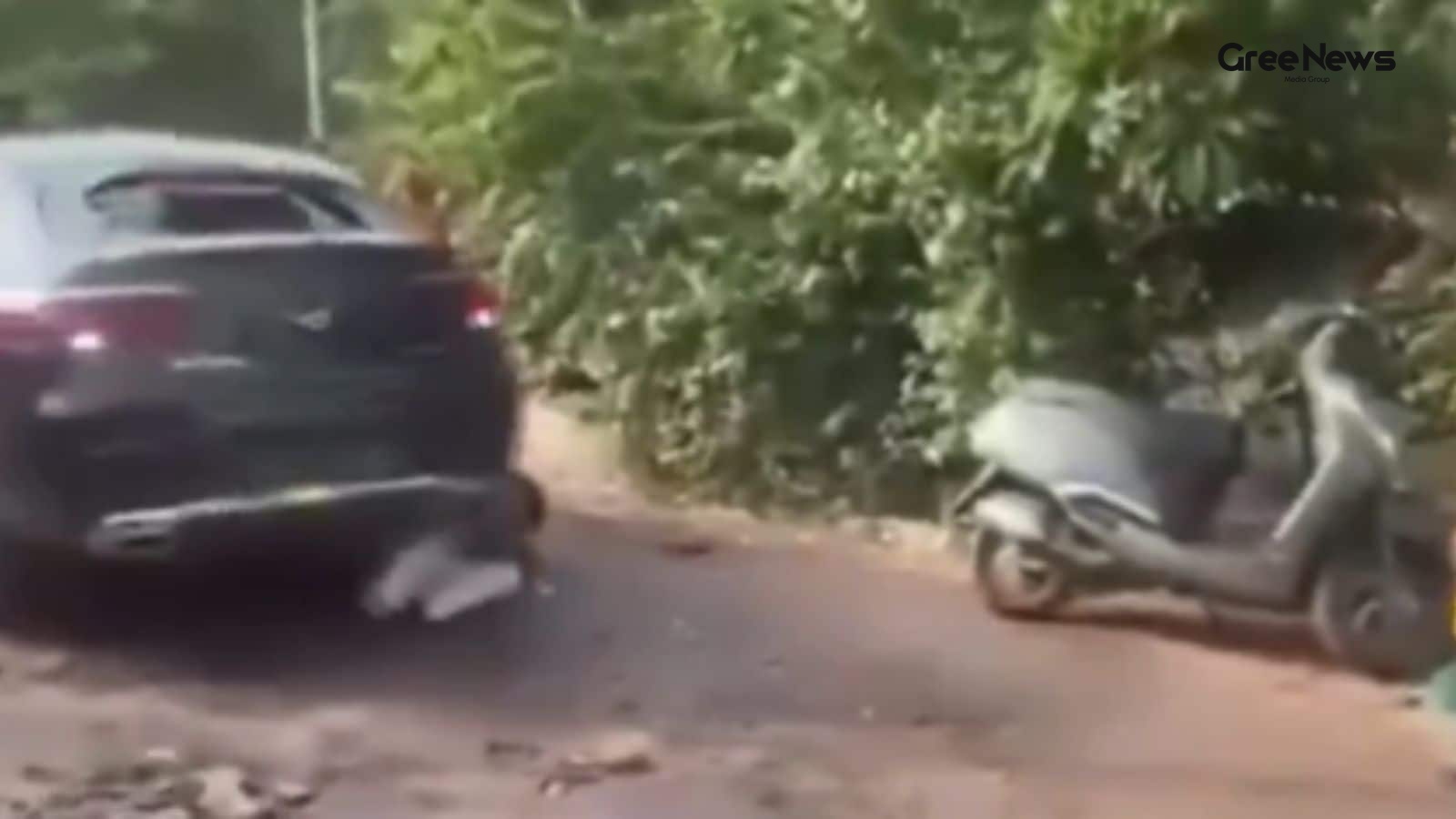
Two kids got seriously hurt Saturday night. They were hit by a speeding Mercedes right outside a club in Chandigarh’s Sector 26 area. A video of the whole thing is already floating around social media now, you know. The footage itself shows the car moving way too fast before it smashed into the two
Jul 13, 2026 by Gree News Team
General Qamar Javed Bajwa Health and Background
It’s hard to process all this information without a clear structure. It just kind of… piles up. So, General Qamar Javed Bajwa. The former Chief of Army Staff. Things got complicated for him recently. He’s been re-admitted to the Combined Military Hospital in Rawalpindi. That’s what we hear from peop
Jul 13, 2026 by Gree News Team
Iran's Memorial Ceremony and the Absence of Supreme Leader Khamenei
Iran announced something next week. Supreme Leader Mojtaba Khamenei is holding a memorial ceremony for his father, Ayatollah Ali Khamenei, down in Tehran. But whether he will actually show up? nobody really knows yet. The notice said it was for the "martyred mujahid Imam." It’s scheduled for July 23
Jul 13, 2026 by Gree News Team
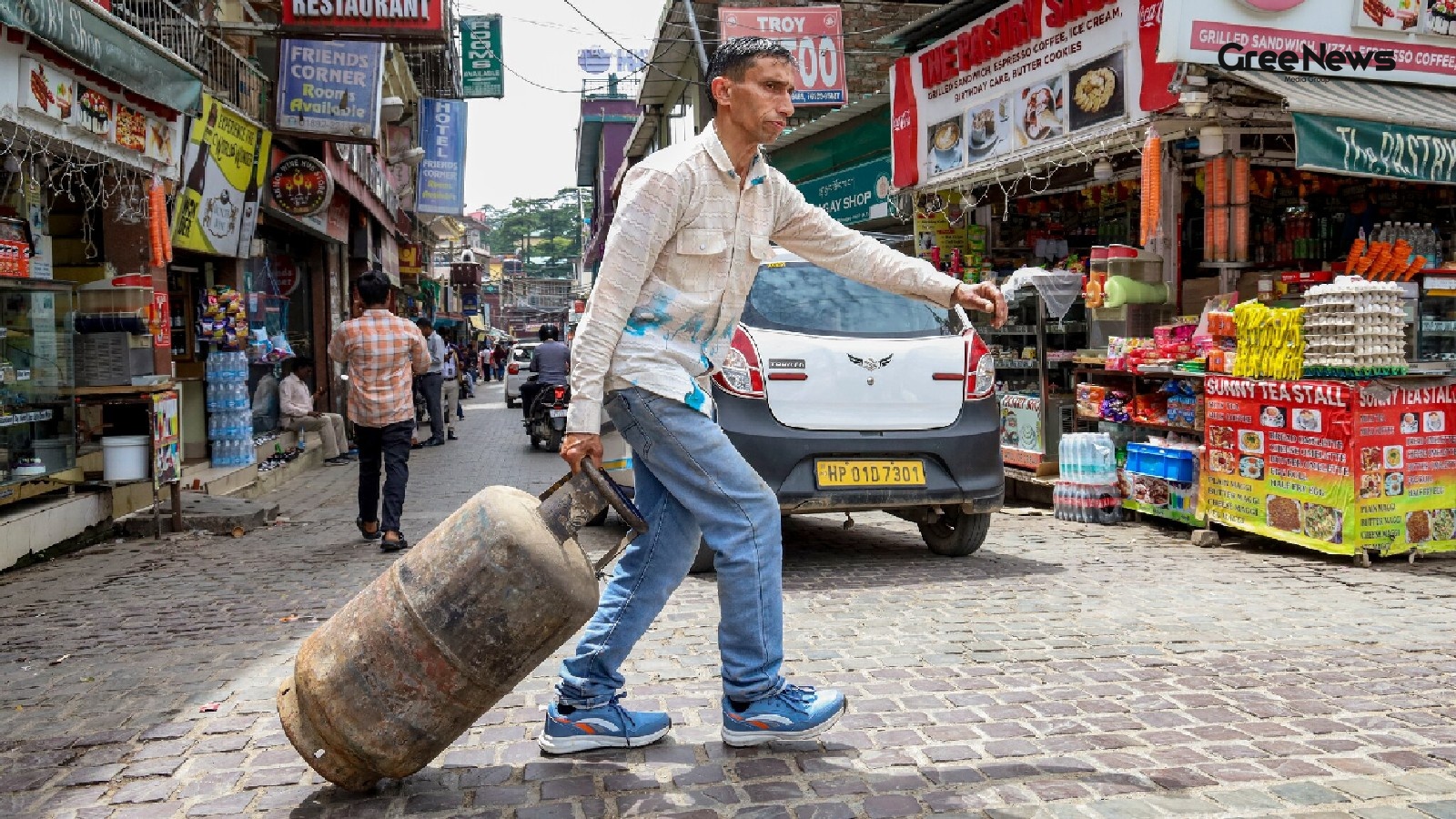
Energy Supply Security for India Amid US-Iran Conflict
The latest phase of that US-Iran war just keeps raising the alarm bells about energy supplies for India. We’re talking about LPG, LNG, and crude oil availability. Back in the beginning of this conflict, when those US strikes hit Iran killing Ali Khamenei the fear was already there: supply disruption
Jul 13, 2026 by Gree News Team
The Global Impact and Human Cost of Extreme Weather Disasters
The air in Taizhou was thick with smoke that tasted like ash and panic. A major fire, started by whatever residual heat or downed lines could manage, broke out right there amid the chaos of Typhoon Bavi. It wasn’t just a local blaze; it felt like the whole area was burning under the pressure of the
Jul 13, 2026 by Gree News Team

Ida Ali's Engagement Story and Background
Ida Ali, you know, she’s the daughter of Imtiaz Ali. Filmmaker, writer. And now she’s engaged to Krish Agarwal. It came out pretty suddenly. She dropped the news on Sunday, July 12th. A short video was shared. It looked like it was from some kind of private beach proposal. The clip itself is really
Jul 13, 2026 by Gree News Team
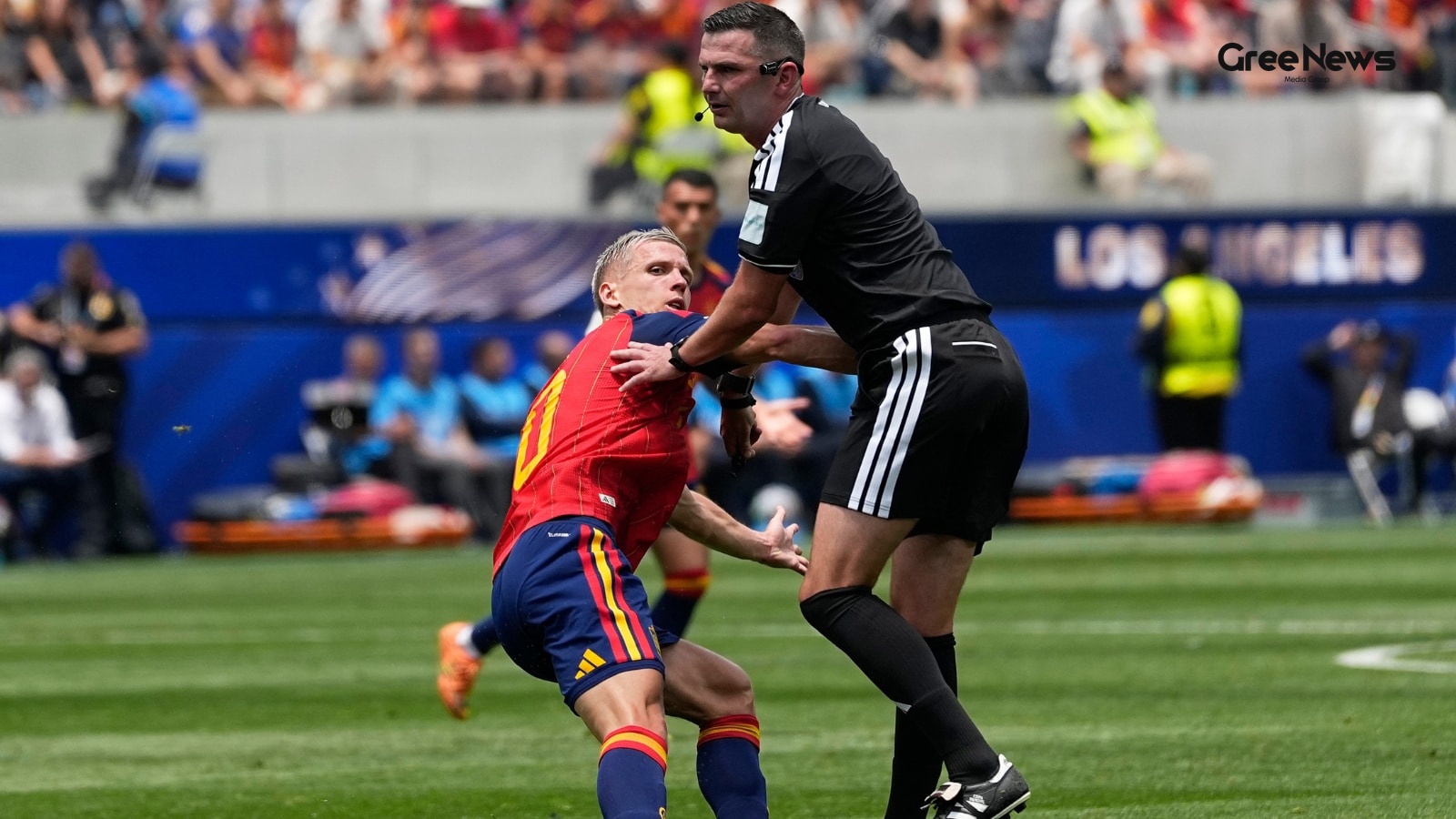
FIFA World Cup 2026 Referee Controversy: England and Argentina
England and Argentina are set to face off in the FIFA World Cup 2026 semi-final on Wednesday. But there’s one thing everyone knows already whichever team wins the final, the referees won't be from the other country. It just isn't happening. This whole situation comes down to that long argument over
Jul 13, 2026 by Gree News Team
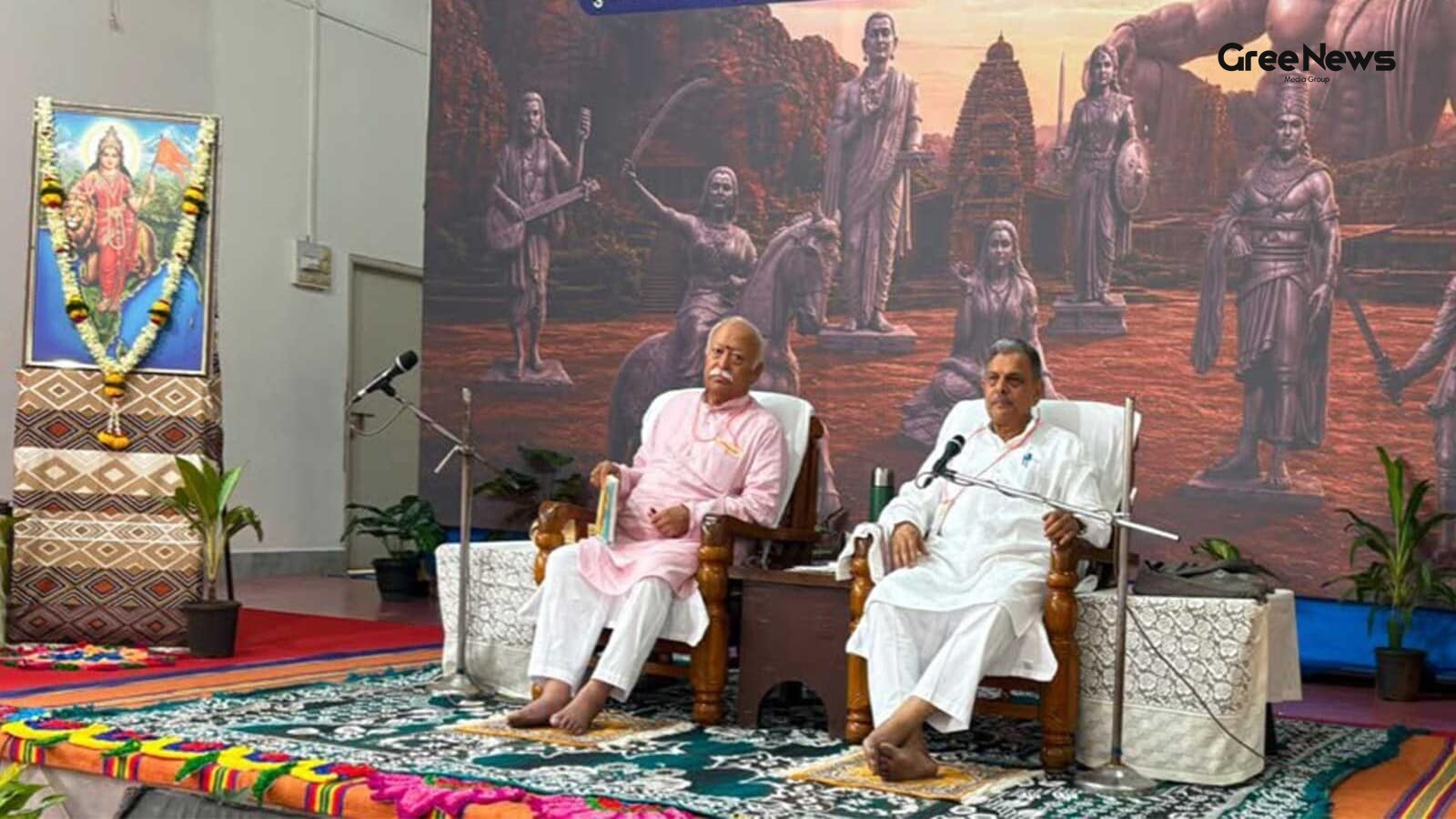
Sangh Meeting Outcomes and Focus Areas
The Sangh expressed confidence about the SIT probe, you know? It’s all about those alleged irregularities in counting donations at the Shri Ram Janmabhoomi Mandir. They urged the Teerth Kshetra Nyas the management body to make sure this kind of thing doesn't happen again. They felt it was important,
Jul 13, 2026 by Gree News Team
Masked Mourner at Ayatollah Khamenei’s Funeral: Speculation and Revelation
That masked mourner at Ayatollah Khamenei’s funeral really got everyone talking about who he was. People online were immediately speculating, wondering if it might have been Mojtaba Khamenei himself in disguise. It just added another layer of mystery to the whole affair. The disappearance of Mojtaba
Jul 13, 2026 by Gree News Team
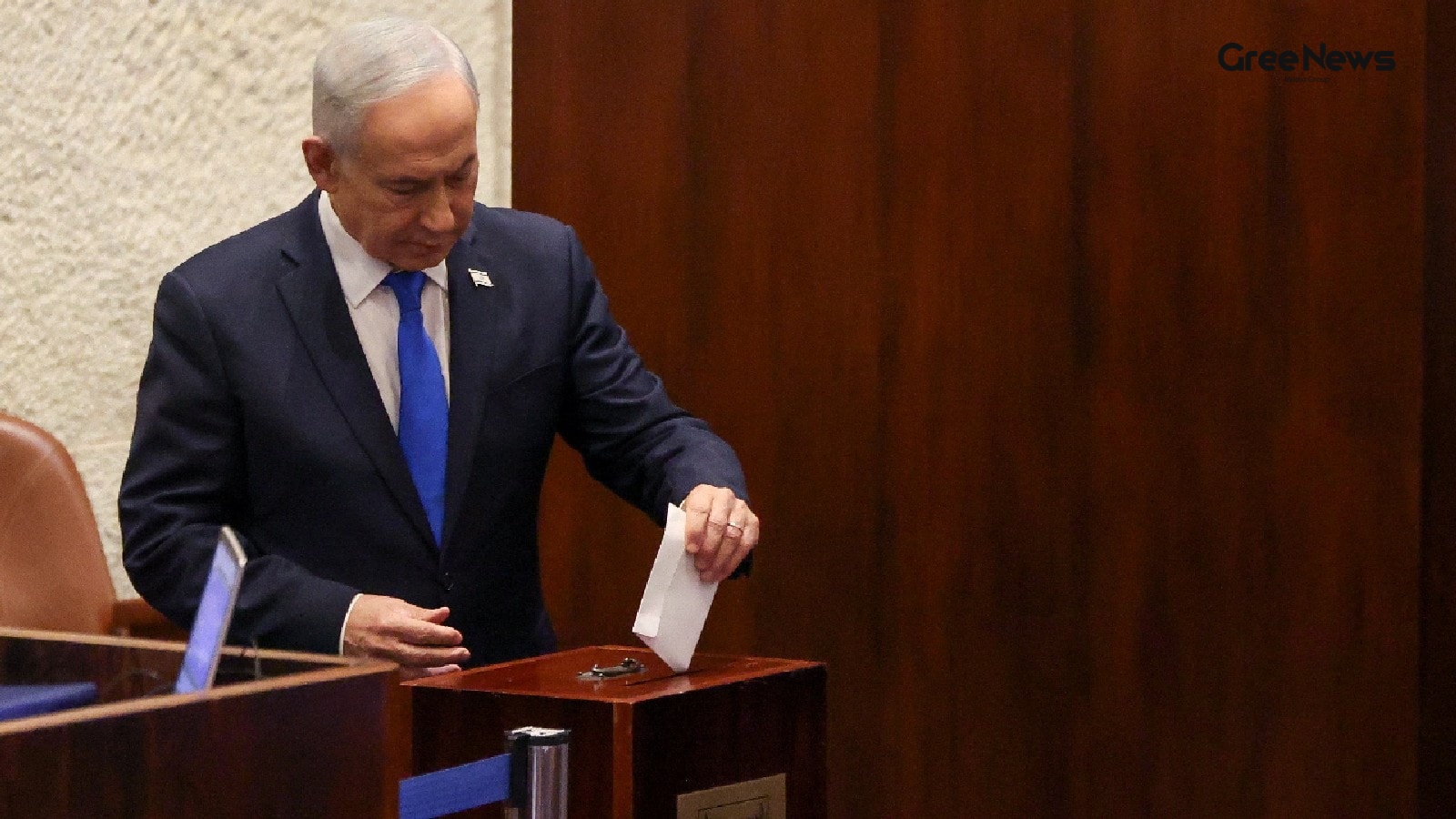
Israeli Political Maneuvering and Public Opinion
The Israeli government is pushing for another election. October 27, 2026. That’s the last date they can legally hold it. Haaretz reported that if they stick to this timeline, Netanyahu’s government will have completed a full term. But there’s a lot of anger simmering underneath all that political ma
Jul 13, 2026 by Gree News Team
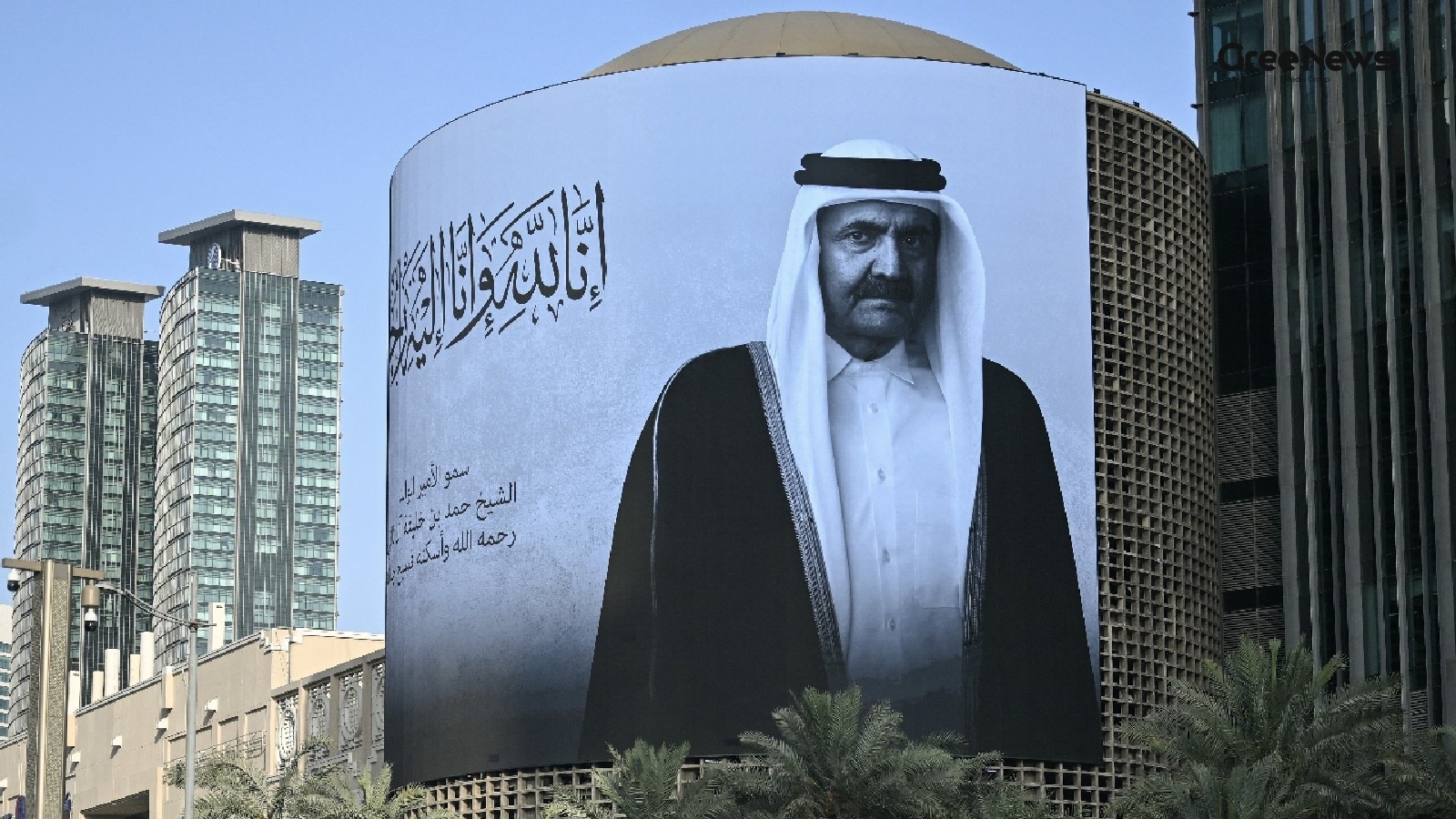
National Mourning in India Following Passing of Former Qatar Emir
Sunday was a day of national mourning in India. One day, they declared it, following the passing of former Qatar Emir Sheikh Hamad bin Khalifa Al Thani the Father Amir of the State of Qatar. The reaction from New Delhi came quickly. Prime Minister Narendra Modi offered condolences right away. He cal
Jul 13, 2026 by Gree News Team

India's First Bullet Train and High-Speed Rail Project
Next year’s Independence Day. That’s when India might finally see its first bullet train, Union Railway Minister Ashwini Vaishnaw mentioned on Thursday. He said it’s not going to happen all at once, though. The plan is phased. The initial stretch? Surat-Bilimora. That section of the massive Mumbai-A
Jul 13, 2026 by Gree News Team