The Security and Preparations Behind the Red Fort Closure
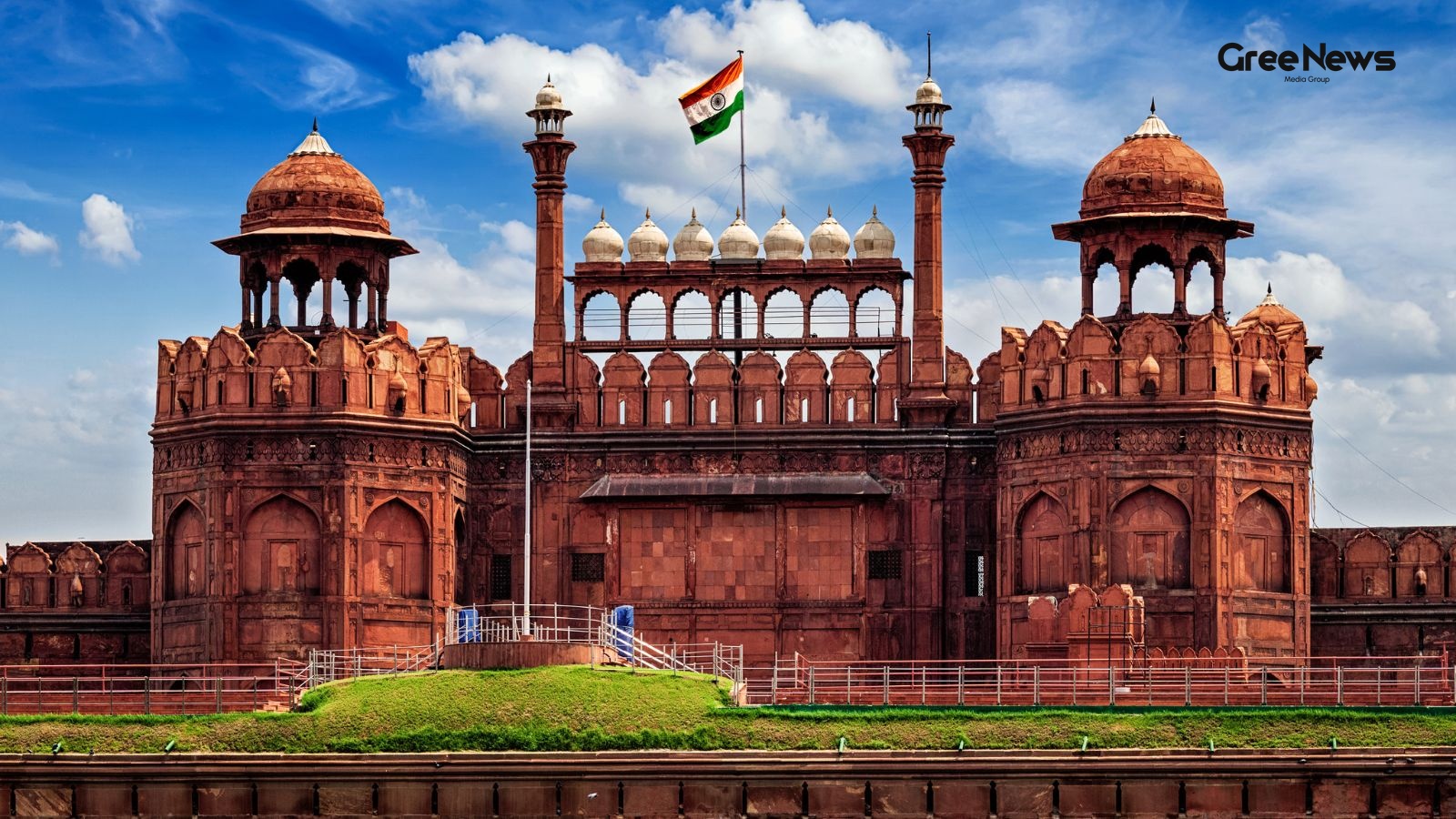
The Red Fort. It just sits there, massive and imposing in Delhi, but right now? It’s locked down. Completely shut off from the public. That’s the reality for now. We’re talking about a full month of no entry, starting Wednesday, stretching all the way until August 15th.
It feels strange, doesn't it? This place is history, it’s iconic a symbol that everyone looks up to. But it’s currently just an administrative block. A massive security zone masquerading as a historical monument. The government, through the Archaeological Survey of India, put out the order for this month-long shutdown. Why? It boils down to preparations. Security arrangements, logistics, all that heavy machinery needed to handle what is going to be one of the biggest national events.
People are trying to get to the heart of the matter, obviously. The whole point is massive security deployment. You can’t just walk around and let thousands of people flood an area like that without serious planning. And preparations for the Independence Day celebrations loom large. Think about it: Prime Minister Modi is going to be hoisting the flag from those ramparts. It’s not just a ceremony; it draws crowds, dignitaries, officials a massive logistical undertaking involving multiple security agencies scrambling to make sure everything runs smoothly and safely.
That kind of scale requires shutting things down. Simple as that. The closure isn't some light administrative pause. It’s about building up the perimeter. Setting up checkpoints, managing crowds, making sure every single detail is accounted for before everyone steps foot inside.
This extended restriction a whole month isn’t something you see often. Not unprecedented, maybe, but these kinds of deep freezes on access are rare. You look back at history, and while there have been periods where the monument has been closed off for similar reasons, usually shorter bursts, this length feels different. It signals a level of preparation that borders on intense lockdown, even if it’s just for public viewing purposes.
We saw similar moves before. The ASI had to shut the doors sometime between July 15th and August 15th back in 2025. They needed that window too. Security planning always takes time. It's about layering defenses, setting up staging areas, running rehearsals all things that require space and control.
Think about those previous instances. Back in 2021, the closure ran from July 21st to August 15th. That was already a significant period of restricted access. And even earlier, in 2018, they only shut it down for a week, August 8th through the 15th. A much shorter window then.
It seems like the duration itself is less important than the sheer volume of activity happening behind those closed gates. It’s about managing thousands of people and an immense security apparatus. Every year, you know this routine happens. Security agencies essentially take over weeks before the actual event. They control access. They manage the flow.
And that's what we're dealing with now. Weeks ahead of the big day, those agencies are running drills. Setting up sanitation protocols. Constructing stages. Arranging seating. Rehearsals. All this happens under the umbrella of restricting public access to what is technically a UNESCO World Heritage Site. It’s a strange paradox, really. A place so sacred and globally recognized suddenly becomes entirely inaccessible to the casual visitor while it’s being prepared for an event that involves such massive national security concerns.
The preparations themselves are intense. We're talking about extensive security sanitization happening right there. Stage construction is underway. Seating arrangements are being finalized. It’s a logistical nightmare, hidden behind official announcements. You can almost feel the tension in the air, even from a distance, knowing all this movement and setup that must be occurring under strict military-style oversight.
And of course, you have to consider the sheer weight of security agencies involved. It's not just one group; it’s multiple layers working together. Deployment across the entire area. This requires managing everything from crowd control near the perimeter to internal security within the complex itself. These are massive operations requiring coordination that feels almost impossible to track, leaving you with just official pronouncements and vague assurances about safety.
Then there's the noise outside the immediate planning bubble. Things happen in the periphery of this grand operation. Just a few days ago, for instance, something very jarring occurred regarding the Fort itself. Mumbai Police got a threat call on a Saturday. A serious one. Claiming that the Red Fort was going to be blown up.
That kind of thing gets immediately escalated. Information is shared with Delhi Police control room. The reaction is instant, obviously. Investigation kicks off. And what they found? It was a hoax. Just a scare. A false alarm thrown into the mix. But you have to pause there for a second and think about that juxtaposition. You have this immense security operation underway, massive logistics running behind closed doors preparing for national celebration, and then on the surface, an actual threat of violence is reported a completely fabricated one.
It highlights how fragile public perception can be when things are moving at this speed. The official narrative of calm preparation contrasts sharply with the real-time fear that ripples through the city. It shows that even in a highly secured environment, there’s still a layer of anxiety. People are watching these updates, trying to process what's happening both inside and outside those walls.
It makes you wonder about the nature of this control. How much information is actually being shared? And how much is just managed internally? The whole system operates under layers, where facts get filtered through security protocols, making it hard for anyone on the outside to see the full picture. It’s messy, isn't it? Not a clean line between what is stated and what is actually happening on the ground.
The focus shifts constantly between the monumental task of national celebration and the very immediate, very human concerns like those hoax calls that rattle the city. The preparations are intense, relentless work focused entirely on ensuring the smooth passage of the official events. But the public side always catches a glimpse of the tension. It’s never perfectly balanced or entirely serene; there's always this undercurrent of managed stress running through everything.
And when you look at these historical patterns the closures, the security drills it seems like an endless cycle. A routine that demands immense resources and careful handling every single year. The Red Fort isn't just a building; it’s a focal point for national sentiment, which naturally amplifies the security requirements tenfold. It becomes this nexus where history meets immediate political necessity.
This whole process, from planning to execution, involves juggling so many moving parts. Security teams coordinating with historical preservationists. Logisticians dealing with massive supplies. Officials managing public relations while simultaneously keeping secrets about deployment strategies. It's a complex ballet of administration and immense physical security. A truly uneven rhythm unfolding behind the scenes for the sake of an August 15th spectacle.
And that’s just one small piece of what goes on when a landmark like this becomes the epicenter of national focus. The sheer effort involved in making sure everyone feels safe, even while preparing for something so grand. It's exhausting, really. For everyone involved. From the high-level officials down to the guards standing watch, and the public watching from afar trying to make sense of the constant shifts in information.
Written by Gree News Team — Senior Editorial Board
Gree News Team covers international news and global affairs at Gree News. Our collective of senior editors is dedicated to providing independent, accurate, and responsible journalism for a global audience.
More from India
View All
Man Allegedly Chopped Off Hands in Petrol Pump Attack
A 28-year-old man was critically hurt. His hands, they claim, were allegedly chopped off with an axe. This happened after some argument at a petrol pump in Mahoba district, Uttar Pradesh. Police are looking into it. The incident occurred around eleven o'clock on Tuesday night outside the Chandel Pet
Jul 15, 2026 by Gree News Team
Controversy over Alleged Theft of Donations from Ram Temple in Ayodhya
Satish Mahana, the Uttar Pradesh Assembly Speaker, has really stirred up trouble with his comments about alleged theft of donations from the Ram Temple in Ayodhya. The backlash from the opposition was immediate and sharp. He brought up the issue when talking about these supposed missing funds. Mahan
Jul 15, 2026 by Gree News Team

Taslima Nasreen's Return to Kolkata: A Political and Literary Journey
Nearly twenty years later, Taslima Nasreen is heading back to Kolkata. August 1st. It’s set for a public event at Rabindra Sadan. She plans to recite poetry and talk about her time in exile, the reasons she had to leave that city. Organisers are putting this together Secular Mission, Paschimbonger J
Jul 15, 2026 by Gree News Team

Maternal Deaths and Post-Caesarean Complications in Rajasthan
A 25-year-old woman died at Bikaner’s PBM Hospital on Tuesday. It was after struggling with post-Caesarean complications for over a month. This marks the third maternal death reported there in recent weeks alone. Rajasthan’s total maternal death toll has jumped to nineteen over the last three months
Jul 15, 2026 by Gree News Team
Latest Headlines
The Mindset Gap: Why Wealthy Families Still Struggle to Spend
Indian families work so hard. They build wealth over years. But even when they’re financially secure, some folks just don't spend money on things that would actually make life easier. It’s a strange thing. That’s what entrepreneur Prem Soni started talking about online. He asked why people, you know
Jul 15, 2026 by Gree News Team

India's Vegetable Oil Imports and Global Market Dynamics
Modi appealed to citizens back in May 2026. He wanted everyone to partner up to strengthen the nation amid that West Asia crisis. Seven appeals were made. Avoid gold buying, avoid foreign travel for a year. And reduce edible oil consumption. Farmers needed to cut dependence on imported chemical fert
Jul 15, 2026 by Gree News Team
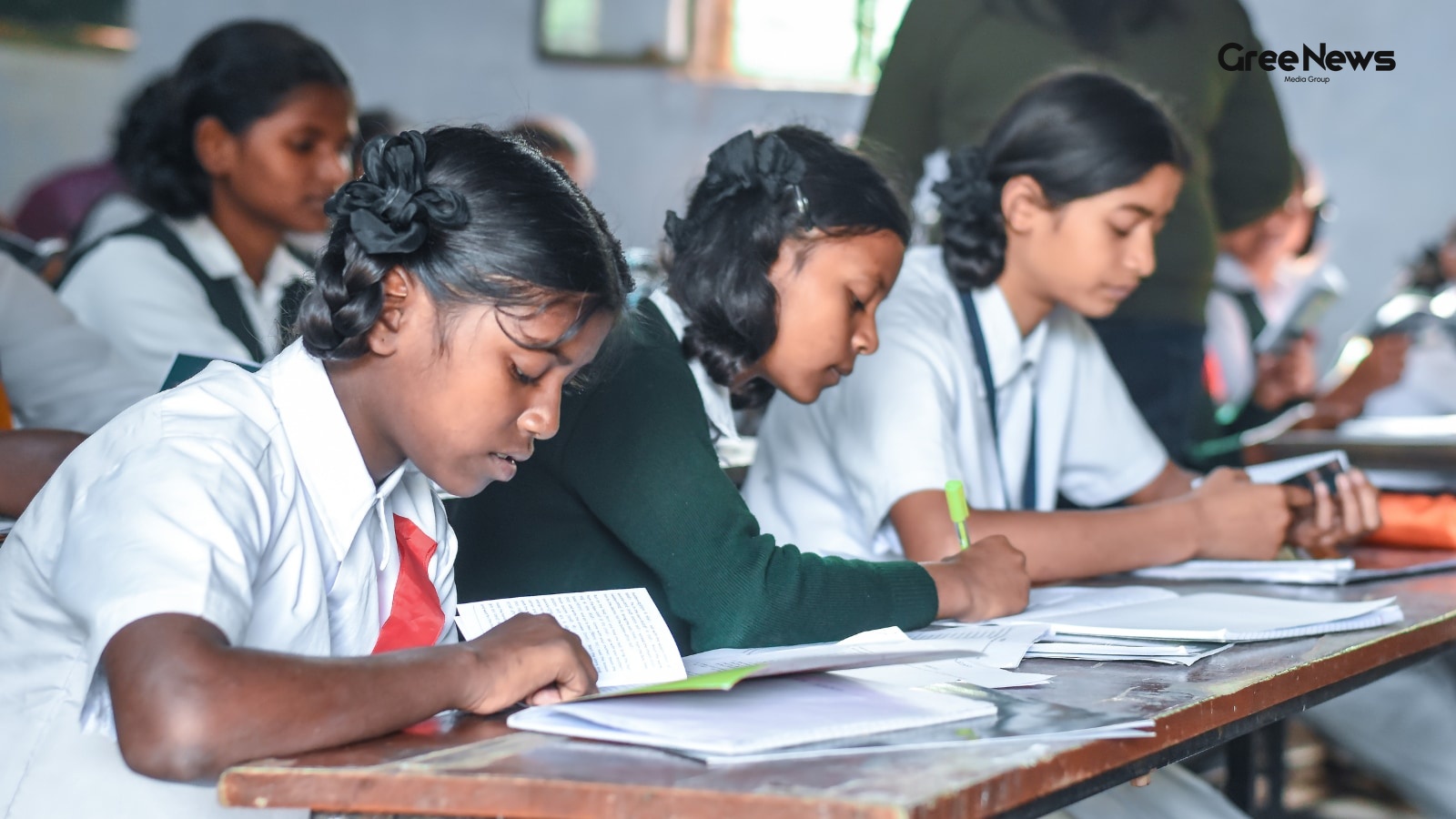
Kerala Plus One Results: How to Check Scores and Pass Criteria
Man, this whole thing with the Kerala Plus One results is just dragging on. The Directorate of Higher Secondary Education DHSE, that’s who’s handling it they were supposed to drop the class 11 scores on June 10th. But nope. Postponed again. All because of those exams happening in the Gulf countries.
Jul 15, 2026 by Gree News Team

JAAC Protest Movement Gears Up for March to Muzaffarabad
The protest movement run by JAAC is gearing up for something big on Wednesday. Thousands of demonstrators are getting ready to march from Rawalakot all the way to Muzaffarabad. This happens because the group feels the government hasn't acted on their demands yet. They missed whatever deadline they s
Jul 15, 2026 by Gree News Team
Man Allegedly Chopped Off Hands in Petrol Pump Attack
A 28-year-old man was critically hurt. His hands, they claim, were allegedly chopped off with an axe. This happened after some argument at a petrol pump in Mahoba district, Uttar Pradesh. Police are looking into it. The incident occurred around eleven o'clock on Tuesday night outside the Chandel Pet
Jul 15, 2026 by Gree News Team
Controversy over Alleged Theft of Donations from Ram Temple in Ayodhya
Satish Mahana, the Uttar Pradesh Assembly Speaker, has really stirred up trouble with his comments about alleged theft of donations from the Ram Temple in Ayodhya. The backlash from the opposition was immediate and sharp. He brought up the issue when talking about these supposed missing funds. Mahan
Jul 15, 2026 by Gree News Team
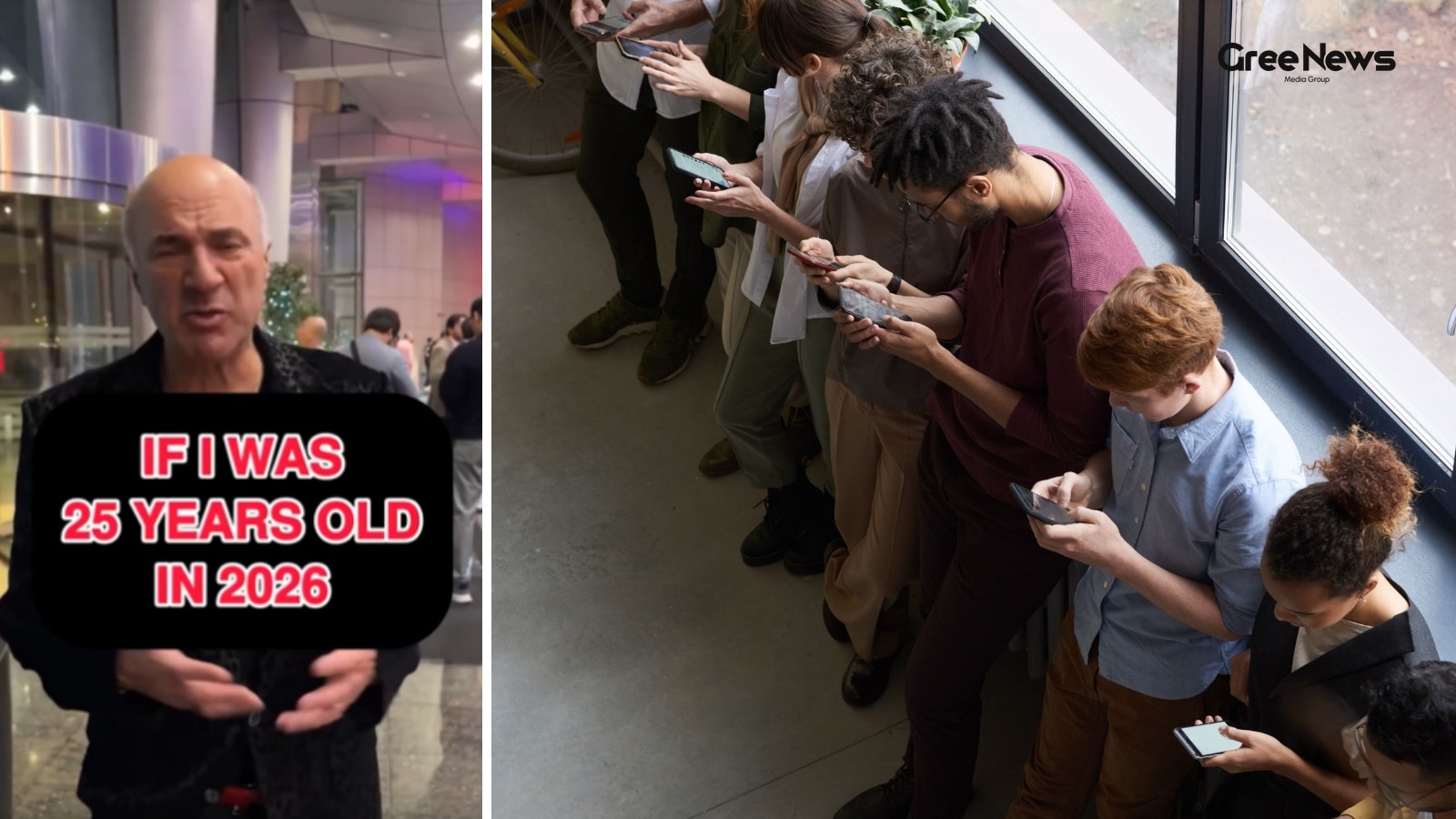
AI, Implementation, and the Infrastructure Revolution
AI is completely reshaping how businesses operate right now. And Canadian billionaire Kevin O’Leary sees massive opportunities bubbling up for young professionals in this space. He recently talked about what he’d do if he were twenty-five again. Forget trying to chase the biggest tech giants. He sai
Jul 15, 2026 by Gree News Team

The Geography and Economics of AI Talent Migration
Four senior AI researchers just walked out of Google in a few weeks. It wasn't about the paycheck. Not seniority. Not even their specific roles. It was London. That’s what ties all this mess together. What’s actually happening? People are leaving. Jonas Adler and Alexander Pritzel, both key players
Jul 15, 2026 by Gree News Team
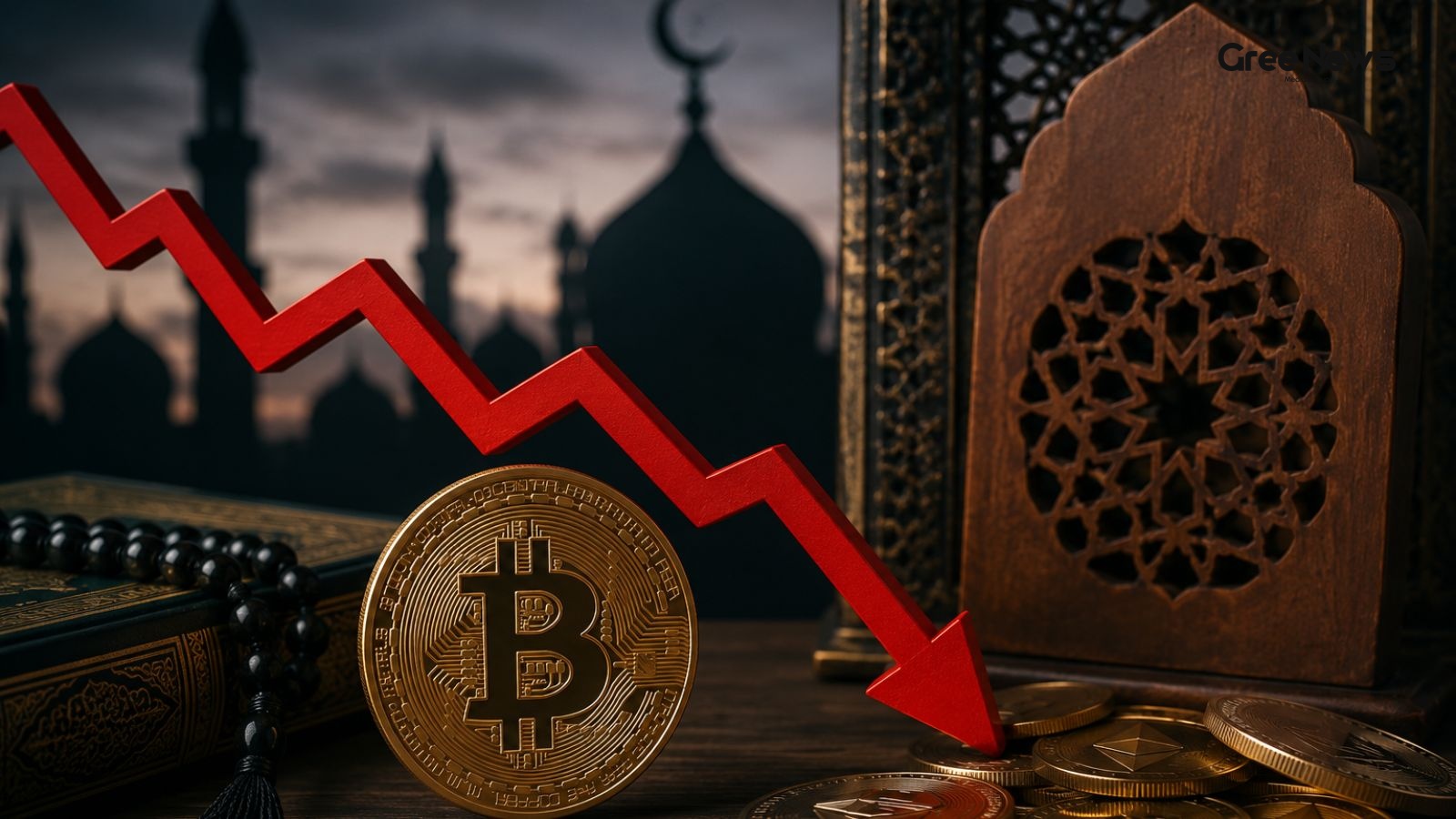
The Impact of Religious Ruling on Pakistan's Crypto Ambition
Pakistan’s whole crypto ambition, it just hit this wall. Not market jitters. Not some new government decree suddenly flipping the script. It was a fatwa. A religious ruling. That kind of thing throws everything into weird focus. Just when Islamabad was trying to paint itself as this bright, welcomin
Jul 15, 2026 by Gree News Team

Madhuri Jain Grover's Experience on Lock Upp 2
Madhuri Jain Grover got kicked out of *Lock Upp 2*. It was a rough spot. Farah Khan, the host, kept pushing her to show more personality. She even called her Shreya Kalra’s manager. One episode, Madhuri just exploded. She talked about being a manager it wasn't bad. She actually made a point that she
Jul 15, 2026 by Gree News Team
Taslima Nasreen's Return to Kolkata: A Political and Literary Journey
Nearly twenty years later, Taslima Nasreen is heading back to Kolkata. August 1st. It’s set for a public event at Rabindra Sadan. She plans to recite poetry and talk about her time in exile, the reasons she had to leave that city. Organisers are putting this together Secular Mission, Paschimbonger J
Jul 15, 2026 by Gree News Team
Maternal Deaths and Post-Caesarean Complications in Rajasthan
A 25-year-old woman died at Bikaner’s PBM Hospital on Tuesday. It was after struggling with post-Caesarean complications for over a month. This marks the third maternal death reported there in recent weeks alone. Rajasthan’s total maternal death toll has jumped to nineteen over the last three months
Jul 15, 2026 by Gree News Team

Surrender in Fatal Hit-and-Run Case Involving Former Minister's Son
Aarav, you know, the son of that former Andhra Pradesh minister and senior YSRCP leader Seediri Appalaraju, he finally surrendered to the police. It happened in connection with that fatal hit-and-run case in Srikakulam district. Investigators sort of figured it out after they looked at the CCTV foot
Jul 15, 2026 by Gree News Team

Ather Energy Stock Jumps on Hero MotoCorp Funding and EV Outlook
Ather Energy shares jumped almost nine percent Wednesday. It’s carrying that momentum from the last month. People are cheering it, especially because of the fresh cash coming in from its biggest shareholder, Hero MotoCorp. And everyone seems optimistic about where EVs are headed long term. The stock
Jul 15, 2026 by Gree News Team

Shehnaaz Gill and Raghav Juyal Dating Rumors and Clarification
The dating rumors between Shehnaaz Gill and Raghav Juyal? They’ve been floating around online for ages now. Nobody really knows if there’s anything real behind it. Neither of them has said anything official about it. But things got hotter recently. They were spotted together, hand-in-hand at that ac
Jul 15, 2026 by Gree News Team