CBSE Three-Language Policy Controversy and Legal Challenges
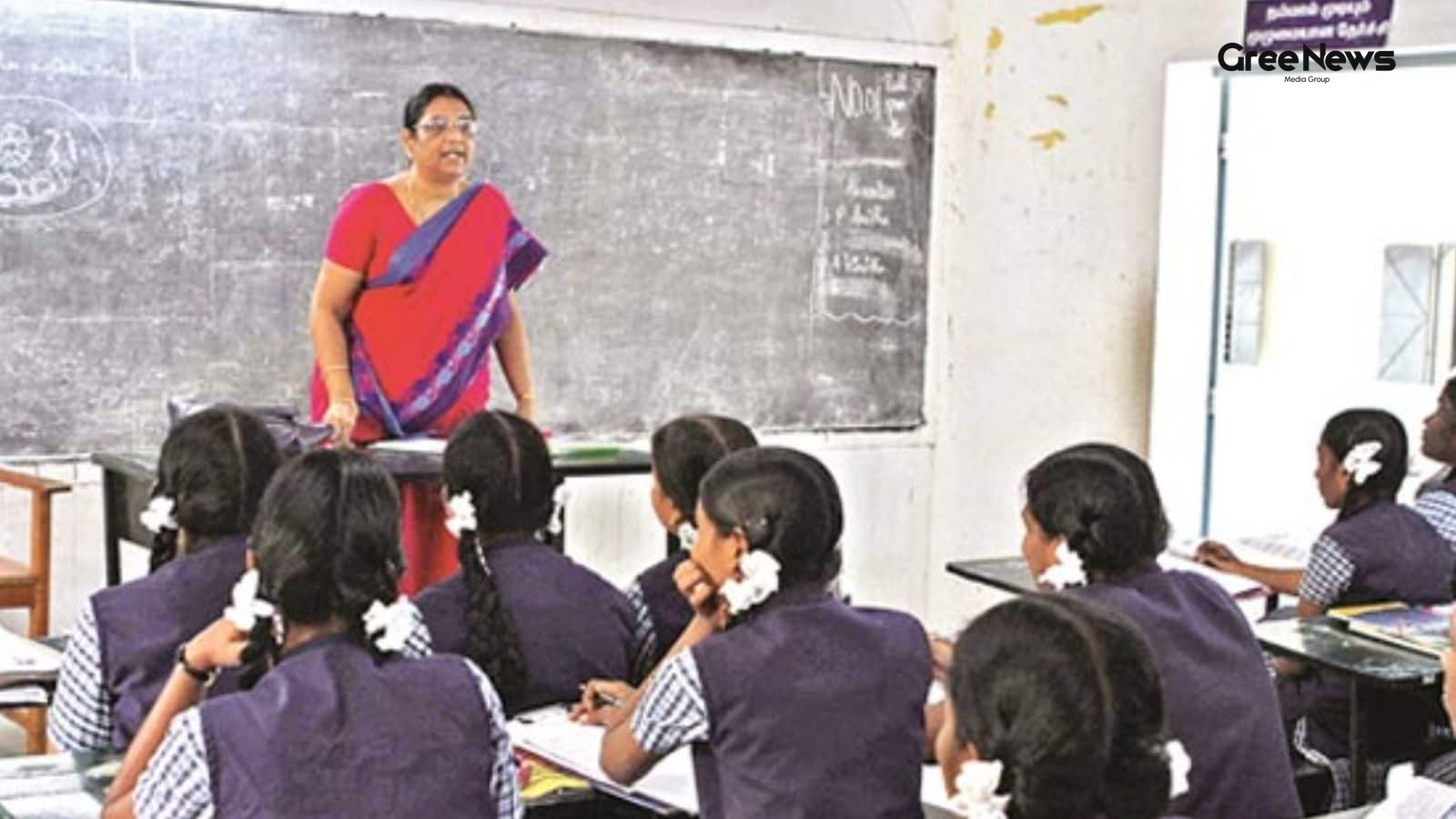
The argument over CBSE’s three-language policy just keeps going. It’s a real headache for everyone involved.
The Board finally announced that starting July 1st, 2026, it will be compulsory for Class 9 students to study three languages. Two of those have to be Indian languages.
But this announcement didn't sit well with many people. Parents started filing petitions immediately. They argued the whole thing just created massive confusion and real practical difficulties for students trying to navigate it. Still, CBSE is pushing back. They keep saying the concerns are already dealt with. That most of the schools attached to them are ready to roll out this new framework, they insisted.
Let’s actually look at what everyone is fighting about right now.
Parents and teachers have been raising serious flags about this sudden shove into place of the three-language rule. The petition claims that CBSE completely reversed its earlier notification. Remember that one? It was issued just thirty-six days before this whole thing kicked off. That old notice said the third language wouldn't be compulsory for Class 9 until maybe the 2029-30 session. Now it’s mandatory sooner.
The petitioners went further than just confusion. They argued about resources. A lot of schools simply don’t have the trained teachers or the proper textbooks needed to handle this change smoothly. That makes implementation incredibly difficult, they claim. And there’s this huge gap: CBSE hasn't even laid out a clear pattern for how assessments will work for that third language.
Some parents are even suggesting some schools might just end up using Class 6 textbooks for the Class 9 students because the study material isn't there at all. There's talk, too, that teachers from completely different subjects might be assigned to teach this extra language, just relying on what they can manage some kind of "functional proficiency." It feels arbitrary to them. They brought up constitutional issues, talking about Articles 14, 19, 21 and 21A. They feel the whole circular is just completely unfair.
Meanwhile, CBSE has put up its defense before the Supreme Court stuff. Their side argues that most of the affiliated schools are already set up fine to implement this three-language formula right now. The board pointed out some numbers, trying to show they aren't helpless. Apparently, forty-seven point three percent of those CBSE schools already offer at least two native Indian languages for Class 9 students. That means, according to them, a lot of places are compliant without needing extra teachers right away.
They also said that the schools have been given some flexibility in staffing as a temporary measure while they work on building up teaching capacity across the board. It’s an interim fix, they argued.
And then there's the point about paperwork. CBSE insisted that maybe the petition isn't even necessary anymore. They claim they already issued revised guidelines back in June and a clarification circular in July. These documents were meant to address a lot of the worries parents and teachers had brought up. It’s like they think all the arguments have been settled already, which just feels… off.
Then there was the whole foreign language angle. Can students still study languages like French or German? CBSE flatly rejected any notion that these are being removed from the schools entirely. They tried to clarify things in a few spots.
They said straight up: there is no ban on learning foreign languages, nothing like that. But they did draw a line. A foreign language can either become one of those three mandatory languages or it can just be an extra fourth language tacked on. That’s the flexibility they offered. And as a sort of one-time concession? Students currently studying two non-Indian languages say English and French they get to pick any Indian language to fulfill that new requirement instead. A bit of a temporary fix, maybe.
NCERT also weighed in here. They told the Supreme Court they’ve already started the heavy lifting. They're working on preparing, reviewing, and publishing textbooks for all twenty-two scheduled languages. That takes time, obviously. It’s not instant magic. And to speed things up? The Education Ministry got a High-Powered Task Force going. This group is working alongside CBSE, NIOS, and other academic experts trying to rush the development of those Class 9 textbooks while everything else transitions.
So what happens next? That's the real question hanging in the air right now. The petition filed by parents from Delhi, Gurugram, Noida, and Chennai, along with teachers it’s heading straight to the Supreme Court. Their decision is going to be massive. It could decide exactly how this whole three-language policy gets implemented across all those CBSE schools.
It's not just about textbooks or teacher shortages anymore. It feels bigger than that. It’s about the process, the fairness, and whether the system can handle these kinds of sudden shifts without tearing itself apart. The court is going to have to decide where the line actually falls between administrative policy and fundamental rights for the students themselves.
Written by Gree News Team — Senior Editorial Board
Gree News Team covers international news and global affairs at Gree News. Our collective of senior editors is dedicated to providing independent, accurate, and responsible journalism for a global audience.
More from Education
View All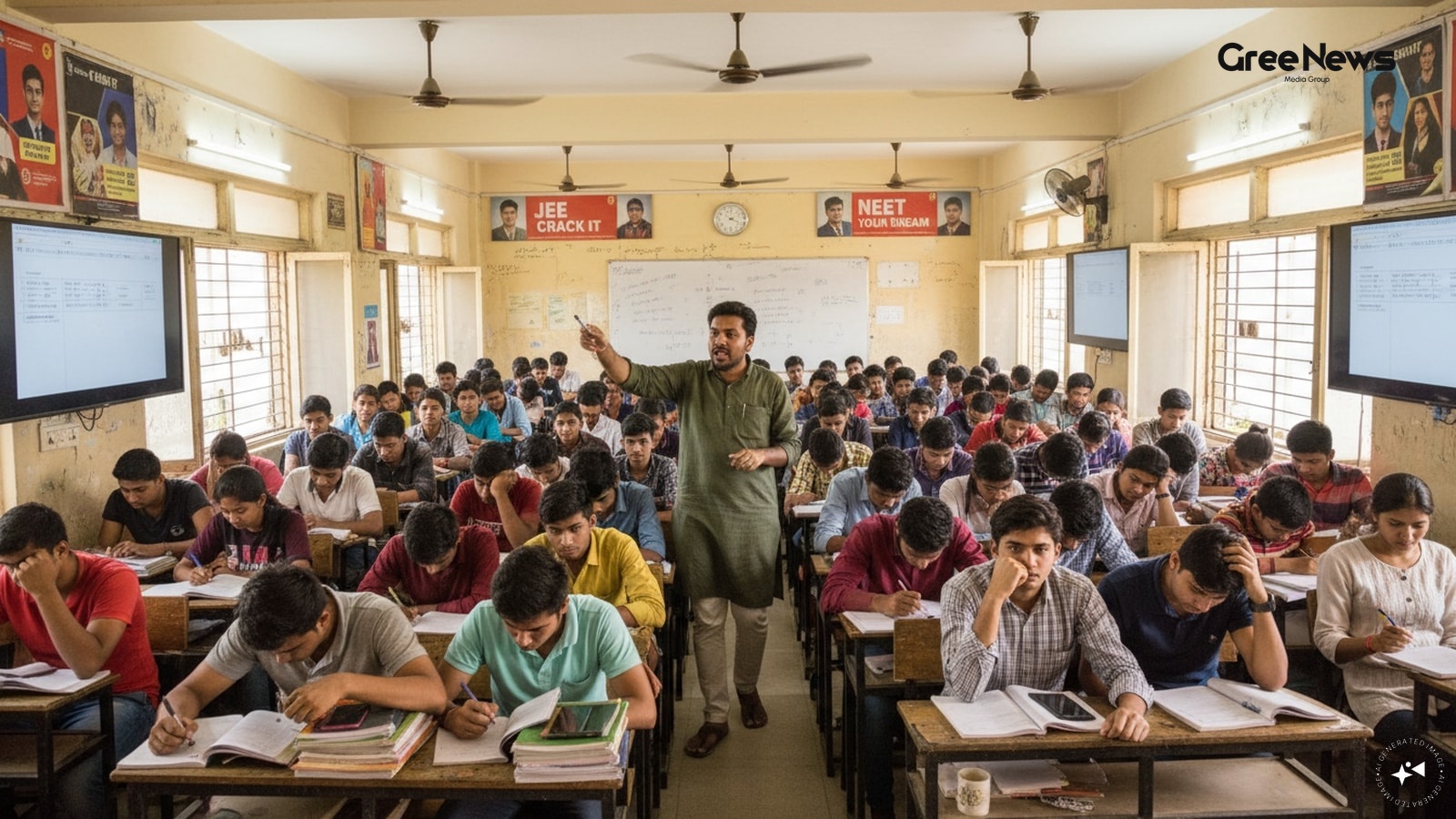
Maharashtra Education Policy Rollout and Skill-Based Learning Initiatives
The National Education Policy just rolled out across the country, and people are talking about it. It pushes for learning in the mother tongue and skill-based stuff, that’s what Maharashtra Higher and Technical Education Minister Chandrakant Patil said in the Legislative Assembly on Thursday. He was
Jul 10, 2026 by Gree News Team
Karnataka's Plan for an Artificial Intelligence University and Global Technology Hub
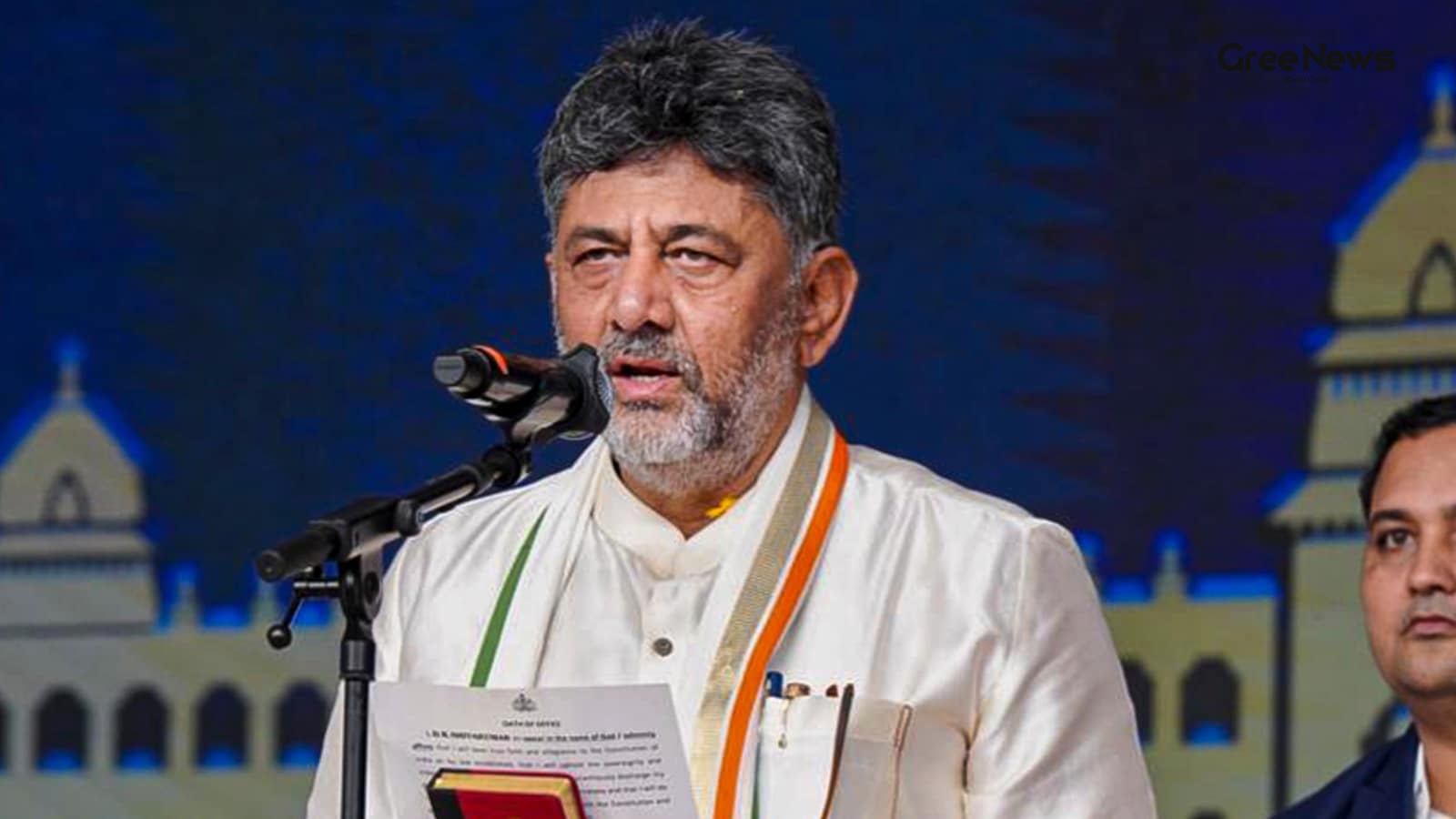
Karnataka is looking at setting up an Artificial Intelligence University. It’s trying to beef up its spot as a global technology hub, Chief Minister D K Shivakumar said on Wednesday. He was seeking input from industry folks on this idea. This talk came after his meeting with Global Capability Centre
Jul 10, 2026 by Gree News Team
CBSE Free Courses in Emerging Technologies for Students
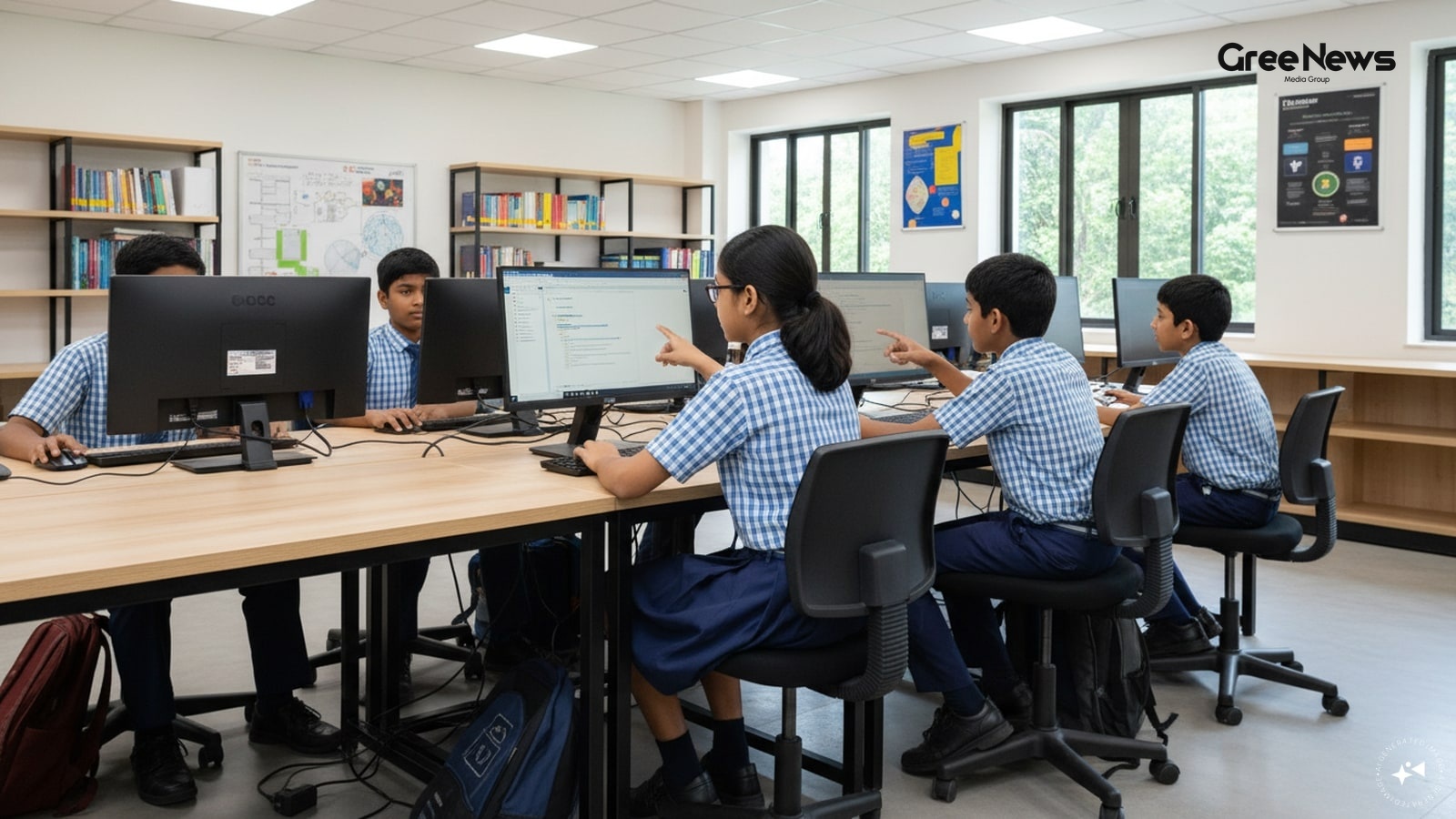
The Central Board of Secondary Education CBSE, they rolled out this big thing. It’s aimed at getting school kids some real knowledge about these emerging technologies. They let students in Classes 8 through 12 dive into stuff like Artificial Intelligence, data science, Python programming, cybersecur
Jul 10, 2026 by Gree News Team
Jammu and Kashmir Education Order and Review of School Materials
The Jammu and Kashmir government just dropped a new order. It's demanding that all schools and coaching centres in the Valley look through the books and educational materials they have right now. They want a review. The official line is simple: students shouldn’t be exposed to anything deemed ‘contr
Jul 10, 2026 by Gree News Team
Latest Headlines

The Cultural Shift: Football Idols and Naming Trends in Peru
The whole thing is just… strange, isn’t it? This whole wave of naming babies after football heroes. It started with something massive the World Cup. You have these giant tournaments, right? They warp reality for a bit. Everyone stops what they are doing and starts talking about the stars. And now th
Jul 14, 2026 by Gree News Team
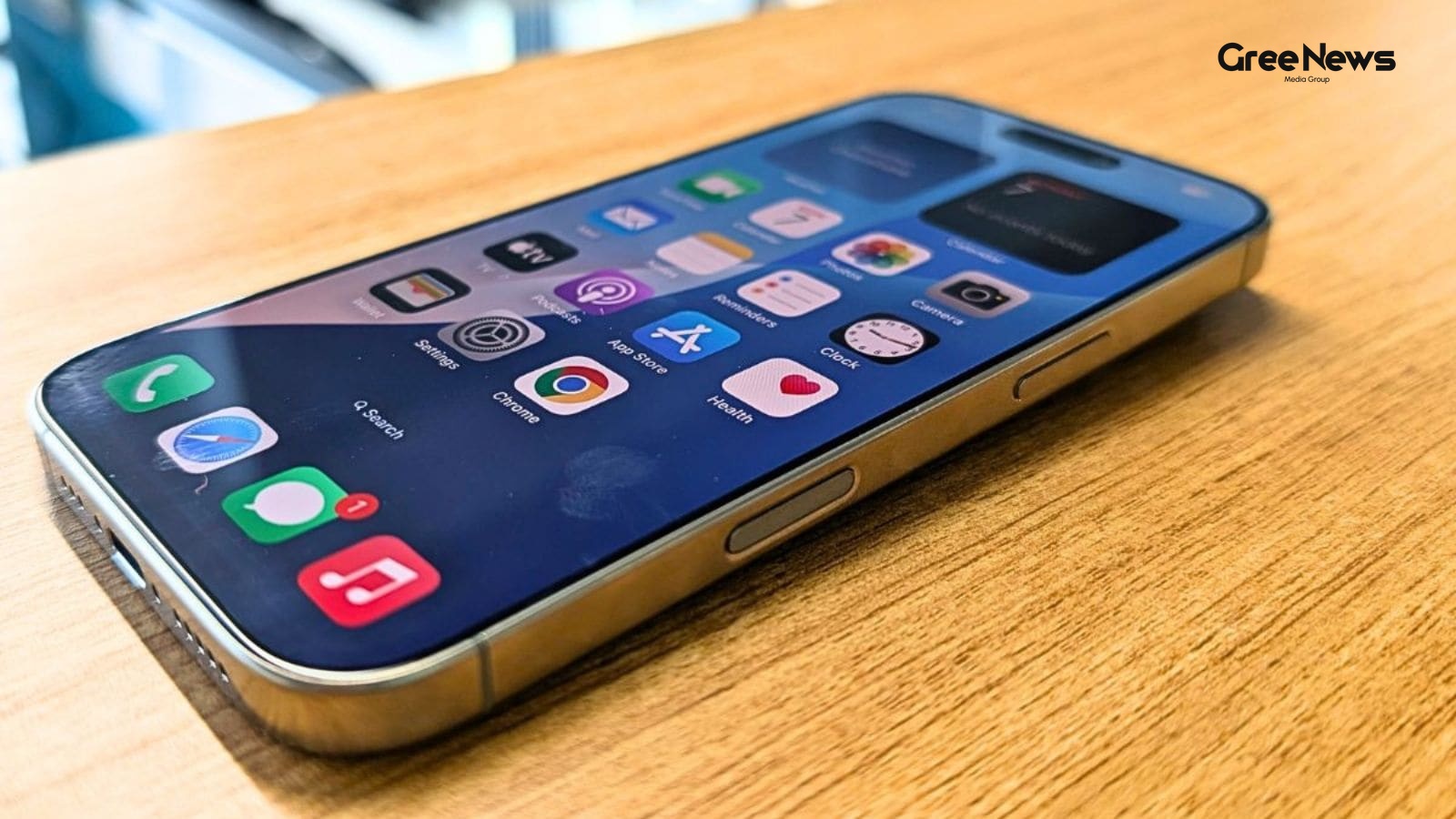
iOS 27 Public Beta: Real Changes and Features
If you’ve been wondering what iOS 27 actually brings you don't have to wait for September anymore. Apple just dropped the public beta today, and honestly, there are some real changes worth digging into. It’s packed, from a completely revamped Siri right down to just generally faster performance acro
Jul 14, 2026 by Gree News Team

Paul Wesley and Natalie Kuckenburg's Intimate Wedding
Love seemed to be everywhere for Paul Wesley and Natalie Kuckenburg as they got married. It was an intimate ceremony. Just a minister there, and their dog Greg. They exchanged vows in what felt like a simple but beautiful celebration of four years together. Paul Wesley, you know him from *The Vampir
Jul 14, 2026 by Gree News Team
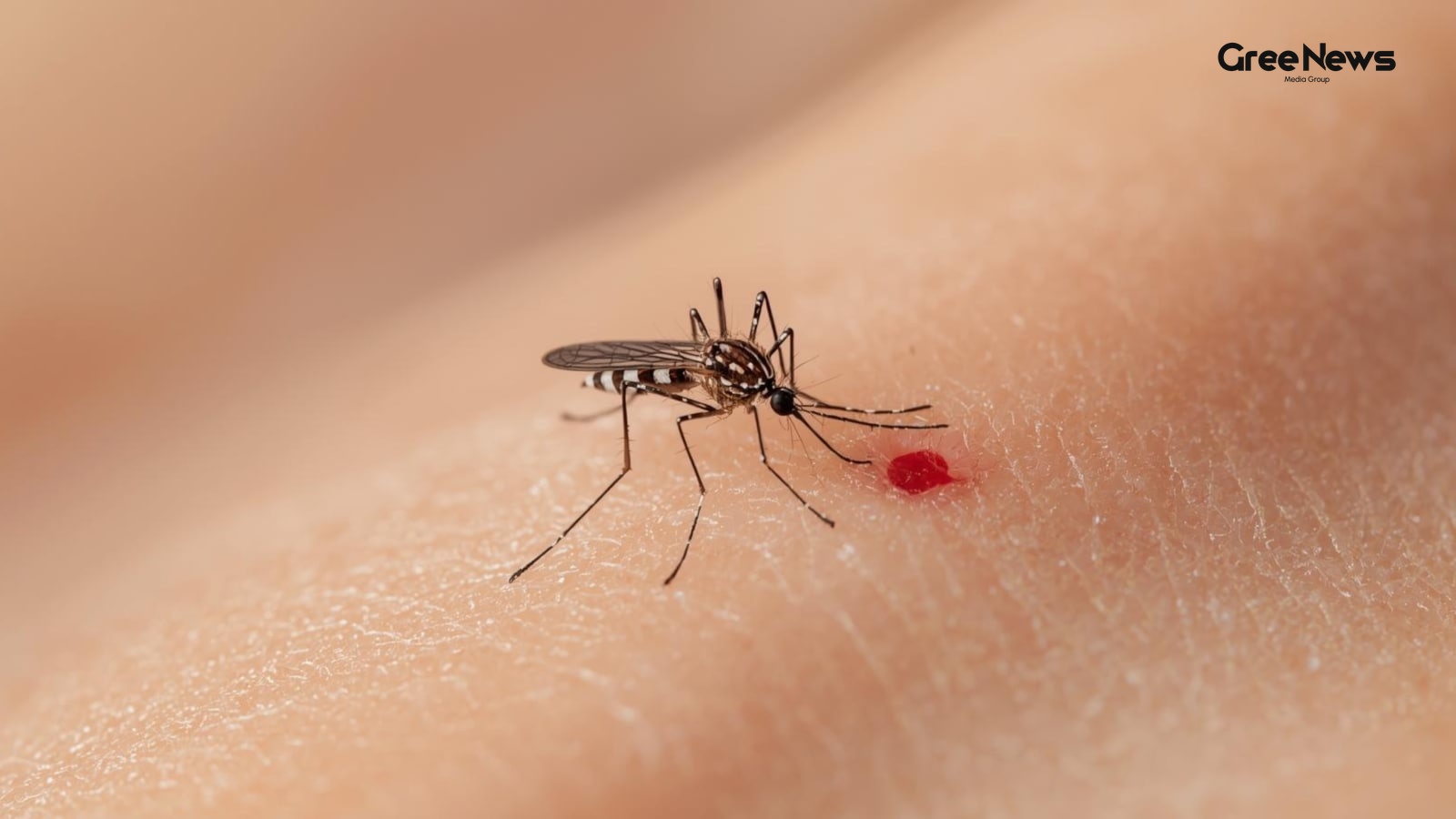
Biological Factors Influencing Insect Attraction
Have you ever just felt… singled out? Certain biological factors make some people way more attractive to these blood-sucking insects than others. It really comes down to a few things influencing the whole situation. The air you breathe, your body temperature, even that natural scent you carry all of
Jul 14, 2026 by Gree News Team

The Financial and Emotional Clash: A Software Engineer's Story
A software engineer from Gurgaon working with PayU posted something online that just blew up. It was about feeling totally crushed financially because he’s the only earner in his family. He praised his wife, Nisha, saying she was a great mother. But then came the real part. He admitted sometimes he
Jul 14, 2026 by Gree News Team

Hand Blender Guide: Choosing the Right Tool for Your Kitchen
That hand blender thing. It just seems optional until you actually start using one regularly. It’s funny how that happens in the kitchen. Maybe you’re stuck trying to blend a whole pot of tomato soup without having to wrestle it into some mixer jar. Or maybe it’s that quick banana shake for breakfas
Jul 14, 2026 by Gree News Team
The Hidden Cost of AI: Proprietary Knowledge and Corporate Power
There’s this growing unease in Silicon Valley, something that’s been simmering for a while, and now Microsoft’s CEO just threw a public stamp of legitimacy on it. The concern, really, is pretty straightforward. When companies start leaning on AI models from the big labs OpenAI, Anthropic, you know t
Jul 14, 2026 by Gree News Team

Apple's Pricing Strategy and Future iPhone Predictions
Apple is pushing prices again. It’s forcing people to grab the iPhone 17 now before things get even more expensive. That move messes with their supply plans for the older models too. They hiked prices on MacBooks, Mac Minis, and iPads in India recently. It’s a teaser, really. What you can expect onc
Jul 14, 2026 by Gree News Team
SBI Funds Management IPO: Details, Valuation, and Market Analysis
SBI Funds Management launched its IPO today. It’s India’s biggest asset management company, after all, the largest one. They’re raising nearly nine thousand eight hundred crore rupees. The public window is short just three days, closing on July 16th. Listing day? That's scheduled for July 21st on bo
Jul 14, 2026 by Gree News Team
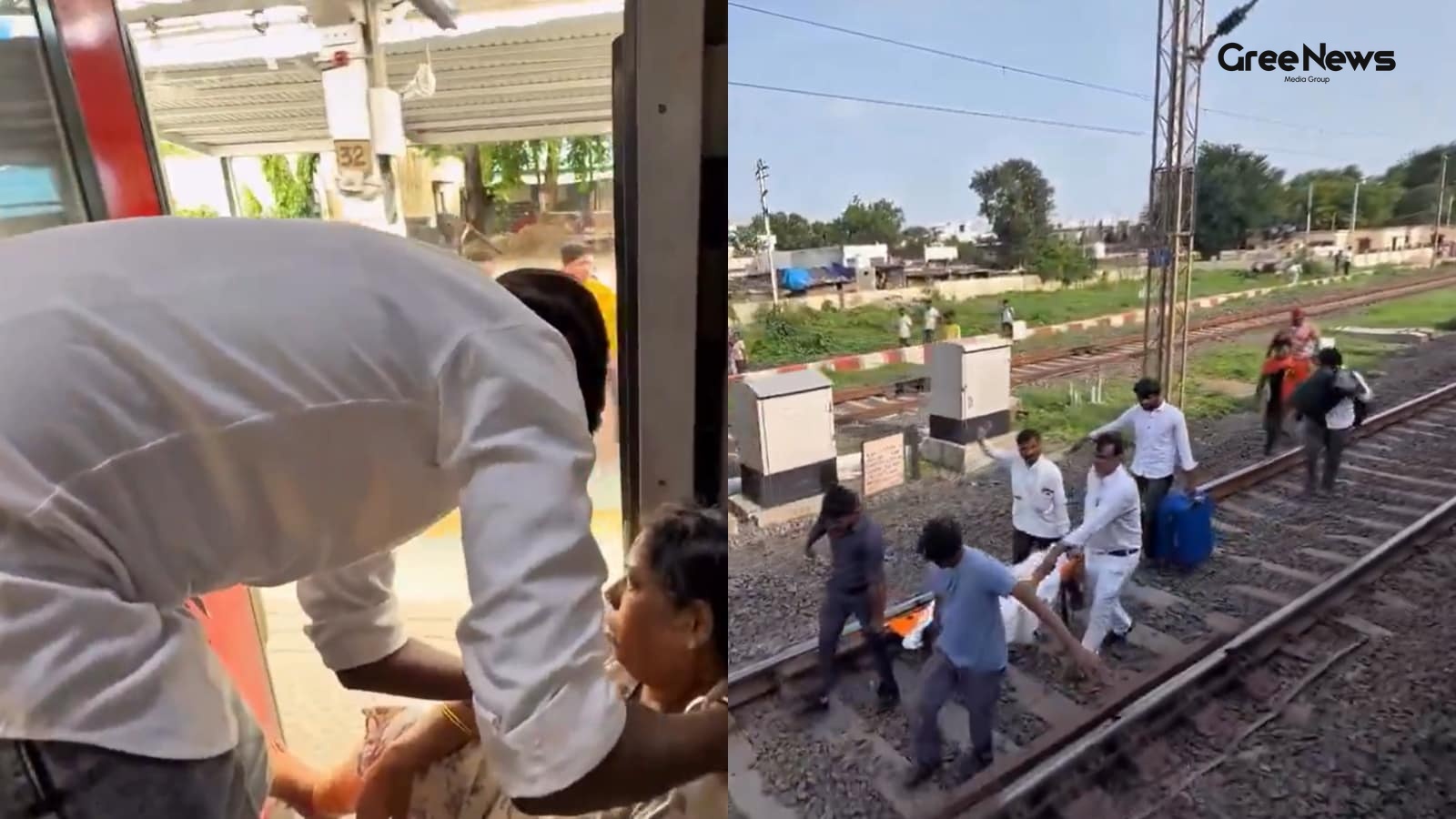
Accountability Failure: The Tragedy of Emergency Response on the Train
It all started with a whisper online, didn't it? A tragedy that sort of seeps into the air, you know? This woman, allegedly, just… stopped breathing on that train ride from Bandra to Delhi. Severe breathing problems. It’s the kind of thing that makes your stomach clench immediately. But the story is
Jul 14, 2026 by Gree News Team
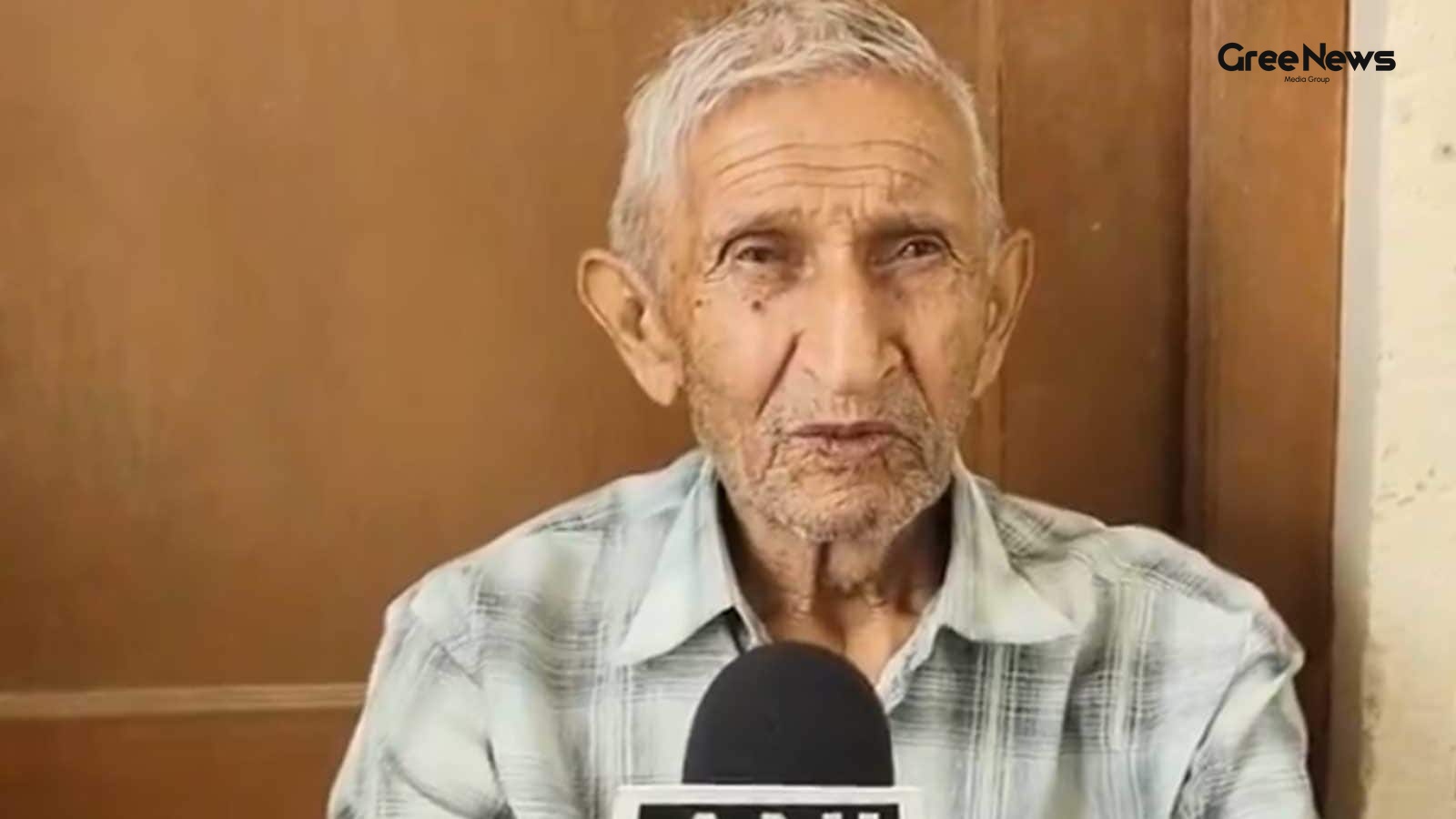
Retired Army Officer Fights for Stolen Agricultural Land in Rajasthan
92-year-old retired Army officer Captain Chunni Lal is now in a fight. Not against enemies on the battlefield, but something his family calls the "fourth battle" a legal struggle to get back the agricultural land he claims was stolen from him in Rajasthan. It all started with allegations that the la
Jul 13, 2026 by Gree News Team
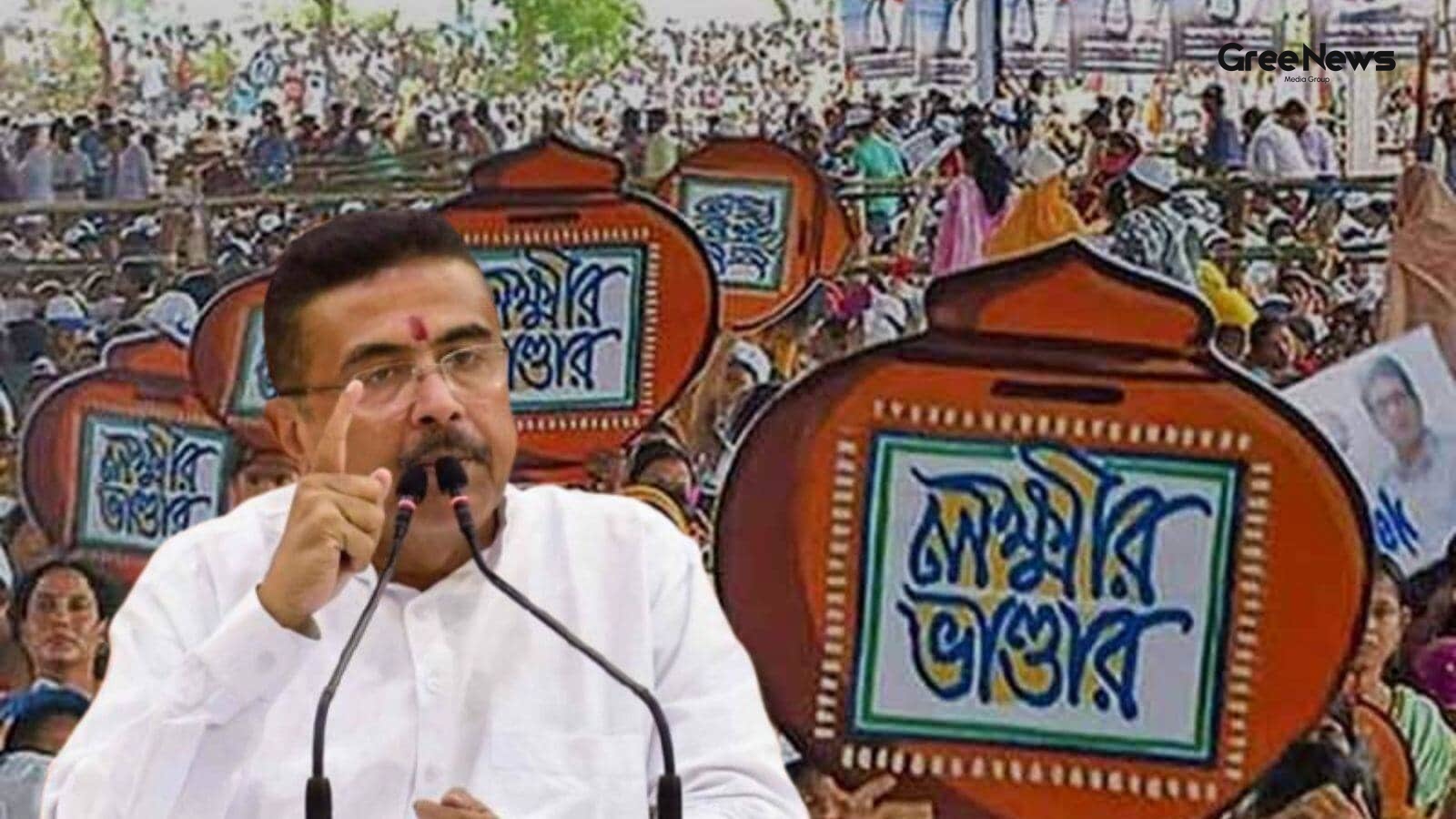
New Laws and Legal Framework in West Bengal
Monday kicks off some major changes in West Bengal. The government is pushing through two new laws: the Public Safety and Control of Anti-social Activities Act, 2026, and an amendment to the Maintenance of Public Order Act. They’re bringing a whole new legal framework into play right away. This stuf
Jul 13, 2026 by Gree News Team

Dolly Javed's Exit and Regrets from The Alliance
Dolly Javed got kicked out of The Alliance. That’s what happened in the recent episodes. And after she left, she went and talked to News18 Showsha. It was an exclusive chat, sort of. She just blasted Kushal Tandon. Said he was so egoistic. She claimed he was trying to overpower everyone. Manipulate
Jul 13, 2026 by Gree News Team
Accident Involving Two Kids in Chandigarh
Two kids got seriously hurt Saturday night. They were hit by a speeding Mercedes right outside a club in Chandigarh’s Sector 26 area. A video of the whole thing is already floating around social media now, you know. The footage itself shows the car moving way too fast before it smashed into the two
Jul 13, 2026 by Gree News Team

General Qamar Javed Bajwa Health and Background
It’s hard to process all this information without a clear structure. It just kind of… piles up. So, General Qamar Javed Bajwa. The former Chief of Army Staff. Things got complicated for him recently. He’s been re-admitted to the Combined Military Hospital in Rawalpindi. That’s what we hear from peop
Jul 13, 2026 by Gree News Team