Accountability Failure: The Tragedy of Emergency Response on the Train
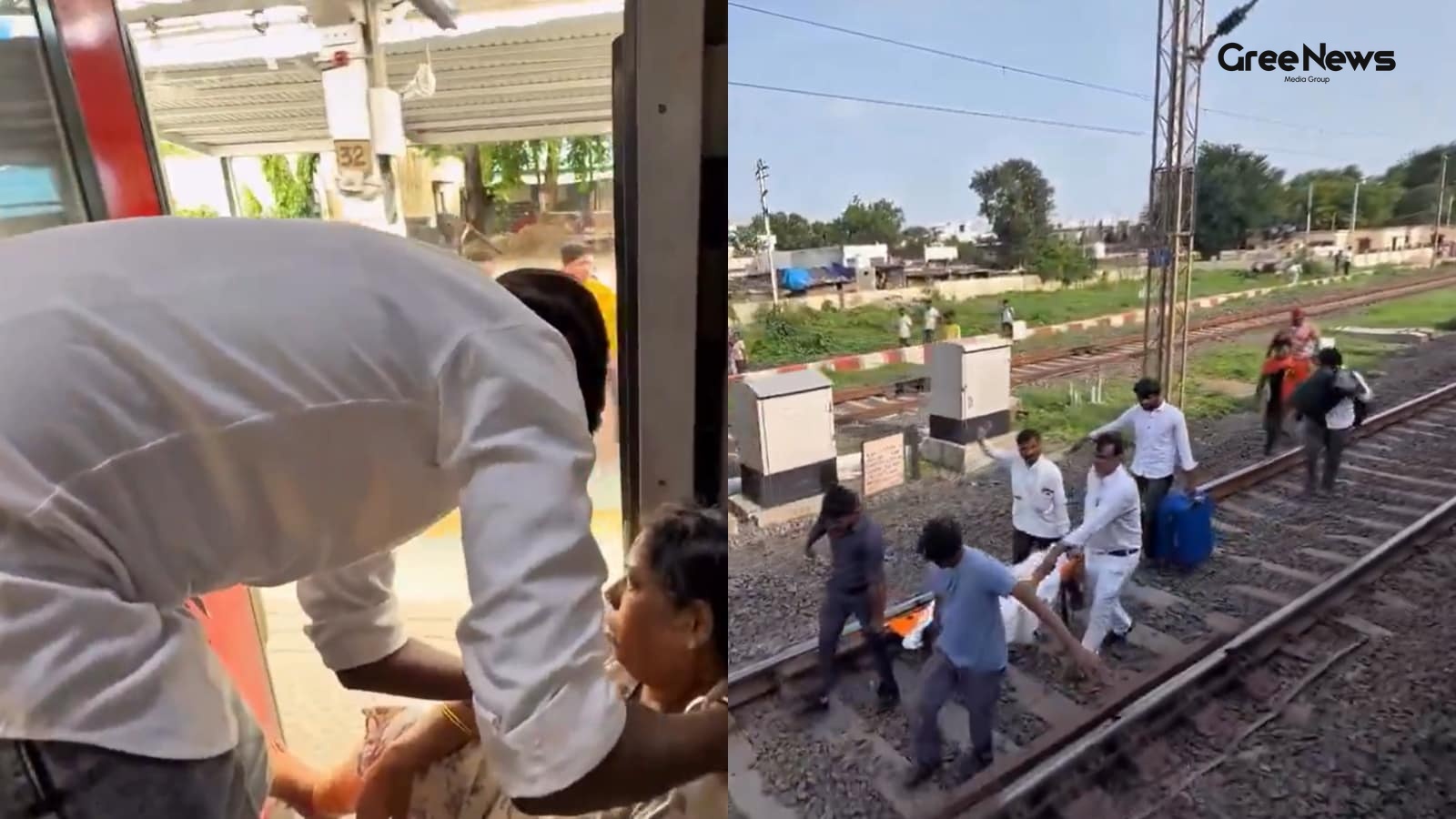
It all started with a whisper online, didn't it? A tragedy that sort of seeps into the air, you know? This woman, allegedly, just… stopped breathing on that train ride from Bandra to Delhi. Severe breathing problems. It’s the kind of thing that makes your stomach clench immediately.
But the story isn't just about the death itself. It’s about what happened before. The claims floating around social media the co-passengers, people who were right there with her they kept talking about begging for help. Repeatedly. Urgent medical assistance. And nothing. Just silence from the railway staff. A massive failure in emergency protocols, exposed in a way that just feels profoundly wrong.
The train itself was the Bandra-Delhi Sarai Rohilla Garib Rath Superfast Express. July 12th. That’s when everything went sideways. An unidentified woman, travelling with her young son. She fell critically ill right after they left Bharuch station in Gujarat. Just like that. A sudden slide into crisis while moving across the country.
Soheb Sayyed, one of the people who witnessed this unfolding he posted it on Instagram, trying to make some noise about what happened he told his story. He was struggling for air. Oxygen. Medical attention. The need was immediate. It should have been. But when he tried to flag it, when he appealed to anyone in charge, the response felt… absent.
He said he immediately informed the ticket checker. Asked him to stop the train at the nearest station so an ambulance could get there for her. That’s what he asked for. A simple request for a halt. Something basic. And that’s where the whole mess really starts to unravel, isn't it?
“We helped her as much as we could and even informed the TTE as soon as the train left Bharuch station, but they did not stop the train,” he recounted in his post. It felt like an indictment right there. The railway staff, instead of acting on that immediate distress signal, just shrugged it off. They said the train would halt at Karjan instead. A detour. Not a rescue.
Karjan. That’s where the real agonizing part seems to lie for Soheb. An ambulance eventually showed up near Karjan, sure. But by then, too late. The woman had passed away before anyone could properly intervene. It's that gap, that terrible moment between asking and receiving help, that screams accountability failure.
“Who is responsible?” the question hangs over everything. It’s not just a simple logistical query. It becomes something much bigger. Soheb felt this responsibility squarely pointed at Indian Railways itself. He argued that because he had specifically asked the TTE to stop the train when it was leaving Bharuch, the fault rested with them. They were the ones who controlled the movement, the schedule, the very mechanism of transport.
That’s where things got complicated, or maybe just messier.
Meanwhile, the official side started shifting. DRM Vadodara stepped in. They shared their version. And it’s always that moment the official explanation trying to smooth over the jagged edges of a tragedy.
They said the onboard staff acted immediately. They told the authorities right away. Ten minutes later, they dispatched help to the nearest station, Itola. That’s the procedural outcome. She was taken to a government hospital in Por. And there, she was declared dead on arrival. A clinical endpoint reached after this prolonged ordeal.
They added something else, trying to frame it as diligence: her son had informed them that his mother wasn't feeling well before they even started the journey. They suggested the railway staff were prompt in providing what help they could. It’s a narrative designed to assign some form of responsibility without necessarily admitting gross negligence on the part of the system itself.
But you look at it differently. You see the demands bubbling up on social media, right? That's where the real conversation is happening now. The video just detonated online. Suddenly, everyone was asking harder questions. It wasn’t enough for a procedural explanation. People weren't satisfied with "assistance was dispatched."
One user wrote something chilling: “Train mein Medical staff hona chaiye in case of emergency.” That hits you right in the gut. You are on a moving metal box. In a situation like this, isn't there supposed to be trained personnel? Not just ticket checkers and conductors, but actual medical capacity onboard for emergencies? The idea that this happened without proper infrastructure built into the system feels unthinkable now.
Another comment drifted through: “There was a case where a flight landed urgently near Surat due to medical urgency, but here TT could not stop the train at a nearby station.” It draws a parallel. A stark comparison between modes of transport. One can manage unexpected emergencies on the ground; the other seems bound by rigid schedules and physical limitations when true crisis strikes mid-journey. The inability to halt, the lack of immediate intervention it’s that chilling contrast you feel.
There's this deep sense of human vulnerability exposed here. It’s not just statistics or timetable errors. It’s a mother, a child left behind, fighting for air in a space that should have been a sanctuary, a place where basic human needs are prioritized over schedules. The thought of her son not realizing… it breaks you. That's the emotional core of this entire incident, isn't it?
And then there’s the raw frustration about the mechanics of things. Why wasn't there anyone physically there to pull the emergency chain? Why didn't someone just stop the train immediately? The question becomes: why did the TTE not exercise that duty? It forces you to look at the system itself, the rules, and who is meant to enforce them.
It’s a mess of blame, isn't it? Indian Railways . They are the massive entity responsible for moving millions, carrying countless lives. When something goes wrong on that scale when the safety nets fail the accountability becomes impossibly vast. It’s not just about one failed stop; it’s about the entire infrastructure of emergency response built into that system.
The demand isn't just for sympathy anymore. It’s a relentless push for investigation. A thorough look at why this happened. Why was there no immediate medical presence? Why did the chain of command fail to translate a desperate plea into physical action on the ground?
It forces us to confront the reality that these systems, however vast they are, rely entirely on human adherence and training in moments of extreme stress. And when that training falters, or when bureaucracy overrides instinct, the consequences are devastatingly real. The silence from the system, even when facts are presented the official side versus the passenger’s lived experience that gap is where the anger lives now. It demands answers that go beyond a simple statement of "we notified authorities." It demands accountability for every second lost in that terrifying vacuum between need and response.
Written by Gree News Team — Senior Editorial Board
Gree News Team covers international news and global affairs at Gree News. Our collective of senior editors is dedicated to providing independent, accurate, and responsible journalism for a global audience.
More from Top News
View All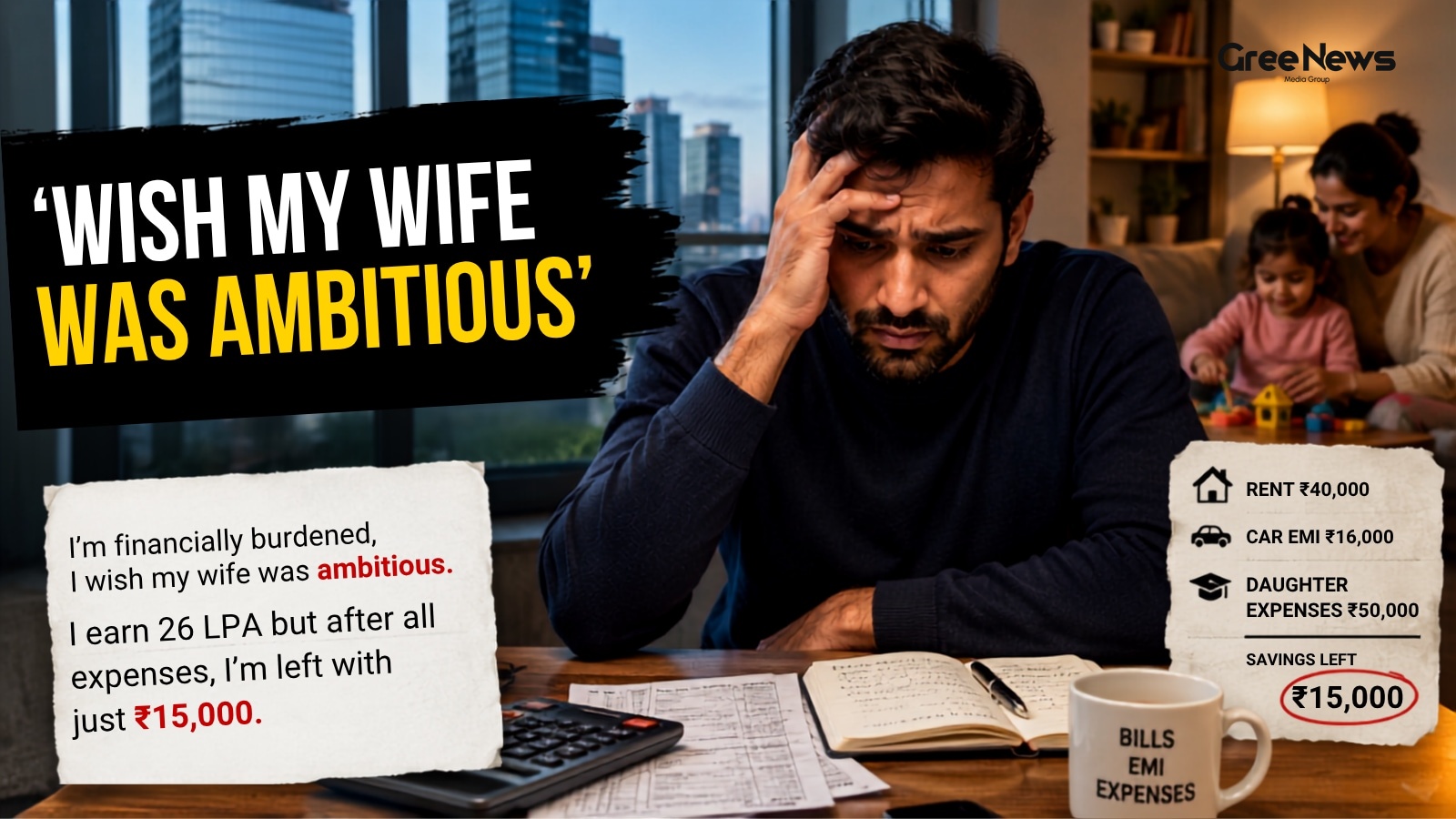
The Financial and Emotional Clash: A Software Engineer's Story
A software engineer from Gurgaon working with PayU posted something online that just blew up. It was about feeling totally crushed financially because he’s the only earner in his family. He praised his wife, Nisha, saying she was a great mother. But then came the real part. He admitted sometimes he
Jul 14, 2026 by Gree News Team
The Freedom and Debate of Remote Work
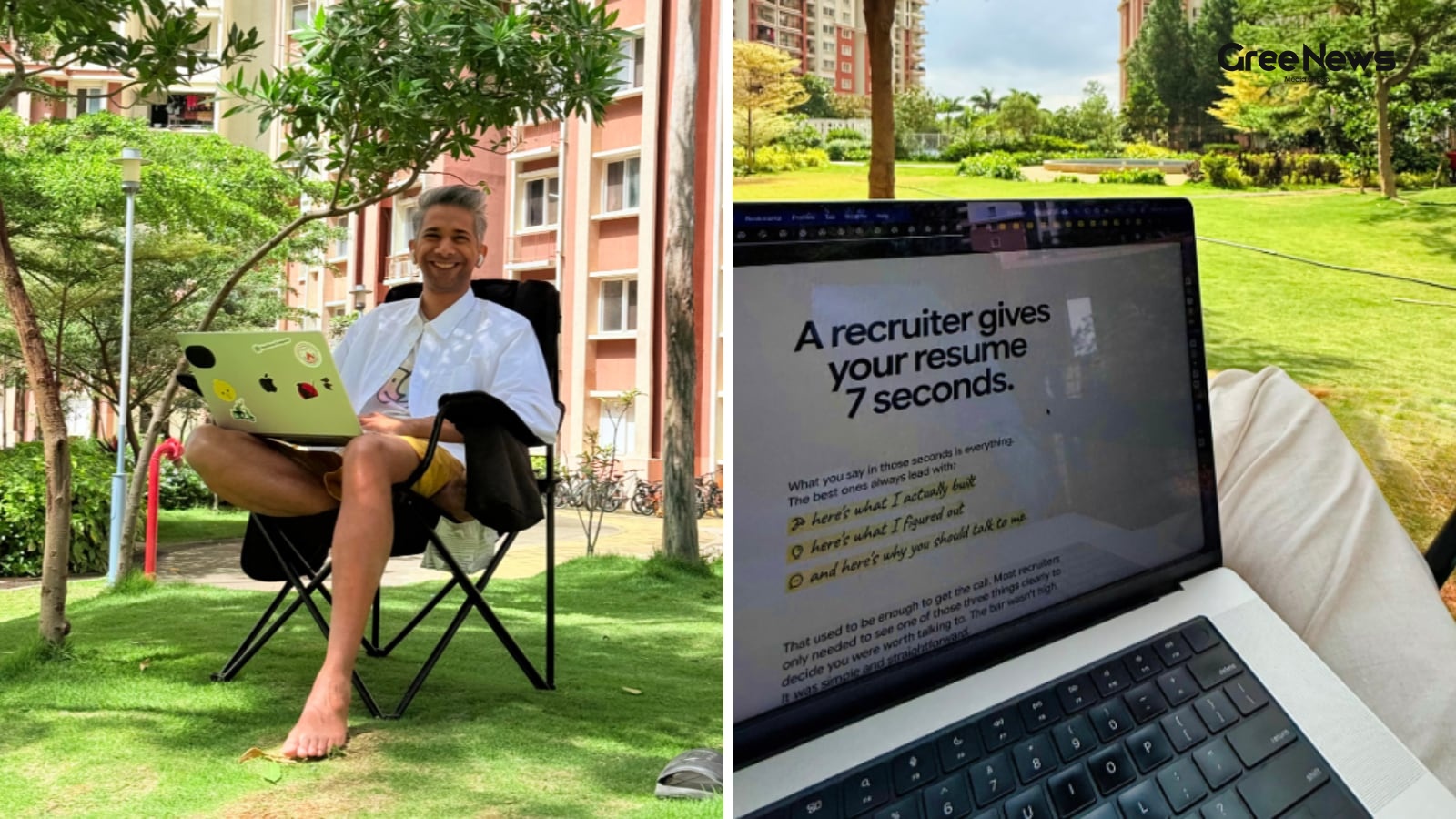
Remote work. It’s become this huge thing for professionals lately. Some companies are pushing back, asking people to come back in, but others just let things stay flexible. People still get to work wherever they want. One entrepreneur has a story about how remote life completely flipped everything a
Jul 8, 2026 by Gree News Team
Passenger Safety and Reckless Driving on Expressways
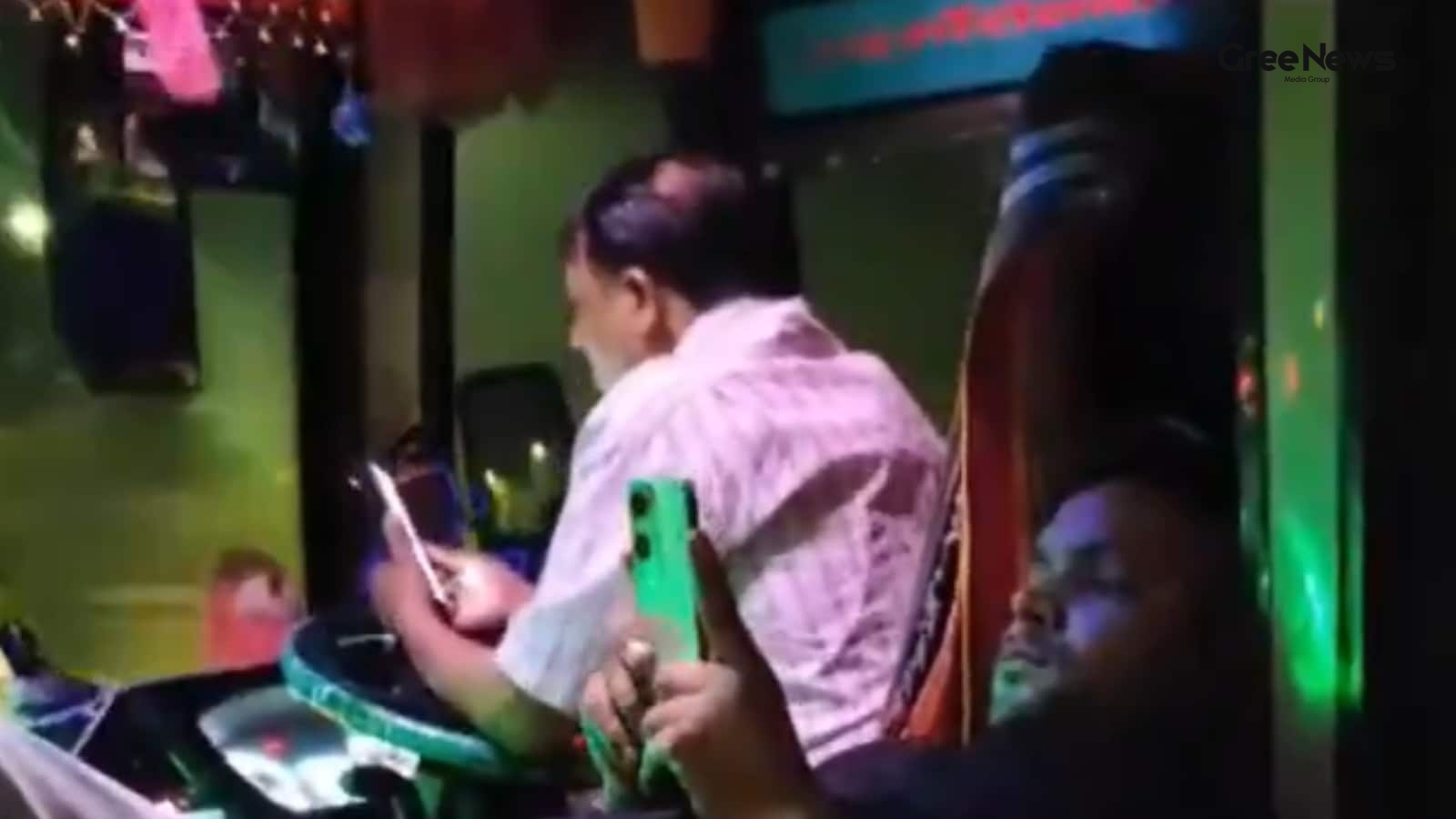
Man, you see this stuff that keeps going around online? Road accidents are killing people every year, right? And then there’s this video circulating now, something really messed up about passenger safety. It showed a private bus driver and conductor, just completely lost, staring at their phones ins
Jul 8, 2026 by Gree News Team
Allegations and Social Reaction to Viral Video
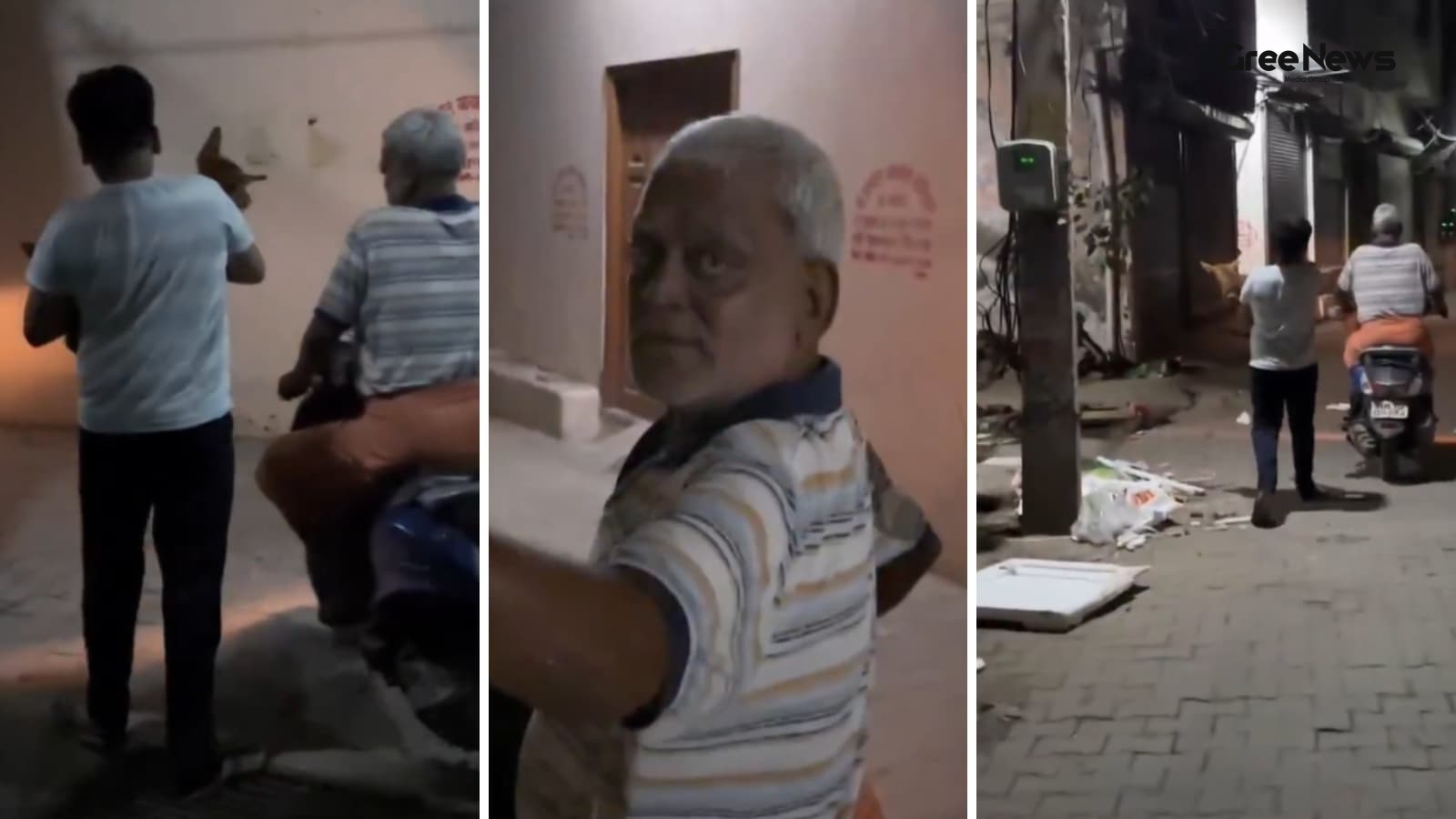
That post just dropped on X. It’s serious stuff, allegations against an old man and his grandson. They’re supposedly picking up street dogs from the neighborhood and dumping them into a river. There’s a video attached, too. It looks like the two are moving a dog on a scooter late at night. But you h
Jul 7, 2026 by Gree News Team
Latest Headlines
The Reality of Freedom: A Gig Worker's Journey
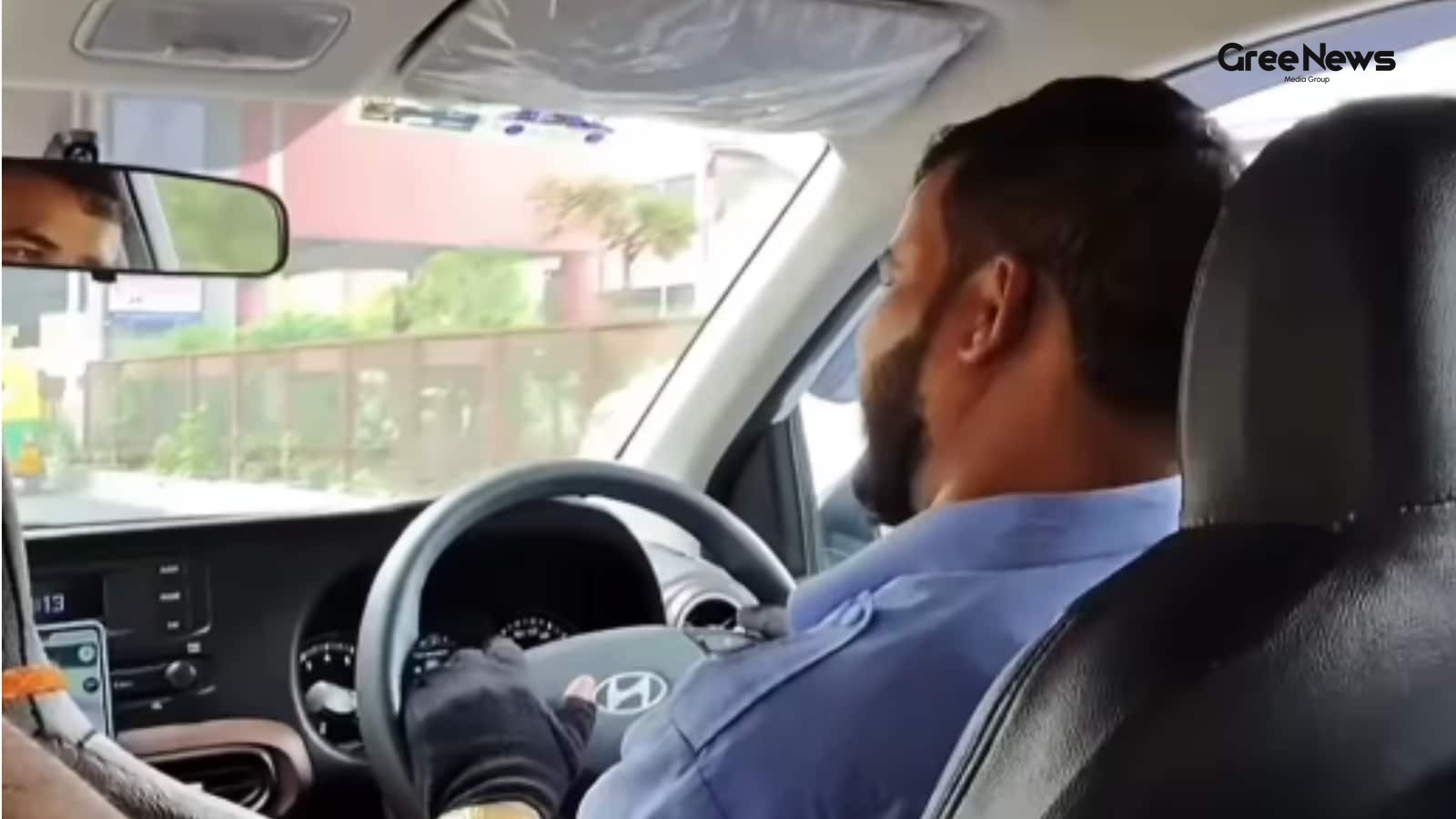
It’s funny how these things hit you online. You know? All the talk about work-life balance, burnout… people are screaming for flexibility now. But something actually surfaced recently. A Gurgaon entrepreneur, Akash Gupta, he just recorded a chat with a cab driver. And it totally caught fire on socia
Jul 14, 2026 by Gree News Team
Govinda Gears Up for Big Screen Return with 'Roopa'
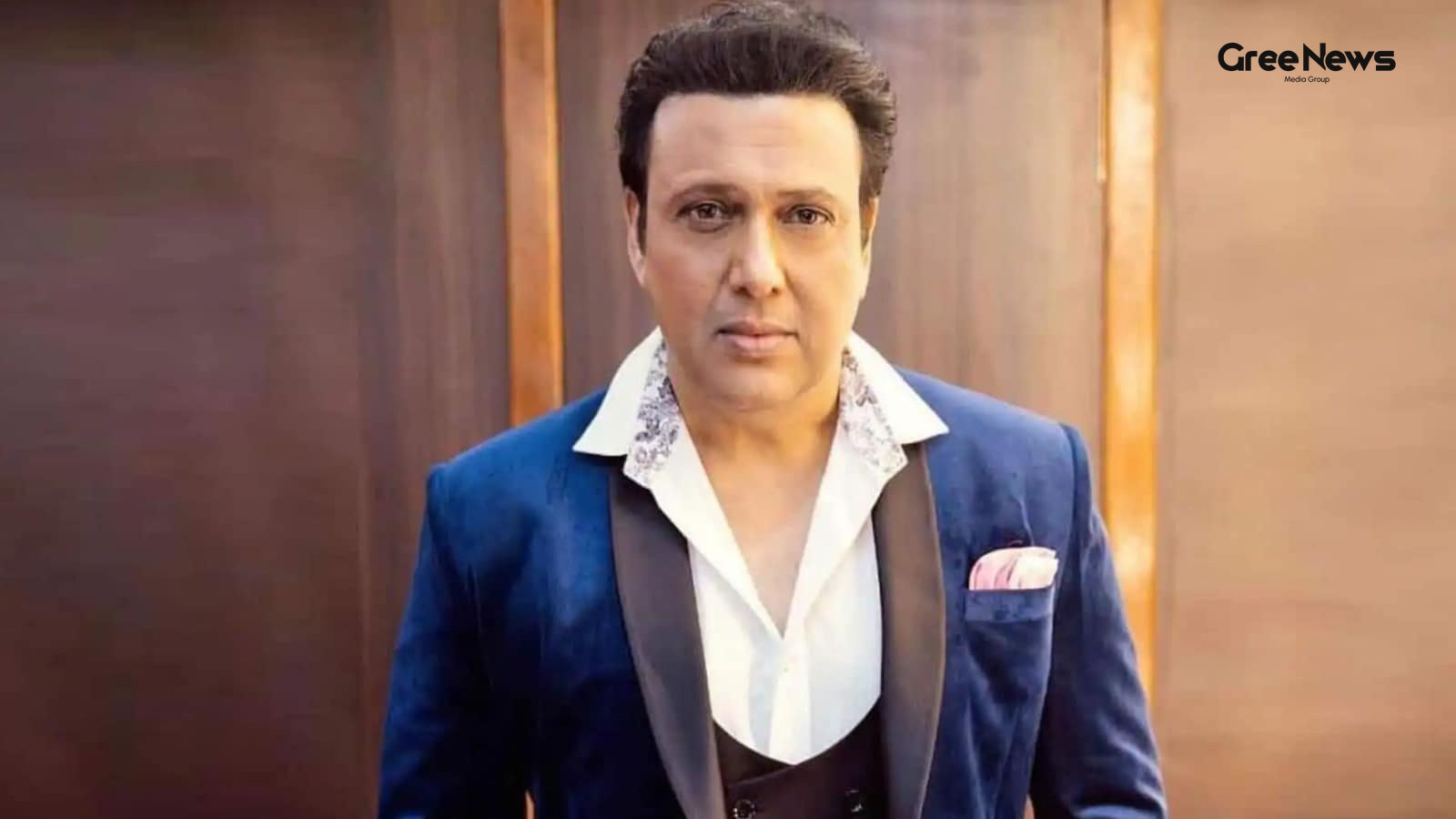
Govinda’s fans are getting something to look forward to. The Bollywood actor is finally gearing up for a big screen return with his upcoming film, ‘Roopa’. He admitted that people had written him off several times. But he always bounced back. That’s the attitude, I guess. And naturally, he introduce
Jul 14, 2026 by Gree News Team
Bhagwant Mann's Mandate on Private School Fees in Punjab
Bhagwant Mann, the Punjab Chief Minister, dropped a bombshell on Monday about private schools. He said that if these institutions hiked fees more than five percent every year over the last three years, they have to give the extra money back to parents. It felt like he was really pushing back against
Jul 14, 2026 by Gree News Team
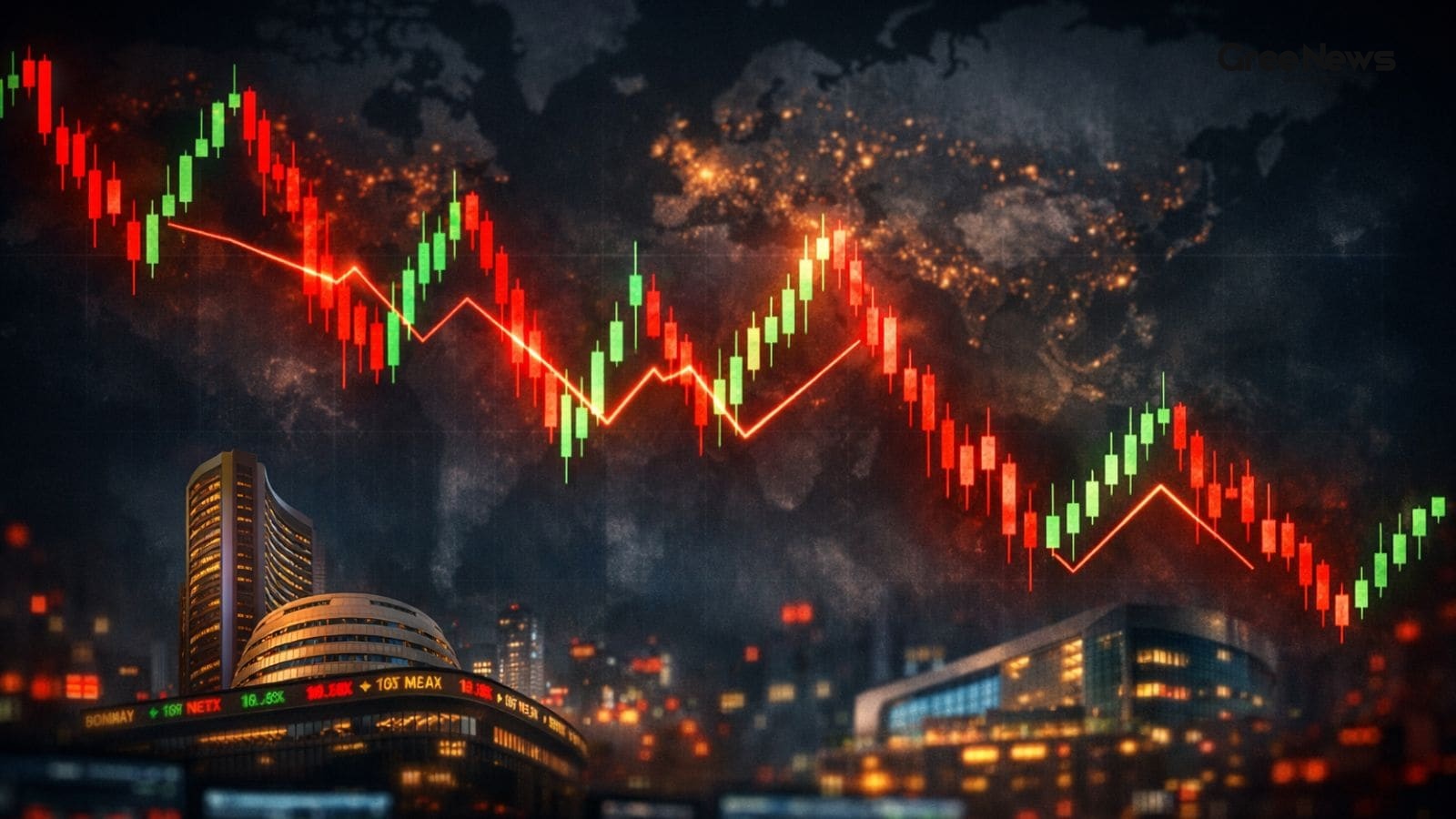
Indian Markets React to Geopolitical Friction and Oil Price Surge
Markets opened lower today. The Indian benchmark indices took a hit after fresh geopolitical friction in West Asia pushed crude oil prices up to a one-month high. Investor sentiment across Asian markets definitely dampened. The BSE Sensex was sitting at 77,277.57 this morning. That's a drop of 338.8
Jul 14, 2026 by Gree News Team
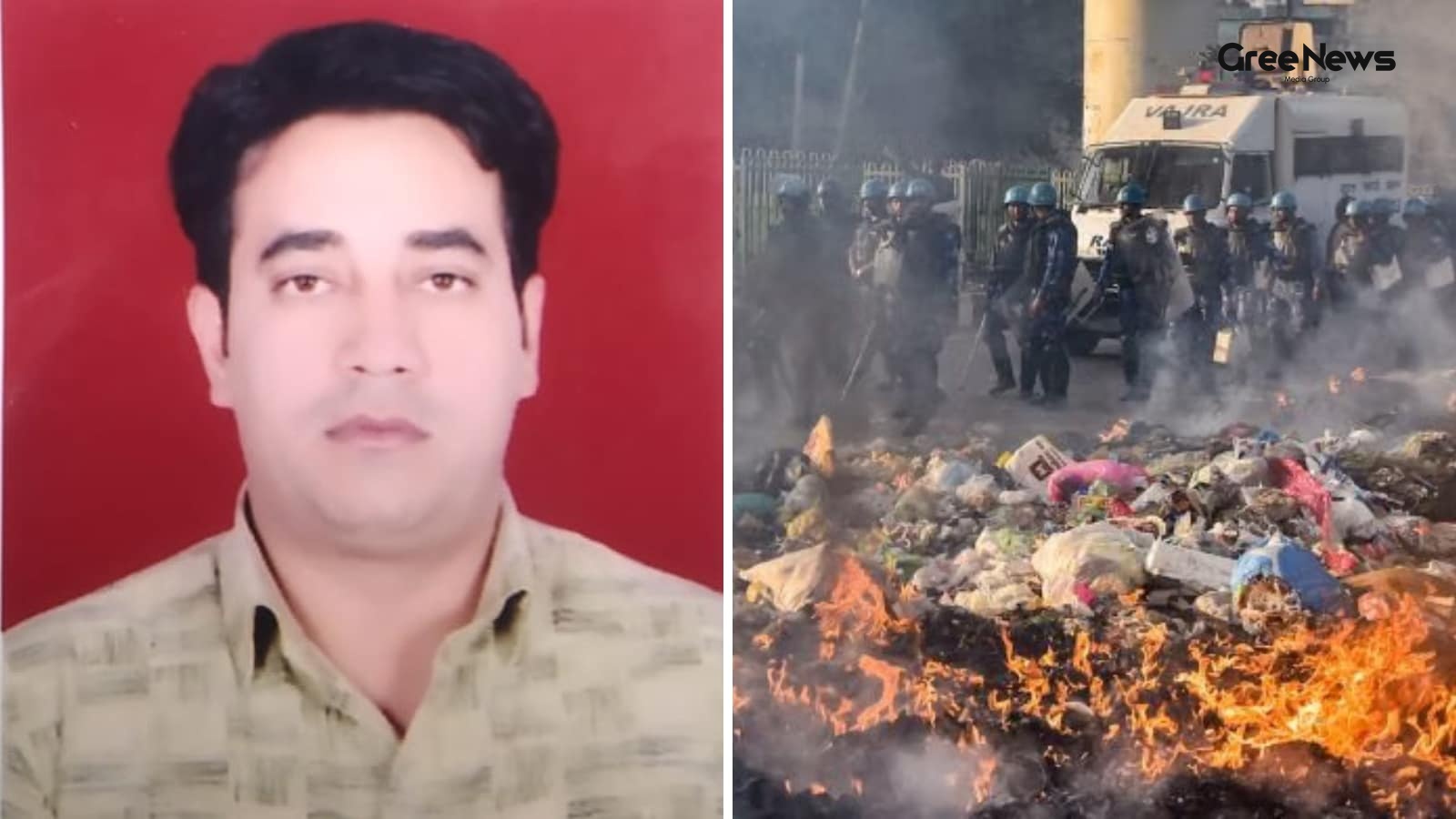
Conviction in Delhi Riots: The Case of Ankit Sharma
Nearly six years have passed since Ankit Sharma, an Intelligence Bureau officer, was brutally killed in the 2020 Delhi riots. But some relief finally arrived on Monday. The Karkardooma court convicted former AAP councillor Tahir Hussain and four others for their role in that killing. It’s a heavy th
Jul 14, 2026 by Gree News Team

Rupee Hit by Geopolitical Events and Oil Price Surge
The rupee took a hit this morning. It slipped by forty-nine paise to settle at 96.17 against the dollar. That all because of those US strikes against Iran, happening for the third night in a row. It just poured gasoline on the fire, making everyone nervous about that ceasefire finally falling apart
Jul 14, 2026 by Gree News Team

The Cultural Shift: Football Idols and Naming Trends in Peru
The whole thing is just… strange, isn’t it? This whole wave of naming babies after football heroes. It started with something massive the World Cup. You have these giant tournaments, right? They warp reality for a bit. Everyone stops what they are doing and starts talking about the stars. And now th
Jul 14, 2026 by Gree News Team

iOS 27 Public Beta: Real Changes and Features
If you’ve been wondering what iOS 27 actually brings you don't have to wait for September anymore. Apple just dropped the public beta today, and honestly, there are some real changes worth digging into. It’s packed, from a completely revamped Siri right down to just generally faster performance acro
Jul 14, 2026 by Gree News Team

Paul Wesley and Natalie Kuckenburg's Intimate Wedding
Love seemed to be everywhere for Paul Wesley and Natalie Kuckenburg as they got married. It was an intimate ceremony. Just a minister there, and their dog Greg. They exchanged vows in what felt like a simple but beautiful celebration of four years together. Paul Wesley, you know him from *The Vampir
Jul 14, 2026 by Gree News Team
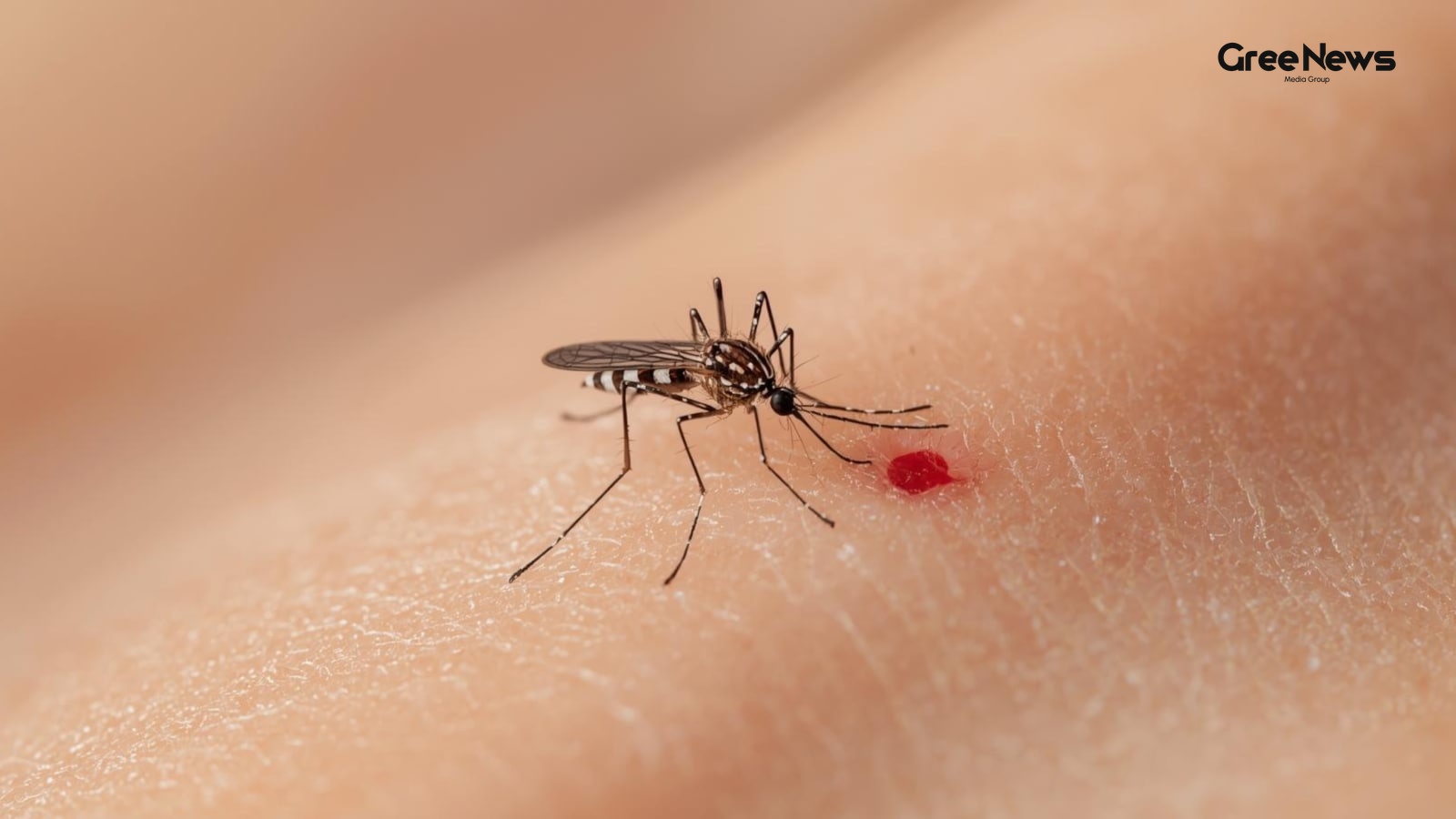
Biological Factors Influencing Insect Attraction
Have you ever just felt… singled out? Certain biological factors make some people way more attractive to these blood-sucking insects than others. It really comes down to a few things influencing the whole situation. The air you breathe, your body temperature, even that natural scent you carry all of
Jul 14, 2026 by Gree News Team
The Financial and Emotional Clash: A Software Engineer's Story
A software engineer from Gurgaon working with PayU posted something online that just blew up. It was about feeling totally crushed financially because he’s the only earner in his family. He praised his wife, Nisha, saying she was a great mother. But then came the real part. He admitted sometimes he
Jul 14, 2026 by Gree News Team

Hand Blender Guide: Choosing the Right Tool for Your Kitchen
That hand blender thing. It just seems optional until you actually start using one regularly. It’s funny how that happens in the kitchen. Maybe you’re stuck trying to blend a whole pot of tomato soup without having to wrestle it into some mixer jar. Or maybe it’s that quick banana shake for breakfas
Jul 14, 2026 by Gree News Team
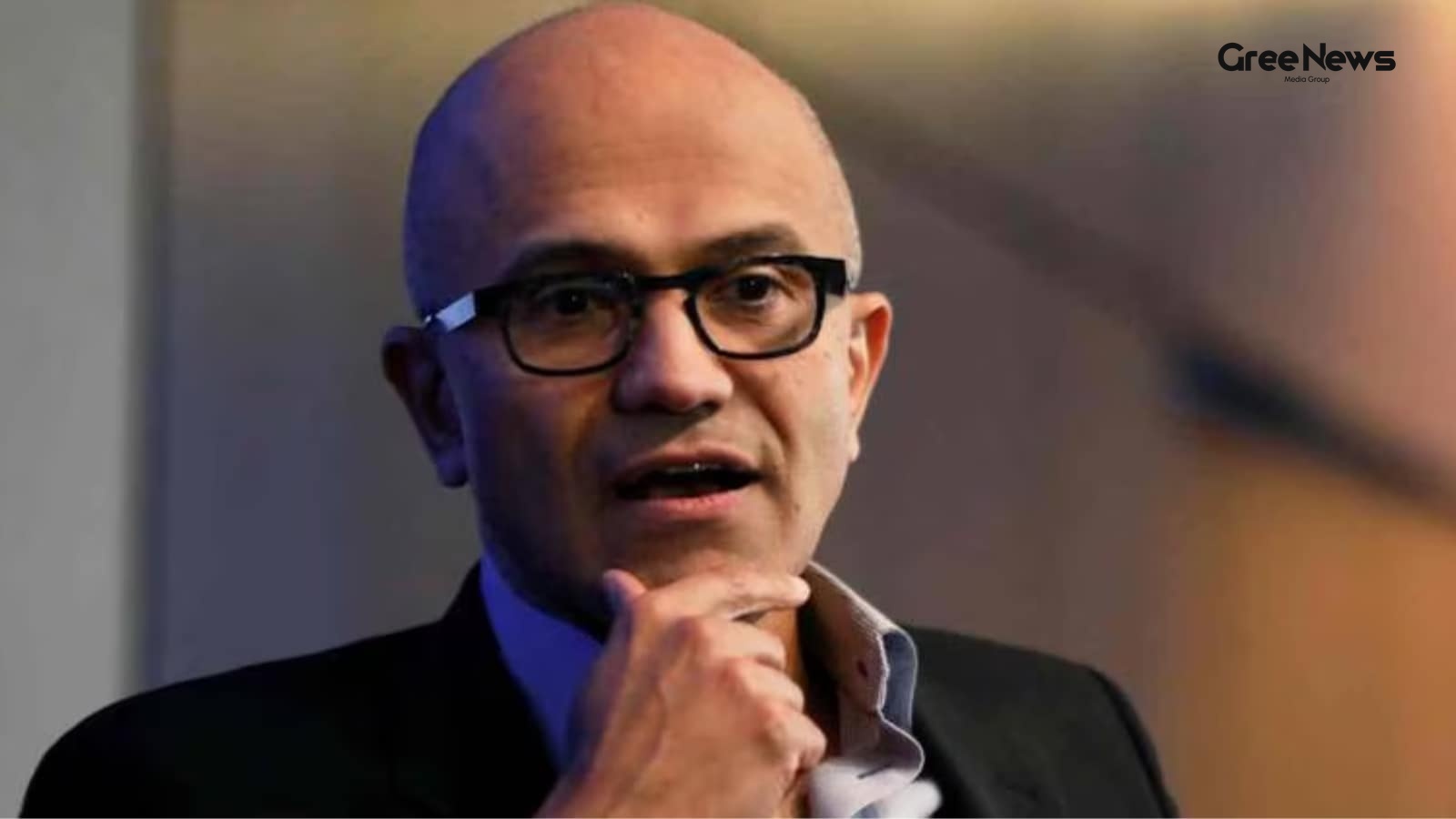
The Hidden Cost of AI: Proprietary Knowledge and Corporate Power
There’s this growing unease in Silicon Valley, something that’s been simmering for a while, and now Microsoft’s CEO just threw a public stamp of legitimacy on it. The concern, really, is pretty straightforward. When companies start leaning on AI models from the big labs OpenAI, Anthropic, you know t
Jul 14, 2026 by Gree News Team

Apple's Pricing Strategy and Future iPhone Predictions
Apple is pushing prices again. It’s forcing people to grab the iPhone 17 now before things get even more expensive. That move messes with their supply plans for the older models too. They hiked prices on MacBooks, Mac Minis, and iPads in India recently. It’s a teaser, really. What you can expect onc
Jul 14, 2026 by Gree News Team
SBI Funds Management IPO: Details, Valuation, and Market Analysis
SBI Funds Management launched its IPO today. It’s India’s biggest asset management company, after all, the largest one. They’re raising nearly nine thousand eight hundred crore rupees. The public window is short just three days, closing on July 16th. Listing day? That's scheduled for July 21st on bo
Jul 14, 2026 by Gree News Team