The Impact of Religious Ruling on Pakistan's Crypto Ambition
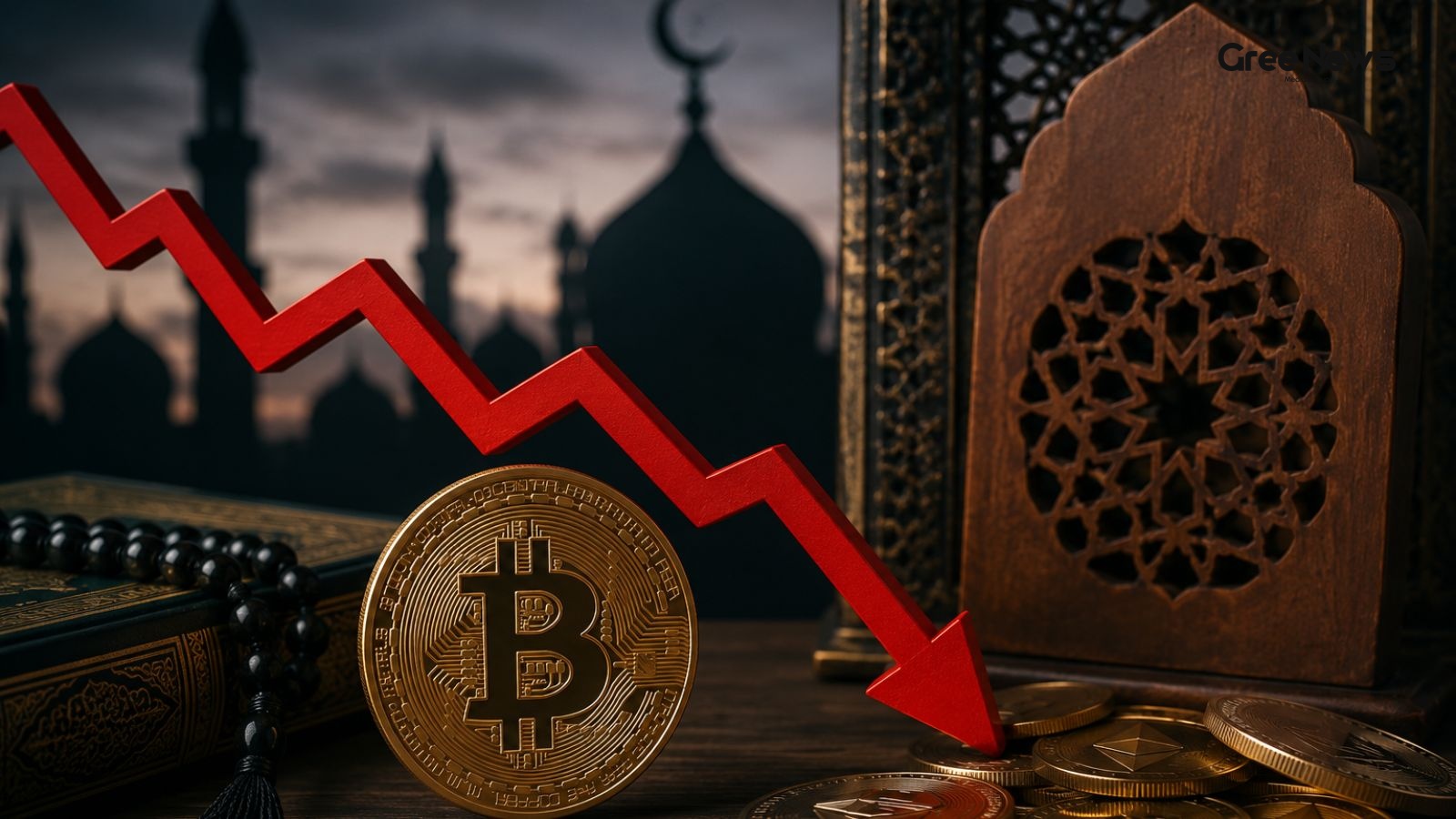
Pakistan’s whole crypto ambition, it just hit this wall. Not market jitters. Not some new government decree suddenly flipping the script. It was a fatwa . A religious ruling. That kind of thing throws everything into weird focus.
Just when Islamabad was trying to paint itself as this bright, welcoming spot for digital assets you know, the crypto-friendly destination vibe something completely unexpected landed right in the middle of it all. One of the most respected Islamic scholars there, Mufti Muhammad Taqi Usmani, stepped in. He declared that trading cryptocurrency, Bitcoin, Ethereum, and even those stablecoins everyone talks about? Haram. Forbidden under Islamic law.
It’s a massive thing. It doesn't just affect Pakistan, does it? It immediately sparks this huge debate, ripples across all the Muslim-majority countries, and definitely gets the attention of investors everywhere who deal with these things. People are looking at this split right now, trying to figure out where the lines actually are drawn between religious decree and actual legal reality.
What is a fatwa exactly? It’s not just some random statement floating around. It's a religious opinion or a legal ruling issued by someone deemed highly qualified in Islamic law a scholar, with real authority on Sharia matters. It sets boundaries based on religious texts. But here’s the tricky part that you have to understand: it isn't a formal law handed down by a parliament, not a court order stamped with official seals.
That distinction is crucial. A fatwa doesn't automatically shut down trading under Pakistani law. The legal side? It stays complex and evolving, sitting in its own space. But the religious weight behind that ruling? That’s heavy. It strongly influences how people behave. How they view their assets. Especially for those who adhere closely to Islamic finance principles.
Mufti Taqi Usmani's voice carries enormous gravity here because of where he stands. He isn't just some academic; he’s widely seen as one of the foremost authorities on Islamic finance. And look at his position, too. He’s based at Darul Uloom Karachi, one of those seminaries that hold immense respect across the board in the region. That kind of authority means his opinions don't just float around; they move people.
So why does this particular ruling hit Pakistan so hard? It comes at such an awkward moment. The government had been pushing forward for a while. Over the last year, there was this whole active effort to position the country as a haven a crypto-friendly zone. They were setting up things like the Pakistan Crypto Council. Creating bodies like PVARA, trying to develop regulations specifically designed to attract foreign investment into digital assets. Blockchain initiatives. Policies aimed at modernization and keeping pace with global finance trends. It was all about attracting capital, chasing innovation.
And now this fatwa arrives. It’s a massive counterpoint to that entire regulatory push. The government is dealing with legal frameworks, with policy proposals designed for market growth. This ruling, on the other hand, deals with fundamental religious permissibility. They are operating in two entirely separate spheres: the secular legal realm and the religious moral framework.
The actual content of the fatwa touches on core principles of Islamic finance. It basically argues that cryptocurrencies, crypto tokens, and stablecoins don’t fit the criteria for legitimate wealth or property in the first place. Why? Because they involve excessive uncertainty what we call gharar . Speculation that feels dangerously close to gambling maysir . And a lack of intrinsic, recognized value. That's where the religious objection comes from.
Islamic finance has always had strict guidelines against things like interest ( riba ) and assets without real substance. The cleric’s argument is that these digital assets fail those fundamental tests when scrutinized through the lens of Sharia. It’s not a sudden announcement; it’s an application of established principles to new technology. They are saying, fundamentally, they are impermissible.
This ripple effect isn't confined to Pakistan’s borders, mind you. The influence travels. Analysts point out that Mufti Usmani’s opinions carry serious weight across the Muslim world. If other major religious institutions start echoing this sentiment if similar rulings emerge from different scholars the pressure on investor sentiment in those regions could become immense. It’s a psychological lever, really. People respond to authority, especially when it comes to faith and finance.
When that effect kicked in, you saw real movement. Market participants quoted by outlets like The Economic Times reported something tangible immediately after the announcement. There were pockets of selling. Not massive crashes globally not yet. But within specific groups of religious investors in Pakistan, and even some folks in India and the UAE, there was a clear reaction. Founders and analysts started reporting liquidations of their holdings almost right away. It wasn’t panic buying; it felt more like a voluntary exit spurred by moral or religious conviction.
Some crypto companies themselves were also watching this closely. They warned that if this sentiment spreads if more scholars endorse the idea the impact could bleed into other Muslim-majority markets. The fear isn't just about market capitalization losses; it’s about reputational risk, about where the money flows and where people feel safe investing.
It puts a spotlight on the entire dynamic of trying to regulate something so volatile as crypto while simultaneously navigating deeply held spiritual beliefs. It highlights this tension: the modern pursuit of financial innovation versus ancient moral frameworks. The government wants growth; the religious authority is asserting boundaries based on tradition. And the market, that’s just reacting to the friction between those two forces.
Think about the sheer weight of history here. Pakistan has one of the world's largest overseas diasporas. Remittances are a lifeline for so many families. This means digital assets aren't just abstract numbers; they are deeply personal financial tools for millions. When a religious authority speaks, it touches that lived reality immediately.
Policymakers, watching all this unfold from their side of the regulatory table, have to weigh this. They see blockchain technology as a tool a potential way to improve financial inclusion. A way to modernize payment systems and encourage innovation. That’s the pragmatic view. Regulation, they argue, is the answer. Setting rules against fraud, against money laundering, against consumer protection.
But there’s another angle that has emerged, one that demands attention from those focused on finance and societal structure. Supporters of a more cautious approach suggest that perhaps regulation alone isn't enough when you deal with assets touching such fundamental moral lines. They argue for the idea of prohibition, or at least extreme caution, when dealing with what is viewed as inherently speculative or exploitative by religious law.
The challenge now becomes managing this divergence. How do you maintain a regulatory environment that allows for innovation and investment while acknowledging these powerful, deeply felt spiritual objections? It’s messy. There’s no clean line drawn on a map. You have the legal structure trying to evolve in a fast-moving global landscape, and you have religious authority rooted in tradition, offering an alternative framework.
The path forward seems incredibly uncertain. Whether this single fatwa will trigger sweeping policy changes across the board is impossible to say right now. It depends entirely on how far that influence travels. Does it force governments to act? Or does it just cause pockets of investors to quietly adjust their portfolios based on personal conviction? That’s the real unknown hanging over digital finance in many parts of the world today. The conversation isn't finished yet, and frankly, it feels like it’s only just beginning to settle into a new, complicated reality for those involved.
Written by Gree News Team — Senior Editorial Board
Gree News Team covers international news and global affairs at Gree News. Our collective of senior editors is dedicated to providing independent, accurate, and responsible journalism for a global audience.
More from World
View All
JAAC Protest Movement Gears Up for March to Muzaffarabad
The protest movement run by JAAC is gearing up for something big on Wednesday. Thousands of demonstrators are getting ready to march from Rawalakot all the way to Muzaffarabad. This happens because the group feels the government hasn't acted on their demands yet. They missed whatever deadline they s
Jul 15, 2026 by Gree News Team
General Qamar Javed Bajwa Health and Background
It’s hard to process all this information without a clear structure. It just kind of… piles up. So, General Qamar Javed Bajwa. The former Chief of Army Staff. Things got complicated for him recently. He’s been re-admitted to the Combined Military Hospital in Rawalpindi. That’s what we hear from peop
Jul 13, 2026 by Gree News Team
Iran's Memorial Ceremony and the Absence of Supreme Leader Khamenei
Iran announced something next week. Supreme Leader Mojtaba Khamenei is holding a memorial ceremony for his father, Ayatollah Ali Khamenei, down in Tehran. But whether he will actually show up? nobody really knows yet. The notice said it was for the "martyred mujahid Imam." It’s scheduled for July 23
Jul 13, 2026 by Gree News Team
The Global Impact and Human Cost of Extreme Weather Disasters
The air in Taizhou was thick with smoke that tasted like ash and panic. A major fire, started by whatever residual heat or downed lines could manage, broke out right there amid the chaos of Typhoon Bavi. It wasn’t just a local blaze; it felt like the whole area was burning under the pressure of the
Jul 13, 2026 by Gree News Team
Latest Headlines
The Mindset Gap: Why Wealthy Families Still Struggle to Spend
Indian families work so hard. They build wealth over years. But even when they’re financially secure, some folks just don't spend money on things that would actually make life easier. It’s a strange thing. That’s what entrepreneur Prem Soni started talking about online. He asked why people, you know
Jul 15, 2026 by Gree News Team

India's Vegetable Oil Imports and Global Market Dynamics
Modi appealed to citizens back in May 2026. He wanted everyone to partner up to strengthen the nation amid that West Asia crisis. Seven appeals were made. Avoid gold buying, avoid foreign travel for a year. And reduce edible oil consumption. Farmers needed to cut dependence on imported chemical fert
Jul 15, 2026 by Gree News Team
Kerala Plus One Results: How to Check Scores and Pass Criteria
Man, this whole thing with the Kerala Plus One results is just dragging on. The Directorate of Higher Secondary Education DHSE, that’s who’s handling it they were supposed to drop the class 11 scores on June 10th. But nope. Postponed again. All because of those exams happening in the Gulf countries.
Jul 15, 2026 by Gree News Team
JAAC Protest Movement Gears Up for March to Muzaffarabad
The protest movement run by JAAC is gearing up for something big on Wednesday. Thousands of demonstrators are getting ready to march from Rawalakot all the way to Muzaffarabad. This happens because the group feels the government hasn't acted on their demands yet. They missed whatever deadline they s
Jul 15, 2026 by Gree News Team
Man Allegedly Chopped Off Hands in Petrol Pump Attack
A 28-year-old man was critically hurt. His hands, they claim, were allegedly chopped off with an axe. This happened after some argument at a petrol pump in Mahoba district, Uttar Pradesh. Police are looking into it. The incident occurred around eleven o'clock on Tuesday night outside the Chandel Pet
Jul 15, 2026 by Gree News Team
Controversy over Alleged Theft of Donations from Ram Temple in Ayodhya
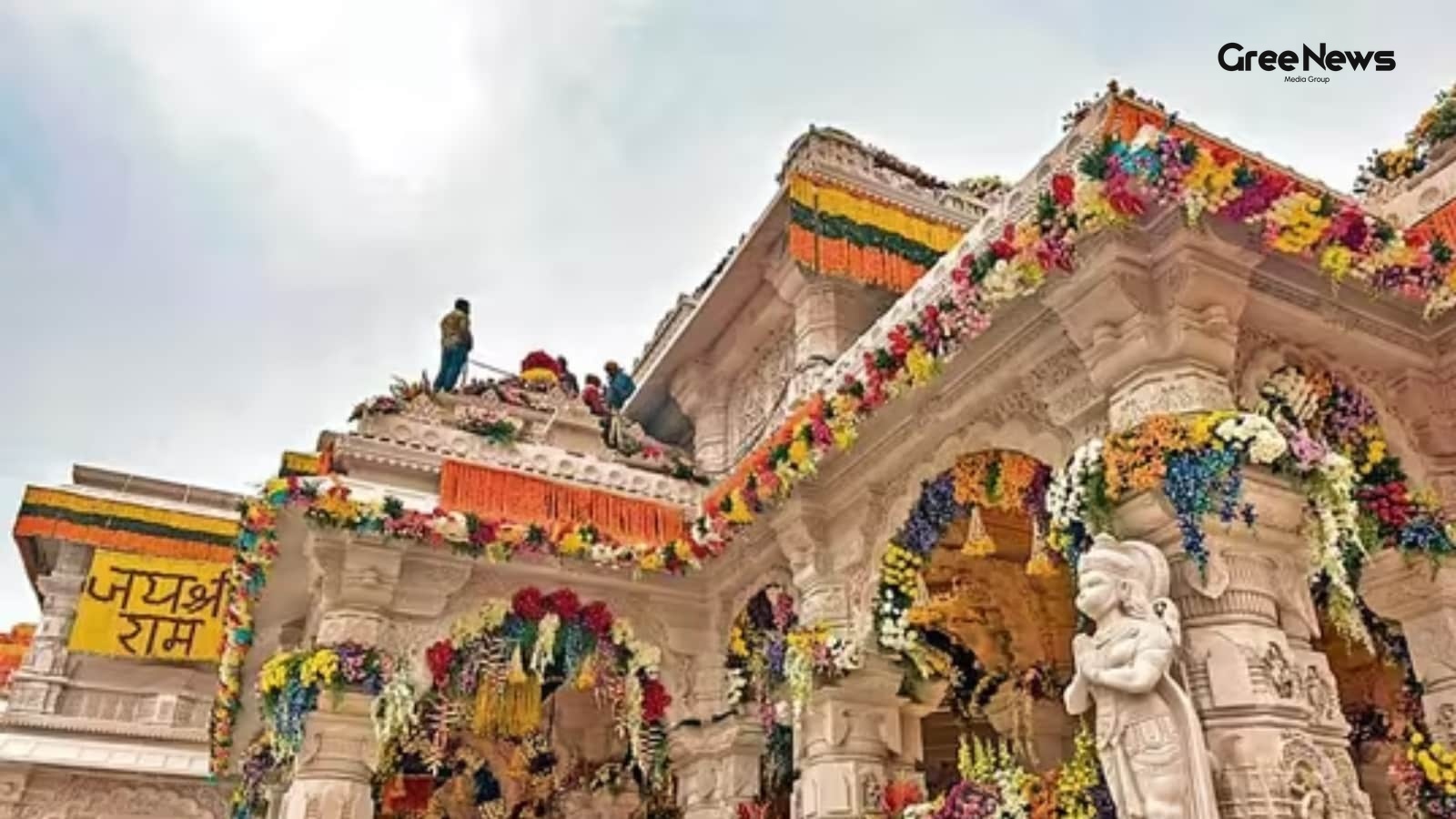
Satish Mahana, the Uttar Pradesh Assembly Speaker, has really stirred up trouble with his comments about alleged theft of donations from the Ram Temple in Ayodhya. The backlash from the opposition was immediate and sharp. He brought up the issue when talking about these supposed missing funds. Mahan
Jul 15, 2026 by Gree News Team

AI, Implementation, and the Infrastructure Revolution
AI is completely reshaping how businesses operate right now. And Canadian billionaire Kevin O’Leary sees massive opportunities bubbling up for young professionals in this space. He recently talked about what he’d do if he were twenty-five again. Forget trying to chase the biggest tech giants. He sai
Jul 15, 2026 by Gree News Team

The Geography and Economics of AI Talent Migration
Four senior AI researchers just walked out of Google in a few weeks. It wasn't about the paycheck. Not seniority. Not even their specific roles. It was London. That’s what ties all this mess together. What’s actually happening? People are leaving. Jonas Adler and Alexander Pritzel, both key players
Jul 15, 2026 by Gree News Team

Madhuri Jain Grover's Experience on Lock Upp 2
Madhuri Jain Grover got kicked out of *Lock Upp 2*. It was a rough spot. Farah Khan, the host, kept pushing her to show more personality. She even called her Shreya Kalra’s manager. One episode, Madhuri just exploded. She talked about being a manager it wasn't bad. She actually made a point that she
Jul 15, 2026 by Gree News Team
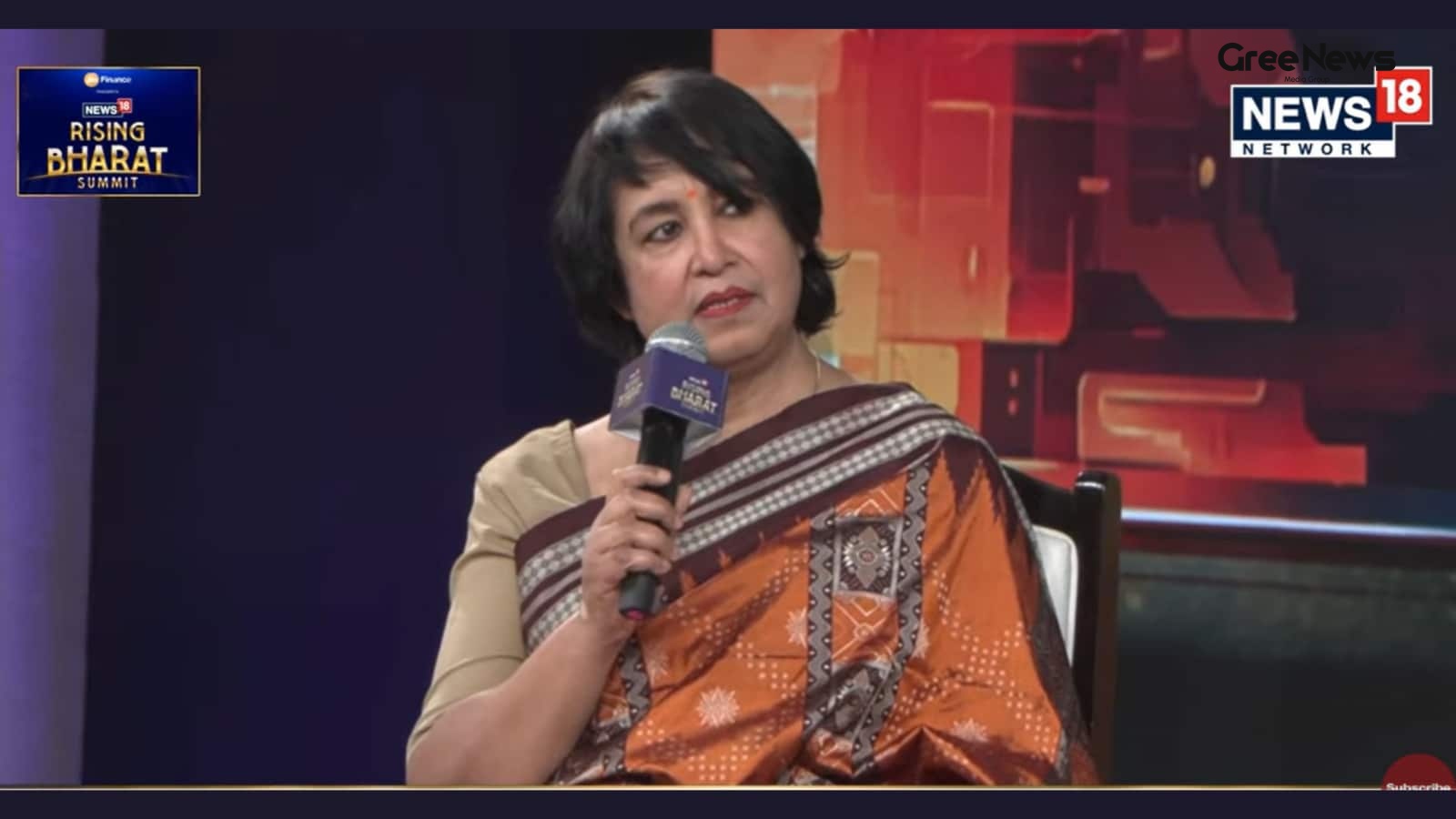
Taslima Nasreen's Return to Kolkata: A Political and Literary Journey
Nearly twenty years later, Taslima Nasreen is heading back to Kolkata. August 1st. It’s set for a public event at Rabindra Sadan. She plans to recite poetry and talk about her time in exile, the reasons she had to leave that city. Organisers are putting this together Secular Mission, Paschimbonger J
Jul 15, 2026 by Gree News Team

Maternal Deaths and Post-Caesarean Complications in Rajasthan
A 25-year-old woman died at Bikaner’s PBM Hospital on Tuesday. It was after struggling with post-Caesarean complications for over a month. This marks the third maternal death reported there in recent weeks alone. Rajasthan’s total maternal death toll has jumped to nineteen over the last three months
Jul 15, 2026 by Gree News Team
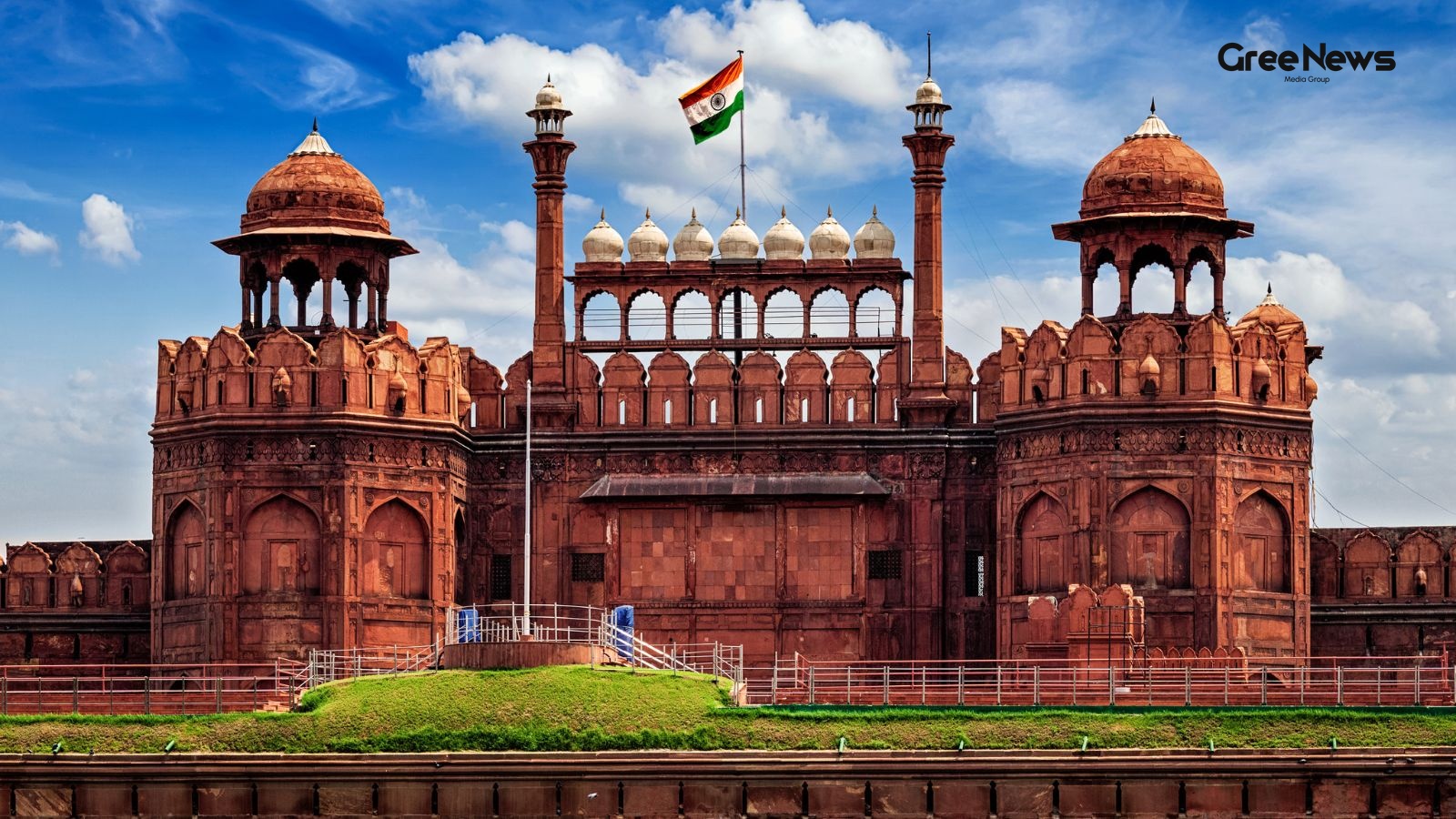
The Security and Preparations Behind the Red Fort Closure
The Red Fort. It just sits there, massive and imposing in Delhi, but right now? It’s locked down. Completely shut off from the public. That’s the reality for now. We’re talking about a full month of no entry, starting Wednesday, stretching all the way until August 15th. It feels strange, doesn't it?
Jul 15, 2026 by Gree News Team

Surrender in Fatal Hit-and-Run Case Involving Former Minister's Son
Aarav, you know, the son of that former Andhra Pradesh minister and senior YSRCP leader Seediri Appalaraju, he finally surrendered to the police. It happened in connection with that fatal hit-and-run case in Srikakulam district. Investigators sort of figured it out after they looked at the CCTV foot
Jul 15, 2026 by Gree News Team
Ather Energy Stock Jumps on Hero MotoCorp Funding and EV Outlook
Ather Energy shares jumped almost nine percent Wednesday. It’s carrying that momentum from the last month. People are cheering it, especially because of the fresh cash coming in from its biggest shareholder, Hero MotoCorp. And everyone seems optimistic about where EVs are headed long term. The stock
Jul 15, 2026 by Gree News Team

Shehnaaz Gill and Raghav Juyal Dating Rumors and Clarification
The dating rumors between Shehnaaz Gill and Raghav Juyal? They’ve been floating around online for ages now. Nobody really knows if there’s anything real behind it. Neither of them has said anything official about it. But things got hotter recently. They were spotted together, hand-in-hand at that ac
Jul 15, 2026 by Gree News Team