Maternal Deaths and Post-Caesarean Complications in Rajasthan

A 25-year-old woman died at Bikaner’s PBM Hospital on Tuesday. It was after struggling with post-Caesarean complications for over a month. This marks the third maternal death reported there in recent weeks alone. Rajasthan’s total maternal death toll has jumped to nineteen over the last three months, all tied up in this grim pattern.
Kamla Mehgwal was the one who passed away. She had been admitted to the hospital's Intensive Care Unit on June 8th. She was diabetic. And she was in her third pregnancy when the C-section happened. That’s where it started.
Health deteriorated weeks after delivery. Doctors were trying everything, you know? They were giving care for days. But suddenly, things took a turn. Her condition slipped away despite all the medical attention they gave her. It just went bad fast.
The hospital superintendent, Dr B C Ghiya, talked about it. He said Mehgwal responded to treatment for a while. But then, this sudden decline. She passed away anyway. The official tone was heavy with what happened in those ICU days.
“We were trying to save her for many days,” Dr Ghiya explained. “Our doctors were doing their best. But she just… passed.” He added details about her pre-existing conditions. Diabetic, on insulin. And the diabetes brought other problems, renal failure too. That’s a layer of complexity you don't see often in these kinds of stories.
A senior official from PBM Hospital said something else about that delivery day. Mehgwal gave birth to her baby right when she arrived. Mother and child were okay at first. Stable. But then the complications started showing up, fast. Because she was diabetic, already had two C-sections under her belt, doctors felt another surgery was necessary. Another C-section itself went fine. No major issue there.
But the trouble followed that day. Things got worse. She stopped producing urine. They had to put her on dialysis then. That’s a huge step. Her condition seemed to get a little better for a moment, urine output started again. The ventilator support was pulled back too. A brief reprieve. Then it all collapsed.
She needed another surgery related to those earlier stitches. But health just kept declining. Multiple organ failure set in. Eventually, that’s when she died. The official said her child is stable now. That’s the only good thing left in that narrative.
Three deaths at PBM Hospital seems like a pattern emerging from June. It wasn't just Mehgwal. There were two other similar cases reported at the same facility back then. Two years ago, actually.
Preeti was the first one we heard about on June 19th. Twenty years old. She died after complications following childbirth. Then only two days later, Sharda. Twenty-six years old. She suffered kidney failure. Multiple rounds of dialysis followed her. That story is another piece of that larger picture unfolding across Rajasthan.
Officials pointed out something stark about these incidents. All three women Preeti, Sharda, and now Mehgwal they all experienced a stoppage of urine output within twenty-four hours of their C-sections. It’s a really alarming connection they are making between the surgery and this severe outcome.
This whole situation is pushing the state government into action. The maternal death toll across Rajasthan is now nineteen in three months. That number isn't just statistics; it demands attention right now. Where did these deaths come from? Why aren't these complications being caught earlier?
It’s prompting a big move. The state wants to step up monitoring immediately. They announced a five-day statewide screening drive. It runs from Wednesday and aims to cover the whole state. July 15th is the target date for this intensive checking across all pregnant women.
Principal Secretary (Medical and Health) Gayatri Rathore made the announcement on Tuesday. She said the goal here is clear: strengthen maternal and child healthcare services. They want to reduce these deaths drastically. Intensive screening of everyone going through pregnancy. That’s what they are trying to achieve with this drive.
Rathore emphasized that records need to be kept during this time. Antenatal check-ups must be monitored closely. This is supposed to ensure regular tracking, catching any potential risks early. Timely medical intervention is the key focus.
Why do we even need this intense look at post-C-section complications? A C-section itself isn't inherently risky for most women. It’s a common procedure. But it's still major surgery. Like any big operation, there are risks lurking in those initial days after delivery.
The World Health Organization weighs in on this constantly. They point out that women who have a C-section face higher risks for serious postpartum infections compared to those who deliver vaginally. If those infections aren't spotted and treated quickly if they go unnoticed things can spiral into sepsis, damage to organs, and sometimes death. It’s a real threat embedded in the recovery process.
And that risk is amplified when underlying conditions are present. Diabetes throws a wrench into everything. High blood pressure. Anaemia. These things don't just exist quietly; they make complications after childbirth much more dangerous for everyone involved.
Doctors stress that warning signs aren’t subtle. They need to watch for specific flags. Persistent fever, reduced urine output that really matters. Severe abdominal pain is another one. Breathing difficulties? Unusual bleeding? Any of these things demand immediate medical attention. Don't wait.
The WHO message is consistent: early diagnosis. Regular monitoring. Early treatment. Those are the only ways to stop severe maternal complications and cut down those death rates significantly. It’s about proactive care, not just reaction.
This isn't just a local hospital issue anymore. This reflects a state-wide failure in catching these risks before they become fatal events. The pattern seen with Mehgwal, Preeti, and Sharda suggests systemic gaps are being exposed.
The numbers themselves tell a story of vulnerability within the healthcare system. Nineteen deaths over three months. It’s heavy. And now there's this push for mass screening. A five-day drive designed to force that monitoring into the forefront. It feels like an emergency response born out of these specific, tragic outcomes in places like Bikaner.
It forces a shift. From treating sickness to preventing disaster. The focus has to move upstream to antenatal care, to managing chronic conditions before delivery, and critically, to watching those immediate post-operative hours. It’s about catching the slow creep of complications before they become irreversible damage.
Written by Gree News Team — Senior Editorial Board
Gree News Team covers international news and global affairs at Gree News. Our collective of senior editors is dedicated to providing independent, accurate, and responsible journalism for a global audience.
More from India
View All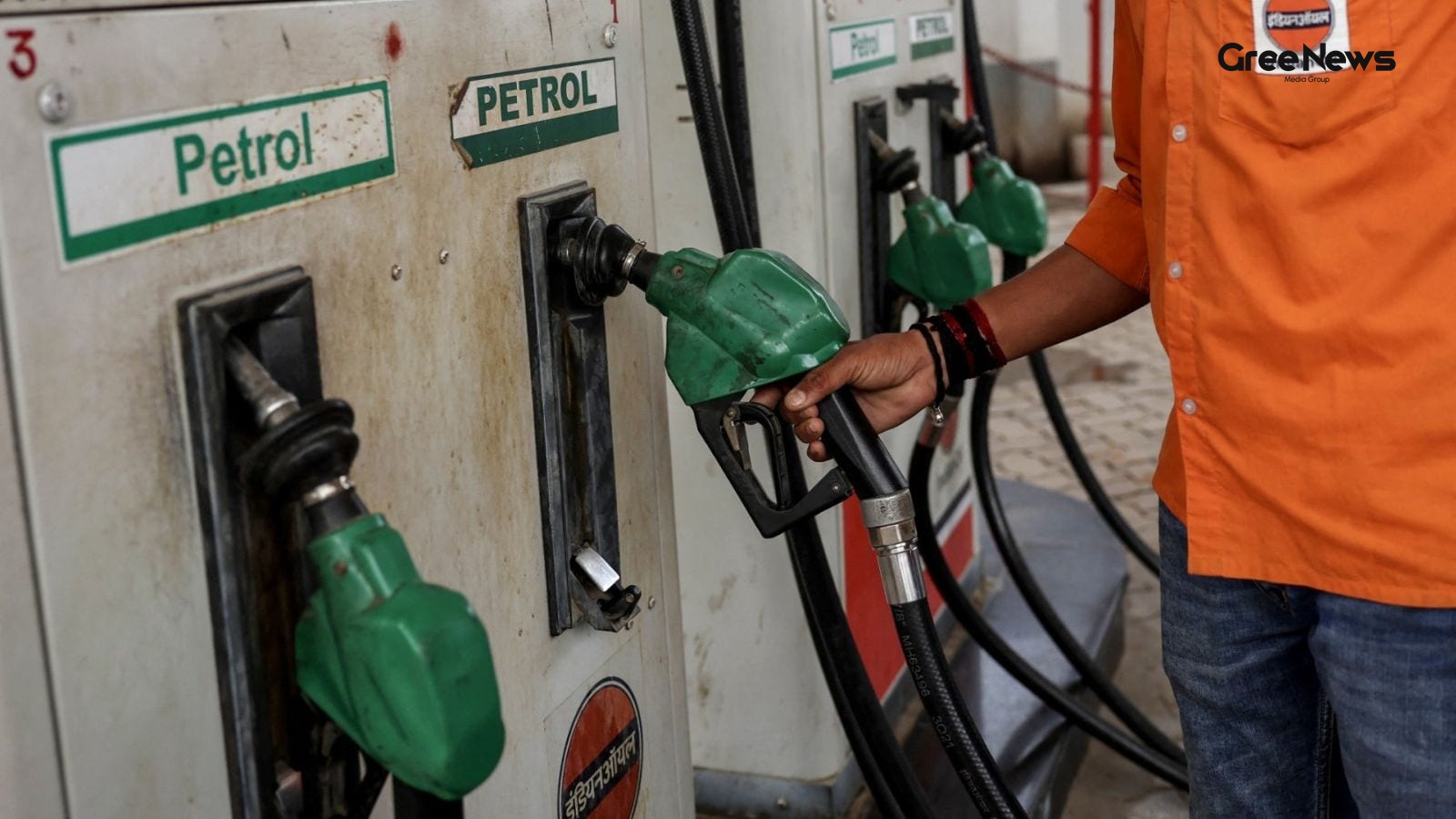
Man Allegedly Chopped Off Hands in Petrol Pump Attack
A 28-year-old man was critically hurt. His hands, they claim, were allegedly chopped off with an axe. This happened after some argument at a petrol pump in Mahoba district, Uttar Pradesh. Police are looking into it. The incident occurred around eleven o'clock on Tuesday night outside the Chandel Pet
Jul 15, 2026 by Gree News Team

Controversy over Alleged Theft of Donations from Ram Temple in Ayodhya
Satish Mahana, the Uttar Pradesh Assembly Speaker, has really stirred up trouble with his comments about alleged theft of donations from the Ram Temple in Ayodhya. The backlash from the opposition was immediate and sharp. He brought up the issue when talking about these supposed missing funds. Mahan
Jul 15, 2026 by Gree News Team
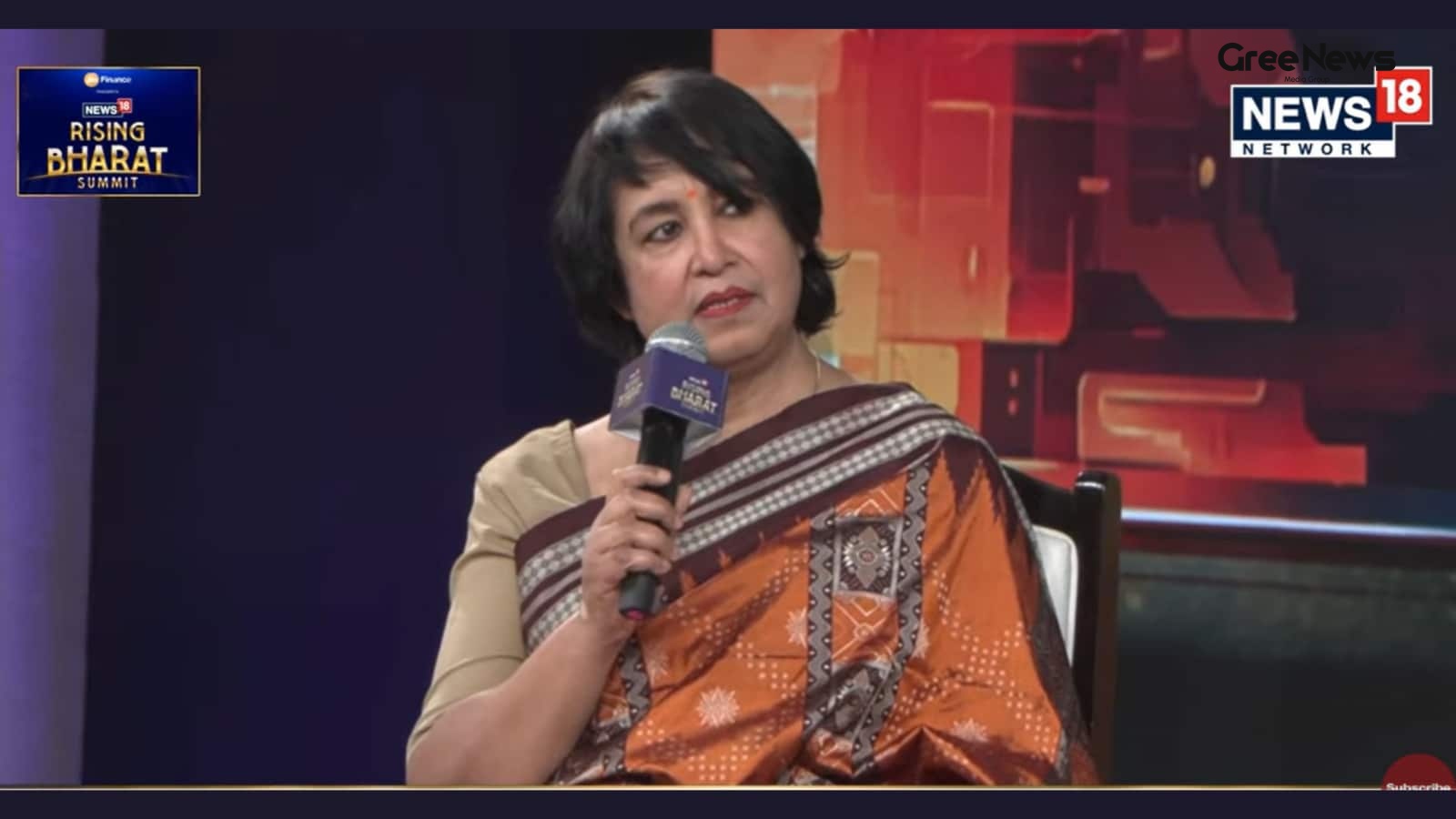
Taslima Nasreen's Return to Kolkata: A Political and Literary Journey
Nearly twenty years later, Taslima Nasreen is heading back to Kolkata. August 1st. It’s set for a public event at Rabindra Sadan. She plans to recite poetry and talk about her time in exile, the reasons she had to leave that city. Organisers are putting this together Secular Mission, Paschimbonger J
Jul 15, 2026 by Gree News Team
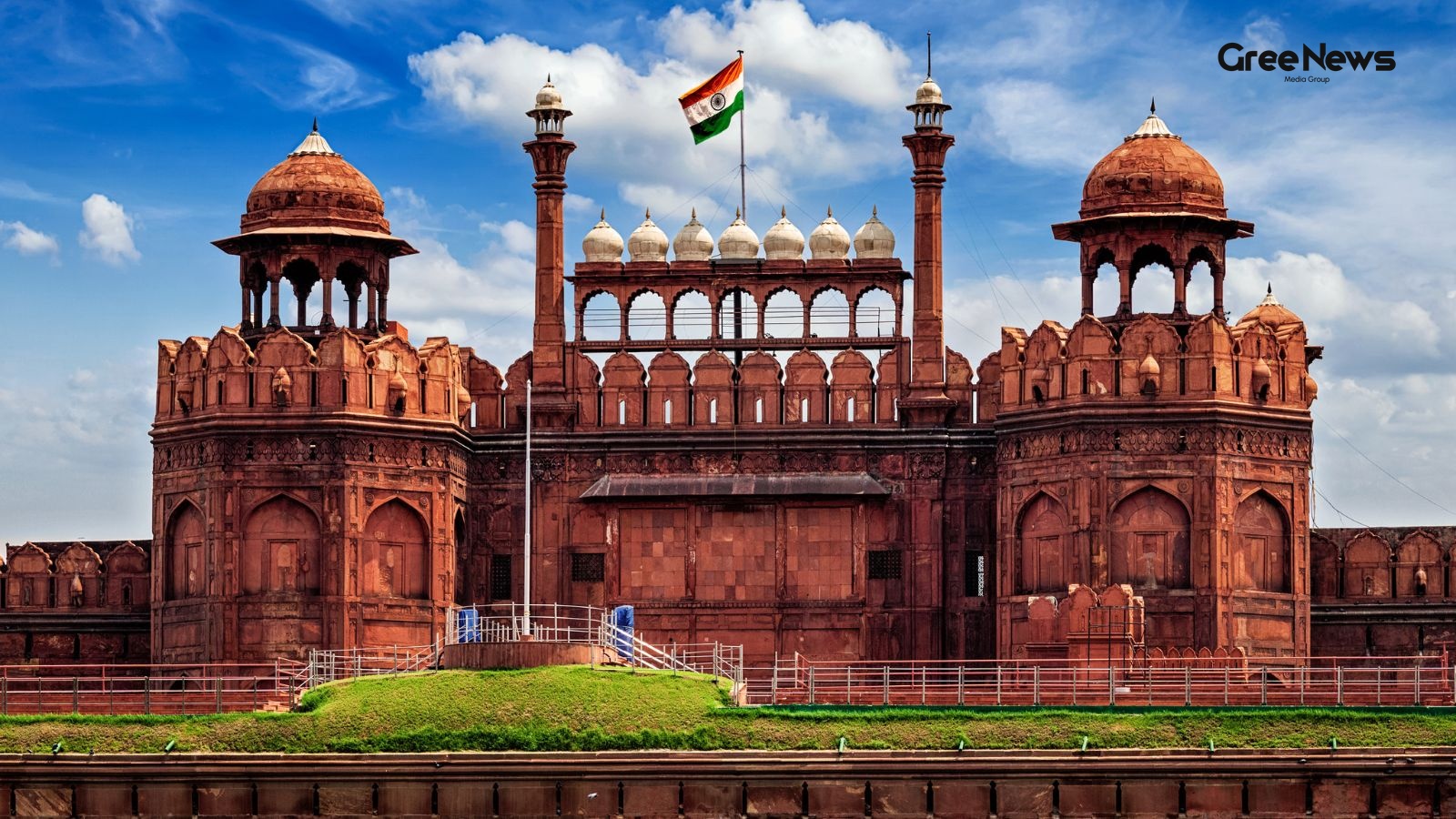
The Security and Preparations Behind the Red Fort Closure
The Red Fort. It just sits there, massive and imposing in Delhi, but right now? It’s locked down. Completely shut off from the public. That’s the reality for now. We’re talking about a full month of no entry, starting Wednesday, stretching all the way until August 15th. It feels strange, doesn't it?
Jul 15, 2026 by Gree News Team
Latest Headlines
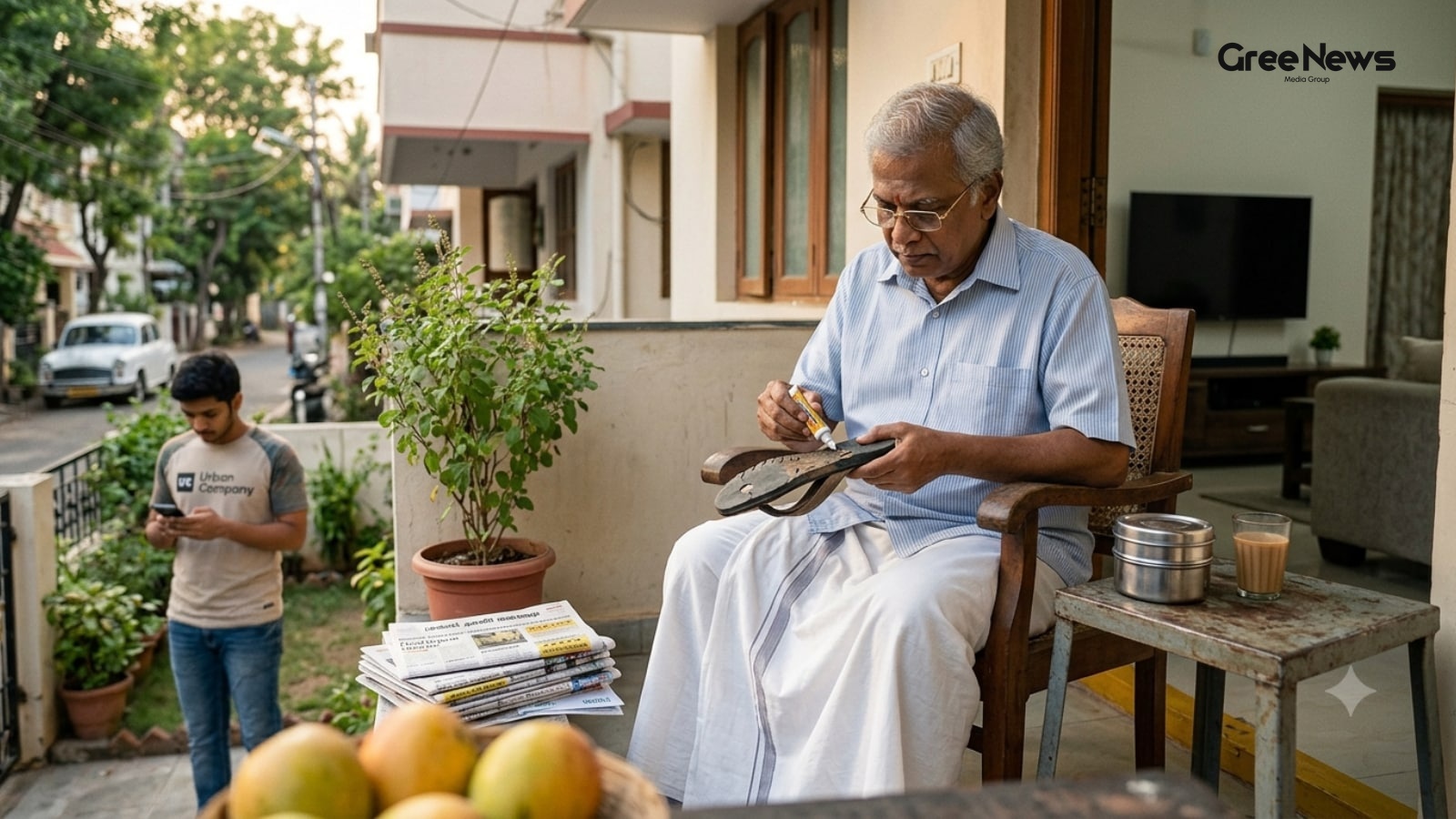
The Mindset Gap: Why Wealthy Families Still Struggle to Spend
Indian families work so hard. They build wealth over years. But even when they’re financially secure, some folks just don't spend money on things that would actually make life easier. It’s a strange thing. That’s what entrepreneur Prem Soni started talking about online. He asked why people, you know
Jul 15, 2026 by Gree News Team

India's Vegetable Oil Imports and Global Market Dynamics
Modi appealed to citizens back in May 2026. He wanted everyone to partner up to strengthen the nation amid that West Asia crisis. Seven appeals were made. Avoid gold buying, avoid foreign travel for a year. And reduce edible oil consumption. Farmers needed to cut dependence on imported chemical fert
Jul 15, 2026 by Gree News Team
Kerala Plus One Results: How to Check Scores and Pass Criteria
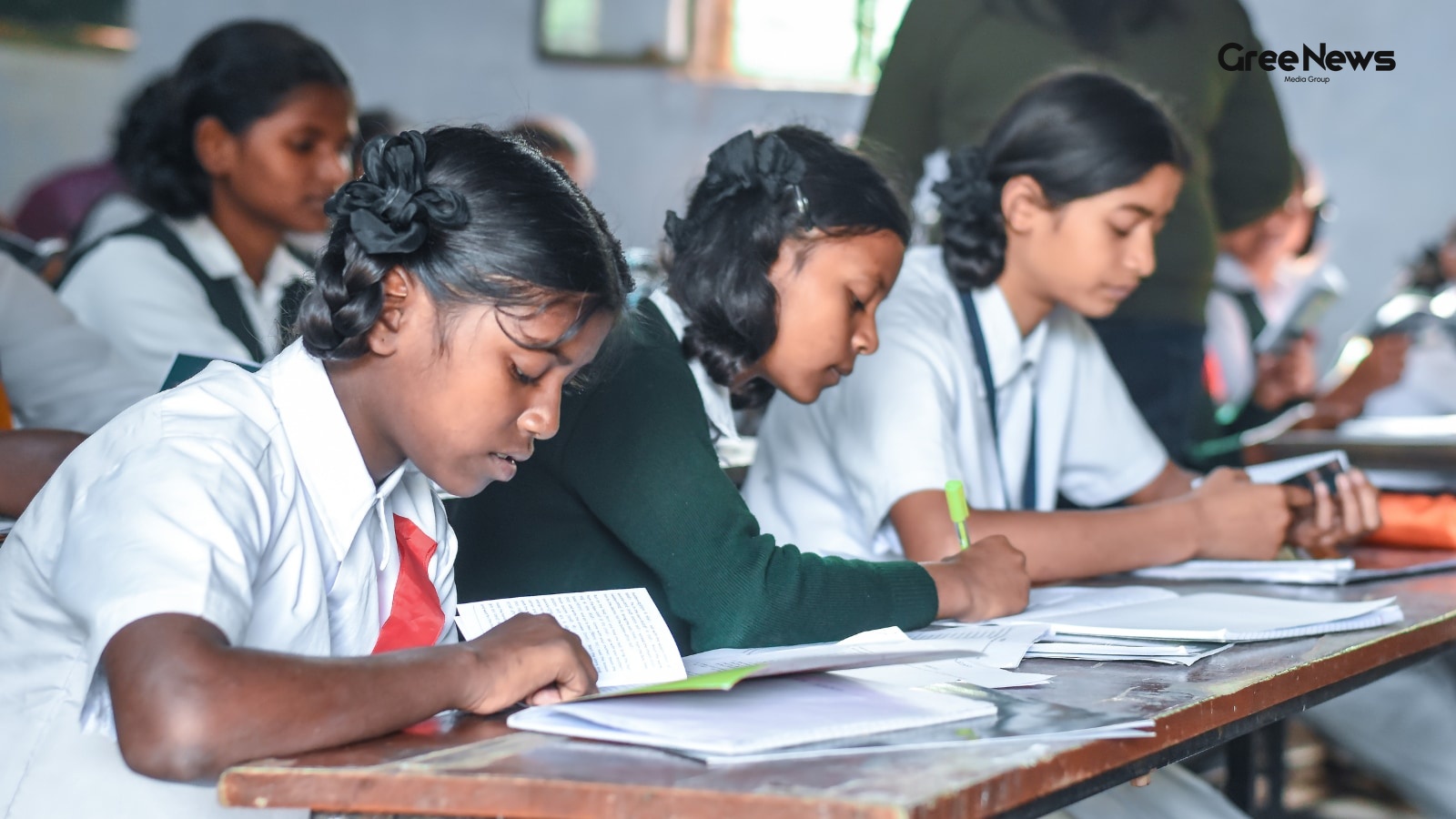
Man, this whole thing with the Kerala Plus One results is just dragging on. The Directorate of Higher Secondary Education DHSE, that’s who’s handling it they were supposed to drop the class 11 scores on June 10th. But nope. Postponed again. All because of those exams happening in the Gulf countries.
Jul 15, 2026 by Gree News Team

JAAC Protest Movement Gears Up for March to Muzaffarabad
The protest movement run by JAAC is gearing up for something big on Wednesday. Thousands of demonstrators are getting ready to march from Rawalakot all the way to Muzaffarabad. This happens because the group feels the government hasn't acted on their demands yet. They missed whatever deadline they s
Jul 15, 2026 by Gree News Team
Man Allegedly Chopped Off Hands in Petrol Pump Attack
A 28-year-old man was critically hurt. His hands, they claim, were allegedly chopped off with an axe. This happened after some argument at a petrol pump in Mahoba district, Uttar Pradesh. Police are looking into it. The incident occurred around eleven o'clock on Tuesday night outside the Chandel Pet
Jul 15, 2026 by Gree News Team
Controversy over Alleged Theft of Donations from Ram Temple in Ayodhya
Satish Mahana, the Uttar Pradesh Assembly Speaker, has really stirred up trouble with his comments about alleged theft of donations from the Ram Temple in Ayodhya. The backlash from the opposition was immediate and sharp. He brought up the issue when talking about these supposed missing funds. Mahan
Jul 15, 2026 by Gree News Team

AI, Implementation, and the Infrastructure Revolution
AI is completely reshaping how businesses operate right now. And Canadian billionaire Kevin O’Leary sees massive opportunities bubbling up for young professionals in this space. He recently talked about what he’d do if he were twenty-five again. Forget trying to chase the biggest tech giants. He sai
Jul 15, 2026 by Gree News Team

The Geography and Economics of AI Talent Migration
Four senior AI researchers just walked out of Google in a few weeks. It wasn't about the paycheck. Not seniority. Not even their specific roles. It was London. That’s what ties all this mess together. What’s actually happening? People are leaving. Jonas Adler and Alexander Pritzel, both key players
Jul 15, 2026 by Gree News Team

The Impact of Religious Ruling on Pakistan's Crypto Ambition
Pakistan’s whole crypto ambition, it just hit this wall. Not market jitters. Not some new government decree suddenly flipping the script. It was a fatwa. A religious ruling. That kind of thing throws everything into weird focus. Just when Islamabad was trying to paint itself as this bright, welcomin
Jul 15, 2026 by Gree News Team

Madhuri Jain Grover's Experience on Lock Upp 2
Madhuri Jain Grover got kicked out of *Lock Upp 2*. It was a rough spot. Farah Khan, the host, kept pushing her to show more personality. She even called her Shreya Kalra’s manager. One episode, Madhuri just exploded. She talked about being a manager it wasn't bad. She actually made a point that she
Jul 15, 2026 by Gree News Team
Taslima Nasreen's Return to Kolkata: A Political and Literary Journey
Nearly twenty years later, Taslima Nasreen is heading back to Kolkata. August 1st. It’s set for a public event at Rabindra Sadan. She plans to recite poetry and talk about her time in exile, the reasons she had to leave that city. Organisers are putting this together Secular Mission, Paschimbonger J
Jul 15, 2026 by Gree News Team
The Security and Preparations Behind the Red Fort Closure
The Red Fort. It just sits there, massive and imposing in Delhi, but right now? It’s locked down. Completely shut off from the public. That’s the reality for now. We’re talking about a full month of no entry, starting Wednesday, stretching all the way until August 15th. It feels strange, doesn't it?
Jul 15, 2026 by Gree News Team
Surrender in Fatal Hit-and-Run Case Involving Former Minister's Son
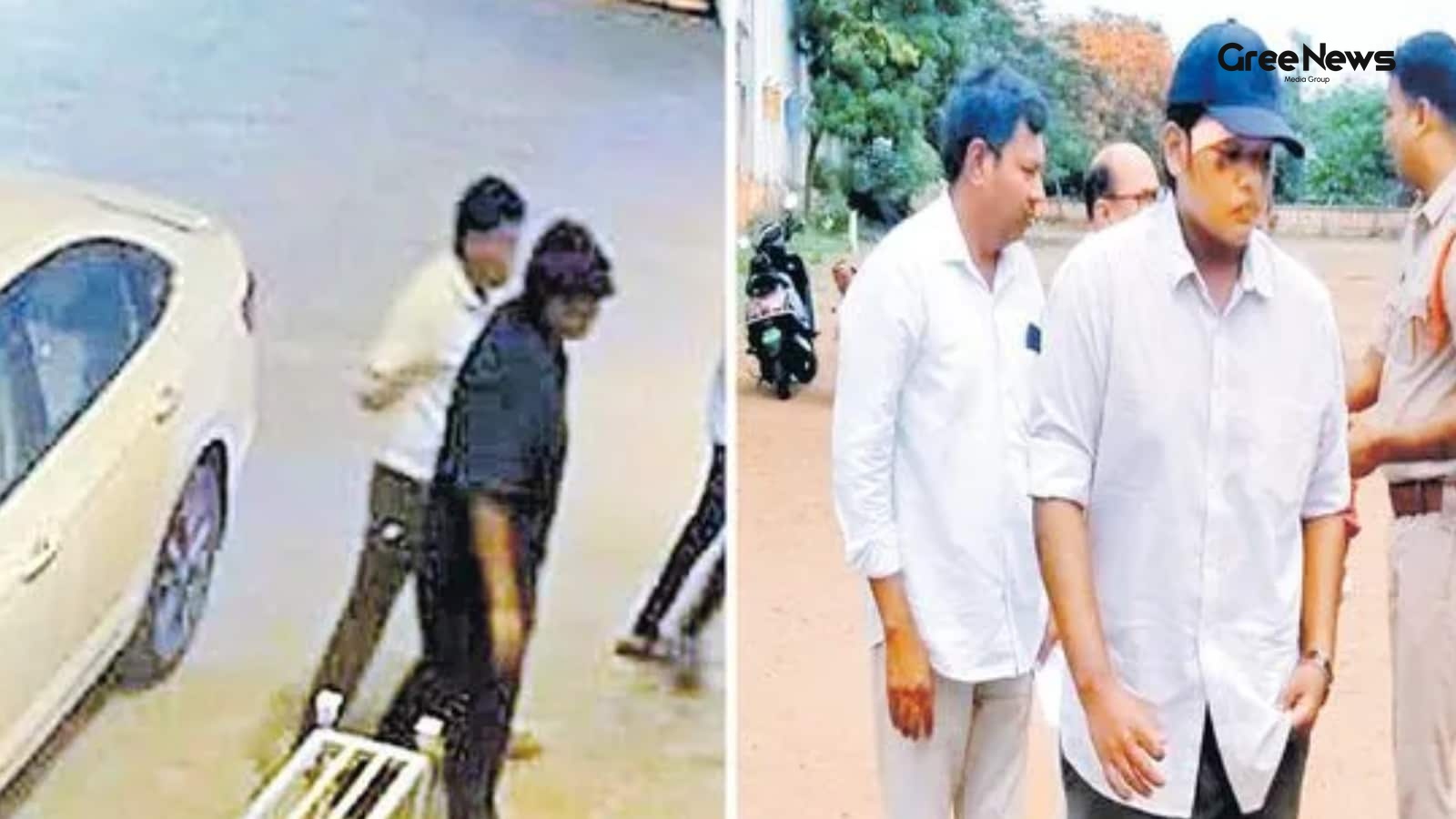
Aarav, you know, the son of that former Andhra Pradesh minister and senior YSRCP leader Seediri Appalaraju, he finally surrendered to the police. It happened in connection with that fatal hit-and-run case in Srikakulam district. Investigators sort of figured it out after they looked at the CCTV foot
Jul 15, 2026 by Gree News Team

Ather Energy Stock Jumps on Hero MotoCorp Funding and EV Outlook
Ather Energy shares jumped almost nine percent Wednesday. It’s carrying that momentum from the last month. People are cheering it, especially because of the fresh cash coming in from its biggest shareholder, Hero MotoCorp. And everyone seems optimistic about where EVs are headed long term. The stock
Jul 15, 2026 by Gree News Team

Shehnaaz Gill and Raghav Juyal Dating Rumors and Clarification
The dating rumors between Shehnaaz Gill and Raghav Juyal? They’ve been floating around online for ages now. Nobody really knows if there’s anything real behind it. Neither of them has said anything official about it. But things got hotter recently. They were spotted together, hand-in-hand at that ac
Jul 15, 2026 by Gree News Team