The Geological Forces Behind Japan's Earthquakes
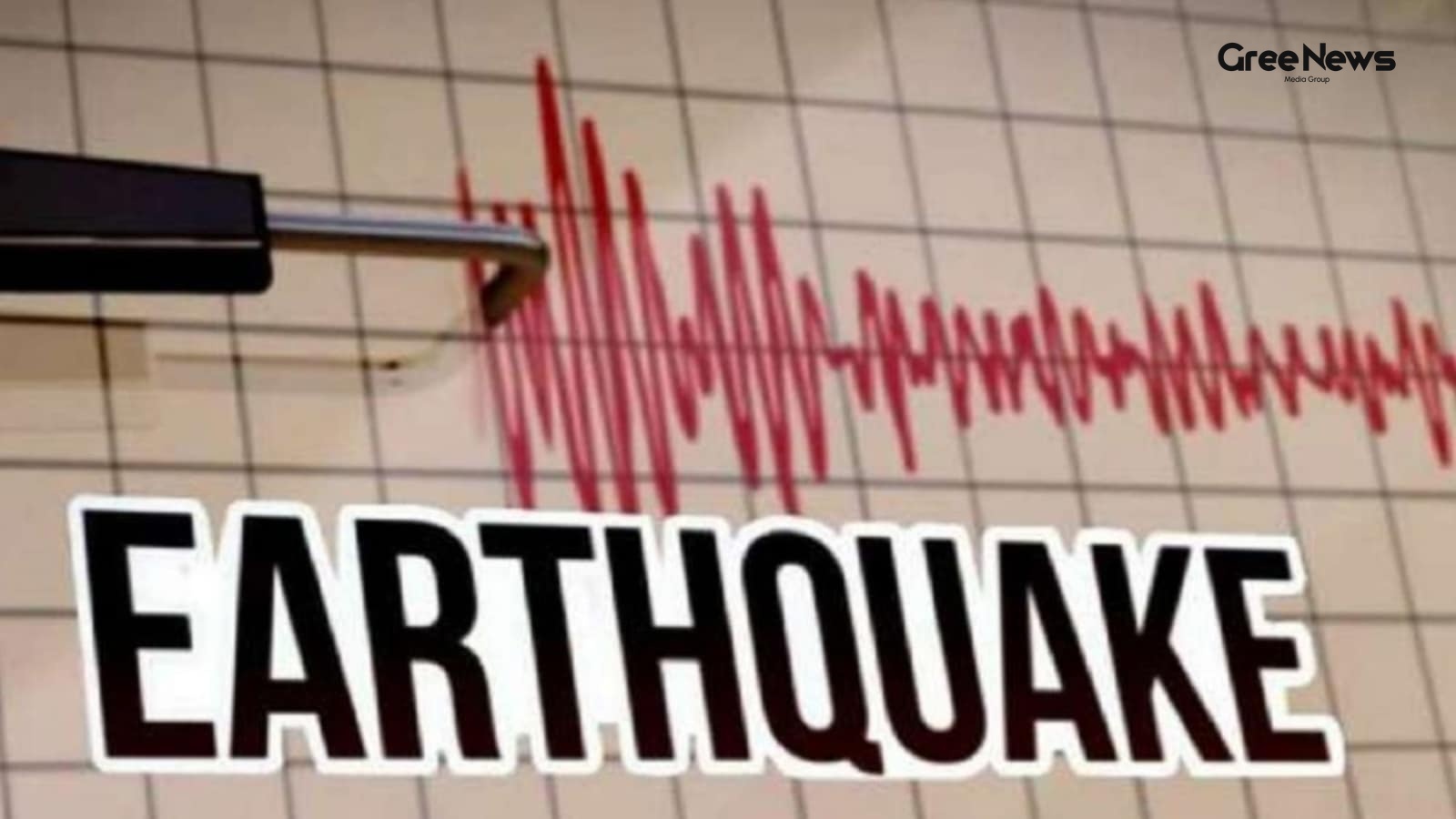
When an earthquake hits, the world looks to Japan. It’s almost instinctual.
The sheer scale of it is insane. They occupy less than a quarter of the Earth's landmass. Yet they endure twenty percent of the planet's most powerful quakes. Magnitude six or higher. Just that kind of brutal reality sitting right there.
It looks like bad luck, doesn't it? A curse of where the geography sits. But if you actually look beneath the surface the deep structure of the planet it’s something way more fucked up. Japan isn't just sitting on a simple fault line. It is exactly where the crust itself is engaged in this massive, multi-directional tug-of-war across the globe.
You have to think about the plates.
Most places that shake constantly Chile, New Zealand, even parts of the US coast they sit right at the edge where two huge slabs meet. Japan? It’s different. It sits smack in the middle of four massive continental pieces grinding around beneath it.
These blocks aren't just brushing by. They are moving violently. At incredible speeds. Different directions entirely. Smashing, locking up, scraping against each other right under everyone living there. That kind of friction is what generates the violence.
Then you have the subduction thing. That’s how these things work. Oceanic plates dense, heavy volcanic rock they just plunge down. They shove themselves into the hot mantle whenever they hit lighter continental crust.
In Japan's case, the Pacific Plate is being dragged under the country. And it happens fast. We're talking about eight to ten centimeters a year. That’s like a bullet train moving straight into the abyss.
As that plate slides down into the deep trench the Japan Trench it doesn't glide smoothly. The plates lock up hard because of all that friction. For centuries, it just compressed, bent the continental crust downward. Like stretching out some giant piece of steel under immense pressure.
And then, when that stored energy finally breaks free? Snap. It releases instantly. That’s how you get those mega-thrust quakes . Think about 2011. The Tohoku quake. It was so violent it actually shifted the main island of Honshu four meters to the east. Just a sudden, explosive release.
But there's something else that makes Japan uniquely unstable. Something hidden underneath.
Geologists spent ages wondering why the slips were so huge compared to other spots on the Ring of Fire. So they drilled deep into the ocean floor inside the rupture zone after the disaster.
What they found was a bizarre layer. A microscopic sheet of clay. It’s incredibly thin, maybe five meters thick at most. But it acts like some kind of geological grease trap. When that massive shaking started, the friction heat turned this clay into something unbelievably slick. An absolute barrier.
That allowed the plates to slide to slip a record fifty meters past each other. That displacement is why the tsunami waves got so ridiculously high. It’s all connected. The forces making Japan dangerous are also the reason it exists there, pushed up from the Pacific over millions of years by that slow, relentless compression and volcanic activity. It's a terrifying system.
Written by Gree News Team — Senior Editorial Board
Gree News Team covers international news and global affairs at Gree News. Our collective of senior editors is dedicated to providing independent, accurate, and responsible journalism for a global audience.
More from World
View All
New Military Health Initiative: Testosterone Screening for Service Members
Pete Hegseth, the Defence Secretary, dropped a bomb this week about a new military health initiative. It’s pretty direct: active-duty and reserve personnel who are thirty or older will now have testosterone deficiency screened as part of their regular medical checks. That takes effect right away. Th
Jul 16, 2026 by Gree News Team
Video Claims and Controversy in PoK Protest
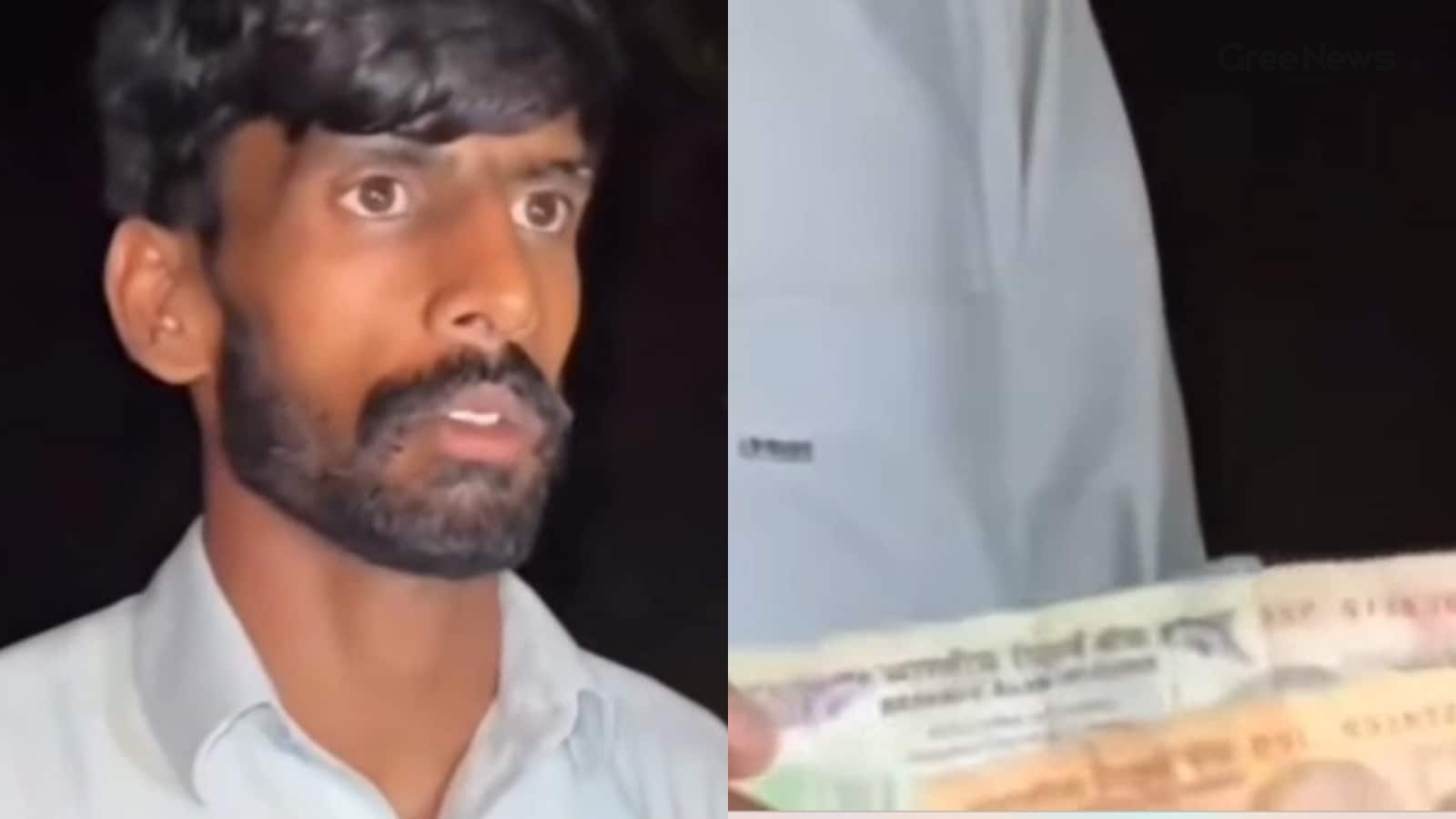
A video is out there now, spinning around social media, causing fresh trouble in PoK. People are claiming they caught an Islamabad police officer trying to sneak Indian currency among demonstrators. It all happened during a protest connected to the Jammu Kashmir Joint Awami Action Committee that civ
Jul 15, 2026 by Gree News Team
Bangkok Fire Tragedy: Aftermath, Compensation, and Fire Safety Concerns
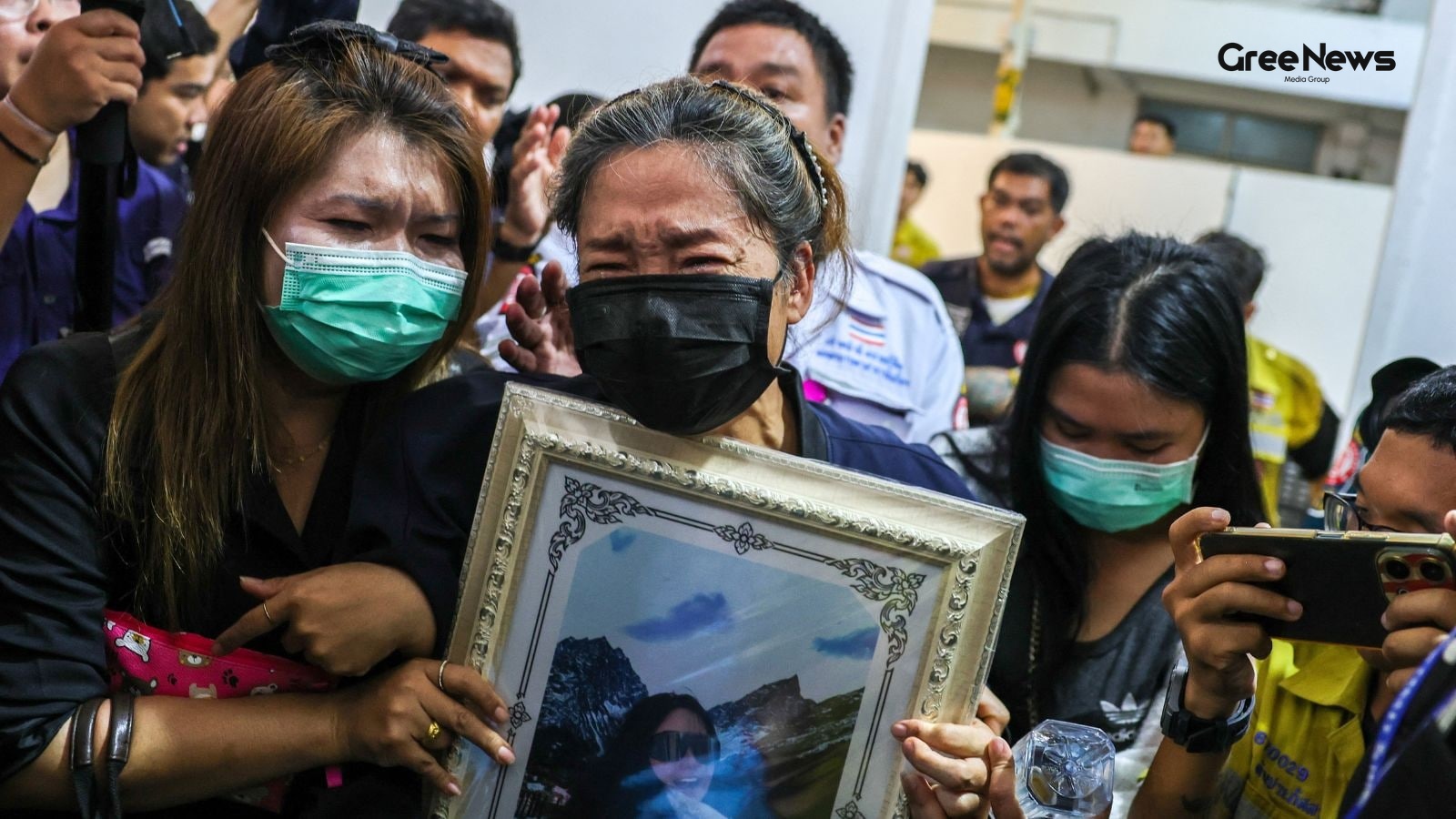
The dust settled on Bangkok Wednesday after the initial frantic rescue efforts gave way to something much heavier grief and a desperate hunt for accountability. Survivors and the families of those who perished ended up at a police station just trying to grab belongings, record statements, figure out
Jul 15, 2026 by Gree News Team

JAAC Protest Movement Gears Up for March to Muzaffarabad
The protest movement run by JAAC is gearing up for something big on Wednesday. Thousands of demonstrators are getting ready to march from Rawalakot all the way to Muzaffarabad. This happens because the group feels the government hasn't acted on their demands yet. They missed whatever deadline they s
Jul 15, 2026 by Gree News Team
Latest Headlines
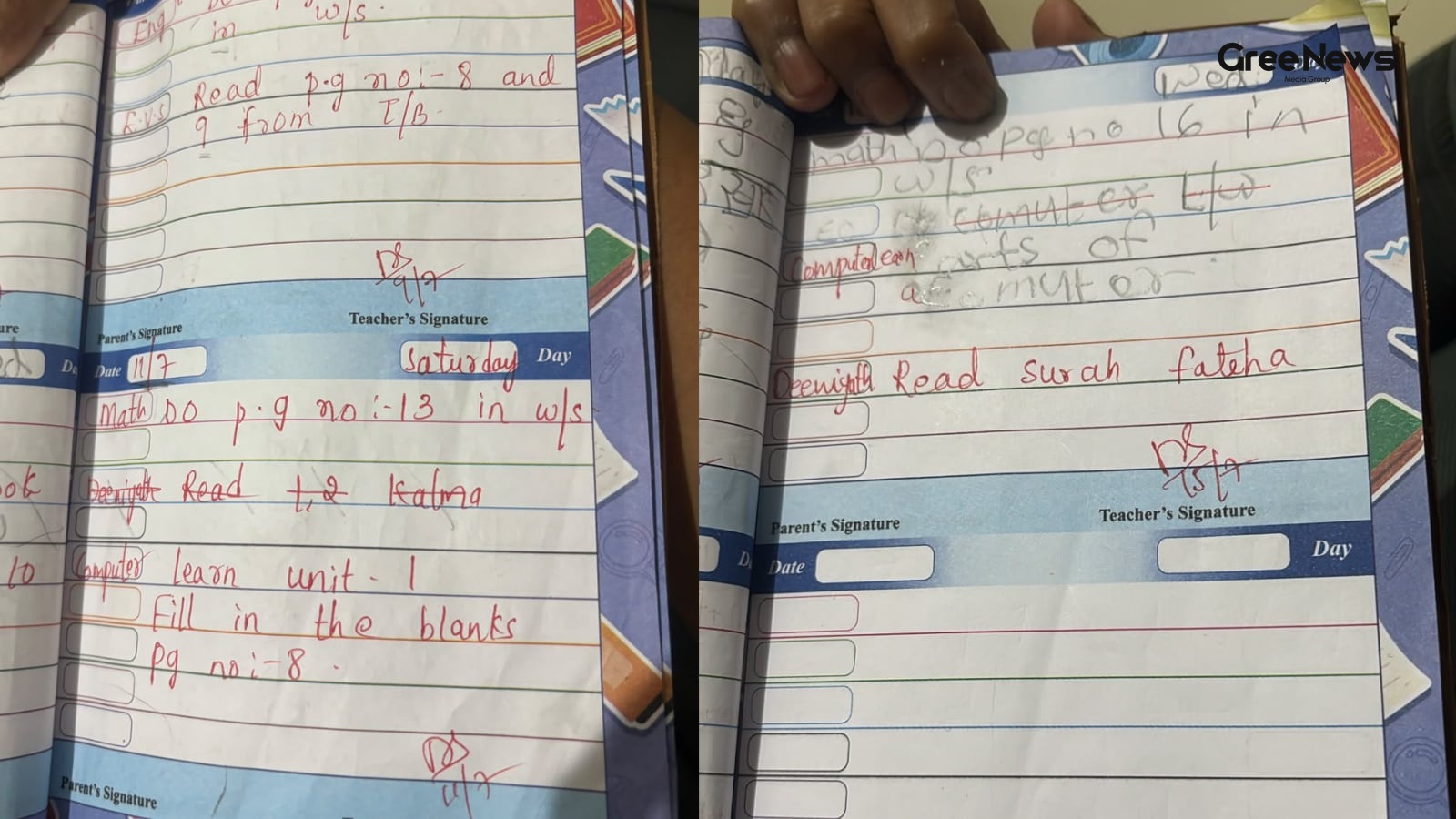
Controversy at Success School: Religious Education Dispute
Hyderabad school drama, you know? It started at Success School in Saidabad. A real controversy went down there. Parents of a Class 2 Hindu kid came forward. They said their child was being forced to memorize and recite things. Kalma, Surah Al-Fatiha. As homework. The story is that the kid told his p
Jul 16, 2026 by Gree News Team

The Responsibility and Future of Artificial Intelligence
AI Appreciation Day hits every year, July 16th. It’s supposed to be a reminder about how artificial intelligence has morphed from some far-off future idea into something that actually shapes our daily lives now. It’s recommending movies. Translating stuff instantly. Helping doctors spot diseases soo
Jul 16, 2026 by Gree News Team
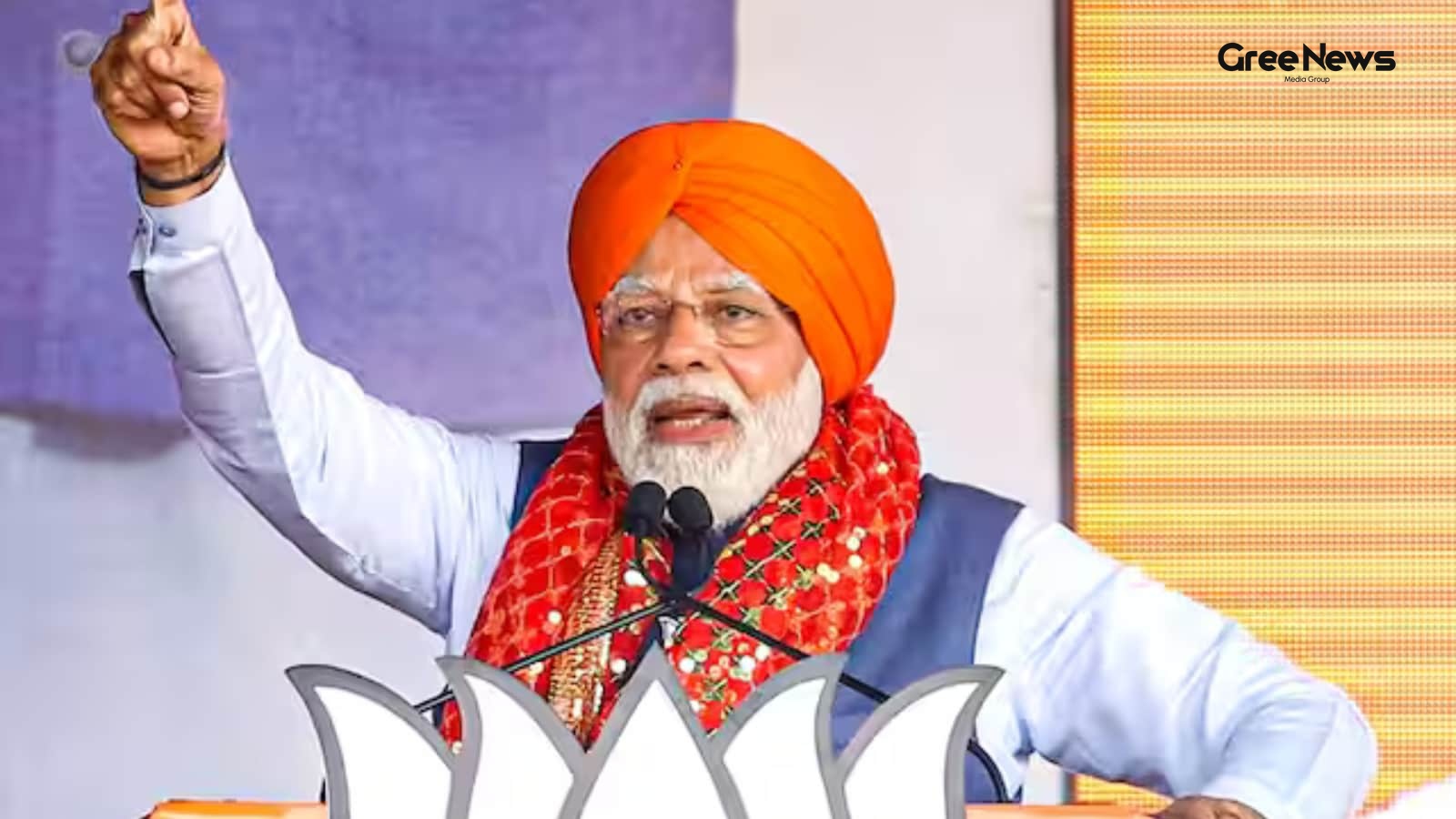
Modi's Visit to Jalandhar: Infrastructure, Politics, and the Satluj Controversy
Modi’s trip to Punjab is set for July 17th. He’s heading to Jalandhar to kick off some big infrastructure and railway projects. But it’s more than just a ribbon-cutting. It hits at a really sensitive political moment for the BJP right now, especially since they’ve decided to run the 2027 Punjab Asse
Jul 16, 2026 by Gree News Team

Laser Power & Infra Shares Debut and IPO Performance
Laser Power & Infra shares just made a strong debut in the market this Thursday. Investors got some solid listing gains after the IPO saw pretty robust demand across the board. The stock opened up at Rs 269 on the BSE. That’s nearly a 26% premium over the IPO price of Rs 214 per share. On the NSE, i
Jul 16, 2026 by Gree News Team
New Military Health Initiative: Testosterone Screening for Service Members
Pete Hegseth, the Defence Secretary, dropped a bomb this week about a new military health initiative. It’s pretty direct: active-duty and reserve personnel who are thirty or older will now have testosterone deficiency screened as part of their regular medical checks. That takes effect right away. Th
Jul 16, 2026 by Gree News Team

Anaesthesiologist Stabbed to Death in Dharwad Apartment Complex
A 45-year-old anaesthesiologist was found stabbed to death in their apartment complex in Dharwad. His eight-year-old son also suffered severe stab injuries in another room. Police have taken the doctor’s wife into custody now. They are looking into what might be a domestic dispute causing this mess.
Jul 16, 2026 by Gree News Team
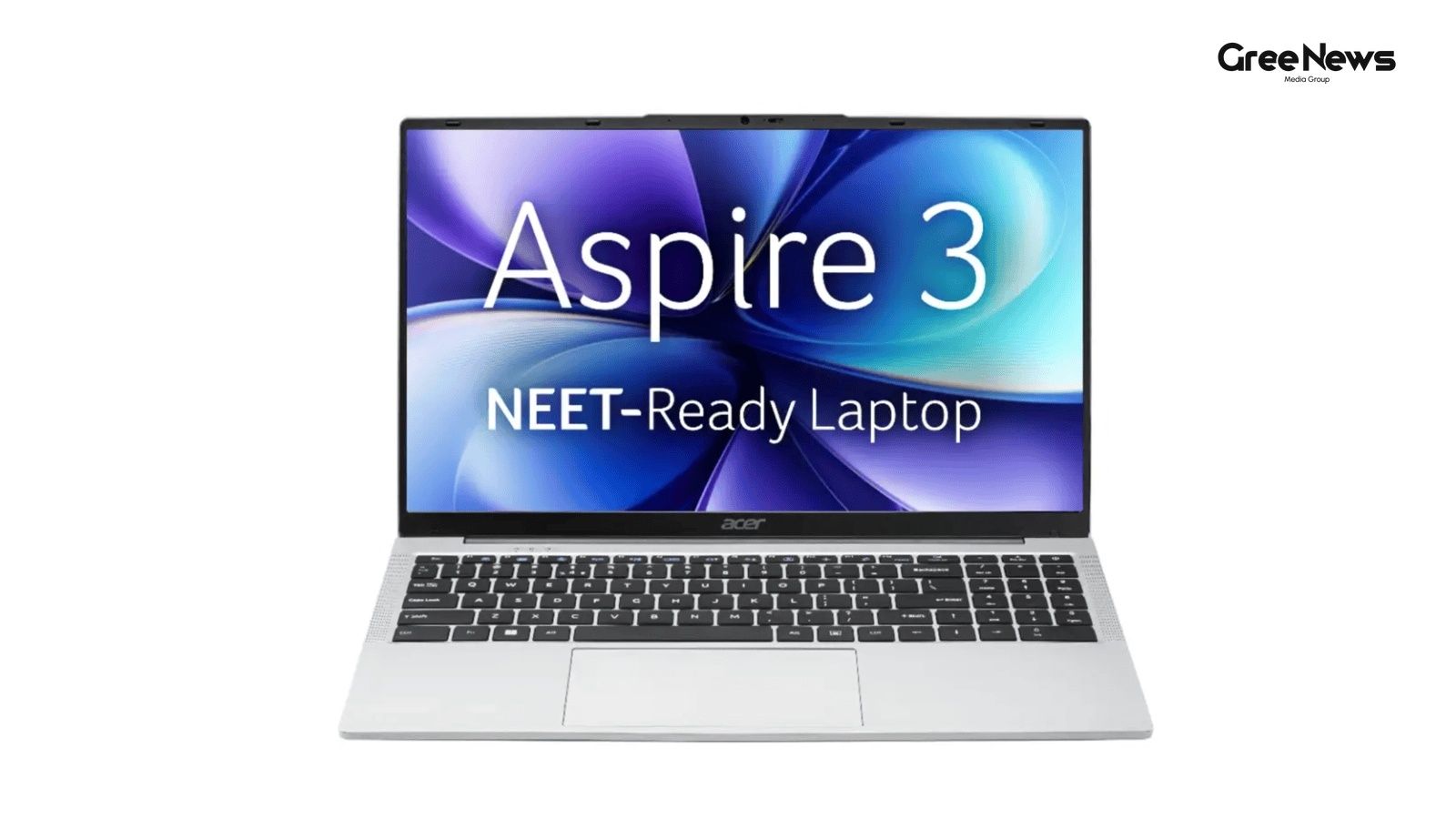
Acer Aspire 3 (2026) Launch in India: Study Tools for NEET Aspirants
Acer just dropped the Aspire 3 (2026) in India. And honestly, it’s aimed at a very specific crowd. Students. Especially those grinding for medical entrance exams, like NEET. It comes with some genuinely interesting extras bundled in. We’re talking dedicated study material for NEET 2027 right there.
Jul 16, 2026 by Gree News Team
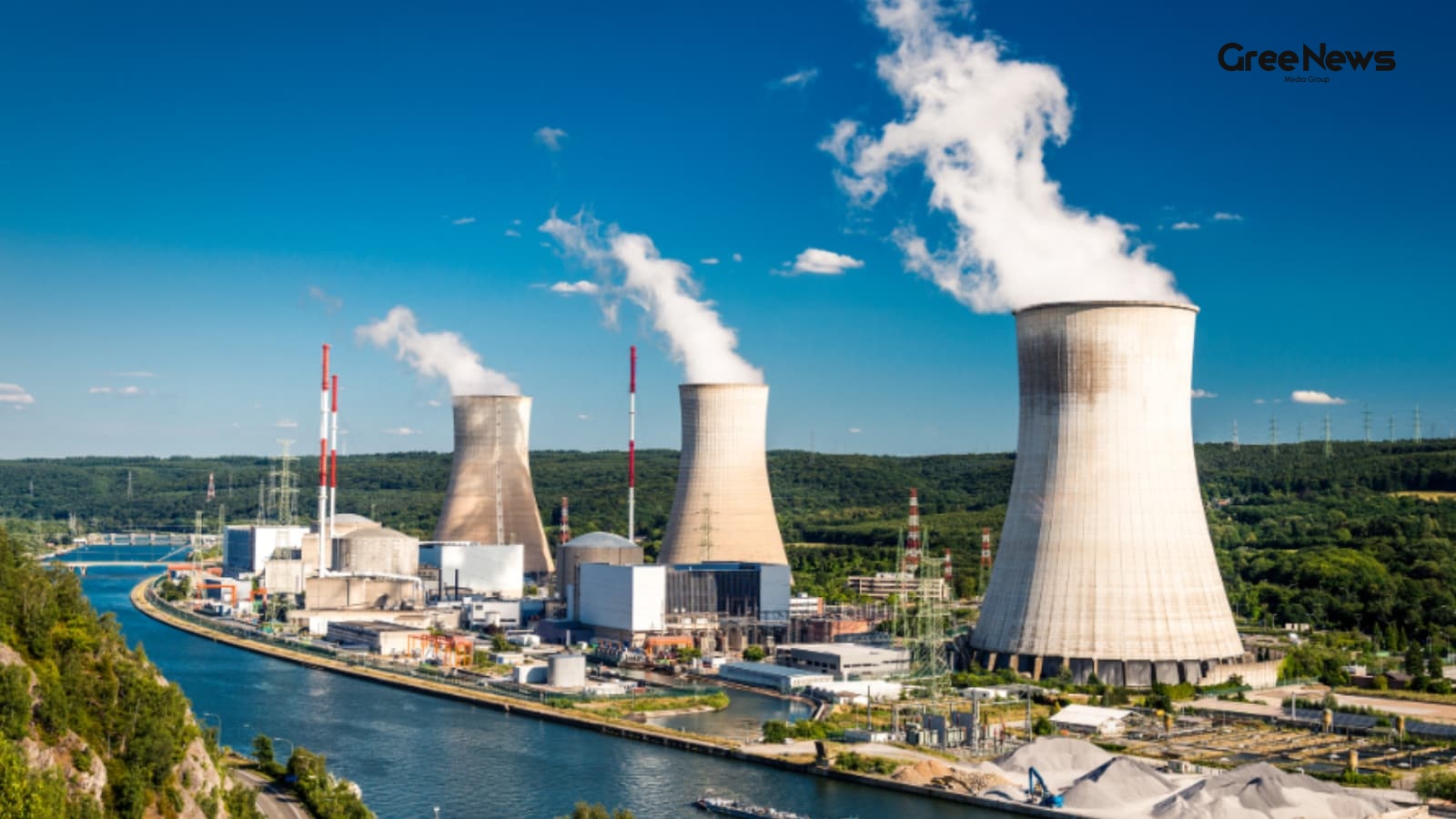
India's Thorium Sector and Critical Mineral Strategy
The Centre is actually looking at opening up parts of India’s tightly controlled thorium sector to private companies. This move seems aimed squarely at boosting critical mineral supply chains and cutting down reliance on imported uranium. That's what a report from The Economic Times suggested. Inter
Jul 15, 2026 by Gree News Team
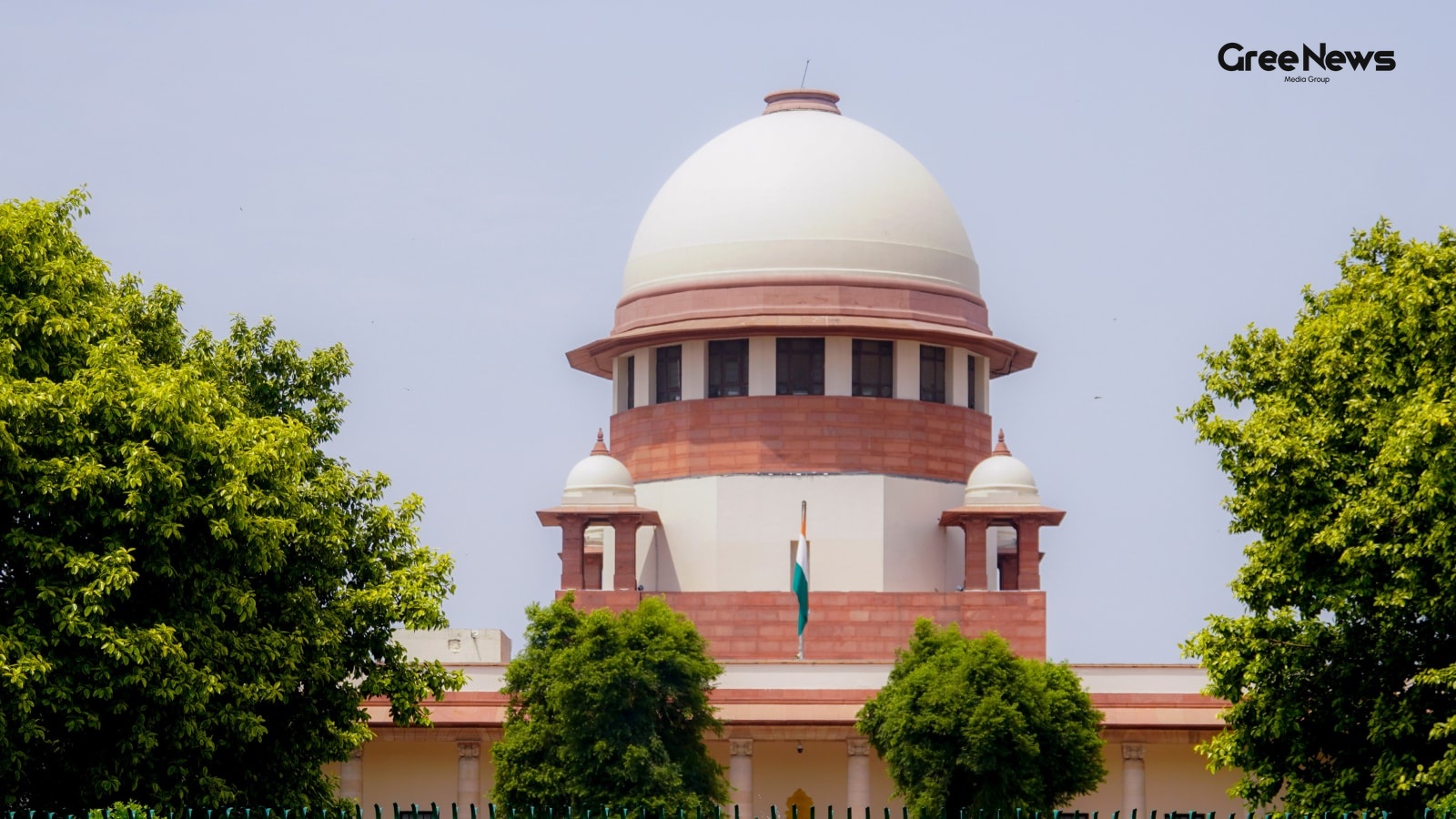
Supreme Court Review of Sexual Offense Judgments and Judicial Sensitivity
The Supreme Court pulled up something interesting on Tuesday. They looked at a ruling from the Patna High Court. The idea was that trying to remove a woman’s salwar and pressing her chest that didn't count as an attempt to rape. The Chief Justice of India, Surya Kant, got involved. He basically expr
Jul 15, 2026 by Gree News Team
Video Claims and Controversy in PoK Protest
A video is out there now, spinning around social media, causing fresh trouble in PoK. People are claiming they caught an Islamabad police officer trying to sneak Indian currency among demonstrators. It all happened during a protest connected to the Jammu Kashmir Joint Awami Action Committee that civ
Jul 15, 2026 by Gree News Team
Bangkok Fire Tragedy: Aftermath, Compensation, and Fire Safety Concerns
The dust settled on Bangkok Wednesday after the initial frantic rescue efforts gave way to something much heavier grief and a desperate hunt for accountability. Survivors and the families of those who perished ended up at a police station just trying to grab belongings, record statements, figure out
Jul 15, 2026 by Gree News Team

Shilpa Shinde's Controversy Regarding Shivangi Joshi
Shilpa Shinde has been making some really controversial stuff lately on Lock Upp 2. Now she’s hit a new level of controversy talking about fellow TV actor Shivangi Joshi. It all started when she was chatting with Shreya Kalra. Shilpa brought up Shivangi’s personal life, throwing out these claims abo
Jul 15, 2026 by Gree News Team
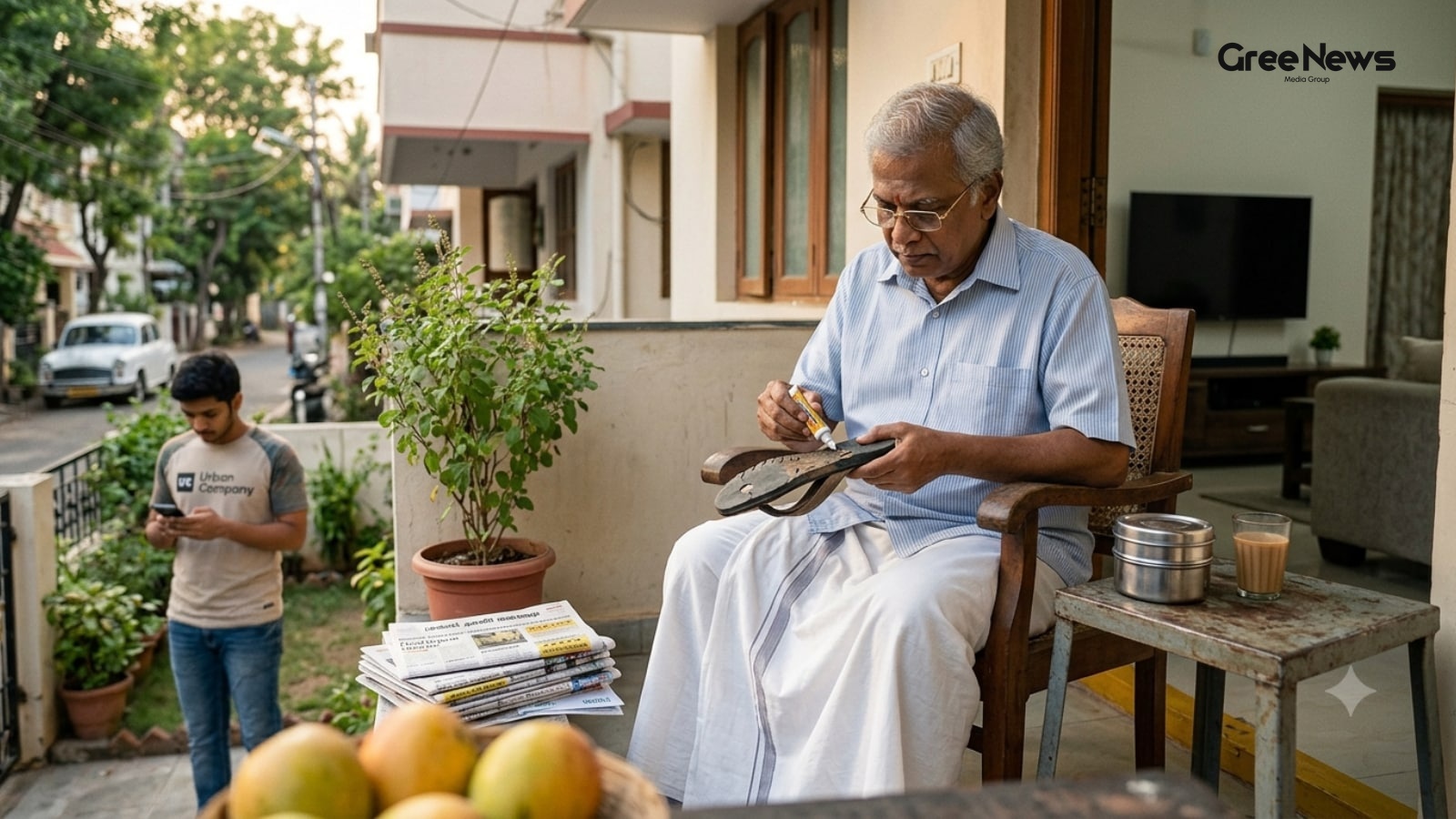
The Mindset Gap: Why Wealthy Families Still Struggle to Spend
Indian families work so hard. They build wealth over years. But even when they’re financially secure, some folks just don't spend money on things that would actually make life easier. It’s a strange thing. That’s what entrepreneur Prem Soni started talking about online. He asked why people, you know
Jul 15, 2026 by Gree News Team
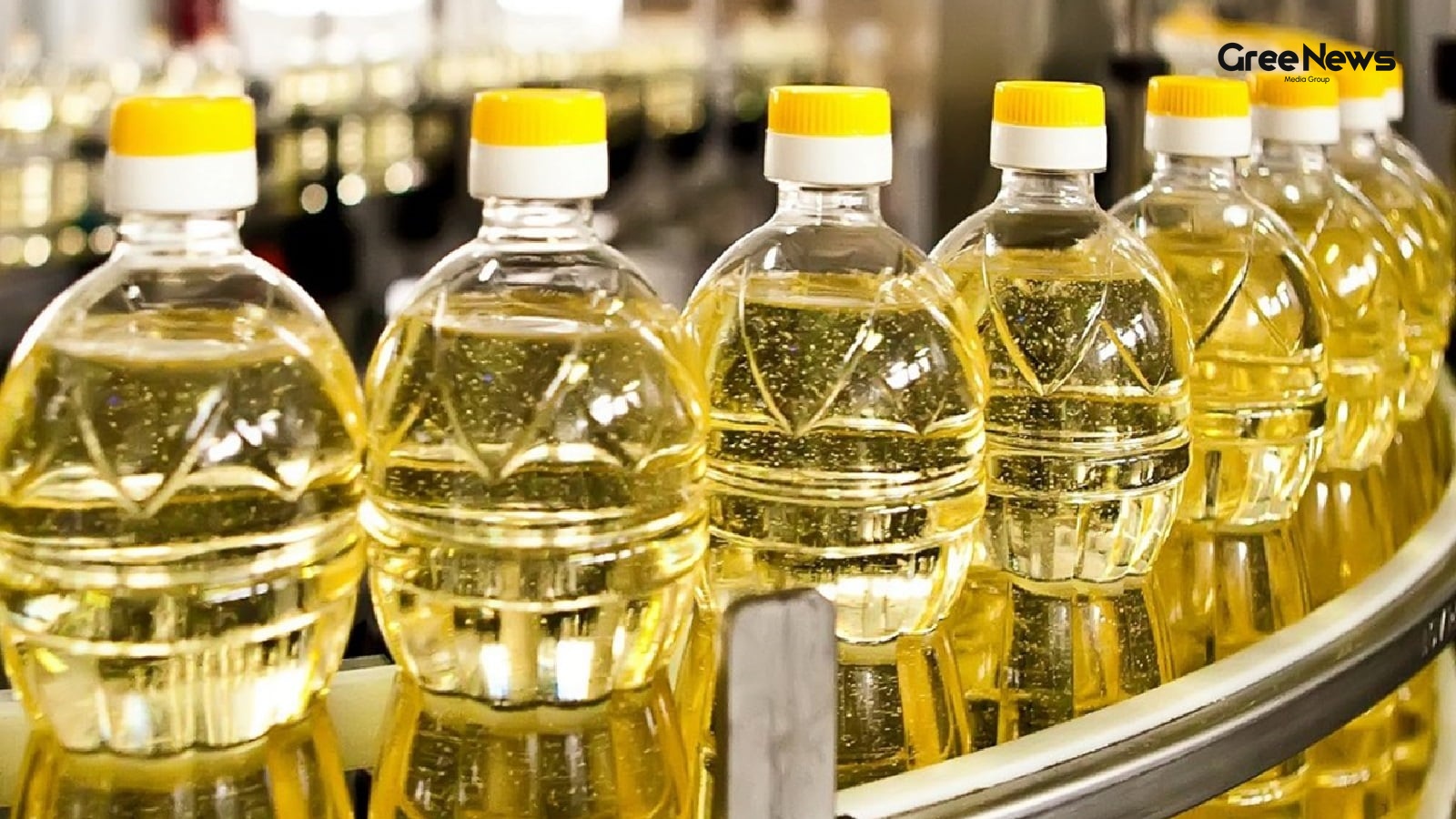
India's Vegetable Oil Imports and Global Market Dynamics
Modi appealed to citizens back in May 2026. He wanted everyone to partner up to strengthen the nation amid that West Asia crisis. Seven appeals were made. Avoid gold buying, avoid foreign travel for a year. And reduce edible oil consumption. Farmers needed to cut dependence on imported chemical fert
Jul 15, 2026 by Gree News Team
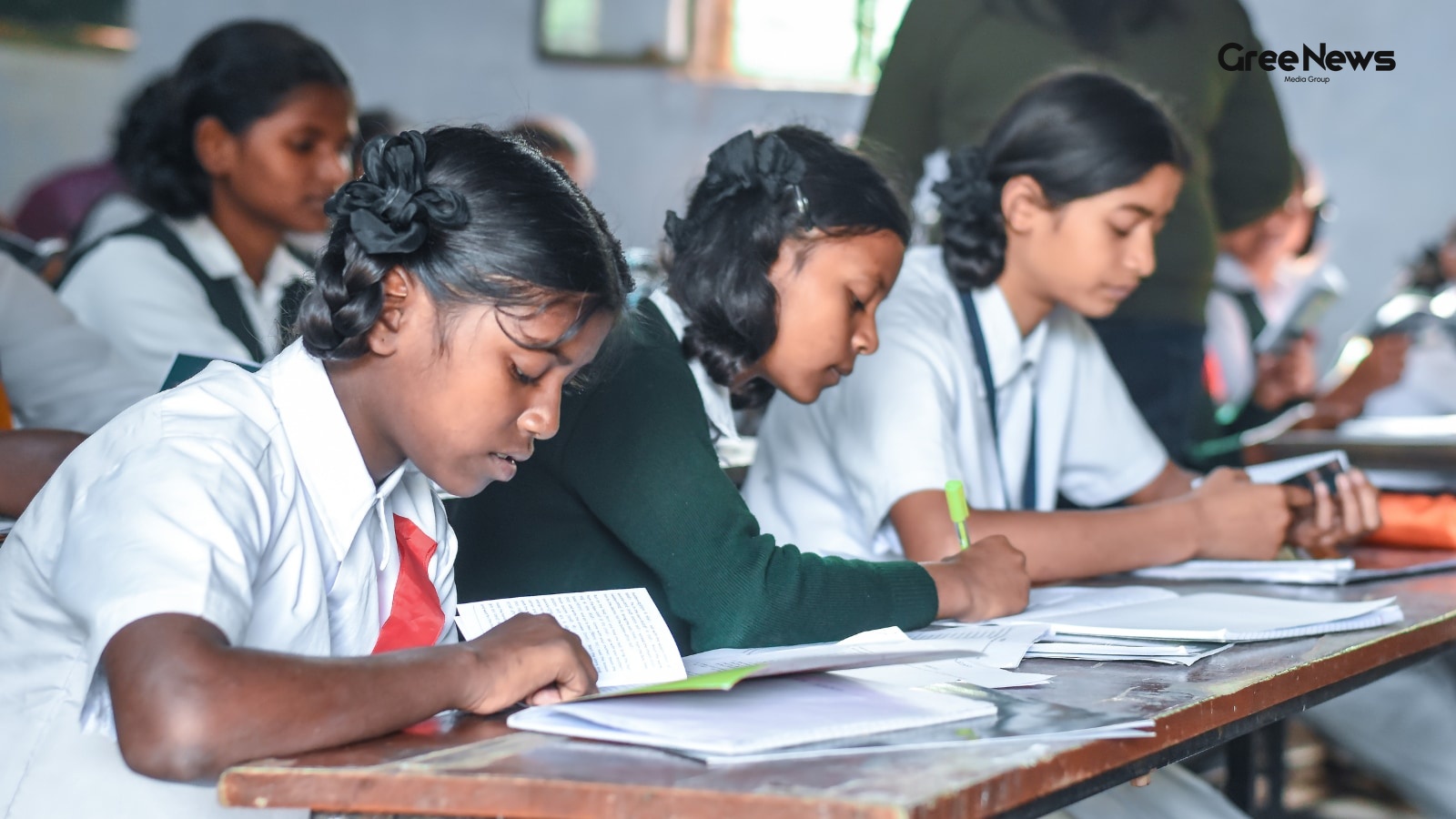
Kerala Plus One Results: How to Check Scores and Pass Criteria
Man, this whole thing with the Kerala Plus One results is just dragging on. The Directorate of Higher Secondary Education DHSE, that’s who’s handling it they were supposed to drop the class 11 scores on June 10th. But nope. Postponed again. All because of those exams happening in the Gulf countries.
Jul 15, 2026 by Gree News Team