The Responsibility and Future of Artificial Intelligence

AI Appreciation Day hits every year, July 16th. It’s supposed to be a reminder about how artificial intelligence has morphed from some far-off future idea into something that actually shapes our daily lives now.
It’s recommending movies. Translating stuff instantly. Helping doctors spot diseases sooner. Businesses automating boring tasks. AI just slips quietly into everything we do.
But this day isn't just a party for tech milestones. It’s supposed to be a chance to talk straight about what AI can actually manage, and what it just can't.
Generative tools are getting so powerful. That sparks excitement, sure, but also some weird expectations. Headlines jump around either AI will fix everything or humans are totally obsolete. The truth is somewhere in the middle.
AI isn’t magic. It’s not an existential threat out of nowhere. It’s human-made. Trained on data. Designed to help us solve problems better, faster.
The real impact depends entirely on how we handle it. How responsibly we develop it, deploy it, use it. That's the hinge point .
This Appreciation Day shouldn't be about blindly believing every headline you see. It should be about understanding its limits. Its strengths. And that shared responsibility we all carry when building this future.
AI isn’t just powering some futuristic robots. It’s quietly messing up experiences across literally every industry.
Look, millions of people use AI daily. Often without even noticing it's there.
Its biggest win? Not replacing us. It’s helping us do more. That’s the core idea.
Some strengths are obvious.
It expands what humans can imagine. It doesn't eliminate creativity; it just pushes boundaries.
But despite all this speed, AI is still far from perfect. There are serious walls.
It struggles with a lot of things. Limitations exist.
This is why experts keep hammering home the point: AI should assist us not take over our judgment. That distinction matters.
As it gets deeper into society, we have to talk about that responsibility again.
Responsible AI isn't just for the big tech companies. Governments. Teachers. Businesses. Us users. Everyone has a piece of the job.
Whether you’re a student or running a firm, thinking carefully about how you use this stuff actually changes things.
The next phase of AI won't be written by algorithms alone. It depends on where we steer it.
Its future hinges on something else entirely.
Technology can evolve lightning fast. But human values have to stay central to the whole process.
Appreciation Day is really about that the people behind the code, the researchers, everyone pushing forward. And acknowledging what AI can’t touch: empathy , wisdom , ethics , imagination . And accountability.
AI deserves recognition not because it’s flawless. It has potential. To improve lives if we guide it right. The fight isn't between being optimistic or skeptical. It’s about holding both. Wonder and realism.
Take the business angle for a second. Ankur Kanaglekar, from Thales, noted something important on National AI Day. He said the real measure of AI potential isn't adoption speed. It's trust. Can we trust it? Whether helping defense operators or managing traffic it has to be secure. Transparent. Resilient. And under human eyes.
That’s where things get tricky, especially when you bring in agents. Think about voice AI. It sits right in the middle of sensitive stuff: job changes, booking appointments, loan disputes. That's a moment of trust between you and an institution. AI is now part of that exchange.
The agent doing the screening or qualifying? It’s making judgments that affect real people’s lives. That responsibility can’t just be tacked on later. It has to be built into the whole structure: how data moves, how consent is handled, how things are audited when the system messes up.
This means treating governance and compliance as a design principle upfront. Not just a checklist at the end. We need that control over the learning loop. That's where the real advantage lives.
The winners won’t be the fastest adopters. They’ll be the ones who keep their core knowledge intact, building strong data foundations before they try to automate everything.
This is huge for organizations. If you want AI to deliver real value not just speed you need smart architecture. You need context. You need trust. That's the platform everyone’s waiting for.
We see this play out in healthcare too. Masaharu Morita at NURA talks about diagnostics. AI isn't replacing doctors. It helps them spot those tiny irregularities. It shifts care from reactive treatment to proactive health management. It makes things more accessible, more accurate. That’s the human element working with the machine.
But for enterprise stuff, it gets even deeper. Nish Sharma at Aurigo Software points out that AI is moving fast. The next wave isn't about what it can generate . It’s about what we can confidently entrust it to execute decisions. This has massive implications for infrastructure and public assets.
That trust requires a solid guardrail system. You need layers of governance so that when an agent touches financial systems or critical data, you can trace exactly what happened and why. Autonomy without accountability is just risk waiting to happen.
This brings us back to the core theme for this day: AI creates possibilities. Trust turns those possibilities into actual business value. It’s about balancing wonder with the reality of control.
The real focus shouldn't be on chasing every new model. It should be on building systems that let human judgment stay firmly in charge, while using the machine to handle the tedious bits responsibly. That’s how you build a resilient future.
Written by Gree News Team — Senior Editorial Board
Gree News Team covers international news and global affairs at Gree News. Our collective of senior editors is dedicated to providing independent, accurate, and responsible journalism for a global audience.
More from Tech
View All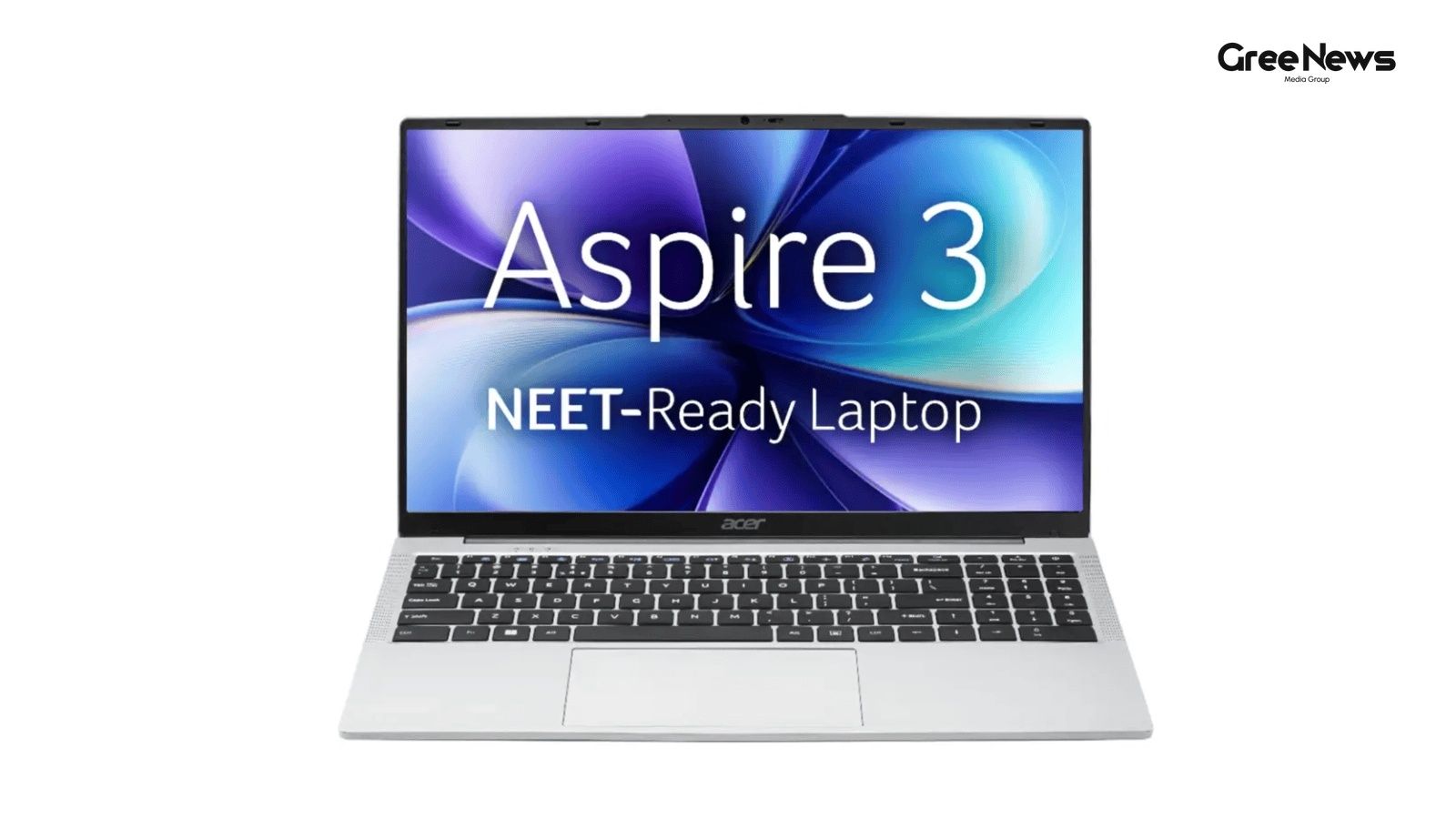
Acer Aspire 3 (2026) Launch in India: Study Tools for NEET Aspirants
Acer just dropped the Aspire 3 (2026) in India. And honestly, it’s aimed at a very specific crowd. Students. Especially those grinding for medical entrance exams, like NEET. It comes with some genuinely interesting extras bundled in. We’re talking dedicated study material for NEET 2027 right there.
Jul 16, 2026 by Gree News Team

The Geography and Economics of AI Talent Migration
Four senior AI researchers just walked out of Google in a few weeks. It wasn't about the paycheck. Not seniority. Not even their specific roles. It was London. That’s what ties all this mess together. What’s actually happening? People are leaving. Jonas Adler and Alexander Pritzel, both key players
Jul 15, 2026 by Gree News Team

iOS 27 Public Beta: Real Changes and Features
If you’ve been wondering what iOS 27 actually brings you don't have to wait for September anymore. Apple just dropped the public beta today, and honestly, there are some real changes worth digging into. It’s packed, from a completely revamped Siri right down to just generally faster performance acro
Jul 14, 2026 by Gree News Team

Hand Blender Guide: Choosing the Right Tool for Your Kitchen
That hand blender thing. It just seems optional until you actually start using one regularly. It’s funny how that happens in the kitchen. Maybe you’re stuck trying to blend a whole pot of tomato soup without having to wrestle it into some mixer jar. Or maybe it’s that quick banana shake for breakfas
Jul 14, 2026 by Gree News Team
Latest Headlines
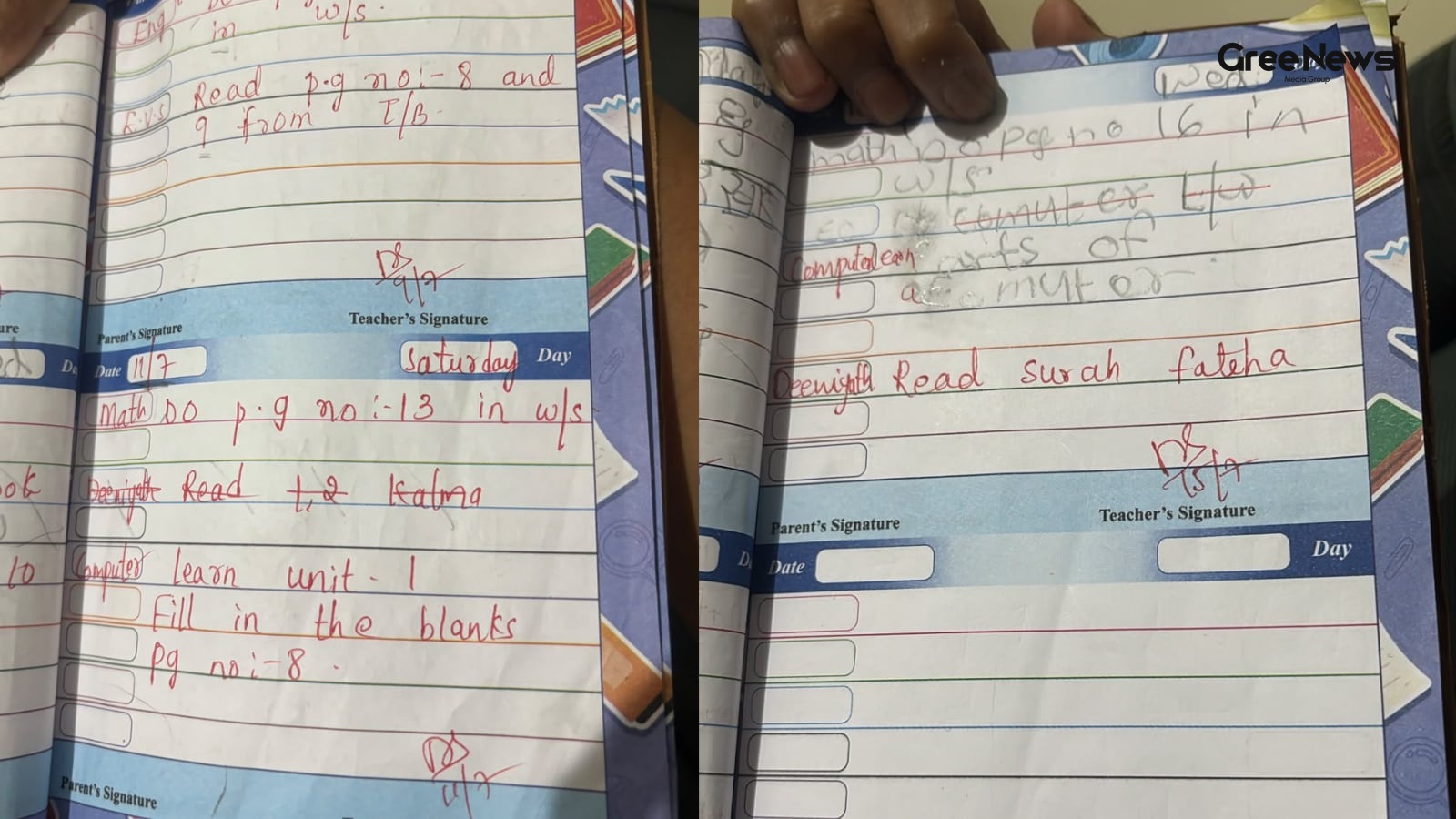
Controversy at Success School: Religious Education Dispute
Hyderabad school drama, you know? It started at Success School in Saidabad. A real controversy went down there. Parents of a Class 2 Hindu kid came forward. They said their child was being forced to memorize and recite things. Kalma, Surah Al-Fatiha. As homework. The story is that the kid told his p
Jul 16, 2026 by Gree News Team
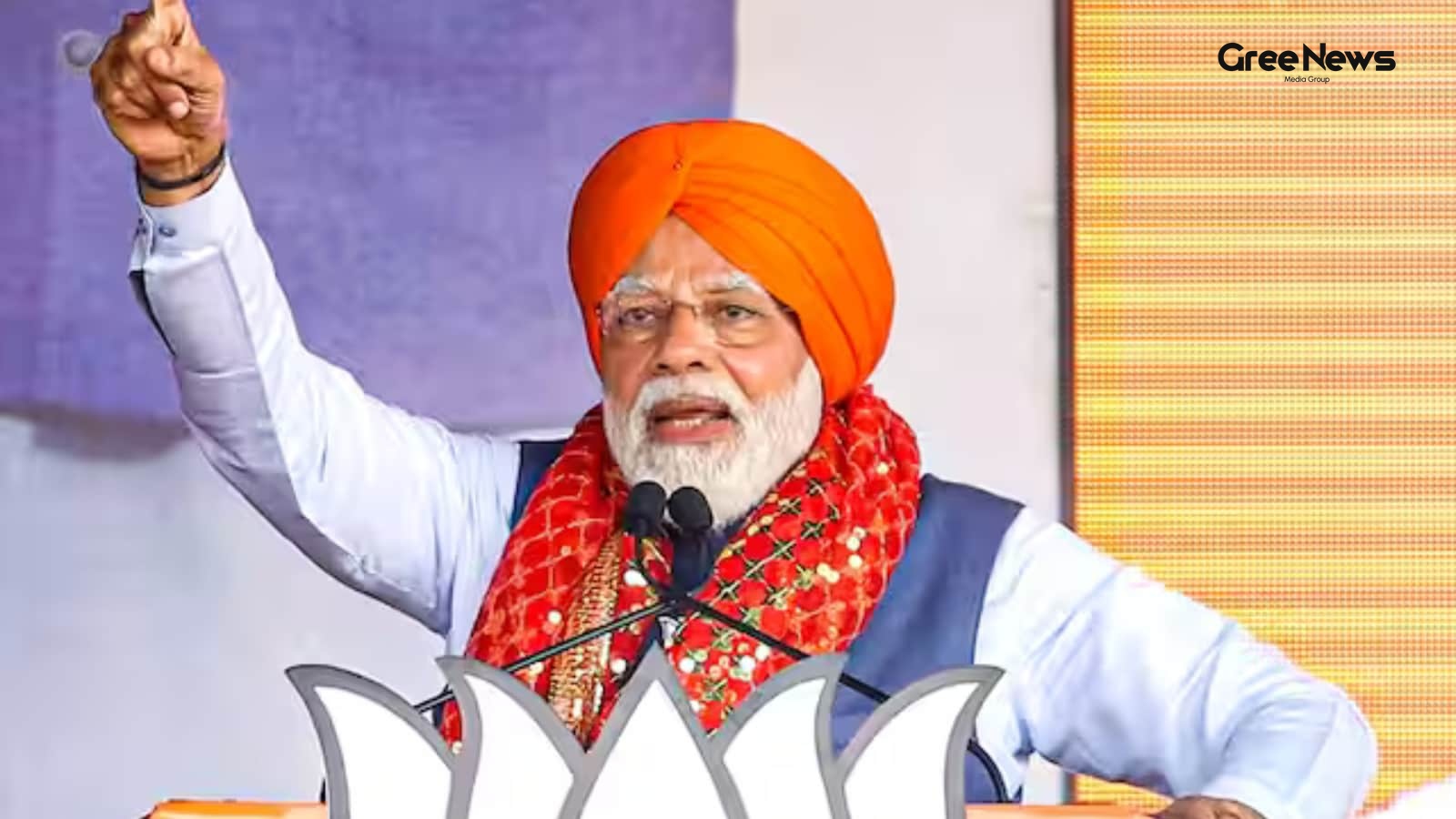
Modi's Visit to Jalandhar: Infrastructure, Politics, and the Satluj Controversy
Modi’s trip to Punjab is set for July 17th. He’s heading to Jalandhar to kick off some big infrastructure and railway projects. But it’s more than just a ribbon-cutting. It hits at a really sensitive political moment for the BJP right now, especially since they’ve decided to run the 2027 Punjab Asse
Jul 16, 2026 by Gree News Team

Laser Power & Infra Shares Debut and IPO Performance
Laser Power & Infra shares just made a strong debut in the market this Thursday. Investors got some solid listing gains after the IPO saw pretty robust demand across the board. The stock opened up at Rs 269 on the BSE. That’s nearly a 26% premium over the IPO price of Rs 214 per share. On the NSE, i
Jul 16, 2026 by Gree News Team

New Military Health Initiative: Testosterone Screening for Service Members
Pete Hegseth, the Defence Secretary, dropped a bomb this week about a new military health initiative. It’s pretty direct: active-duty and reserve personnel who are thirty or older will now have testosterone deficiency screened as part of their regular medical checks. That takes effect right away. Th
Jul 16, 2026 by Gree News Team
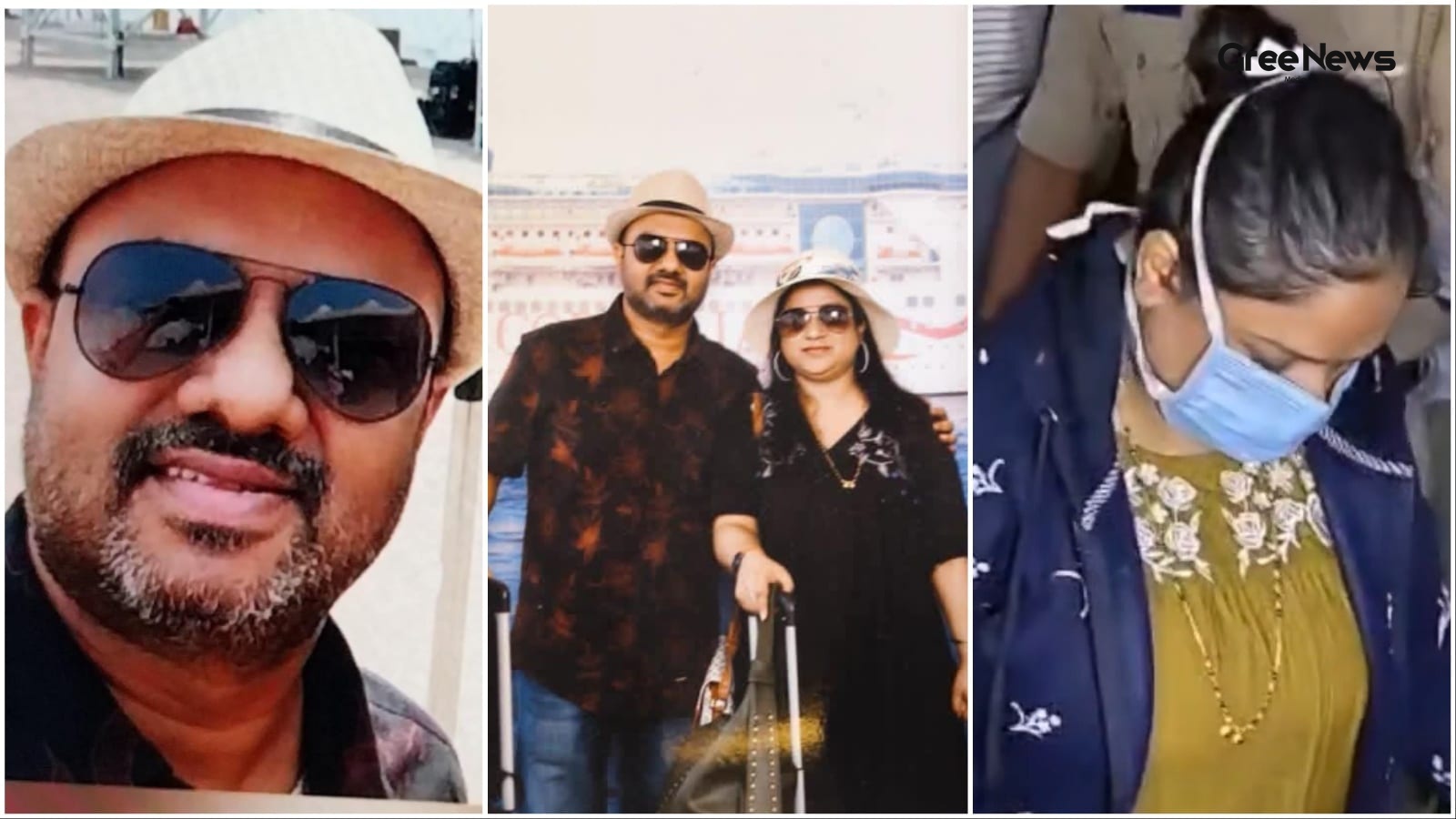
Anaesthesiologist Stabbed to Death in Dharwad Apartment Complex
A 45-year-old anaesthesiologist was found stabbed to death in their apartment complex in Dharwad. His eight-year-old son also suffered severe stab injuries in another room. Police have taken the doctor’s wife into custody now. They are looking into what might be a domestic dispute causing this mess.
Jul 16, 2026 by Gree News Team

The Geological Forces Behind Japan's Earthquakes
When an earthquake hits, the world looks to Japan. It’s almost instinctual. The sheer scale of it is insane. They occupy less than a quarter of the Earth's landmass. Yet they endure twenty percent of the planet's most powerful quakes. Magnitude six or higher. Just that kind of brutal reality sitting
Jul 16, 2026 by Gree News Team
Acer Aspire 3 (2026) Launch in India: Study Tools for NEET Aspirants
Acer just dropped the Aspire 3 (2026) in India. And honestly, it’s aimed at a very specific crowd. Students. Especially those grinding for medical entrance exams, like NEET. It comes with some genuinely interesting extras bundled in. We’re talking dedicated study material for NEET 2027 right there.
Jul 16, 2026 by Gree News Team
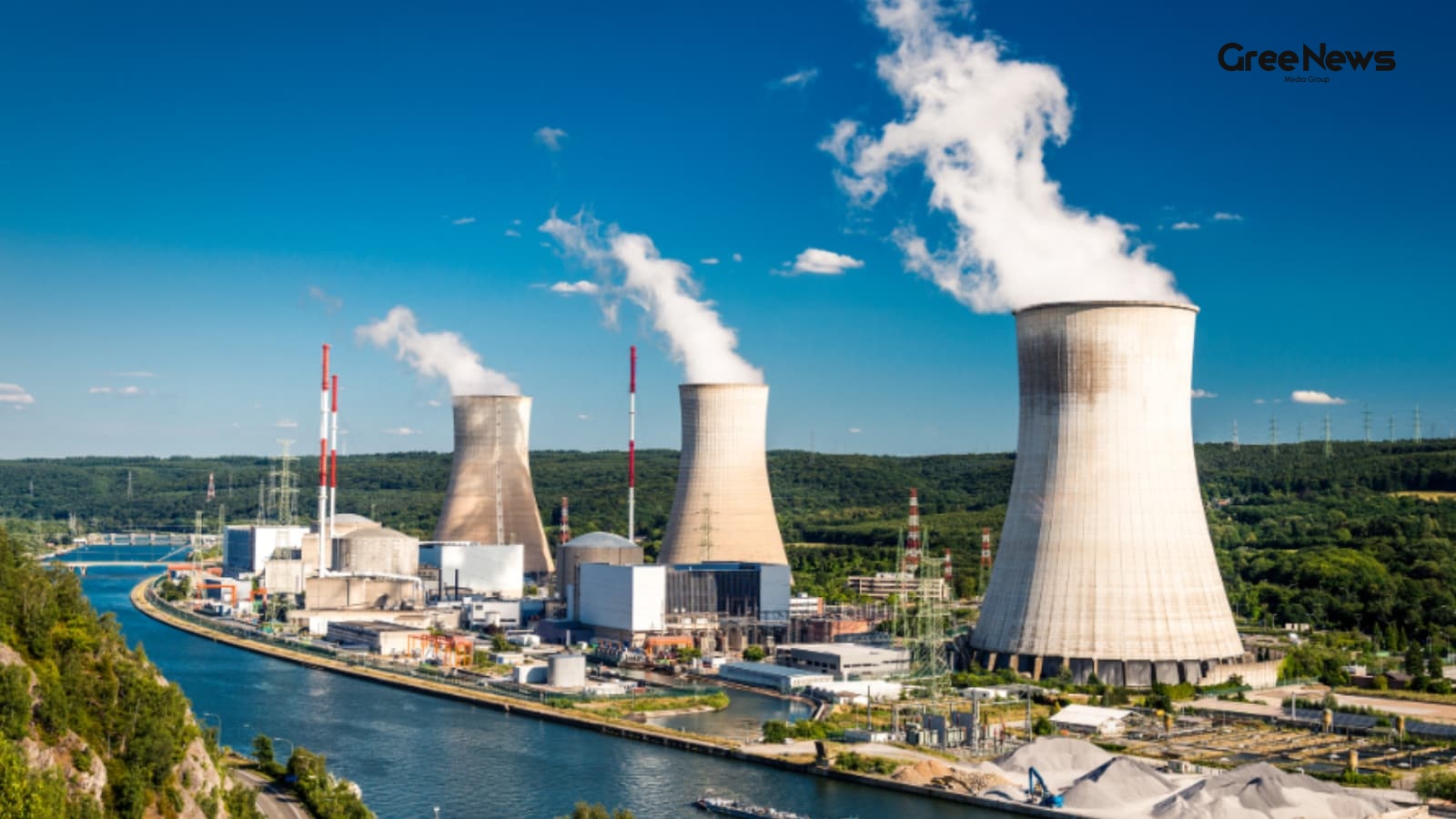
India's Thorium Sector and Critical Mineral Strategy
The Centre is actually looking at opening up parts of India’s tightly controlled thorium sector to private companies. This move seems aimed squarely at boosting critical mineral supply chains and cutting down reliance on imported uranium. That's what a report from The Economic Times suggested. Inter
Jul 15, 2026 by Gree News Team
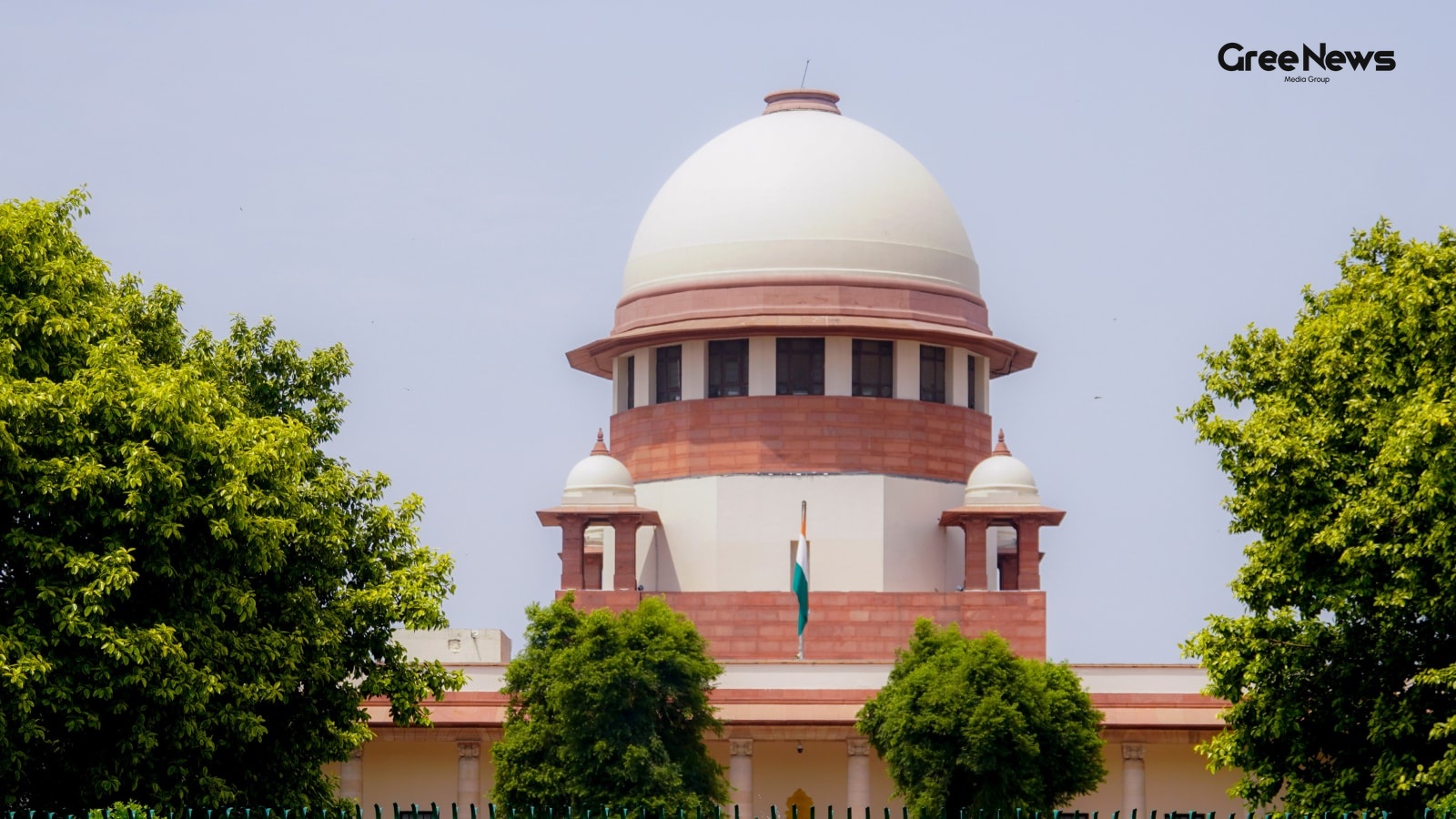
Supreme Court Review of Sexual Offense Judgments and Judicial Sensitivity
The Supreme Court pulled up something interesting on Tuesday. They looked at a ruling from the Patna High Court. The idea was that trying to remove a woman’s salwar and pressing her chest that didn't count as an attempt to rape. The Chief Justice of India, Surya Kant, got involved. He basically expr
Jul 15, 2026 by Gree News Team

Video Claims and Controversy in PoK Protest
A video is out there now, spinning around social media, causing fresh trouble in PoK. People are claiming they caught an Islamabad police officer trying to sneak Indian currency among demonstrators. It all happened during a protest connected to the Jammu Kashmir Joint Awami Action Committee that civ
Jul 15, 2026 by Gree News Team
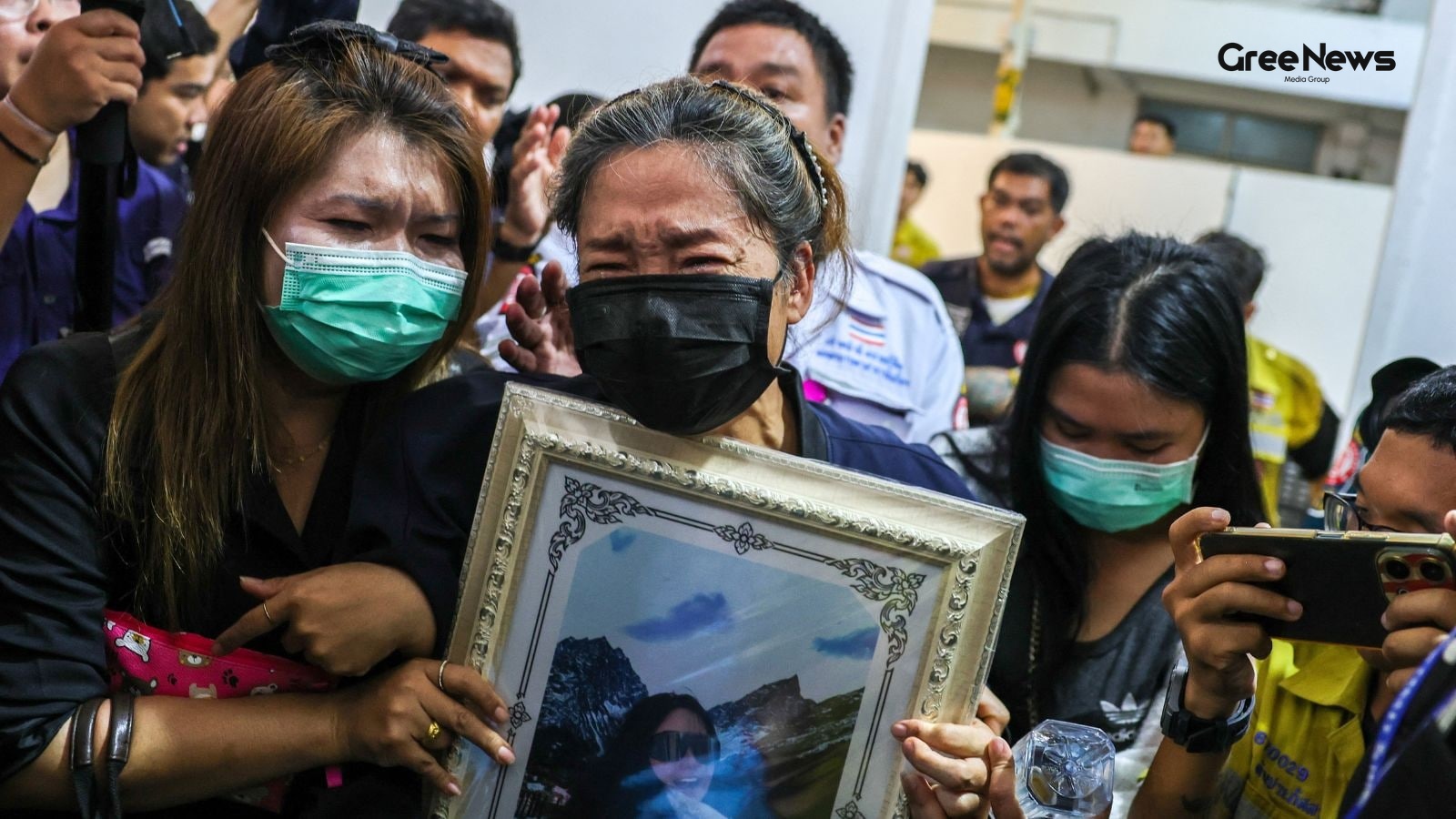
Bangkok Fire Tragedy: Aftermath, Compensation, and Fire Safety Concerns
The dust settled on Bangkok Wednesday after the initial frantic rescue efforts gave way to something much heavier grief and a desperate hunt for accountability. Survivors and the families of those who perished ended up at a police station just trying to grab belongings, record statements, figure out
Jul 15, 2026 by Gree News Team

Shilpa Shinde's Controversy Regarding Shivangi Joshi
Shilpa Shinde has been making some really controversial stuff lately on Lock Upp 2. Now she’s hit a new level of controversy talking about fellow TV actor Shivangi Joshi. It all started when she was chatting with Shreya Kalra. Shilpa brought up Shivangi’s personal life, throwing out these claims abo
Jul 15, 2026 by Gree News Team
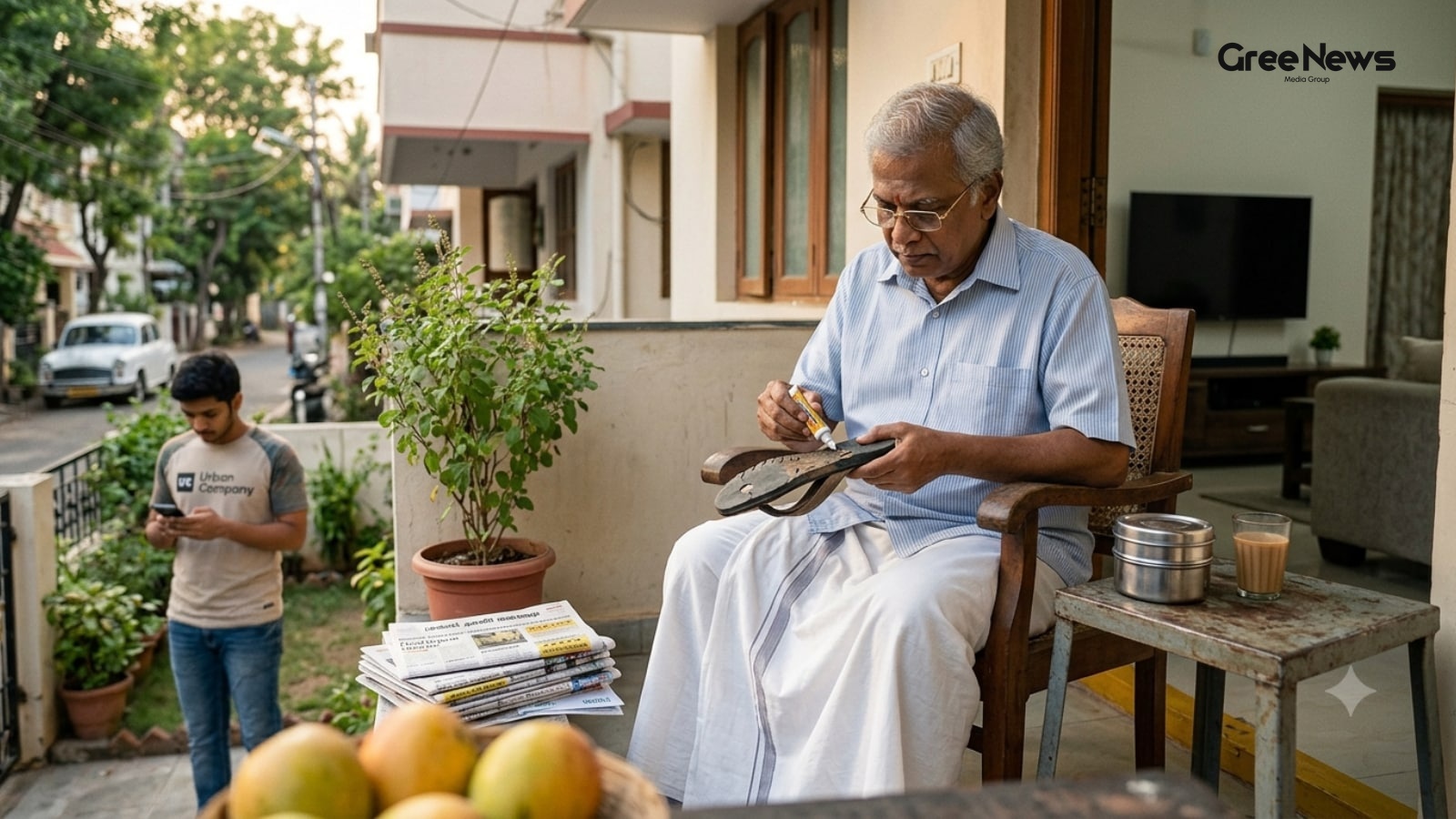
The Mindset Gap: Why Wealthy Families Still Struggle to Spend
Indian families work so hard. They build wealth over years. But even when they’re financially secure, some folks just don't spend money on things that would actually make life easier. It’s a strange thing. That’s what entrepreneur Prem Soni started talking about online. He asked why people, you know
Jul 15, 2026 by Gree News Team

India's Vegetable Oil Imports and Global Market Dynamics
Modi appealed to citizens back in May 2026. He wanted everyone to partner up to strengthen the nation amid that West Asia crisis. Seven appeals were made. Avoid gold buying, avoid foreign travel for a year. And reduce edible oil consumption. Farmers needed to cut dependence on imported chemical fert
Jul 15, 2026 by Gree News Team
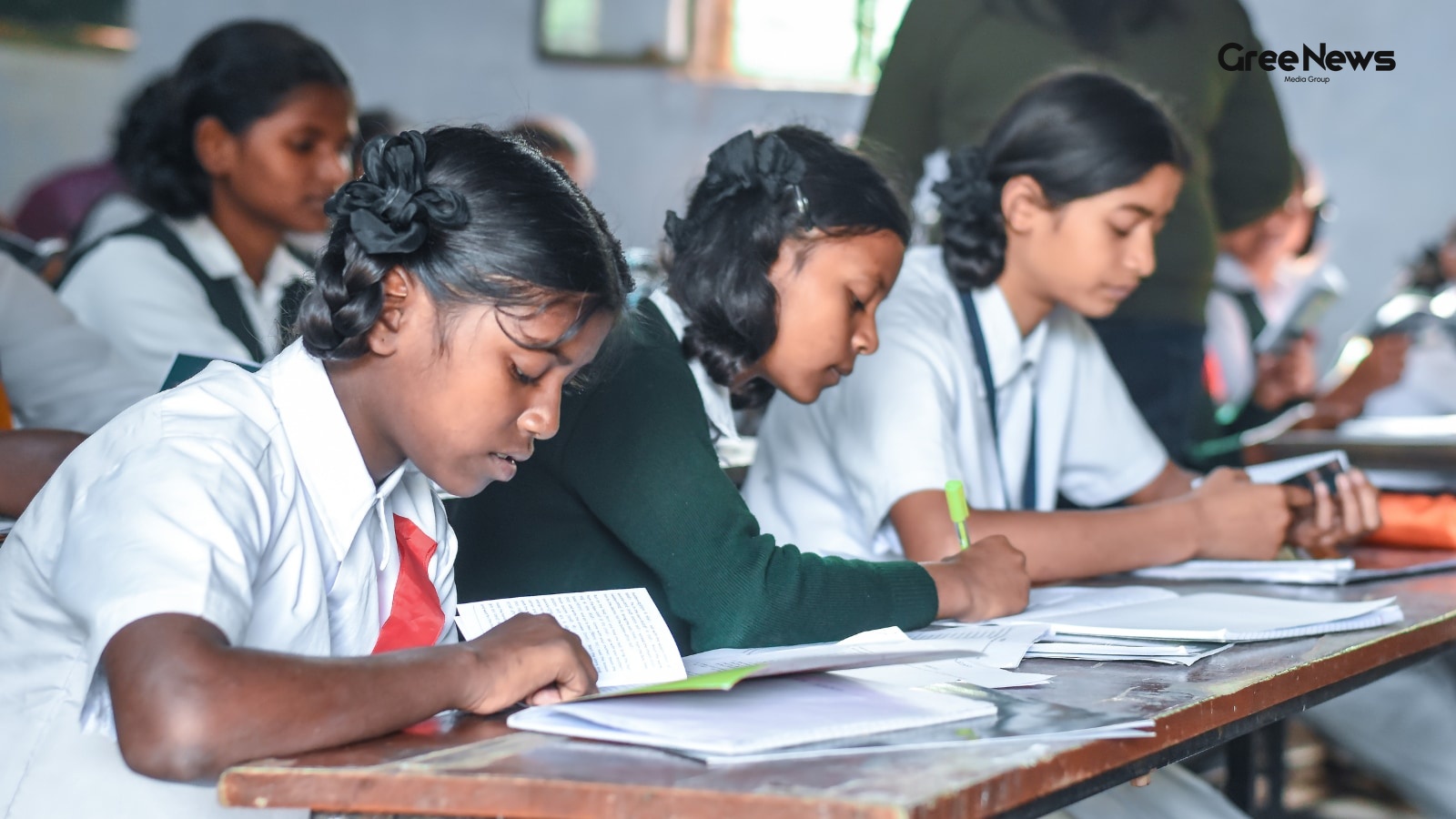
Kerala Plus One Results: How to Check Scores and Pass Criteria
Man, this whole thing with the Kerala Plus One results is just dragging on. The Directorate of Higher Secondary Education DHSE, that’s who’s handling it they were supposed to drop the class 11 scores on June 10th. But nope. Postponed again. All because of those exams happening in the Gulf countries.
Jul 15, 2026 by Gree News Team