Lipfendra (enlicitide): The New Once-Daily Oral PCSK9 Inhibitor
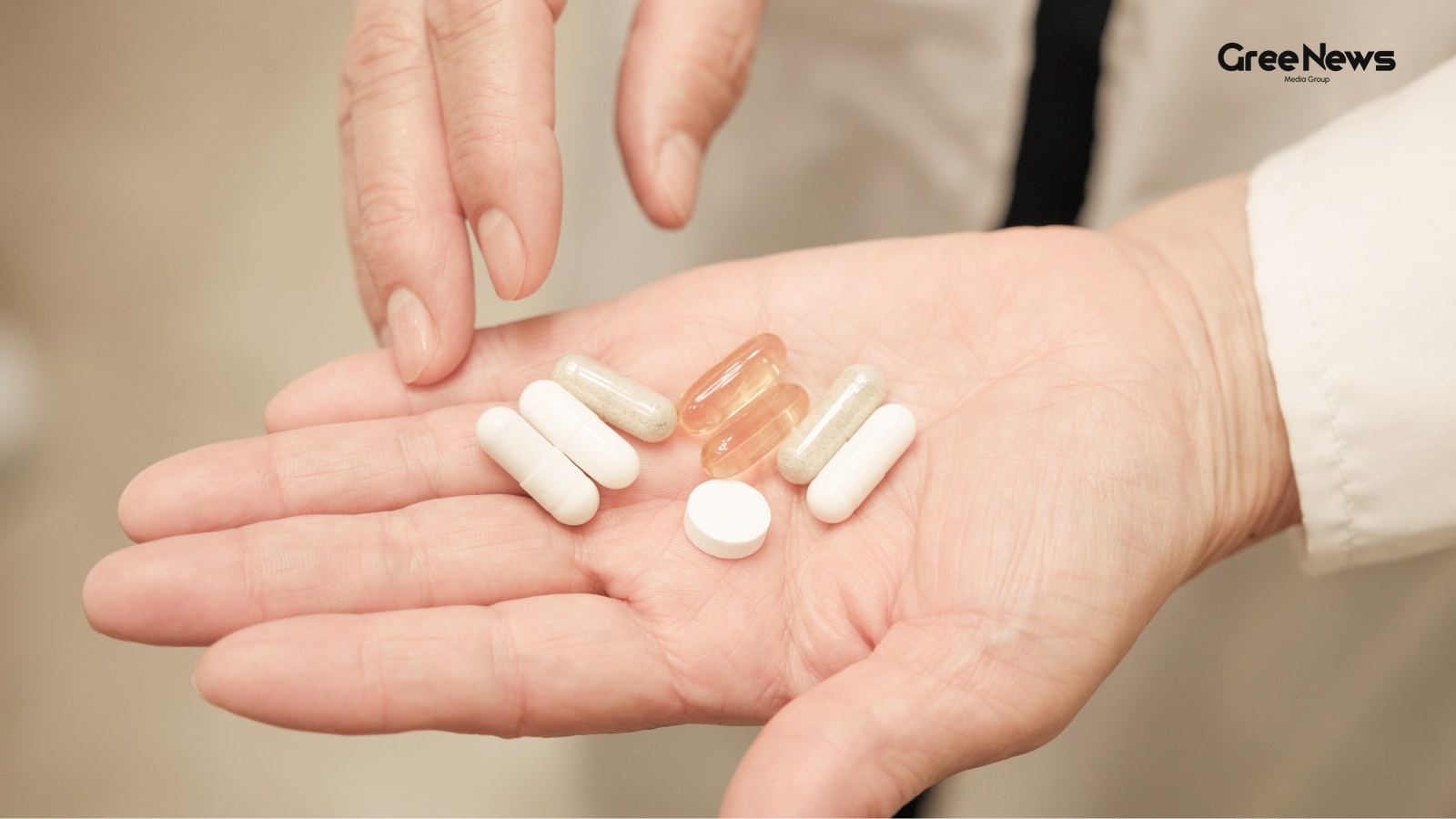
The FDA just gave the Green light for Lipfendra, which is enlicitide . It’s a big deal because it’s the first time we have a once-daily oral PCSK9 inhibitor available for adults dealing with certain types of high cholesterol. Merck developed this pill.
It offers a new route. A way around those pesky injectable medications that patients often avoid when managing their LDL, or bad cholesterol. People who need more than just statins to bring those numbers down.
This approval should make things much easier for eligible folks. Especially for those who are already on other treatments but feel uncomfortable with injections. It’s about convenience, really.
So what exactly is Lipfendra and how does it actually work?
It falls into the PCSK9 inhibitor category of drugs. The whole point of these medications is to help the body get rid of excess LDL cholesterol floating around in the blood.
Normally, your liver handles that cleanup using LDL receptors. But there’s a protein called PCSK9 messing with things. It breaks down those receptors. This stops the liver from clearing as much cholesterol as it should. Lipfendra steps in and blocks that PCSK9 protein. That means more of those receptors stay active. The liver can then clear way more LDL cholesterol effectively.
It’s important to see how this stacks up against statins, though. Statins work differently. They don't change what the liver makes. They reduce cholesterol production inside the liver itself. Lipfendra doesn't do that. It works by boosting the body's natural ability to remove the cholesterol already circulating in your blood.
Statins are still considered the first line for high cholesterol, effective for most people. But some patients just don’t respond enough. They end up with stubbornly high LDL levels anyway. Think about folks with familial hypercholesterolemia. That inherited condition keeps the numbers stubbornly high.
Before now, if doctors needed this extra punch of treatment, they usually prescribed injectable PCSK9 inhibitors things like Repatha or Praluent. Lipfendra changes that dynamic entirely. It gives those patients an oral option. A much more convenient way to manage things.
Who is this actually for? The FDA approved it as an add-on therapy. That’s key. It's meant to be used alongside a healthy diet and other cholesterol drugs. It isn't a replacement for everything else.
It might be recommended for adults who fit a specific profile. People with mildly elevated cholesterol who were recently diagnosed probably won't see this immediately. It targets those needing more aggressive management, not necessarily the newly diagnosed crowd.
When we look at the clinical trials from Merck and the FDA review, the results looked promising. They found that adding Lipfendra to statin therapy managed to knock LDL cholesterol down by about fifty-six to sixty percent. That’s substantial.
The medicine itself seemed generally fine during those studies. The side effects they reported were mostly manageable: some people dealt with diarrhea and dizziness. And the rate of serious adverse events? It was similar to what you'd see with a placebo group. Not overly alarming, at least in that regard.
Why does this approval actually matter right now? Heart disease is still the number one killer globally. High LDL cholesterol is a massive risk factor for it all. Experts have long argued about how to get people to stick with treatment over the long haul. That adherence issue plagues cholesterol management.
An oral option changes that equation significantly. If patients find injections inconvenient or just plain uncomfortable, an alternative helps them stay on track. By offering this new choice, Lipfendra could potentially help more people achieve better control and lower their risk of a heart attack or stroke down the line.
But there’s still work to do. This FDA nod is huge, absolutely. Still, researchers need more time. They have to look at long-term outcomes. How does this oral therapy stack up against everything else over many years? That research phase isn't over yet.
Written by Gree News Team — Senior Editorial Board
Gree News Team covers international news and global affairs at Gree News. Our collective of senior editors is dedicated to providing independent, accurate, and responsible journalism for a global audience.
More from Life & Style
View All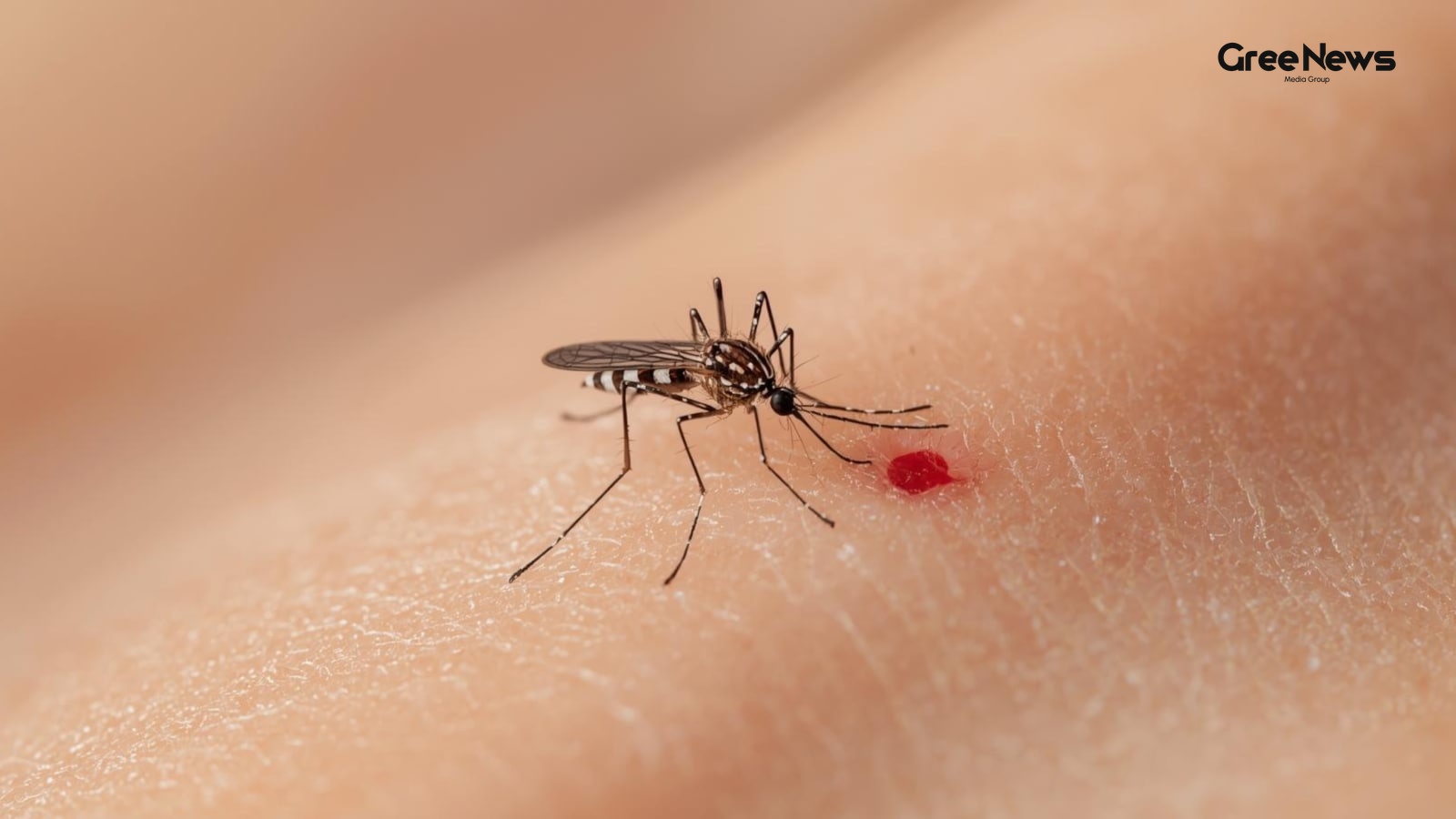
Biological Factors Influencing Insect Attraction
Have you ever just felt… singled out? Certain biological factors make some people way more attractive to these blood-sucking insects than others. It really comes down to a few things influencing the whole situation. The air you breathe, your body temperature, even that natural scent you carry all of
Jul 14, 2026 by Gree News Team
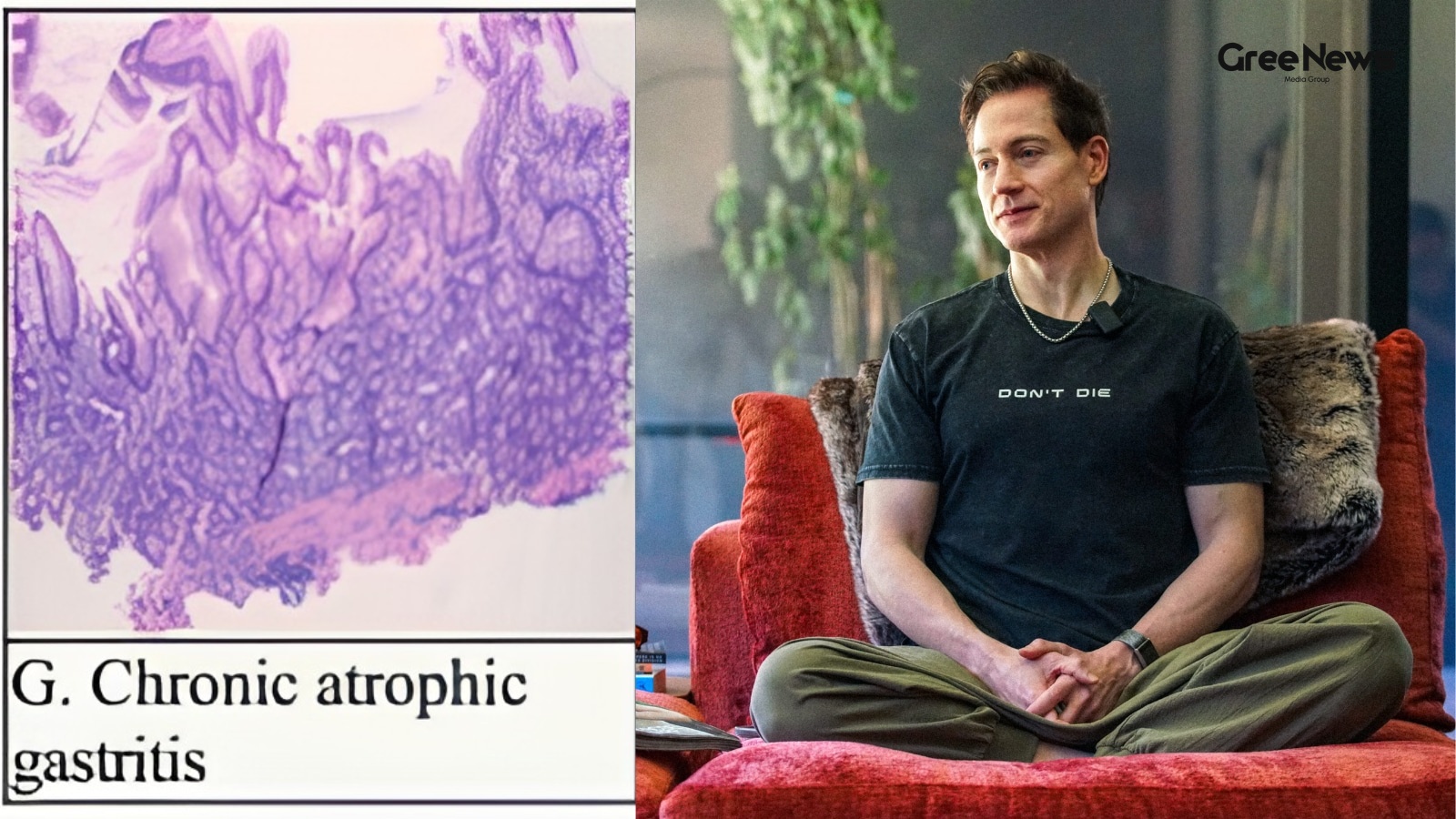
Understanding Autoimmune Gastritis and Digestive Health
Bryan Johnson’s recent story about his autoimmune gastritis diagnosis really puts a spotlight on something that just… slips by so easily. It brings attention to this whole cluster of digestive issues that often get ignored because they just move along, silently. And that silence? it can lead to some
Jul 13, 2026 by Gree News Team
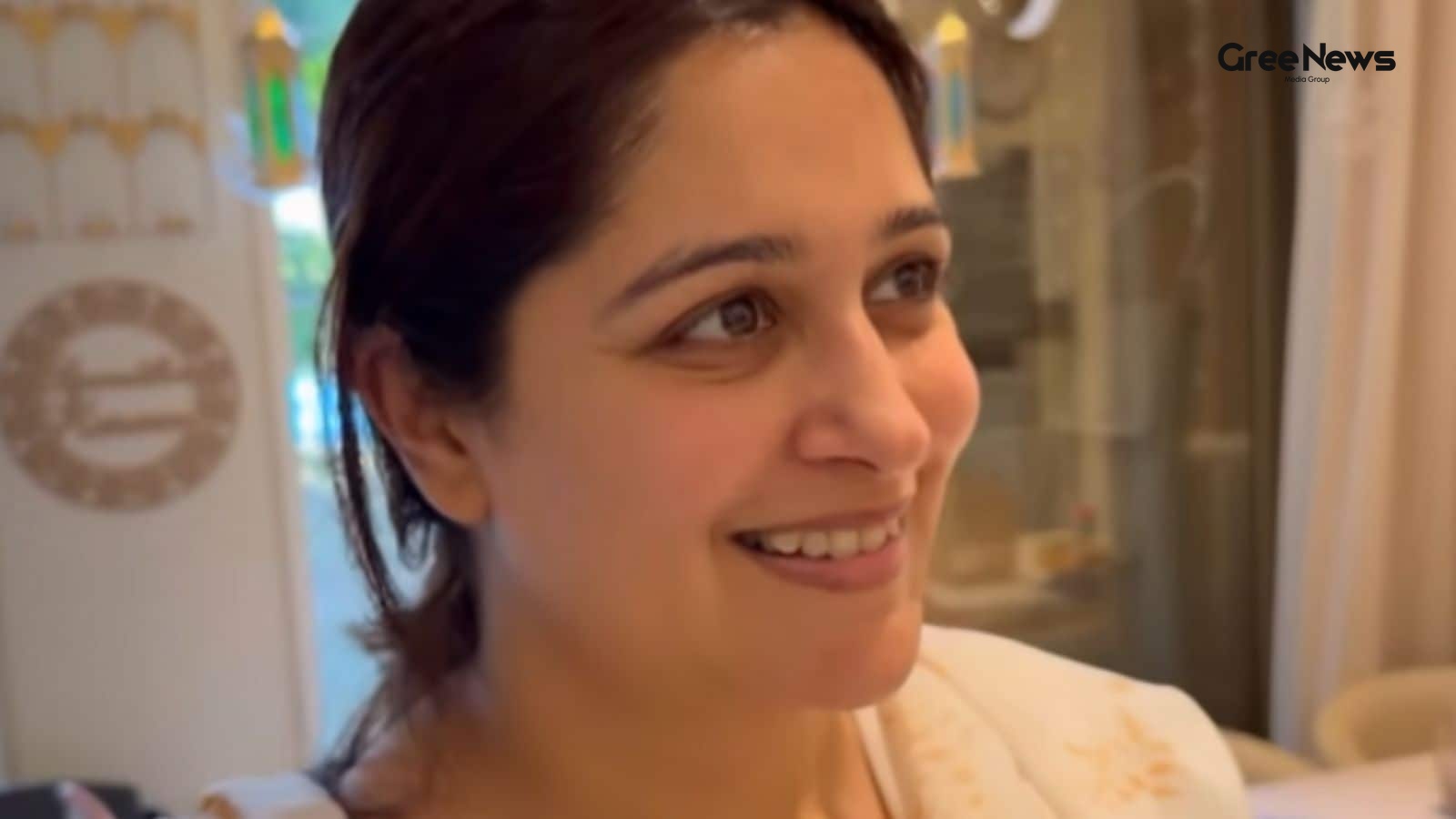
Dipika Kakar's Cancer Recovery Journey and Ongoing Treatment
Dipika Kakar’s recovery isn't some neat timeline marked by a single surgery or when the doctors finally stamp 'success.' It’s just… ongoing stuff. Regular hospital trips. Those IV infusions. Choosing to keep moving, one slow step at a time. She recently gave fans another look behind the curtain, sho
Jul 8, 2026 by Gree News Team

AI and Oculomics: Protecting Vision and Systemic Health in the Digital Age
For millions of professionals, staring at a screen for eight hours or more just feels… unavoidable now. Technology changed how we work and collaborate, sure, but it also brought something else: serious digital eye strain. Dry eyes, blurred vision, headaches, just general fatigue these symptoms are g
Jul 2, 2026 by Gree News Team
Latest Headlines
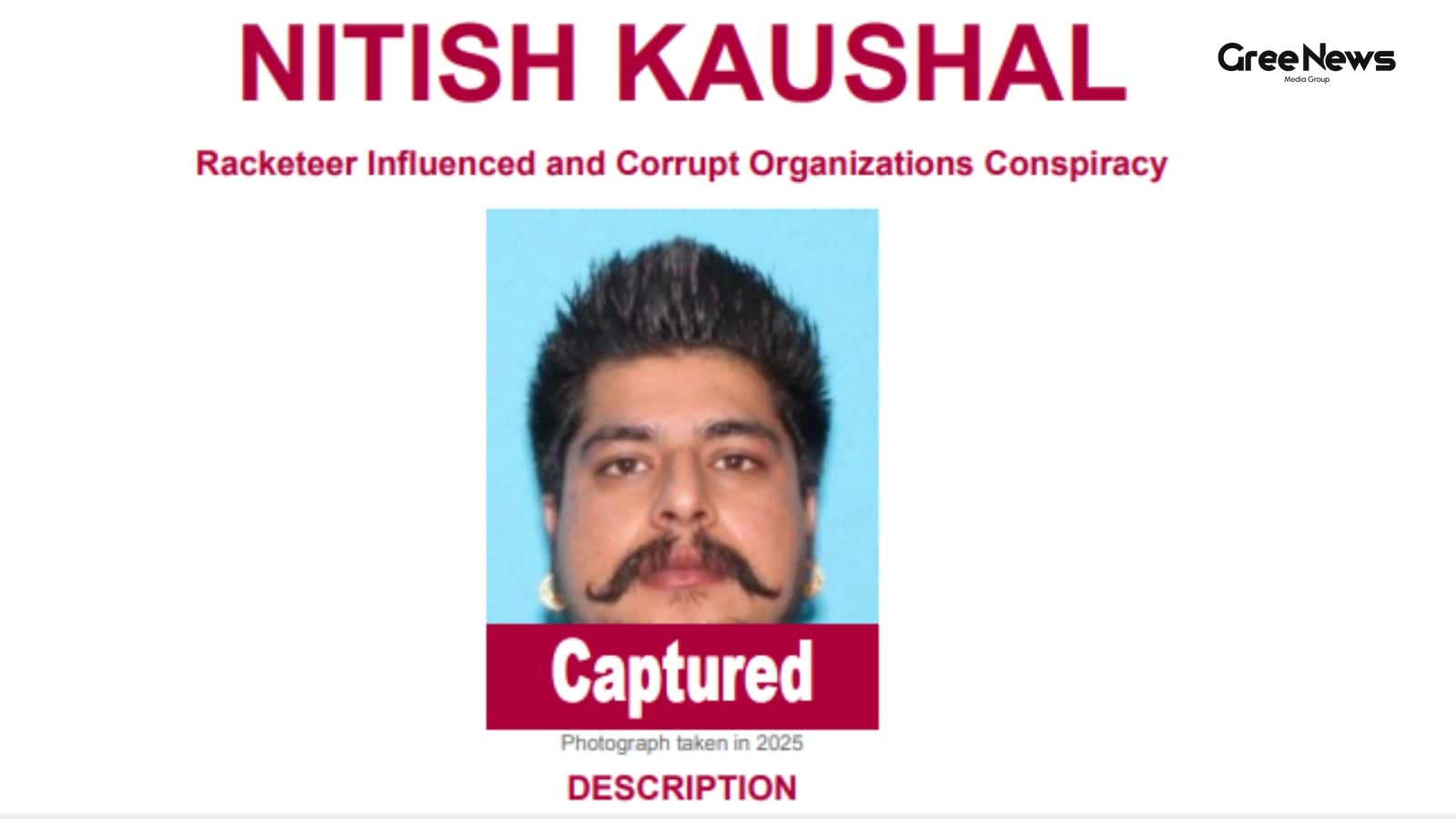
Nitish Kaushal and the Bhagwanpuria Organized Crime Group
Nitish Kaushal. An Indian-origin gangster. He’s been arrested in the US now. Days after getting added to the FBI's Most Wanted list. That’s where it started. The Federal Bureau of Investigation announced this stuff on Thursday. They said US law enforcement actually took him into custody in Vermont.
Jul 17, 2026 by Gree News Team
European Commission Report on Pakistan's Human Rights Situation
That European Commission report just dropped. It paints a really bleak picture of Pakistan’s human rights situation. We’re talking serious stuff: enforced disappearances, restrictions on basic freedoms, problems with the courts, minority rights, and labor protections are all flagged. And here’s the
Jul 17, 2026 by Gree News Team
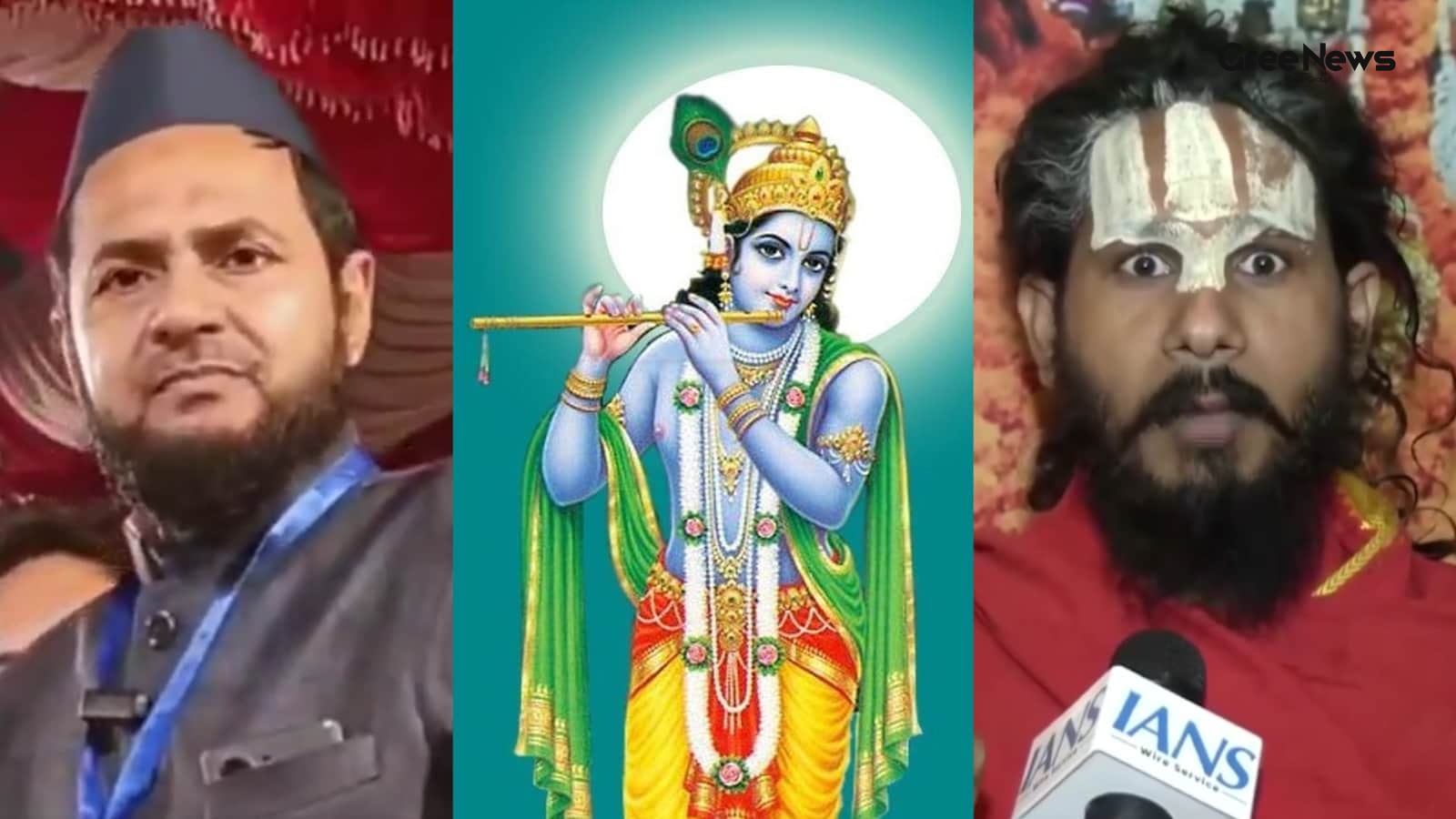
Controversy involving Lord Krishna, Islam, and Maulana Jarjis Ansari
Lord Krishna Namaz Row. That’s what started it. A controversy blew up after some video surfaced involving cleric Maulana Jarjis Ansari. He allegedly claimed Lord Krishna was Muslim. And that Krishna offered namaz five times a day. It went viral on social media fast. This whole thing immediately trig
Jul 17, 2026 by Gree News Team
Andhra Pradesh Covid-19 Statistics and Management Report
Andhra Pradesh is seeing some grim numbers lately. They clocked twelve Covid-19 infections between June 26 and July 16. And four people died from it. That’s what State Health Commissioner G Veerapandian told them on Thursday. Sporadic cases, he said in a release. Twelve people caught the virus in th
Jul 17, 2026 by Gree News Team
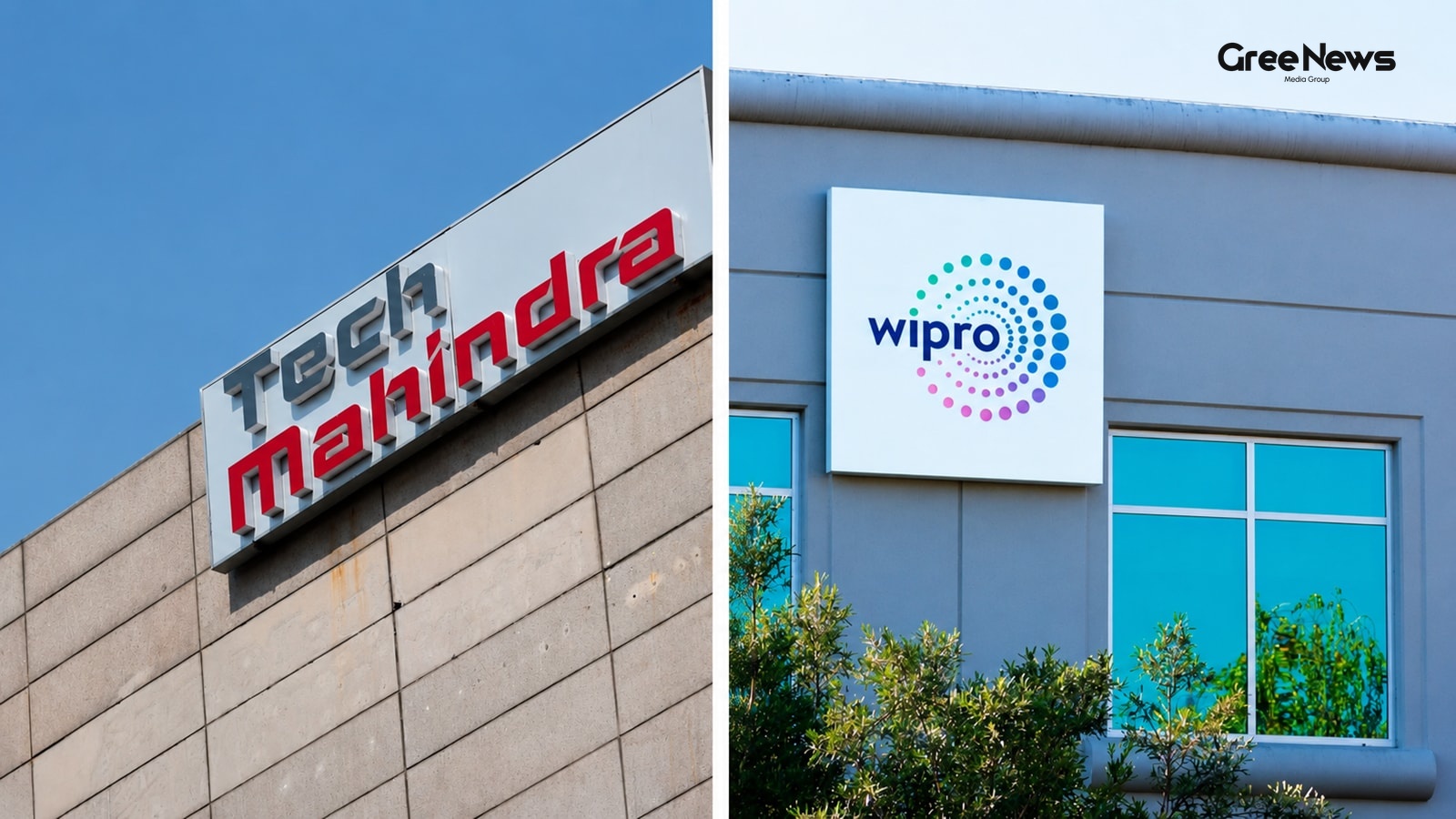
IT Stocks Jump After June-Quarter Earnings Release
IT stocks generally jumped Thursday after those June-quarter earnings came out. Investors seemed to favor companies that showed better growth, pushing hard on margins and guidance for the ones that fell short. The Nifty IT index ticked up 1.33% in morning trade, hitting 29,103.50. Some large names w
Jul 17, 2026 by Gree News Team
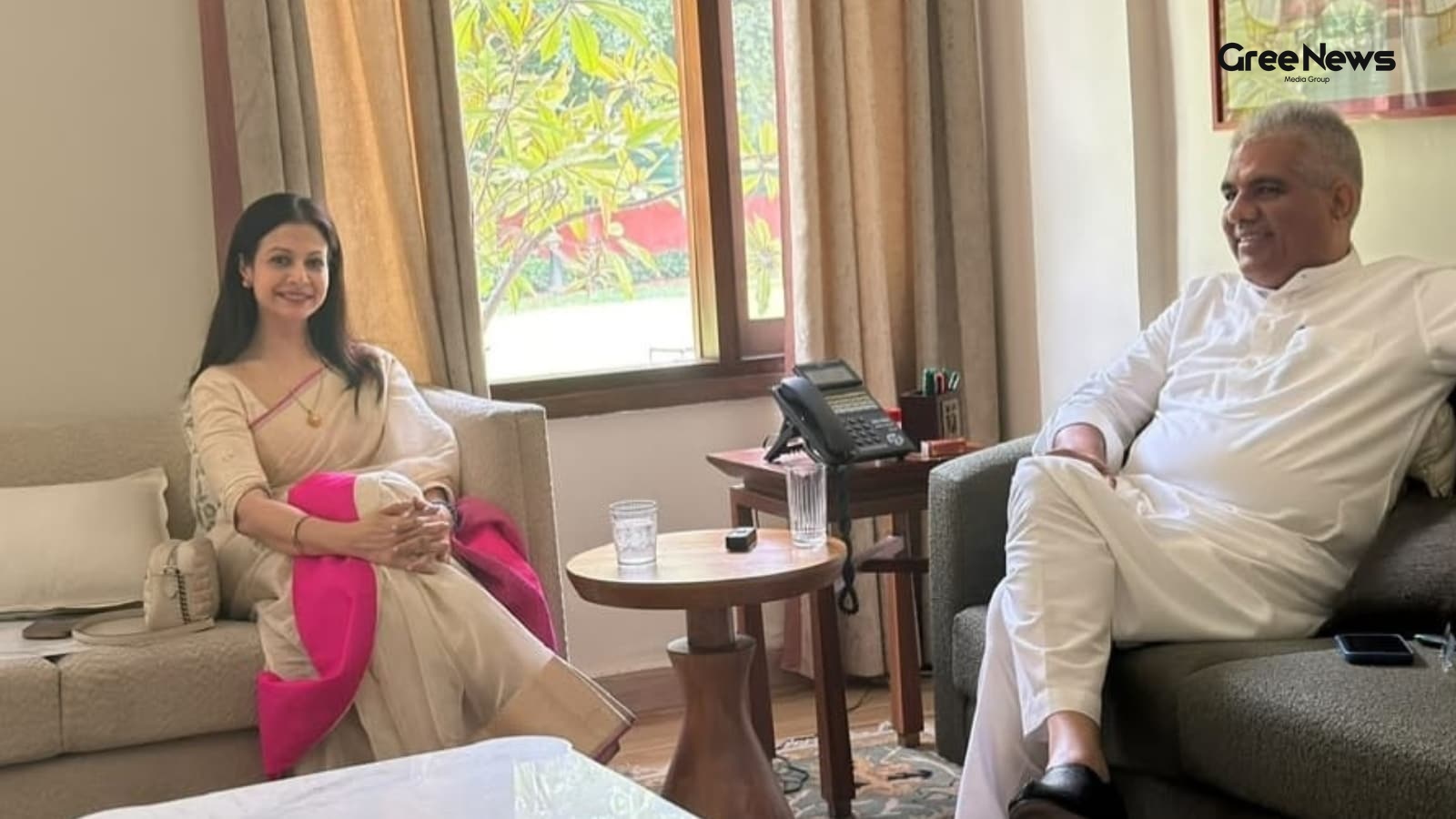
Koel Mallick's Political Shift and West Bengal Politics
Koel Mallick stepping down from her Rajya Sabha seat without showing up for a single day in Parliament has really stirred things up in West Bengal politics. It’s just… unprecedented stuff, you know? There was chatter immediately about where she might go next. Some folks were talking about joining so
Jul 17, 2026 by Gree News Team

Donation Theft Scandal at Ram Mandir Complex
What started so simply. Finding a suspicious pile of cash tucked away in a washroom inside the Ram Mandir complex in Ayodhya. That little discovery snowballed fast into one of the biggest donation theft scandals ever linked to the temple. It’s unbelievable how that happened. A Times of India report
Jul 17, 2026 by Gree News Team

Domestic Equity Markets, Movers, and Global Factors
The domestic equity markets managed to push some gains this morning Friday. It felt like a brief lift, mostly fueled by buying in those heavyweight sectors IT, banking stocks, and a few big names overall. But you could feel the broader market still dragging a bit. Around ten-ten, things were moving
Jul 17, 2026 by Gree News Team
NEET Results 2026 Analysis and Cutoffs
So, look at these NEET results for 2026. It’s a lot to take in. We’re talking about 11.21 lakh candidates who actually qualified out of a huge pool of twenty lakh applicants. That’s the baseline. And you see some names popping up. Aryan Gupta from Punjab, and Panshul Bansal from Haryana. They snagge
Jul 17, 2026 by Gree News Team

Cab Ride Dispute and Safety Concerns in Pune
Three women were riding in an app cab when everything went sideways. The driver just asked them to make room for his male friend. It all happened late at night, somewhere in Pune, Maharashtra. He gave them two choices: get off right there or deal with his friend. They both refused. They questioned w
Jul 17, 2026 by Gree News Team

BSNL 100Mbps Broadband Plan Details
BSNL has this 100Mbps broadband plan. It’s worth looking at if you’re actually comparing fibre options right now. They say this service is out there almost everywhere, but the real story is how they’re pushing into rural areas with that BharatNet thing. What does the deal actually look like? It cost
Jul 17, 2026 by Gree News Team

Jason Sanjay: The Journey to Directing and the Film *Sigma*
Jason Sanjay, you know, he’s ready for the film world now. But there’s a twist here. He isn't jumping in as an actor. Nope. He’s going in as a director. Making his first feature, *Sigma*. It’s all about getting behind the camera for him. Excitement is building around this project, naturally. And Jas
Jul 17, 2026 by Gree News Team
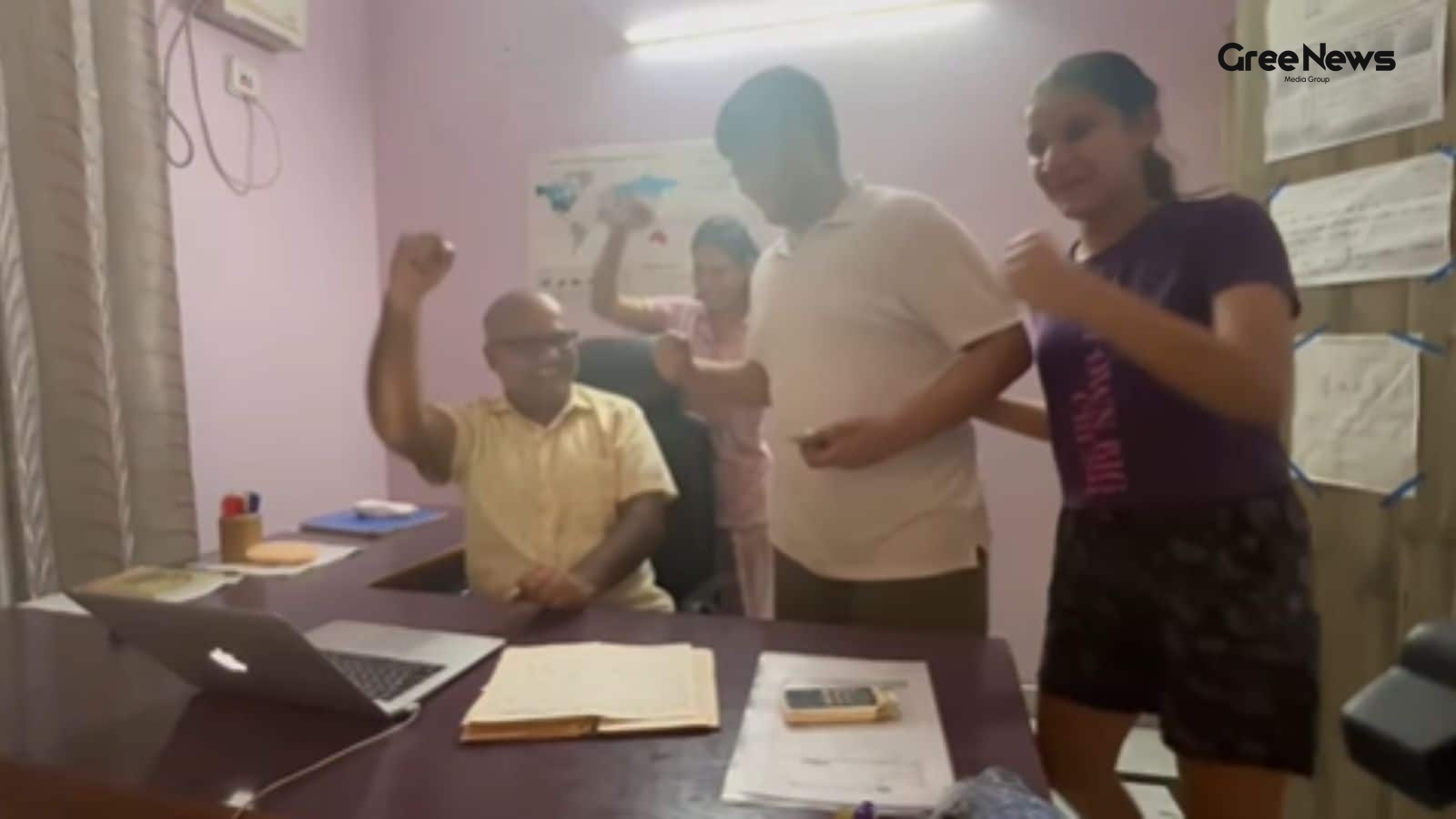
Panshul Bansal's NEET 2026 Success Story and Study Routine
Panshul Bansal just hit the internet hard. Seriously. The moment he found out he snagged All India Rank 2 in NEET 2026 is completely melting hearts right now. It’s all over social media. An Instagram video from Allen Delhi caught the raw emotional celebration happening at home. You see him, sitting
Jul 17, 2026 by Gree News Team
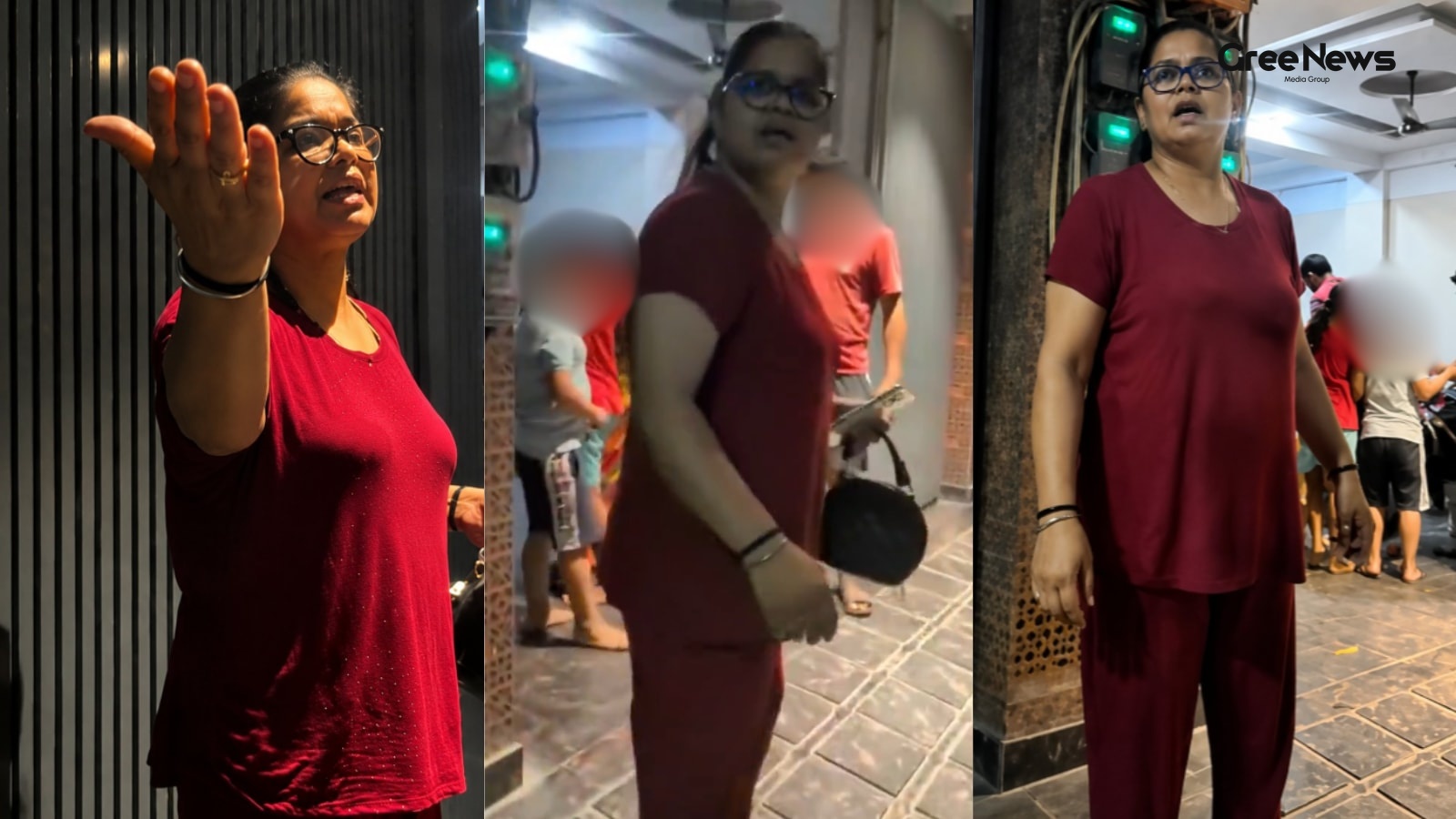
Fight Over Fare Money Between Cab Driver and Passenger Goes Viral
A fight over fare money between a cab driver and a female passenger has blown up online, going viral across the internet. It all started after a ride from Noida to Laxmi Nagar in Delhi ended badly. Both sides spilled different versions of what actually happened once that trip was over. The clip itse
Jul 17, 2026 by Gree News Team
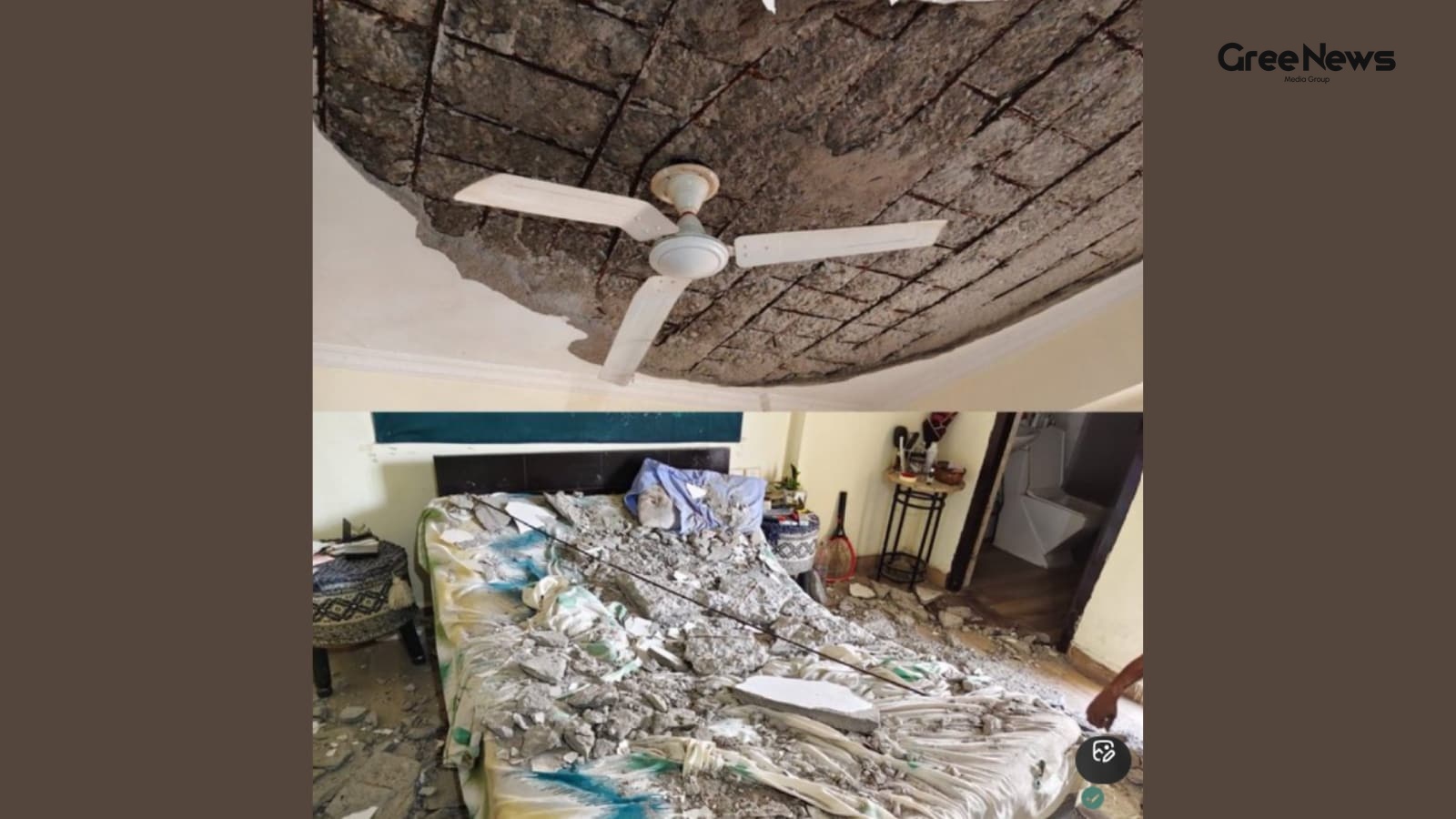
Building Collapse and Construction Quality Issues in Noida’s Gardenia Gateway
Something happened in Noida’s Gardenia Gateway society. A ceiling just came crashing down inside an apartment in Sector 75. It was Thursday, July 16th. No one got hurt. That’s the main thing. The tenant had actually stepped out of the room just moments before the structure gave way. But the aftermat
Jul 17, 2026 by Gree News Team