AI and Oculomics: Protecting Vision and Systemic Health in the Digital Age
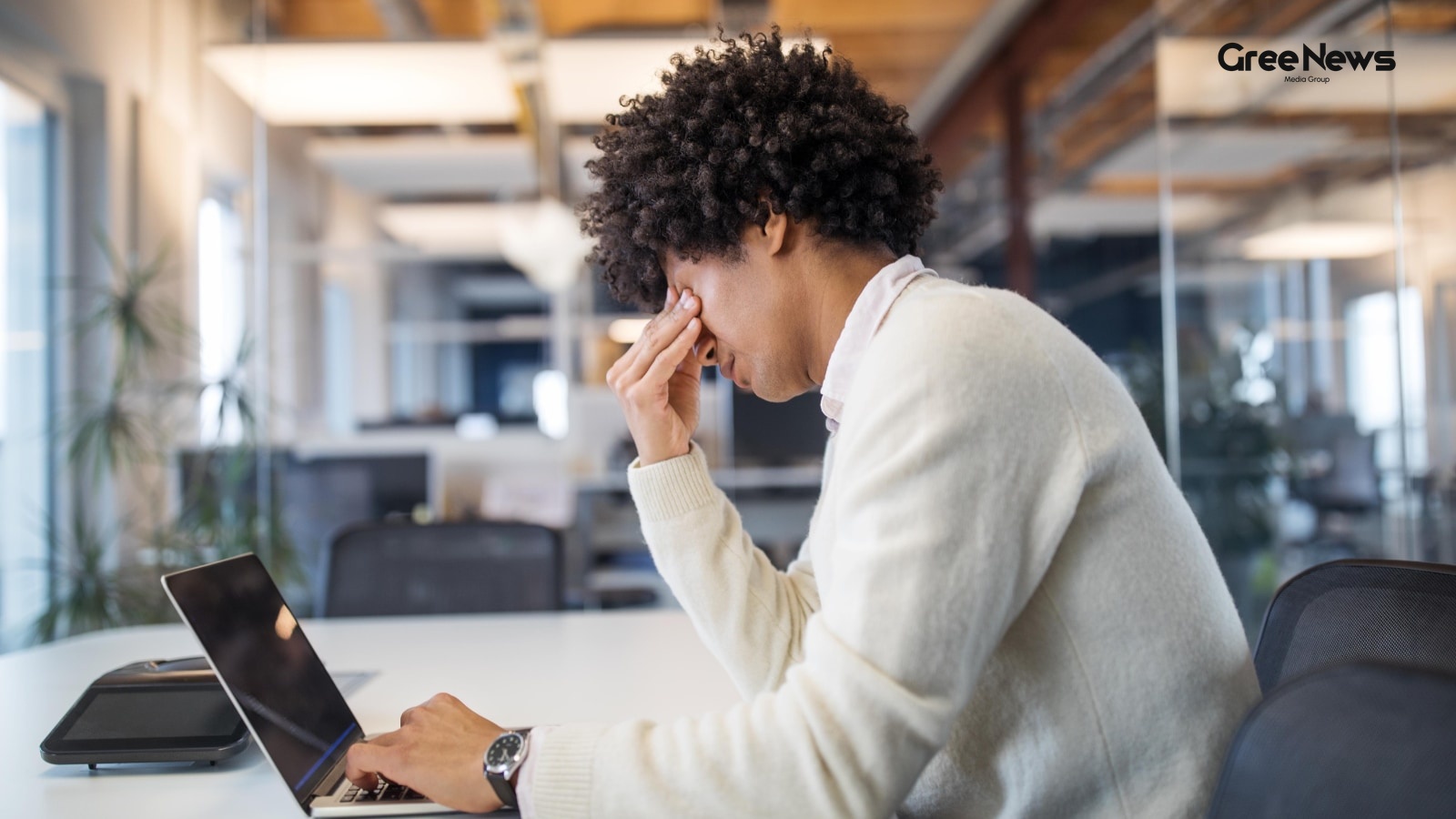
For millions of professionals, staring at a screen for eight hours or more just feels… unavoidable now. Technology changed how we work and collaborate, sure, but it also brought something else: serious digital eye strain . Dry eyes, blurred vision, headaches, just general fatigue these symptoms are getting way too common among office workers, especially those stuck in hybrid setups or working remotely.
But the conversation about protecting our vision can’t stop at taking breaks from the laptop. Eye care experts argue that the real future isn't just about screen habits. It’s where healthy screen use meets some advanced tech that can spot diseases way before you even feel sick.
We need to look beyond simple fatigue.
Dr Roshan Christina, an ophthalmologist specializing in AI in Ophthalmology at Forus Health, says we need a bigger discussion. We shouldn't just focus on temporary discomfort from screens.
“While everyone talks about screen fatigue,” she points out, “there’s a much more vital conversation happening right now. It involves using AI to screen the retina and protect not just our eyes, but our whole health.”
The retina itself offers something unique for doctors: a non-invasive window into how the body is functioning overall. It’s basically the body’s health dashboard.
Through that tissue, they can see blood vessels and nerve tissue without any surgery. And this is where things get really interesting. AI-powered retinal imaging starts picking up early warning signs of major systemic diseases. Diabetes, high blood pressure, heart issues, even neurological problems. All these signals show up long before you notice obvious symptoms. They call it ‘Oculomics.’ It changes how we view wellness completely.
This new field uses those AI scans to find subtle biological shifts in the retina. Things you can’t see with the naked eye, but which point toward bigger health issues. Turning a routine eye check into a powerful preventive health scan.
AI is really making eye exams smarter. Dr Christina notes that screen strain from long hours is uncomfortable, true, but it's usually temporary. The real worry isn't the fatigue itself. It’s those silent diseases. The ones that don't give you any warning until they become serious. What if a routine scan could catch them? AI screening makes advanced diagnostics faster and more accurate than ever before. More accessible too.
She suggests employers need to step up their game. Wellness programs shouldn't just focus on stretching exercises near the monitor. They should start integrating these AI retinal screenings into regular employee health checks.
Workplaces have to look beyond screen time guidelines. It’s about seeing the bigger picture. Looking after your eyes isn't just about comfort when you’re working it’s about understanding your entire body through this new lens of AI imaging and Oculomics . One scan at a time.
That said, don't forget the basics. Simple daily habits still matter a lot. Experts stress that even with all this fancy tech, everyday eye care remains key.
Dr Kasu Prasad Reddy, founder of Maxivision Super Speciality Eye Hospitals, points out that spending nearly eight hours staring at digital screens every day has made digital eye strain one of the most overlooked occupational health issues. It leads to dry eyes, blurry vision, headaches, difficulty focusing. It’s a huge problem.
But there are things we can do right now. Simple changes make a real difference in reducing that discomfort.
Think about the 20-20-20 rule. It’s widely recommended for a reason. Look at something twenty feet away for at least twenty seconds, every time you take your eyes off the screen, and do it after every twenty minutes of work. That gives those eye muscles a necessary break to relax.
And don't forget blinking. Remember to blink frequently. Adjust your brightness so it matches the room light, not some harsh glare. These small things cut down on fatigue significantly.
Ultimately, as workplaces keep pushing digital demands, eye care is evolving into something much broader. We need to balance those smart daily habits with these big health advancements. Healthy screen routines handle the daily stuff. AI imaging and regular checks help us catch serious vision problems or systemic diseases before symptoms even start showing up. It’s about recognizing that your eyes actually give you information about everything happening inside you. That combination is how we protect our long-term well-being in this screen-heavy world.
Written by Gree News Team — Senior Editorial Board
Gree News Team covers international news and global affairs at Gree News. Our collective of senior editors is dedicated to providing independent, accurate, and responsible journalism for a global audience.
More from Life & Style
View All
Brain Implants and Neurotechnology in Cancer Treatment
A weird thing is happening in neurotechnology. A startup out of San Francisco, one tied pretty closely to Elon Musk and Neuralink, they’ve started human testing for a brain implant designed to spot and fight cancer. Coherence Neuro. They hit a milestone recently, actually. Three consenting patients
Jun 26, 2026 by Gree News Team
The Subtle Shift in Aesthetic Medicine and Body Contouring
These days, everything changes in subtle ways, you know? Not these huge dramatic shifts. It’s more about tiny refinements now. Things like contouring a specific spot on your face or body are popping up everywhere. Jawlines are getting way more attention than they used to get. And those fat deposits
Jun 25, 2026 by Gree News Team
Alka Yagnik: The Struggle, Silence, and the Reality of Sensorineural Hearing Loss
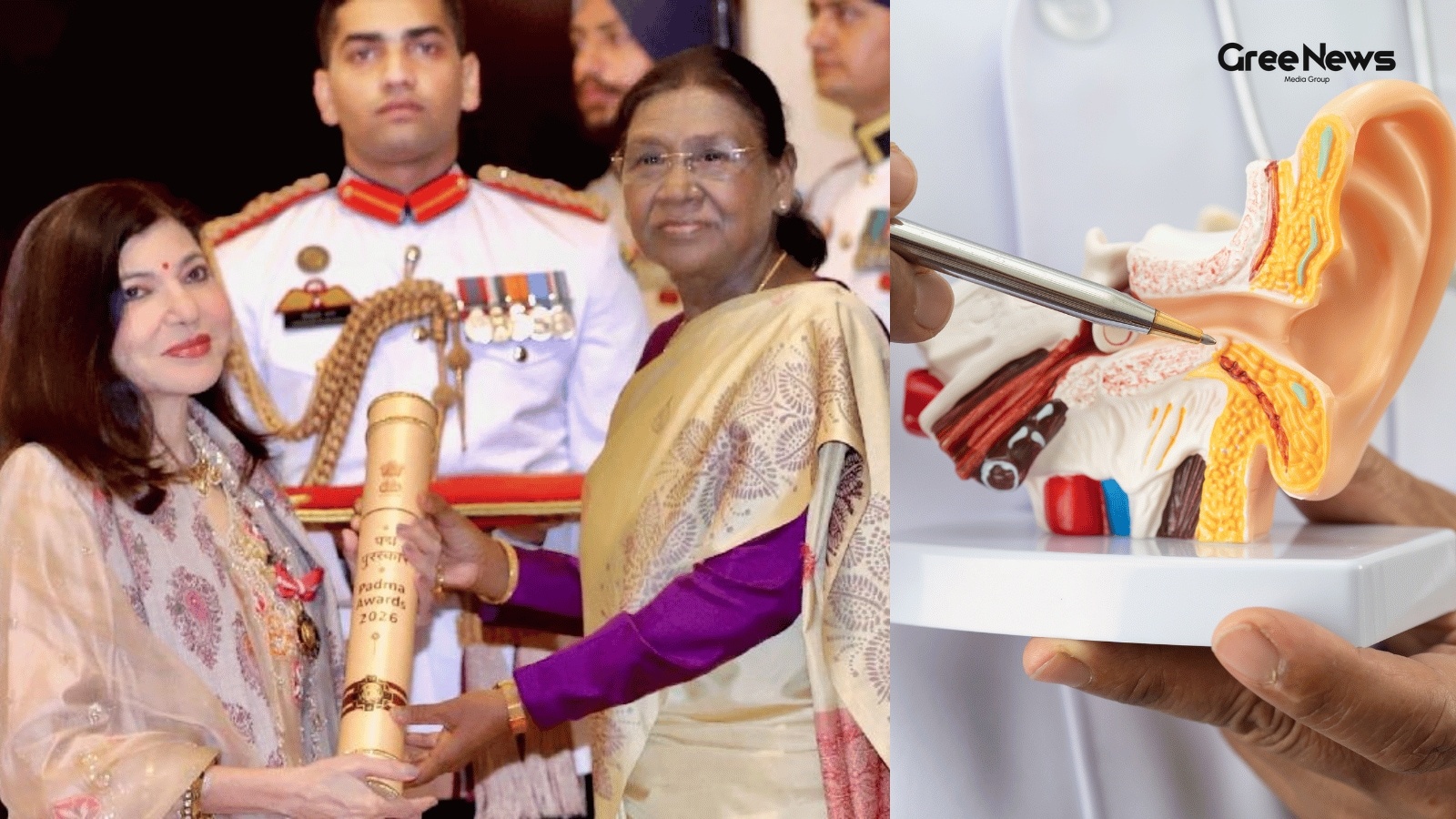
Alka Yagnik. Just the name carries a certain weight, doesn't it? Legendary playback singer. The voice itself it’s woven into the fabric of Bollywood music, you know? Thousands of songs, etched into memory. And then, this recent moment. The Padma Bhushan on June 23rd, 2026. India’s third-highest civi
Jun 25, 2026 by Gree News Team
The Evolution of Compatibility: From Biodata to Meaningful Matching
People now have so many ways to meet potential partners. Dating apps, matrimonial sites, biodata exchanges, family networks it’s all happening at once. But finding someone truly compatible hasn't gotten easier for most people. It’s just gotten noisier. “The issue isn’t access,” says Tania Malhotra S
Jun 25, 2026 by Gree News Team
Latest Headlines

Investigation into Alleged Theft and Embezzlement at Ayodhya Ram Temple
The Uttar Pradesh government is looking at moving this investigation. They’re considering handing the probe into the alleged theft and embezzlement of cash donated to the Ram temple in Ayodhya over to the CBI or some other central agency. There are growing demands for a fast probe, you know? Sources
Jul 2, 2026 by Gree News Team
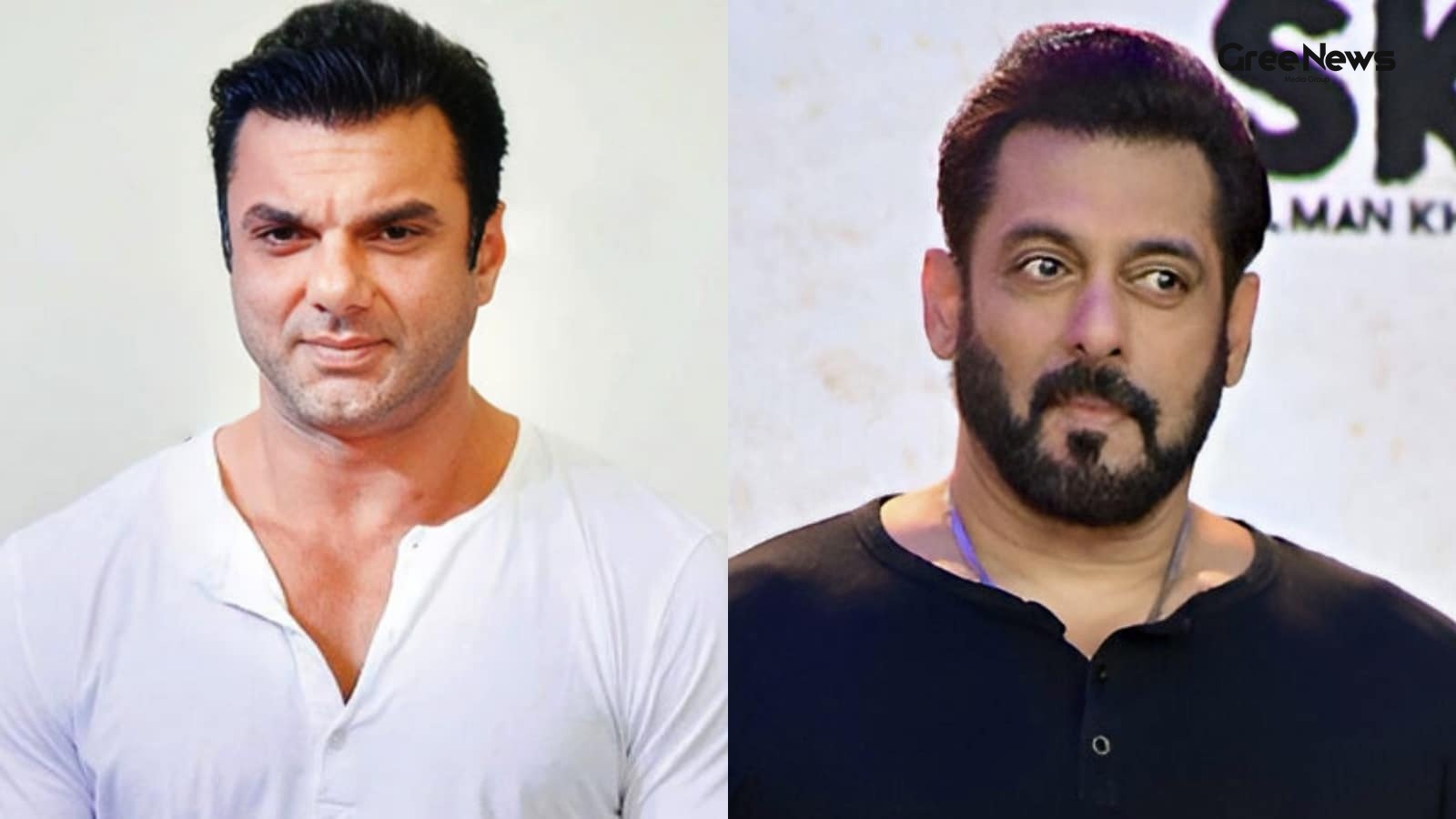
Sohail Khan joins Prime Video's *Alliance* as contestant
Sohail Khan just confirmed he’s going into Prime Video’s new show, *Alliance*, as a contestant. It’s definitely ramped up public interest for this thing. He spent some time reflecting on jumping into reality TV, talking about wanting to actually show everyone something different. He stressed that he
Jul 2, 2026 by Gree News Team
Market and Corporate Updates: Financial and Sector News
The market started off okay today. Tracking those global cues, GIFT Nifty was up a little bit, hovering around 24,184, that was about a 0.58% jump at 7:53 am IST. A gap-up opening for Sensex and Nifty 50 generally. JTL Industries reported some solid numbers recently too. They saw an eighteen percent
Jul 2, 2026 by Gree News Team
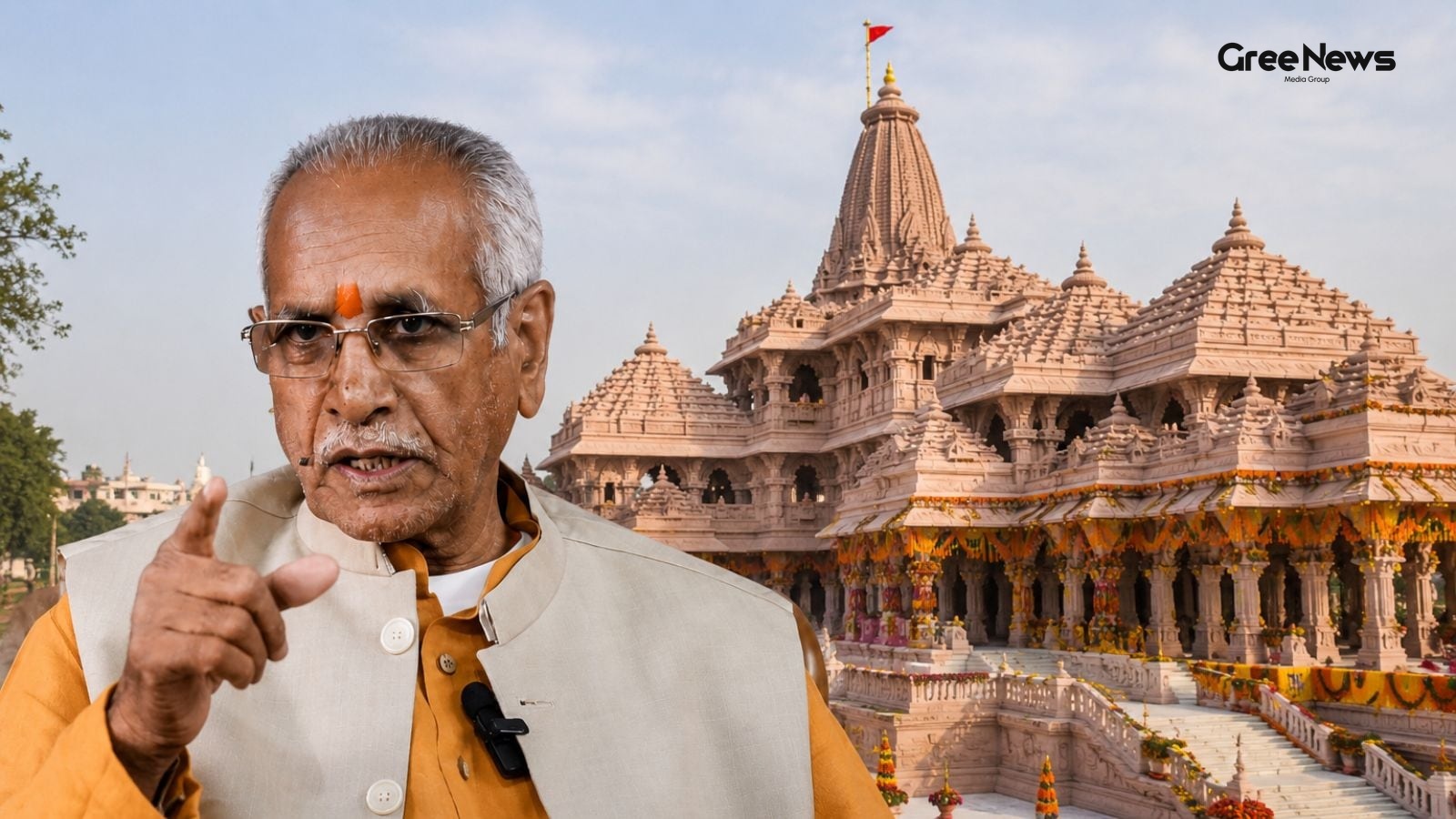
Ram Temple Donation Theft Case: Legal Action and SIT Probe Update
The Ram Temple donation theft case is about to take a real turn this Thursday. Lawyers in Ayodhya are gearing up to file a complaint against Champat Rai. He’s the former general secretary of the Shri Ram Janmabhoomi Teerth Kshetra Trust, and they are demanding an FIR over these alleged irregularitie
Jul 2, 2026 by Gree News Team
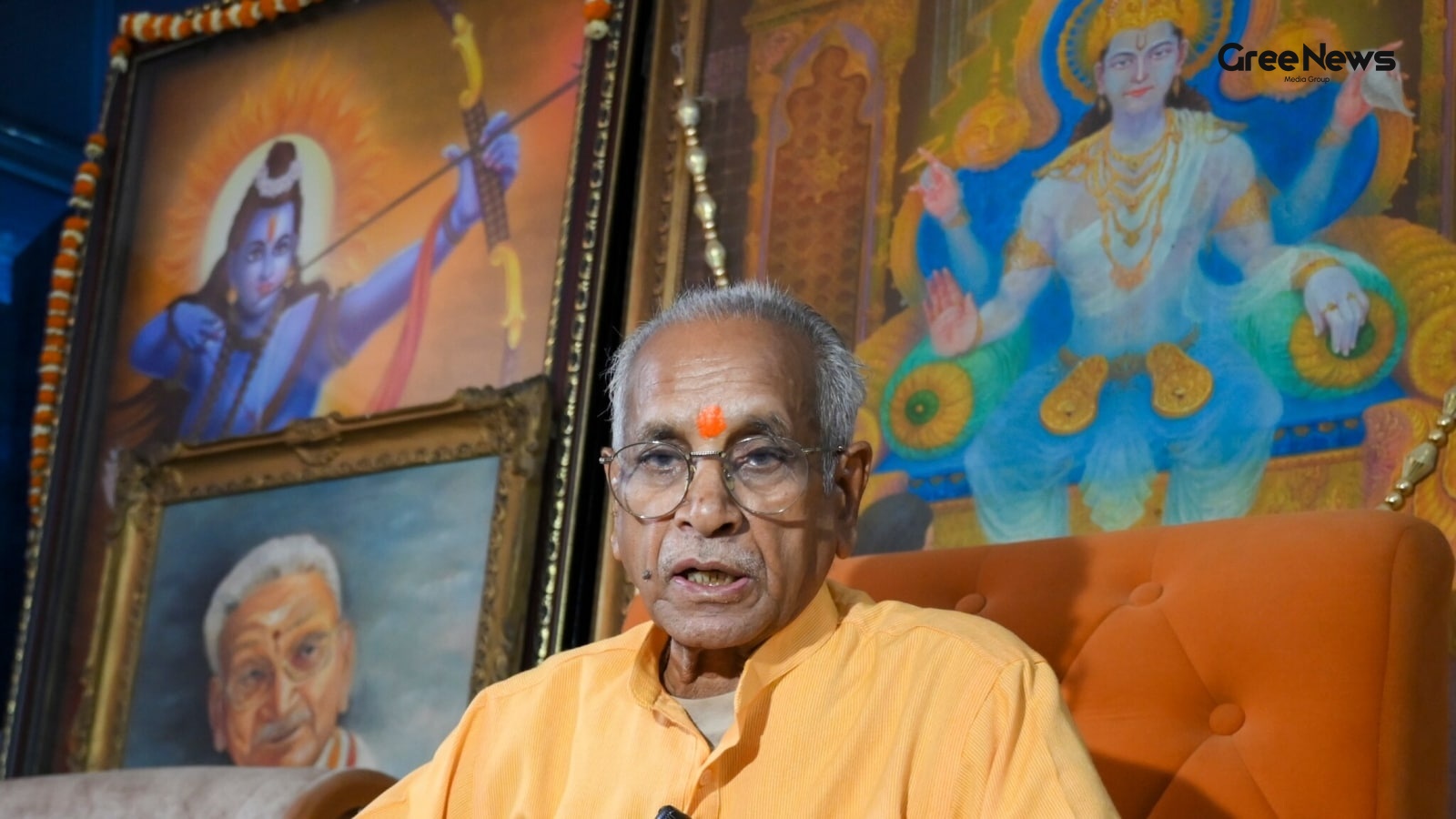
Investigation into Misappropriation of Temple Donations
Champat Rai, the former General Secretary of the Ram Janmabhoomi Teerth Kshetra Trust, was being questioned by the police about the alleged misappropriation of temple donations. He defended himself in the questioning, insisting he wasn't involved in any theft. He claimed he actually uncovered the wh
Jul 2, 2026 by Gree News Team
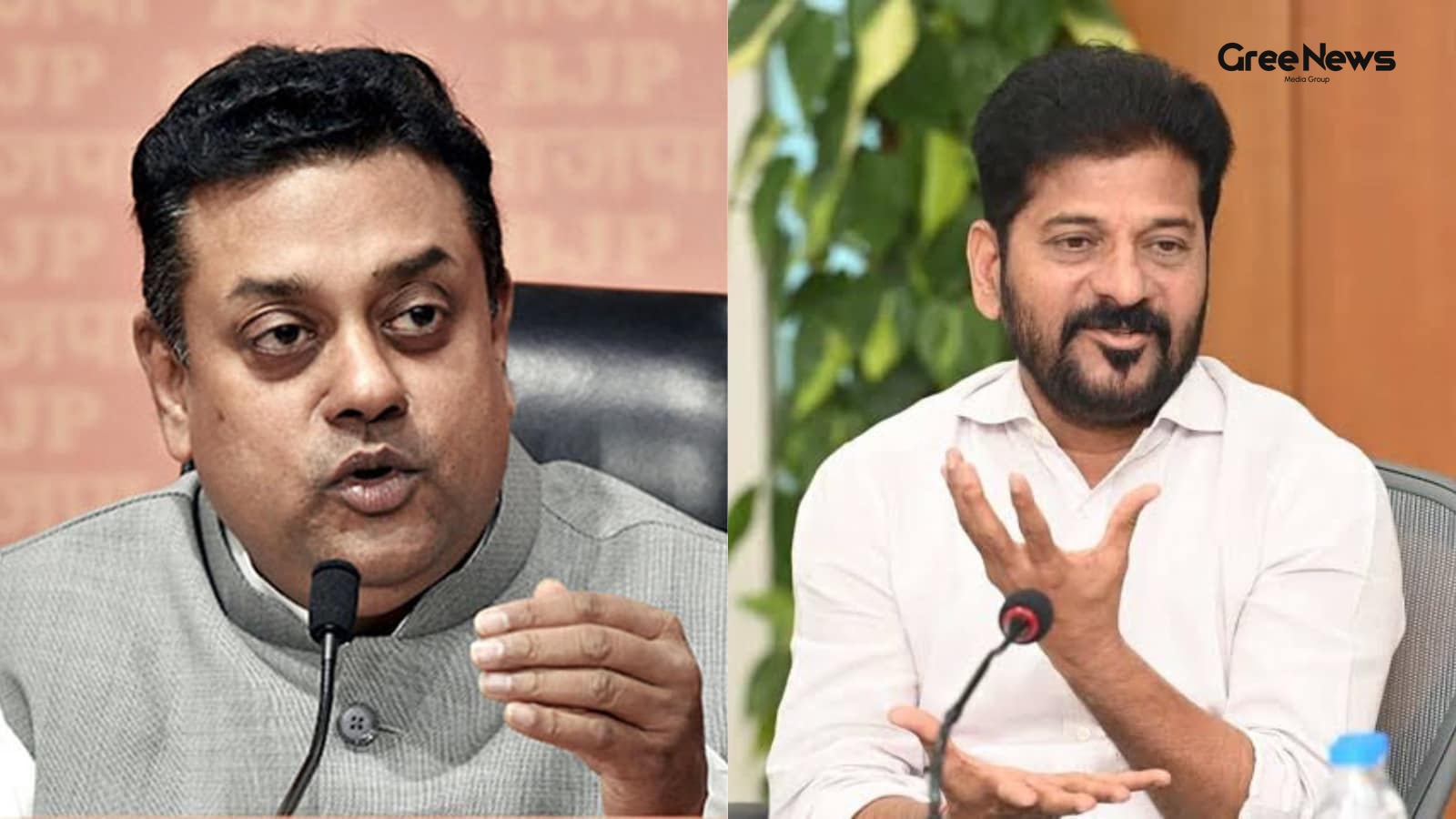
Political Tensions and Remarks in Telangana
Wednesday saw the Bharatiya Janata Party really push back. They targeted Telangana Chief Minister Revanth Reddy and the Congress over some remarks he made about their national president, Nitin Nabin. The party called those comments just plain “objectionable.” Said they reflected the whole “culture o
Jul 2, 2026 by Gree News Team
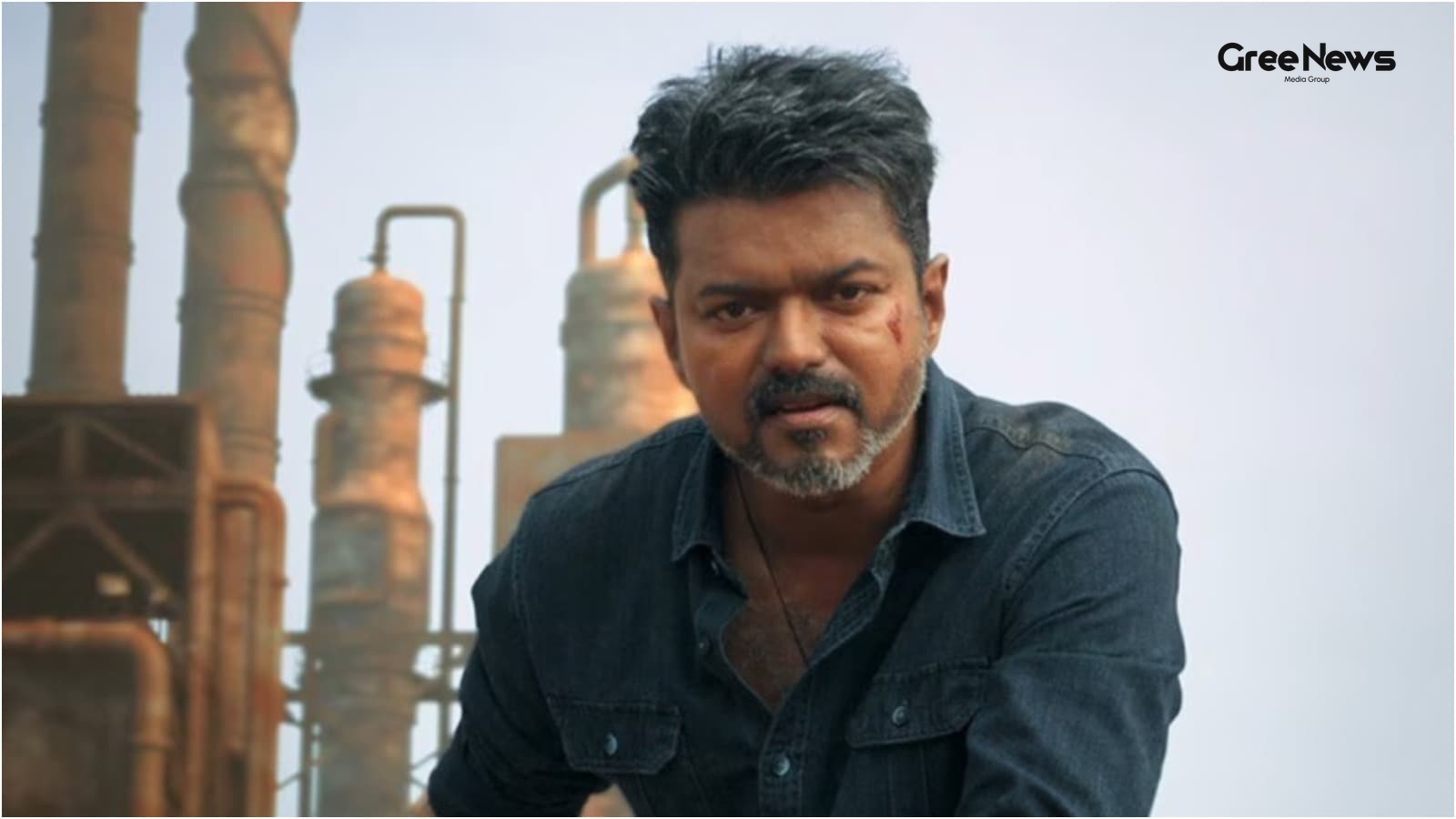
H Vinoth’s Movie ‘Jana Nayagan’ Release Update
So here’s the deal with H Vinoth’s movie, ‘Jana Nayagan’. Everyone in the industry is talking about it, you know? Sources are saying and this isn't official anything yet that it might finally hit screens this July. It’s Vijay’s last film as an actor, which is huge. He’s the Tamil Nadu Chief Minister
Jul 2, 2026 by Gree News Team

US Keeps World Cup Dream Alive in Dramatic Victory
The US kept their World Cup dream alive, in a really dramatic way. They managed to survive a red card late in the game and beat Bosnia and Herzegovina 2-0. That put them in the Round of 16 on Wednesday. In front of that roaring home crowd, they snagged just their second knockout victory. And it was
Jul 2, 2026 by Gree News Team
MeitY Notice to Meta on WhatsApp User ID System and Cybercrime
MeitY just sent a formal notice to Meta. It’s a real regulatory shove, hitting them hard over that whole idea of WhatsApp trying to roll out some new "User ID" system. The core worry? Cybercriminals could totally exploit it. They told the giant tech company they have three days to give a deep dive e
Jul 2, 2026 by Gree News Team
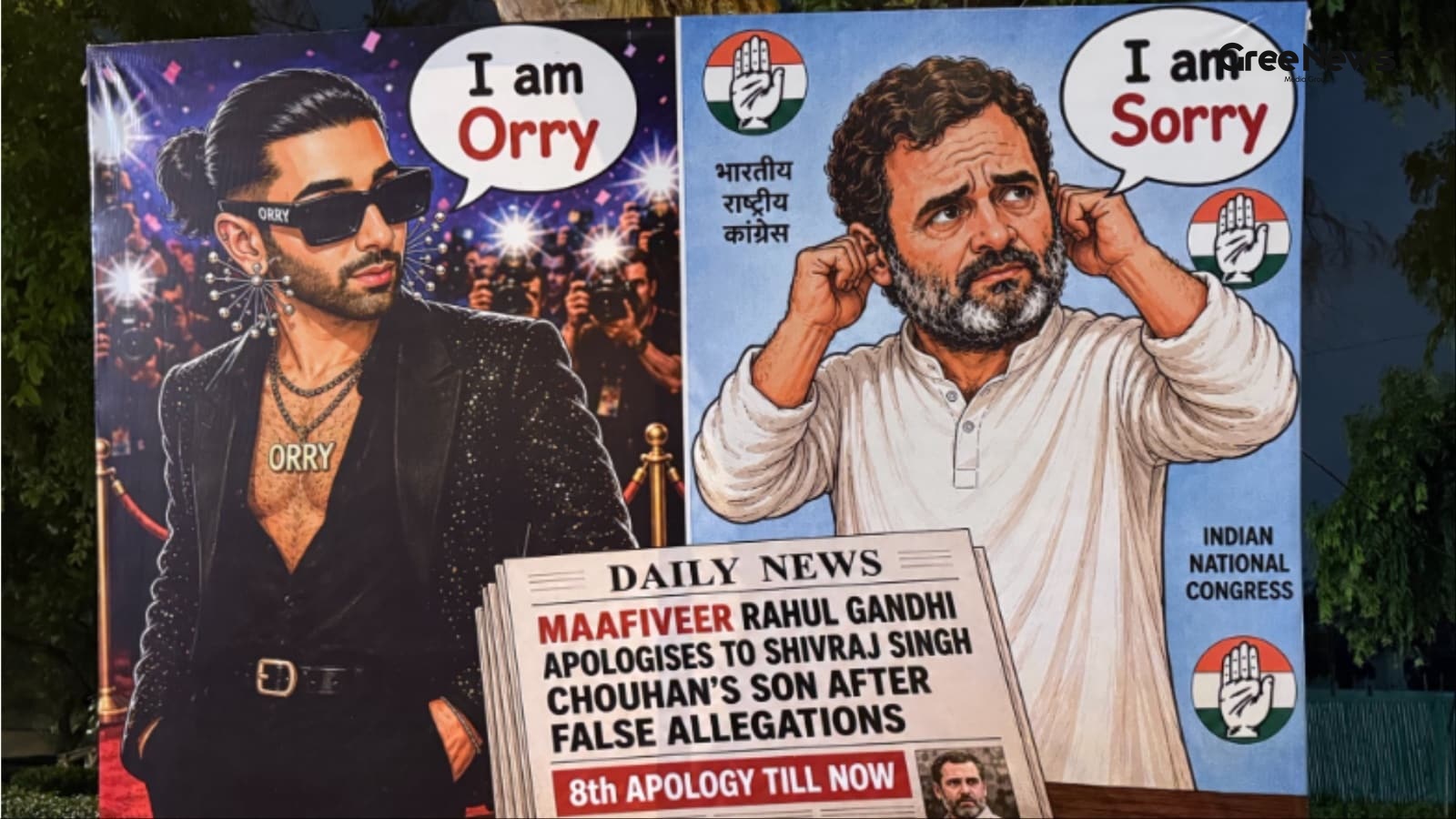
Political Posters and Defamation Case Involving Rahul Gandhi
Posters started showing up across parts of Central Delhi on Thursday. They were aimed at Rahul Gandhi and the Lok Sabha Leader of Opposition. BJP leader Tajinder Pal Singh Bagga put them up. It was a political jab, really. He used it to attack Gandhi following some recent comments he made before the
Jul 2, 2026 by Gree News Team
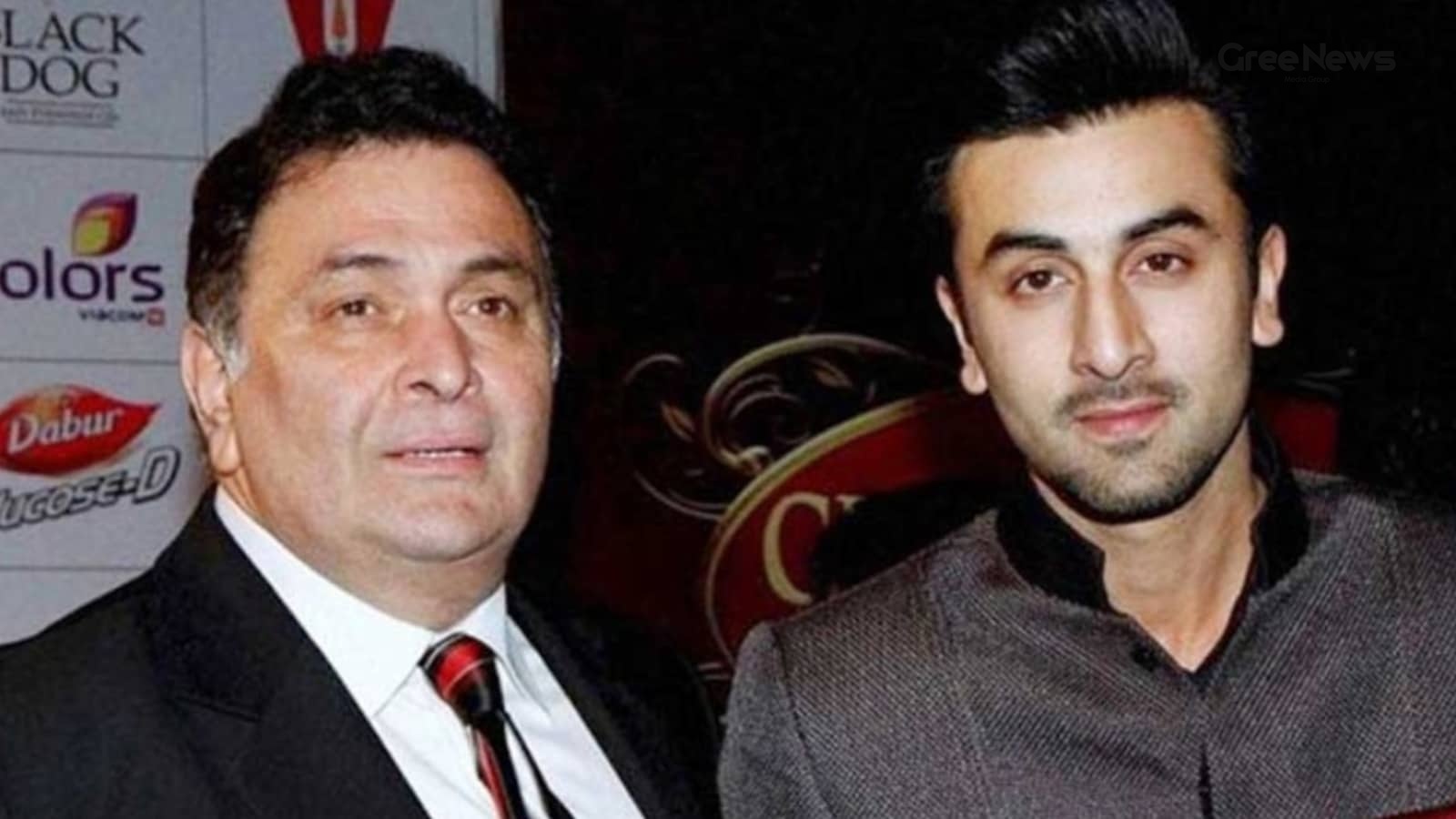
Ranbir Kapoor on Marijuana, Addiction, and Memories with Rishi Kapoor
Sumit Tyagi, who is Rishi Kapoor’s line producer on *Do Dooni Chaar*, actually saw Ranbir Kapoor admitting he smoked marijuana in an interview. It wasn't some big revelation for him, but it brought up a memory of running lines with Rishi Kapoor when they watched that TV segment together. He said som
Jul 2, 2026 by Gree News Team
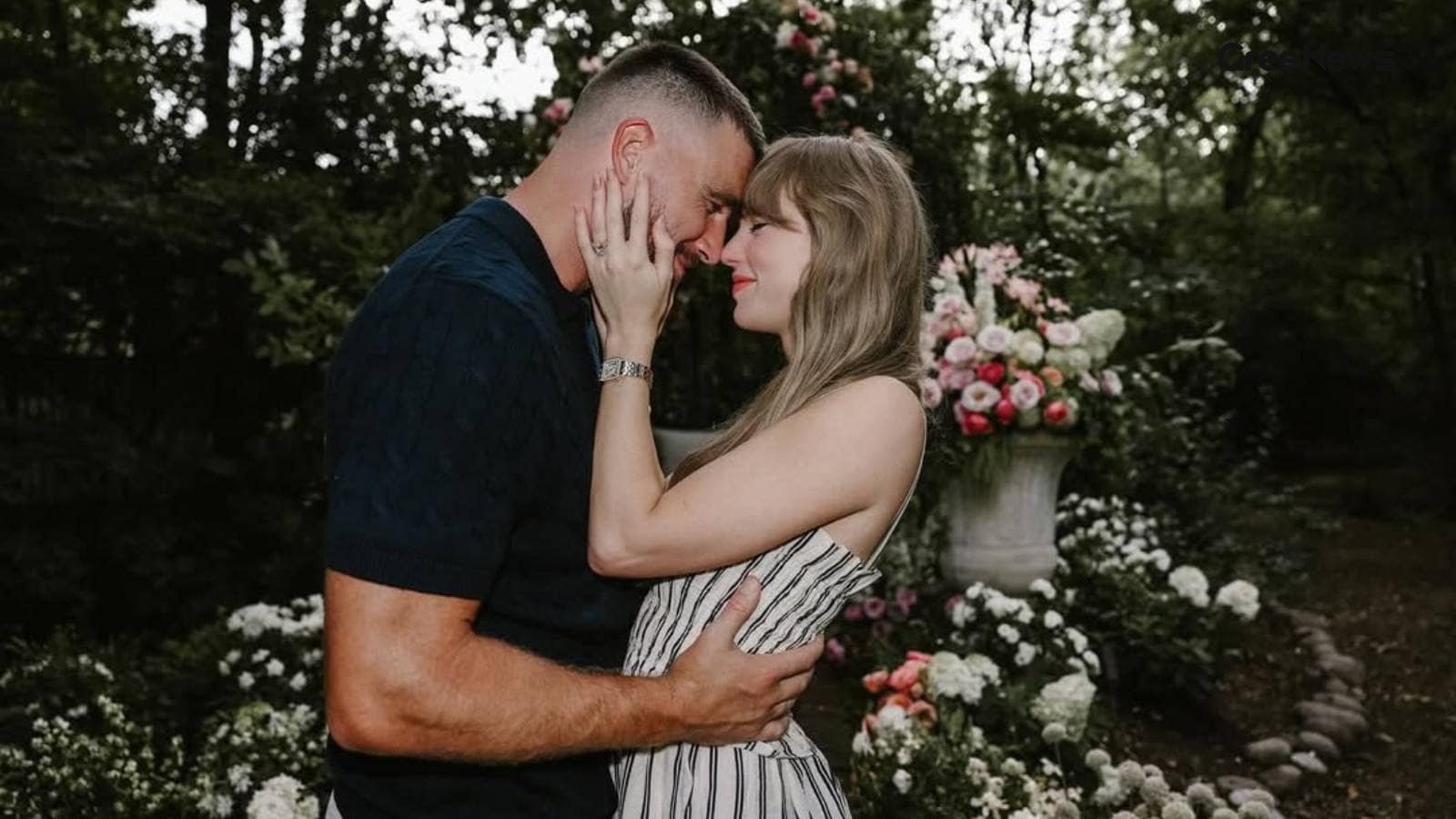
Taylor Swift and Travis Kelce Wedding Costs and Details at Madison Square Garden
Taylor Swift and Travis Kelce are getting married at Madison Square Garden. It’s happening soon. The rehearsal is today, Thursday, July 2nd. But the actual wedding? That’s tomorrow, July 3rd. People are wondering about the sheer amount of money they’re spending. How much exactly? A luxury designer,
Jul 2, 2026 by Gree News Team
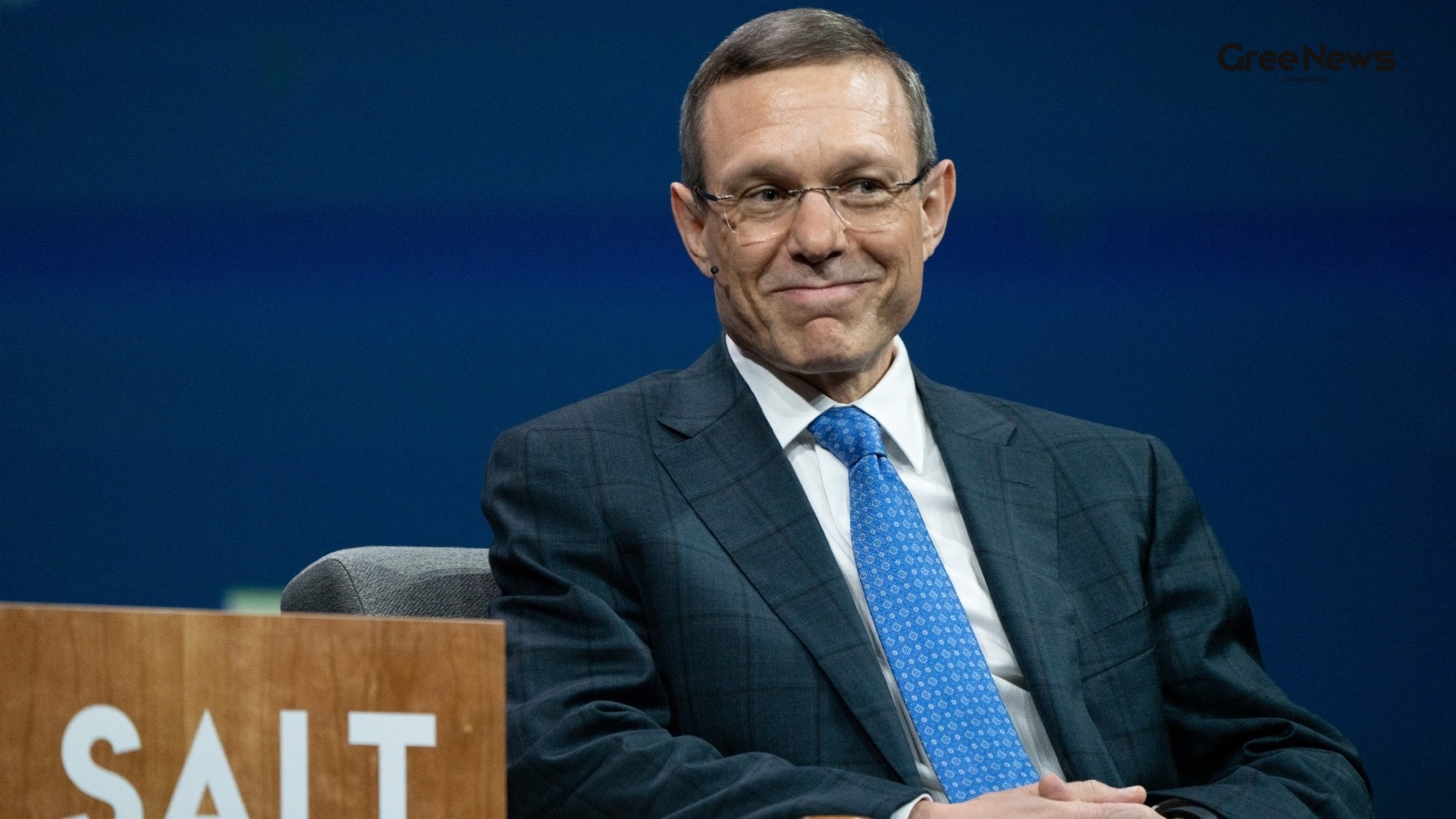
Avi Loeb and the Investigation of UFOs and Extraterrestrial Technology
Avi Loeb, that Harvard astrophysicist you know him, the one who stirs things up with his theories about alien life he’s been tapped. The Trump administration picked him to lead a team of independent scientists looking at the national security side of UFOs, or whatever they call them now, UAPs. This
Jul 2, 2026 by Gree News Team
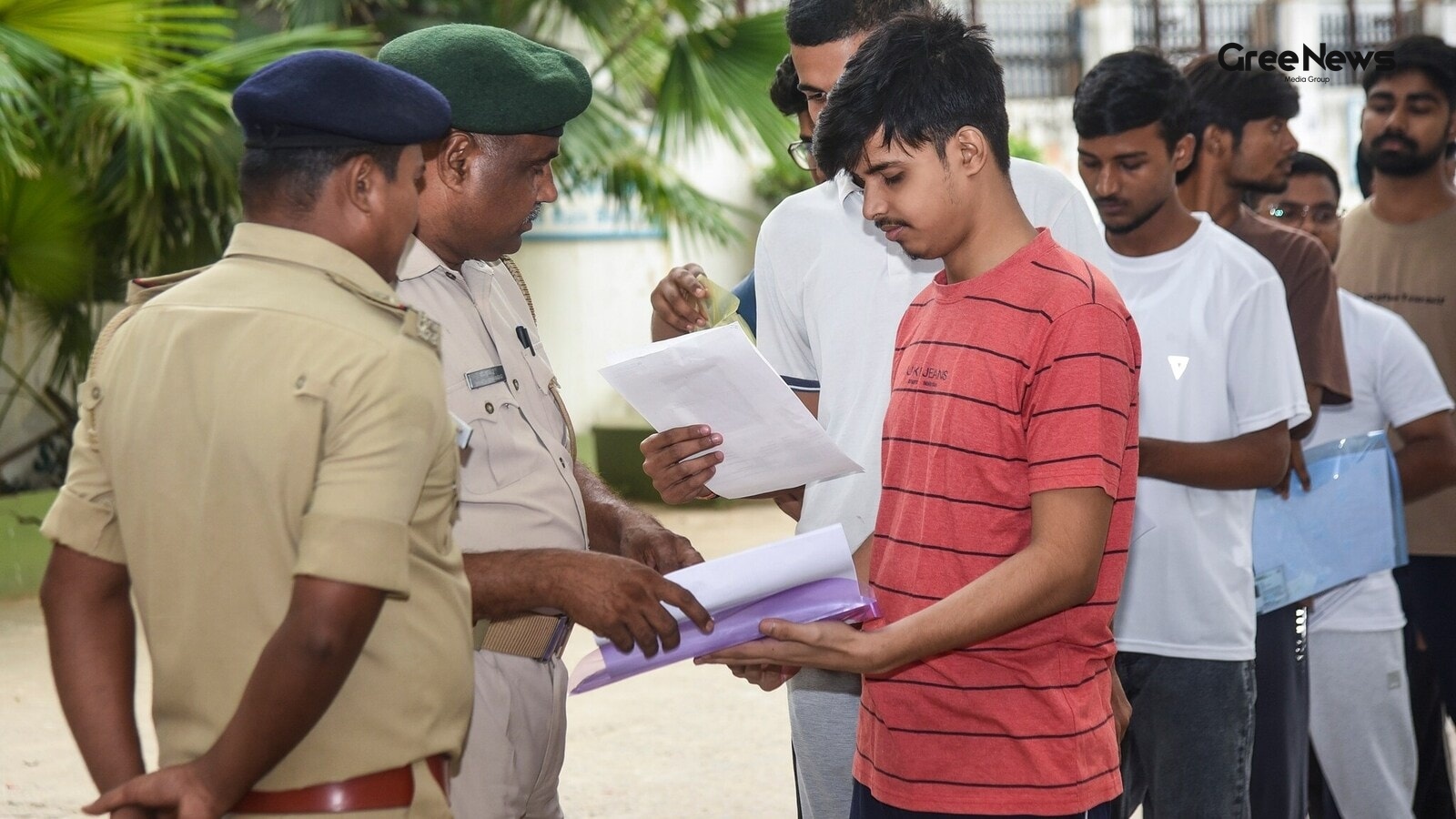
Changes Planned for NEET UG Medical Entrance Exam
Significant changes are being planned for the NEET UG medical entrance exam. There’s a parliamentary committee pushing for a complete overhaul of the entire pattern. They brought up serious security worries, you see. Conducting that test for more than twenty lakh candidates all at once just doesn't
Jul 2, 2026 by Gree News Team

Sadie Sink on Bittersweet Feelings After Stranger Things Finale
Sadie Sink has been talking about feeling kind of bittersweet lately, you know? About the end of *Stranger Things*. She’s 24 now. She got her big break playing Max Mayfield in that show, right? Between 2017 and 2025. And now she admits watching the finale brought up a lot of mixed feelings. Reports
Jul 2, 2026 by Gree News Team