Brain Implants and Neurotechnology in Cancer Treatment
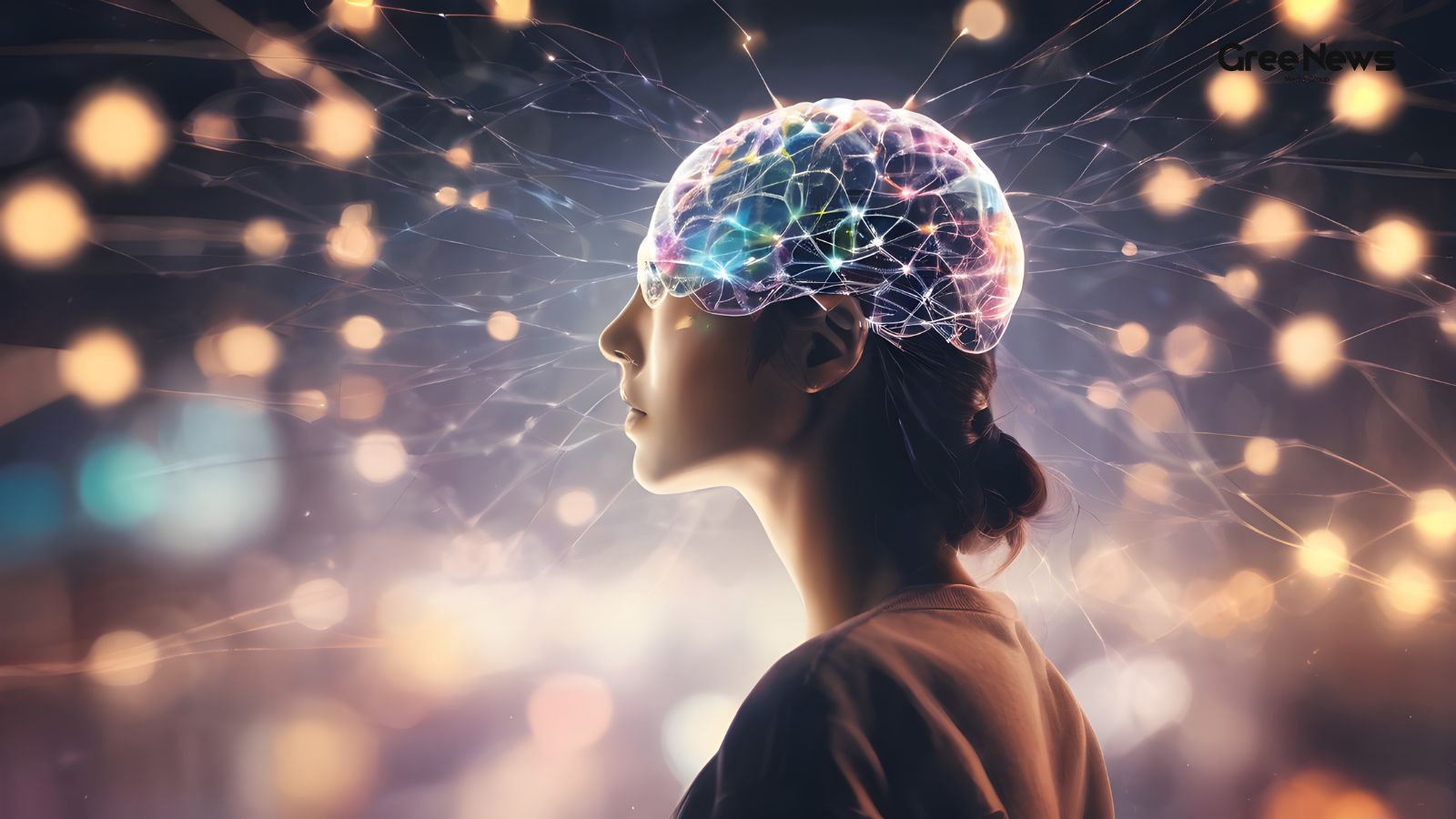
A weird thing is happening in neurotechnology. A startup out of San Francisco, one tied pretty closely to Elon Musk and Neuralink, they’ve started human testing for a brain implant designed to spot and fight cancer. Coherence Neuro. They hit a milestone recently, actually. Three consenting patients tested the flagship device. It was reported in Wired.
This isn't just some theoretical stuff. This is about using a brain-computer interface a BCI to track and mess with the electrical signals coming from aggressive tumors. It’s a massive shift for how we think about fighting terminal illnesses, honestly.
The initial trials were pretty intense. They didn't implant it right away. Instead, they briefly put this button-sized thing into the brains of patients who were already having surgery to remove tumors. Thirty minutes maximum. Just enough time to check safety and see what signals looked like before pulling it out. It felt… messy, but clear data.
They focused everything on glioblastoma . That’s the notoriously brutal kind of brain cancer. Coherence Neuro is trying to change oncology completely. Moving away from those harsh systemic interventions toward something continuously monitored. Seamless management.
The whole mechanism hinges on some pretty wild science. It turns out that cancer tissue isn't just biological noise; it acts like an electrically active thing. These aggressive tumors actively hijack the electrical signals of healthy brain tissue. They use those hijacked signals to fuel their own growth, accelerating things.
Coherence Neuro built something called SOMA to fight back there. The micro-implant reads these hyper-specific electrical properties of malignant masses. And then it spits out targeted electrical stimulation. It’s a dual action. It tries to stop the tumor from developing by interfering with that hijack process itself.
It’s not just the implant, though. They paired this hardware the tiny piece inside the brain with something wearable. A coin-sized device worn over the ear. And an app. Clinicians can check real-time data remotely. Adjust the stimulation. No more exhausting hospital visits for every little tweak.
The team behind it is interesting too. Founded back in 2022 by Ben Woodington and Elise Jenkins, both with engineering doctorates. They have these deep structural links to the neurotech world. Think about it Neuralink’s head neurosurgeon acts as an advisor and investor. Key investigators from those high-profile Musk trials are slated to lead the long-term studies for Coherence. It feels like a strange convergence, doesn't it?
Other bioelectric companies tried external wearables before, trying to extend life for glioblastoma patients. But this direct cortical approach feels different. Far more precise. More scalable. Right now, they keep the focus tightly on those intracranial tumors. But the team insists that the core biophysical principles governing SOMA could eventually be used across the whole body. Intercepting cancer wherever it spreads. It’s a big leap, and it’s happening right now.
Written by Gree News Team — Senior Editorial Board
Gree News Team covers international news and global affairs at Gree News. Our collective of senior editors is dedicated to providing independent, accurate, and responsible journalism for a global audience.
More from Life & Style
View All
The Subtle Shift in Aesthetic Medicine and Body Contouring
These days, everything changes in subtle ways, you know? Not these huge dramatic shifts. It’s more about tiny refinements now. Things like contouring a specific spot on your face or body are popping up everywhere. Jawlines are getting way more attention than they used to get. And those fat deposits
Jun 25, 2026 by Gree News Team
Alka Yagnik: The Struggle, Silence, and the Reality of Sensorineural Hearing Loss
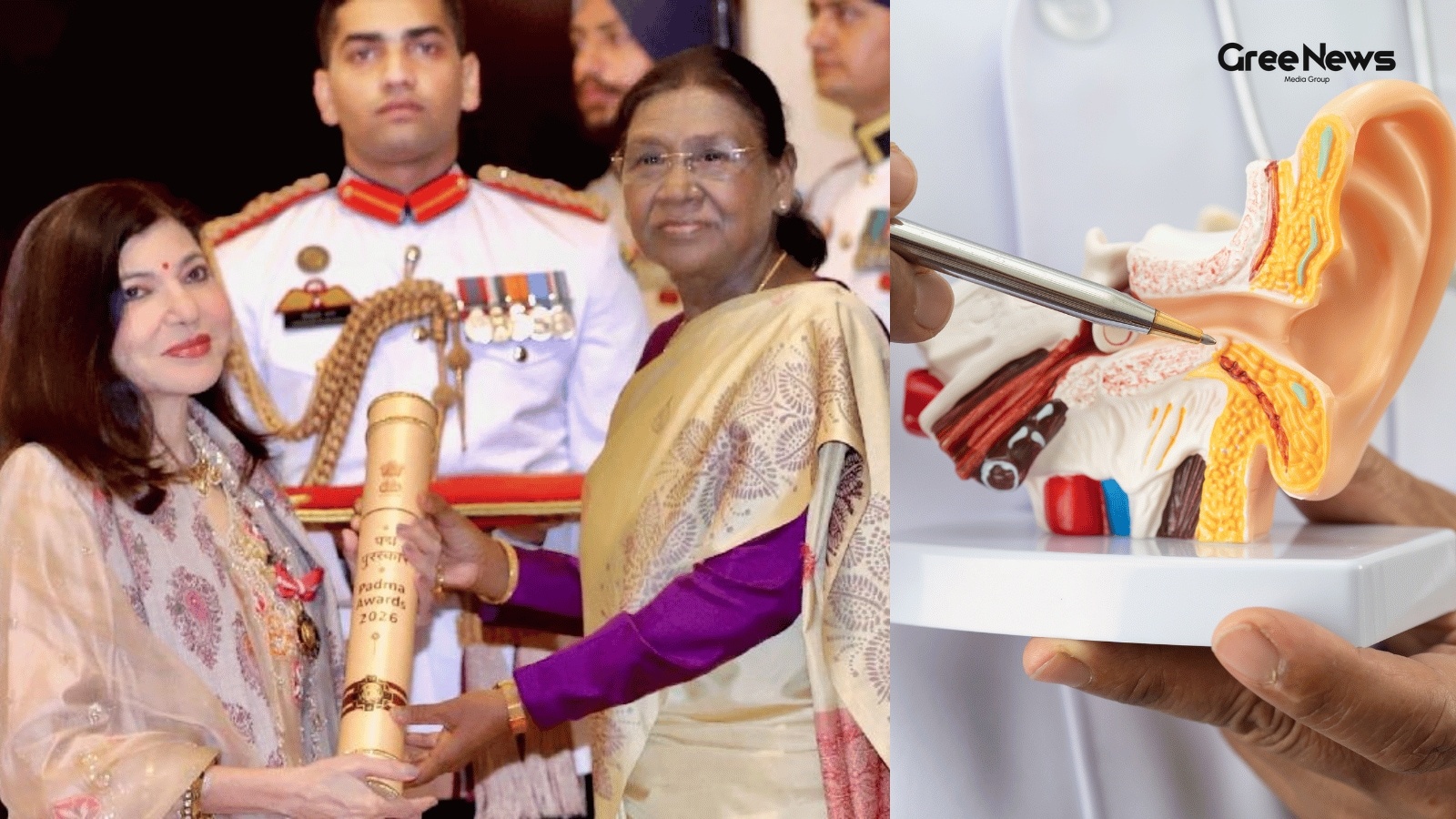
Alka Yagnik. Just the name carries a certain weight, doesn't it? Legendary playback singer. The voice itself it’s woven into the fabric of Bollywood music, you know? Thousands of songs, etched into memory. And then, this recent moment. The Padma Bhushan on June 23rd, 2026. India’s third-highest civi
Jun 25, 2026 by Gree News Team

The Evolution of Compatibility: From Biodata to Meaningful Matching
People now have so many ways to meet potential partners. Dating apps, matrimonial sites, biodata exchanges, family networks it’s all happening at once. But finding someone truly compatible hasn't gotten easier for most people. It’s just gotten noisier. “The issue isn’t access,” says Tania Malhotra S
Jun 25, 2026 by Gree News Team

The Role of Empathy and Holistic Care in Medical Tourism
Artificial intelligence is moving healthcare along, fast. It’s speeding up diagnostics, smoothing out hospital operations. But for people facing massive life changes the procedures themselves efficiency just doesn't cut it anymore. International patients are looking for something else entirely. Trus
Jun 24, 2026 by Gree News Team
Latest Headlines

The Unfolding Reality: Navigating Uncertainty and Chaos
It’s moving fast right now. You can feel it in the air. Not just the usual noise but something else undercurrent. People are talking about everything and nothing at once. It just flows, doesn't it? Like trying to catch water slipping through your fingers. The setup is always shifting. Yesterday one
Jun 26, 2026 by Gree News Team

Federal Judge Stops Immigration Arrests Near Courthouses
A federal judge in California basically slammed the door shut on the Trump administration’s plan last Tuesday. It stopped them from letting immigration authorities arrest migrants right at courthouses, issuing this nationwide order that temporarily freezes that practice. The policy itself had been i
Jun 26, 2026 by Gree News Team
US-India Trade Deal Negotiations and Challenges
India and the United States are moving closer to some kind of final trade deal, but there’s still a lot hanging over those talks. Kansas Senator Roger Marshall brought this up recently. He said that significant challenges remain. Not just the paperwork stuff. He pointed right at the huge imbalance a
Jun 26, 2026 by Gree News Team
Investigation and Legal Proceedings Surrounding Ram Mandir Donations
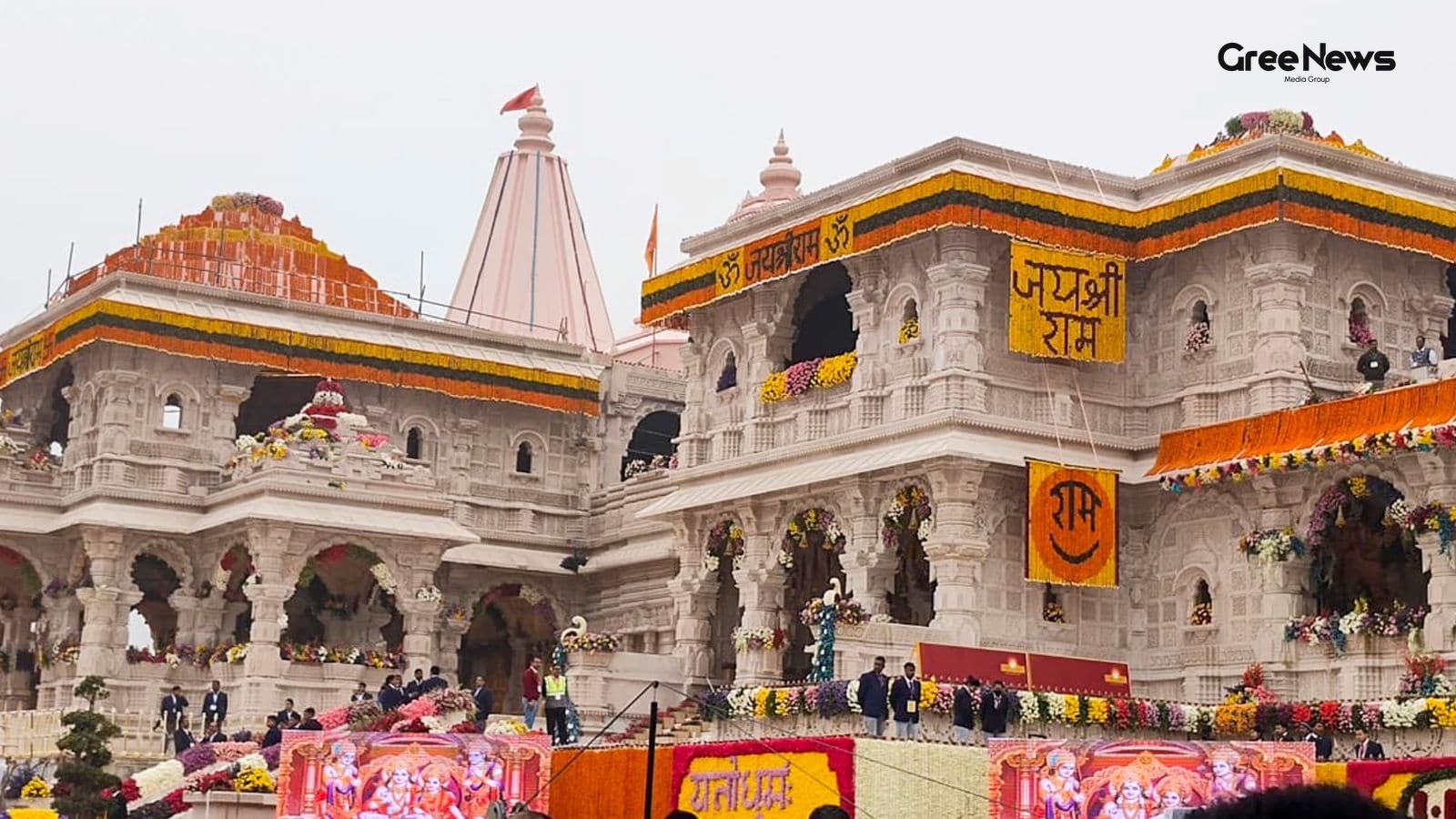
The whole situation around those donations at the Ram Mandir in Ayodhya has definitely escalated into something legal now. There’s a petition hanging out there, asking for an independent look a proper investigation into all the alleged financial messes and irregularities involving what devotees gave
Jun 26, 2026 by Gree News Team

The Evolution of the Air Fryer and the Modern Indian Kitchen
You know, not so long ago, an air fryer just sat there. A small thing on the kitchen counter. Mostly for those times you wanted guilt-free fries or a quick snack with less oil. But look at where it is now. In 2026? It’s totally changed. It’s become this huge cooking machine. Something that can do an
Jun 26, 2026 by Gree News Team
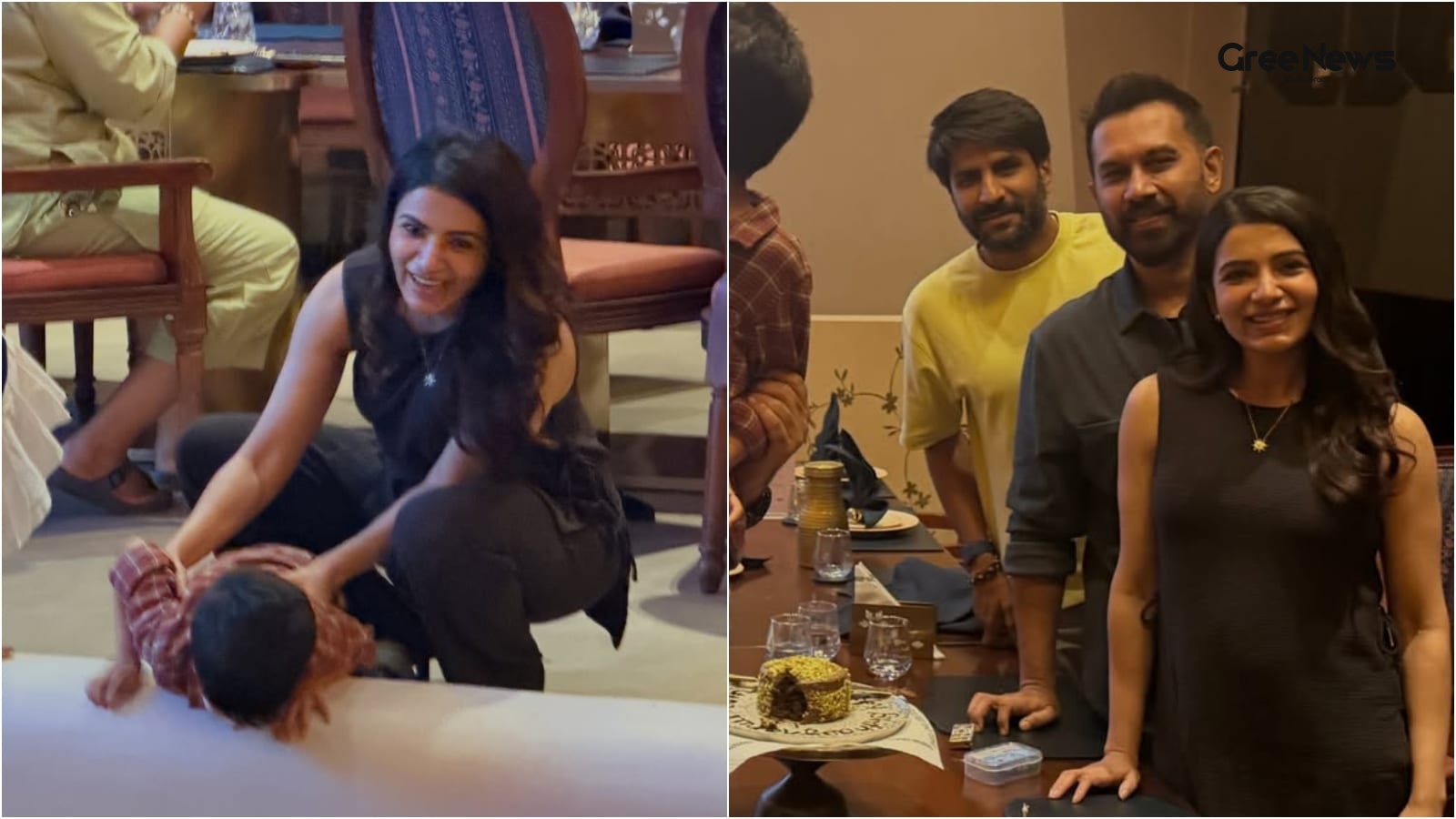
Samantha and Raj Nidimoru's Journey: Pregnancy, Friendship, and Public Life
Samantha Ruth Prabhu and Raj Nidimoru were at Rahul Ravindran’s birthday party in Hyderabad. Pictures from that gathering started circulating online, going totally viral. It was an intimate kind of thing, you know? Rahul Ravindran and Samantha have known each other for a really long time over sevent
Jun 26, 2026 by Gree News Team

Mumbai Monsoon Flooding and Infrastructure Disruption Report
The southwest monsoon finally dragged itself into Mumbai on Tuesday. Thirteen days late, you know? It felt like a long wait after all the preceding heat and that thick, humid blanket they’d been holding onto. Relief, maybe, but not immediate relief. That heavy downpour overnight, though… that was th
Jun 26, 2026 by Gree News Team

The Internal Struggle for Control in the Trinamool Congress
The fight over who actually controls the Trinamool Congress just got really messy. It escalated fast after rival factions Mamata Banerjee’s camp and Ritabrata Banerjee, the Opposition leader both went knocking on the Election Commission of India door. They brought competing lists for a national work
Jun 26, 2026 by Gree News Team
Jail Escape and Security Failures at Bareilly Central Jail
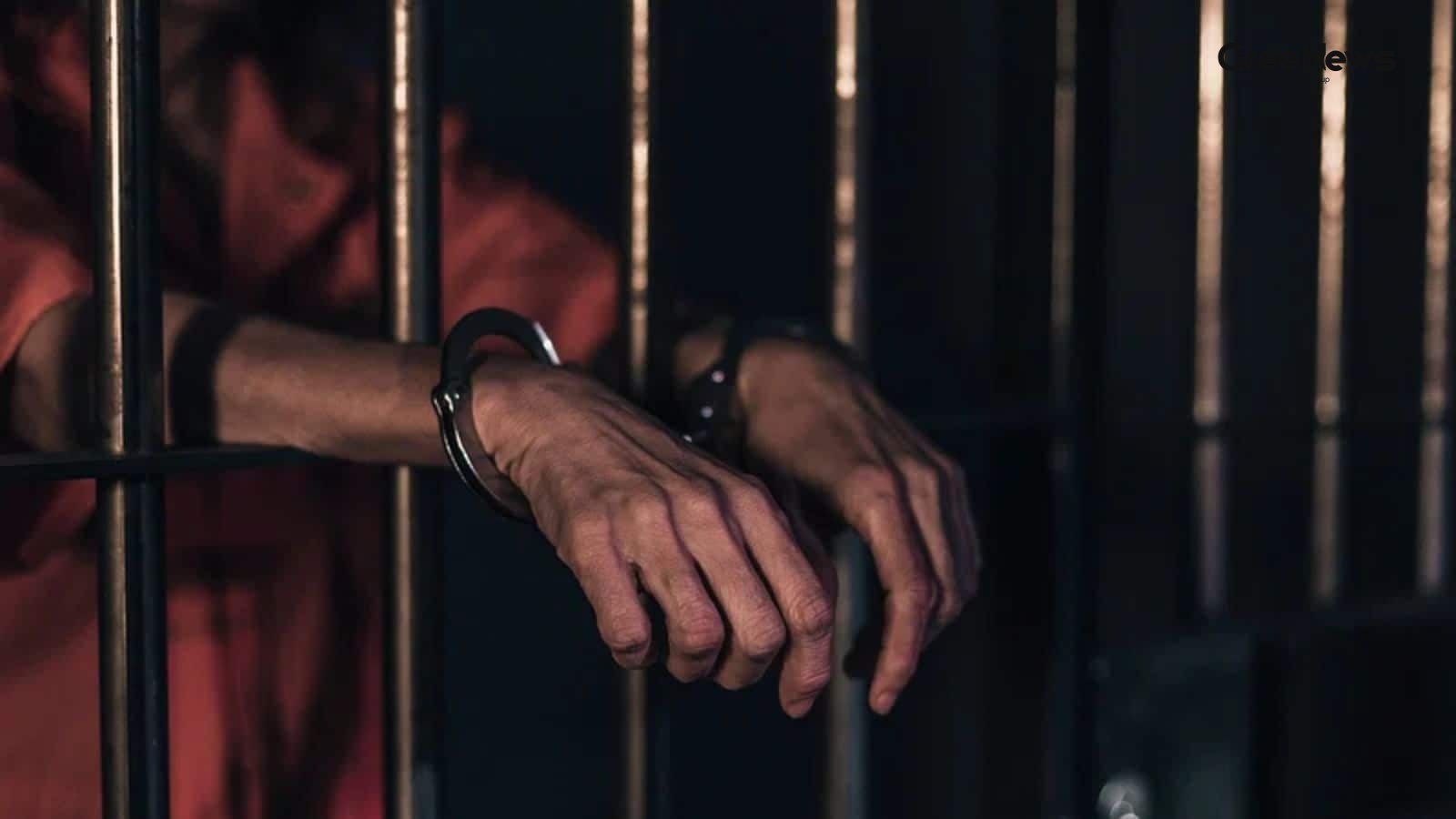
Bareilly Central Jail. That’s where it happened. An inmate serving a life sentence just walked out. He scaled the walls. While guards were… watching reels on their phones. The Times of India reported this stuff. He’d been convicted for raping a child. Simple facts, really. The fallout is immediate,
Jun 26, 2026 by Gree News Team
India's Pushback on Jammu and Kashmir at the UN Security Council
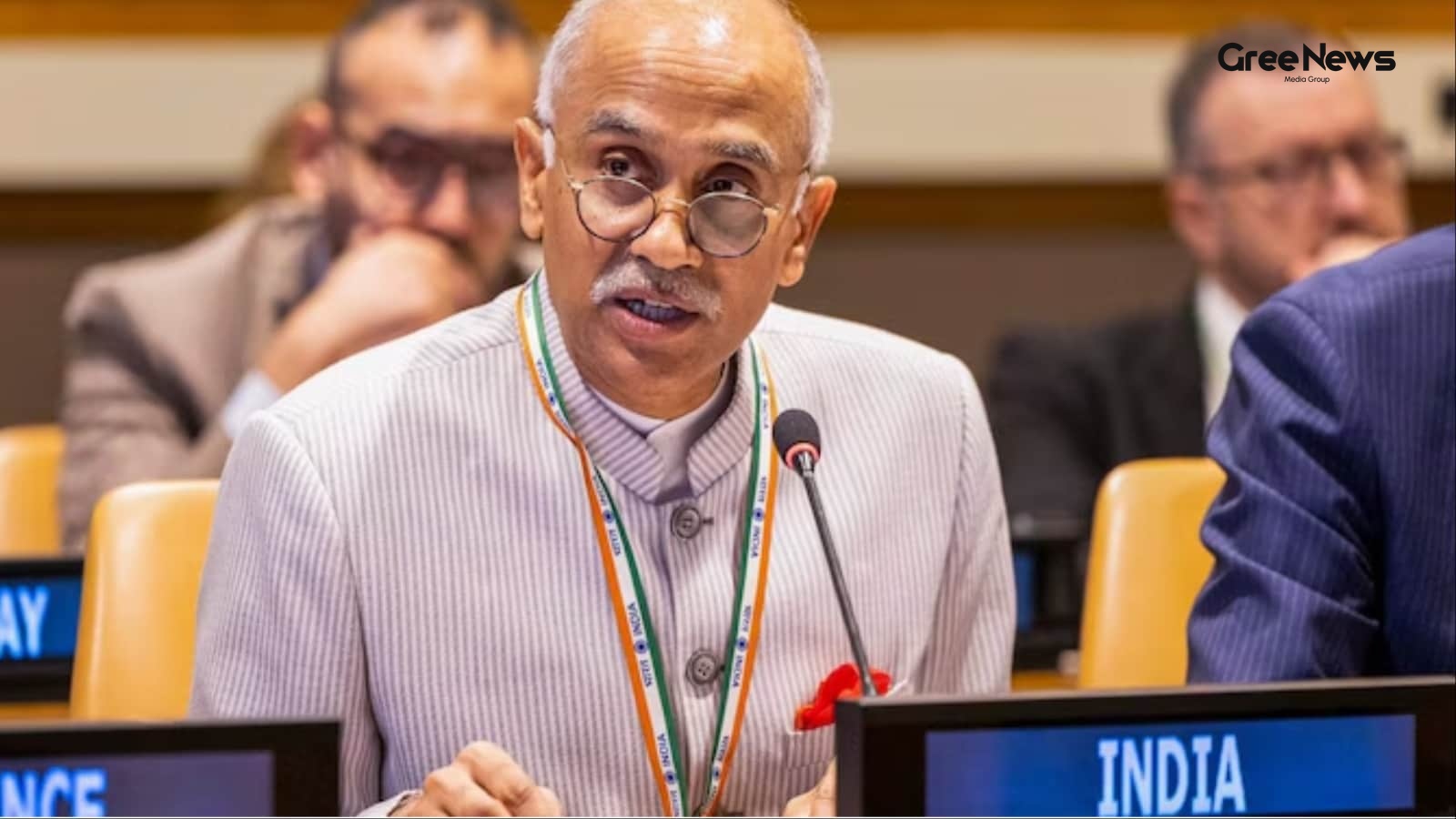
Tuesday brought another round of friction at the United Nations Security Council. India firmly pushed back against Pakistan’s comments regarding Jammu and Kashmir during what was structured as an Arria-formula meeting. Ambassador Parvathaneni Harish, India’s Permanent Representative there, made his
Jun 26, 2026 by Gree News Team

The Messy Reality of Reporting: Style Over Structure
Look, when you ask for something written like that the real human mess of reporting it’s not about finding the perfect structure. It's about how it actually feels, right? It’s uneven. Like someone is typing fast, maybe slightly stressed. There are breaks in the flow. You don't get perfectly organize
Jun 26, 2026 by Gree News Team

Investigation into Ram Temple Donations and Financial Irregularities
The whole thing about the Ram Temple donations it’s really turning into a mess now. The Special Investigation Team, that SIT looking into those allegations of irregularities at the Ramjanmabhoomi Temple in Ayodhya, they’ve come up with some big recommendations. It basically says the whole administra
Jun 26, 2026 by Gree News Team
The Legacy of Raman Raghav 2.0 and Nawazuddin Siddiqui's Performance
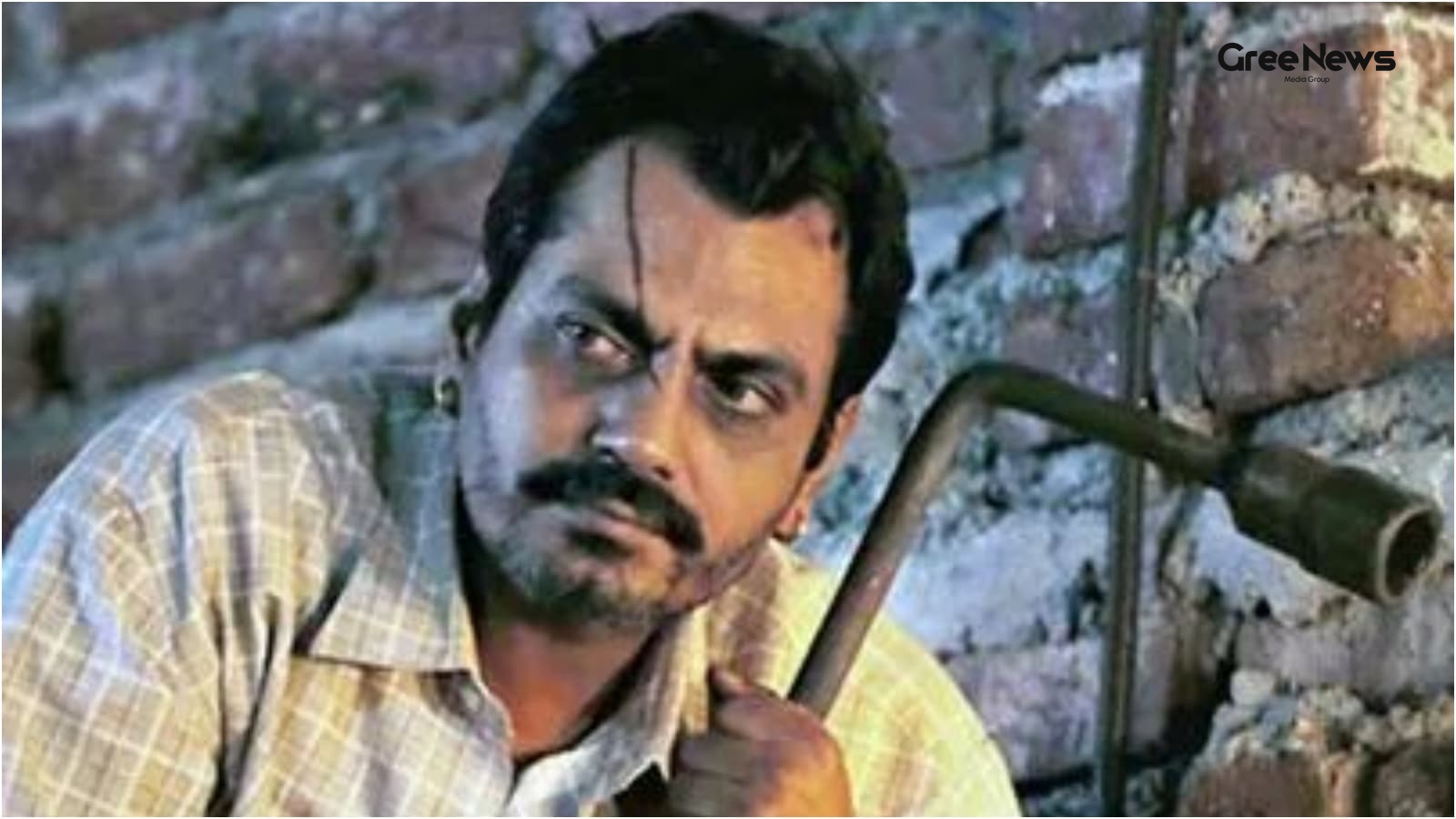
Ten years. That’s what it’s been since *Raman Raghav 2.0* dropped. Anurag Kashyap’s movie. It still hits you, right? One of those films that just stays lodged in your head intense. Unsettling. It came out back in 2016. Nawazuddin Siddiqui was in it as Raman. A serial killer. The kind of character wh
Jun 26, 2026 by Gree News Team
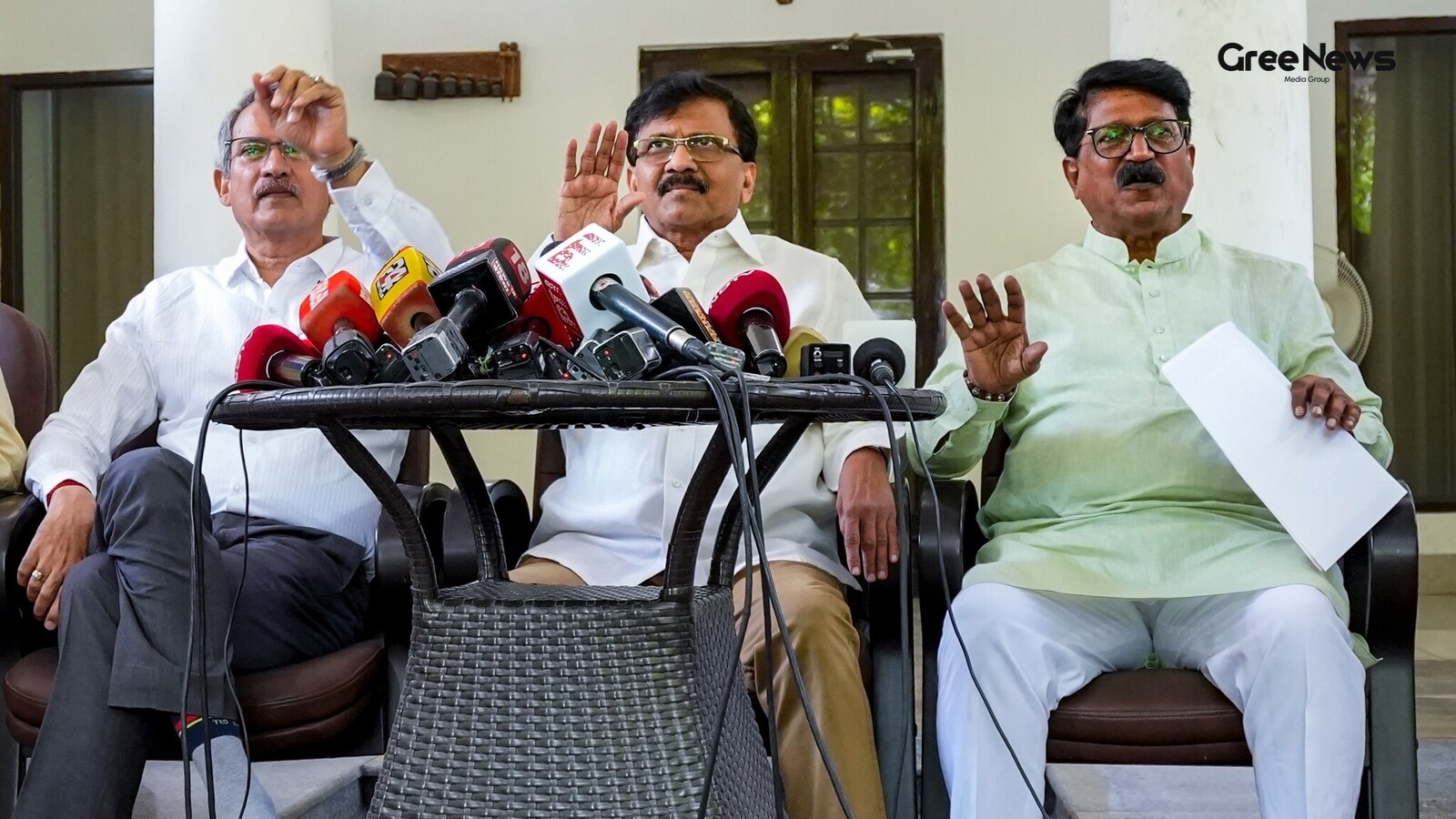
The Political Split and 'Operation Tiger' in Shiv Sena
Two days after those six Lok Sabha MPs actually announced they were joining Eknath Shinde’s side within the Shiv Sena the UBT faction things got loud. Sanjay Raut stepped up. He didn't just talk; he threw out this veiled threat, calling it a fight against traitors. A real declaration of war, kind of
Jun 25, 2026 by Gree News Team

Real-Life Psychological Thriller: Murder Conspiracy at Lohagad Fort
An absolute real-life psychological thriller just ripped through Pune. It’s not some fictional story; it’s about how a planned pre-wedding celebration at Lohagad Fort turned into something utterly cold and brutal. What started as what local police thought was a tragic accident during a scenic trip h
Jun 25, 2026 by Gree News Team