Rawalakot Protest: Demands, Allegations, and International Appeal
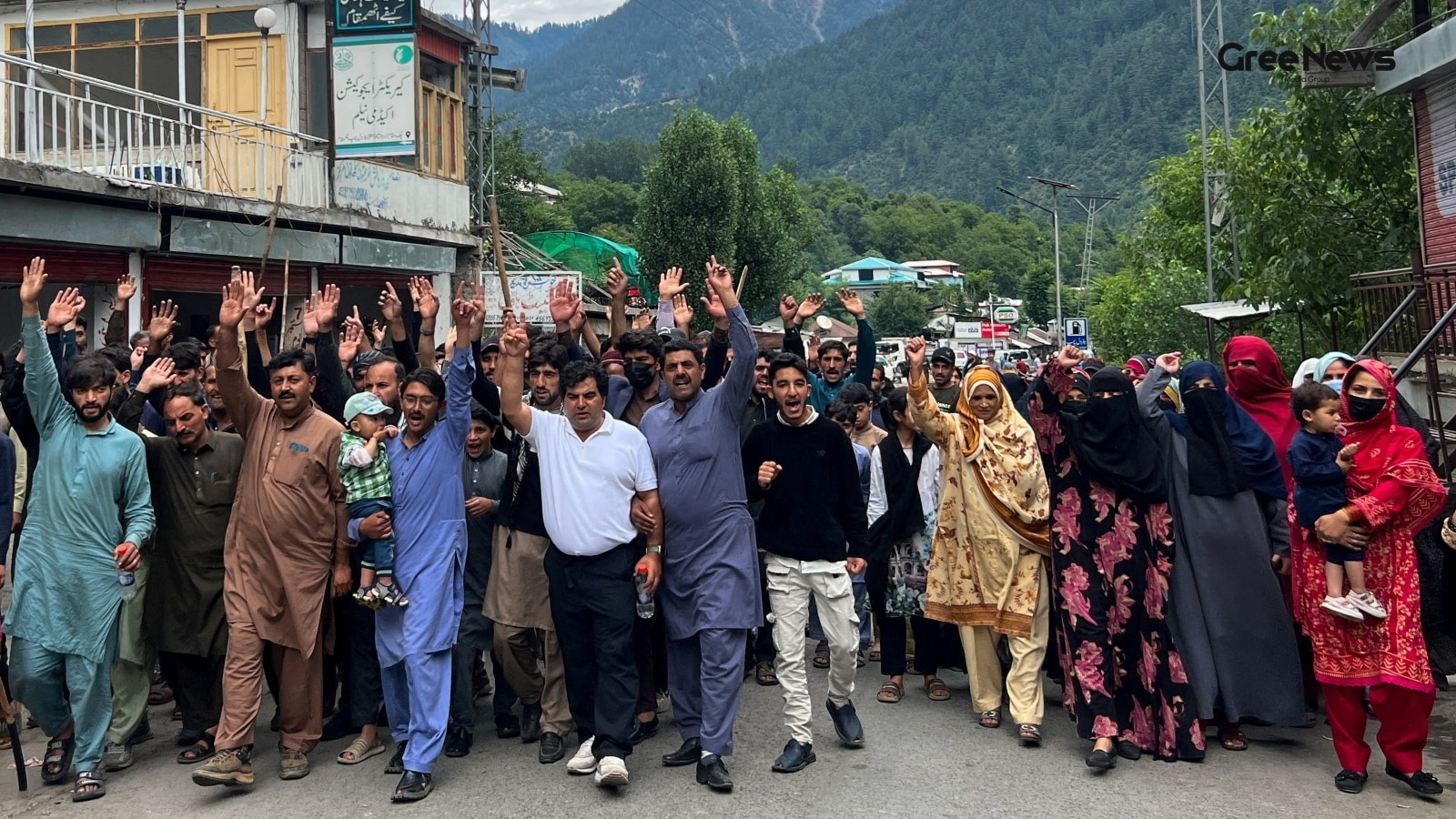
The air in Rawalakot right now is thick. It’s heavy with something that isn't just the heat or the dust, it’s pure, raw frustration boiling over into a massive protest led by the Joint Awami Action Committee, JAAC. They are out there demanding things jobs, real healthcare, decent education, and some kind of shift in how the local administration actually functions. It’s more than just a street demonstration; it feels like a desperate attempt to force something back into the light, a demand for fundamental rights that they feel have been completely ignored by everyone up the chain.
They aren't just sitting there waiting for permission. There is a vow hanging over this whole situation. The protesters are determined to hold this line. They promised a long and strong resistance. Not an easy fight, certainly not one where they just pack up and go home. They intend to keep this sit-in going, pushing forward until the authorities finally start moving on their charter of demands. It’s a stubborn refusal, born out of exhaustion and deep feeling that their voices simply don't register in the official machinery.
And then there are the shadows hanging over these demonstrations, the ugly reality that fuels this anger. This agitation isn't happening in a vacuum. It comes right into the middle of serious allegations about state violence . The local residents, they speak plainly, and what they are saying is chilling. They claim unarmed civilians were targeted. Fired upon with live ammunition. And worse still, they allege that the bodies of some of those killed were simply taken away by the authorities. It’s a narrative painted in blood and fear, one that speaks volumes about where trust or lack thereof lies between the people and the governing structures.
“Unarmed people are being targeted with straight bullets and have been martyred,” a local Kashmiri recounted to the gathering. That statement cuts right through any official language. It’s not some carefully worded political statement; it's raw testimony from someone who has seen unimaginable horror unfold in their community.
The accusation gets even more pointed when they speak about those taken bodies. “They have even taken away the bodies of our young men,” another resident alleged. That is a terrible thing to hear, a stark reminder that this isn’t just about policy disaGreements; it’s about lives being extinguished and vanishing without any accountability.
So what exactly are these people fighting for? The demands themselves seem layered, pulling from deep societal needs right up to very specific financial structures. JAAC core members have laid out their charter quite clearly. It boils down to restoring fundamental human rights that should be available under the laws currently in place. They insist on this restoration.
“Our Charter of Demand states that our fundamental human rights under the current prevailing laws must be restored,” one committee member insisted. It’s a demand for legality, for recognition that their basic entitlements are not optional extras but established rights.
But beyond the abstract idea of rights, there are very concrete, immediate needs pressing down on people's shoulders every single day. There is the need for jobs. The struggle for employment opportunities feels utterly central to this movement. Then there’s healthcare. And education facilities that actually serve the community, not just bureaucratic targets. On top of all that, they want real reforms in how things are managed locally in the courts, in the bureaucracy. It’s a demand for competence and fairness in governance, because right now, it feels like nothing but mismanagement.
Then you get into the financial details, which often gets tangled up in these political struggles. Among their financial demands is something very specific regarding banking. They are pushing hard for the granting of scheduled bank status to AJK Bank, the institution that operates within the region. This isn't just about a piece of paper; it touches on access and power.
“We are demanding that the ‘AJK Bank’ in Kashmir be made a scheduled bank,” advocate Saad Ansari said while addressing the crowd. It’s an attempt to use financial status as leverage, trying to strengthen local institutions by giving them more regulatory oversight and better access to the central banking system. The argument here is that this change would ultimately improve how money flows and how services are delivered locally.
This idea of accountability bleeds into every aspect of their complaint. It’s not just about bank status; it’s about who holds the power over those resources. Ansari made a very pointed appeal regarding the officials themselves. He argued forcefully that elected representatives and administrators must be held answerable by the people whose taxes fund the entire administration.
“The people who pay taxes to run the local DC, SP and Commissioner should also hold them accountable,” he stated, naming specific roles: the Deputy Commissioner, Superintendent of Police, and divisional Commissioner. It’s a direct challenge to the established hierarchy.
And this focus on failure extends to the political class itself. Ansari brought up the members sitting in the local Assembly. He painted a picture of neglect, of families struggling just to afford two square meals a day while these representatives supposedly hold the reins. “The people sitting in the Assembly, who took votes, are failing to fulfil their responsibilities while people here are starving for two square meals a day,” he said. That kind of direct confrontation about basic survival hunger, lack of food security is what really strips away the political facade and exposes the gap between governance and reality on the ground.
The desperation seems to feed into an appeal that stretches far beyond the local borders. The protesters aren't just interested in making noise within Rawalakot; they are trying to pull this crisis onto a much larger stage, aiming for global intervention. They urged international organizations and the media to stop watching from afar. They want eyes on the situation, independent assessments of what is happening there.
“The time has come today. We have sat here with patience, courage and resolve,” Ansari told them, emphasizing that their waiting period is over. It’s a moment demanding immediate global focus.
He specifically called upon the world the United Nations, Amnesty International, all those human rights organizations and also overseas Kashmiris living abroad to step in. He asked them to look at what is unfolding and bring this situation before foreign parliaments and assemblies. The message was clear: this isn't just a local spat; it’s an international matter of human rights that needs external scrutiny.
“Go before all those parliaments and assemblies and tell them what has been done to our people,” he urged them. It’s a call for international recognition, demanding that the global community see these innocent faces, not just the official reports. He wanted the world to witness this unfolding reality.
The media is also being pressed into action. They weren't satisfied with just local reports. The protesters asked media organizations specifically to broadcast images of the gathering. They argued that wider coverage was essential. It’s about making sure these grievances aren't just buried by local politics, but are seen by a much larger audience.
‘Hatred breeds revenge,’ Ansari warned Pakistan’s rulers directly. This wasn't some polite suggestion; it was an ultimatum wrapped in sharp political language. He stressed that the confrontation must not deepen further. He insisted that political egos the personal grievances of those in power must be set aside. Only then can conditions for real dialogue possibly emerge.
“Send this message to the rulers of Pakistan that hatred breeds revenge,” he asserted. It’s a stark warning, intended to cut through layers of diplomatic posturing and get straight to the core: actions have consequences.
There was an earlier context mentioned, recalling discussions held with Pakistani leaders in Muzaffarabad back on May 30th. Ansari brought up that there had been attempts to find a viable solution during those talks. They asked if there was a workable path forward, something that could strengthen Pakistan’s own position in the larger crisis.
“They asked us, ‘Can you give us a viable solution that strengthens Pakistan’s case?’ We gave them the same solution back then, and we are giving the exact same solution today,” he explained. This suggests a cyclical pattern of negotiation where the demands remain fundamentally the same, regardless of the context or time elapsed.
The core stance remains unwavering despite all the appeals and the threats. Ansari maintained that the protesters were not seeking outright confrontation with Pakistan; they were simply refusing to surrender their rights. It’s a distinction worth noting it's resistance rooted in self-defense rather than pure aggression, even when facing such intense hostility.
“Kashmiris will never let Pakistan fall, but we will neither compromise on our rights nor step back under any circumstances,” he concluded that line of thought. It’s a powerful statement of resilience, an assertion that the commitment to their inherent rights supersedes political expediency or external pressure. The resistance isn't about winning a single battle; it's about holding onto the fundamental truth of who they are and what they deserve.
Written by Gree News Team — Senior Editorial Board
Gree News Team covers international news and global affairs at Gree News. Our collective of senior editors is dedicated to providing independent, accurate, and responsible journalism for a global audience.
More from World
View All
The Impact of Jet Fuel Costs on Airfares and Global Supply
Air travellers are definitely going to see higher ticket prices coming up with the summer rush. This is based on industry estimates right now. The whole situation hinges on jet fuel costs. They’re still under pressure, stuck between geopolitical tensions and those refinery constraints we keep hearin
Jun 25, 2026 by Gree News Team
Bear Attacks in Tokyo: Anti-Bear Spraying and New Deterrent Methods
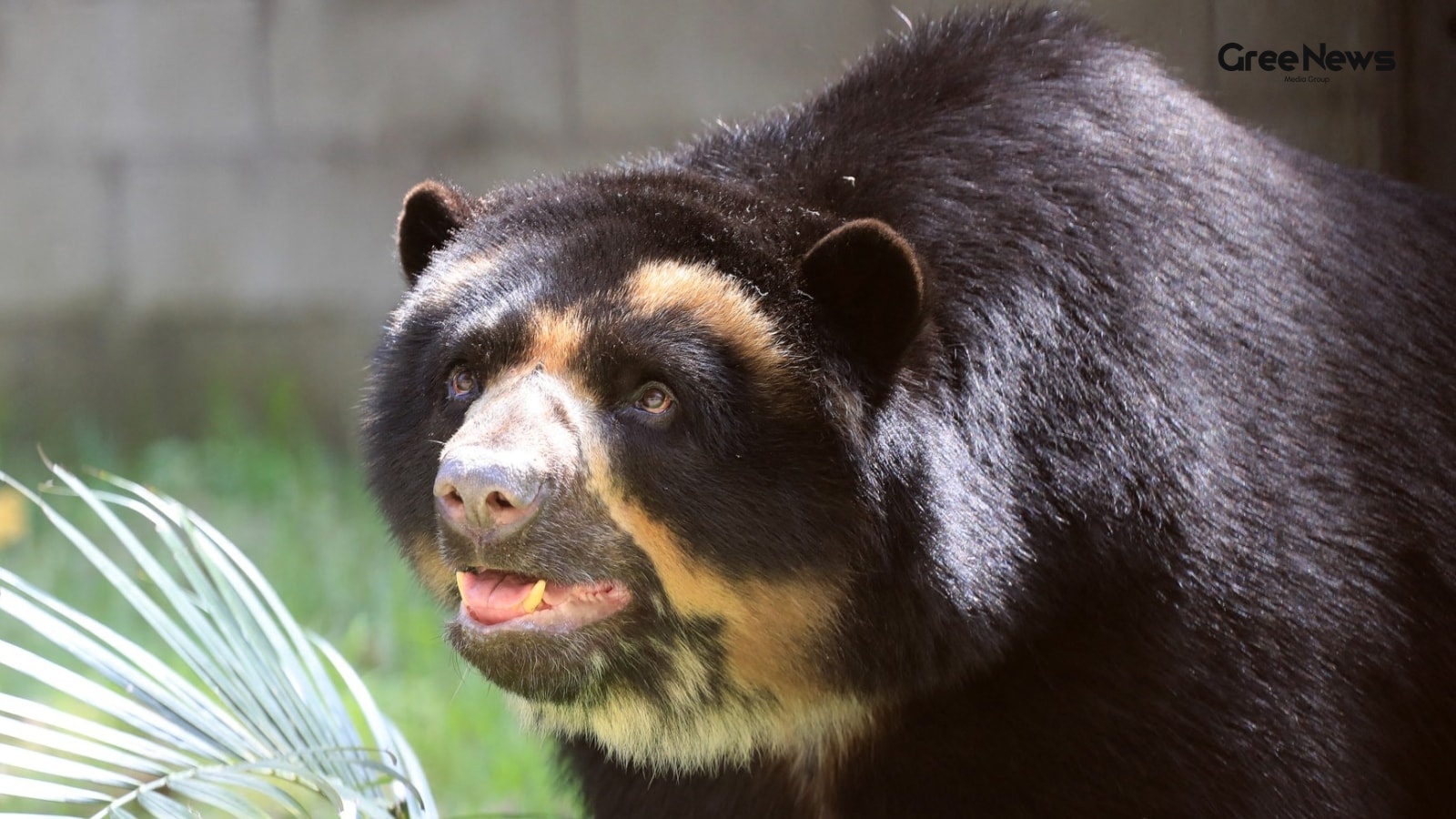
That Tokyo suburb story it’s getting serious. Five deaths and twenty injuries from bear attacks since April through May. That kind of pressure leads somewhere. So now they’re talking about spraying things. Installing seven hundred anti-bear sprays in schools and community spots. A big move, trying t
Jun 25, 2026 by Gree News Team
Malala Yousafzai and the Conflict: Gender Rights vs. Migration Talks
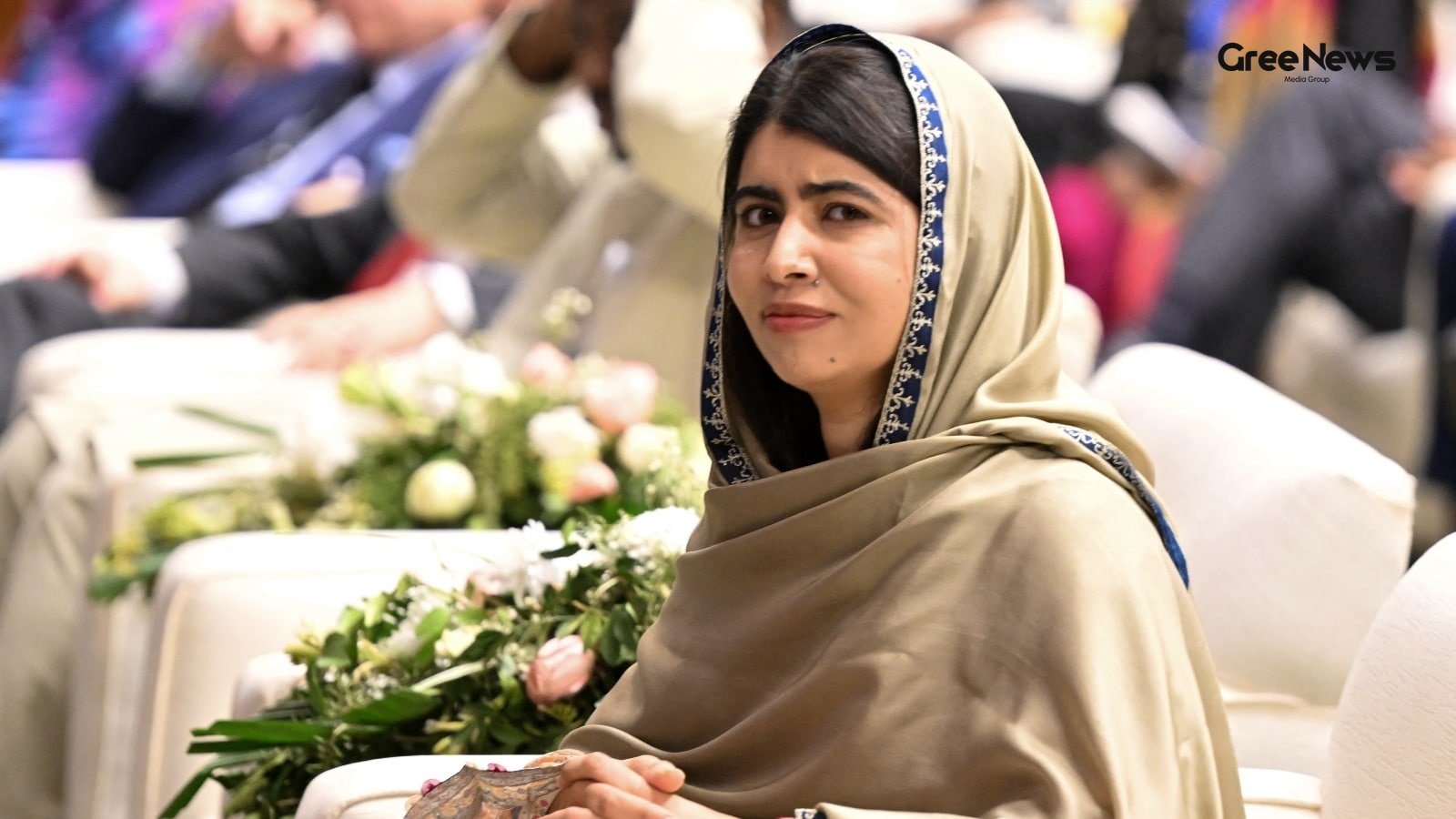
Malala Yousafzai, the Nobel laureate, really hammered the European Union over this whole situation in Brussels. She said they hosted a Taliban delegation for talks, and she was furious. Her core message, the thing that stuck with everyone, was that any conversation with the regime has to centre on t
Jun 25, 2026 by Gree News Team
Clash Between Trump and Cassidy Over Iran War
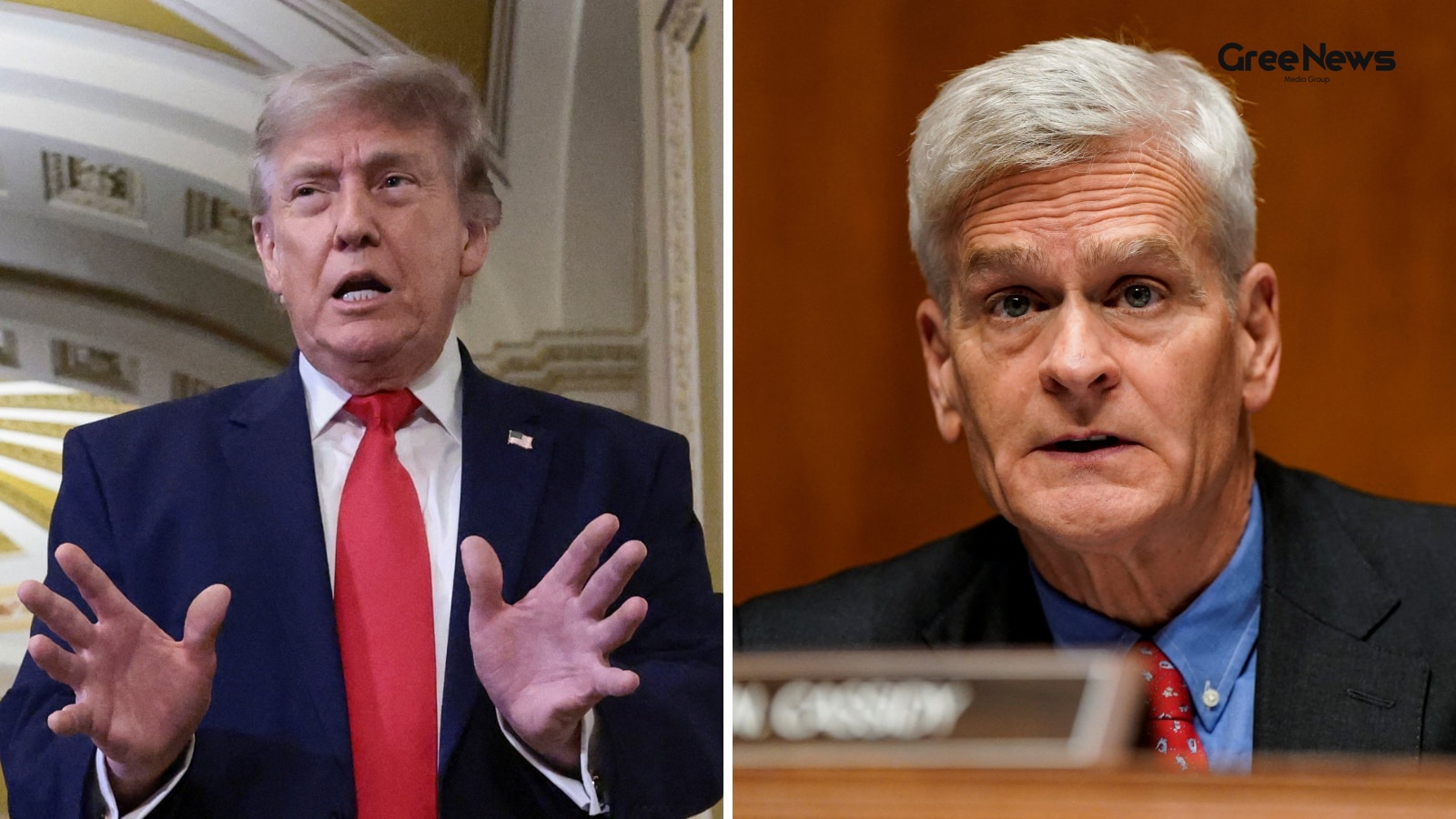
Donald Trump and Senator Bill Cassidy had a really intense clash over how the administration was handling the Iran war. It all went down during a closed-door lunch meeting with other Republican senators at the Capitol on Wednesday, according to CNN. The tension kicked off quickly. Trump seemed genui
Jun 25, 2026 by Gree News Team
Latest Headlines
The Shift in Big Tech Leadership: From Managers to Founders
Meta bringing Kunal Shah in as the global head of WhatsApp. It’s more than just swapping out a name at one of the biggest messaging platforms in the world. This feels like something bigger is happening, right? It signals a real shift. How Big Tech thinks about hiring now. Forget the old playbook of
Jun 25, 2026 by Gree News Team

Investigation into Ketan Agarwal’s Murder
The investigation into Ketan Agarwal’s murder really started digging into the backgrounds of the two people involved his fiancée Siya Goyal and her lover Chetan Chaudhary. It wasn't just about finding a killer anymore; it became about understanding how those two actually connected, or failed to conn
Jun 25, 2026 by Gree News Team

The Secret to Fluffy Omelettes: Priyanka Chopra's Breakfast Hack
What if the secret to that cafe-style fluffy omelette isn't some fancy gadget or skills you need? What if it’s just something hiding in your fridge? Priyanka Chopra, Bollywood’s Desi Girl, shared a little hack for making breakfast way better. It sounds simple enough, but this little trick could tota
Jun 25, 2026 by Gree News Team
Mumbai Flooding, Accident, and Civic Neglect
The rain. It just kept coming. Mumbai was drowning under it, you know? Not just a little drizzle. This was serious flooding across the city, low-lying areas turning into stagnant pools where traffic used to be. Overnight, the deluge had been relentless. And on top of all that mess the waterlogging,
Jun 25, 2026 by Gree News Team
Computer Science Engineering vs Information Technology: Which Path is Right for You?
Look, most students who finish their 12th Science and decide to jump into a B.Tech path end up looking at Computer Science Engineering versus Information Technology. It’s a massive choice, and honestly, it’s tough. Everyone assumes these two degrees are just interchangeable because they both involve
Jun 25, 2026 by Gree News Team

FIFA World Cup 2026 Group Dynamics and Team Updates
Football fans are really set for some chaos coming up on June 24th or June 25th over there in India. We’re talking about the FIFA World Cup 2026, hosted by the USA, Canada, and Mexico. Six matches lined up. It’s intense. Brazil, five-time champions, they are aiming for that round of 32 qualification
Jun 25, 2026 by Gree News Team

Controversy Surrounding the New Class 6 Kannada Textbook and Karnataka's Cultural Identity
The noise around the new Class 6 Kannada textbook, *Krishna*, is getting louder. It’s not just a book being published; it feels like a flashpoint for something much bigger about how Karnataka actually sees itself its culture, its language, everything. The People’s Alliance for Fundamental Right to E
Jun 25, 2026 by Gree News Team

Career Switch and Financial Planning: The Contract Role Dilemma
Man, you see this post on Reddit about a career switch? It’s all about that guy. Twenty-nine years old. Making thirty-eight lakh a year right now. He got a new offer. Sixty thousand dollars annually. A contract role, apparently. But here's the kicker, isn't it? The money looks good on paper $60k a y
Jun 25, 2026 by Gree News Team
The Legal and Political Scrutiny of Abhishek Banerjee and Financial Investigations
The air around Abhishek Banerjee feels thick lately. It’s not just the usual political noise the constant jostling across the aisle in Parliament, that feeling of being perpetually outnumbered by the opposition bloc, nearly two-thirds sitting against him, it changes everything. It brings a kind of h
Jun 25, 2026 by Gree News Team

The Shillong Teer Lottery: History, Rules, and Winnings
The Shillong Teer lottery. It’s not just some game; it runs daily. Right there at the historic Polo Ground in Shillong, Meghalaya. It’s archery based. That’s the core thing. And it's run by the Khasi Hills Archery Sports Association, or KHASA. They’re trying to keep the tradition alive, you know? Pr
Jun 25, 2026 by Gree News Team
The Impact of Jet Fuel Costs on Airfares and Global Supply
Air travellers are definitely going to see higher ticket prices coming up with the summer rush. This is based on industry estimates right now. The whole situation hinges on jet fuel costs. They’re still under pressure, stuck between geopolitical tensions and those refinery constraints we keep hearin
Jun 25, 2026 by Gree News Team
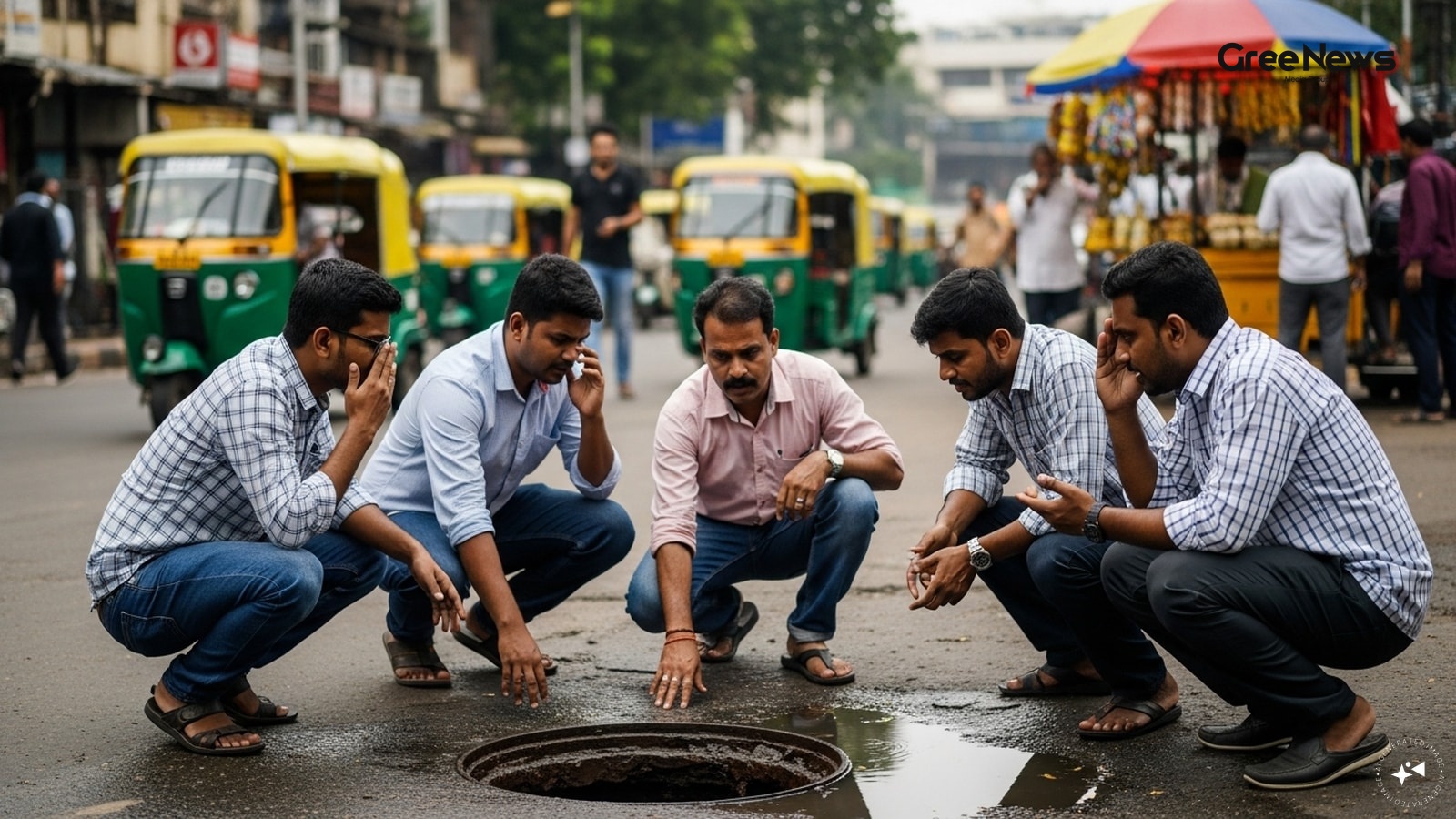
Mumbai Manhole Incident and Civic Responsibility
A man tumbled into a manhole right there, in front of Mumbai Mayor Ritu Tawde. Happened on Wednesday. She was out checking things over in the city, trying to get a feel for what was going on before the monsoon really hit. It wasn't exactly pleasant stuff. The whole thing immediately got caught on ca
Jun 25, 2026 by Gree News Team

The Best Food Storage Containers for Your Kitchen
You know, getting your kitchen sorted? It really comes down to those little things. Storing pulses, cereals, keeping fruits fresh these food storage containers aren't just some fancy gadget; they help you organize everything without blowing your budget. It makes a huge difference in how you use your
Jun 25, 2026 by Gree News Team
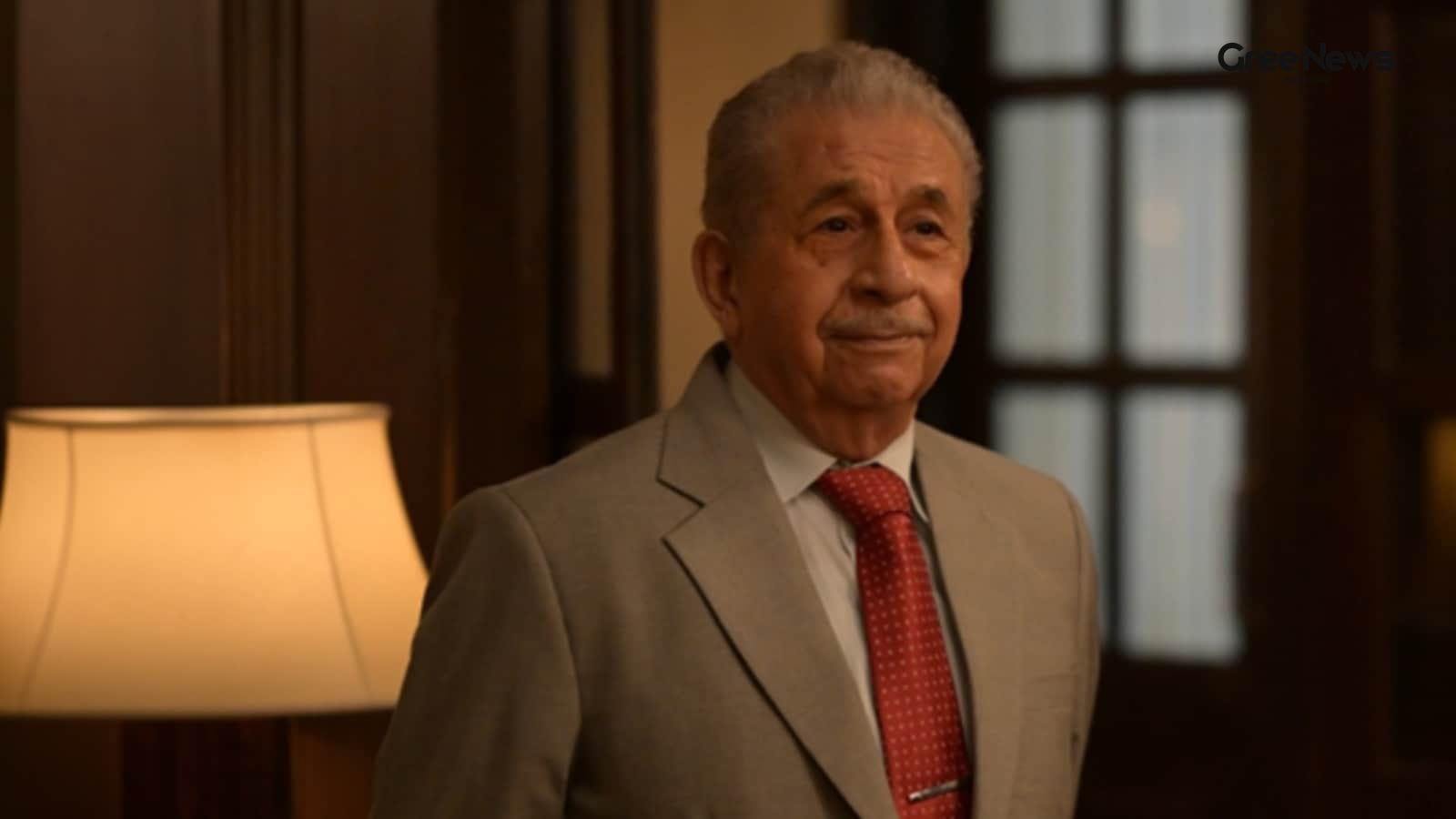
The Titan Story: Leadership, Spirit, and the Vision of India
Made In India. It’s a series. It really tells something about the spirit of India, you know? That stubborn attitude. The sheer energy that just binds everything together. It celebrates the people who actually create wealth. They are the engine behind all this growth. It’s refreshing how they tell it
Jun 25, 2026 by Gree News Team
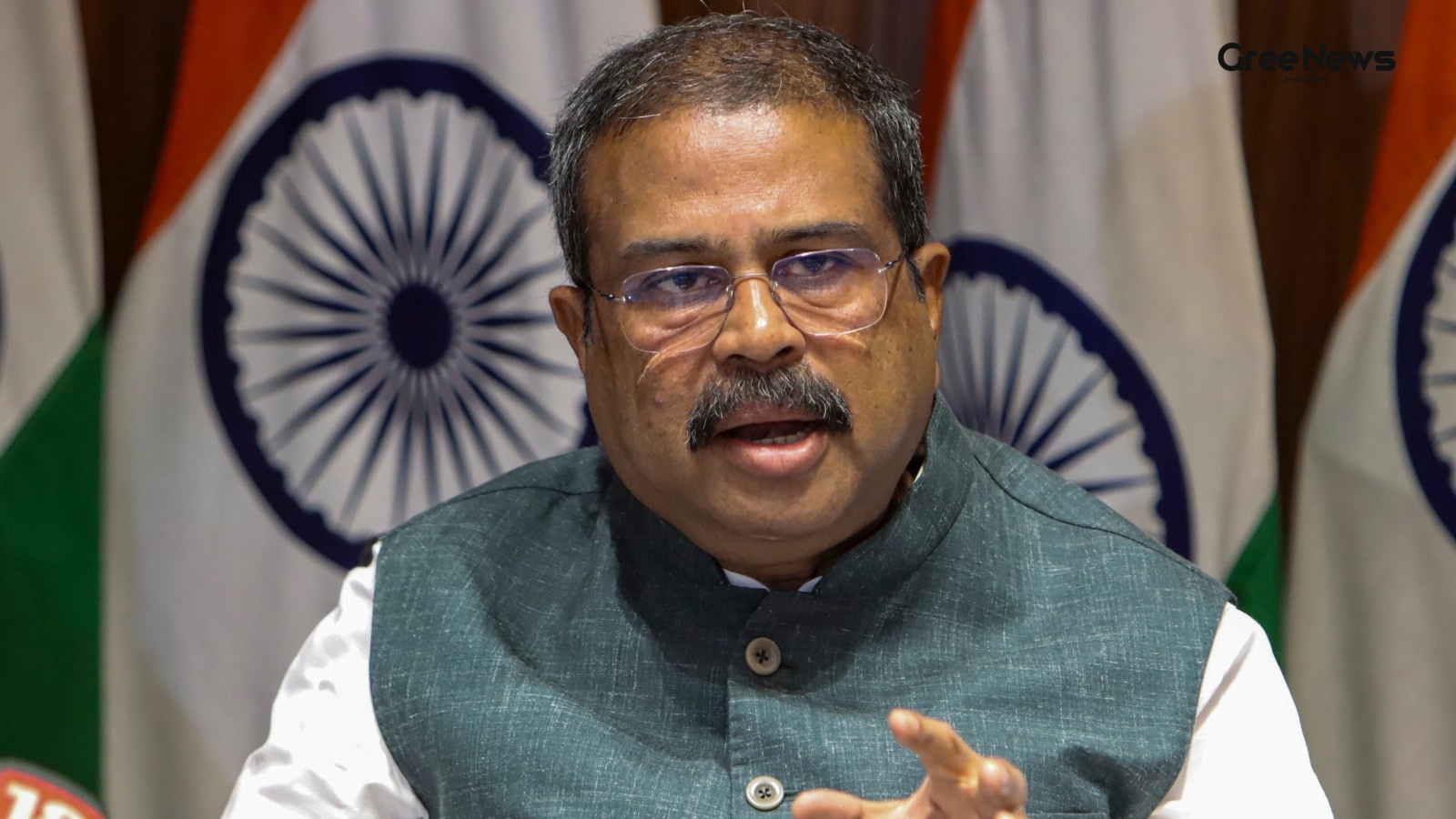
Dharmendra Pradhan on NEET Exam 2026 and Re-examination
Dharmendra Pradhan, Union Education Minister, admitted things went wrong with the NEET exam 2026. It was cancelled because of those paper leaks. But he insisted the central government moved fast. They fixed what went wrong and managed to hold that re-exam successfully. When talking about it, Pradhan
Jun 25, 2026 by Gree News Team