The Emergency and Indian Democracy: A Study in Challenges
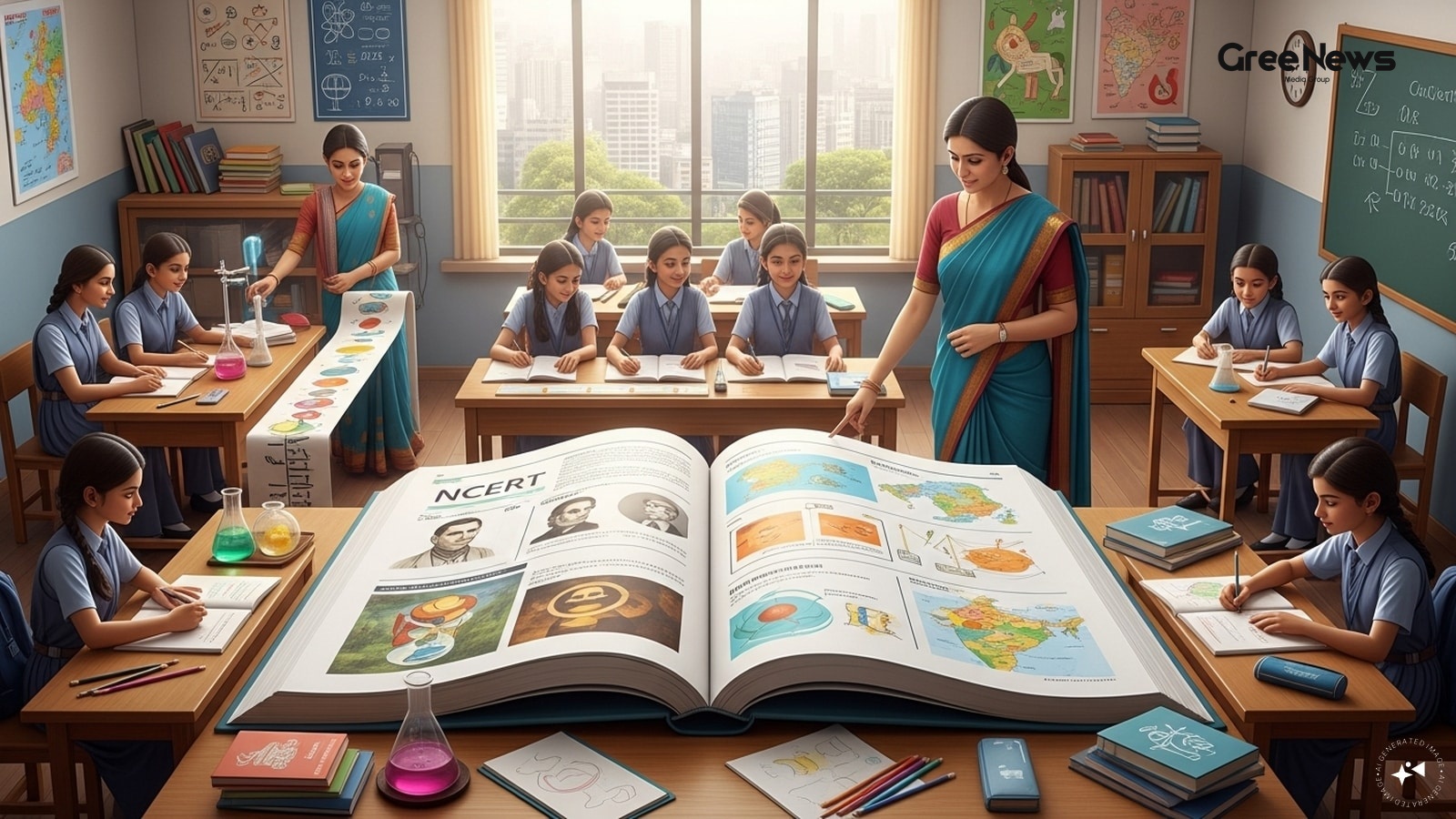
Fifty years later, that’s how long it’s been since the Emergency happened in India. And now, NCERT has finally put it in the Class 9 textbook. It's in Social Science books, under a section called ‘Challenge to Democracy’.
This isn’t some dry historical footnote. It comes from a new book they developed, “Understanding Society: India and Beyond.” It actually looks at how Indian democracy works its strengths, its weak spots, the whole mess. And suddenly, the Emergency is central to that discussion.
An official confirmed it. First time ever introducing this topic at the Class 9 level. It just feels like a big shift.
The chapter talks about why the Emergency mattered for democratic institutions. It frames it as a real test. A huge strain on everything constitutional.
Remember the background? The early seventies were already messy. Public dissatisfaction with Indira Gandhi’s government was really building up. Unemployment, inflation all that noise led to protests. Misgovernance allegations swirling around.
Then came June 1975. The National Emergency. What happened next? Fundamental Rights got suspended. The press went silent. Leaders and activists were arrested. Democratic institutions? They took a serious hit. Freedom was seriously restricted for everyone.
But it wasn't just about the suspension of rights. There were people fighting back. Jayaprakash Narayan played a huge role here. He, along with mass movements he started students, citizens protesting across Bihar and Gujarat they pushed hard against it. When things finally ended in ’77, when elections came, people got to show their will through voting. That defeat of the ruling side really showed something about Indian democracy’s strength.
The book doesn't just focus on that one event though. It widens the lens. It looks at bigger issues weakening democracy overall. Things like fake news, misinformation, poverty, regionalism, social discrimination, gender gaps, damage to public property... these stuff all chip away at how democracy actually functions.
There’s another part too. A new segment they added: “Democracy and You.” This is aimed right at students. Trying to get them to think about their own responsibilities as citizens. Encouraging participation.
And it doesn't stop there. The textbook really digs into India’s history of democracy. It traces participatory traditions way back, linking them to how we govern now.
The media gets its own spotlight too. They call it the “fourth pillar.” But this isn't just about their existence. It’s about what they should do. The book stresses that the media has a duty to amplify concerns, demand accountability, protect those democratic values.
They touch on participation in real life. Looking at local governance examples. They bring up things like a panchayat in Gujarat or even a women-friendly one in Tripura to show how people actually make decisions down there. And they specifically look at women’s voting rights and reservations in these bodies. Trying to see where representation is being built, or failing to be built.
It’s all layered. The Emergency is just one piece of the puzzle. It connects past struggles with present challenges the stuff about misinformation, inequality, who gets a voice. It pushes you to look at how democracy breathes, and sometimes how it suffocates.
Written by Gree News Team — Senior Editorial Board
Gree News Team covers international news and global affairs at Gree News. Our collective of senior editors is dedicated to providing independent, accurate, and responsible journalism for a global audience.
More from India
View All
Lohagad Fort Murder Case: Digital Evidence and Conspiracy
Lohagad Fort. That’s where it all started, isn’t it? A murder case involving Ketan Agarwal. But the details… they keep shifting. Fresh stuff is coming out of the investigation now. The police are claiming something really dark about how this happened. It’s not just a random tragedy; there were prepa
Jun 25, 2026 by Gree News Team
Details Surfacing in Ketan Agarwal’s Murder Investigation
The details surfacing in Ketan Agarwal’s murder investigation are starting to paint a very different picture than what was initially assumed about the Lohagad Fort incident. Police are now suggesting it wasn't just some random trekking mishap. It points toward something much more calculated, a caref
Jun 25, 2026 by Gree News Team
The Legacy of the Emergency: A Reflection on India's Democratic History
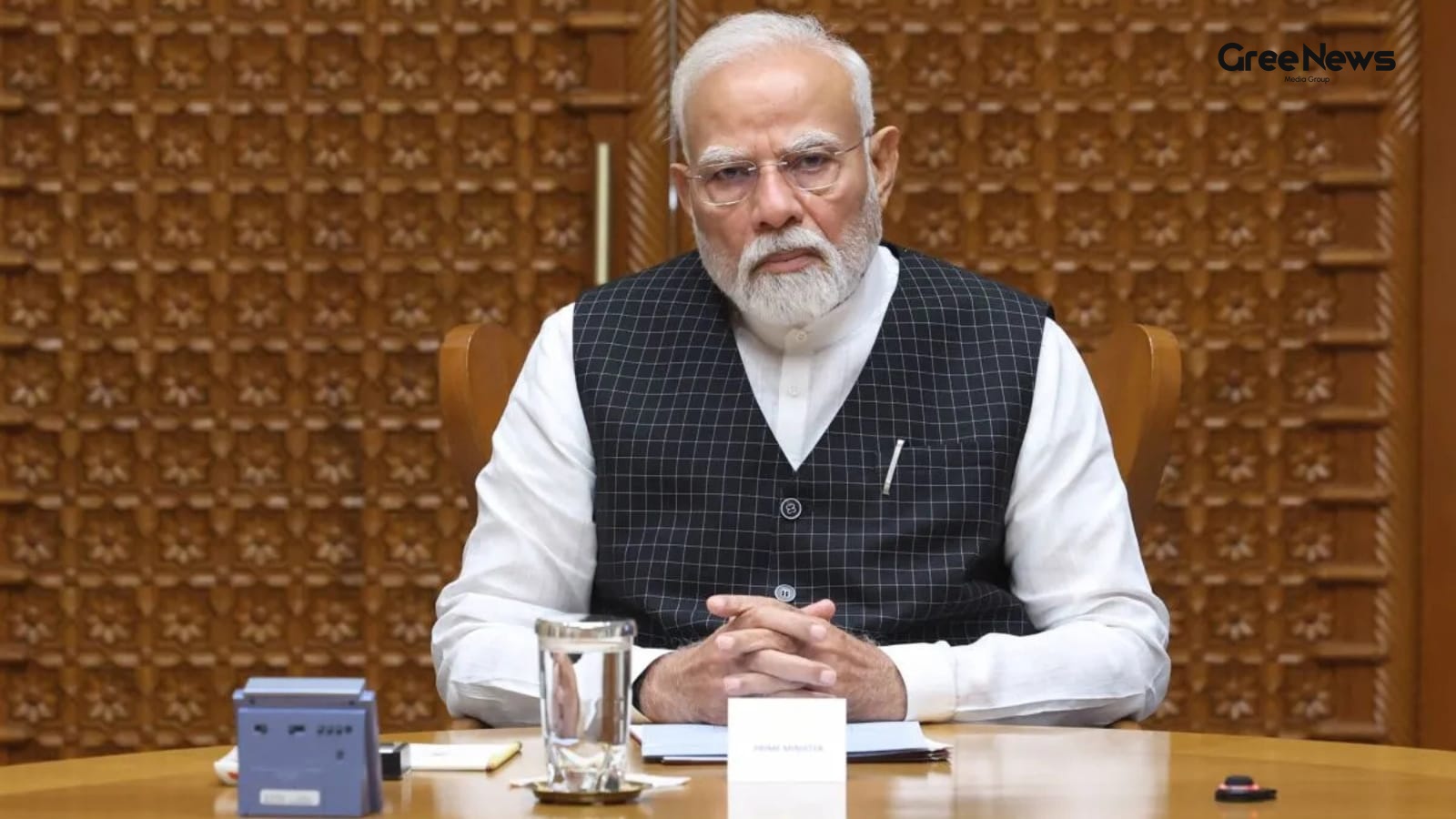
The 51st anniversary of the Emergency hits hard sometimes, doesn't it? Narendra Modi spoke about that time the Emergency imposed back in '75 calling it one of the darkest chapters in India’s history. He made a point about the government’s promise then and there: they would protect the constitutional
Jun 25, 2026 by Gree News Team
Murder and Conspiracy at Lohagad Fort: The Story of Goyal and Chaudhary
Something really disturbing happened in Maharashtra. Pune Rural Police found something sinister behind what everyone thought was just a bad trekking accident at Lohagad Fort. They arrested two people, Siya Goyal and Chetan Chaudhary. They’re accused of planning the murder of Goyal’s fiancé, Ketan Vi
Jun 24, 2026 by Gree News Team
Latest Headlines
The Legal Proof of Indian Citizenship and Passports
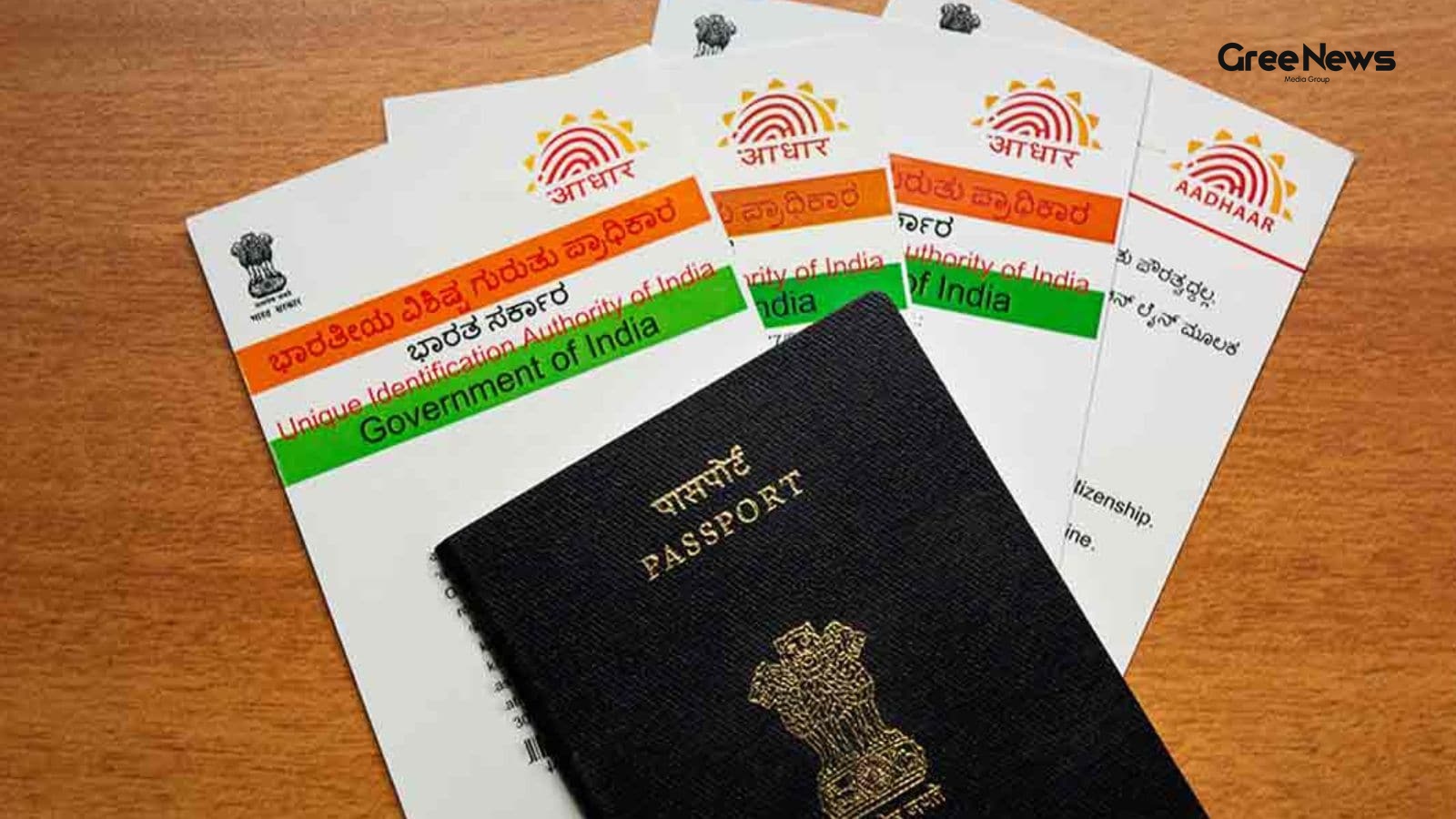
That whole thing about officials from the Ministry of External Affairs saying an Indian passport isn't actually conclusive proof of citizenship? It hits people hard. For decades, that navy-blue booklet it just felt like everything. National identity. A ticket everywhere. A guarantee you were okay ov
Jun 25, 2026 by Gree News Team
The Internal Static: Understanding the Noise of Reality
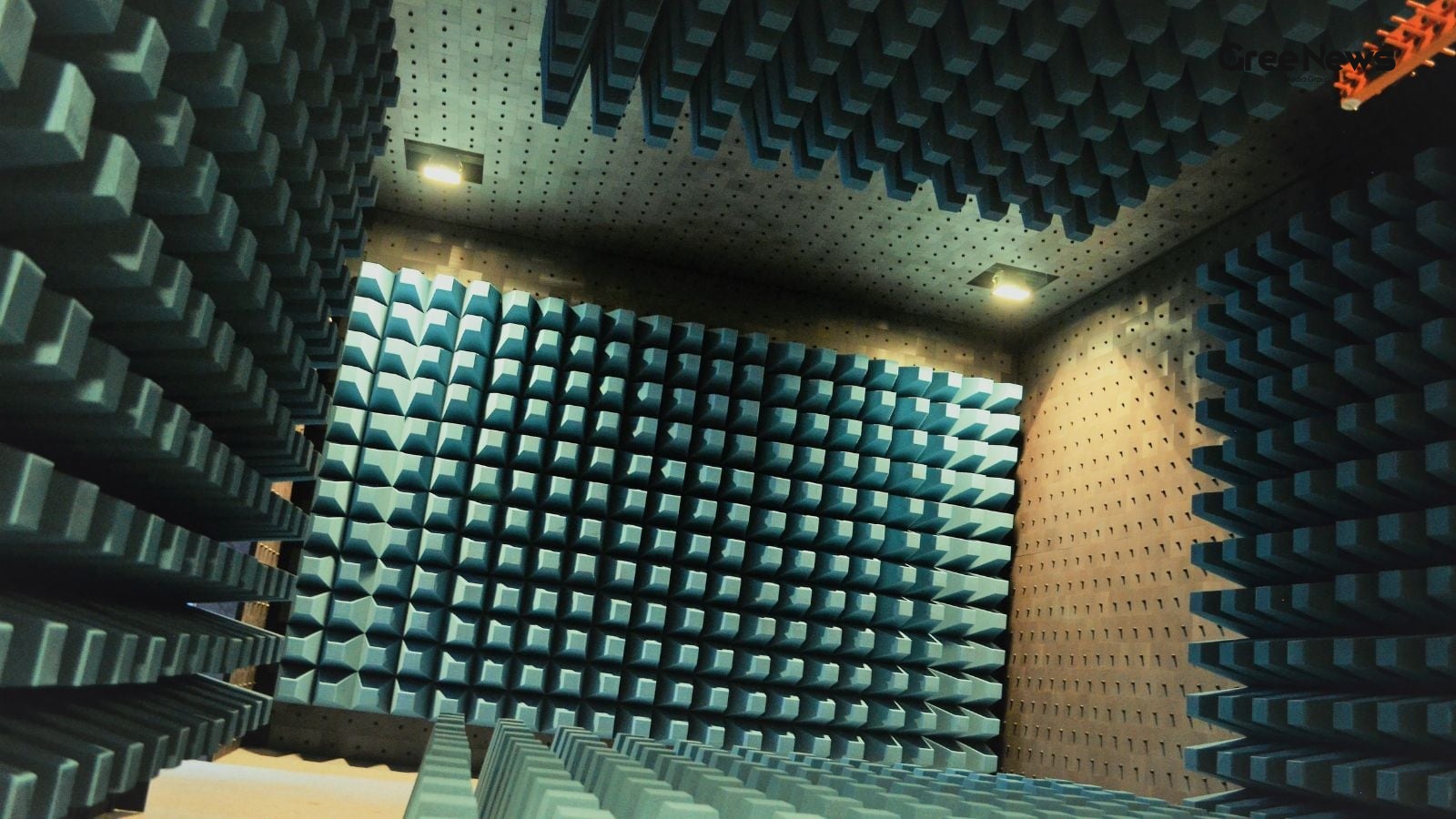
The silence hit first. Not the absence of sound, you know? That’s different. It's when everything stops moving, and suddenly your own head is just… noise. A buzzing. An internal static that gets louder, faster than anything outside. It started subtly. A low hum under the floorboards. Then nothing. J
Jun 25, 2026 by Gree News Team
Taratala Warehouse Collapse: Rescue Efforts, Investigation, and Structural Failure
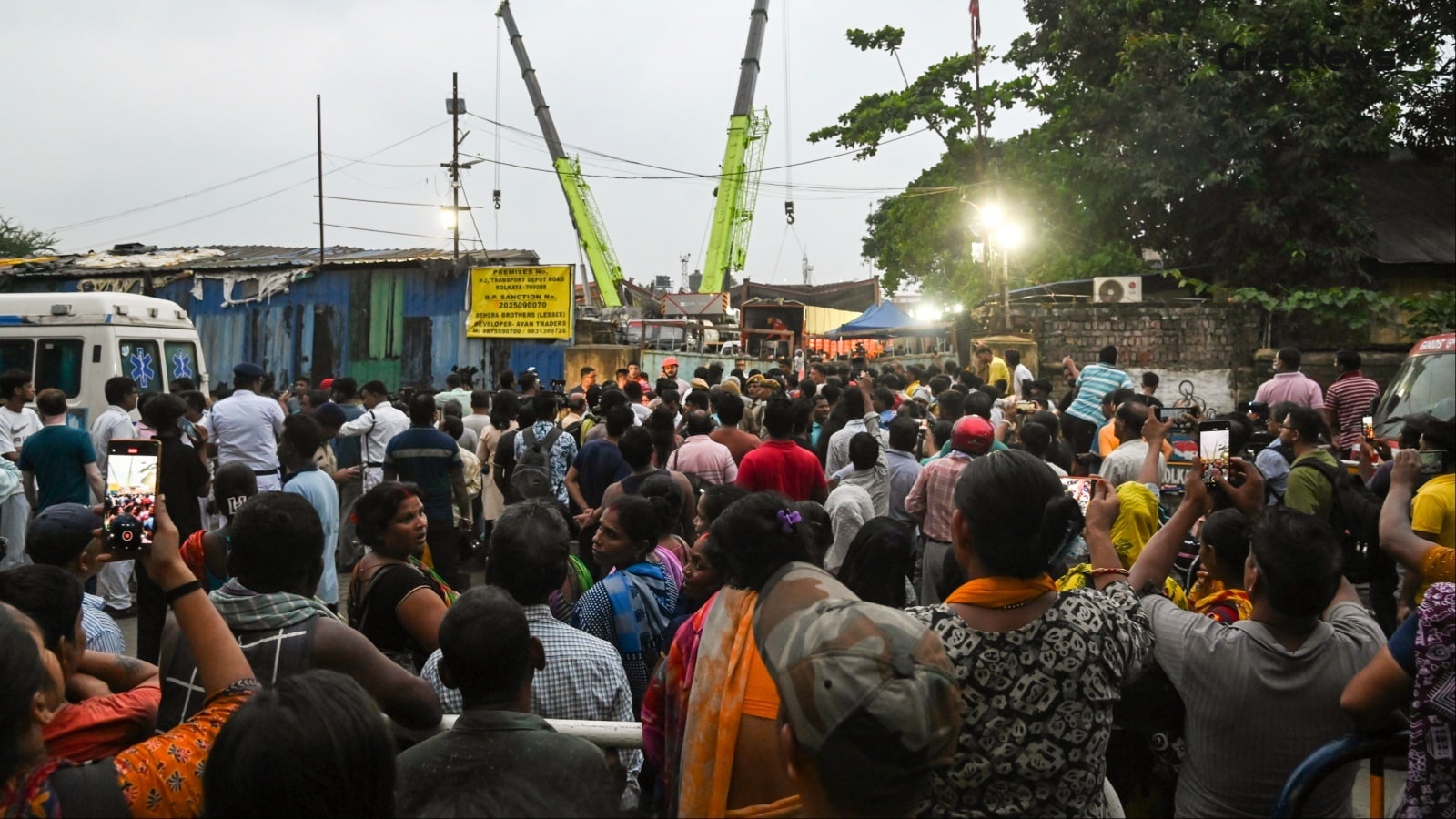
The dust hasn’t quite settled in Taratala. Nine dead from the collapse of that warehouse, under construction near Brace Bridge. Rescue teams are still digging, trying to find anyone else who might have been trapped beneath all that concrete and iron. It's just an ongoing search right now. The West B
Jun 25, 2026 by Gree News Team
Samantha Ruth Prabhu's Maa Inti Bangaaram: Redefining Women in Telugu Action Cinema
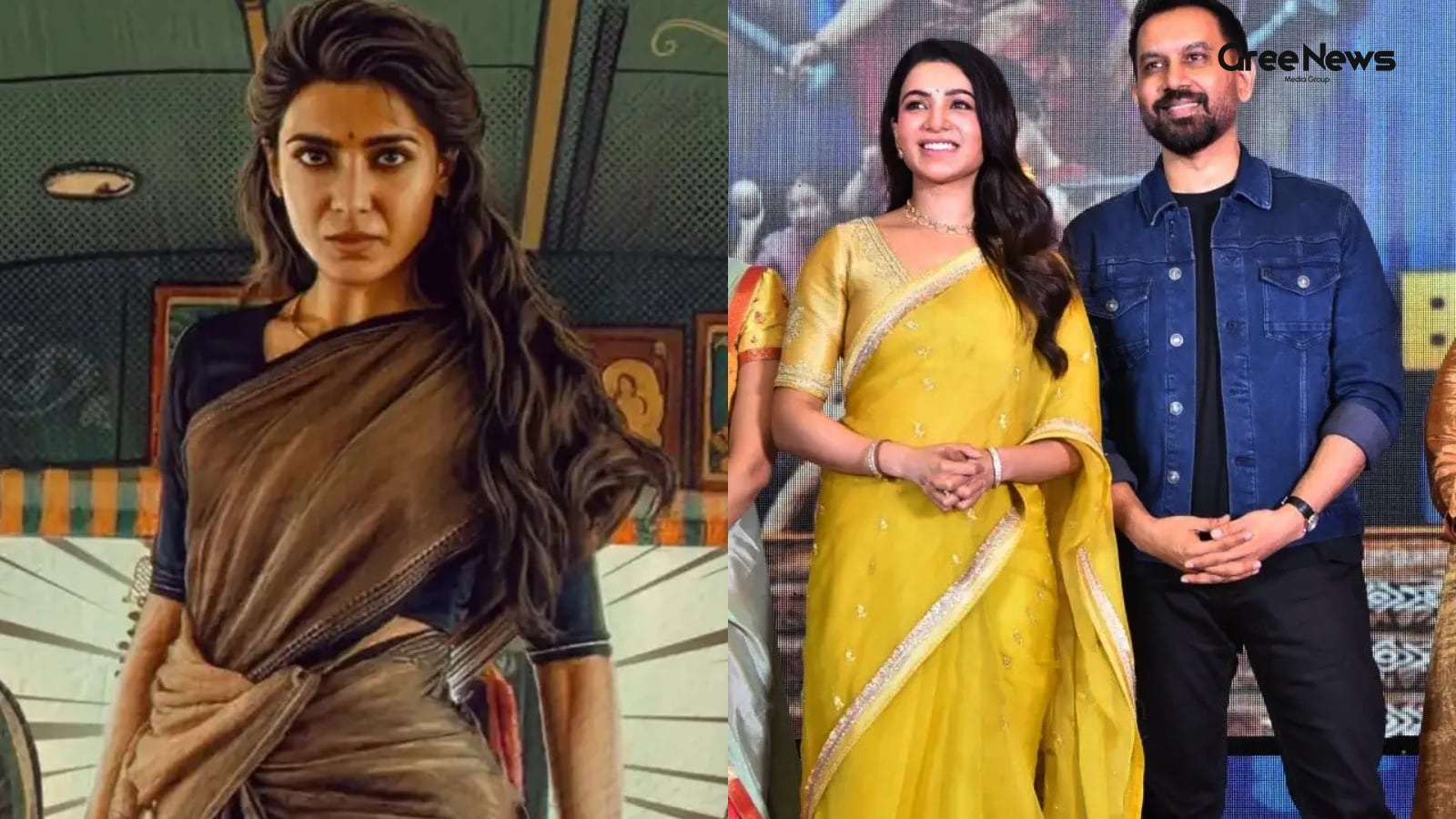
Samantha Ruth Prabhu’s *Maa Inti Bangaaram*. It’s already hit thirty crores in the Indian box office. Second time around as a producer, after the Subham thing. And it got mixed reviews, sure. But globally? It slipped into the fifty crore club. Something big there. A real precedent for women leading
Jun 25, 2026 by Gree News Team
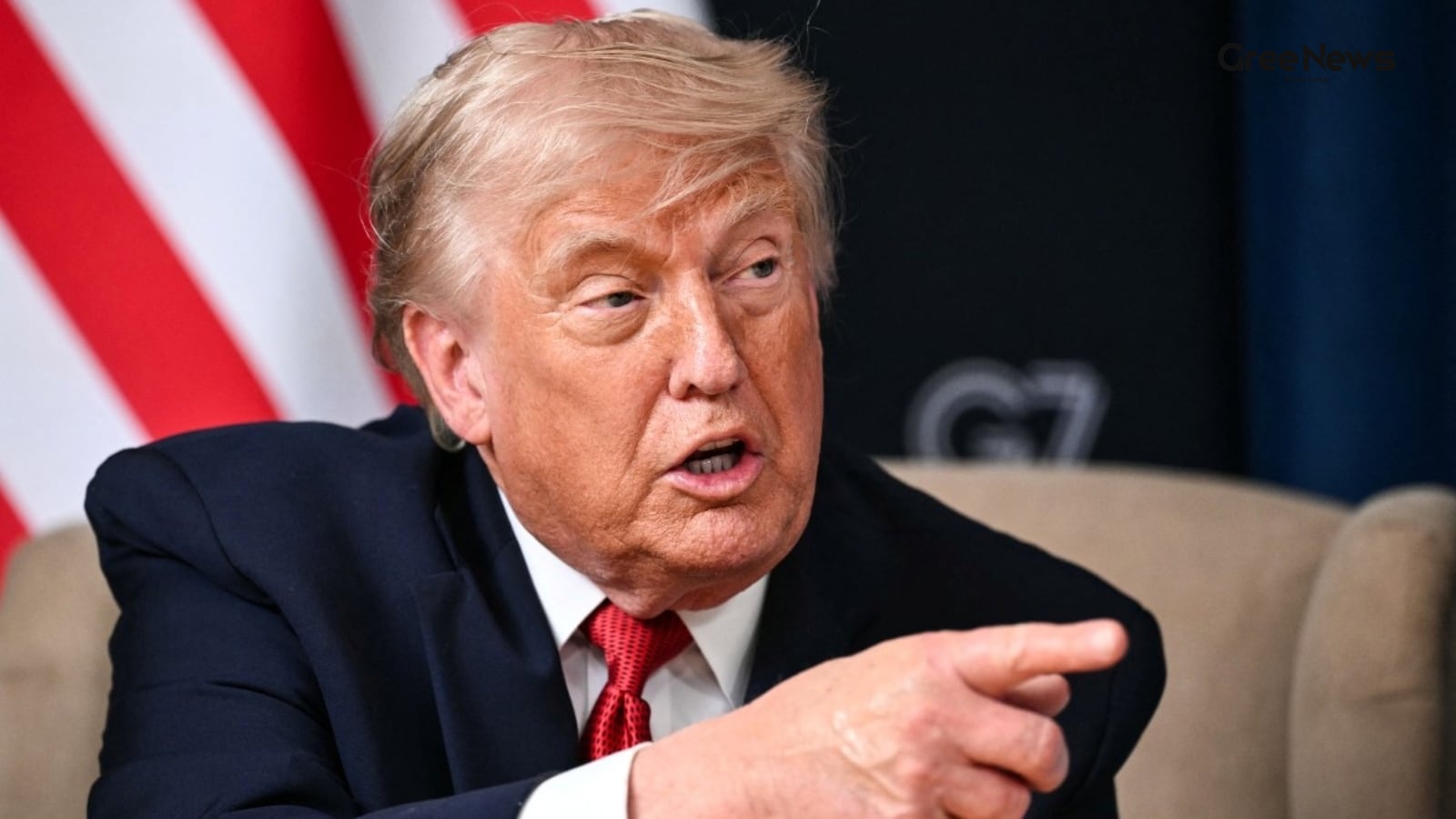
Donald Trump's Deal with Iran and the Strait of Hormuz
Donald Trump was talking about some historic deal with Iran, calling it a massive diplomatic breakthrough. He was very clear: Tehran would never get a nuclear weapon under this framework. That’s what he said. It felt huge. Like something that had been impossible for a long time finally clicking into
Jun 25, 2026 by Gree News Team
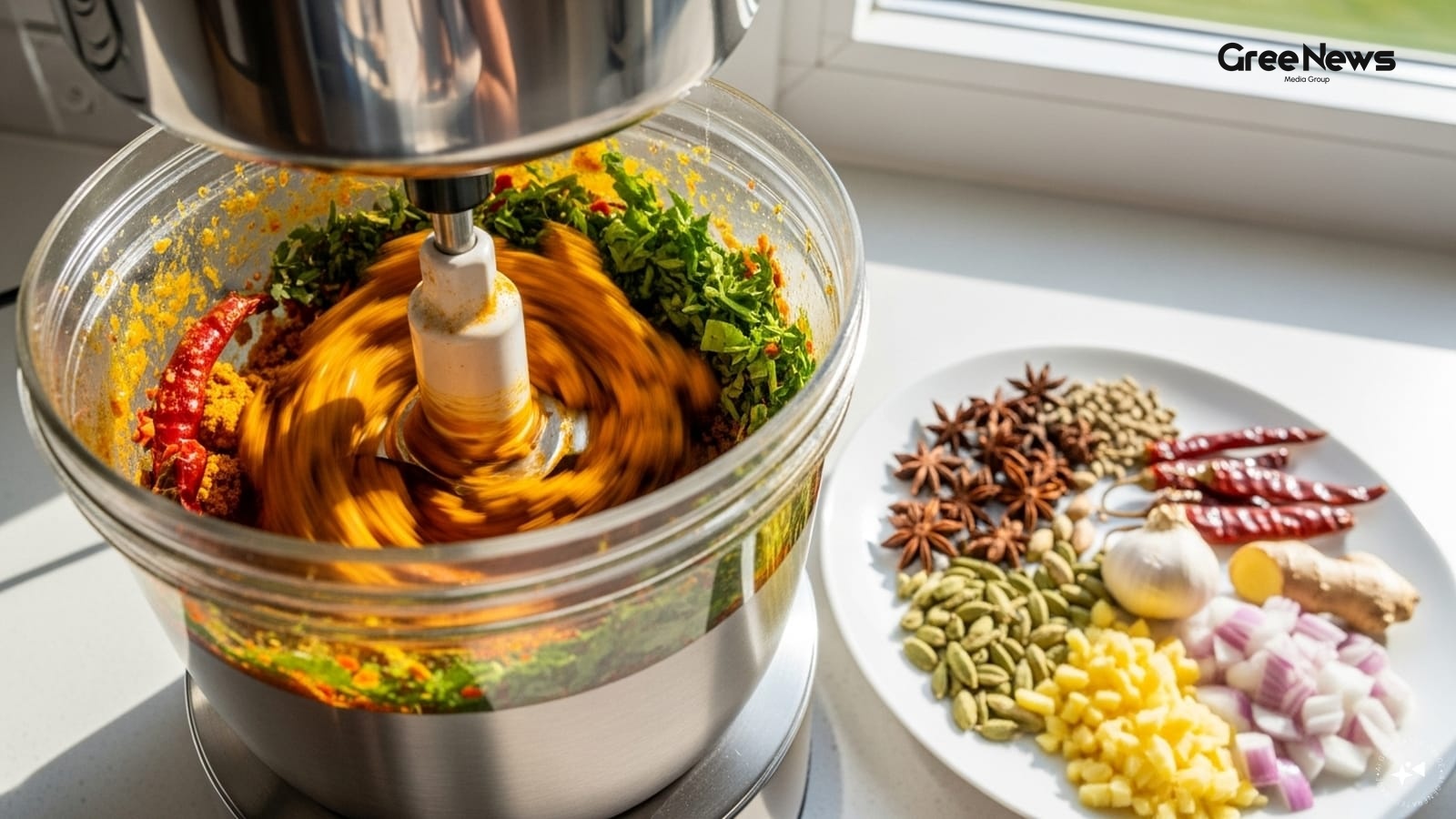
Best Mixer Grinders for Indian Cooking: 7 Models Reviewed
A mixer grinder. It’s one of those things in an Indian kitchen that just works the hardest. It’s not some gadget you use once a month. No, this thing comes out multiple times daily. You need it for everything ginger-garlic paste for lunch. Chutney for breakfast. Freshly ground masalas for dinner. It
Jun 25, 2026 by Gree News Team

Disha Patani Shares Heartbreaking News About Losing Two Pets
Disha Patani just dropped some really heavy news. She shared something heartbreaking about losing two of her pets. Bella the dog and Jasmine the cat. It hit social media hard. She posted these emotional tributes, and honestly, it caught everyone off guard. Fans were immediately looking at them. Wond
Jun 25, 2026 by Gree News Team

Market and Corporate News Update
The market started with some upward momentum today, though things feel kind of fragile right now. Gift Nifty traded above 82 points that’s up about 0.34 per cent landing at 24,105. There’s definitely a positive feeling floating around the investment space lately. That’s mostly because crude oil pric
Jun 25, 2026 by Gree News Team
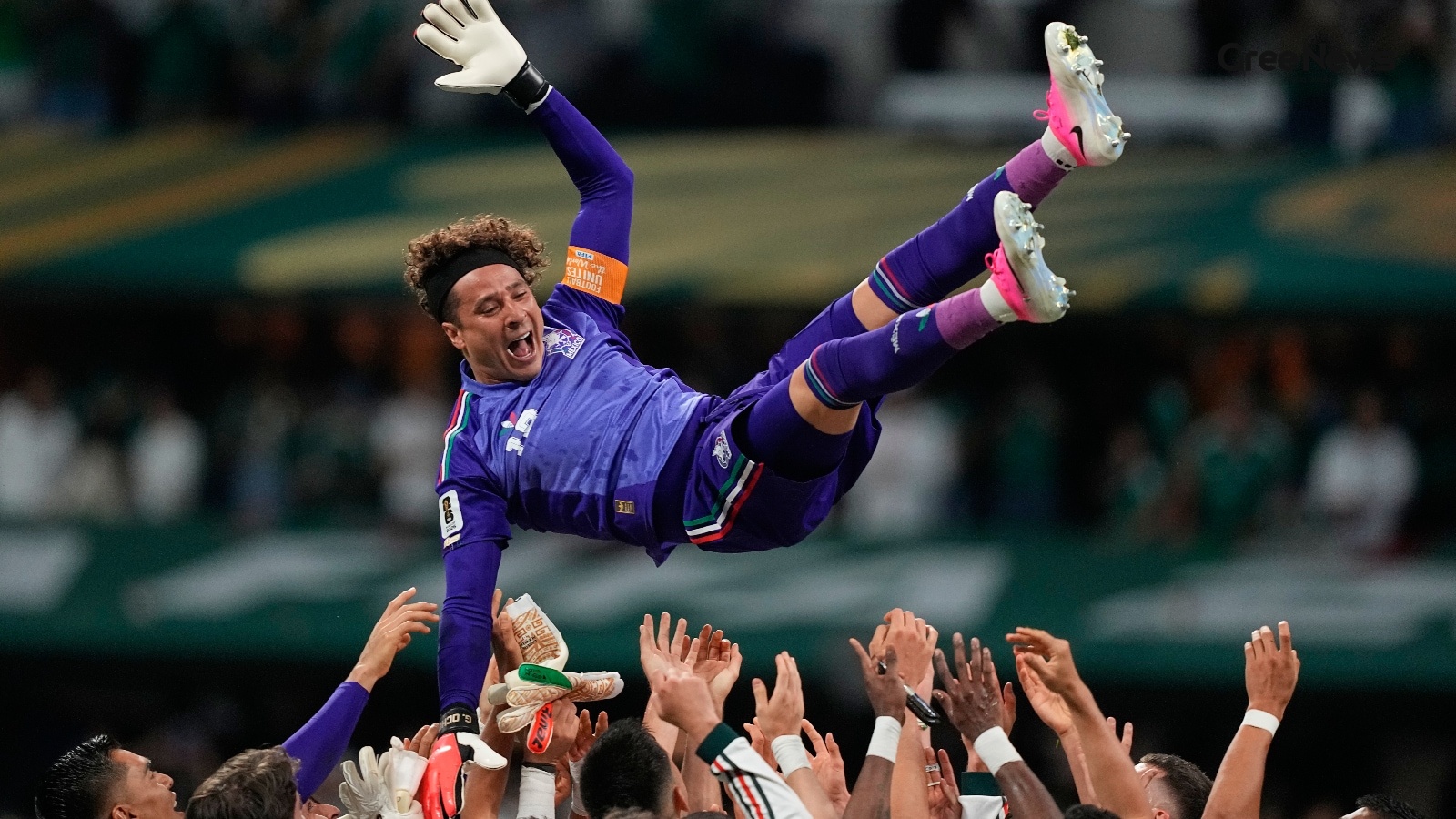
Mexico's Stunning World Cup Victory
Mexico grabbed their best football in the second half. They buried Czechia’s World Cup hopes with a massive 3-0 win. It felt like they were celebrating way before the final whistle even blew. For forty-five minutes though, it was just pure tension. A scrappy affair. It turned into a Mexican party by
Jun 25, 2026 by Gree News Team
Lohagad Fort Murder Case: Digital Evidence and Conspiracy
Lohagad Fort. That’s where it all started, isn’t it? A murder case involving Ketan Agarwal. But the details… they keep shifting. Fresh stuff is coming out of the investigation now. The police are claiming something really dark about how this happened. It’s not just a random tragedy; there were prepa
Jun 25, 2026 by Gree News Team
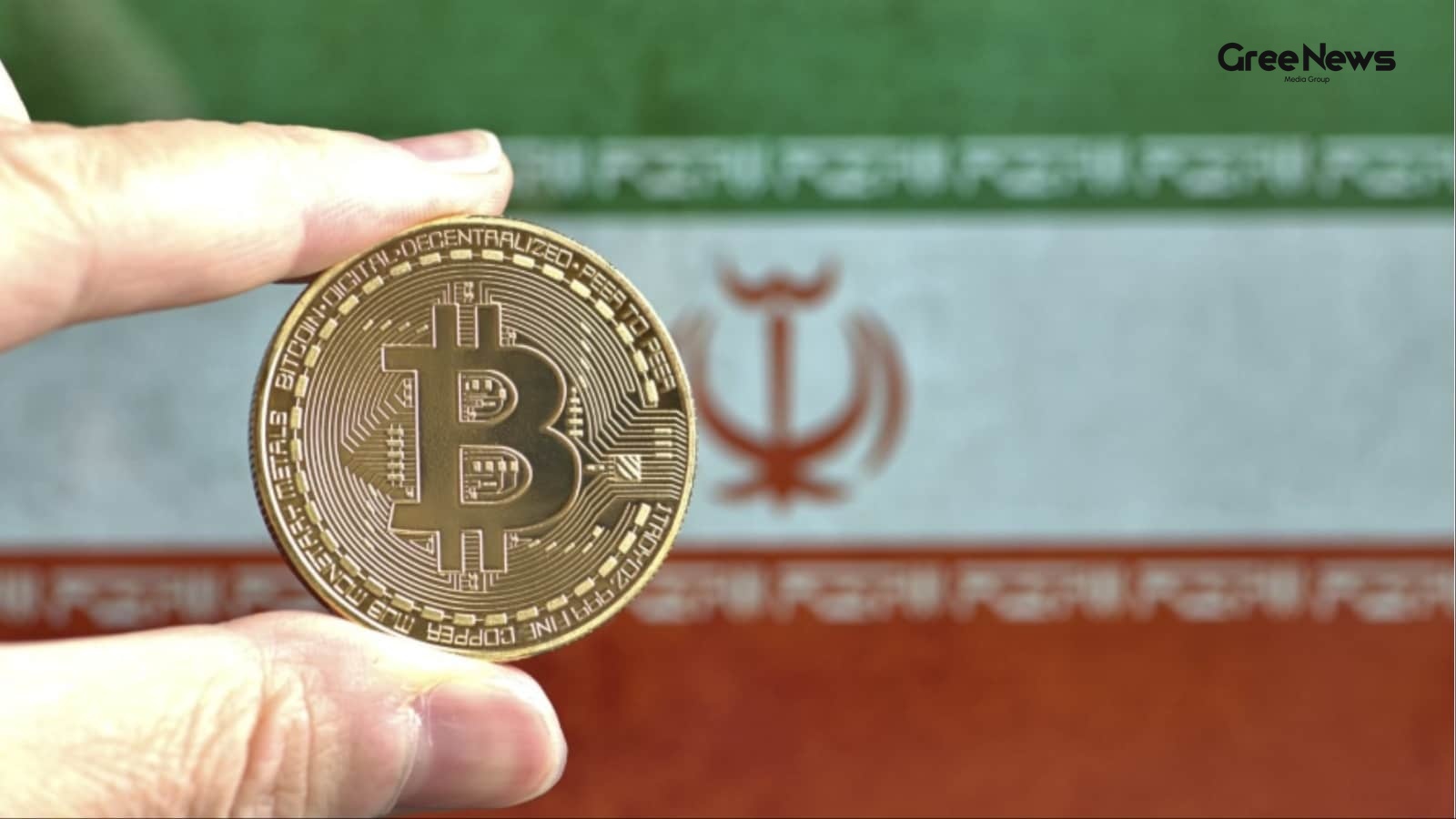
The Hidden Pipeline: Crypto Exchanges and Iran's Digital Asset Flow
The quiet expansion of certain crypto exchanges over the last eight years that’s where the real story starts. It’s not just about digital wallets anymore. It’s about how Iran's entire crypto scene is snagged, pulled into the global digital asset markets through these channels. A Wall Street Journal
Jun 25, 2026 by Gree News Team
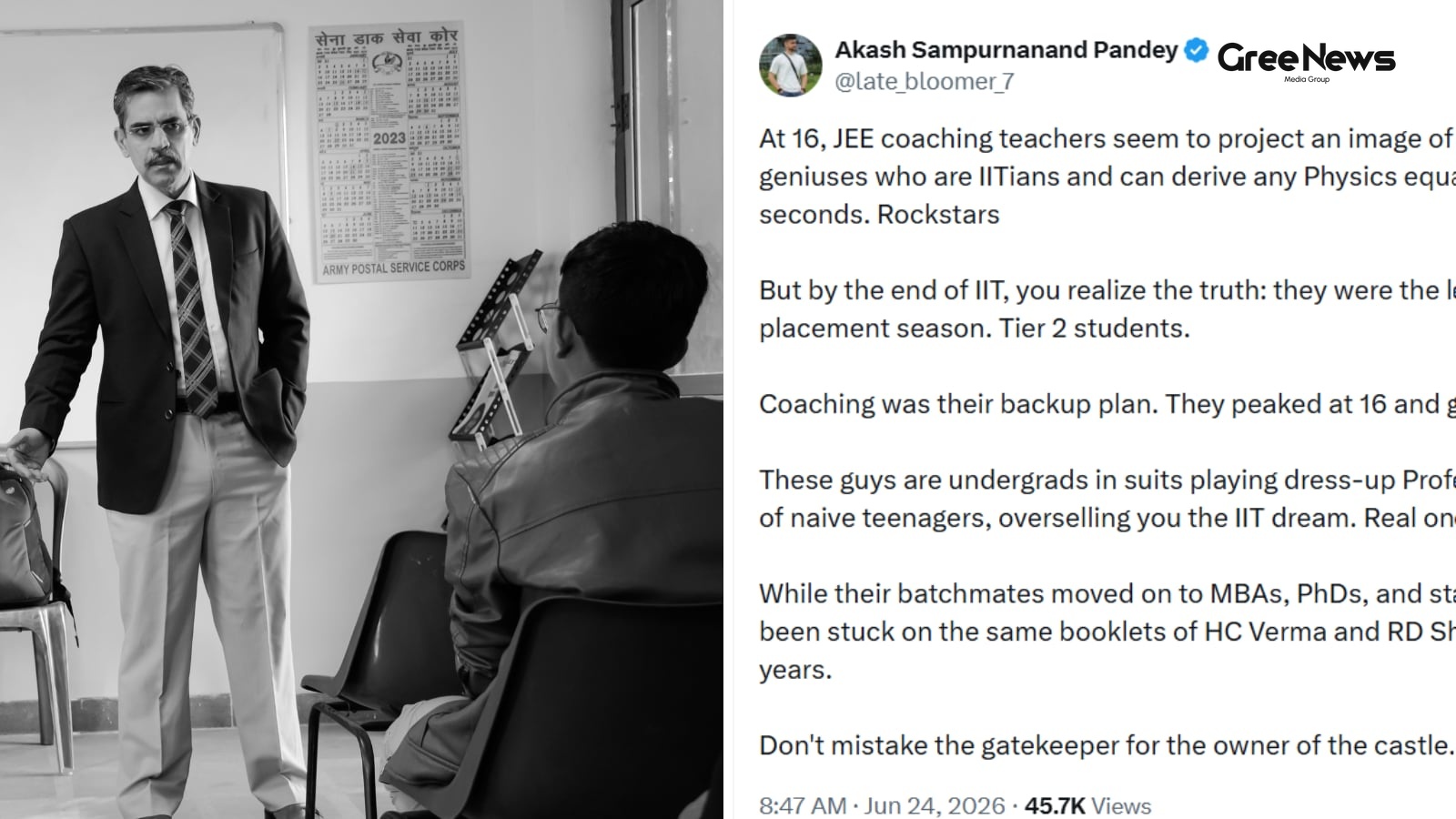
The Debate on Meritocracy and Authority in Education
The online space, always that chaotic melting pot of opinions, immediately combusted when Akash Sampurnanand Pandey dropped his comments. It wasn’t some neatly packaged academic critique; it was raw, almost angry observation tossed into the digital ether by a recent IIT-BHU graduate. The subject? JE
Jun 25, 2026 by Gree News Team
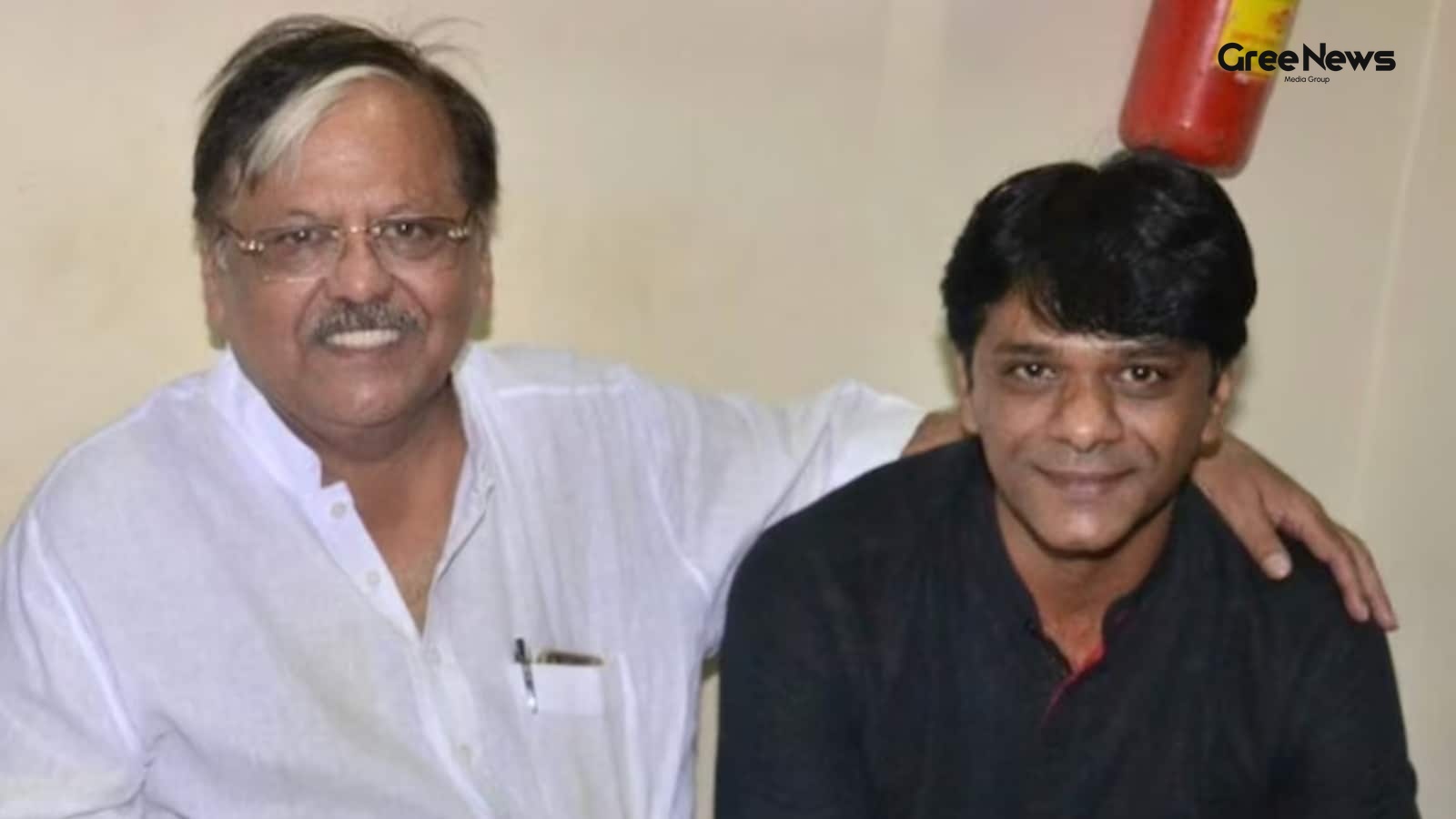
The Passing of Veteran Actor and Director Arvind Vekaria
Arvind Vekaria, that veteran Gujarati actor and director... he’s gone. It’s just happened. The entertainment world is really mourning him right now. This news hits hard because it comes so fast. Just eight months ago, his son Tanmay Vekaria lost his mother. Another crushing blow for the family. A do
Jun 25, 2026 by Gree News Team
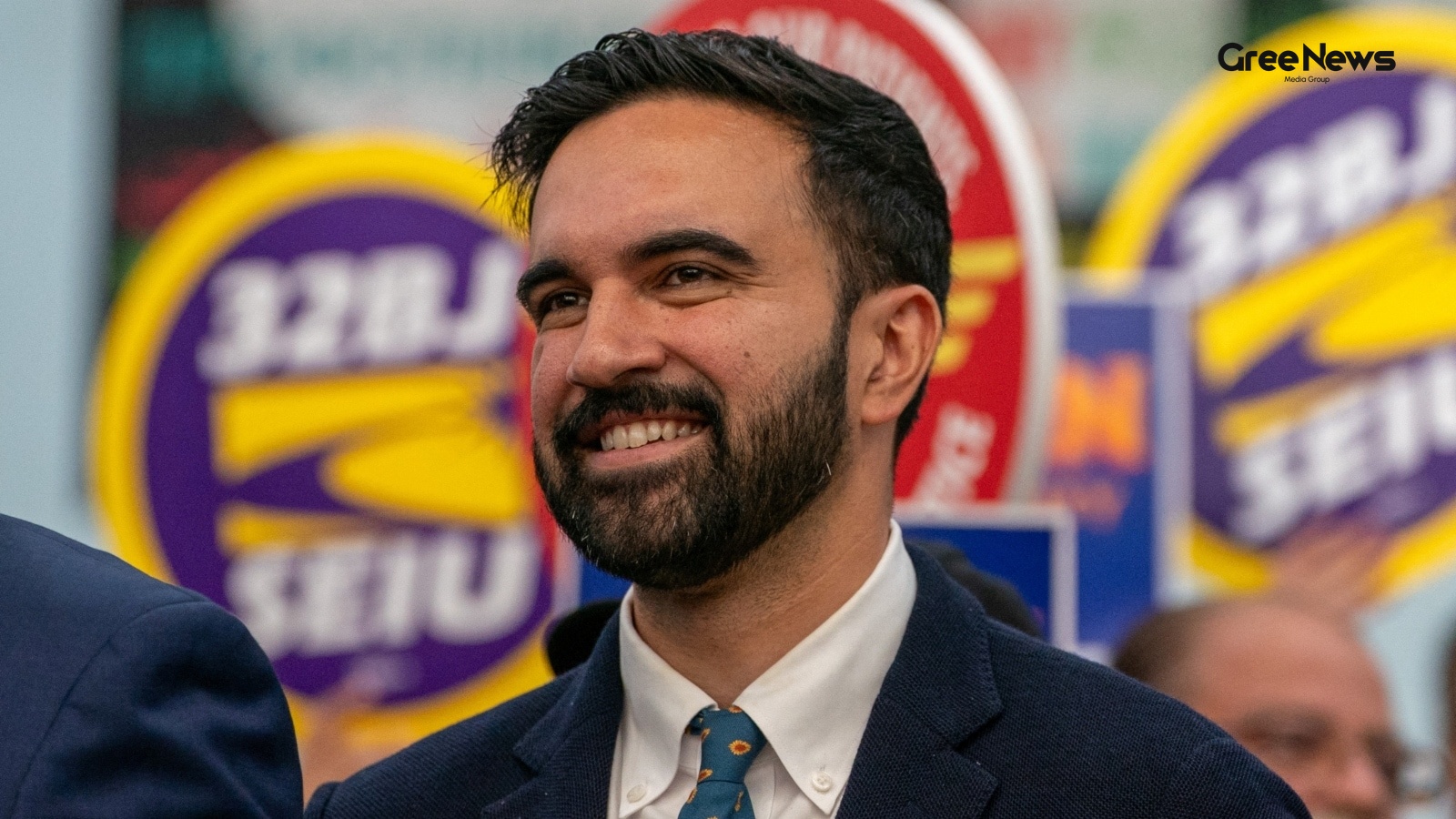
The Political Aftermath of the Democratic Primaries
Zohran Mamdani wasn’t even on that ballot for the New York Democratic congressional primaries. It felt almost absurd, doesn't it? Yet by the time the dust settled, by the end of that whole night, the city’s mayor had somehow managed to become the most consequential winner there was. It’s a strange w
Jun 25, 2026 by Gree News Team
Details Surfacing in Ketan Agarwal’s Murder Investigation
The details surfacing in Ketan Agarwal’s murder investigation are starting to paint a very different picture than what was initially assumed about the Lohagad Fort incident. Police are now suggesting it wasn't just some random trekking mishap. It points toward something much more calculated, a caref
Jun 25, 2026 by Gree News Team