The Political Aftermath of the Democratic Primaries
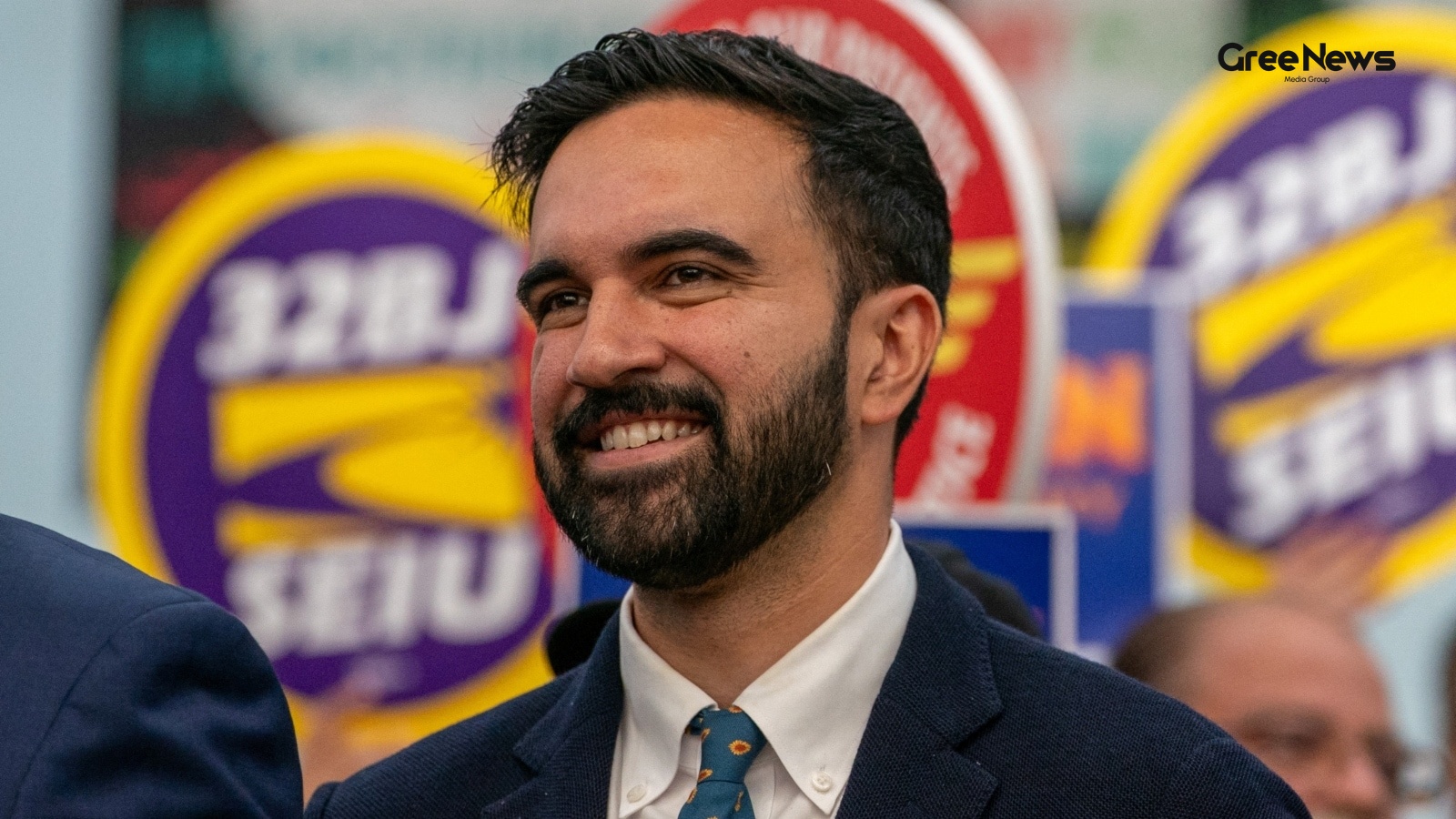
Zohran Mamdani wasn’t even on that ballot for the New York Democratic congressional primaries. It felt almost absurd, doesn't it?
Yet by the time the dust settled, by the end of that whole night, the city’s mayor had somehow managed to become the most consequential winner there was. It’s a strange way to look at politics sometimes. Not about who actually signed up for the race, but who ends up holding the strings afterward.
All three candidates Mamdani backed? They all won their races. Brad Lander took down Dan Goldman. Claire Valdez beat Antonio Reynoso for that open House seat. And Darializa Avila Chevalier pulled off what felt like the biggest upset of the night: unseating veteran Congressman Adriano Espaillat. It was a real shockwave going through things.
The districts themselves, though they strongly favored Democrats. That gave the primary winners a clear shot at Congress after the November midterms. The math seemed to point that way. A solid pathway, maybe? But pathways are rarely straight lines, especially in this city.
Mamdani got a clean sweep, of course. That’s what they saw. And it strengthened something important. It reinforced the idea that his surprise win against Andrew Cuomo last year wasn't some fluke. It wasn't just a one-off political shock. Something deeper was happening beneath the surface. His campaign organization, how he got the endorsements, the actual ideological appeal it all seemed to work. It appeared capable of getting other people to actually win elections now.
“We are showing that last June,” Mamdani said, and you could feel the weight in his voice, “a year ago tomorrow, was not an anomaly. It was not the end. It was the beginning.” That line hung there. A kind of quiet certainty mixed with something almost defiant. The start of something bigger.
So what actually happened in those three races? That’s where things got messy. Not a simple sequence. It was all tangled up.
The most intense fight, the one everyone was watching, that was Lower Manhattan and Brooklyn. Brad Lander versus Dan Goldman. That race felt like it carried the most weight, didn't it? A real clash of personalities right there on the line.
Lander ran to Goldman’s left, obviously. But it wasn't just about geography. It got into something bigger. Mamdani and his crew were attacking the congressman over his support for Israel. That was a flashpoint. Goldman had refused to endorse Mamdani after he won the mayoral primary because of those views on Israel. Even though Mamdani performed so strongly in Goldman’s district, that rift remained. A real sticking point.
Then came the pivot. Mamdani threw his weight behind Lander. It wasn't just a polite gesture. He campaigned hard for him. You could see it. He was there right after the voting ended, celebrating what turned out to be a decisive victory. That kind of visible support changes things in politics. It’s not abstract; it’s physical.
Next up was the second race. This one dealt with Brooklyn and Queens territory, where Representative Nydia Velázquez had vacated her seat. Mamdani backed Claire Valdez. She’s a first-term state assemblywoman. And she came in as a clear voice for democratic socialism. She ran against Antonio Reynoso, the Brooklyn borough president.
Reynoso seemed to have some real advantages here. He had those deep roots. The history of the district felt heavy there. Progressive record. Support from Velázquez herself. Plus, he’d been considered an ally of Mamdani before. It made the contest interesting.
But Valdez turned it into something else entirely. A fight about where the left was going next in the city. Reynoso drew support from those older residents. The established folks. But Valdez? She connected with the newer voters. Those people in the gentrifying neighborhoods, the ones shifting things around. It became a battle over who represented that evolving landscape.
Mamdani stepping in there gave Valdez more visibility. It helped frame it as a choice: you had the established progressive versus the newer socialist movement taking hold. That framing mattered a lot.
And then there was the third result. This one just hit differently. Darializa Avila Chevalier, an activist, democratic socialist someone who volunteered for Mamdani’s campaign she defeated Adriano Espaillat. Espaillat. A veteran. Someone who had spent two decades trying to get into Congress. Ten years serving there before that was.
That defeat felt huge. It was arguably New York’s biggest House primary upset since Alexandria Ocasio-Cortez took down Joe Crowley back in '18. The significance of Espaillat being unseated, especially given his role as chairman of the Congressional Hispanic Caucus, it amplified the whole thing. A real seismic shift.
Mamdani and his allies had been making noise about Espaillat. Accusations that he was too close to corporate interests. Too supportive of Israel. Those things hung over him.
Goldman, before the results were even finalized, made a pointed comment. He accused Mamdani of focusing way too much on the Middle East. Creating an “increasingly toxic environment,” especially for Jews. It brought that tension right into the political theater.
It really exposed the fault lines. How does that external pressure the war in Gaza, US support for Israel get filtered into local primaries? The whole dynamic was being tested there.
But this exposure didn't just cause friction within Mamdani’s camp. It also deepened some real difficulties. He faced criticism from sections of the Jewish community. Accusations surfaced about him describing groups like the American Israel Public Affairs Committee as political “monsters.” And then, the worry that he was invoking antisemitic tropes. That kind of backlash hits you where it hurts most when you’re trying to build a coalition.
Velázquez had backed Mamdani during his mayoral run. A relationship existed there. But after the endorsements came Valdez instead of Reynoso that connection frayed fast. She felt he missed something fundamental.
She said he made a strategic error of judgment. Not seeing how important it is to maintain ties across all levels: city, state, federal. It’s about expanding your tent, not shrinking it because you need help everywhere else. That was her frustration laid bare.
And Letitia James, the Attorney General another big supporter during his mayoral run she also spoke out. She criticized some of his choices too. She felt certain candidates simply didn't grasp the history. The cultural differences. The racial and class dynamics that defined those specific districts they were trying to represent. It was about understanding the ground you’re standing on.
“All of us are a little frustrated with the Democratic Party,” James said. “But you don’t blow it up. That’s what MAGA has done.” A sharp, almost weary observation about where things actually went wrong politically.
So, right now, the message is still unfolding. Mamdani’s mayoral victory wasn't some isolated fluke. It felt more like the starting point for something much larger. The next thing everyone will be watching is whether that project can grow. Can it expand without leaving him stranded inside his own party? That remains the big question hanging over everything.
Written by Gree News Team — Senior Editorial Board
Gree News Team covers international news and global affairs at Gree News. Our collective of senior editors is dedicated to providing independent, accurate, and responsible journalism for a global audience.
More from World
View All
The Hidden Pipeline: Crypto Exchanges and Iran's Digital Asset Flow
The quiet expansion of certain crypto exchanges over the last eight years that’s where the real story starts. It’s not just about digital wallets anymore. It’s about how Iran's entire crypto scene is snagged, pulled into the global digital asset markets through these channels. A Wall Street Journal
Jun 25, 2026 by Gree News Team
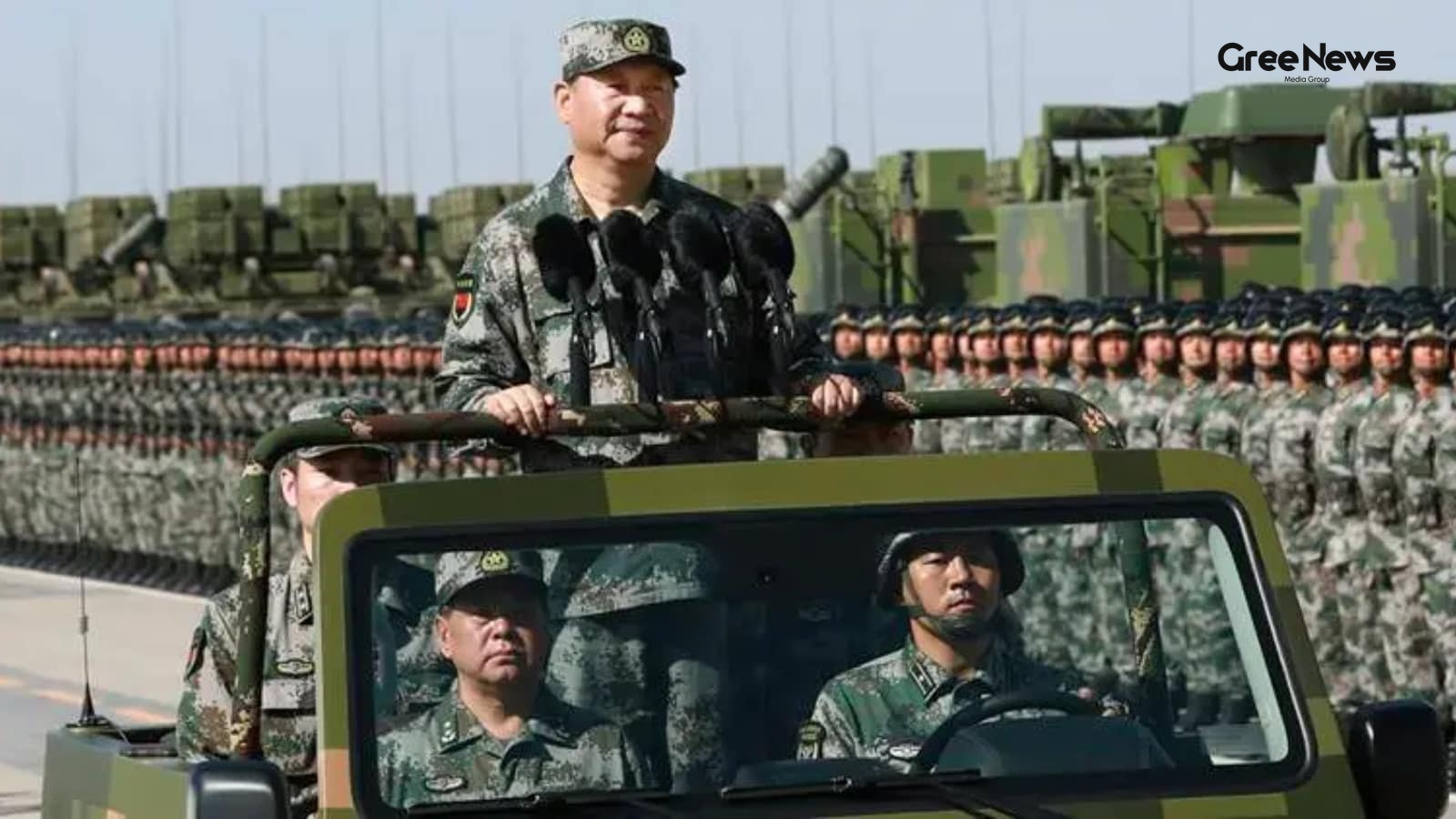
Ideological Training and Anti-Corruption in the Chinese Military
Hundreds of senior Chinese military officers just finished a ten-week ideological training. It was personally ordered by President Xi Jinping. This all happens while Beijing’s anti-corruption sweep through the armed forces keeps picking up speed. Details about that camp it ran from April 8th and wra
Jun 25, 2026 by Gree News Team
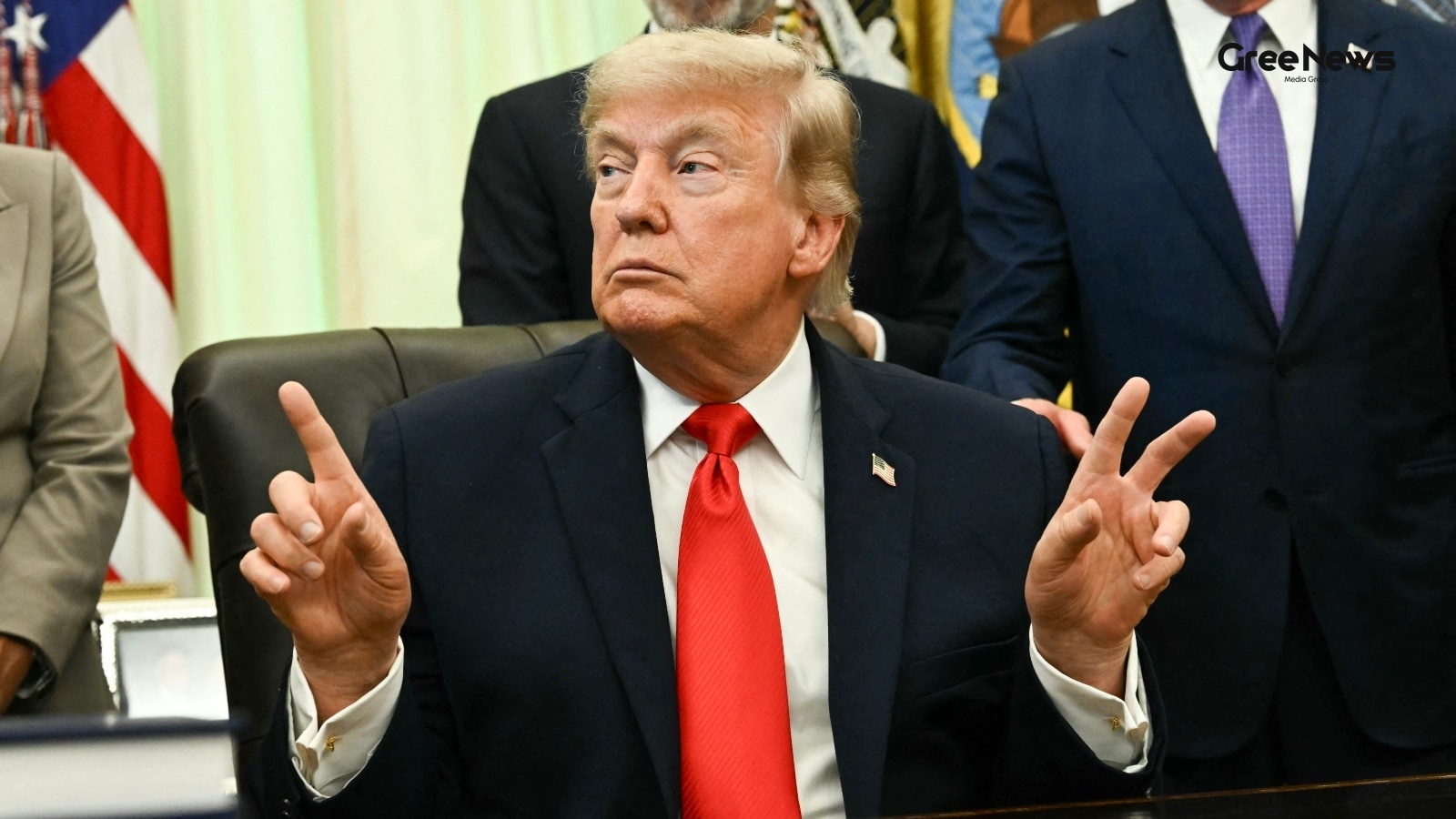
The Disconnect Between America's Image and Global Sentiment
That whole line about Trump saying foreign leaders assured him America was the hottest country anywhere it just rings hollow now. It’s that image of the world’s ultimate destination, the place everyone wants a selfie at, where you invest and get influence. But it’s comically disconnected from what p
Jun 25, 2026 by Gree News Team
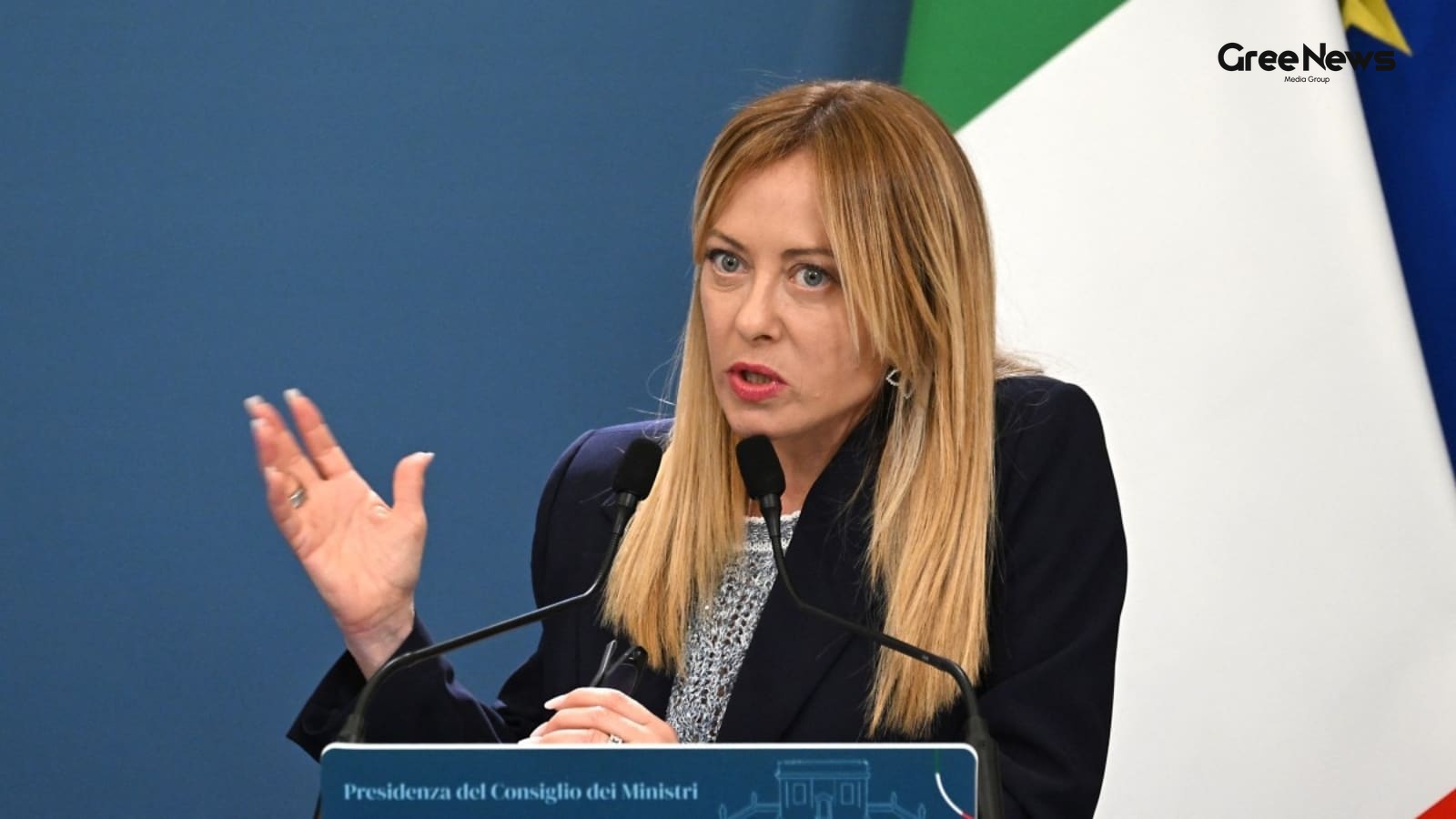
Giorgia Meloni and the Future of Italian Elections
Meloni is looking at calling early elections. April? Months ahead of when they’re supposed to run again in late 2027. That’s what’s swirling around the right wing, Brothers of Italy, reportedly. There’s this worry that dragging things out just won't help her standing at home. The *Bloomberg* report
Jun 24, 2026 by Gree News Team
Latest Headlines
Lohagad Fort Murder Case: Digital Evidence and Conspiracy
Lohagad Fort. That’s where it all started, isn’t it? A murder case involving Ketan Agarwal. But the details… they keep shifting. Fresh stuff is coming out of the investigation now. The police are claiming something really dark about how this happened. It’s not just a random tragedy; there were prepa
Jun 25, 2026 by Gree News Team
The Hidden Pipeline: Crypto Exchanges and Iran's Digital Asset Flow
The quiet expansion of certain crypto exchanges over the last eight years that’s where the real story starts. It’s not just about digital wallets anymore. It’s about how Iran's entire crypto scene is snagged, pulled into the global digital asset markets through these channels. A Wall Street Journal
Jun 25, 2026 by Gree News Team
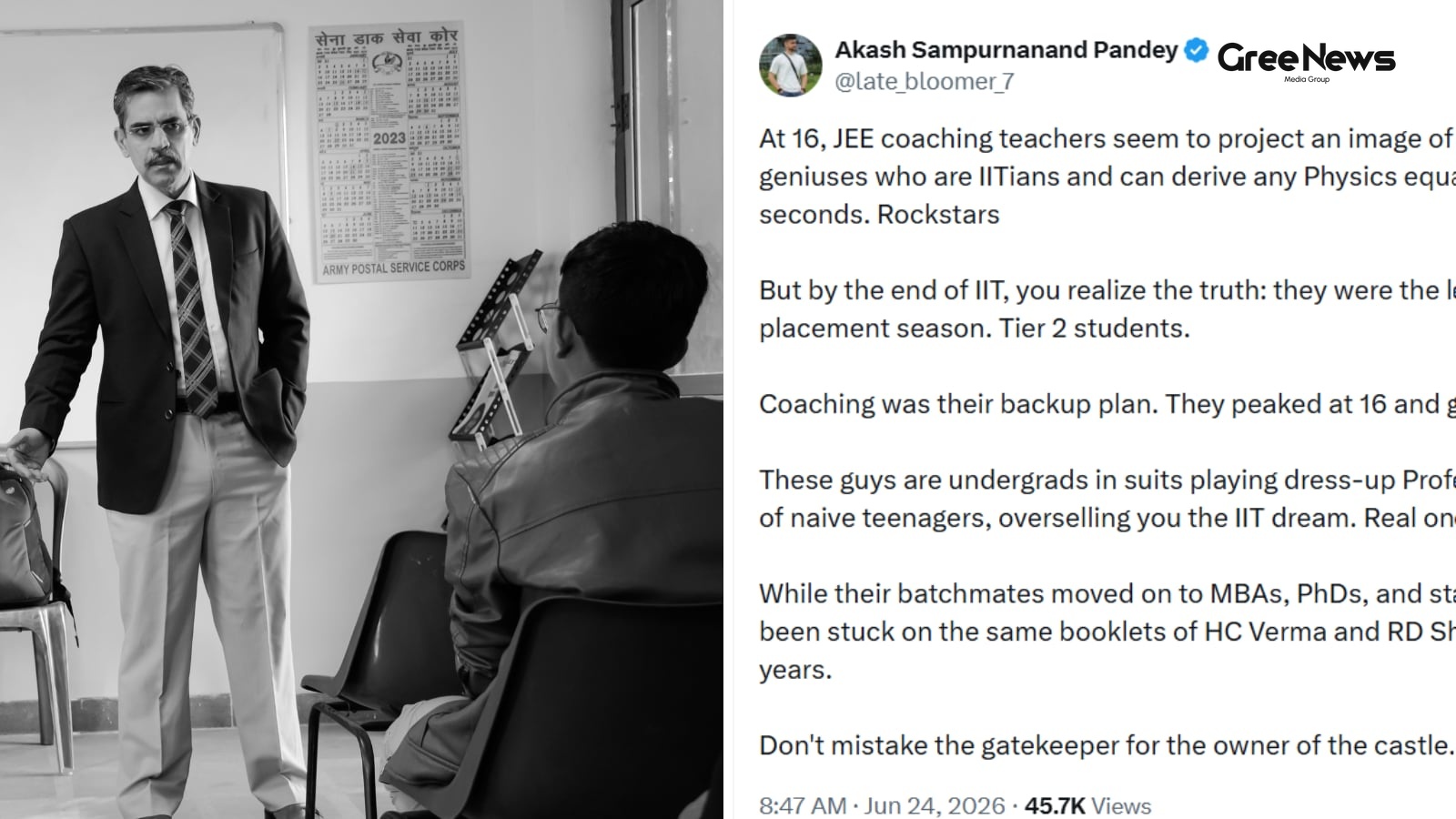
The Debate on Meritocracy and Authority in Education
The online space, always that chaotic melting pot of opinions, immediately combusted when Akash Sampurnanand Pandey dropped his comments. It wasn’t some neatly packaged academic critique; it was raw, almost angry observation tossed into the digital ether by a recent IIT-BHU graduate. The subject? JE
Jun 25, 2026 by Gree News Team
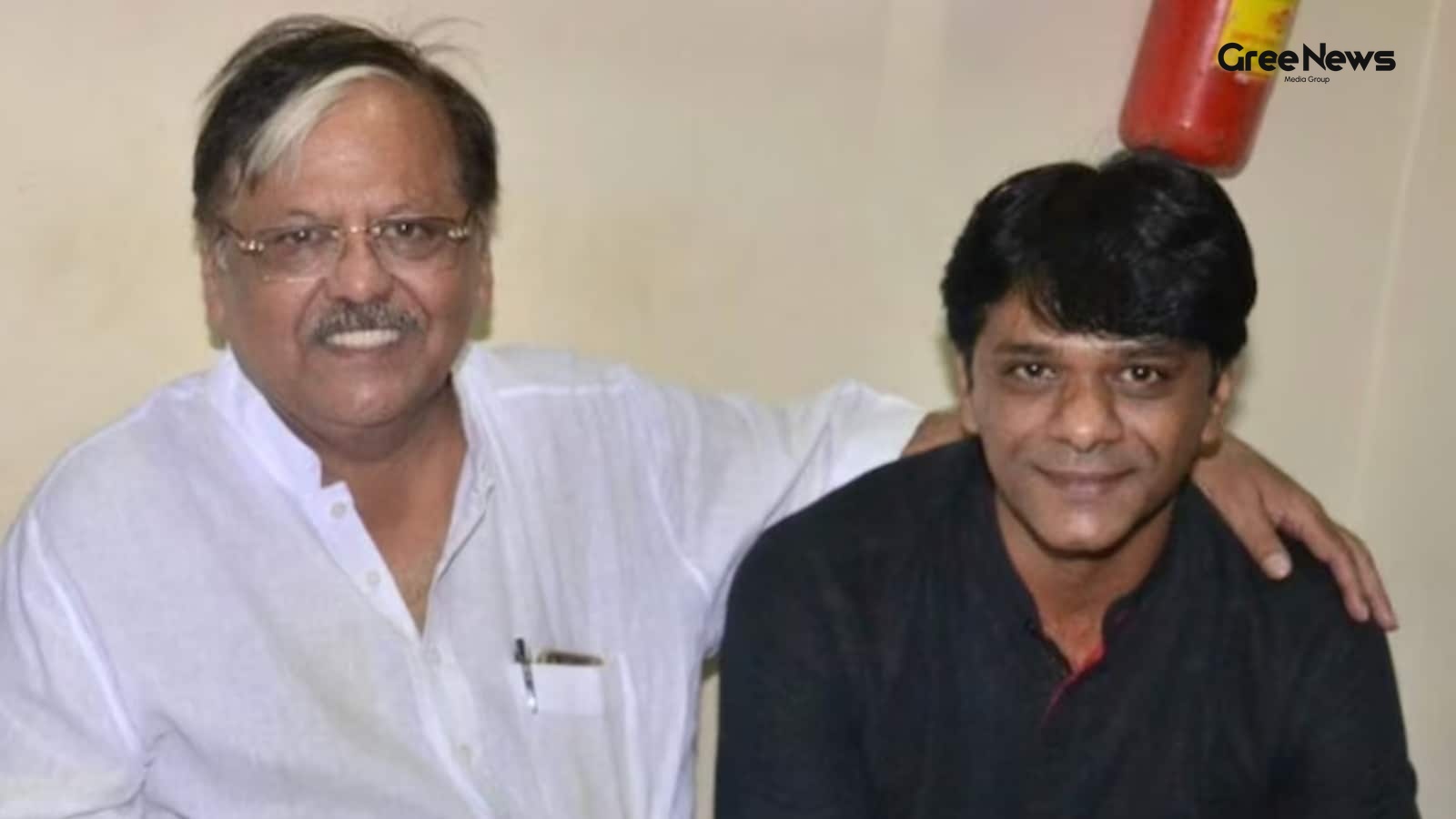
The Passing of Veteran Actor and Director Arvind Vekaria
Arvind Vekaria, that veteran Gujarati actor and director... he’s gone. It’s just happened. The entertainment world is really mourning him right now. This news hits hard because it comes so fast. Just eight months ago, his son Tanmay Vekaria lost his mother. Another crushing blow for the family. A do
Jun 25, 2026 by Gree News Team
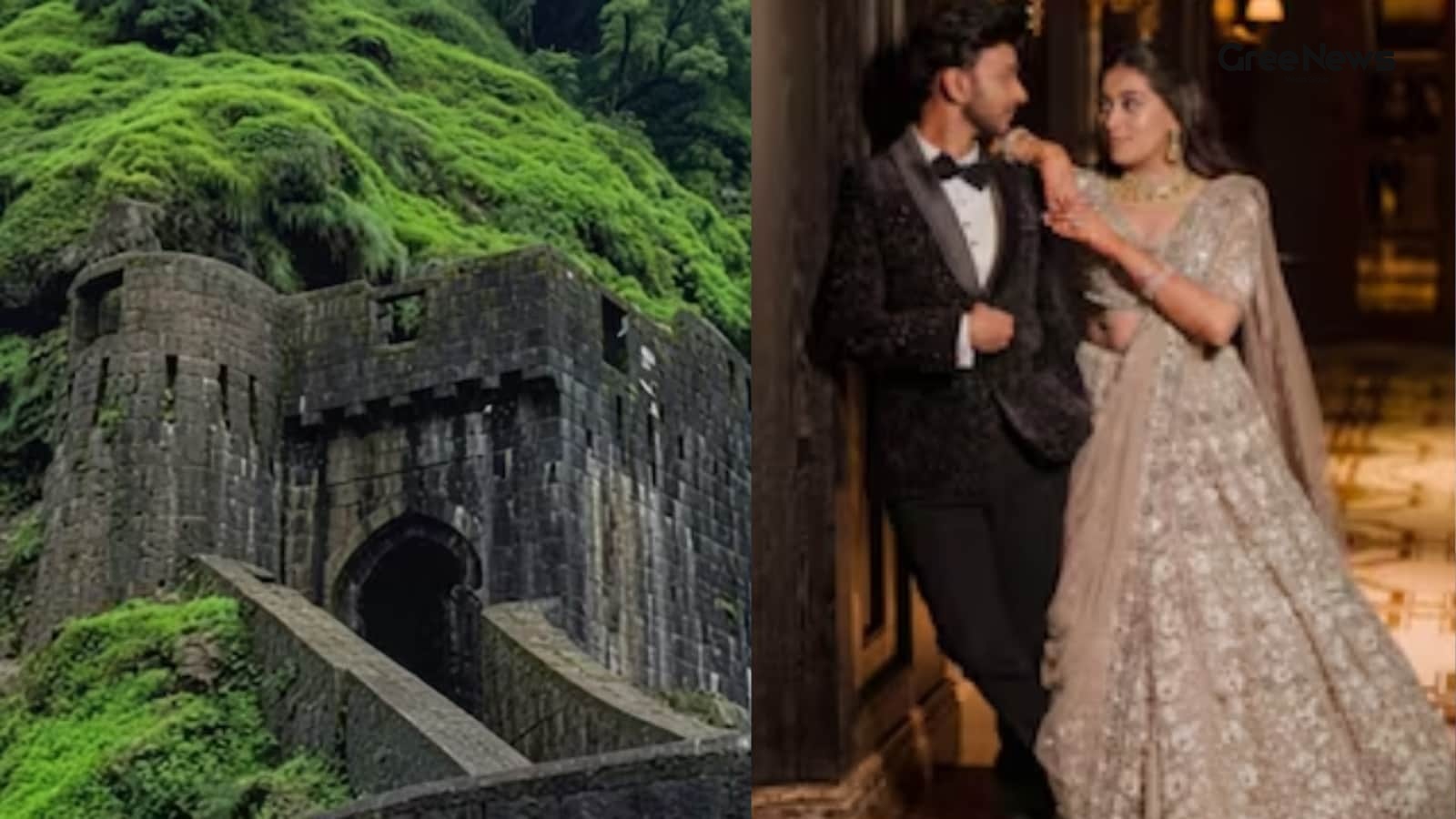
Details Surfacing in Ketan Agarwal’s Murder Investigation
The details surfacing in Ketan Agarwal’s murder investigation are starting to paint a very different picture than what was initially assumed about the Lohagad Fort incident. Police are now suggesting it wasn't just some random trekking mishap. It points toward something much more calculated, a caref
Jun 25, 2026 by Gree News Team
Ideological Training and Anti-Corruption in the Chinese Military
Hundreds of senior Chinese military officers just finished a ten-week ideological training. It was personally ordered by President Xi Jinping. This all happens while Beijing’s anti-corruption sweep through the armed forces keeps picking up speed. Details about that camp it ran from April 8th and wra
Jun 25, 2026 by Gree News Team

Indian Stock Market Rally Driven by Semiconductor Gains and Global Optimism
Stock market opened higher today, tracking a decent rally across Asia. That was mostly because global semiconductor companies gave some upbeat earnings and guidance. It lifted risk appetite generally. And you had lower crude oil prices playing a role, plus the rupee actually got stronger too. As of
Jun 25, 2026 by Gree News Team
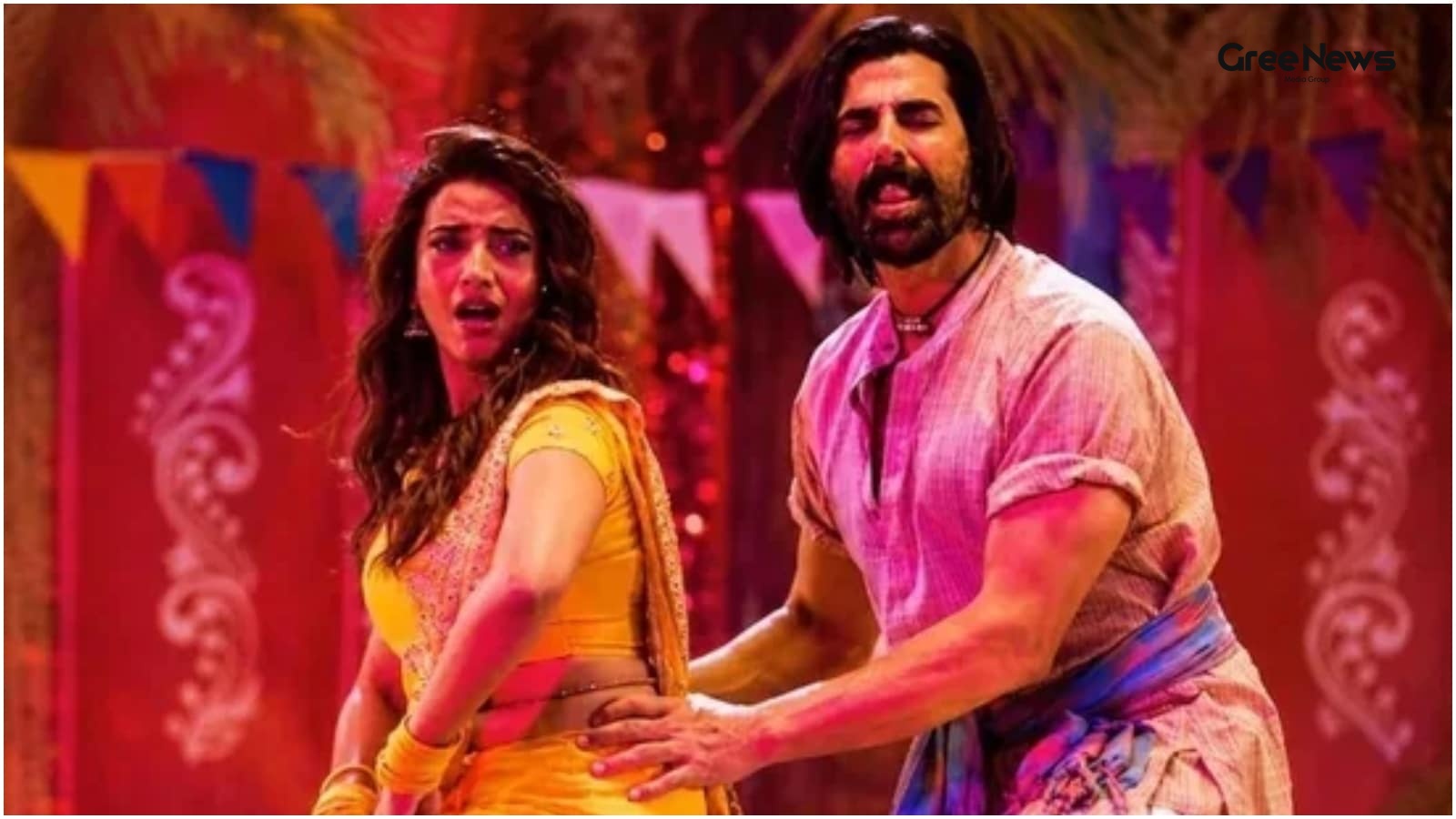
Akshara Singh's Collaboration with Akshay Kumar on 'Ghis Ghis Ghis'
Akshara Singh is totally over the moon right now after collaborating with Akshay Kumar on ‘Ghis Ghis Ghis’ from ‘Welcome To The Jungle’. It was a big deal. He really went all out on the song. And something interesting happened, too. He shot the track while he was suffering from a high fever. That de
Jun 25, 2026 by Gree News Team
The Disconnect Between America's Image and Global Sentiment
That whole line about Trump saying foreign leaders assured him America was the hottest country anywhere it just rings hollow now. It’s that image of the world’s ultimate destination, the place everyone wants a selfie at, where you invest and get influence. But it’s comically disconnected from what p
Jun 25, 2026 by Gree News Team
The Shifting Landscape of Uncertainty and Political Reality
Look, it’s just… everything spinning right now. You see the headlines? They just give you these neat little boxes, and underneath them, there’s this mess. A lot of noise. The air feels thick today. It always does when things are about to shift, doesn’t it? There’s this low hum, a kind of tension tha
Jun 25, 2026 by Gree News Team
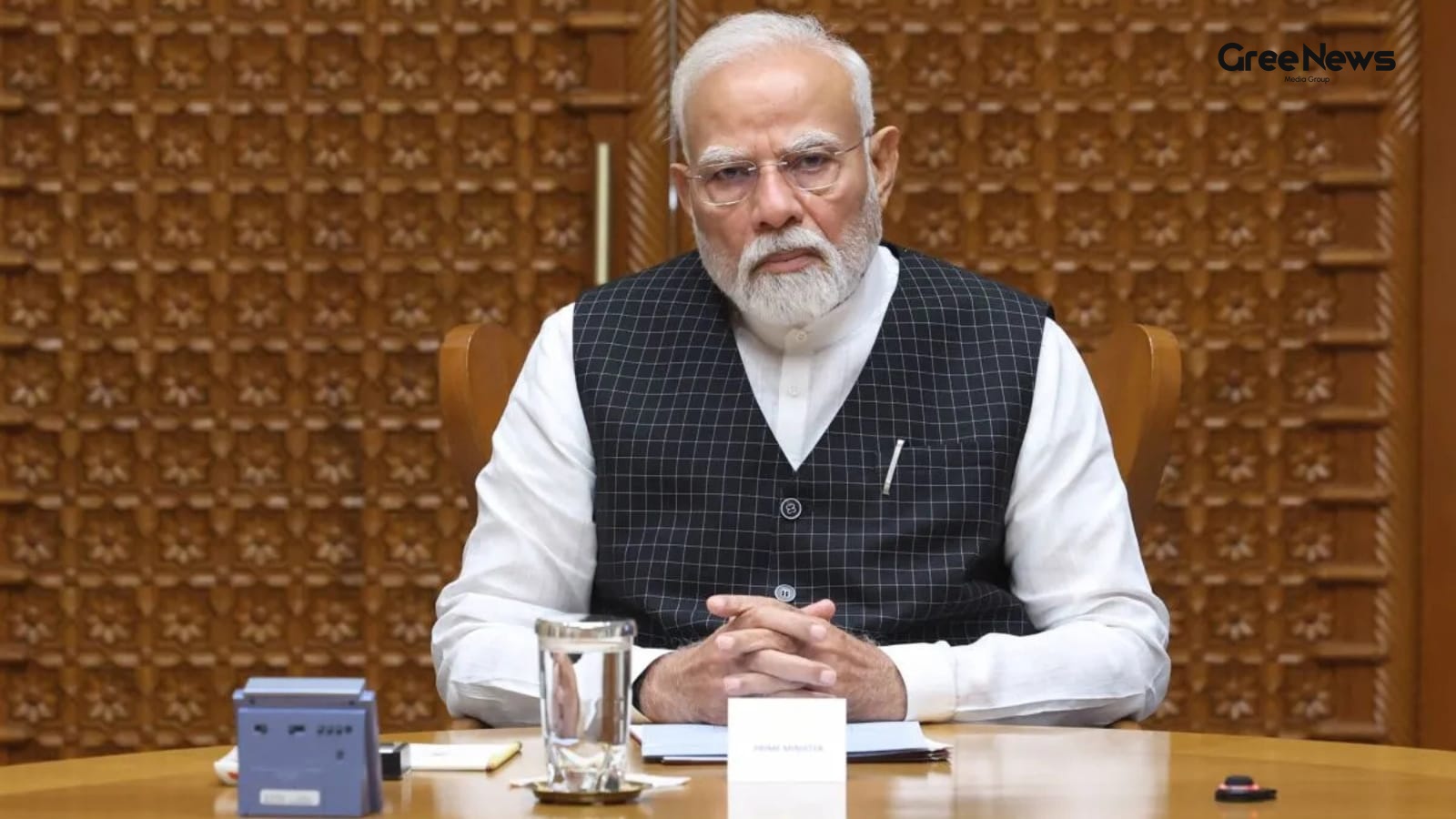
The Legacy of the Emergency: A Reflection on India's Democratic History
The 51st anniversary of the Emergency hits hard sometimes, doesn't it? Narendra Modi spoke about that time the Emergency imposed back in '75 calling it one of the darkest chapters in India’s history. He made a point about the government’s promise then and there: they would protect the constitutional
Jun 25, 2026 by Gree News Team

Murder and Conspiracy at Lohagad Fort: The Story of Goyal and Chaudhary
Something really disturbing happened in Maharashtra. Pune Rural Police found something sinister behind what everyone thought was just a bad trekking accident at Lohagad Fort. They arrested two people, Siya Goyal and Chetan Chaudhary. They’re accused of planning the murder of Goyal’s fiancé, Ketan Vi
Jun 24, 2026 by Gree News Team
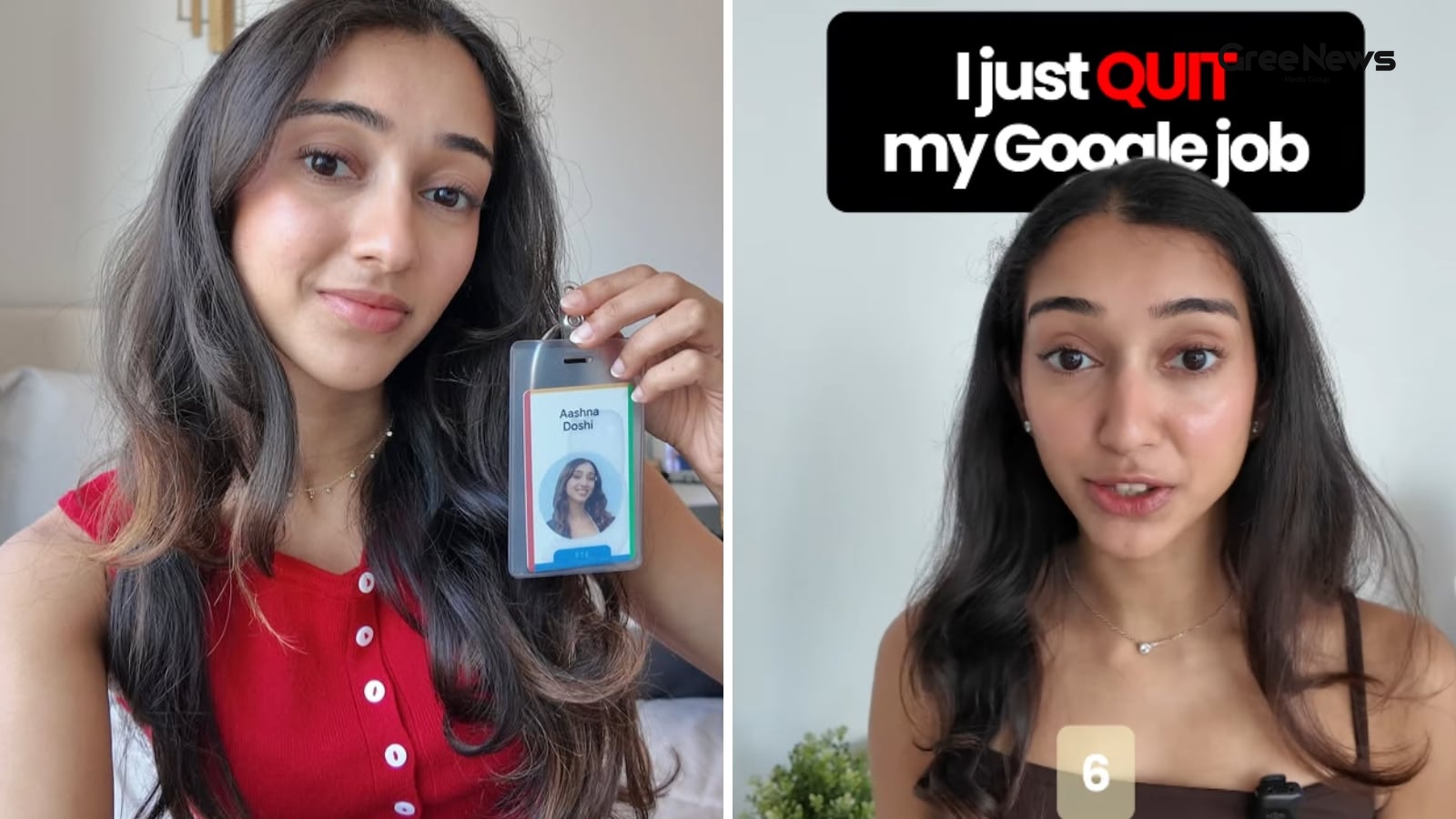
Aashna Doshi's Journey from Google to AI Startup
Aashna Doshi, twenty-three years old, used to be a Google engineer. Leaving that job wasn't the hardest thing for her, she admitted. It was staying put, just sitting there in comfort, wondering what else she could have actually built instead of just coding. She shared this story with Business Inside
Jun 24, 2026 by Gree News Team
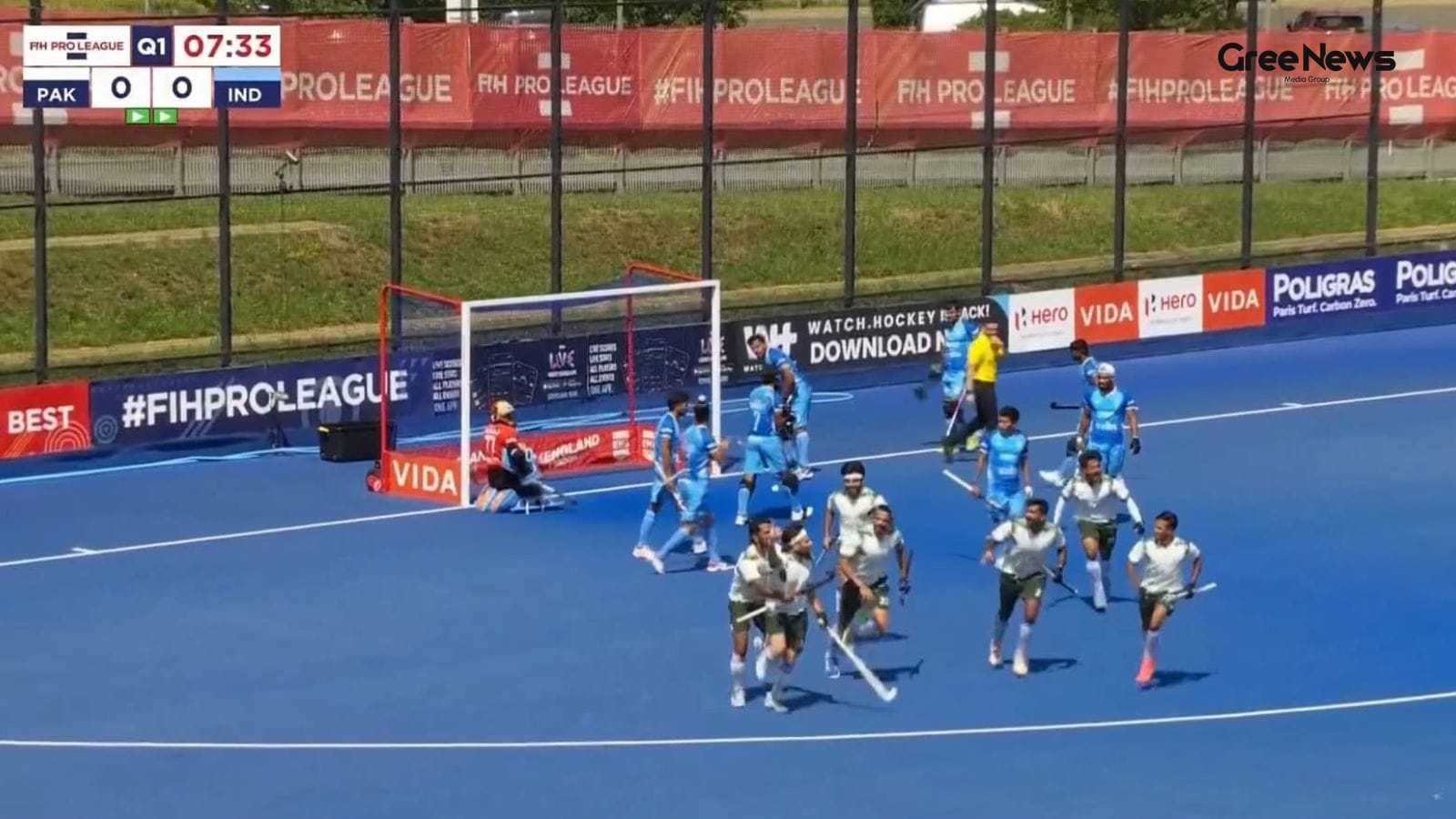
Tension and Sportsmanship: The Strained Relations Between India and Pakistan
Harmanpreet Singh and his Indian hockey team met their Pakistani counterparts, led by Abu Mahmood, just before a big game in the FIH Pro League. They exchanged greetings, but it felt strained. All the differences that have really soured things across the border? they just kept them quiet. It’s compl
Jun 24, 2026 by Gree News Team
Giorgia Meloni and the Future of Italian Elections
Meloni is looking at calling early elections. April? Months ahead of when they’re supposed to run again in late 2027. That’s what’s swirling around the right wing, Brothers of Italy, reportedly. There’s this worry that dragging things out just won't help her standing at home. The *Bloomberg* report
Jun 24, 2026 by Gree News Team