Impact of Proposed Fee Hikes on US Citizenship Applications
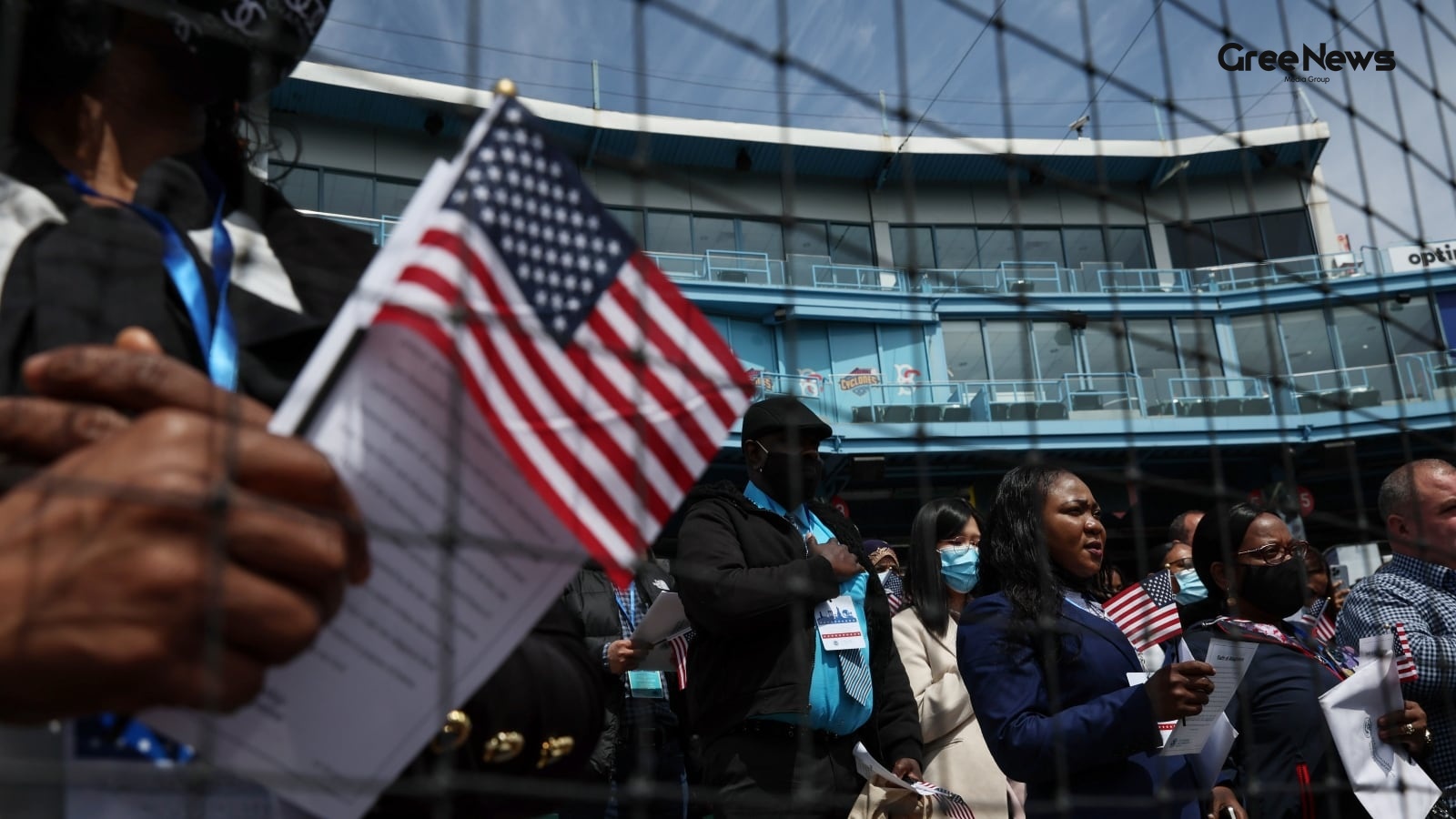
The administration is pushing for a massive hike in the fees for US citizenship applications. It’s a significant move, aiming to make naturalization much pricier for Green Card holders think tens of thousands of Indians who get citizenship every year.
This proposal came out from the Department of Homeland Security (DHS) back in June. They wanted to raise the cost of filing the main application by about seventy-five to eighty percent. And they plan to scrap those reduced fees and income waivers that people currently use if they can’t afford the full charge.
But it’s not official yet. This is just a proposal. It’s going through public consultation now, meaning things could change before anything is finalized. For now, applicants can keep filing at the old rates. That gives you some breathing room, I guess.
If they actually implement this as proposed, the financial hit would be heavy on permanent residents. Especially families where multiple members are eligible to apply at once. It puts a real weight on those trying to make that final step.
So, how much is this really adding up to? It’s all about Form N-400, the actual application for naturalization. This is what Green Card holders have to deal with when they want citizenship.
The numbers shift quite dramatically here. For a standard paper N-400 application, the fee jumps from $760 up to $1,330. That’s a jump of $570 a full seventy-five percent increase.
Online filers are affected too. They currently pay $710 for the online submission. Under this new rule, that cost shoots up to $1,280. That's another $570 hike, roughly eighty percent jump overall.
It means that even though filing online is still cheaper than paper, both options become substantially more expensive. It’s a serious financial squeeze.
For an individual trying this out alone, the change adds $570 right to their application cost. But it gets worse for families. If you have three eligible people seeking citizenship together say, three Green Card holders the additional burden isn't just one-time; it multiplies. You could be looking at an extra $1,710 just because of the proposed hike across the board.
They also touched on the paperwork for appeals. The fee for Form N-336, which you use to ask for a hearing if your application gets denied? That too goes up. Paper submissions jump from $830 to $1,475. Online requests go from $780 to $1,425. Everyone ends up paying $645 more just to request that hearing.
The real kicker was removing the safety nets. They’re taking away those reduced fees and income-based waivers. Right now, people with limited money can qualify for a lower fee or even a total waiver depending on their situation. Now? Most applicants would have to pay whatever the new, higher amount is, no matter how little money they have.
The only exception left seems to be for current or former military members who already qualify for fee-free naturalization under specific immigration laws. That’s it. The system stops helping those who need it most.
This all hits groups like Indians particularly hard. They are one of the biggest immigrant communities in the US, and they consistently rank high among those who get citizenship. Estimates from places like the Migration Policy Institute suggest that about three-point-two million Indian immigrants live here now. And nearly half of them have already naturalized.
DHS data shows that in 2022, sixty-five thousand Indians were naturalized. That was six point eight percent of all new citizens that year. It’s a large number, but it’s declining. The numbers dropped to about fifty-nine thousand in 2023 and then forty-nine thousand in 2024.
India still comes up as the second largest source country for US citizenship in 2024, behind Mexico. They accounted for six point one percent of all people naturalized that year.
So when you look at these fee increases any increase at all it’s going to affect a sizeable number of Indian-origin permanent residents every single year.
And for many Indians, this journey to citizenship is already brutal. Employment-based immigration means years spent grinding through H-1B visas, labor certifications, Green Card processing. Then you spend years as a permanent resident before you even get the shot at naturalization. Some estimates suggest over one million Indians are still stuck in those employment backlogs waiting for their Green Cards. Naturalization is just the end of an already decades-long process for many.
Why are they pushing this now? The department claims the current fees don't cover the actual cost of processing and making these decisions. They argue that applications need to pay for themselves.
The DHS points to all the vetting involved. FBI background checks, Name Check Program screening, security database checks, biometric collection, language tests, civics exams... plus assessing good moral character. And then there are the extra measures put in place under executive orders. It’s a huge administrative load.
They suggest that keeping fees low might just attract people who don't actually qualify, which only increases the workload for everyone involved.
Of course, this is all theoretical right now. The figures announced by DHS aren't legally binding yet. People have until August 24, 2026, to comment on these changes through Regulations.gov. If they don’t change their minds after that review period, the current fee structure stays in place for those who apply before a final rule drops. It leaves things very uncertain right now.
Written by Gree News Team — Senior Editorial Board
Gree News Team covers international news and global affairs at Gree News. Our collective of senior editors is dedicated to providing independent, accurate, and responsible journalism for a global audience.
More from World
View All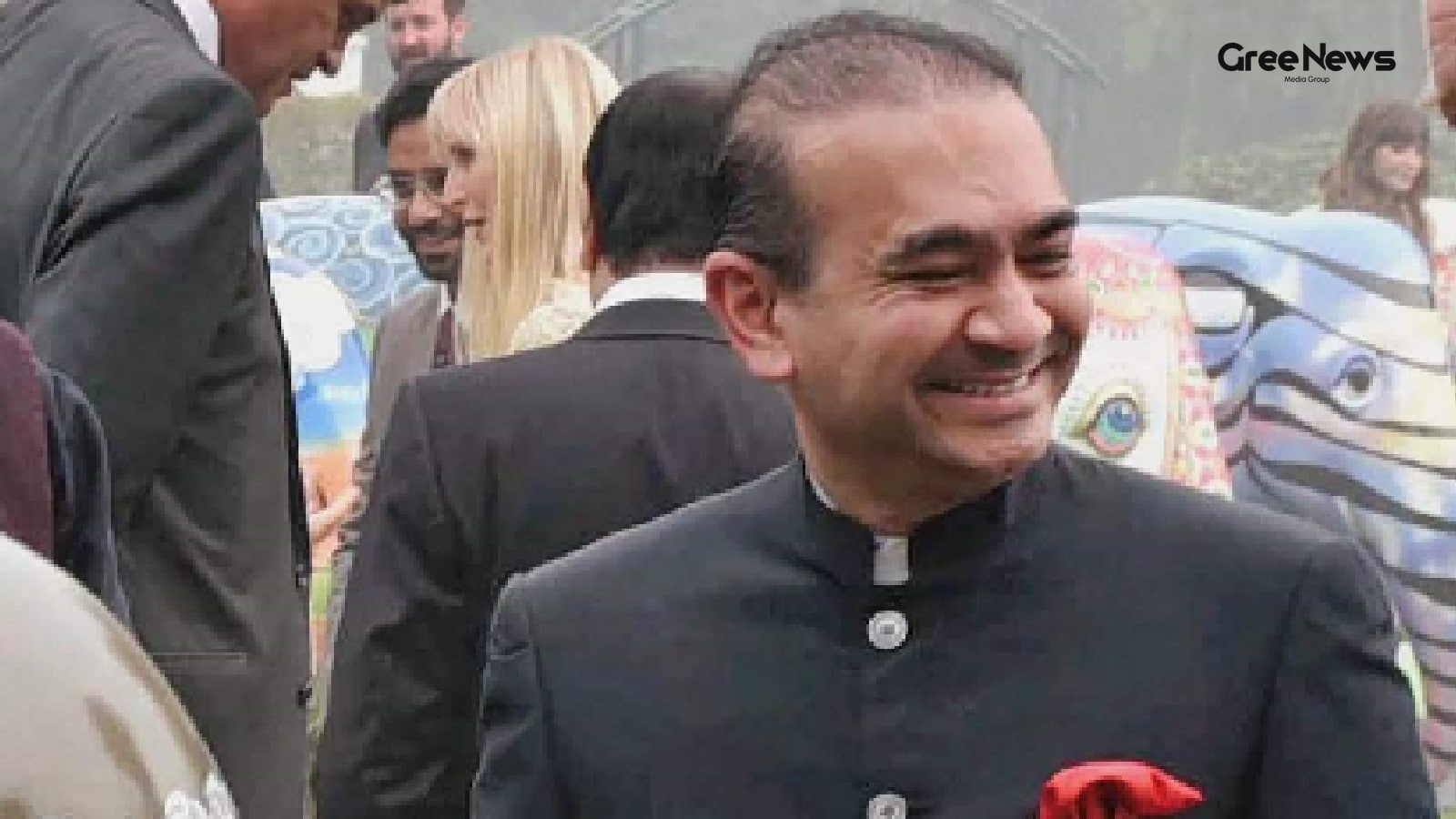
London High Court Ruling on Nirav Modi and Bank of India Guarantee
A London High Court actually ruled for the Bank of India, which is a big deal given the whole fugitive diamond businessman Nirav Modi situation. They found him liable to pay more than $10.7 million that’s over Rs 100 crore under a personal guarantee tied to some loan linked to his companies. Justice
Jun 24, 2026 by Gree News Team
F-1 Visa Revocation: Understanding the Difference Between Visa and Immigration Status
An Indian student from Hyderabad got stuck. He was reportedly stopped from boarding a flight to New York in Amsterdam. Why? Because authorities there found out his US visa had been pulled months earlier. That’s what The Times of India reported. When he landed in Amsterdam, trying to catch that conne
Jun 24, 2026 by Gree News Team

US Humanitarian Aid Diversion and Oversight Failures in Conflict Zones
Elon Musk, the CEO of Tesla and SpaceX, brought attention to some really thorny issues lately. It’s about where US-funded humanitarian assistance actually ends up when it gets sent into conflict zones. There's a huge debate brewing about whether aid flowing through USAID can actually be misused by t
Jun 24, 2026 by Gree News Team

JD Vance's Admiration for Pakistan and the Political Tension
The air around JD Vance seemed thick with something unspoken when he openly expressed his admiration for Pakistan. It wasn’t some polite nod; it was a declaration an ‘I love Pakistan’ message. This came right after the trip to Switzerland, where he was engaged in those high-stakes peace talks with I
Jun 24, 2026 by Gree News Team
Latest Headlines
Devina Gahlot's CUET UG 2026 Achievement and Context
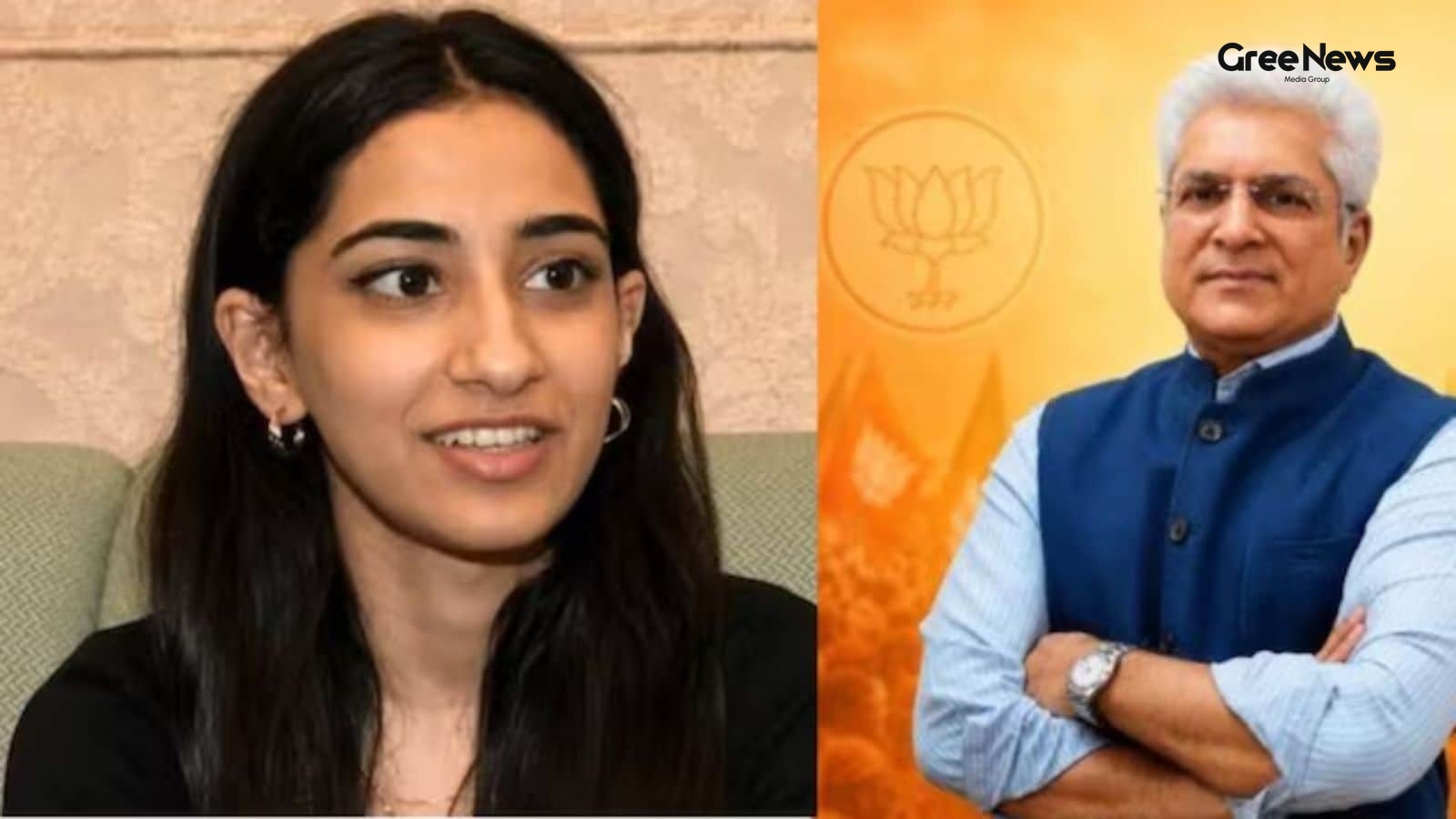
Devina Gahlot. Just that name carries a certain weight right now. It’s not just about a test score; it’s this whole massive public spectacle surrounding how things are going the sheer scale of it all. She snagged the top spot in the Common University Entrance Test, the CUET UG 2026 results. That num
Jun 24, 2026 by Gree News Team
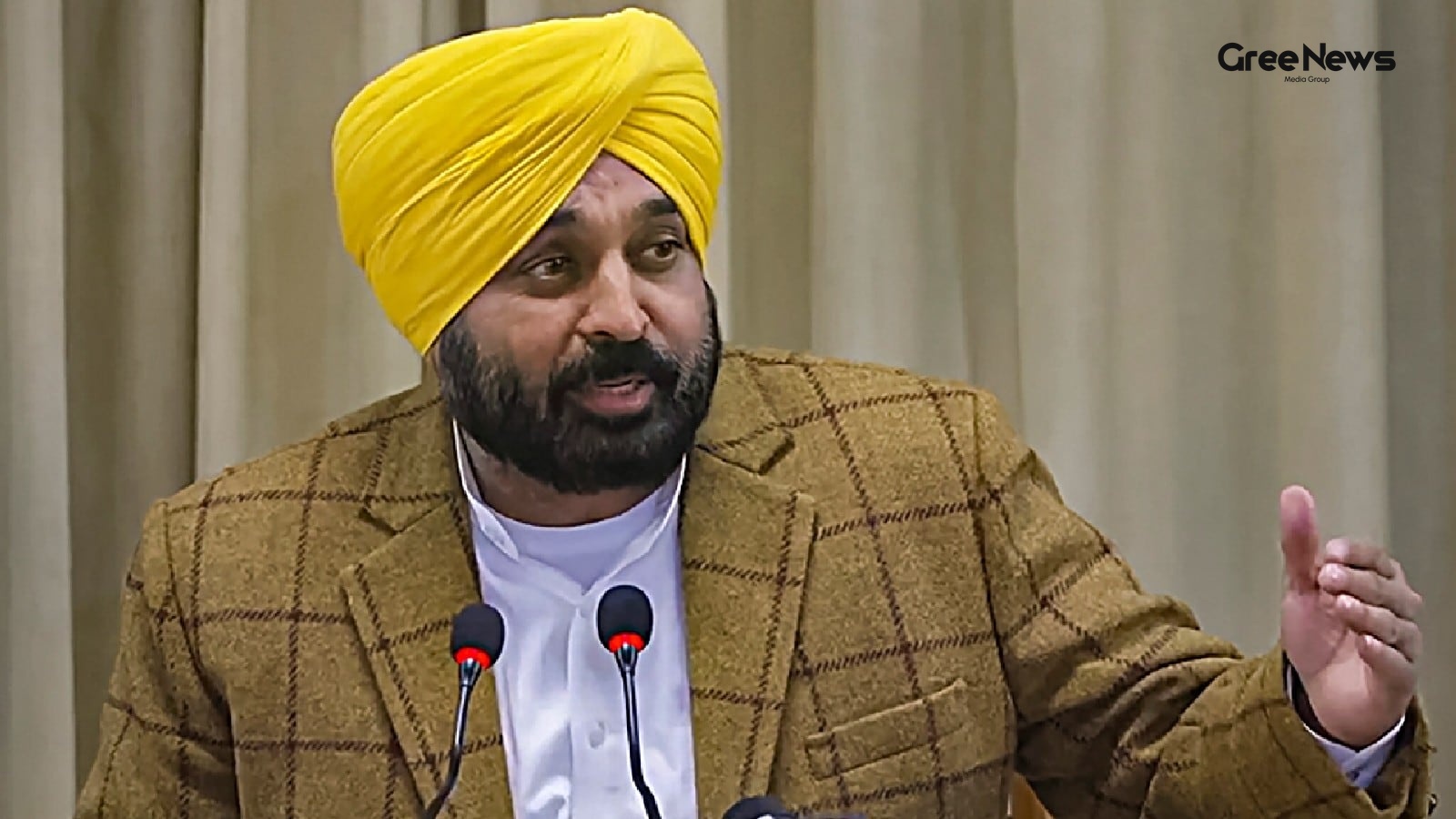
Investigation into Alleged Sacrilege Video Involving Punjab Chief Minister Bhagwant Mann
The whole thing around that alleged sacrilege video involving Punjab Chief Minister Bhagwant Mann has really taken a turn now. Gurgaon Police are digging into it, looking at claims that two senior Punjab Police officers actually paid ten lakh rupees to get a forensic report saying the footage was fa
Jun 24, 2026 by Gree News Team

Washing Machine vs. TV: Making the Right Choice for Home Essentials
Laundry gets seriously complicated when the monsoon hits. Clothes just refuse to dry right. Towels stay permanently damp, you know? School uniforms and office wear pile up faster than you can manage them. And even after that long wash cycle finishes, the actual challenge of getting everything dry ha
Jun 24, 2026 by Gree News Team

Lucknow Coaching Centre Fire and Statewide Safety Crackdown
Lucknow coaching centre fire. It was a disaster. Over 100 institutes got sealed off across Uttar Pradesh on Tuesday. Everything tied to safety norms, apparently. The whole thing kicked off after that devastating fire in Aliganj. A coaching institute there. Fifteen lives lost. Monday night. Then the
Jun 24, 2026 by Gree News Team
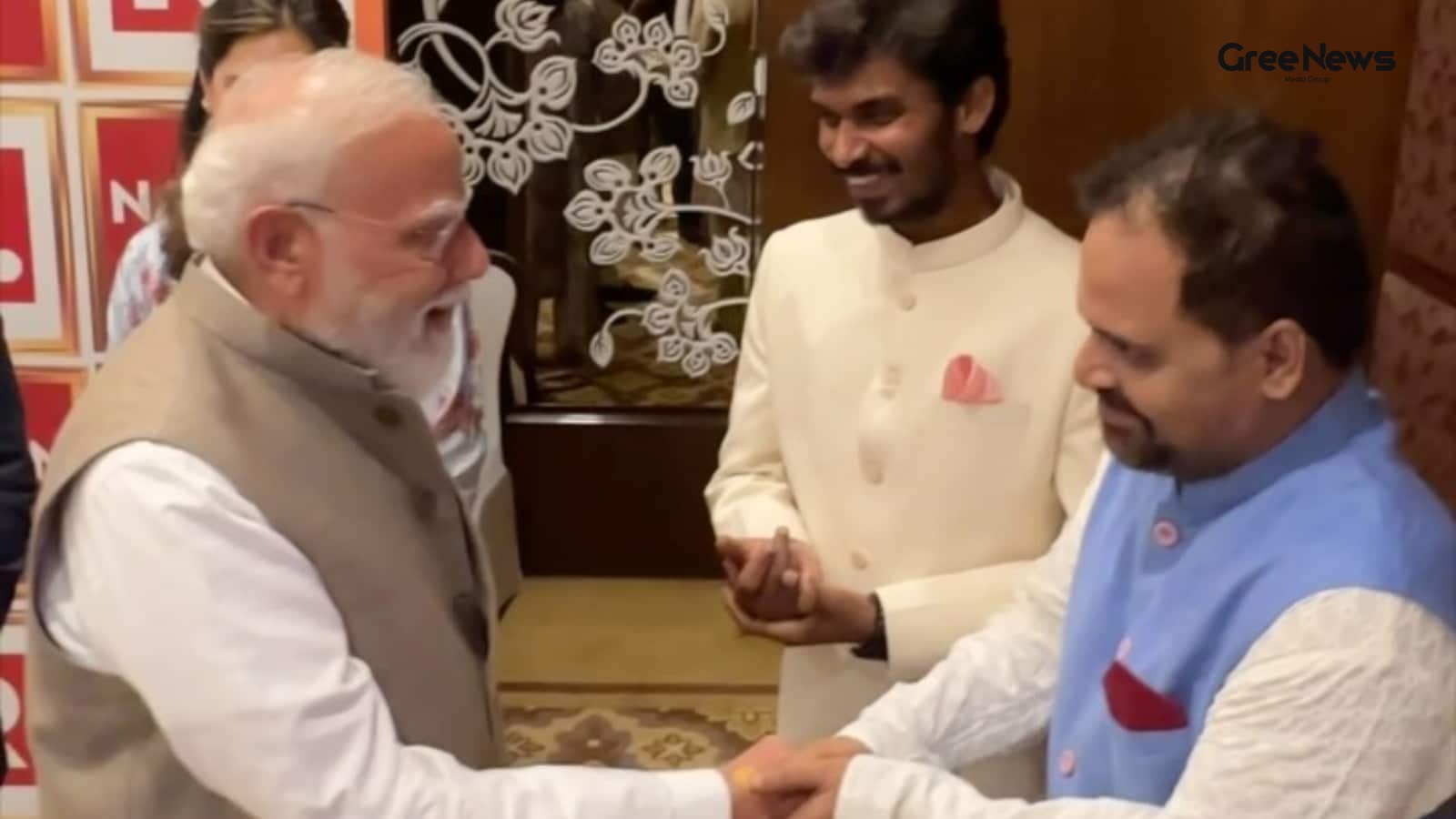
The Viral Success and Impact of Panchayat and its Cast
Modi, you know how he does it. He throws something out there an Instagram reel this time and suddenly everyone stops scrolling. It was Tuesday. He shared a clip featuring actors from *Panchayat*, Durgesh Kumar and Ashok Pathak. Just a moment for the fans to smile, that’s what it felt like. The real
Jun 24, 2026 by Gree News Team
London High Court Ruling on Nirav Modi and Bank of India Guarantee
A London High Court actually ruled for the Bank of India, which is a big deal given the whole fugitive diamond businessman Nirav Modi situation. They found him liable to pay more than $10.7 million that’s over Rs 100 crore under a personal guarantee tied to some loan linked to his companies. Justice
Jun 24, 2026 by Gree News Team
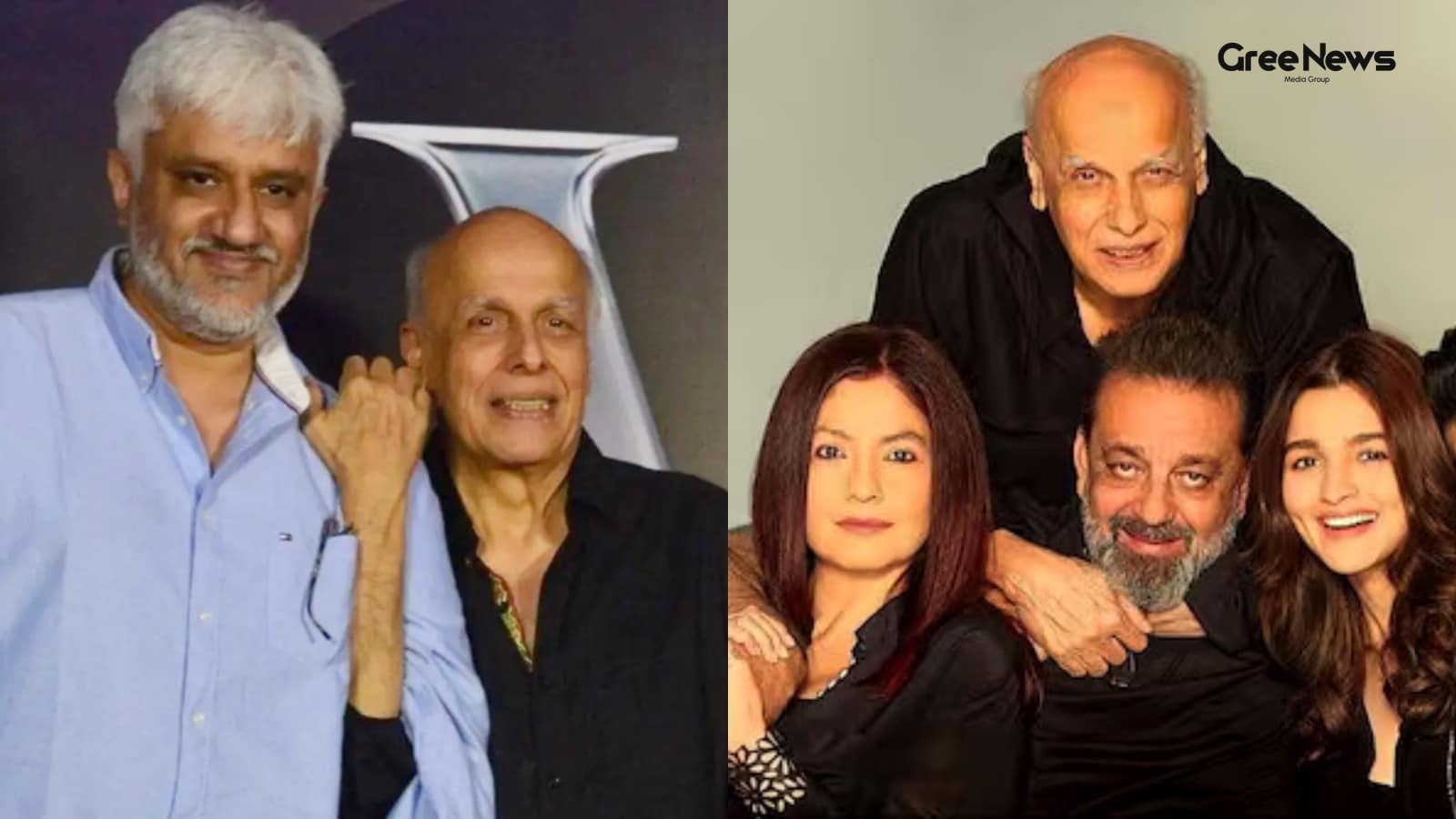
Mahesh Bhatt's Directing Journey and Relationship with Vikram Bhatt
*Kartoos* was meant to be Mahesh Bhatt’s final directorial chapter, right? But twenty-one years later, he came back to the director's chair for *Sadak 2*, starring his daughters, Alia and Pooja. Still, it feels like he just can’t let go of that role anymore. He’s directing again, or so it seems. Vir
Jun 24, 2026 by Gree News Team
F-1 Visa Revocation: Understanding the Difference Between Visa and Immigration Status
An Indian student from Hyderabad got stuck. He was reportedly stopped from boarding a flight to New York in Amsterdam. Why? Because authorities there found out his US visa had been pulled months earlier. That’s what The Times of India reported. When he landed in Amsterdam, trying to catch that conne
Jun 24, 2026 by Gree News Team

Ranveer Singh's New Project: The Buzz Around *Pralay*
Ranveer Singh. He’s been making noise lately, obviously. After ruling the box office with *Dhurandhar*, now he’s diving into something new: debutant filmmaker Jai Mehta’s movie, *Pralay*. Things have been a bit messy around him recently. You know, all that drama about his exit from *Don 3* with Farh
Jun 24, 2026 by Gree News Team
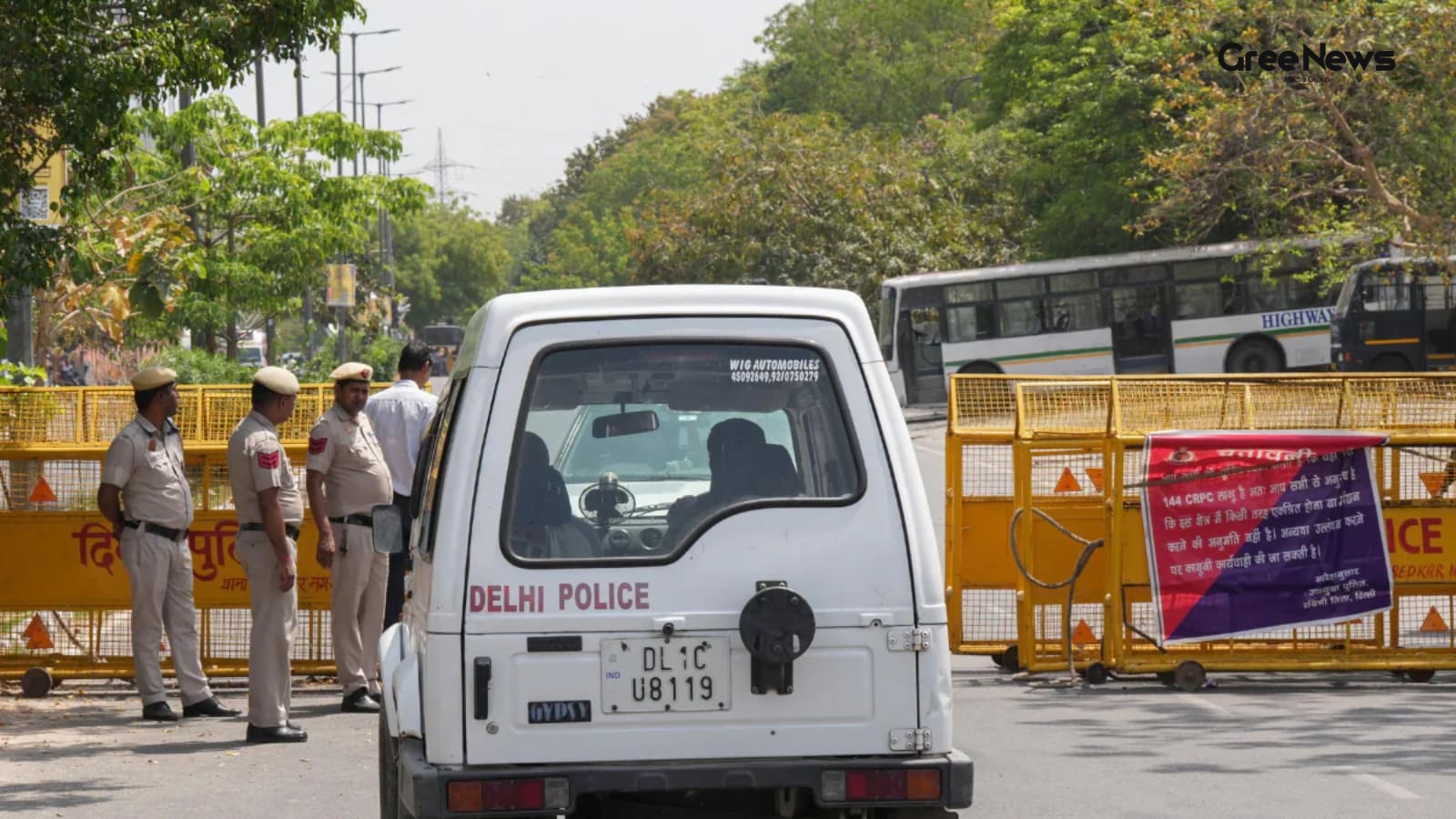
Kidnapping, Rape, and Murder: The Arrest of Bashu Kumar Singh
The cab driver. That’s who they arrested. Bashu Kumar Singh, twenty-nine years old. He was accused of something horrific kidnapping, rape, murder of a ten-year-old girl in South Delhi. It all kicked off with him allegedly trying to escape. But not just escaping anywhere. He was recreating the whole
Jun 24, 2026 by Gree News Team
US Humanitarian Aid Diversion and Oversight Failures in Conflict Zones
Elon Musk, the CEO of Tesla and SpaceX, brought attention to some really thorny issues lately. It’s about where US-funded humanitarian assistance actually ends up when it gets sent into conflict zones. There's a huge debate brewing about whether aid flowing through USAID can actually be misused by t
Jun 24, 2026 by Gree News Team
JD Vance's Admiration for Pakistan and the Political Tension
The air around JD Vance seemed thick with something unspoken when he openly expressed his admiration for Pakistan. It wasn’t some polite nod; it was a declaration an ‘I love Pakistan’ message. This came right after the trip to Switzerland, where he was engaged in those high-stakes peace talks with I
Jun 24, 2026 by Gree News Team
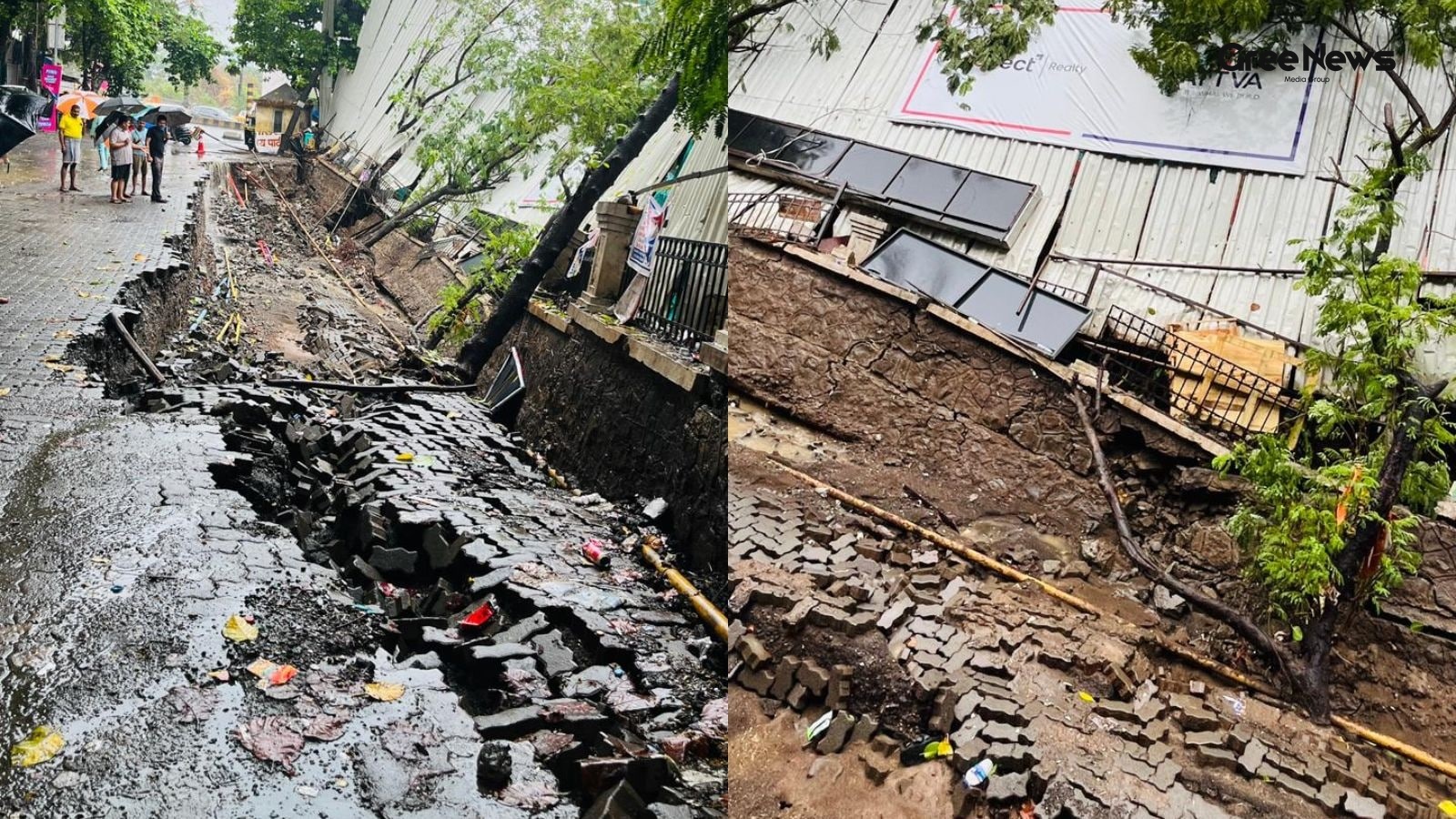
Mumbai Retaining Wall Collapse Amid Heavy Monsoon
A retaining wall gave way yesterday morning in Mumbai’s Vikhroli area. It just happened. The structure stood right next to the Sunheights residential building, bordering a road. Everything was drenched from the heavy overnight rain that finally broke over the city. Visuals from the site are pretty s
Jun 24, 2026 by Gree News Team

The Chilling Story of Persistence and Failed Murder Attempts at Lohagad Fort
What started as what looked like just a bad trekking accident at Pune’s Lohagad Fort. Now it's this chilling story of persistence, planning. Repeated failed murder attempts over the last twenty-four hours. It feels that way. The police are alleging something much darker than an accident. They say 26
Jun 24, 2026 by Gree News Team
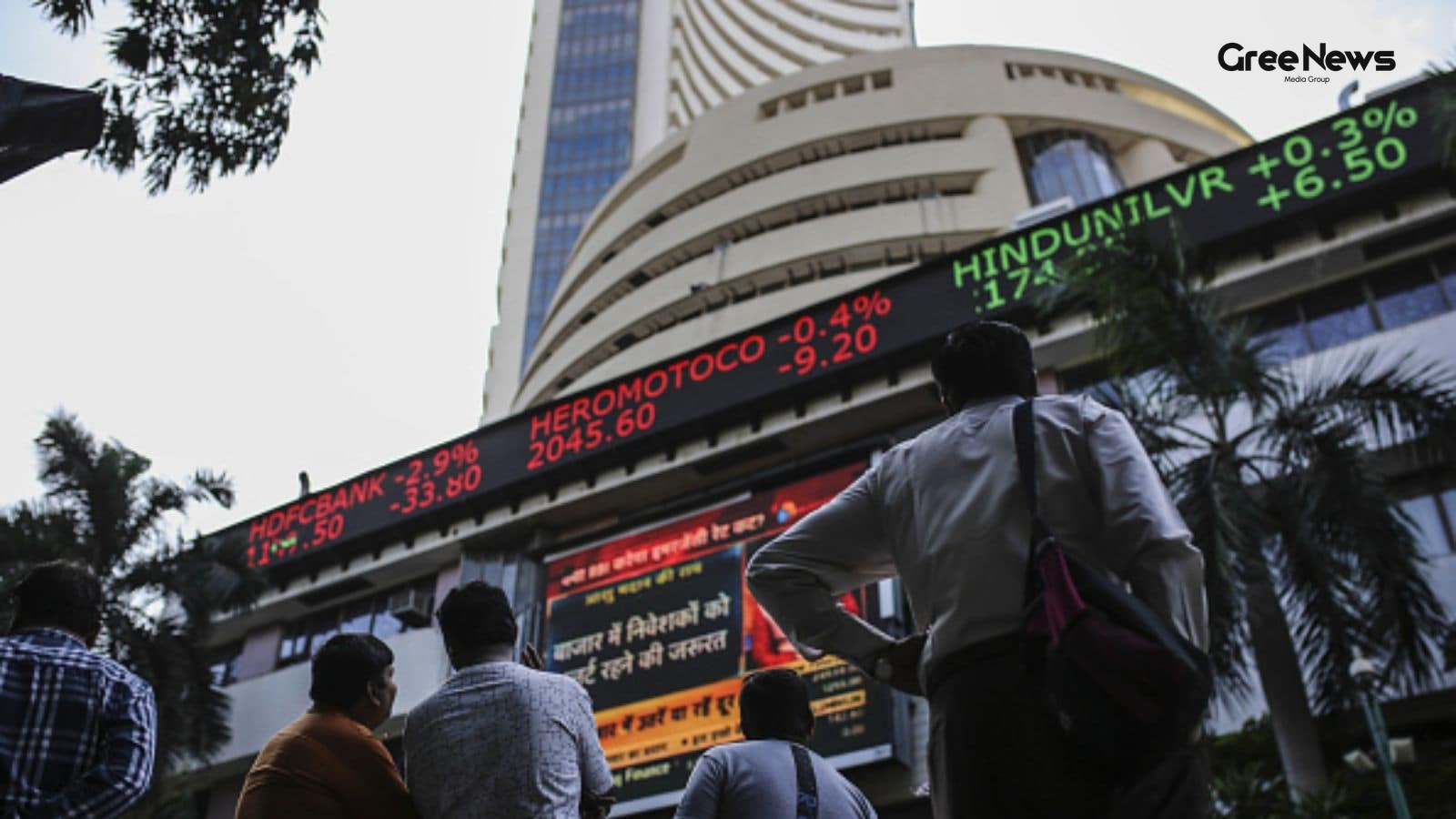
Stock Market Performance and Index Moves on June 24th
Stock market moves today, June 24th. Things extended gains in the afternoon session across the board. The Sensex jumped over nine hundred points finally crossing that 77,100 level. Nifty followed suit too, climbing above 24,050. It felt positive, mostly. Strong buying kicked in for IT and banking st
Jun 24, 2026 by Gree News Team