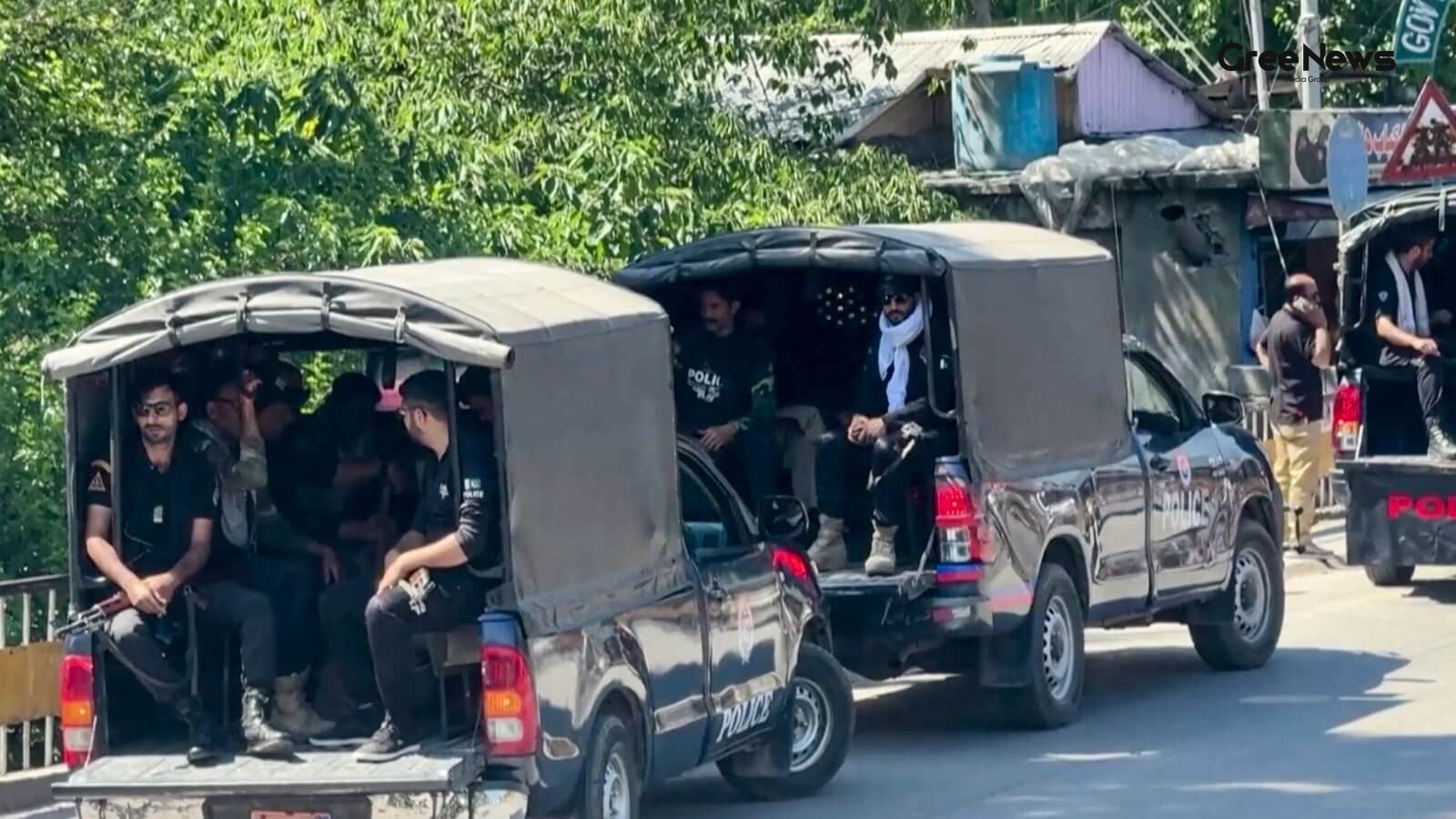
The air itself felt thick lately. Not just the usual humidity you get in the summer heat, but something heavier. A kind of suspended silence that pressed down on everything the streets, the news feeds, and the very atmosphere over Pakistan-occupied Kashmir. It’s hard to process it all, really. The numbers, the claims… they don't fit neatly into a tidy timeline. They just pile up, messy and urgent.
The Joint Awami Action Committee, that group trying to make some noise about what was happening in PoK, finally put a clock on things. They gave Pakistani authorities a deadline. June 23rd. Twenty-three days. It’s a short time, but it feels like an eternity when you are living under something that is actively being shut down. Twenty days already have passed since the initial protests really started brewing against the military establishment there. Twenty days of this siege unfolding.
And then they laid out the ultimatum. A demand for peace. Peaceful resolution. It’s a strange thing, setting up these kinds of demands, isn't it? Asking people to just sit down and resolve things while the reality on the ground is something much more violent than any formal negotiation can capture. They warned that if this deadline slipped away without some kind of fix without actual resolution they were going to announce whatever came next. That threat hangs over everything, doesn't it? It pulls you into a state of perpetual alert. Everyone across the region is supposed to stay on edge. Stay watchful.
What people are experiencing there isn't just political disaGreement; it’s pure disruption. It feels like a complete systemic shutdown. Road blockades, total shutdowns. Imagine trying to move through your own country when every route is blocked off, every connection severed. That’s what the protesters described in those early days. A siege, really. Not just metaphorical talk, but real-world restrictions hitting daily life.
The shortages started quickly. Food, medicine the basic necessities are suddenly becoming luxuries that are impossible to access. And then there were the medical facilities. Hospitals and maternity clinics. Reports surfaced that they were running dangerously low on supplies because of these blockades. Imagine a place where people are sick or vulnerable, and the means to treat them are being strangled by an imposed lockdown. It’s deeply unsettling.
But the committee, JAAC, didn't just sit back and wait for things to get worse. They pushed back against how things were being framed. That part is important. They really fought hard against the narrative being spun by the authorities, and by certain sections of the media in Pakistan. The push to label everything as ‘terrorism’ or anything anti-state activity. It felt like an attempt to delegitimize the entire movement, to make it seem like pure criminality rather than a reaction to policies that are deeply flawed.
The JAAC insisted, quite firmly, that what was happening wasn't terrorism. It wasn't some rogue group acting outside the bounds of legitimate grievance. They argued that the protests were peaceful. They were directed squarely at the actual policies put in place by Pakistan’s rulers. That’s a subtle but crucial distinction: targeting the governance structure versus attacking the state itself. They kept hammering home that criticism was aimed at the military establishment's actions, their policies not an attack on the very concept of the state existing.
And they didn't just stop there. They pointed fingers back at the authorities for what they were doing in the negotiation space. The committee accused them of holding negotiations that felt completely deceptive. And then, the failure to actually implement some aGreement that supposedly got reached way back in 2025. That kind of broken trust is corrosive. It eats away at any hope of finding a middle ground when you are already starving for stability.
Yet, amidst all this tension and accusation, there was a flicker of something else. The committee did hail the shutdown itself. They praised the residents who managed to maintain what they called a historic lockdown. There’s a strange irony in that praise, isn't there? Praising an enforced paralysis as 'historic.' It speaks volumes about the level of sustained resistance they managed to hold onto when things were actively trying to tear everything apart. And they commended the resilience shown since those initial protests kicked off back on June 5th. That memory seems important the start point, the initial burst of defiance.
They also tried to pull people in more deeply. They called for mass participation. Not just a few vocal figures making demands, but everyone joining the sit-ins. And they specifically urged women and young people to step up. Because you can’t manage this kind of pressure from the sidelines. It requires presence. A collective movement.
Then there were the attempts at peace. The JAAC did acknowledge that there were people trying to ease the friction. They thanked those who organized things like peace jirgas and bar councils. These groups, working on the ground to try and bridge the gap between the protesters and the military machinery. It was an effort to de-escalate. A necessary attempt when the temperature is boiling over.
But mediation? That felt fragile. The reality from the outside, especially what some top Indian intelligence sources were relaying those efforts seemed to stall. They suggested that whatever attempts were made, they ultimately failed because of the overwhelming public sentiment simmering in PoK. People's anger, their lived experience under these conditions, just wasn’t easily smoothed over by talking points or formal meetings.
And that leads us back to the stark reality on the ground. The humanitarian crisis is immense. That prolonged blockade and shutdown isn't abstract policy; it translates into tangible suffering. Essential goods are stuck somewhere. Movement of things has been completely disrupted. And when you try to assess the full scale of this breakdown, the restrictions layered on top of the communication blackout make it nearly impossible for anyone outside to see what is really happening inside. It’s a black box situation.
The intelligence reports paint a grim picture of the internal dynamics. Repression was clearly happening. But there was also the mobilization. The sheer ability of people to keep gathering, to organize despite the constraints that mobilized something immense. And it pushed the entire region toward what felt like an almost total collapse state. It’s a terrifying thought when you consider how much pressure can accumulate before a system just breaks down entirely under strain.
And who is in control? The sources indicated that Pakistani security forces seemed to maintain physical control on the ground. They kept things orderly, at least outwardly. But the cost of that control the erosion of credibility, the sheer escalating tension that’s something you can feel even through the reports. It’s a brittle kind of control.
Verification is almost impossible, though. Everything remains shrouded in doubt because of the blackout and all those restrictions layered on top of it. You can’t see clearly when the eyes are being deliberately blinded.
And then there's the human cost tallied up. The figures that come out around 1,460 people detained, arrested, or just gone missing during this whole operation in PoK. That number is staggering. It doesn't feel like a political statistic; it feels like a list of lost lives and fractured families. Twenty-three more Kashmiris were reportedly caught up in the crackdown on Sunday alone. Each name, each absence, adds another layer of agonizing uncertainty to the situation.
It’s not just about these internal struggles anymore. The outside world is watching, waiting for the next move. And that external pressure starts bleeding into everything else. Over in London, British Kashmiris took a stand. They protested on Sunday. A visible act of defiance against the silence and the repression back home. They marched from Parliament Square all the way to 10 Downing Street. It was meant to be a spotlight. To force attention onto the crackdown, onto the humanitarian disaster unfolding across that border.
It’s a powerful image, isn't it? People standing up in their capitals, trying to cut through the silence and demand visibility for what is happening over there. They were demanding that the world see the reality of this situation, the human element behind the political lines drawn by force.
And all this simmering tension, this mobilization, it inevitably leads toward bigger events. The elections scheduled for July feel like they are going to become a massive flashpoint. If the public anger and the continued mobilization continue across that region, those elections won't just be about policy; they will be about the weight of the recent history, about who holds the power, and what happens next when all these pressures finally boil over into political action. It’s looming, heavy, a massive consequence waiting to happen.
The whole picture is messy. It’s not a clean narrative you can just read and understand. It’s a collision of failed negotiations, brutal repression, desperate pleas for peace, and the sheer weight of human suffering being hidden behind communication blackouts and military control. What remains is this persistent, uneasy feeling that something enormous is breaking apart slowly, piece by painful piece.
Written by Gree News Team — Senior Editorial Board
Gree News Team covers international news and global affairs at Gree News. Our collective of senior editors is dedicated to providing independent, accurate, and responsible journalism for a global audience.
More from World
View All
Keir Starmer's Resignation and the Future of Labour Leadership
Keir Starmer announced his resignation on Monday. It came after months of mounting pressure inside the Labour Party. People were calling for a change in leadership, popularity was definitely slipping. This move puts him as the sixth British Prime Minister in the last ten years to be forced out befor
Jun 24, 2026 by Gree News Team
The Economic and Social Fallout of Brexit
Keir Starmer stepping down, that was the latest bit of political chaos following weeks of real pressure from Labour MPs. It just throws Britain back into that same murky space we’ve been in for a long time. And you can’t ignore how this all circles right back to Brexit. Ten years gone. Ten years sin
Jun 24, 2026 by Gree News Team
The Political Transition: Momentum, Stability, and the Future of Labour
It’s all just moving, isn't it? That feeling of things shifting under the surface. You look at the headlines and you realize there’s a whole mechanism running behind the scenes, one that decides who sits where, who gets to steer the ship when the waters get rough. And right now, Labour it feels like
Jun 24, 2026 by Gree News Team
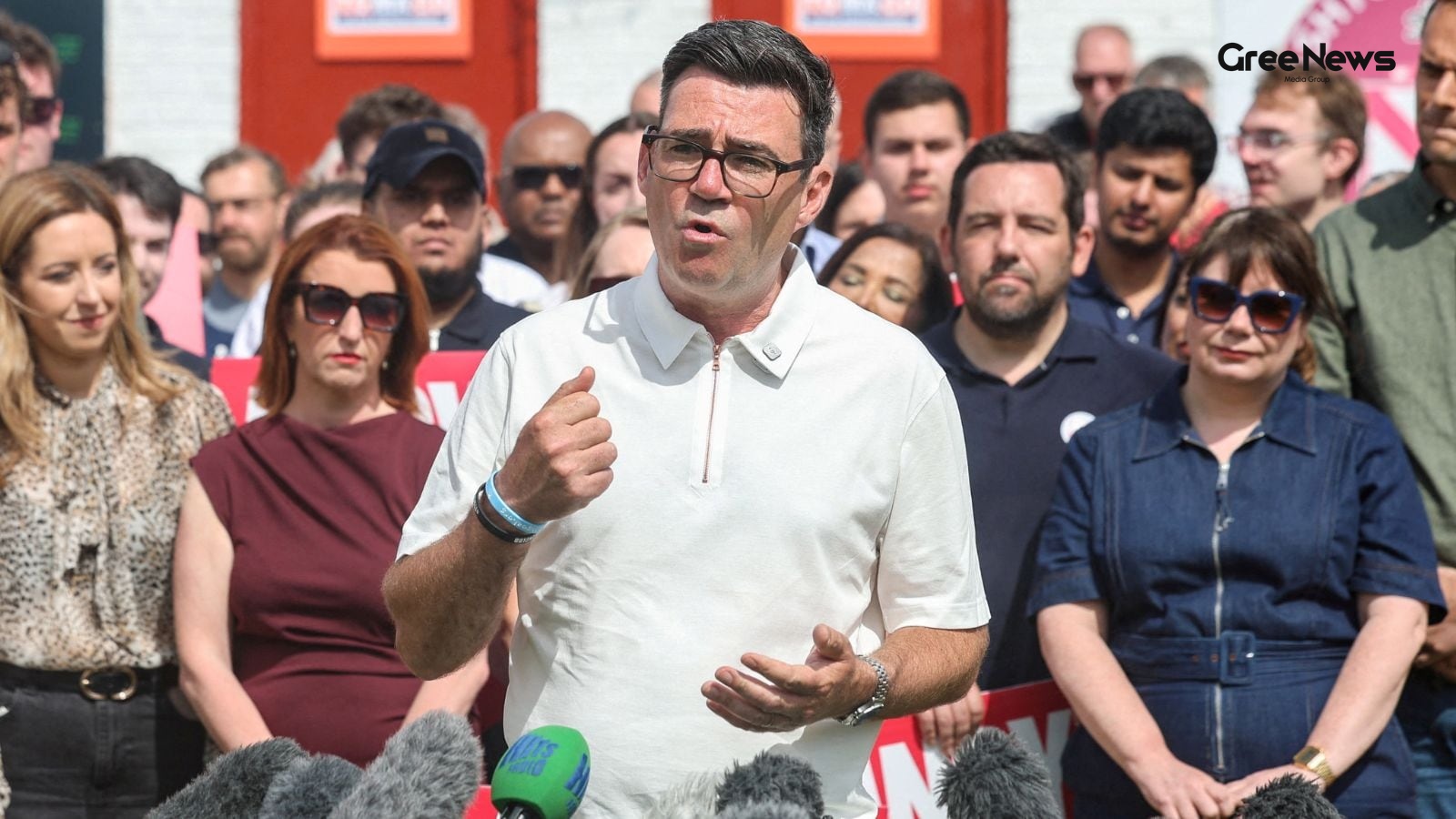
Andy Burnham: Political Journey and the Philosophy of Manchesterism
Andy Burnham stepped forward, Monday. A senior Labour politician who’s managed to carve out some real space for himself, especially after that whole leadership mess with Starmer. He’s the new MP for Makerfield, right? Just another name thrown into the swirling vortex of UK politics. It all kicked of
Jun 23, 2026 by Gree News Team
Latest Headlines
Choosing the Right Home Security Camera: Focus on Needs, Not Specs
Buying a home security camera seems simple enough, right? You just want to keep an eye on things, get alerts when something happens, check on pets or deliveries when you’re out of town. Then you start shopping online. Suddenly everything is a comparison nightmare: 1080p versus 2K resolution. Local s
Jun 24, 2026 by Gree News Team

Smart Refrigerators: What to Buy and What to Ignore
If you look at smart refrigerators, you probably notice something right away. The fancy models often cost a lot more than those that just keep food cold and store it well. It makes you stop and wonder: what exactly are we paying extra for? Are these features actually going to make our family life ea
Jun 24, 2026 by Gree News Team

Gold and Silver Market Correction: Drivers, Risks, and Future Outlook
Gold and silver are finally taking a dive. They’re ending the June quarter with some sharp losses, snapping that five-quarter winning streak they’d been enjoying. It’s all because investors are just completely reassessing things now interest rates, inflation in the US. That decline feels like a dram
Jun 24, 2026 by Gree News Team
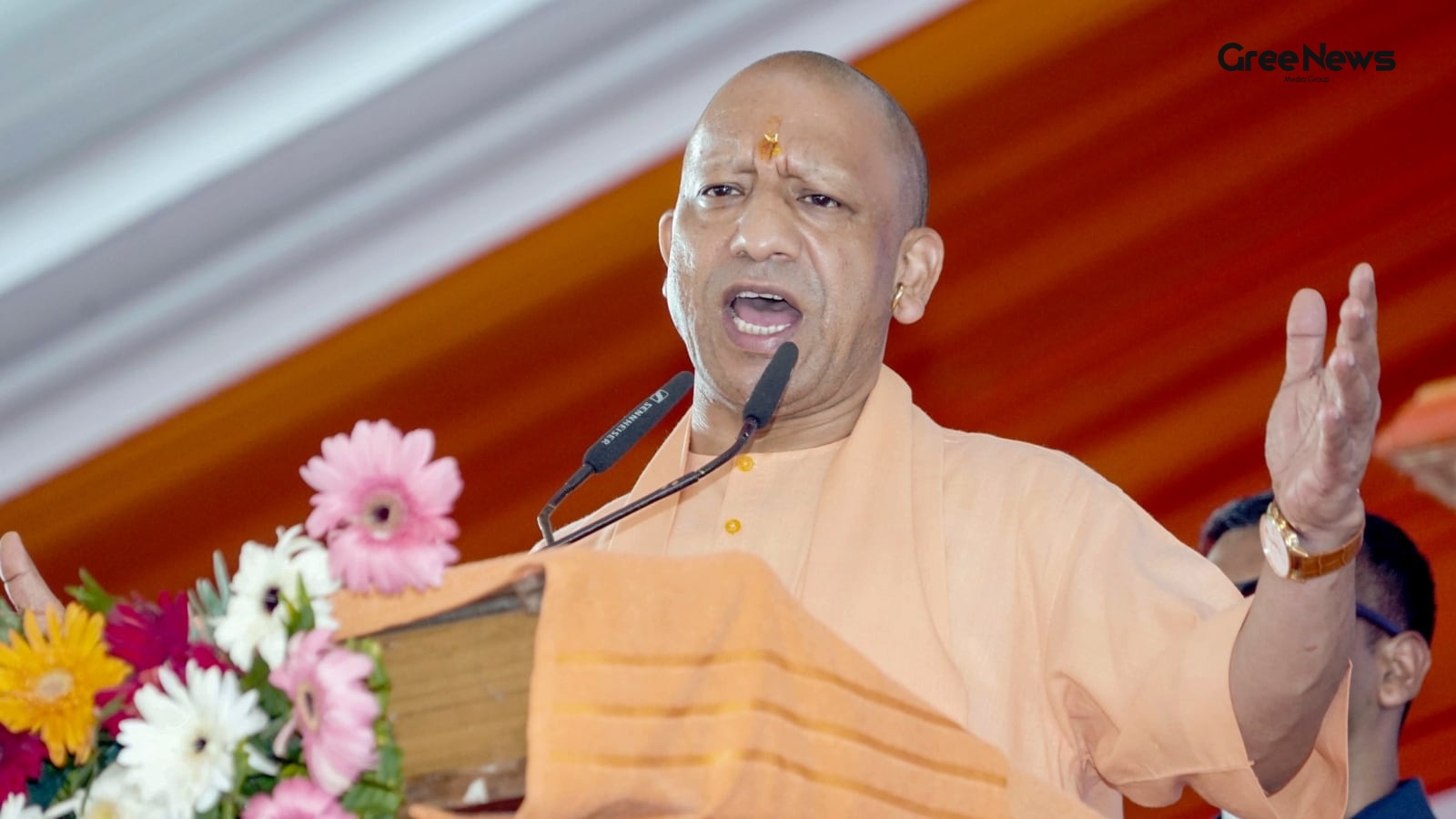
Uttar Pradesh Development, Identity, and the Future of Bundelkhand
Yogi Adityanath laid foundation stones today. Seventy-five development projects. Over six hundred thirty-six crore rupees worth. All done at Swami Brahmanand Mahavidyalaya in Rath. And a short film about Hamirpur’s development was shown too. The Chief Minister spoke about things. About how it isn't
Jun 24, 2026 by Gree News Team
Keir Starmer's Resignation and the Future of Labour Leadership
Keir Starmer announced his resignation on Monday. It came after months of mounting pressure inside the Labour Party. People were calling for a change in leadership, popularity was definitely slipping. This move puts him as the sixth British Prime Minister in the last ten years to be forced out befor
Jun 24, 2026 by Gree News Team
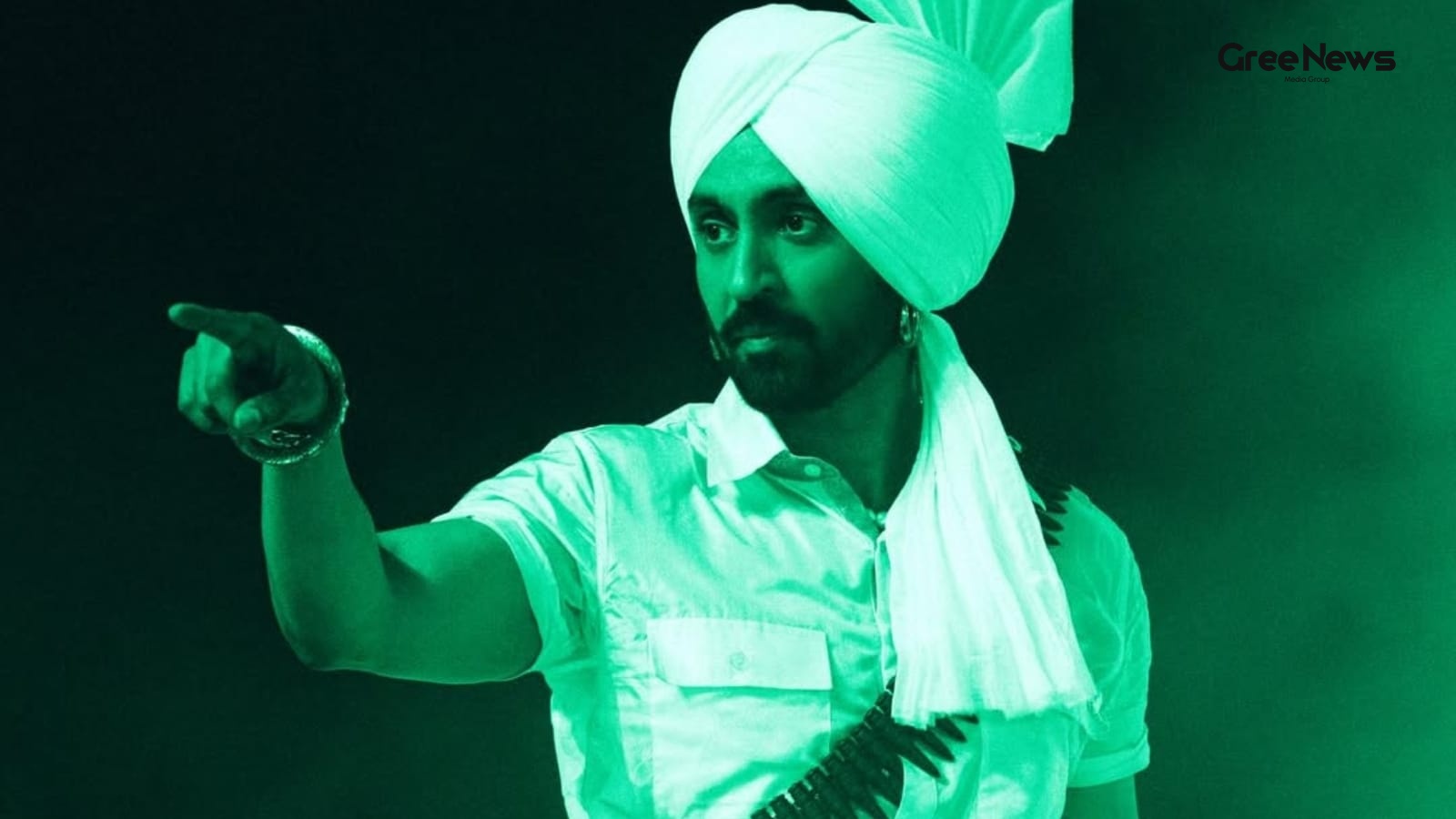
Diljit Dosanjh Show Interrupted: Security, Flags, and Historical Context
Diljit Dosanjh’s show in San Francisco got interrupted. Apparently, a guy carrying a Khalistan flag managed to get onto the stage during his Aura World Tour performance. Videos are already circulating online, showing security pulling him off the stage while Diljit was still performing. It happened r
Jun 24, 2026 by Gree News Team
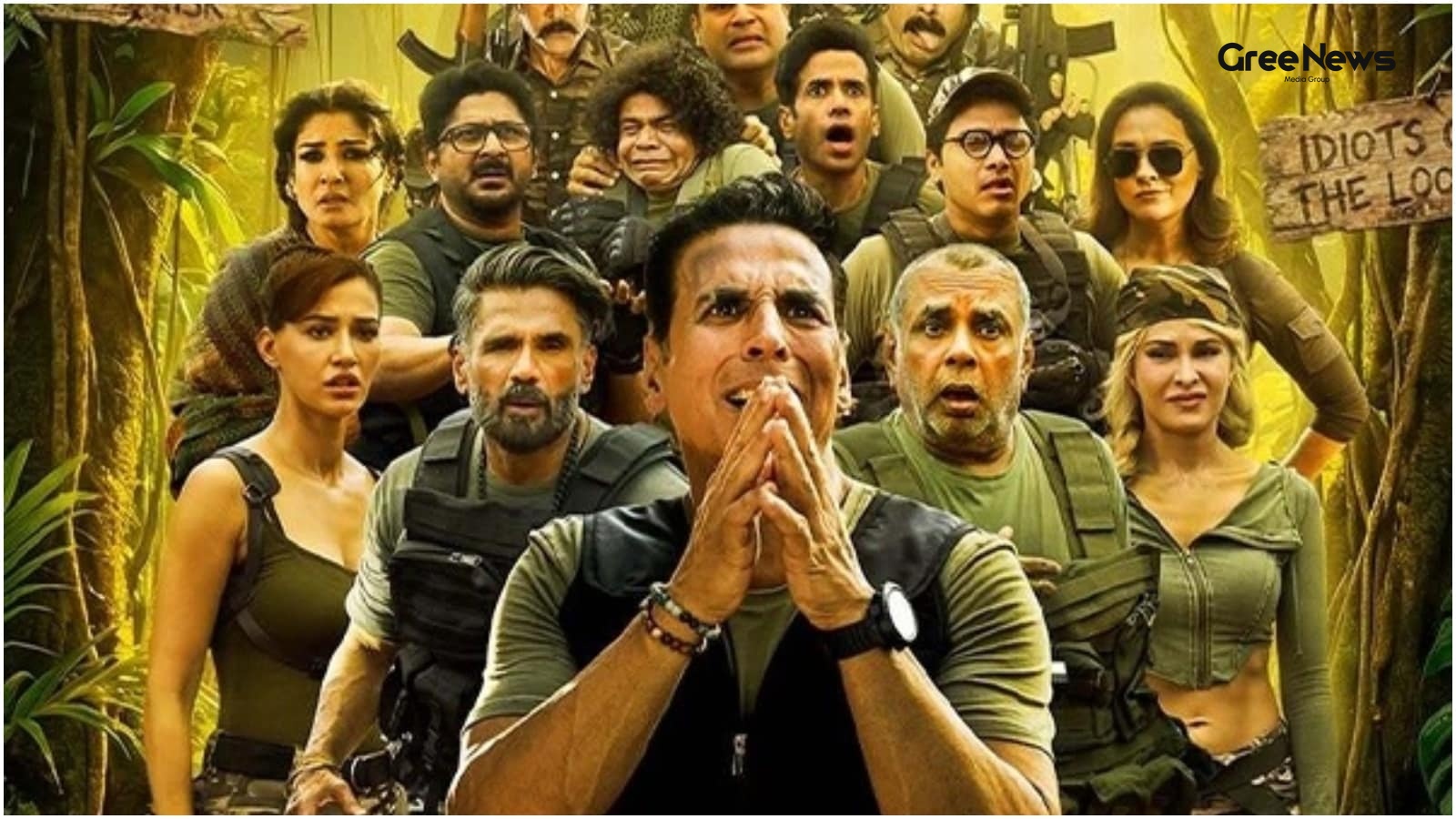
Welcome To The Jungle Editing and Censorship Process
So, *Welcome To The Jungle* got its U/A 16+ certificate from the CBFC. But that wasn't smooth sailing at all. They forced so many changes dialogue, visuals before it was even allowed to hit the theaters. We’re talking eighteen cuts total just to get the green light, which meant messing with things i
Jun 24, 2026 by Gree News Team

The Role of Empathy and Holistic Care in Medical Tourism
Artificial intelligence is moving healthcare along, fast. It’s speeding up diagnostics, smoothing out hospital operations. But for people facing massive life changes the procedures themselves efficiency just doesn't cut it anymore. International patients are looking for something else entirely. Trus
Jun 24, 2026 by Gree News Team

Sara Ali Khan, Kubra Khan, and Sharmila Tagore: Cross-Border Moments and Celebrity Connections
A video surfaced recently, something kind of a flash, from Kubra Khan’s birthday celebration in London. It went viral fast on social media. And naturally, it drew eyes because Sara Ali Khan and Sharmila Tagore were there. Just hanging out. A rare cross-border moment, you know? It shows them all comi
Jun 24, 2026 by Gree News Team
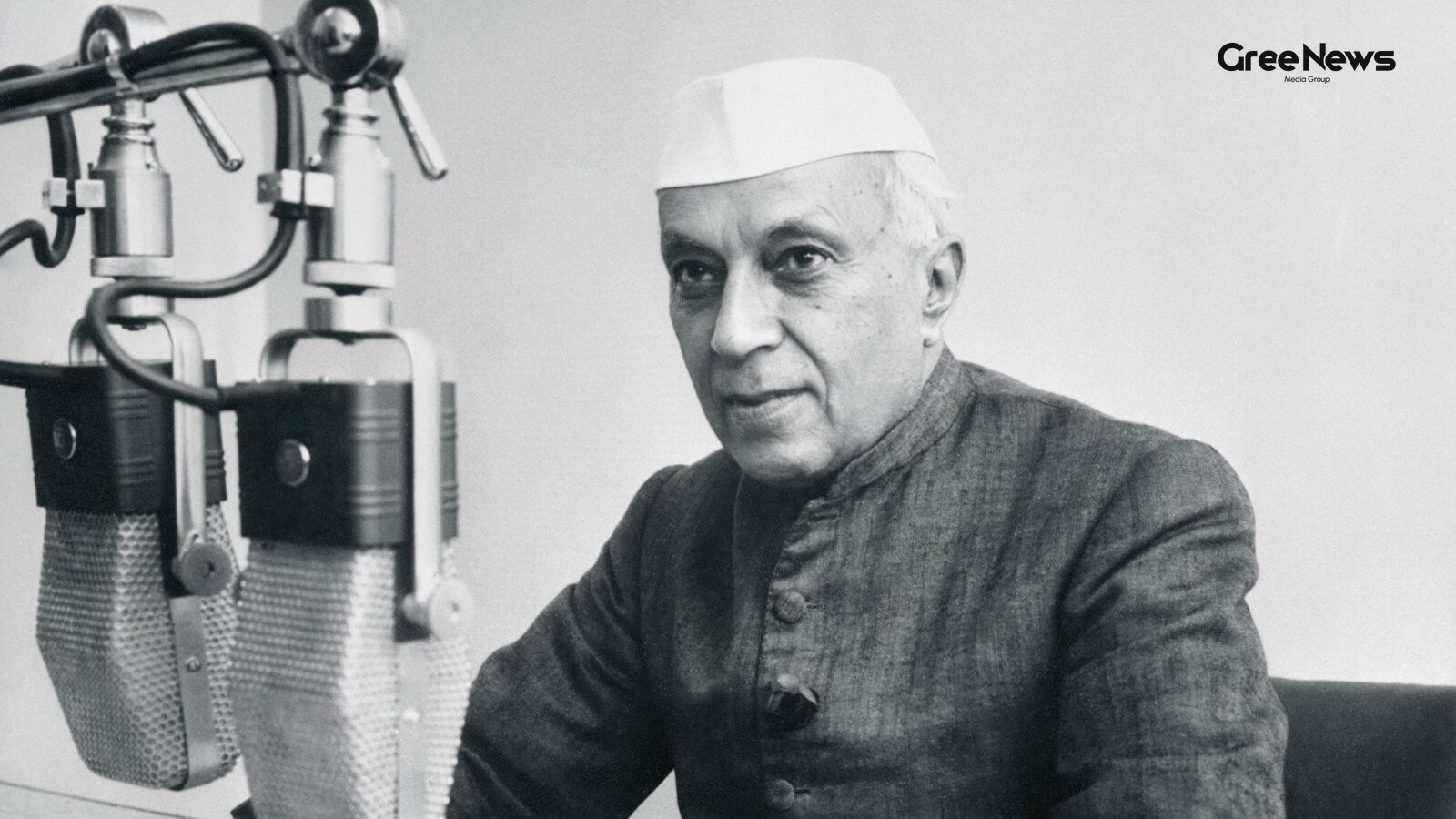
The Complex History Behind Renaming Kolkata’s Suhrawardy Avenue
The argument over renaming Kolkata’s Suhrawardy Avenue to Gopal Mukherjee Road isn't just about street names. It really digs into something messier. It circles back to Huseyn Shaheed Suhrawardy, but not in the way most people think. Sure, he’s remembered for those nasty Direct Action Day riots back
Jun 24, 2026 by Gree News Team
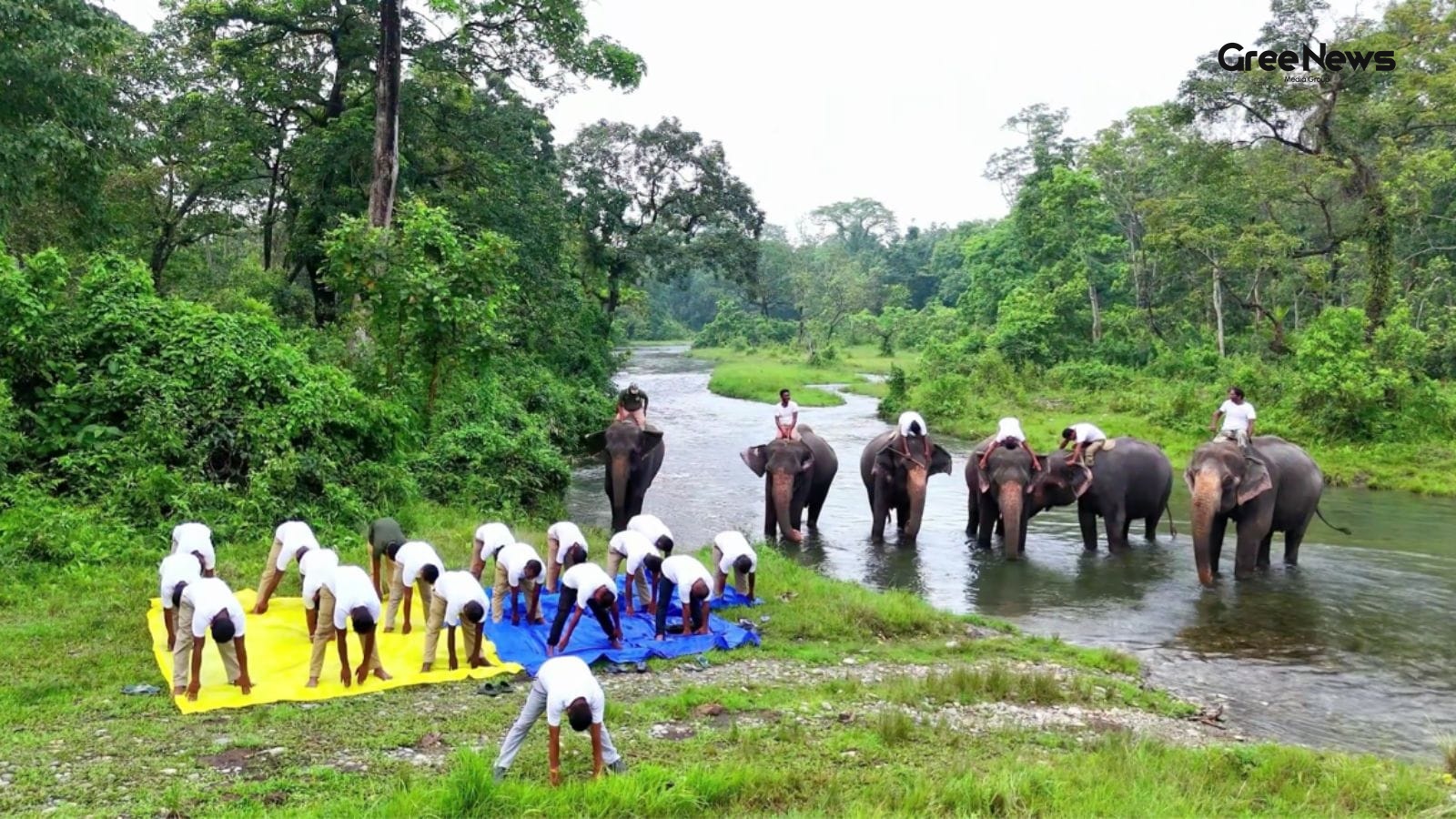
Yoga on Elephants in Jaldapara National Park: Viral Controversy
That video from Jaldapara National Park just blew up. It’s this thing where forest rangers are practicing yoga right there, sitting on elephants deep in the woods. Shared for International Yoga Day 2026. It just caught everyone's attention because it’s so weird and peaceful all at once. It was poste
Jun 24, 2026 by Gree News Team
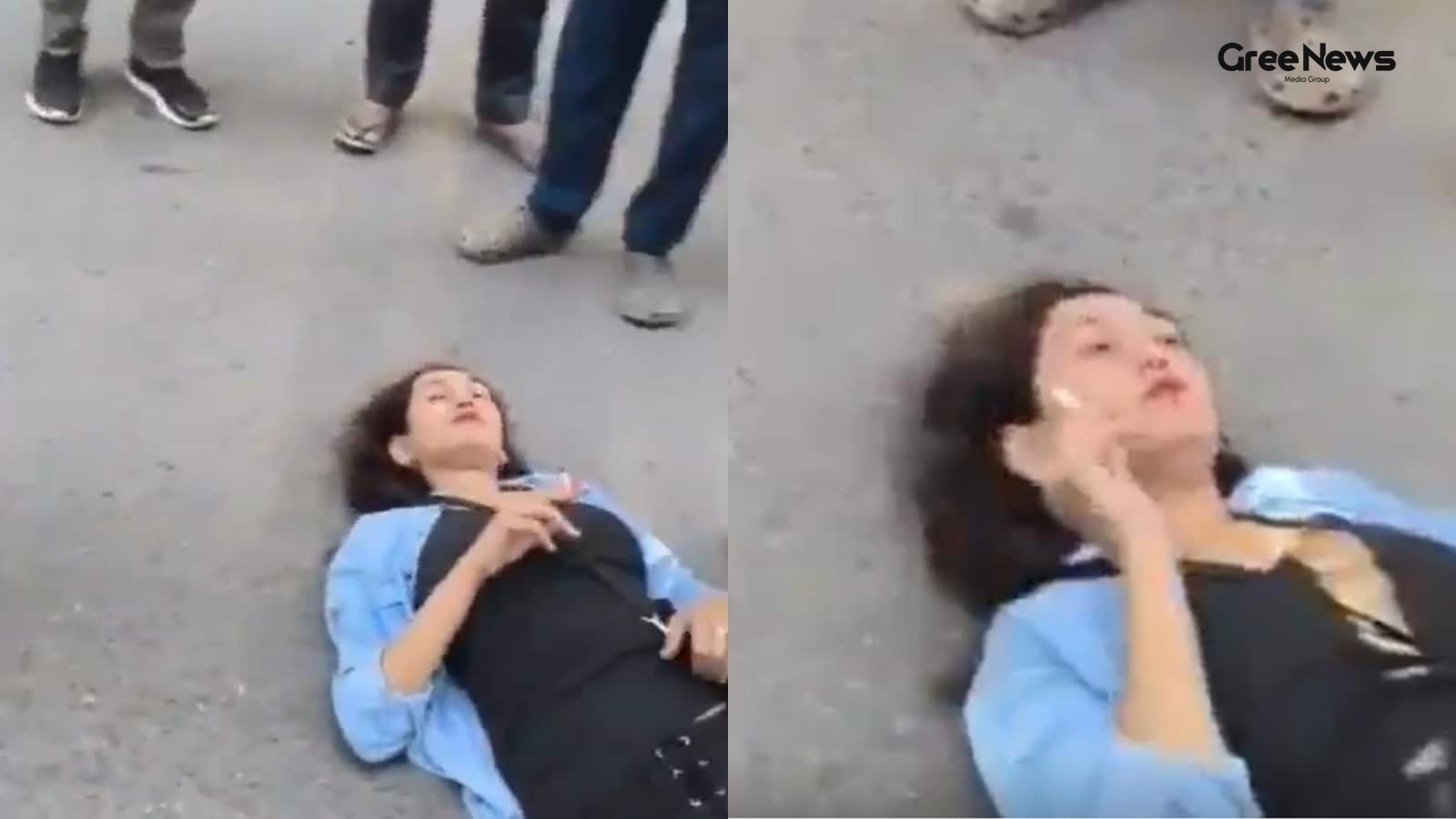
Viral Incident in Greater Noida: Woman Lying on Road Sparks Controversy
A clip surfaced recently, gone viral everywhere, showing some woman lying right in the middle of a busy road in Greater Noida, Uttar Pradesh. Allegedly, she was under the influence of alcohol when this happened. People are reacting hard to it, criticizing her for causing such a massive disruption an
Jun 24, 2026 by Gree News Team
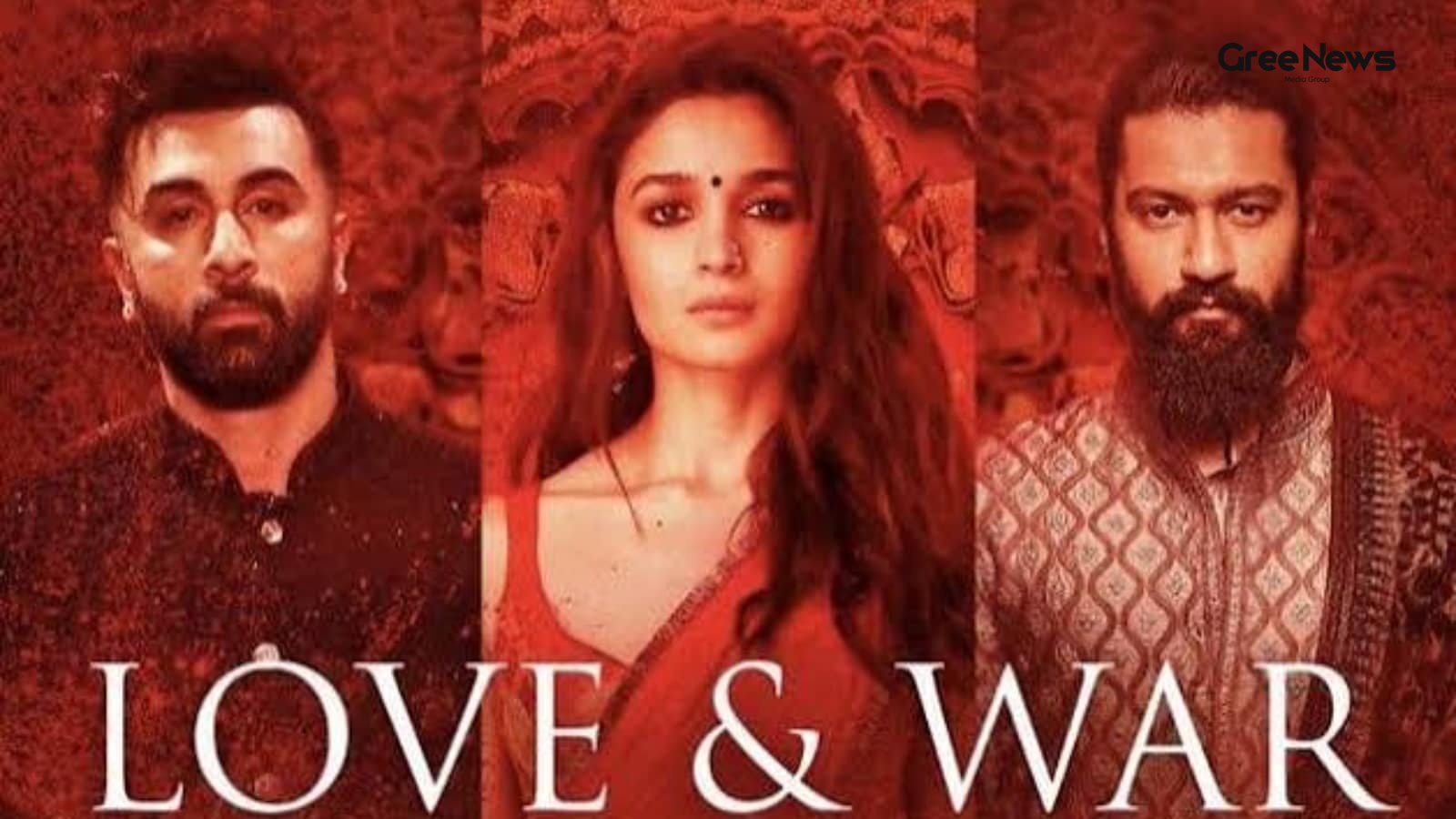
The Unseen Cost of Spectacle: Safety and Workers in the Film Industry
The reported death… it keeps pulling focus. It’s always about the bodies on the screen, right? The stars, the songs, all that spectacle Sanjay Leela Bhansali puts out there. But underneath all that glitter behind those massive sets there are thousands of people doing the actual work. Carpenters, lig
Jun 24, 2026 by Gree News Team
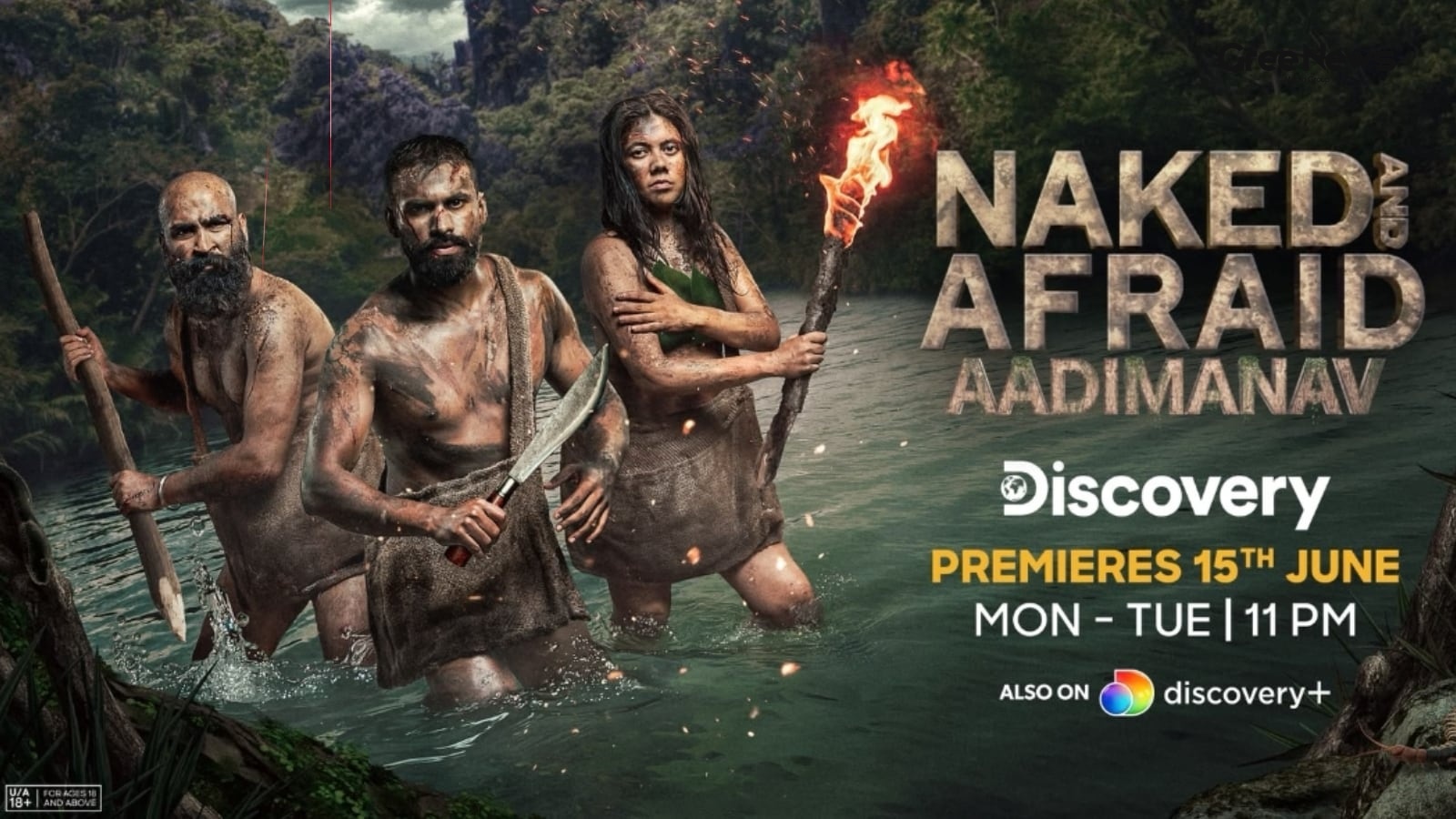
Aadimanav: The Survival Story of Six Indian Adventurers
Warner Bros. Discovery just dropped something big in India. It’s taking that globally famous adventure survival format *Naked and Afraid* and putting it into an Indian spin: *Aadimanav*. Six episodes of this thing premiered on Discovery on June 15th at eleven at night, and you can stream it now on d
Jun 24, 2026 by Gree News Team
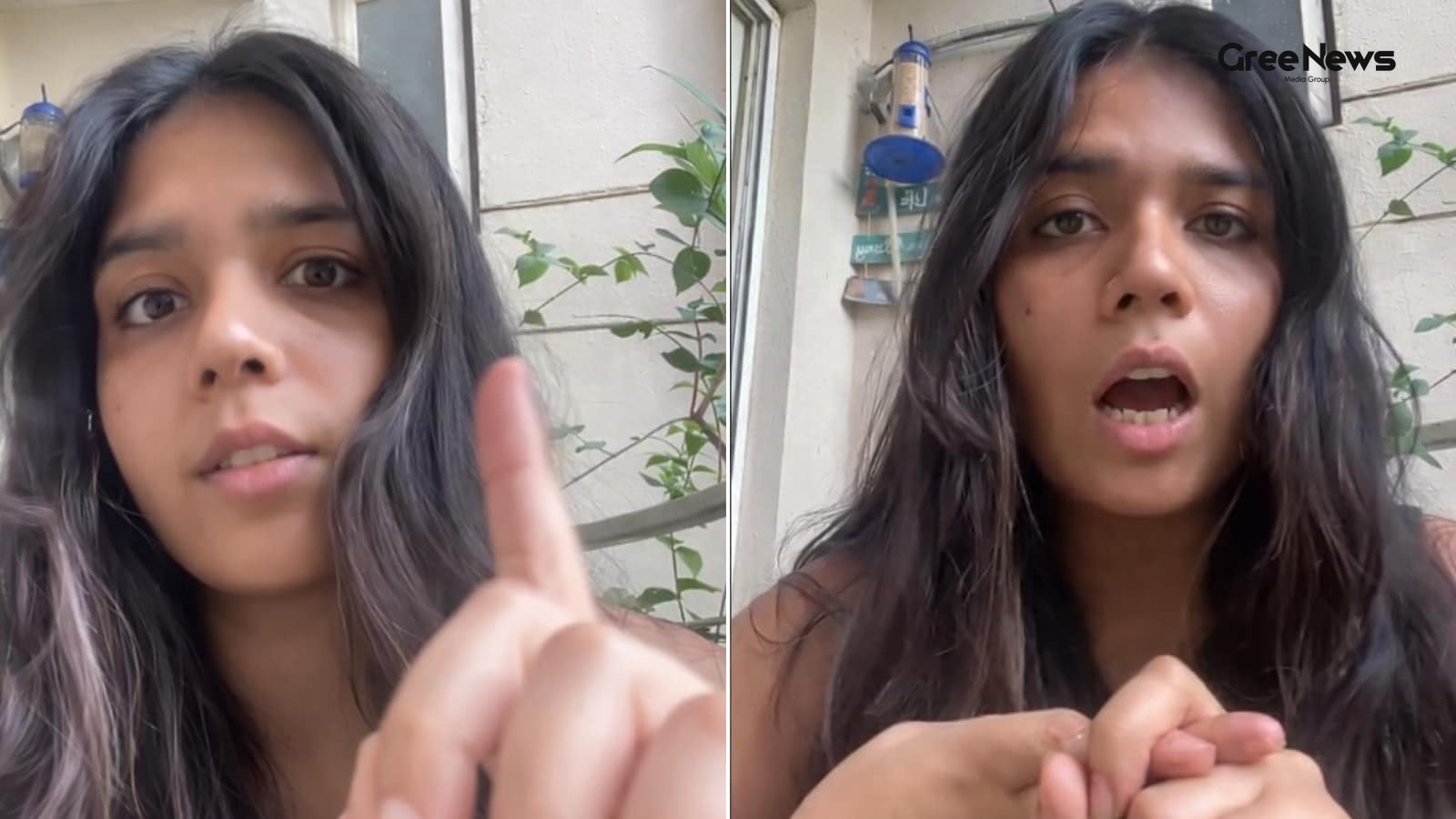
Setting Professional Boundaries and Rejecting Burnout
So there’s this content creator in Mumbai, right? She got people talking online. It all kicked off because she encouraged folks to get a little "problematic" at work. Not making trouble, mind you. Just refusing to swallow the unhealthy norms. It blew up in an Instagram video. She was arguing that ev
Jun 24, 2026 by Gree News Team