Andy Burnham: Political Journey and the Philosophy of Manchesterism
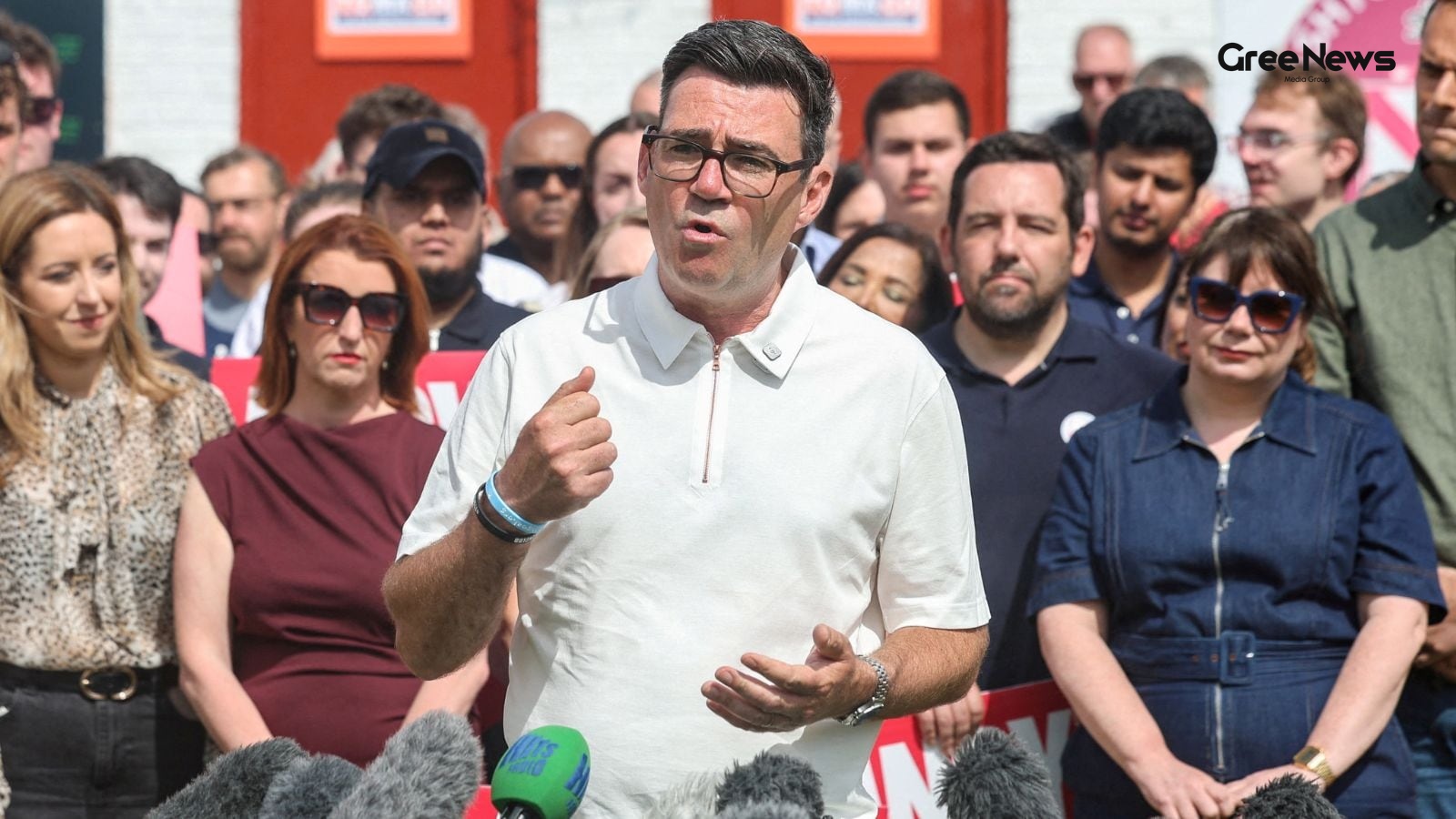
Andy Burnham stepped forward, Monday. A senior Labour politician who’s managed to carve out some real space for himself, especially after that whole leadership mess with Starmer. He’s the new MP for Makerfield, right? Just another name thrown into the swirling vortex of UK politics.
It all kicked off because of that by-election back in June 2026. That was the moment things really fractured. Burnham positioned himself, almost deliberately, as the chief internal rival to Starmer. You know how it goes when leadership is shaky someone has to step up, and they have to define what they stand for, or risk everything falling apart. And that’s exactly what happened. The whole premiership sort of imploded because of that internal fight.
He’s known by a nickname, "the King of the North." It sticks with you. It’s not just some casual moniker; it carries weight. It comes from those clashes, doesn't it? Those public battles against Westminster. He felt that London was acting like a total ivory tower, completely disconnected from what actually happened out in the North. A "London-centric" approach. That accusation it wasn’t just political rhetoric; it felt deeply rooted in how people lived and experienced things up there.
Born in Liverpool back in 1970. Educated at Cambridge before diving into politics. He had that trajectory, you know? The old establishment schooling mixed with a real sense of being an outsider, even when he started climbing the ranks. He served as an MP for Leigh for a long stretch, 2001 to 2017. And don't forget those cabinet spots under Gordon Brown. Health Secretary, Culture Secretary. He was in the thick of it then.
But even with that pediGree, he tried for leadership twice before. Lost both times, 2010 and 2015. That history running and losing it seems to have shaped him into this particular type of politician. Not just a policy wonk, but someone who understands the mechanics of power, and how you try to maneuver within them.
Then came the shift in focus when he left Westminster for Greater Manchester. Mayor. Three terms. That was a massive pivot. Suddenly, it wasn't just about parliamentary maneuvering; it was about tangible things. About making lives better. He focused on that public transport network, bringing it under control with the "Bee Network." Real, practical changes for everyday life.
And then there’s this layer underneath all the politics the way he navigates the left wing of Labour. It’s fascinating, really. He’s managed to become one of the most popular figures, which is a strange thing when you look at how much contradictions exist in public image. He insists he's an outsider, yet he was doing the work inside the system parliamentary researcher at twenty-four, special adviser at twenty-eight, MP at thirty-one. That timing feels almost calculated.
In those years, he was moving through a space that felt slippery. He served both Blair and Brown. Then Corbyn’s shadow cabinet stuff. It’s all woven together, this journey. But where does that place him now?
There's this old joke floating around Labour circles, something about his ability to shift gears. A Blairite, a Brownite, a Corbynite walking into a pub. The barman just asks what you’re drinking Andy. It highlights the shapeshifting aspect. He doesn't seem fixed in one lane.
Lotte Hargrave, a researcher from Manchester University, puts it another way. Burnham is associated with the "soft left" of Labour. That makes sense, I suppose. You place him maybe a bit further left than Starmer ended up, but definitely more right than someone like Corbyn. It’s that middle ground, isn't it? A constantly shifting equilibrium.
And then there’s Manchesterism. That term sticks around because it seems to be the lens through which people view his work outside of Westminster politics. For Burnham, "Manchesterism" means something specific a kind of business-friendly socialism. It’s about ending neoliberalism, stripping away the layers that have left places like Leigh and those post-industrial communities feeling abandoned.
What does this actually mean on the ground? Mathew Lawrence, who is seen as one of the intellectual brains behind Burnham, Common Wealth thinktank founder, spells it out for you. Manchesterism means getting better control over essential services. Housing, water, energy, transport things that got systematically outsourced, deregulated, privatized. That’s the core, isn't it? Reclaiming control from the big, distant structures.
Other parts of this philosophy focus on devolving power away from Westminster. Giving more say to the towns and cities themselves. It has this odd mix: a pro-enterprise culture, yes, but trying to make those enterprise decisions actually benefit working people directly. That tension that’s where the real friction lies when you try to implement anything big.
It isn't entirely new territory for Labour right now. They’ve already moved some of these pieces. Things like Great British Energy, that publicly owned investment company for clean power. Great British Railways, trying to bring the rail network under more public control. These aren't radical leaps, not exactly. But they are accelerations. A big push forward on things Labour was already nudging toward. Lawrence acknowledged it: there are similarities and continuities in the arguments being made. It’s less a break, more an acceleration of existing thought patterns.
But now, with the party itself tearing apart that's where the real pressure builds. The popularity of Labour has dipped during their time in government. They are struggling to figure out what the country actually needs. And this creates intense urgency. There’s this looming shadow, the need to stop Reform UK from winning a general election. That threat just amplifies every internal disaGreement.
And if Burnham were to try and build a platform now? It would face massive constraints. Britain doesn't have much money to spend right now. The political climate is just so fractious. Any policy path he chose whether leaning too far right on immigration or too far left on social spending it risks alienating huge swathes of the base. If he shifts right, he might lose that progressive, graduate support in the cities to something more populist, like the Green Party. If he shifts left, he risks pushing away the traditional working-class core entirely.
So you see him tiptoeing. Throughout all this campaigning, he had to walk carefully around these fault lines. Aligning himself with what felt right for those voters in Makerfield the working class focus. On immigration, he backed moving toward the current government’s stance, supporting ministers like Shabana Mahmood on ending permanent refugee status. He pulled back from earlier calls about letting people without settled status claim benefits. That kind of careful calibration is exhausting.
He distanced himself from some older comments too, those more idealistic notions about rejoining the EU in his lifetime. It’s all a tightrope walk. Taking that seat in parliament means living under constant scrutiny. Every move he makes gets analyzed. The nation is watching him closely. And that weight that's heavy.
Written by Gree News Team — Senior Editorial Board
Gree News Team covers international news and global affairs at Gree News. Our collective of senior editors is dedicated to providing independent, accurate, and responsible journalism for a global audience.
More from World
View All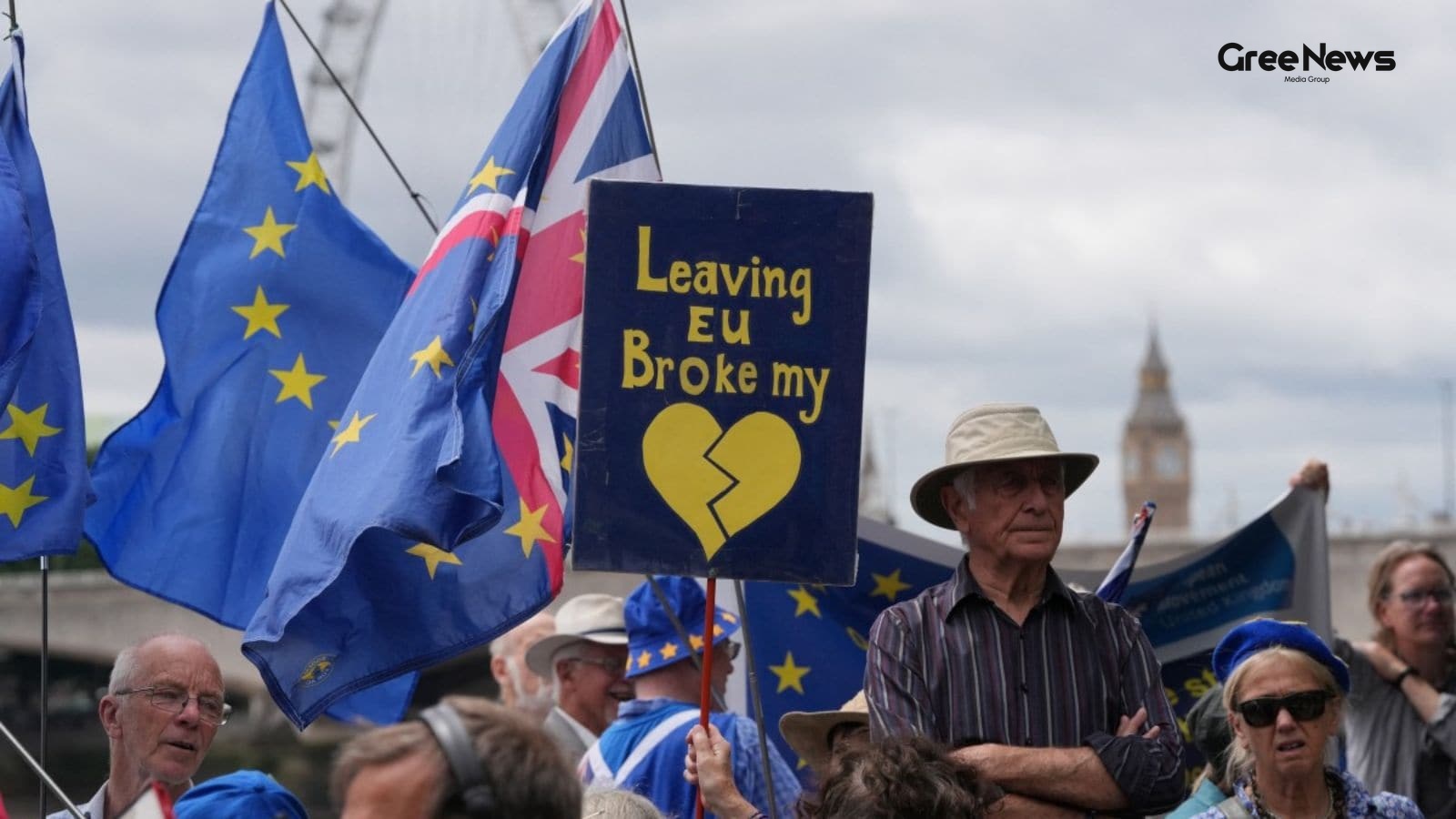
The Economic and Social Fallout of Brexit
Keir Starmer stepping down, that was the latest bit of political chaos following weeks of real pressure from Labour MPs. It just throws Britain back into that same murky space we’ve been in for a long time. And you can’t ignore how this all circles right back to Brexit. Ten years gone. Ten years sin
Jun 24, 2026 by Gree News Team
The Political Transition: Momentum, Stability, and the Future of Labour
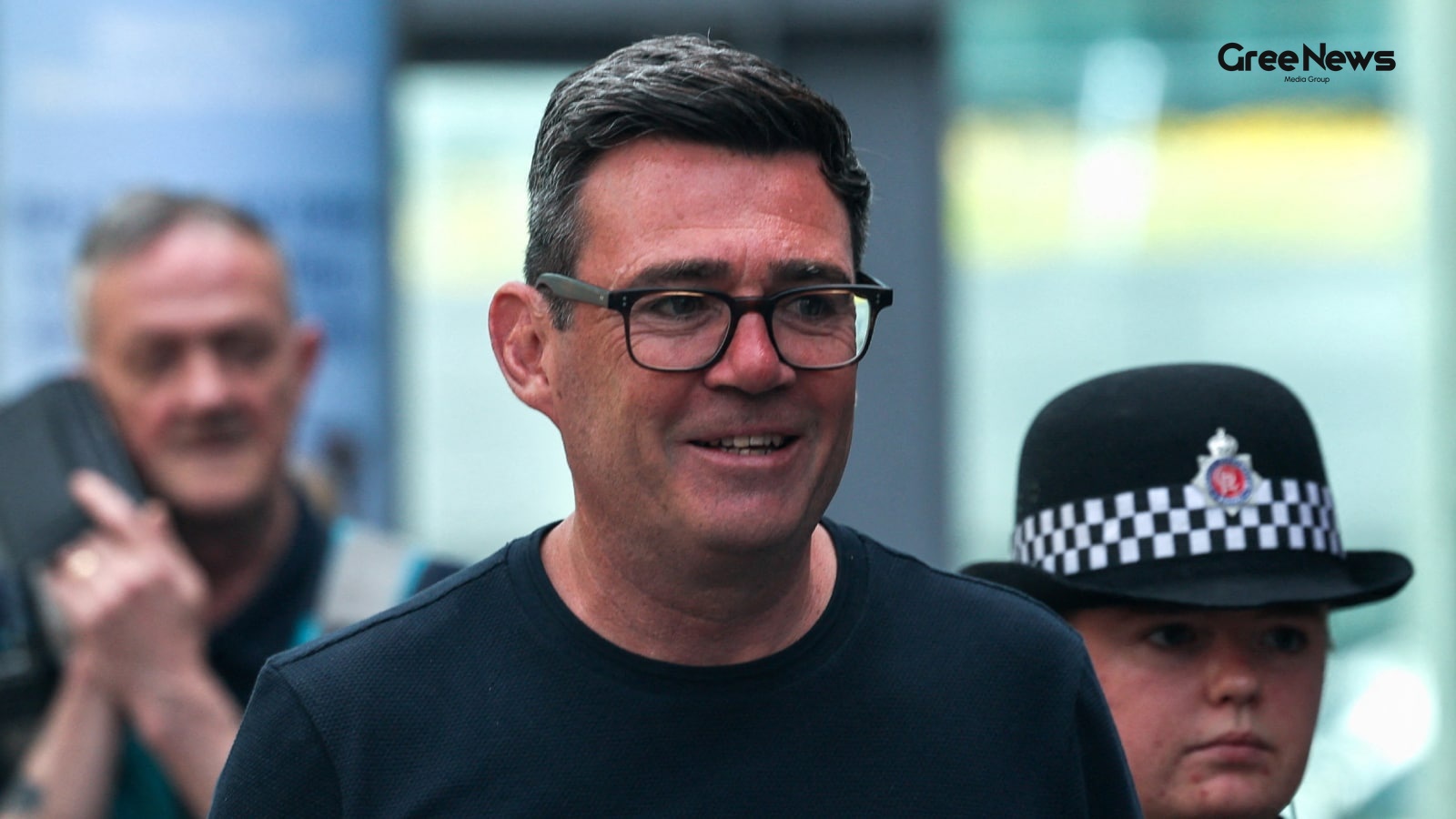
It’s all just moving, isn't it? That feeling of things shifting under the surface. You look at the headlines and you realize there’s a whole mechanism running behind the scenes, one that decides who sits where, who gets to steer the ship when the waters get rough. And right now, Labour it feels like
Jun 24, 2026 by Gree News Team
Iran Nuclear Talks and IAEA Agreement
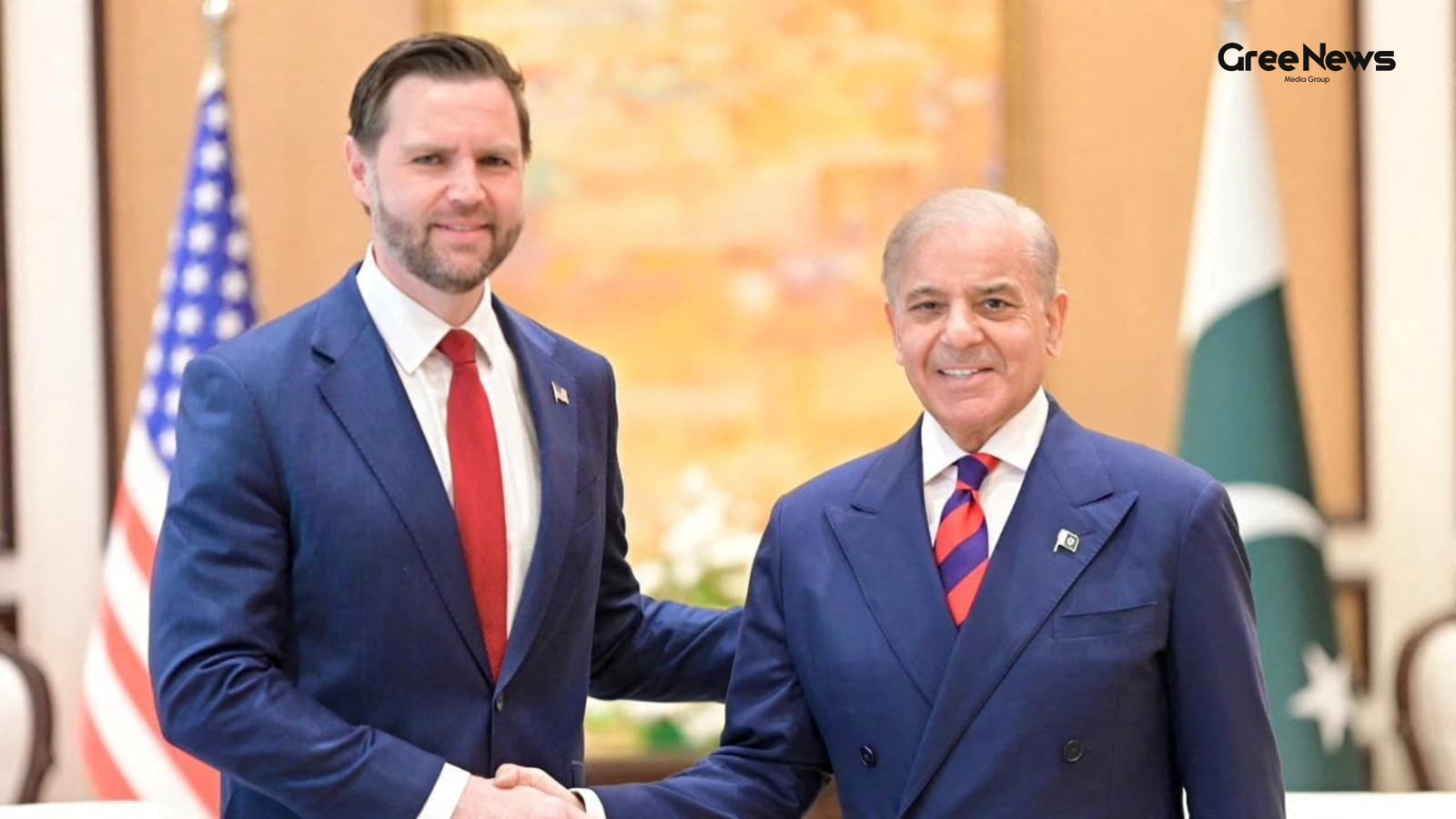
JD Vance said Monday that Iran actually agreed to let the International Atomic Energy Agency inspectors back into the country. It came after eighteen hours of intense talks, held up in Burgenstock, Switzerland. They also managed to sketch out a roadmap for a final deal, something they think is maybe
Jun 23, 2026 by Gree News Team
Kunal Shah Named Global Head for WhatsApp After Leading CRED
Meta just named Kunal Shah, the founder of that fintech firm CRED, as the new global head for WhatsApp. It’s one of those big appointments, you know? An Indian entrepreneur taking a spot at the top of the technology world. Will Cathcart, who’s been running the messaging platform since 2019, made the
Jun 23, 2026 by Gree News Team
Latest Headlines
The Economic and Social Fallout of Brexit
Keir Starmer stepping down, that was the latest bit of political chaos following weeks of real pressure from Labour MPs. It just throws Britain back into that same murky space we’ve been in for a long time. And you can’t ignore how this all circles right back to Brexit. Ten years gone. Ten years sin
Jun 24, 2026 by Gree News Team
The Political Transition: Momentum, Stability, and the Future of Labour
It’s all just moving, isn't it? That feeling of things shifting under the surface. You look at the headlines and you realize there’s a whole mechanism running behind the scenes, one that decides who sits where, who gets to steer the ship when the waters get rough. And right now, Labour it feels like
Jun 24, 2026 by Gree News Team
House of the Dragon Season 3 Premiere Reaction and Analysis
Nearly two years of waiting. House of the Dragon Season 3 finally dropped on June 22, 2026. The first episode hit India at 6:30 AM IST. It started heavy. Right into the deep end of the Dance of the Dragons the Battle of the Gullet. That opening was pure chaos. Blood. Fire. Shattered fleets. And one
Jun 23, 2026 by Gree News Team
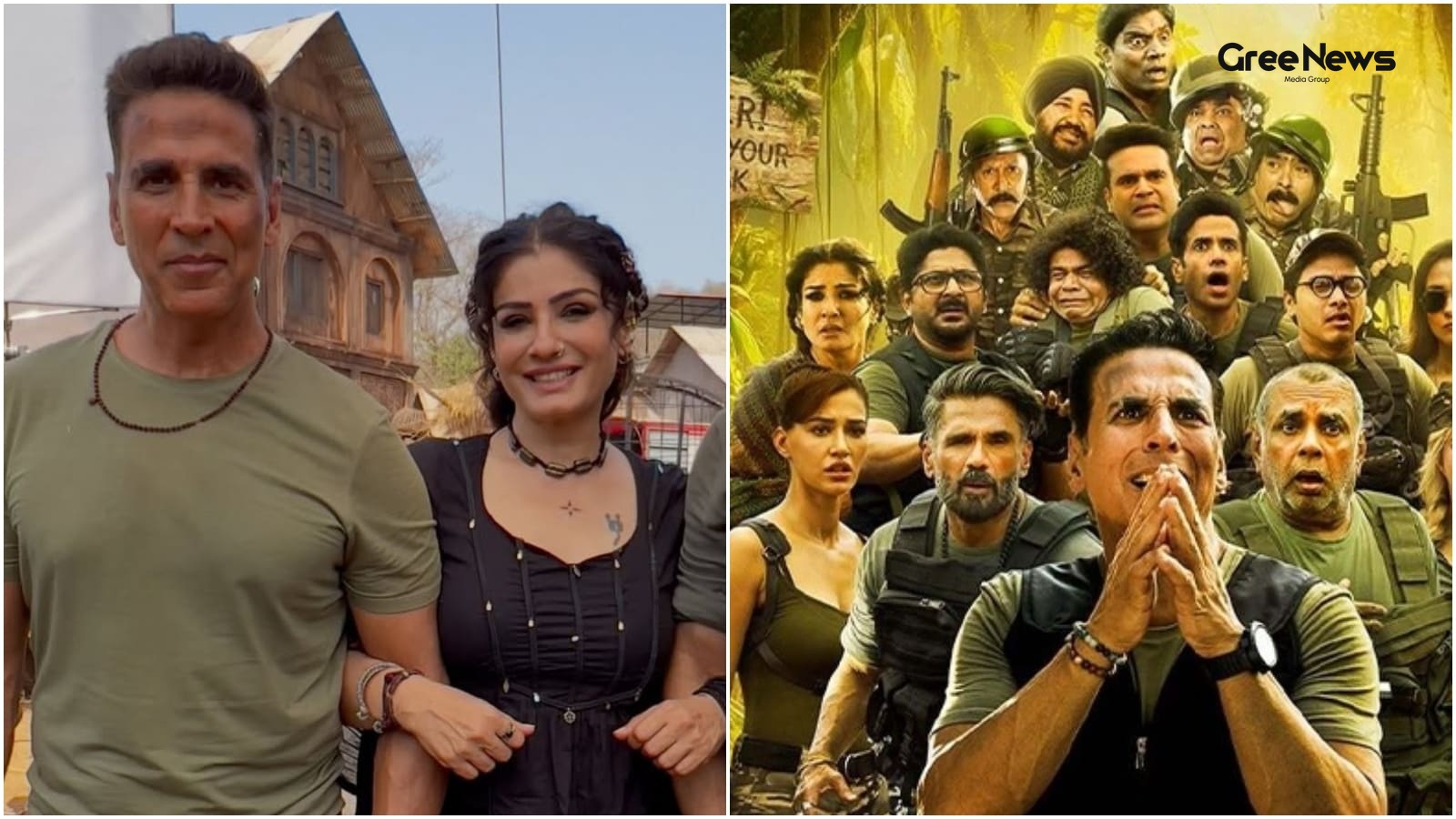
Akshay Kumar and Raveena Tandon: The Friendship Behind Welcome To The Jungle
*Welcome To The Jungle*, starring Akshay Kumar, is finally heading to theaters soon. There’s a lot of noise about it, though. Mostly that reunion. Akshay and Raveena Tandon. After twenty-two years, they’re back on screen for this comedy directed by Ahmed Khan. Ahmed Khan talked about it recently wit
Jun 23, 2026 by Gree News Team
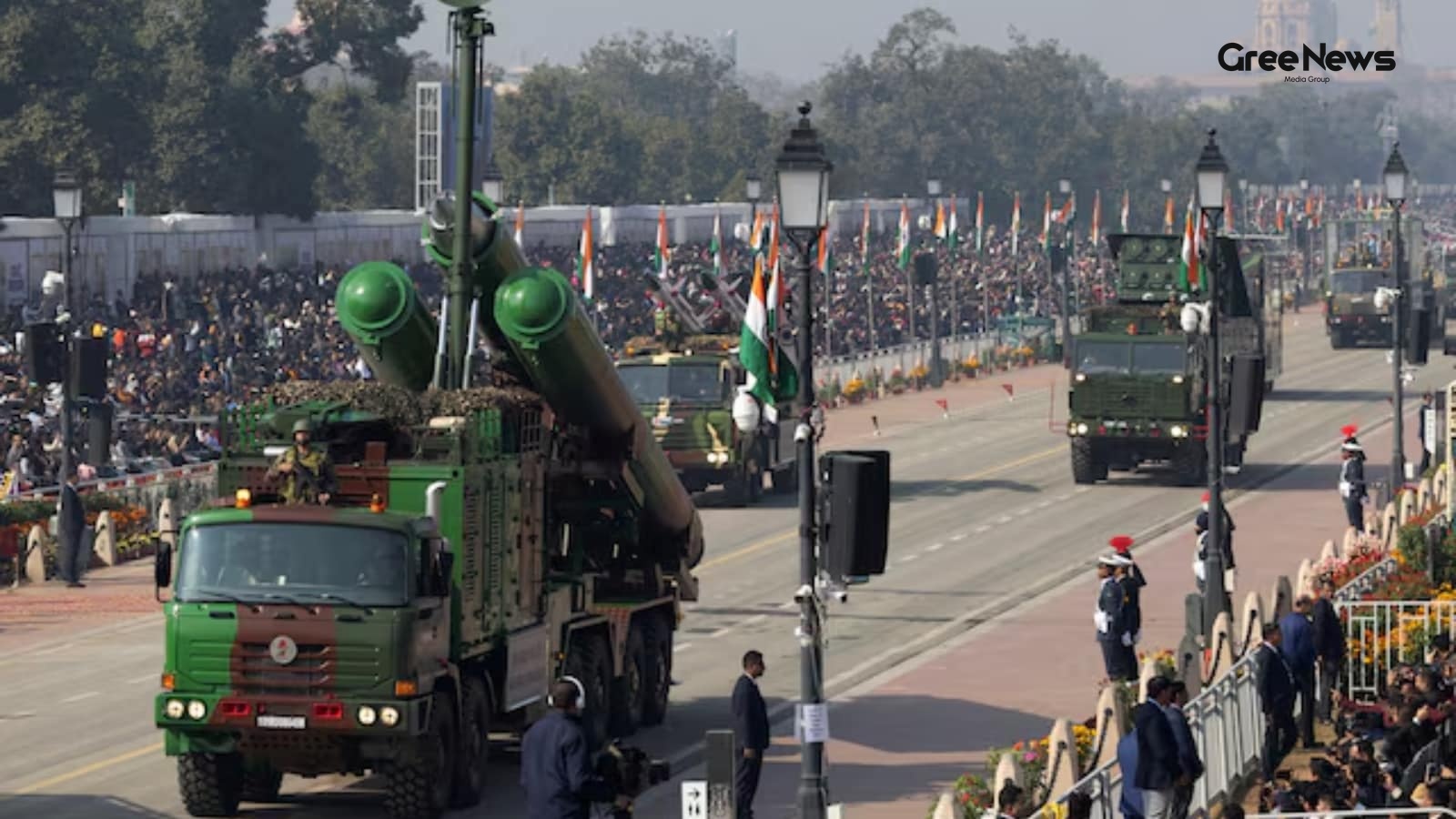
India-UAE Defense Deals and Weapon System Exports
Some chatter is going on between India and the UAE right now about defense deals. Specifically, there are talks happening over exporting some of India's key defense systems. Think stuff like the BrahMos supersonic cruise missile coming up. That’s what Reuters got wind of, based on people who know th
Jun 23, 2026 by Gree News Team
Iran Nuclear Talks and IAEA Agreement
JD Vance said Monday that Iran actually agreed to let the International Atomic Energy Agency inspectors back into the country. It came after eighteen hours of intense talks, held up in Burgenstock, Switzerland. They also managed to sketch out a roadmap for a final deal, something they think is maybe
Jun 23, 2026 by Gree News Team

Enforcement Drive Hits Gurugram: Illegal Constructions and Public Outrage
The enforcement drive hit Gurugram’s DLF Phase-3 hard. It was a major crackdown on illegal constructions and all those unauthorized commercial setups. This wasn't some quiet administrative move; it came straight from the Punjab and Haryana High Court. The Department of Town and Country Planning laun
Jun 23, 2026 by Gree News Team
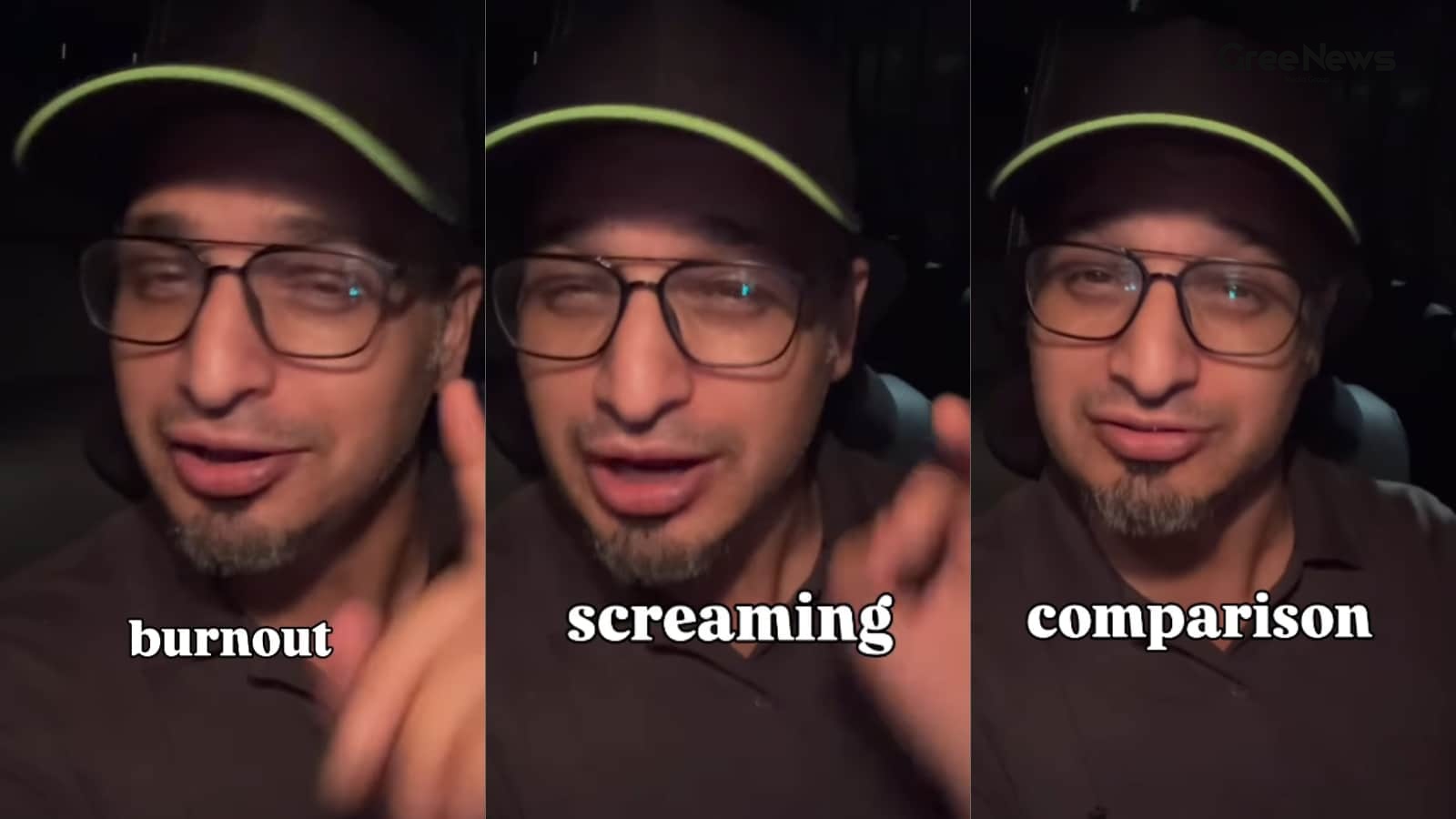
Toxic Workplace Habits: What Needs to Change in the Office
A Mumbai professional recently stirred up a lot of talk about how work actually happens in India. He pointed out some things he thinks have gotten just too normalized in offices across the country. It really hit home for a lot of corporate workers who said, "Yeah, I’ve seen this stuff too." Vijay Ch
Jun 23, 2026 by Gree News Team

Understanding Frozen Shoulders (Adhesive Capsulitis) and Recovery
Frozen shoulders. It’s a quiet thief, really. It doesn't announce itself with a bang, but it slowly creeps in, quietly messing up the everyday stuff. Simple things putting on a shirt, reaching for something on a high shelf, even just lifting a bag they start to hurt. The shoulder joint gets this sti
Jun 23, 2026 by Gree News Team
Kunal Shah Named Global Head for WhatsApp After Leading CRED
Meta just named Kunal Shah, the founder of that fintech firm CRED, as the new global head for WhatsApp. It’s one of those big appointments, you know? An Indian entrepreneur taking a spot at the top of the technology world. Will Cathcart, who’s been running the messaging platform since 2019, made the
Jun 23, 2026 by Gree News Team
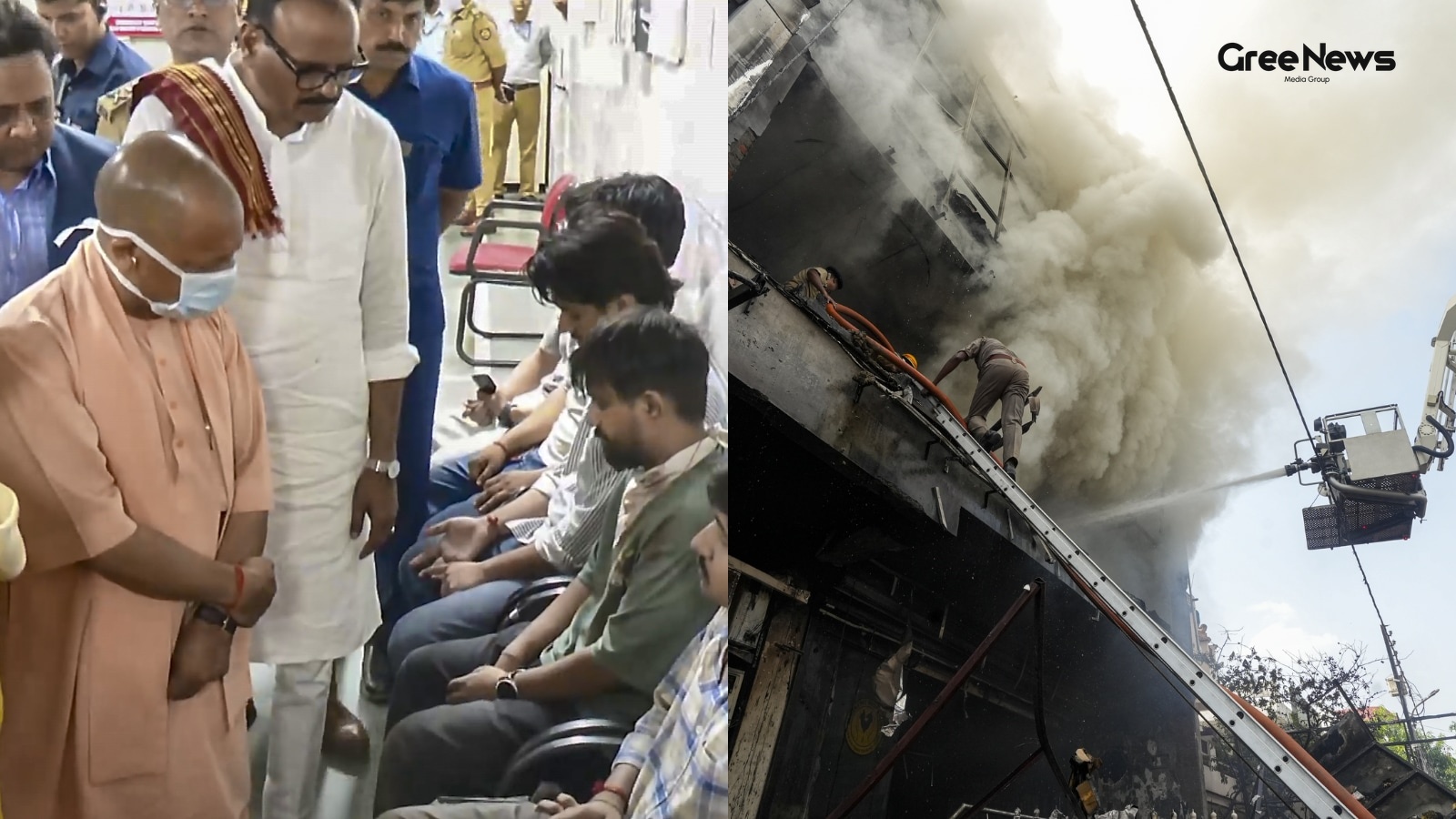
Lucknow Fire Tragedy: CM Reacts, Government Offers Relief
Monday brought a terrible scene in Lucknow. A massive fire tore through a coaching centre, and the cost was horrific at least fifteen lives lost. Chief Minister Yogi Adityanath reacted fast. He announced immediate relief for the victims’ families, handing out an ex gratia of five lakh rupees to the
Jun 23, 2026 by Gree News Team
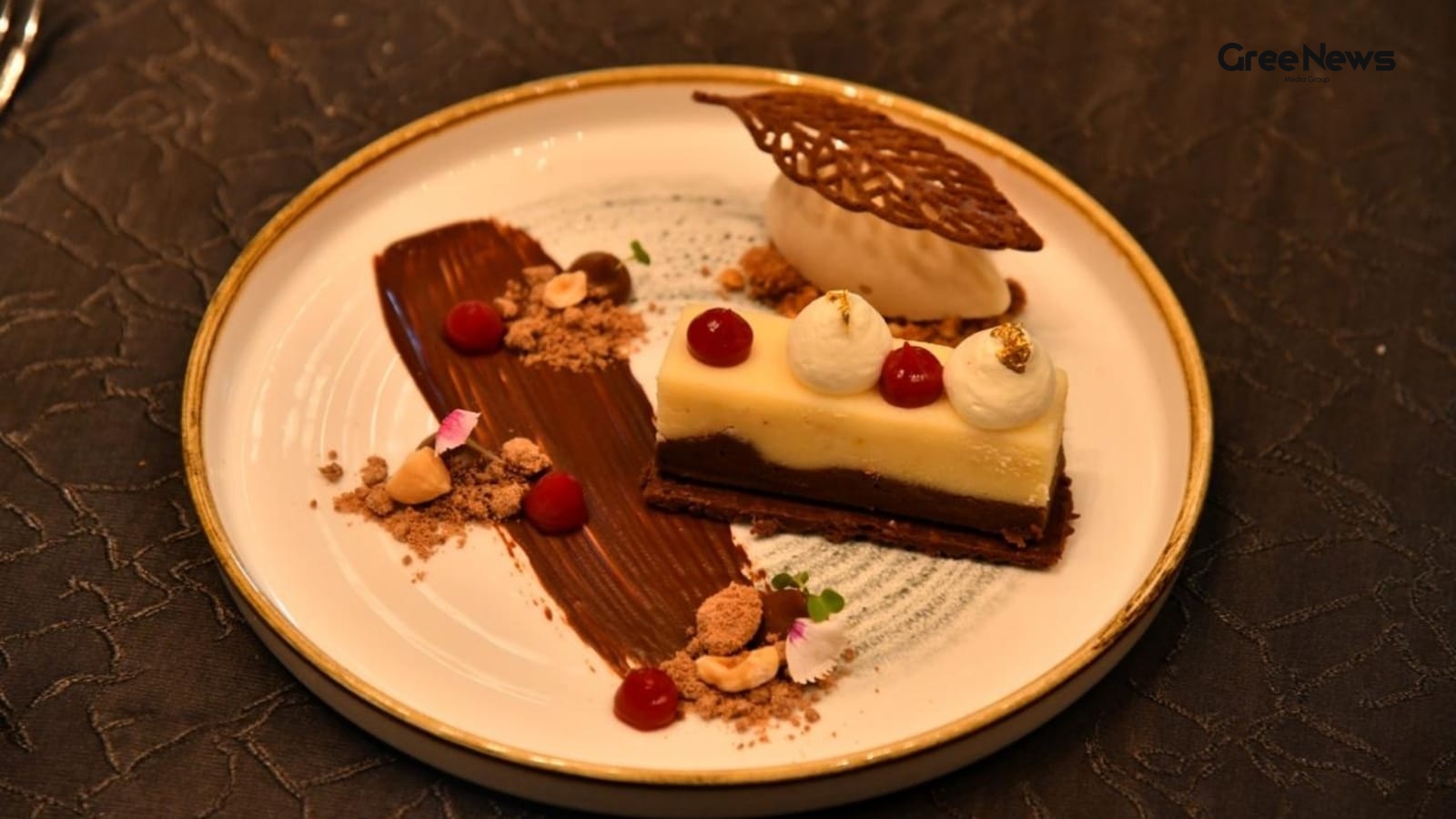
Hazelnut Chikki and Sandesh Fusion Cake Recipe
Desserts. Seriously. They are pure decadence galore. This thing this chikki fudge cake it’s three layers, you know? It’s this wild fusion. You’ve got the sharp, crunchy delight of hazelnut chikki battling against something rich, velvety, all about dark chocolate and milk sandesh. Two totally beloved
Jun 23, 2026 by Gree News Team
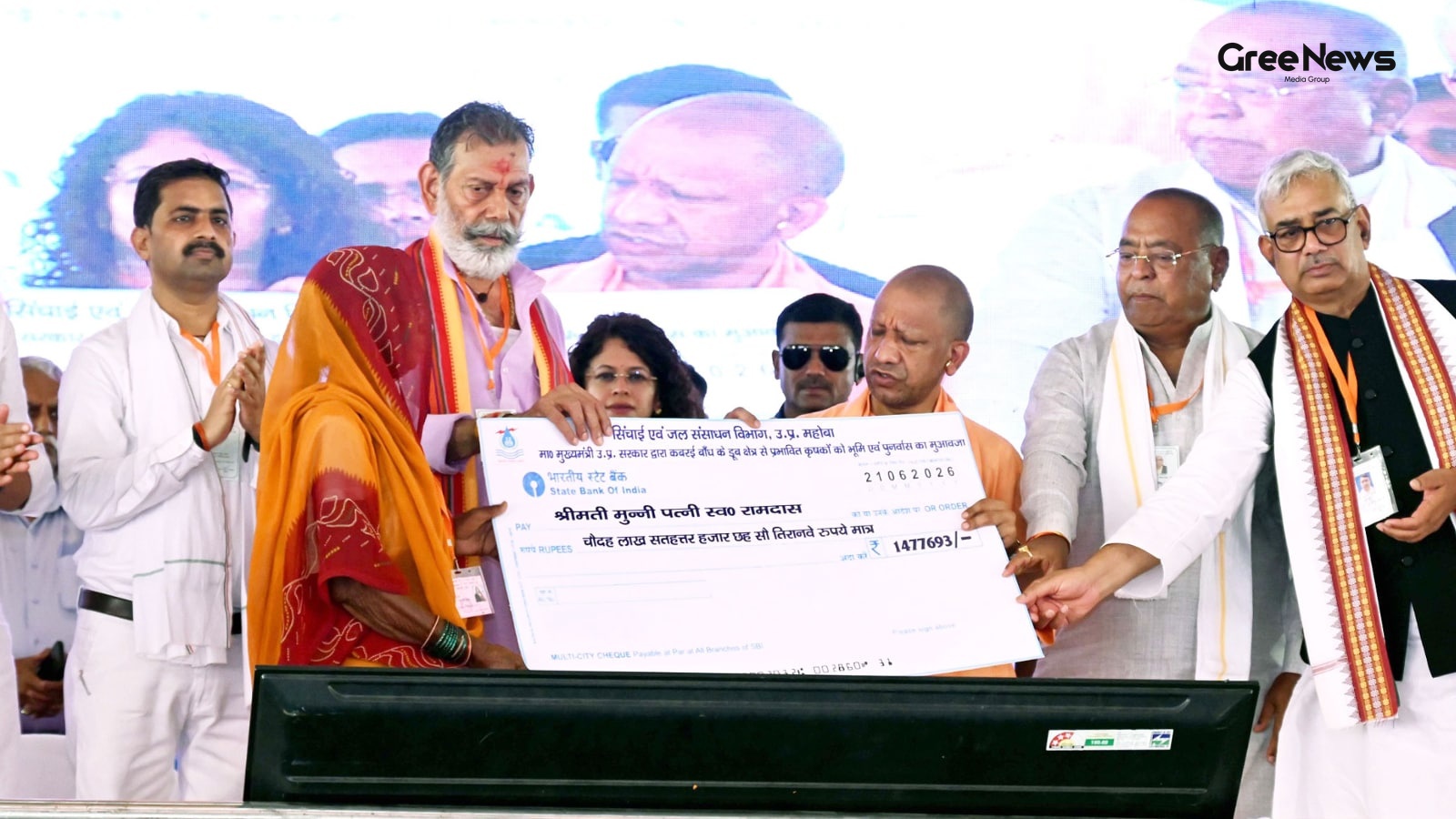
Yogi Adityanath's Development and Vision for Uttar Pradesh
Yogi Adityanath, Chief Minister of Uttar Pradesh, kicked off some big stuff on Sunday in Mahoba. Eight-eight development projects, over six hundred ninety-seven crore rupees worth. It all happened at Modi Gram, during the 12th International Yoga Day. Before getting there though, he was already invol
Jun 23, 2026 by Gree News Team
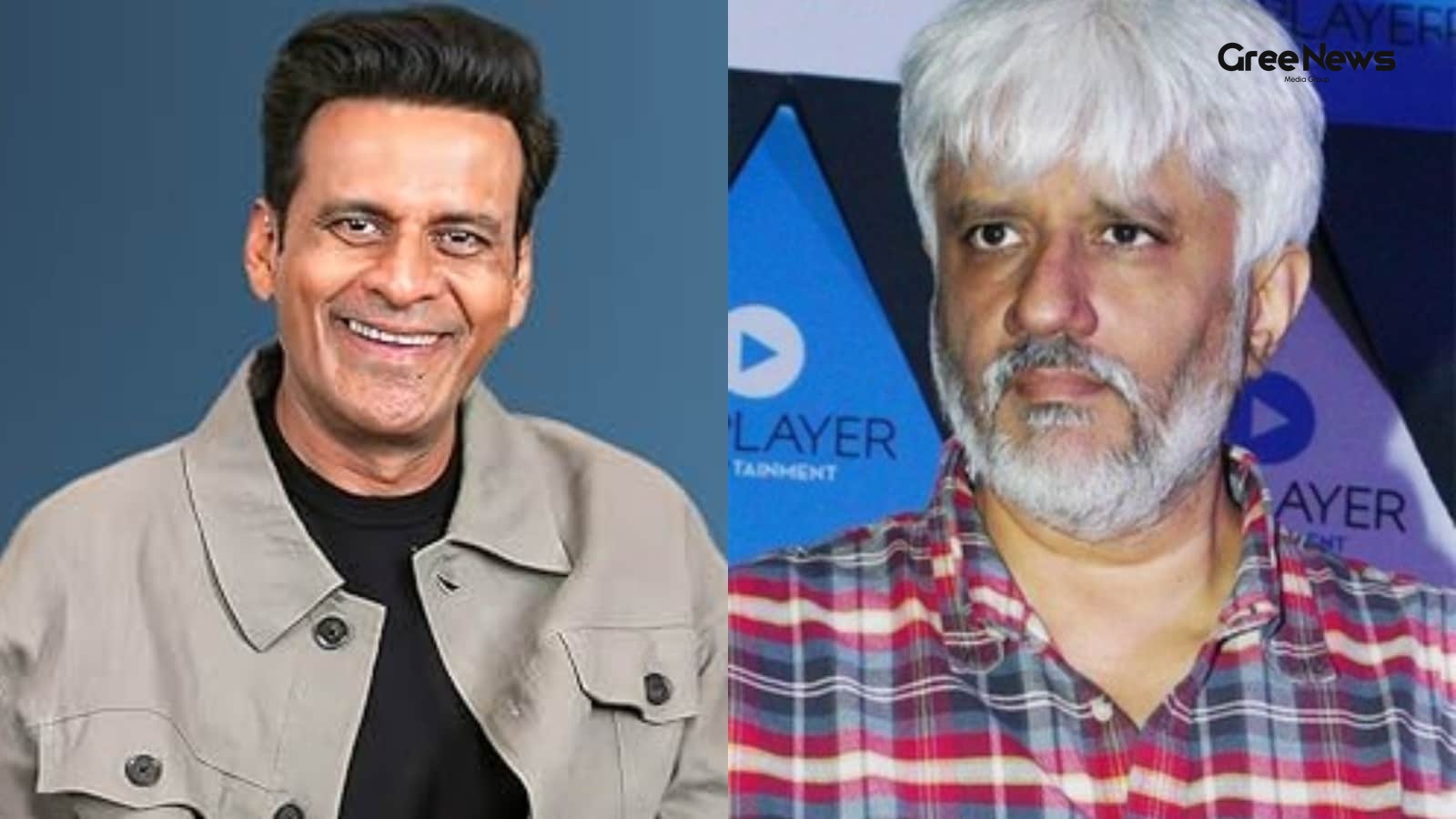
Actor Journeys, Industry Buzz, and Personal Stories
Manoj Bajpayee, you see, he’s one of those actors who just seems to have this massive range in his filmography. But lately, it feels like a shift. He’s been diving deep into independent films now. Not the big commercial blockbusters anymore. He actually opened up about it, saying that his real heart
Jun 23, 2026 by Gree News Team
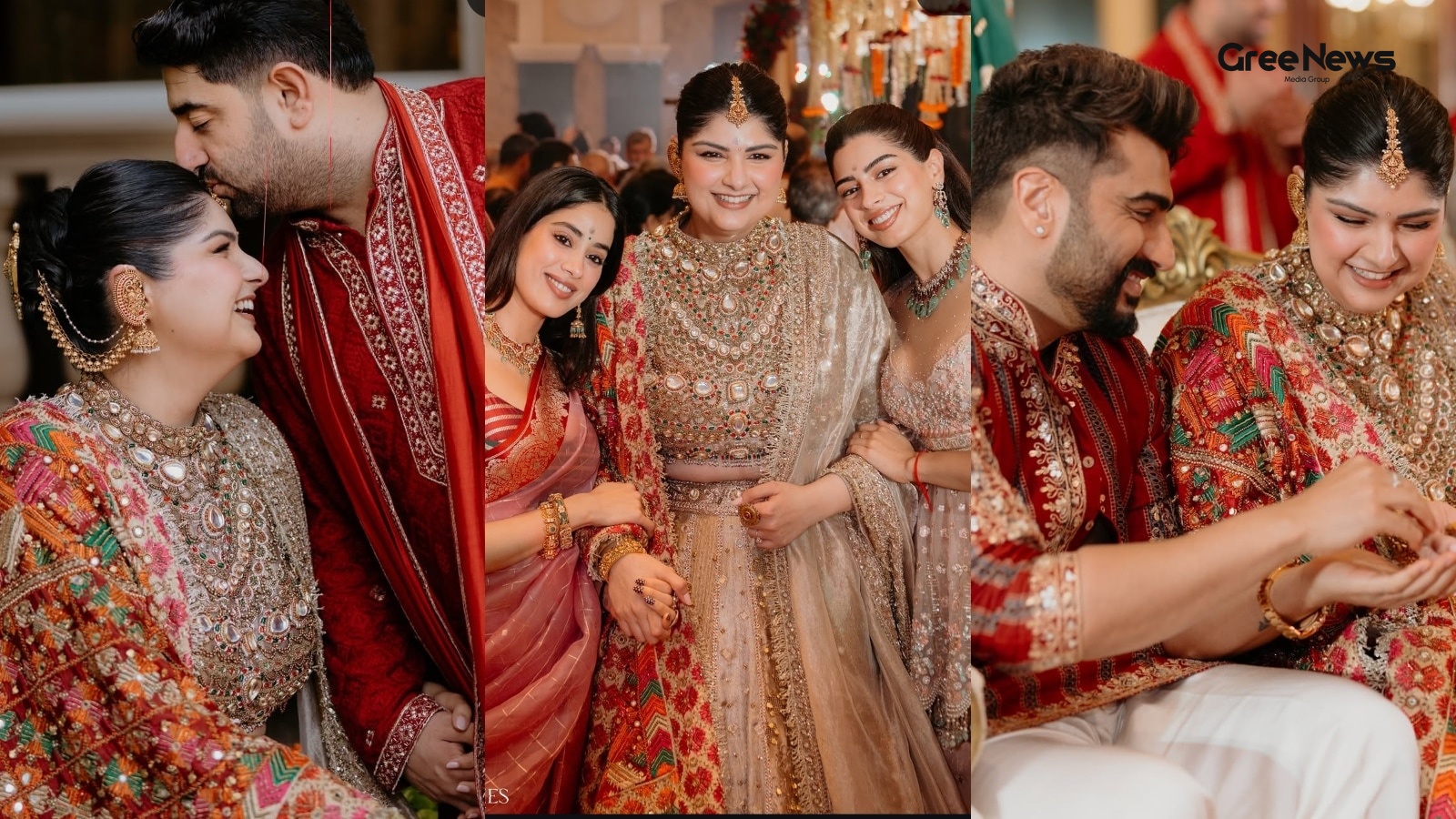
Anshula Kapoor and Rohan Thakkar's Wedding Celebrations and Love Story
Wedding celebrations started for Anshula Kapoor and Rohan Thakkar. The pre-wedding stuff kicked off June 21st. It was an intimate gathering, bringing in family members from the Kapoor side lots of warmth, laughter, rituals happening there. Anshula actually shared some pictures with fans on Instagram
Jun 23, 2026 by Gree News Team